Hodgdon Meadow
Yosemite
California
Date filmed:2024-07-01
Number of sites:105
GPS:37.8001768, -119.8669552
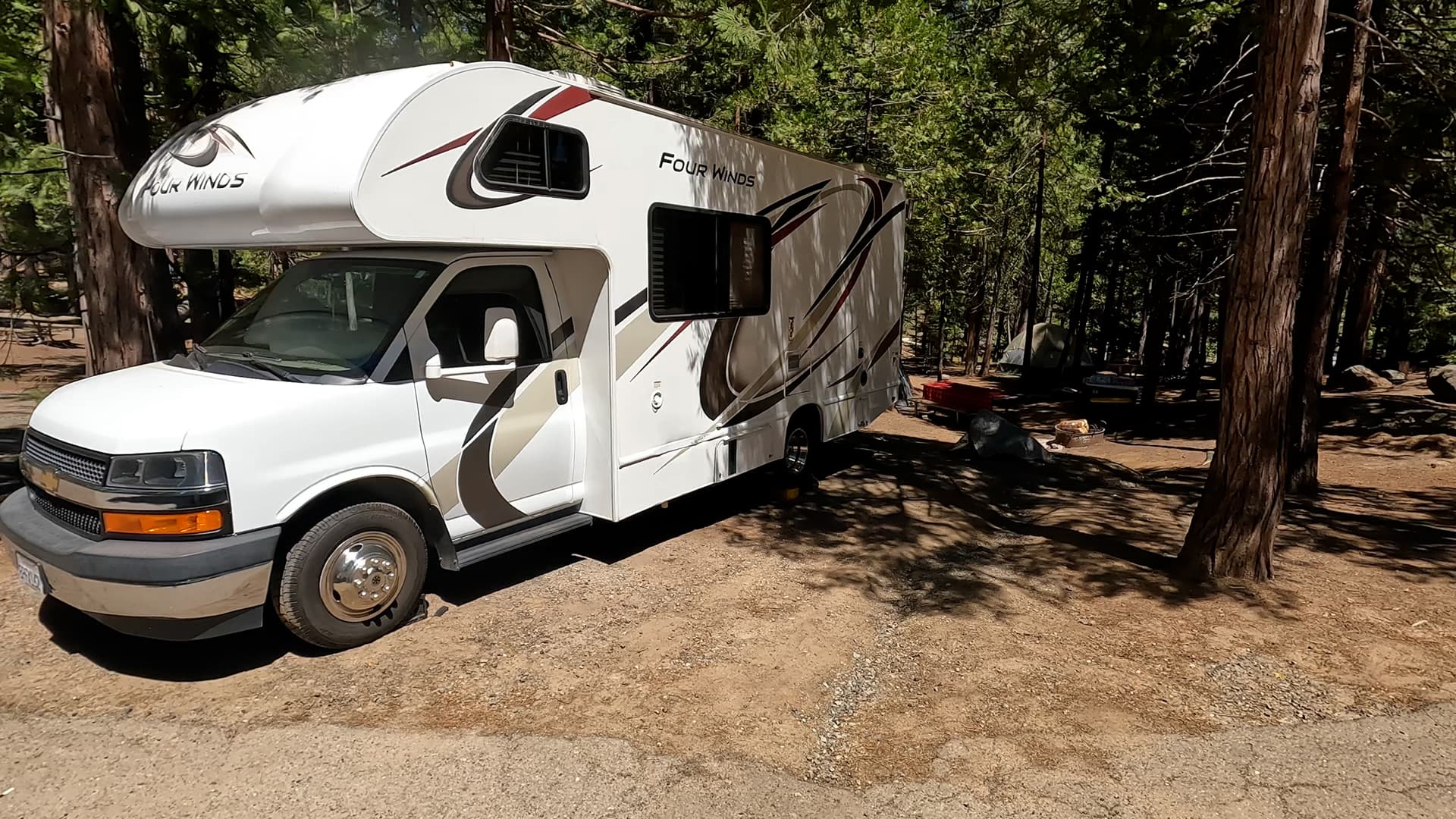
Max vehicle length:40 Feet
Check in:12:00 pm
Check out:12:00 pm
Quiet hours:10:00 pm - 6:00 am

Amenities and Activities

Amenities
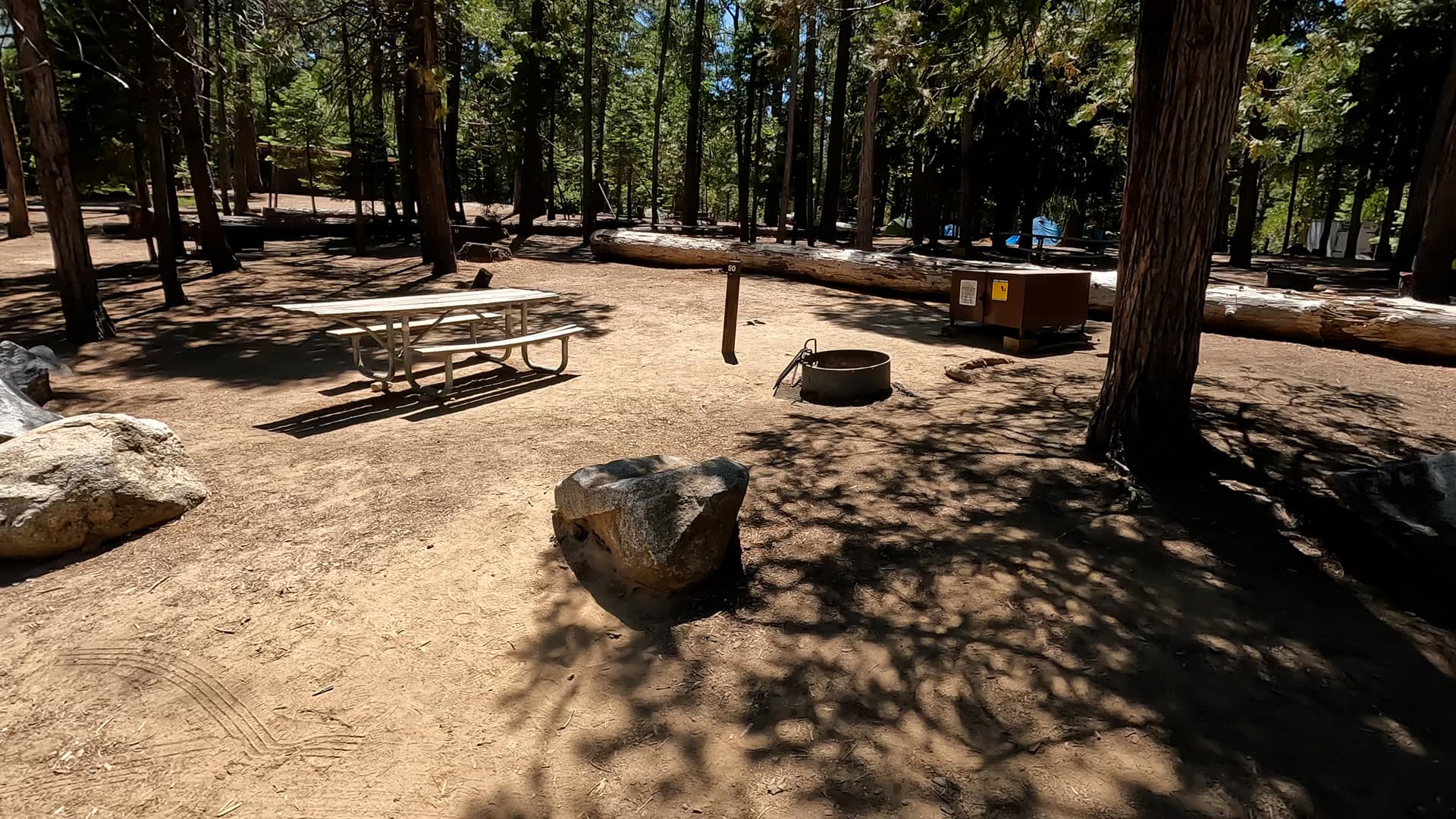
Fire Ring
Picnic Table
RVs
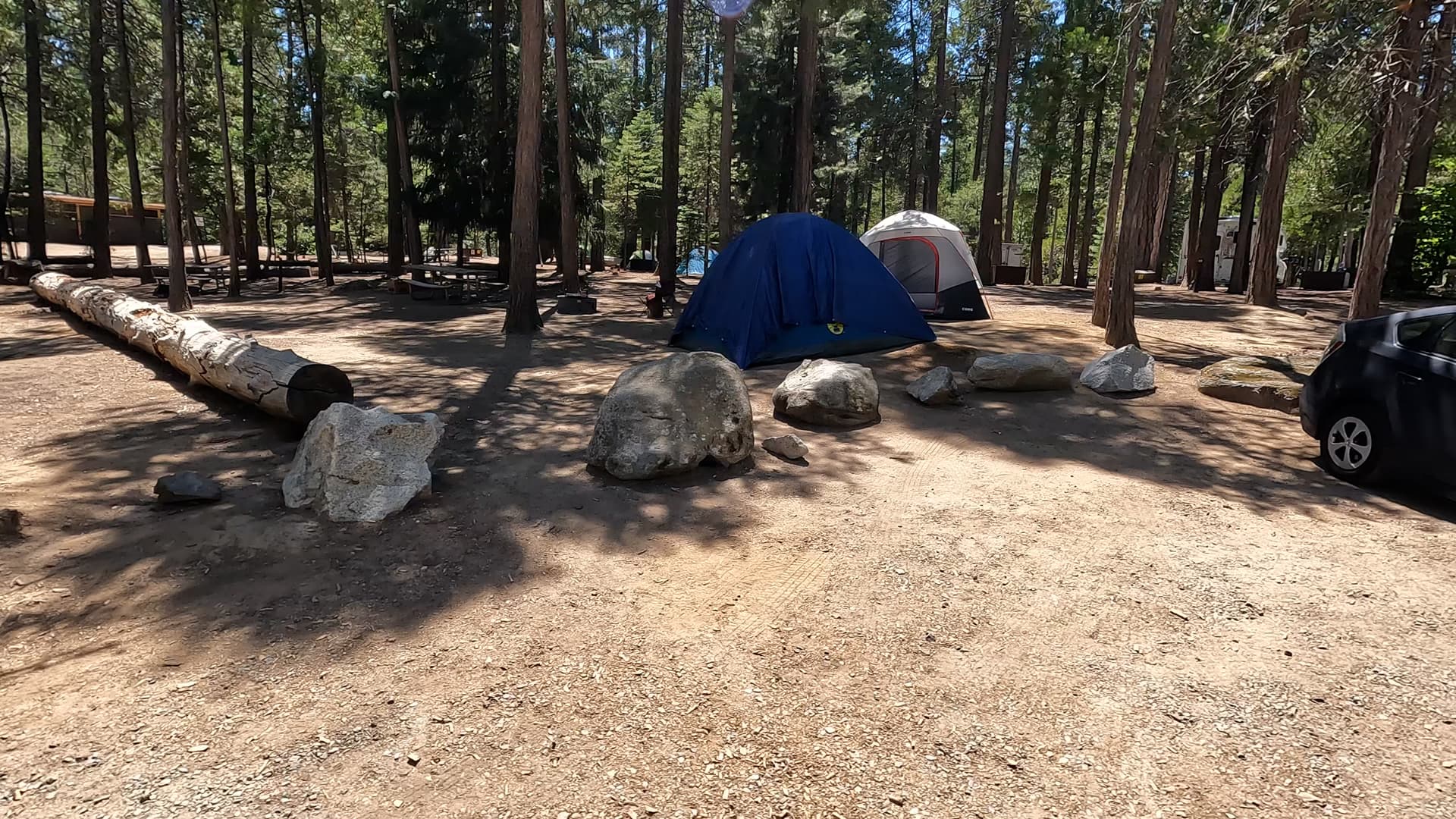
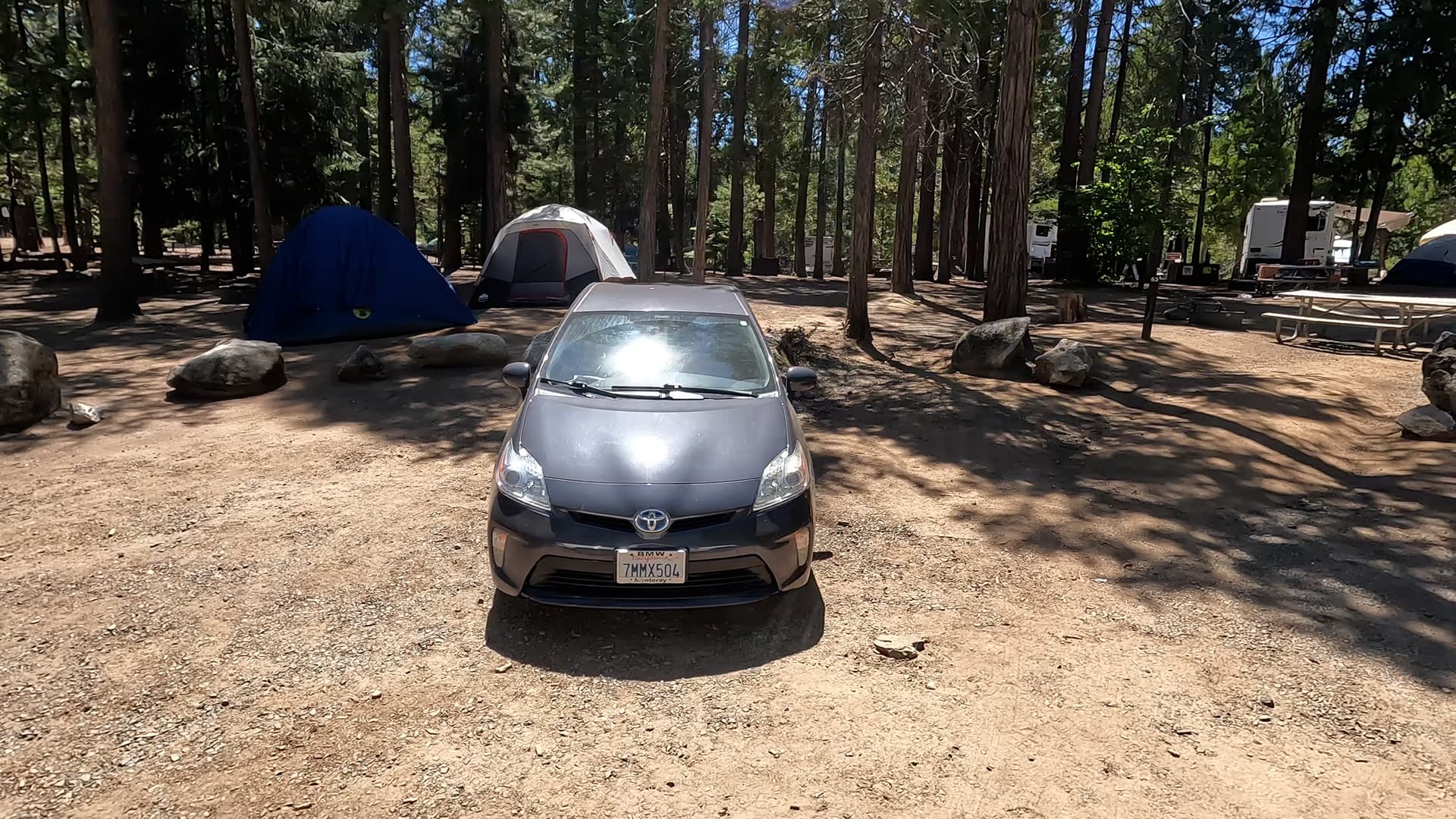
Tents
Flushing Toilets
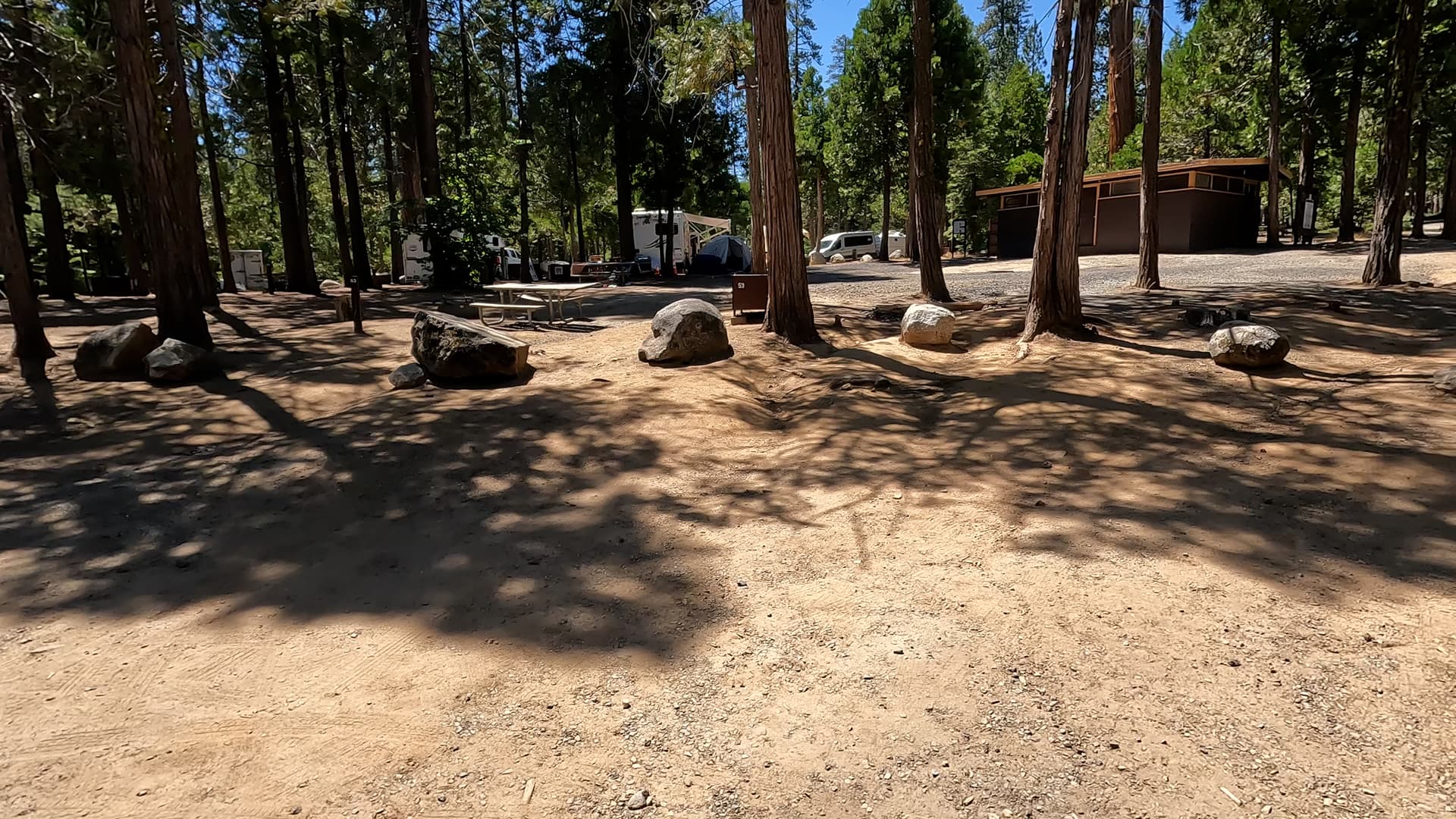
Shade
Activities
Scenic Driving
Wildlife Viewing
Photography

Things to Do

Hetch Hetchy - A Man Made Wonder

Hiking Hetch Hetchy Trail at Yosemite

Featured: Crane Flat, Deer Creek, Forks, Hodgdon Meadow, Kelty Meadow, Lower Pines, Lupine, North Pines, Rancheria, Spring Cove, Upper Pines, Wawona

Located within Yosemite National Park is a separate valley that allows visitors to experience the splendor of the park with a fraction of the crowds. Hetch Hetchy is a gorgeous reservoir with hiking trails, waterfalls, and lots of history. Tucked away within Yosemite National Park is a hidden gem that one seeking to avoid crowds has to check out. While not as large and missing the well-known features of Half Dome, El Capitan, or the awe-inspiring waterfalls, Hetch Hetchy valley still has some absolutely stunning views and features its own waterfalls. This area is perfect for those wanting to stretch their legs a bit and hike around the reservoir. At one point in time, the Hetch Hetchy Valley was filled with tall grasses, flowers and rivaled the majesty currently found within Yosemite Valley as both were carved out by the same glacial weathering. Naturalist and environmentalist, John Muir, fell in love with the valley and fought to protect and maintain it how it was from the opposition who wanted to dam the area in order to provide water to San Francisco. Unfortunately, the tremendous damage by fires that San Francisco endured during the 1906 earthquake made the case for needing an additional source of water, and in 1923 the O’Shaughnessy Dam was completed. The valley filled with water and what was left was a clean source of water for San Francisco and a beautiful area for visitors to Yosemite to hike around. Despite the changes created to the valley by a manmade structure, Hetch Hetch still provides plenty of wow factor for visitors, especially to those looking for solitude or a quiet moment. There are a number of trails for day hikers to take including the very popular hike to Wapama Falls. This 5-mile round trip, out-and-back moderately rated trail takes hikers through a tunnel bored into the mountain and around the reservoir to Wapama Falls. Depending on the time of year and water flow, spray from the falls can cover the bridge so take care when visiting the area during these times. To get to Hetch Hetchy Valley from the east, visitors will enter Yosemite National Park, exit, and enter through the Hetch Hetchy Entrance gate. From the west, visitors will and follow CA Highway 120 to Evergreen/Hetch Hetchy Rd and enter through the Hetch Hetchy entrance. It is roughly 30 minutes to the Hetch Hetchy parking lot from CA Hwy 120.

Experience Yosemite’s beauty from the valley floor to Glacier Point. Stop at iconic spots like El Capitan, Bridalveil Fall, and Tunnel View before ascending to breathtaking panoramas overlooking Half Dome and the vast wilderness beyond. Yosemite National Park is a place of awe-inspiring beauty, and no visit is complete without experiencing both the valley floor and the breathtaking views from above. Driving through the valley, you’re surrounded by towering granite cliffs, lush meadows, and roaring waterfalls. Stops at iconic locations like El Capitan, Bridalveil Fall, and Sentinel Meadow offer different perspectives of the park’s grandeur. Tunnel View, one of Yosemite’s most famous overlooks, provides a classic postcard-worthy scene of El Capitan, Half Dome, and Bridalveil Fall all in one stunning panorama. As you ascend toward Glacier Point, the scenery transforms. The winding road climbs high above the valley, revealing sweeping vistas of Yosemite’s dramatic landscape. At the summit, Glacier Point offers one of the most spectacular viewpoints in the park, with a commanding view of Half Dome, Vernal and Nevada Falls, and the vast wilderness stretching into the distance. From this vantage point, you gain a whole new appreciation for the scale and majesty of Yosemite. Whether exploring the valley’s tranquil meadows and towering cliffs or gazing down from the heights of Glacier Point, this journey showcases Yosemite’s incredible diversity. The contrast between the intimate, immersive experience of the valley floor and the sweeping, bird’s-eye perspective from above makes for an unforgettable adventure.

Bizarre Geologic Wonders of the Eastern Sierra

Devil’s Postpile, Mono Lake & Crowley Columns

Featured: Cedar Bluff, Hodgdon Meadow, Lone Pine, Lower Pines, North Pines, Upper Pines

Explore California’s Eastern Sierra like never before! Discover how lava, ancient chemistry, and volcanic ash shaped three of the most bizarre natural wonders you’ll ever see. Science, beauty, and strangeness collide—watch now! The Eastern Sierra hides some of California’s strangest and most beautiful geologic formations. Join us as we explore three mind-bending sites: Devil’s Postpile’s hexagonal lava columns, Mono Lake’s surreal tufa towers, and the mysterious ash-carved columns of Crowley Lake. With science-based explanations from the USGS and National Park Service, this video unpacks how these otherworldly features formed—and why they look so unreal. Whether you're a geology enthusiast or simply love exploring hidden gems, this video will inspire your next trip along Highway 395.

The Grand Pappy of all Ghost Towns

Bodie, California - A Window to the Old West

Featured: Hodgdon Meadow, Lower Pines, North Pines, Upper Pines, Wawona

Bodie, a once-thriving gold town, now stands in eerie arrest. The Boone Store, Miner’s Union Hall, and old bank vault remain as echoes of its past, preserving the ghostly spirit of California’s Wild West. Bodie, California, is one of the best-preserved ghost towns of the Wild West, frozen in a state of "arrested decay." Once a booming gold mining town in the late 1800s, it was home to thousands seeking fortune. At its peak, Bodie had saloons, hotels, a bank, and even its own Chinatown. However, as the gold dwindled, so did the population, and by the 1940s, Bodie was abandoned, left to the elements and time. Many buildings still stand as haunting reminders of the town’s past. The Boone Store and Warehouse, once a general store supplying miners with everything from food to dynamite, still has shelves lined with old goods. The Miner’s Union Hall, once a gathering place for workers, later became a community center and now serves as a museum preserving Bodie’s history. The Bodie Bank, once a symbol of prosperity, was destroyed by fire in 1932, leaving behind only a lonely brick vault—one of the last traces of the town’s former financial hub. Despite decades of abandonment, Bodie remains remarkably intact, its dusty streets and decaying wooden buildings offering a rare glimpse into the past. Now protected as a state historic park, it stands as a testament to the rise and fall of the gold rush era, inviting visitors to step back in time and explore one of the West’s most famous ghost towns.

Remnants of Pioneer Mining

Ghost Towns of Masonic and Chemung

Featured: Hodgdon Meadow, Lower Billy Creek, Upper Pines, Wawona

Chemung and Masonic, two forgotten Sierra Nevada mining towns, once thrived on gold dreams. Chemung struggled with financial troubles, while Masonic saw success before fading. Today, their ruins tell stories of determination, hardship, and abandonment. Tucked away in the rugged hills of the Sierra Nevada, Chemung and Masonic stand as relics of California’s gold mining past. Chemung, founded in 1909, was built around a mine that never quite lived up to its promise. Despite early excitement and steady gold production, constant legal battles and financial troubles plagued its operations. By the 1930s, it was abandoned, leaving behind rusting mill equipment and collapsing wooden structures that still cling to the remote landscape today. Just a few miles away, Masonic had a more successful run. Established in 1902 by Freemasons, the town grew around the Pittsburg-Liberty Mine, which produced gold well into the 1920s. Unlike many mining camps, Masonic had a strong sense of community, with three separate sections built into the canyon—Upper, Middle, and Lower Town. As gold production slowed, Masonic was gradually deserted, and today, only scattered ruins remain. Both towns, now quiet and forgotten, offer a glimpse into the determination and hardships of those who once sought fortune in these remote Sierra Nevada hills.

Dunderburg Mill Offroad Route

A Dirt Road Drive in the Eastern Sierra

Featured: Hodgdon Meadow, Lower Billy Creek, North Pines, Upper Pines, Wawona

The Dunderberg Mill off-road route winds through alpine forests, mining ruins, and rugged terrain. Offering stunning Sierra views, rich history, and seasonal beauty, it’s a rewarding adventure for high-clearance vehicles and history enthusiasts alike. The Dunderberg Mill off-road route winds through the rugged beauty of the Eastern Sierra, offering a thrilling mix of alpine scenery, historic remnants, and challenging terrain. This route takes travelers into the high country near Virginia Lakes, weaving through dense forests of pine and aspen before revealing expansive views of the Sierra Nevada. Along the way, remnants of the region’s rich mining past come into view, including the Dunderberg Mill, an old stamp mill that once processed ore from nearby mines. The route provides an excellent opportunity to explore both natural and historical elements, with ghostly ruins standing as a reminder of the mining booms that once brought fortune-seekers to these remote mountains. The off-road trail varies in difficulty, with sections featuring rocky inclines and occasional stream crossings, making it an adventure best suited for high-clearance, four-wheel-drive vehicles. Those who make the trek are rewarded with breathtaking vistas of alpine meadows, towering peaks, and glimpses of wildlife that thrive in this high-altitude environment. The area is especially stunning in the fall when the aspens turn brilliant shades of gold, adding a dramatic backdrop to the rugged mining relics. Whether visiting for the history, the off-road challenge, or the stunning scenery, the Dunderberg Mill route offers a rewarding glimpse into the Sierra’s wild and storied past.

Journey from Whitney Portal to Yosemite National Park, exploring the Manzanar National Historic Site, the surreal Crowley Columns, and the serene Tuolumne Meadows. This ride blends history, unique geology, and breathtaking Sierra Nevada scenery. Embark on an unforgettable journey from Whitney Portal to Yosemite National Park, a route that weaves together breathtaking scenery, fascinating history, and unique geological wonders. Nestled at the base of Mount Whitney, Whitney Portal is the perfect starting point, offering dramatic views of the Sierra Nevada and serving as a gateway to adventures in California's high country. A short drive north brings you to the Manzanar National Historic Site, where you can explore the somber history of one of ten internment camps that housed Japanese Americans during World War II. The visitor center provides exhibits and personal stories, while reconstructed barracks and gardens offer a glimpse into the lives of those who endured this chapter of American history. Continuing north, a stop at the Crowley Columns is a must. These rare volcanic formations, carved into towering pillars, showcase the power of geological forces over thousands of years. The columns are tucked away near Crowley Lake, and the short hike to view them reveals their intricate patterns, making them a photographer’s dream. As you approach Yosemite, the serene Tuolumne Meadows welcomes you with its open expanse of alpine beauty. Surrounded by granite peaks and meandering streams, this subalpine meadow is a peaceful contrast to the towering cliffs of Yosemite Valley. Here, you can explore trails, relax by the Tuolumne River, or simply soak in the tranquility of this pristine landscape. This ride from Whitney Portal to Yosemite is not just a drive but an exploration of California’s rich tapestry of history, geology, and natural beauty, offering memorable stops along the way.

Explore Yosemite's surroundings with side stops like Mono Lake's mesmerizing tufa towers, the ghost town of Bodie frozen in time, and the scenic Hetch Hetchy Valley, showcasing a reservoir amid stunning granite cliffs. Mono Lake is a majestic saline lake located in California. It is renowned for its otherworldly tufa towers, formed by the interaction of freshwater springs and alkaline lake water. The lake is a critical habitat for millions of migratory birds, such as eared grebes and California gulls. Despite facing ecological challenges, including water diversions, Mono Lake has become a symbol of environmental conservation and restoration efforts. Bodie is a well-preserved ghost town in the Bodie Hills east of the Sierra Nevada mountain range. This once-thriving gold-mining town is now a state historic park, offering visitors a glimpse into the California Gold Rush era. Its abandoned buildings, including the Standard Mill and Boone Store, stand as a testament to the town's former prosperity. Bodie provides a fascinating opportunity to explore the remnants of a bygone era and experience the essence of the Old West. Hetch Hetchy Valley, located in Yosemite National Park, was once a breathtaking glacial valley, comparable to the renowned Yosemite Valley. However, it was dammed in the early 20th century to provide water and hydroelectric power to the city of San Francisco. The damming of Hetch Hetchy remains a topic of controversy, as it led to the submersion of a stunning natural landscape. Despite this, the valley still offers striking beauty and serves as a reminder of the delicate balance between human needs and environmental preservation.

A Morning in Mammoth, California

Magical Morning Moments

Featured: Cedar Bluff, Chilkoot, Forks, Hodgdon Meadow, Lower Pines, Upper Pines, Wishon Point

Discover nature's wonders at Devil's Postpile, explore Mammoth Lakes' outdoor treasures, and savor the charm of Schatz Bakery – a perfect trifecta for an unforgettable adventure! The Devil's Postpile National Monument is a unique geological formation located near Mammoth Lakes, California. The monument showcases a striking display of basalt columns that were formed around 100,000 years ago when a lava flow cooled and contracted, creating hexagonal columns. The result is a breathtaking formation resembling a gigantic pipe organ. The area is renowned for its natural beauty and offers visitors the chance to explore not only the Postpile but also the scenic Rainbow Falls and the surrounding pristine wilderness. Mammoth Lakes, situated in the Eastern Sierra region of California, serves as the gateway to numerous outdoor adventures. Known for its stunning alpine scenery, Mammoth Lakes attracts visitors year-round. Winter enthusiasts flock to the area for world-class skiing and snowboarding, while warmer months offer opportunities for hiking, fishing, and mountain biking. The town itself is a charming mountain community with a range of amenities, from cozy cabins to upscale dining, making it a popular destination for those seeking both outdoor recreation and a peaceful mountain retreat. In the heart of Mammoth Lakes, Schat's Bakery is a local institution that has been delighting residents and visitors alike since 1903. Known for its artisanal bread, pastries, and sandwiches, Schat's Bakery has become a beloved gathering spot. The aroma of freshly baked goods wafts through the air as patrons enjoy a cup of coffee and indulge in a variety of delicious treats. The bakery's commitment to quality and tradition has made it a cherished part of the Mammoth Lakes experience, providing a taste of comfort and community amidst the stunning natural surroundings.

Campground Overview

Hodgdon Meadow Campground – Yosemite National Park, California

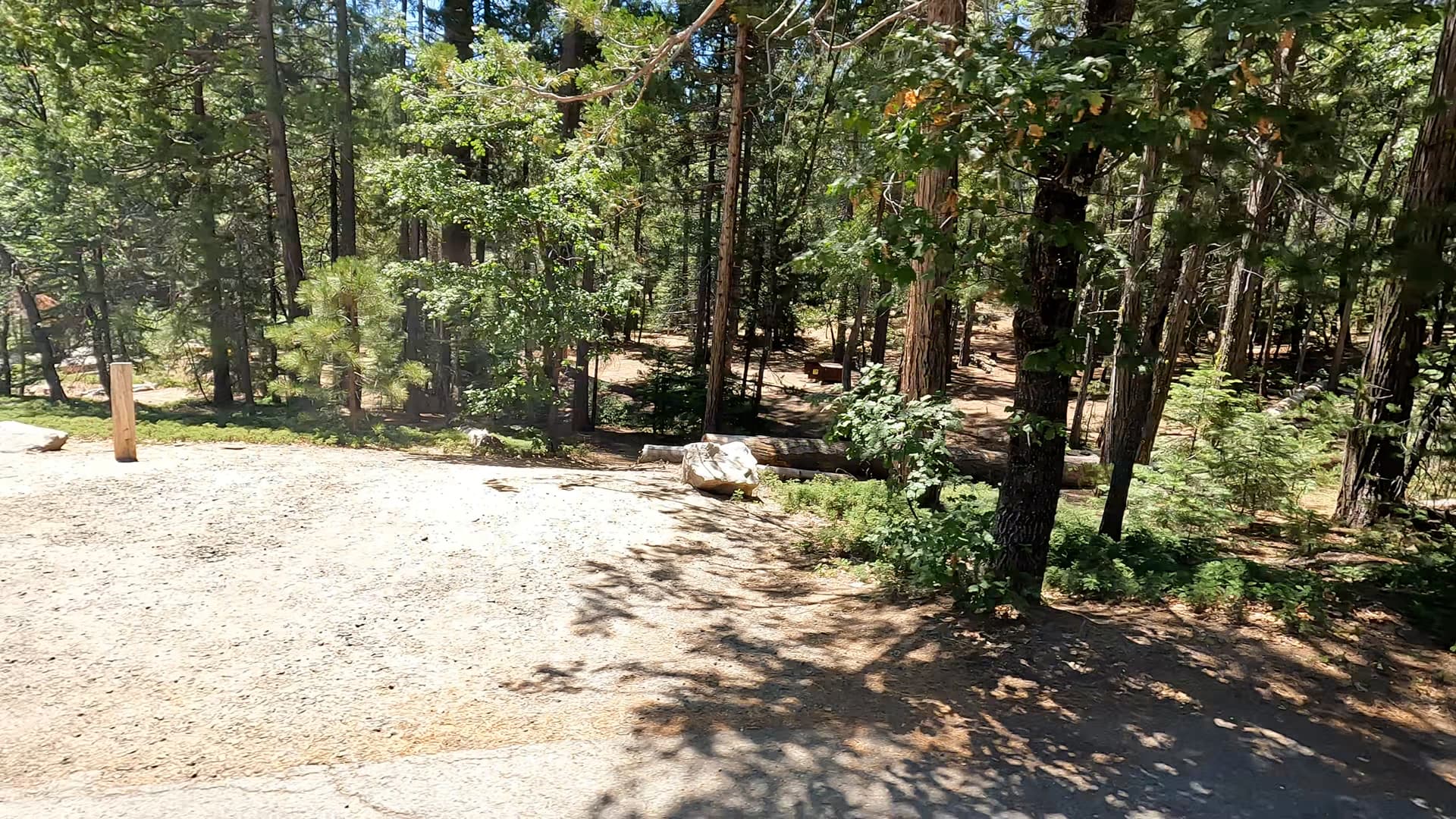
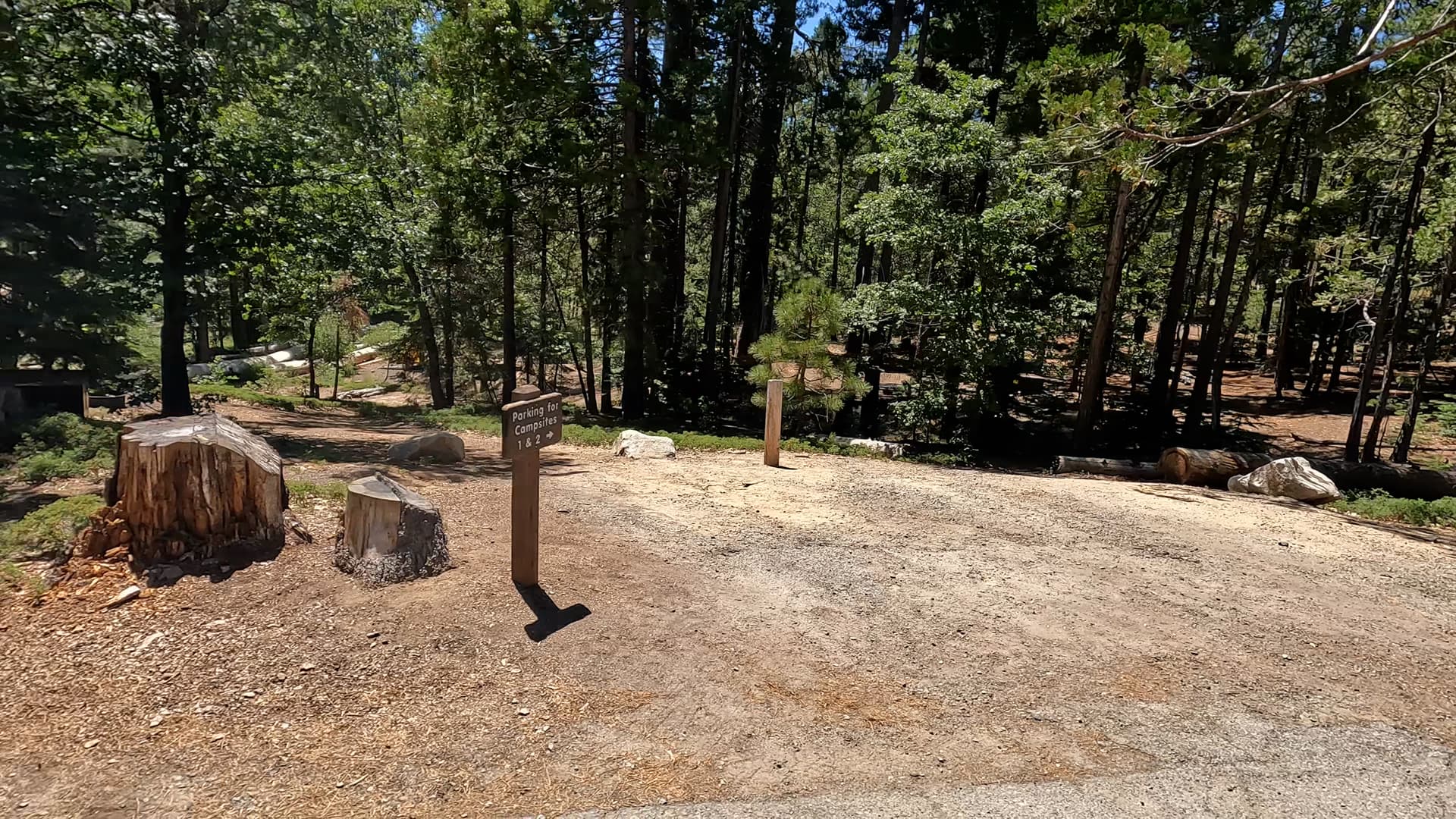
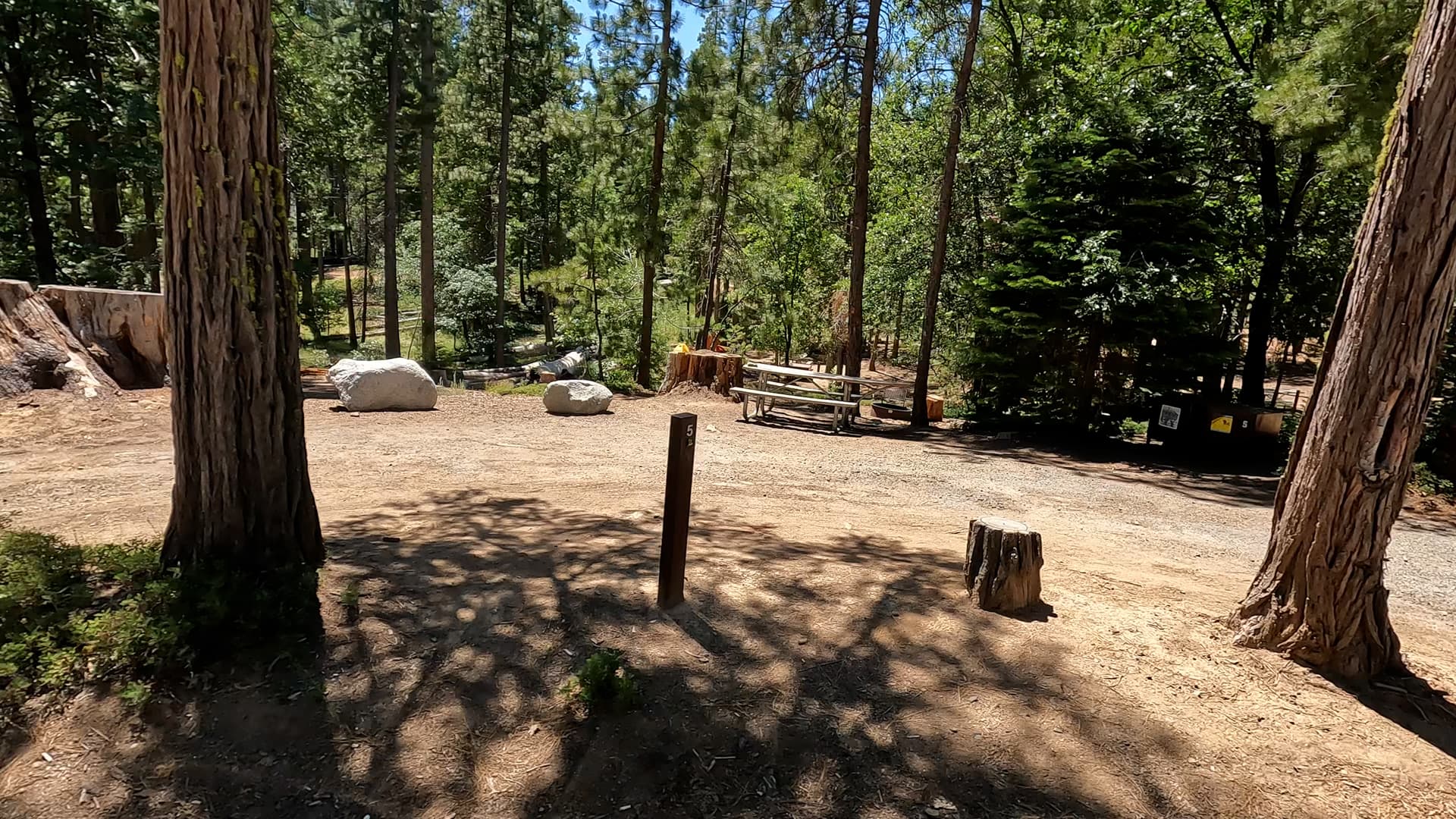
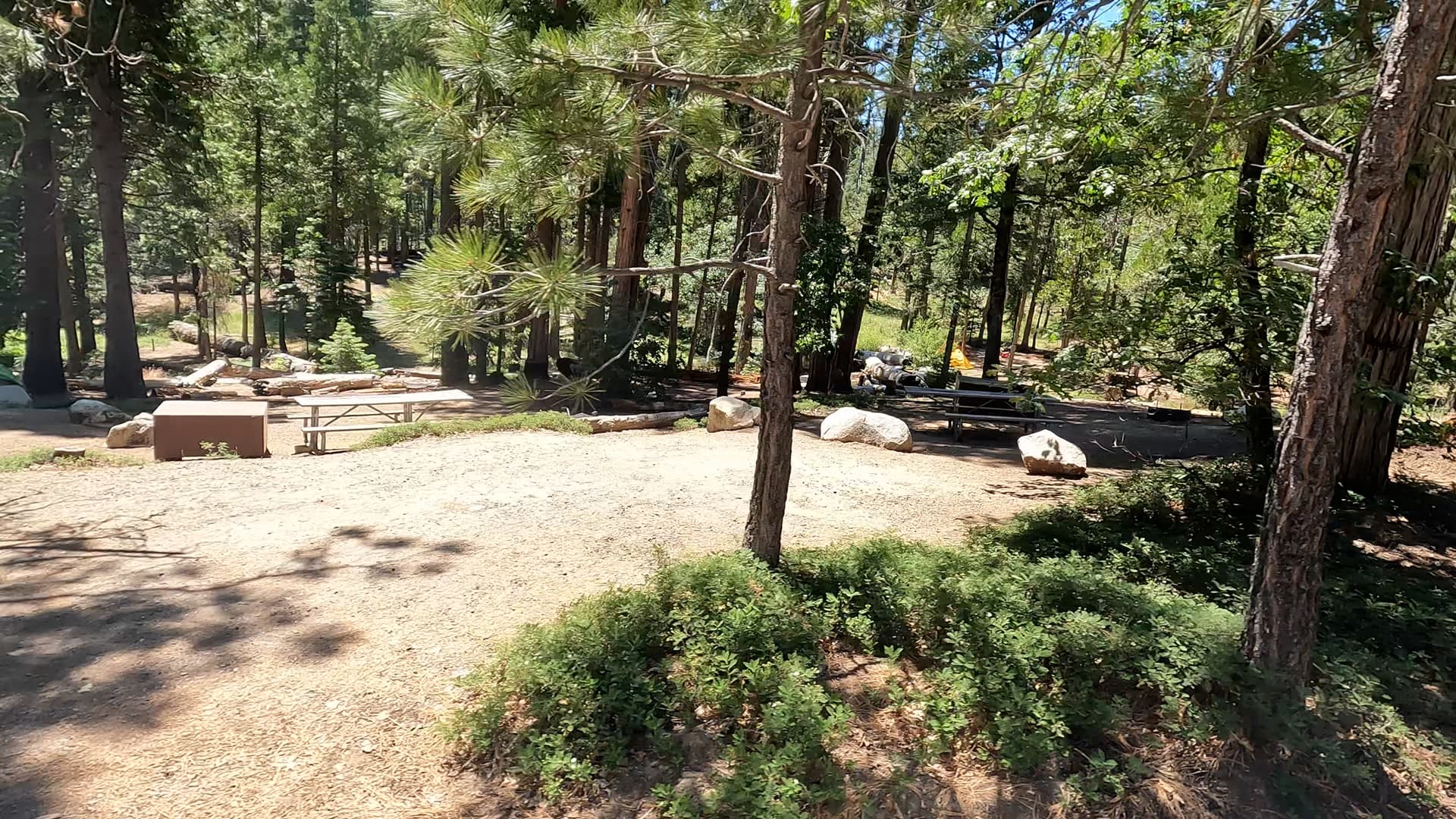
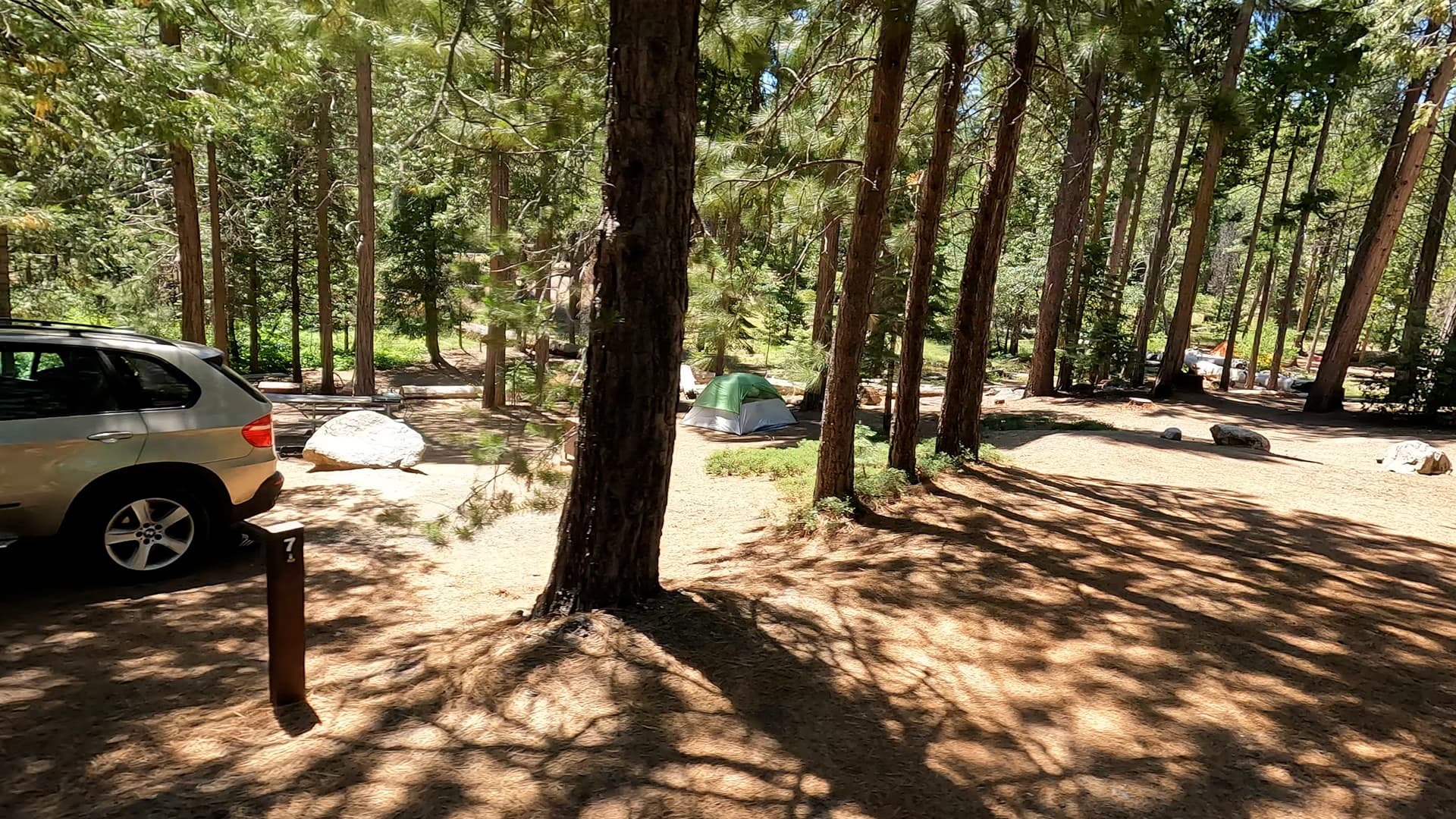
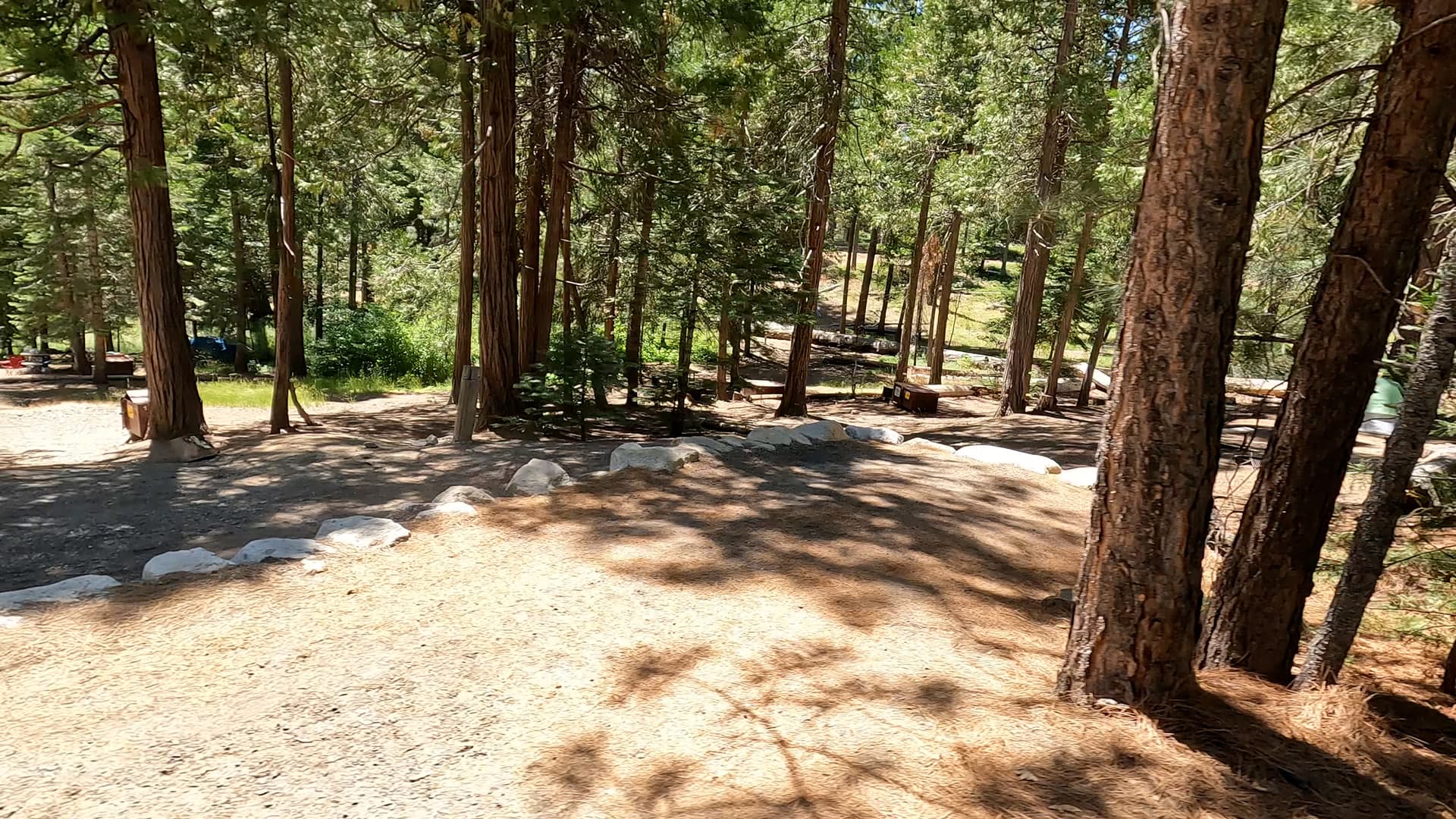
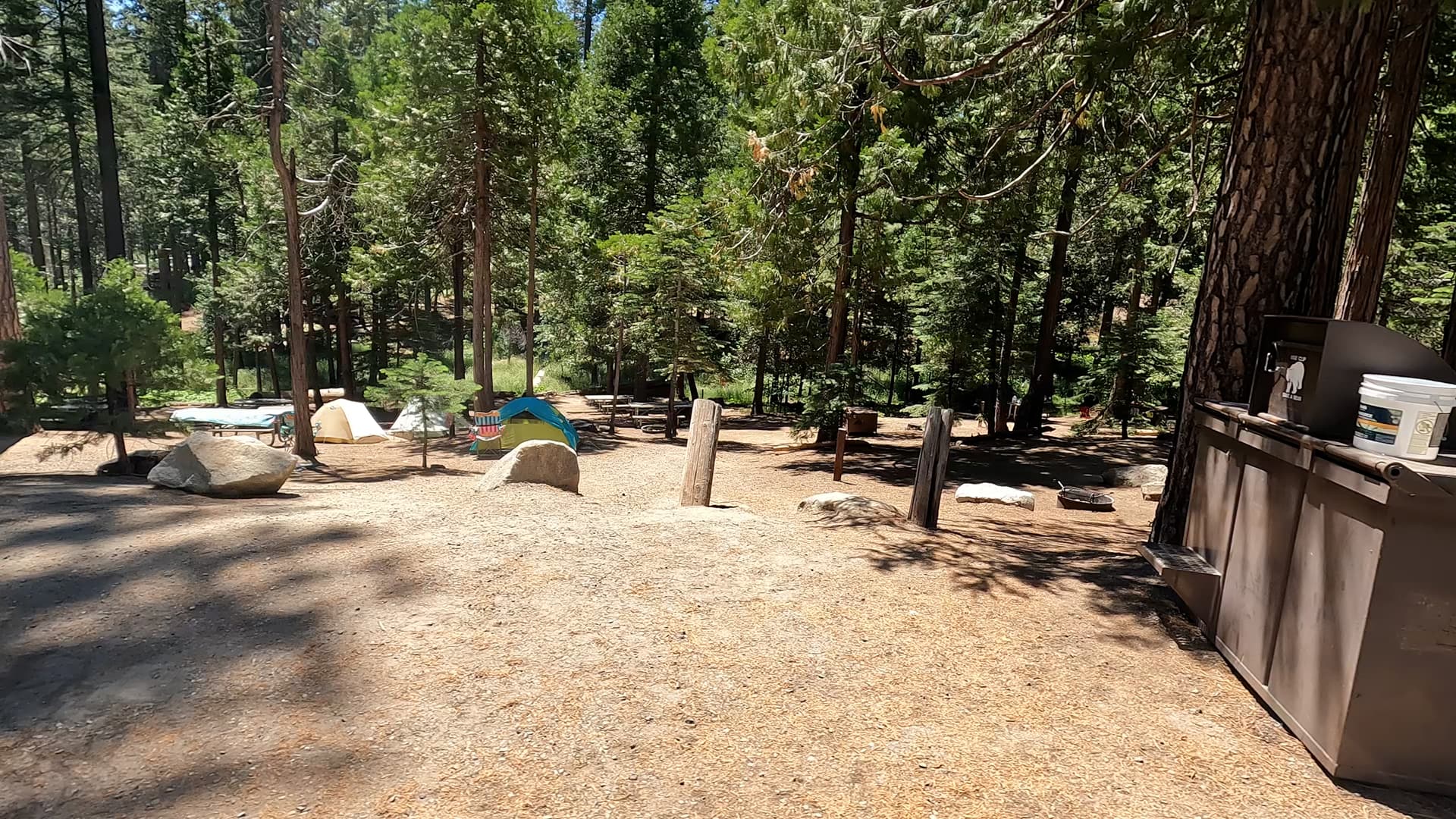
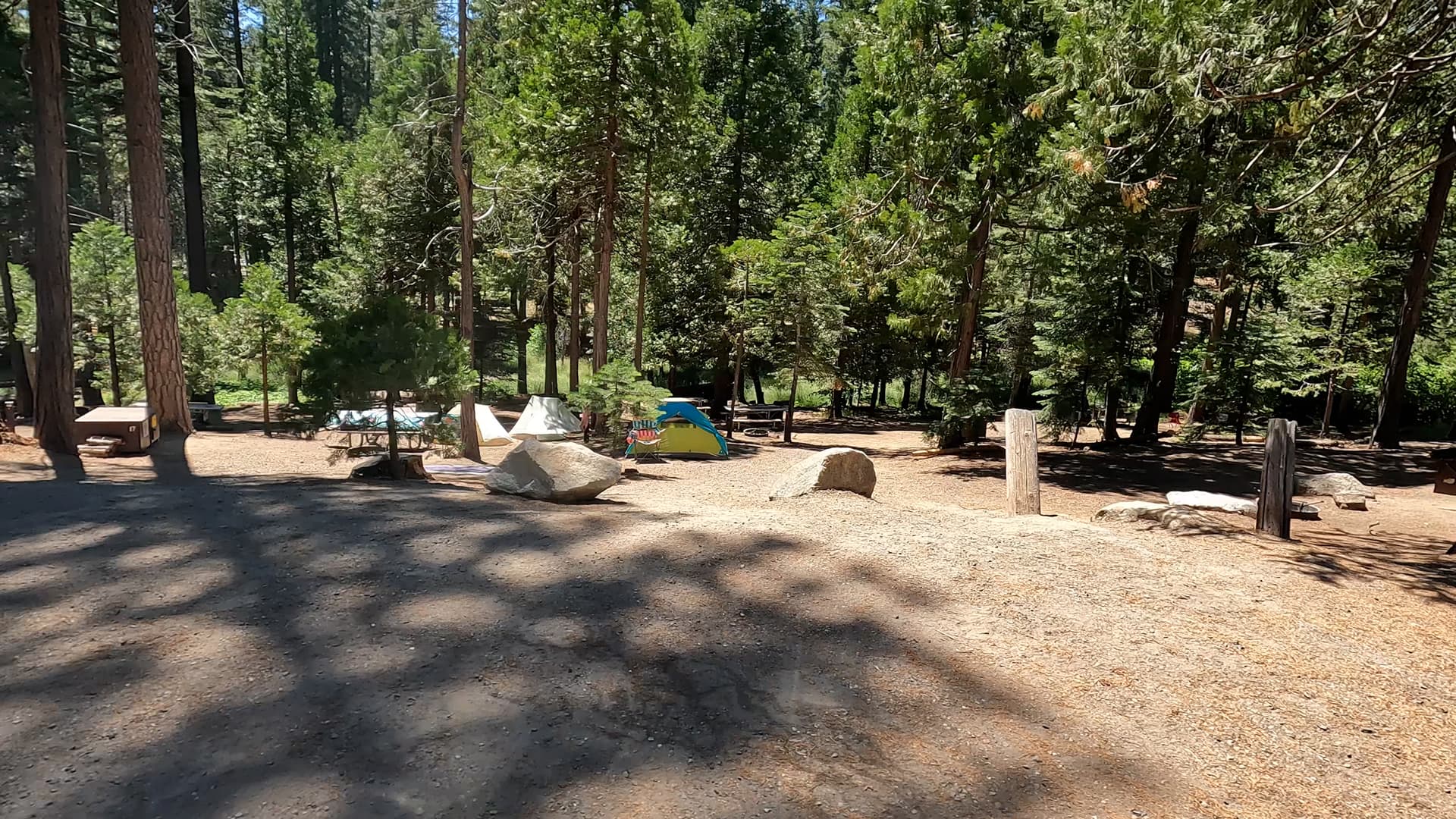
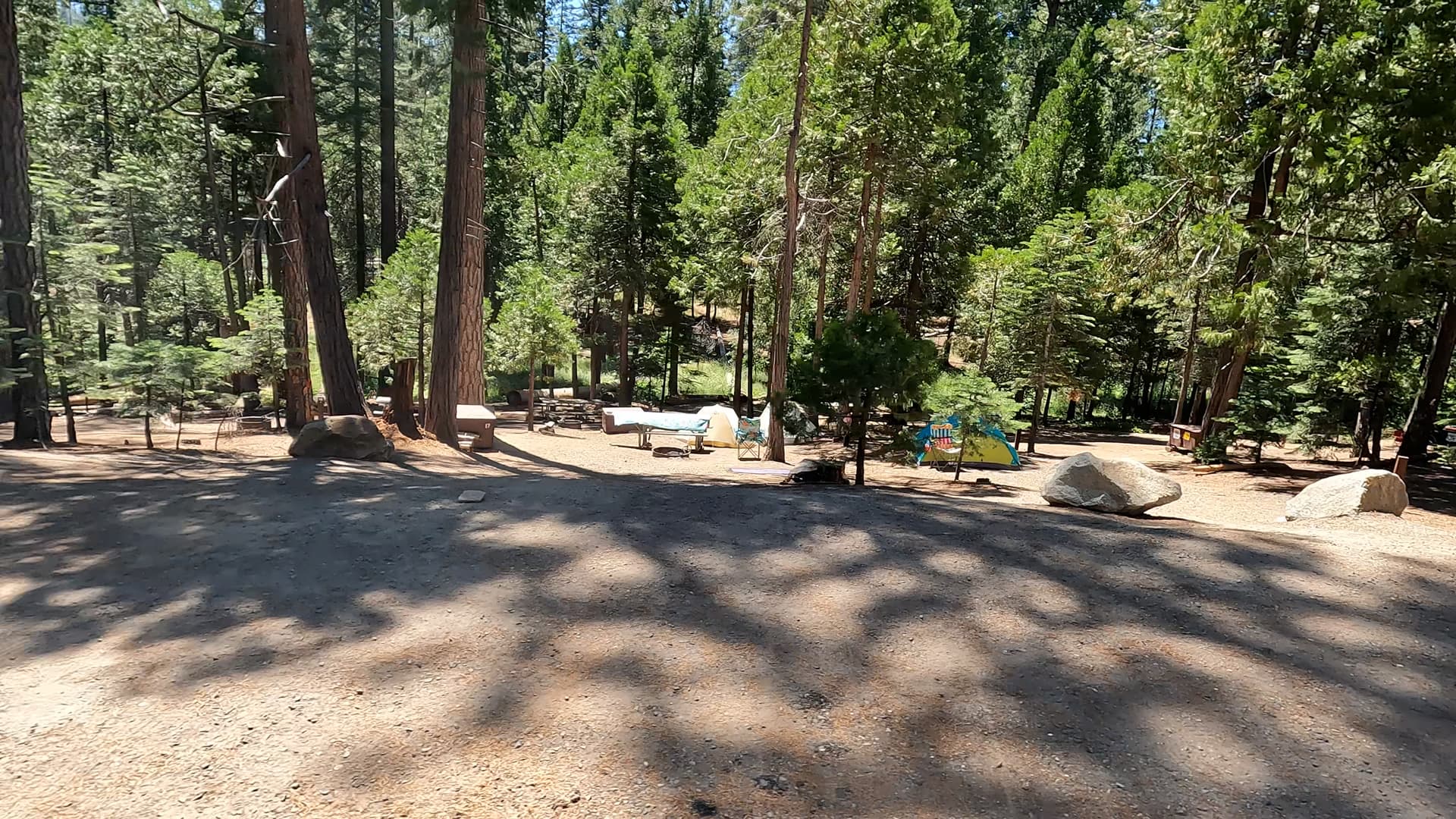
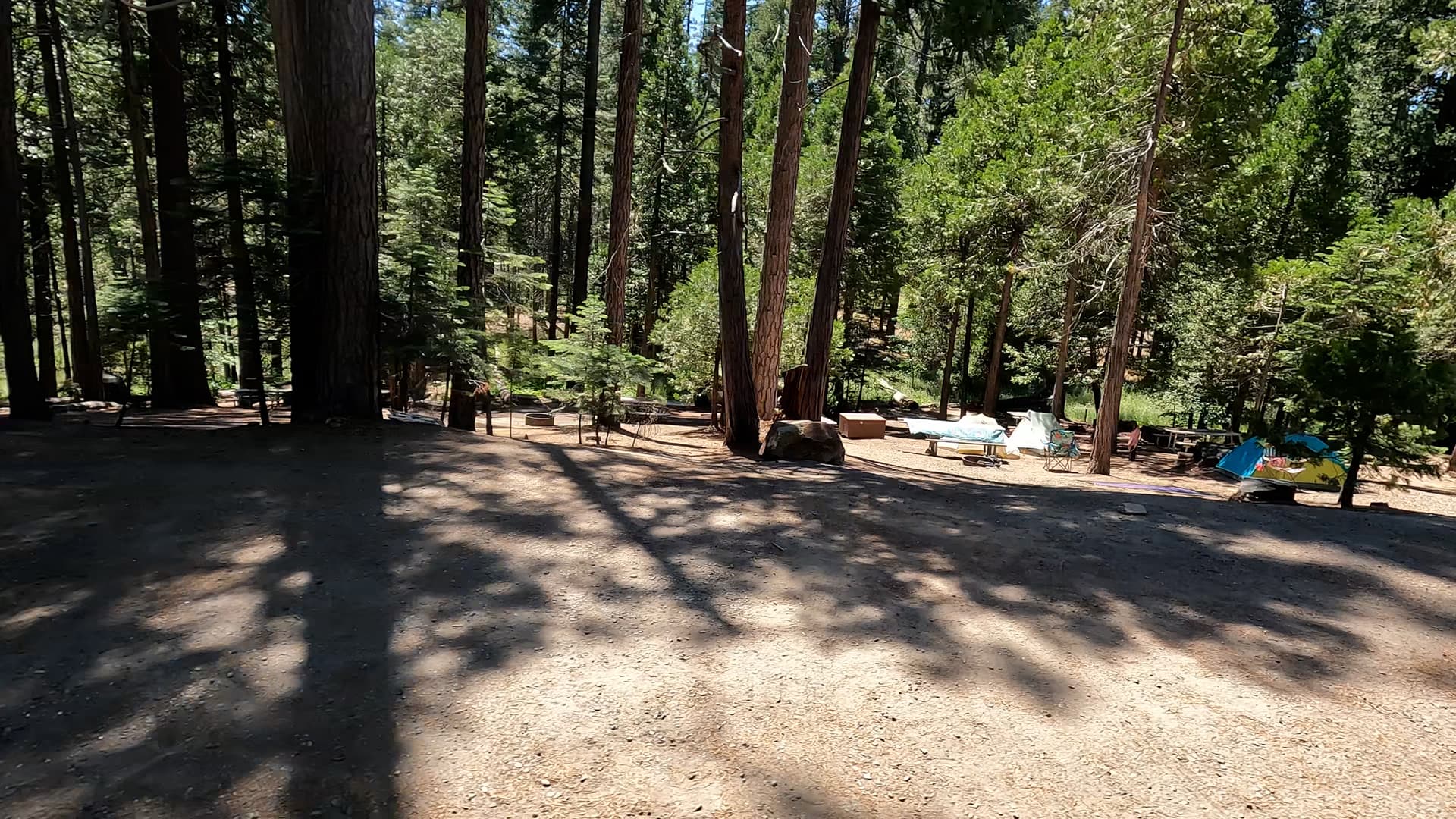
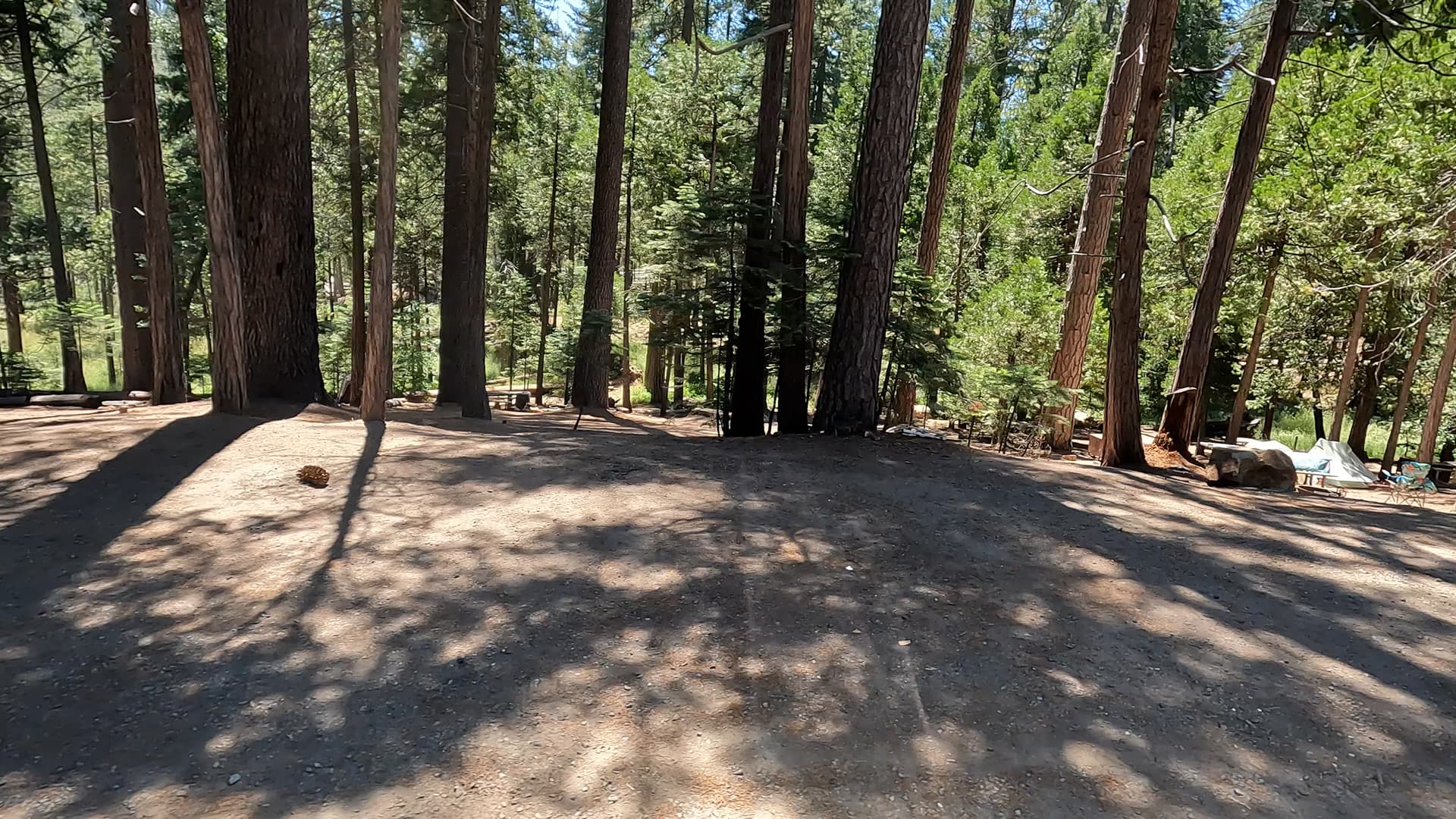
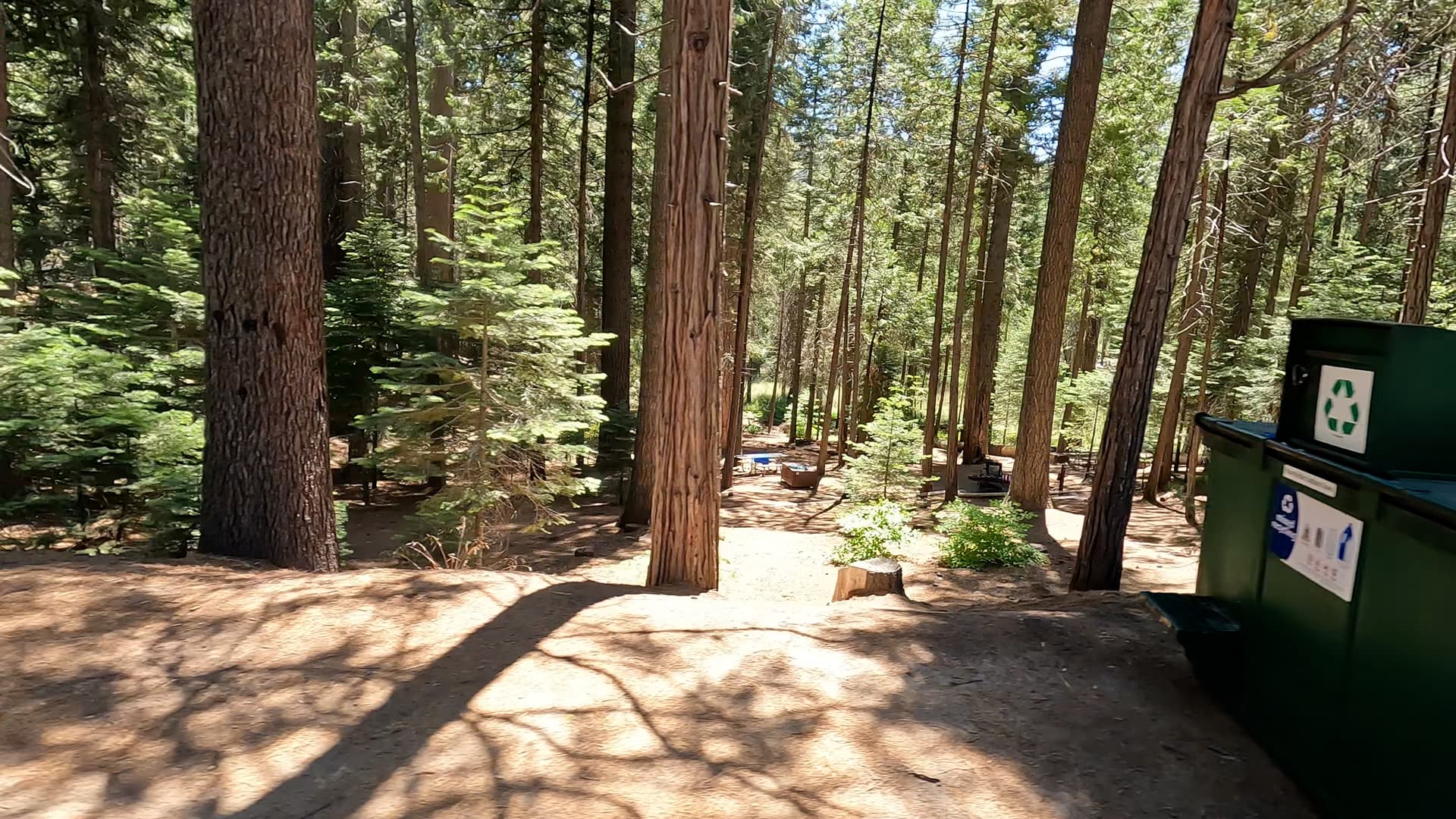
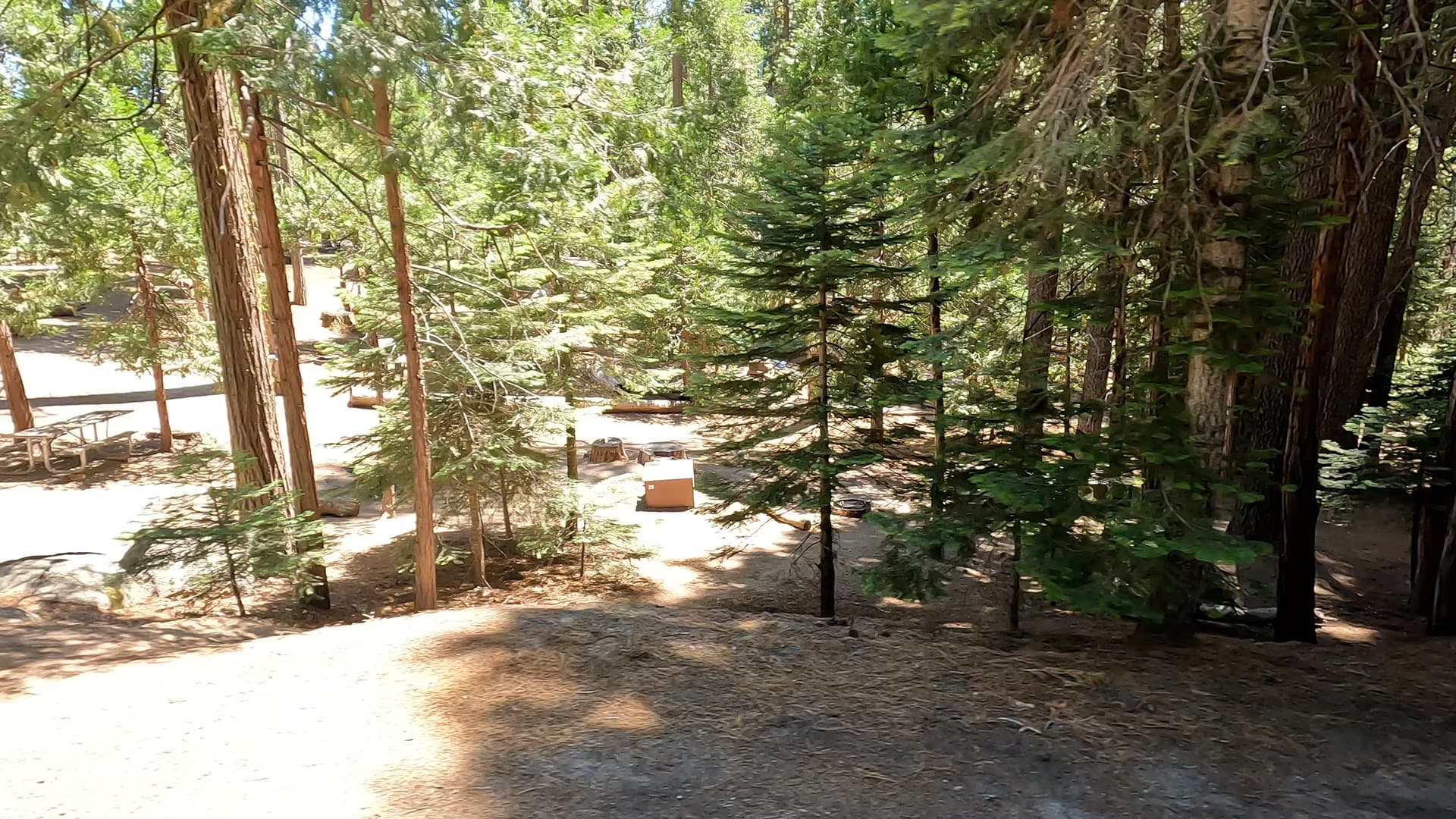
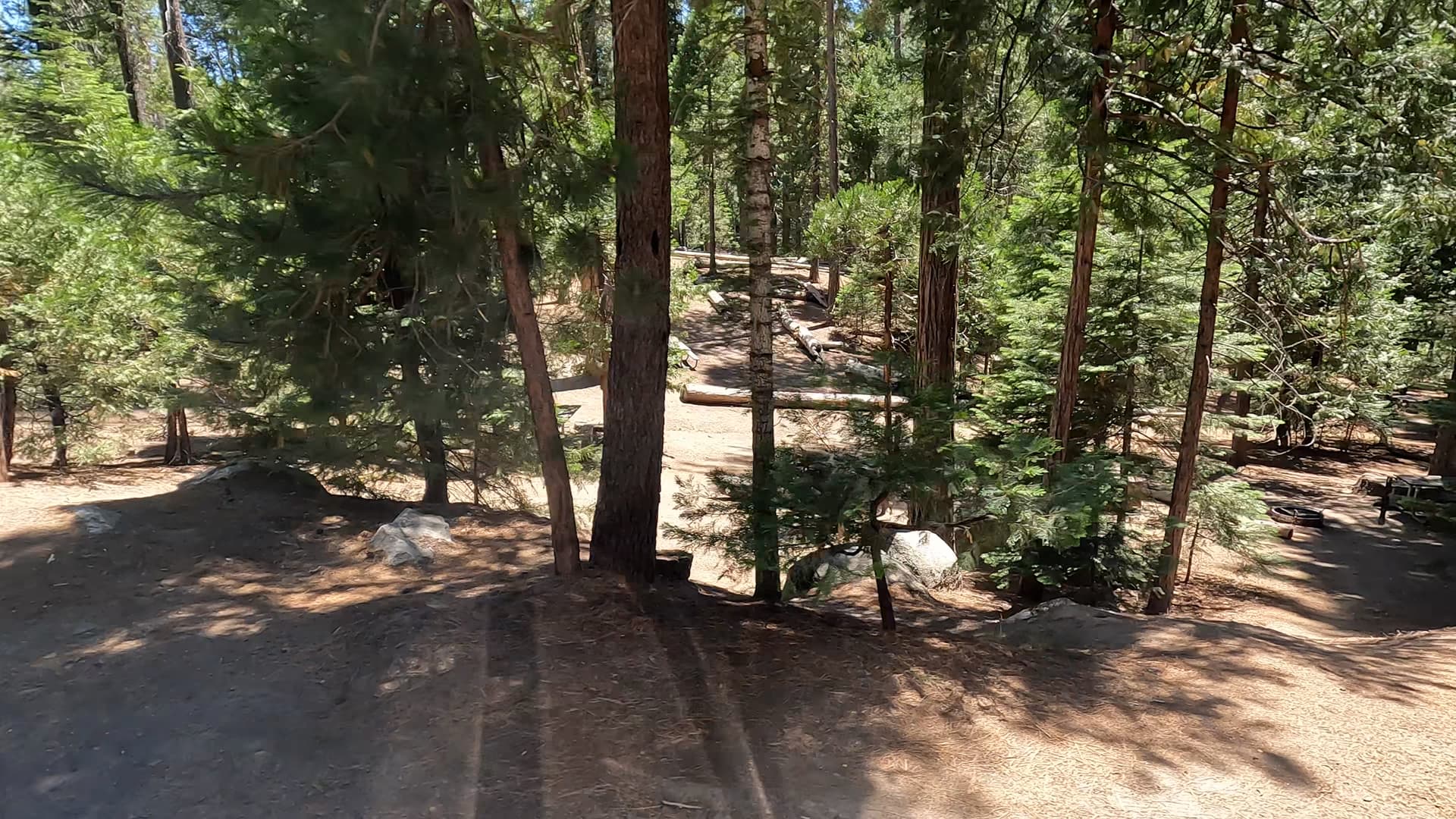
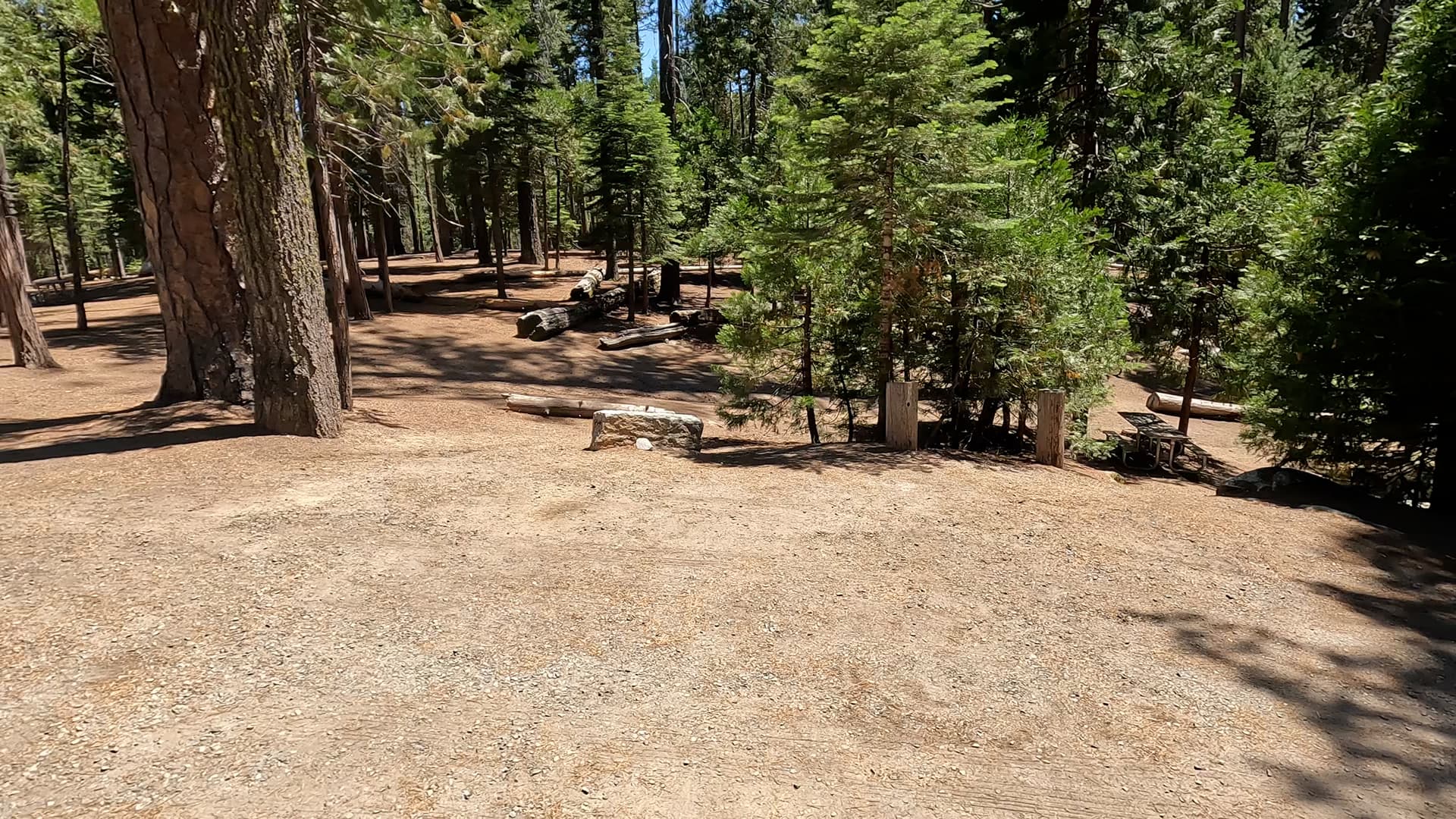
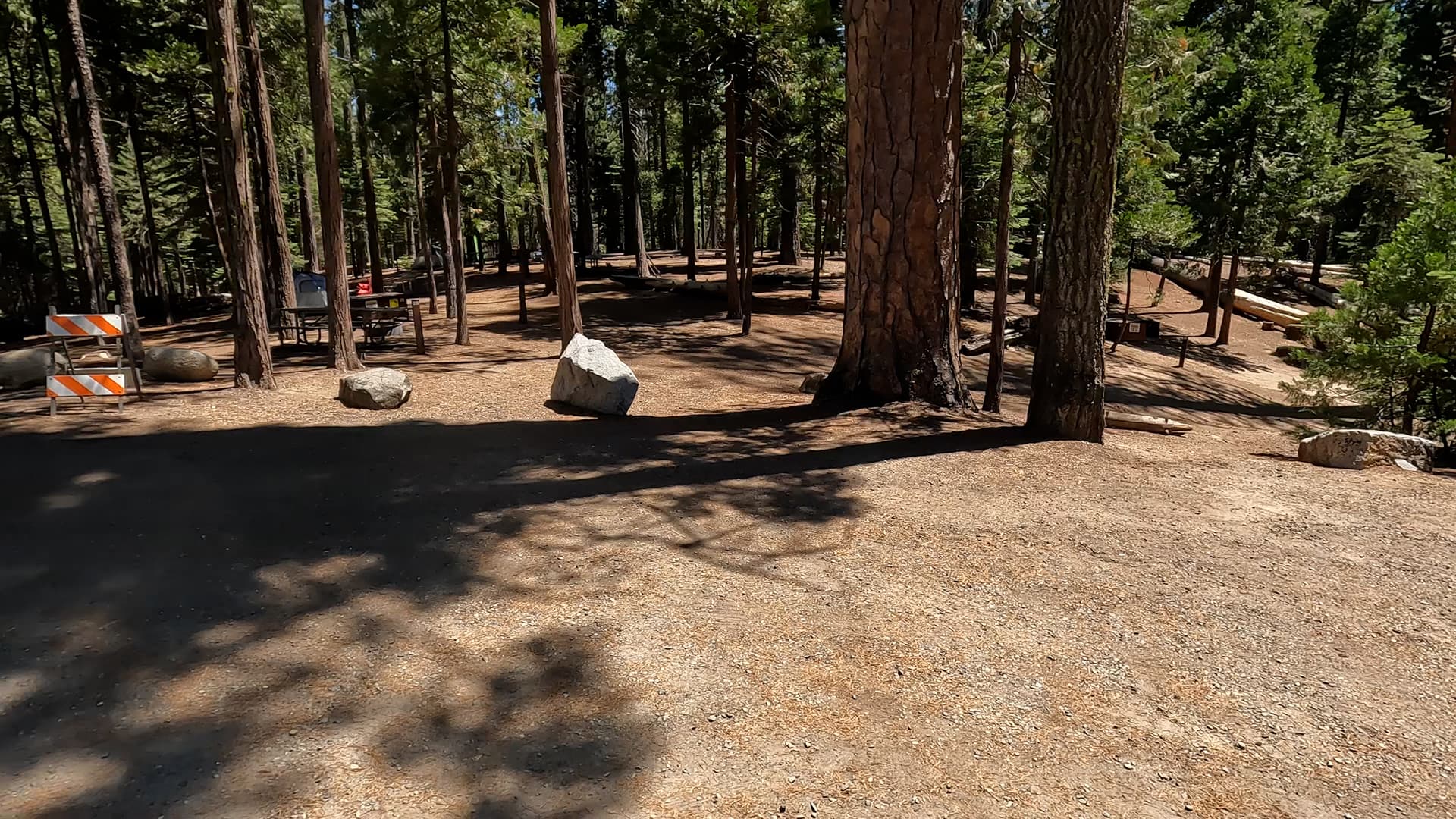
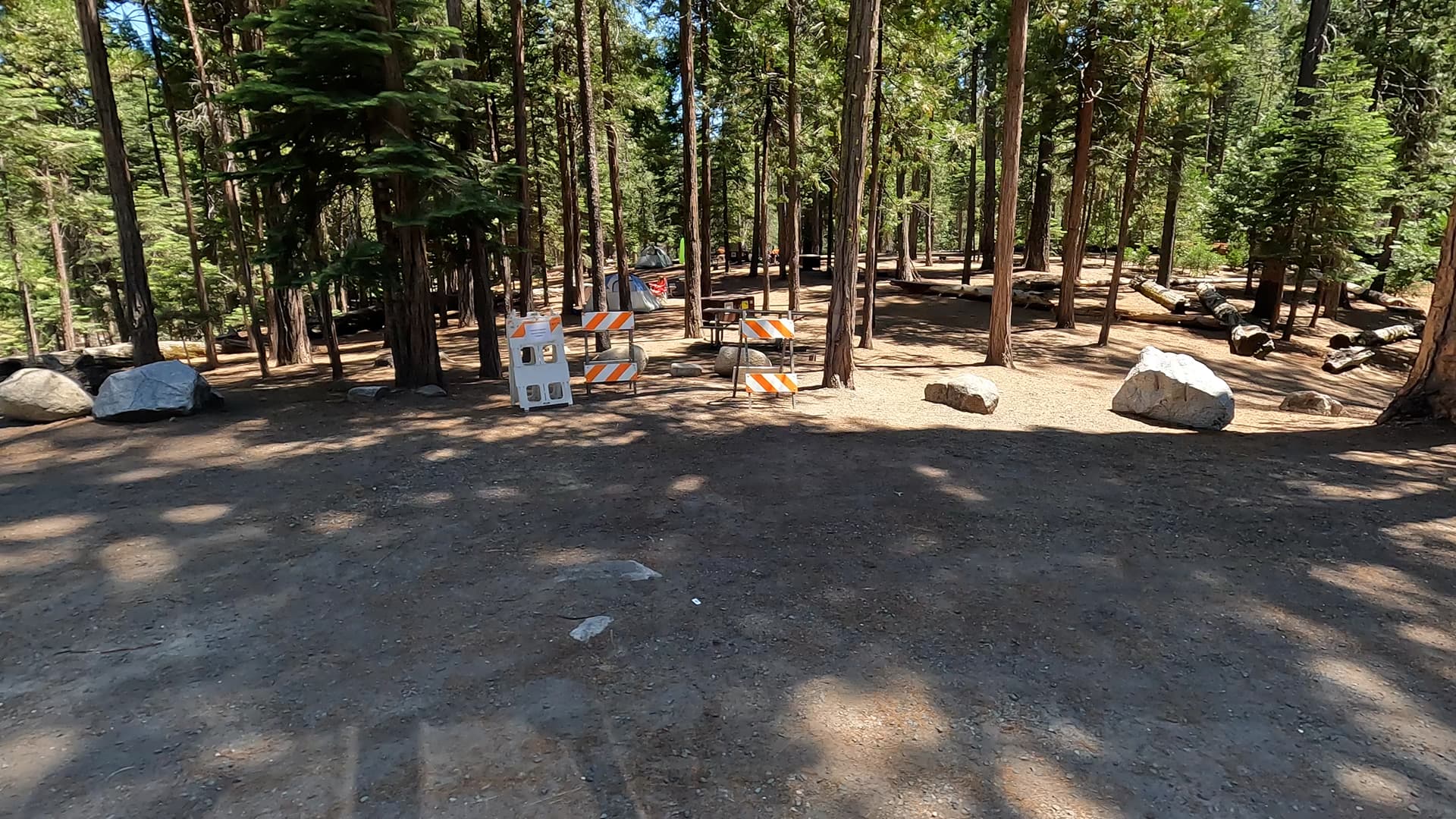
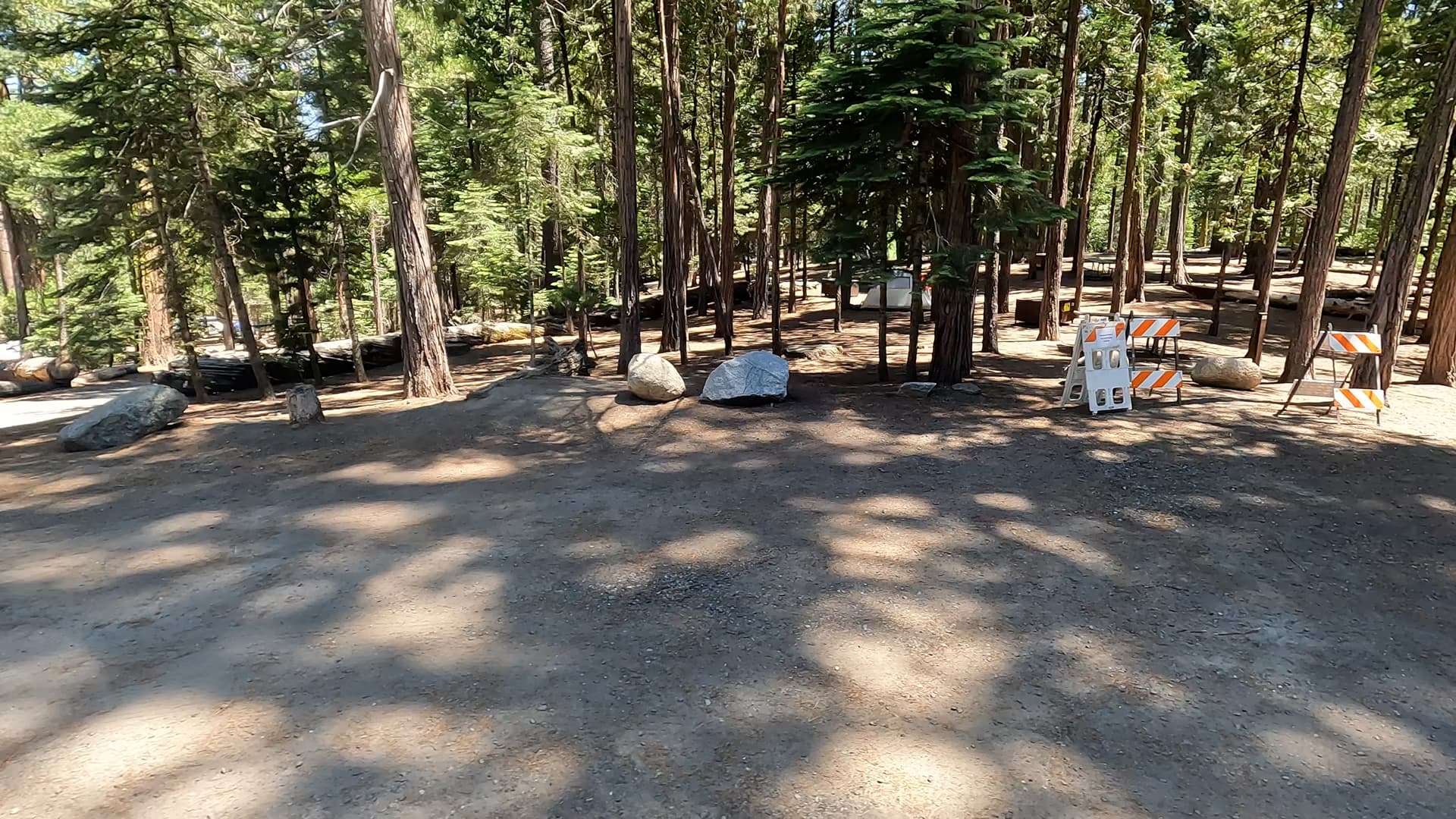
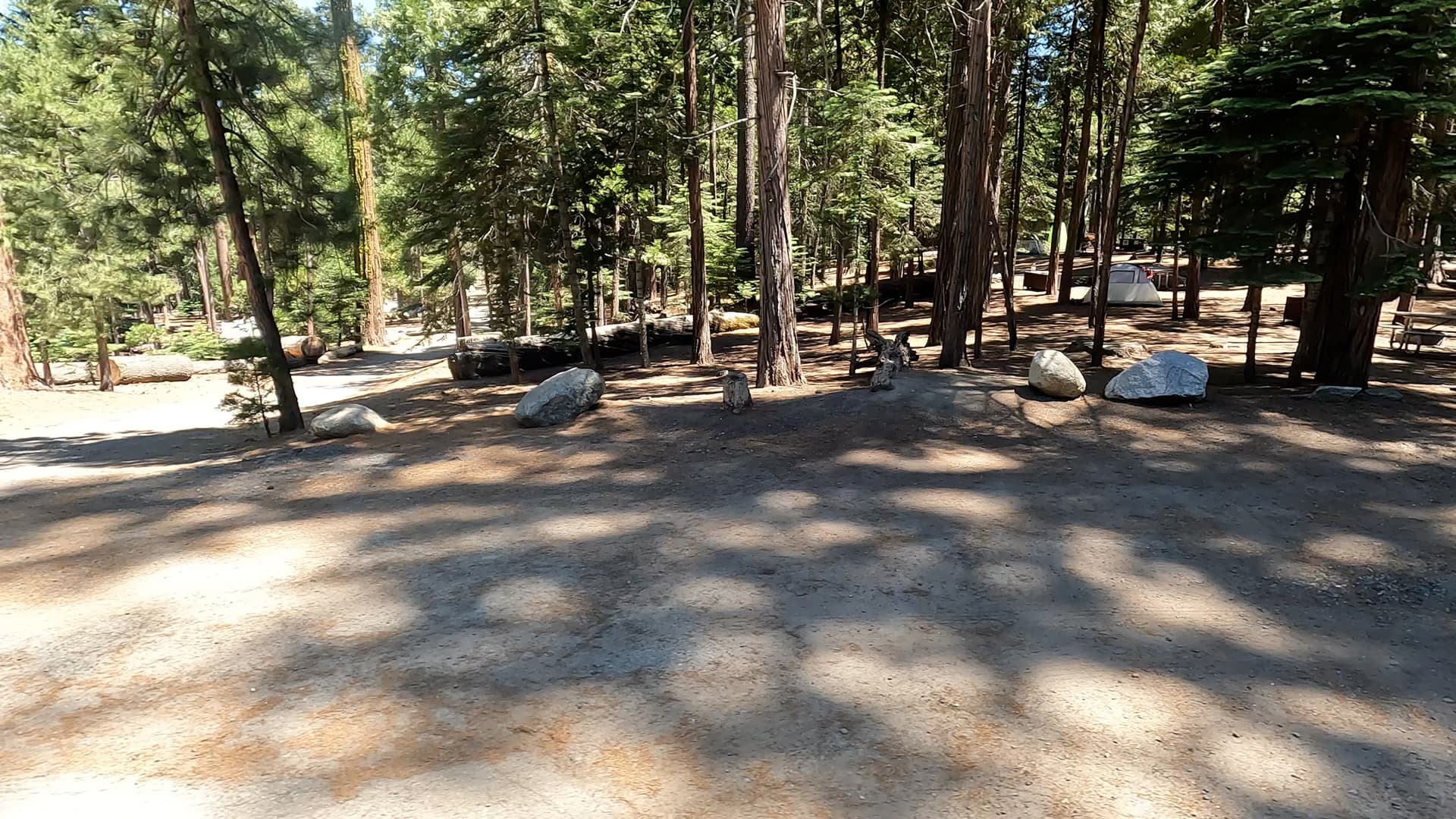
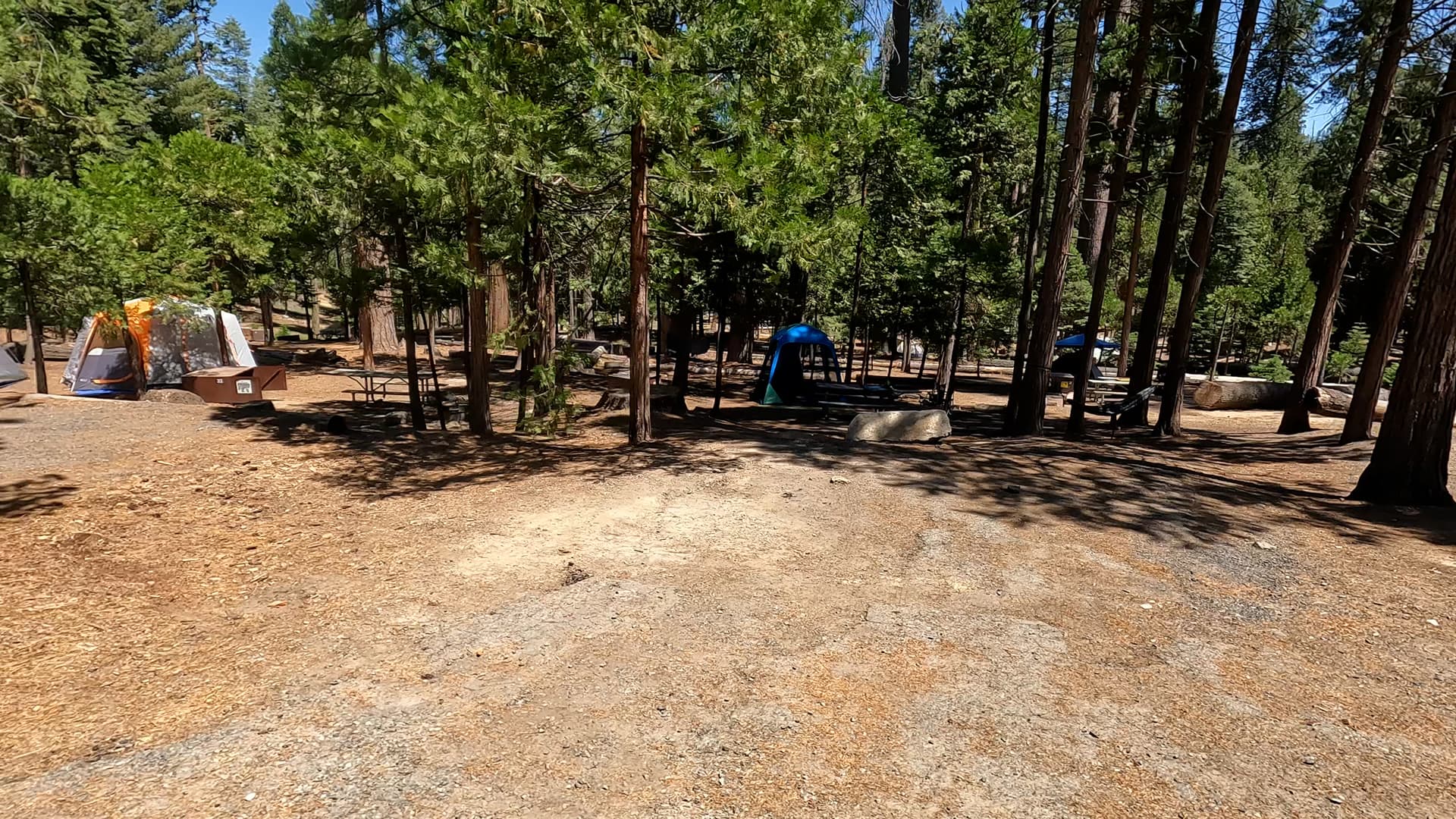
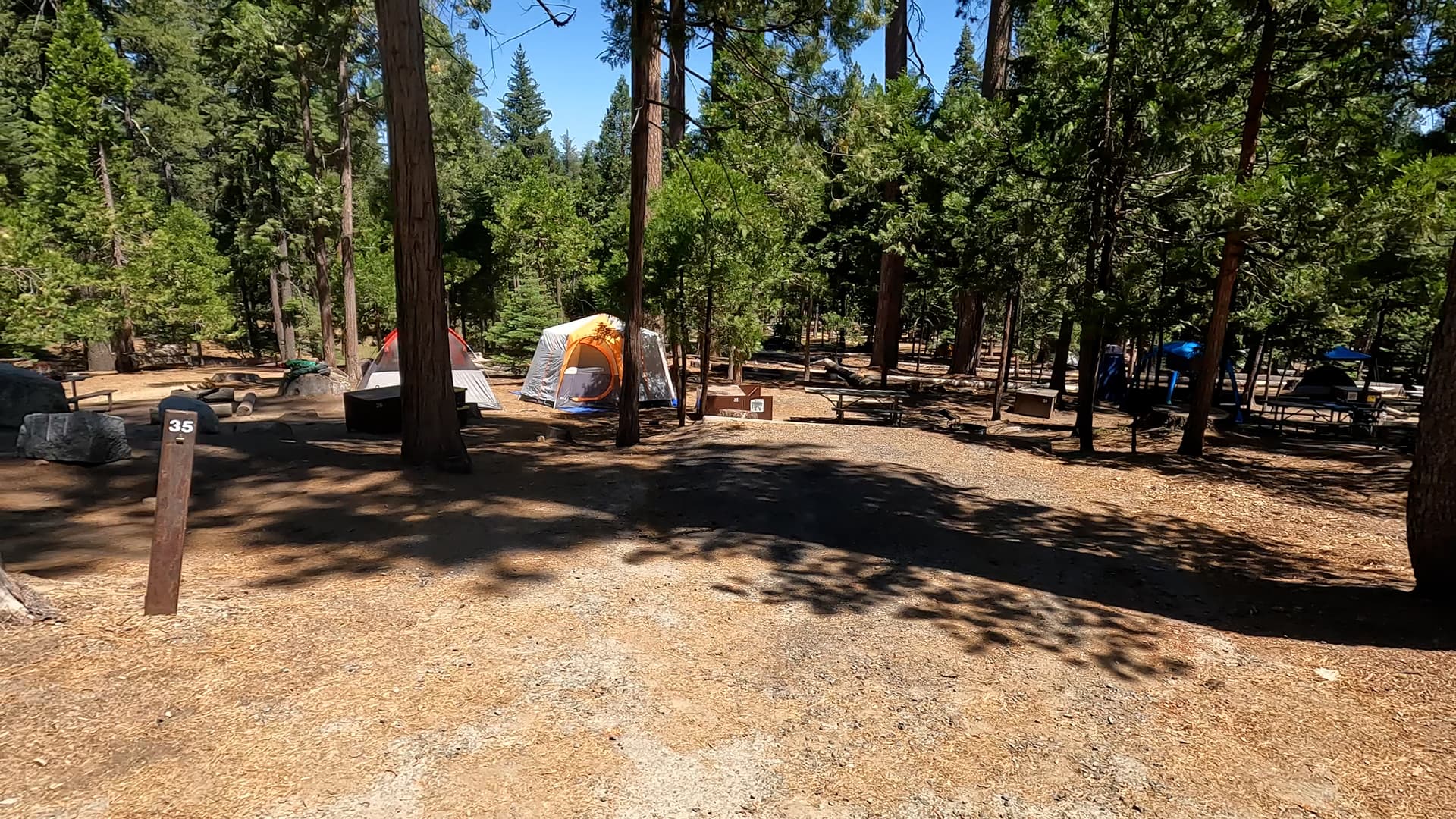
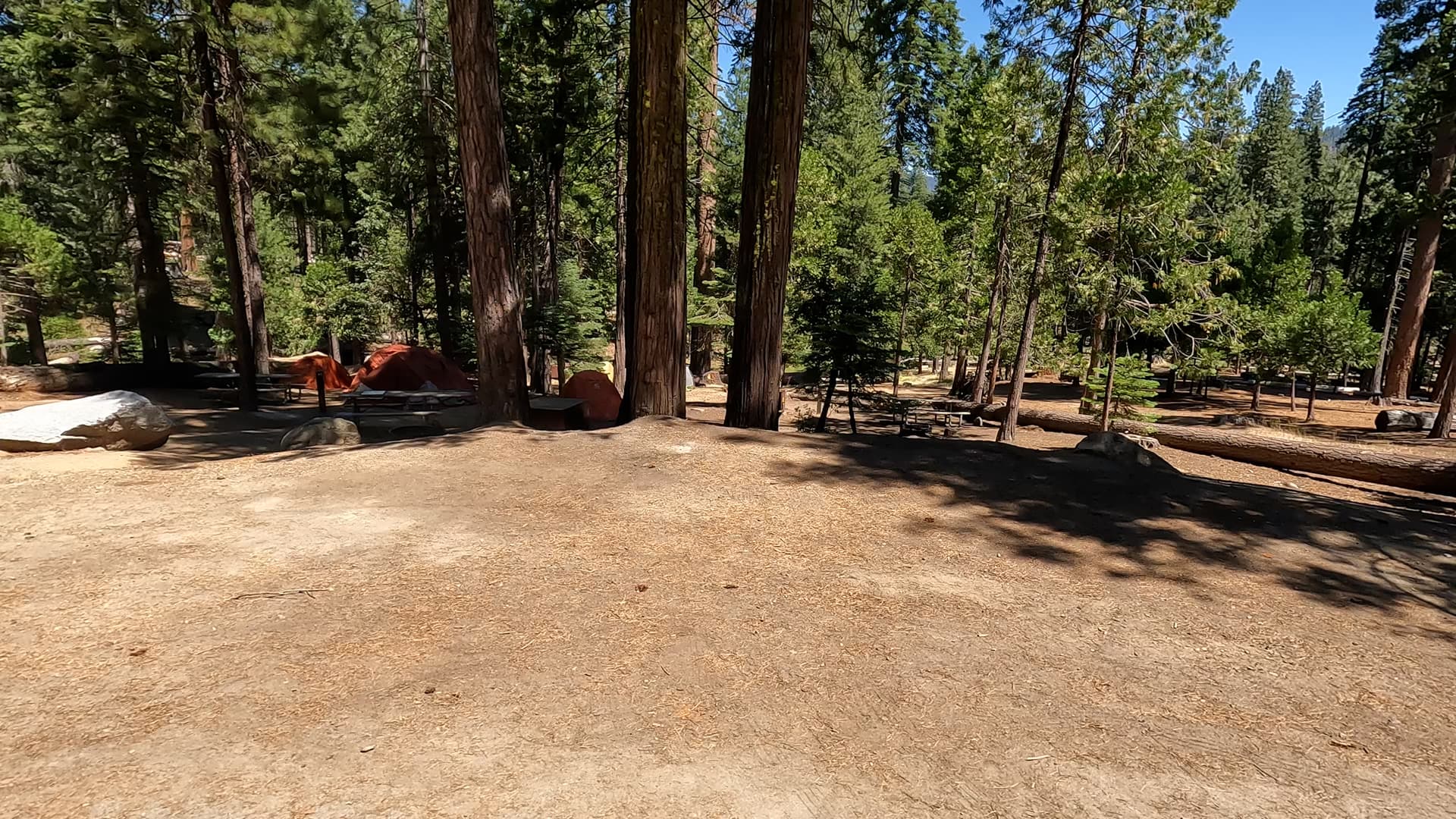
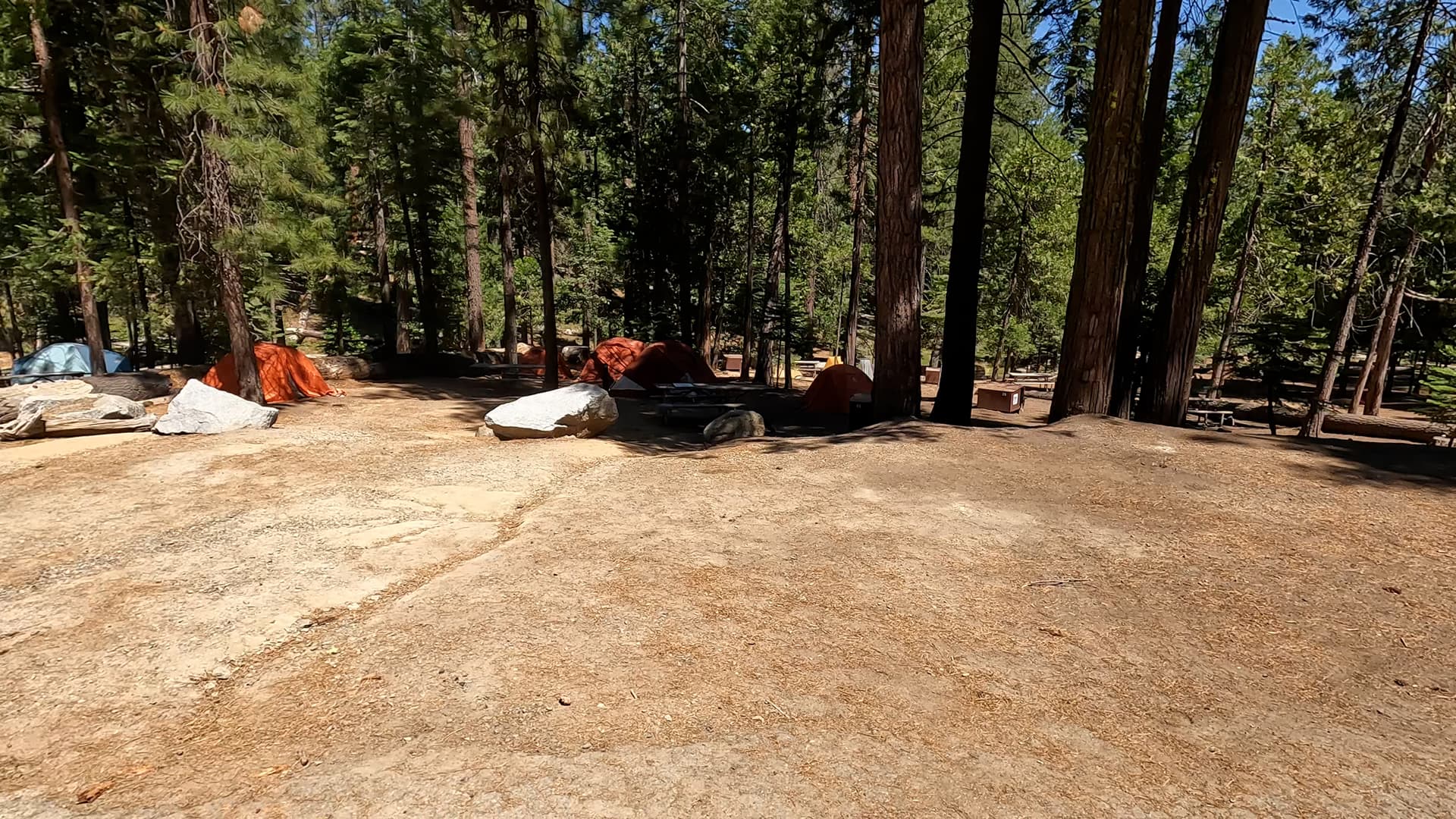
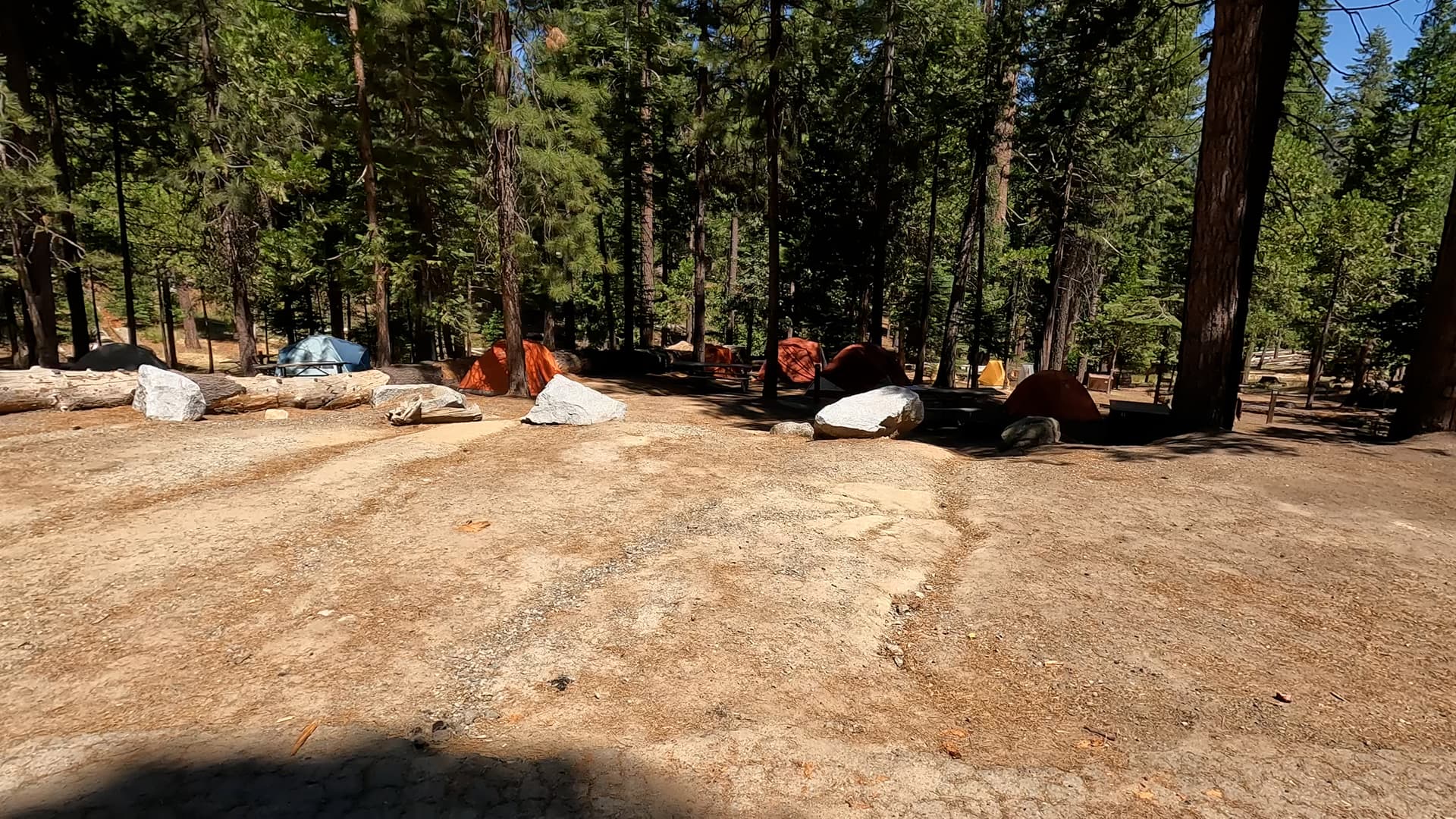
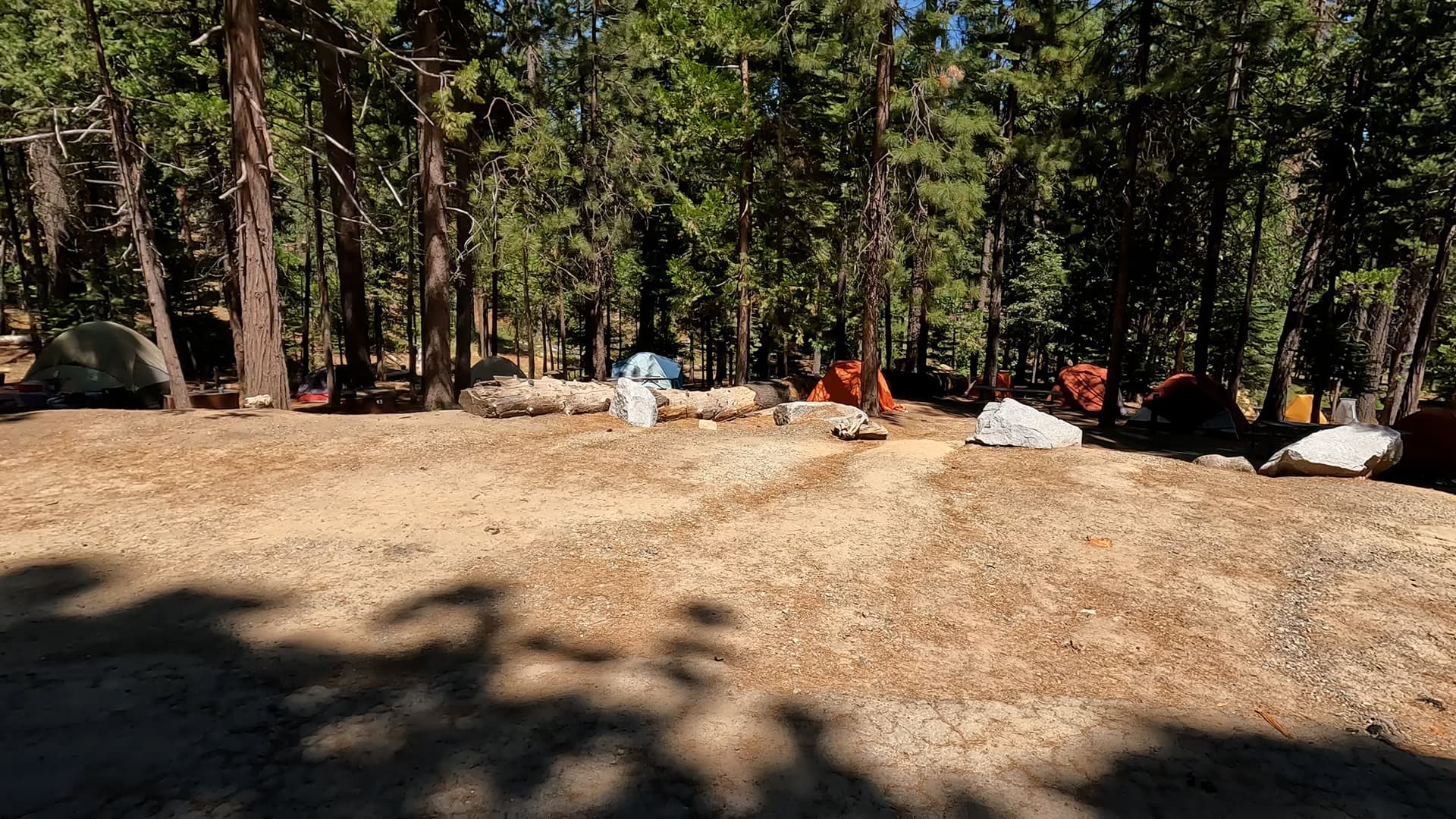
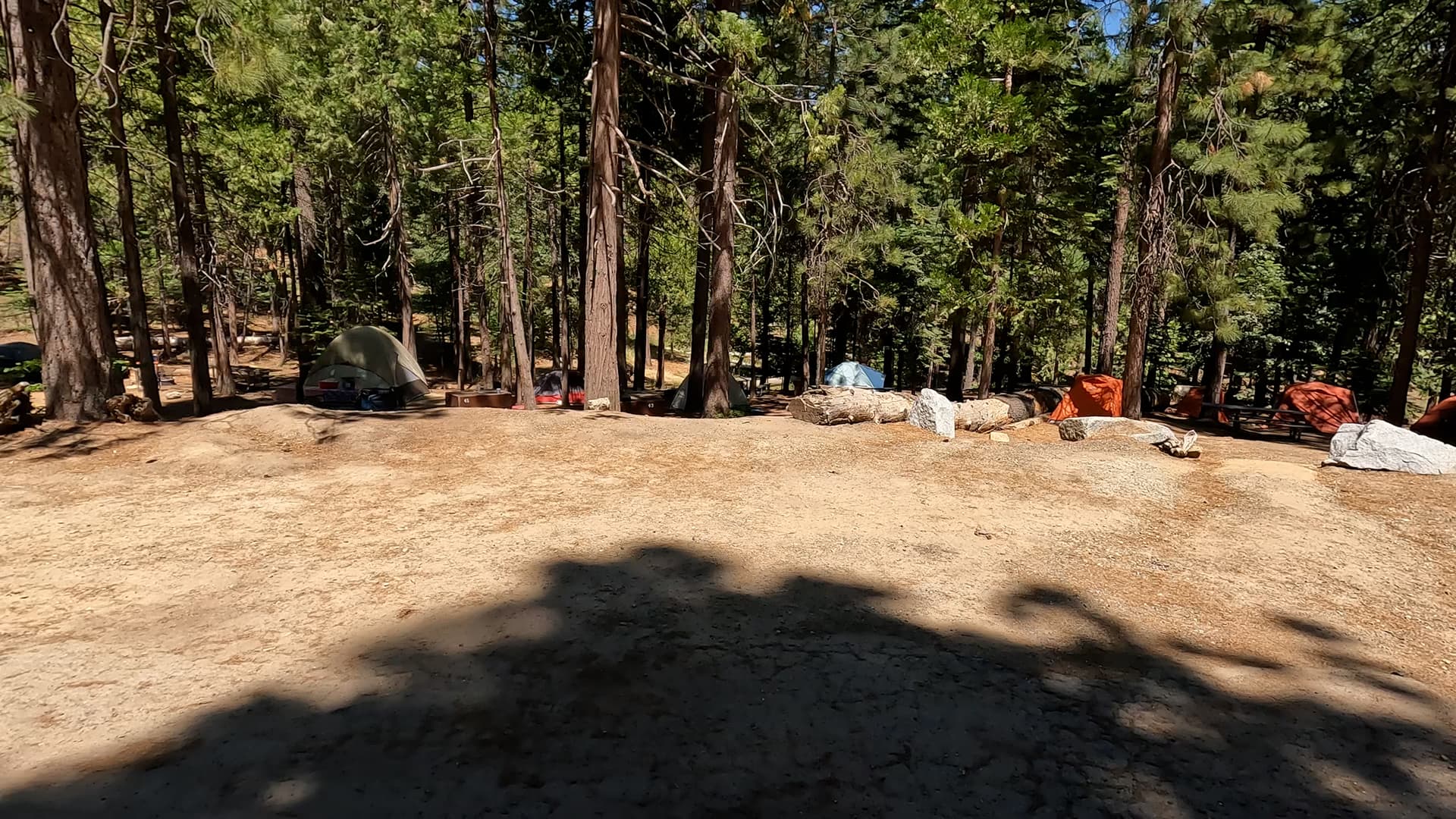
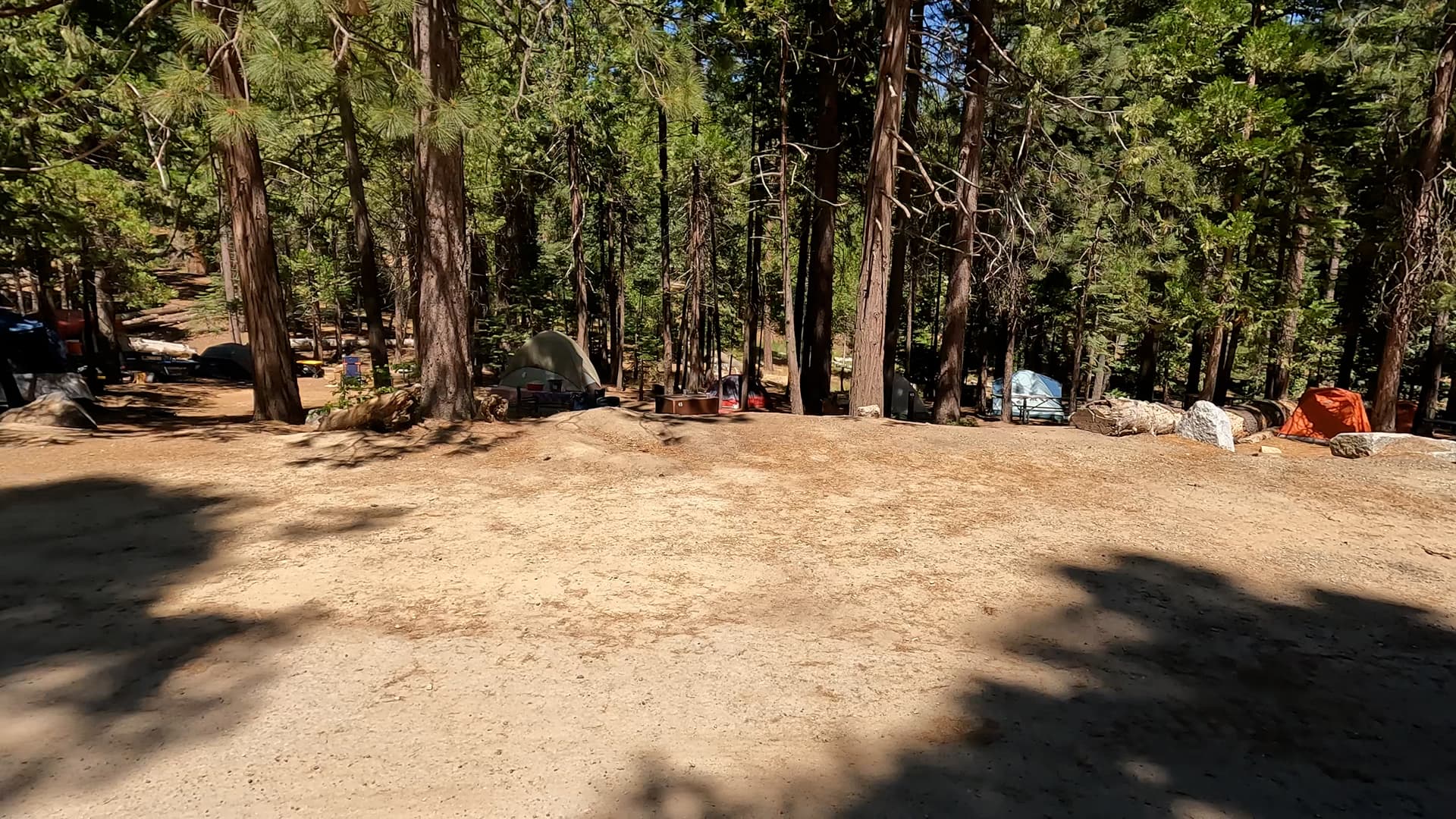
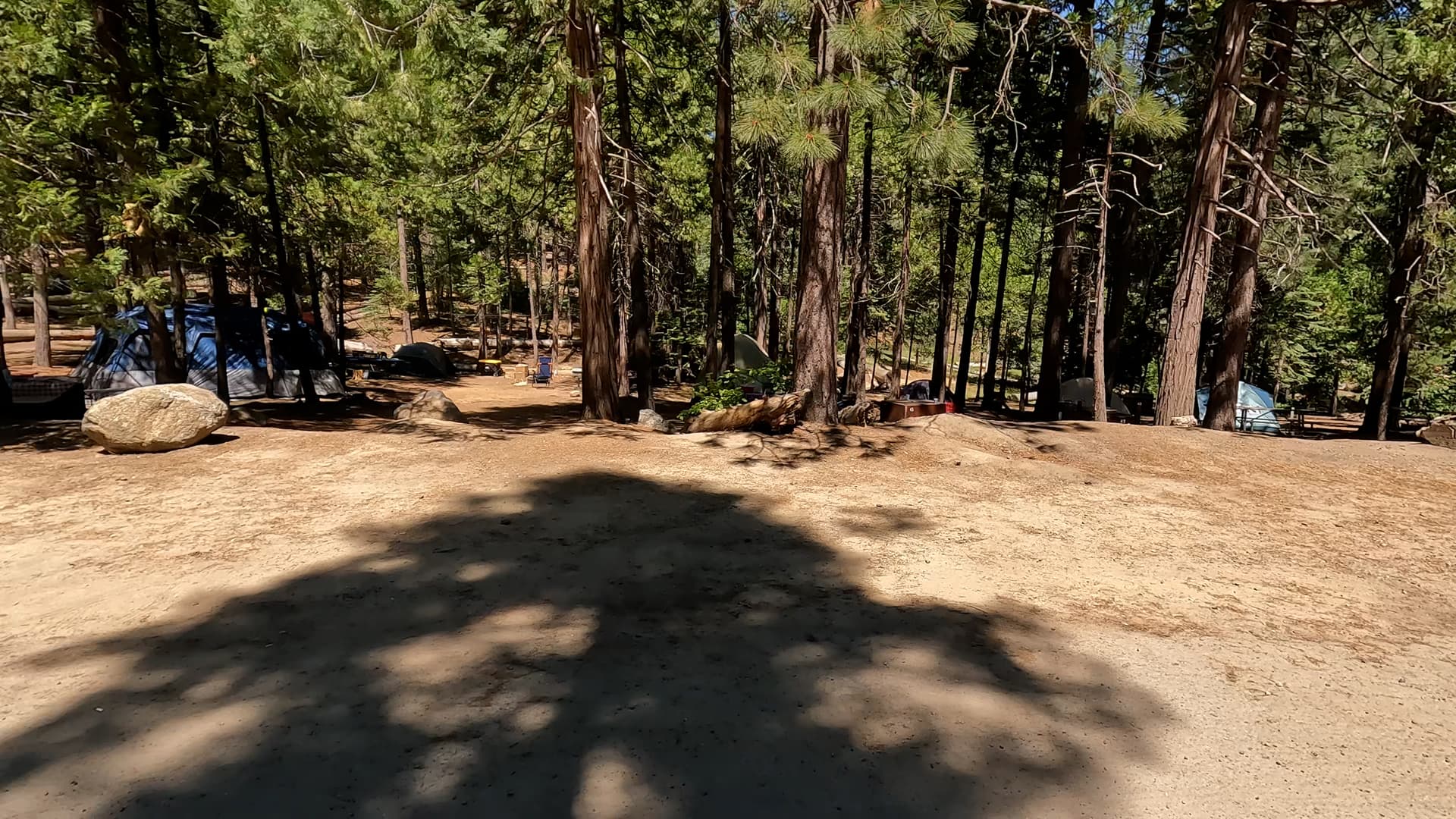
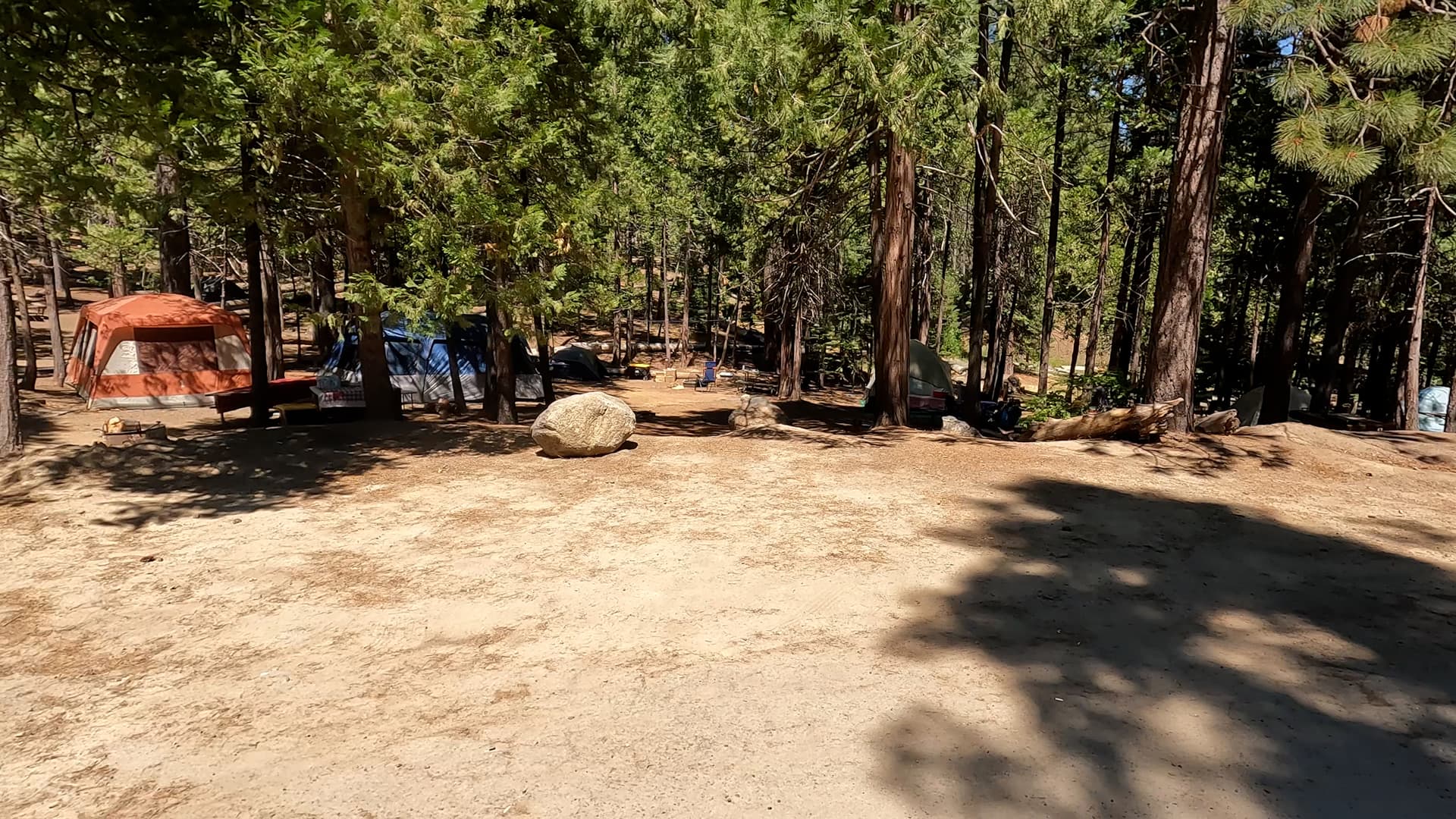
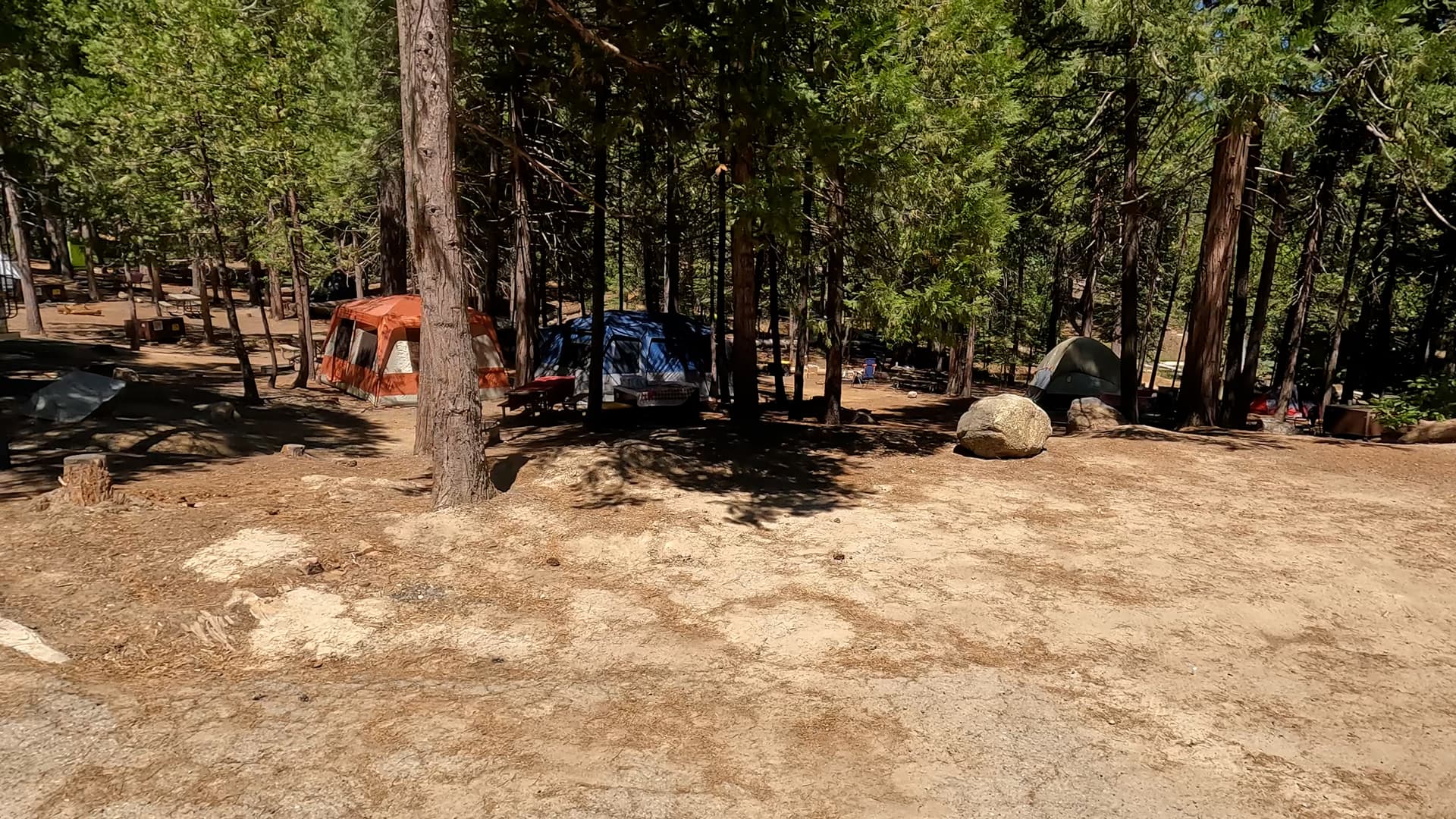
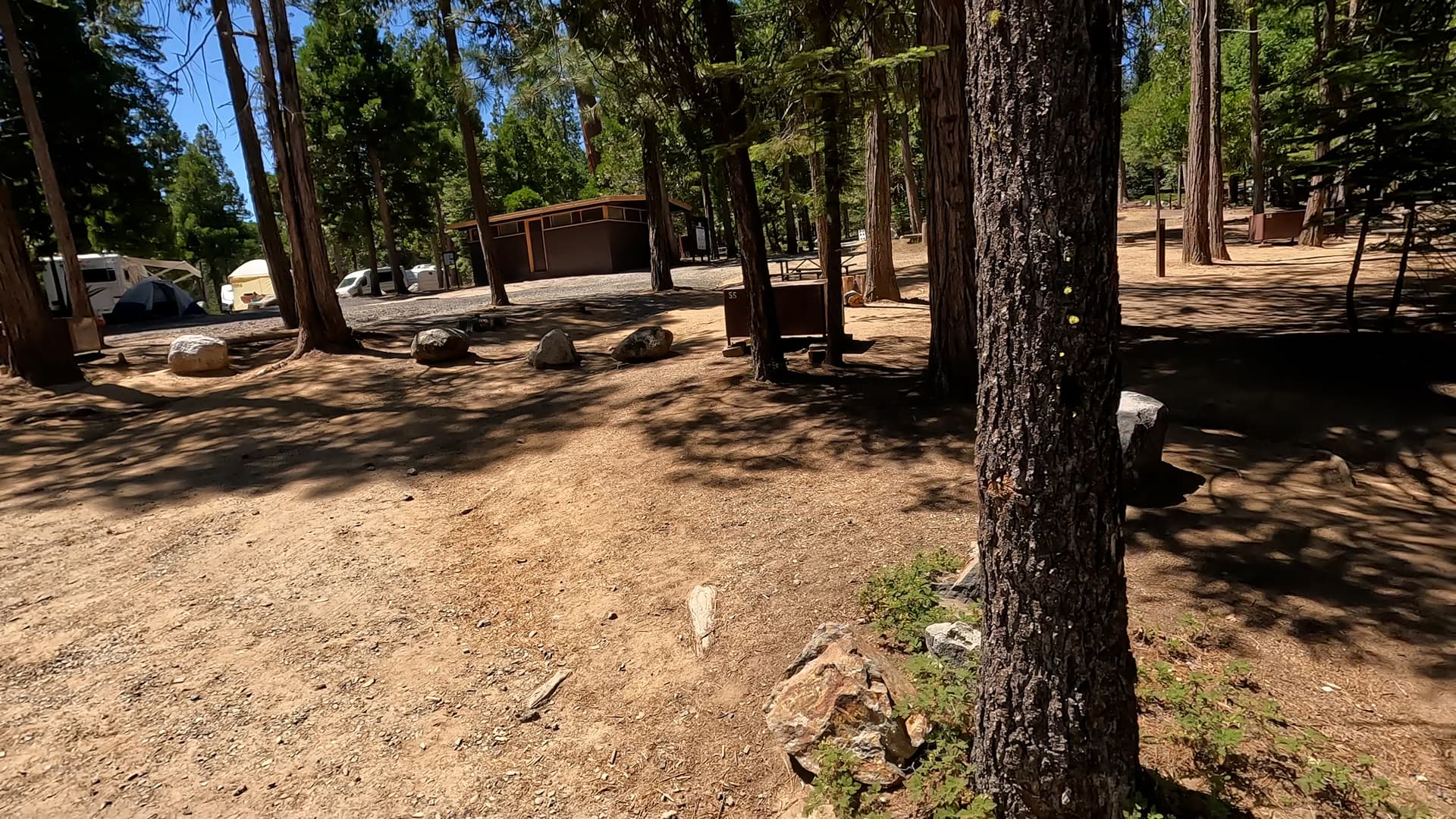
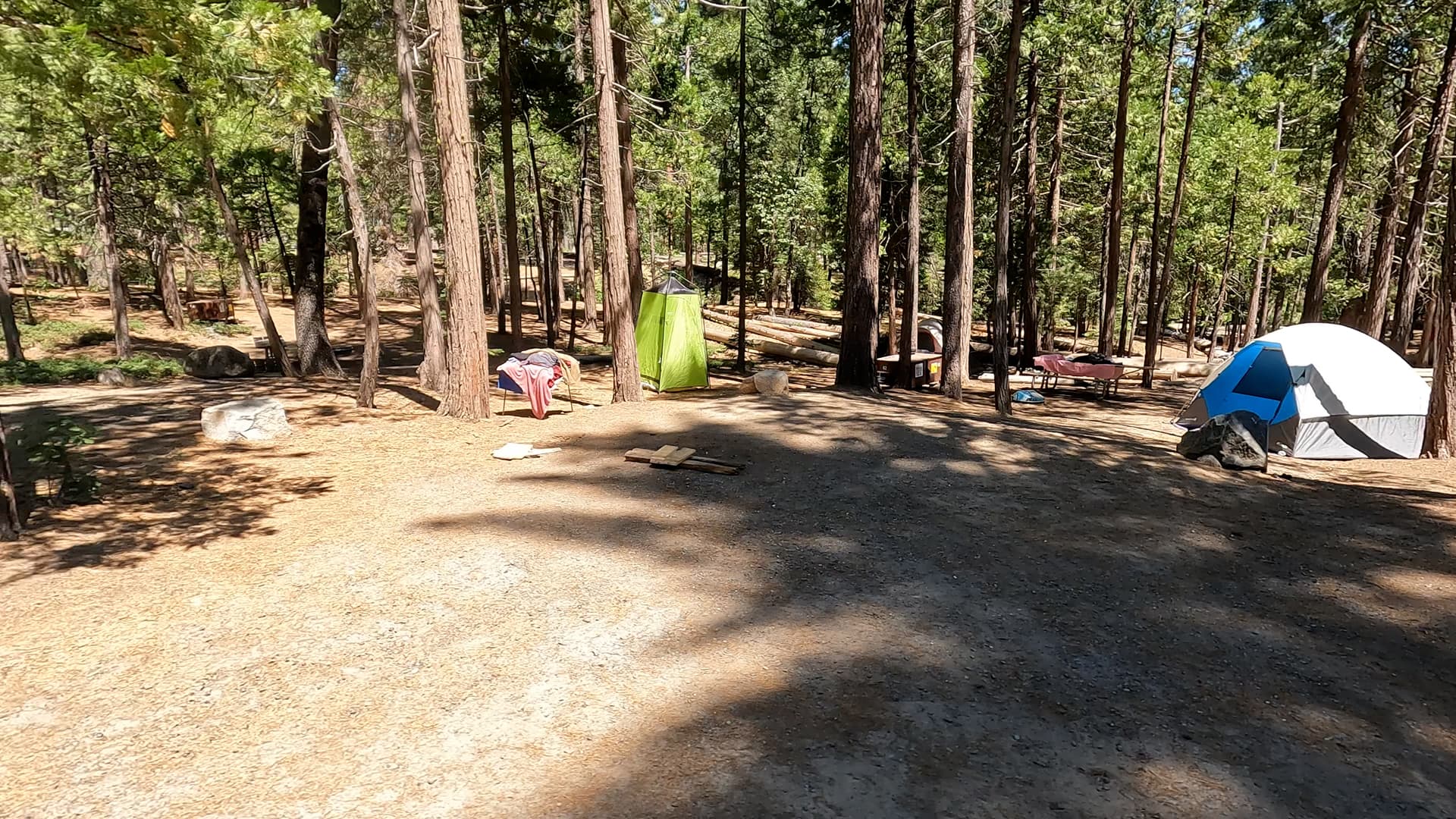
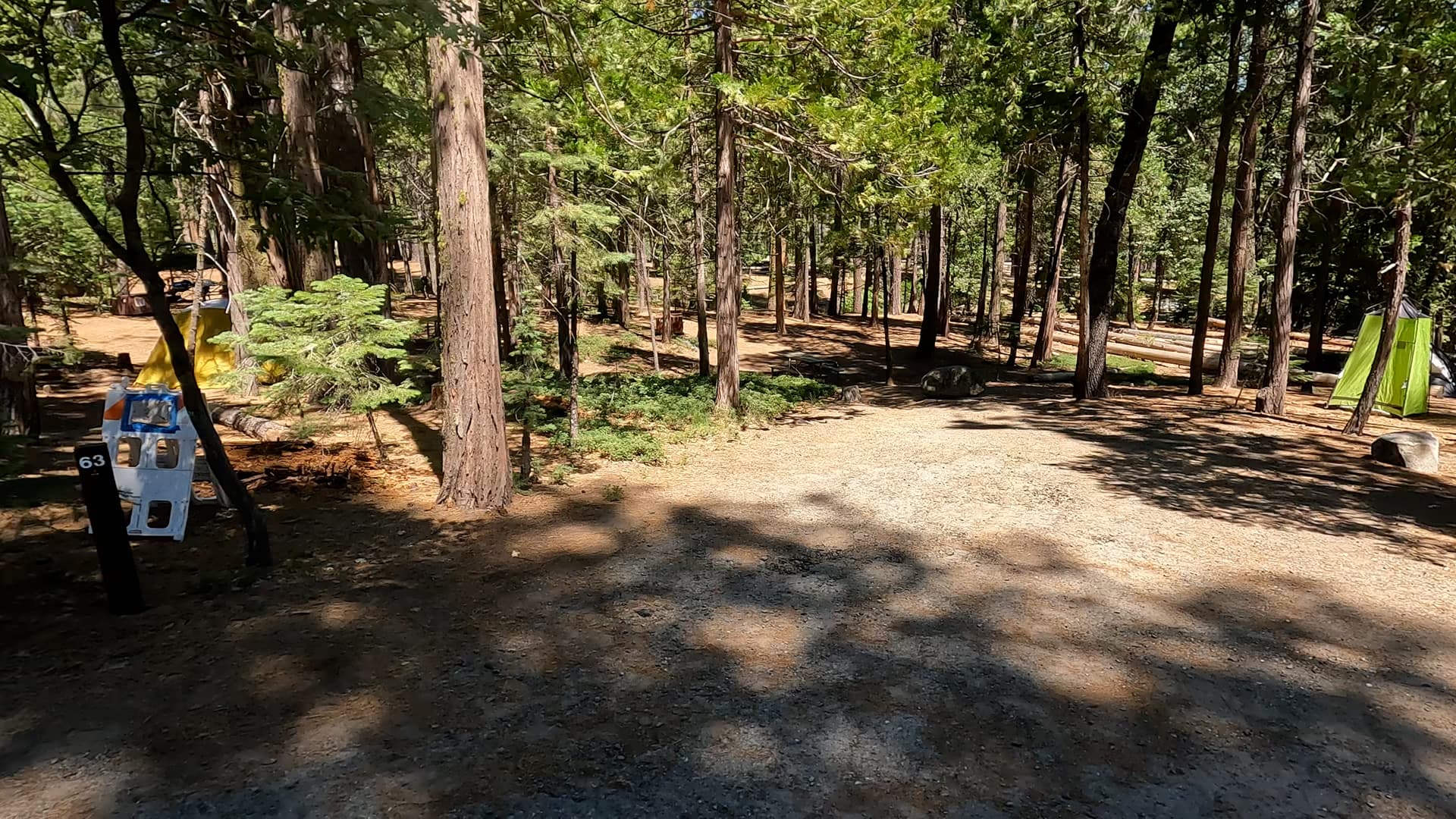
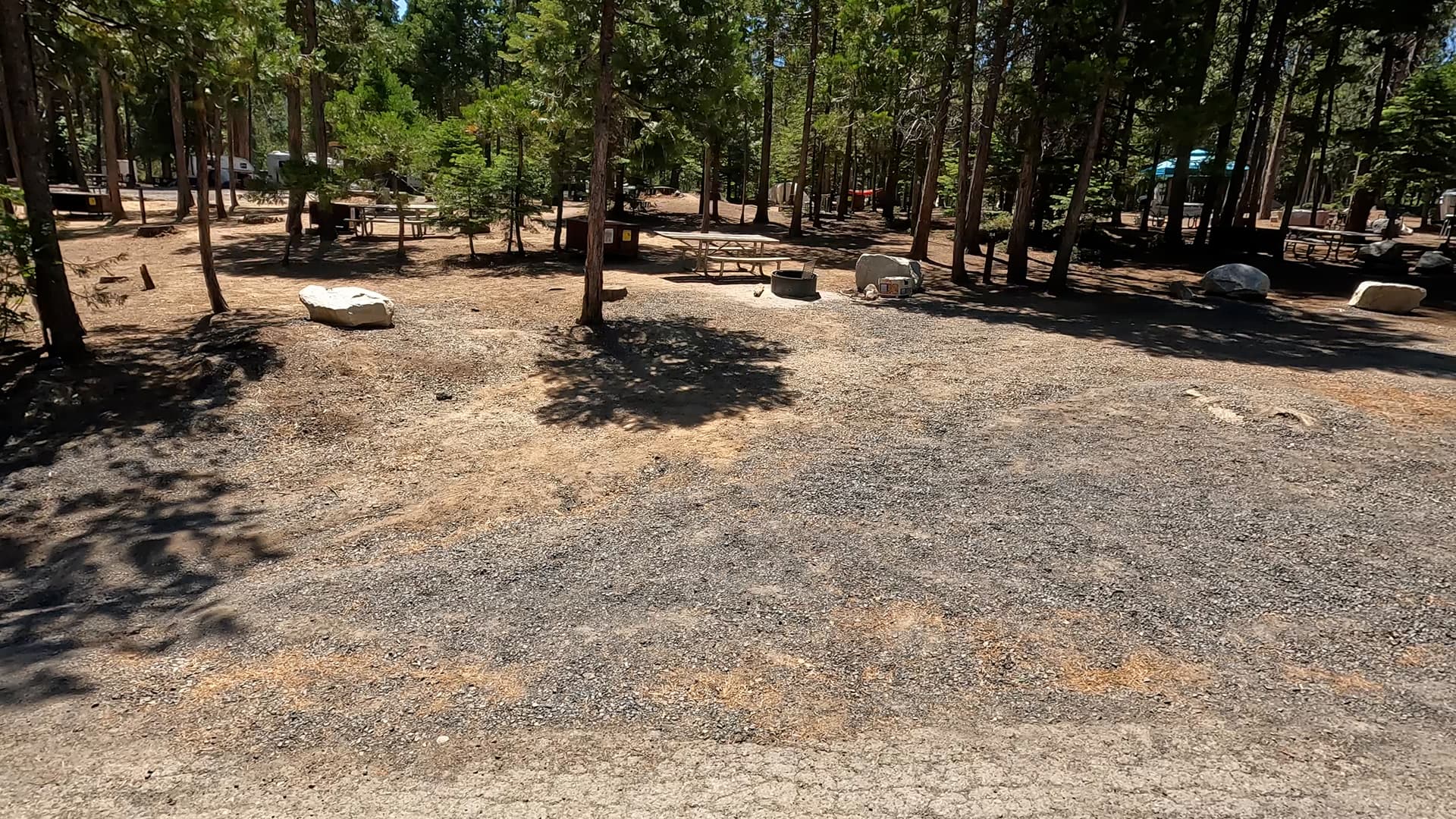
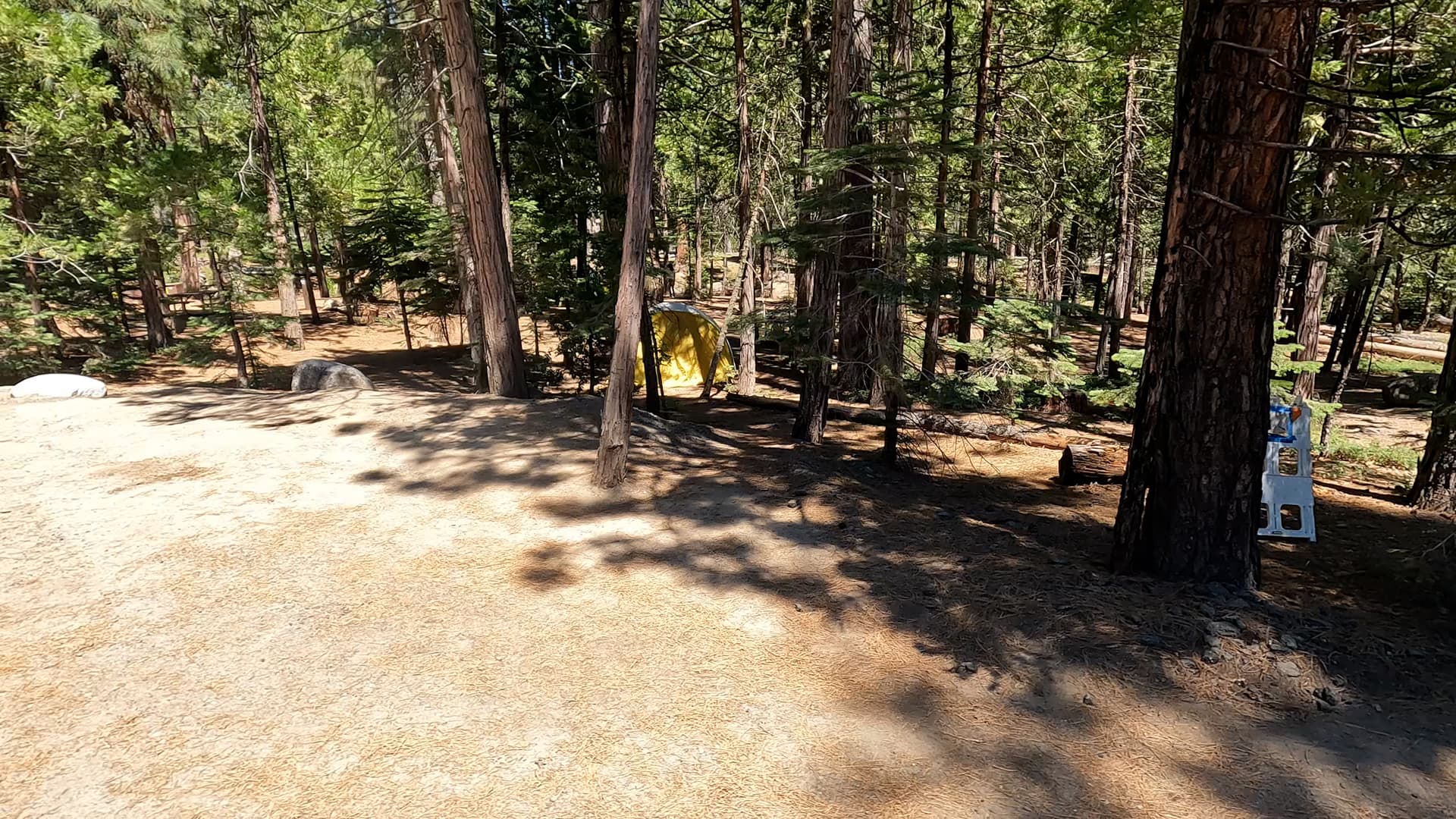
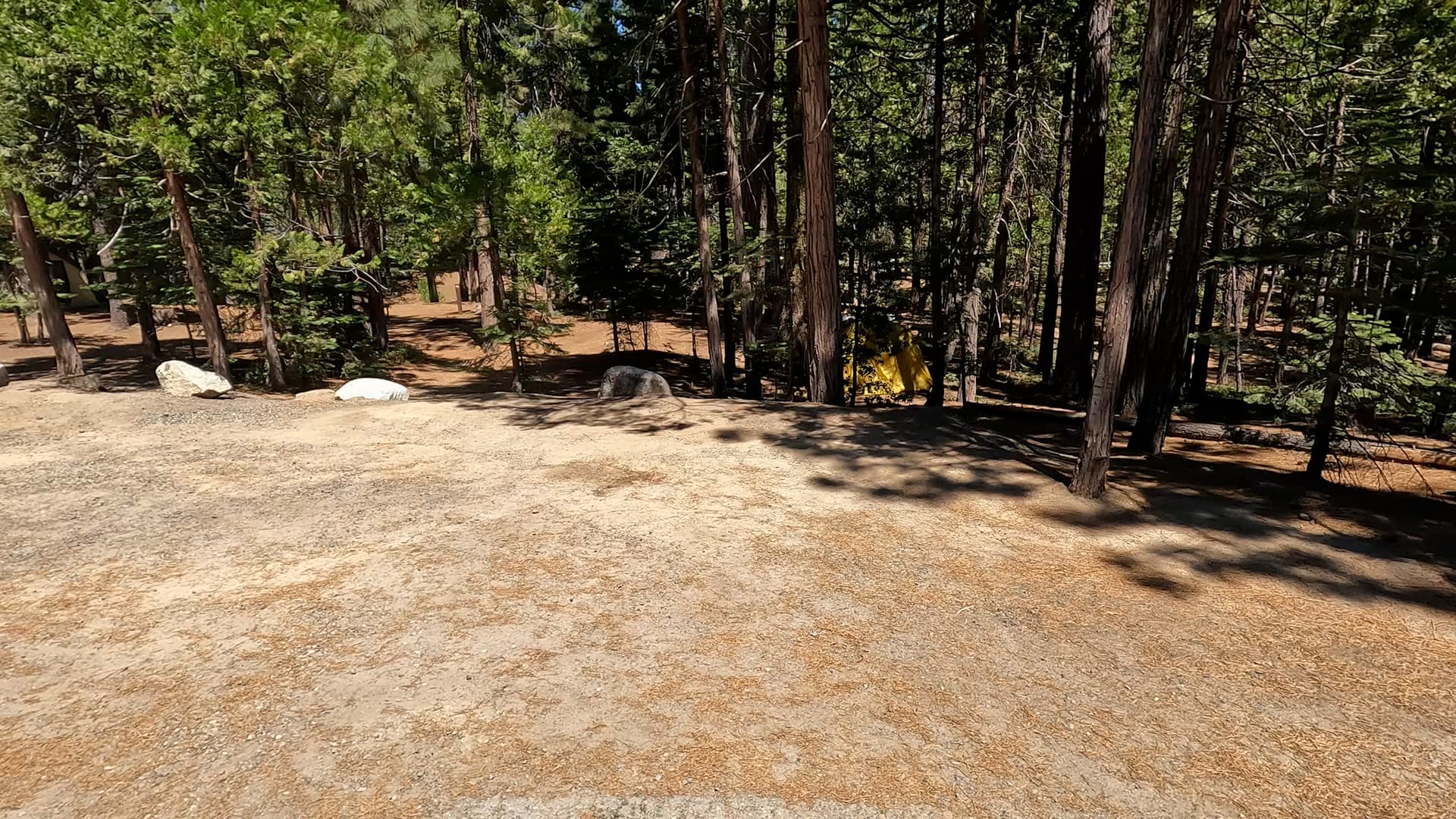
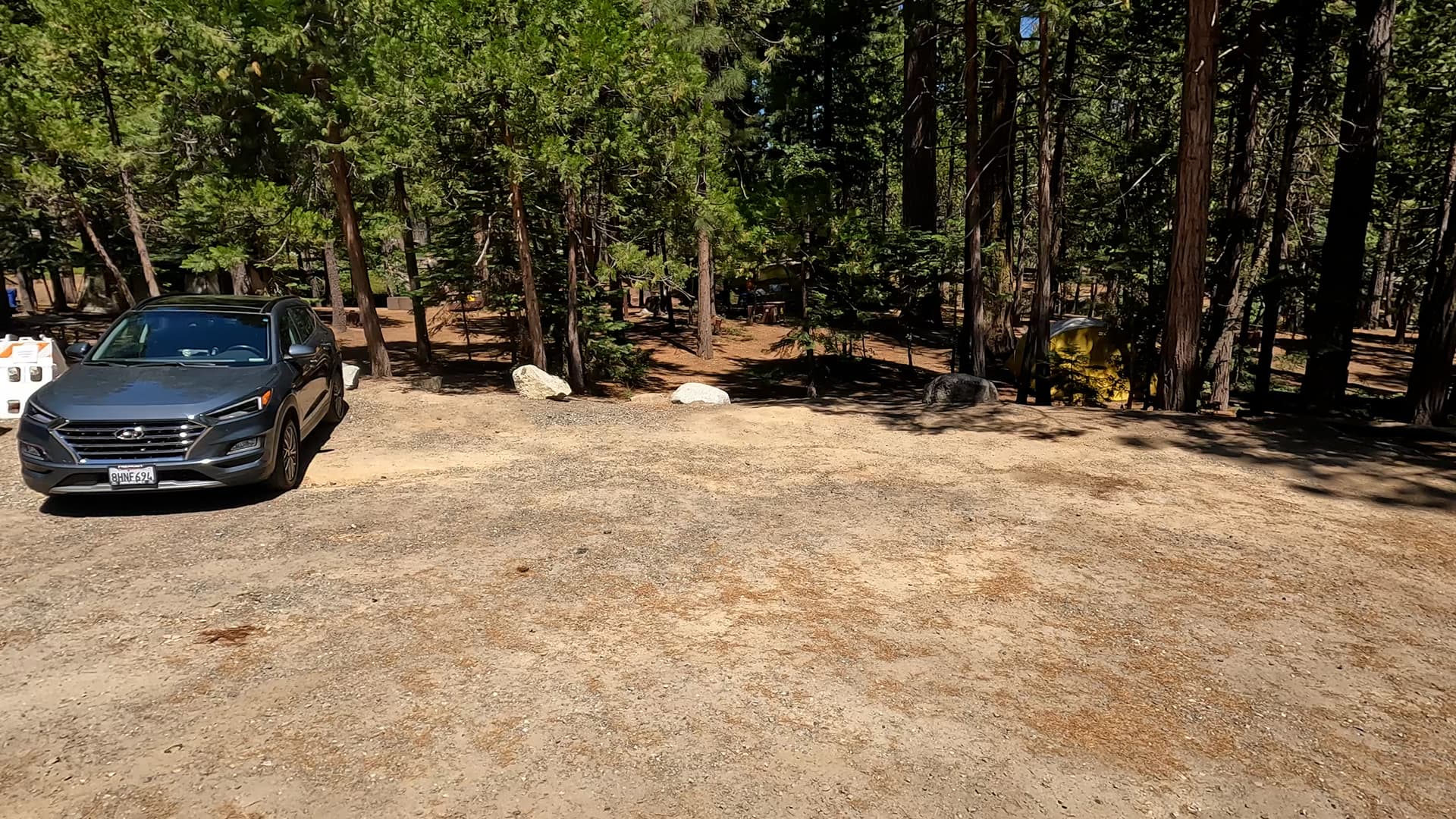
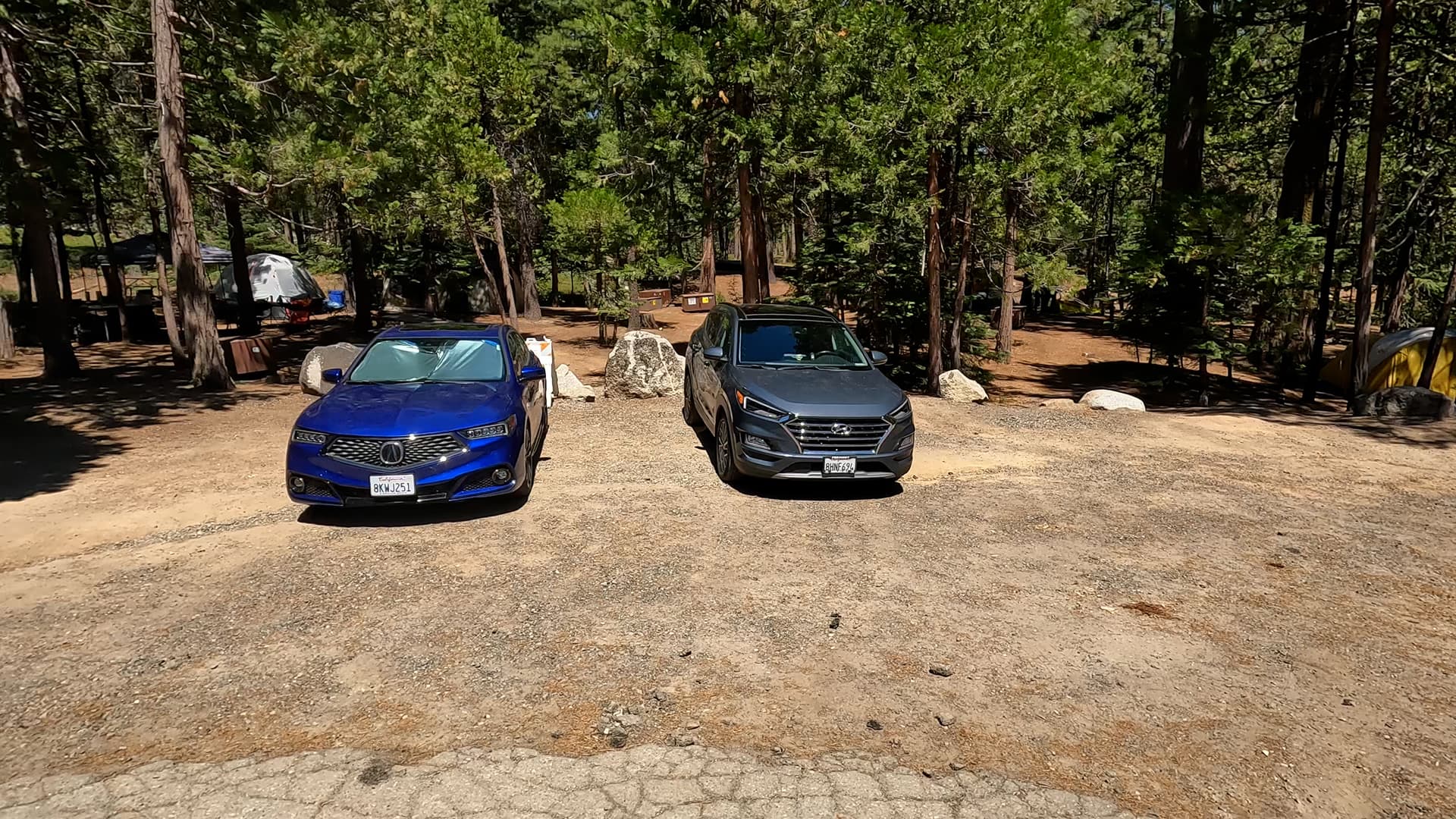
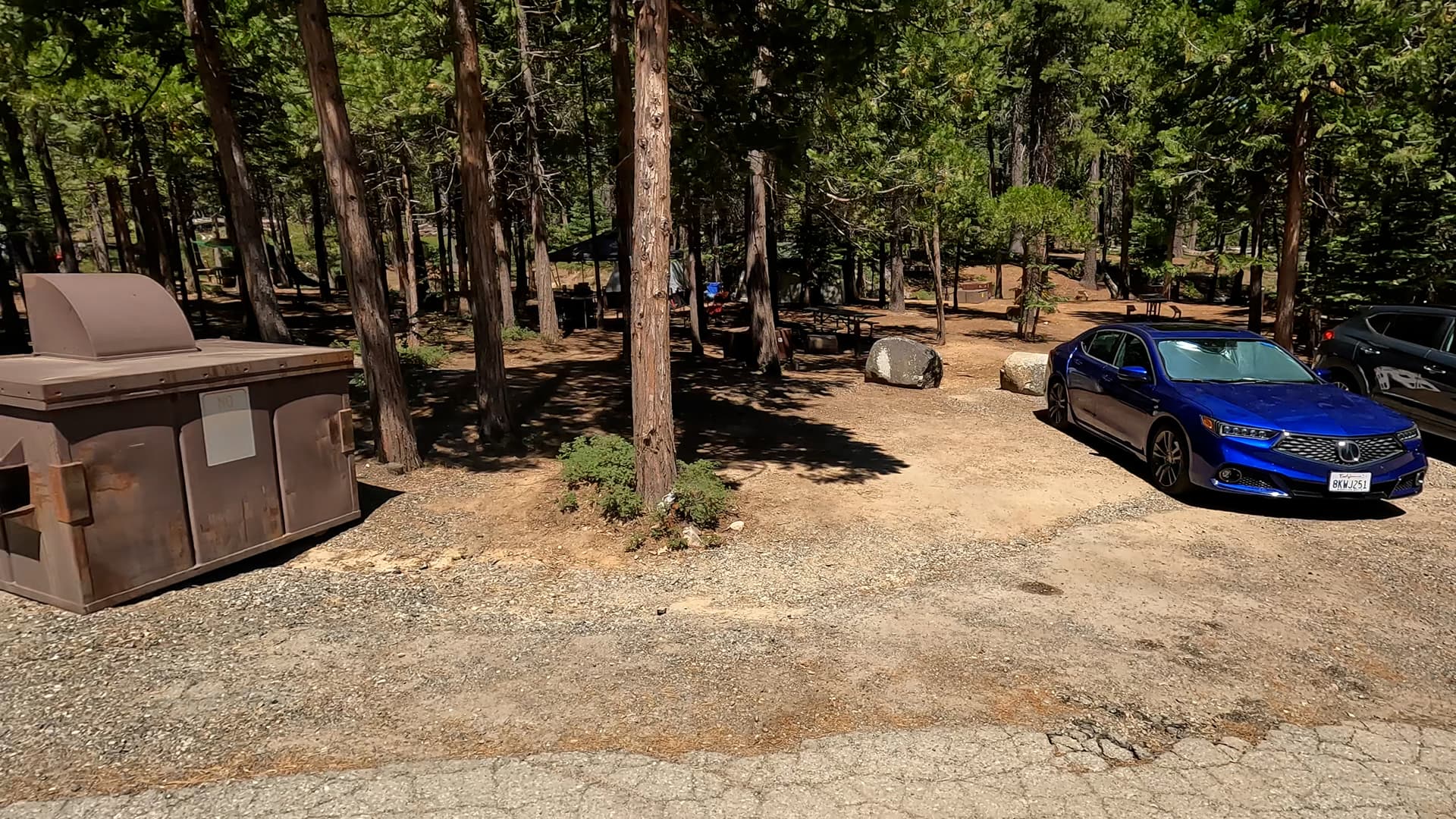
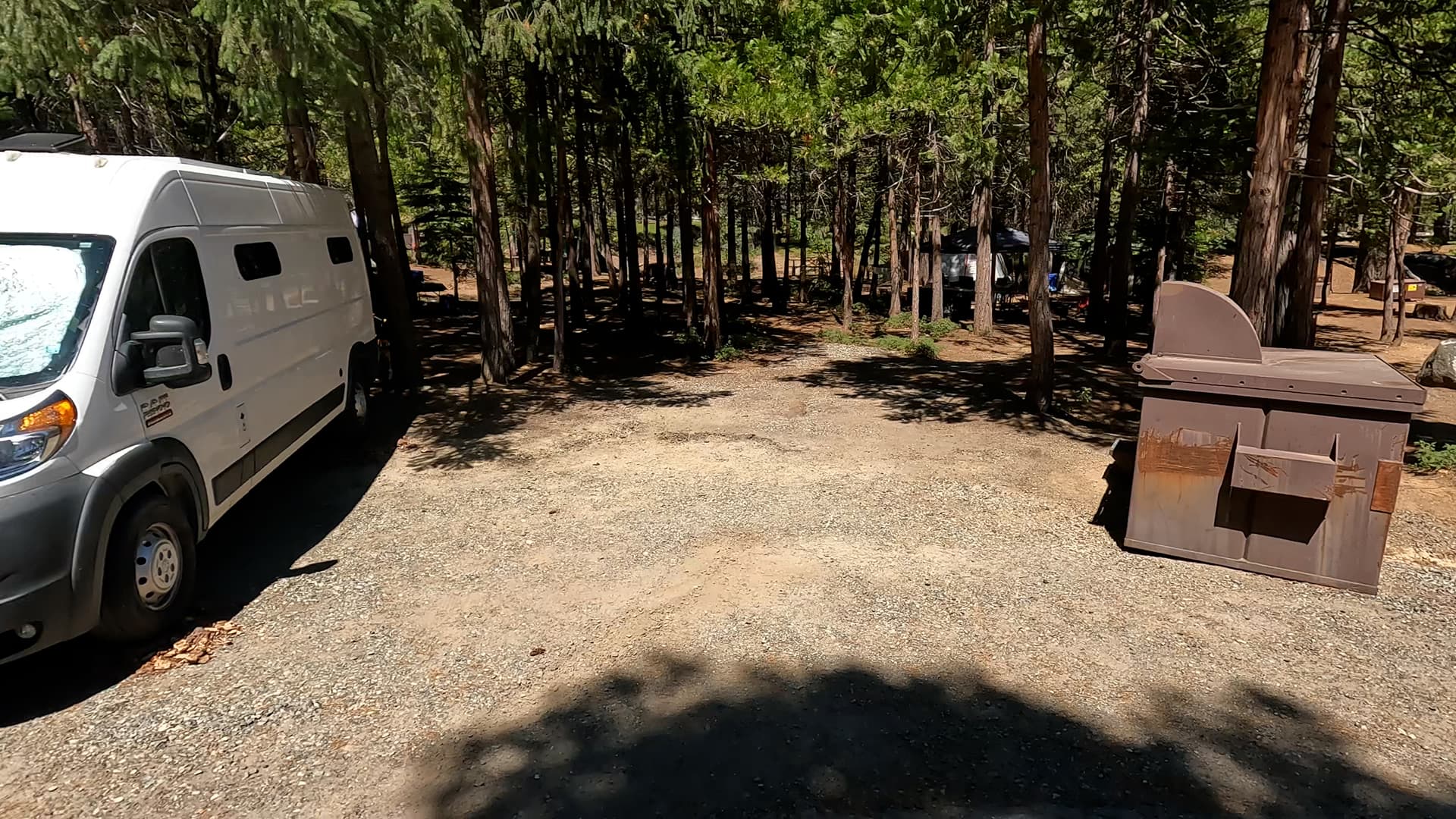
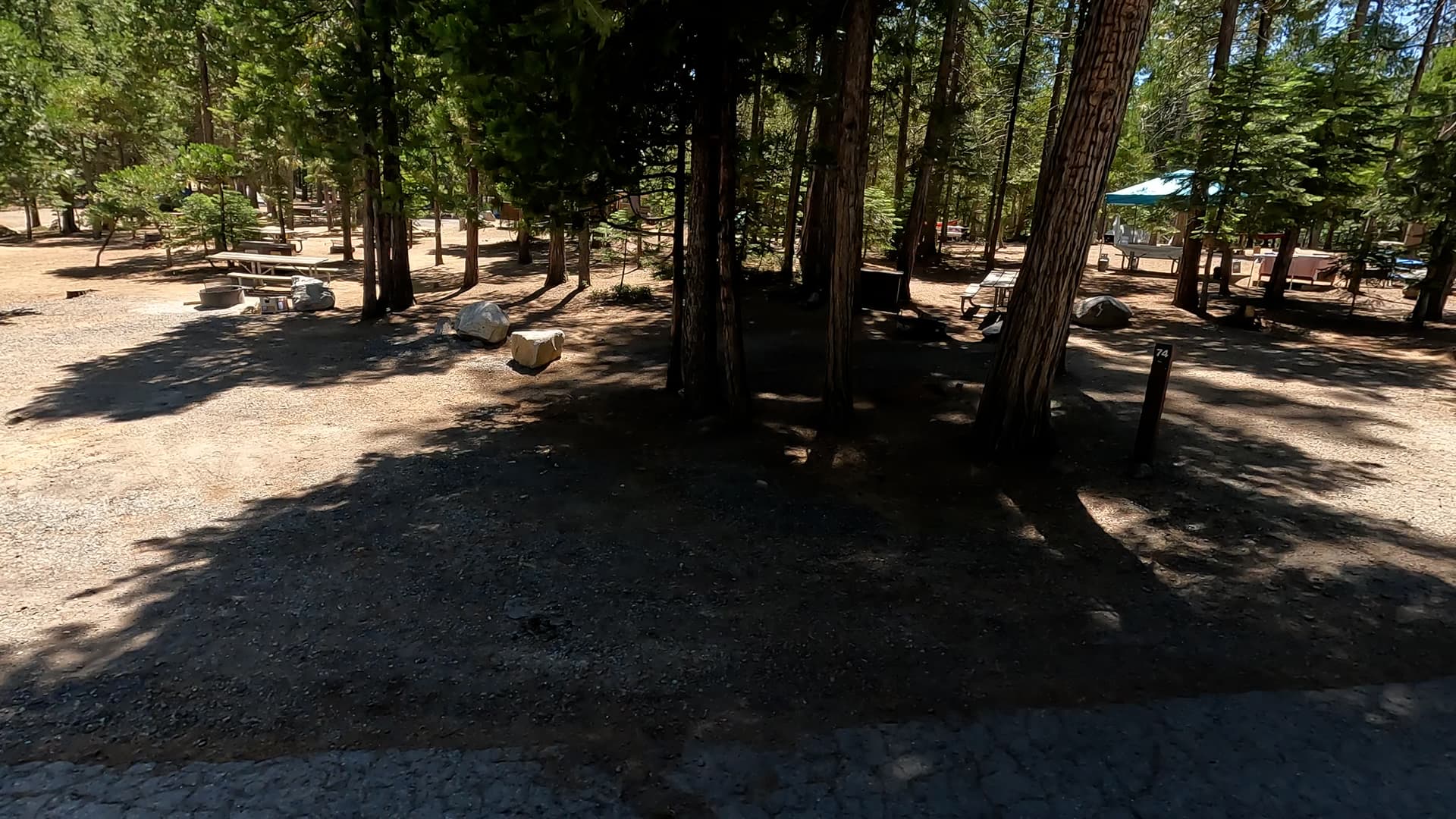
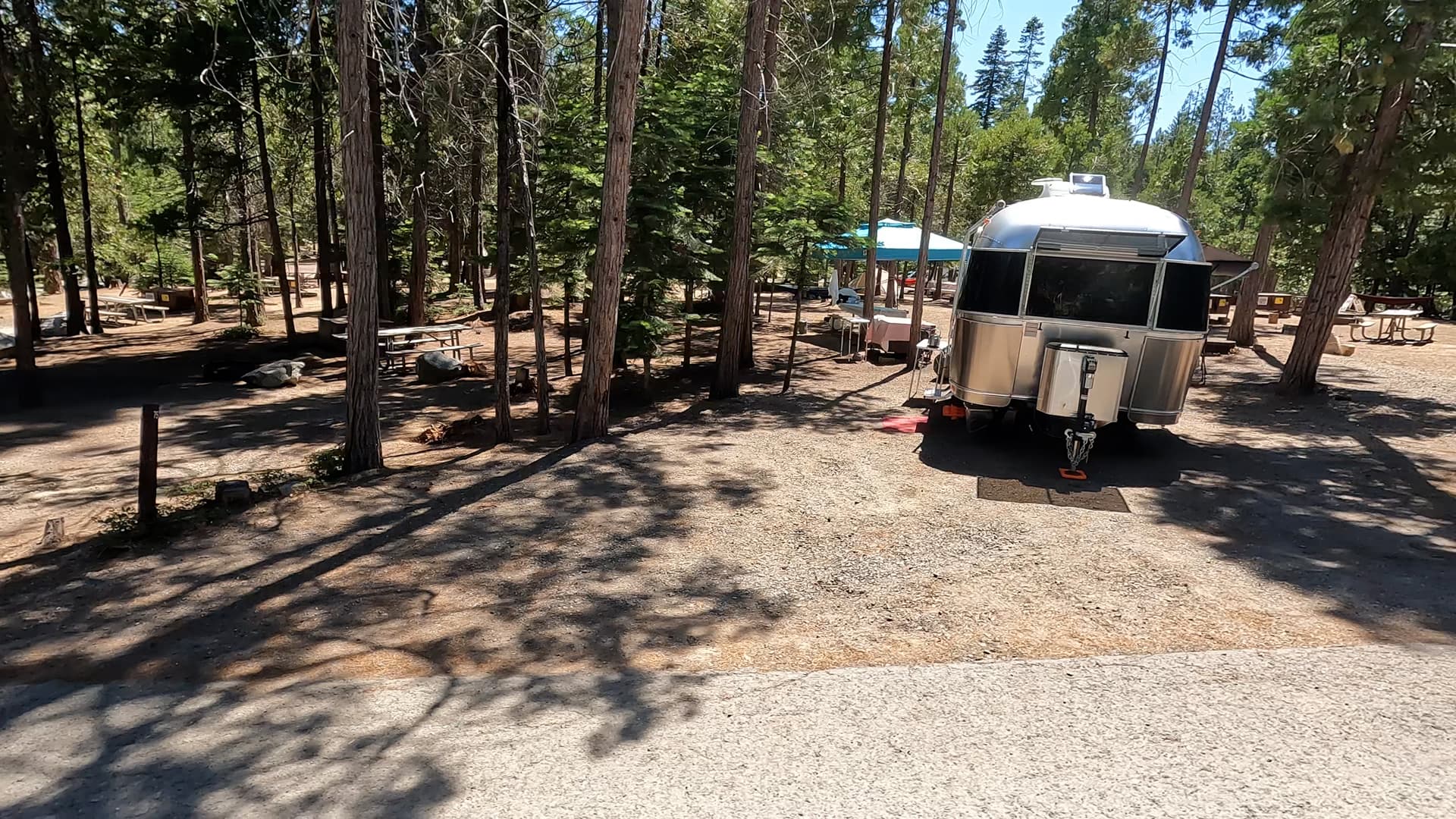
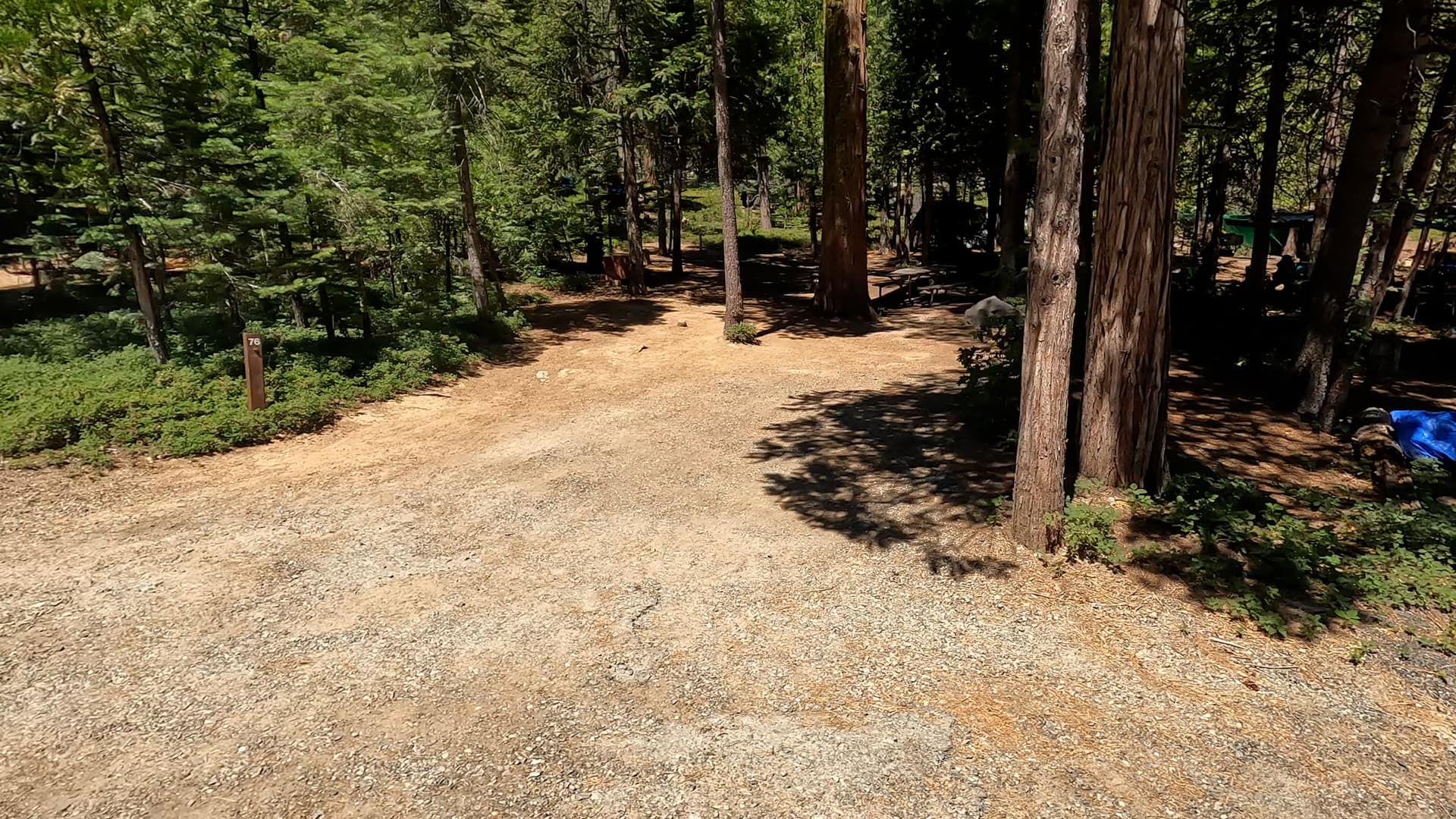
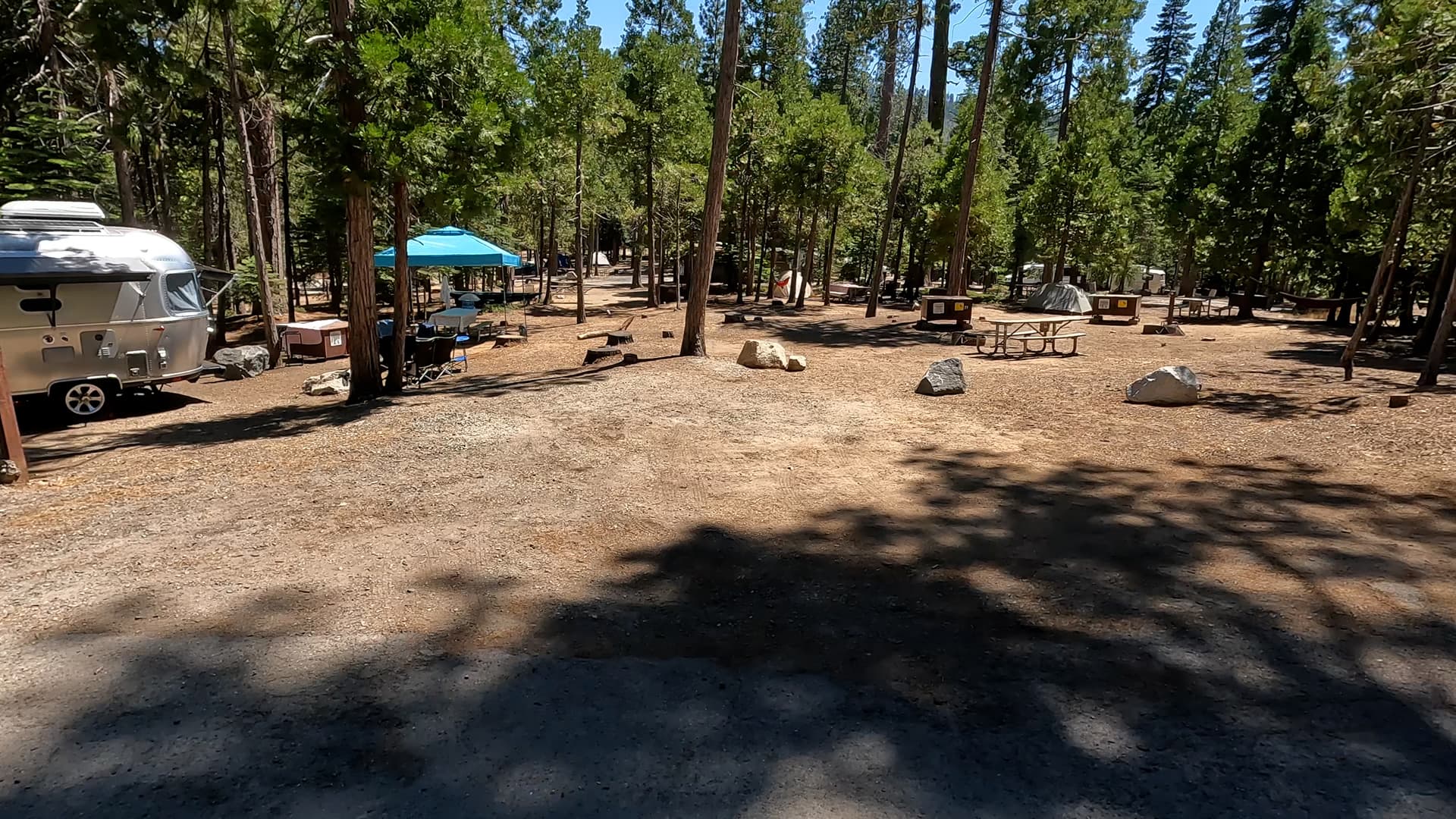
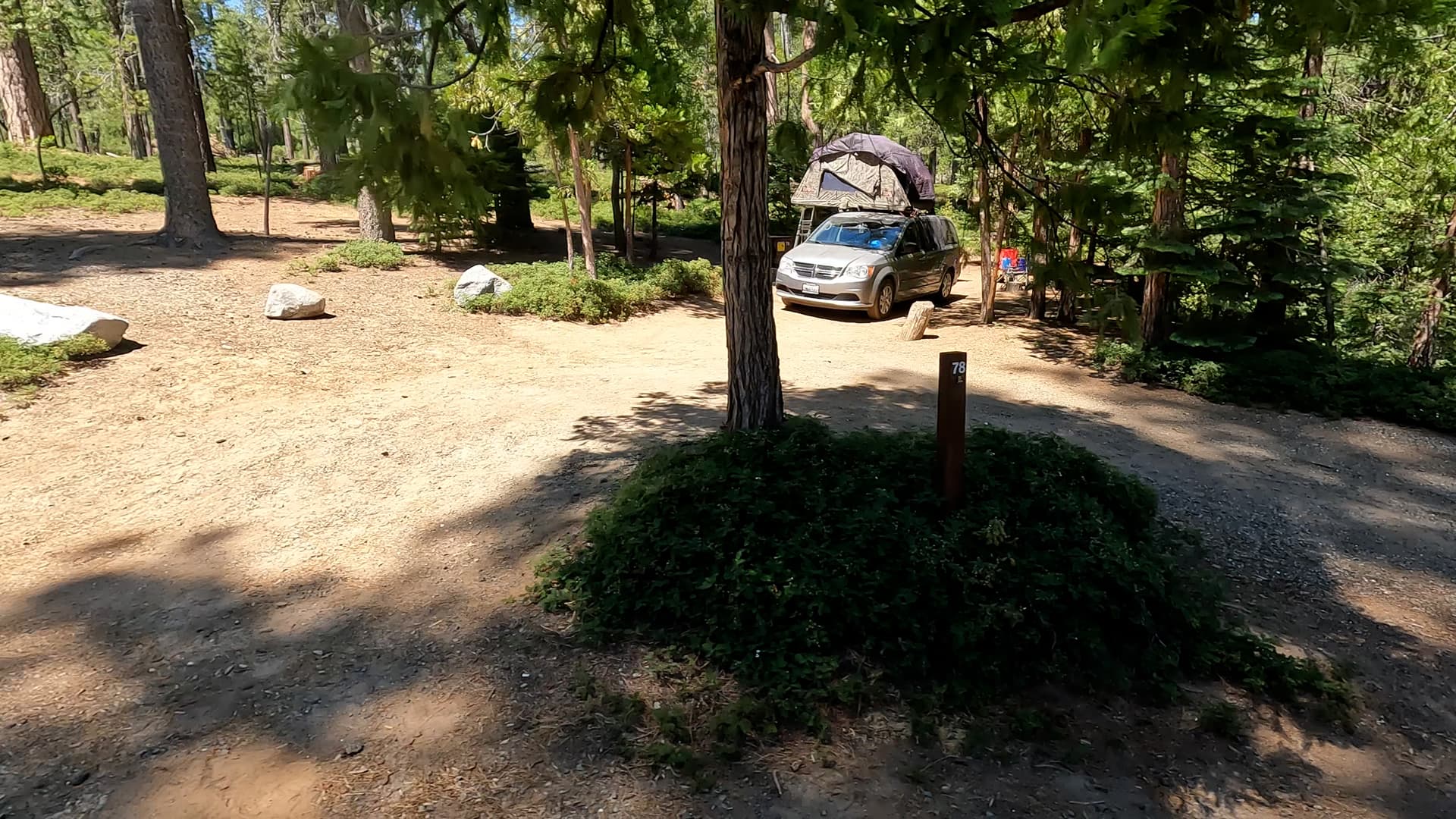
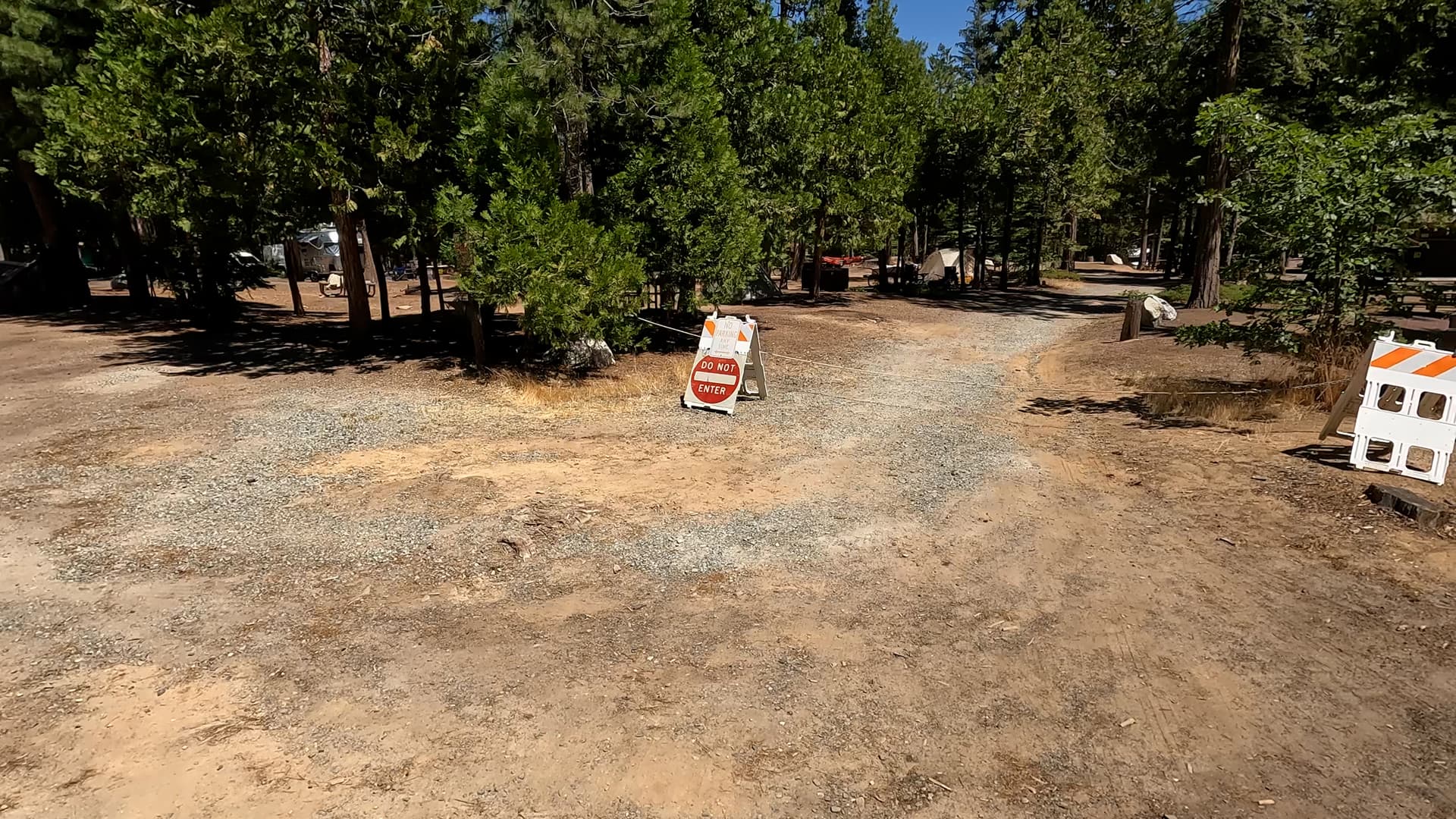
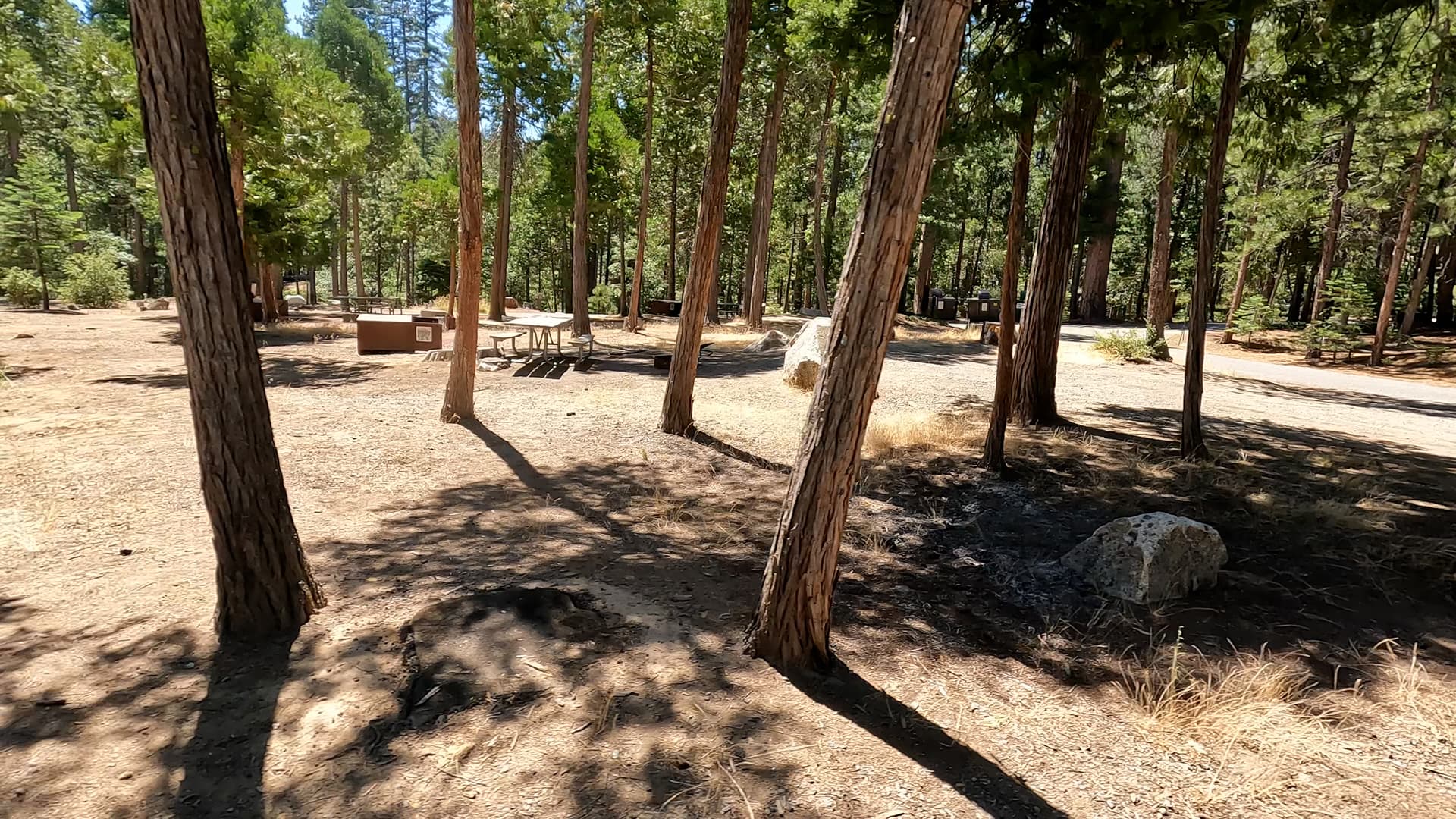
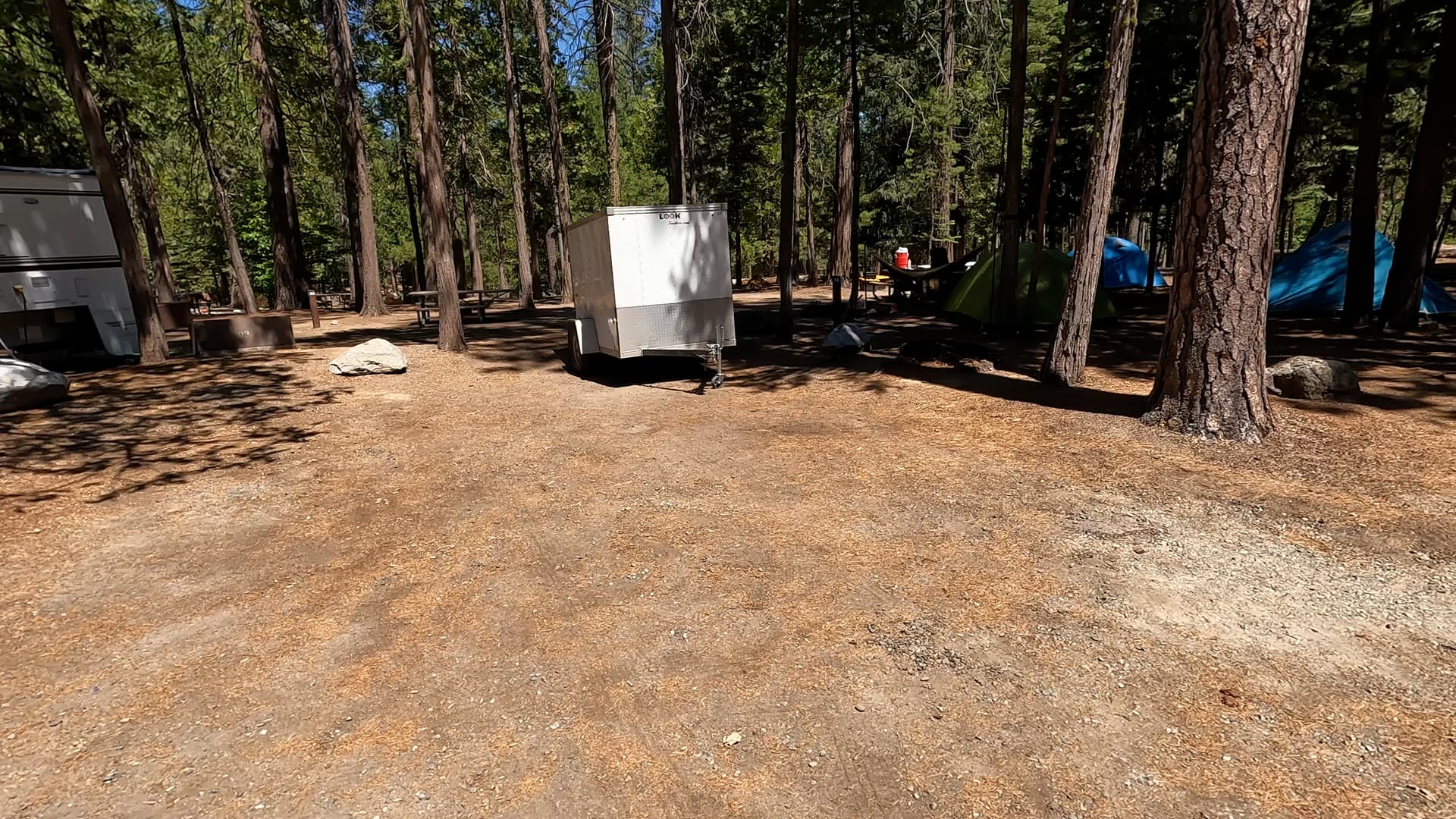
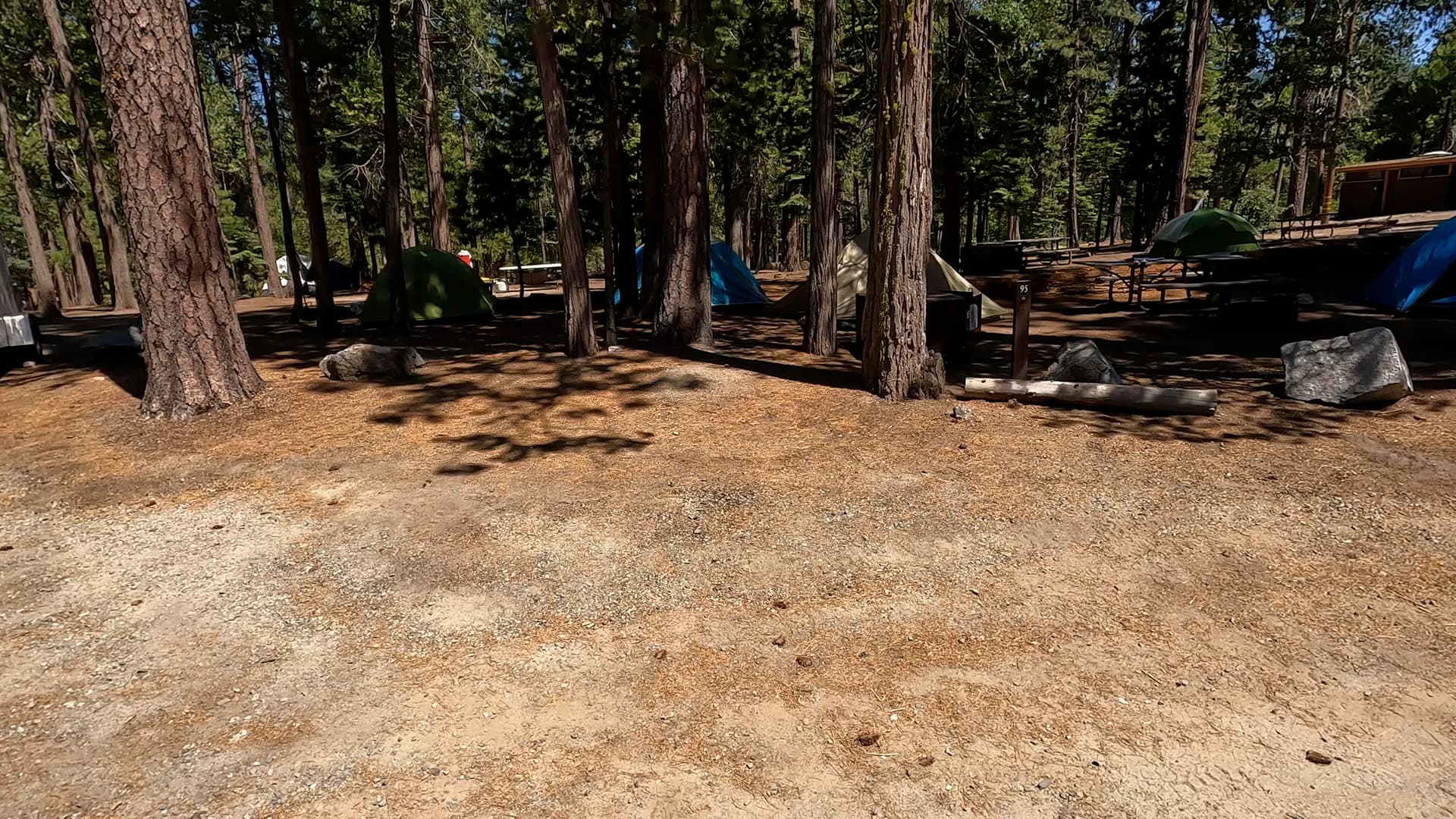
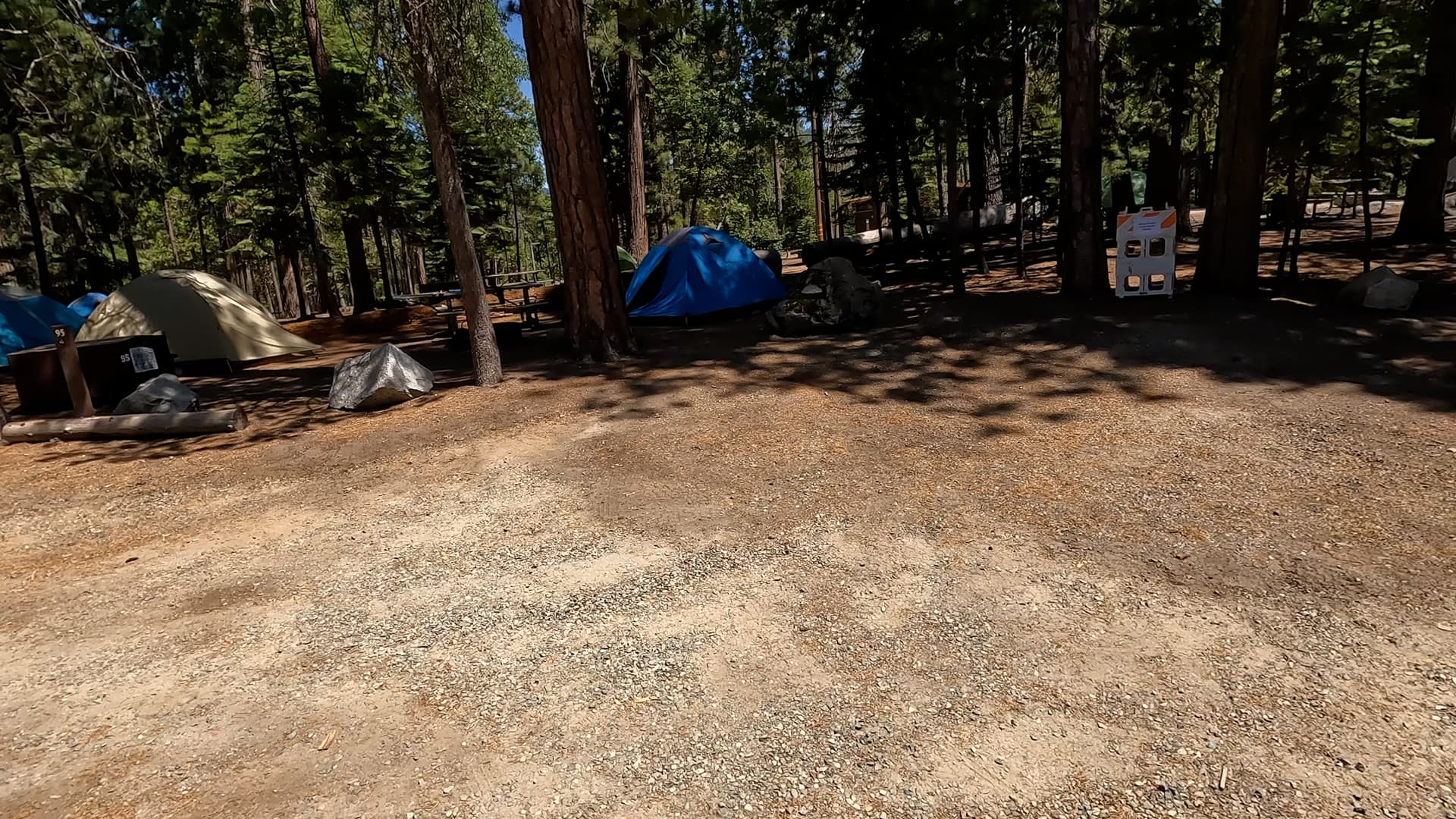
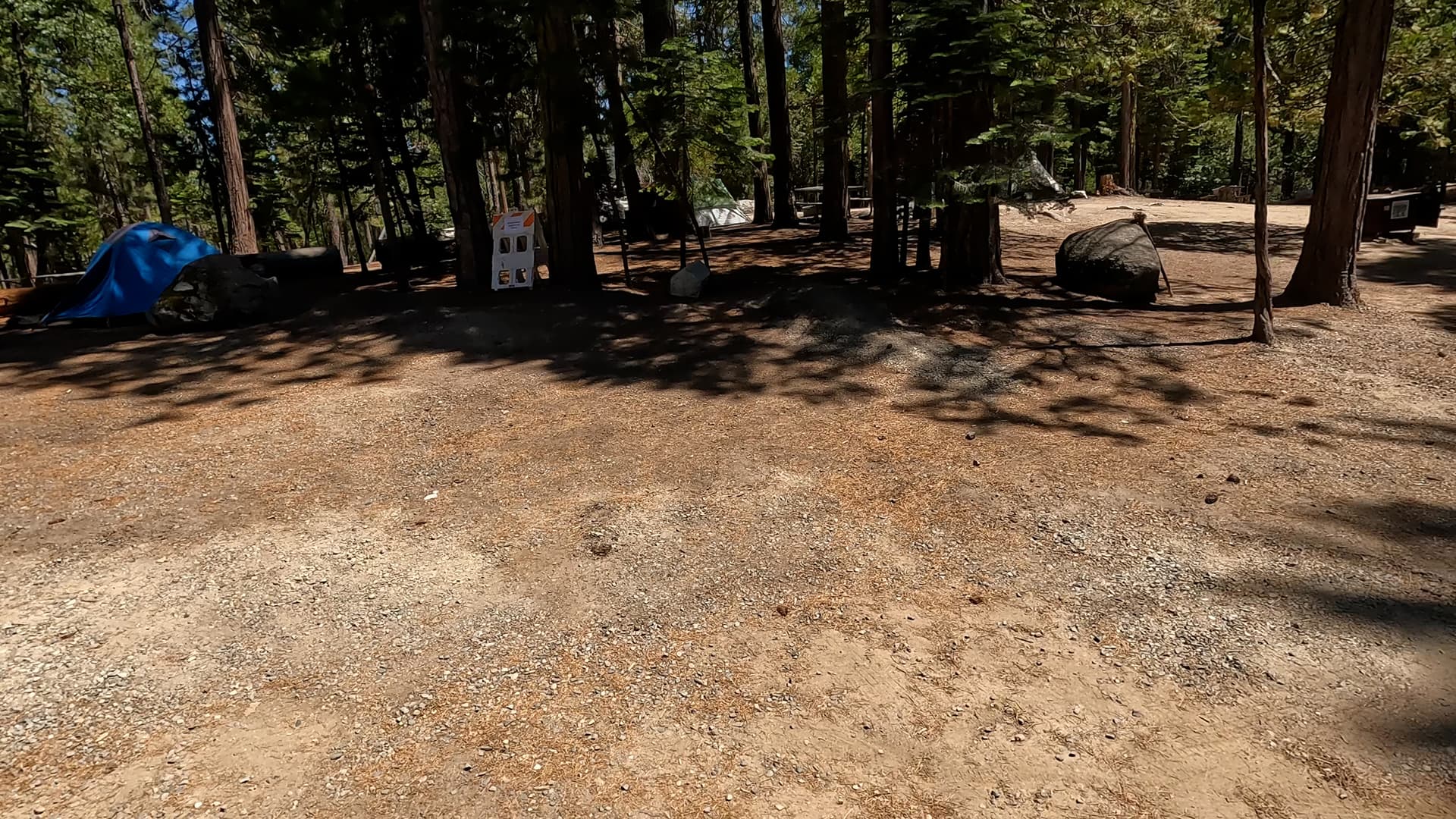
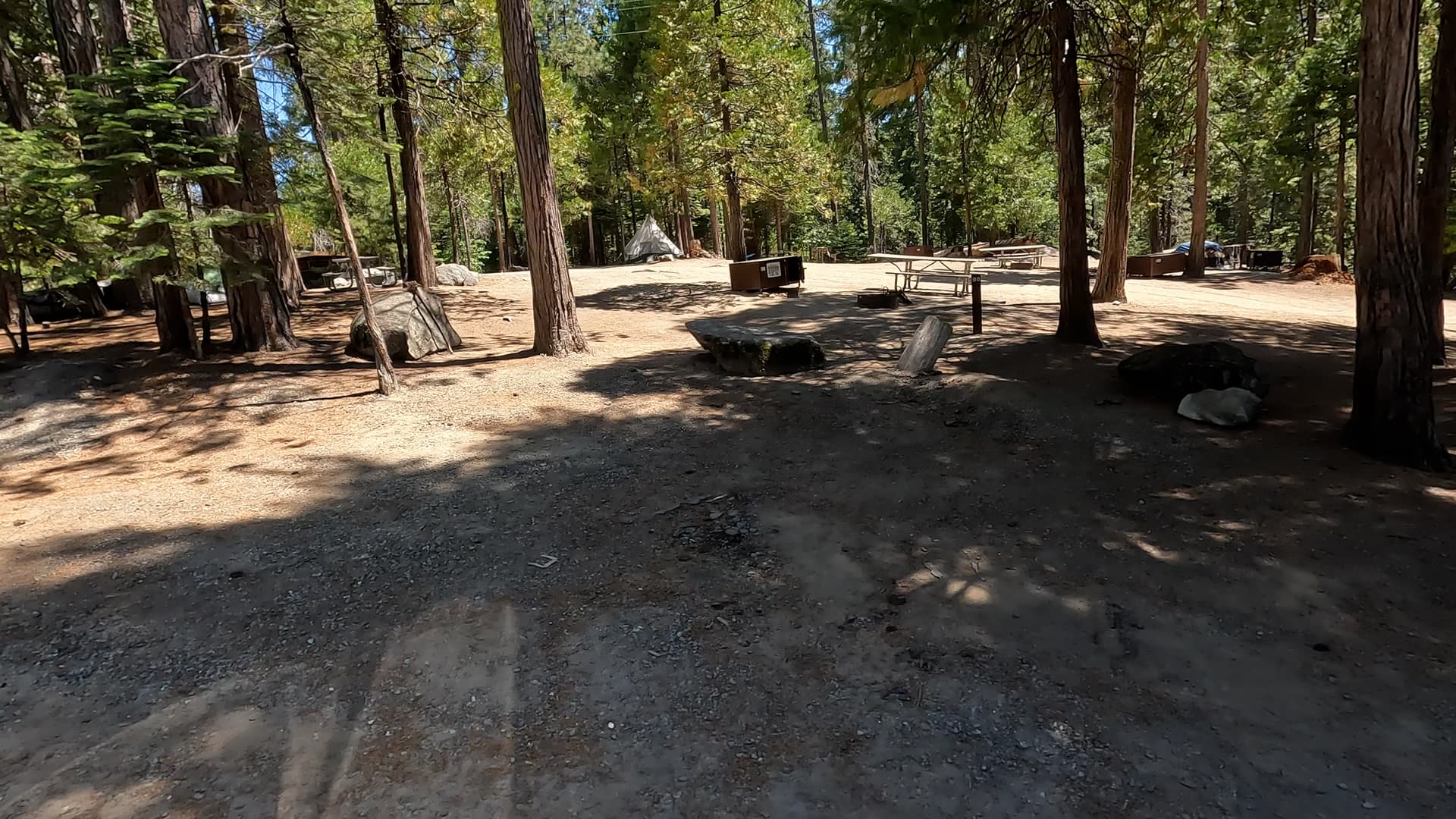
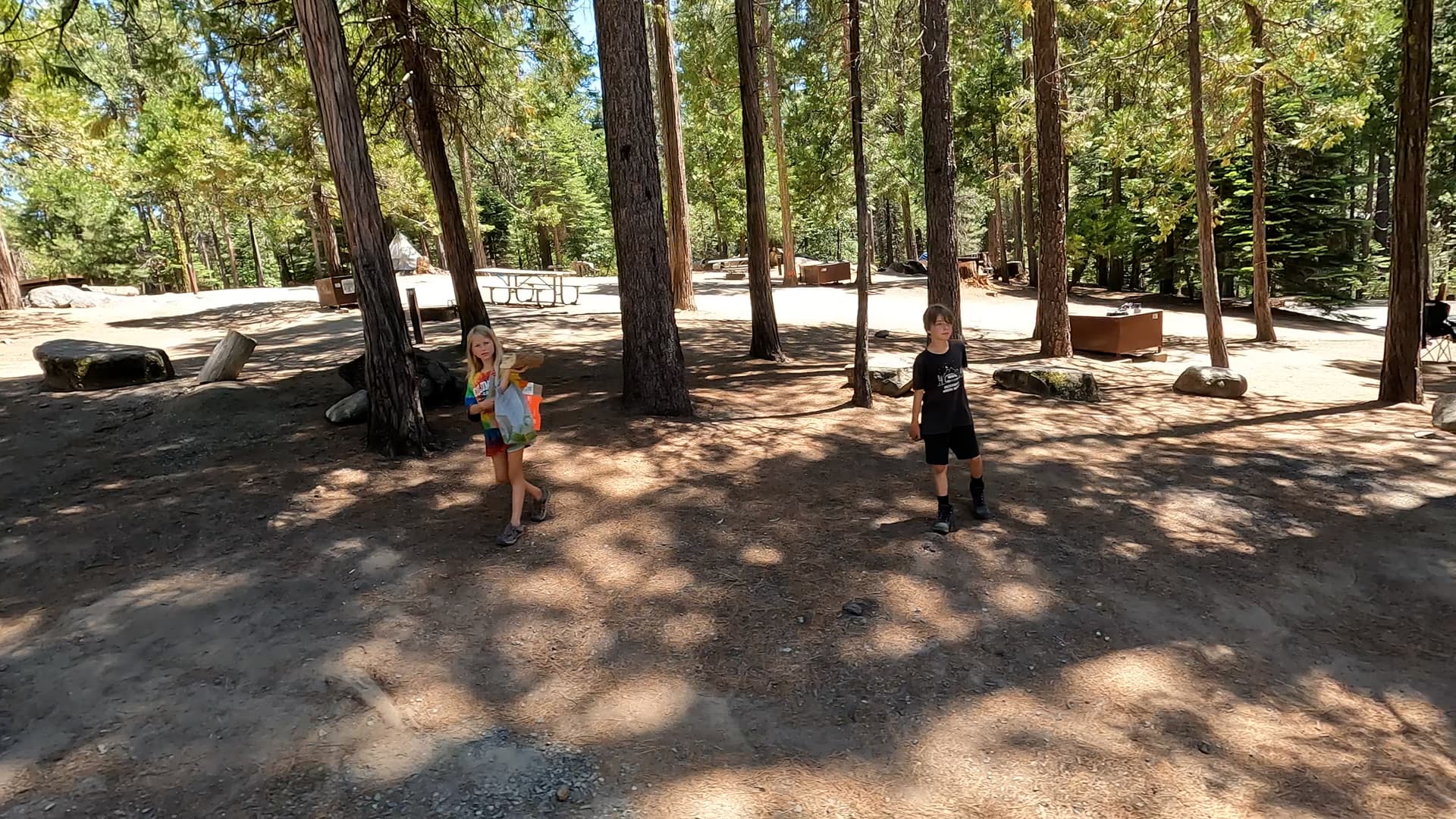
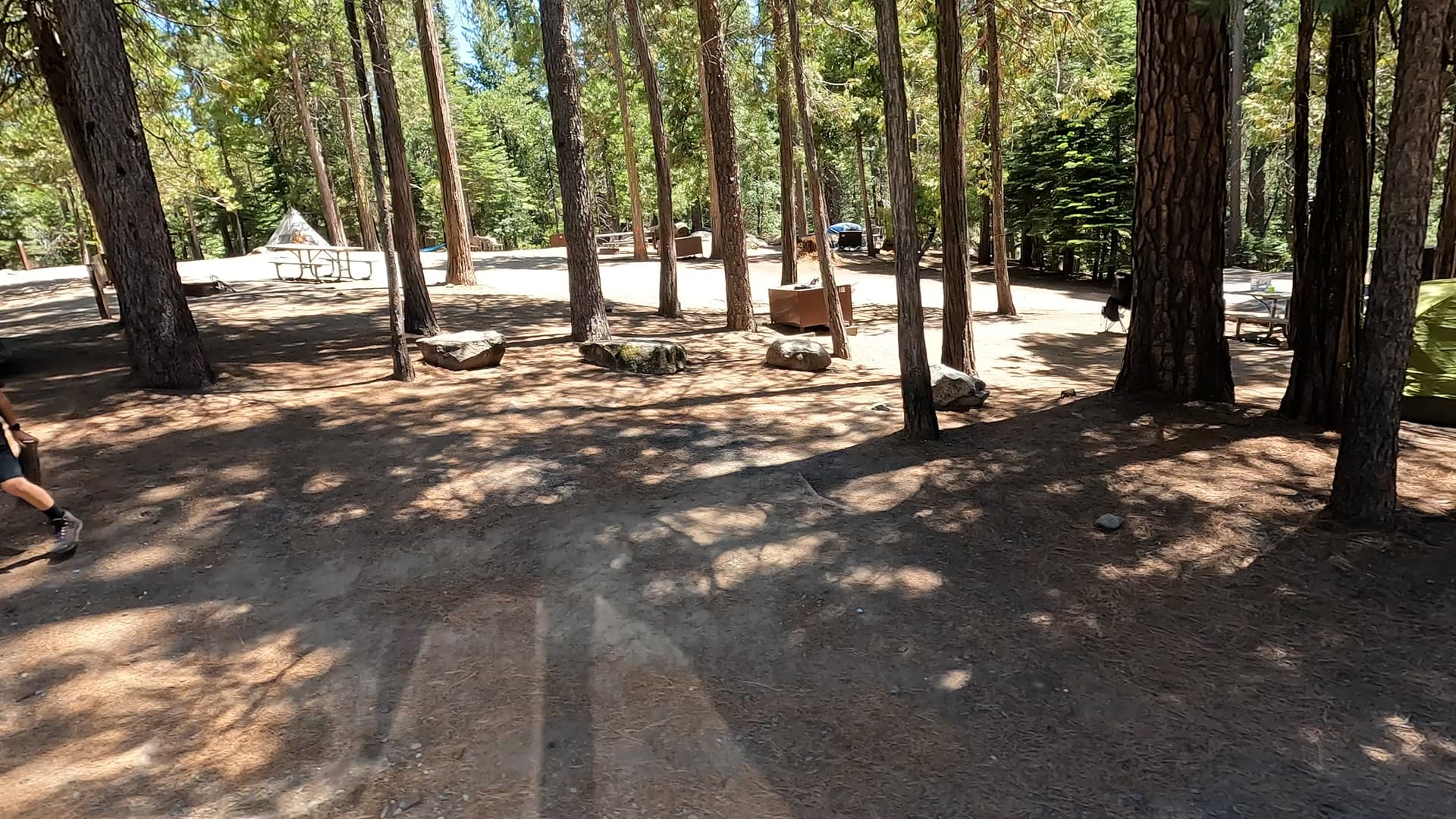
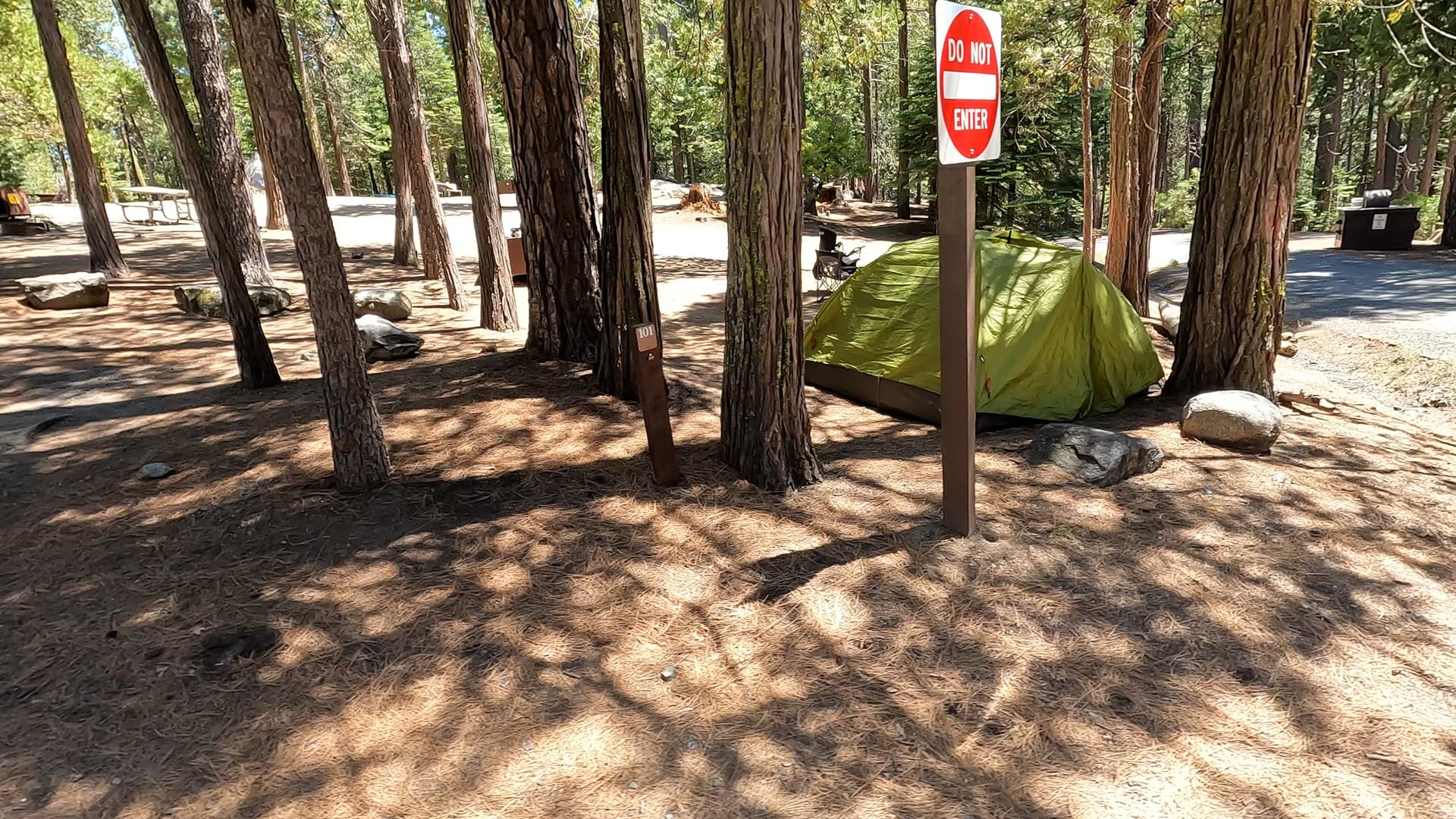
Hodgdon Meadow Campground is a forested campground located near the Big Oak Flat Entrance of Yosemite National Park. Set at a lower elevation than Yosemite Valley, this campground offers a quieter, more wooded setting while still providing access to the park’s iconic granite landscapes. Its location makes it a convenient choice for visitors entering from the west.

Location & Setting

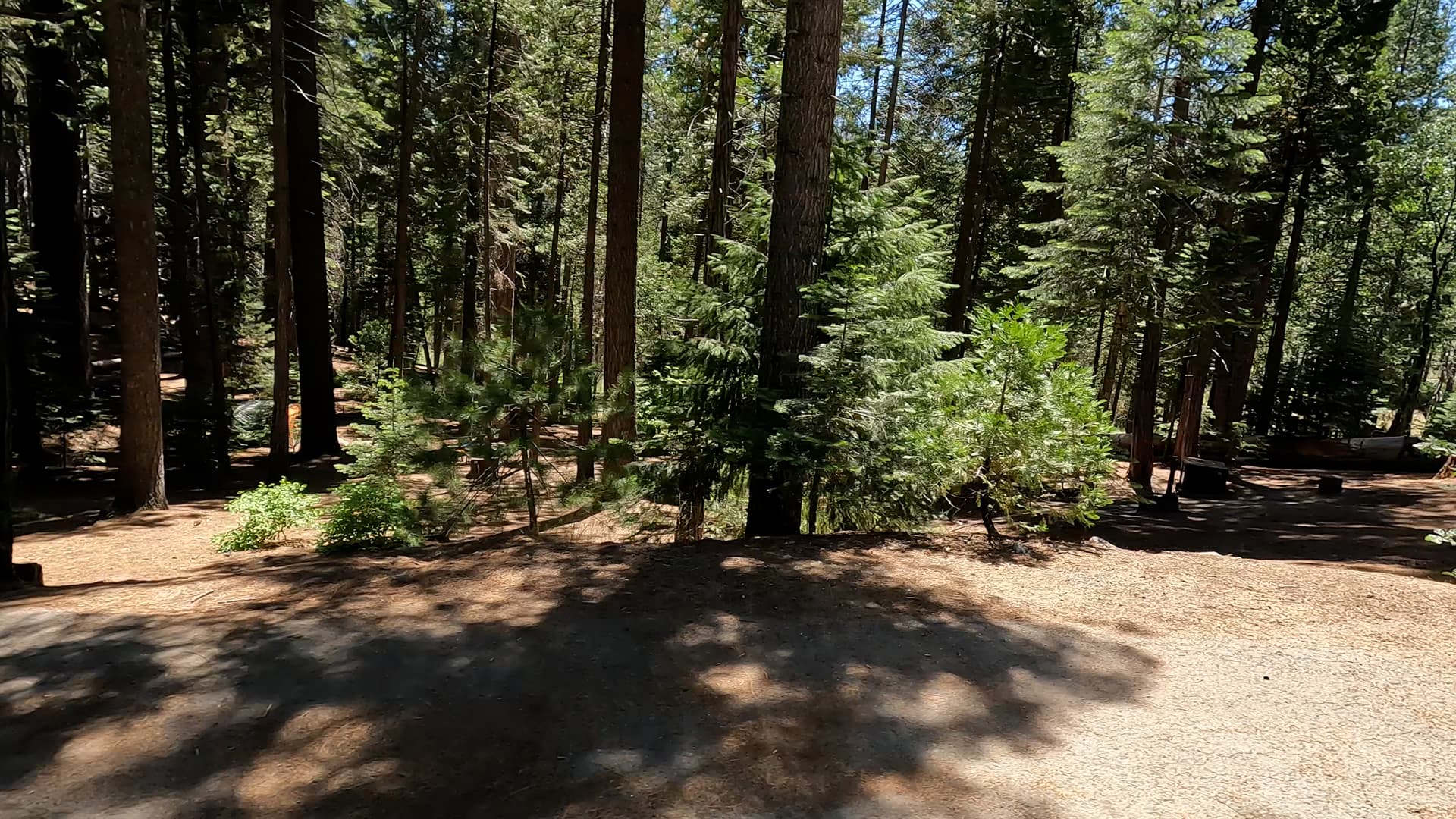
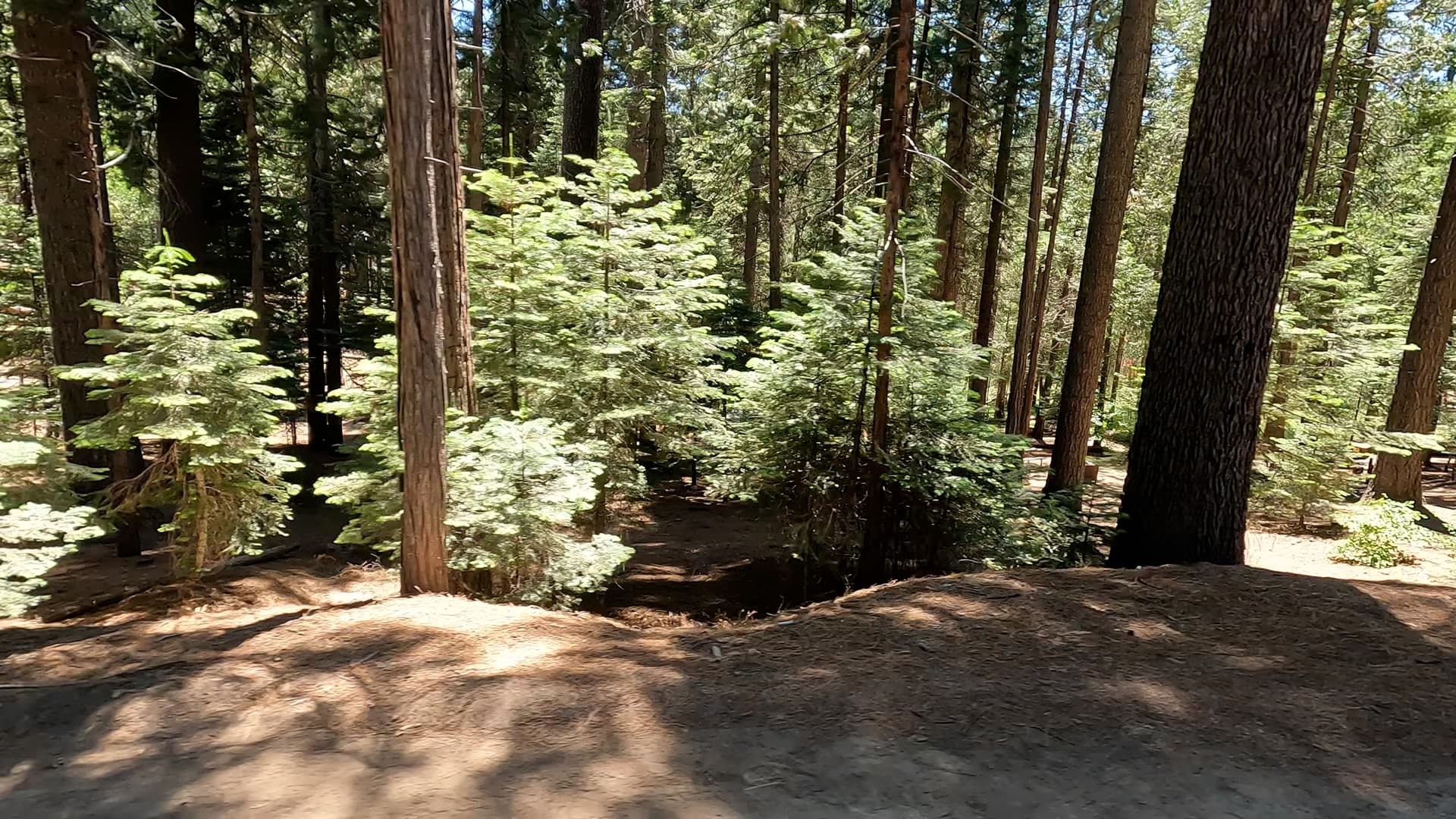
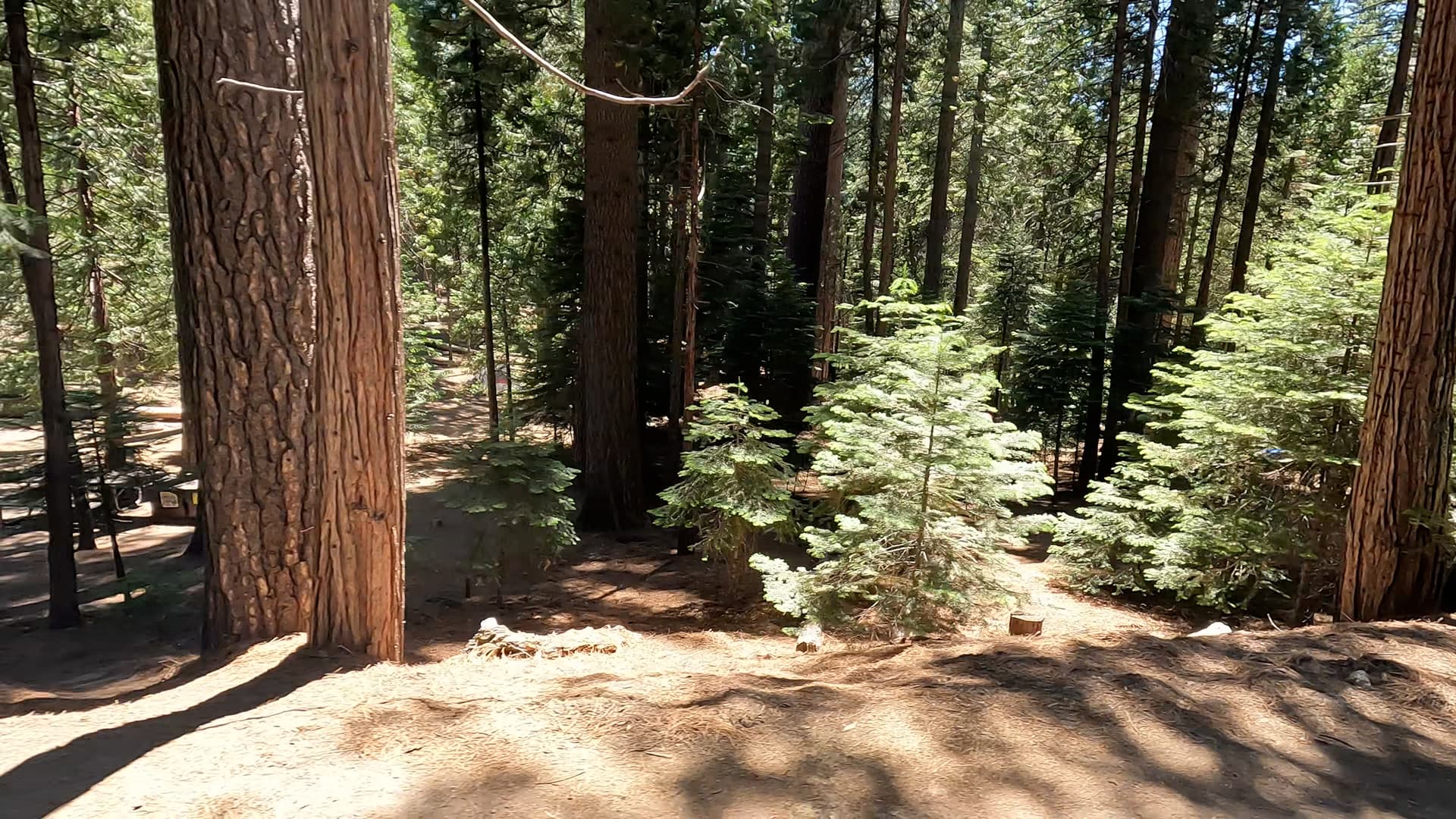
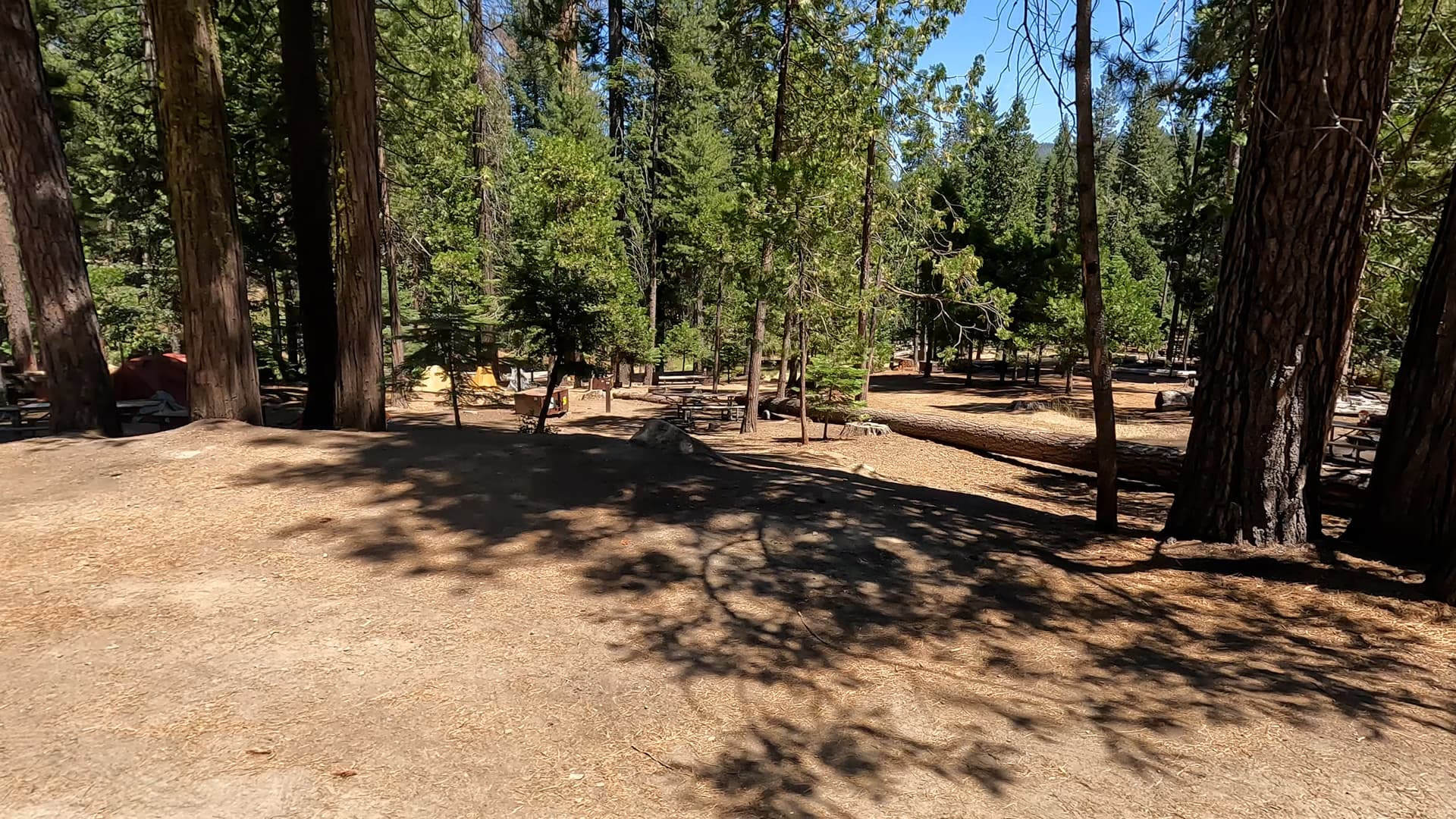
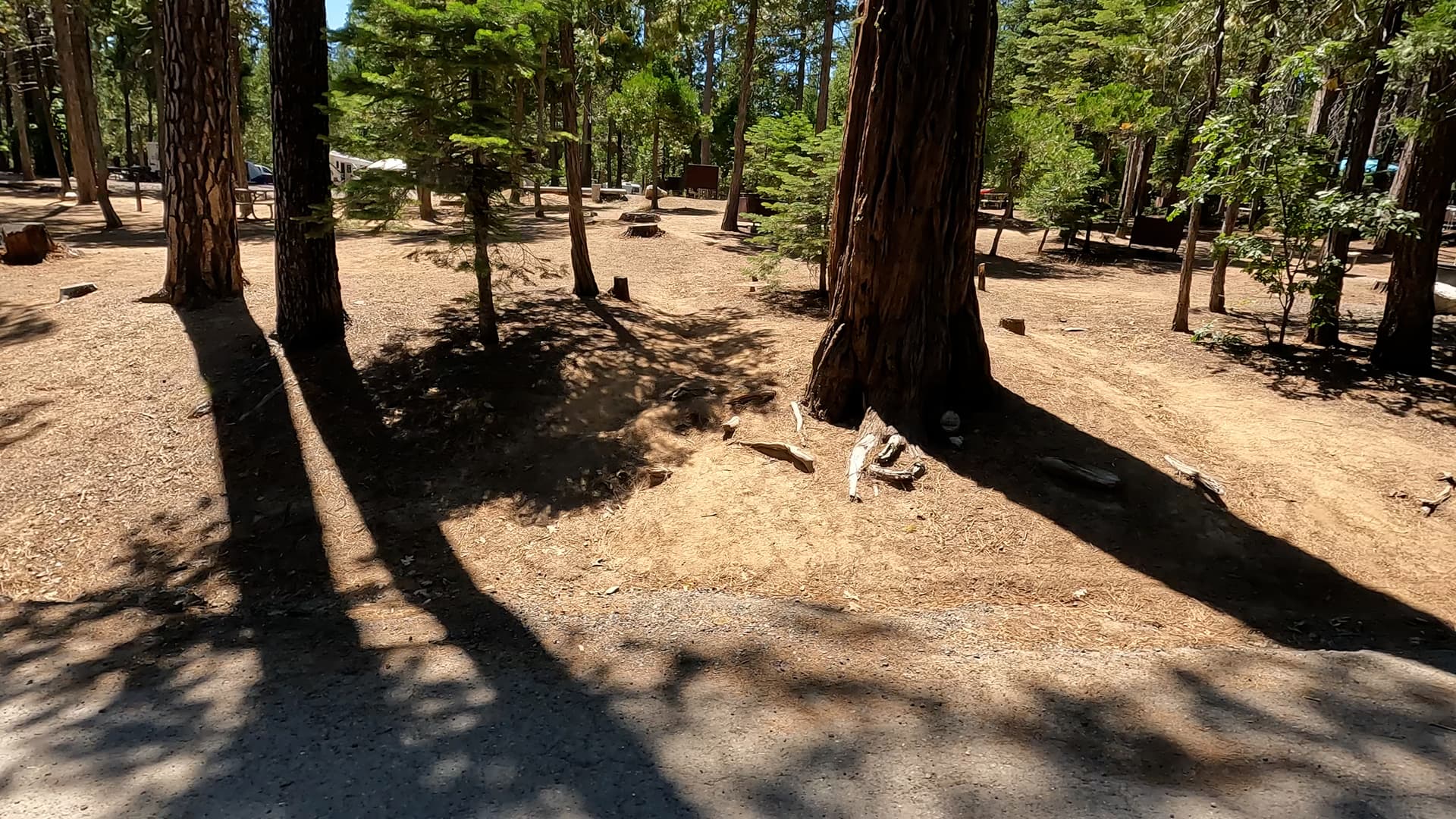
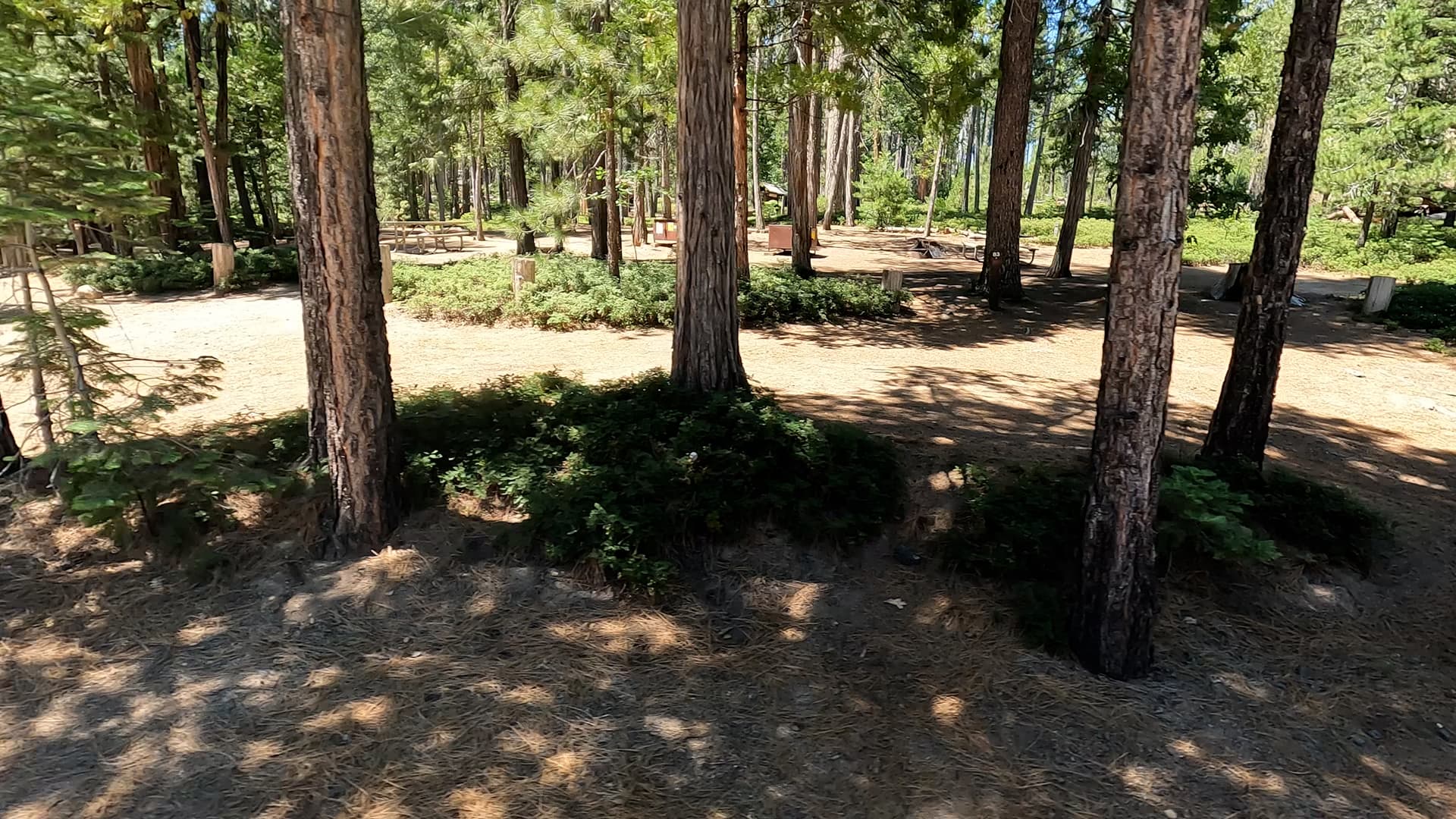
Situated along Highway 120 near the Big Oak Flat Entrance, Hodgdon Meadow sits at approximately 4,900 feet in elevation. The campground is surrounded by mixed conifer forest and seasonal meadow terrain, giving it a peaceful and shaded atmosphere. Because it is outside the busy Yosemite Valley area, the campground tends to feel less congested while still remaining within reasonable driving distance of the park’s major attractions.

Campground Layout

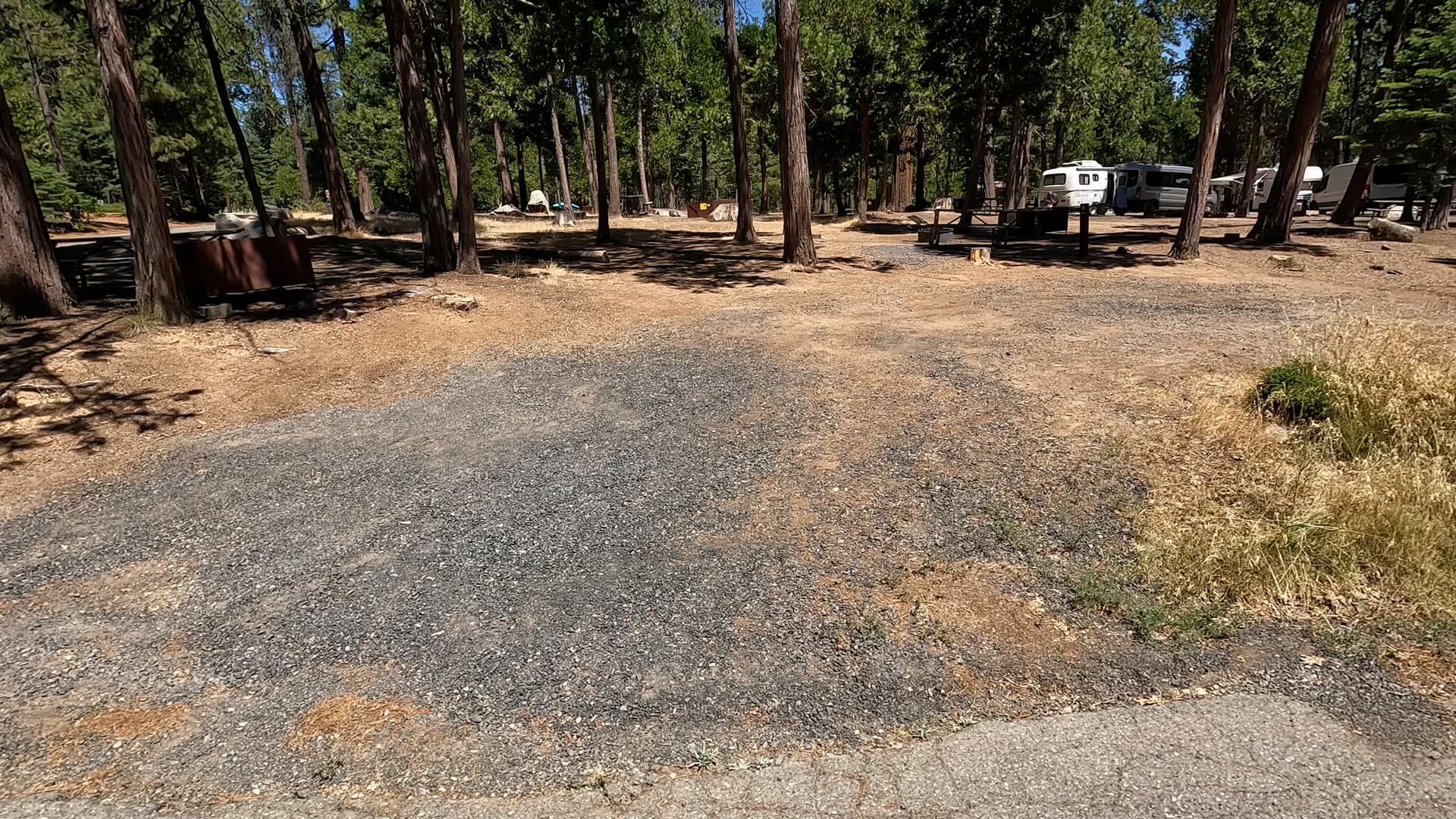
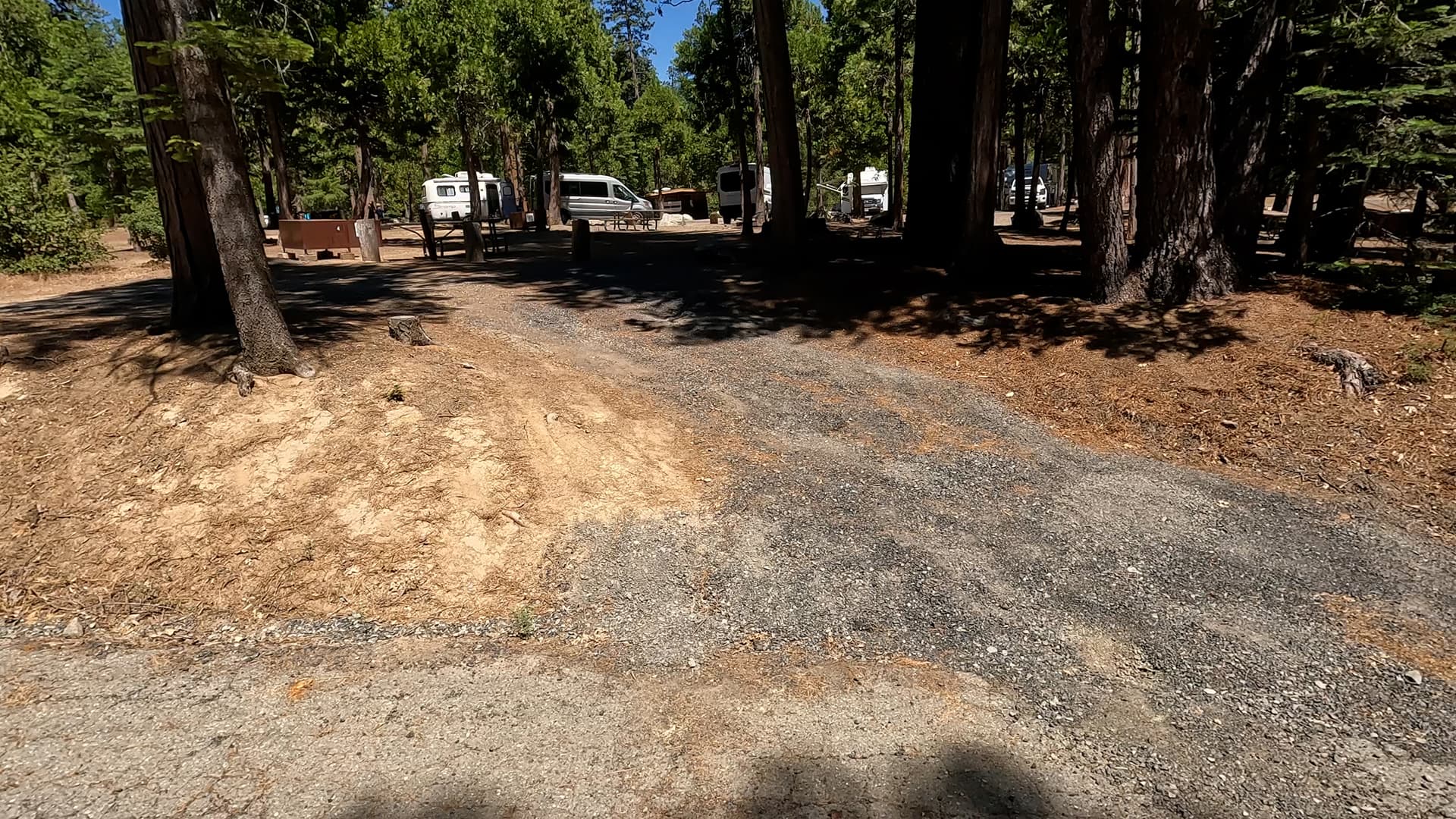
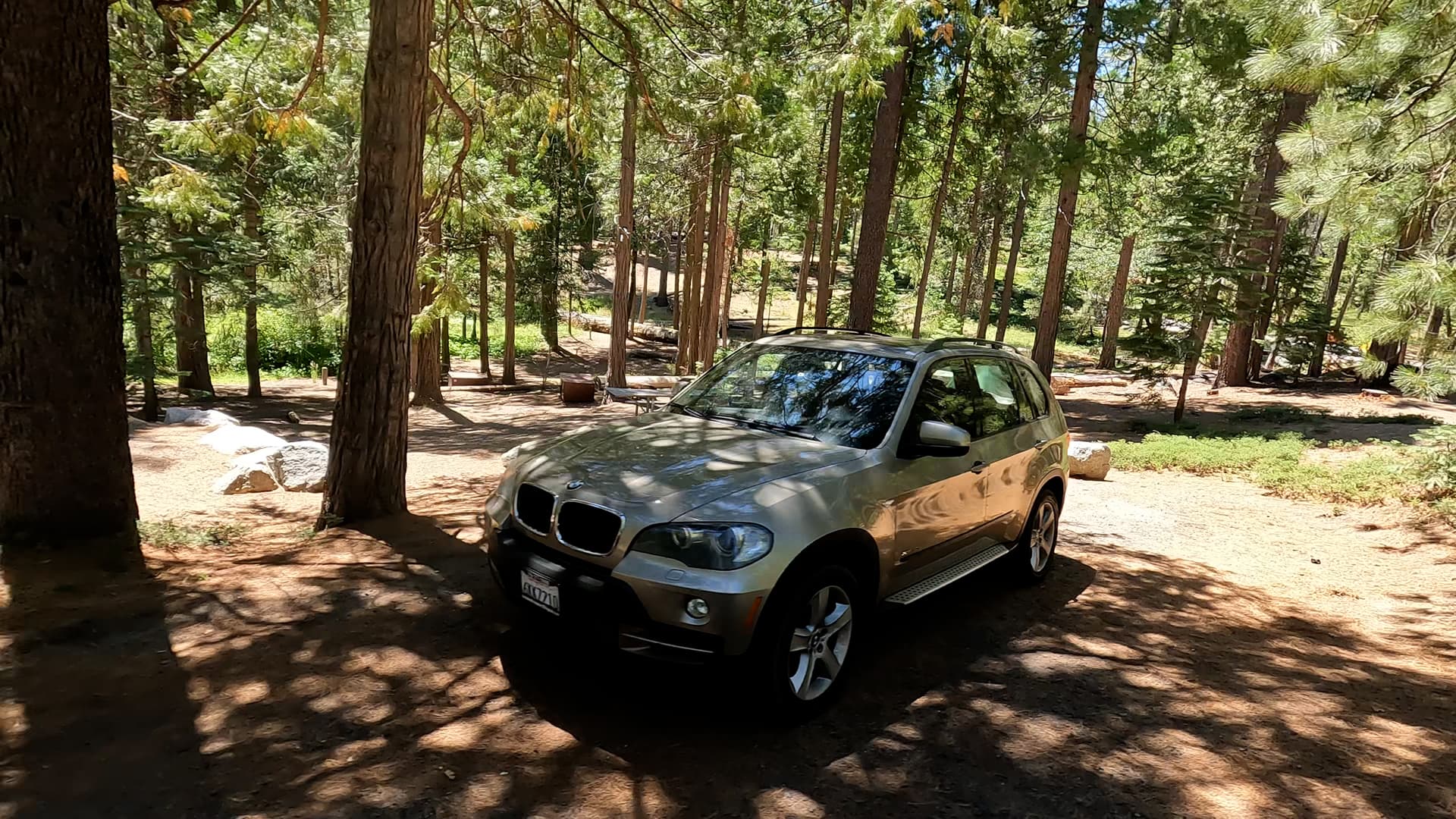
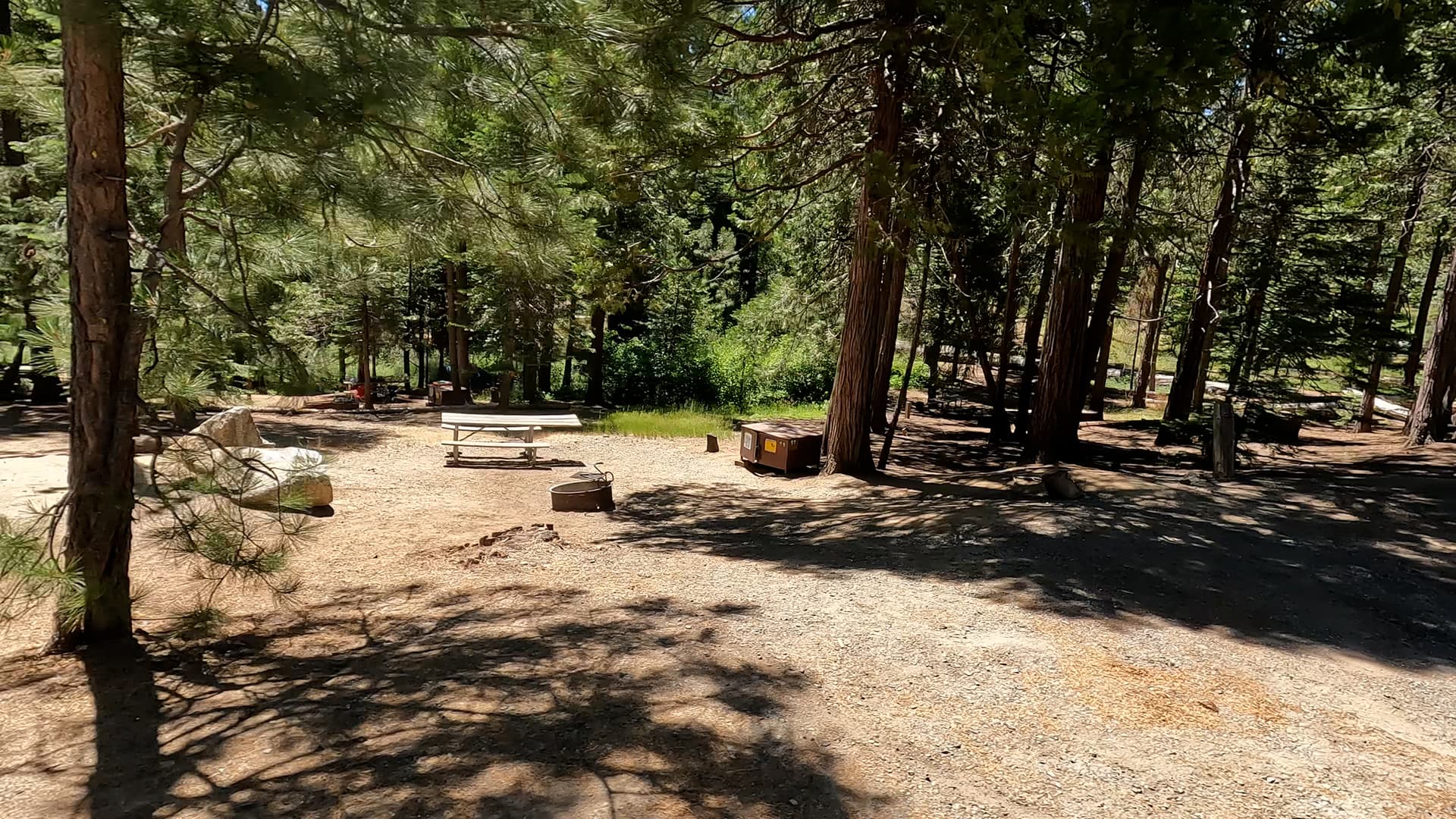
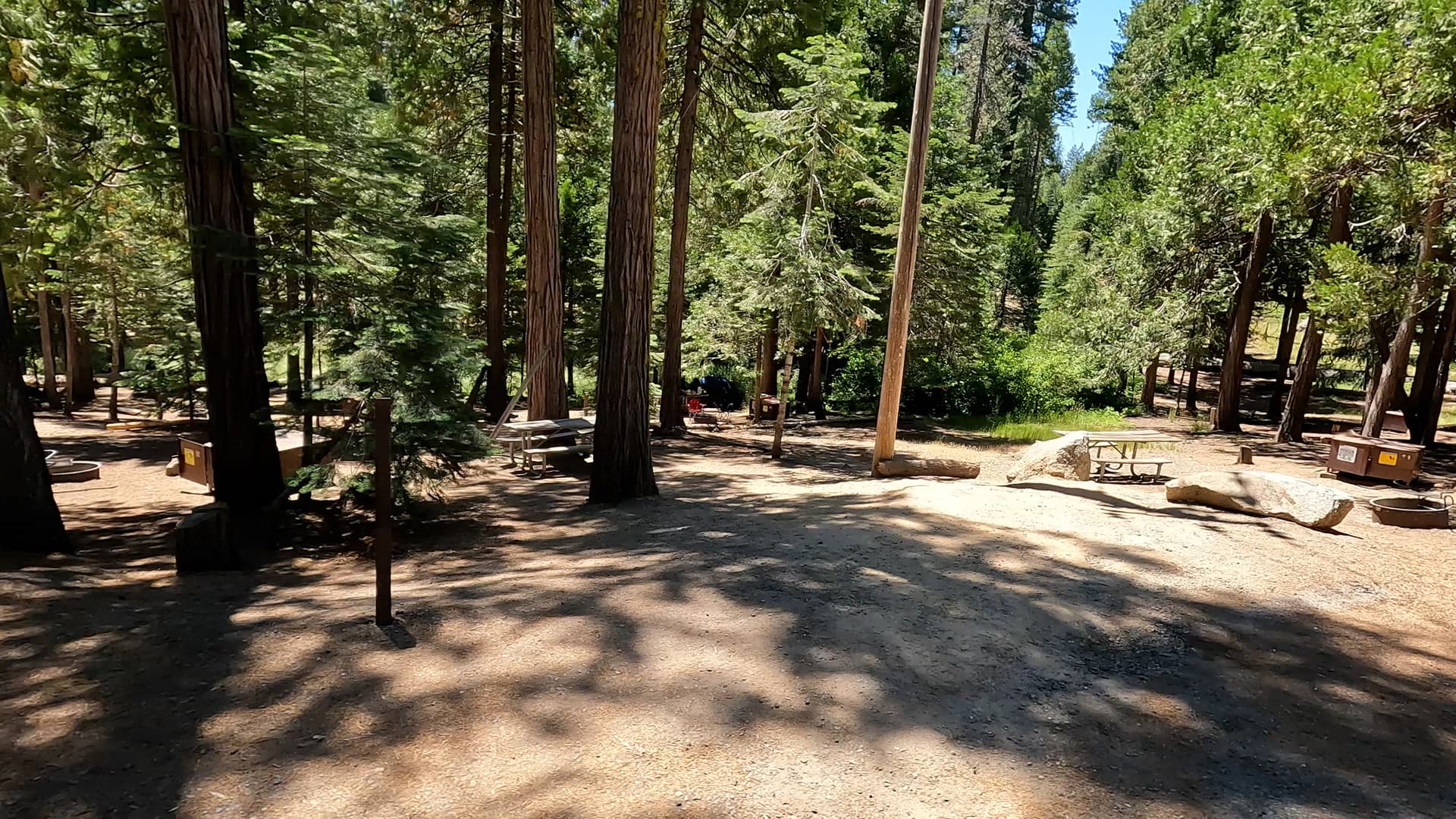
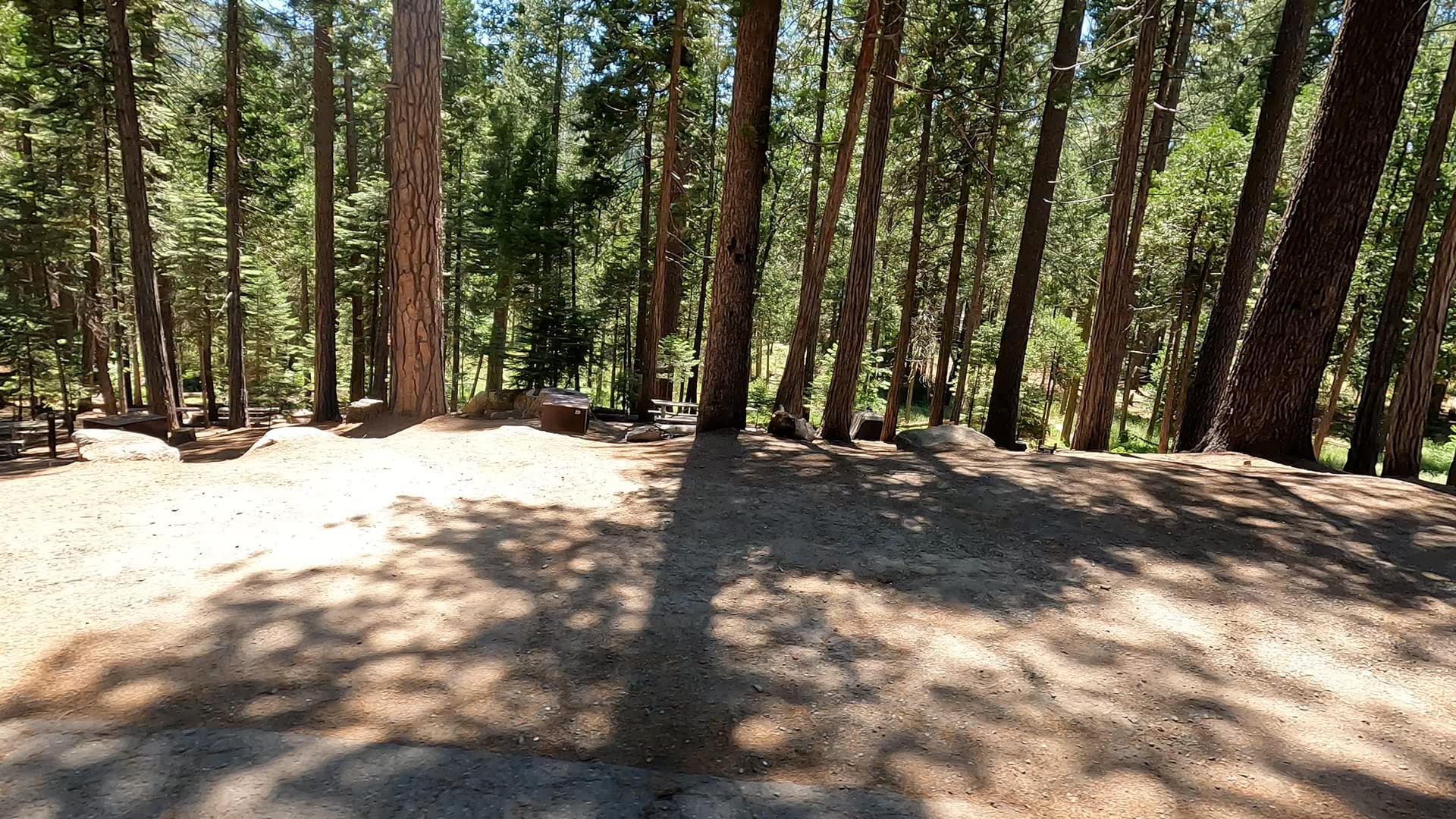
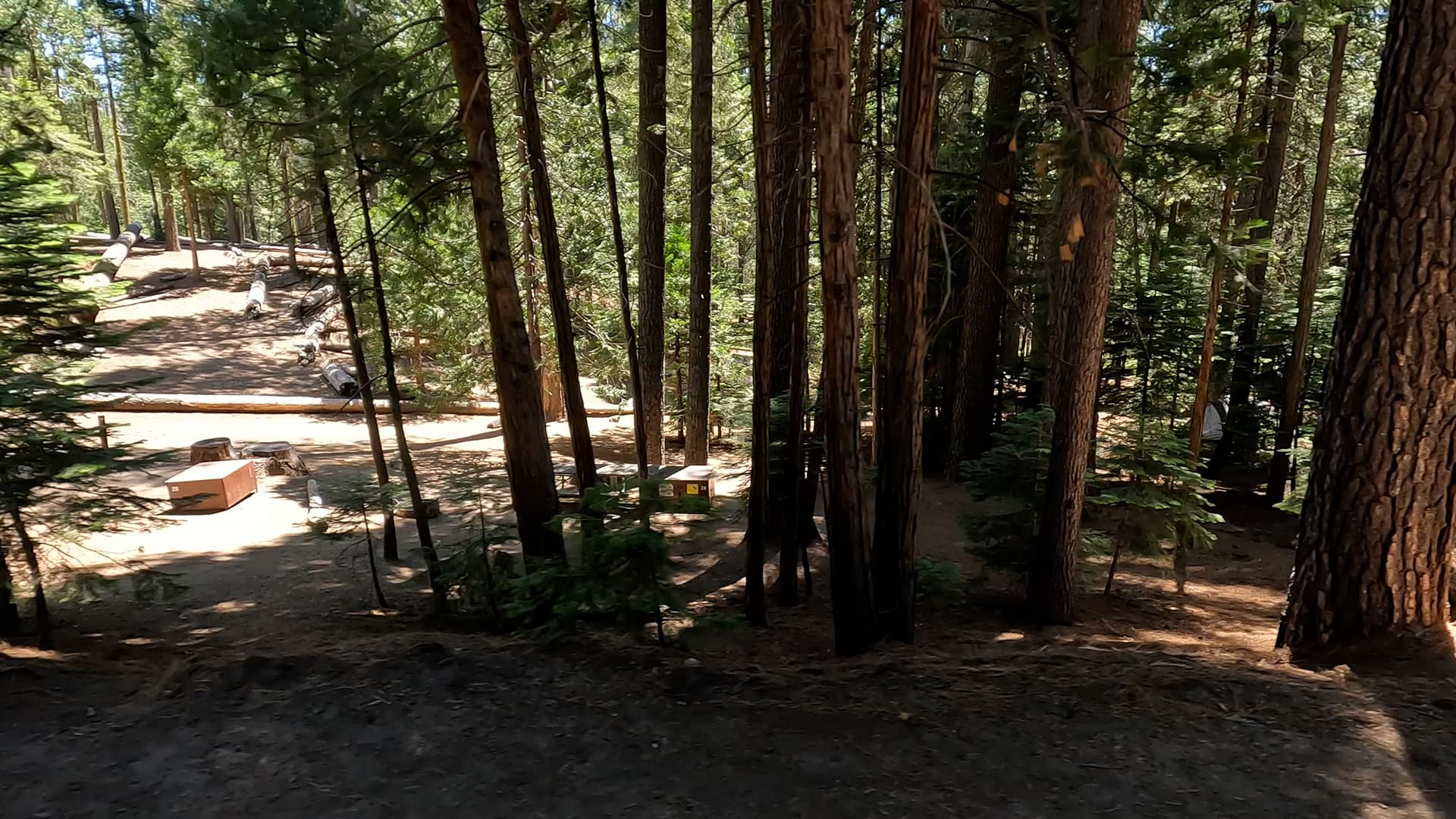
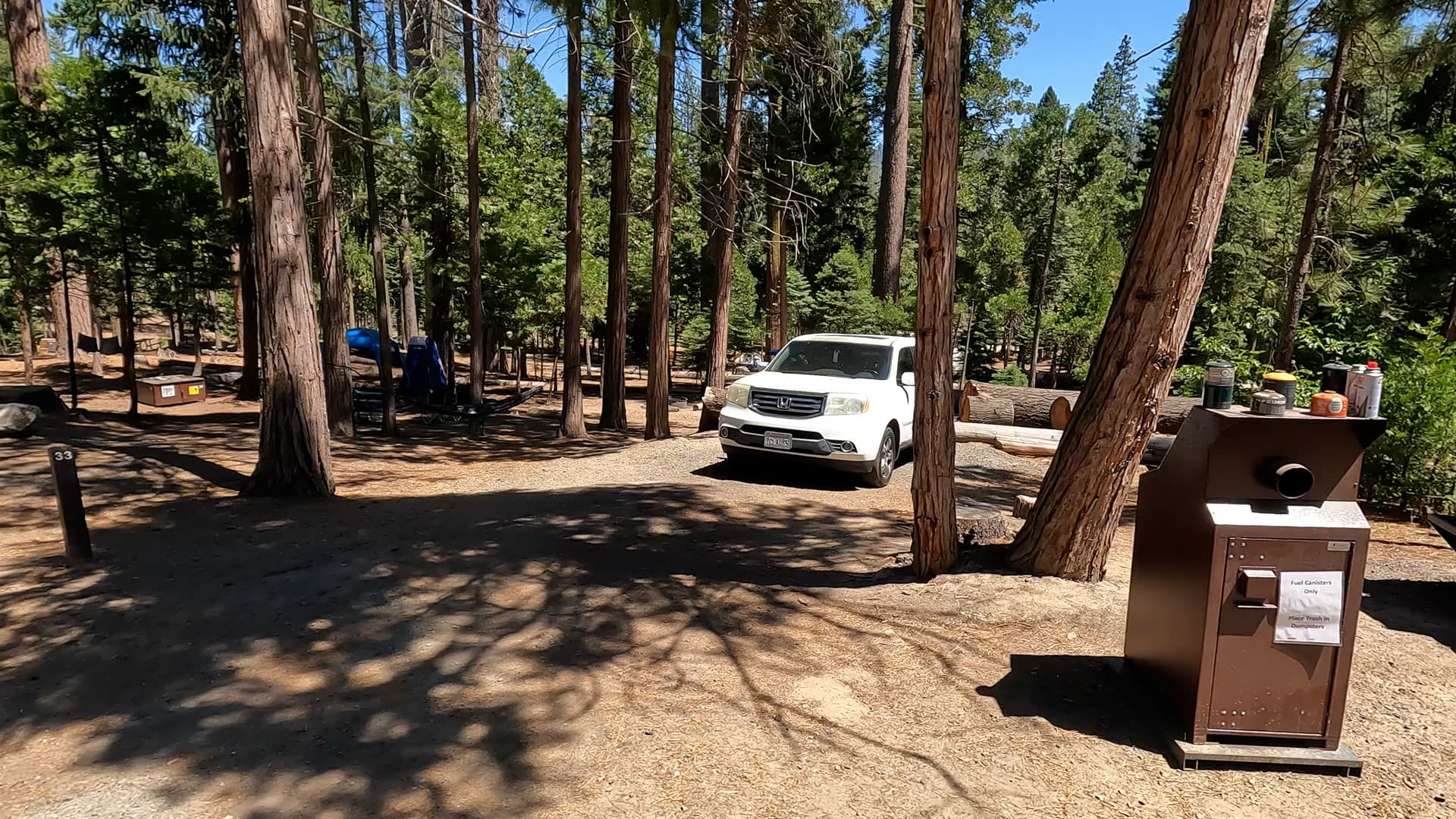
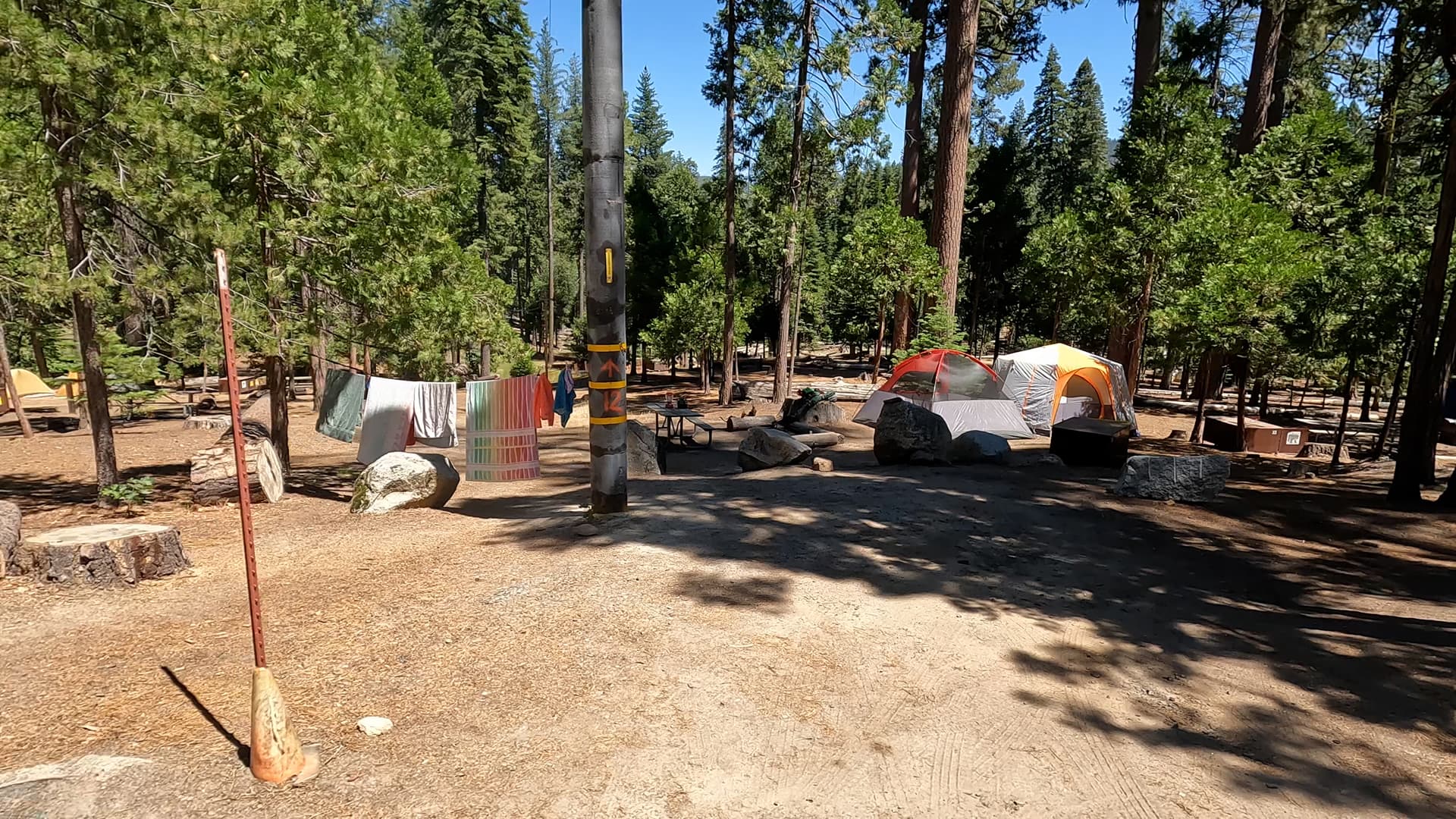
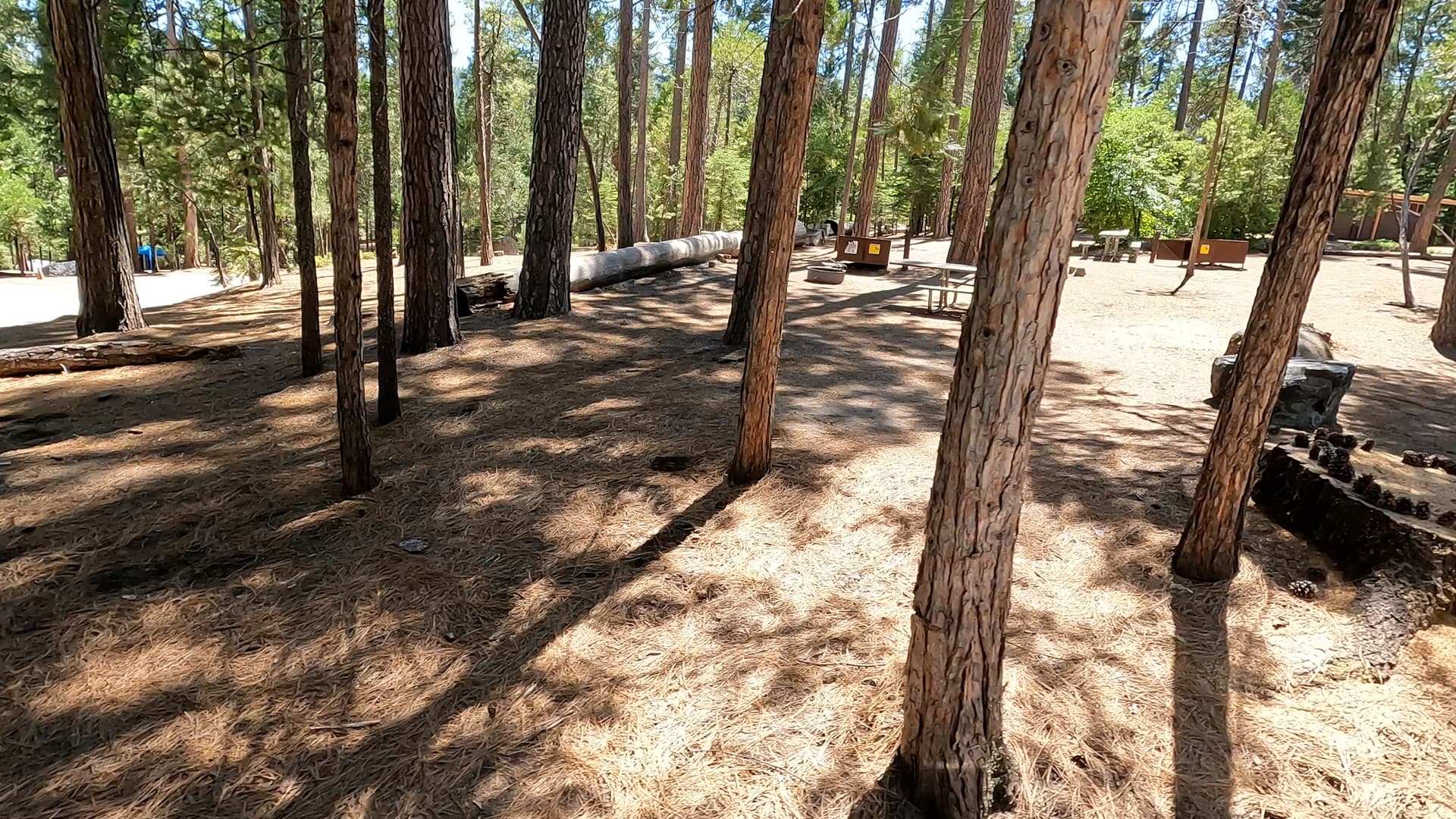
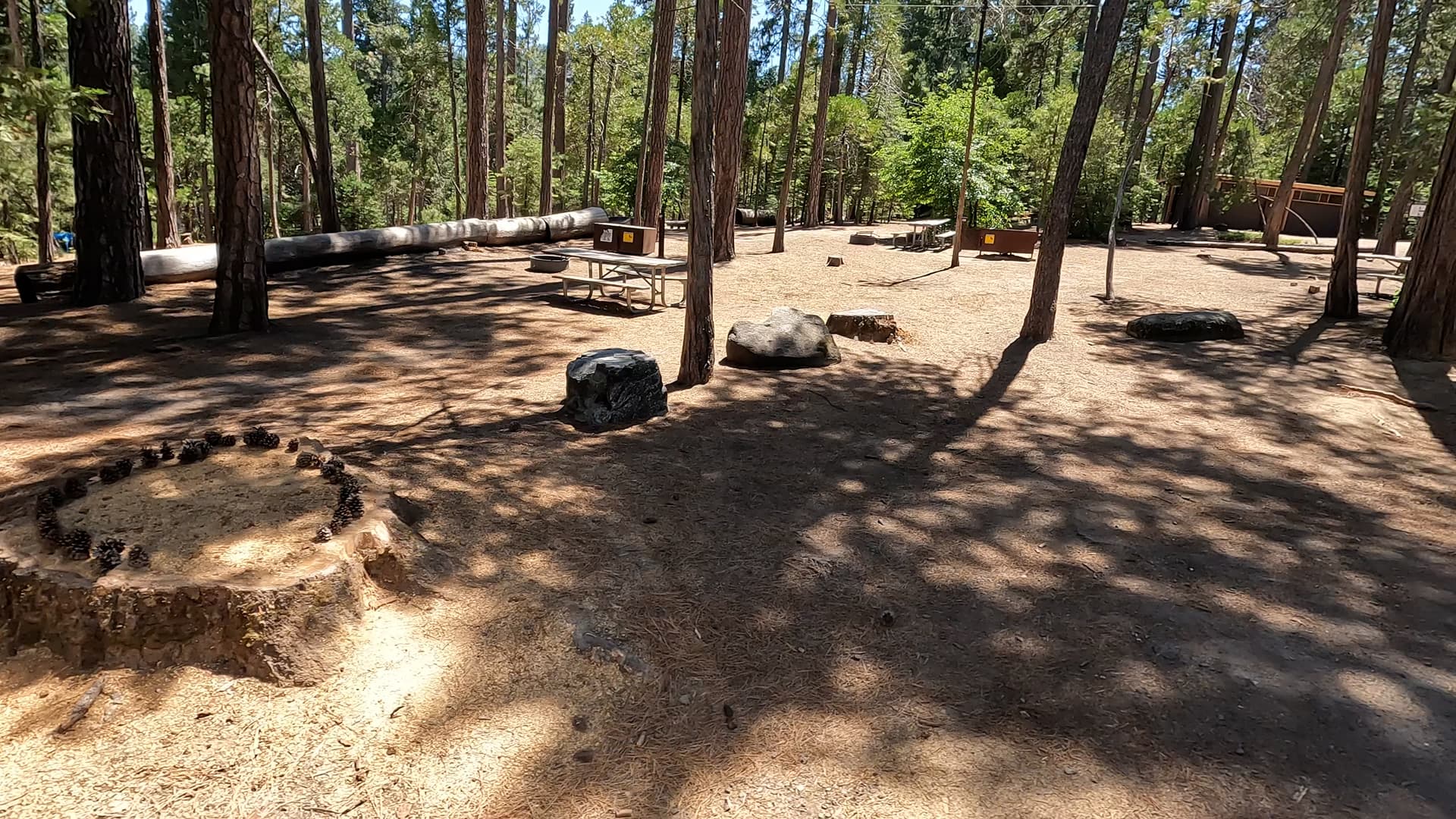
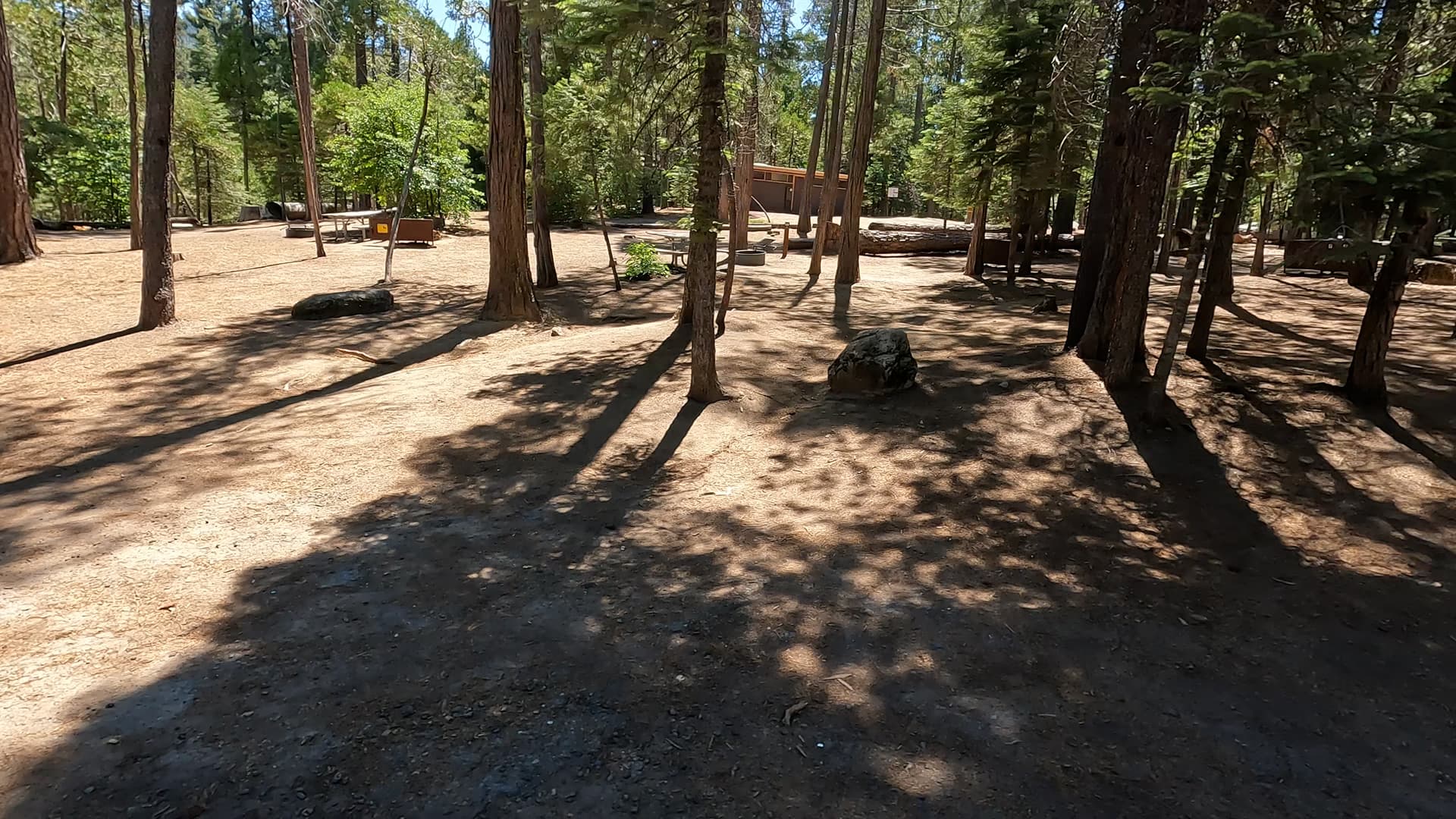
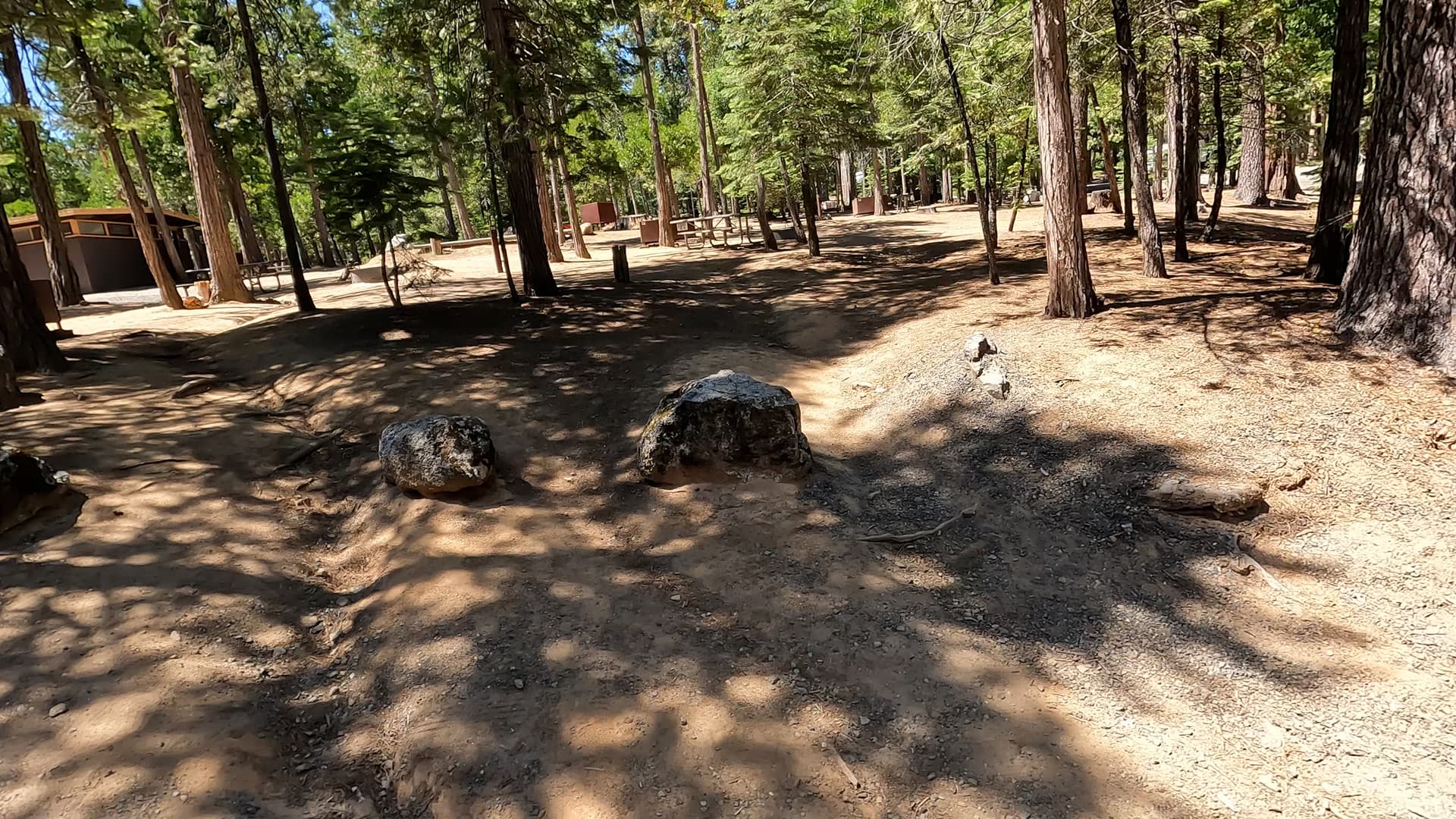
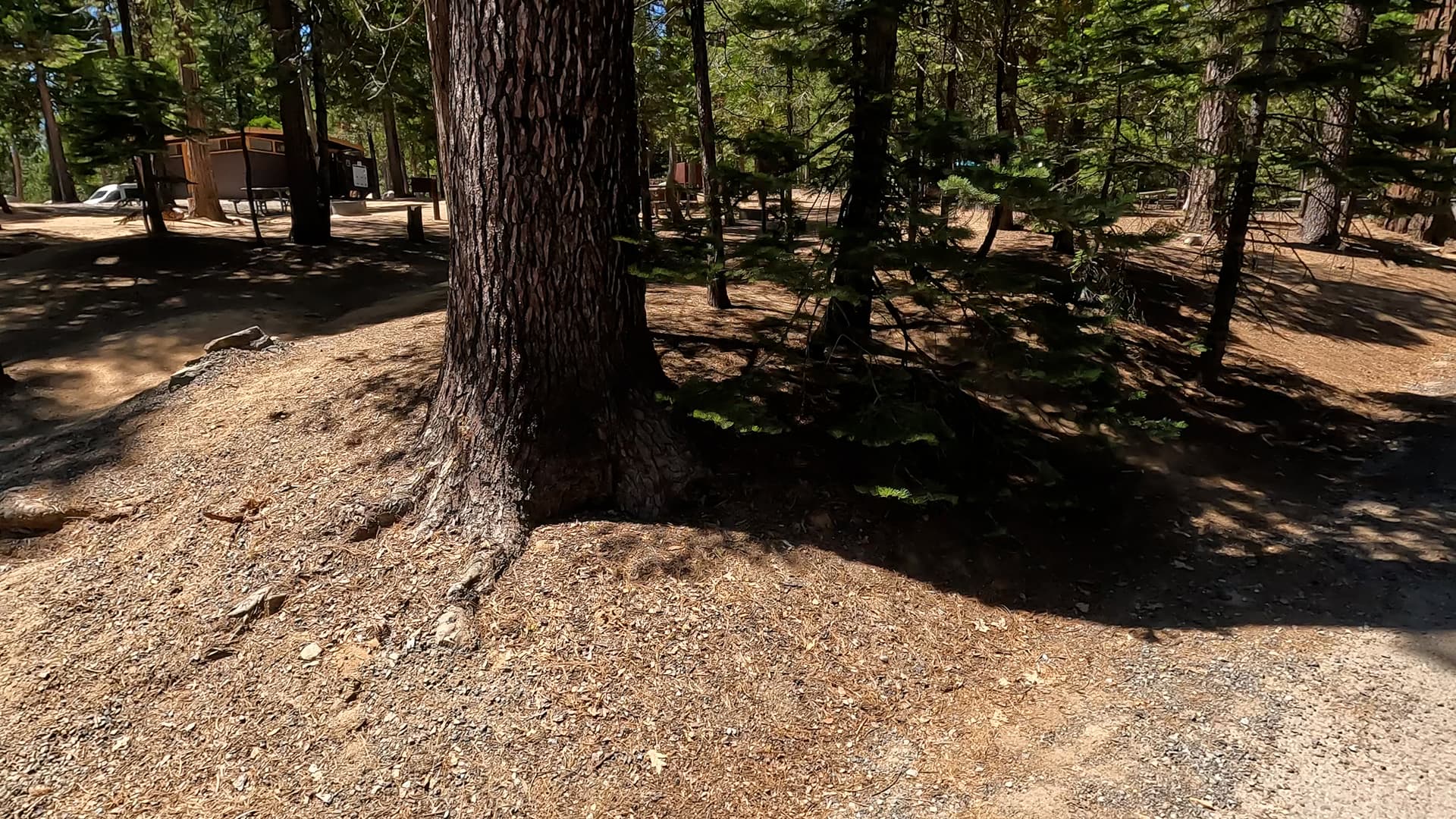
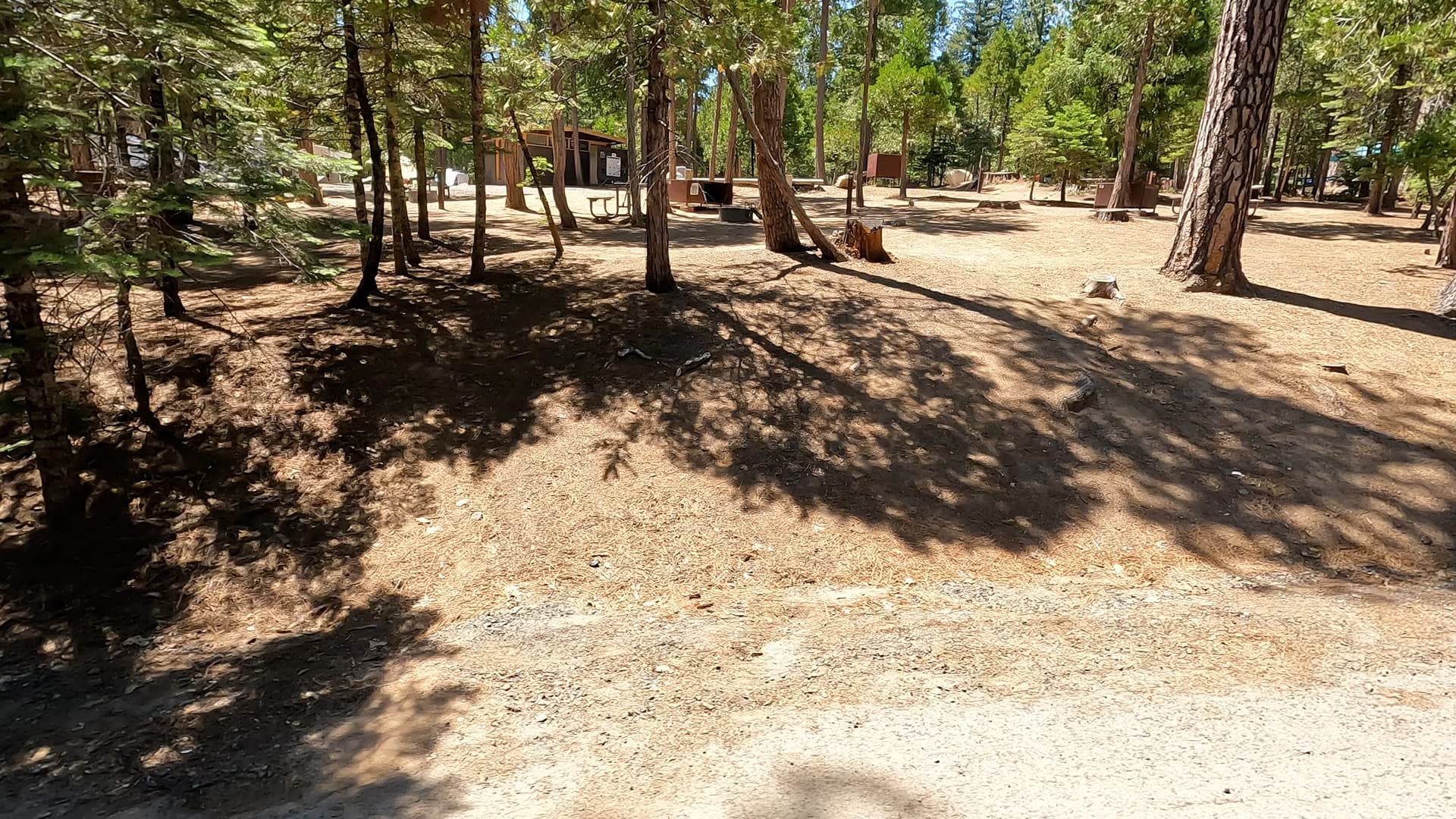
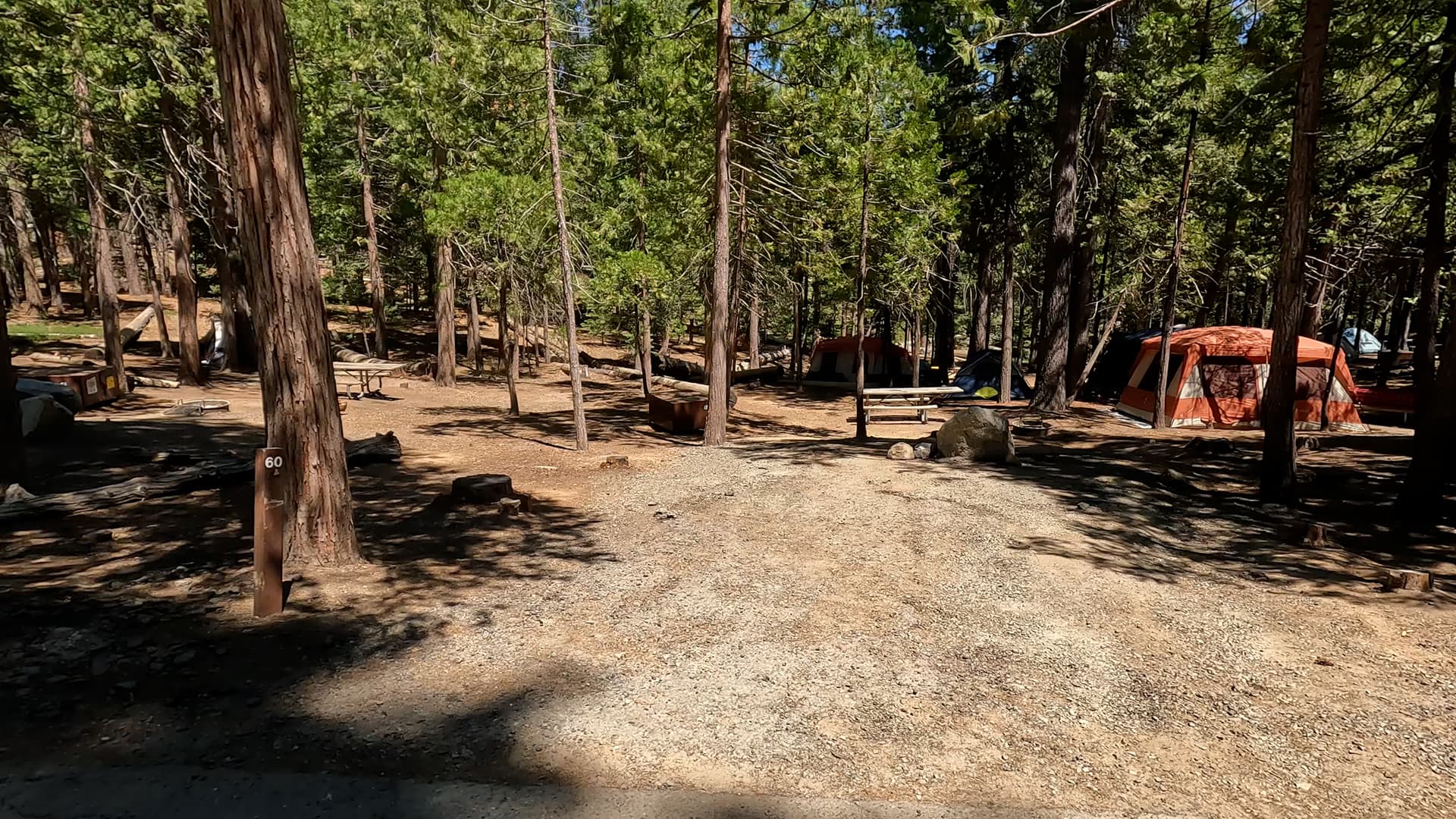
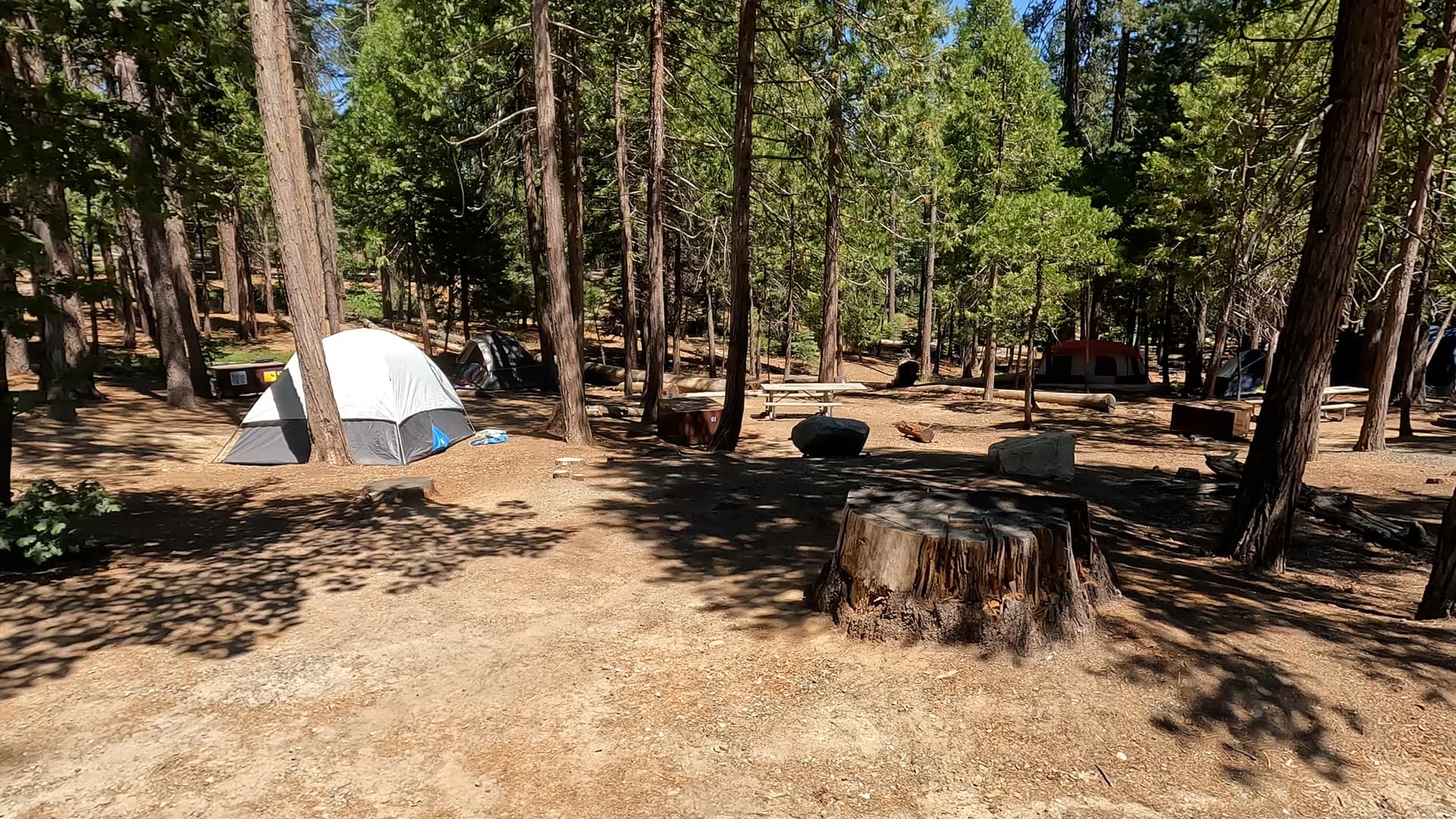
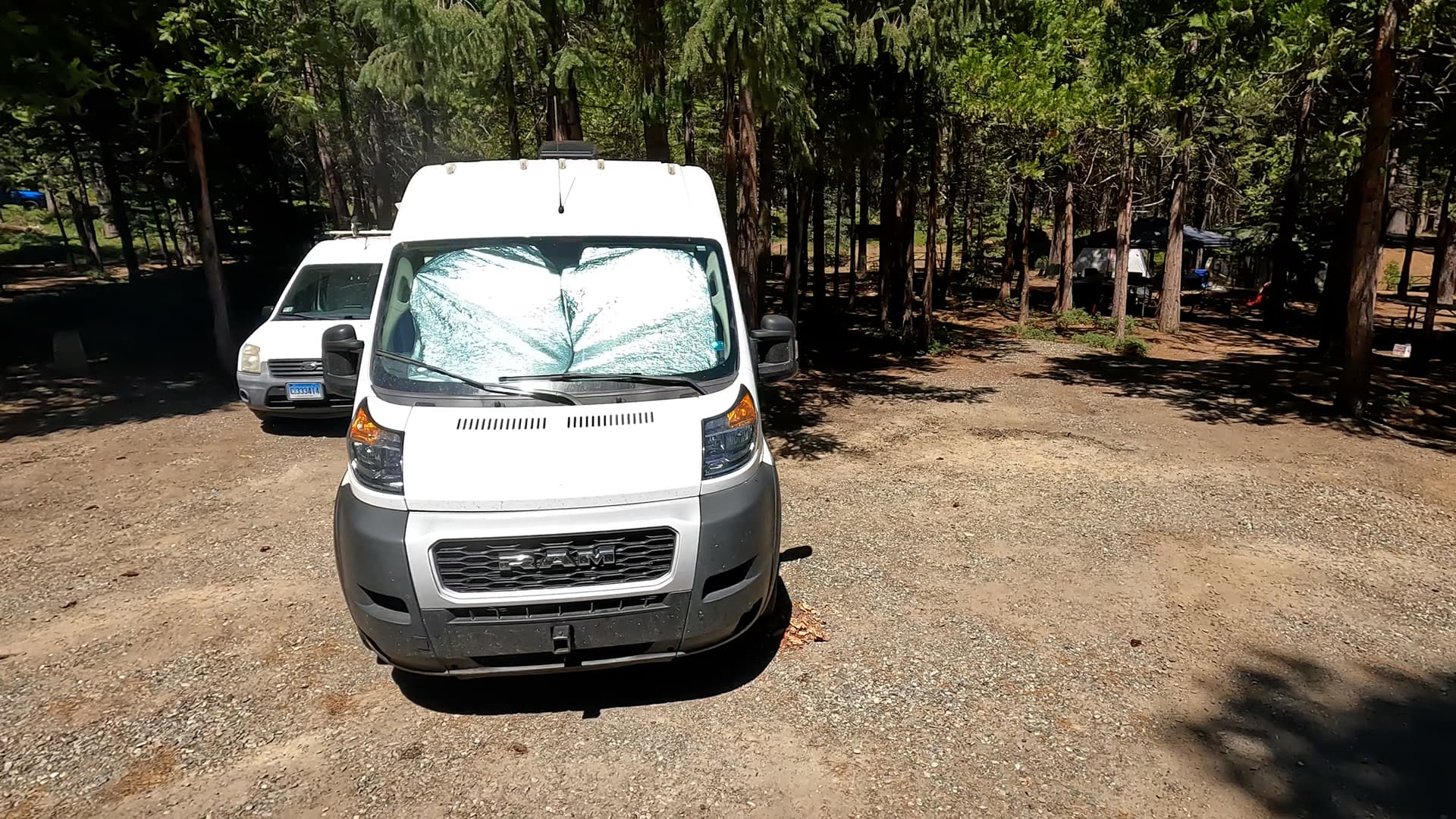
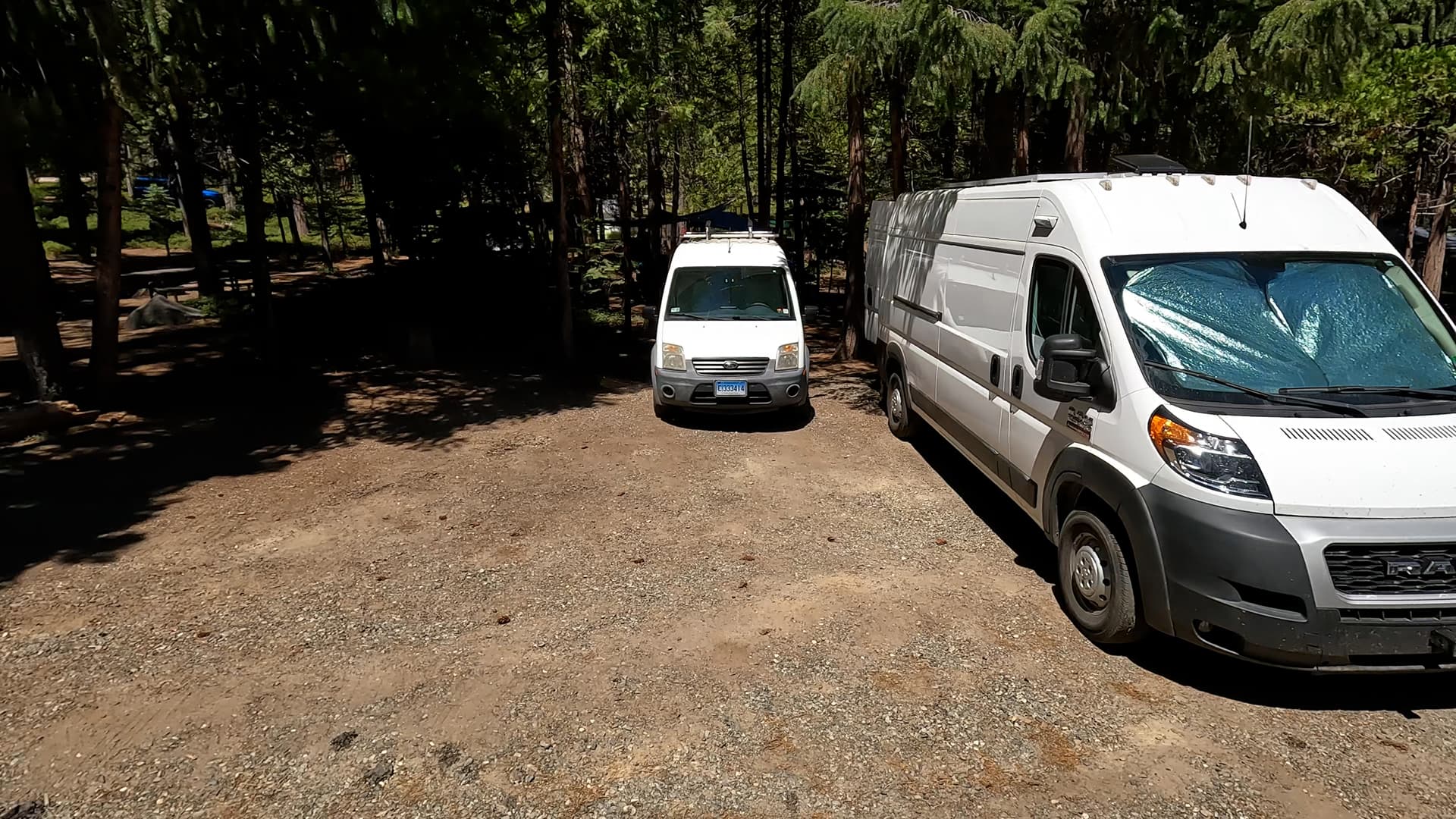
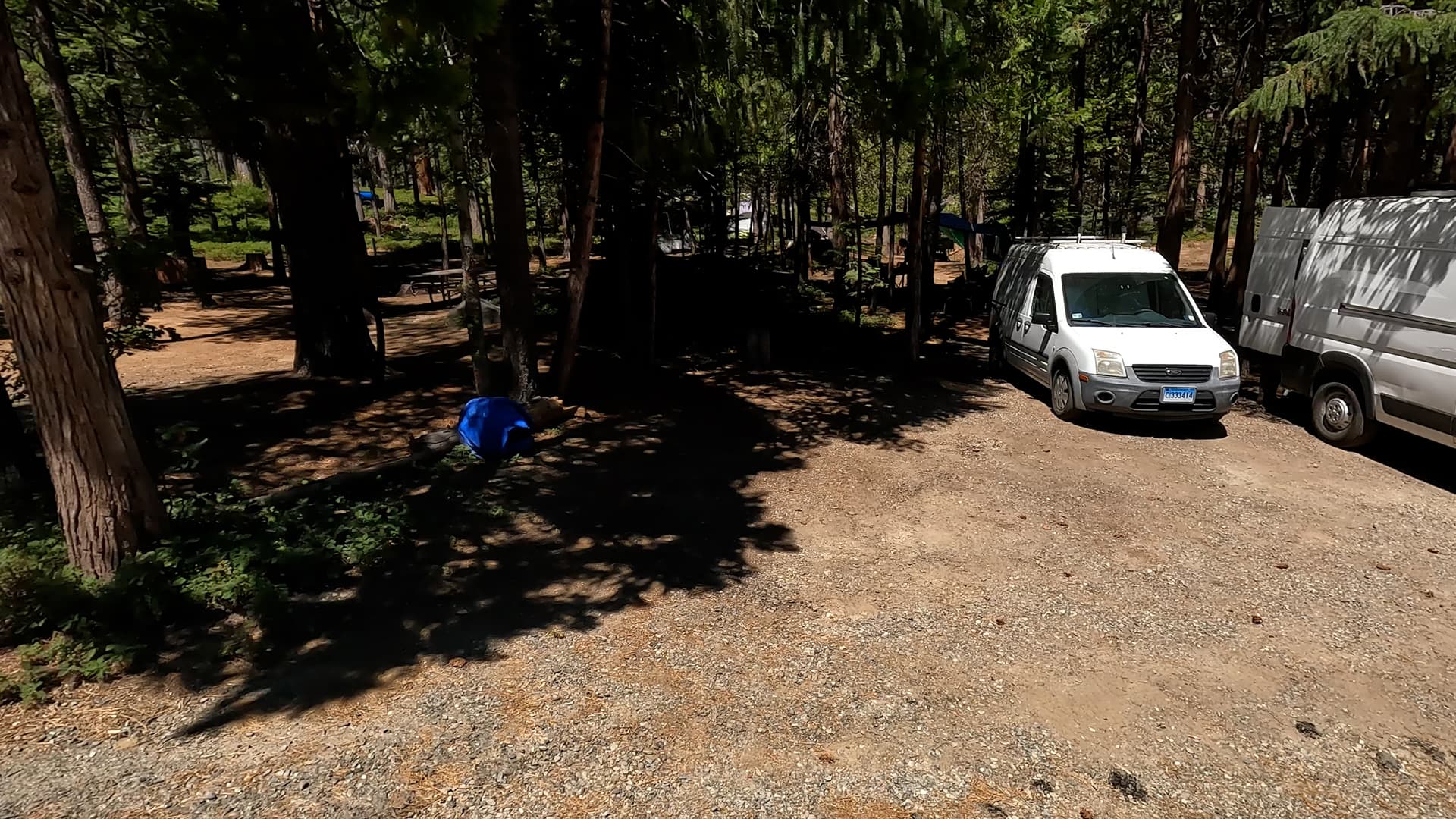
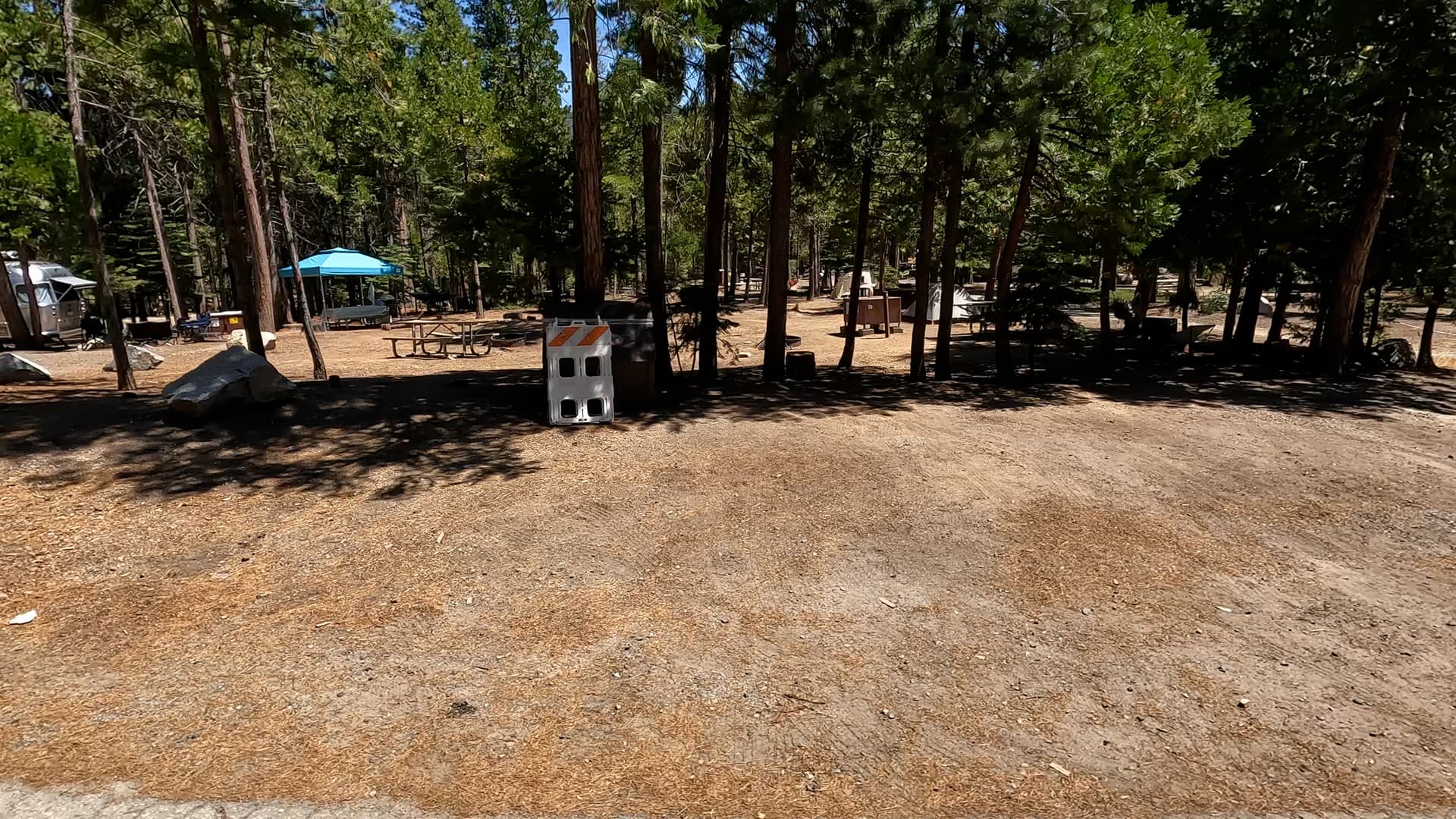
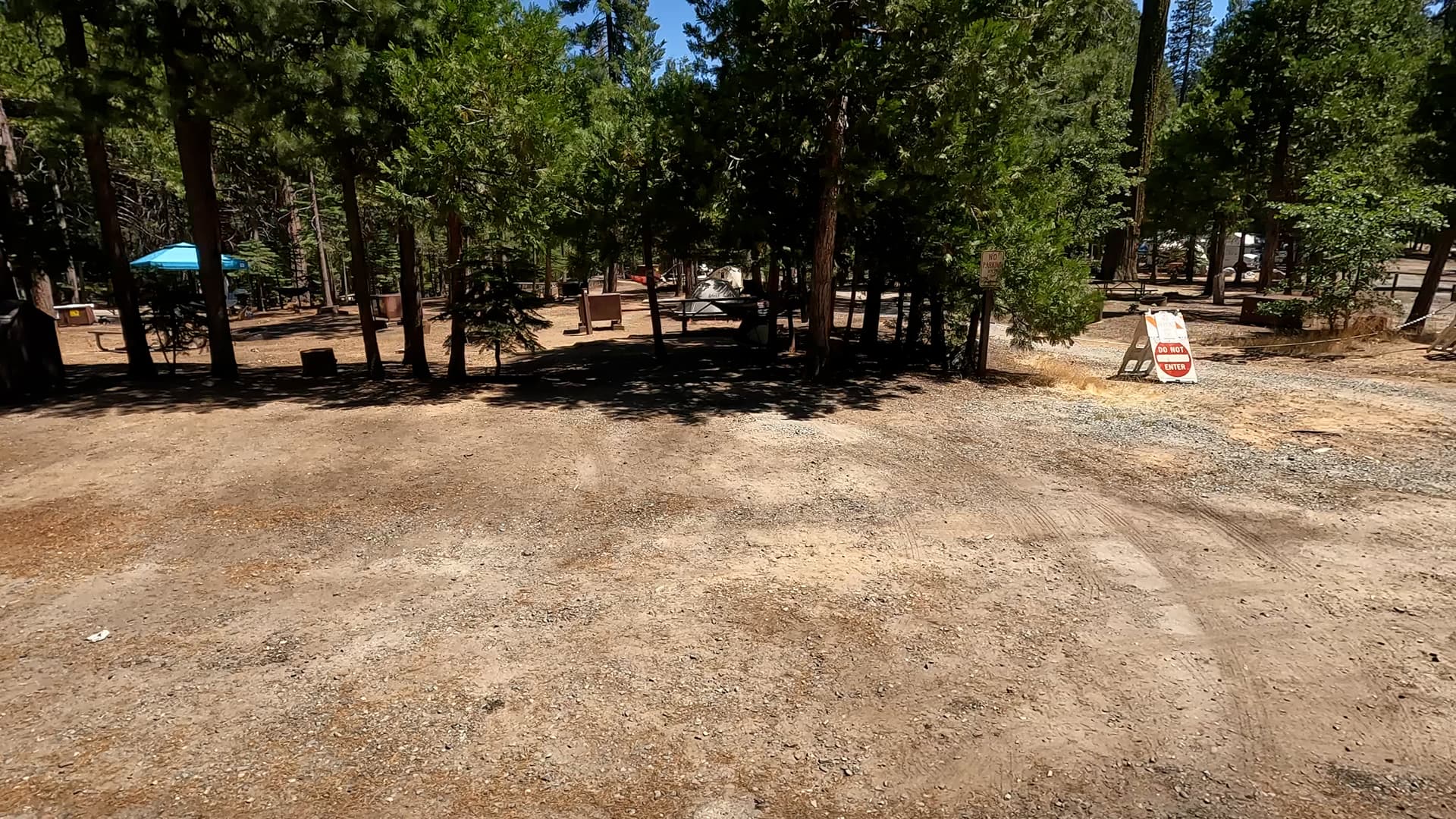
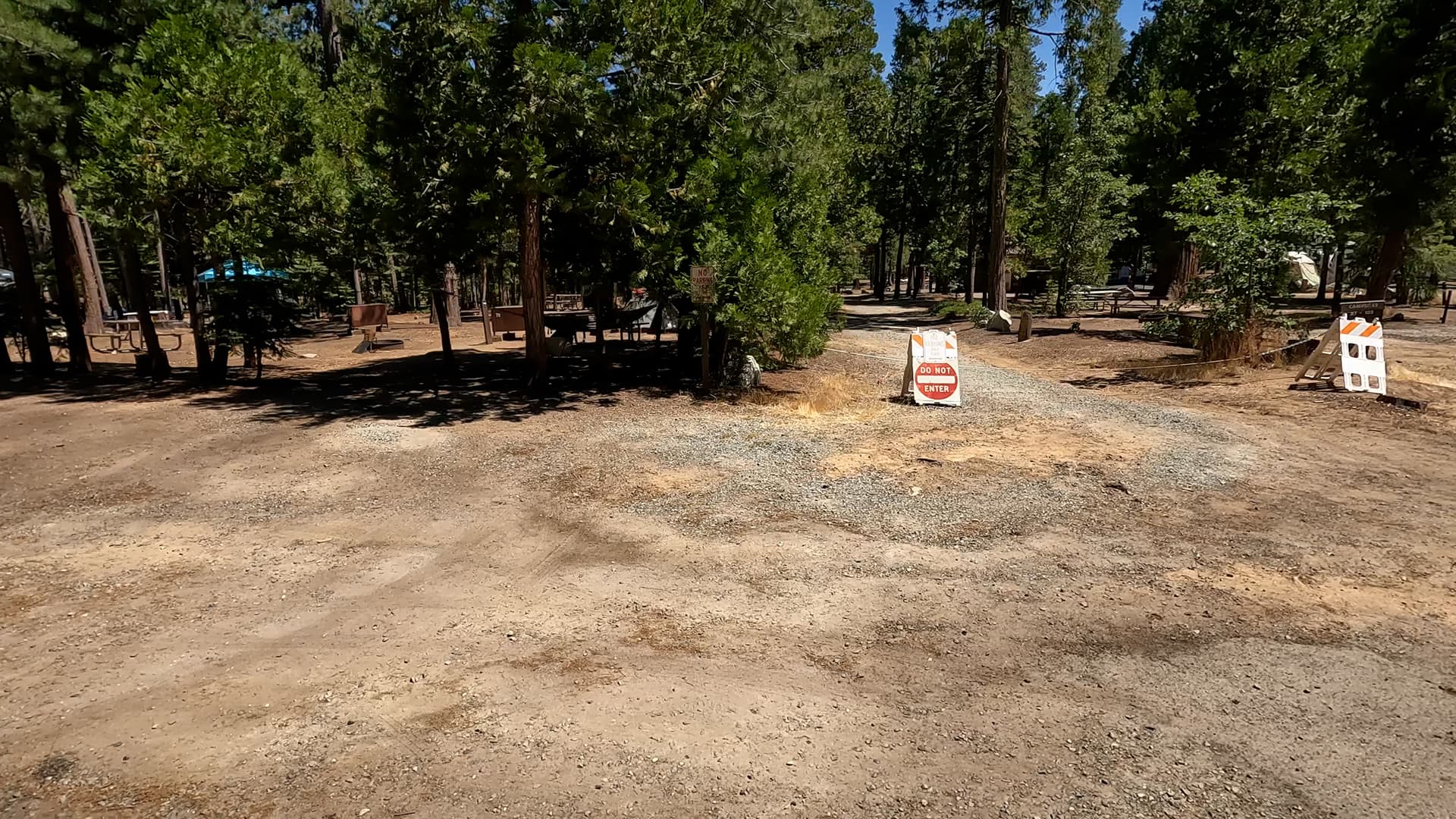
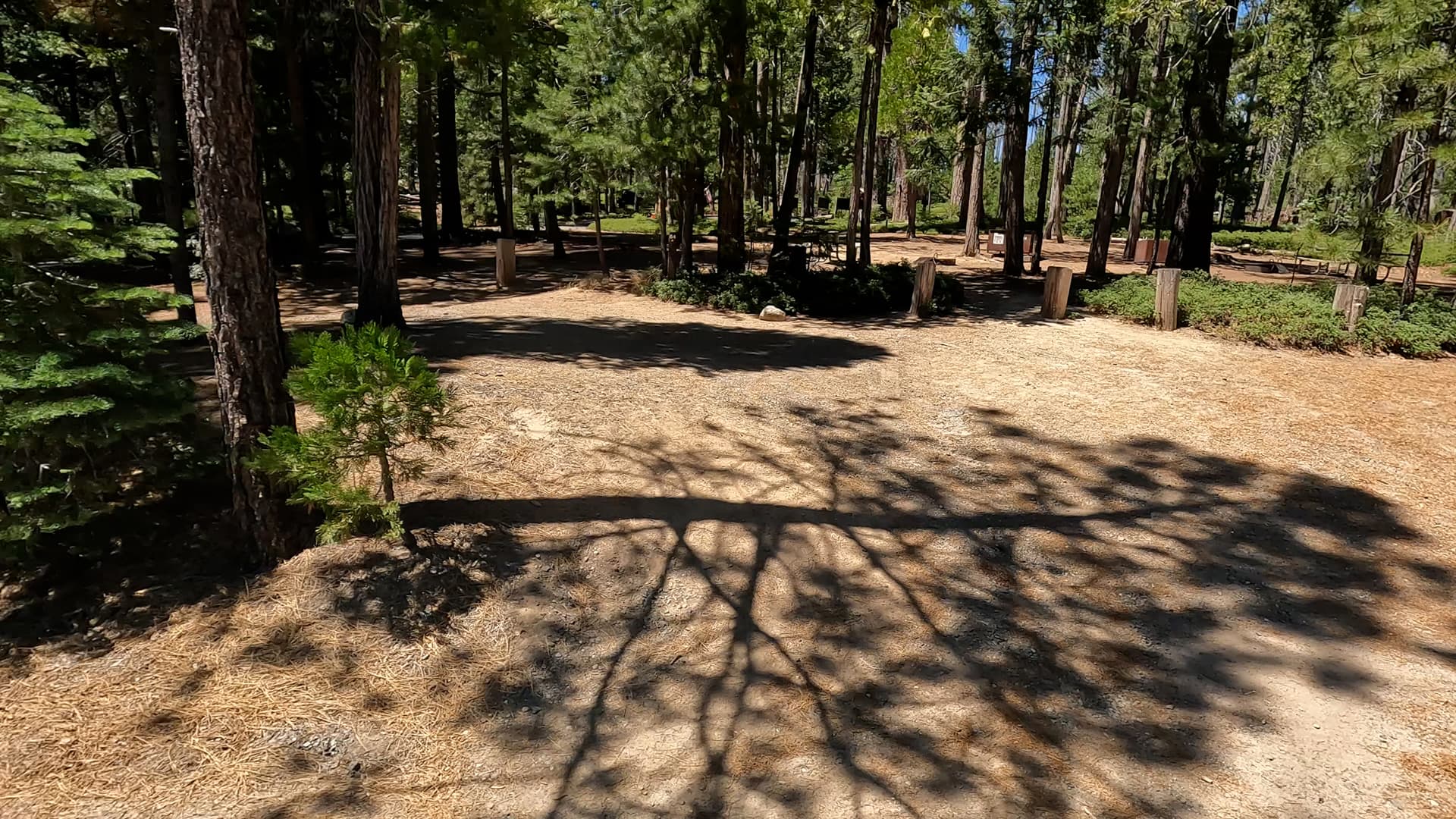
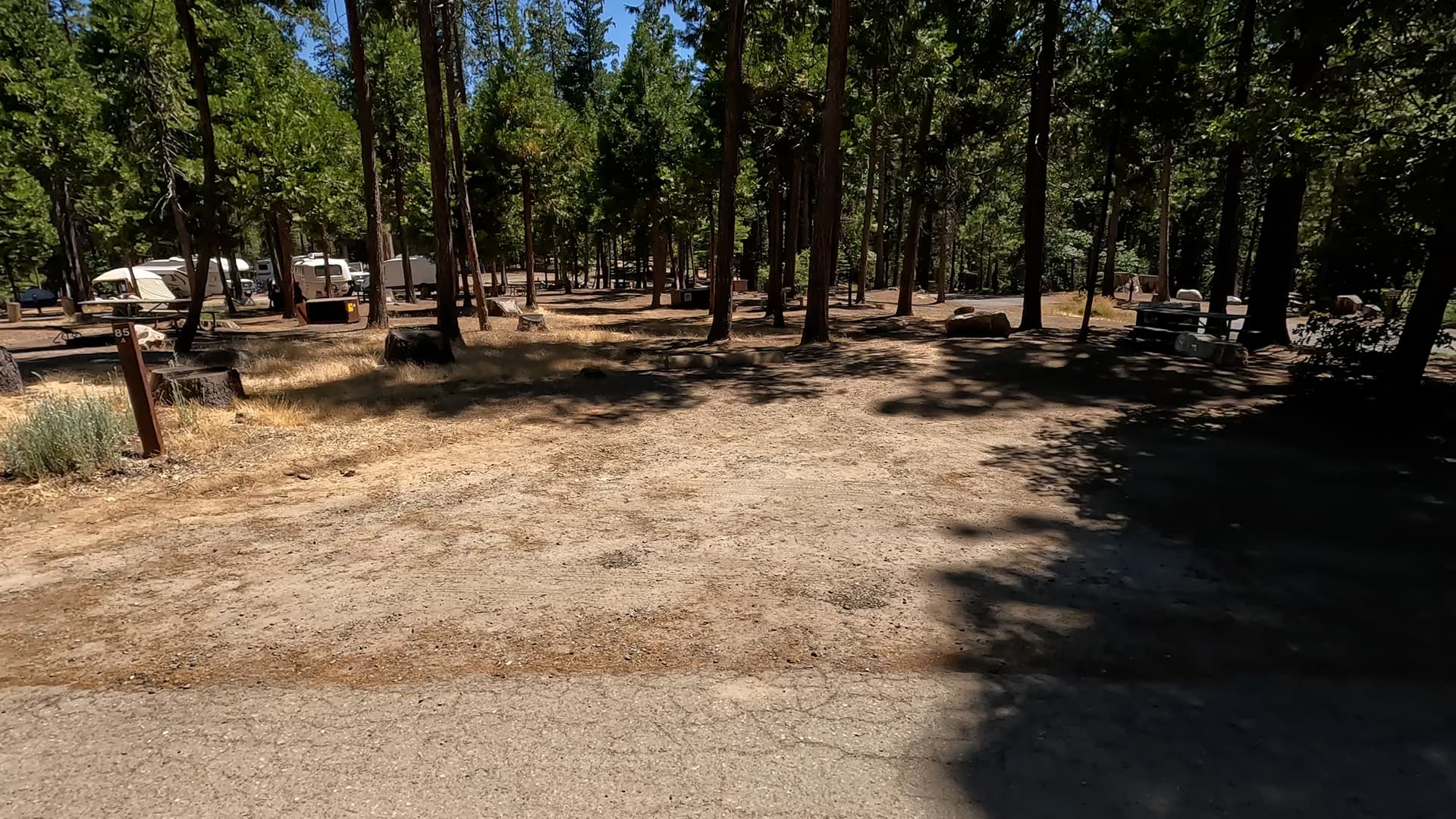
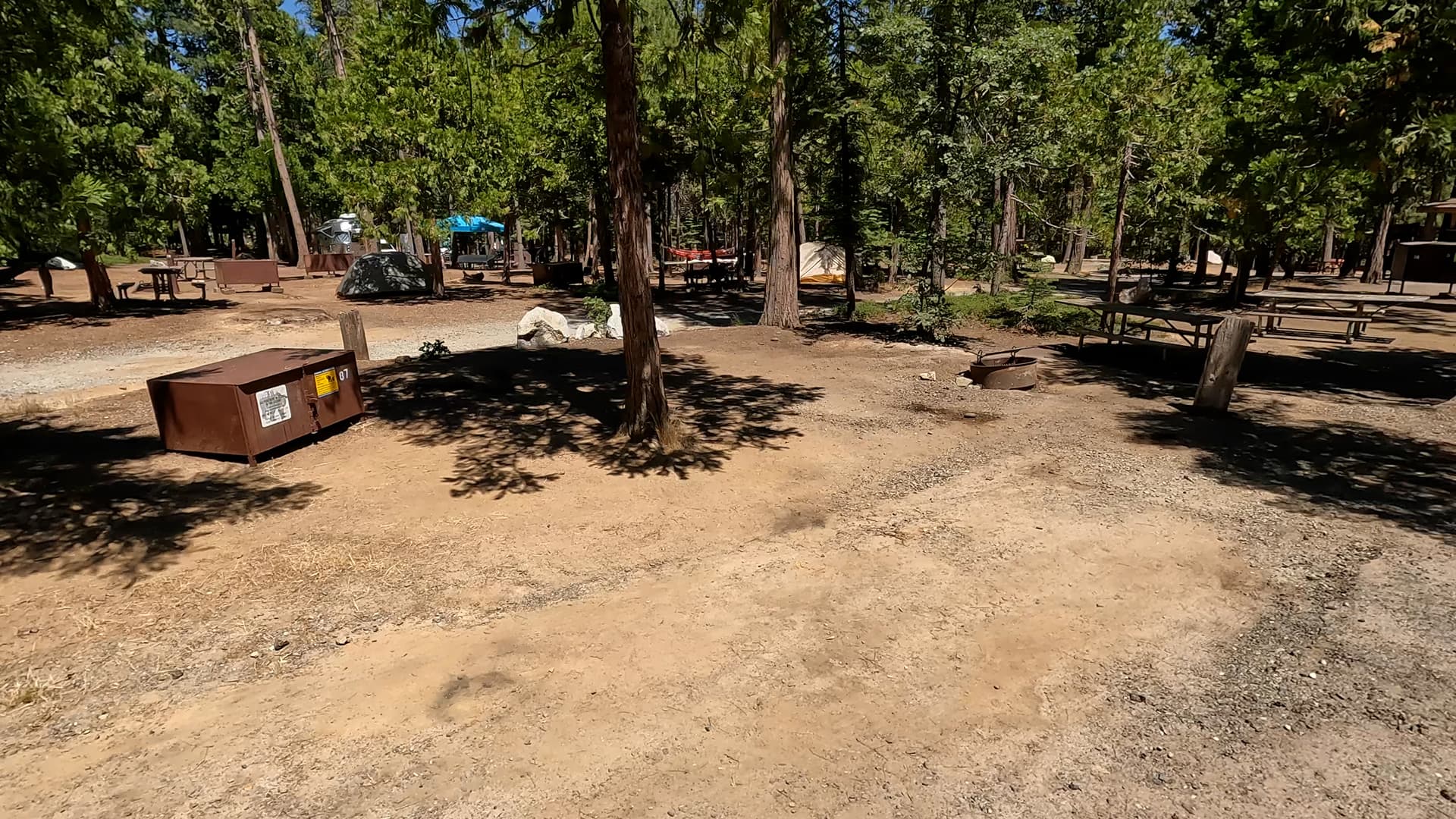
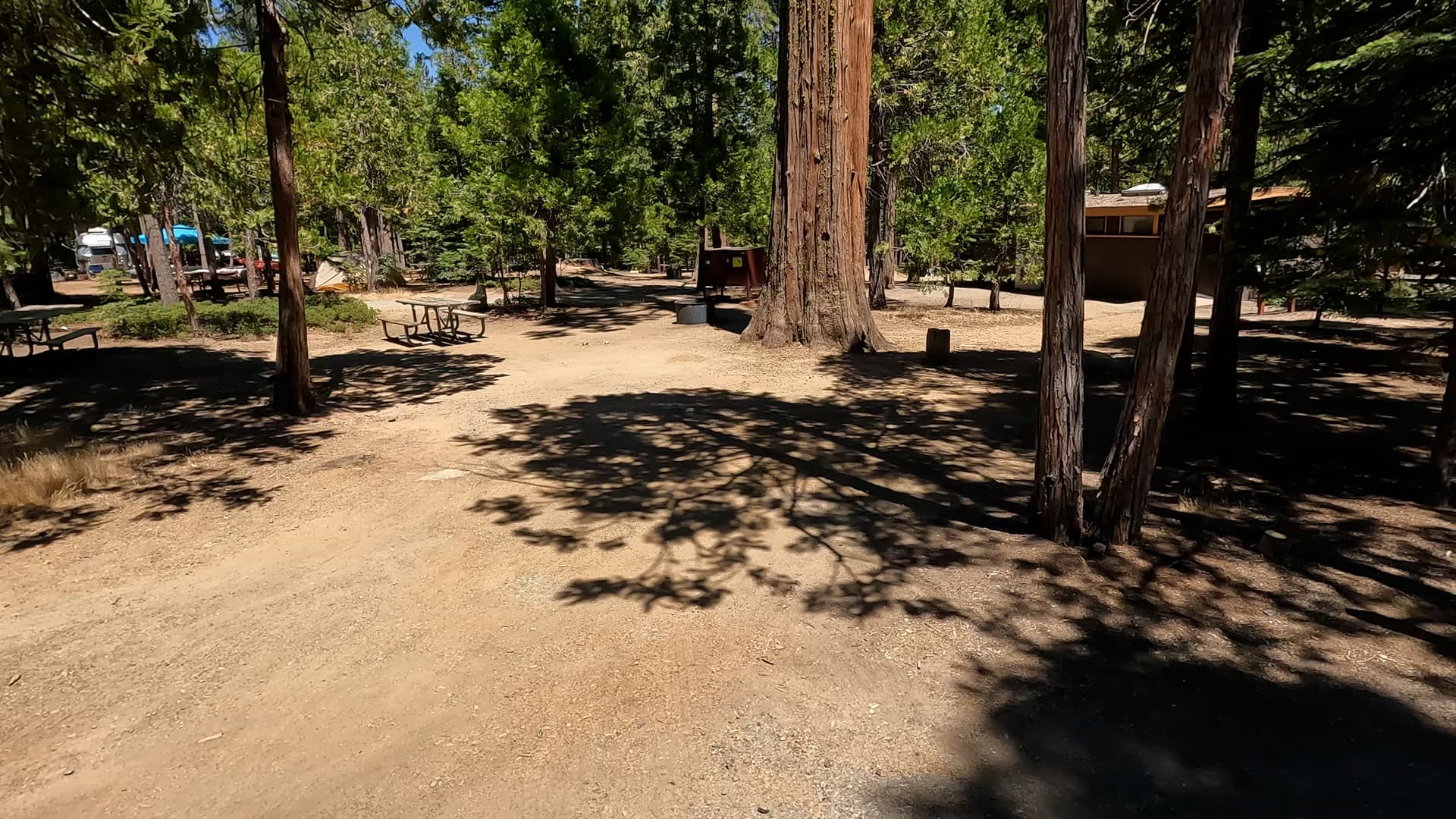
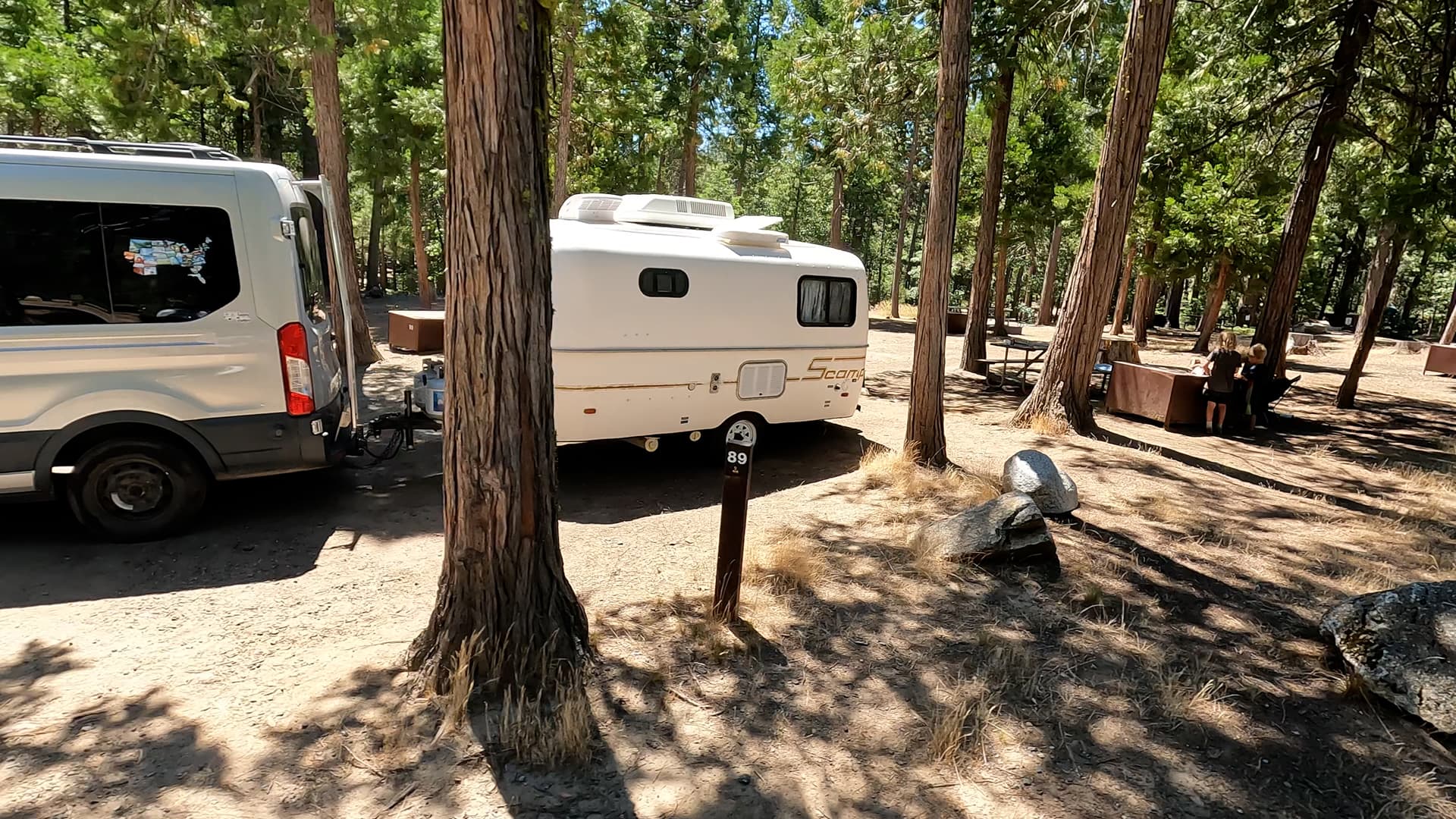
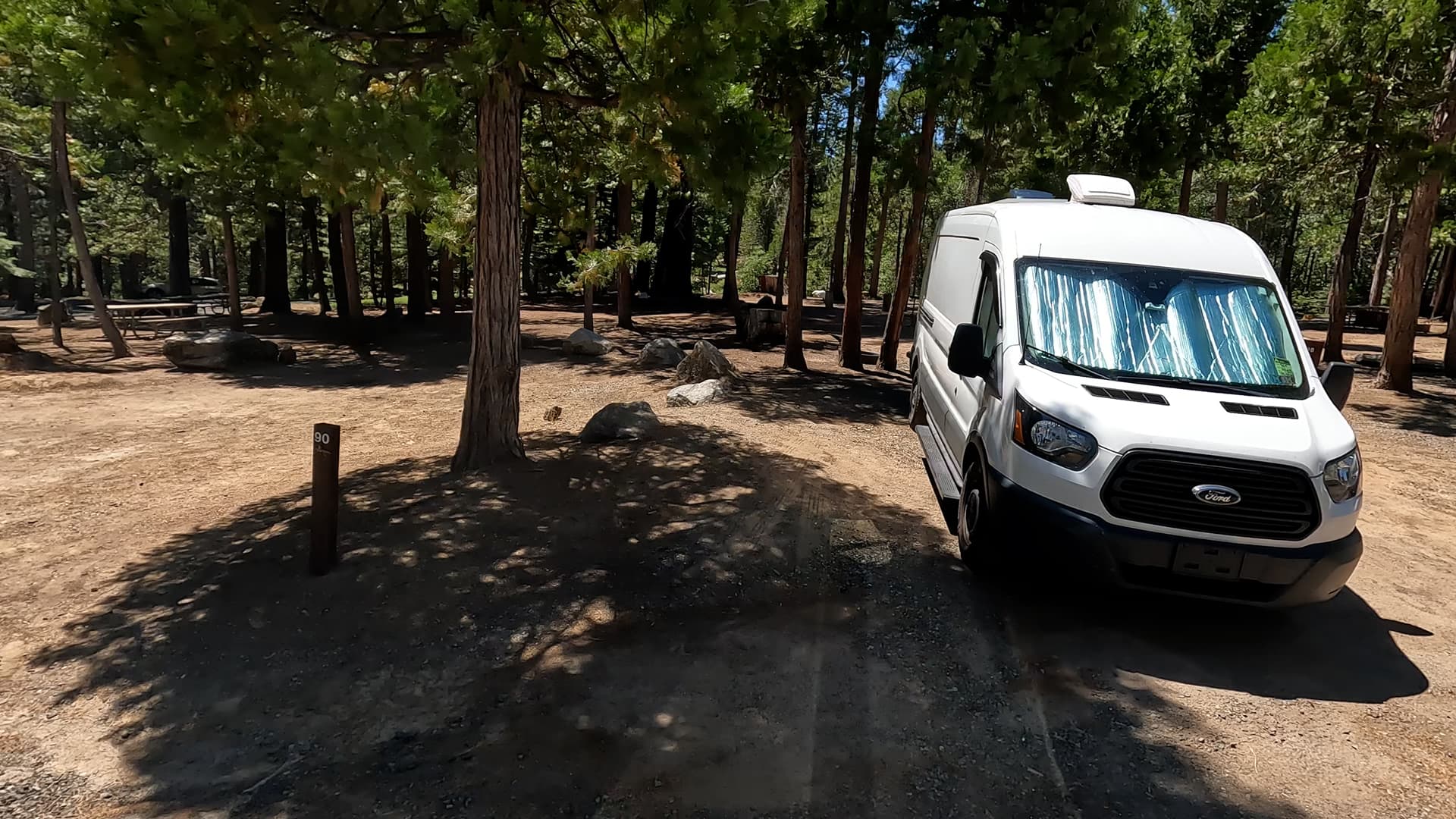
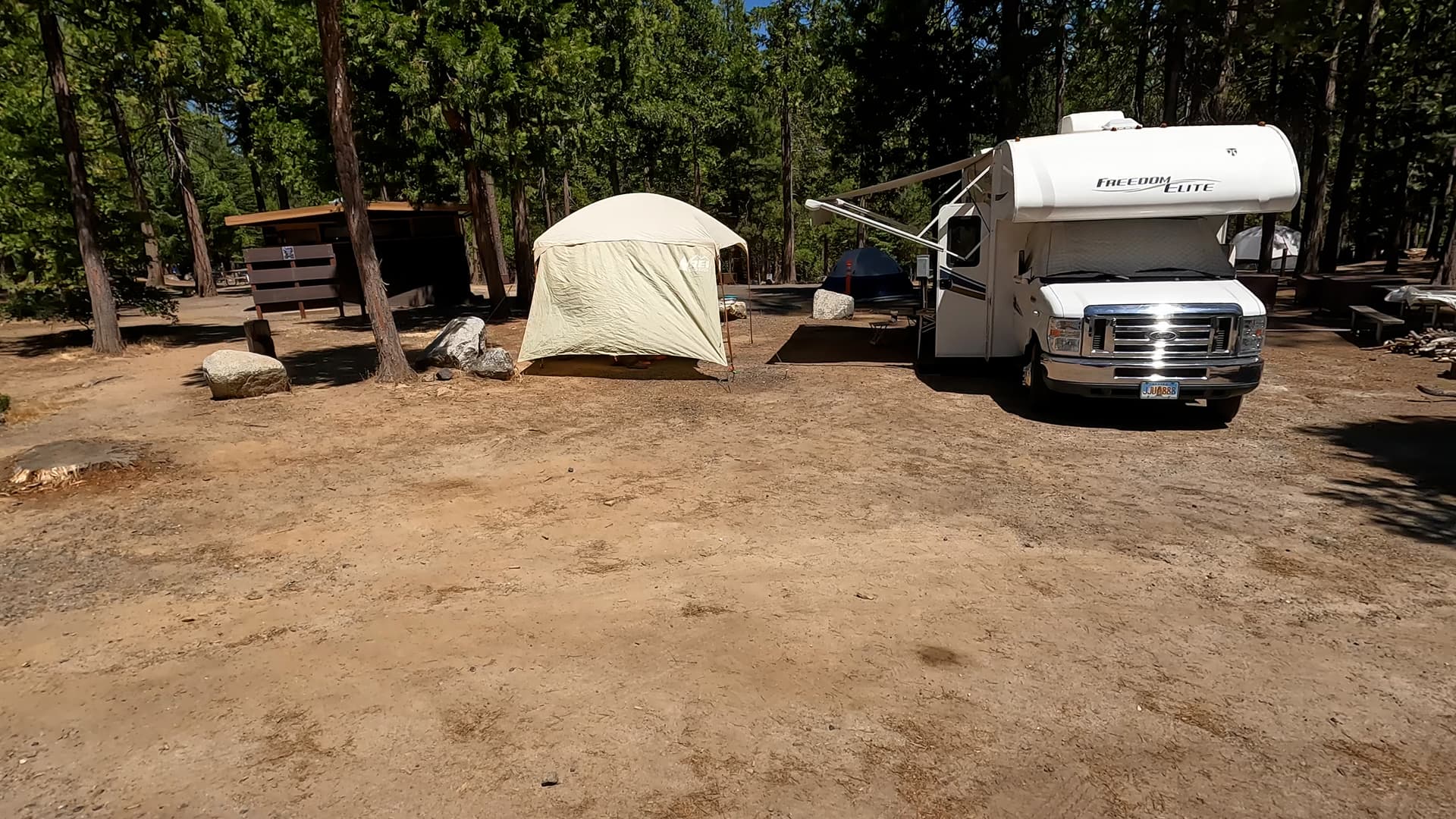
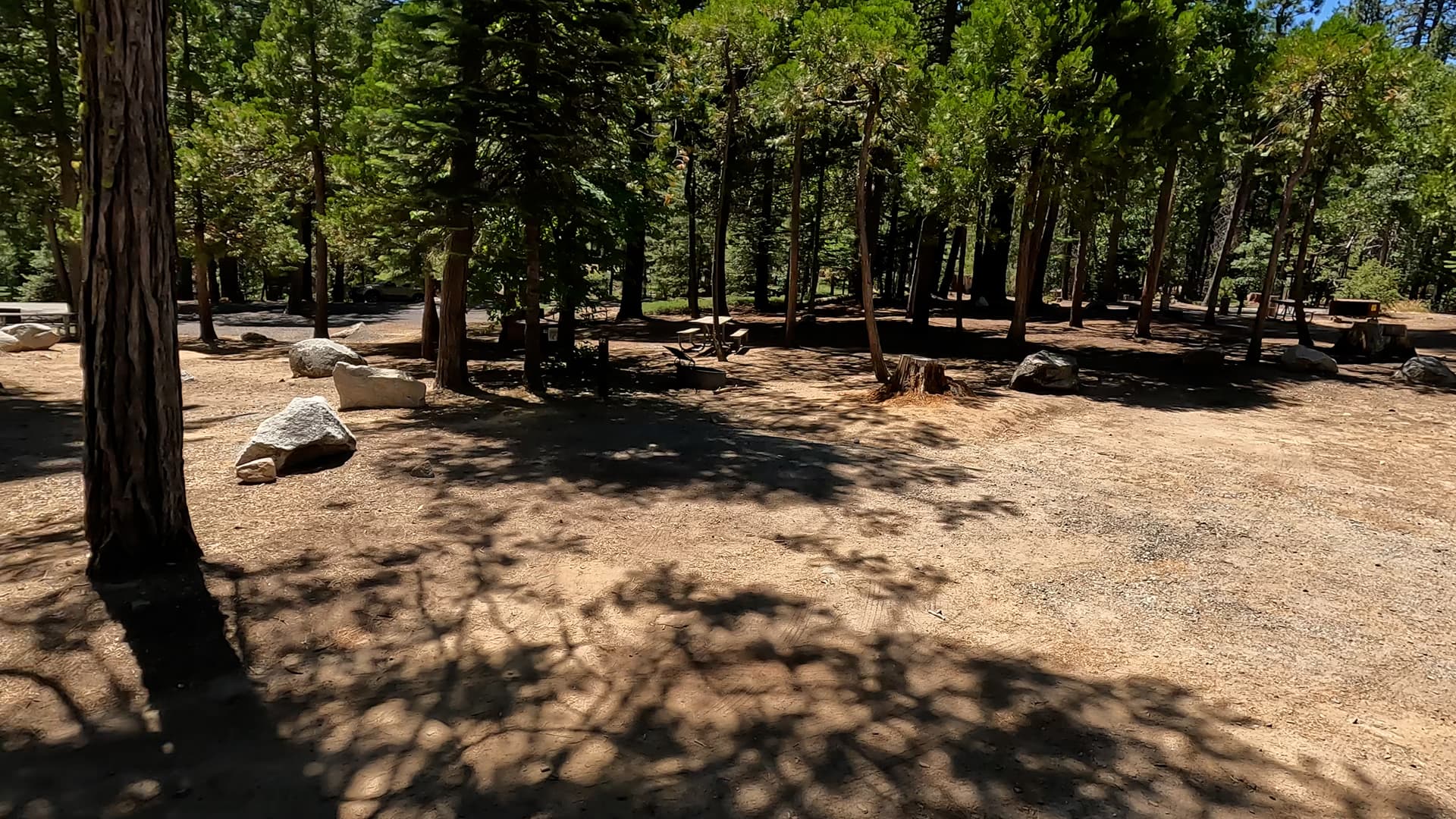
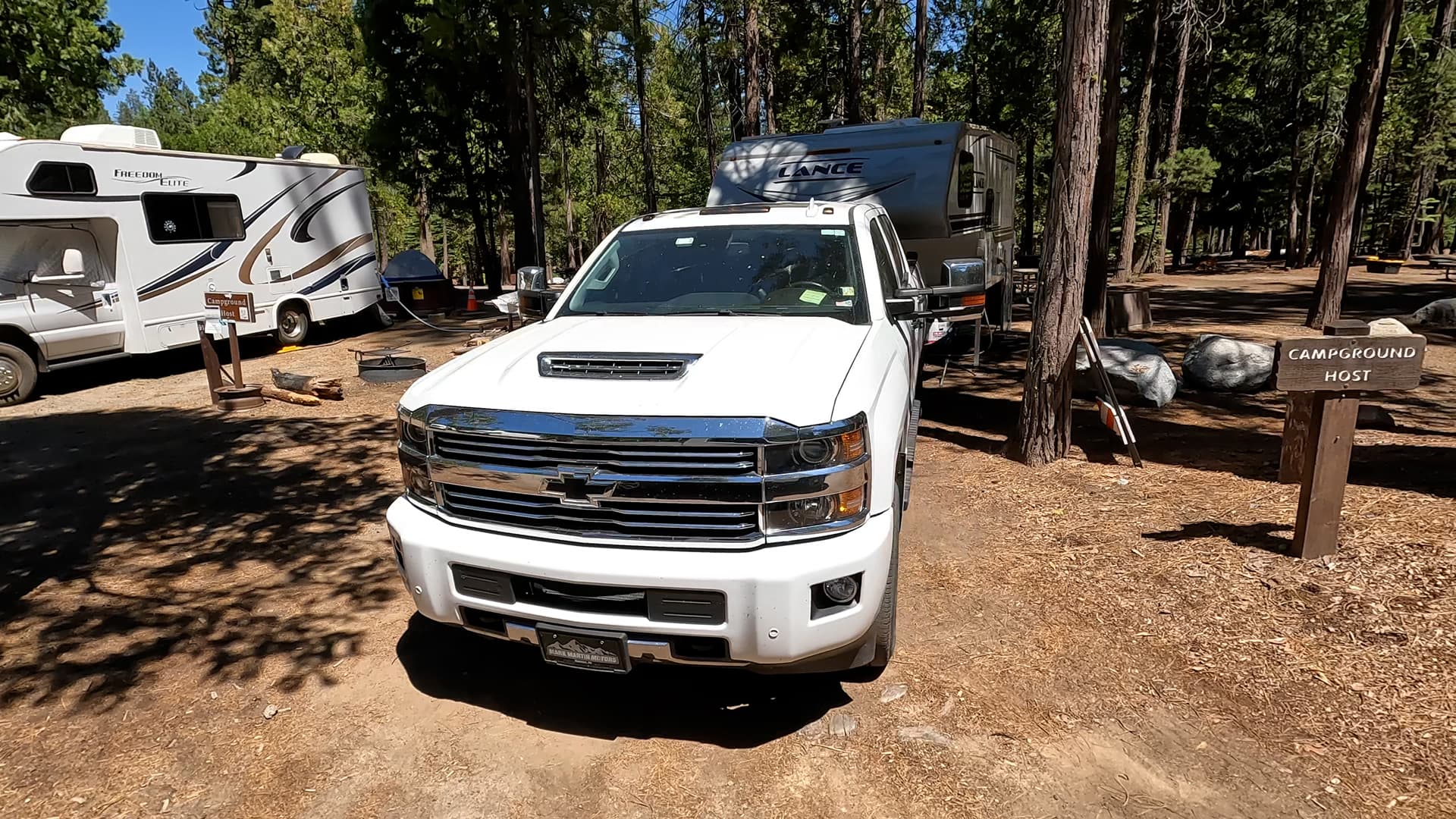
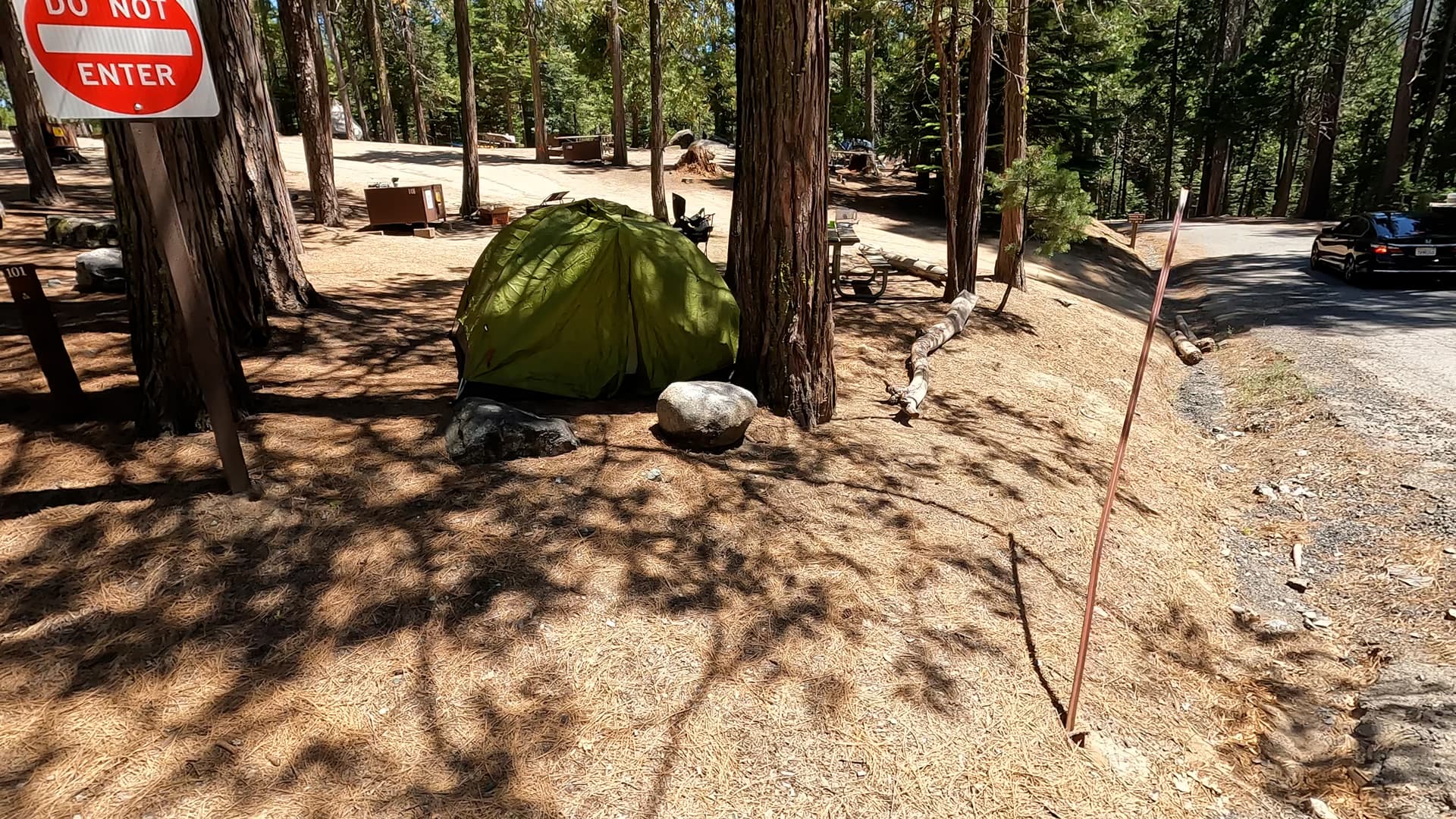
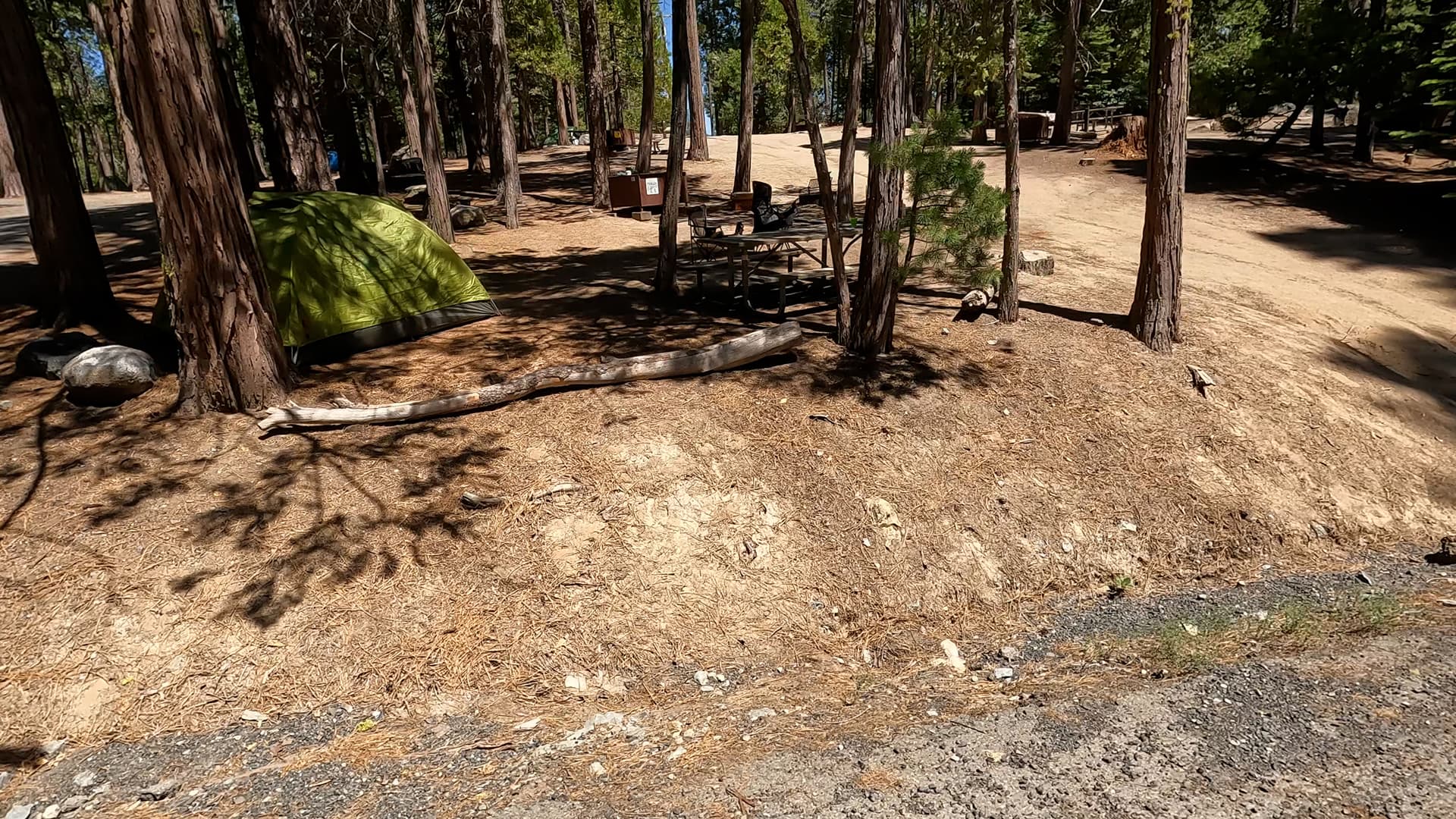
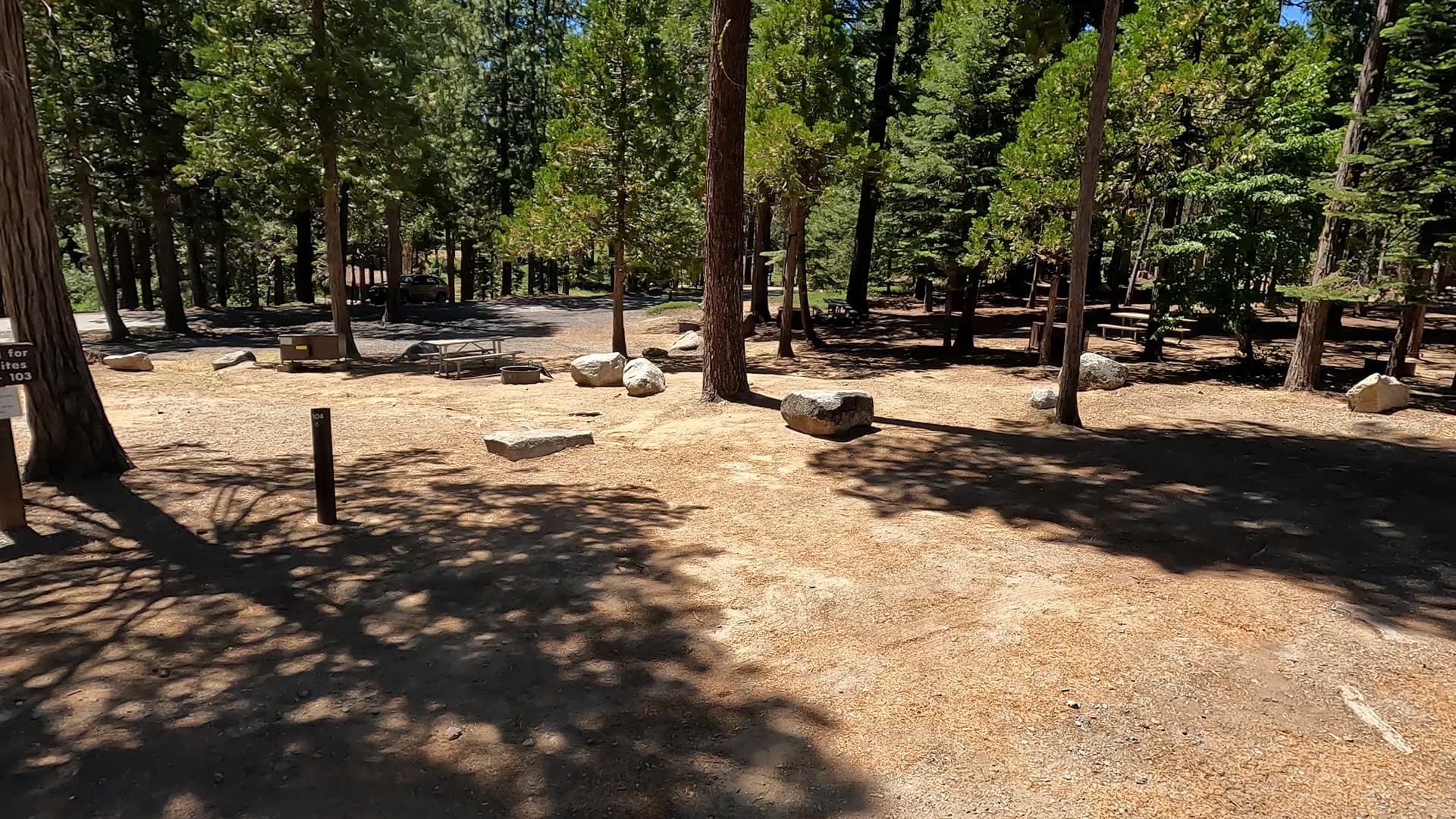
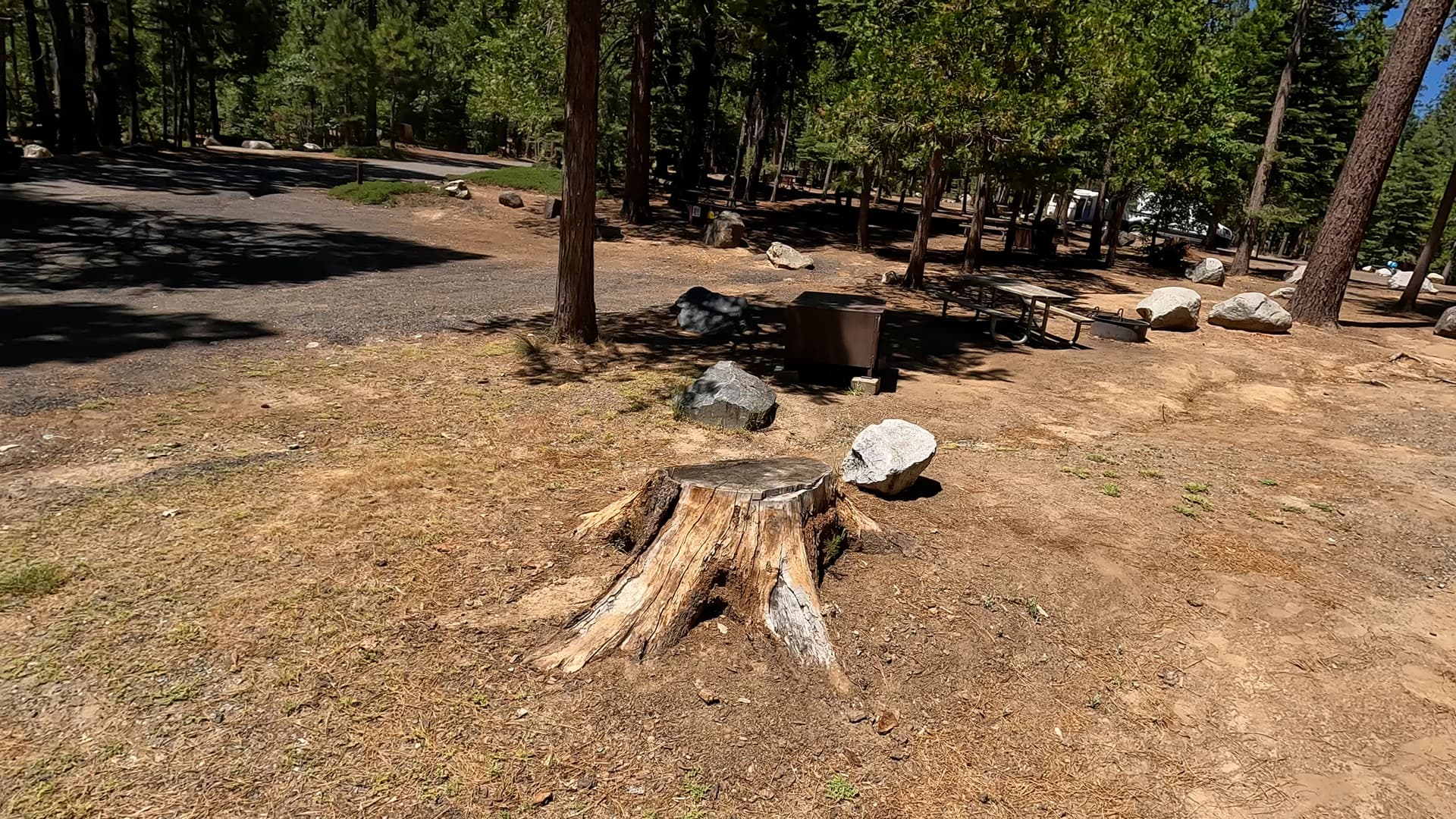
Hodgdon Meadow Campground features a loop-style layout with campsites suitable for tents, vans, and RVs. Many sites can accommodate trailers and larger motorhomes, though individual site lengths vary and should be reviewed in advance. The sites are arranged among tall trees, providing shade and moderate privacy. Due to its elevation and forested setting, temperatures here are often cooler than in Yosemite Valley during peak summer months.

Amenities

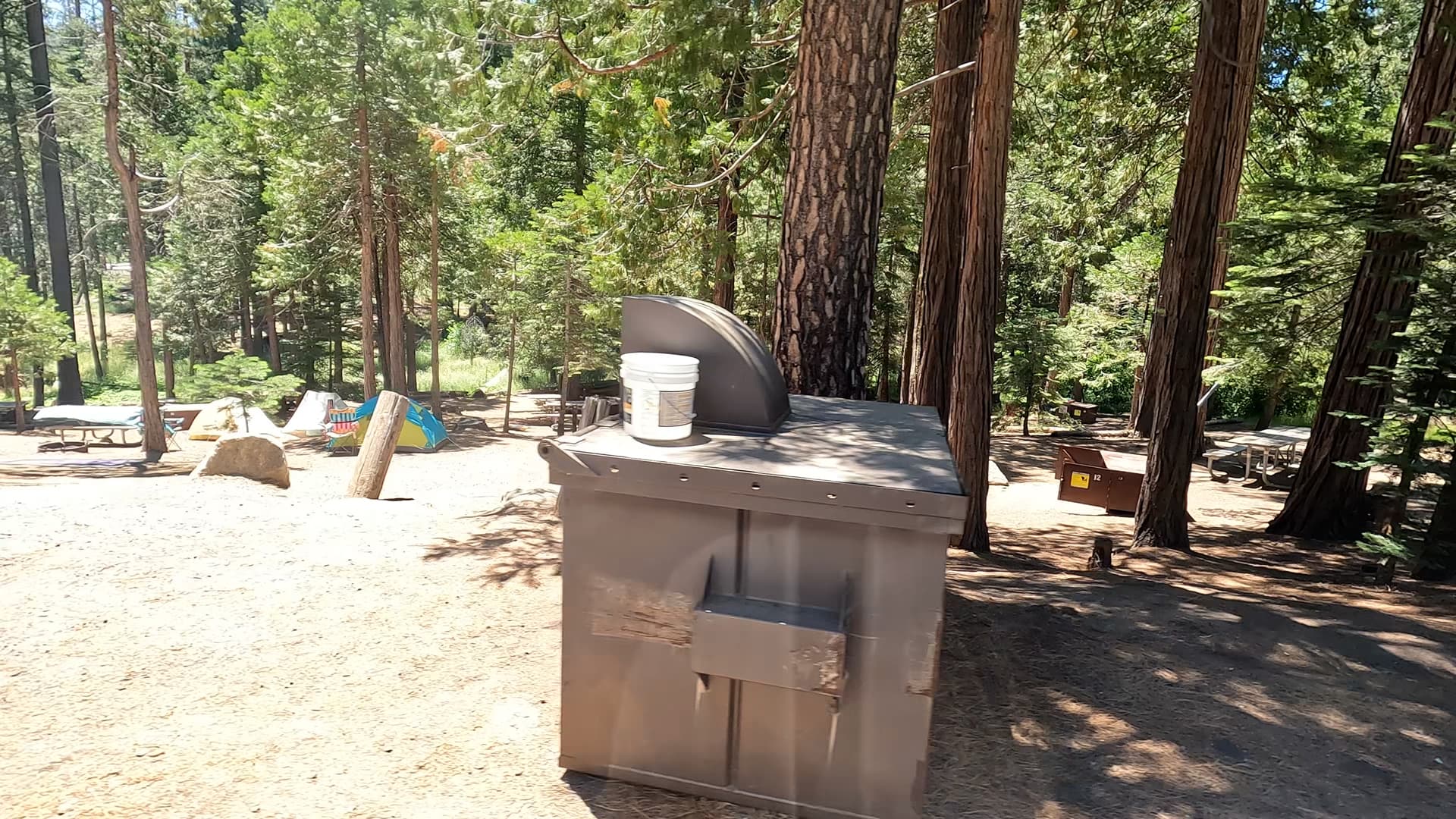
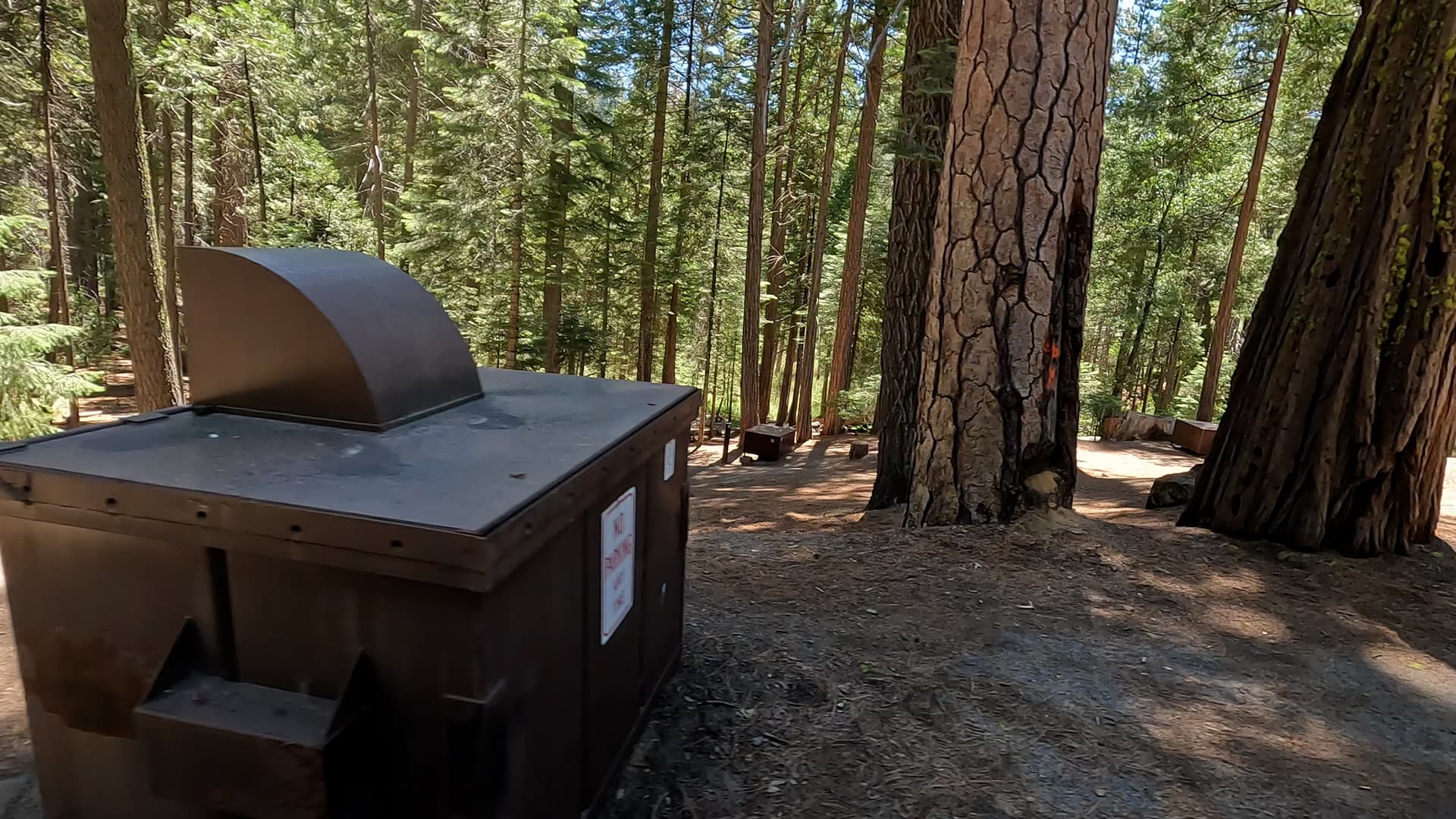
Campsites include picnic tables and fire rings. Flush toilets are typically available during the operating season, and potable drinking water is provided. There are no electrical hookups or showers within the campground. As with all Yosemite campgrounds, proper food storage is required, and bear-proof food lockers are provided at each site to help protect wildlife.

Recreation & Nearby Access

From Hodgdon Meadow, visitors can access Yosemite Valley, Tuolumne Grove of Giant Sequoias, and numerous hiking trails throughout the park. The campground’s proximity to Highway 120 makes it particularly convenient for those exploring Yosemite’s western regions or continuing east toward Tuolumne Meadows. Wildlife viewing, photography, and scenic drives are all easily accessible from this location.

Summary

Hodgdon Meadow Campground offers forested camping near Yosemite’s western entrance with convenient access to the park’s iconic landscapes. Its shaded setting, cooler elevation, and quieter atmosphere make it an appealing alternative to the busier campgrounds in Yosemite Valley.

Nearby Campgrounds