Hobo
Sequoia
California
Date filmed:2024-06-24
Number of sites:25
GPS:35.5744592, -118.5287783
Max vehicle length:22 Feet
Quiet hours:10:00 pm - 6:00 am

Amenities and Activities

Amenities
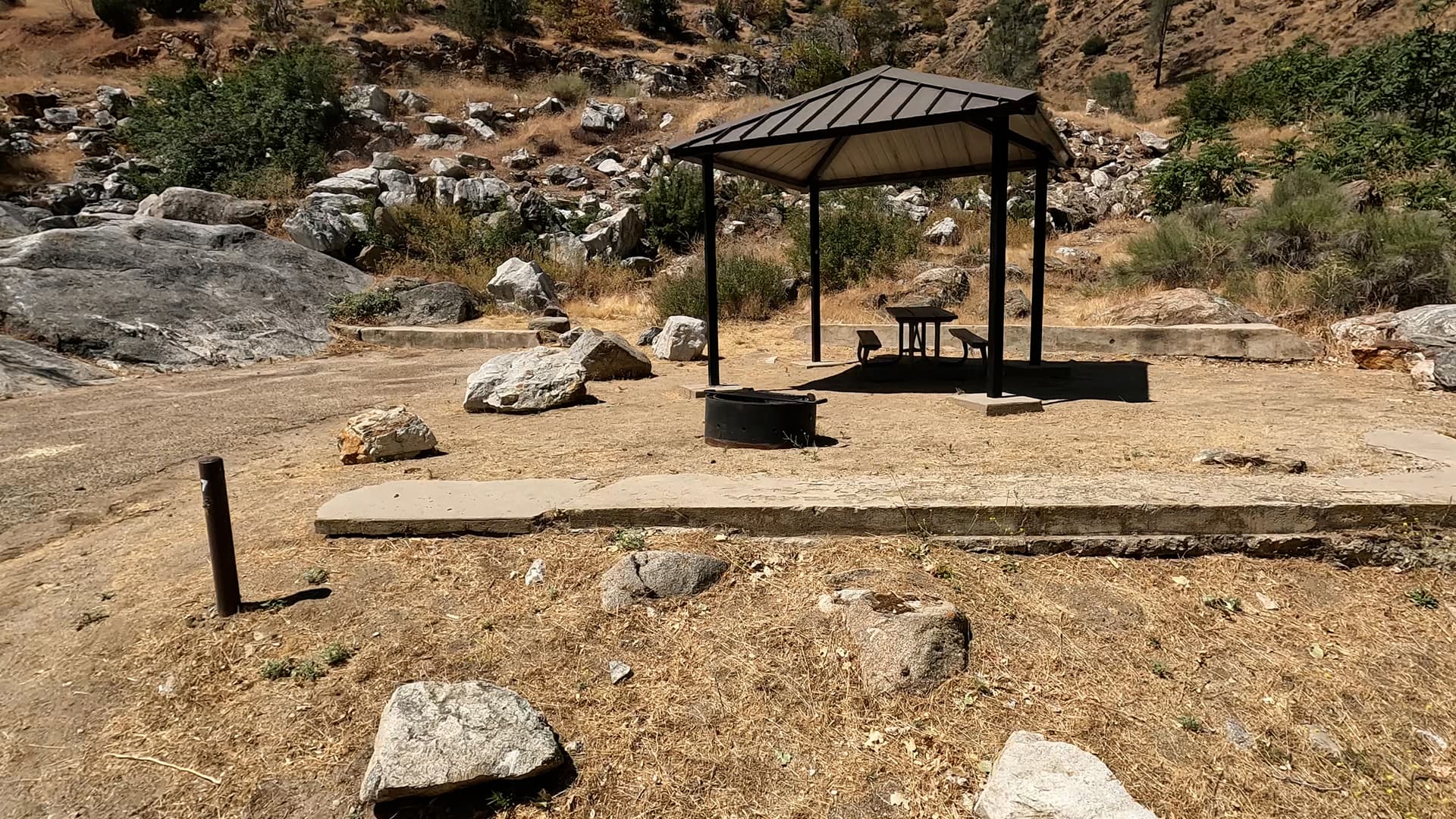
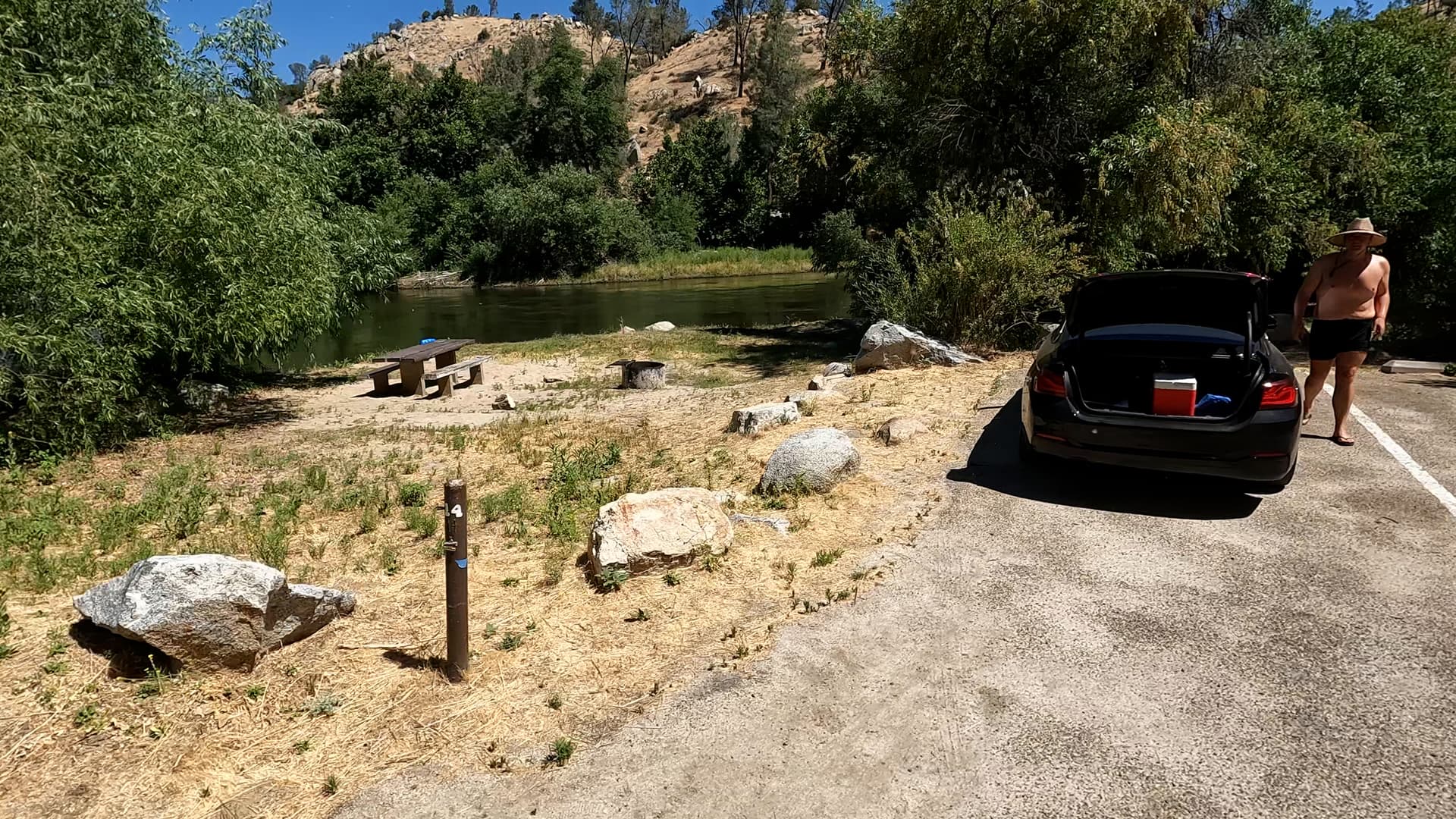
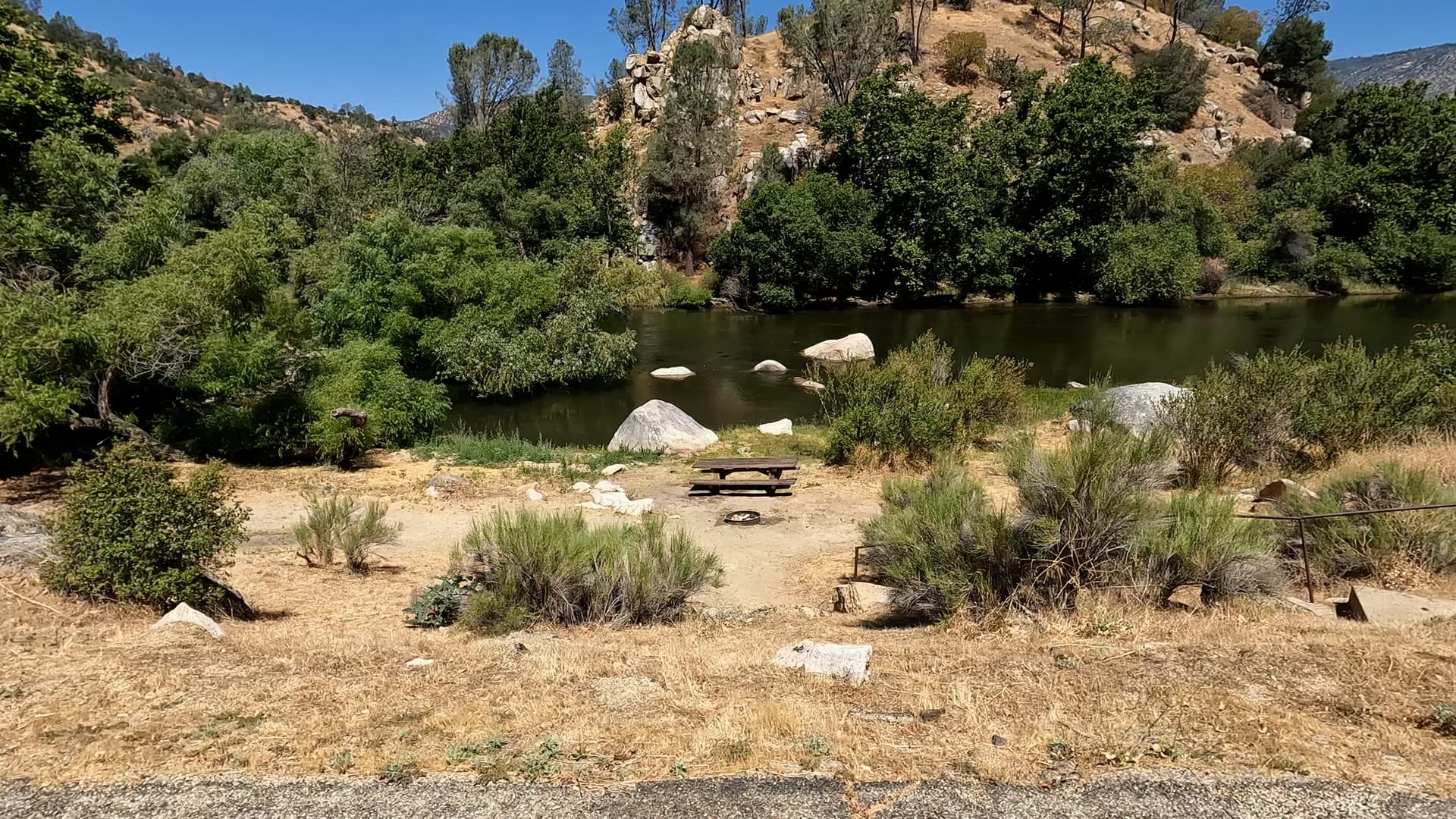
Fire Ring
Picnic Table
Tents
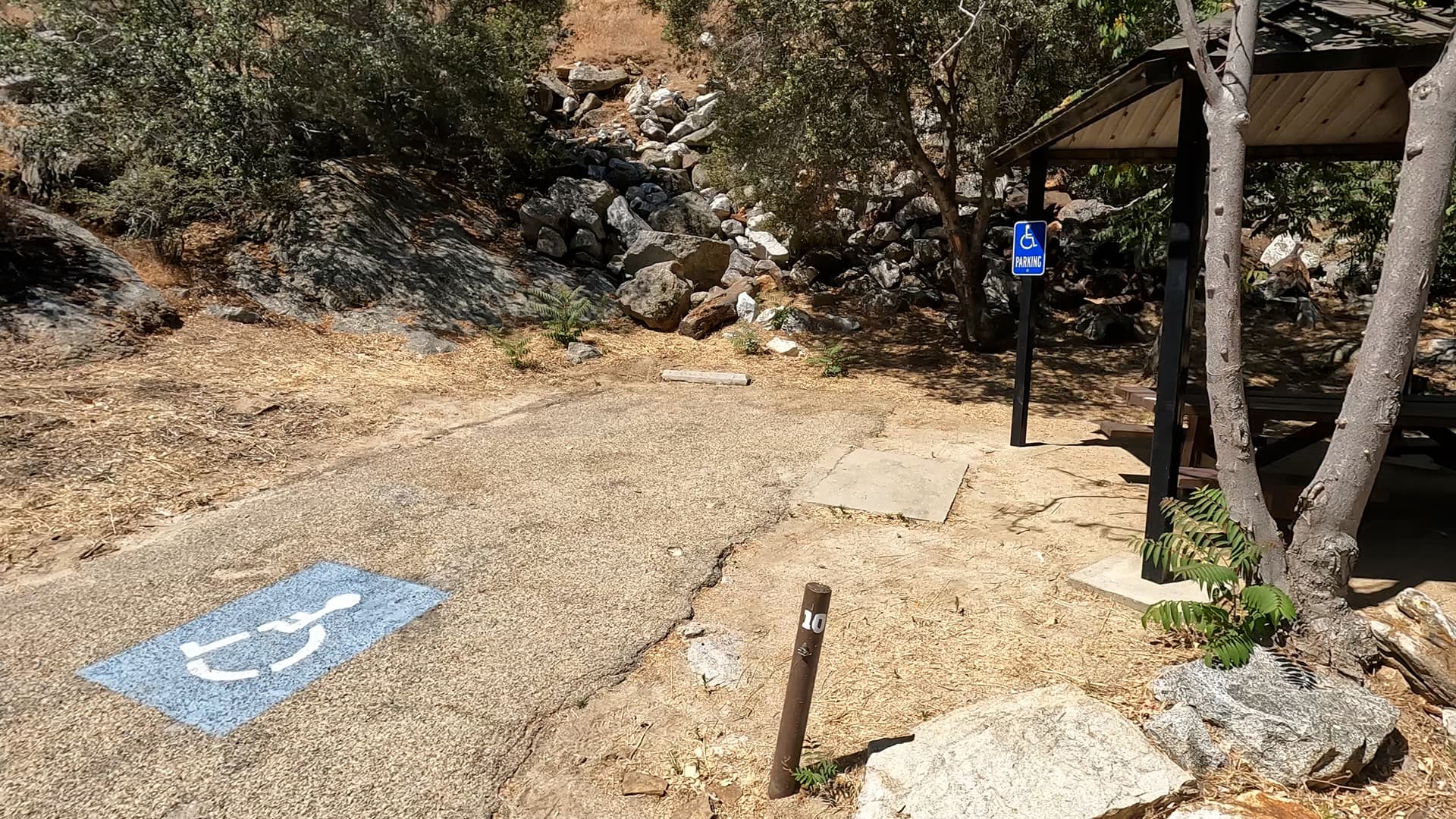
Accessible Sites
Vault Toilets
Trash Collection
Shade
Activities
Fishing
White Water Rafting
Hiking
Biking
Boating
Bird Watching
Historical Site

Things to Do

Sequoia: God of the Woods

Learn About Sequoia Trees on the Trail of 100 Giants

Featured: Camp Three, Coy Flat, Eshom, Fairview, Goldledge, Headquarters, Hobo, Hospital Flat, Hume Lake, Limestone, Landslide, Lodgepole, Princess, Sandy Flat, Stony Creek, Sunset, Ten Mile, Upper Stony Creek, Wishon

Dive into the secrets of sequoia trees in this enlightening video, delving into their fascinating facts and the scientific wonders that make them true natural marvels. Sequoia trees, scientifically classified as members of the genus Sequoia in the cypress family, are renowned for their colossal size and longevity. The two main species are the coastal redwood (Sequoia sempervirens) and the giant sequoia (Sequoiadendron giganteum). These ancient beings can live for thousands of years, with some specimens dating back more than 3,000 years. Remarkably, the enormous size of sequoias is largely attributed to their ability to capture and store carbon dioxide through photosynthesis. Their needle-like leaves, arranged in spirals along the branches, efficiently absorb sunlight, converting it into energy. Additionally, the thick, fire-resistant bark provides protection against natural disasters such as wildfires. Sequoias reproduce through both sexual and asexual means. The cones of these trees contain seeds, but they often rely on fire to open the cones and release the seeds. The heat allows the seeds to fall onto fertile soil, creating an environment conducive to germination. Furthermore, sequoias can sprout from their burls, which are bulbous growths on the trunk that house dormant buds. Human activity and climate change pose threats to these ancient giants. Conservation efforts strive to protect their habitats and promote sustainable practices. Sequoia trees stand not only as magnificent examples of nature's grandeur but also as crucial players in the intricate dance of ecosystems and climate regulation. Understanding the science behind their endurance and reproduction aids in preserving these living monuments for generations to come.

Embark on a stunning ride from Belknap Campground to the breathtaking Kings Canyon. Journey through towering sequoias, winding mountain roads, and scenic vistas, capturing the essence of nature's grandeur in every twist and turn. Join us on an unforgettable ride-along as we journey from the serene Belknap Campground to the majestic Kings Canyon. This route offers a unique blend of towering ancient sequoias, winding mountain roads, and breathtaking vistas that perfectly capture the beauty and grandeur of California’s wilderness. From the moment you leave the campground, the towering giants of the forest welcome you, their massive trunks and sprawling branches creating a natural cathedral that has stood for millennia. As you wind your way through the forest, the road opens up to reveal sweeping views of the Sierra Nevada mountains. The contrast between the dense, shaded forest and the bright, sunlit peaks creates a mesmerizing landscape, each turn offering a new perspective on this diverse and dynamic environment. Along the way, you'll pass through a variety of ecosystems, from the lush greenery of the lower elevations to the rocky outcrops and alpine meadows higher up. The journey culminates in Kings Canyon, one of the deepest canyons in North America. Here, the towering cliffs and rugged terrain serve as a dramatic backdrop to the tranquil rivers and waterfalls that carve their way through the landscape. This natural wonder is not just a destination but a journey through time, where every mile traveled reveals new stories etched into the rock and soil by the forces of nature. Whether you’re an adventurer at heart or simply seeking a moment of peace in nature, this ride-along offers a window into one of California’s most iconic and awe-inspiring landscapes. So, sit back, relax, and let the beauty of the High Sierra unfold before your eyes. Whether you’re planning your next outdoor adventure or simply dreaming of one, this journey from Belknap Campground to Kings Canyon is sure to inspire and captivate.

Kaiser Pass Road in California's High Sierra winds through stunning alpine scenery, leading to remote lakes, trails, and campsites. Its narrow, steep sections challenge drivers, but the breathtaking views make it worthwhile. Kaiser Pass Road in the High Sierra of California is a rugged and scenic route that takes travelers deep into the heart of the Sierra Nevada. Winding through pine forests and granite peaks, the road offers stunning views of pristine alpine lakes and lush meadows. Starting near Huntington Lake, it climbs steadily to over 9,000 feet, leading to remote destinations such as Florence Lake, Edison Lake, and Mono Hot Springs. For outdoor enthusiasts, this road is a gateway to some of the region’s best hiking, fishing, and camping opportunities. The road is narrow, with steep drop-offs and hairpin turns, making it a challenging drive, especially for larger vehicles. Despite its difficulties, Kaiser Pass Road attracts those seeking solitude and natural beauty. In winter, snow closes the road, making it accessible only during the warmer months. Whether you’re heading to the backcountry or simply taking in the breathtaking vistas, Kaiser Pass Road offers a unique and memorable journey through California’s High Sierra wilderness.

Explore Yosemite's surroundings with side stops like Mono Lake's mesmerizing tufa towers, the ghost town of Bodie frozen in time, and the scenic Hetch Hetchy Valley, showcasing a reservoir amid stunning granite cliffs. Mono Lake is a majestic saline lake located in California. It is renowned for its otherworldly tufa towers, formed by the interaction of freshwater springs and alkaline lake water. The lake is a critical habitat for millions of migratory birds, such as eared grebes and California gulls. Despite facing ecological challenges, including water diversions, Mono Lake has become a symbol of environmental conservation and restoration efforts. Bodie is a well-preserved ghost town in the Bodie Hills east of the Sierra Nevada mountain range. This once-thriving gold-mining town is now a state historic park, offering visitors a glimpse into the California Gold Rush era. Its abandoned buildings, including the Standard Mill and Boone Store, stand as a testament to the town's former prosperity. Bodie provides a fascinating opportunity to explore the remnants of a bygone era and experience the essence of the Old West. Hetch Hetchy Valley, located in Yosemite National Park, was once a breathtaking glacial valley, comparable to the renowned Yosemite Valley. However, it was dammed in the early 20th century to provide water and hydroelectric power to the city of San Francisco. The damming of Hetch Hetchy remains a topic of controversy, as it led to the submersion of a stunning natural landscape. Despite this, the valley still offers striking beauty and serves as a reminder of the delicate balance between human needs and environmental preservation.

In Sequoia National Forest, the towering General Grant Tree stands as a symbol of nature's grandeur, along with the historic Converse Basin Grove. This remarkable area invites exploration of ancient giants that have witnessed centuries. Nestled within the heart of Sequoia National Forest, the General Grant Tree stands as a living monument to nature's grandeur and resilience. As the second-largest tree in the world by volume, this colossal giant has earned the title of "The Nation's Christmas Tree," symbolizing both the majestic beauty and enduring strength of the ancient sequoias. Towering over 267 feet and with a base circumference of nearly 107 feet, the General Grant Tree is not just a natural wonder but a living testament to the awe-inspiring power of the natural world. A visit to the General Grant Tree is often the highlight of a journey through the Sequoia National Forest, but the surrounding areas hold equally fascinating stories. Just a short distance away lies the Converse Basin Grove, a hauntingly beautiful area that once boasted one of the largest sequoia groves in the world. In the late 19th century, the grove was heavily logged, and today, only a few of these ancient giants remain standing. Walking through the grove, visitors are confronted with the stumps of felled sequoias, a stark reminder of the consequences of human activity on natural landscapes. Despite this, the Converse Basin Grove offers a unique opportunity to witness both the resilience and fragility of these ancient trees, as new growth emerges among the remnants of the past. One of the most poignant symbols of this history is the Chicago Stump, a massive remnant of a once-mighty sequoia that was cut down in 1893. This tree, known as the "General Noble Tree," was felled to be displayed at the World’s Columbian Exposition in Chicago, where sections of it were reconstructed to showcase the marvels of California’s giant sequoias. Today, the Chicago Stump serves as a somber reminder of the cost of progress, standing as a monument to what was lost in the name of exhibition and expansion. It is a powerful contrast to the still-living giants that surround it, offering a reflective moment for those who visit. Together, the General Grant Tree, Converse Basin Grove, and Chicago Stump tell a complex story of nature's grandeur, human impact, and the ongoing efforts to preserve these irreplaceable treasures. As visitors walk among these giants, they are invited to reflect on the importance of conservation and the legacy that we leave for future generations. Sequoia National Forest is not just a destination for nature lovers; it is a place of profound significance, where the past, present, and future of these ancient forests converge.

Exploring Sequoia National Park

Giants of Nature and Breathtaking Views

Featured: Azalea, Eshom, Fairview, Goldledge, Headquarters, Hobo, Hospital Flat, Hume Lake, Landslide, Limestone, Lodgepole, Princess, Sandy Flat, Stony Creek, Sunset, Ten Mile, Upper Stony Creek, Wishon

Explore Sequoia National Park to witness the towering General Sherman Tree, scale the breathtaking heights of Moro Rock, and wander through the serene Parker Group. Discover the natural beauty of these iconic landmarks. Sequoia National Park is home to some of the most iconic natural landmarks in the world, including the towering General Sherman Tree. This ancient giant sequoia stands at an impressive 275 feet and is the largest known living single-stem tree on Earth by volume. Located in the Giant Forest, the General Sherman Tree is a testament to the incredible scale and age of these majestic trees, some of which are over 2,000 years old. Visitors can reach the tree via a short, scenic trail that offers various viewpoints, each highlighting its immense size and grandeur. Another highlight of Sequoia National Park is Moro Rock, a massive granite dome that offers breathtaking panoramic views of the surrounding landscape. Climbing to the top involves a steep ascent of 350 steps, leading to an elevation of 6,725 feet. The effort is well worth it, as the summit provides stunning vistas of the Sierra Nevada mountains and the Central Valley below. Nearby, the Parker Group—a cluster of ancient sequoias—adds to the park's allure, offering a serene and awe-inspiring experience as visitors stroll among these towering giants. Together, these sites capture the natural beauty and wonder that define Sequoia National Park.

The Trail of 100 Giants

Long Meadow Grove | Sequoia National Forest

Featured: Camp Three, Coy Flat, Eshom, Fairview, Goldledge, Headquarters, Hobo, Hospital Flat, Hume Lake, Landslide, Limestone, Lodgepole, Princess, Sandy Flat, Sunset, Ten Mile, Upper Stony Creek, Wishon

Tucked away in Sequoia National Forest is a grove of unfathomably large sequoia trees that span as much as 20 feet in diameter and 220 feet in height. The Trail of 100 Giants is a popular and easy way to experience the size and scale of these giants. On April 15, 2000, President William J. Clinton proclaimed beneath one of the grander trees in the forest that the land would be established as Giant Sequoia National Monument. Trees within this boundary are thought to be as old as 1500 years old. These giant trees only grow within a small section on the western side of the Sierra Nevada due to favorable altitude, climate, and soil conditions. Reproduction is slow as generally, only fire opens the pine cones which release seeds for new growth. Thankfully the trees are incredibly fire-resistant. When visiting the grove, one can see evidence of prior fires and note that their bark is quite hard and thick - some areas up to three feet thick! The Trail of 100 Giants is located within Sequoia National Forest, south of the similarly named Sequoia National Park. The grove covers 341 acres and within it are more than 100 sequoia trees that measure over 10 feet in diameter and several hundred more that measure under 10 feet. The largest tree in the grove is 20 feet in diameter and roughly 220 feet tall. The actual trail itself is 1.3 miles and mostly paved with asphalt except for some sections where fallen trees have blocked portions. A dirt path goes around the tree, however, for those wanting to really experience the size of these trees, they can even climb on top of it.

Embark on a breathtaking journey as we descend into the depths of Kings Canyon, winding our way to the iconic Road's End. Witness the rugged beauty and awe-inspiring landscapes that define this epic adventure. Embarking on a journey into Kings Canyon is like stepping into a world untouched by time. The descent into this magnificent natural wonder reveals a landscape of towering granite walls, cascading waterfalls, and dense forests. As the road winds deeper into the canyon, the sheer scale and grandeur of the scenery become more apparent, with each turn offering new, awe-inspiring vistas. The drive to Road's End is more than just a journey; it's an immersion into the heart of one of the most spectacular canyons in North America. Along the way, you'll pass by the roaring Kings River, whose powerful currents have carved the canyon over millennia. The towering cliffs on either side seem to close in as you descend, creating a sense of intimacy and isolation that is both humbling and exhilarating. At Road's End, the pavement ends, but the adventure is far from over. This remote outpost serves as the gateway to some of the most challenging and rewarding backcountry trails in the Sierra Nevada. Whether you're setting off on a multi-day backpacking trip or simply taking in the views, the sense of reaching the "end of the road" is profound. It's a place where the journey culminates, and the wild beauty of Kings Canyon takes center stage. As you stand at Road's End, surrounded by the towering peaks and deep wilderness, you'll feel a connection to the timeless rhythms of nature. The descent into Kings Canyon is not just a physical journey, but a passage into a landscape that inspires wonder and reflection. This video captures the essence of that journey, from the first twist of the road to the awe-inspiring conclusion at Road's End.

Campground Overview

Hobo Campground – Sequoia National Forest, Kern River Canyon

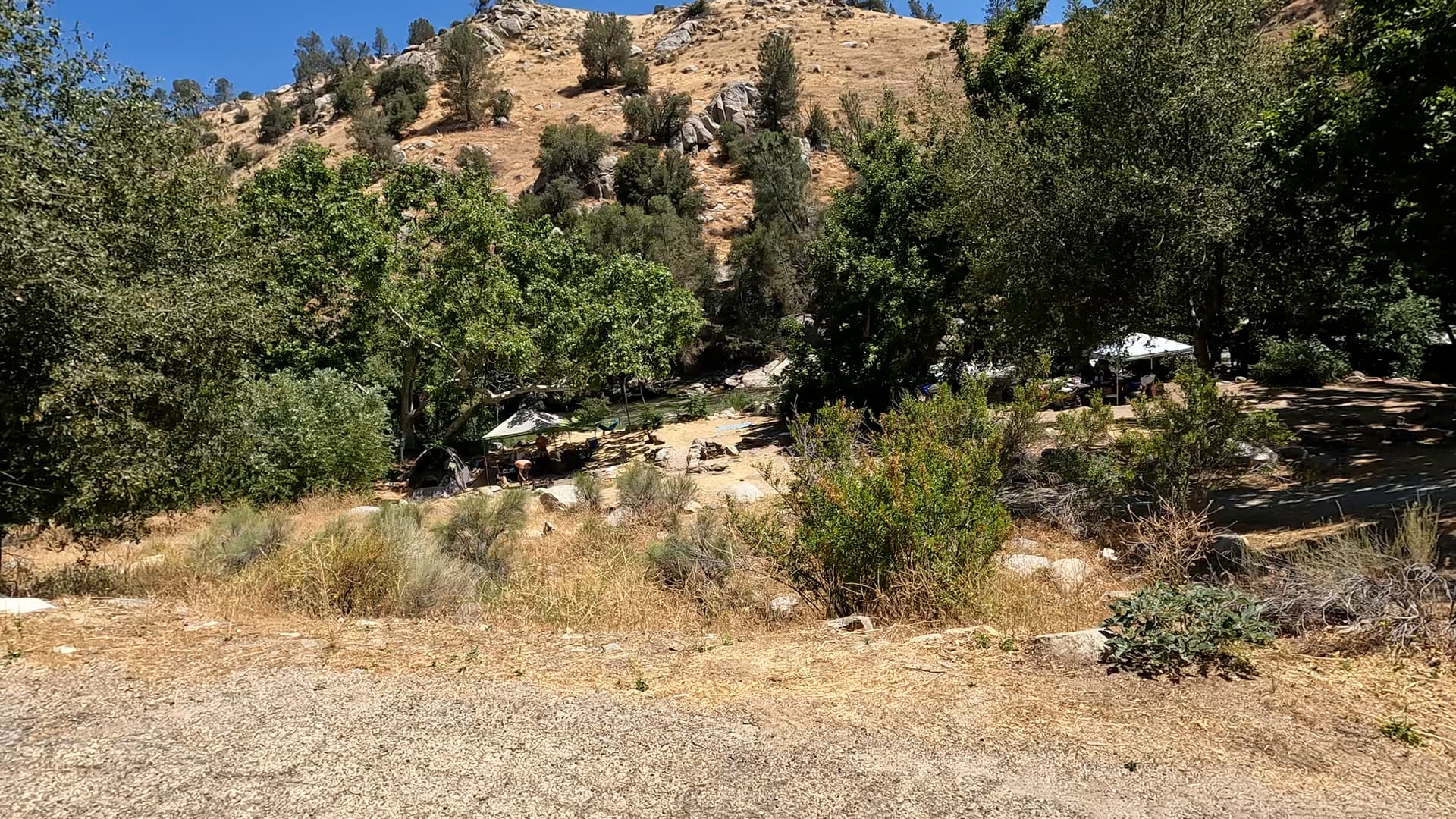
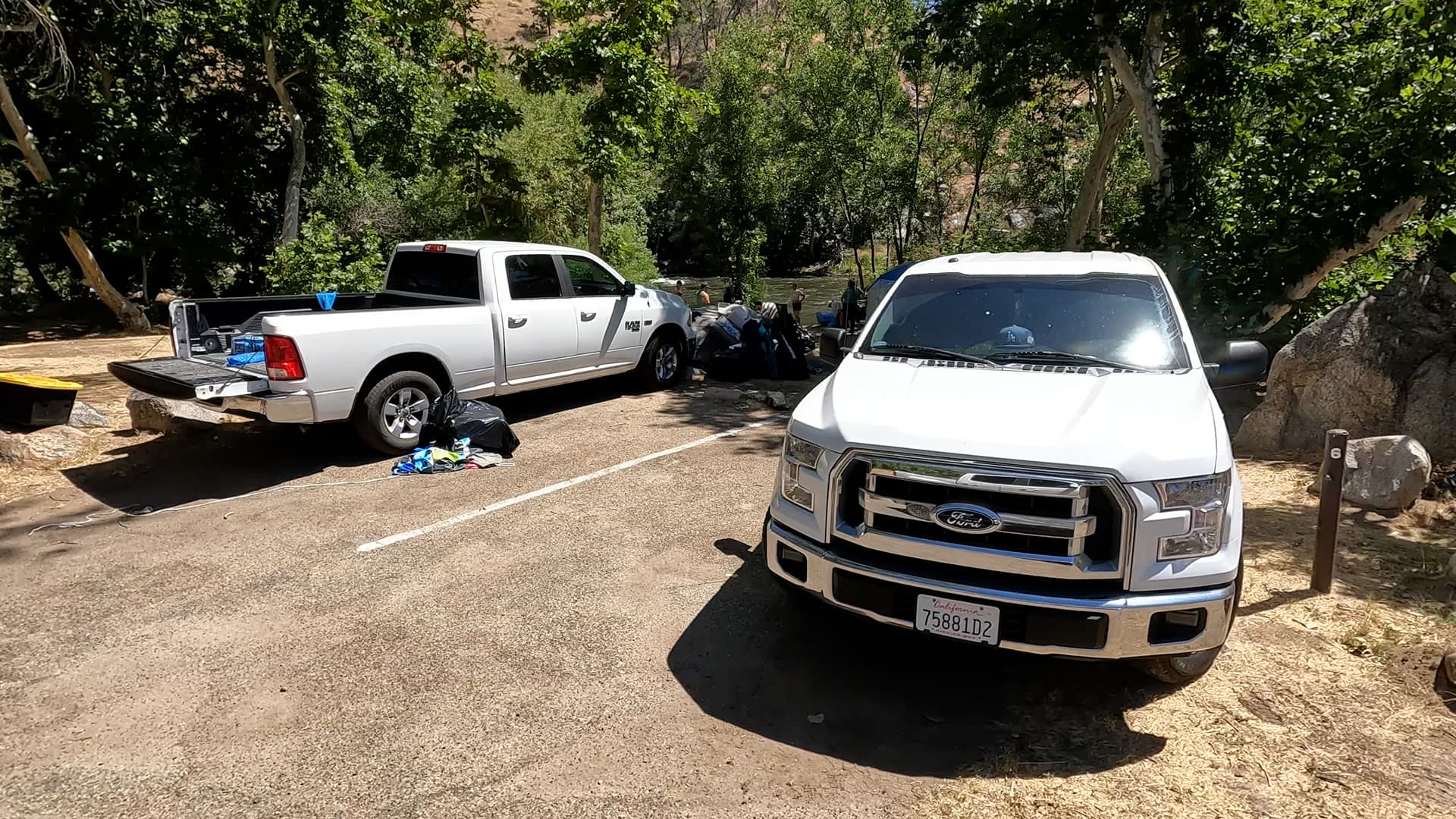
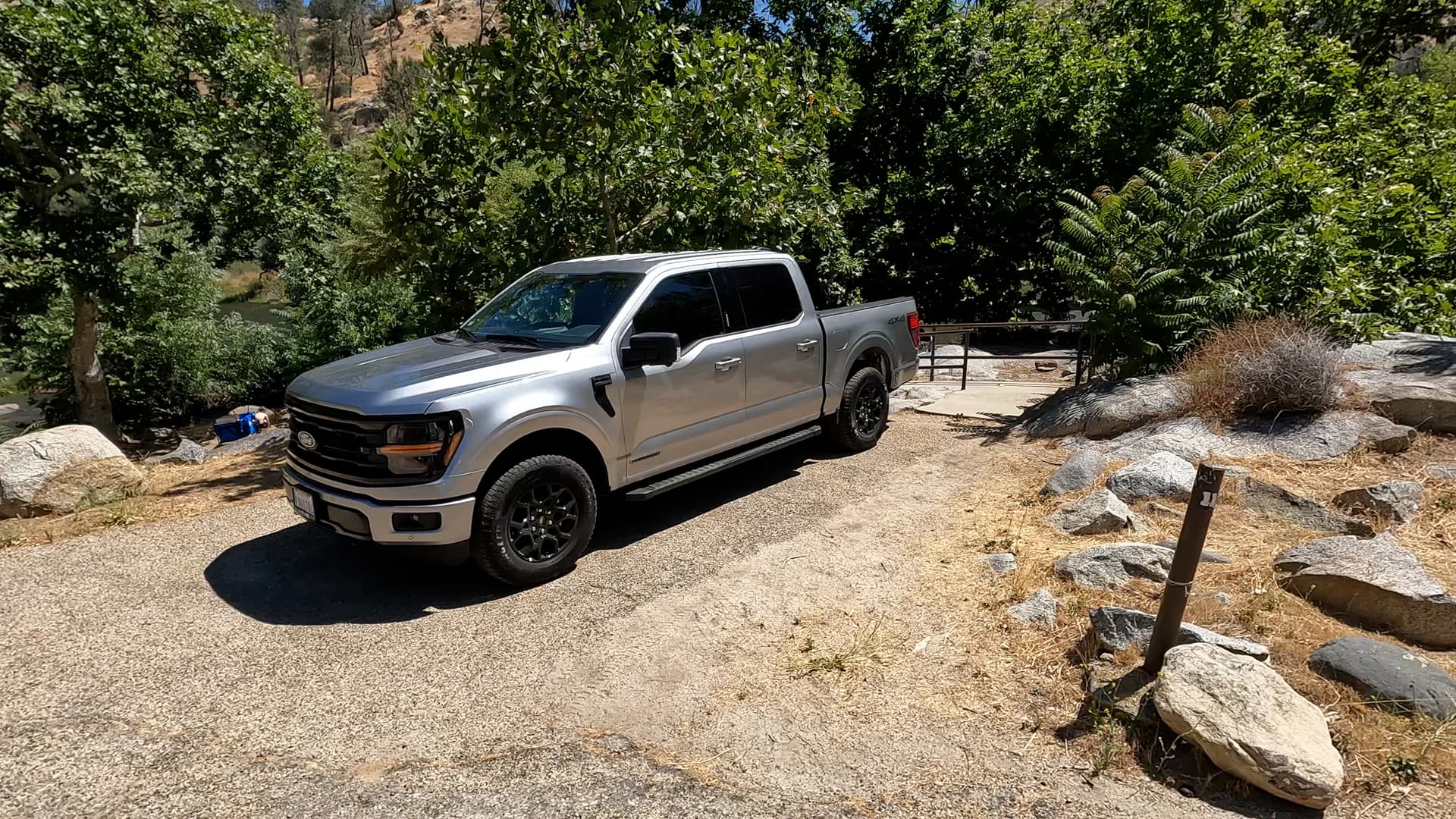
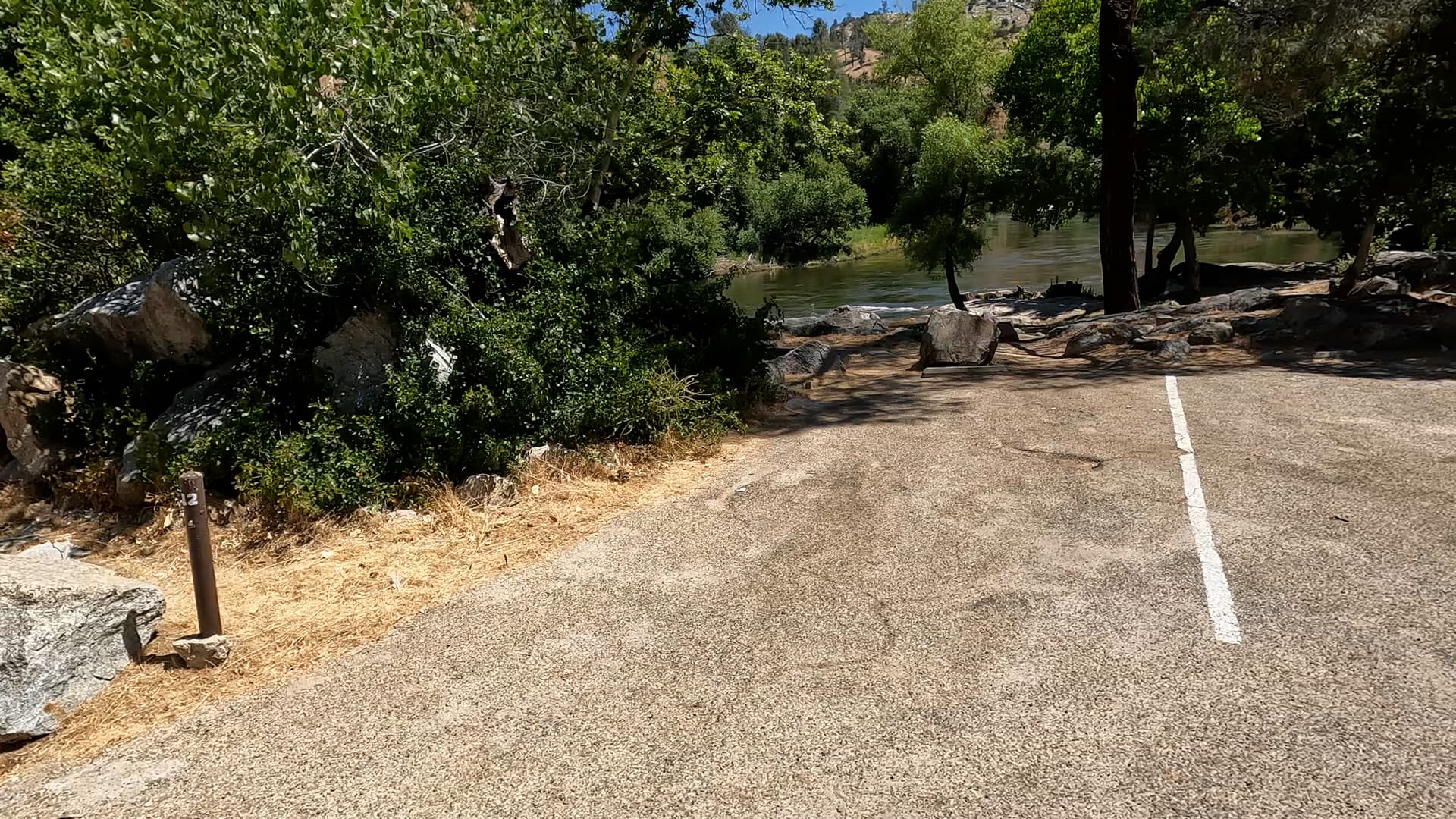
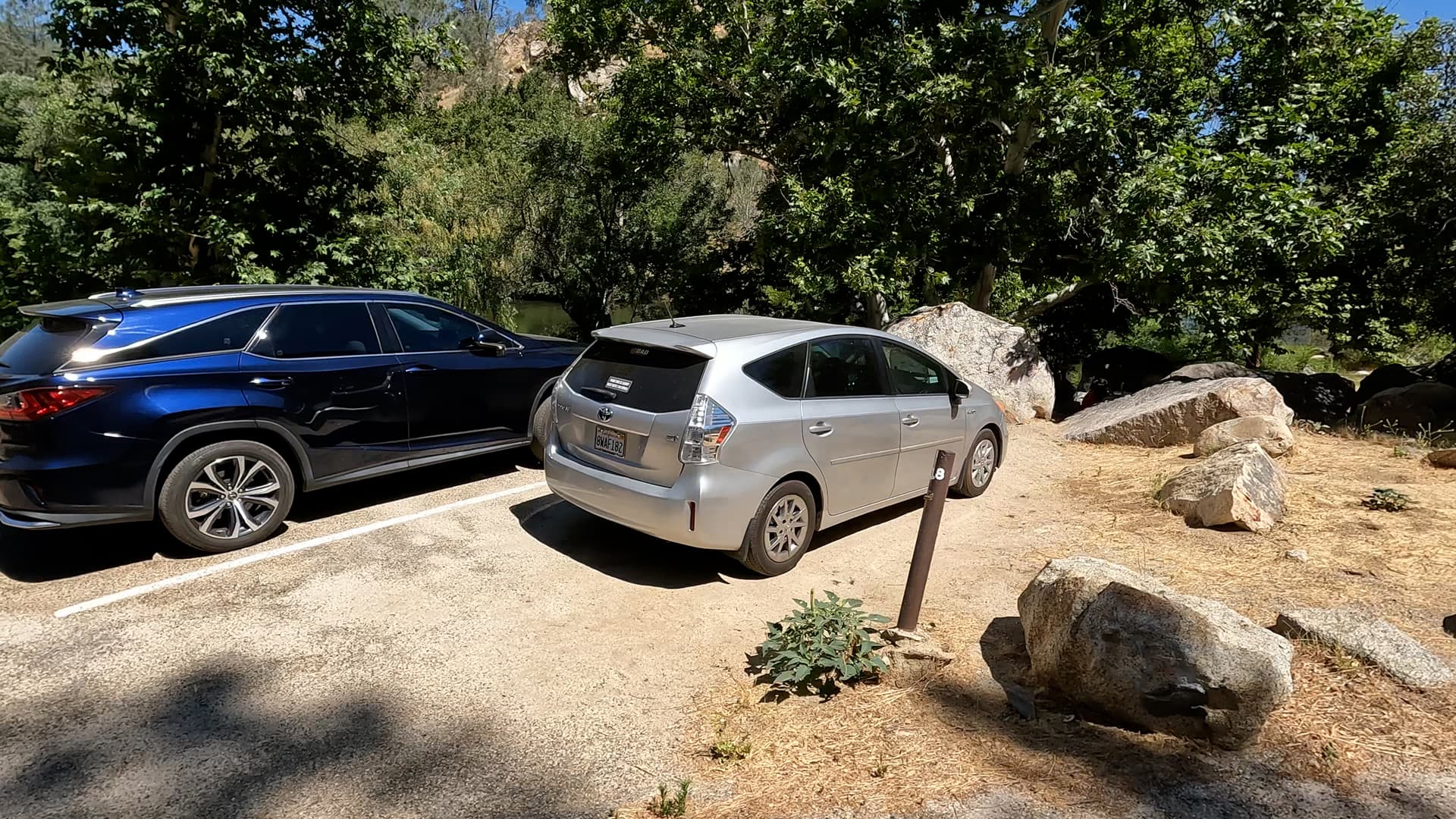
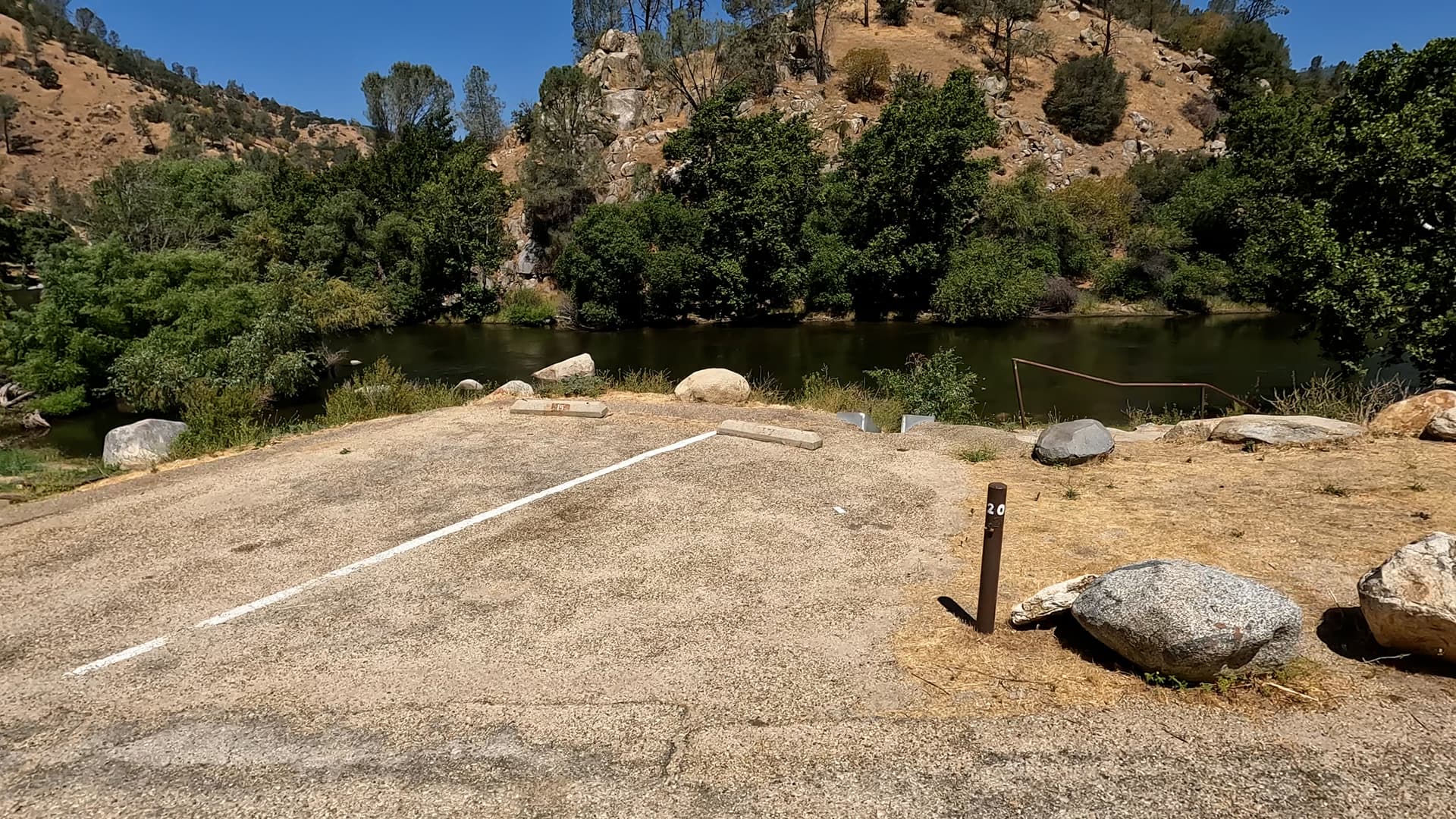
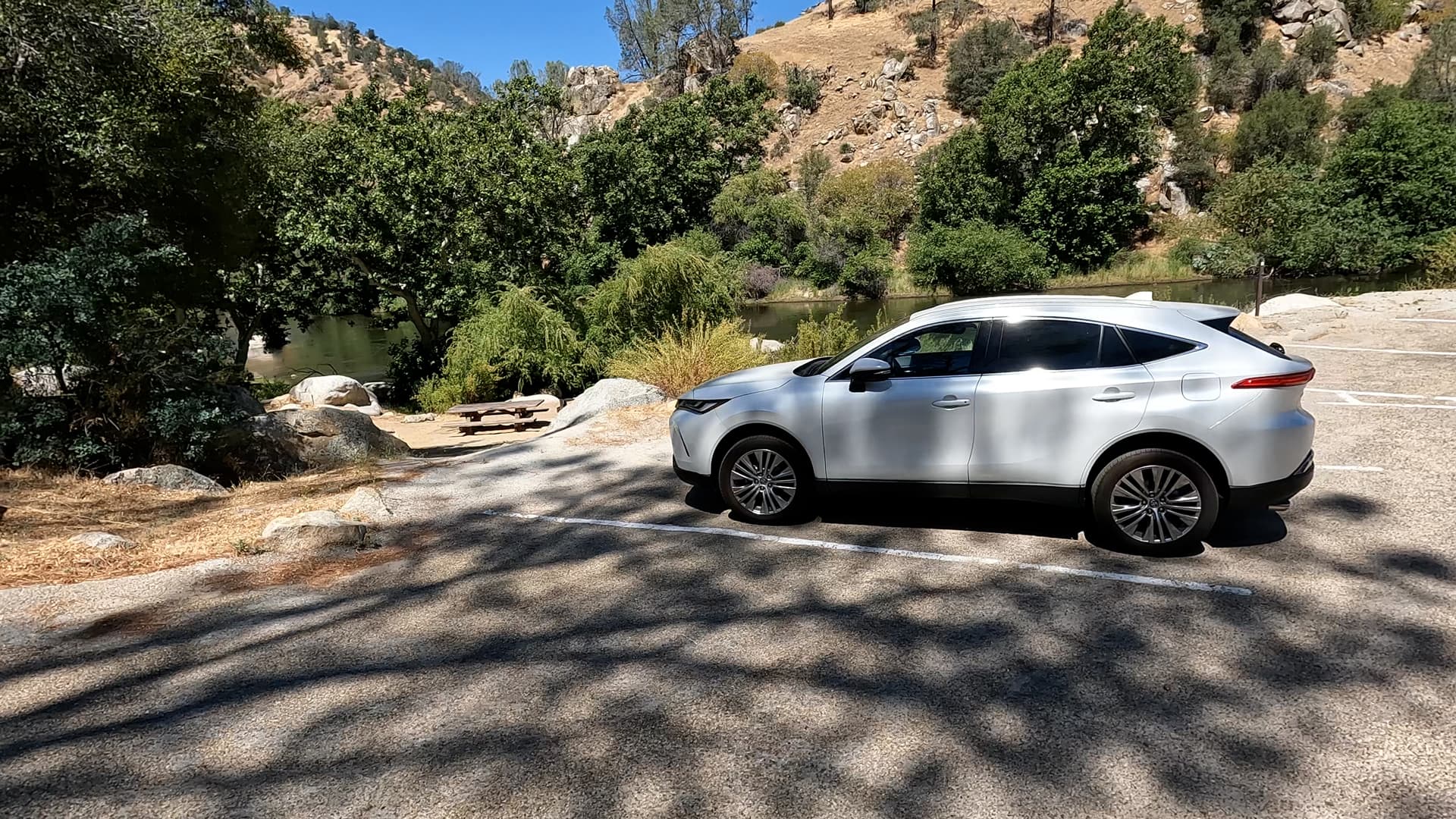
Hobo Campground is a popular riverside camping area located in the lower Kern River Canyon of Sequoia National Forest, just northeast of Bakersfield, California. Set among cottonwoods and canyon walls at around 2,000 feet elevation, this campground offers easy access to the Kern River, warm foothill weather, and a convenient base for exploring the river corridor. Its location makes it well suited for tent campers, small trailers, and anyone wanting a relaxed, sunny camping experience close to the water.

Location & Access

Hobo Campground sits along Kern River Canyon Road (Highway 178), roughly 30 minutes from the outskirts of Bakersfield and a short drive west of Lake Isabella. The drive follows the lower Kern River as it winds between steep rock walls and rugged foothill terrain. Because of its proximity to town and easy access from the Central Valley, Hobo is one of the most convenient campgrounds for quick weekend trips, early-season camping, and fishing or rafting adventures on the lower Kern.

Campground Overview

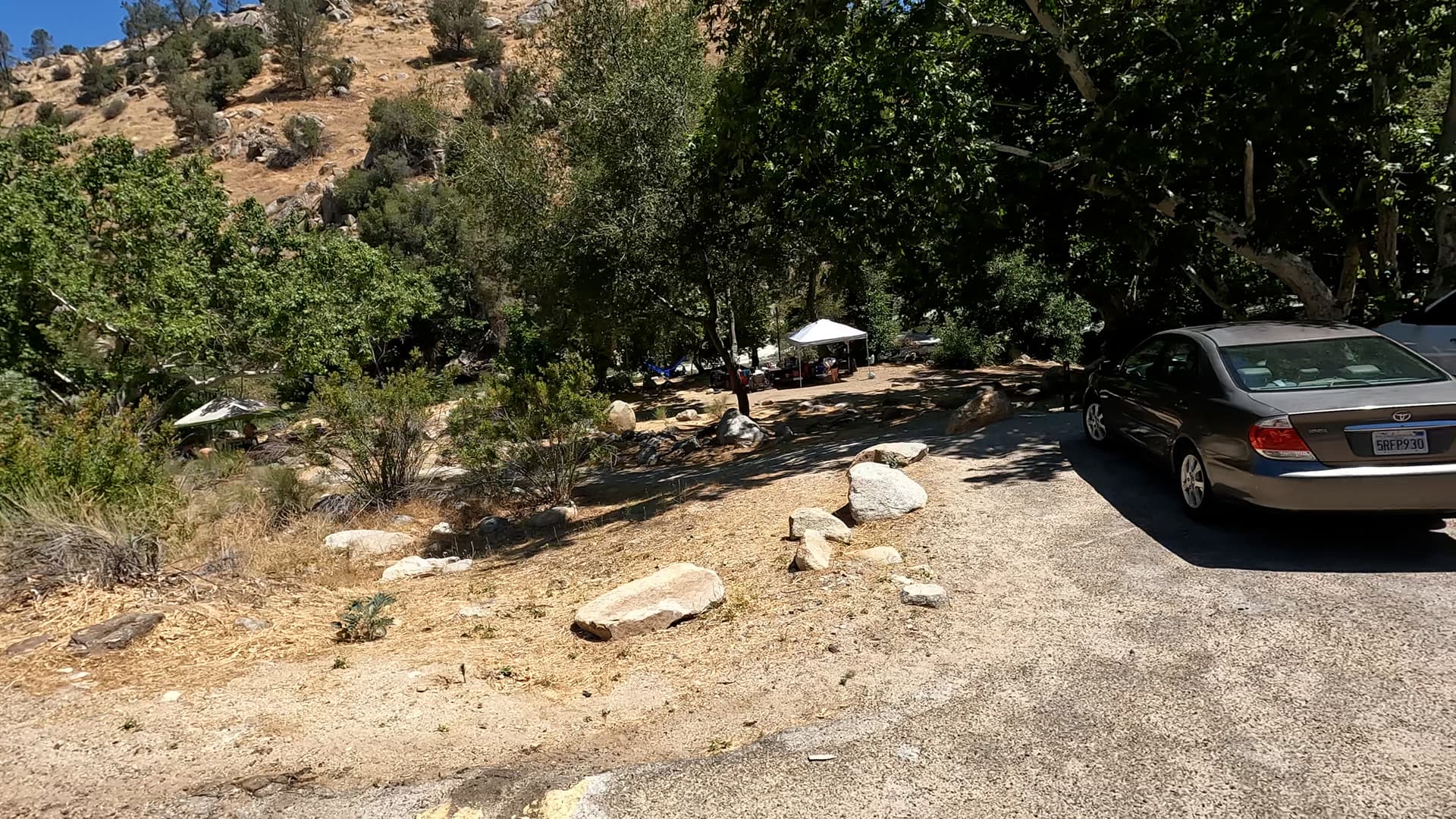
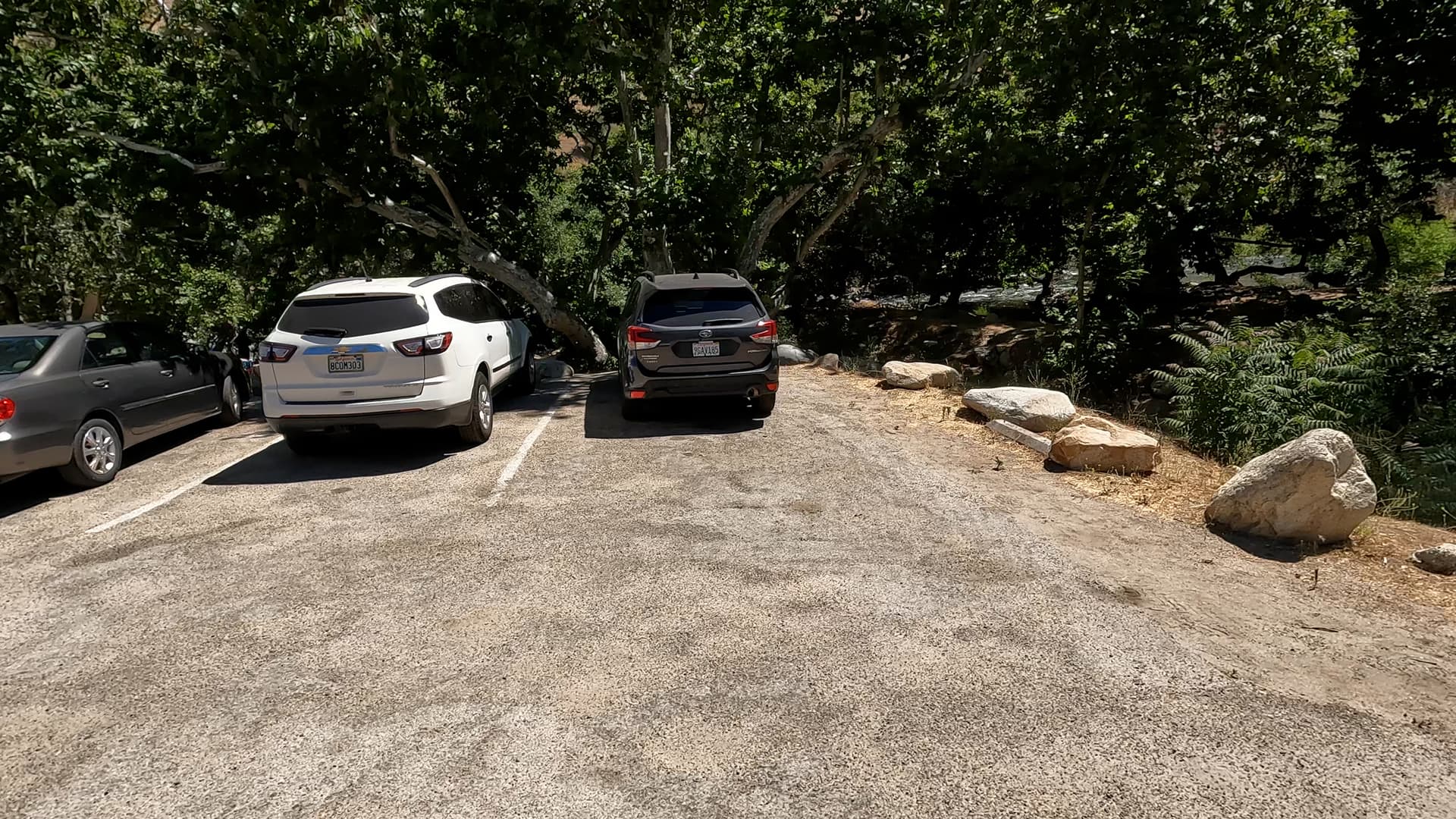
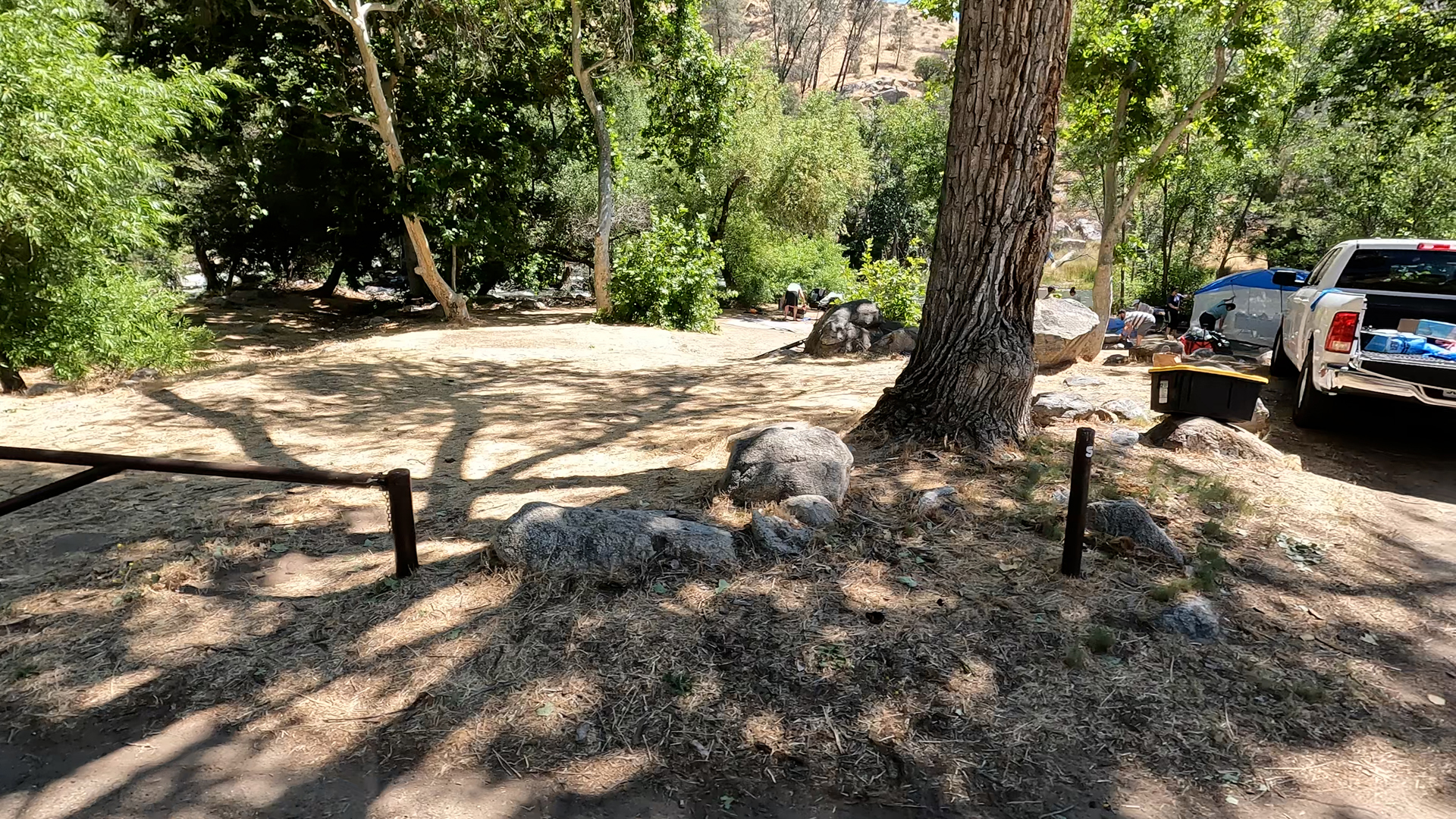
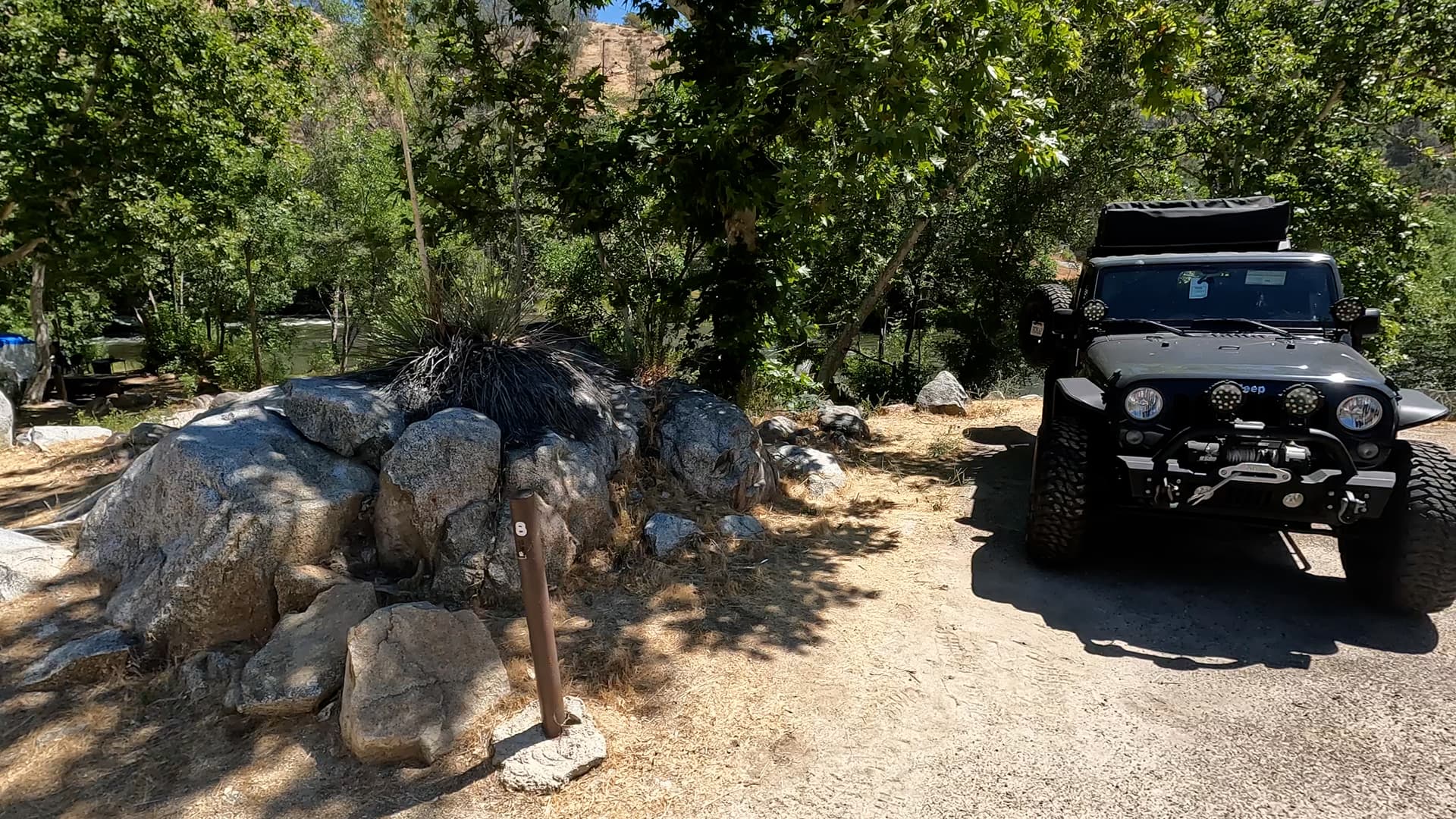
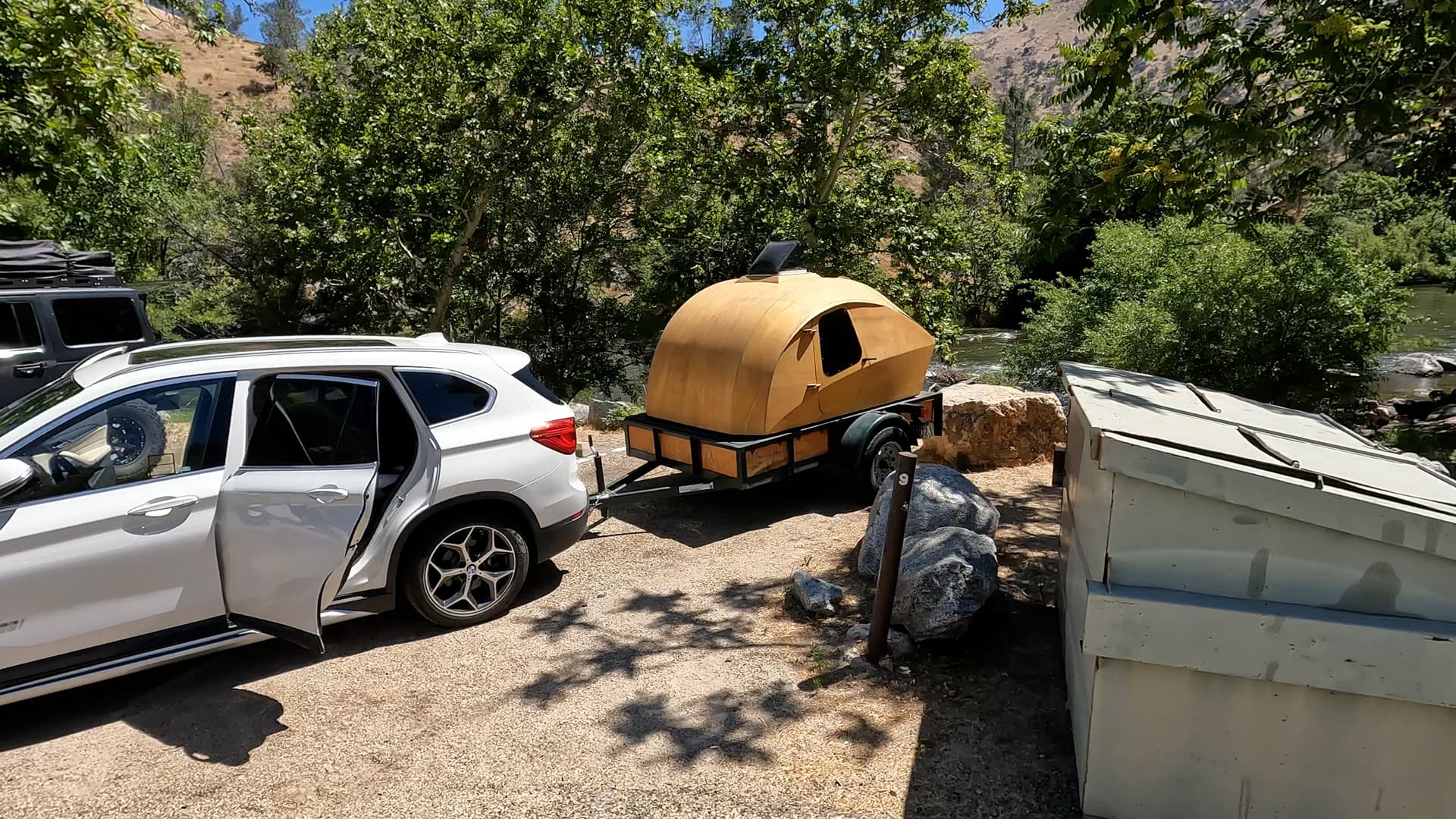
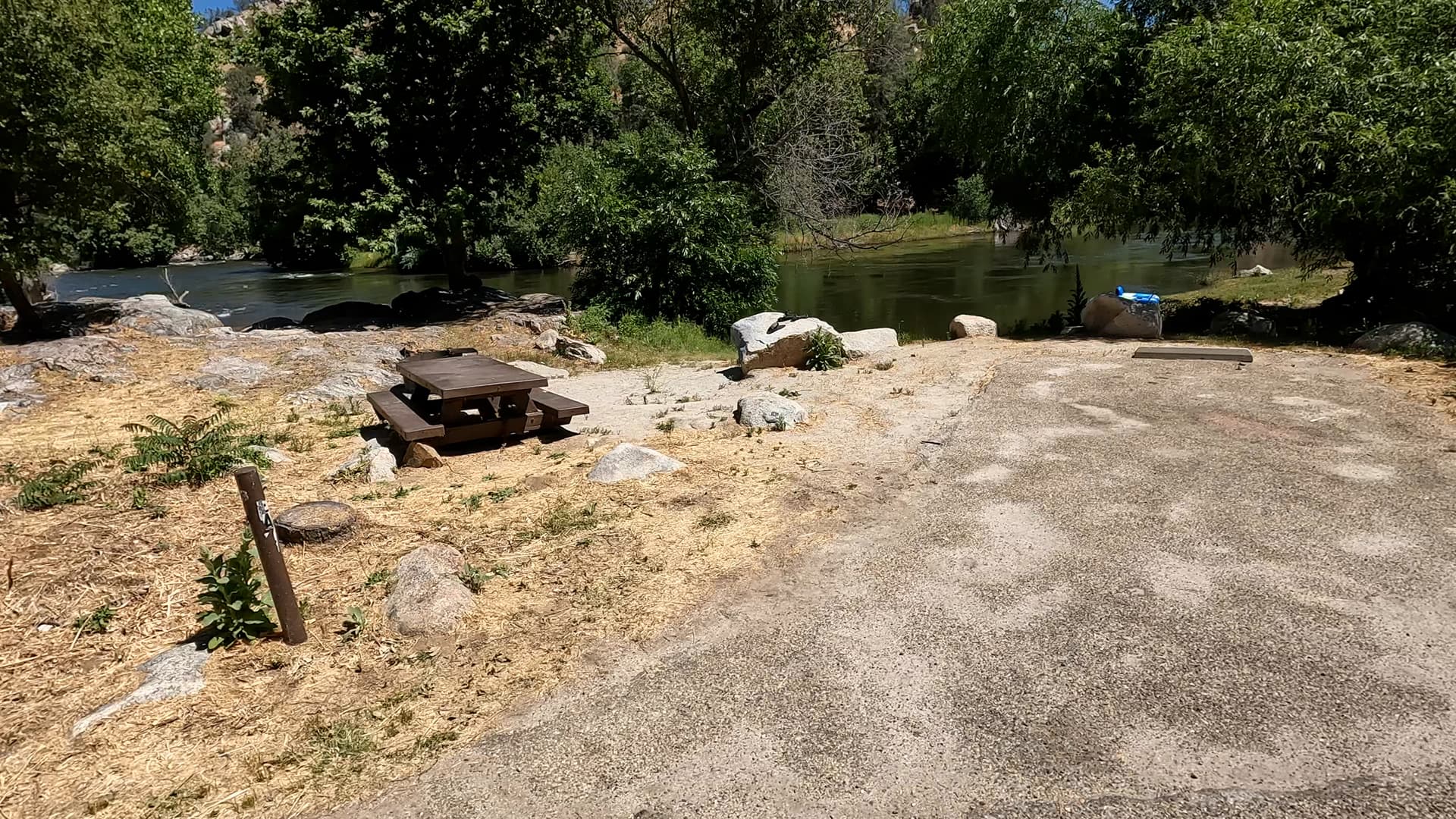
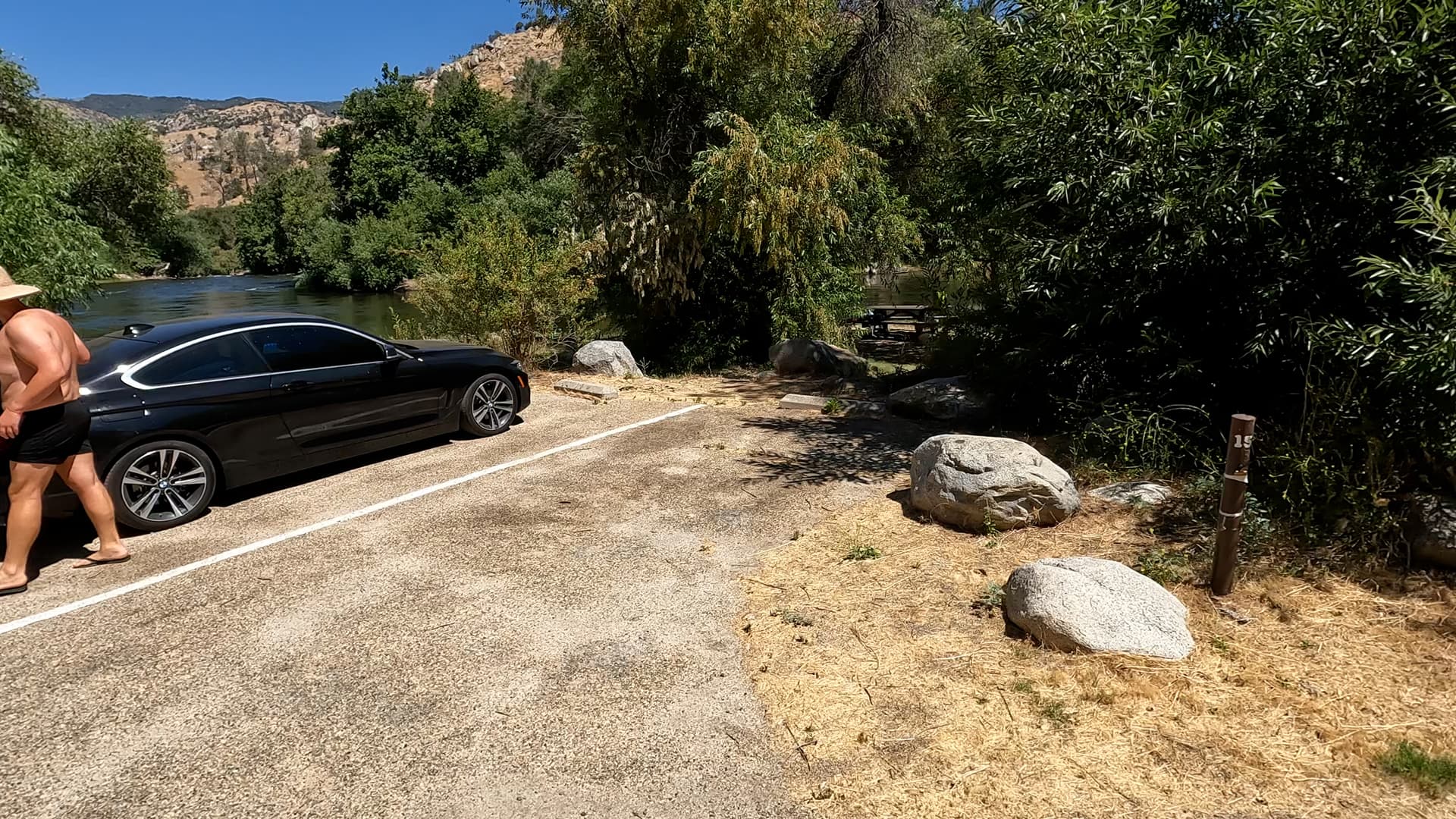
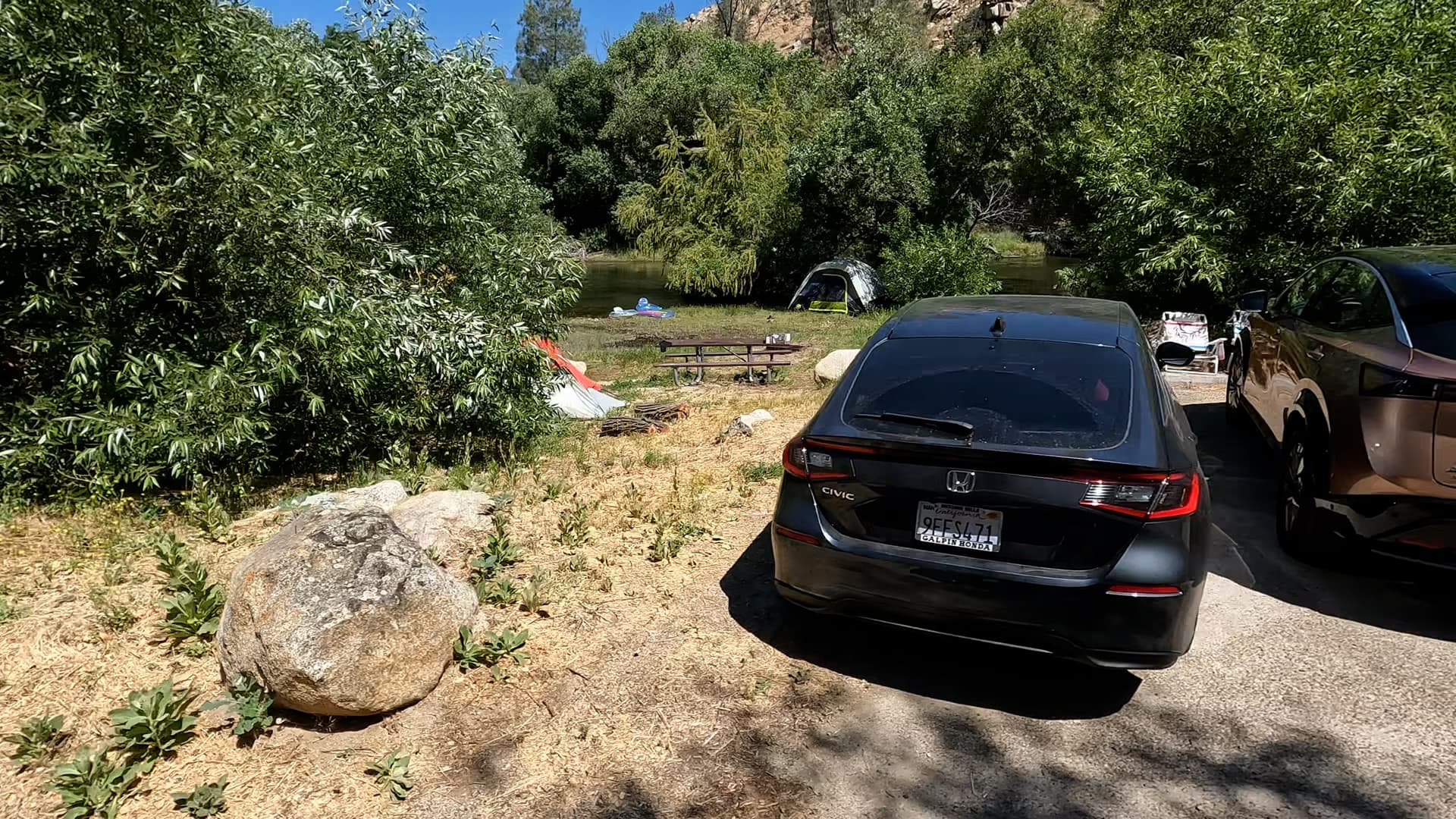
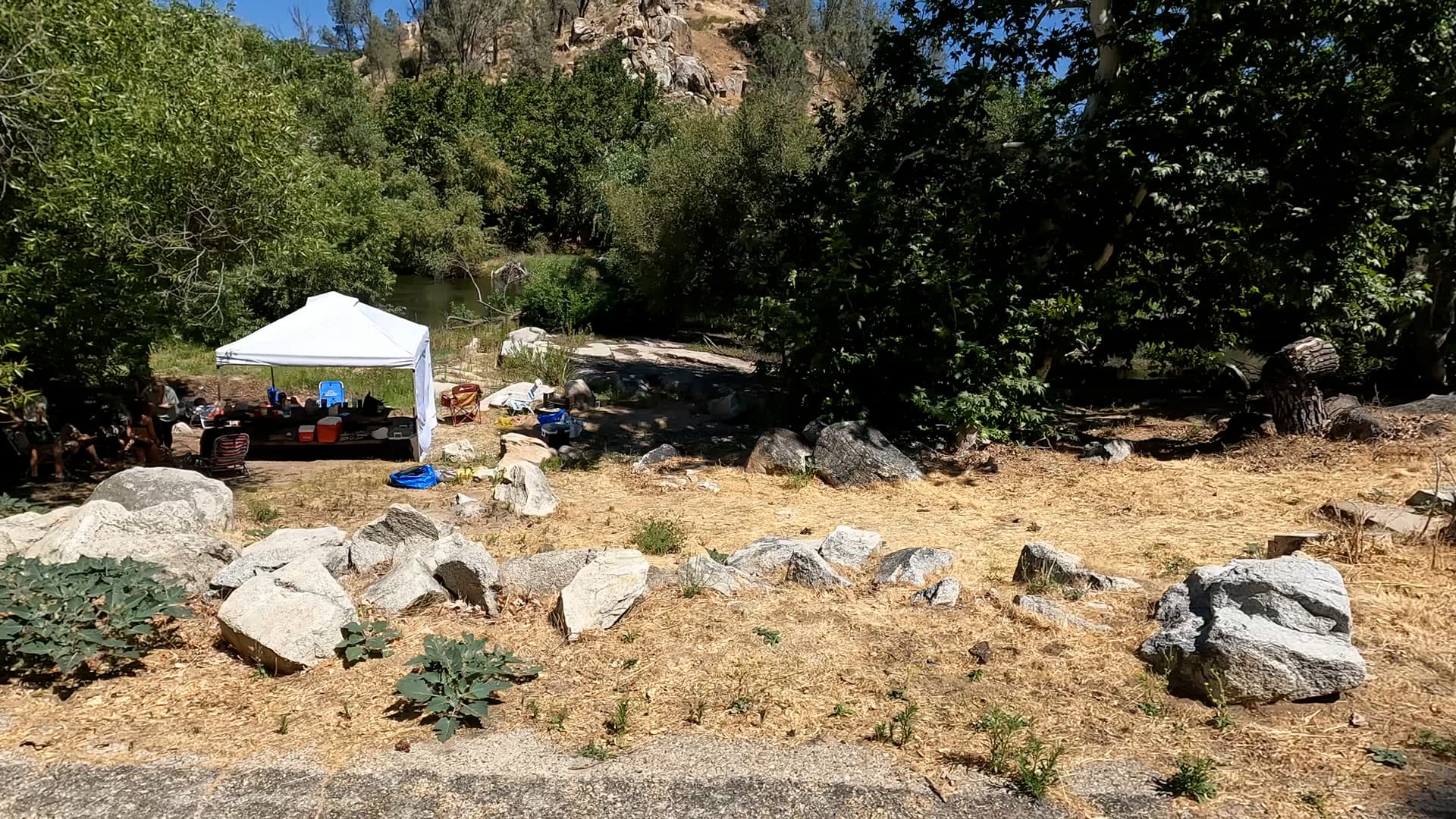
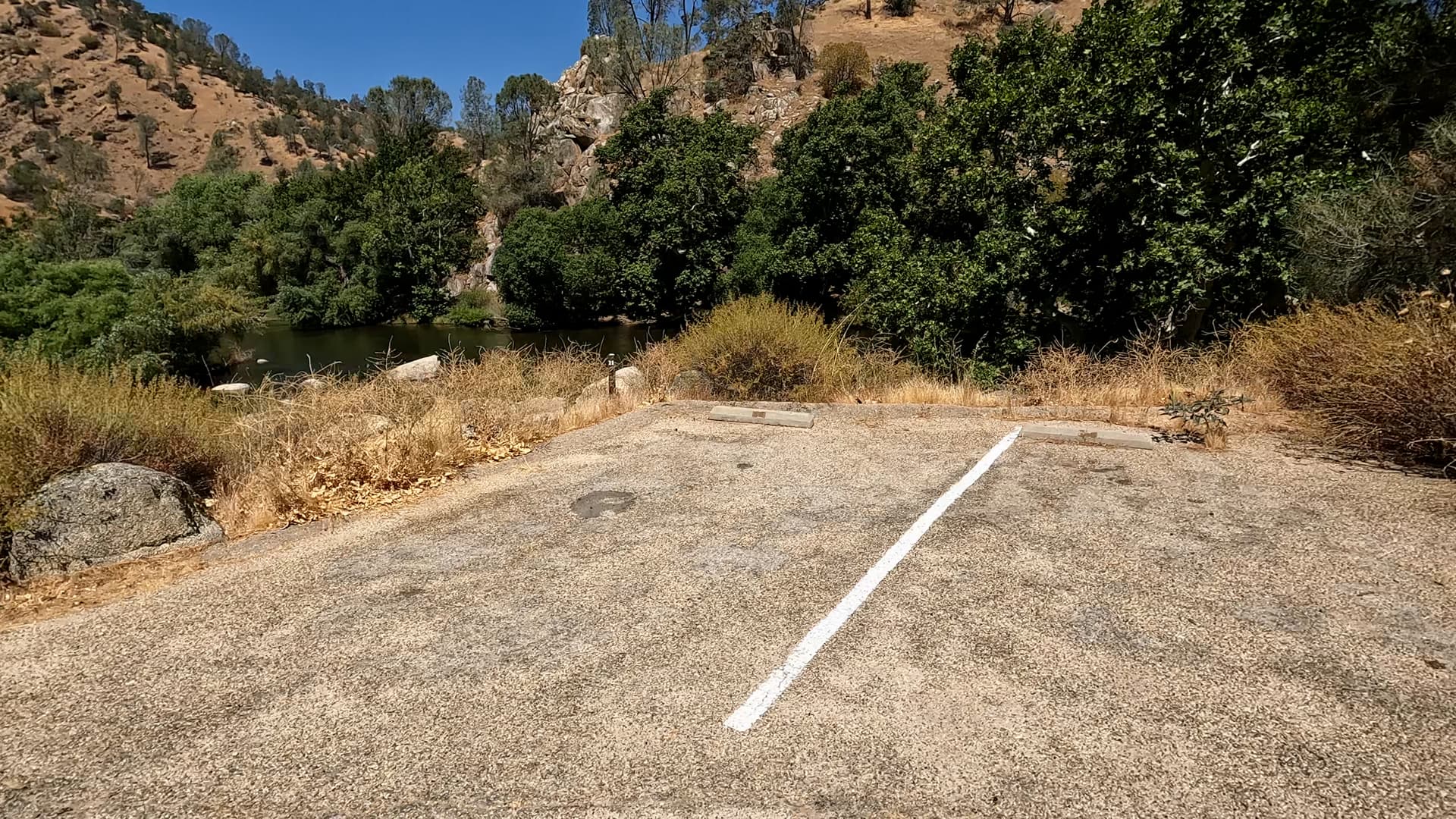
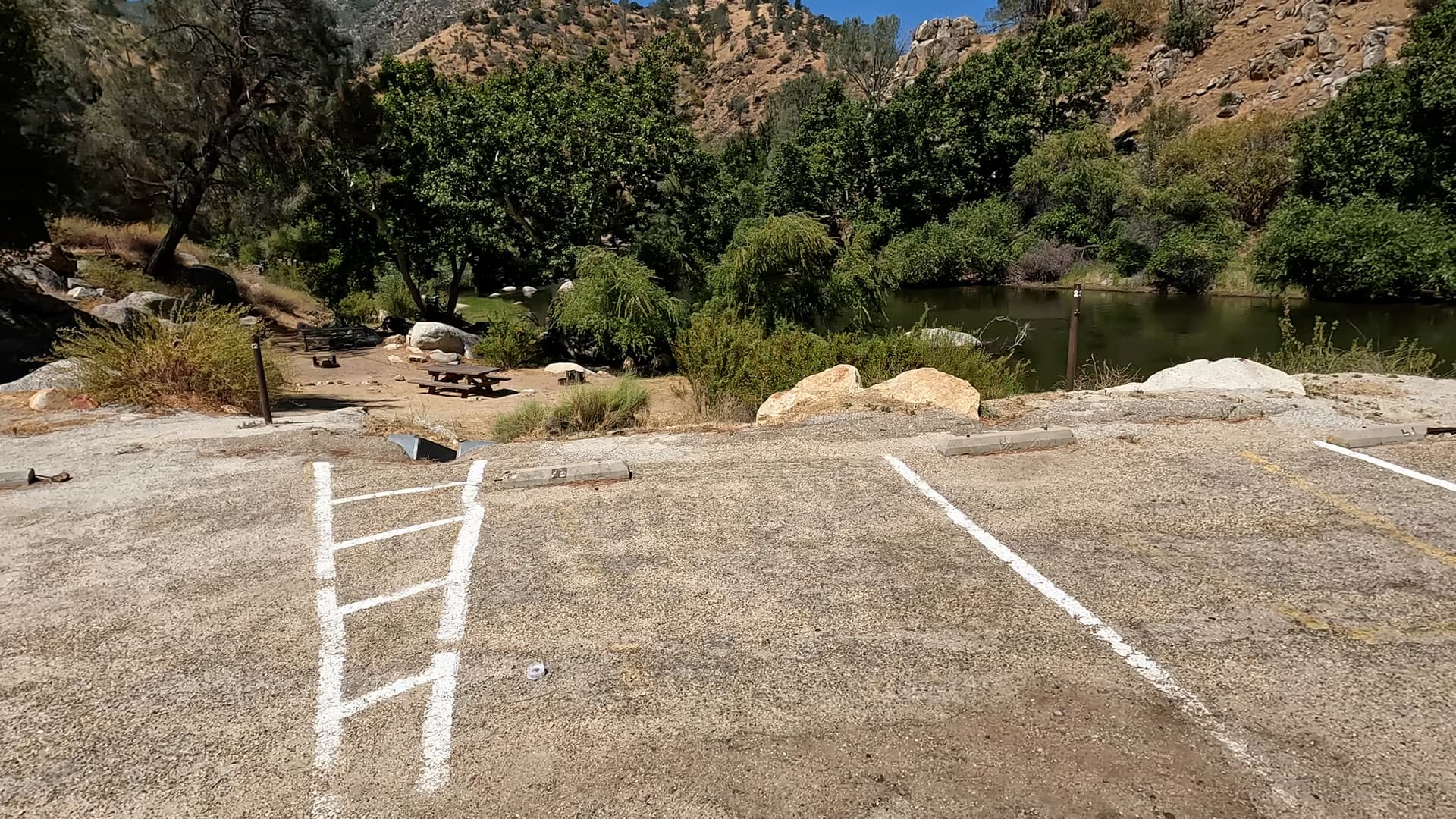
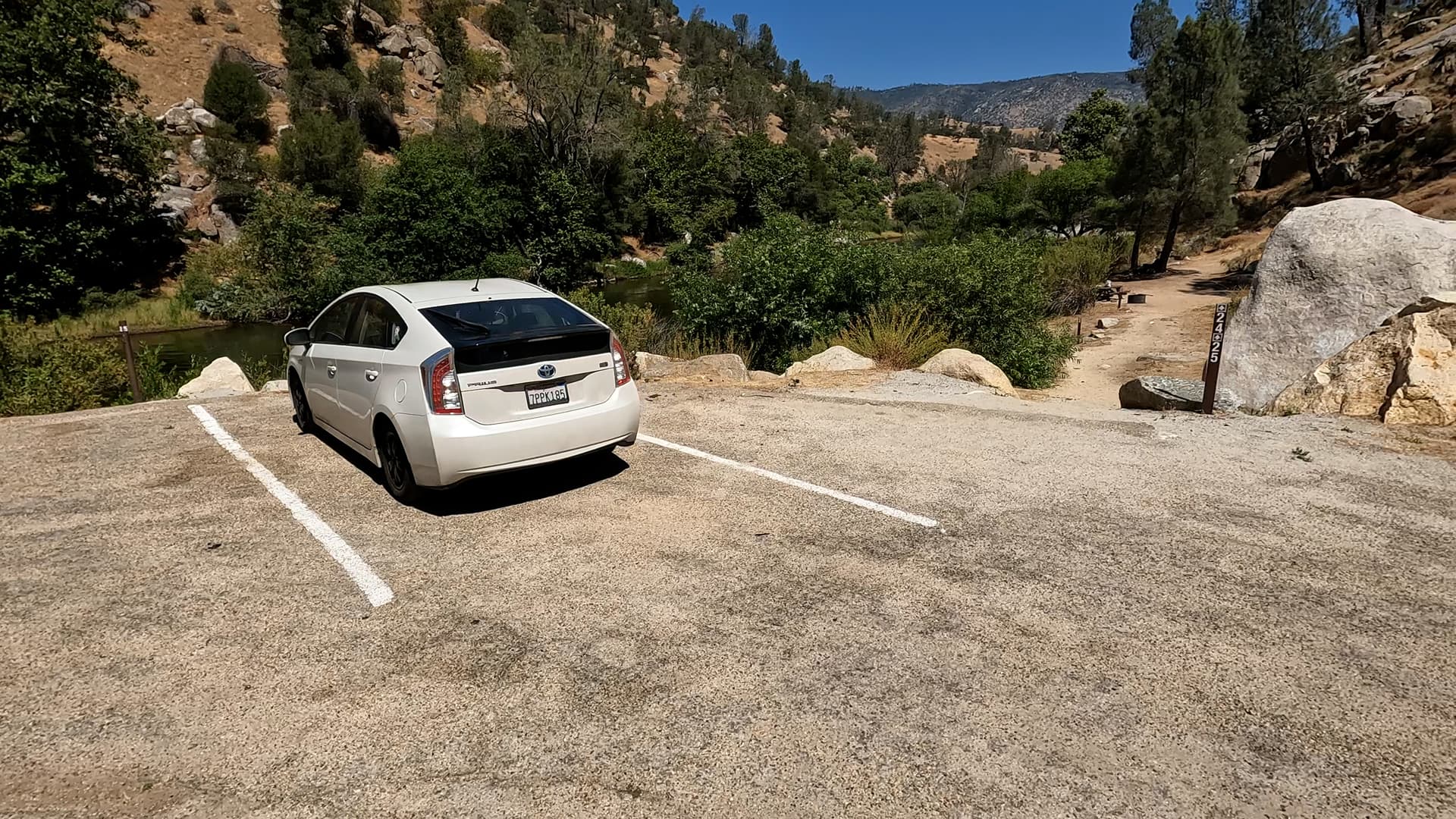
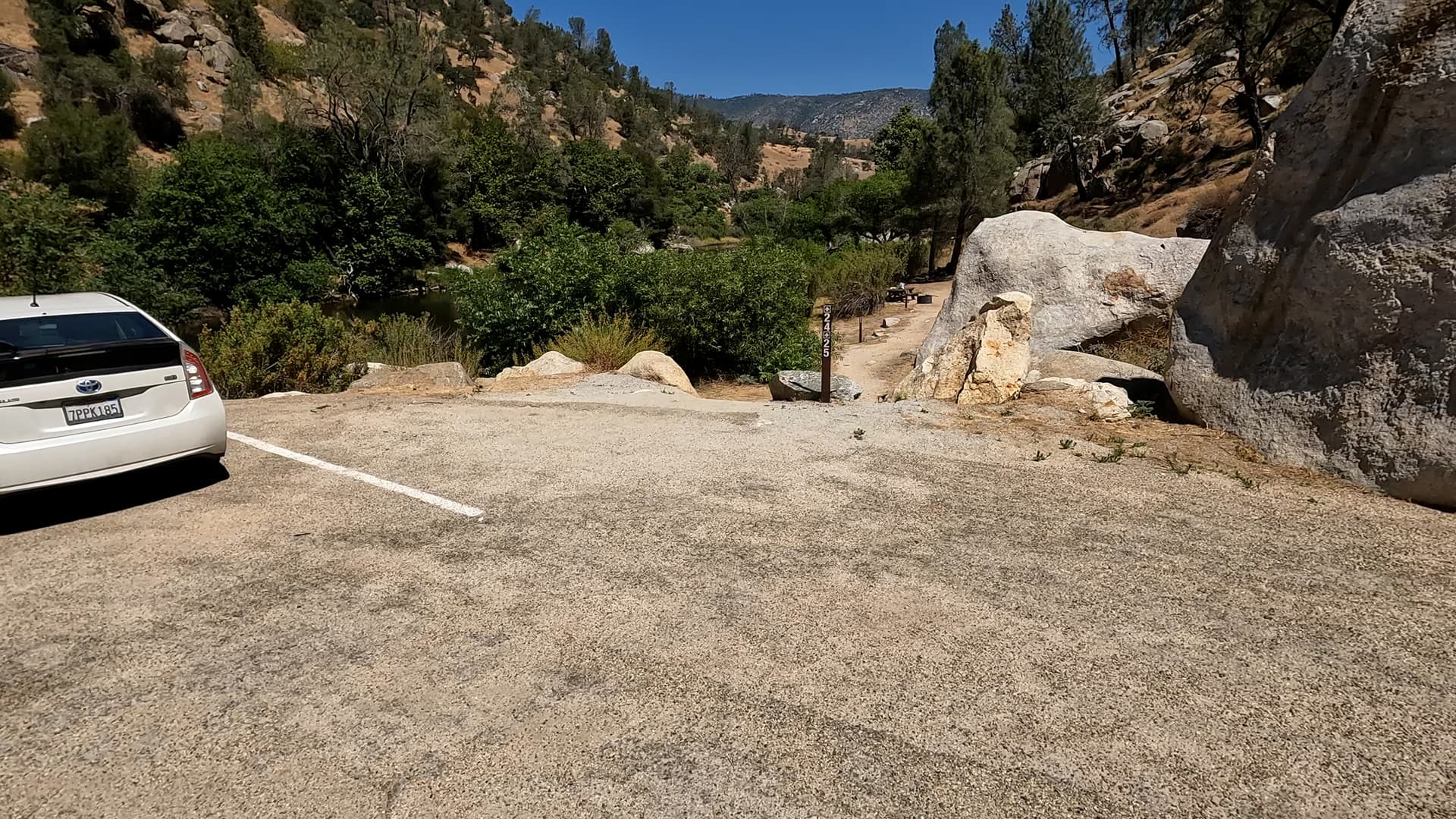
The campground offers a modest number of sites arranged along a single loop, with many campsites situated close to the river or within earshot of flowing water. Sites accommodate tents, vans, and smaller trailers, and the setting is more open and sun-exposed than the heavily forested upper Kern campgrounds. Shade varies depending on the time of year, with cottonwoods and willows providing intermittent cover. Because of its lower elevation and mild winters, Hobo Campground often opens earlier in the season than higher-elevation sites, making it a reliable spring and fall option for Kern River campers.

Amenities

Amenities at Hobo Campground include picnic tables, fire rings, and vault toilets. There are no hookups, no showers, and no on-site drinking water, so campers should bring plenty of water or fill up before arriving. This is a classic dry-camping experience geared toward simplicity and river access. Because of the canyon’s warm temperatures and occasional high winds, fire restrictions are common, and visitors should check current conditions before arriving. The area is also known for poison oak, so caution is advised when exploring beyond established paths.

Activities & Nearby Recreation

Hobo Campground provides quick access to the lower Kern River, which is popular for fishing, rafting, kayaking, and scenic photography. Depending on seasonal flows, stretches of the river near Hobo may be suitable for wading and fishing in calmer pools, while whitewater outfitters operate commercial rafting trips farther upstream. Nearby day-use sites and river access points allow campers to explore the canyon, enjoy riverside hikes, or simply relax along the rocky shoreline. For broader recreation, Lake Isabella is within a short drive, offering boating, swimming, and lakefront picnicking, while the upper Kern River canyon and Golden Trout Wilderness lie farther east for those seeking alpine trails and cooler temperatures.

Summary

Hobo Campground is a convenient, riverside base for exploring the lower Kern River corridor in Sequoia National Forest. With its easy access from Bakersfield, warm weather, and classic dry-camping feel, it’s a great destination for anglers, paddlers, and families looking for a simple weekend escape. If you’re planning a Kern River trip and want a comfortable, no-frills campground close to the water, Hobo Campground is a solid and accessible option.

Nearby Campgrounds