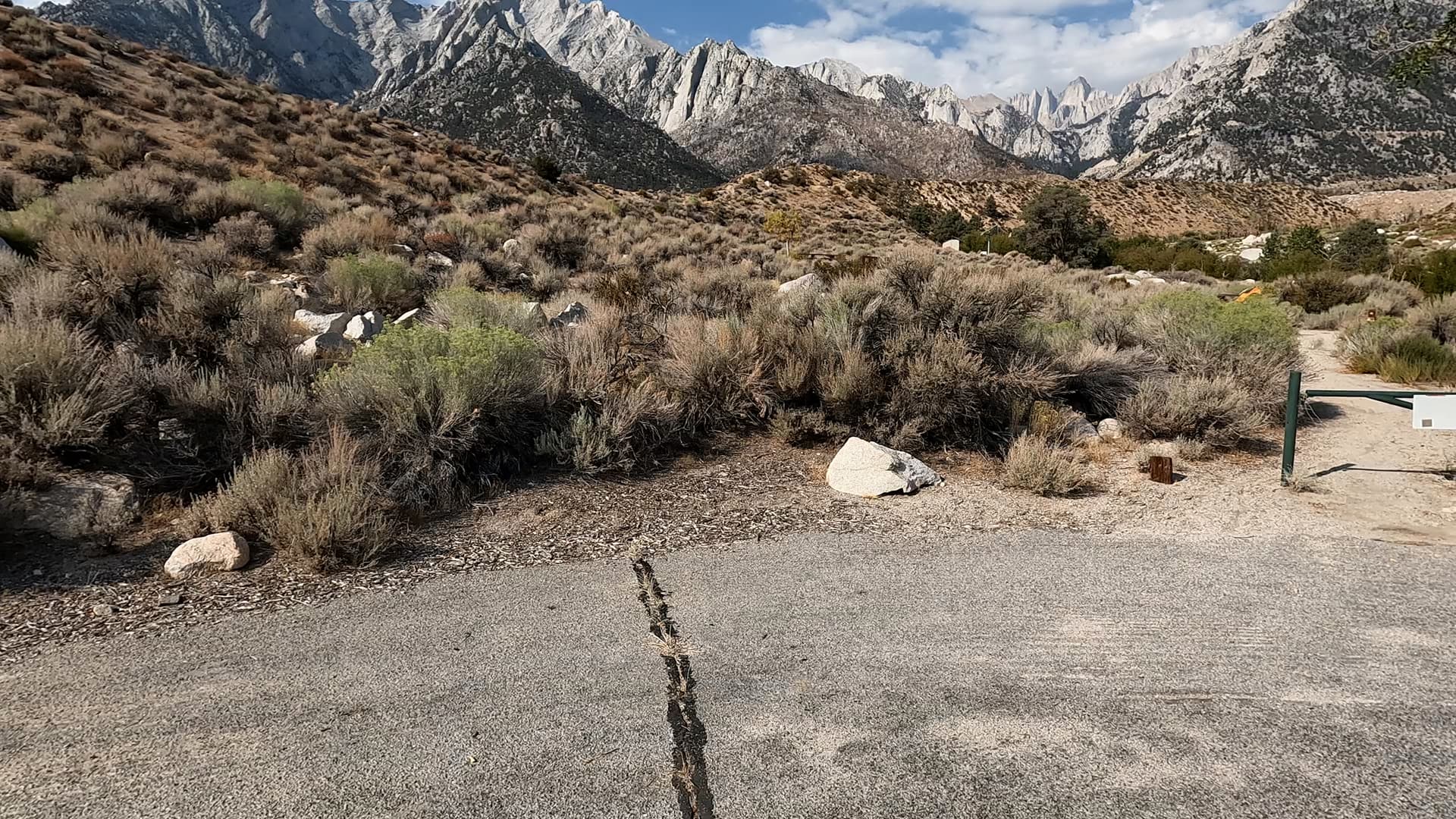
Lone Pine
Inyo
California
Date filmed:2024-09-07
Number of sites:43
GPS:36.5977, -118.1848639
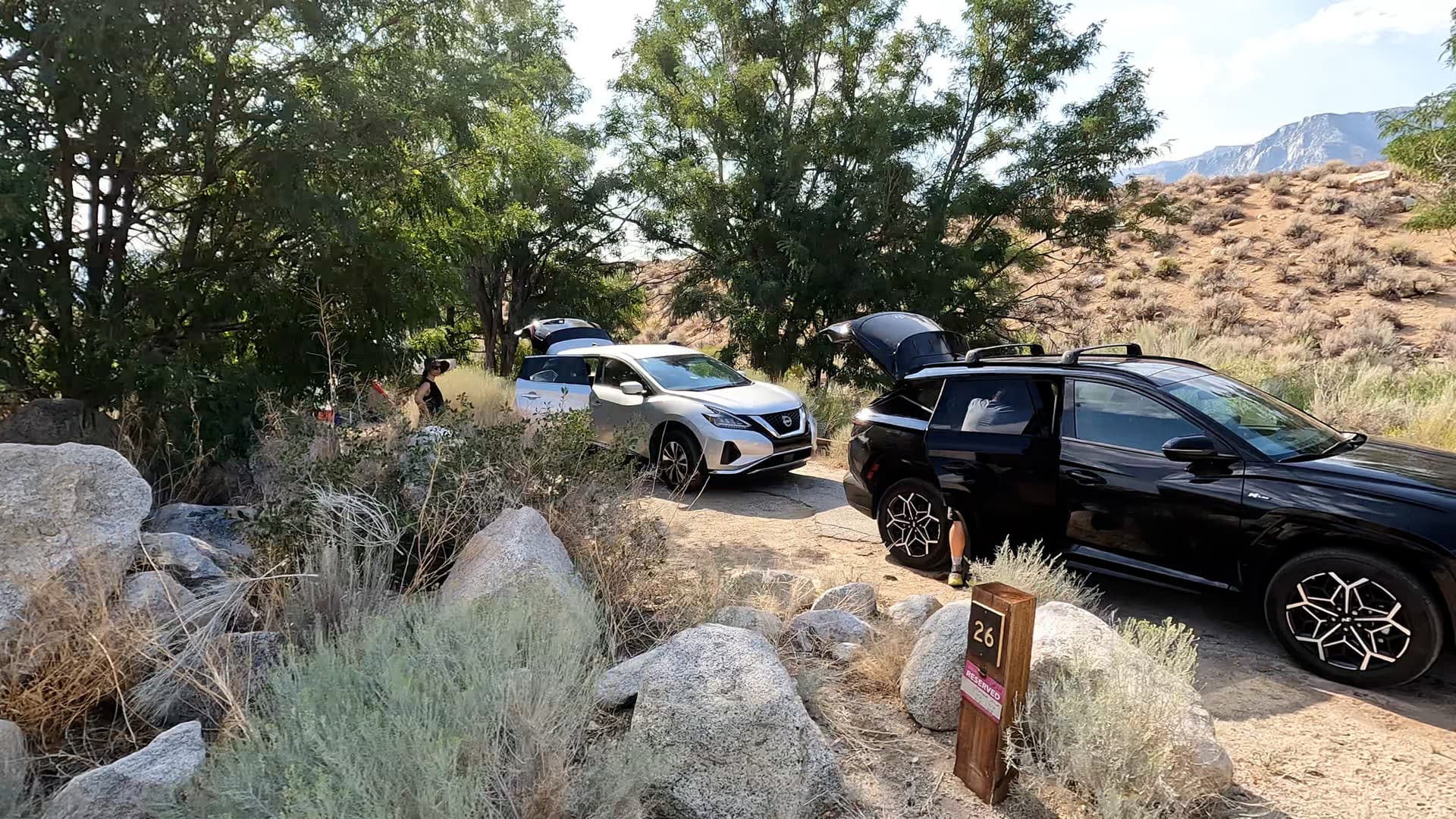
Max vehicle length:30 Feet
Check in:1:00 pm
Check out:12:00 pm
Quiet hours:10:00 pm - 6:00 am

Amenities and Activities

Amenities
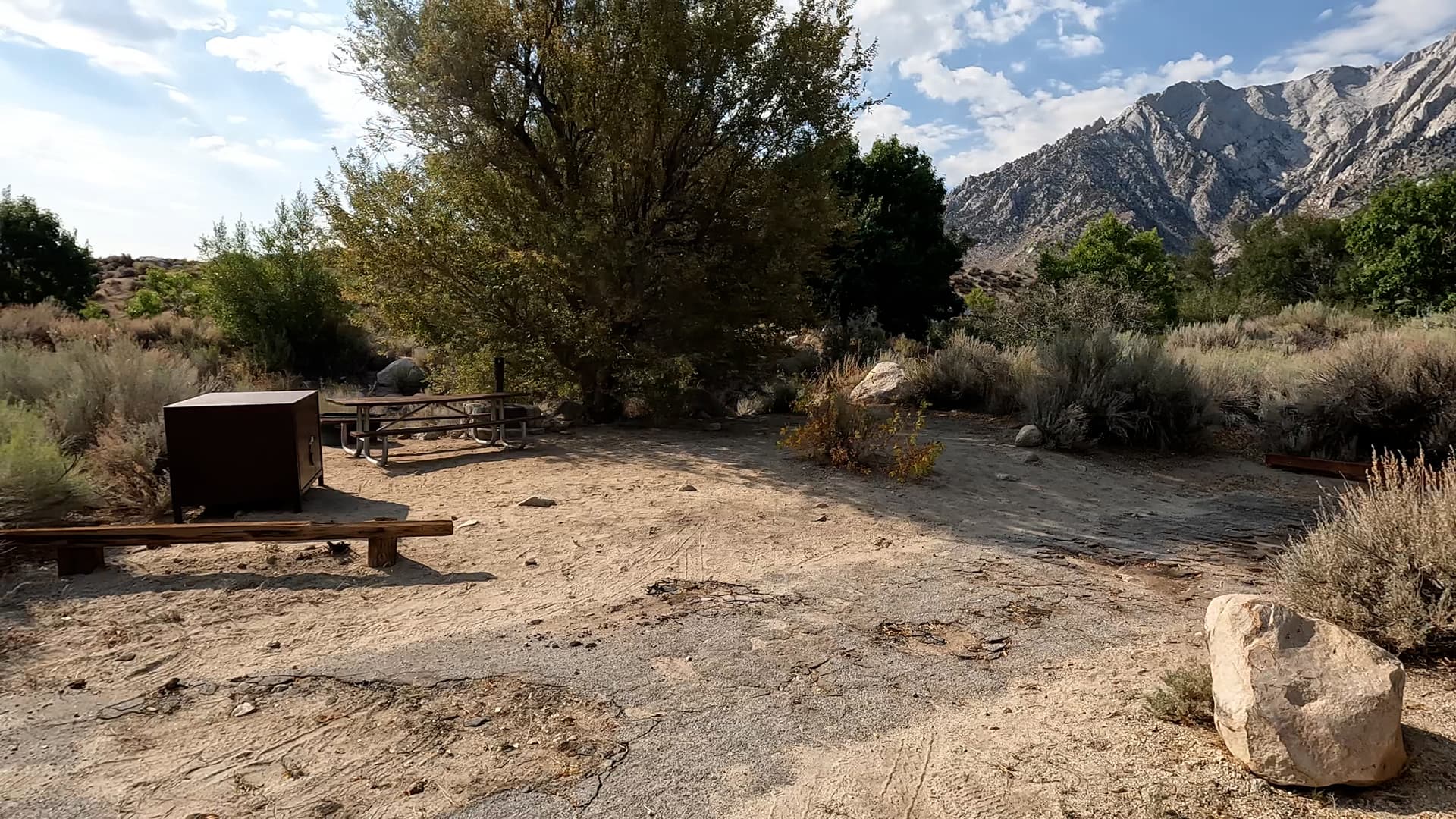
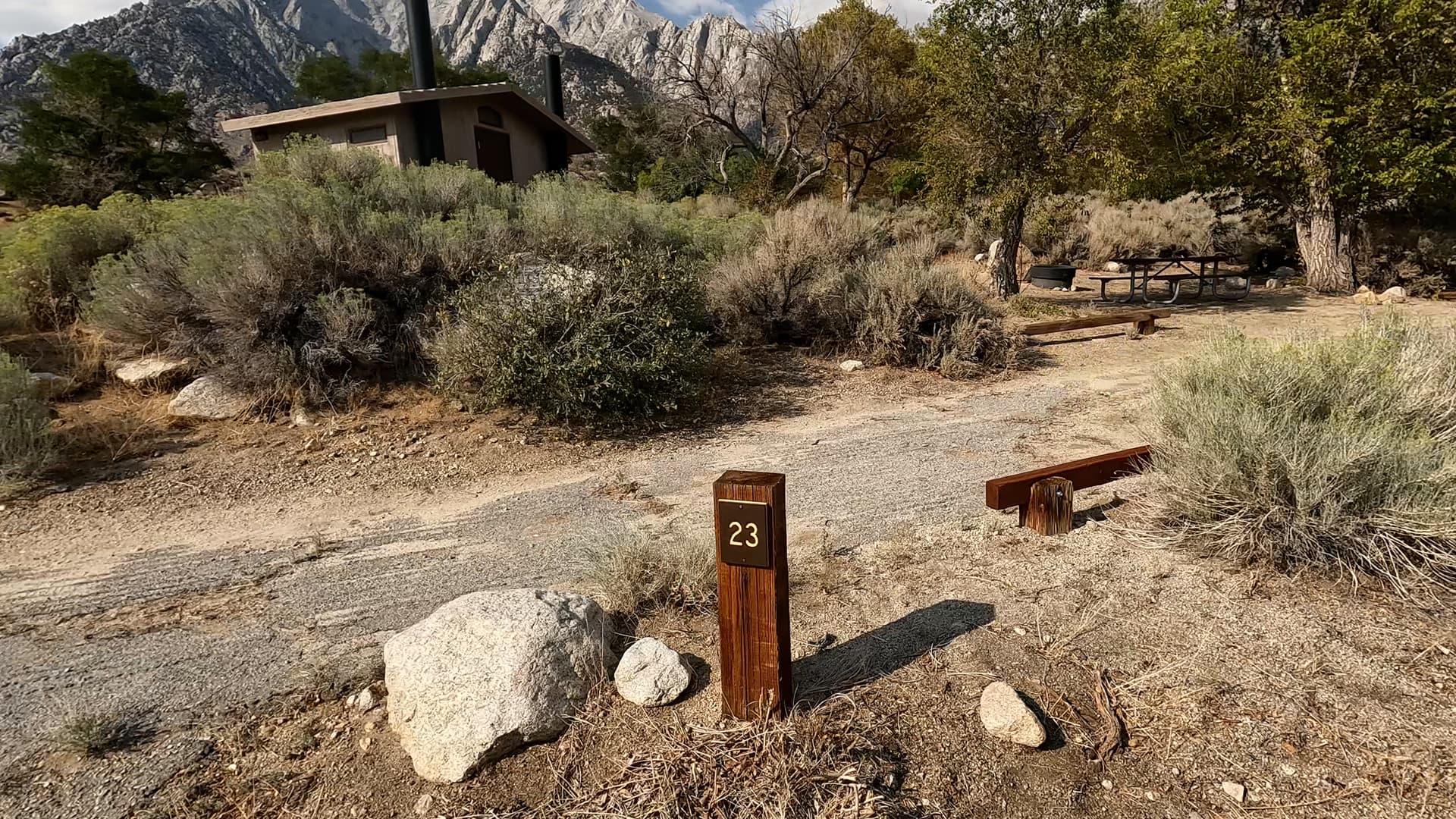
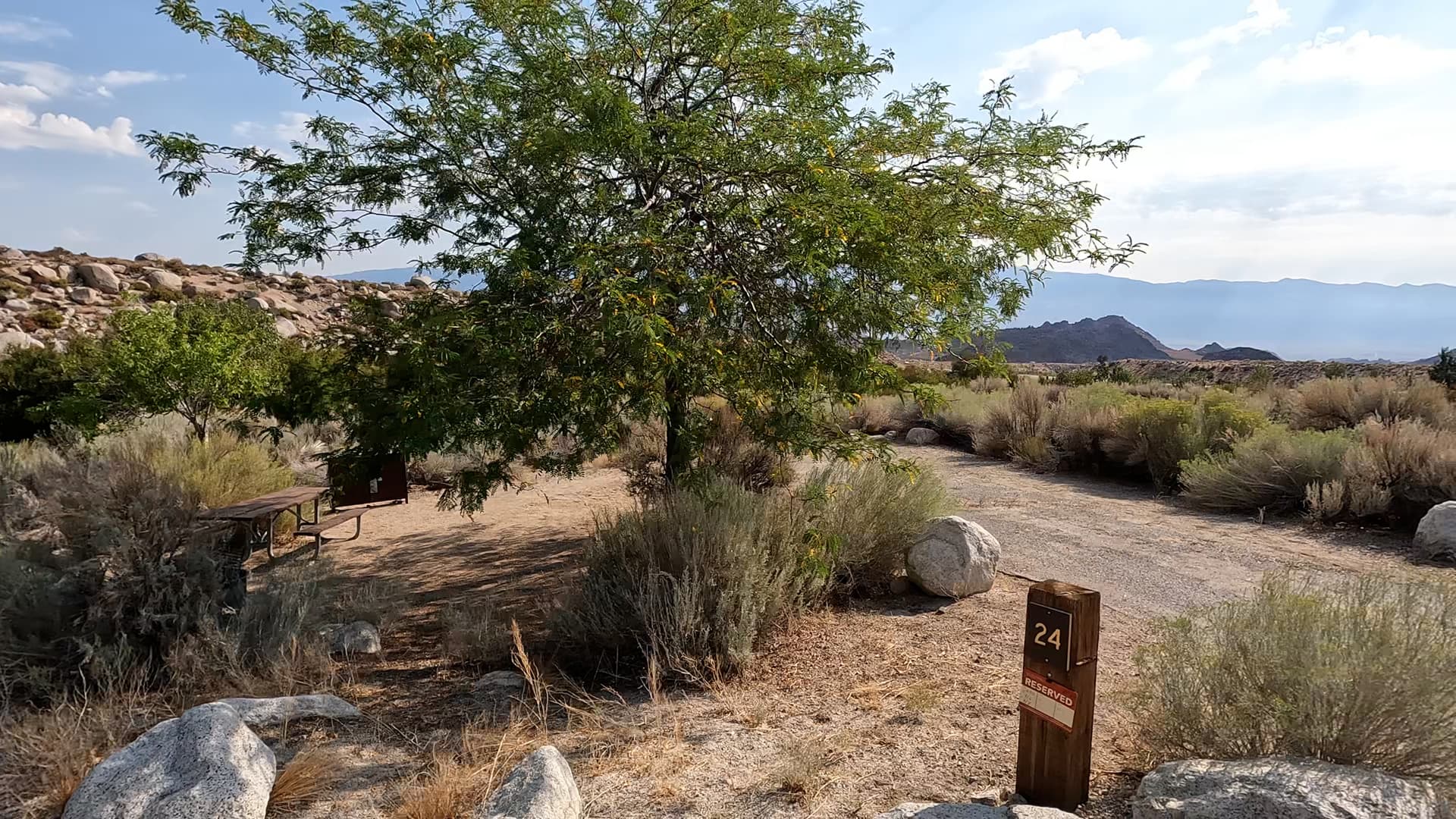
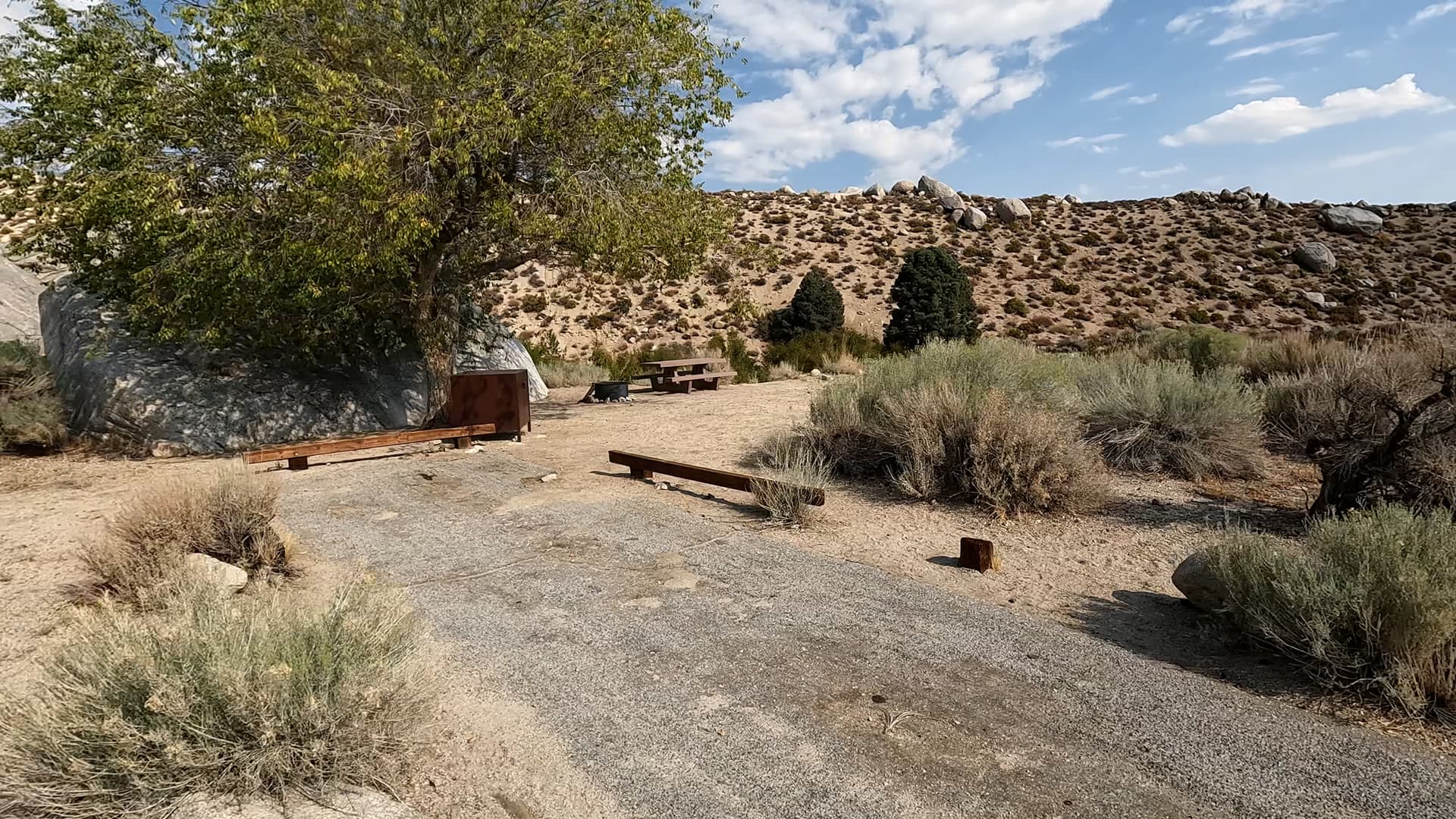
Fire Ring
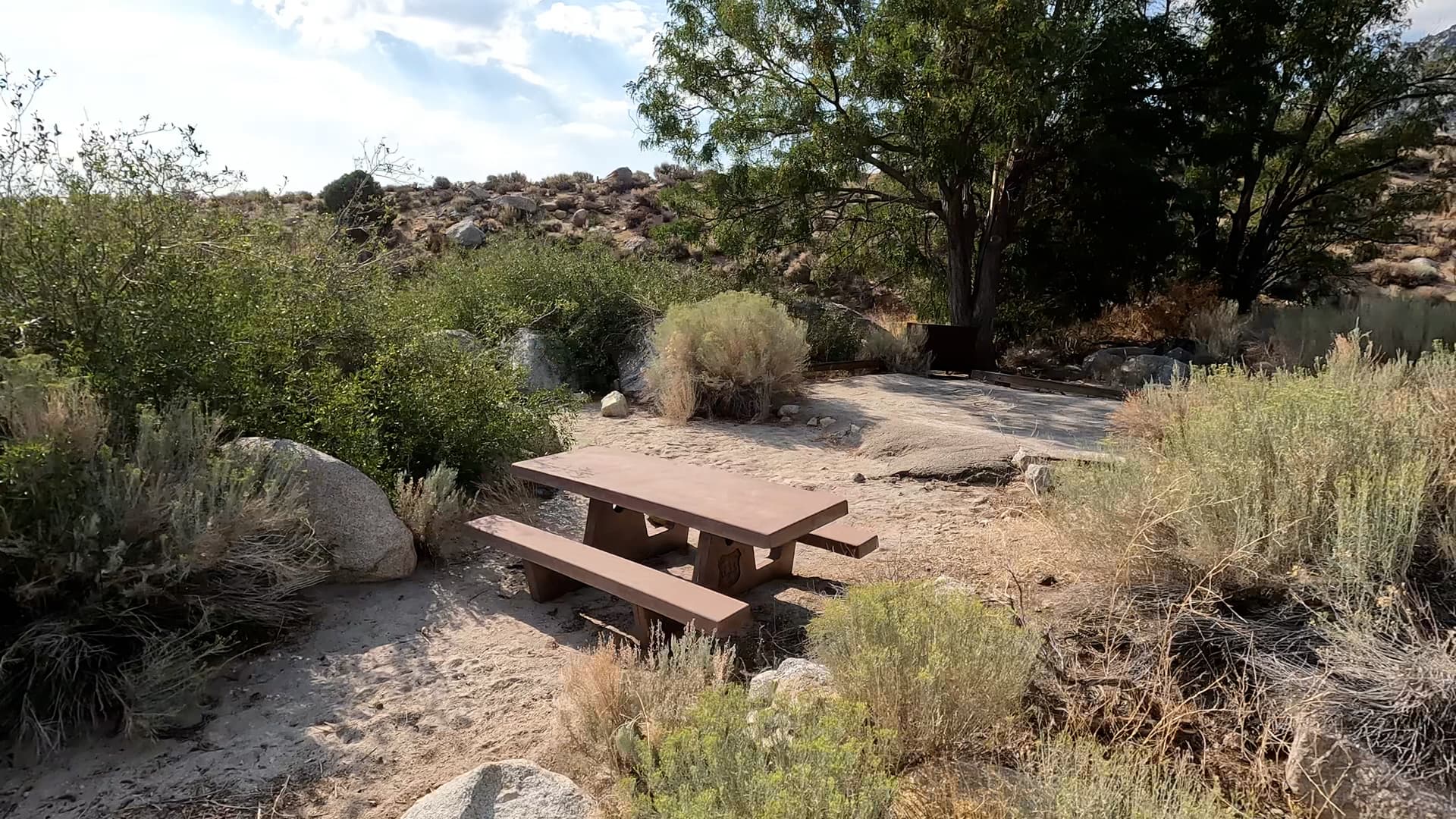
Picnic Table
RVs
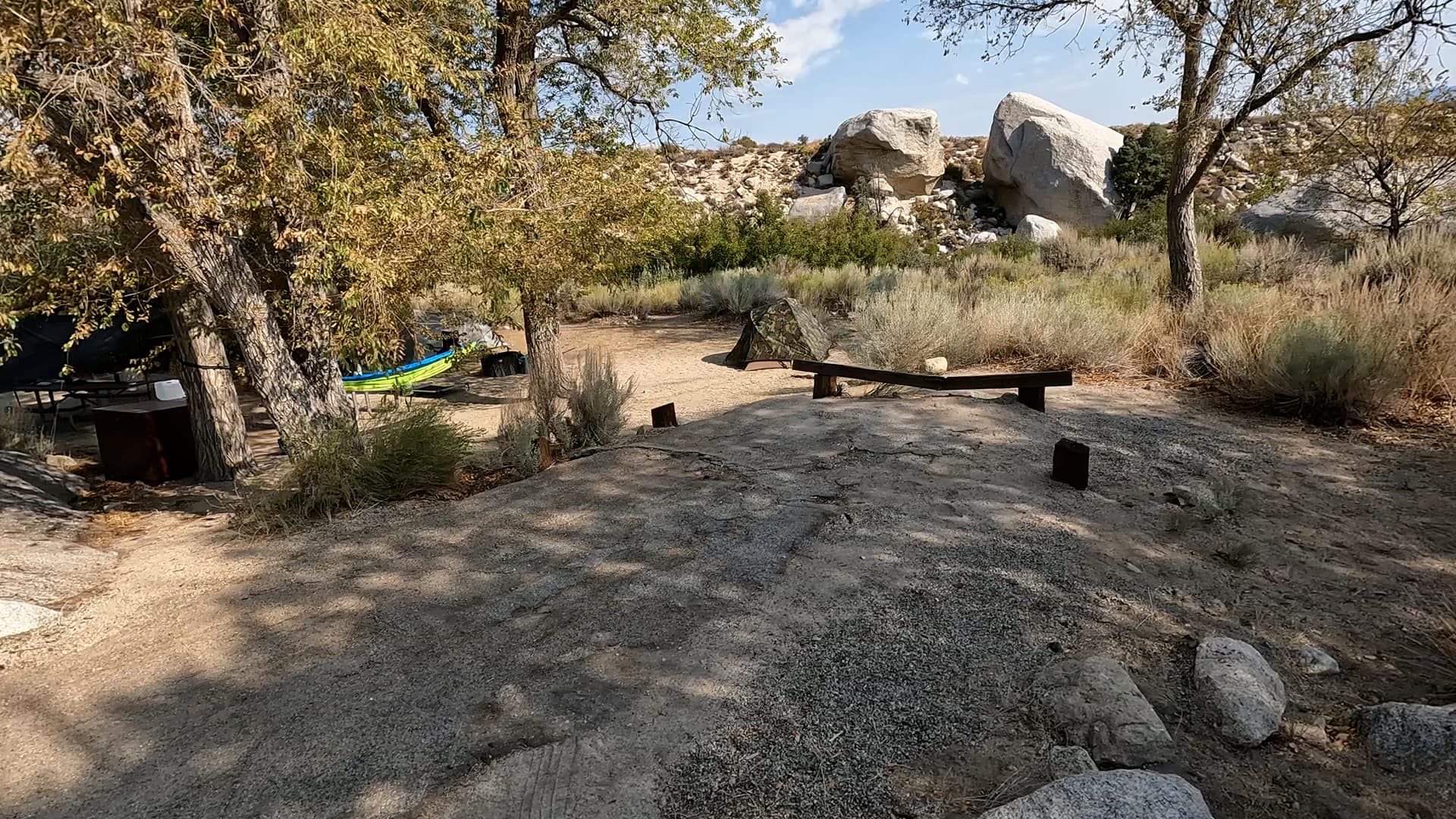
Tents
Vault Toilets
Activities
Fishing
Hiking
Biking
Picnicking
Wildlife Viewing
Photography

Things to Do

The Majestic Alabama Hills

Seeking Views and Classic Western Film History

Featured: Lone Pine, Tuttle Creek, Whitney Portal

The Alabama Hills, near Lone Pine, California, have been a Hollywood filming hotspot since the 1920s. Their dramatic rock formations and stunning Sierra Nevada backdrop have appeared in countless Westerns, sci-fi films, and TV shows. The Alabama Hills, located near Lone Pine, California, are a stunning geological wonder known for their dramatic rock formations and iconic views of the Sierra Nevada, including Mount Whitney. These unique landscapes have drawn visitors for decades, not only for their natural beauty but also for their rich connection to Hollywood history. Since the 1920s, filmmakers have used the Alabama Hills as a backdrop for countless productions, making it one of the most recognizable yet versatile filming locations in the world. Western classics like *The Lone Ranger* and *Rawhide* were frequently shot among the rugged rocks, while the area also appeared in more contemporary films like *Iron Man* and *Django Unchained*. Its otherworldly terrain has even doubled as alien planets in science fiction movies. The Movie Road, a scenic dirt path winding through the hills, offers visitors a chance to explore iconic filming sites while taking in breathtaking views. Today, the Alabama Hills remain a symbol of Hollywood’s golden age and a favorite destination for film buffs, photographers, and adventurers alike.

Ancient Observers of Time

The Bristlecone Pine Forest

Featured: Lone Pine, Tuttle Creek, Whitney Portal

Ancient bristlecone pines, over 5,000 years old, epitomize resilience. Their enduring existence underscores the urgency of preservation for these living witnesses of Earth's distant past. The ancient bristlecone pine, scientifically known as Pinus longaeva, is a remarkable and enduring species of tree that holds the title of one of the oldest living organisms on Earth. These majestic trees are found primarily in the high-altitude regions of the western United States, particularly in the White Mountains of California, Nevada, and Utah. The bristlecone pine has adapted to thrive in harsh and arid environments, where few other trees can survive. What sets the ancient bristlecone pine apart is its incredible longevity. Some individual trees have been estimated to be over 5,000 years old, making them some of the oldest living organisms on the planet. The harsh conditions of their mountainous habitats, including poor soil quality and extreme weather, contribute to their slow growth rates and gnarled, twisted appearance. Despite their weathered exteriors, these trees continue to thrive and withstand the test of time. One of the most famous examples of an ancient bristlecone pine is the tree named Prometheus, which was over 4,800 years old when it was cut down in 1964. Unfortunately, the felling of Prometheus sparked awareness about the importance of preserving these ancient trees and their unique ecosystems. Conservation efforts have since been implemented to protect and study these remarkable trees without causing harm to their delicate environments. The ancient bristlecone pine not only serves as a living testament to the resilience of life but also as a valuable resource for scientists studying climate change and environmental history. By analyzing the tree rings, scientists can gain insights into past climatic conditions and events, contributing to a better understanding of our planet's history and the impacts of human activities on the environment. The ancient bristlecone pine stands as a symbol of endurance and adaptation, connecting us to a distant past and offering valuable lessons for the future.

Death Valley to Whitney Portal

A Road Trip Through the Desert

Featured: Lone Pine, Tuttle Creek, Whitney Portal

From Badwater Basin’s searing heat and surreal salt flats to the colorful Artist Drive, historic Harmony Borax Works, and tranquil Mesquite Sand Dunes, Death Valley’s extremes showcase a haunting yet captivating desert allure. The journey begins at the iconic Badwater Basin in Death Valley, where the scorching 119°F heat adds an otherworldly intensity to the landscape. This surreal salt flat, the lowest point in North America at 282 feet below sea level, contrasts starkly with the surrounding mountains. A quick stop at the Artist Drive highlights the region’s vibrant, pastel-colored hills, like an artist’s palette brought to life. This scenic detour offers a striking view of Death Valley’s kaleidoscopic beauty, all from the comfort of air-conditioned vehicles—an essential reprieve in such unforgiving heat. Continuing westward, the journey reaches the Harmony Borax Works, a historic site that harkens back to the late 1800s when borax mining ruled the valley. Here, the famed 20-mule team wagons stand as a testament to the grueling labor and ingenuity required to extract "white gold" from the desert. The expedition ends at the Mesquite Flat Sand Dunes, a tranquil yet harsh expanse of shifting sands, where quiet reflection underscores the stark beauty and challenges of the desert.

The Road to Cerro Gordo

Old West History Near Mount Whitney

Featured: Lone Pine, Tuttle Creek, Whitney Portal

The drive to Cerro Gordo winds through rugged, steep terrain in the Inyo Mountains, offering stunning views of the Owens Valley below. This remote journey sets the stage for exploring the historic ghost town. Cerro Gordo, a historic ghost town in California’s Inyo Mountains, offers a glimpse into the silver boom of the late 19th century. Once a thriving mining town, Cerro Gordo supplied vast amounts of silver and lead to Los Angeles, fueling its early growth. Today, the abandoned town is a preserved relic of the Old West, complete with original buildings, mining equipment, and stories of its rowdy past. Visitors can explore its saloon, hotel, and blacksmith shop, immersing themselves in the history of this remote mining hub. The road to Cerro Gordo is an adventure in itself. Winding through steep, rugged terrain, it ascends over 8,000 feet with panoramic views of the Owens Valley and Sierra Nevada. Originally built in the late 1800s to haul ore down the mountain, this route played a crucial role in the town’s success. Mule teams and wagons once braved the treacherous path to transport silver to the valley below. Today, the drive is a thrilling journey through history, blending breathtaking scenery with the remnants of a bygone era.

Explore Yosemite's surroundings with side stops like Mono Lake's mesmerizing tufa towers, the ghost town of Bodie frozen in time, and the scenic Hetch Hetchy Valley, showcasing a reservoir amid stunning granite cliffs. Mono Lake is a majestic saline lake located in California. It is renowned for its otherworldly tufa towers, formed by the interaction of freshwater springs and alkaline lake water. The lake is a critical habitat for millions of migratory birds, such as eared grebes and California gulls. Despite facing ecological challenges, including water diversions, Mono Lake has become a symbol of environmental conservation and restoration efforts. Bodie is a well-preserved ghost town in the Bodie Hills east of the Sierra Nevada mountain range. This once-thriving gold-mining town is now a state historic park, offering visitors a glimpse into the California Gold Rush era. Its abandoned buildings, including the Standard Mill and Boone Store, stand as a testament to the town's former prosperity. Bodie provides a fascinating opportunity to explore the remnants of a bygone era and experience the essence of the Old West. Hetch Hetchy Valley, located in Yosemite National Park, was once a breathtaking glacial valley, comparable to the renowned Yosemite Valley. However, it was dammed in the early 20th century to provide water and hydroelectric power to the city of San Francisco. The damming of Hetch Hetchy remains a topic of controversy, as it led to the submersion of a stunning natural landscape. Despite this, the valley still offers striking beauty and serves as a reminder of the delicate balance between human needs and environmental preservation.

Bizarre Geologic Wonders of the Eastern Sierra

Devil’s Postpile, Mono Lake & Crowley Columns

Featured: Cedar Bluff, Hodgdon Meadow, Lone Pine, Lower Pines, North Pines, Upper Pines

Explore California’s Eastern Sierra like never before! Discover how lava, ancient chemistry, and volcanic ash shaped three of the most bizarre natural wonders you’ll ever see. Science, beauty, and strangeness collide—watch now! The Eastern Sierra hides some of California’s strangest and most beautiful geologic formations. Join us as we explore three mind-bending sites: Devil’s Postpile’s hexagonal lava columns, Mono Lake’s surreal tufa towers, and the mysterious ash-carved columns of Crowley Lake. With science-based explanations from the USGS and National Park Service, this video unpacks how these otherworldly features formed—and why they look so unreal. Whether you're a geology enthusiast or simply love exploring hidden gems, this video will inspire your next trip along Highway 395.

As Old as Stonehenge

The Ancient Bristlecone Pines

Featured: Lone Pine, Whitney Portal

High up in the White Mountains of California stand the ancient Bristlecone pines, some of Earth's oldest living trees. The Discovery Trail at Shulman Grove is a quick 1-mile trail that teaches while visitors wander amongst trees dating back nearly 4000 years. Located high up in the White Mountains are groves of ancient trees dating back to years almost unfathomable to the human mind - the oldest, the Methuselah Tree, is thought to be just shy of 5000 years old. These ancient trees are true warriors and built for longevity. They have stood for millennia in high altitudes, through snow and volcanic eruptions. They’ve braced against the hard winds that bend their limbs into the curiously gnarled and twisted branches we see today. Their bark grows thick and sturdy to protect against disease and extreme climates. These trees are built to last. The name bristlecone stems from the pinecones that grow on these trees. Bristlecone pines can be found in several groves - the Schulman Grove which contains the oldest pine and the Patriarch Grove which contains the largest pine. Within Schulman Grove are two hiking trails - the 4.5-mile Methuselah Trail loop and the 1-mile Discovery Trail loop. The Methuselah Trail is rated as moderate and a great opportunity to get close to some of the ancient trees including the unmarked Methuselah Tree, the oldest dated tree in the grove. However, for those wanting some education during their hike, the shorter Discovery Trail provides a perfect opportunity to witness these unique trees. Several benches are available for those wanting to take their time or recover from the high altitude. Be sure to look low to the ground as juvenile bristlecone pines can be found!

Campground Overview

Lone Pine Campground – Inyo National Forest, Eastern Sierra Nevada

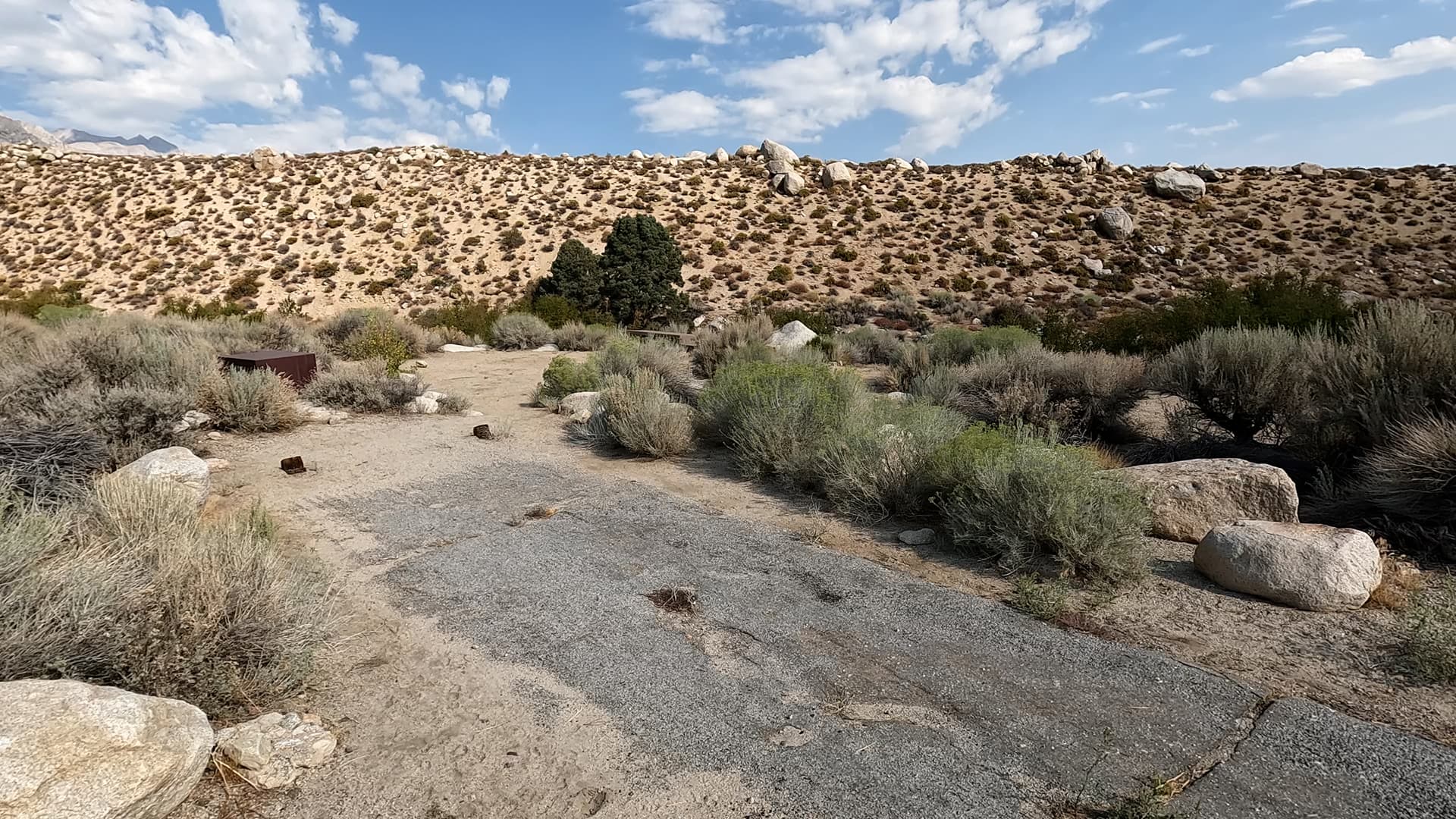
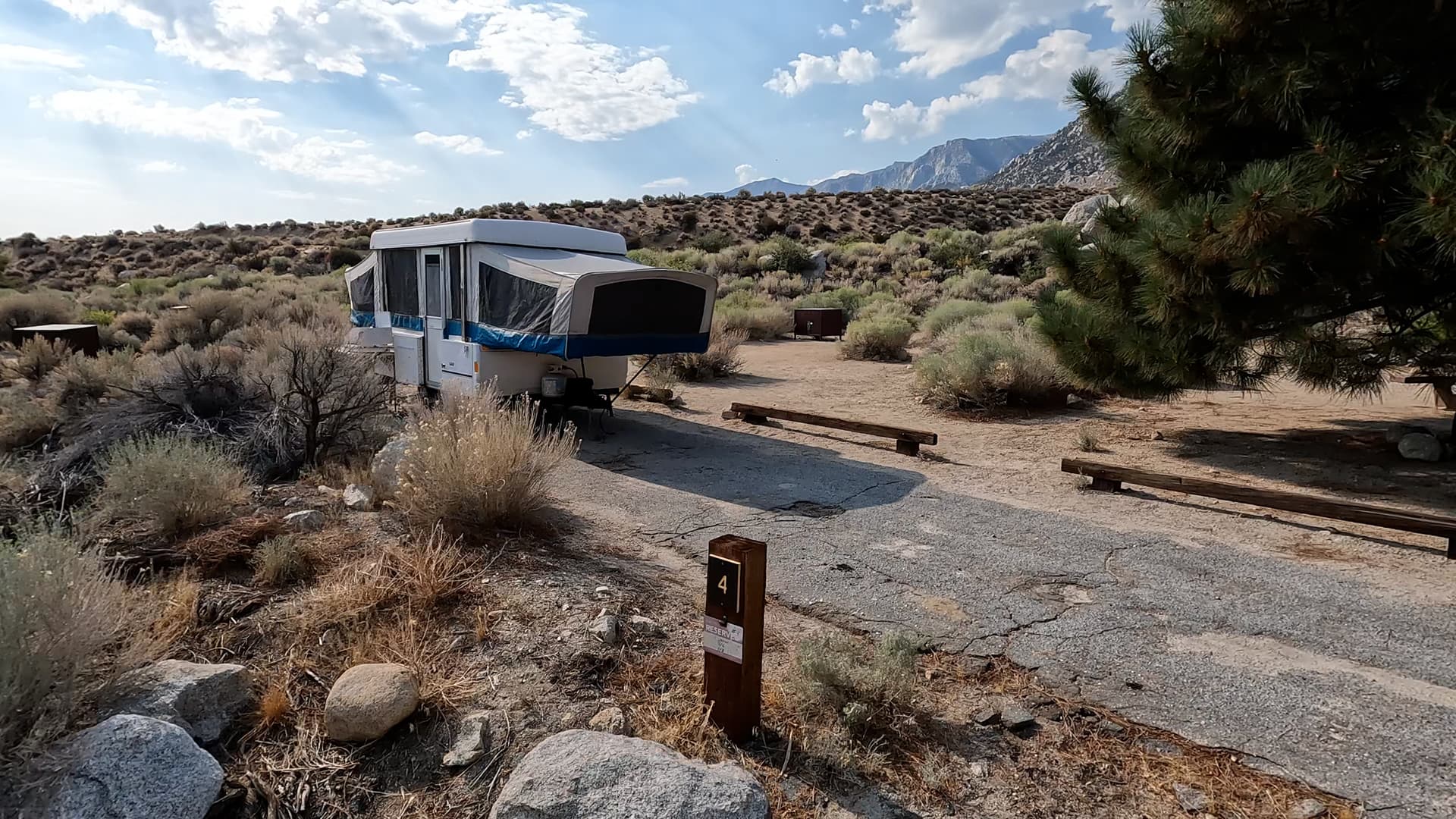
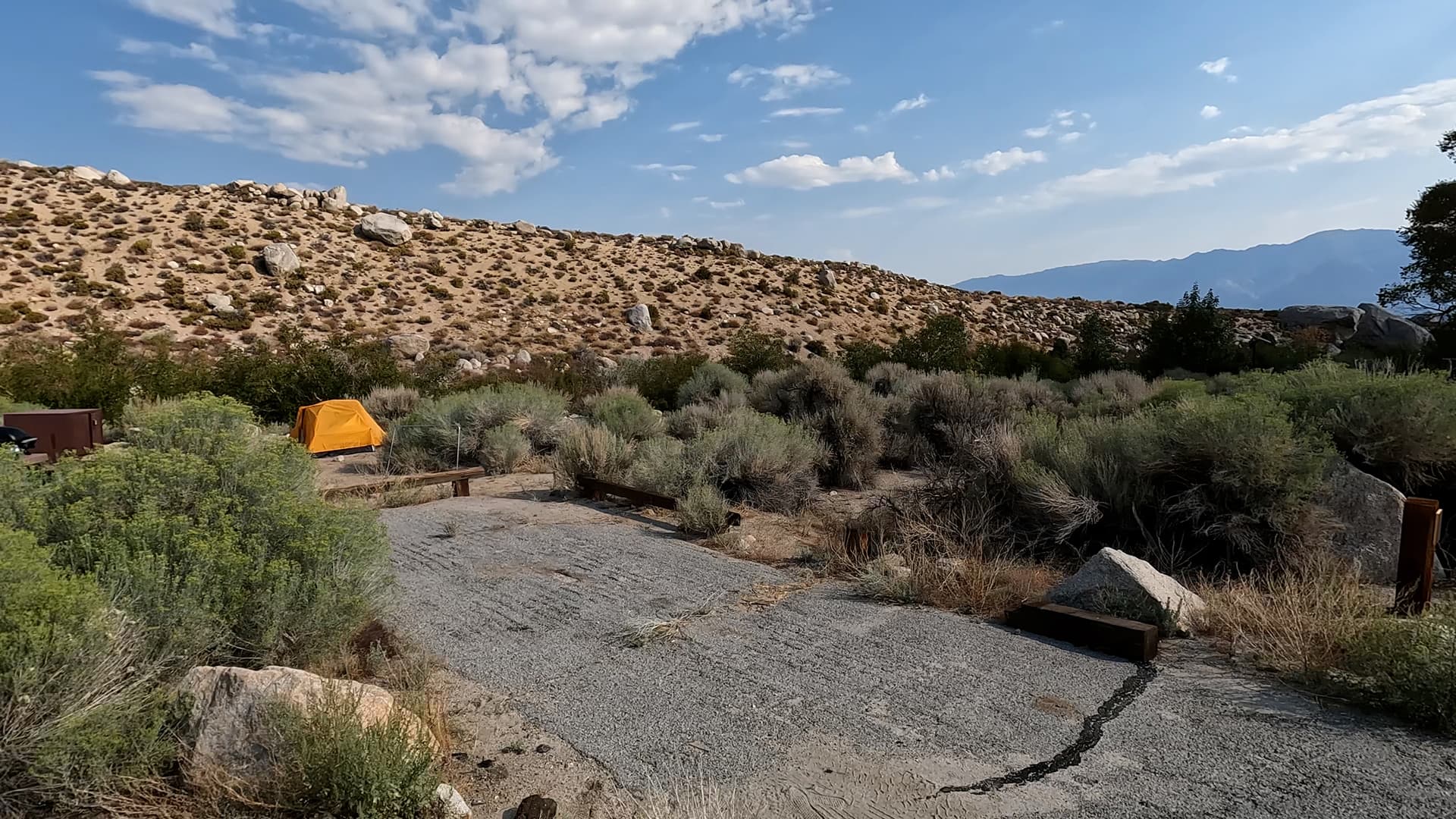
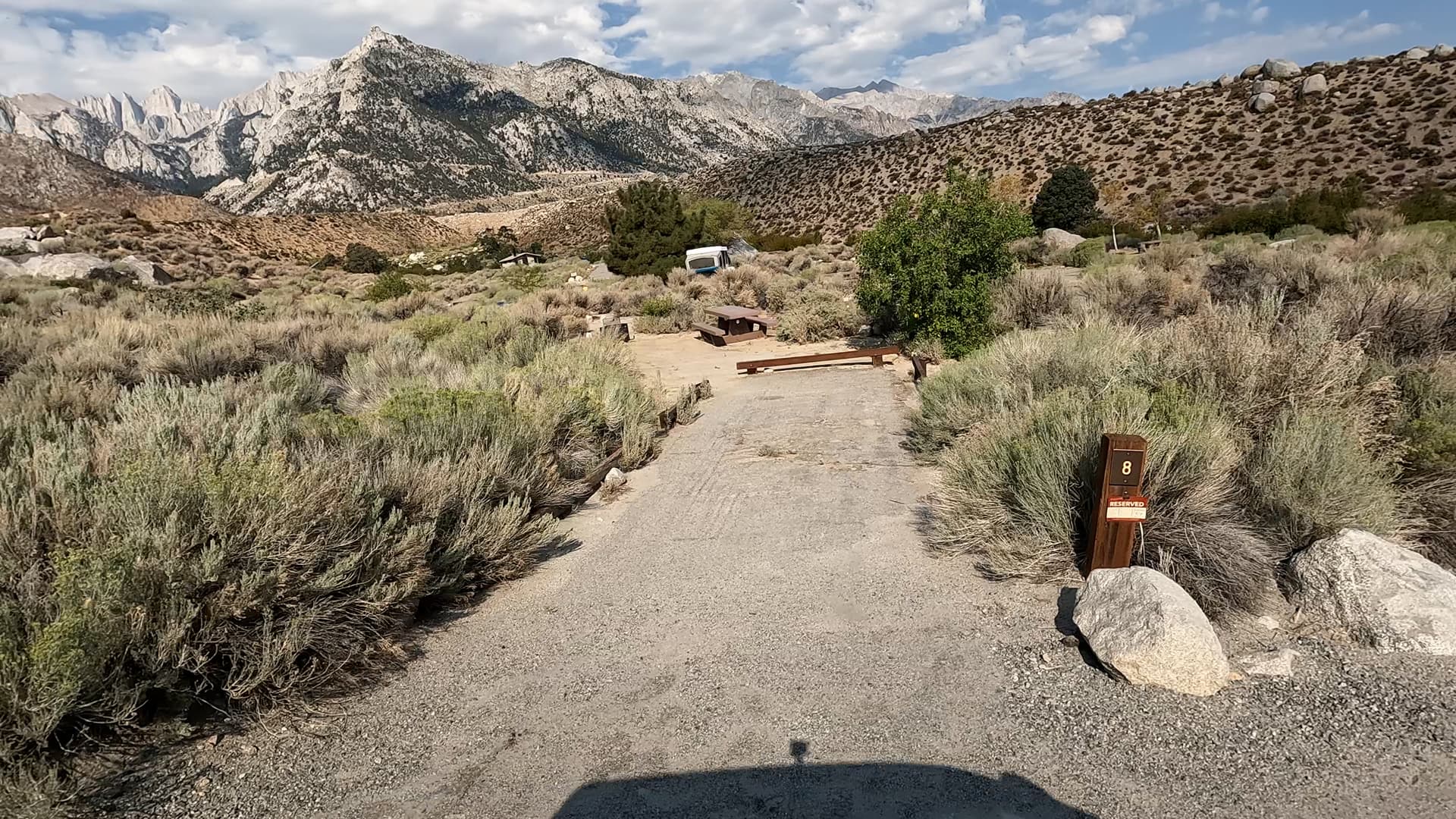
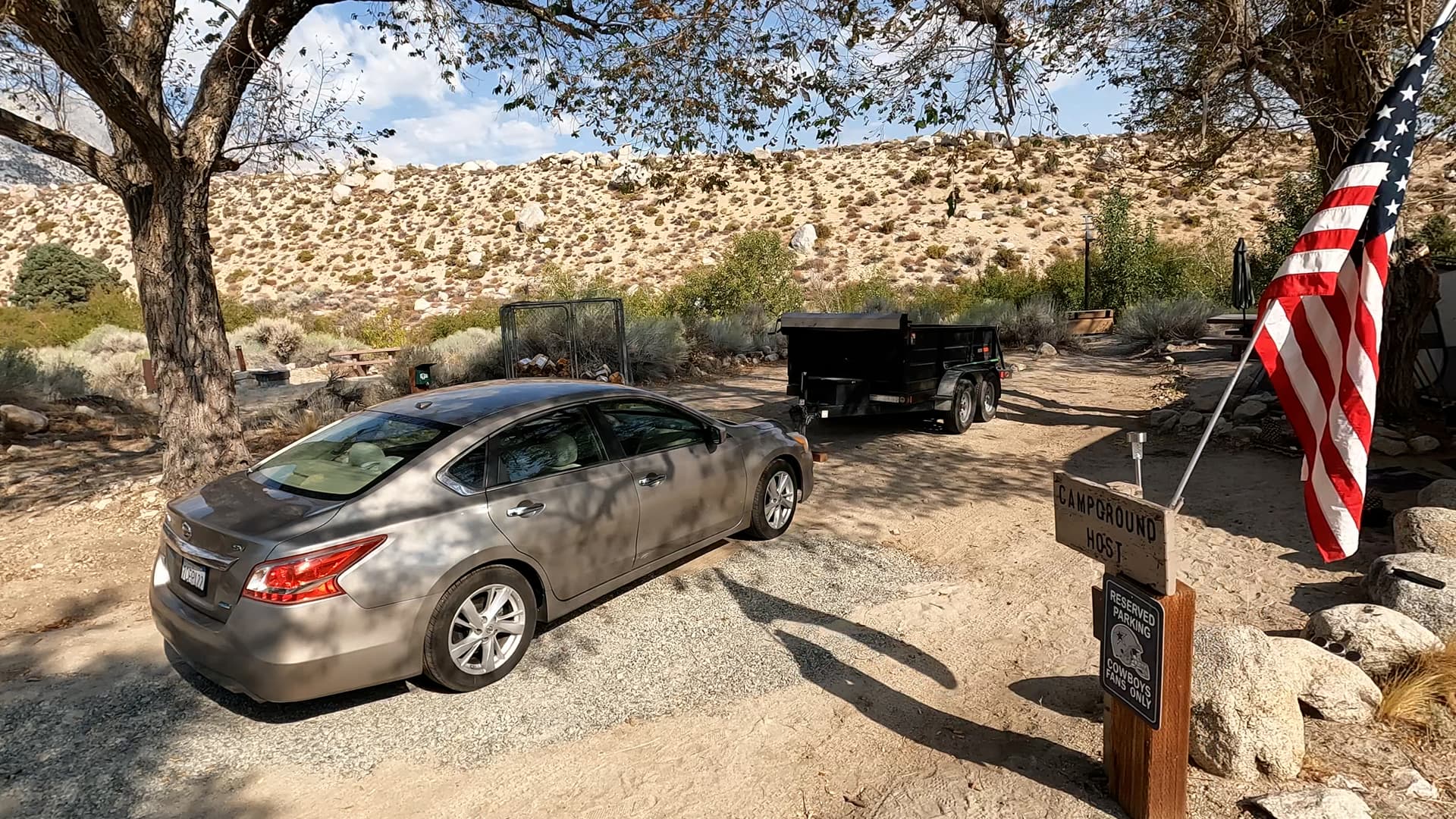
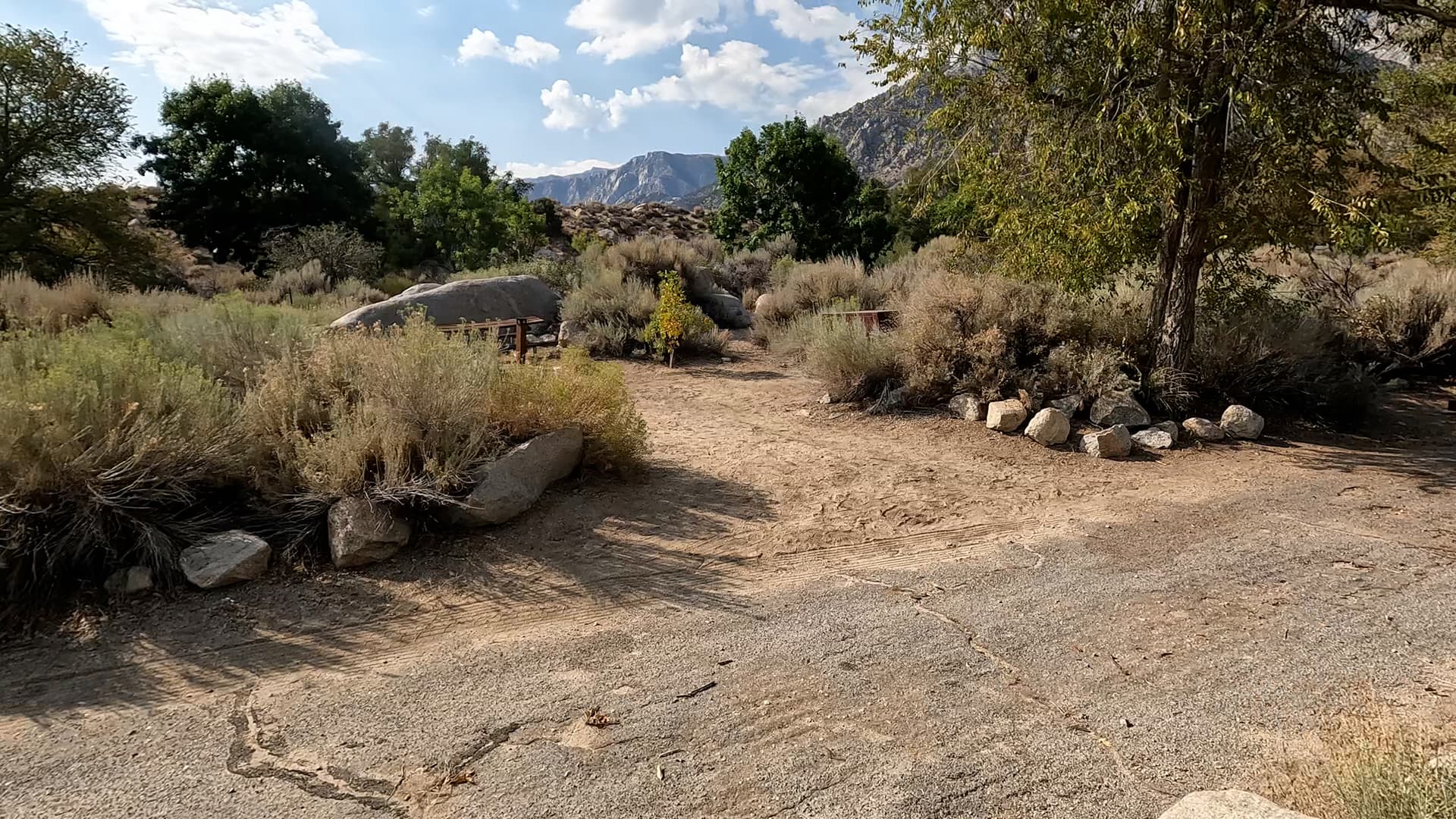
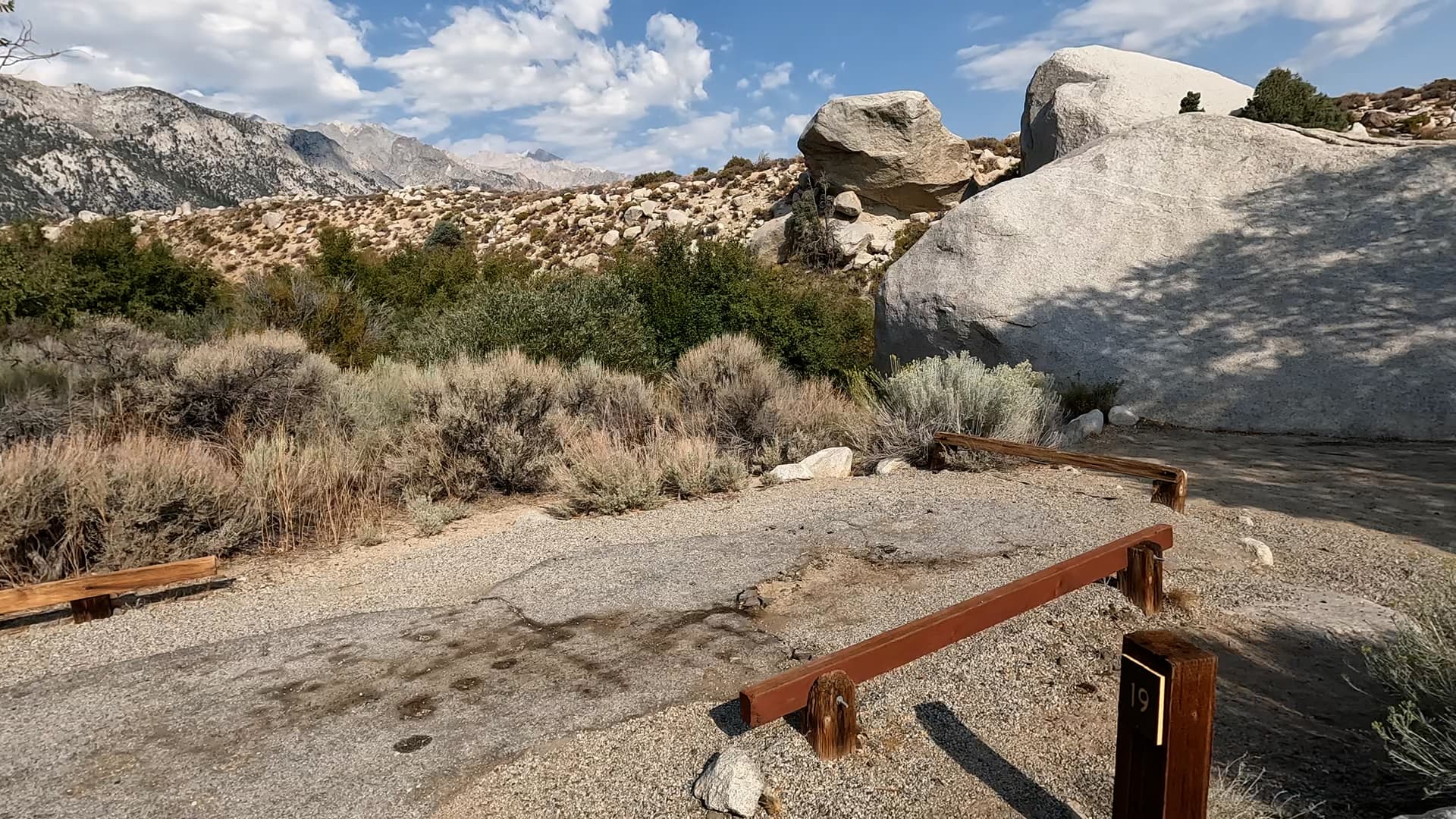
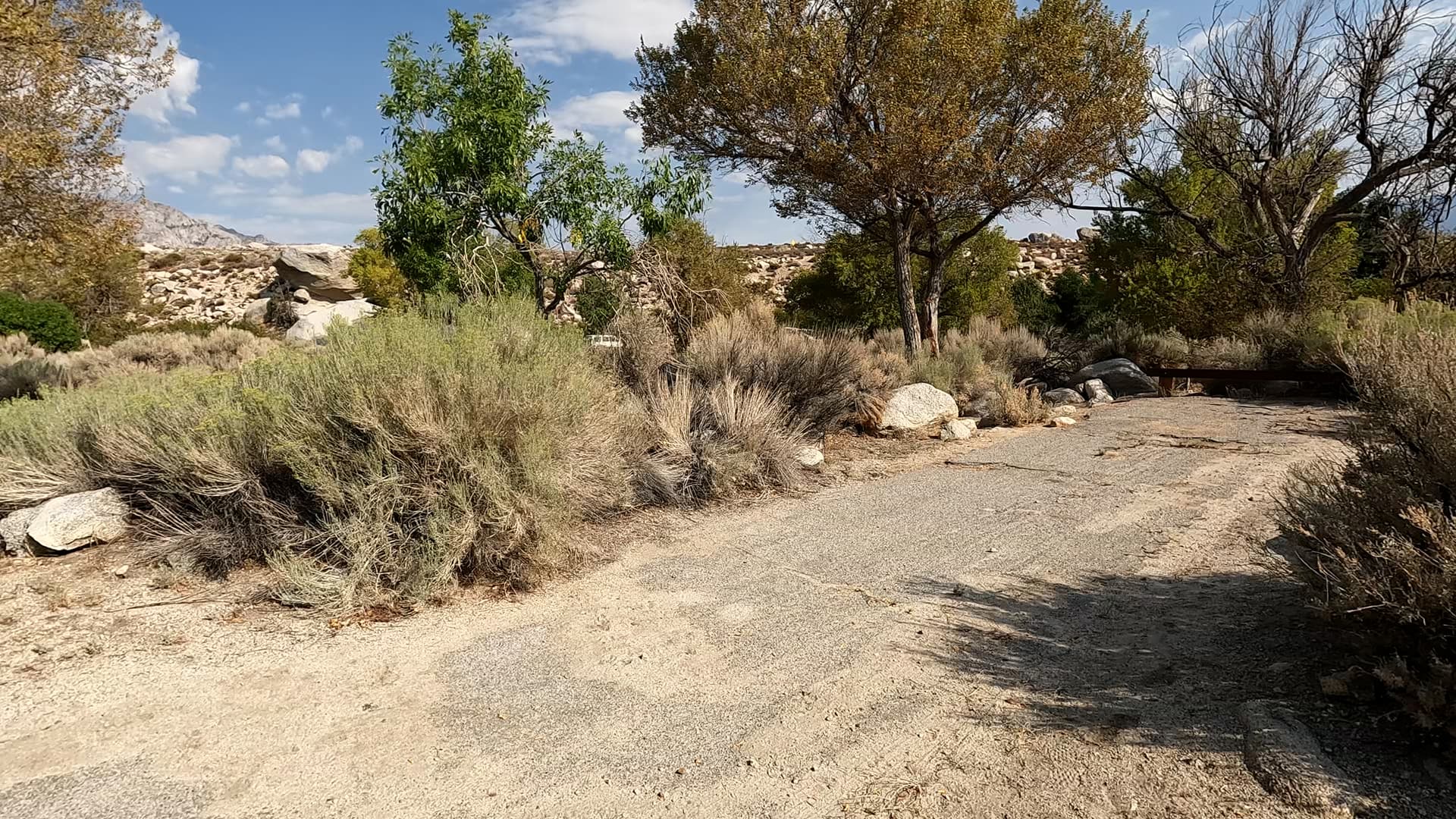
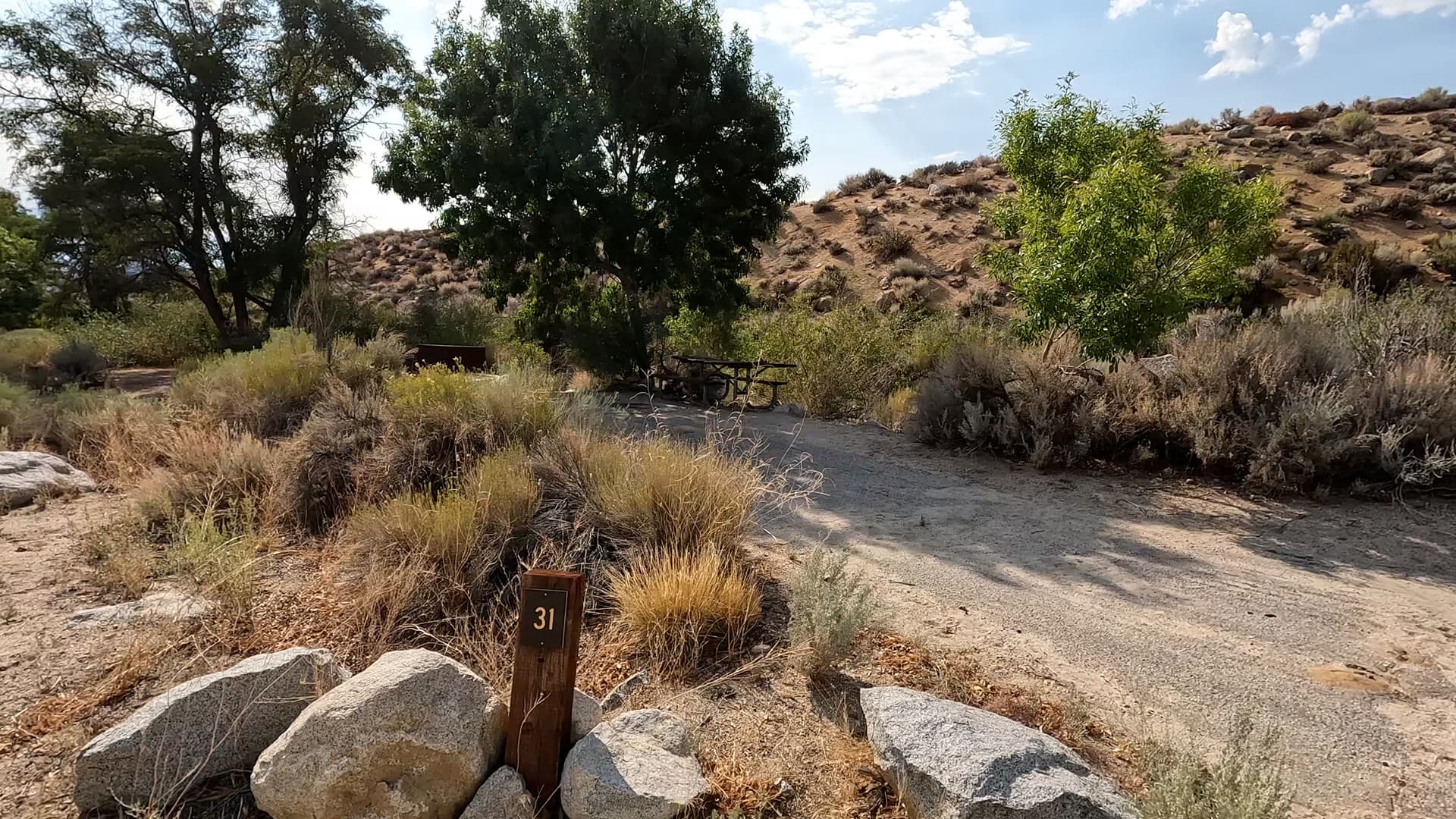
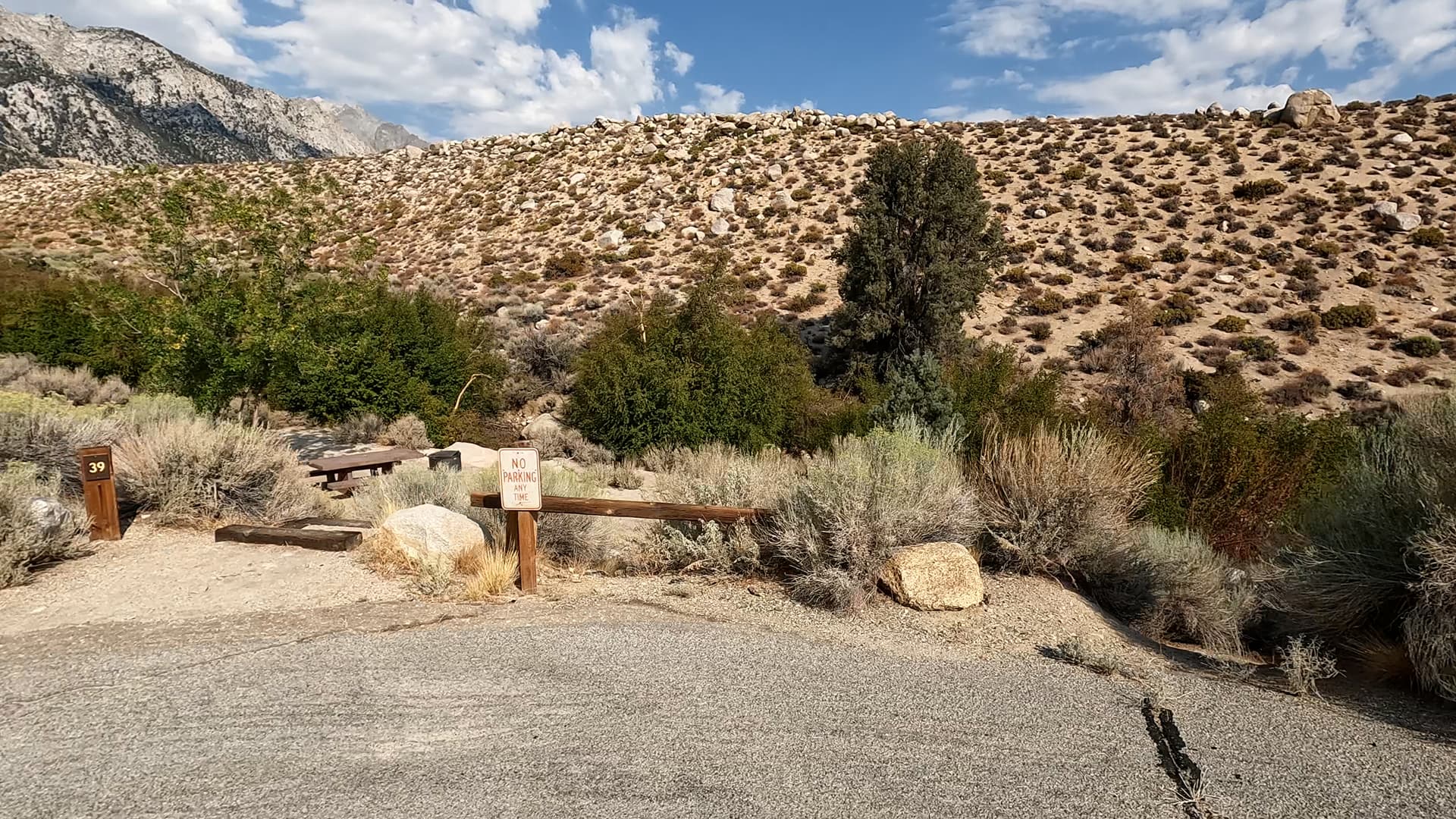
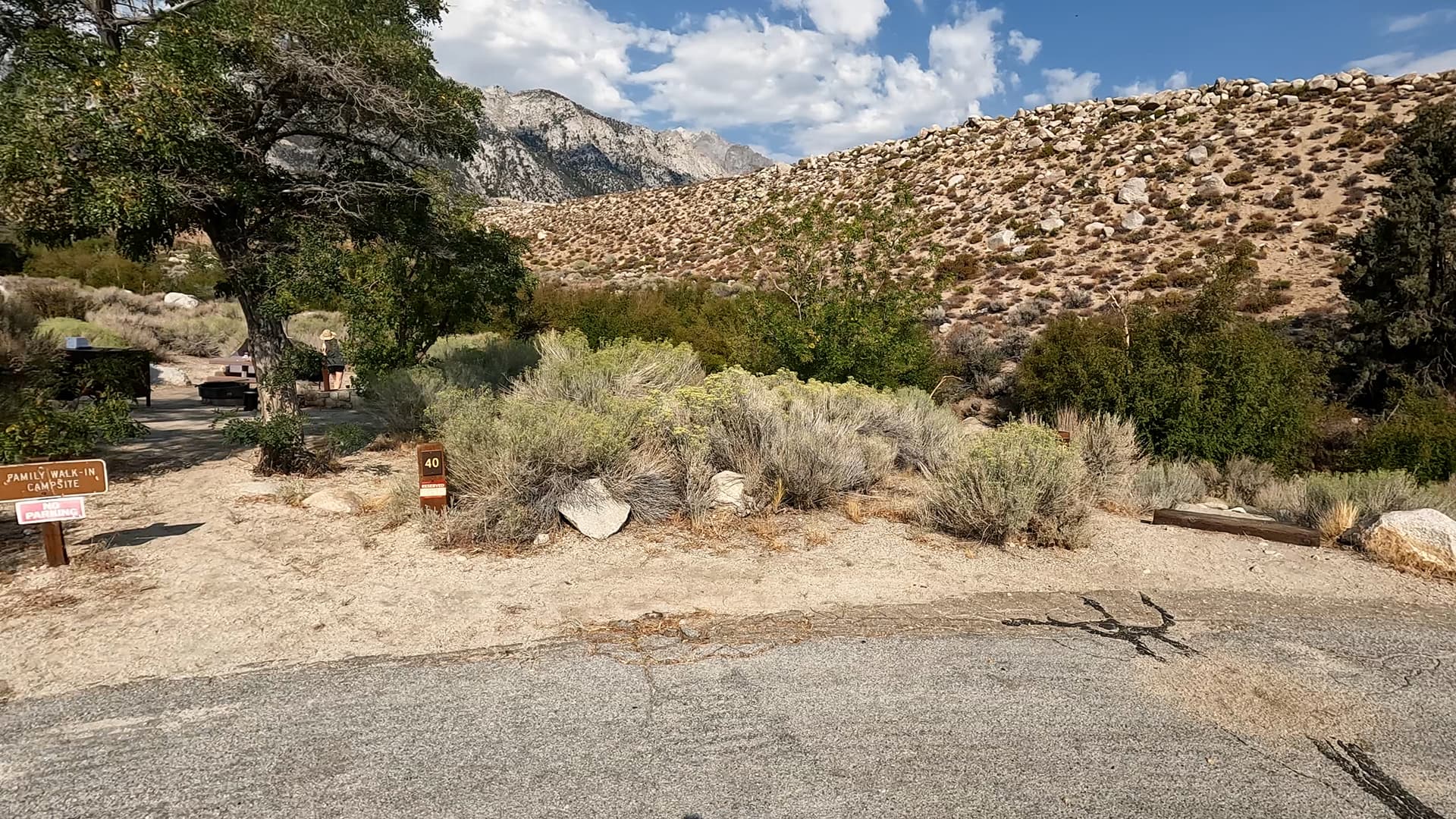
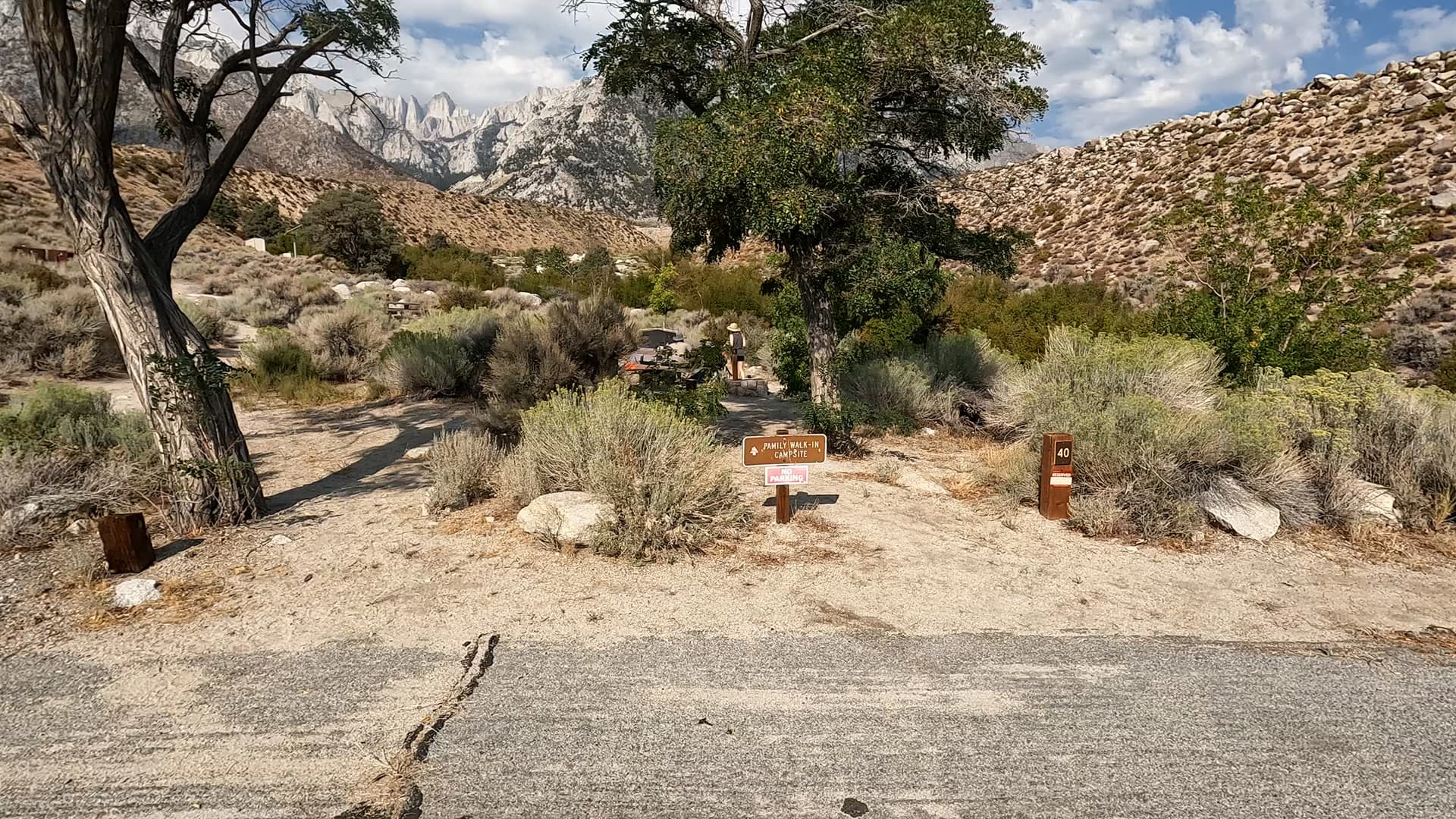
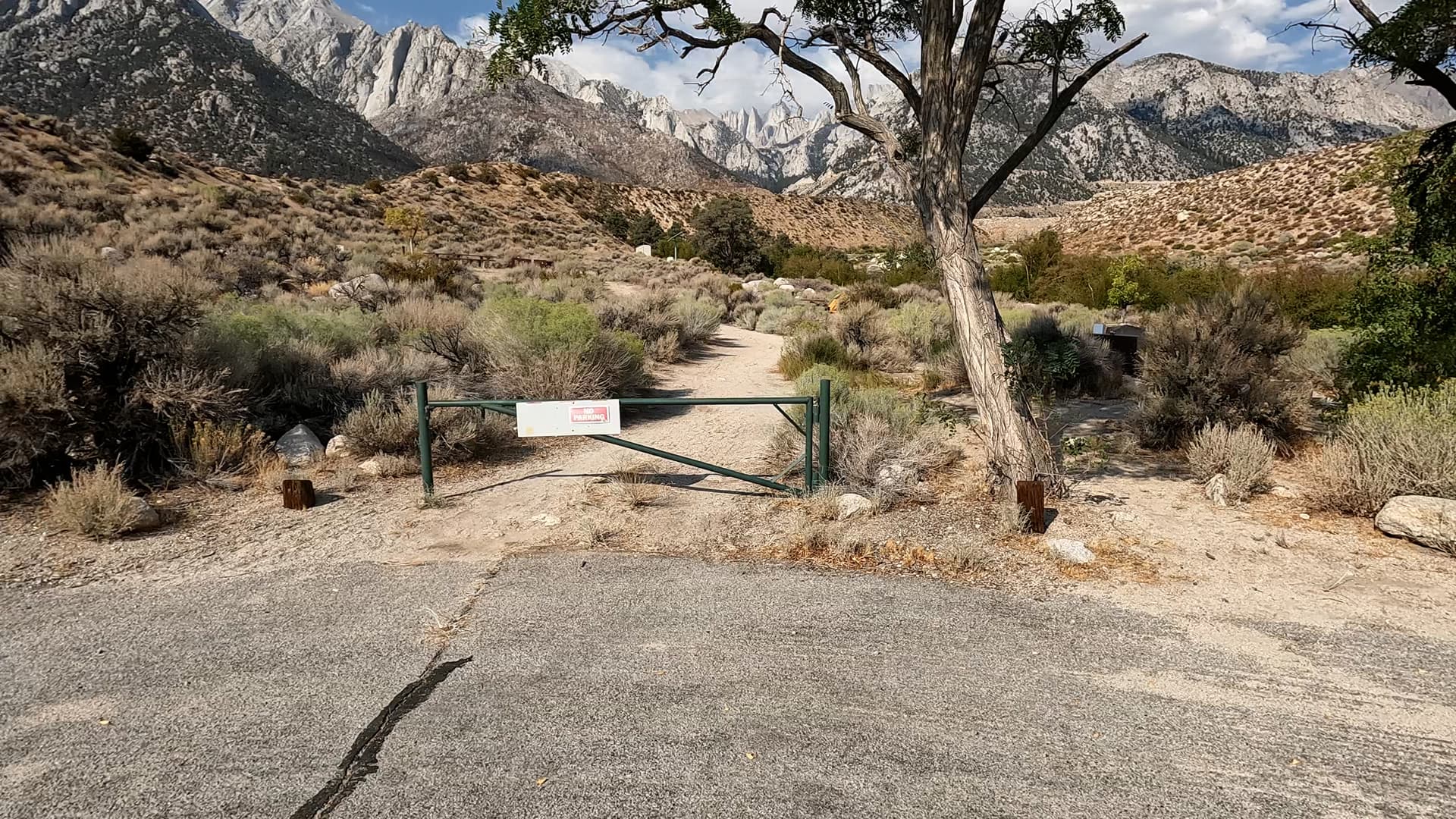
Lone Pine Campground sits at the base of the dramatic eastern Sierra escarpment just west of the town of Lone Pine, offering an exceptional location for exploring the Alabama Hills, Mt. Whitney Portal Road, and the Owens Valley. With its rugged granite surroundings, clear desert light, and sweeping views of the Sierra Crest, this campground provides one of the most scenic and convenient places to stay in the Inyo National Forest. It is especially popular with hikers, photographers, and travelers heading toward Whitney Portal or touring the Eastern Sierra.

Location & Setting

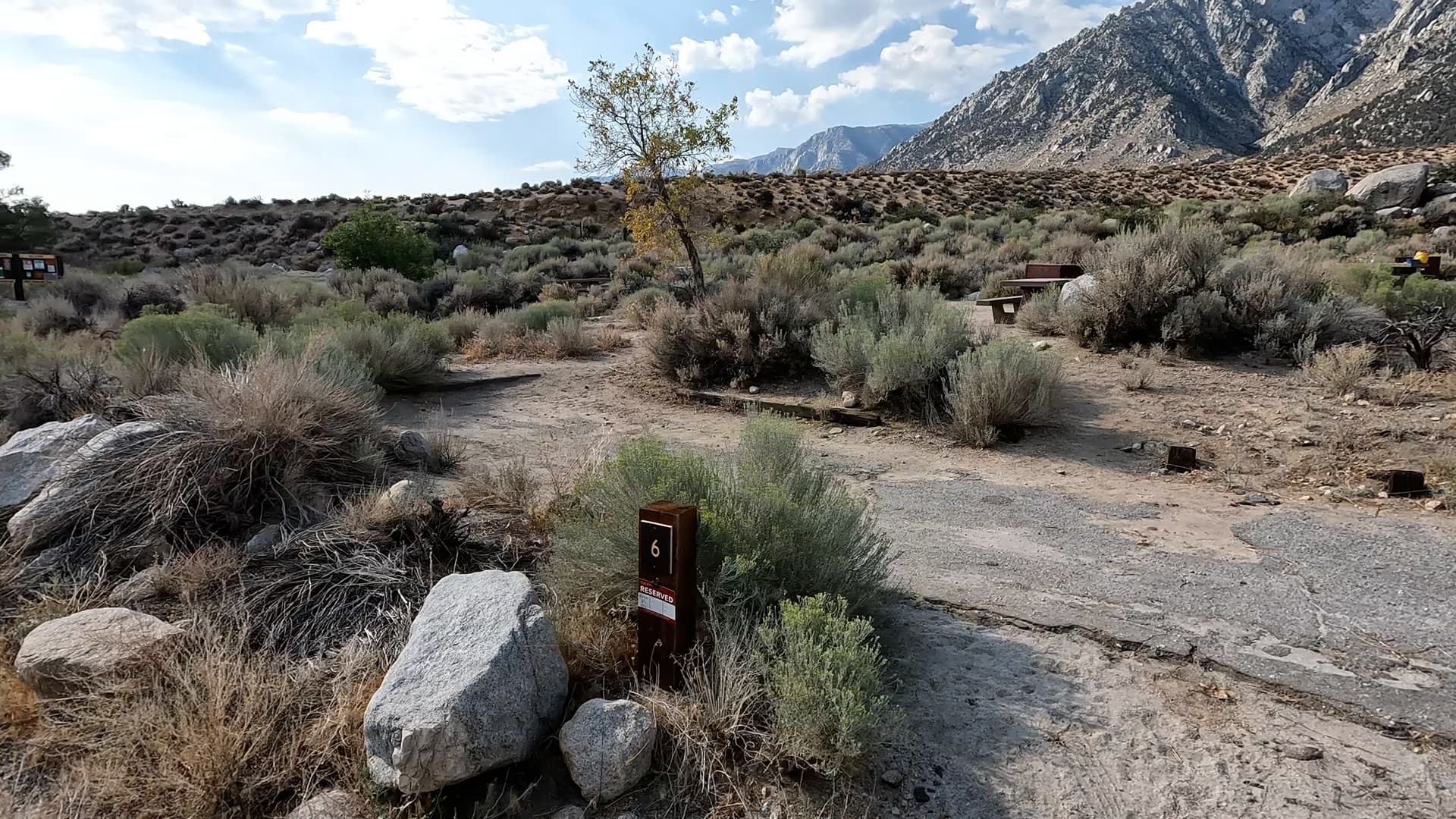
The campground is located along Whitney Portal Road at roughly 6,000 feet, perfectly positioned between the high desert floor and the towering peaks of the Sierra Nevada. Massive granite walls rise dramatically above camp, while views to the east stretch across the Owens Valley toward the Inyo Mountains. Its location places campers only minutes from Lone Pine, the Alabama Hills National Scenic Area, and the gateway road leading to Whitney Portal. The combination of desert vistas and alpine scenery makes Lone Pine Campground a uniquely beautiful place to stay.

Campground Overview

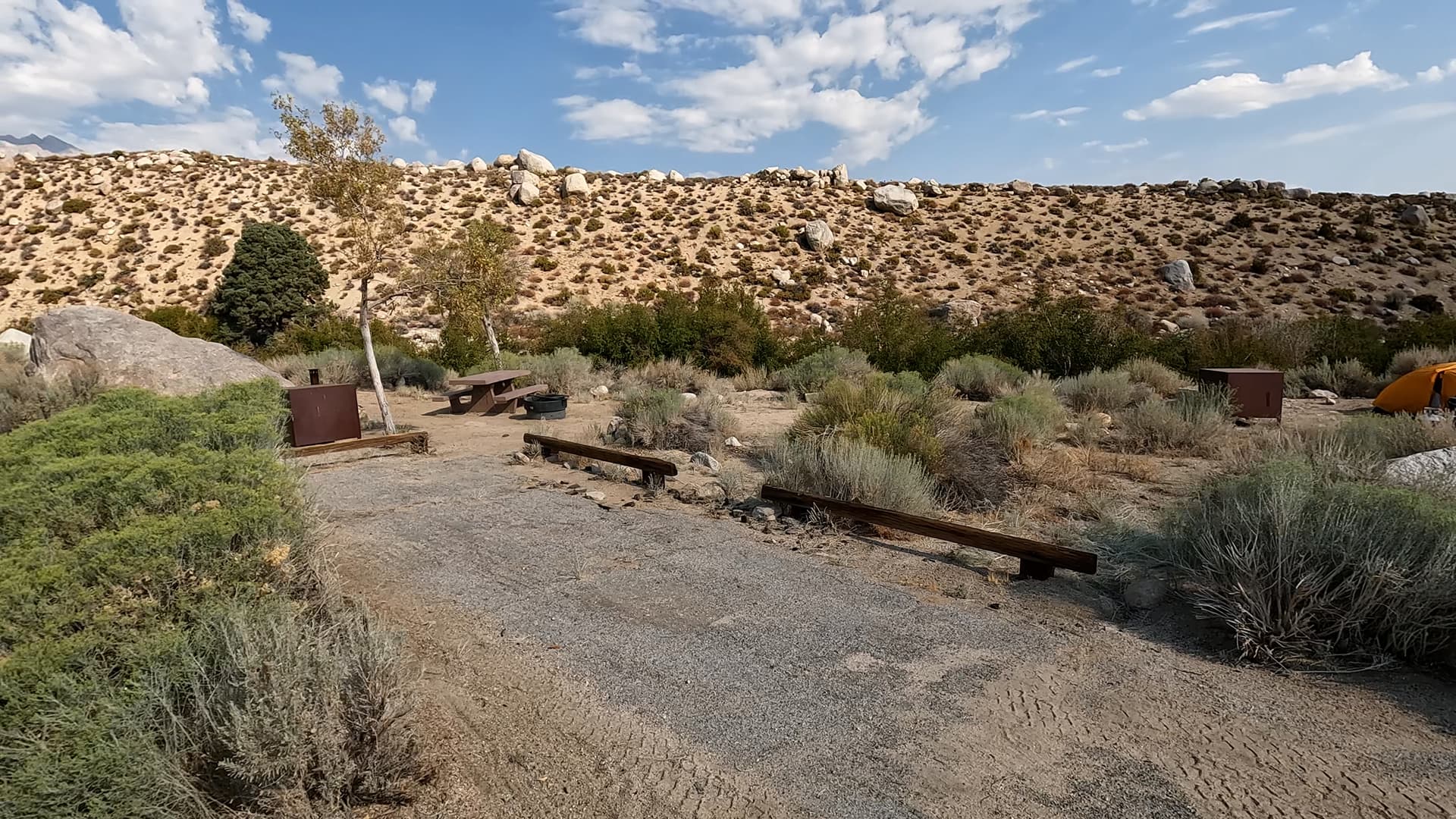
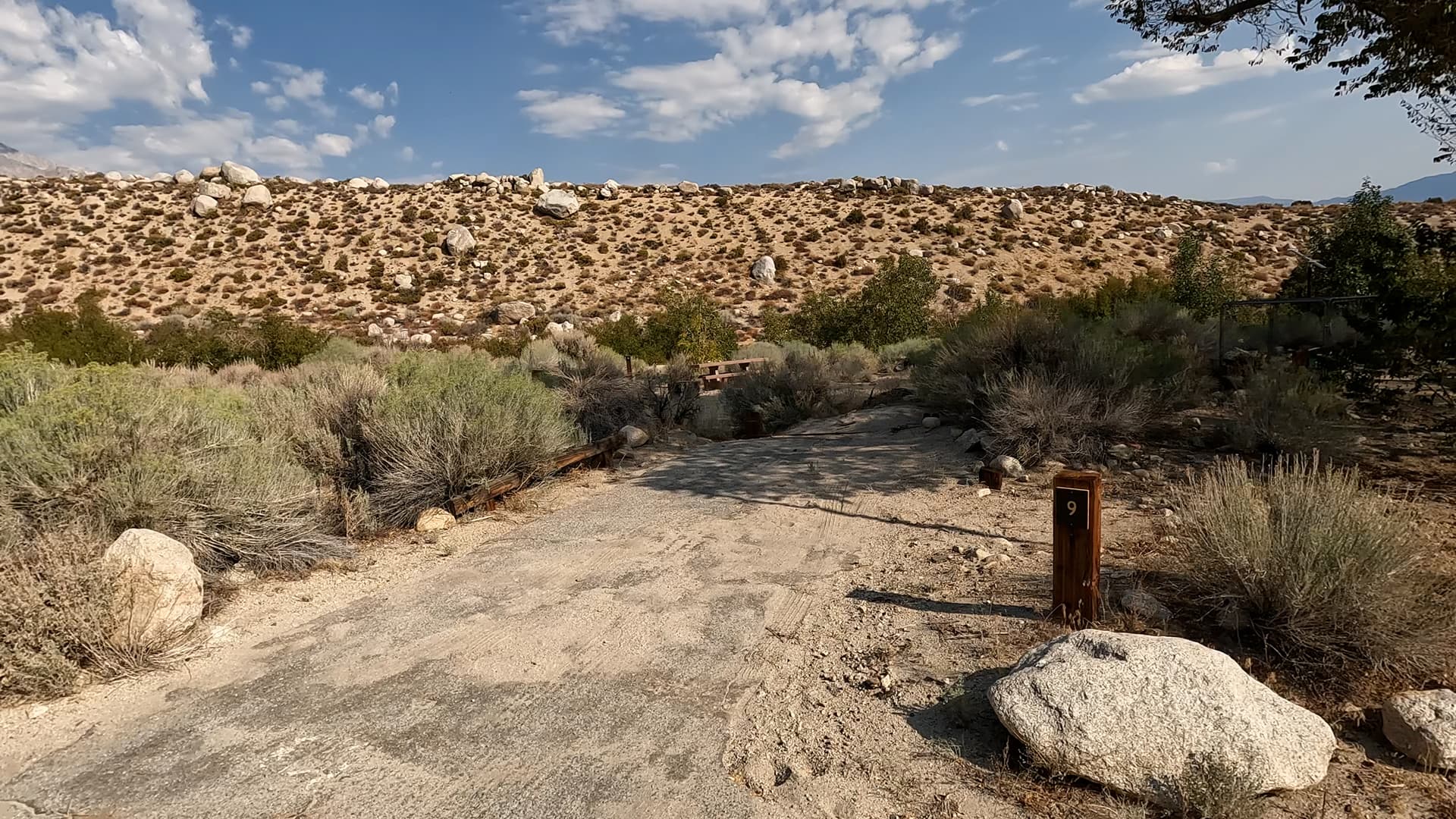
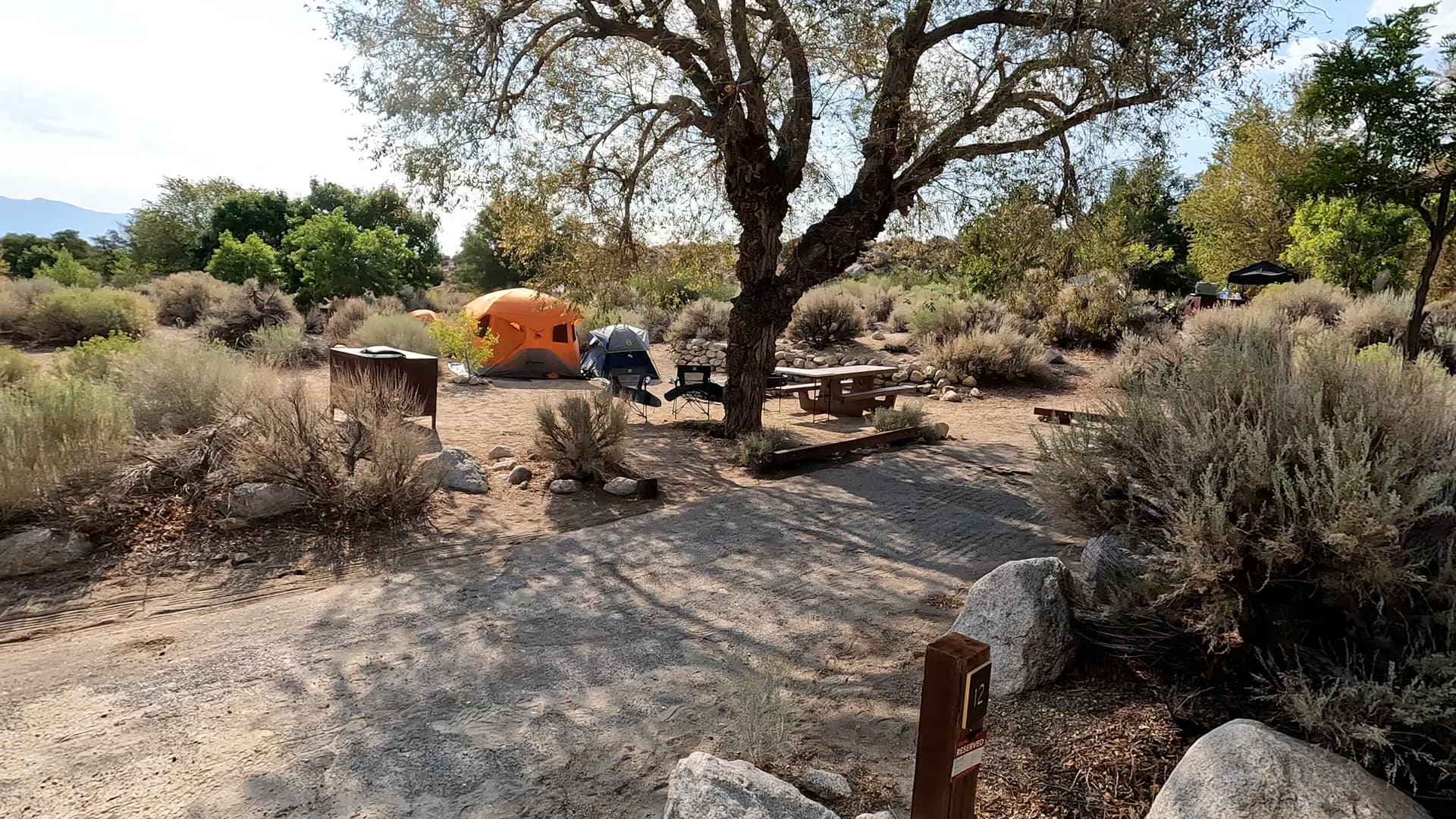
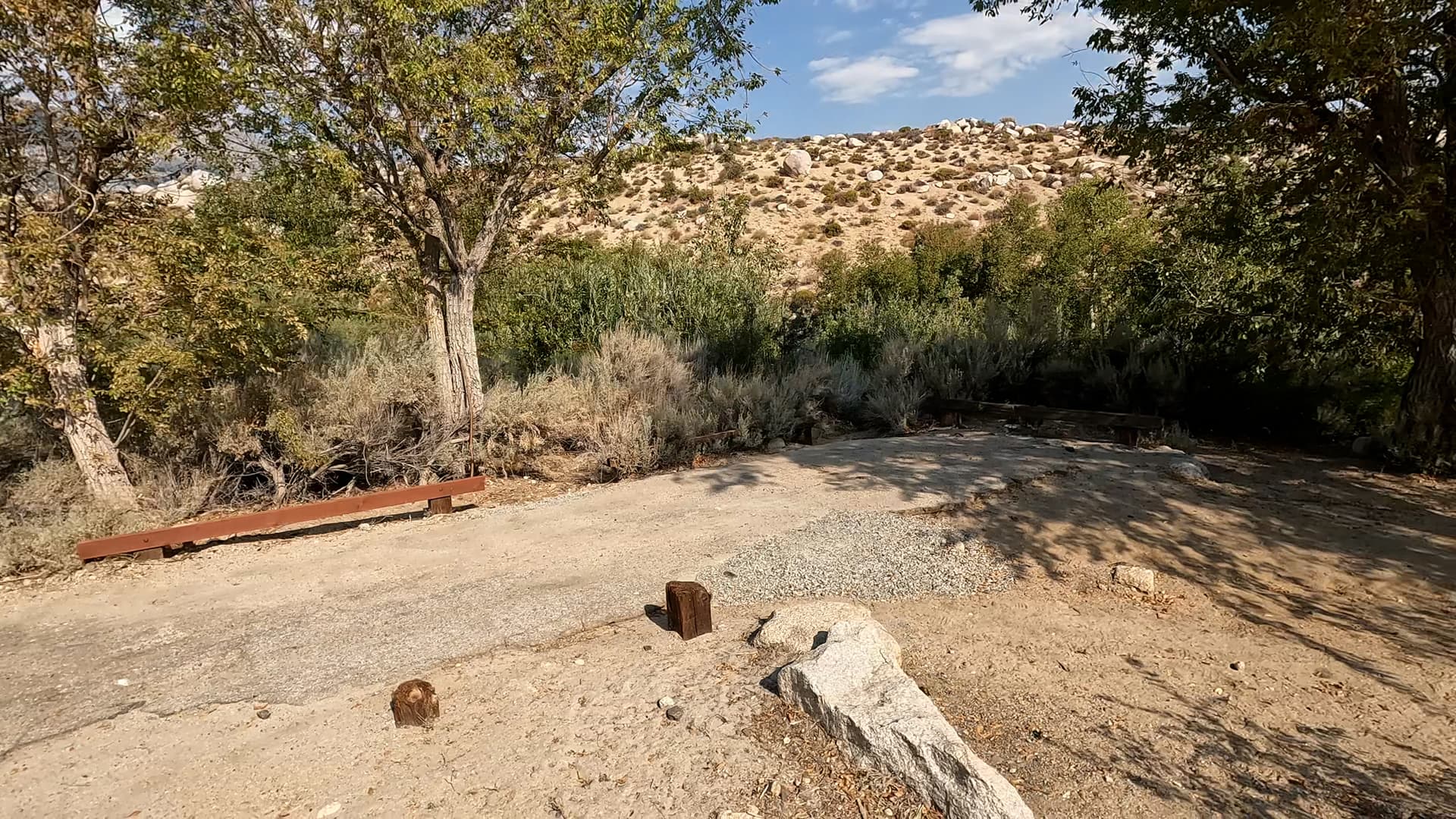
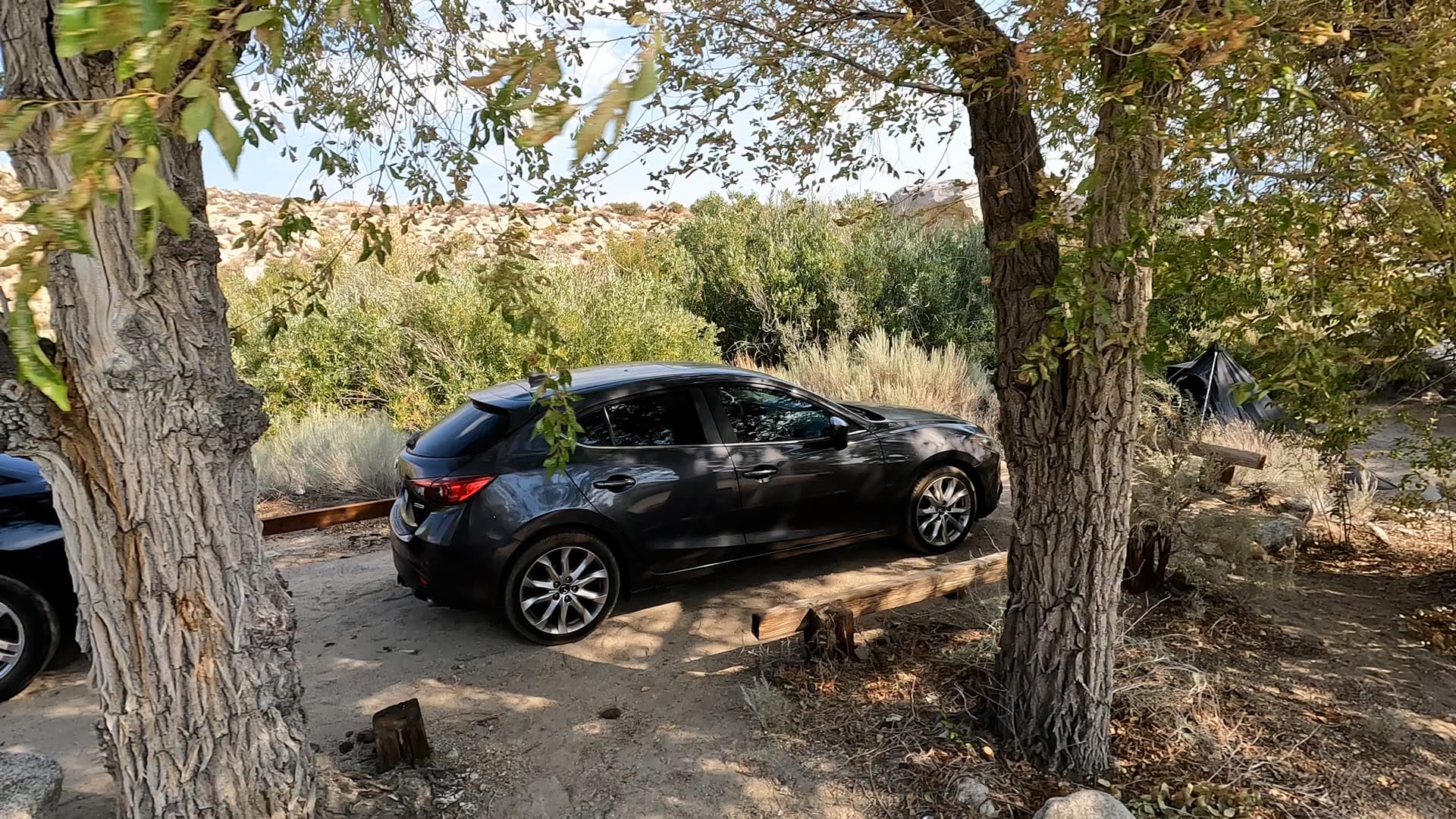
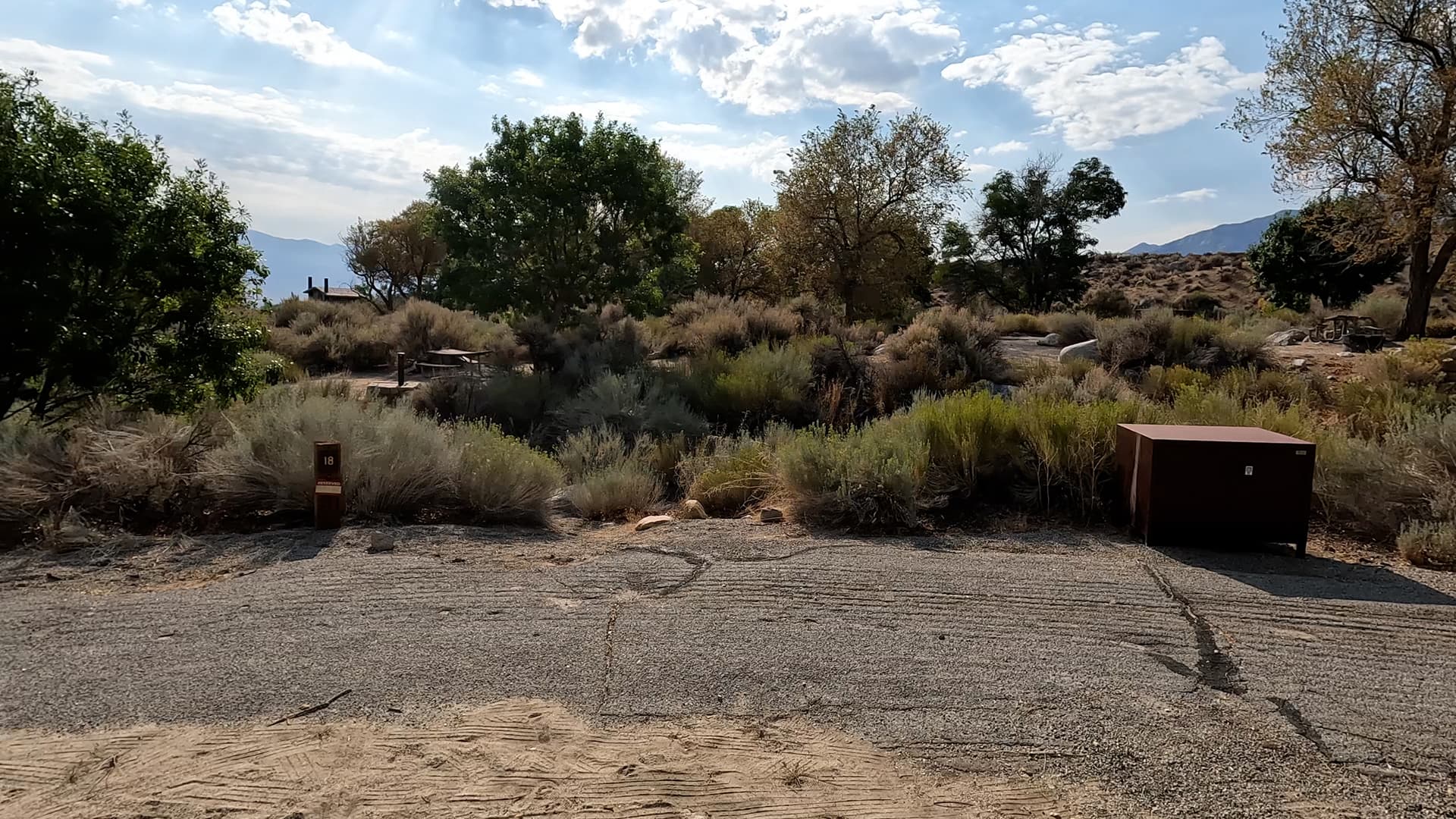
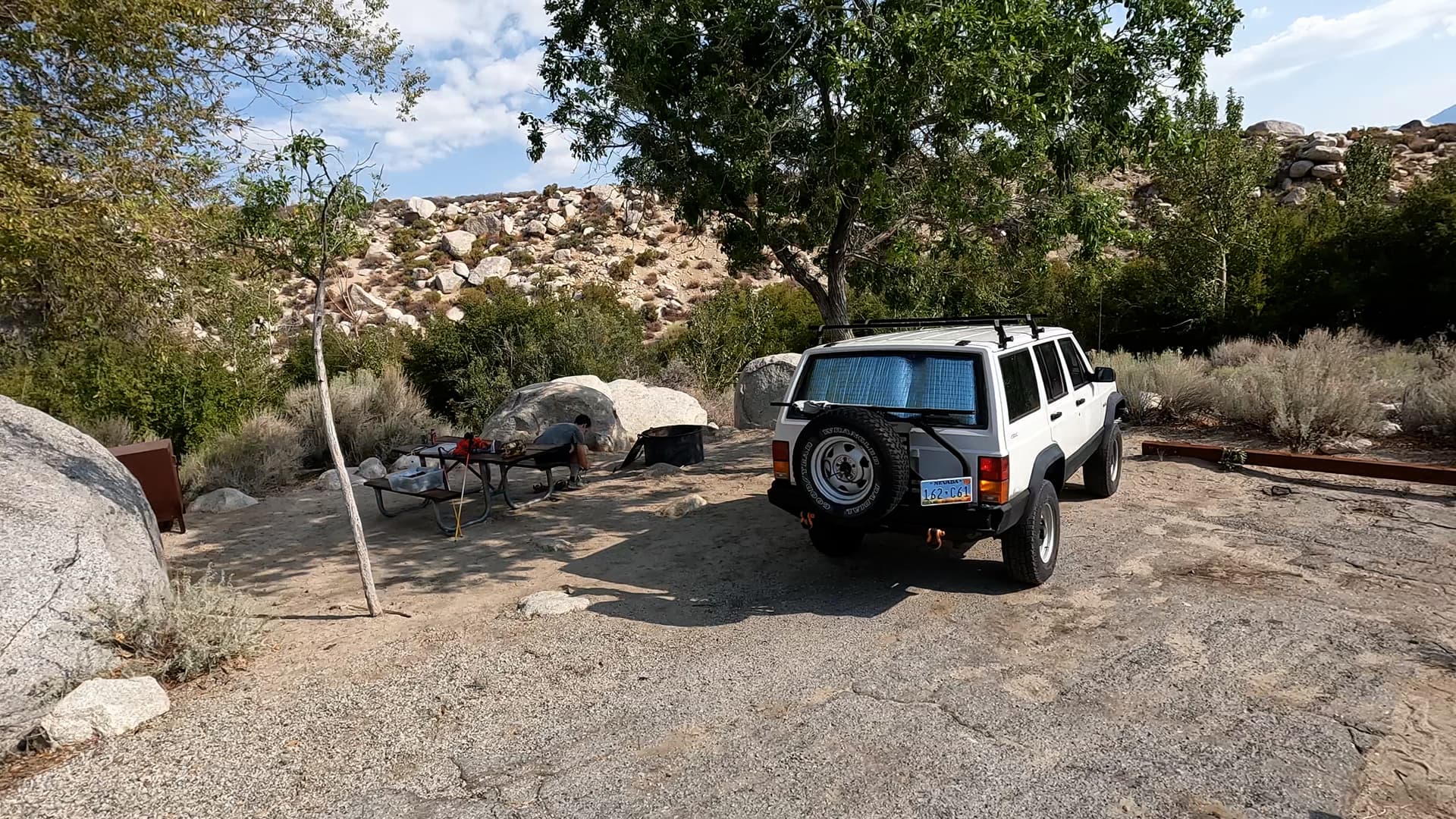
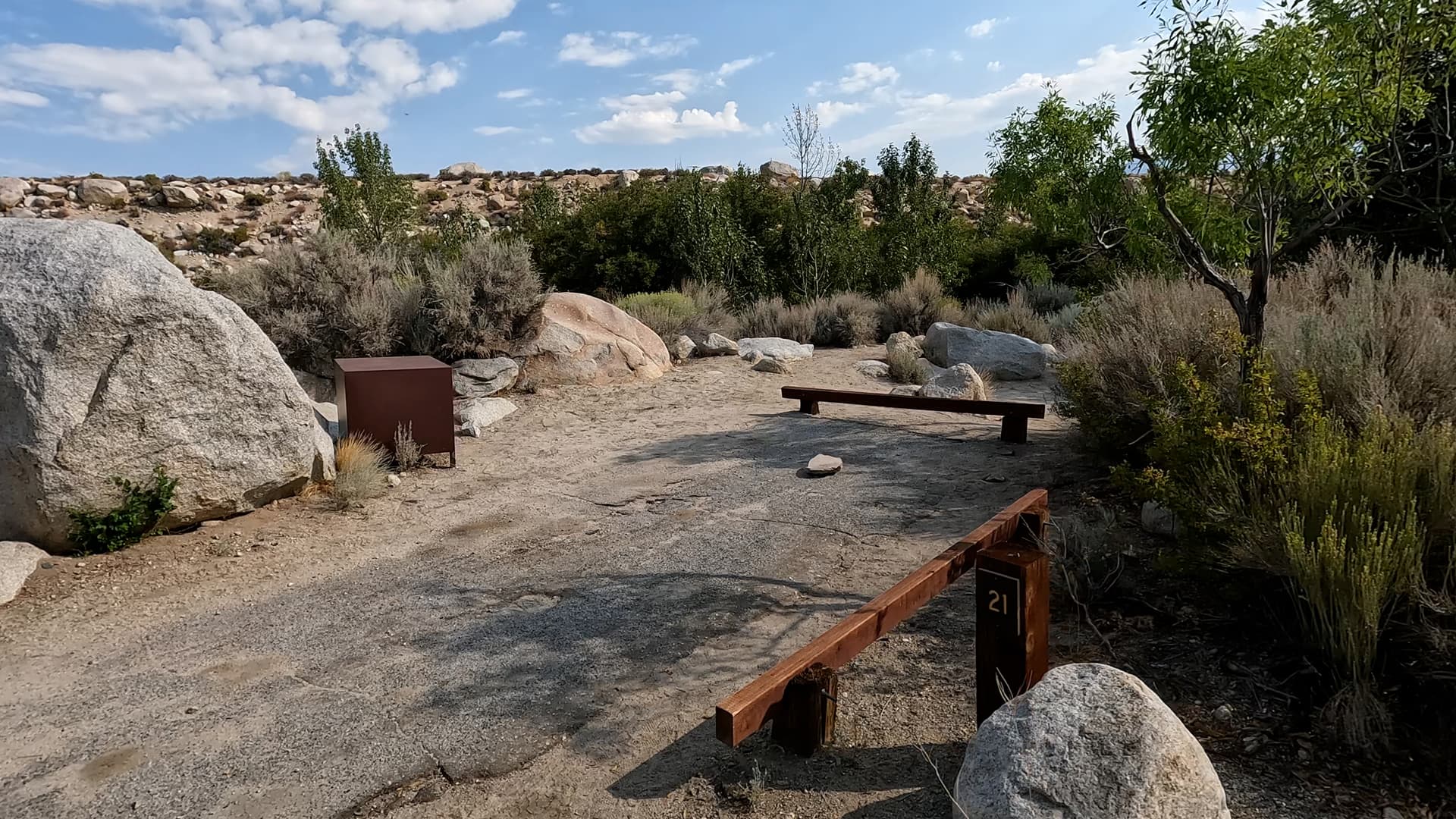
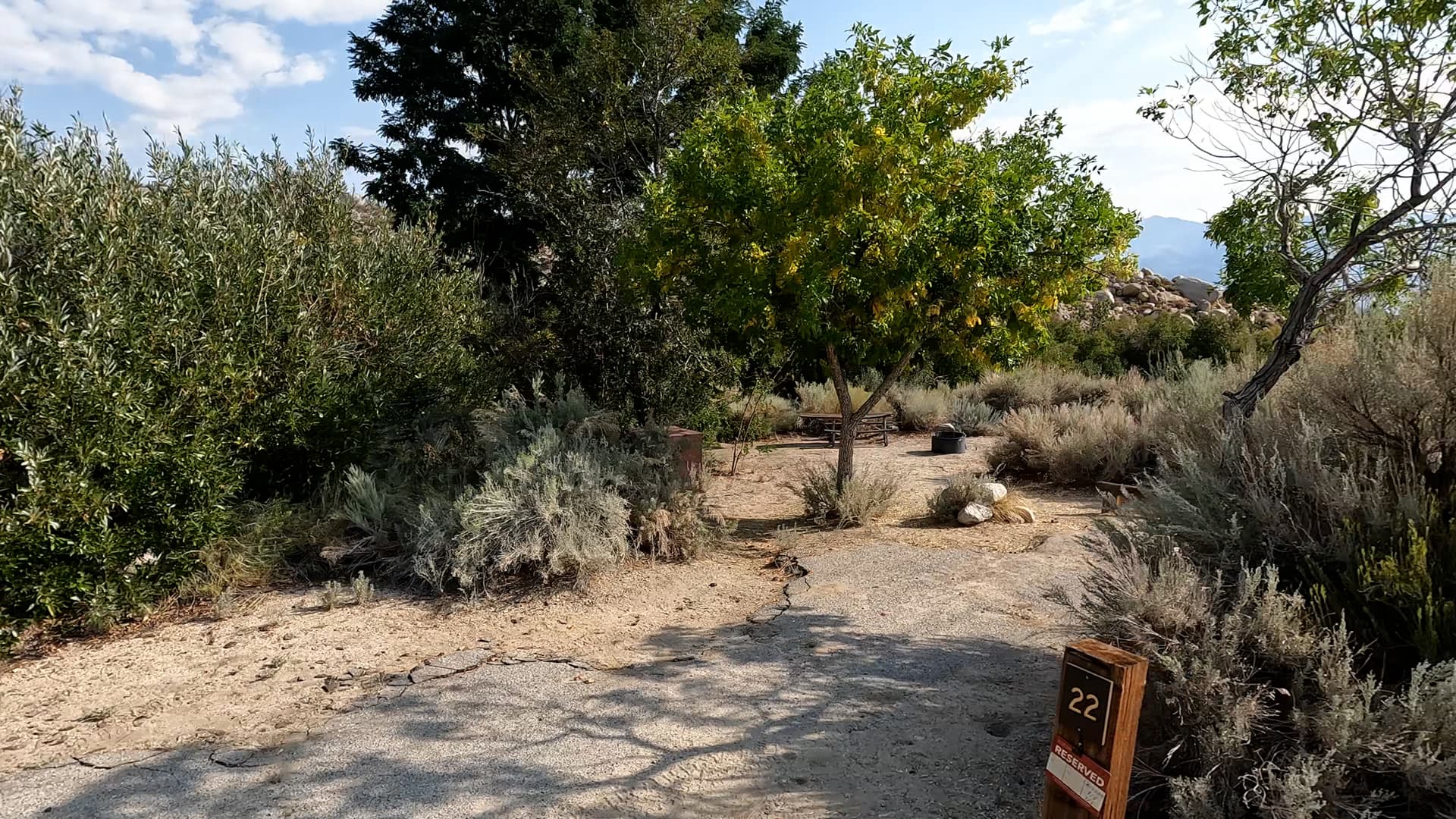
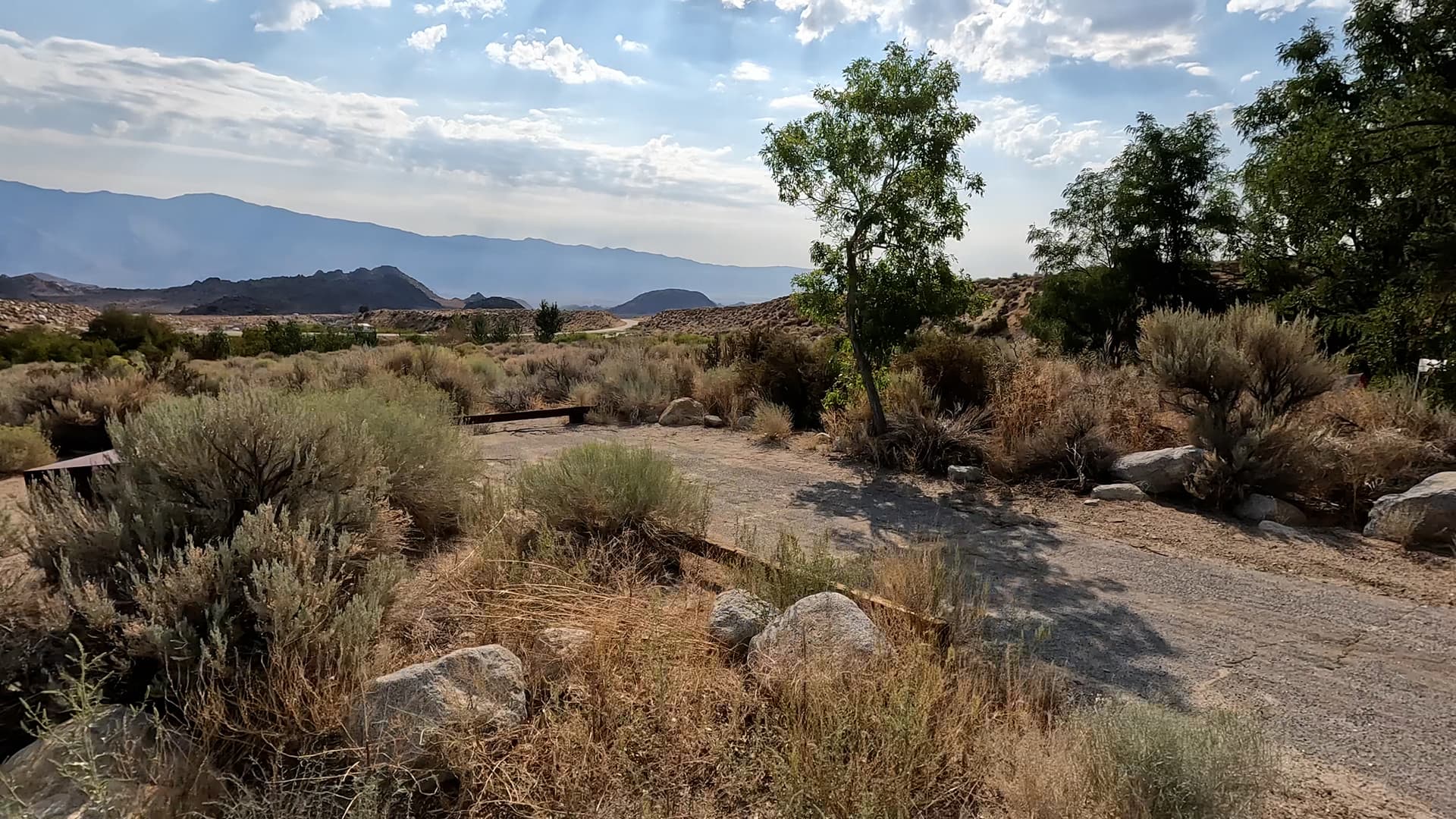
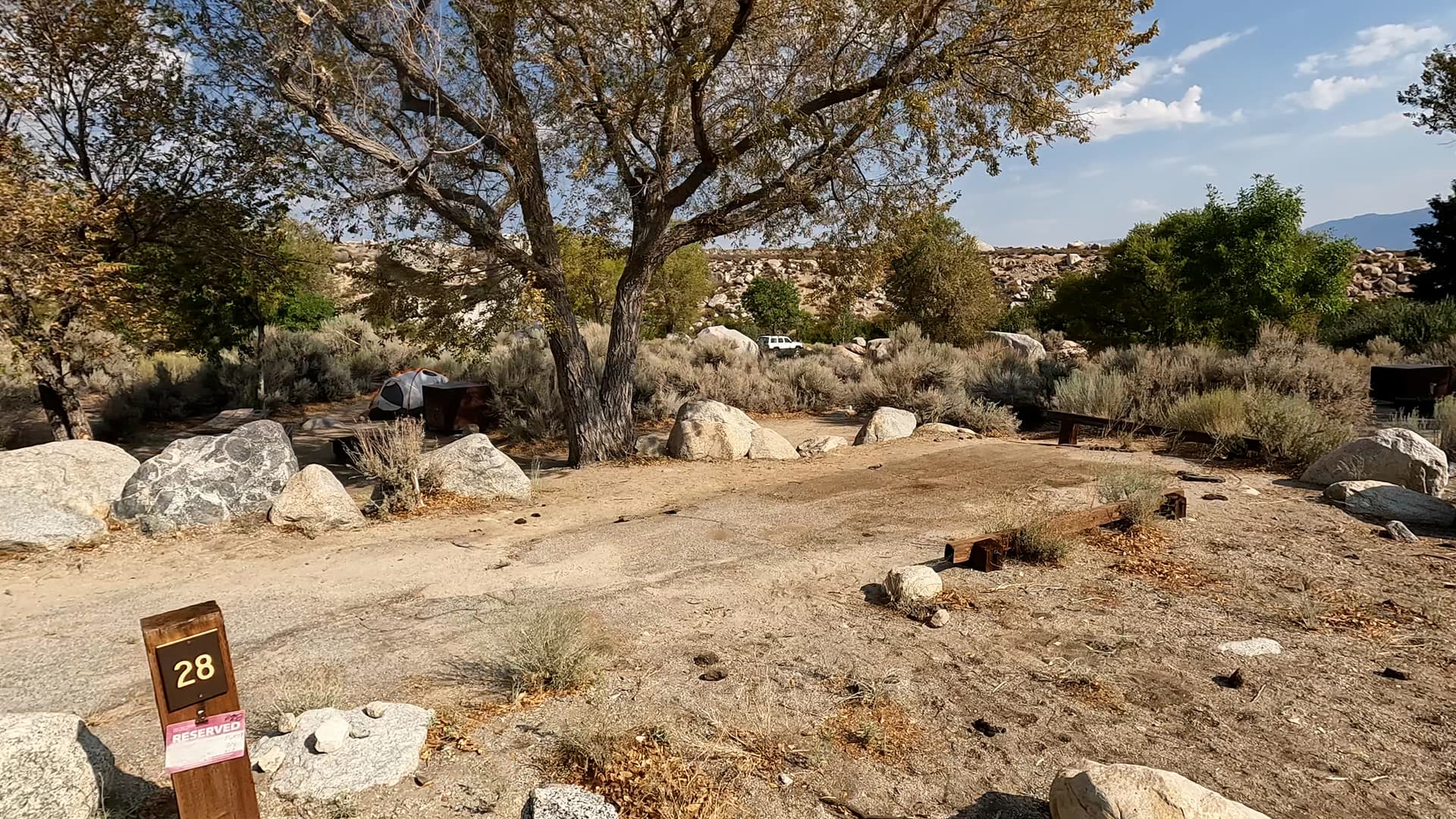
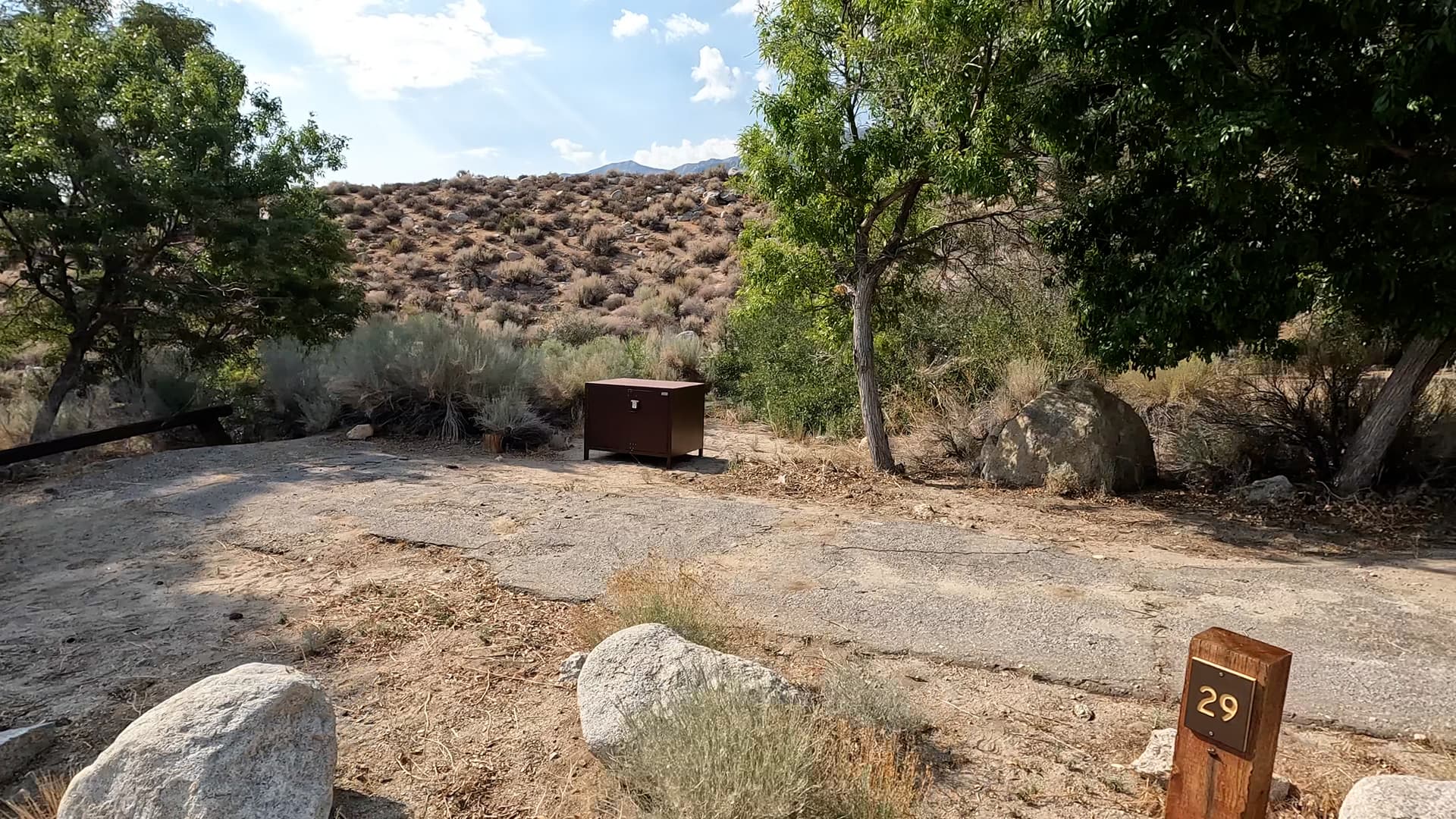
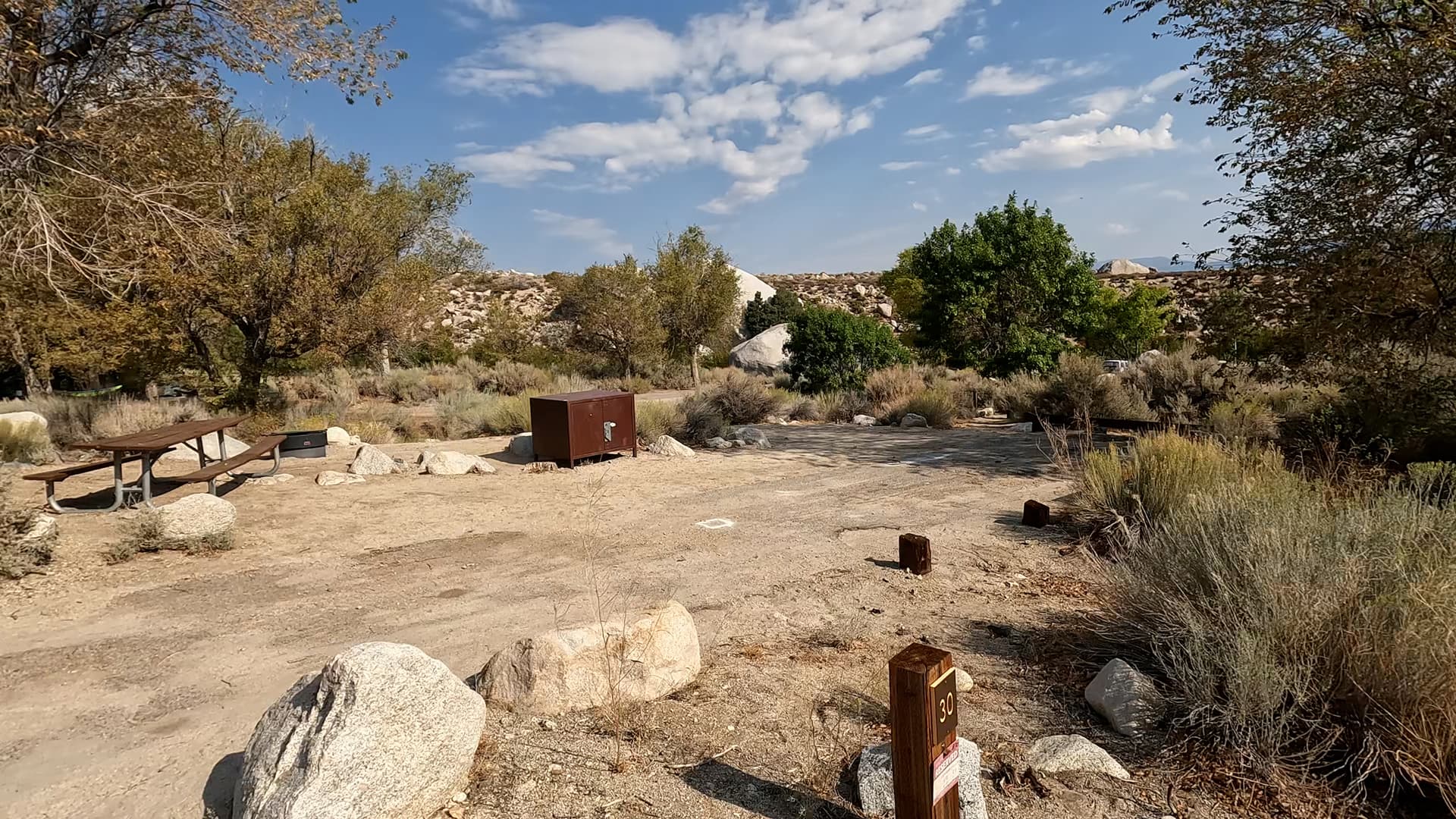
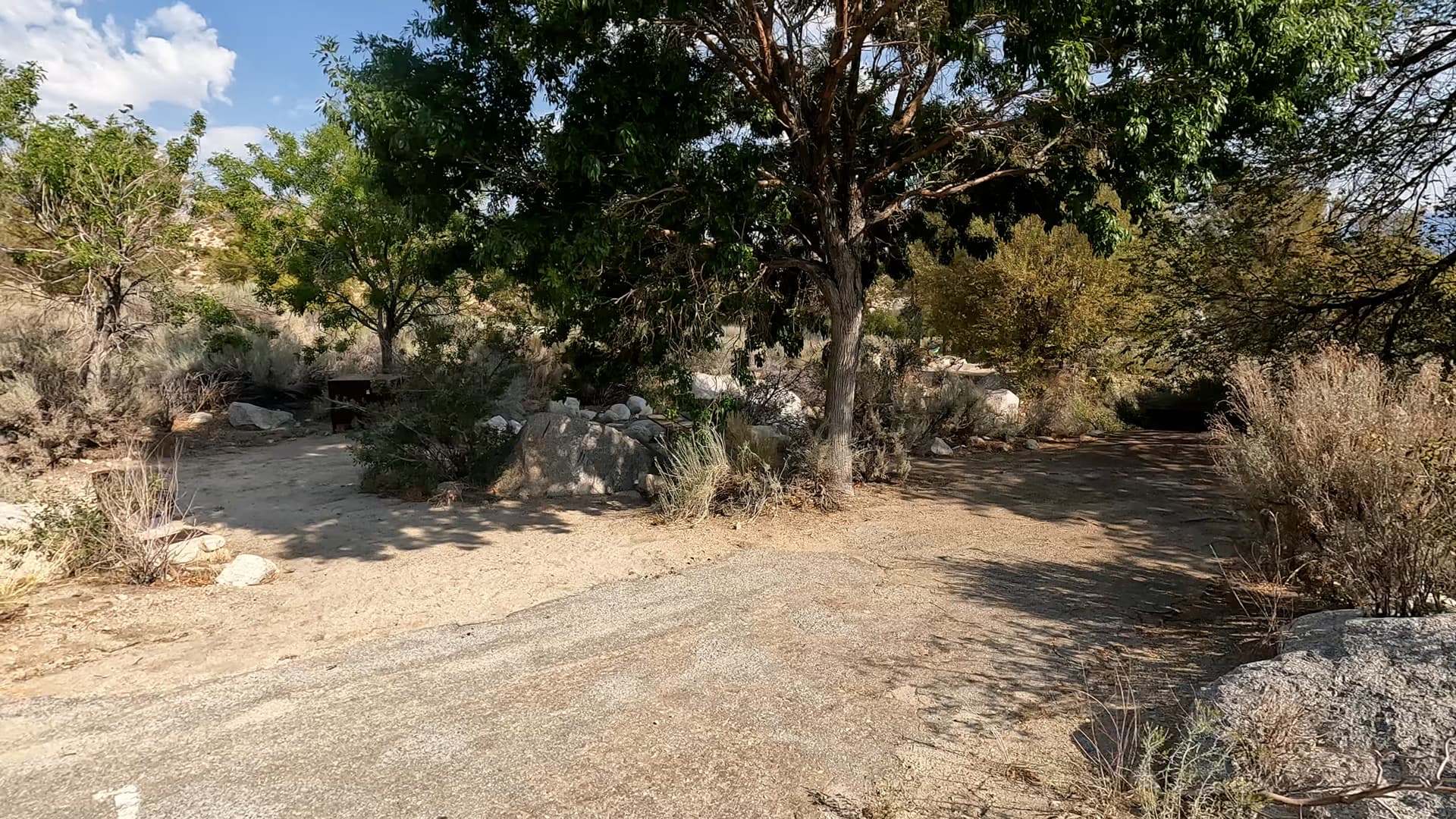
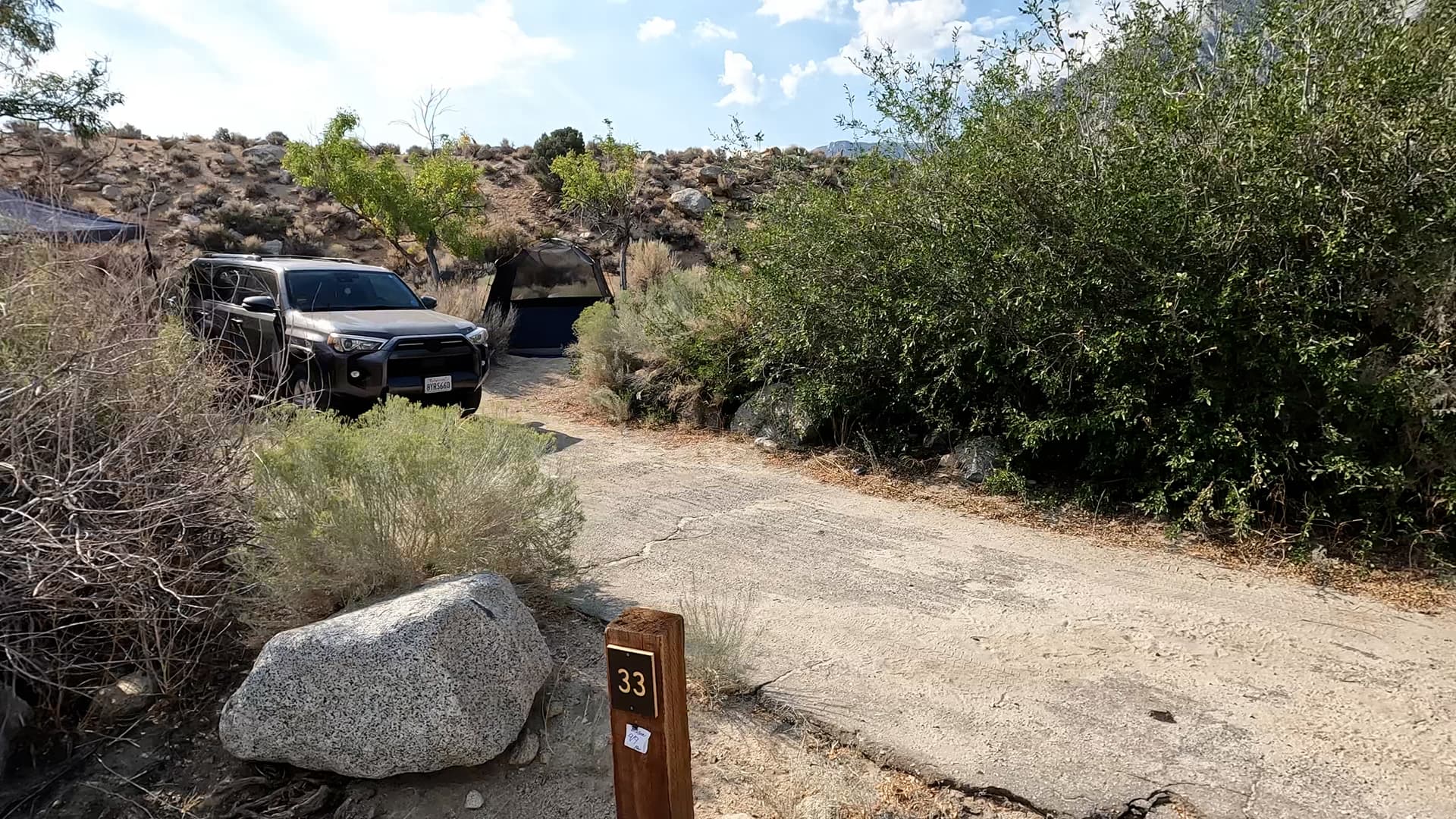
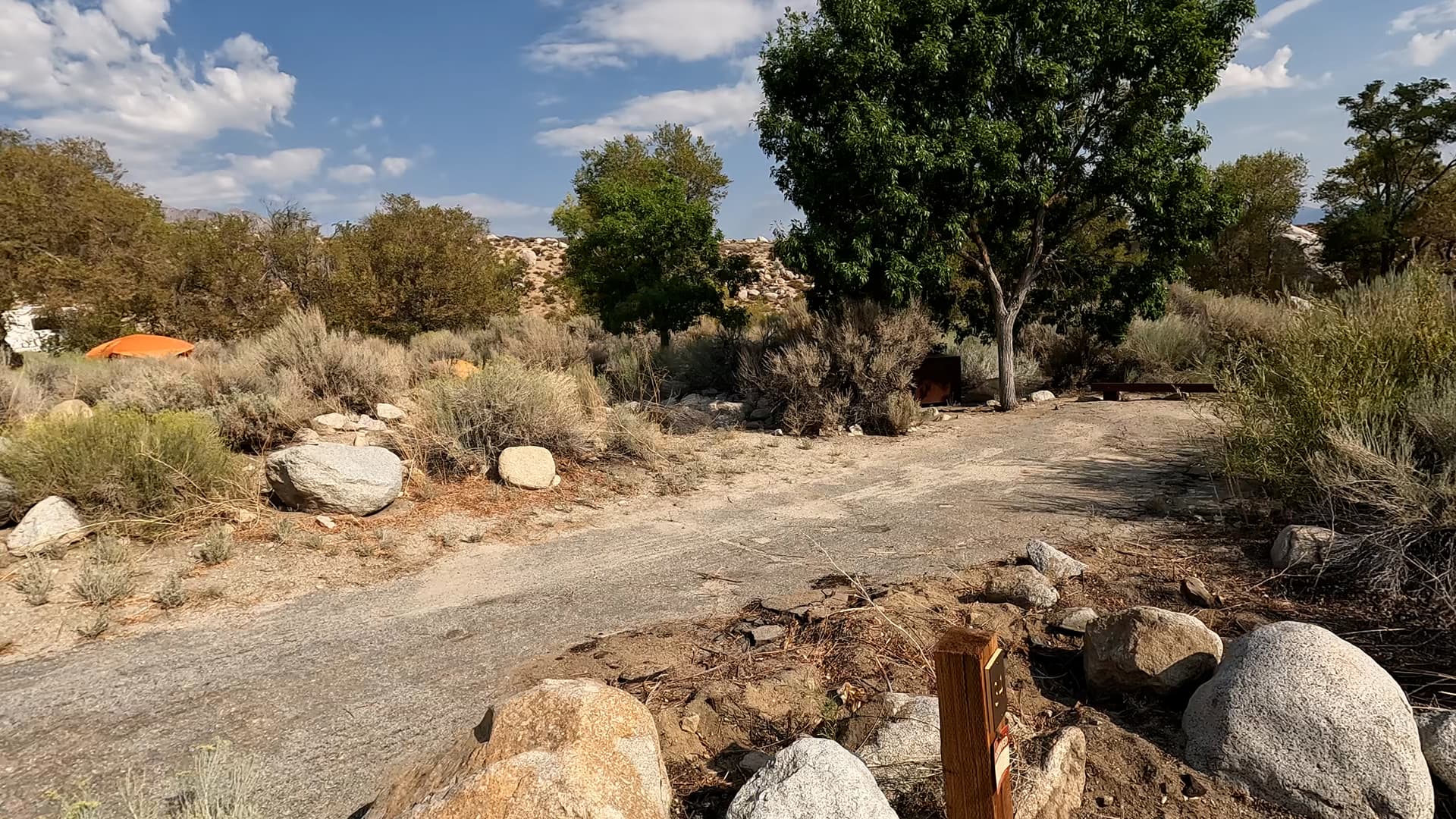
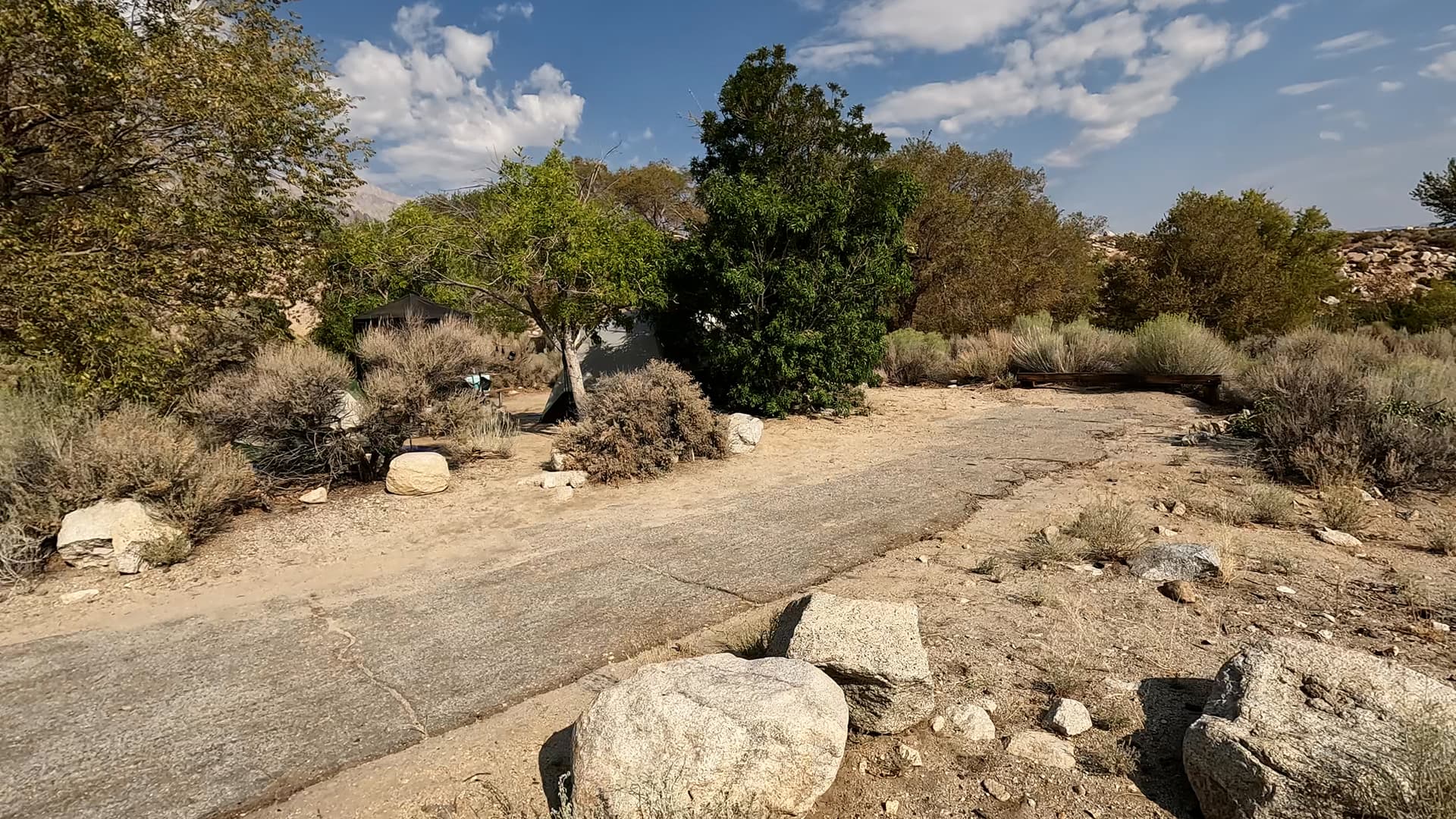
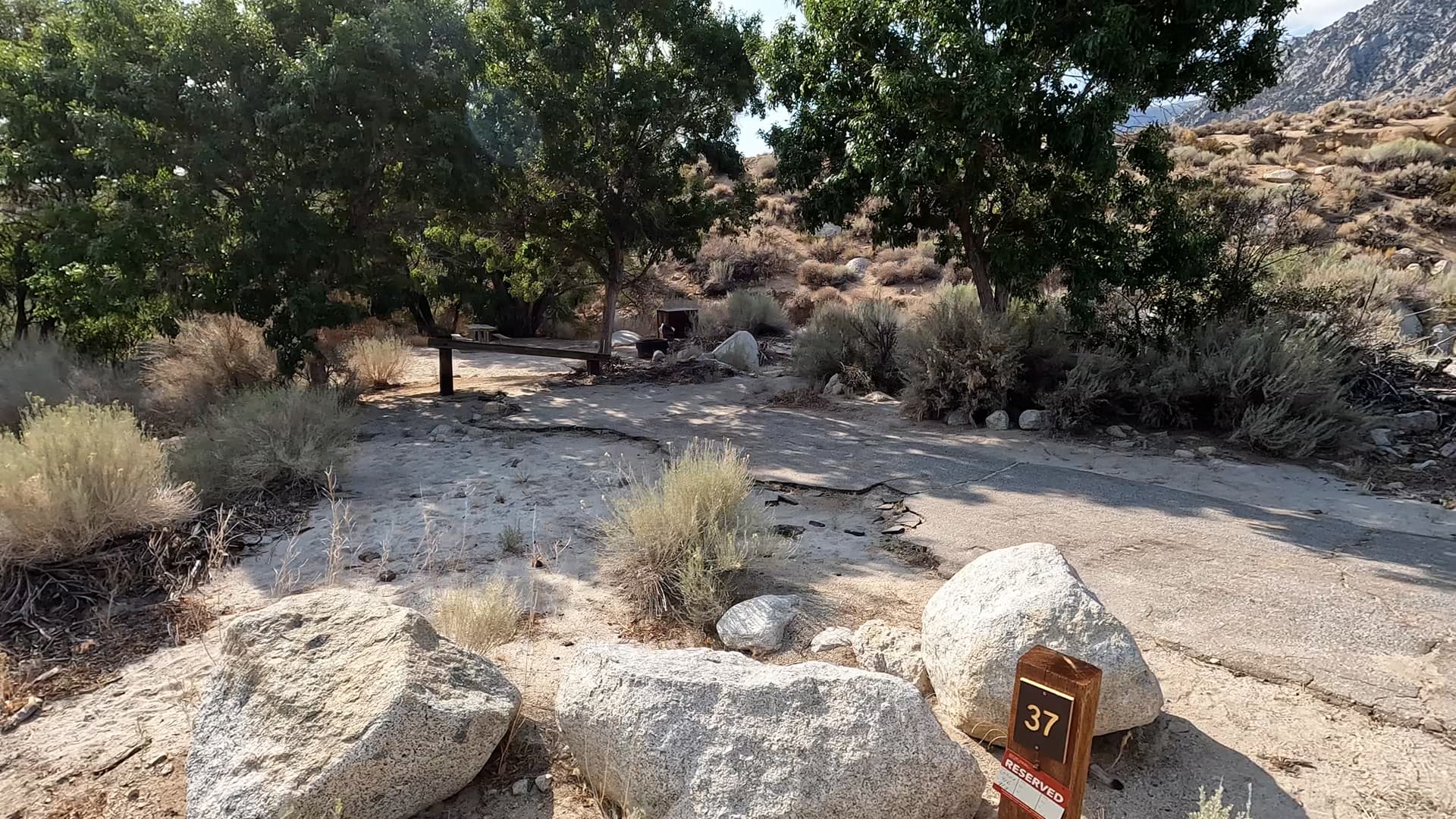
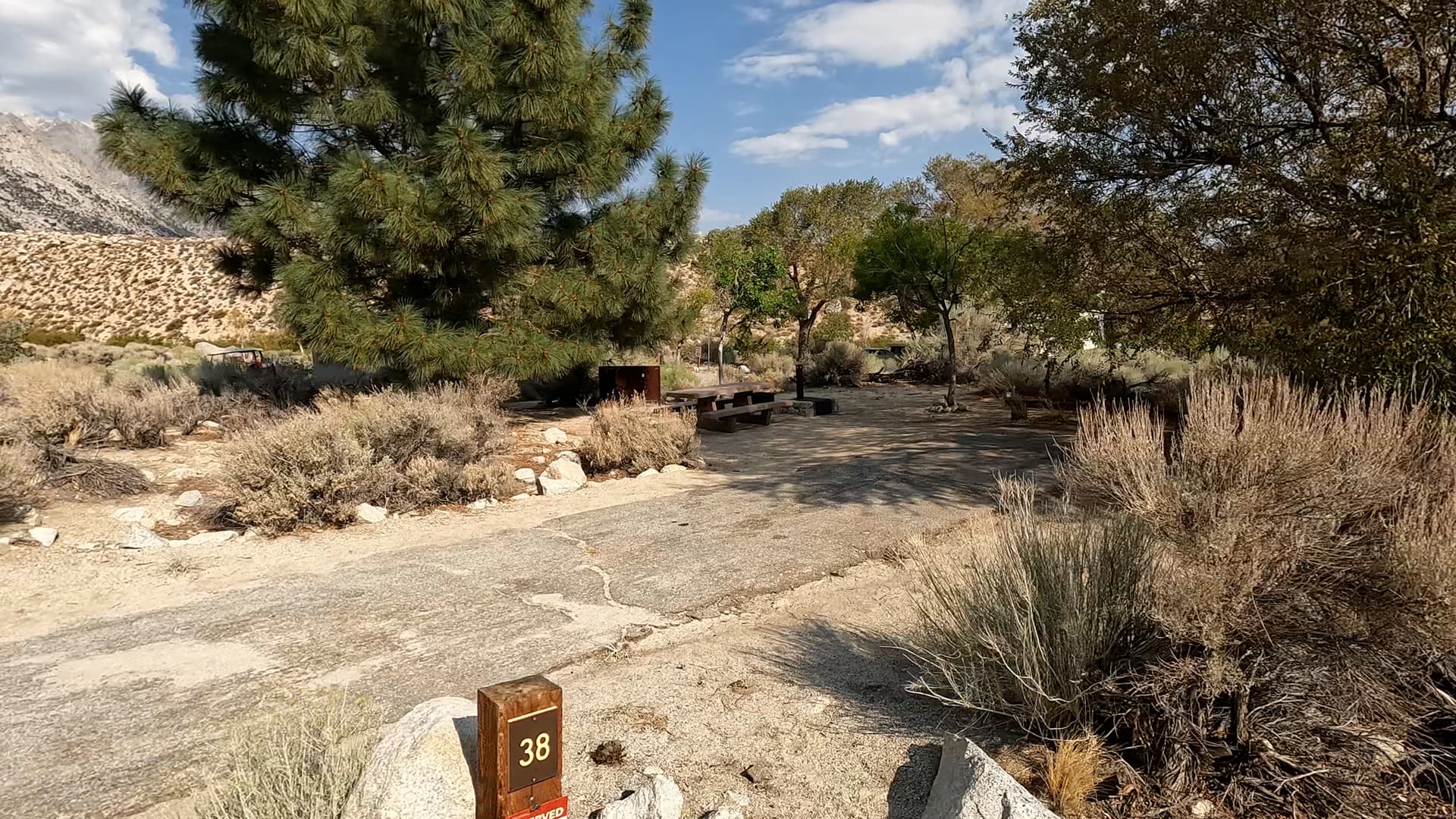
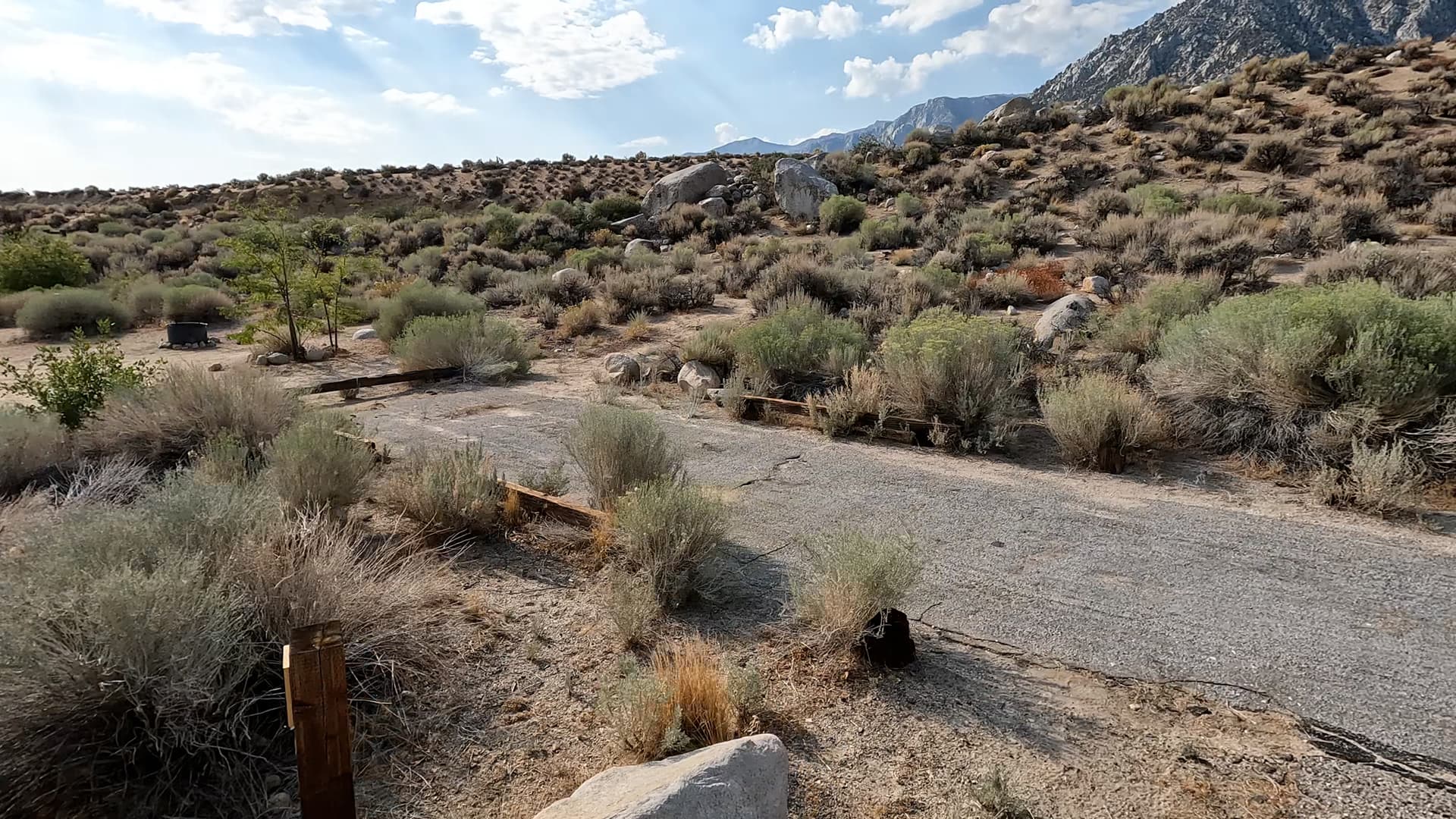
Lone Pine Campground offers a mix of tent, trailer, and small RV sites, many with partial shade from scattered piñon and juniper. Campsites are spread out along the canyon floor, with some offering views up toward Mt. Whitney and others facing the broad Owens Valley. The campground has a rugged, natural feel—perfect for visitors who appreciate open terrain, granite boulders, and big-sky Eastern Sierra scenery. Because of its proximity to Whitney Portal Road, it is often used by hikers staging early-morning ascents or exploring the high-country trailheads.

Amenities

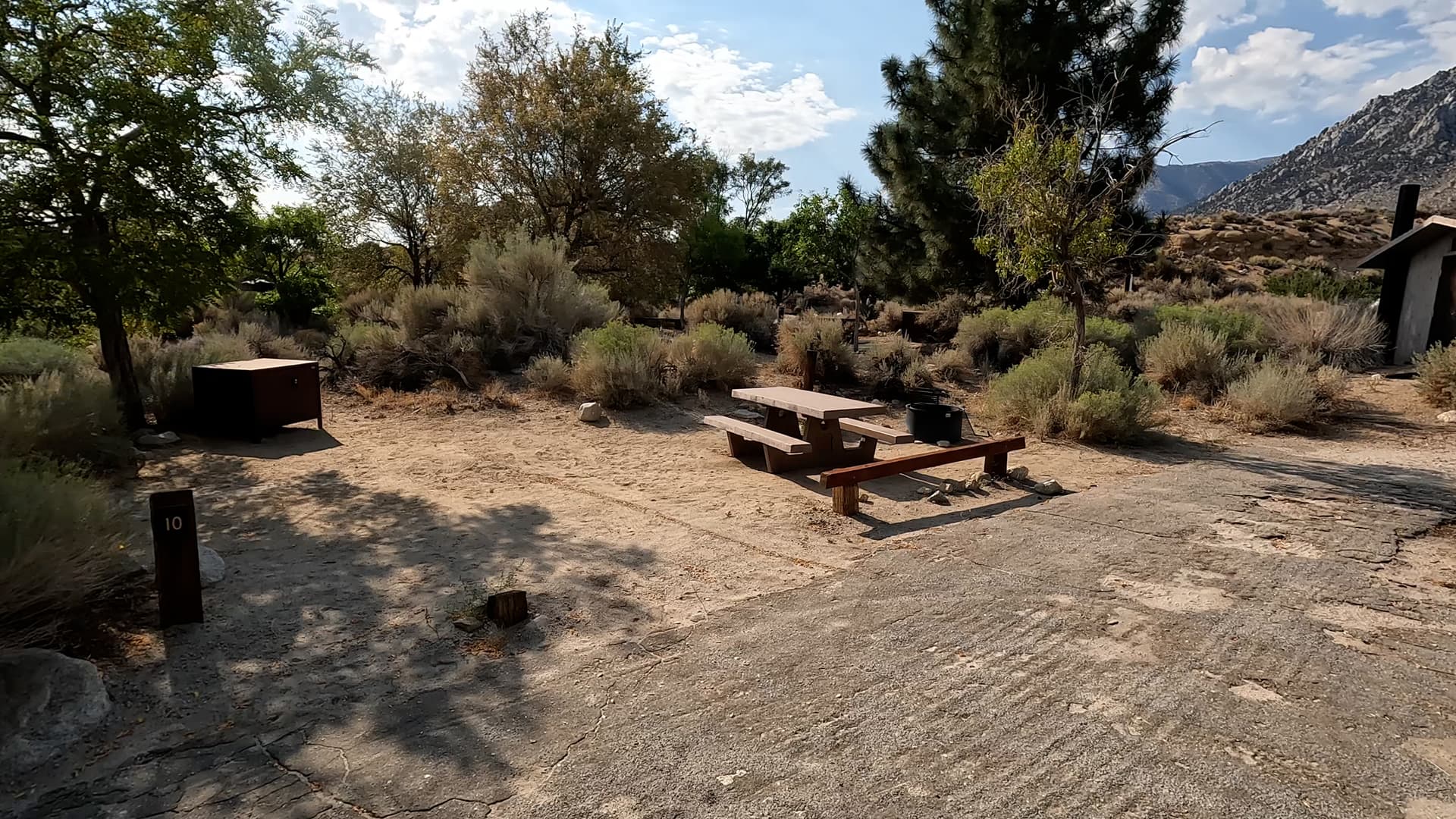
Campsites include picnic tables, fire rings, and bear-resistant food storage lockers—an important convenience due to bear activity in the Whitney area. The campground provides vault toilets and potable water during the main operating season. There are no hookups or dump stations. The nearby town of Lone Pine, just a short drive down the road, offers restaurants, groceries, gas, outdoor gear, and the excellent Museum of Western Film History. The convenience of services combined with a rustic forest setting makes Lone Pine Campground suitable for both short stays and longer adventures.

Activities & Nearby Recreation

Lone Pine Campground is ideally situated for exploring the Eastern Sierra’s most iconic features. The Alabama Hills—famous for their arches, movie sites, and golden granite formations—are minutes away and offer world-class photography, bouldering, scenic drives, and stargazing. Farther up the road, Whitney Portal provides trail access to Mt. Whitney, waterfall viewpoints, and shaded forest picnic areas. Additional recreation in the region includes fishing in local creeks and the Owens River, driving the scenic Whitney Portal Road, and exploring the high desert landscapes surrounding Lone Pine. Sunrises and sunsets from camp are spectacular, with alpenglow lighting up the Sierra Crest.

Summary

Lone Pine Campground offers a well-balanced blend of scenery, convenience, and natural atmosphere in one of California’s most dramatic mountain corridors. With sweeping views, proximity to Whitney Portal, easy access to the Alabama Hills, and a quiet forested layout, it serves as an outstanding base for hikers, photographers, and Eastern Sierra adventurers. For travelers seeking a beautiful and strategically located campground near Lone Pine, this Inyo National Forest gem is hard to beat.
Nearby Campgrounds