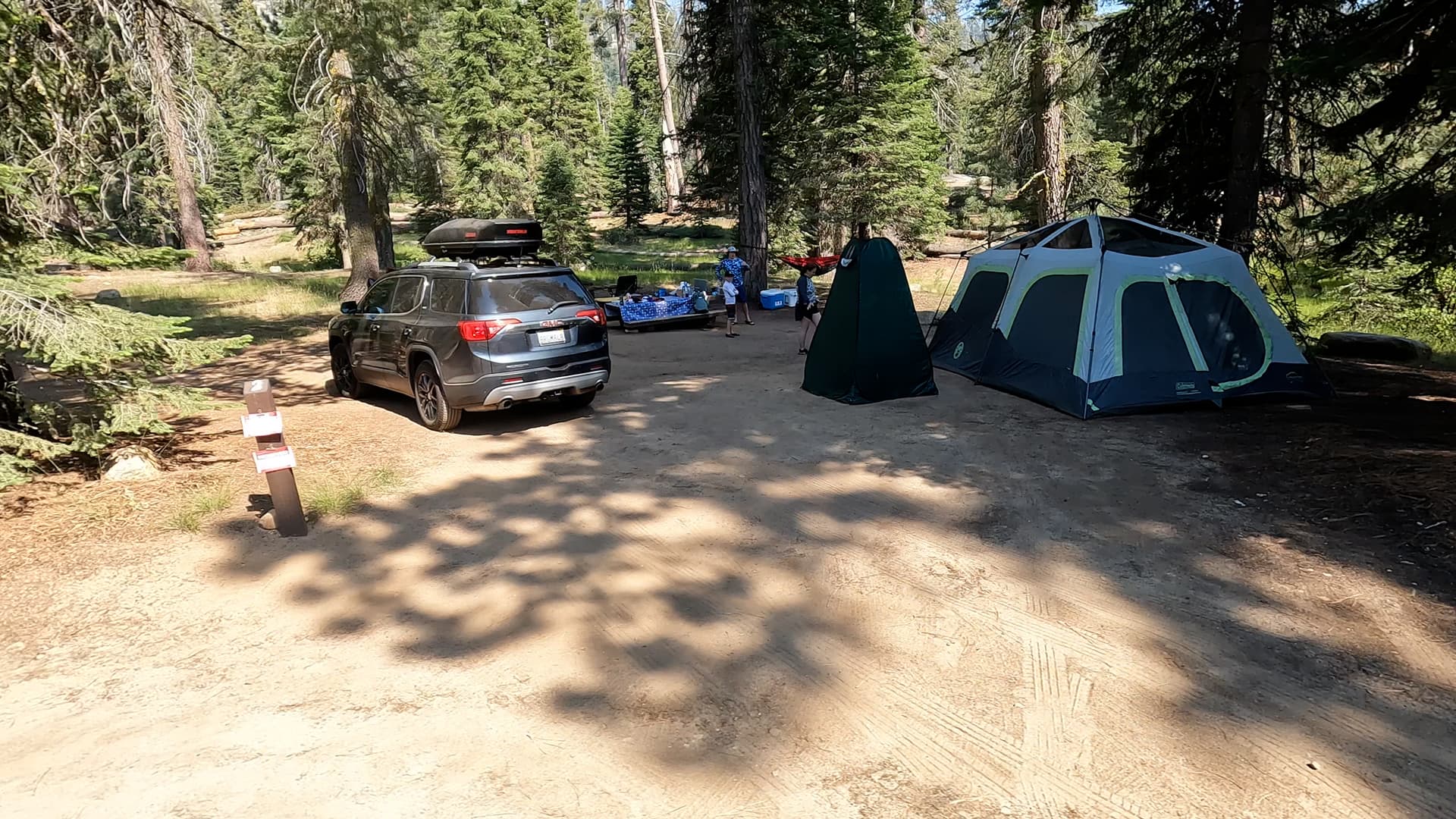
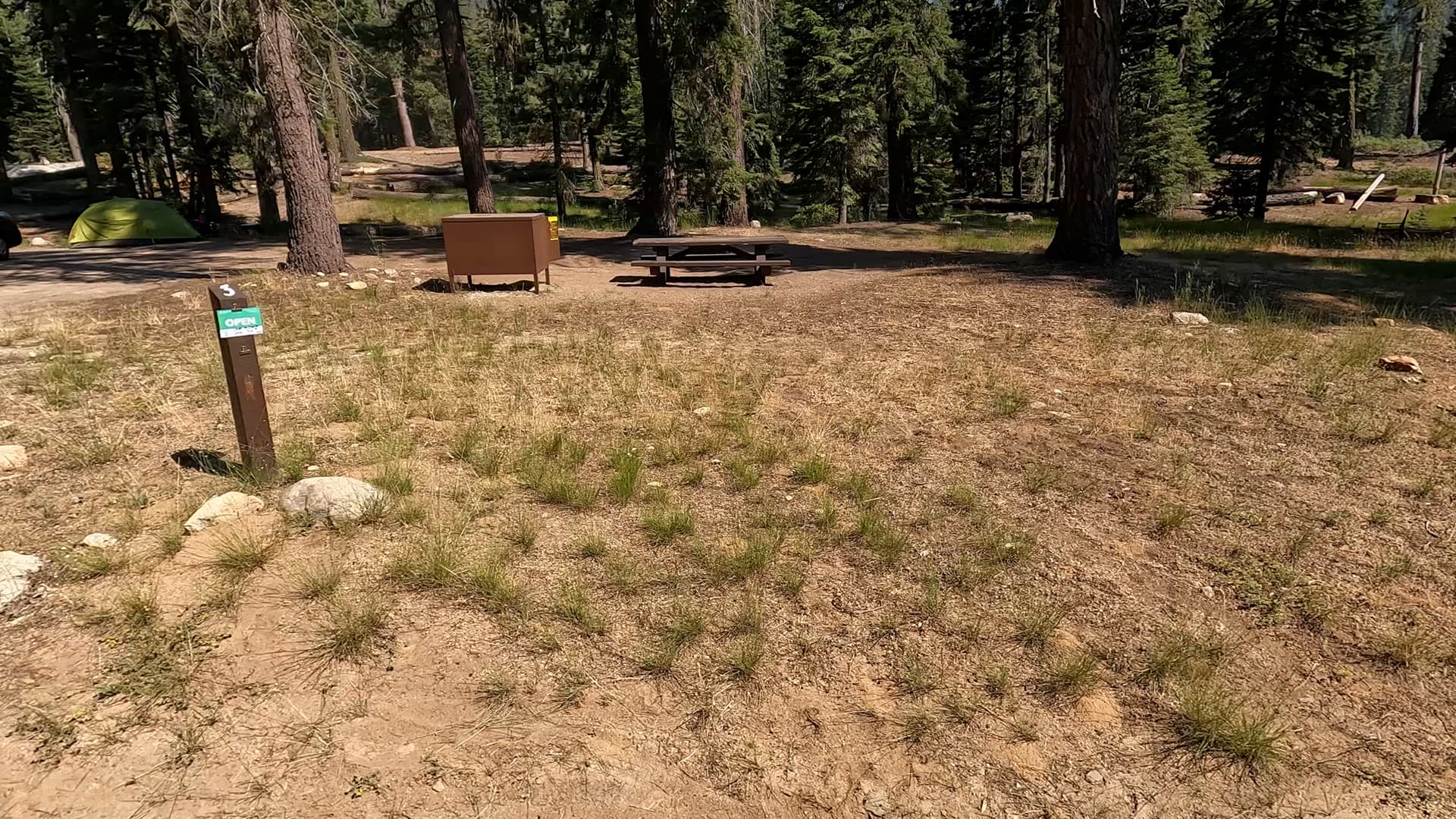
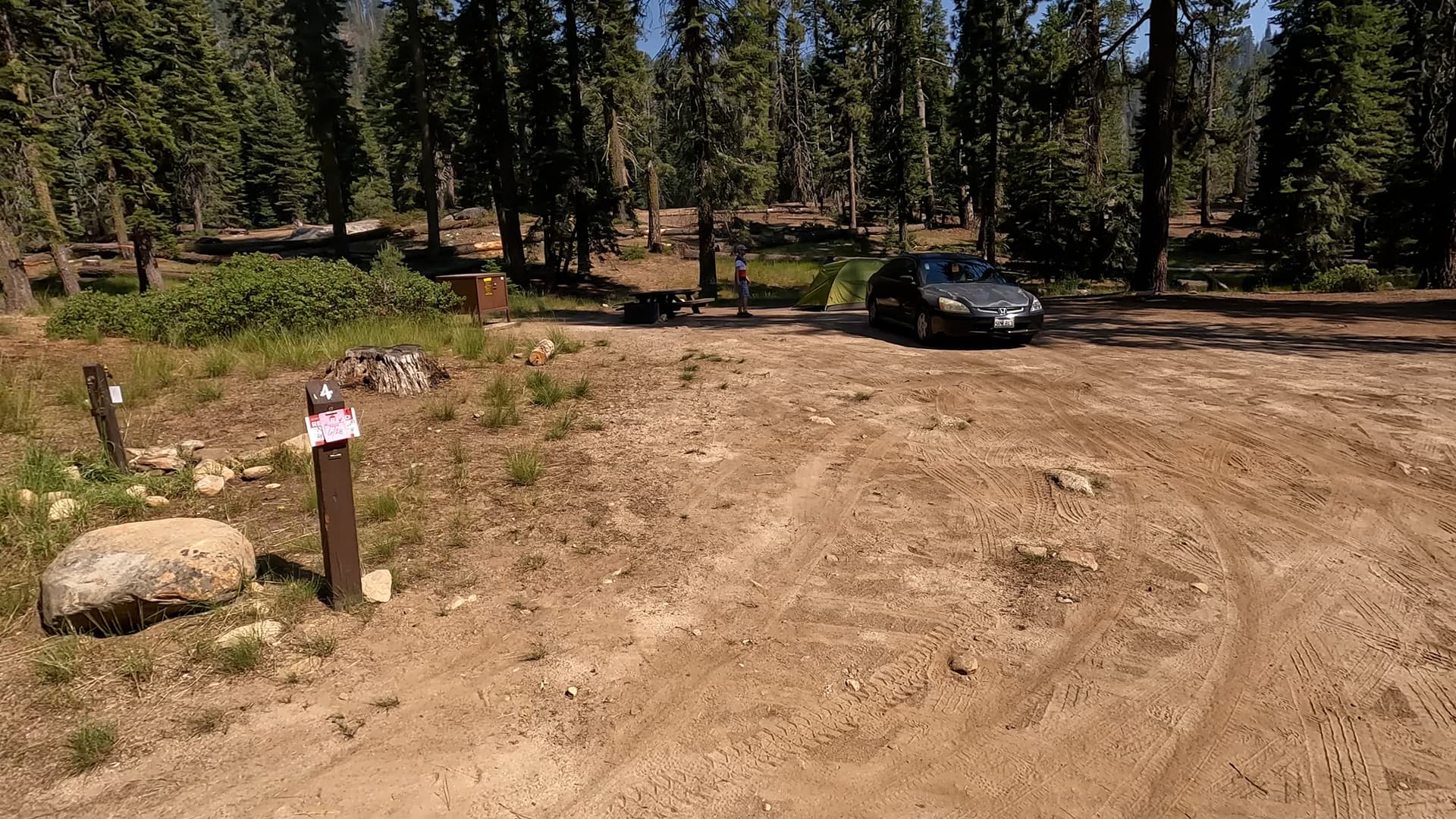
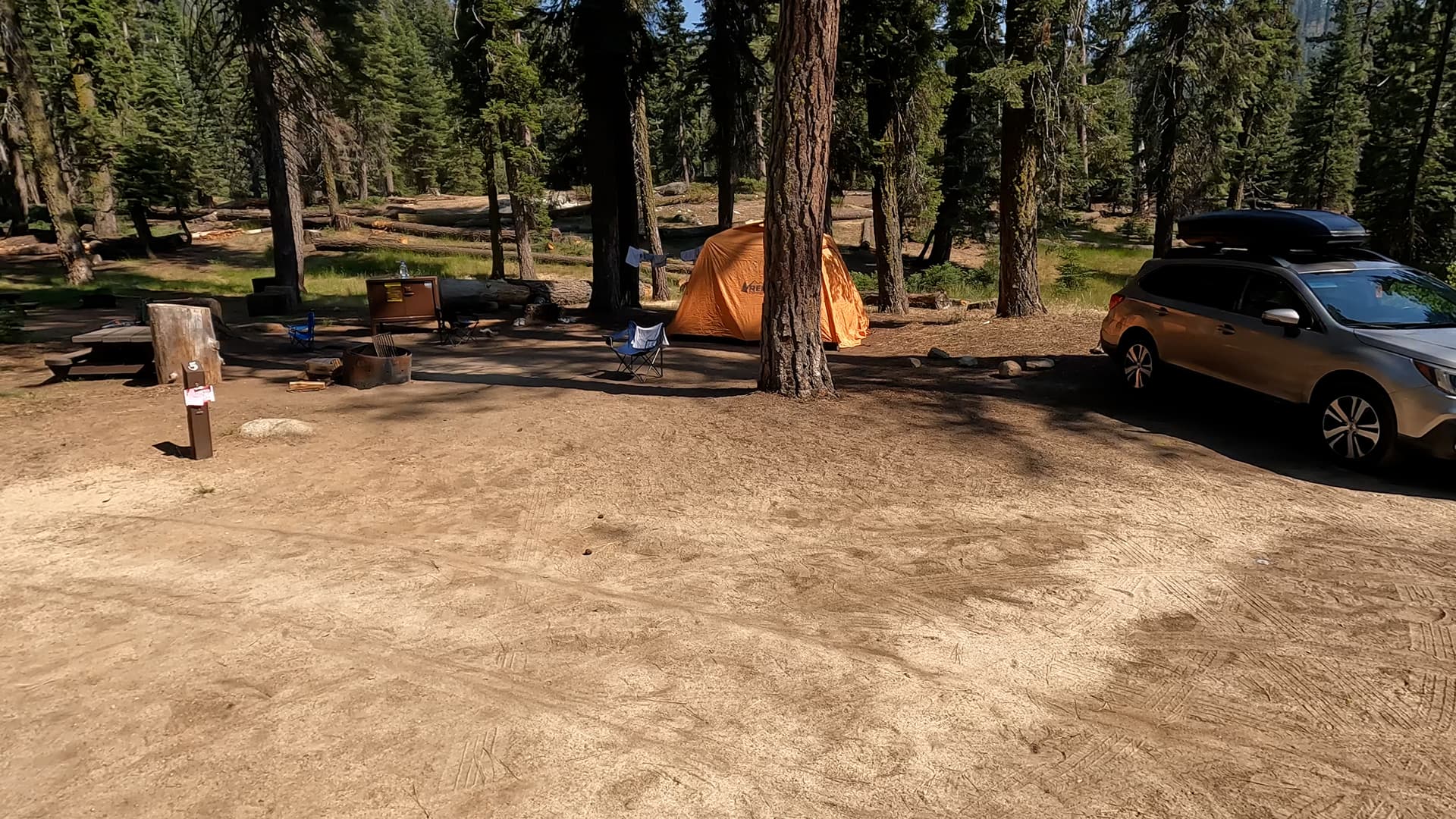
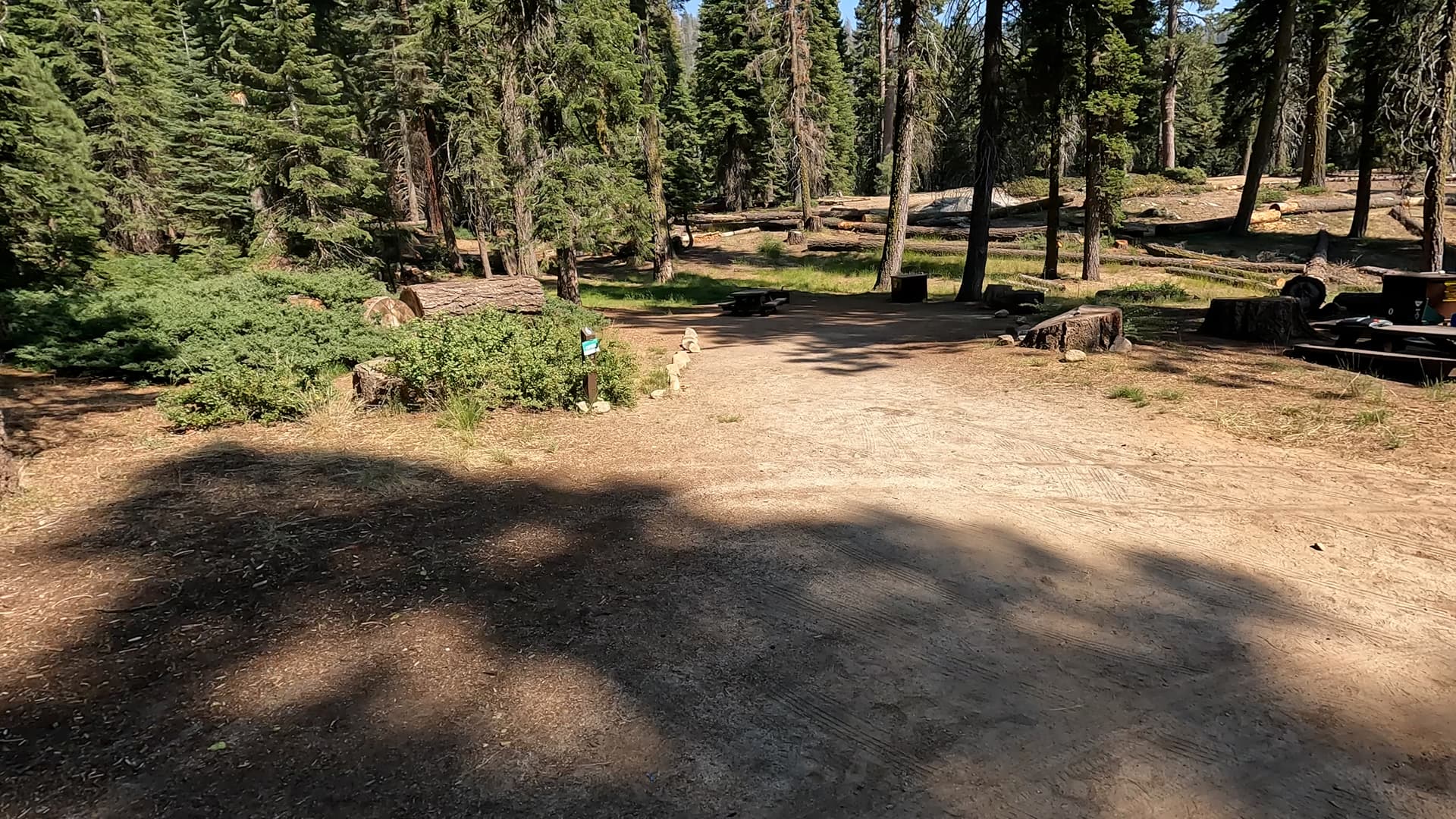
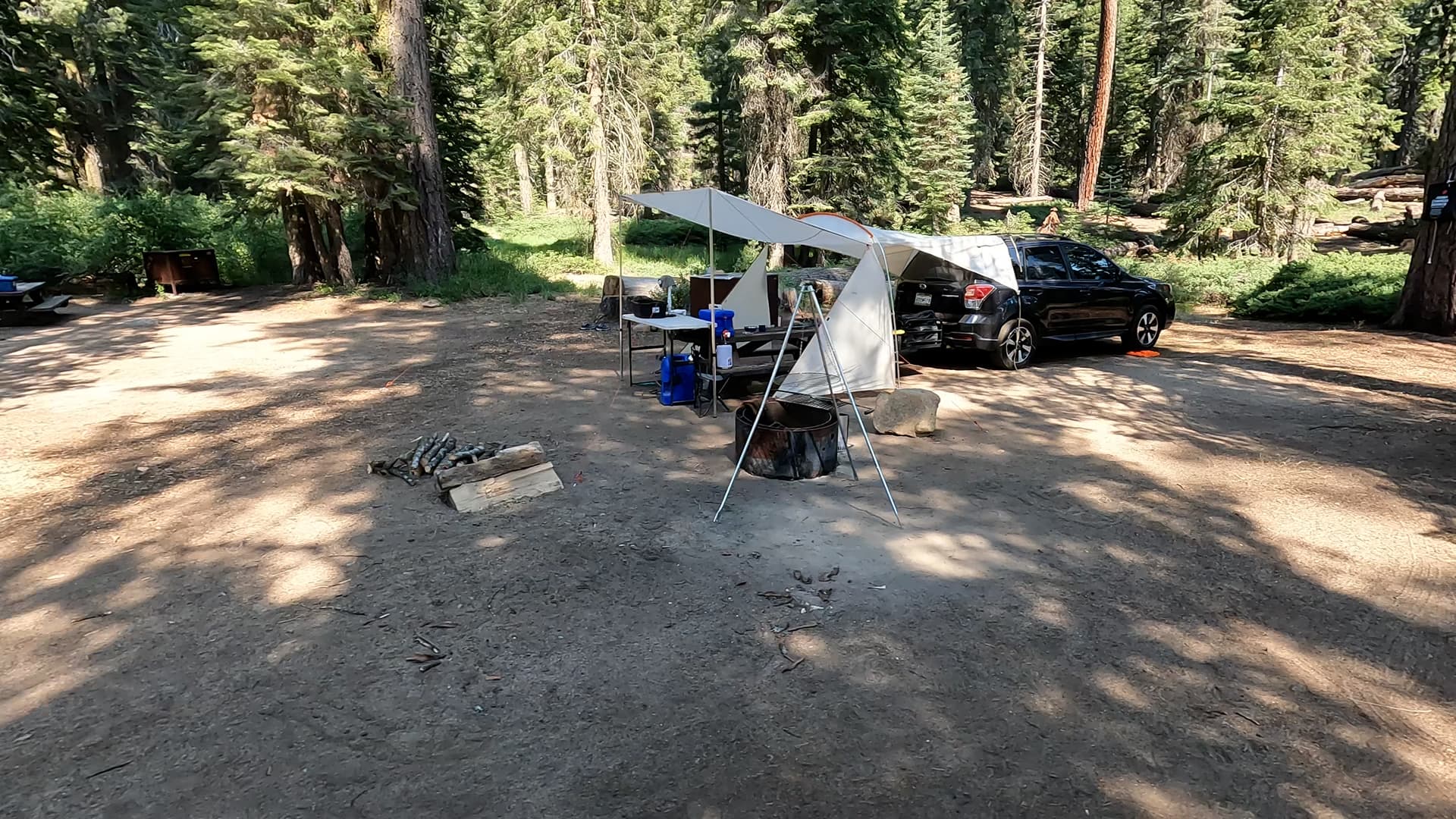
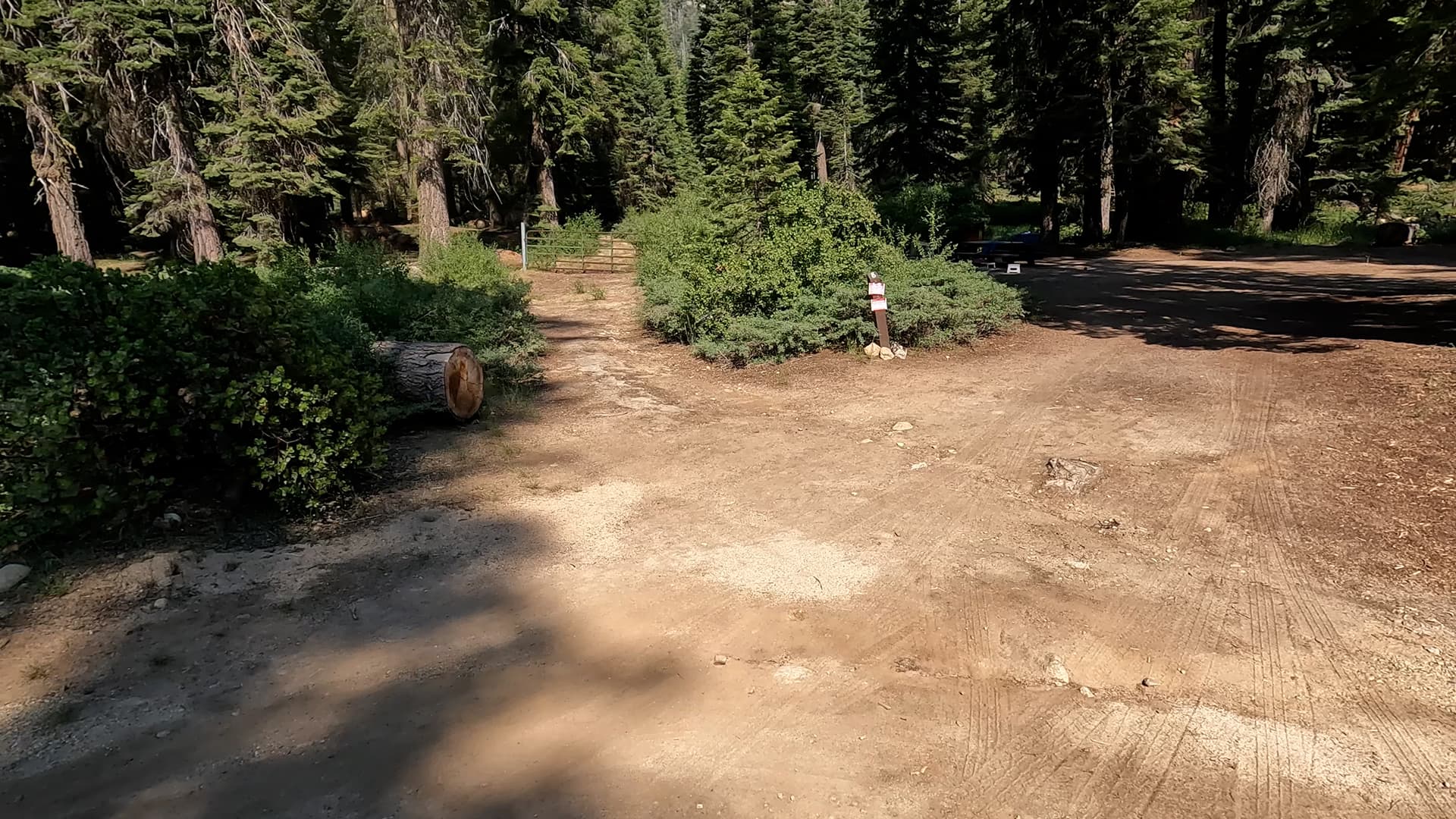
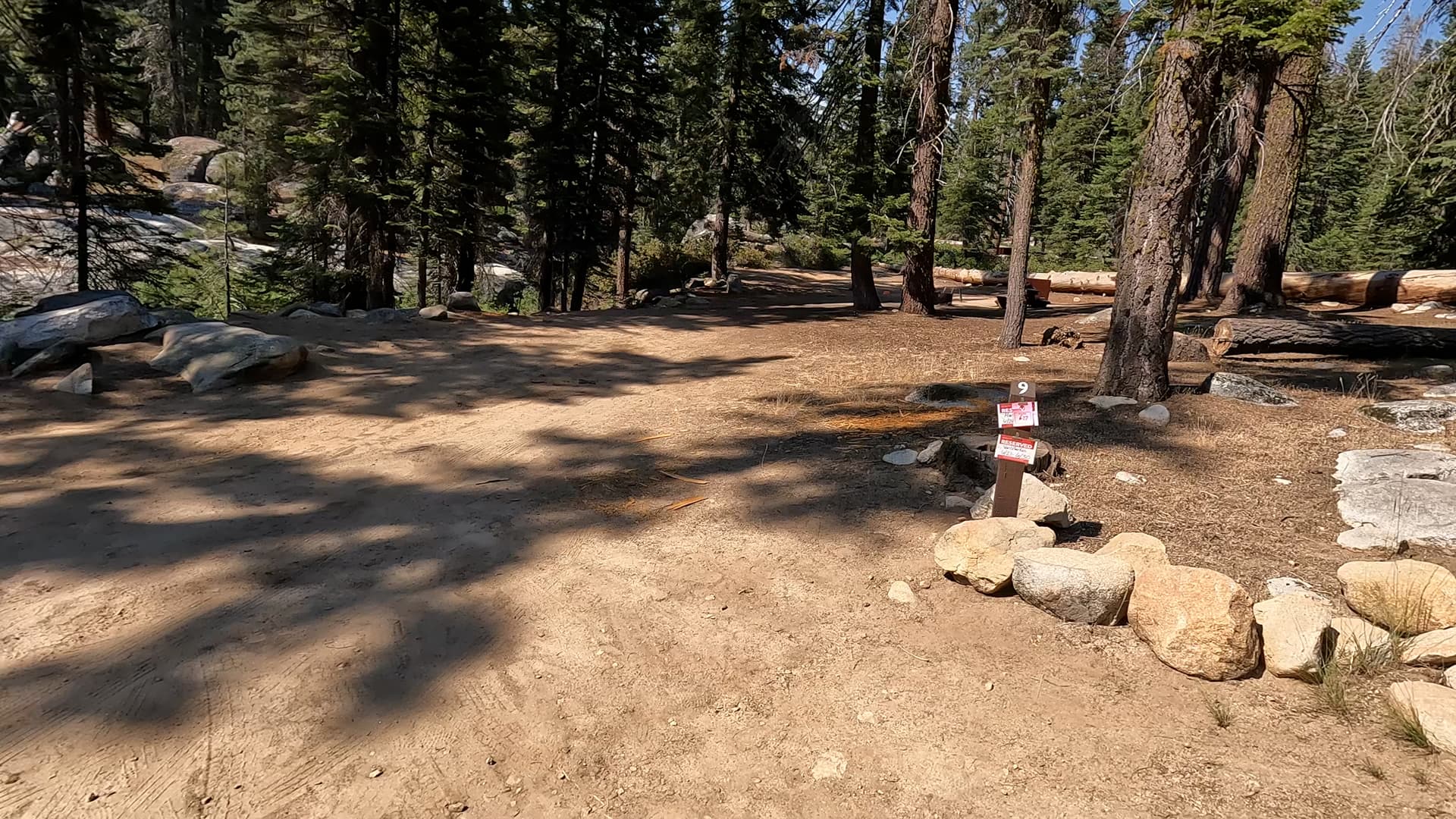
Upper Stony Creek
Sequoia
California
Date filmed:2024-06-26
Number of sites:19
GPS:36.666327, -118.8327671
Max vehicle length:30 Feet
Check in:12:00 pm
Check out:12:00 pm
Quiet hours:10:00 pm - 6:00 am

Amenities and Activities

Amenities
Drinking Water
Fire Ring
Picnic Table
RVs
Tents
Vault Toilets
Shade
Activities
Fishing
Hiking
Mountain Biking
Star Gazing
Bird Watching
Wildlife Viewing
Photography

Things to Do

Exploring Sequoia National Park

Giants of Nature and Breathtaking Views

Featured: Azalea, Eshom, Fairview, Goldledge, Headquarters, Hobo, Hospital Flat, Hume Lake, Landslide, Limestone, Lodgepole, Princess, Sandy Flat, Stony Creek, Sunset, Ten Mile, Upper Stony Creek, Wishon

Explore Sequoia National Park to witness the towering General Sherman Tree, scale the breathtaking heights of Moro Rock, and wander through the serene Parker Group. Discover the natural beauty of these iconic landmarks. Sequoia National Park is home to some of the most iconic natural landmarks in the world, including the towering General Sherman Tree. This ancient giant sequoia stands at an impressive 275 feet and is the largest known living single-stem tree on Earth by volume. Located in the Giant Forest, the General Sherman Tree is a testament to the incredible scale and age of these majestic trees, some of which are over 2,000 years old. Visitors can reach the tree via a short, scenic trail that offers various viewpoints, each highlighting its immense size and grandeur. Another highlight of Sequoia National Park is Moro Rock, a massive granite dome that offers breathtaking panoramic views of the surrounding landscape. Climbing to the top involves a steep ascent of 350 steps, leading to an elevation of 6,725 feet. The effort is well worth it, as the summit provides stunning vistas of the Sierra Nevada mountains and the Central Valley below. Nearby, the Parker Group—a cluster of ancient sequoias—adds to the park's allure, offering a serene and awe-inspiring experience as visitors stroll among these towering giants. Together, these sites capture the natural beauty and wonder that define Sequoia National Park.

Embark on a breathtaking journey as we descend into the depths of Kings Canyon, winding our way to the iconic Road's End. Witness the rugged beauty and awe-inspiring landscapes that define this epic adventure. Embarking on a journey into Kings Canyon is like stepping into a world untouched by time. The descent into this magnificent natural wonder reveals a landscape of towering granite walls, cascading waterfalls, and dense forests. As the road winds deeper into the canyon, the sheer scale and grandeur of the scenery become more apparent, with each turn offering new, awe-inspiring vistas. The drive to Road's End is more than just a journey; it's an immersion into the heart of one of the most spectacular canyons in North America. Along the way, you'll pass by the roaring Kings River, whose powerful currents have carved the canyon over millennia. The towering cliffs on either side seem to close in as you descend, creating a sense of intimacy and isolation that is both humbling and exhilarating. At Road's End, the pavement ends, but the adventure is far from over. This remote outpost serves as the gateway to some of the most challenging and rewarding backcountry trails in the Sierra Nevada. Whether you're setting off on a multi-day backpacking trip or simply taking in the views, the sense of reaching the "end of the road" is profound. It's a place where the journey culminates, and the wild beauty of Kings Canyon takes center stage. As you stand at Road's End, surrounded by the towering peaks and deep wilderness, you'll feel a connection to the timeless rhythms of nature. The descent into Kings Canyon is not just a physical journey, but a passage into a landscape that inspires wonder and reflection. This video captures the essence of that journey, from the first twist of the road to the awe-inspiring conclusion at Road's End.

In Sequoia National Forest, the towering General Grant Tree stands as a symbol of nature's grandeur, along with the historic Converse Basin Grove. This remarkable area invites exploration of ancient giants that have witnessed centuries. Nestled within the heart of Sequoia National Forest, the General Grant Tree stands as a living monument to nature's grandeur and resilience. As the second-largest tree in the world by volume, this colossal giant has earned the title of "The Nation's Christmas Tree," symbolizing both the majestic beauty and enduring strength of the ancient sequoias. Towering over 267 feet and with a base circumference of nearly 107 feet, the General Grant Tree is not just a natural wonder but a living testament to the awe-inspiring power of the natural world. A visit to the General Grant Tree is often the highlight of a journey through the Sequoia National Forest, but the surrounding areas hold equally fascinating stories. Just a short distance away lies the Converse Basin Grove, a hauntingly beautiful area that once boasted one of the largest sequoia groves in the world. In the late 19th century, the grove was heavily logged, and today, only a few of these ancient giants remain standing. Walking through the grove, visitors are confronted with the stumps of felled sequoias, a stark reminder of the consequences of human activity on natural landscapes. Despite this, the Converse Basin Grove offers a unique opportunity to witness both the resilience and fragility of these ancient trees, as new growth emerges among the remnants of the past. One of the most poignant symbols of this history is the Chicago Stump, a massive remnant of a once-mighty sequoia that was cut down in 1893. This tree, known as the "General Noble Tree," was felled to be displayed at the World’s Columbian Exposition in Chicago, where sections of it were reconstructed to showcase the marvels of California’s giant sequoias. Today, the Chicago Stump serves as a somber reminder of the cost of progress, standing as a monument to what was lost in the name of exhibition and expansion. It is a powerful contrast to the still-living giants that surround it, offering a reflective moment for those who visit. Together, the General Grant Tree, Converse Basin Grove, and Chicago Stump tell a complex story of nature's grandeur, human impact, and the ongoing efforts to preserve these irreplaceable treasures. As visitors walk among these giants, they are invited to reflect on the importance of conservation and the legacy that we leave for future generations. Sequoia National Forest is not just a destination for nature lovers; it is a place of profound significance, where the past, present, and future of these ancient forests converge.

Embark on a stunning ride from Belknap Campground to the breathtaking Kings Canyon. Journey through towering sequoias, winding mountain roads, and scenic vistas, capturing the essence of nature's grandeur in every twist and turn. Join us on an unforgettable ride-along as we journey from the serene Belknap Campground to the majestic Kings Canyon. This route offers a unique blend of towering ancient sequoias, winding mountain roads, and breathtaking vistas that perfectly capture the beauty and grandeur of California’s wilderness. From the moment you leave the campground, the towering giants of the forest welcome you, their massive trunks and sprawling branches creating a natural cathedral that has stood for millennia. As you wind your way through the forest, the road opens up to reveal sweeping views of the Sierra Nevada mountains. The contrast between the dense, shaded forest and the bright, sunlit peaks creates a mesmerizing landscape, each turn offering a new perspective on this diverse and dynamic environment. Along the way, you'll pass through a variety of ecosystems, from the lush greenery of the lower elevations to the rocky outcrops and alpine meadows higher up. The journey culminates in Kings Canyon, one of the deepest canyons in North America. Here, the towering cliffs and rugged terrain serve as a dramatic backdrop to the tranquil rivers and waterfalls that carve their way through the landscape. This natural wonder is not just a destination but a journey through time, where every mile traveled reveals new stories etched into the rock and soil by the forces of nature. Whether you’re an adventurer at heart or simply seeking a moment of peace in nature, this ride-along offers a window into one of California’s most iconic and awe-inspiring landscapes. So, sit back, relax, and let the beauty of the High Sierra unfold before your eyes. Whether you’re planning your next outdoor adventure or simply dreaming of one, this journey from Belknap Campground to Kings Canyon is sure to inspire and captivate.

Kaiser Pass Road in California's High Sierra winds through stunning alpine scenery, leading to remote lakes, trails, and campsites. Its narrow, steep sections challenge drivers, but the breathtaking views make it worthwhile. Kaiser Pass Road in the High Sierra of California is a rugged and scenic route that takes travelers deep into the heart of the Sierra Nevada. Winding through pine forests and granite peaks, the road offers stunning views of pristine alpine lakes and lush meadows. Starting near Huntington Lake, it climbs steadily to over 9,000 feet, leading to remote destinations such as Florence Lake, Edison Lake, and Mono Hot Springs. For outdoor enthusiasts, this road is a gateway to some of the region’s best hiking, fishing, and camping opportunities. The road is narrow, with steep drop-offs and hairpin turns, making it a challenging drive, especially for larger vehicles. Despite its difficulties, Kaiser Pass Road attracts those seeking solitude and natural beauty. In winter, snow closes the road, making it accessible only during the warmer months. Whether you’re heading to the backcountry or simply taking in the breathtaking vistas, Kaiser Pass Road offers a unique and memorable journey through California’s High Sierra wilderness.

Sequoia: God of the Woods

Learn About Sequoia Trees on the Trail of 100 Giants

Featured: Camp Three, Coy Flat, Eshom, Fairview, Goldledge, Headquarters, Hobo, Hospital Flat, Hume Lake, Limestone, Landslide, Lodgepole, Princess, Sandy Flat, Stony Creek, Sunset, Ten Mile, Upper Stony Creek, Wishon

Dive into the secrets of sequoia trees in this enlightening video, delving into their fascinating facts and the scientific wonders that make them true natural marvels. Sequoia trees, scientifically classified as members of the genus Sequoia in the cypress family, are renowned for their colossal size and longevity. The two main species are the coastal redwood (Sequoia sempervirens) and the giant sequoia (Sequoiadendron giganteum). These ancient beings can live for thousands of years, with some specimens dating back more than 3,000 years. Remarkably, the enormous size of sequoias is largely attributed to their ability to capture and store carbon dioxide through photosynthesis. Their needle-like leaves, arranged in spirals along the branches, efficiently absorb sunlight, converting it into energy. Additionally, the thick, fire-resistant bark provides protection against natural disasters such as wildfires. Sequoias reproduce through both sexual and asexual means. The cones of these trees contain seeds, but they often rely on fire to open the cones and release the seeds. The heat allows the seeds to fall onto fertile soil, creating an environment conducive to germination. Furthermore, sequoias can sprout from their burls, which are bulbous growths on the trunk that house dormant buds. Human activity and climate change pose threats to these ancient giants. Conservation efforts strive to protect their habitats and promote sustainable practices. Sequoia trees stand not only as magnificent examples of nature's grandeur but also as crucial players in the intricate dance of ecosystems and climate regulation. Understanding the science behind their endurance and reproduction aids in preserving these living monuments for generations to come.

The Trail of 100 Giants

Long Meadow Grove | Sequoia National Forest

Featured: Camp Three, Coy Flat, Eshom, Fairview, Goldledge, Headquarters, Hobo, Hospital Flat, Hume Lake, Landslide, Limestone, Lodgepole, Princess, Sandy Flat, Sunset, Ten Mile, Upper Stony Creek, Wishon

Tucked away in Sequoia National Forest is a grove of unfathomably large sequoia trees that span as much as 20 feet in diameter and 220 feet in height. The Trail of 100 Giants is a popular and easy way to experience the size and scale of these giants. On April 15, 2000, President William J. Clinton proclaimed beneath one of the grander trees in the forest that the land would be established as Giant Sequoia National Monument. Trees within this boundary are thought to be as old as 1500 years old. These giant trees only grow within a small section on the western side of the Sierra Nevada due to favorable altitude, climate, and soil conditions. Reproduction is slow as generally, only fire opens the pine cones which release seeds for new growth. Thankfully the trees are incredibly fire-resistant. When visiting the grove, one can see evidence of prior fires and note that their bark is quite hard and thick - some areas up to three feet thick! The Trail of 100 Giants is located within Sequoia National Forest, south of the similarly named Sequoia National Park. The grove covers 341 acres and within it are more than 100 sequoia trees that measure over 10 feet in diameter and several hundred more that measure under 10 feet. The largest tree in the grove is 20 feet in diameter and roughly 220 feet tall. The actual trail itself is 1.3 miles and mostly paved with asphalt except for some sections where fallen trees have blocked portions. A dirt path goes around the tree, however, for those wanting to really experience the size of these trees, they can even climb on top of it.

Campground Overview

Upper Stony Creek Campground – Sequoia National Forest, California

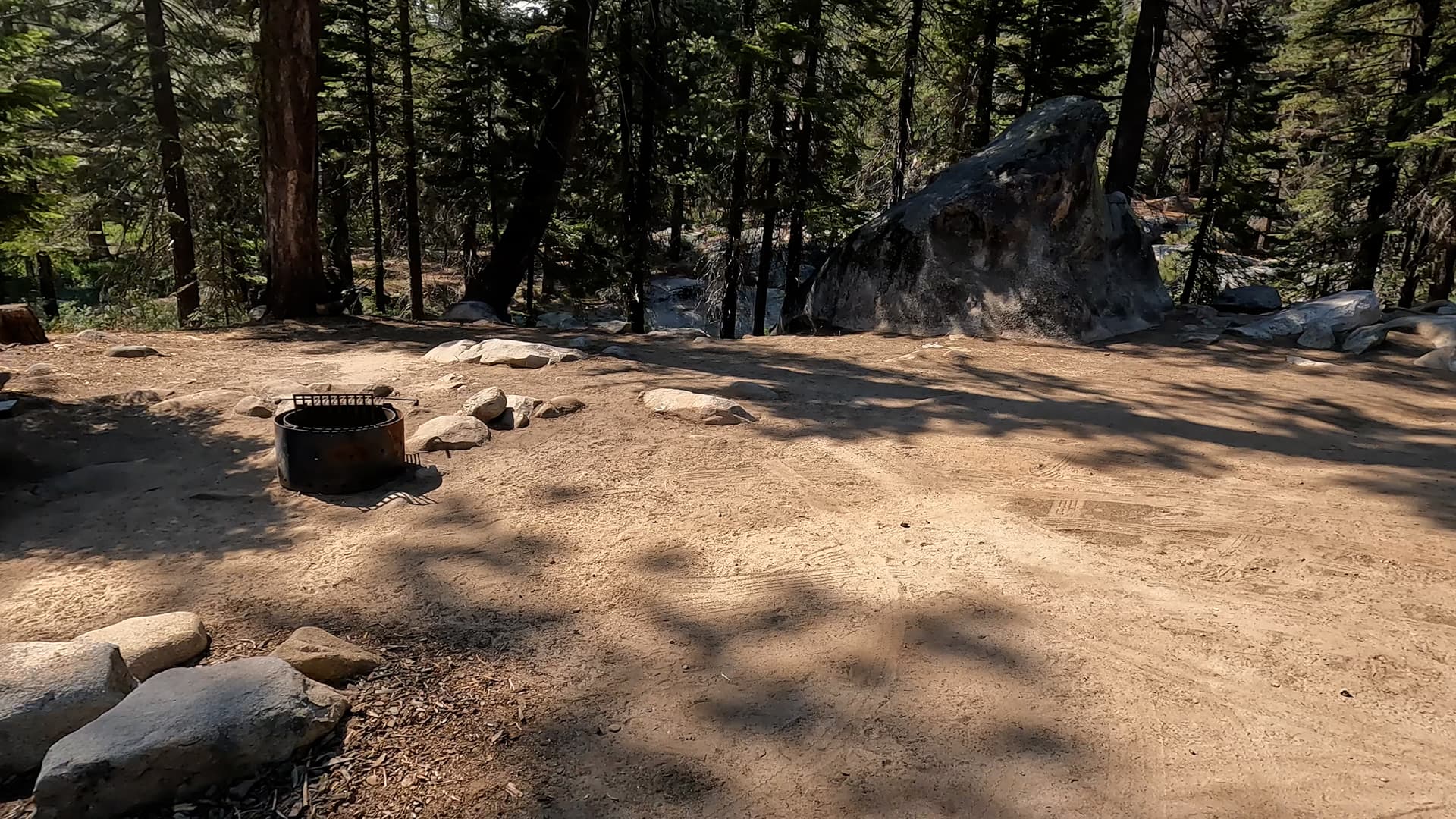
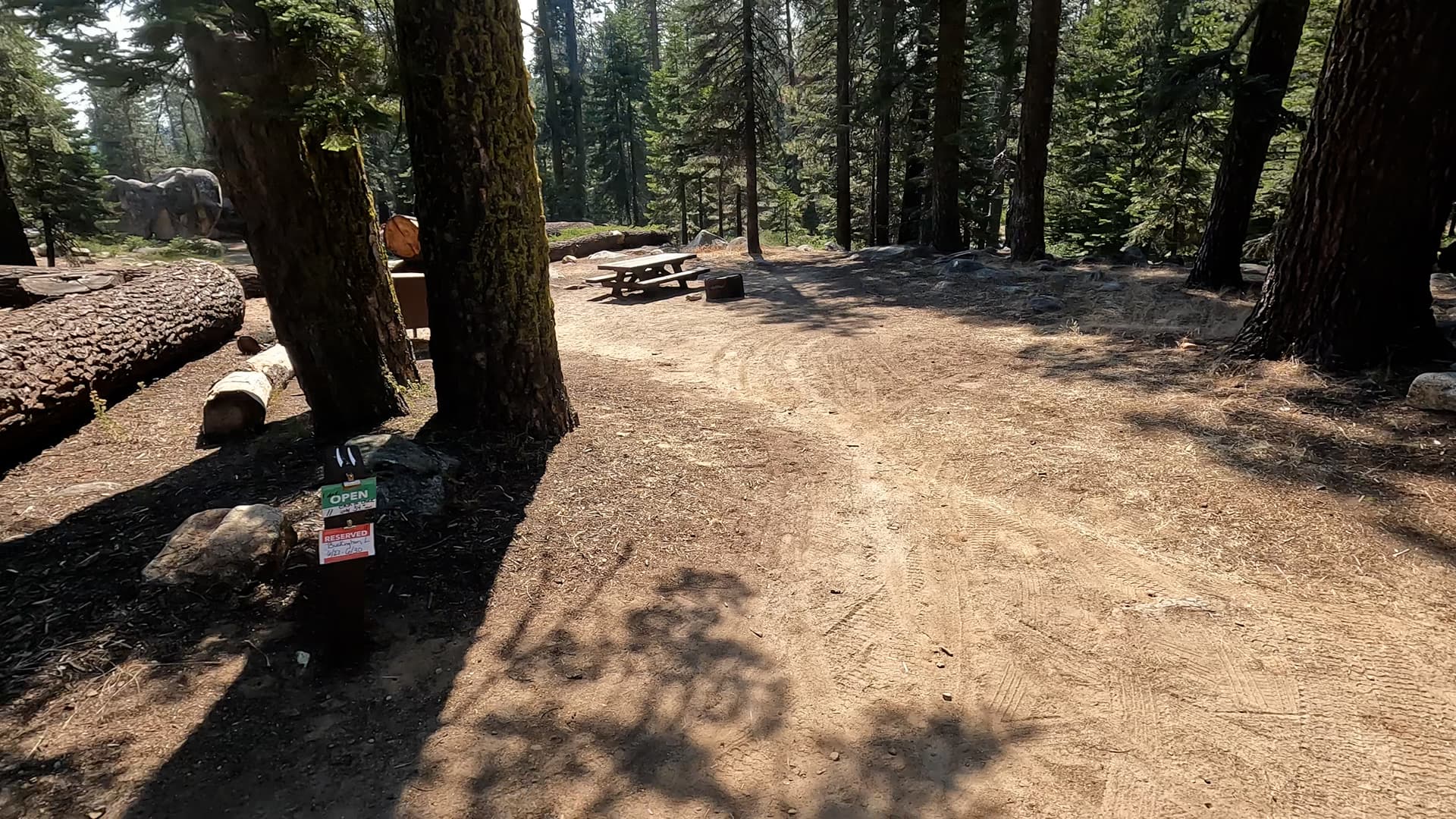
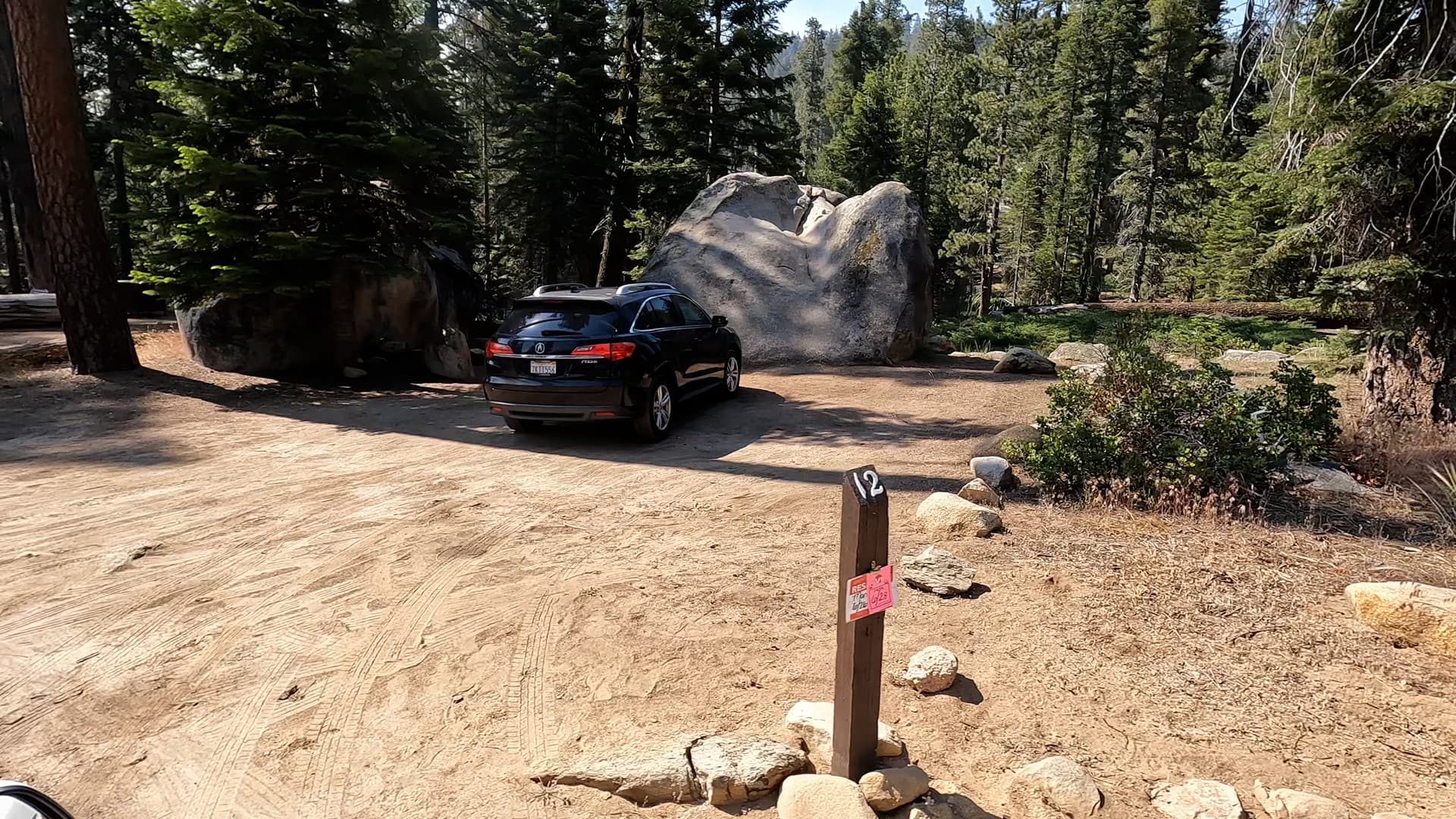
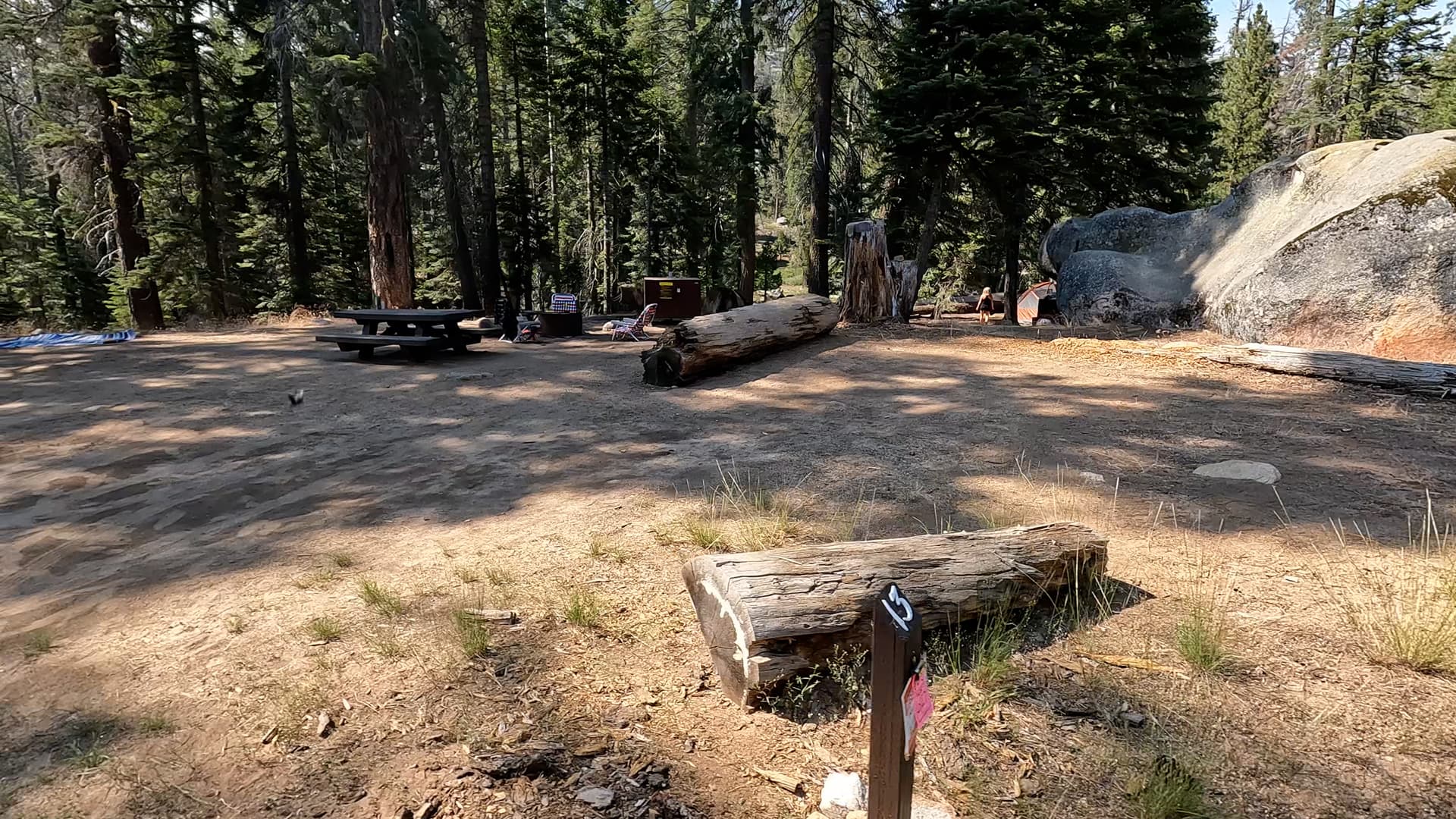
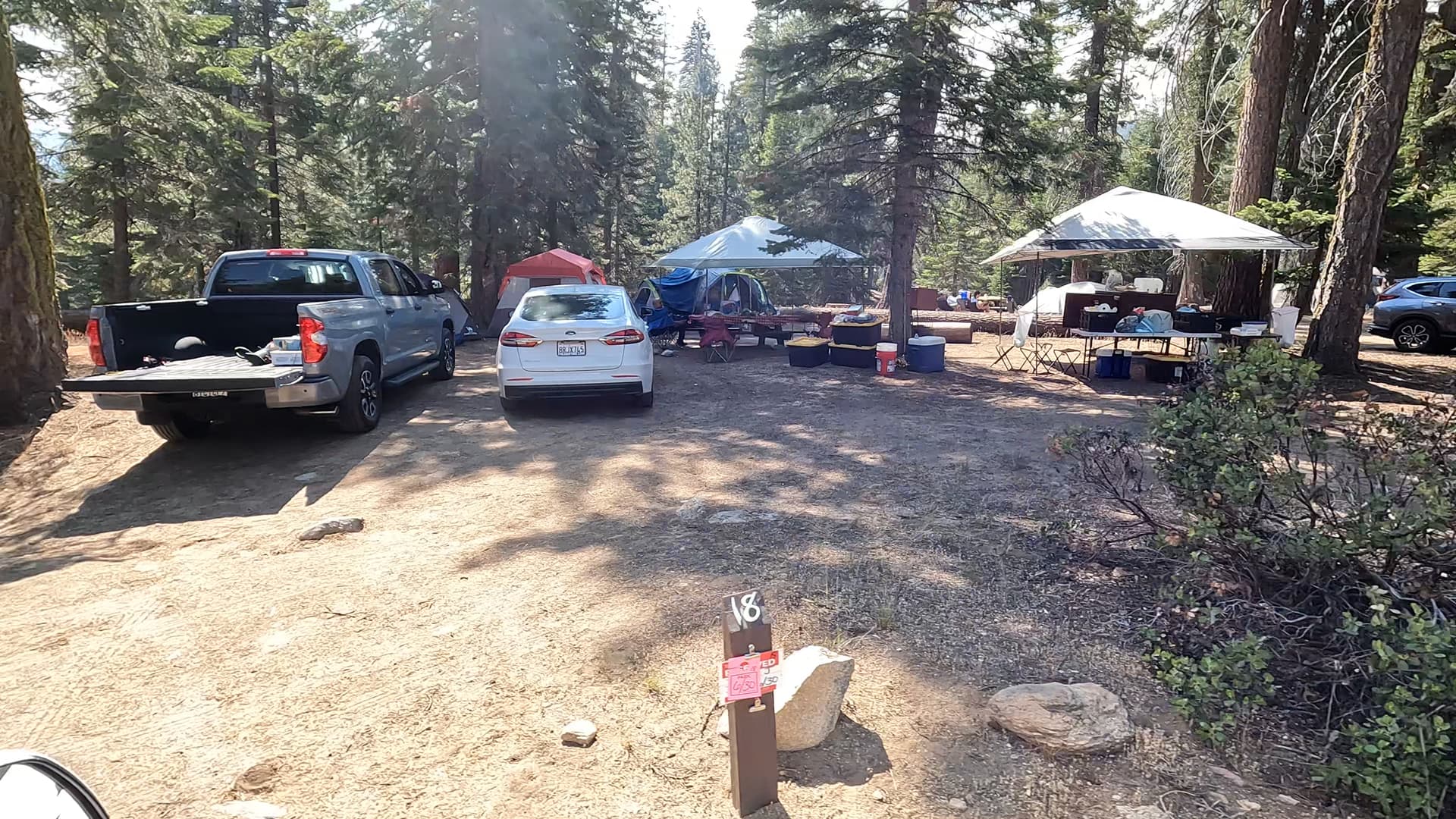
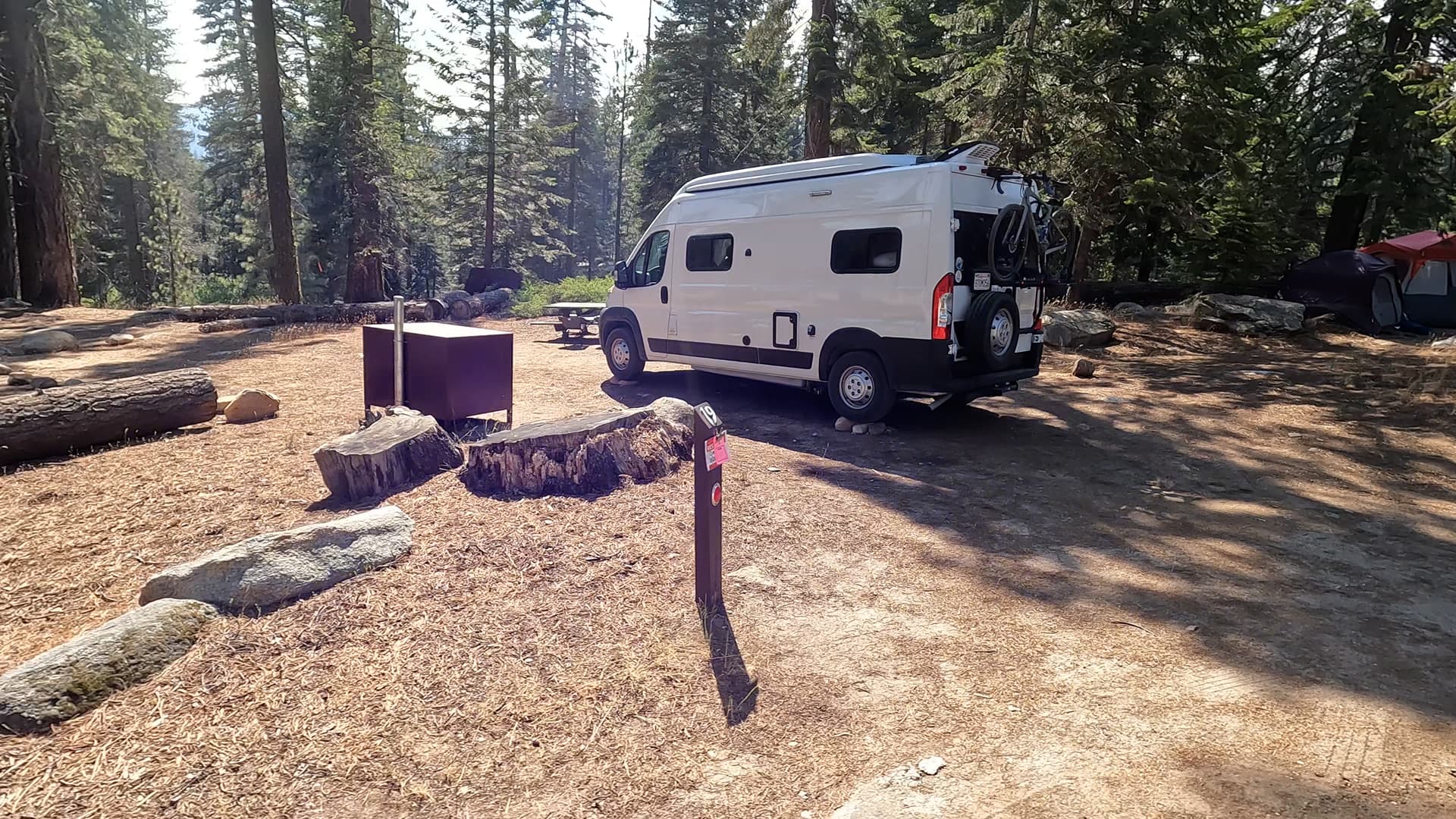
Upper Stony Creek Campground is a small, forested campground nestled along Stony Creek in the Sierra Nevada, offering a quiet, creek-side escape in Sequoia National Forest. Situated just off the Generals Highway between Grant Grove and Hume Lake, it serves as a peaceful, reservation-friendly base for hikers, backpackers, and anyone seeking access to the nearby wilderness without the bustle of larger campgrounds.

Location & Setting

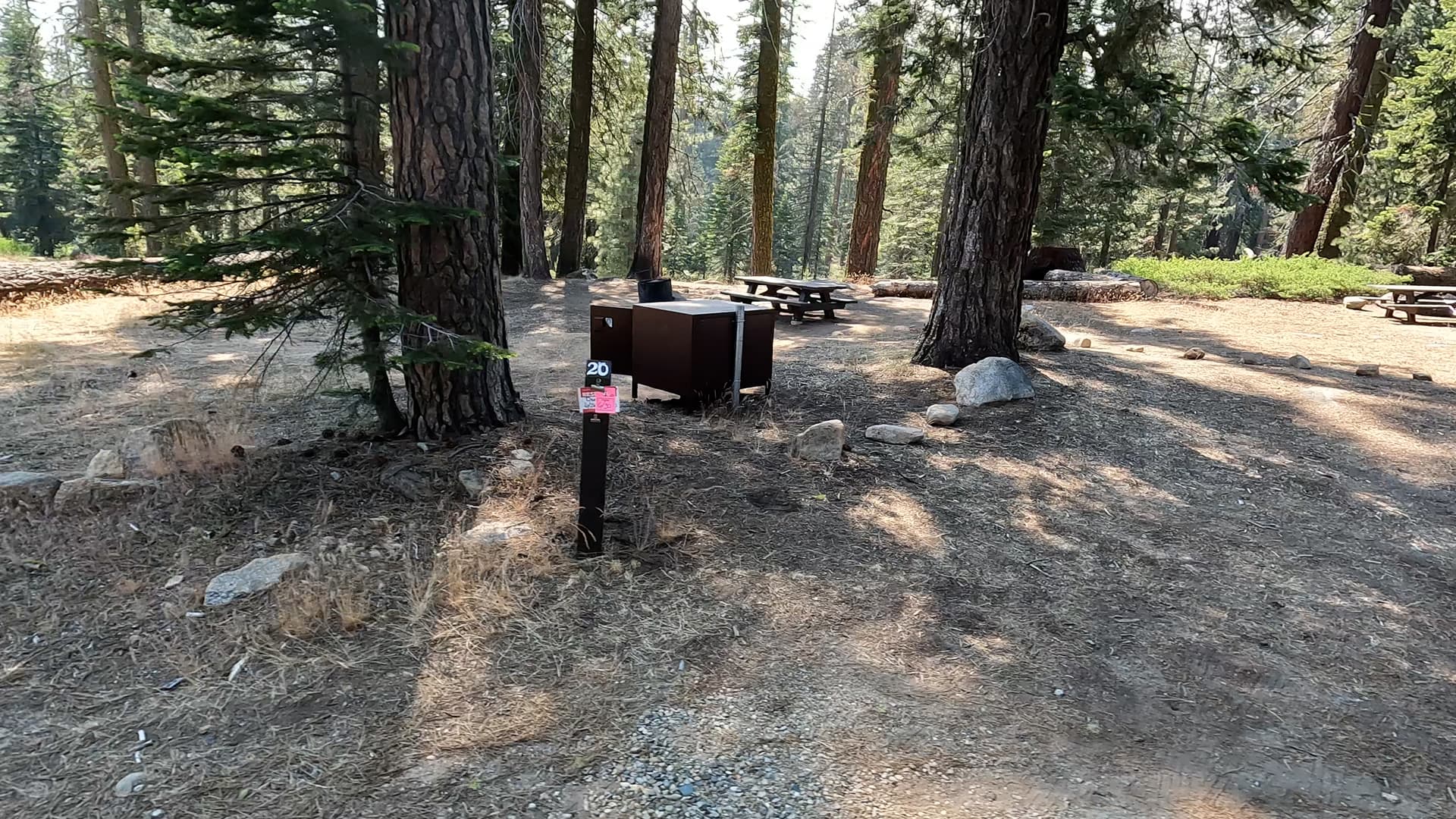
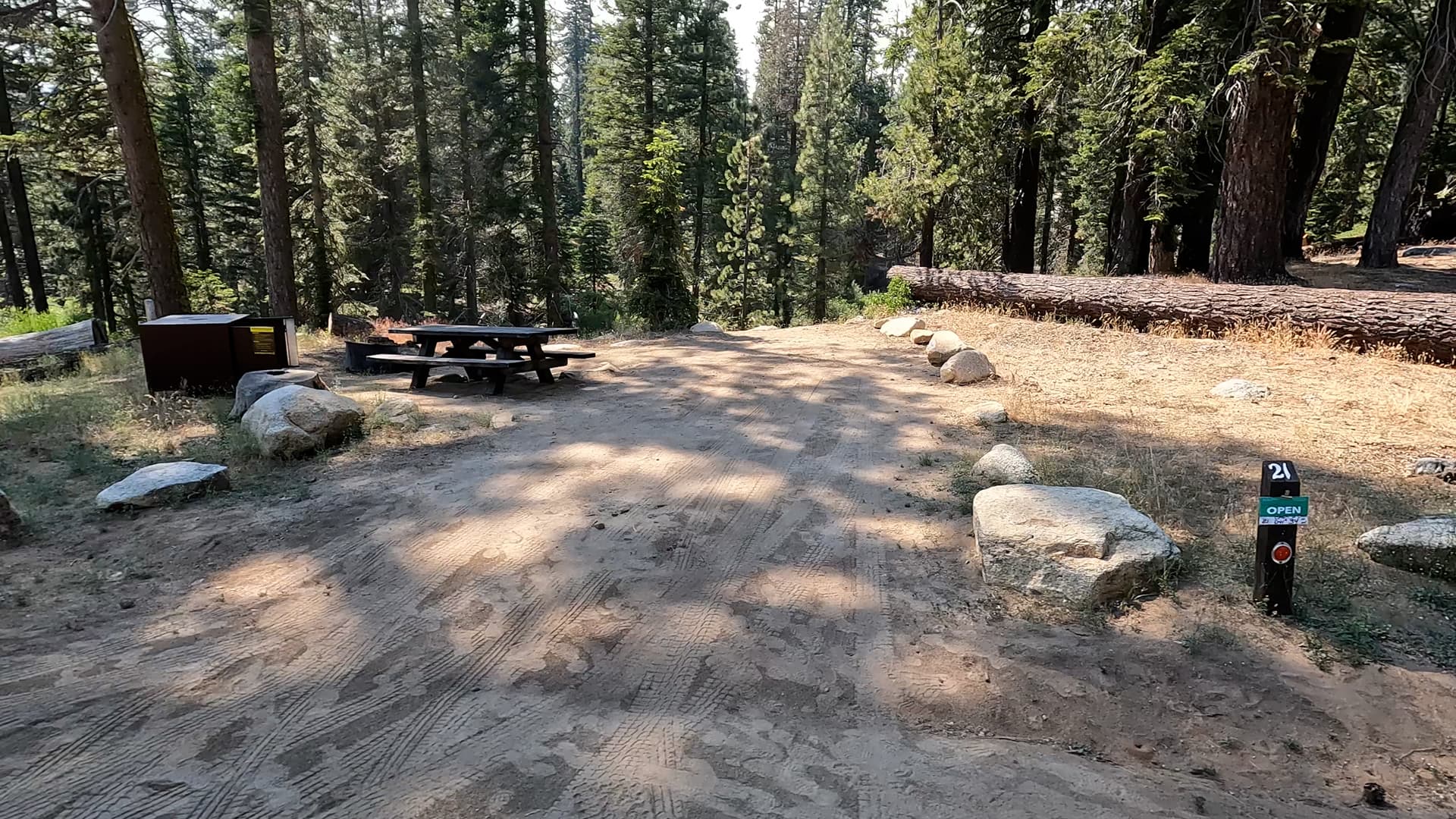
The campground sits at about 6,500 feet in elevation and is located along Stony Creek below Shell Mountain. The site is situated in mixed conifer forest, with Douglas firs, pines, granite outcrops, and shaded understory, offering classic Sierra Nevada mountain forest ambiance. Its position along the creek and near the creek-edge trailhead provides easy access to forest trails, wilderness routes, and access toward the nearby high-country backcountry areas.

Campground Overview

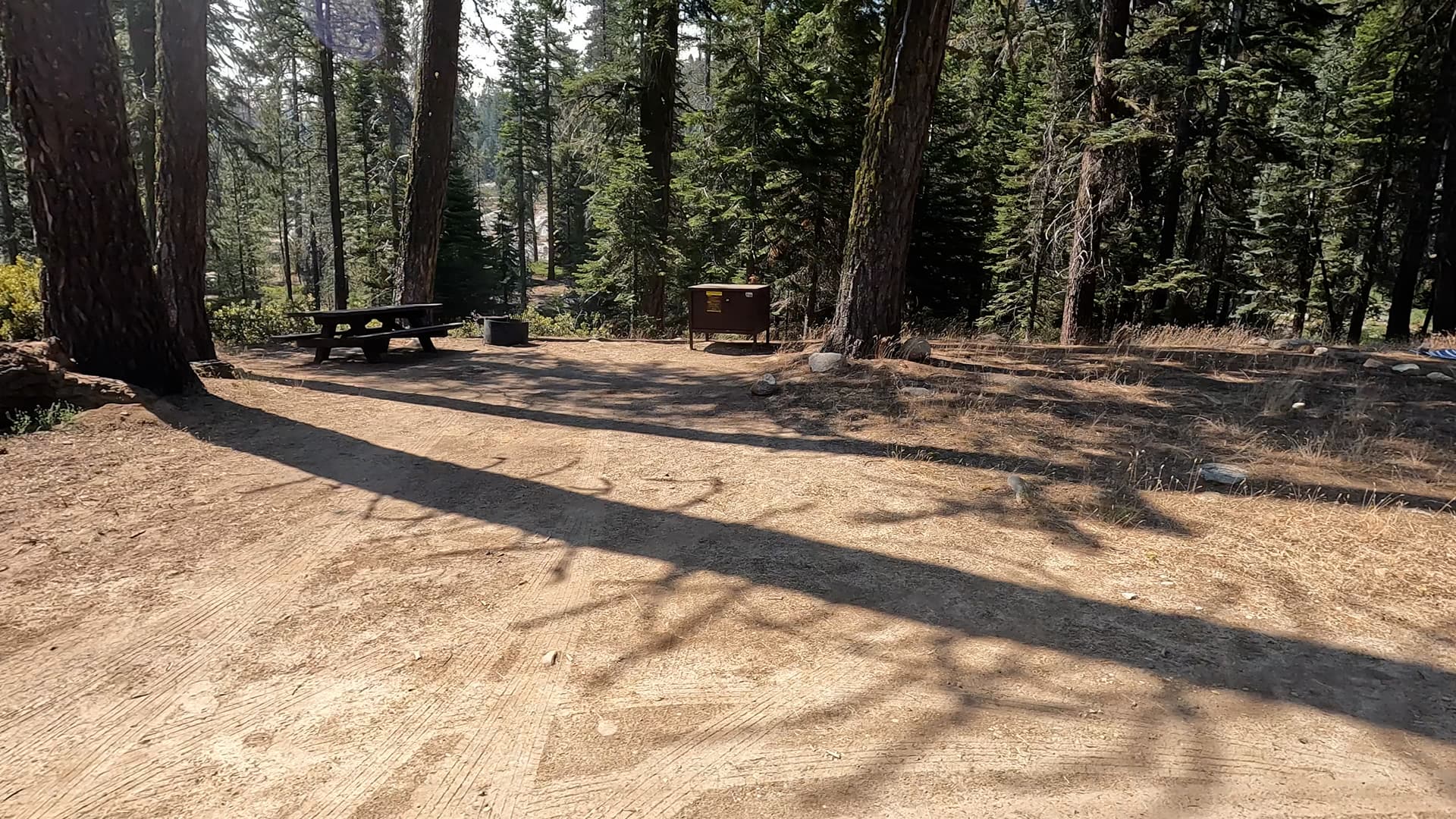
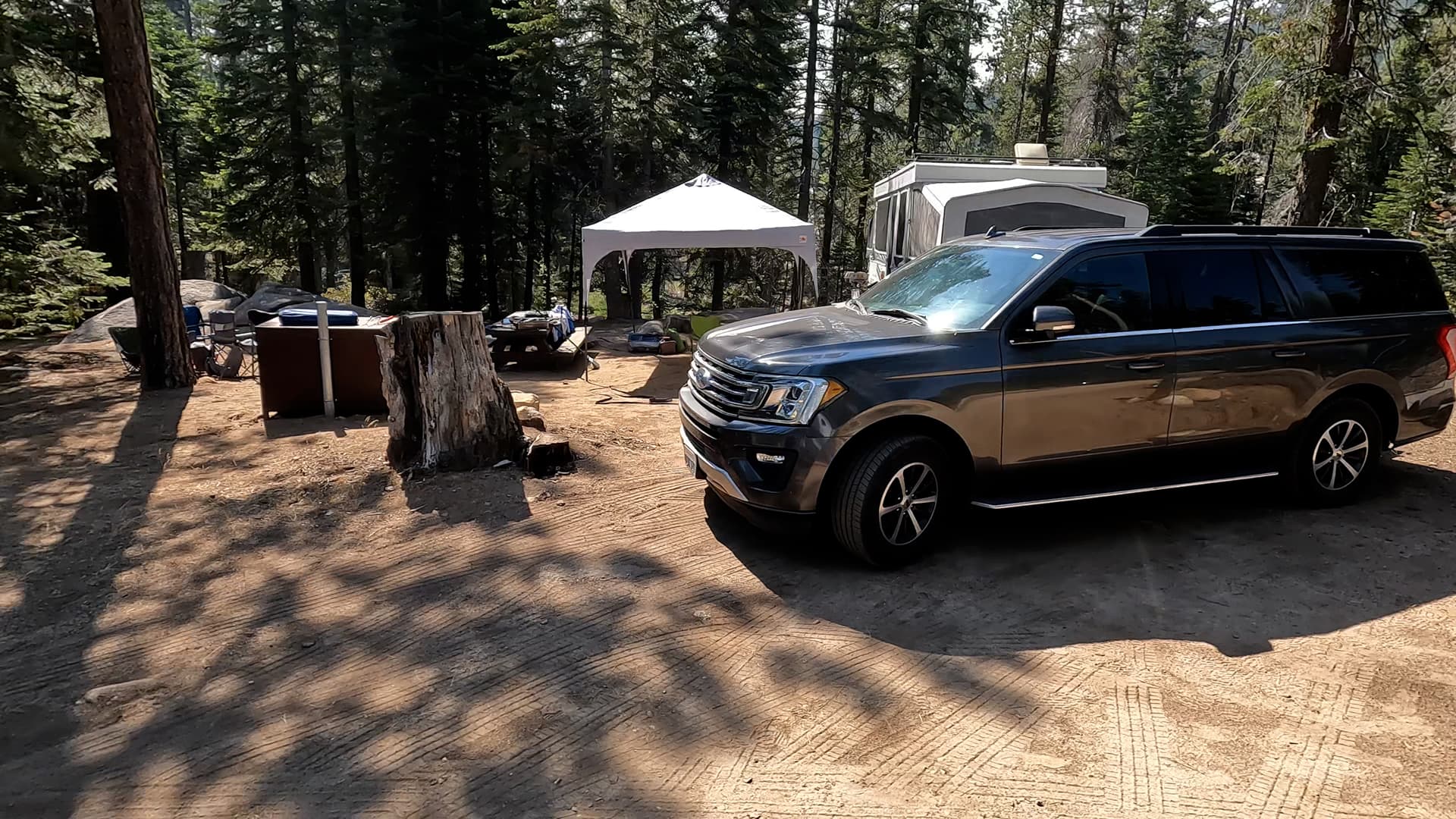
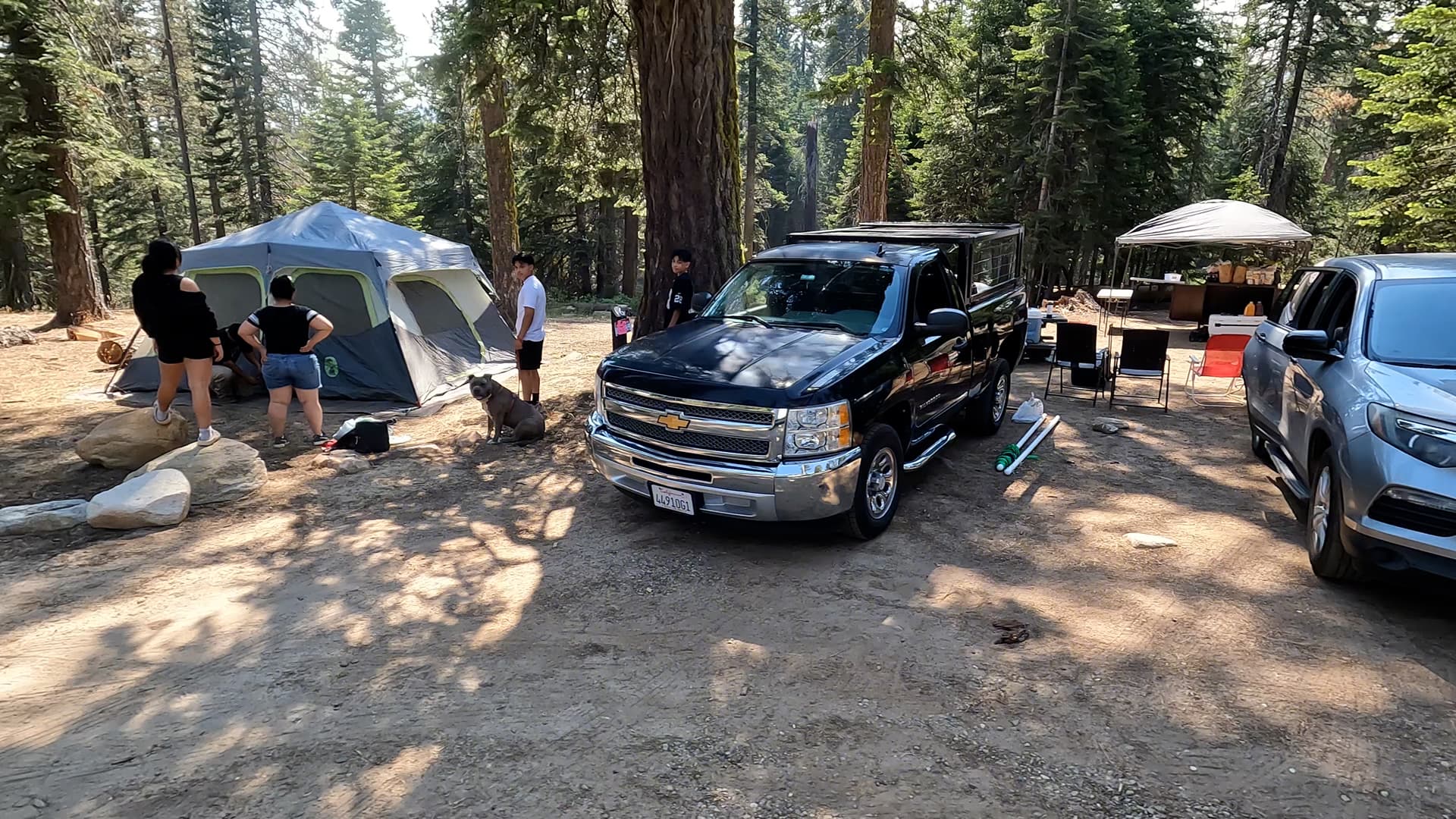
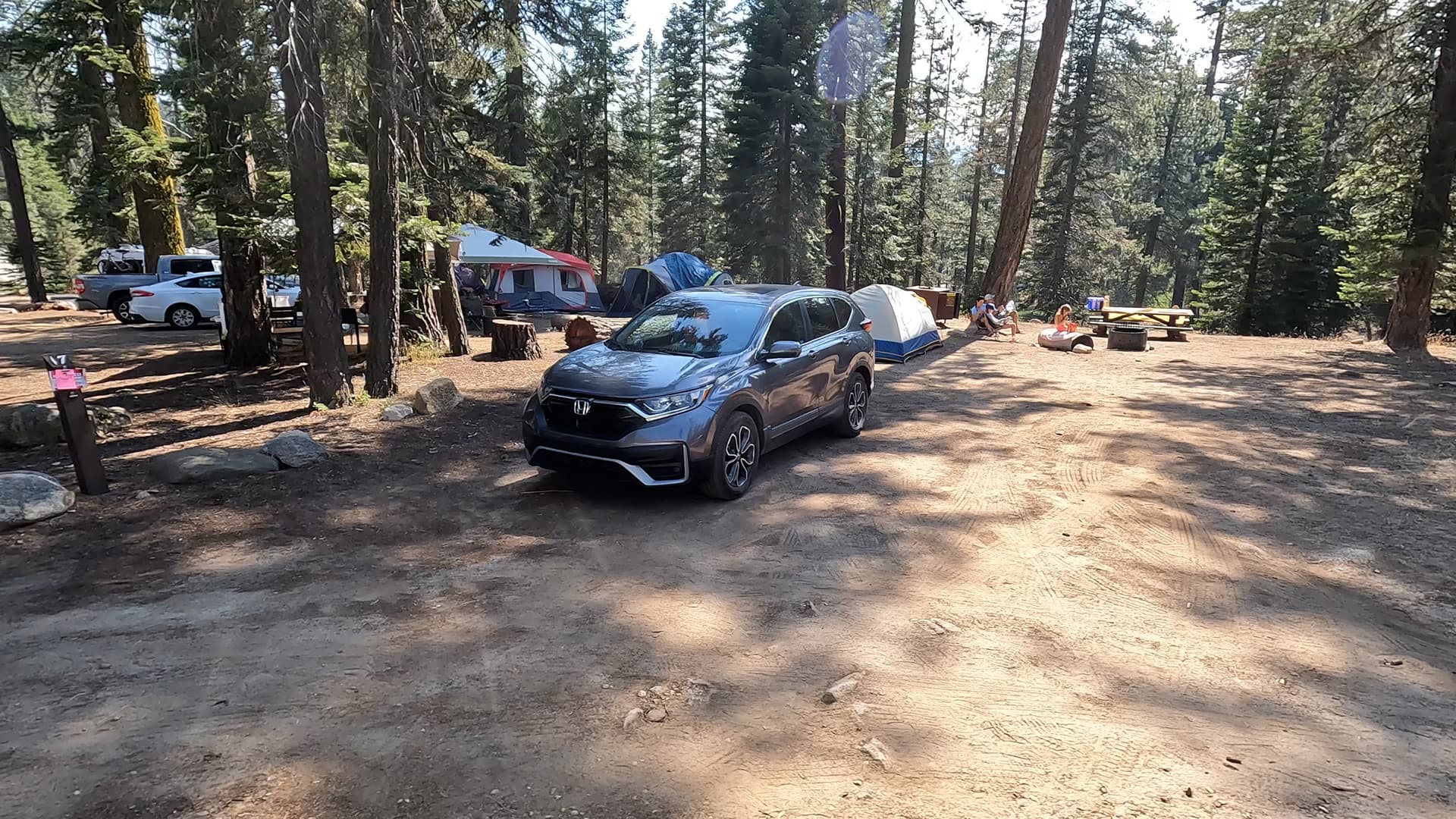
Upper Stony Creek Campground has roughly 17 reservation sites — a modest but manageable size that helps maintain a quiet and uncrowded atmosphere. Sites are spaced among trees and rock formations, offering a mix of shaded, forested pads and partially open spots, suitable for tents, vans, and small to mid-sized trailers/RVs. Because the campground is small and tucked into forest terrain, it tends to stay calmer than larger, busier campgrounds; this makes it ideal for people seeking solitude, hiking access, and a mountain-creek vibe.

Amenities

Amenities at Upper Stony Creek include vault toilets, potable water spigots, picnic tables, and fire rings — the basics you need for a comfortable and responsible forest stay. There are no hookups, showers, or dump stations. Nearby convenience — such as groceries, fuel, showers, and dining — is available at the resort/store area served by the same forest-service concessionaire just a short drive away, which adds flexibility without detracting from the campground’s rustic forest feel. As with all Sierra Nevada forest campgrounds, timely firewood purchase and adherence to bear-safe food storage are required.

Activities & Nearby Recreation

Upper Stony Creek offers excellent access to hiking and backpacking, including routes into the nearby Jennie Lakes Wilderness, which begins not far from camp. Trails and forest roads in the area provide scenic walks, mountain biking (outside of wilderness boundaries), creekside exploration, and quiet nature walks. The forest and creek setting make it a good spot for wildlife viewing, photography, and early-morning strolls. For those visiting the region, proximity to Grant Grove, Hume Lake, and the Generals Highway corridor makes Upper Stony Creek a strategic base for exploring both national forest and national park destinations.

Summary

Upper Stony Creek Campground stands out as a quiet, forested, and creek-side campground that offers seclusion, natural beauty, and easy access to Sierra backcountry and nearby forest and park attractions. With its modest number of sites, reliable basic amenities, and convenient location off the main highway, it’s an excellent choice for hikers, backpackers, and travelers looking for a peaceful basecamp in Sequoia National Forest. For a low-key, nature-oriented stay close to wilderness and giant-sequoia country, Upper Stony Creek is a great option.

Nearby Campgrounds