
Duck Creek
Dixie
Utah
Date filmed:2024-07-27
Number of sites:90
GPS:37.5203178, -112.6975034
Max vehicle length:50 Feet
Check in:2:00 pm
Check out:1:00 pm
Quiet hours:10:00 pm - 6:00 am

Amenities and Activities

Amenities
Drinking Water
Fire Ring
Picnic Table
RVs
Tents
Accessible Sites
Flushing Toilets
Vault Toilets
Trash Collection
Tent Pads
Shade
Dump Station
Water Spigot
Activities
Fishing
Hiking
Mountain Biking
Biking
Scenic Driving
Boating
Bird Watching
Amphitheater
Off-Roading
Wildlife Viewing
Photography

Things to Do

Take a scenic ride from Panguitch, Utah to Kodachrome Basin State Park, stopping at Red Canyon, showcasing vibrant red rock landscapes and Mossy Cave, with its Bryce Canyon-like formations and beautiful waterfall. Embark on a relaxed drive from Panguitch, Utah, to Kodachrome Basin State Park, a route filled with striking landscapes and fascinating stops. As you head out from the charming town of Panguitch, your first stop could be the Red Canyon Visitor Center. Nestled along Highway 12, this area offers vibrant red rock formations that preview the dramatic scenery of Southern Utah. Stroll through its easy trails or simply admire the towering hoodoos and cliffs that glow in the sunlight. Continuing your journey, stop by Mossy Cave, a hidden gem that feels like a piece of Bryce Canyon. Here, you’ll find a unique blend of towering red rock spires, a small cave, and a scenic waterfall. Though not lush like its name suggests, the area provides an opportunity for a short, rewarding hike with Bryce-like views and the refreshing sight and sound of flowing water in a desert landscape. The drive then winds through more of Utah's scenic beauty before you arrive at Kodachrome Basin State Park. Known for its colorful, layered rock formations, Kodachrome Basin feels like stepping into a natural painting. The park is perfect for hiking, photography, or simply soaking in the vibrant surroundings. Whether you're spending the day exploring or just passing through, this laid-back drive offers a taste of Southern Utah's natural wonders.

Epic Views from 10,000 Feet

Exploring Cedar Breaks National Monument

Featured: Cedar Canyon, Deer Haven, Duck Creek, Navajo Lake, Panguitch Lake North, Panguitch Lake South, Point Supreme, Spruces, Te-Ah, White Bridge

Cedar Breaks National Monument's vibrant cliffs and hoodoos, carved by erosion, form a breathtaking amphitheater. Overlooks like Point Supreme offer panoramic views of its colorful beauty, framed by subalpine forests and dramatic sunsets. Cedar Breaks National Monument is a stunning natural amphitheater located in southern Utah, perched at over 10,000 feet above sea level. Its vibrant, multicolored cliffs showcase layers of limestone, shale, and sandstone eroded by wind and water over millions of years, creating a breathtaking landscape of spires, fins, and hoodoos. The amphitheater, about three miles wide and over 2,000 feet deep, provides a visual spectacle reminiscent of Bryce Canyon, but with its own unique high-altitude charm. The area is known for its subalpine forest, offering a cool retreat in the summer and vibrant wildflower meadows, with delicate blooms that peak in mid-July. Several overlooks around Cedar Breaks offer spectacular views into the amphitheater and beyond. Point Supreme, the highest overlook at over 10,350 feet, provides a panoramic view of the colorful cliffs and valleys below. Sunset View Overlook is aptly named for its dazzling sunsets that illuminate the red and orange hues of the canyon walls. Chessman Ridge Overlook offers a striking view of Cedar Breaks' natural amphitheater, framed by dark green Engelmann spruce and subalpine firs. From any of these overlooks, visitors can appreciate the grandeur of the landscape, which shifts dramatically with changes in light and weather.

Checking out Spectra Point Overlook

A Hiking Adventure in Cedar Breaks

Featured: Cedar Canyon, Deer Haven, Duck Creek, Navajo Lake, Panguitch Lake North, Point Supreme, Spruces, Te-Ah, White Bridge

With meadows, bristlecone pine trees, and a half-mile-deep amphitheater of striped limestone, Cedar Breaks National Monument is a high-elevation Bryce Canyon look-alike. Comprised of the same geological layer but with a fraction of the crowds, this is a must-see park. Located northeast of Zion National Park and due east of Bryan Canyon National Park sits Cedar Breaks National Monument, a park with astonishing beauty of its own and a fraction of the crowds found at Utah’s larger and more well-known national parks. Taking in the views here couldn’t be easier. With plentiful parking and a short distance uphill, one can witness the splendor of the park. From here, the South Rim Trail is a 5-mile out and back trail with various stops along the way including Spectra Point Viewpoint and Ramparts Viewpoint. Spectra Point. These overlooks provide plenty of photographic opportunities down into the half-mile deep and three-mile wide amphitheater. Hiking to Spectra Point Viewpoint is a moderately rated 2-mile round trip hike whereas the hike to Ramparts Viewpoint and back is 4 miles. Also along the way is a historical stop not to be missed. This small unassuming wooden cabin once served as a generator room that supplied power to what was once the Cedar Breaks Lodge. The lodge was built in 1924 and served dinner for tourists making rounds via bus to many of the area parks such as Zion National Park, Bryce Canyon National Park, and the Grand Canyon National Park’s North Rim. The cabin is all that remains from the lodge today. In addition to hiking trails, the park is well known for a meadow filled with wildflowers in the spring, fall color in autumn, and snowmobiling and snowshoeing in the winter. While the park is opened year-round, some roads into the park and within around the rim are closed to visitors.

Hell's Backbone is a scenic route in Utah that winds through dramatic canyons and rugged landscapes. The road, known for its breathtaking views and challenging terrain, offers an unforgettable adventure for intrepid travelers. Hell's Backbone is a scenic byway in southern Utah that offers a thrilling journey through some of the state's most rugged and remote landscapes. Stretching between the towns of Boulder and Escalante, this 38-mile route navigates the spine of a high plateau, providing breathtaking views of deep canyons, sheer cliffs, and dense forests. The road, originally constructed by the Civilian Conservation Corps in the 1930s, includes the famous Hell's Backbone Bridge, a narrow span that arches 1,500 feet above the canyon floor, offering panoramic vistas of the surrounding wilderness. Travelers on Hell's Backbone can expect a mix of gravel and dirt roads, often narrow and winding, making it a challenging drive best suited for high-clearance or four-wheel-drive vehicles. Along the way, several pullouts and viewpoints invite visitors to stop and take in the dramatic scenery, while numerous hiking trails beckon those looking to explore the backcountry. This remote and less-traveled route provides a sense of solitude and adventure, capturing the wild beauty and rugged spirit of Utah's backcountry.

Hidden Utah

Arches Trail at Losee Canyon

Featured: Cedar Canyon, Duck Creek, Point Supreme, Spruces, Sunset, White Bridge, Red Canyon

Utah has no shortage of red rocks and arches but with those comes a lot of crowds. Arches Trail in Red Canyon offers a lot of Bryce Canyon sights in a small area with plenty of space to call your own. The landscape around Bryce Canyon National Park in Southern Utah is a wonderland and playground for adventurers. While nearby Bryce Canyon is well known, the caveat to that is the crowds that go along with it. Parking can be hard to find if one doesn’t arrive early, trails can be congested and campsites can go quickly. What if you were told that there is an alternative not too far away from Bryce Canyon where you might have almost complete solitude? What if you were told that some of those well-known features of Utah Parks, hoodoos, arches, and vibrant red rock were available to you packed into a short loop trail that requires little effort? Arches Trail offers all that with some spectacular views. Arches Trail in Red Canyon is a 0.6-mile loop trail that wanders around brilliant red rock with sights of several small arches and hoodoos. The well-maintained trail does have an elevation of about 187 feet, however, the trail is rated as easy, and most should be able to navigate it with good hiking shoes and some care in a few areas. The views are incredible and the shortness of the trail makes this trip an easy day trip or side adventure to pack into a day traveling to or from Bryce Canyon. To reach the Arches Trail, turn north off of UT-12 onto Casto Canyon Road. While this road is dirt and gravel, any two-wheel-drive vehicle should be able to make this drive with no problems provides that it hasn’t been raining. A parking lot for this trail, as well as others, will be on the right after two miles. From the parking lot, one merely needs to cross a dry wash and follow the signs for Arches Trail.

Campground Overview

Duck Creek Campground – Dixie National Forest, Utah

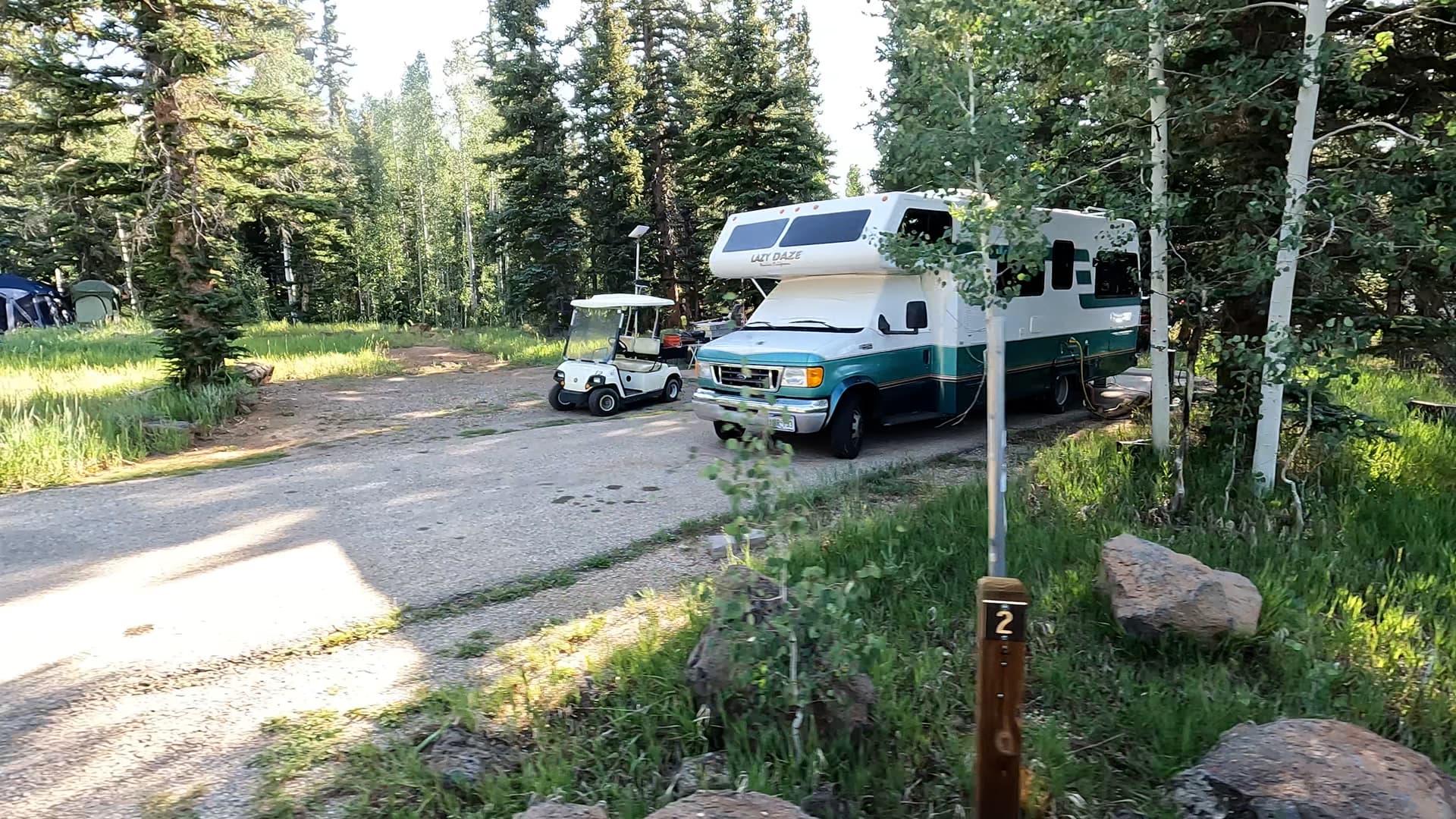
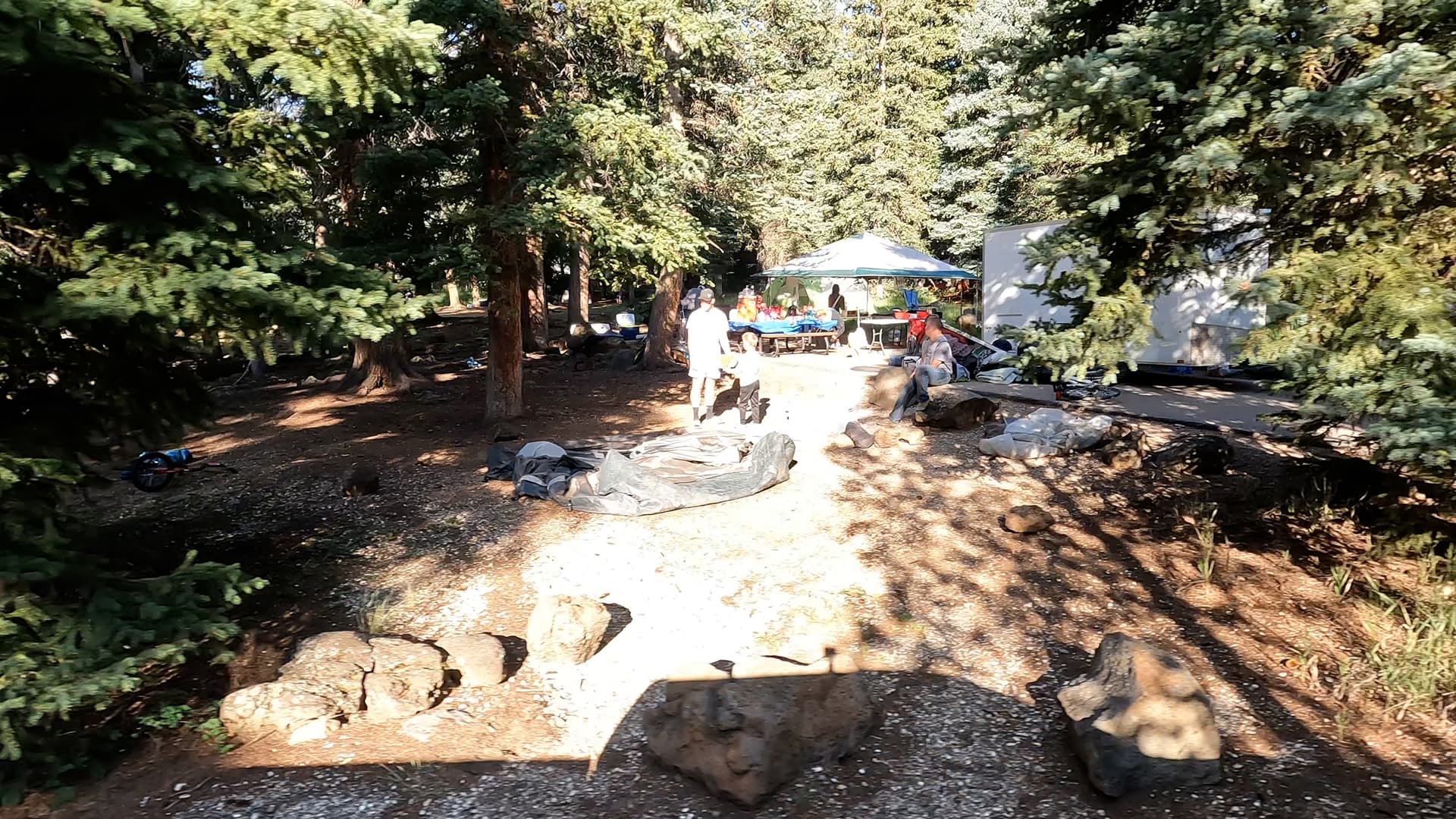
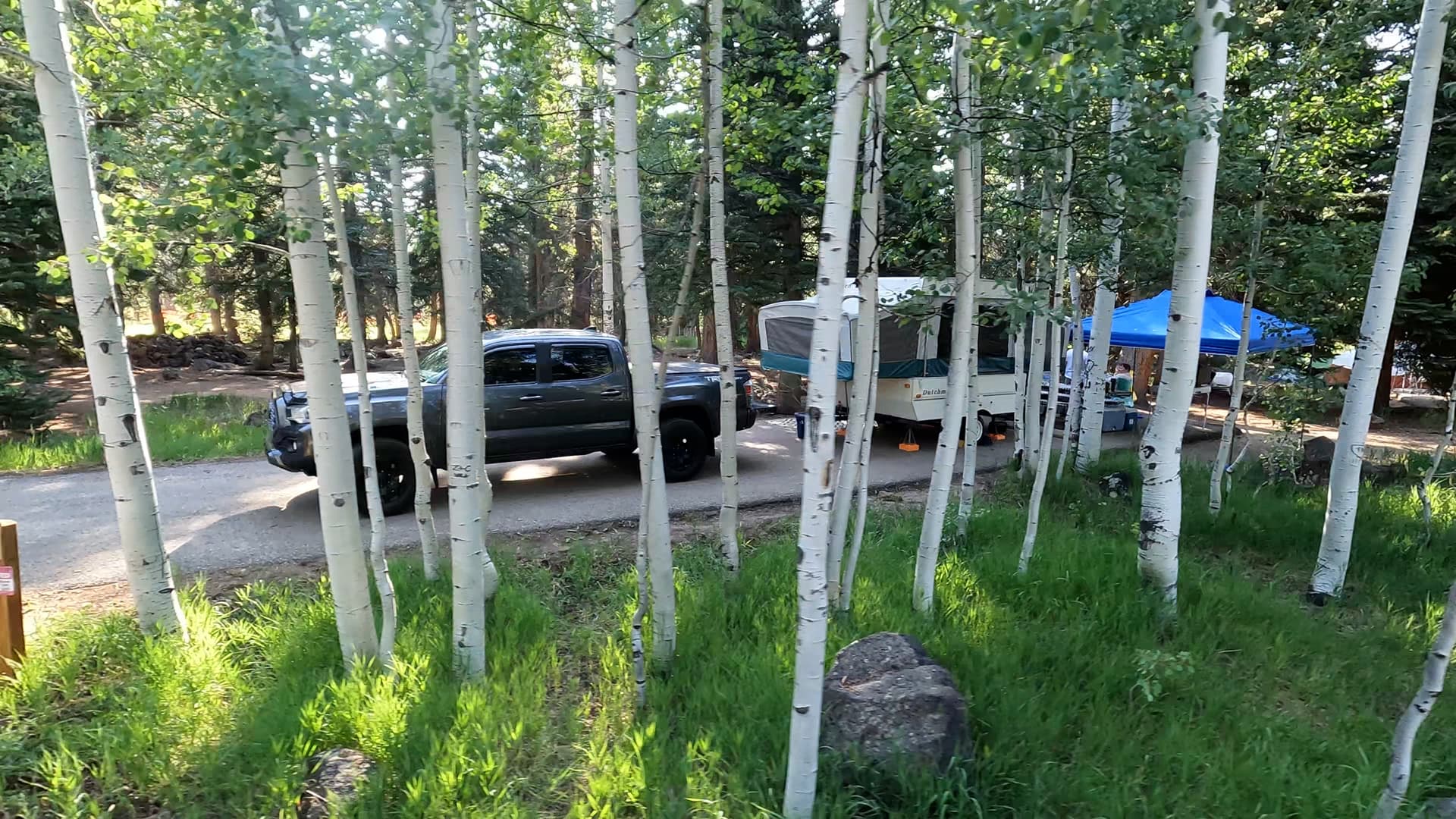
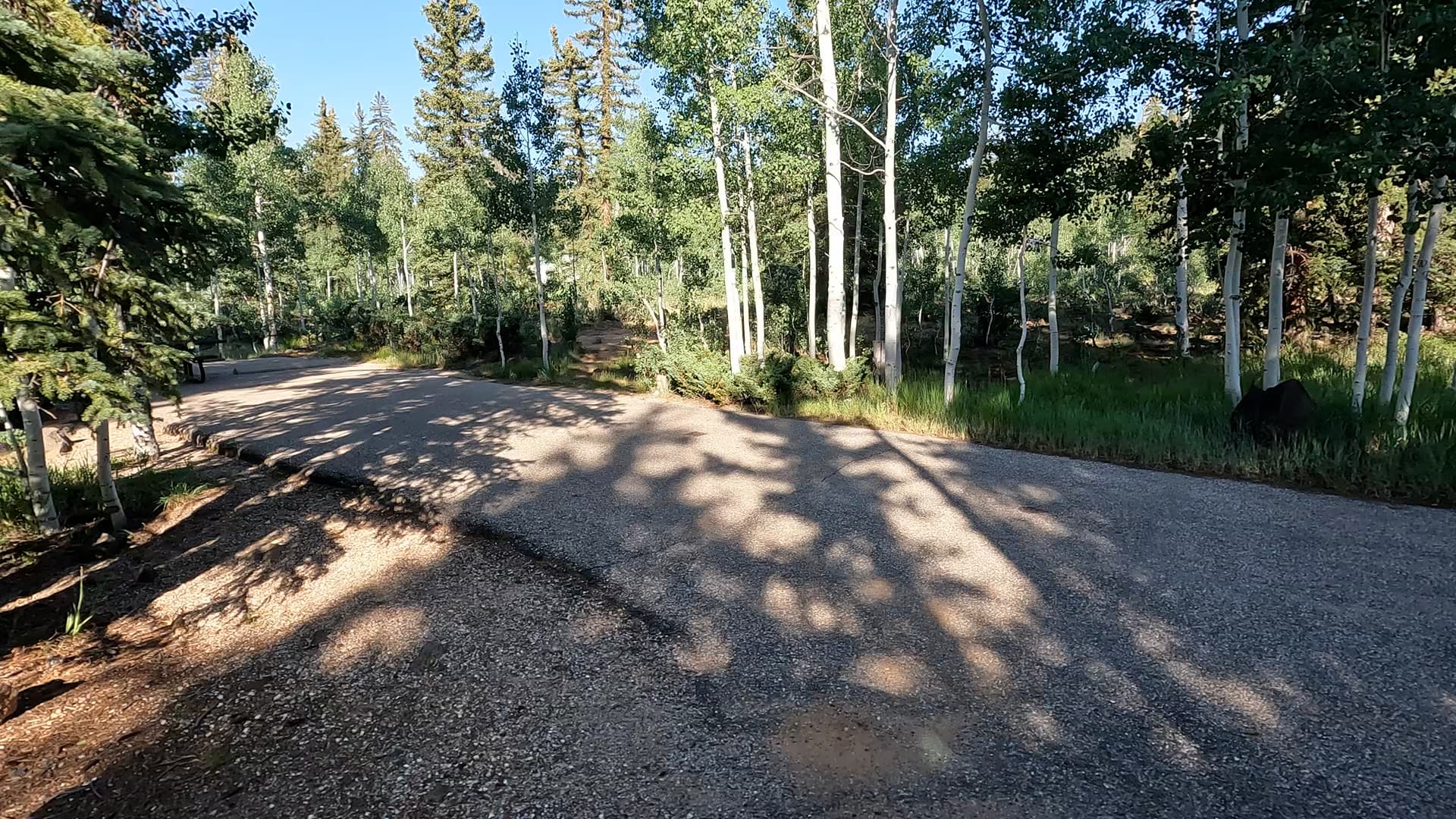
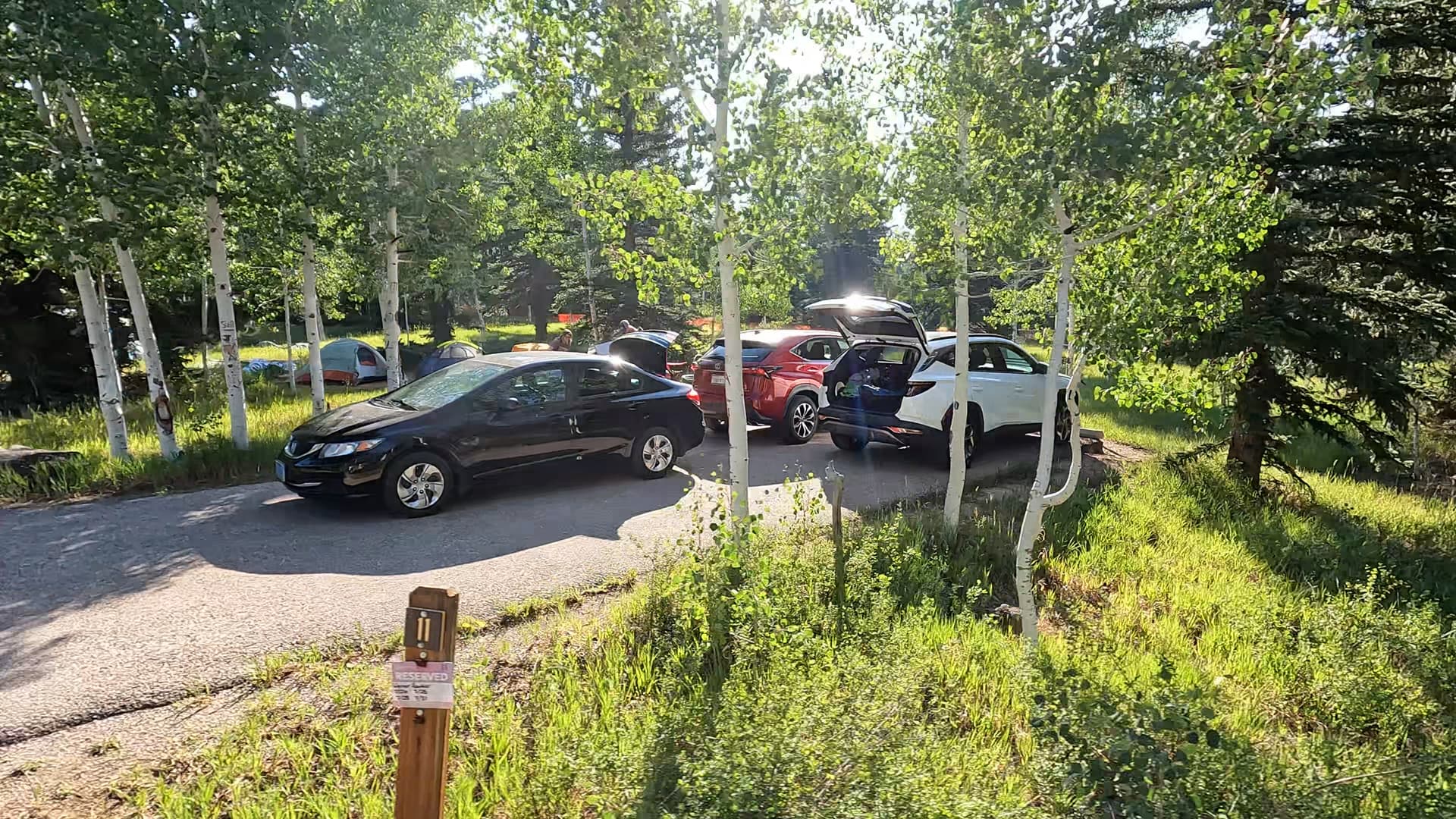
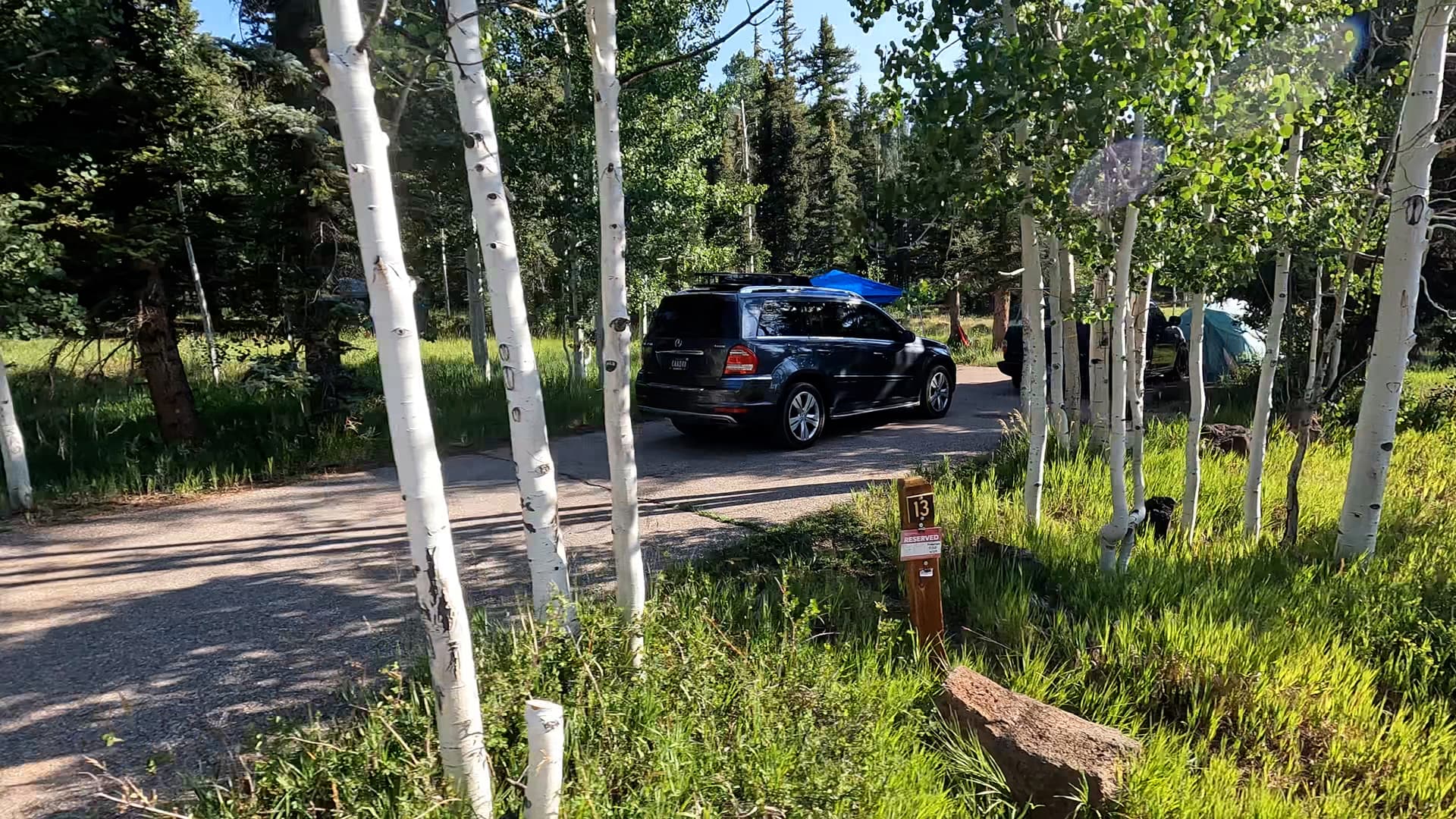
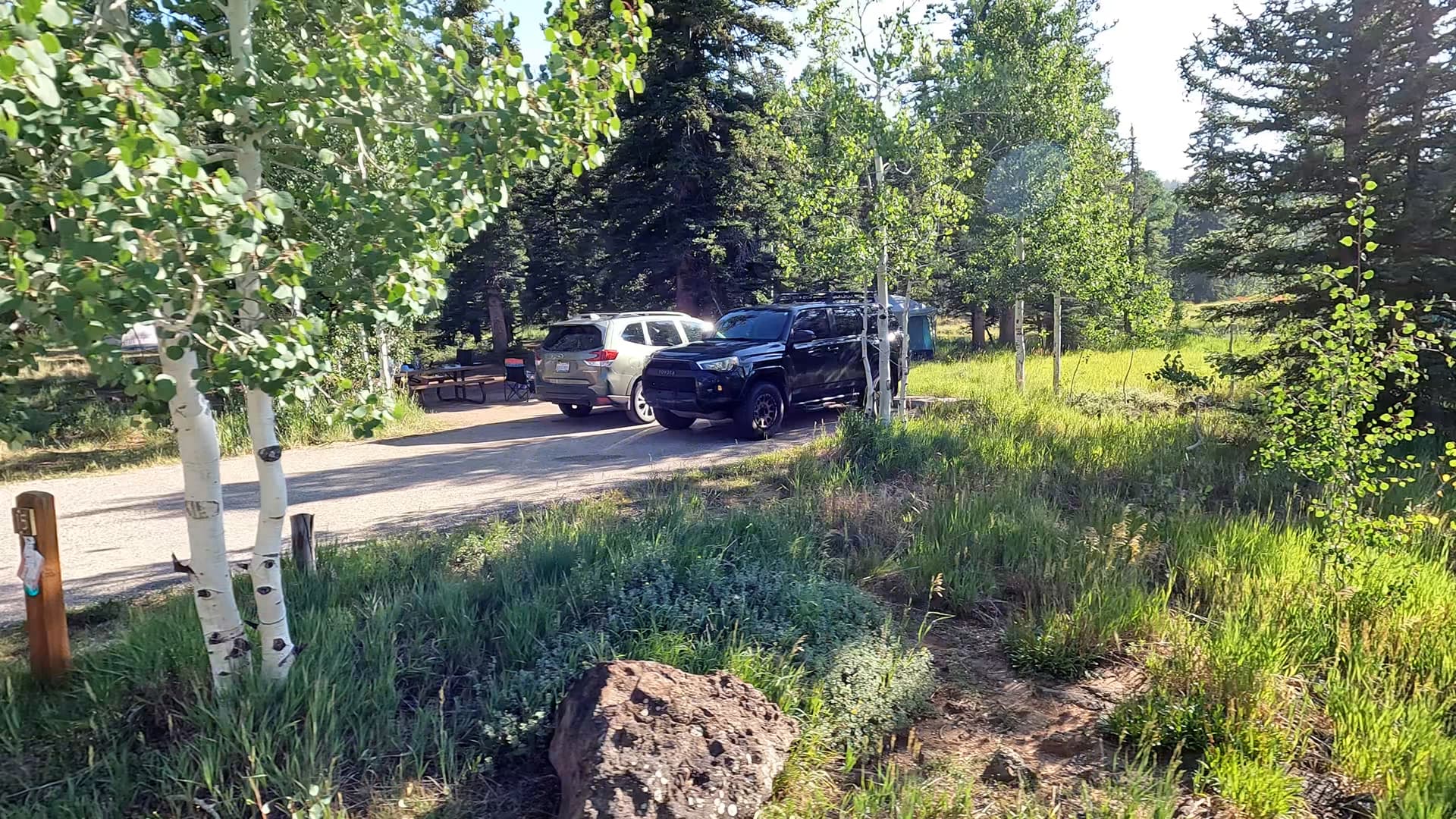
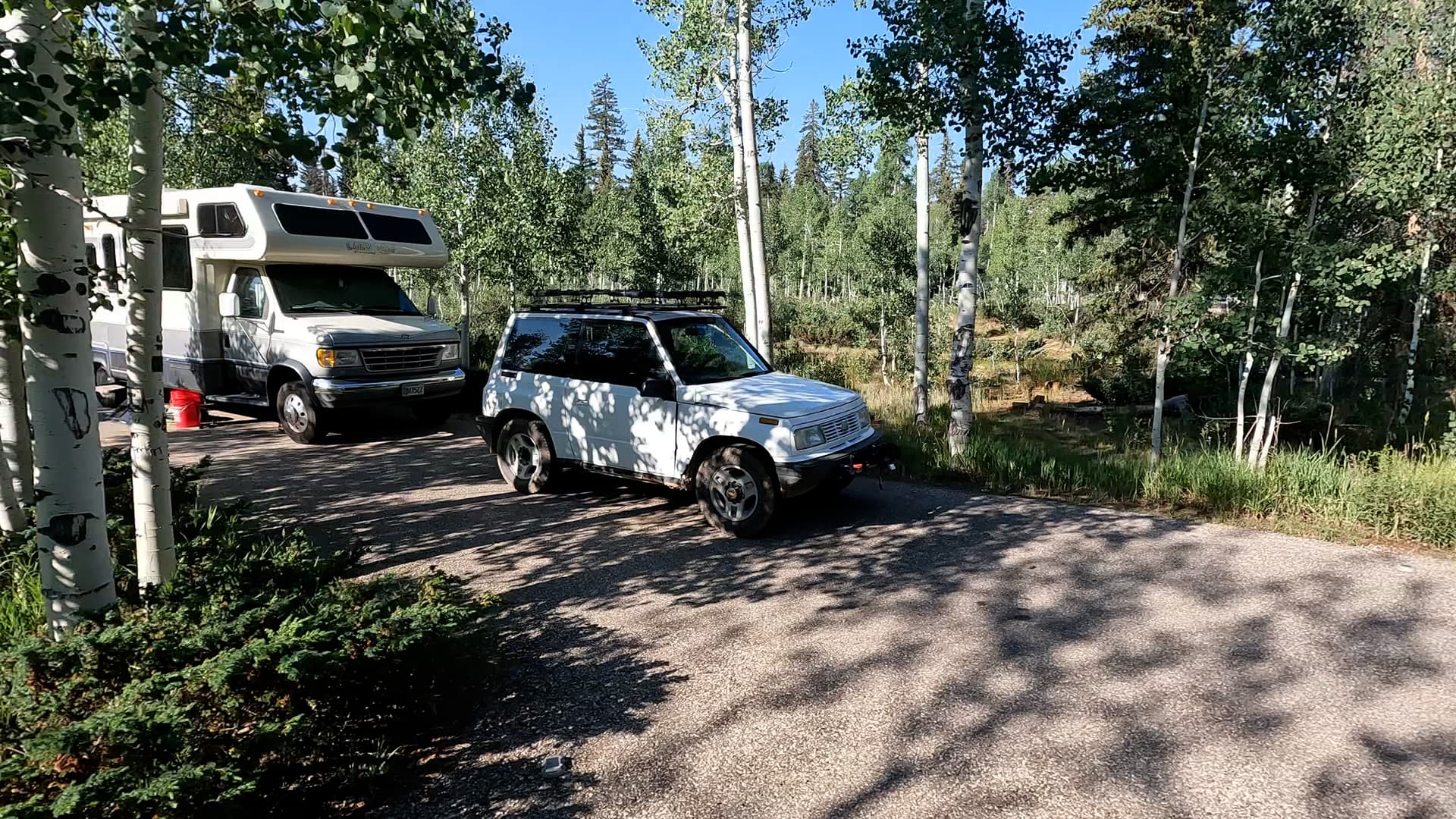
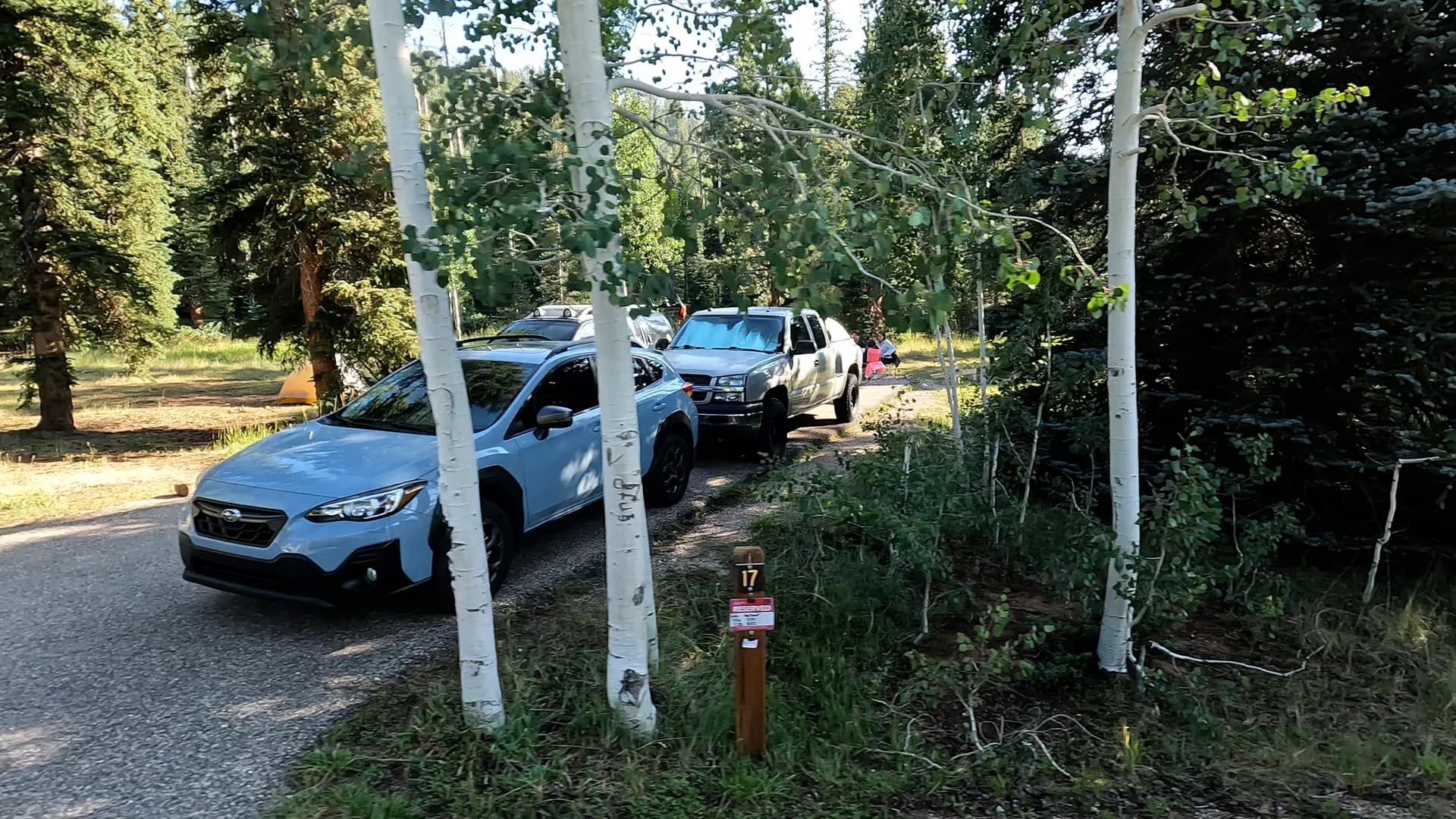
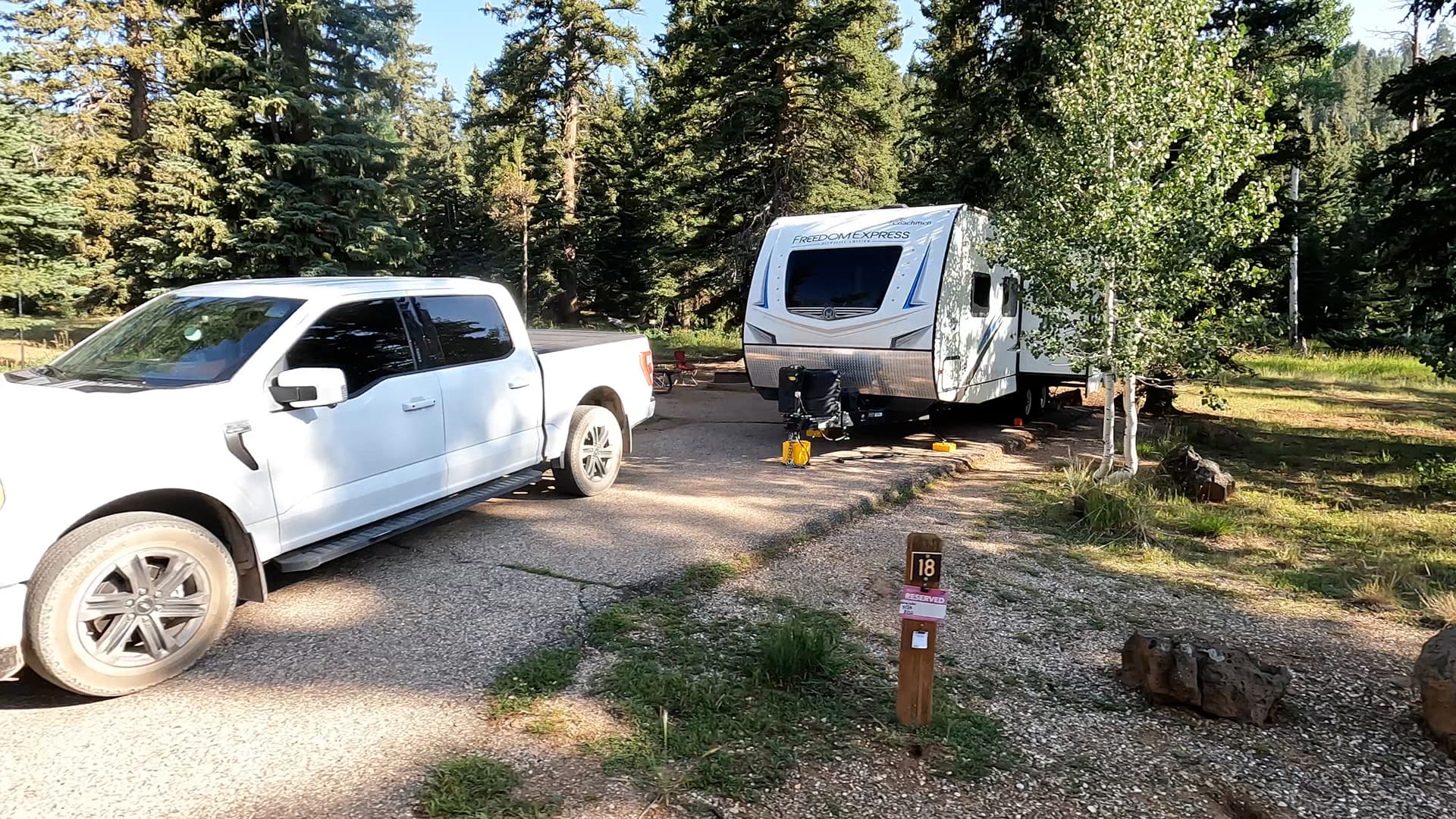
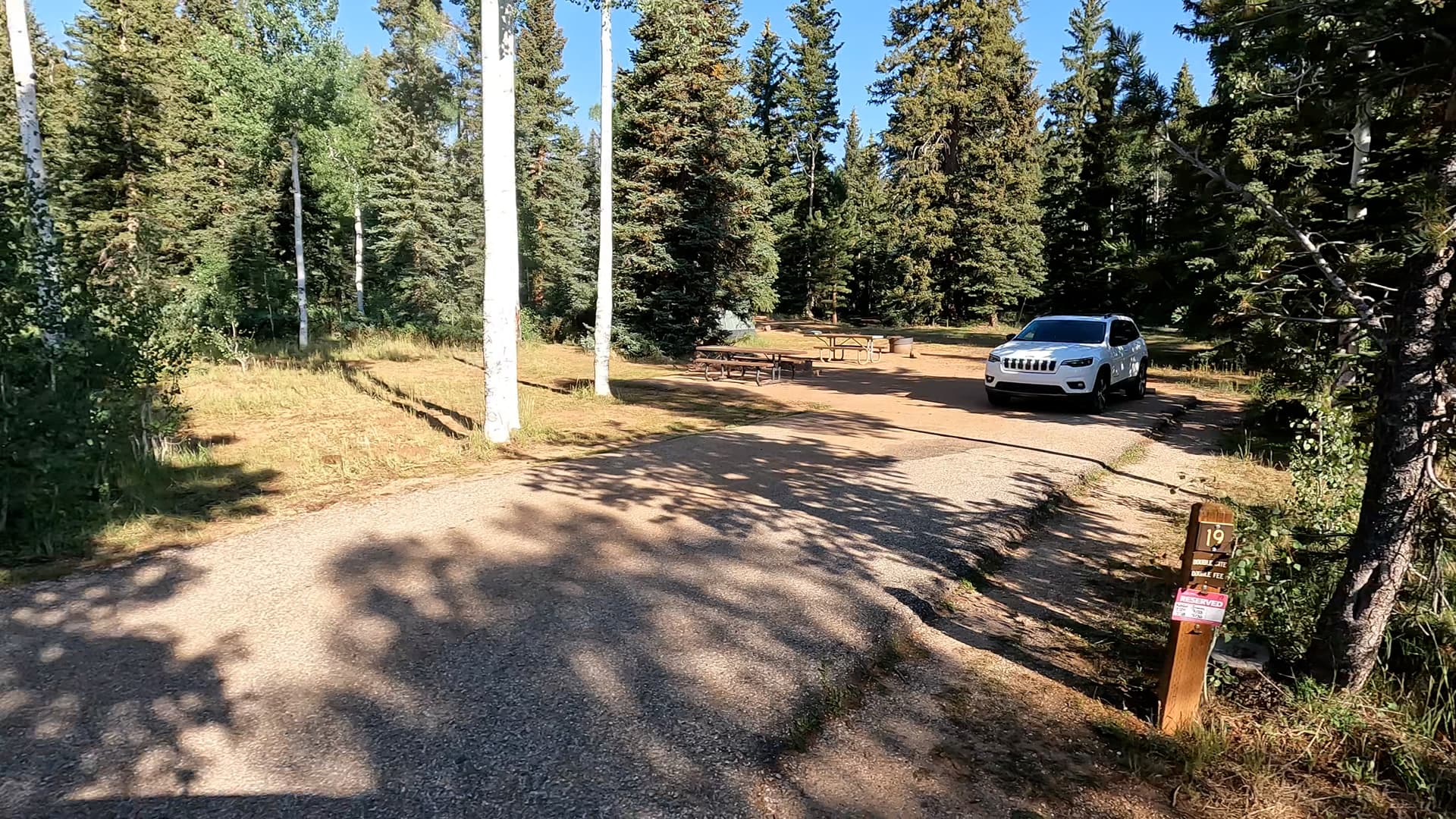
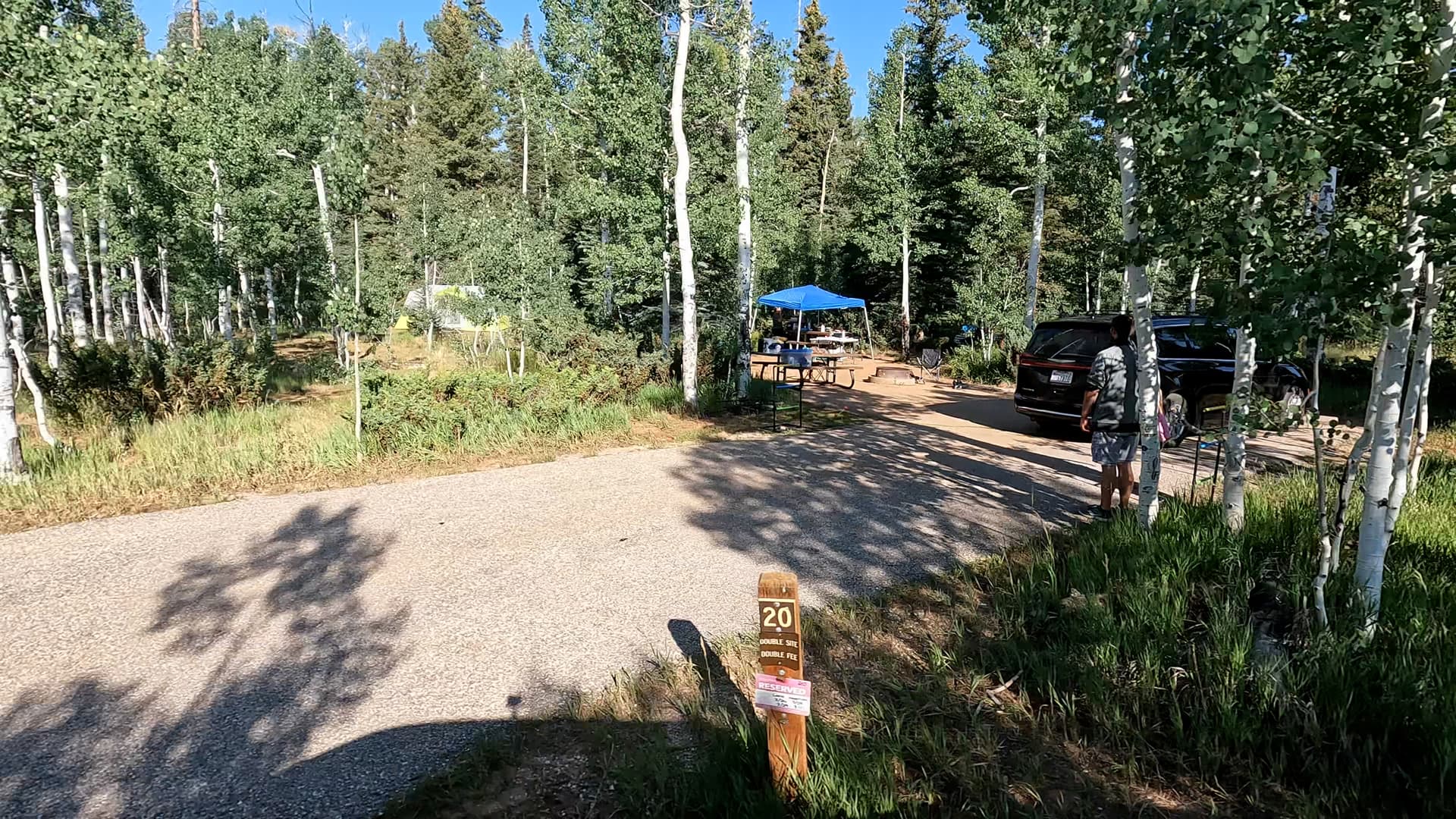
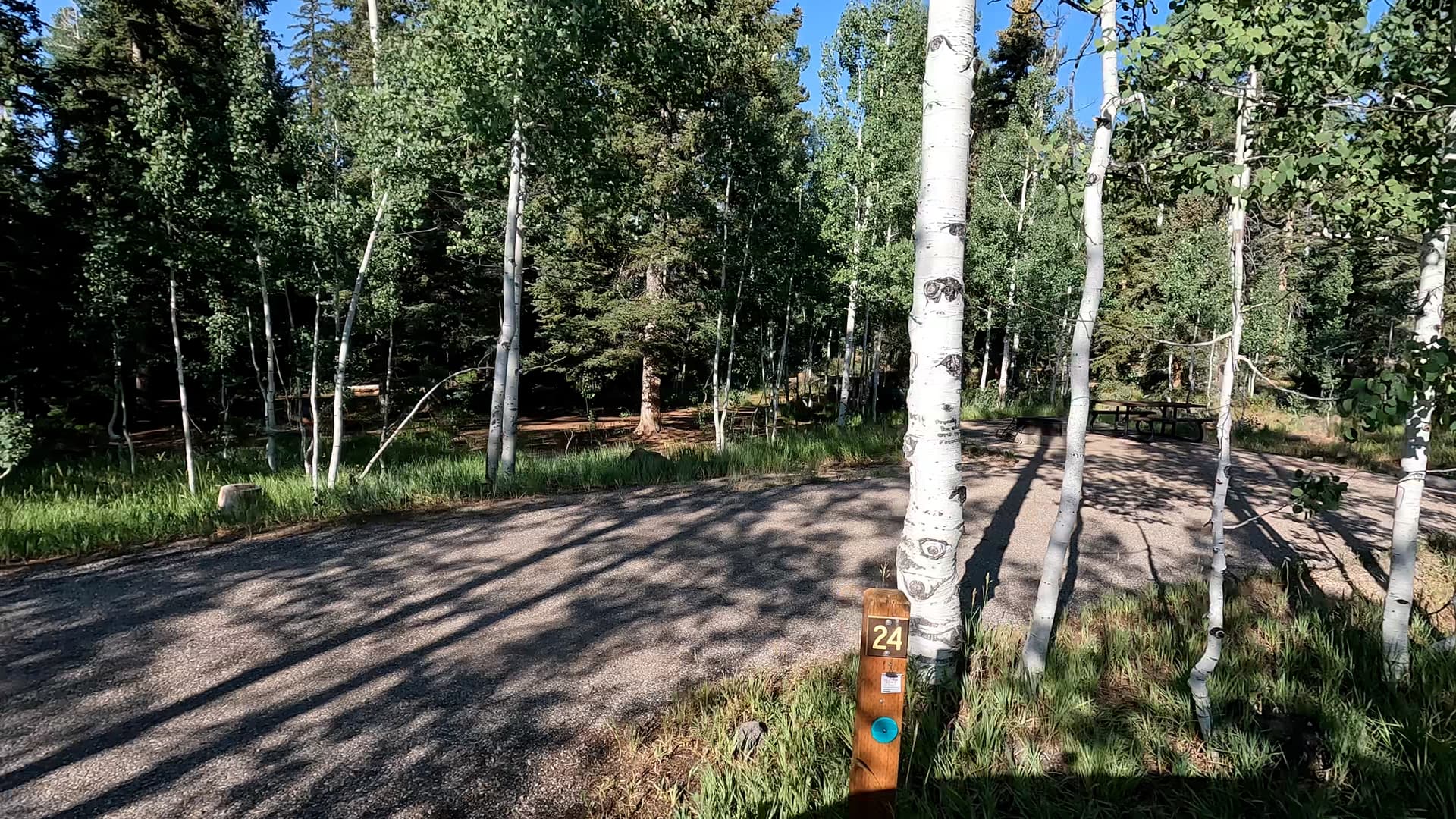
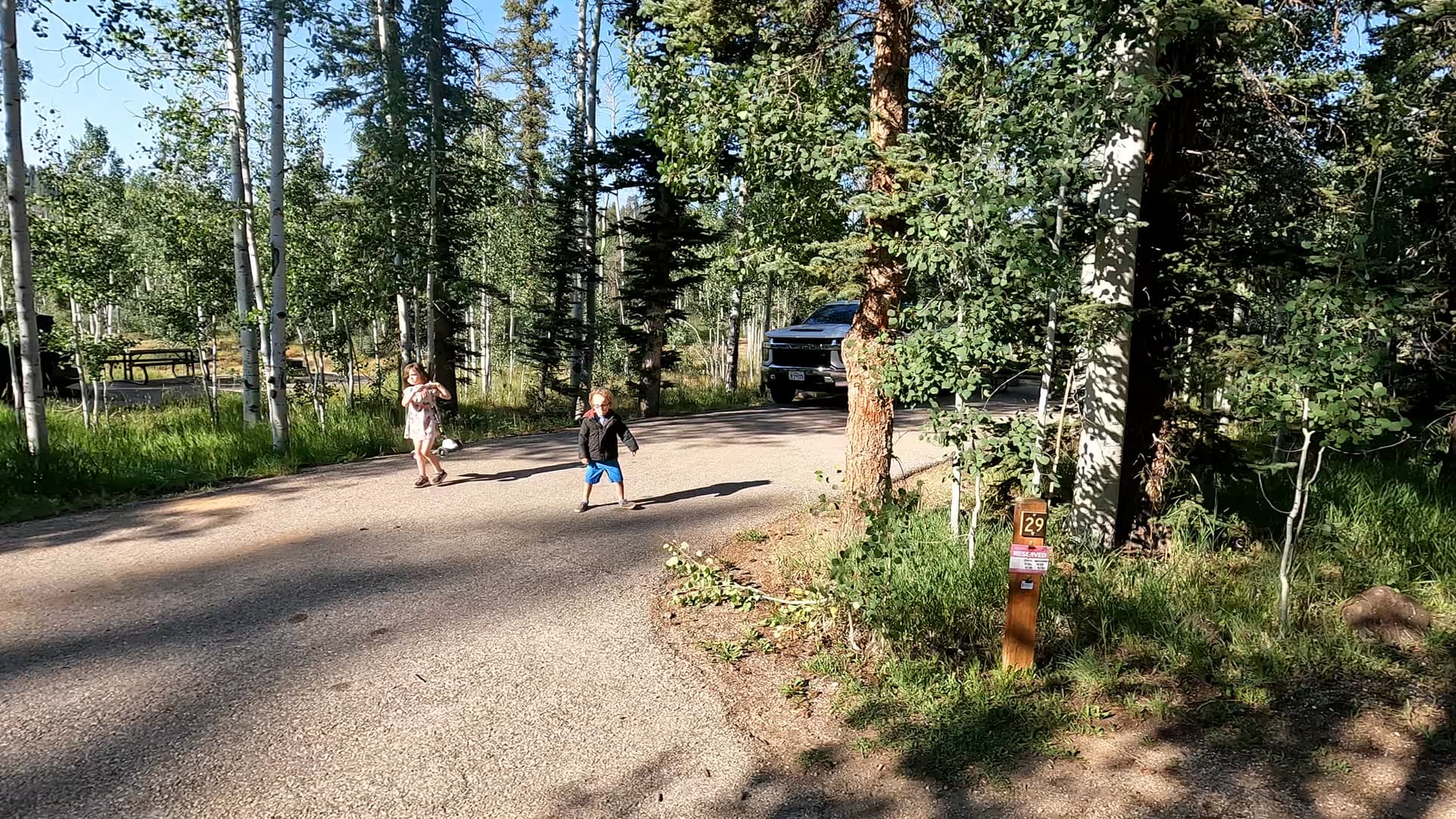
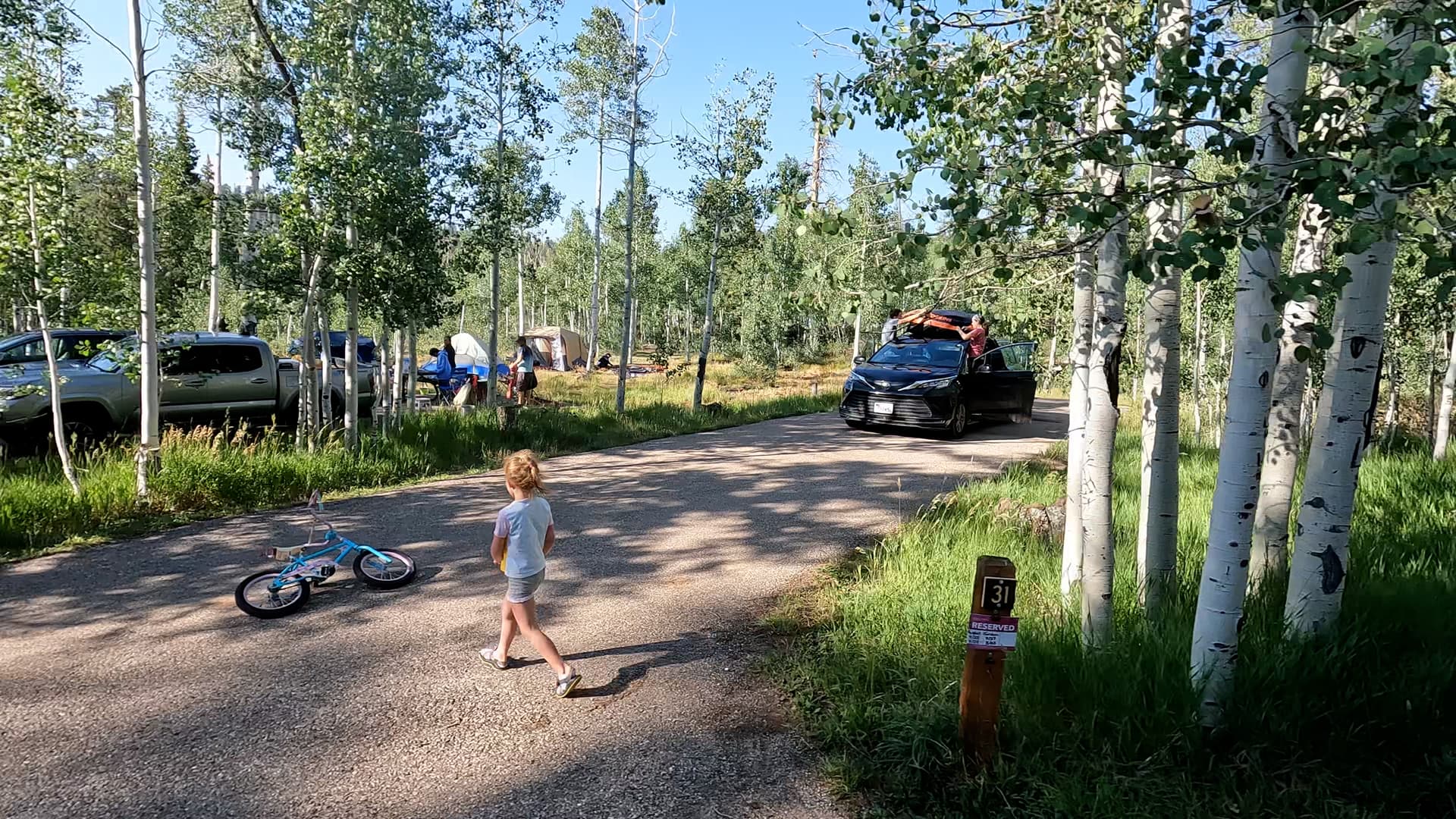
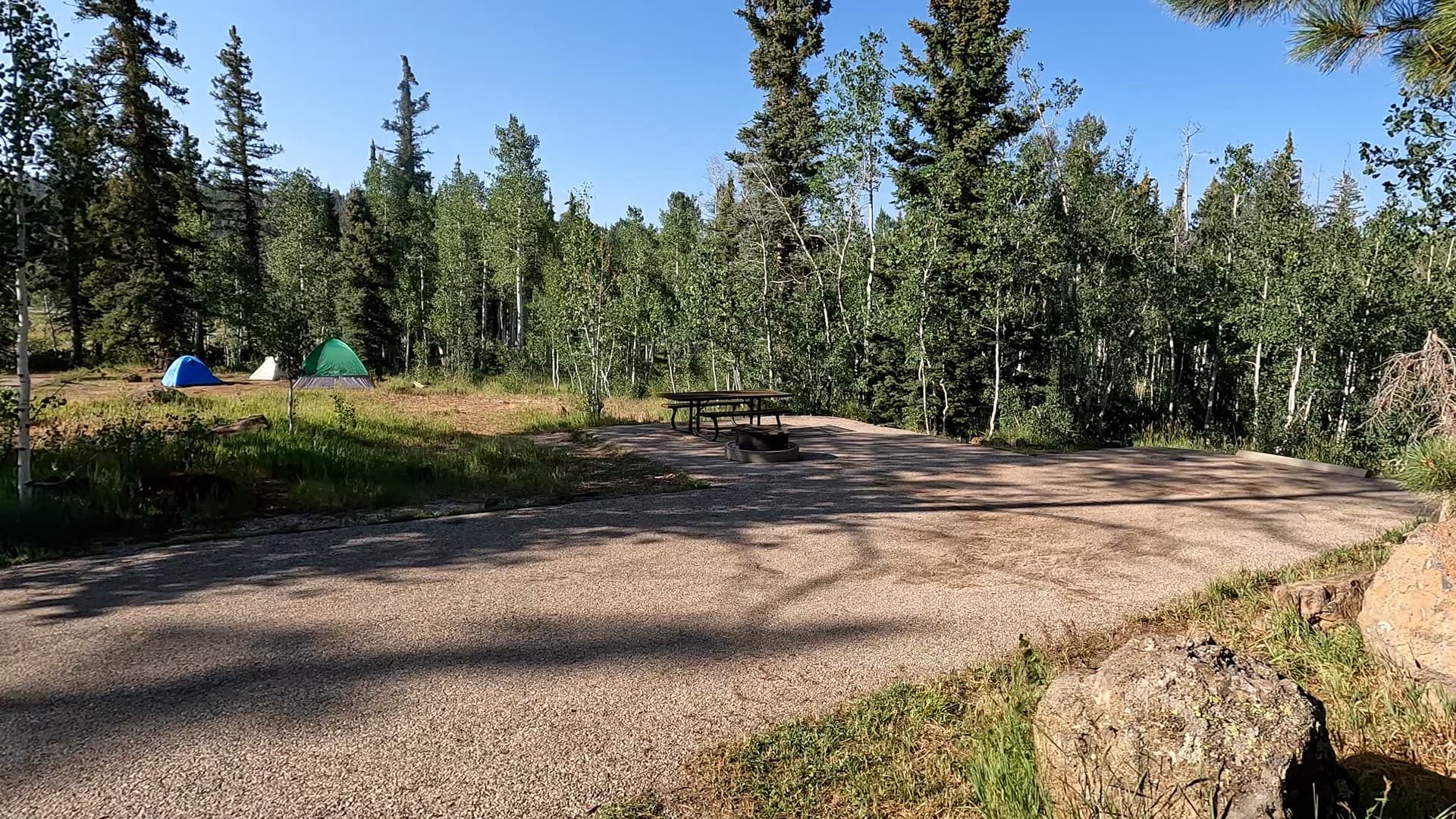
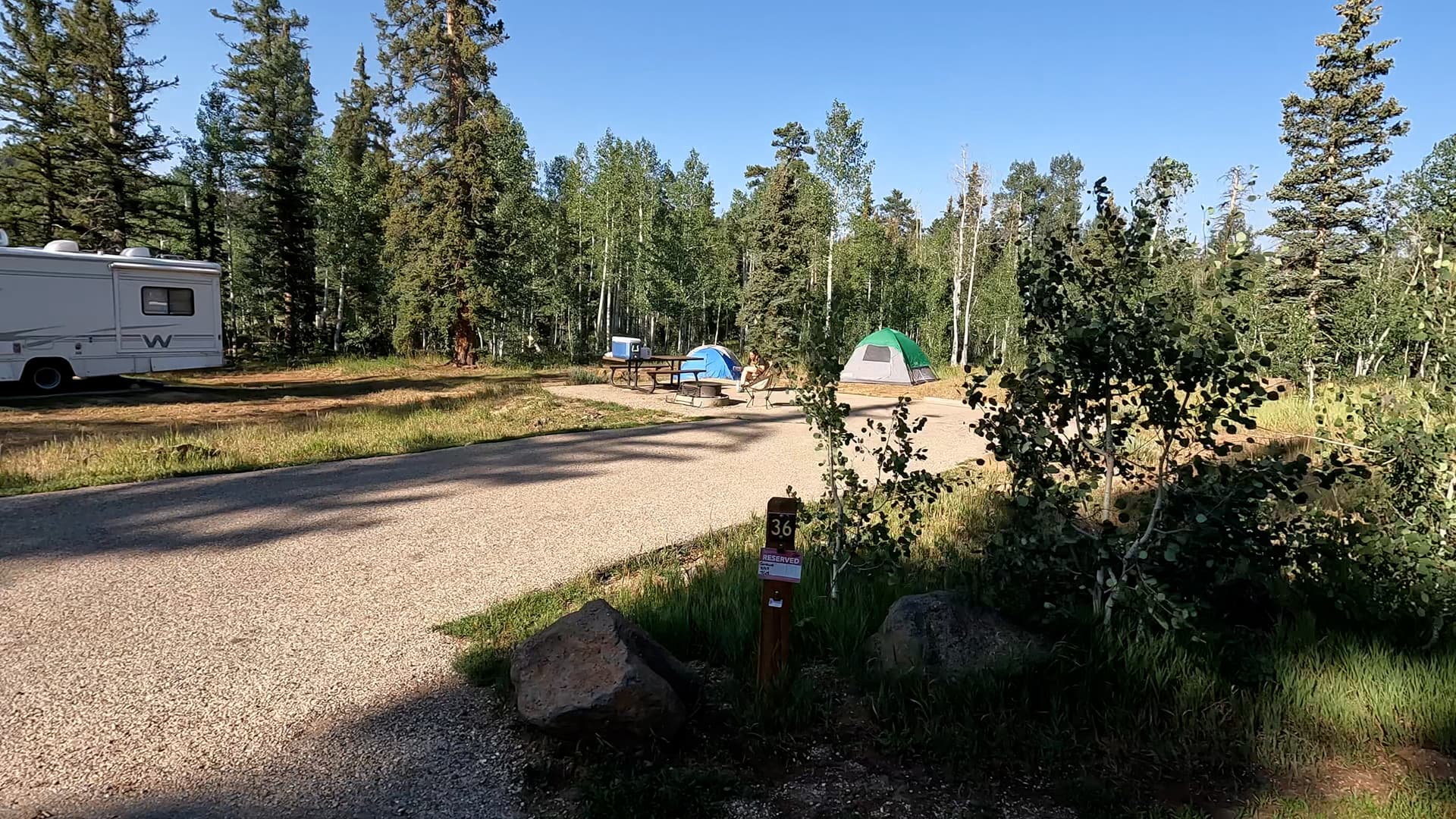
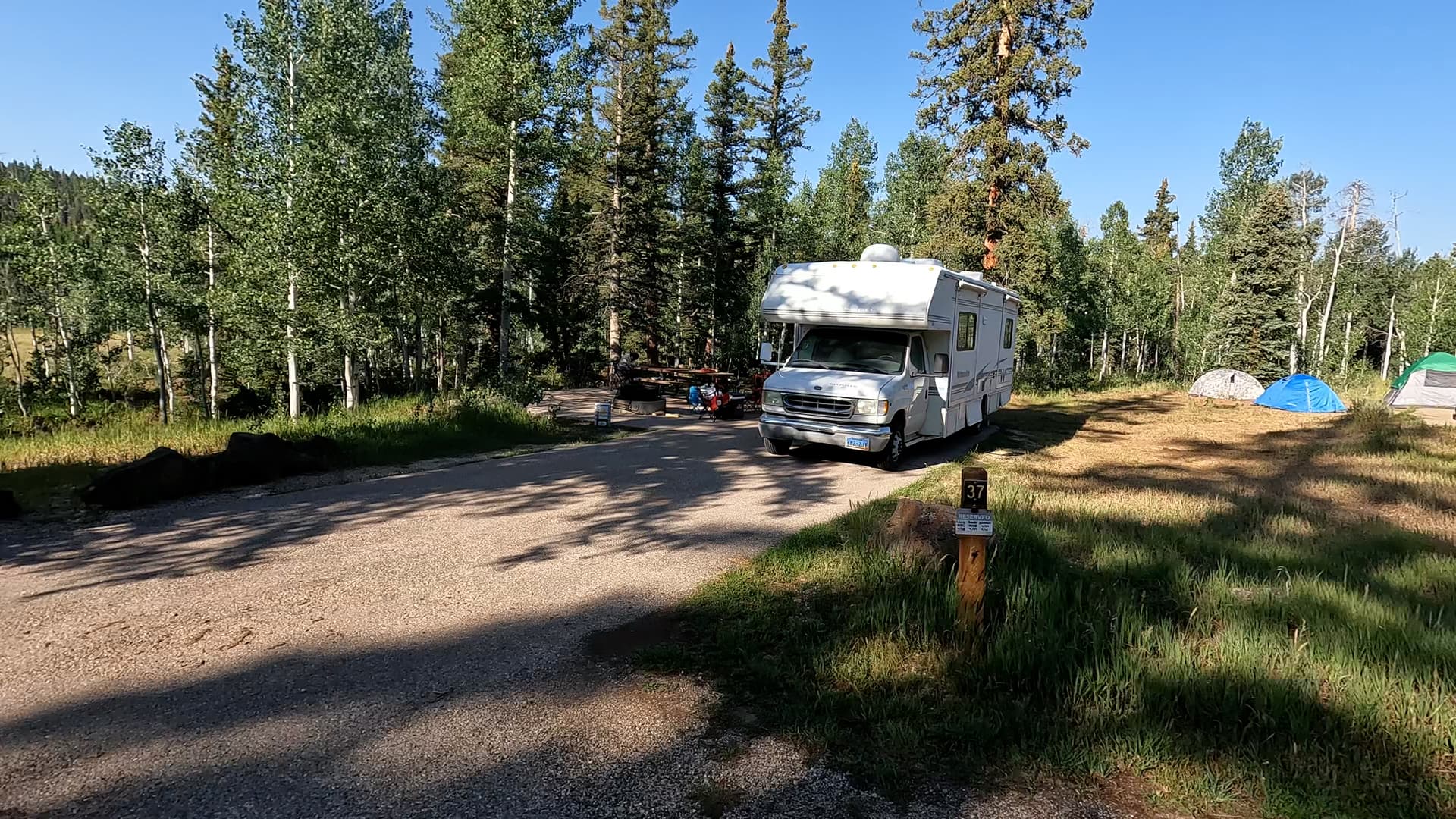
Duck Creek Campground is a popular high-elevation campground located near the Duck Creek Village area in the Dixie National Forest. Surrounded by spruce, fir, and aspen forest, this campground is known for its cool summer temperatures, easy access, and proximity to some of southern Utah’s most scenic landscapes. Its location makes it a convenient base for exploring nearby national monuments, lava fields, alpine meadows, and forest trails.

Location & Setting

The campground sits at approximately 8,400 feet in elevation along Scenic Byway 14, near Duck Creek Village. The surrounding Markagunt Plateau features rolling forested terrain, open meadows, and volcanic rock formations. Thanks to its elevation, Duck Creek Campground offers relief from summer heat and crisp mountain nights, along with clear skies that are well suited for stargazing.

Campground Overview

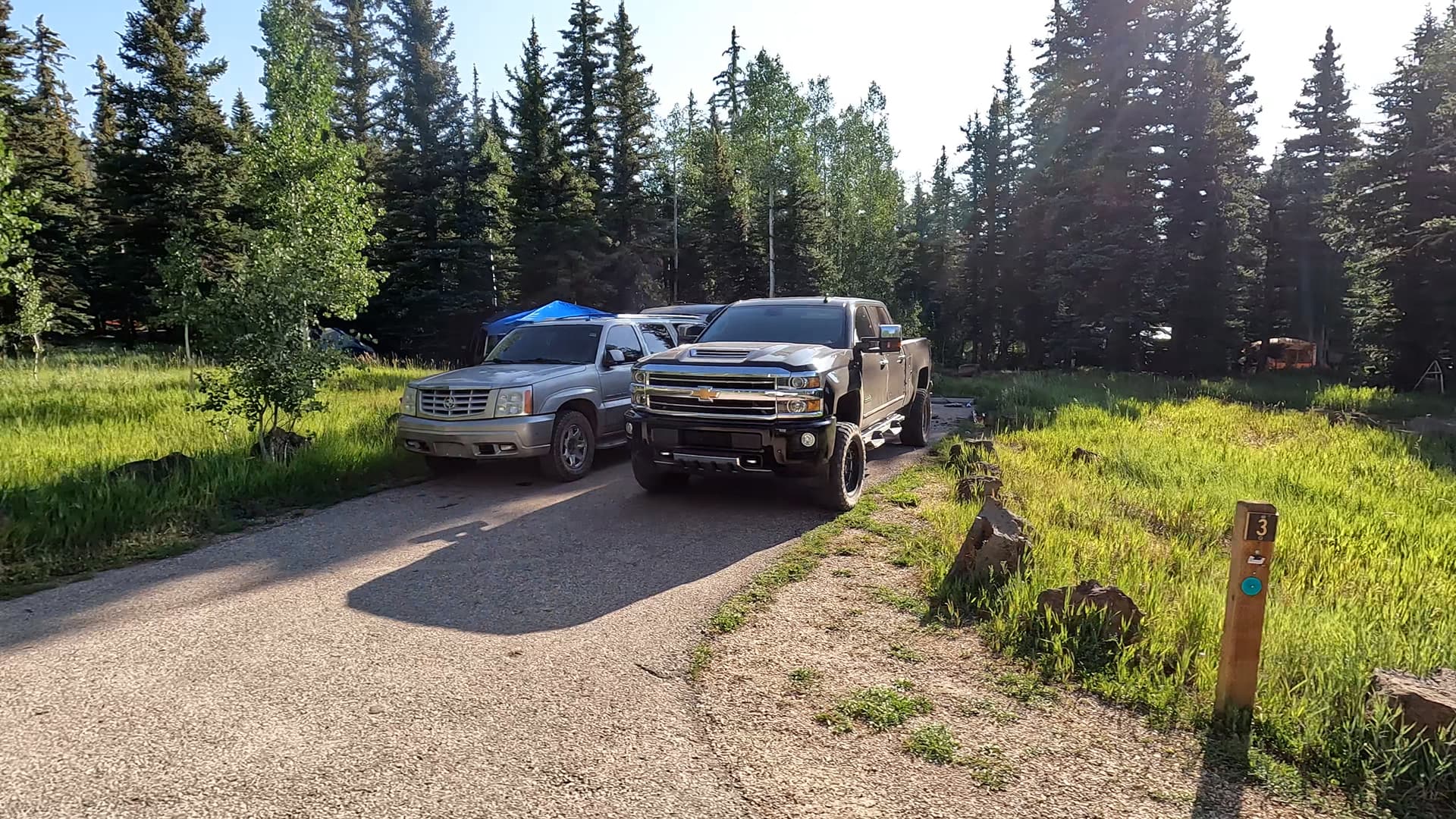
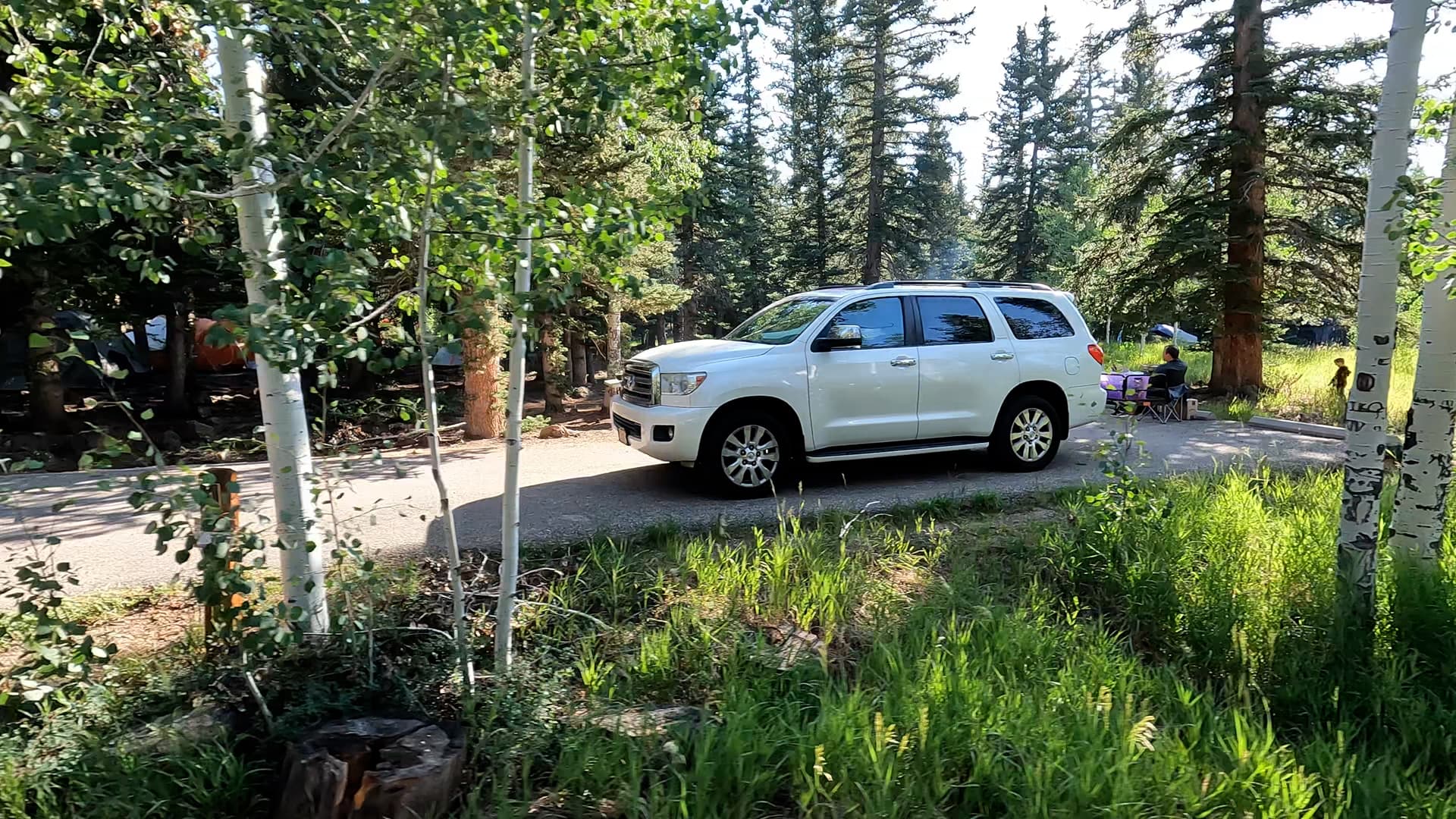
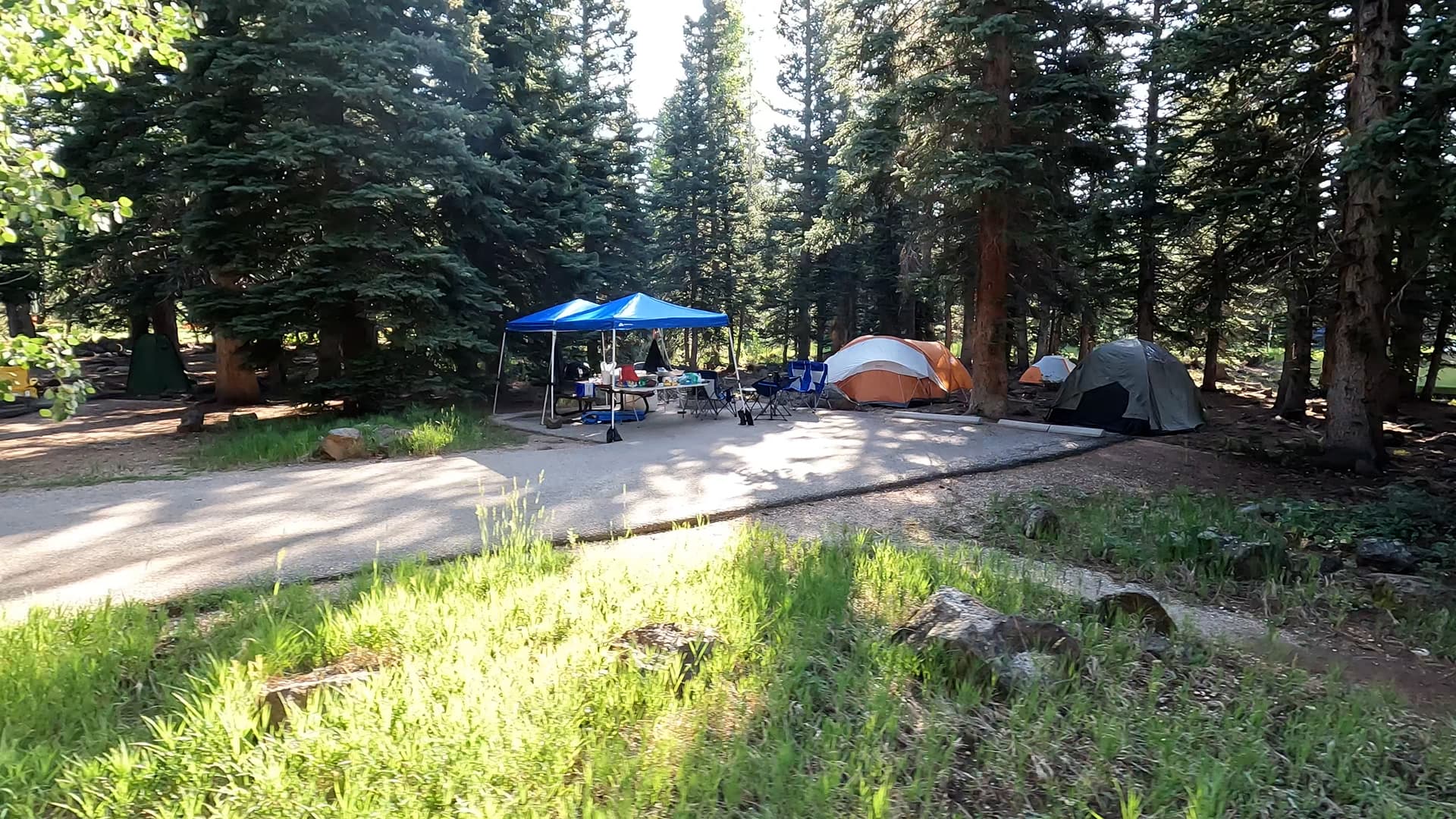
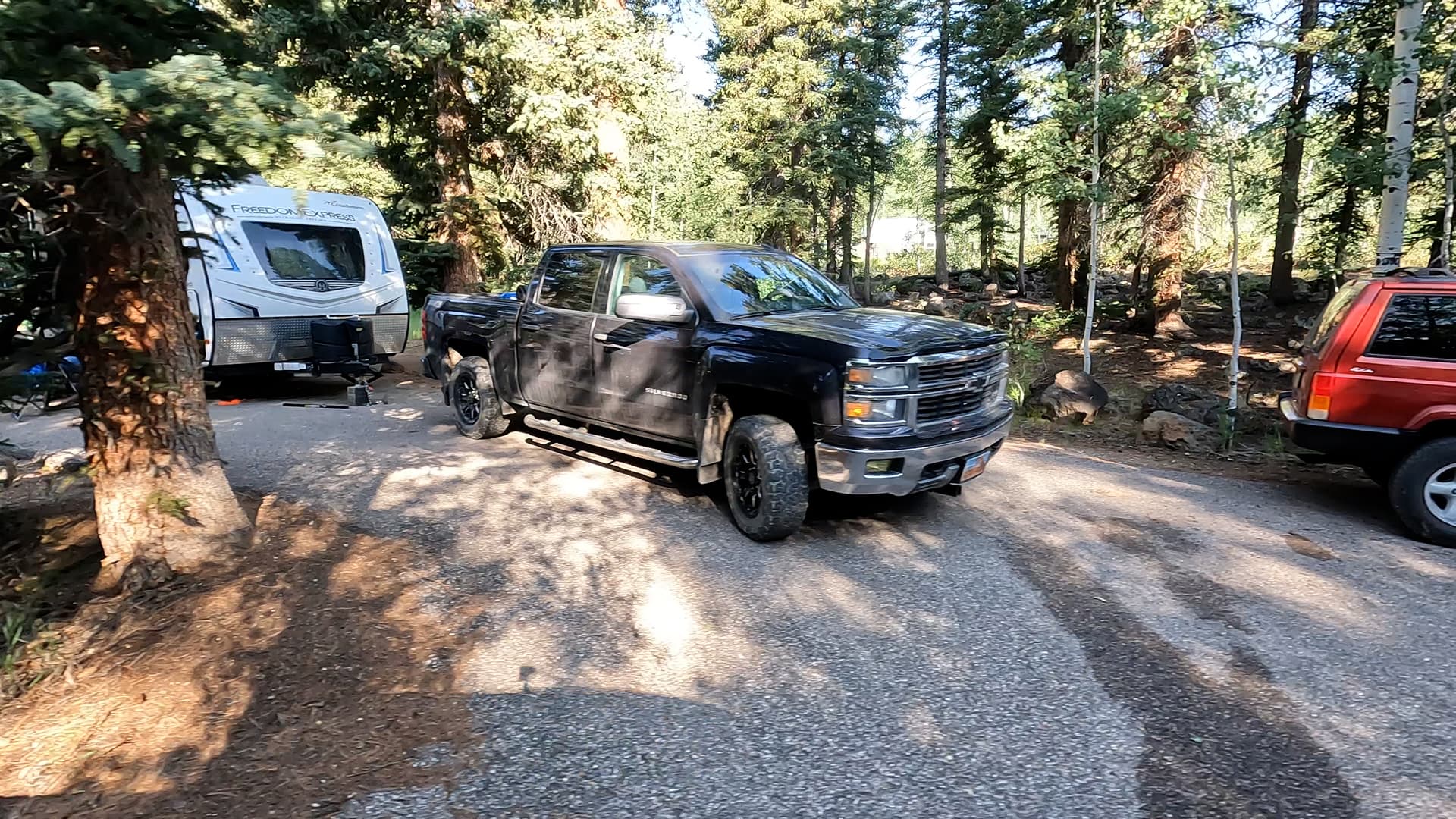
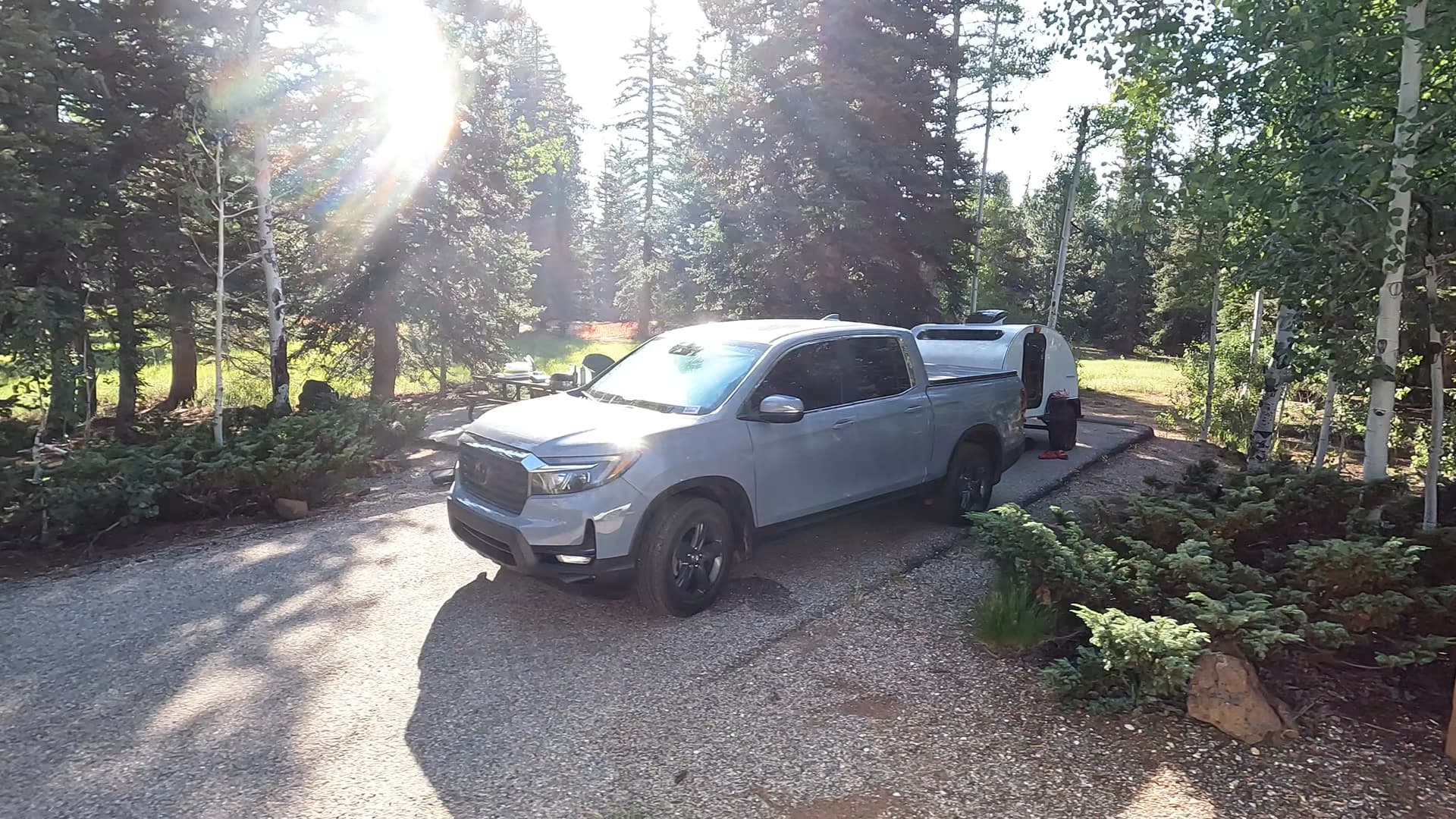
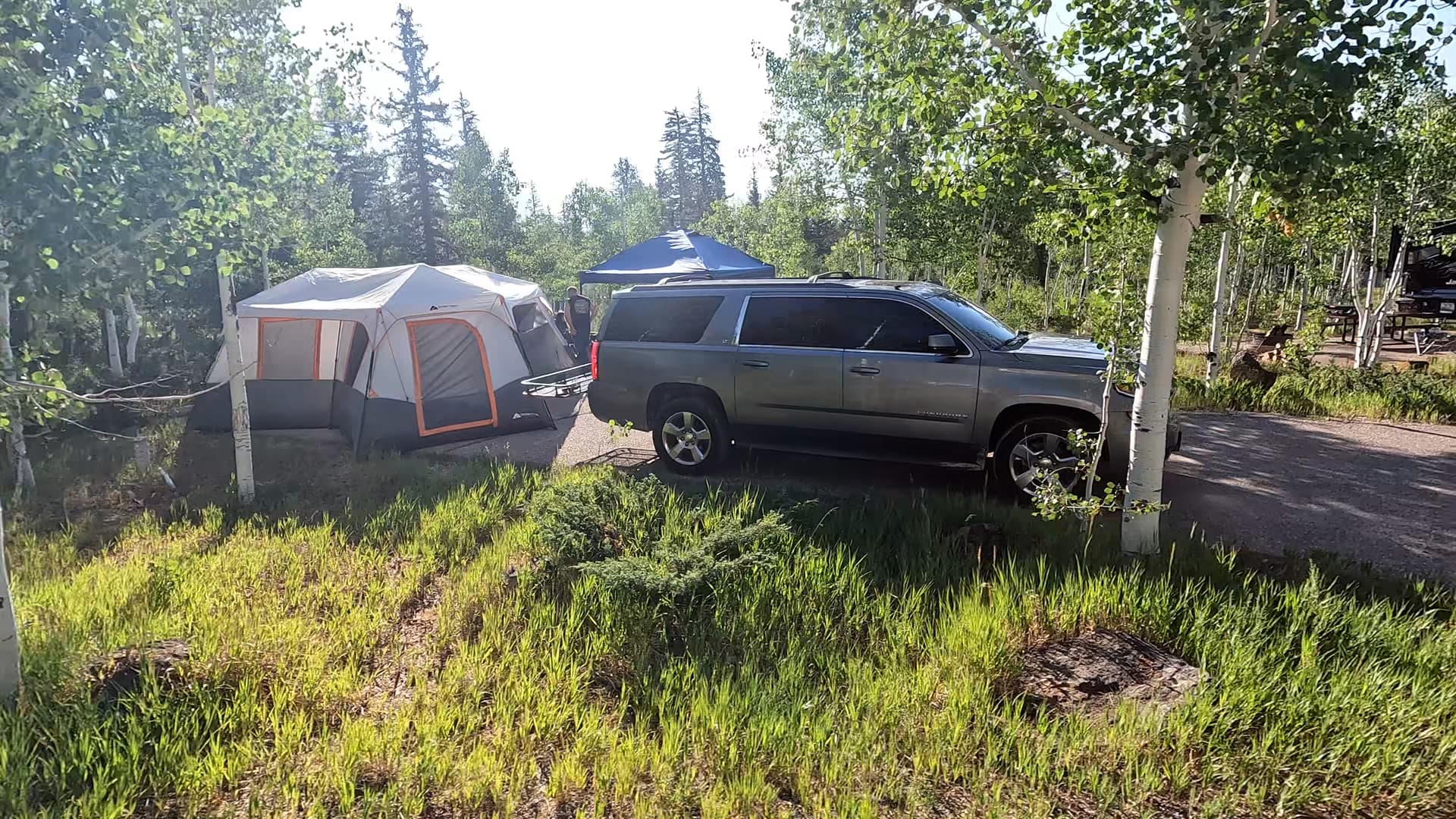
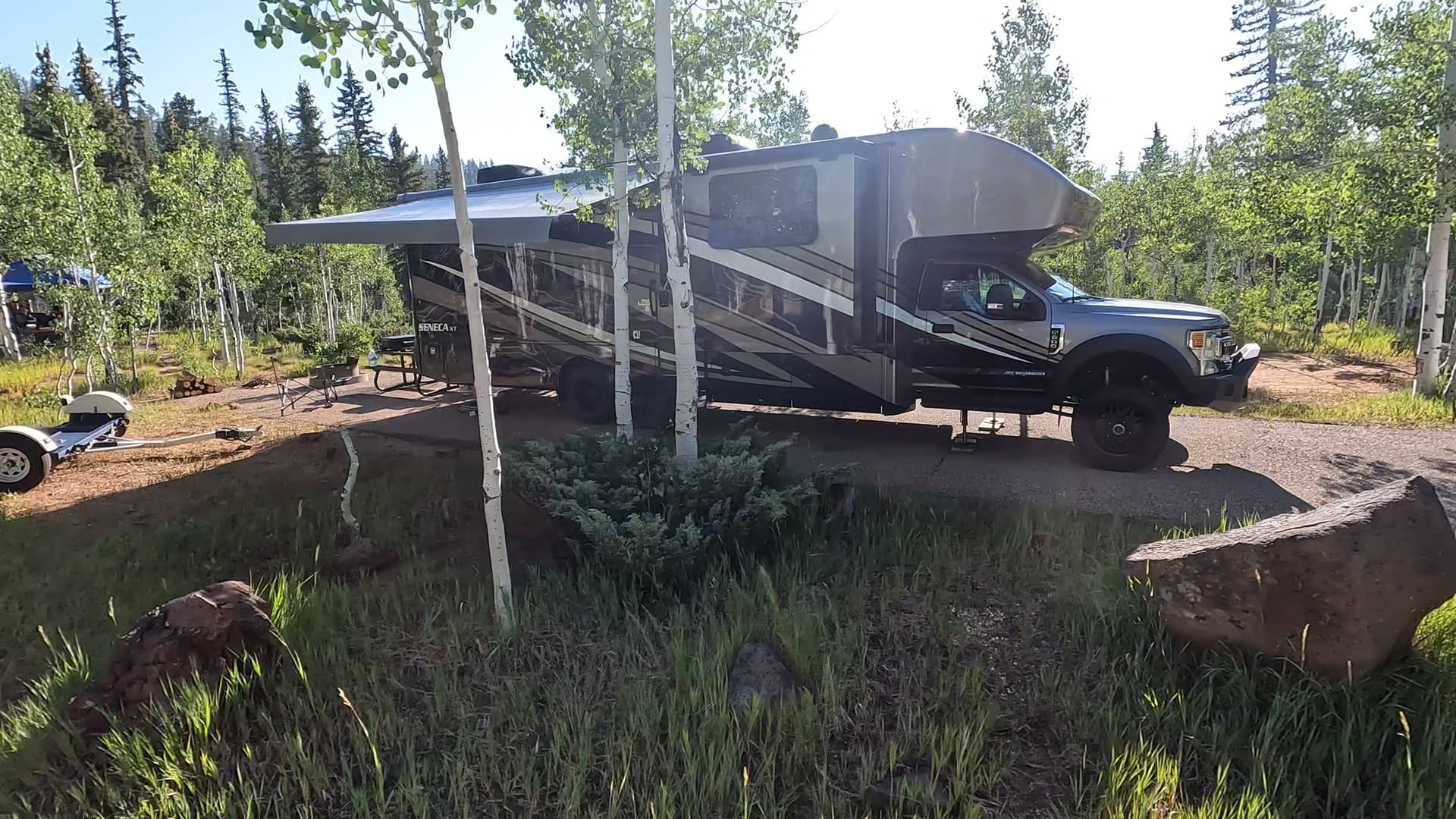
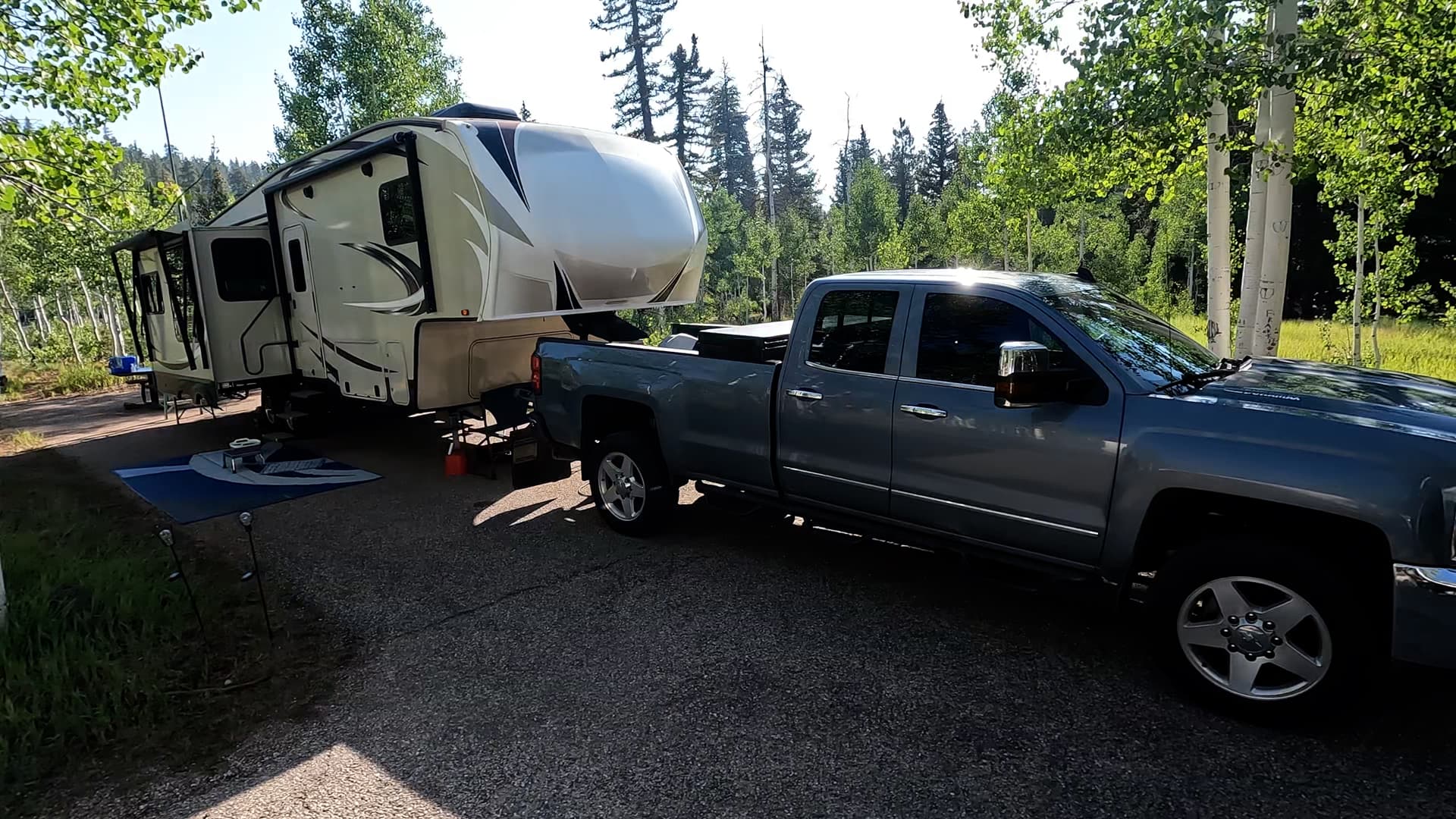
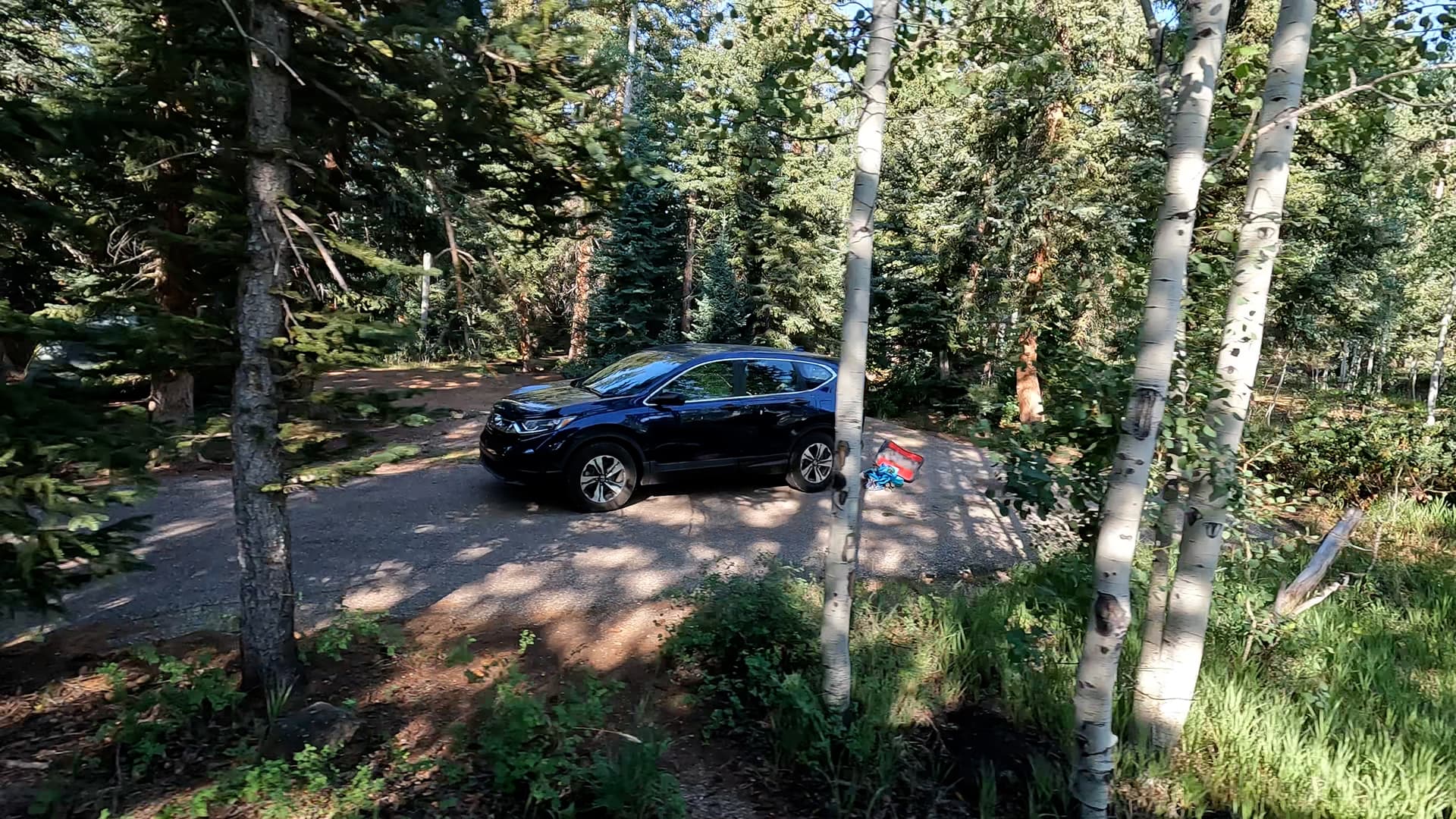
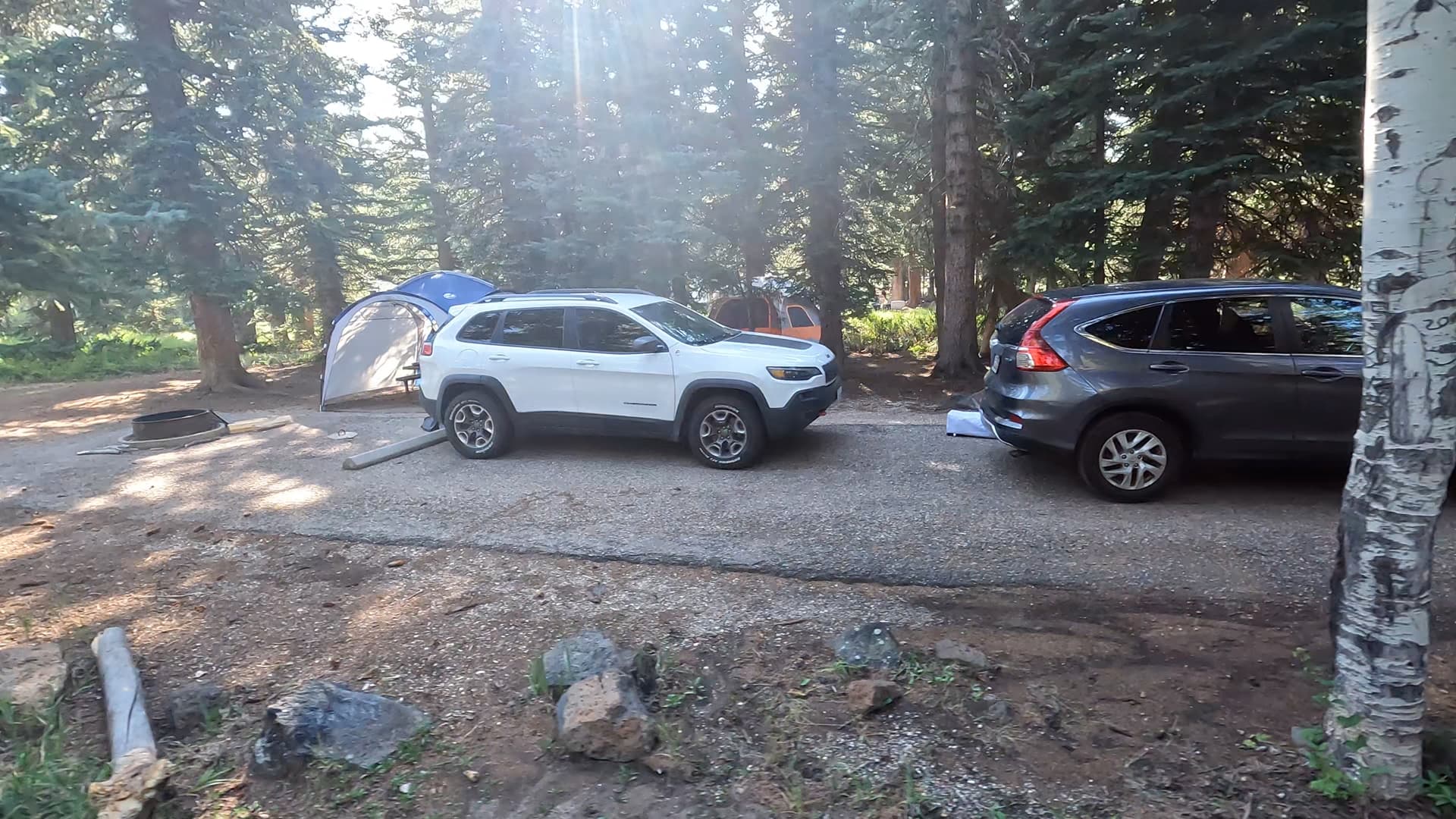
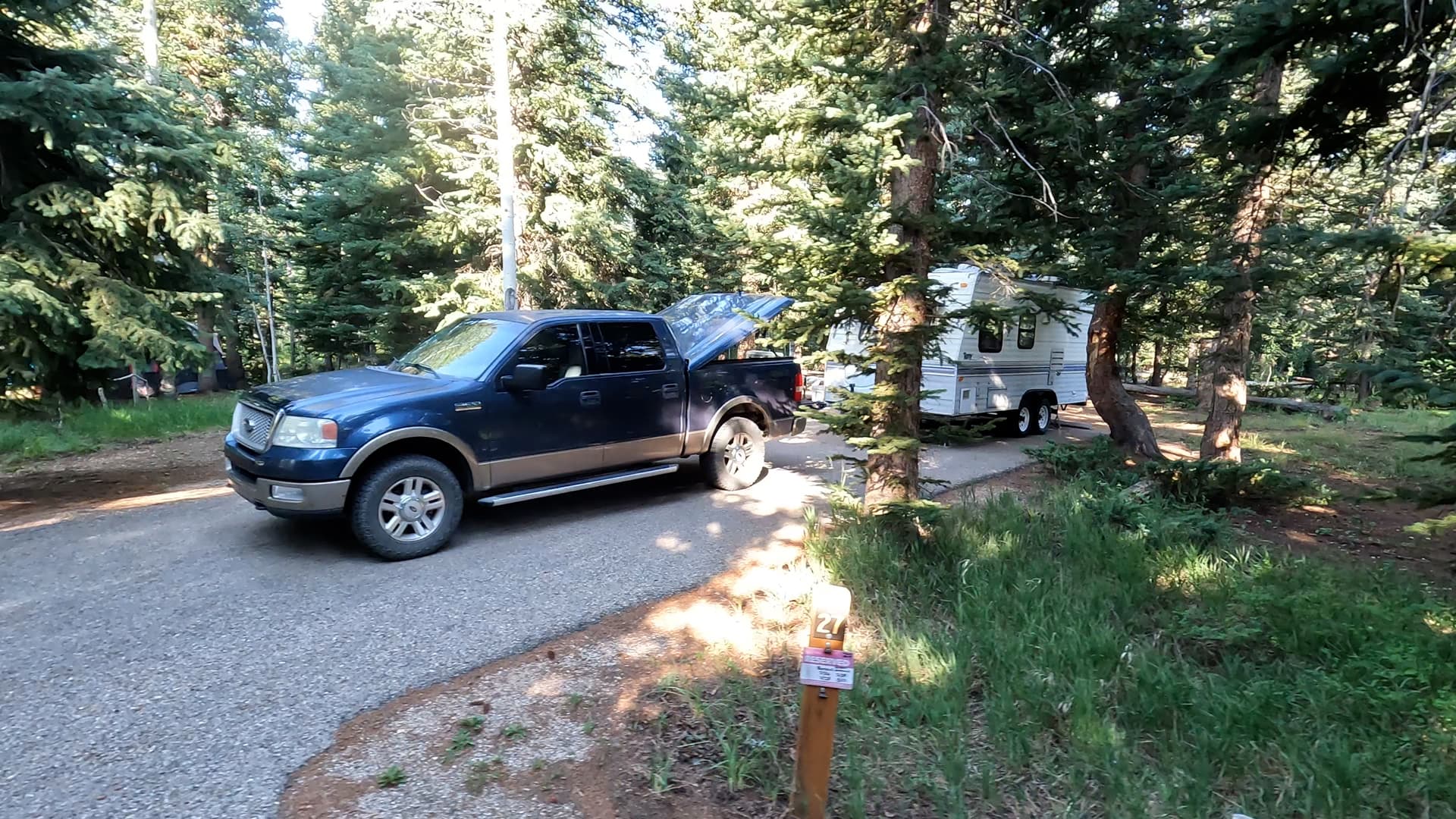
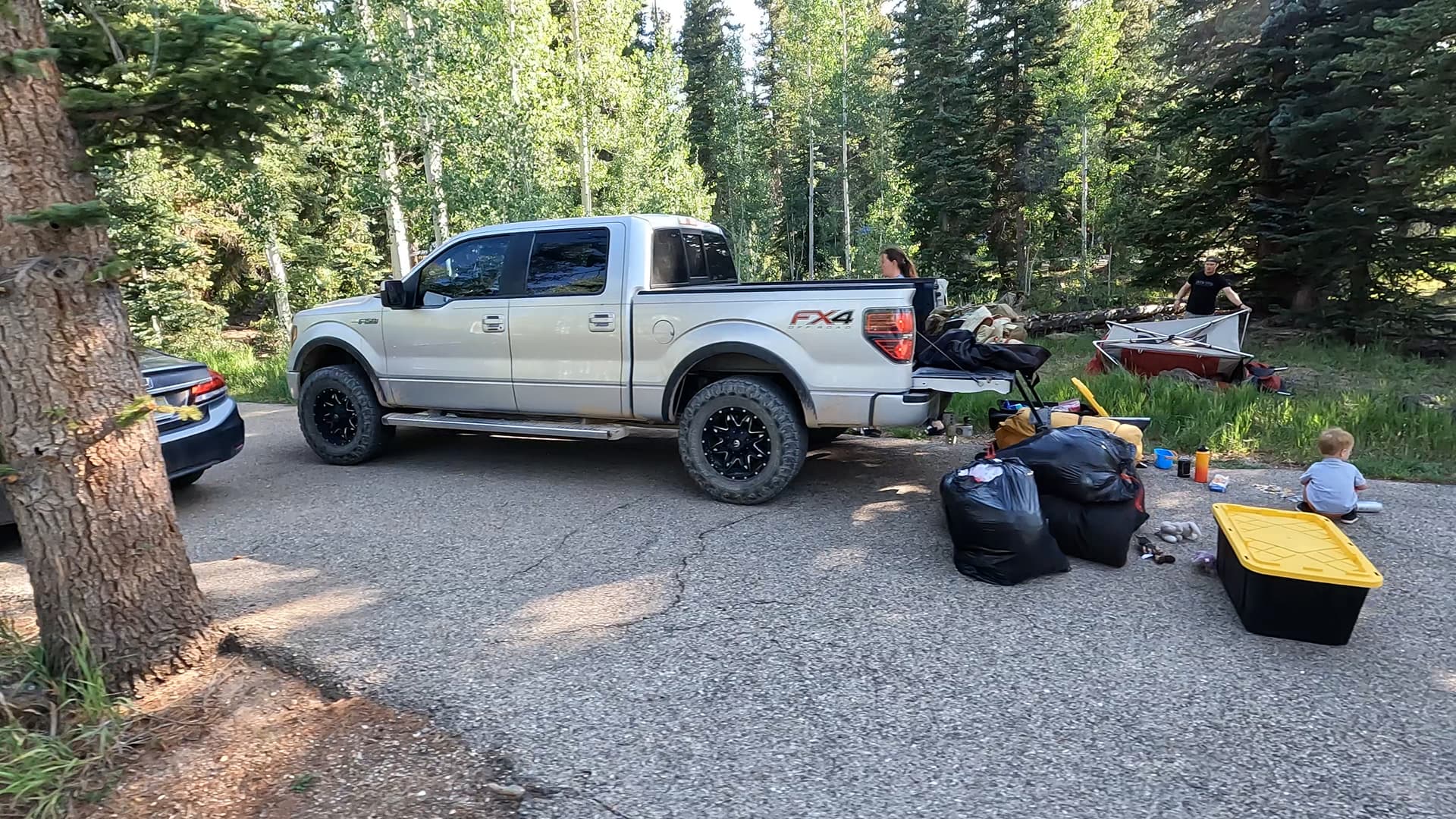
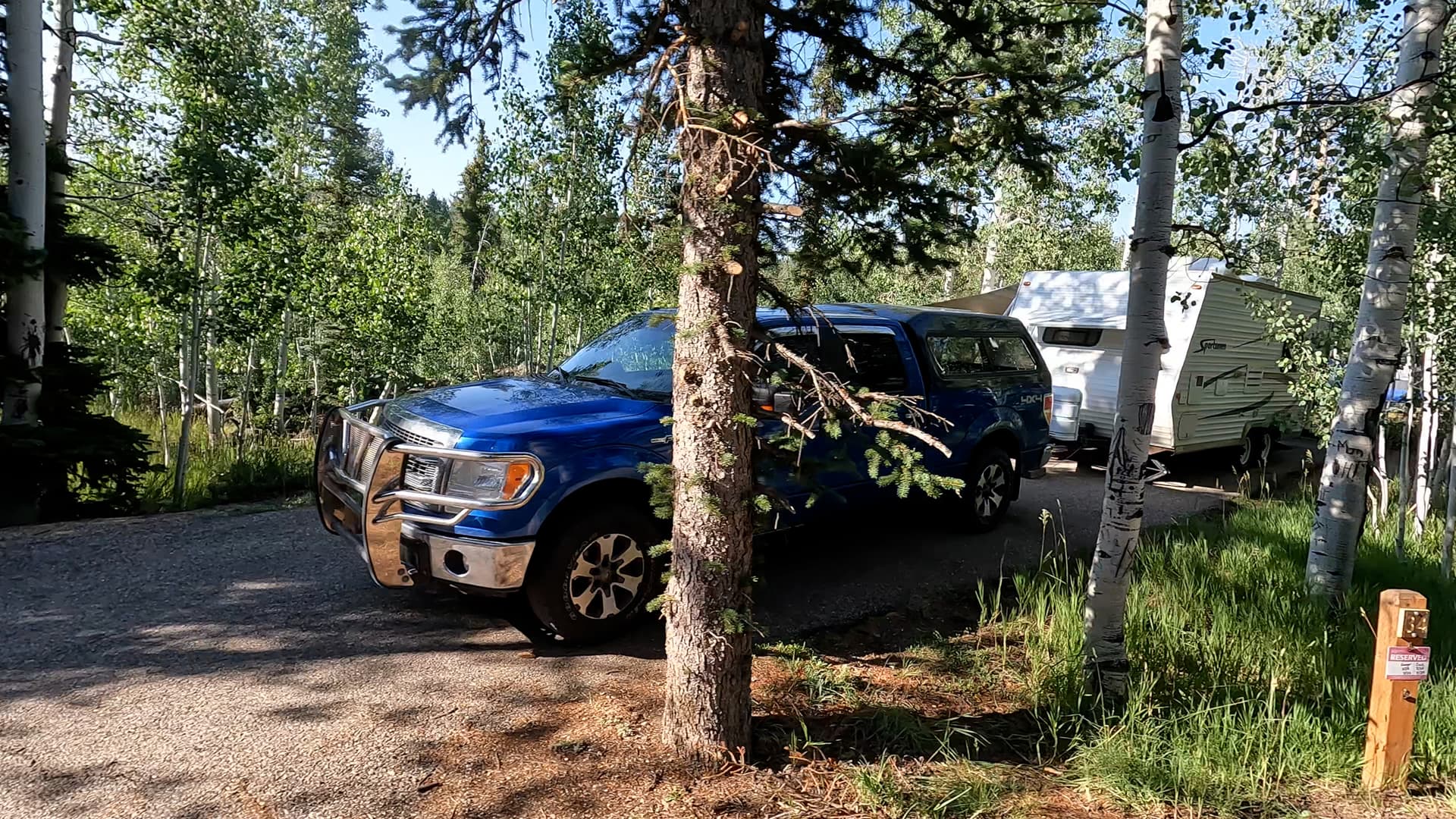
Duck Creek Campground is moderately sized, with campsites arranged in forested loops that provide a mix of shade and filtered sunlight. Sites accommodate tents, vans, trailers, and some RVs, though maneuvering can be tighter for larger rigs due to trees and turning radius. The campground’s popularity and convenient access mean it can fill quickly during peak summer weekends, especially when nearby lower-elevation areas are experiencing extreme heat.

Amenities

Amenities typically include picnic tables, fire rings, and vault toilets. Potable drinking water is usually available during the main camping season. There are no electrical hookups, showers, or dump stations within the campground, so campers should plan to be self-sufficient. Fire restrictions may be in effect during dry periods, and visitors should always follow current Dixie National Forest regulations.

Activities & Nearby Recreation

Duck Creek Campground provides excellent access to hiking, mountain biking, wildlife viewing, and scenic drives across the Markagunt Plateau. Nearby destinations include Cedar Breaks National Monument, Navajo Lake, Cascade Falls, and a network of forest roads leading to alpine meadows and lava fields. The area is also popular for fall color viewing when aspens turn gold, making late summer and early autumn especially rewarding times to camp.

Summary

Duck Creek Campground offers a cool, forested camping experience in one of southern Utah’s most accessible high-country areas. With its convenient location, shaded sites, and proximity to scenic destinations and trails, it’s a dependable choice for campers looking to escape desert heat and enjoy mountain landscapes. Whether you’re exploring nearby national monuments or relaxing beneath tall pines, Duck Creek Campground provides a comfortable and scenic base in the Dixie National Forest.

Nearby Campgrounds