An impromptu stop at Hovenweep National Monument on our road trip led to a surprising discovery - some of the most unique structures from the Ancestral Puebloans that we've ever seen! With a mountain backdrop, these Indian ruins are magical. Hovenweep National Monument was once called home to Ancestral Puebloan people from about AD 500 to AD 1300. The culture focused on farming, creating a landscape capable of growing food for an estimated 2500 people. To live and store crops they created masterful structures with impressive masonry - structures with numerous similarities to those found at other locations like Mesa Verde and Chaco Canyon. Structures found at Hovenweep vary wildly. One can find buildings with squared corners, rounded corners, and D-shaped dwellings. The fact that these structures have stood the test of time perched on mesa edges and boulders is astounding. There are six units that comprise Hovenweep National Monument spread out over 20 miles. Some of the remote locations are not as easily accessible. The Square Tower Group is the most accessible featuring the park's visitor center and a campground. The trail is 2 miles long that includes an 80 foot descent and ascent in and out of the canyon.
Hovenweep
5 out of 5
Check out these other resources:
Amenities and Activities
Things to Do
Campground Overview
Hovenweep Campground – Hovenweep National Monument, Utah
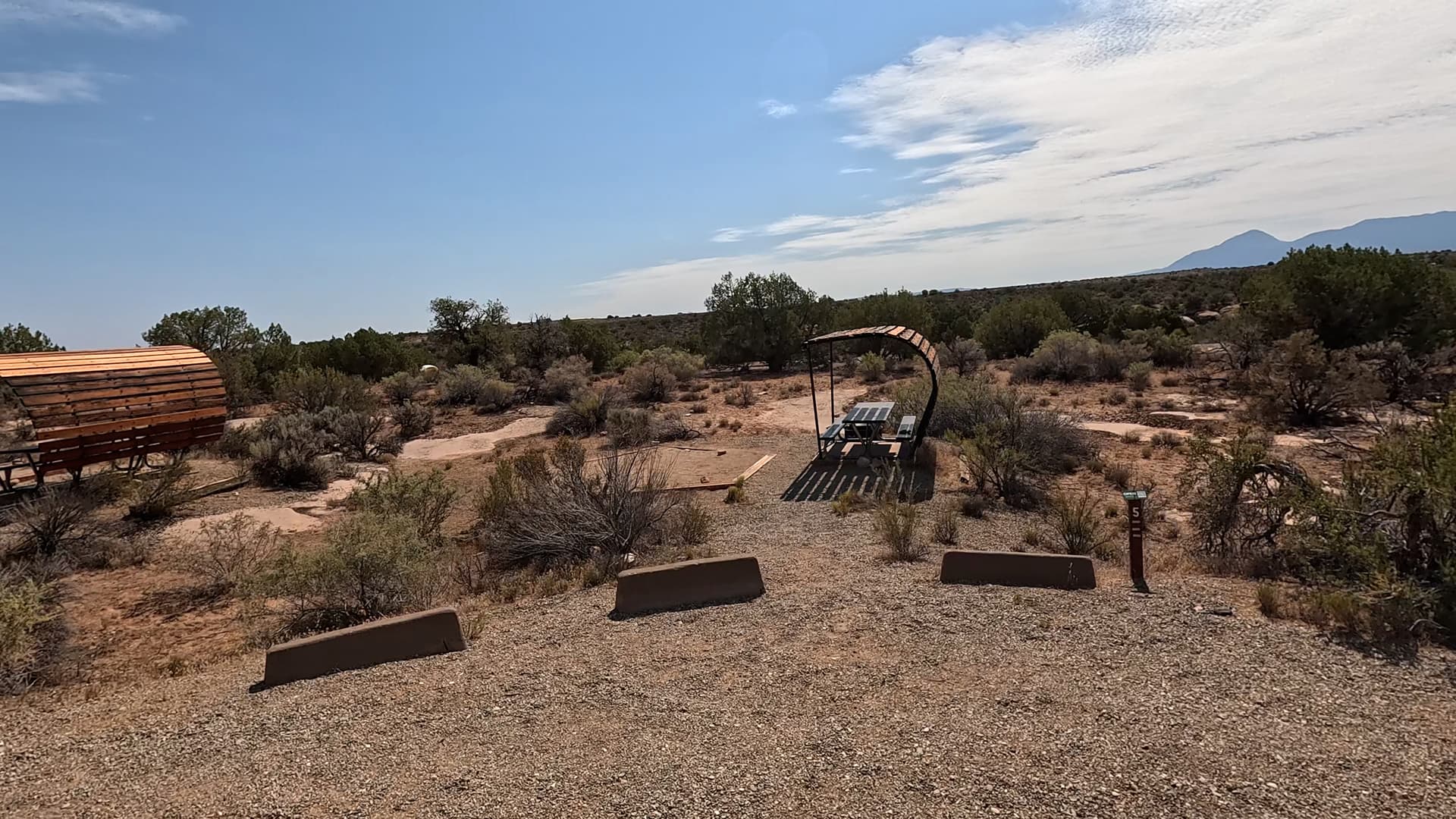
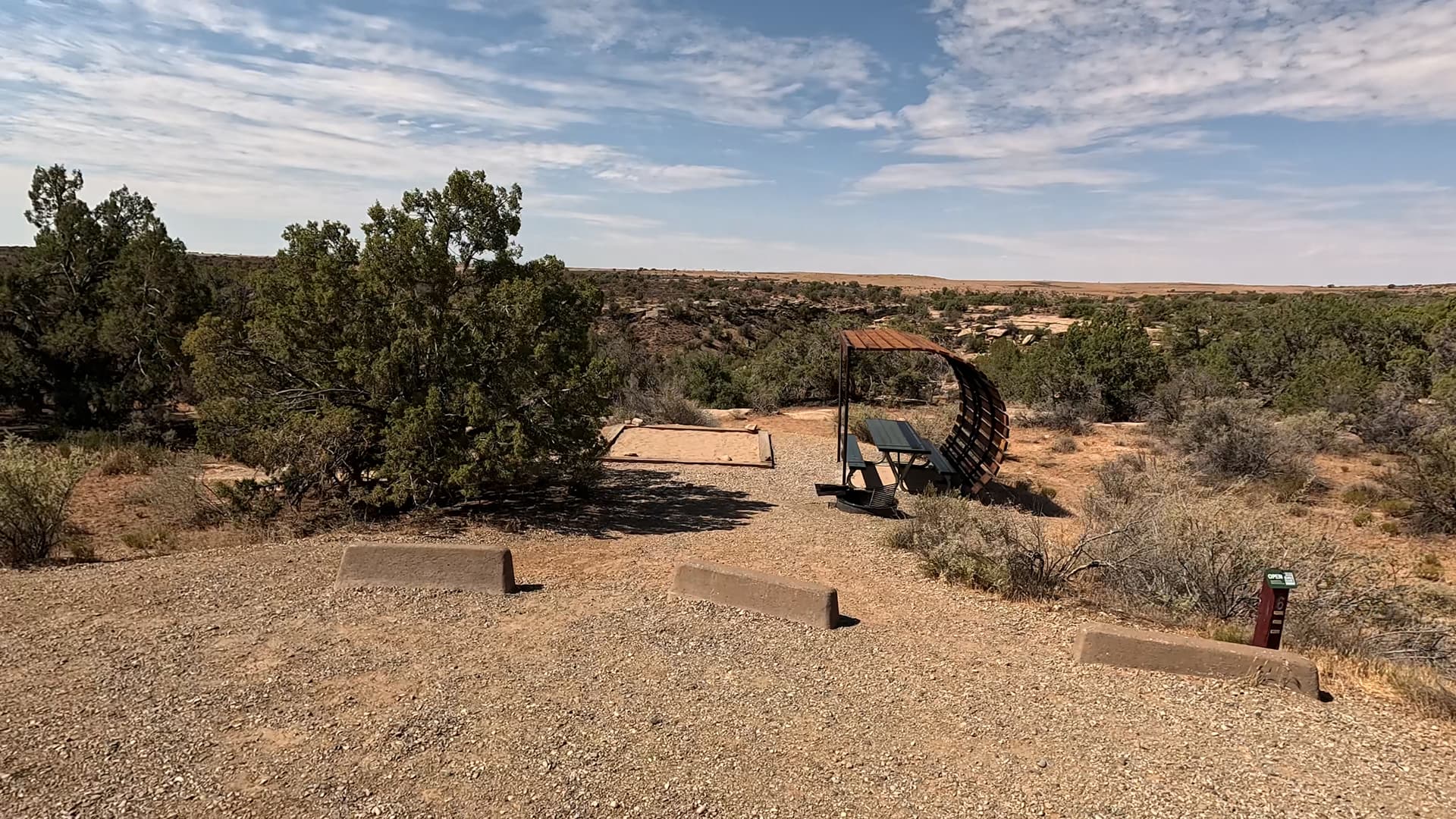
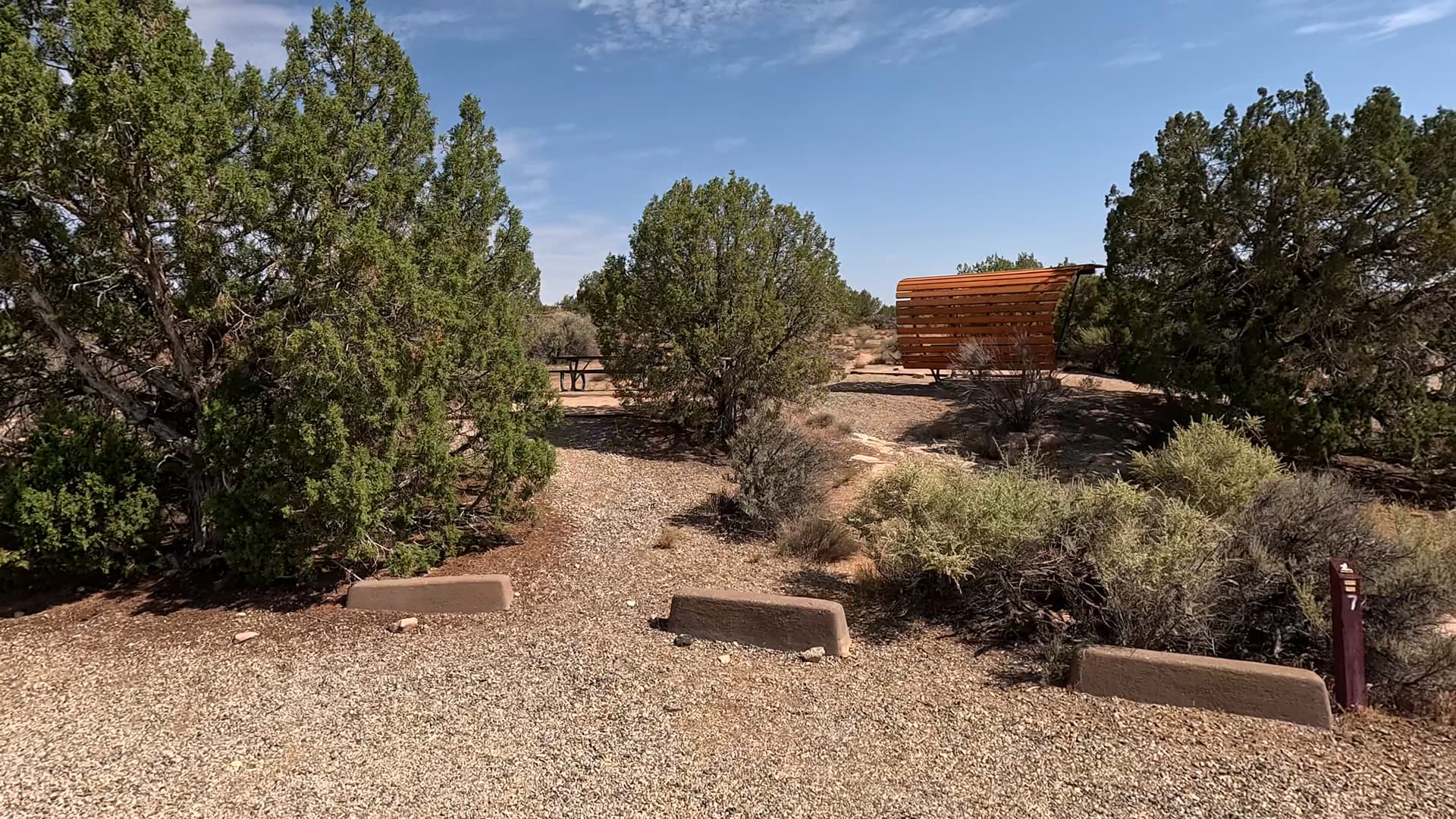
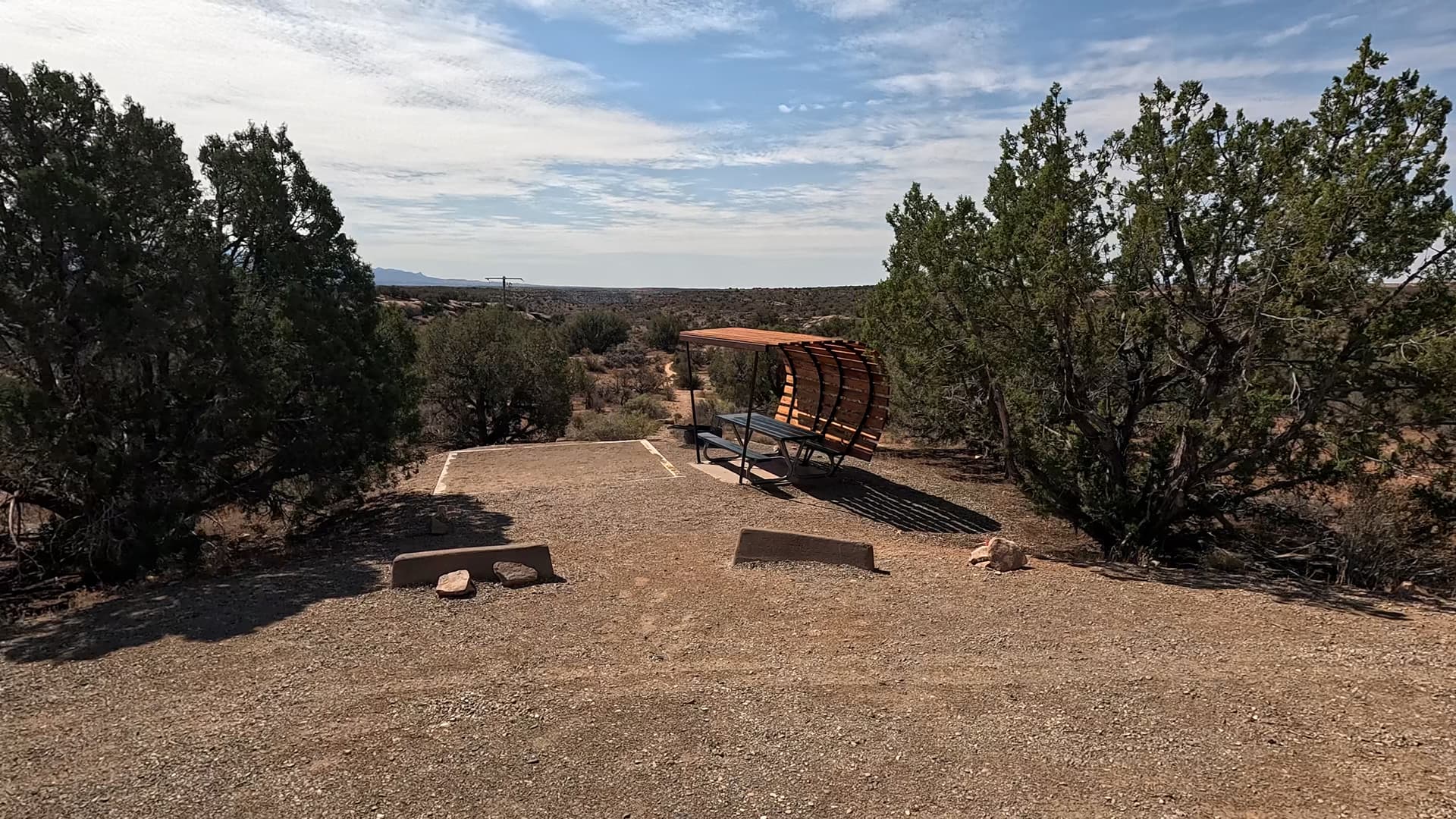
Hovenweep National Monument Campground is a quiet desert campground located adjacent to the Hovenweep Visitor Center near the Utah–Colorado border. Surrounded by piñon-juniper woodland and high desert mesas, the campground provides a peaceful setting within walking distance of some of the best-preserved ancestral Puebloan structures in the American Southwest. Its remote location, dark skies, and easy access to archaeological sites make it a memorable destination for history enthusiasts, hikers, and photographers alike.
Location & Setting
The campground sits near the entrance to Hovenweep National Monument at an elevation of approximately 5,200 feet. Unlike many national park campgrounds tucked into forests or mountain valleys, Hovenweep offers an open high-desert landscape characterized by sagebrush, juniper, sandstone outcrops, and expansive views. The monument's remarkable stone towers and cliff dwellings are just a short walk from the campground via the visitor center and the popular Castle Trail.
Campground Overview
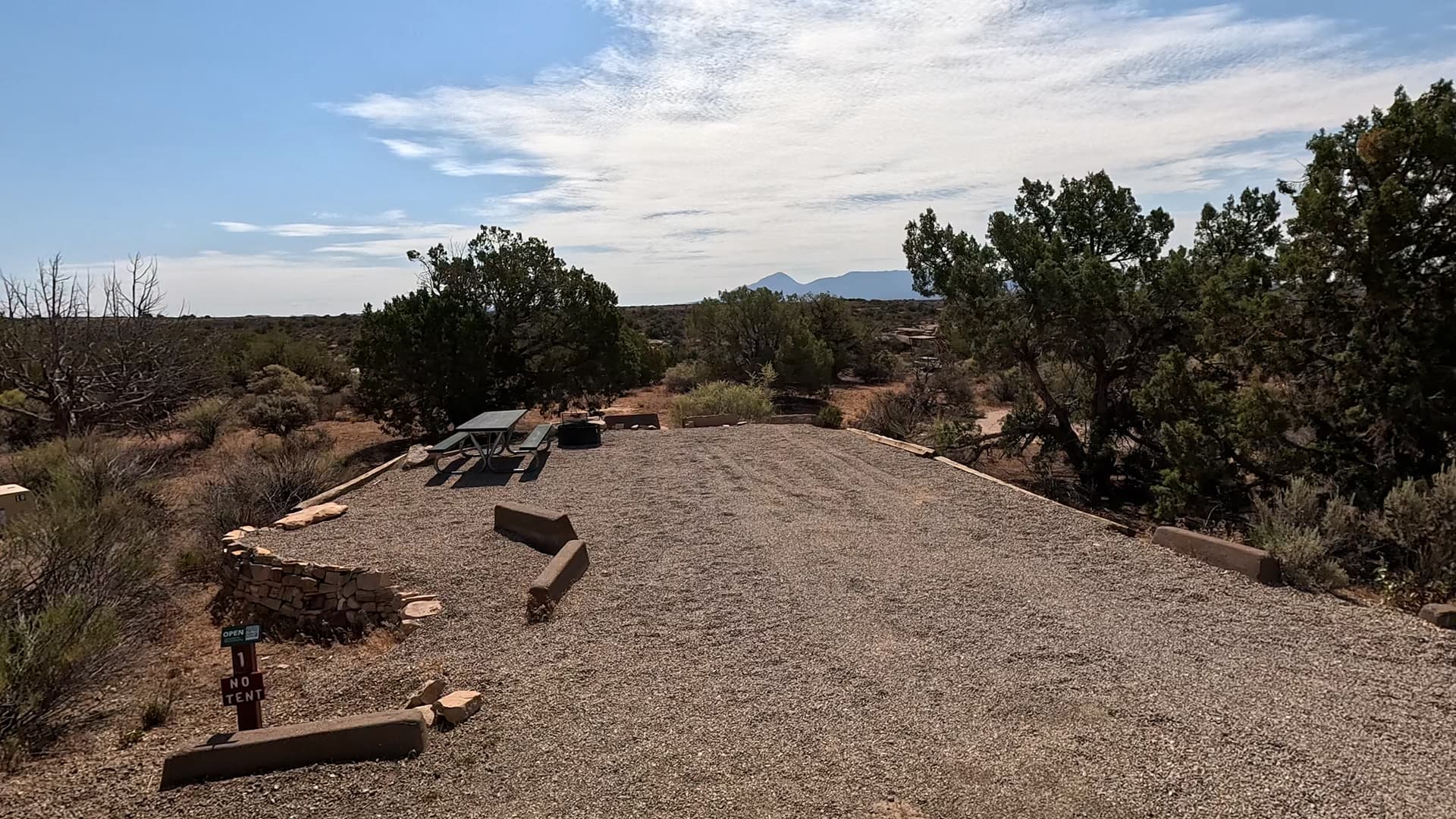
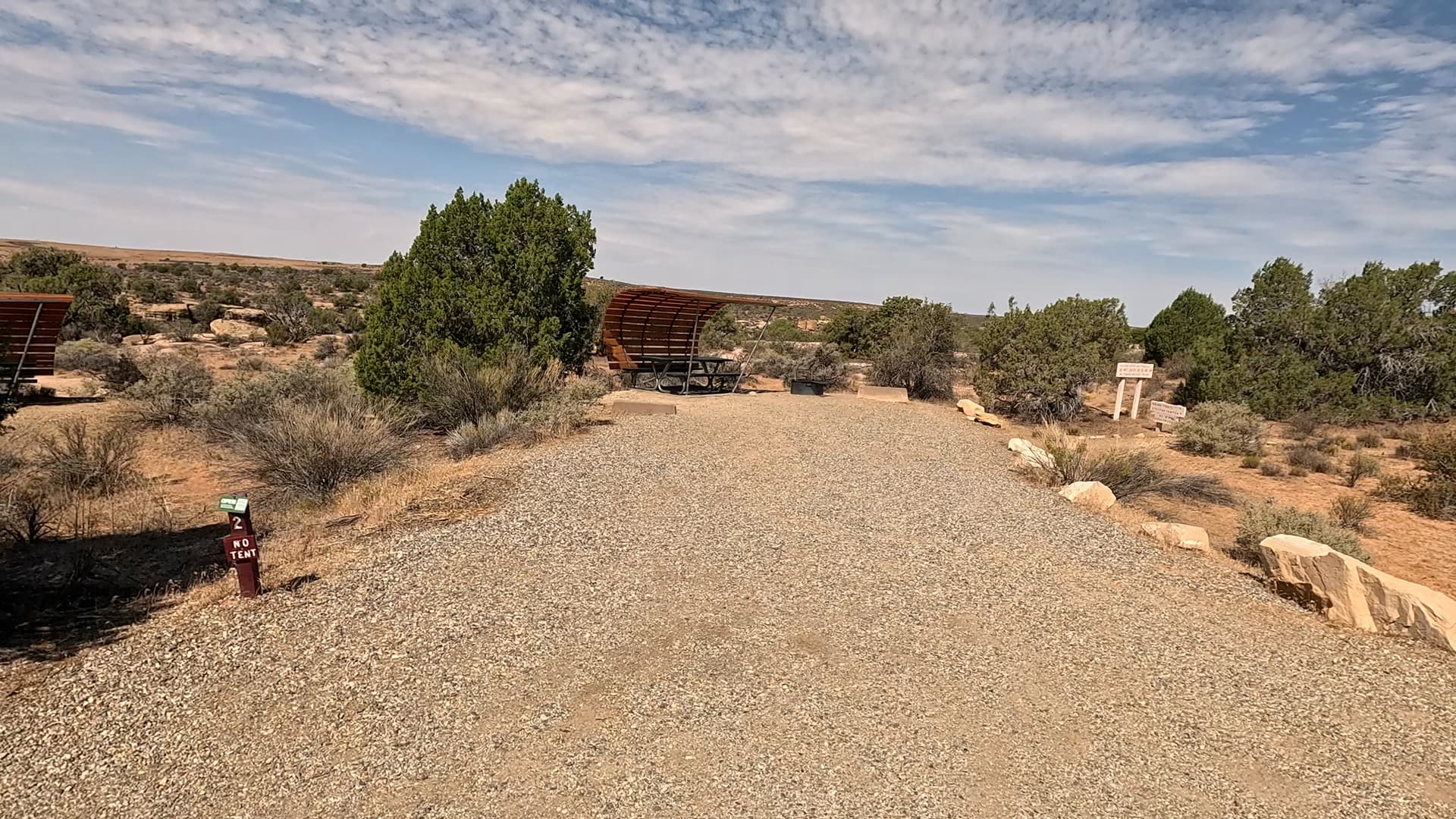
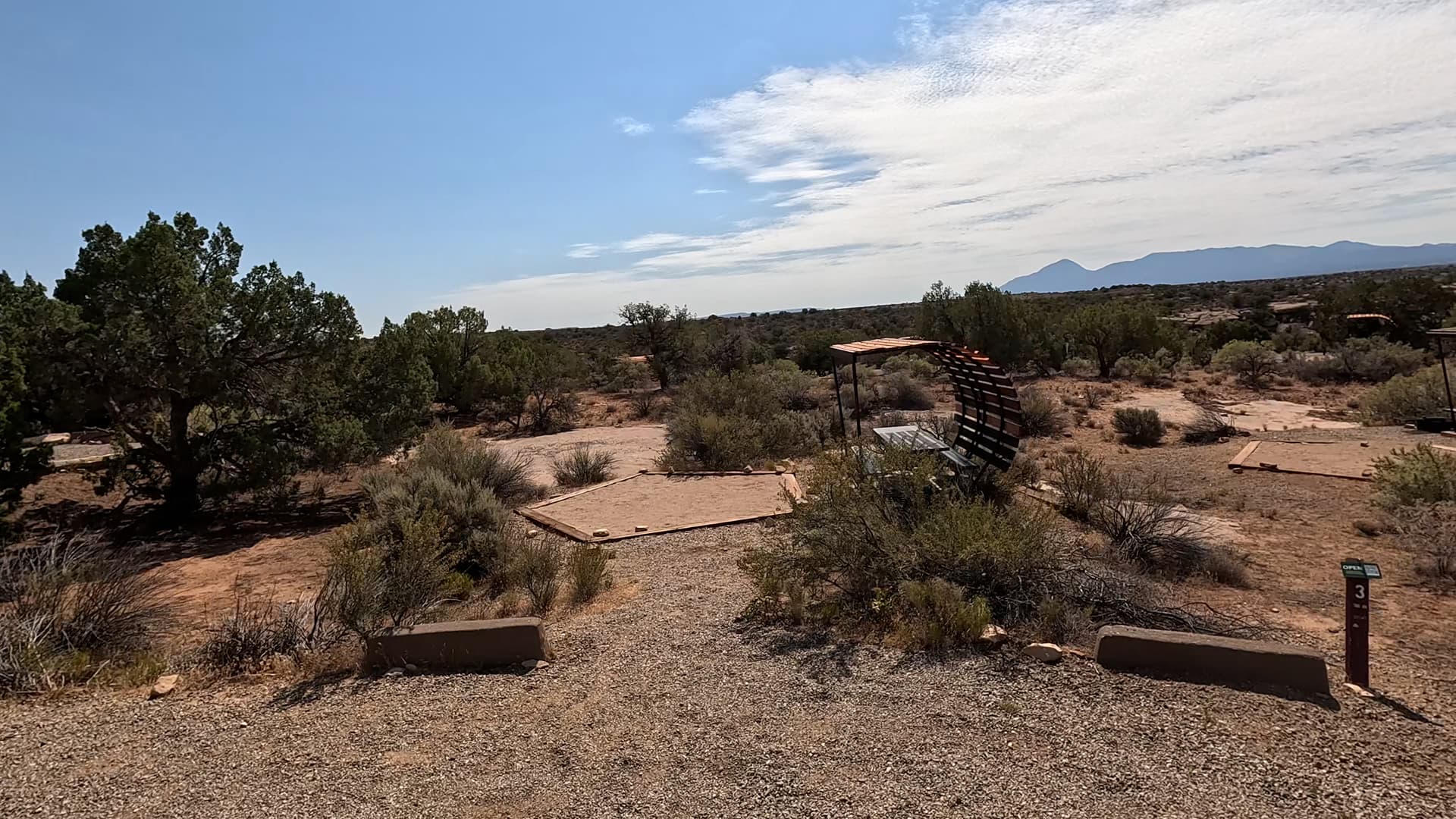
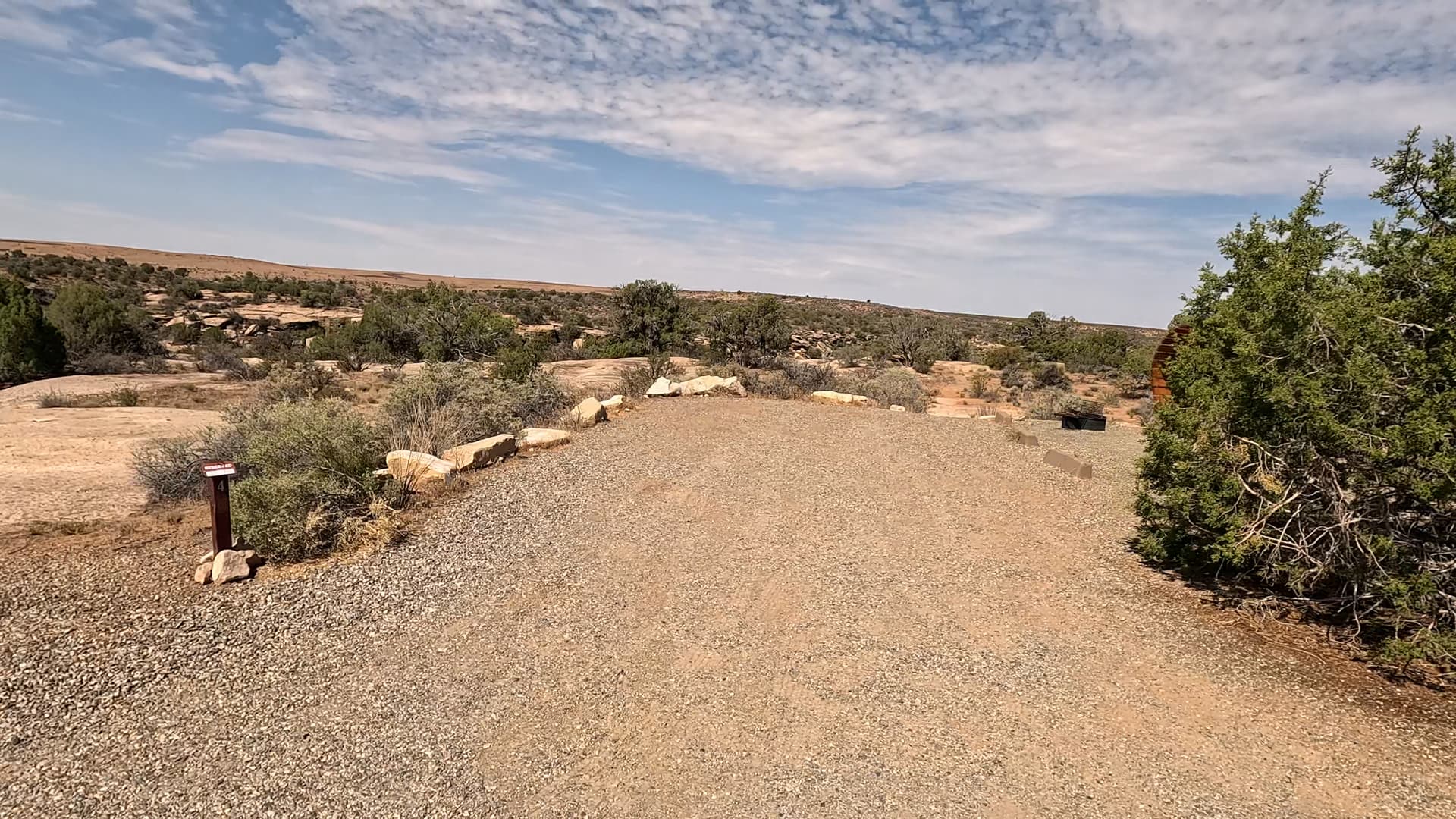
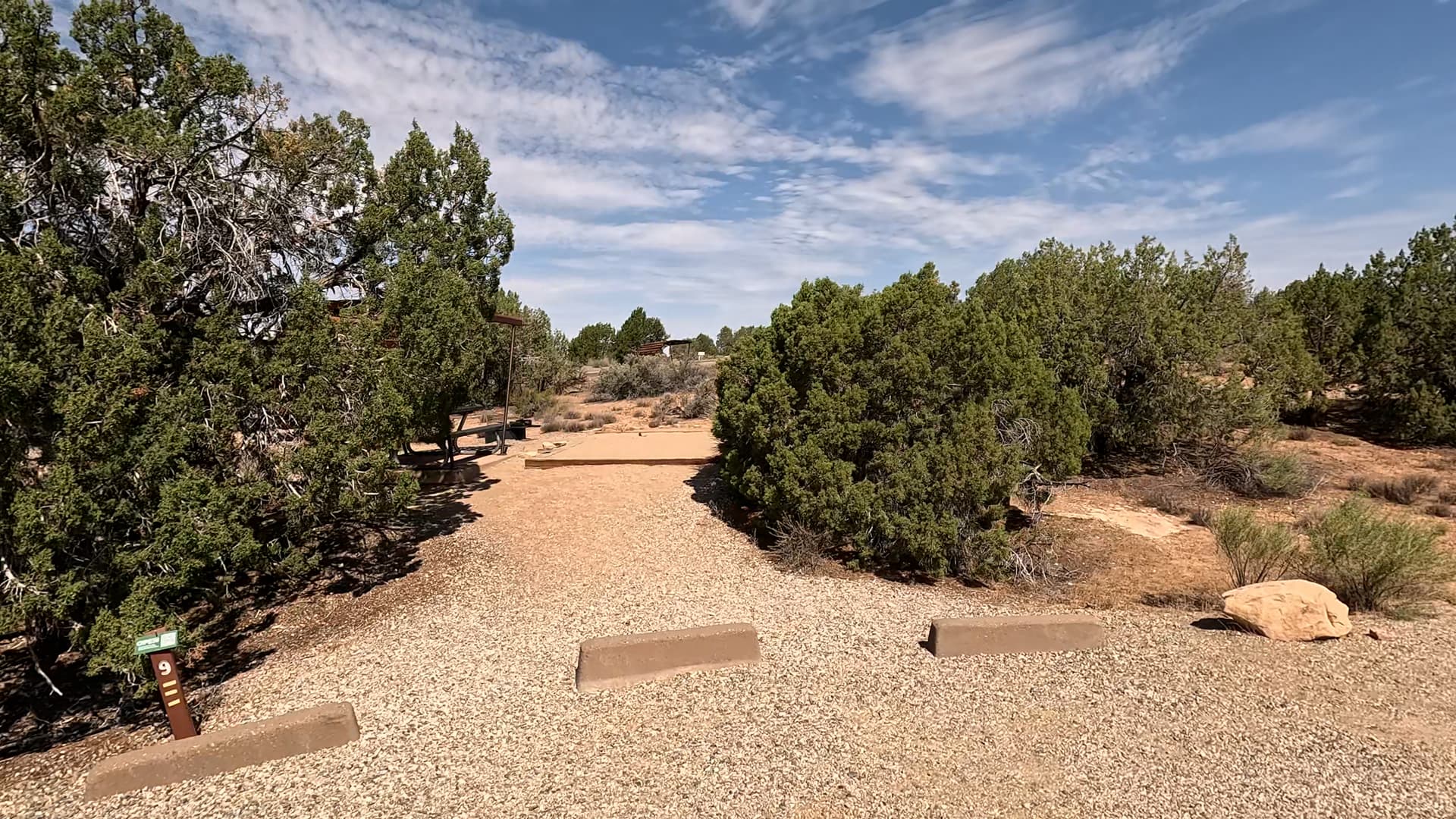
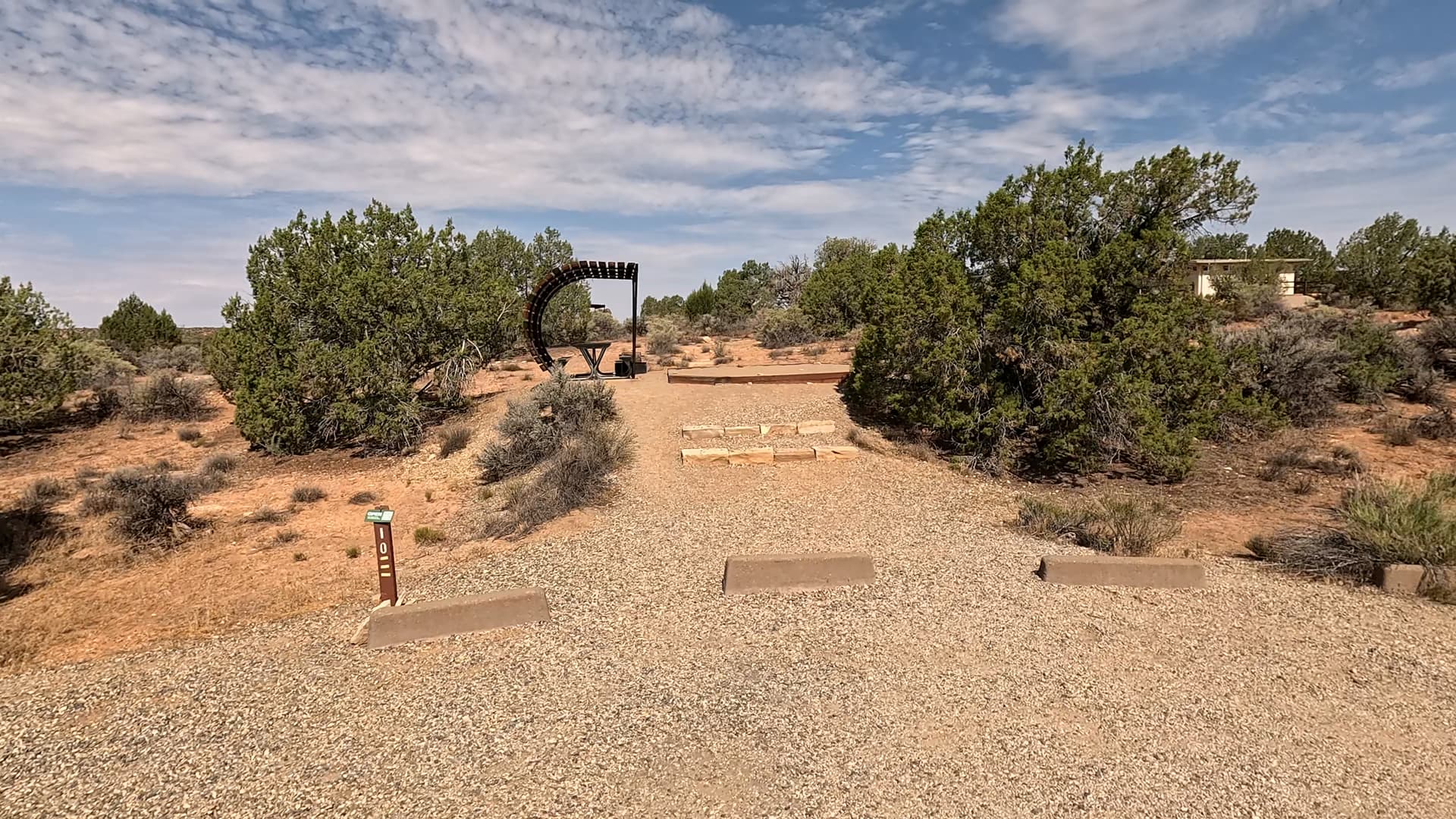
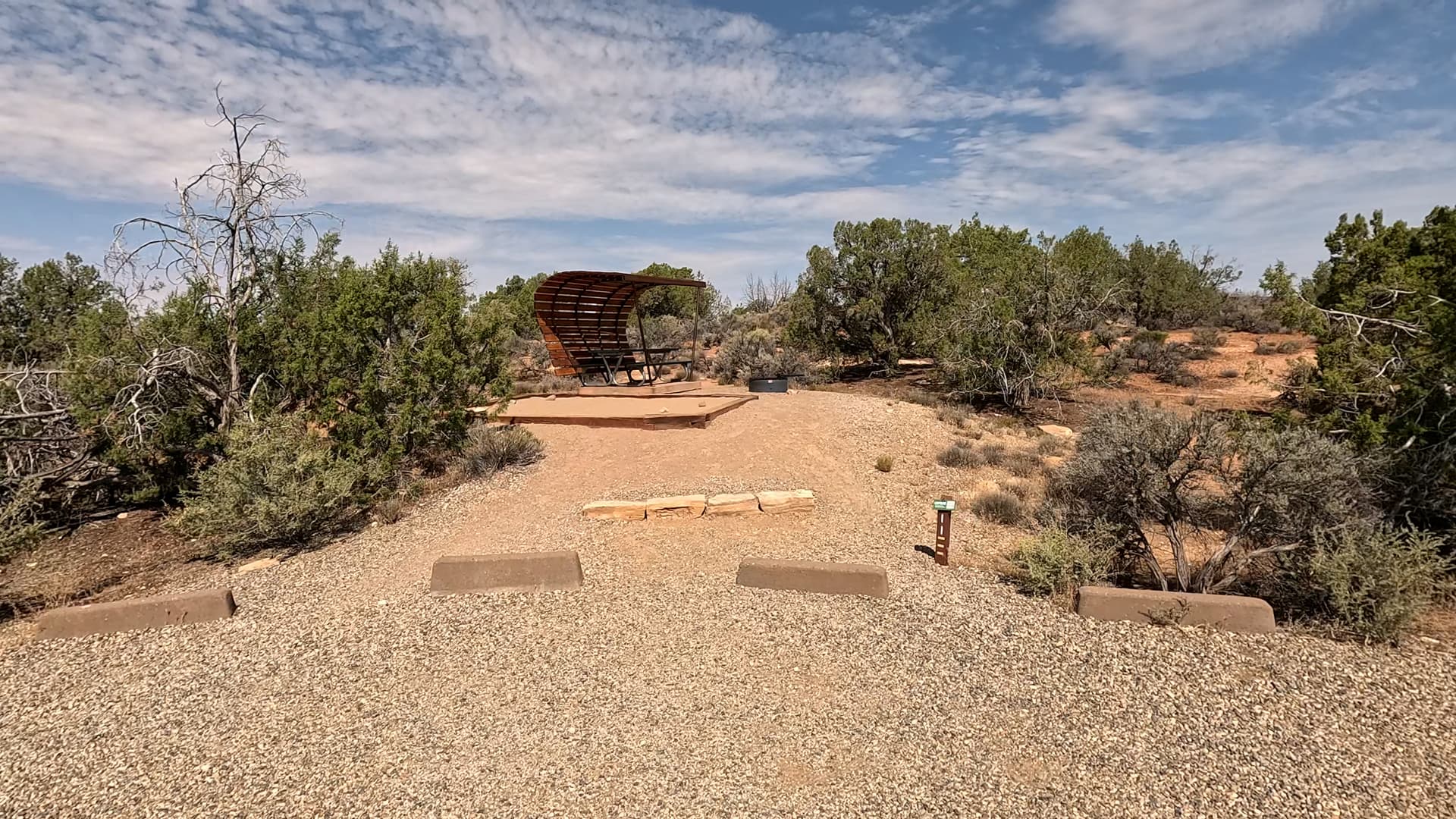
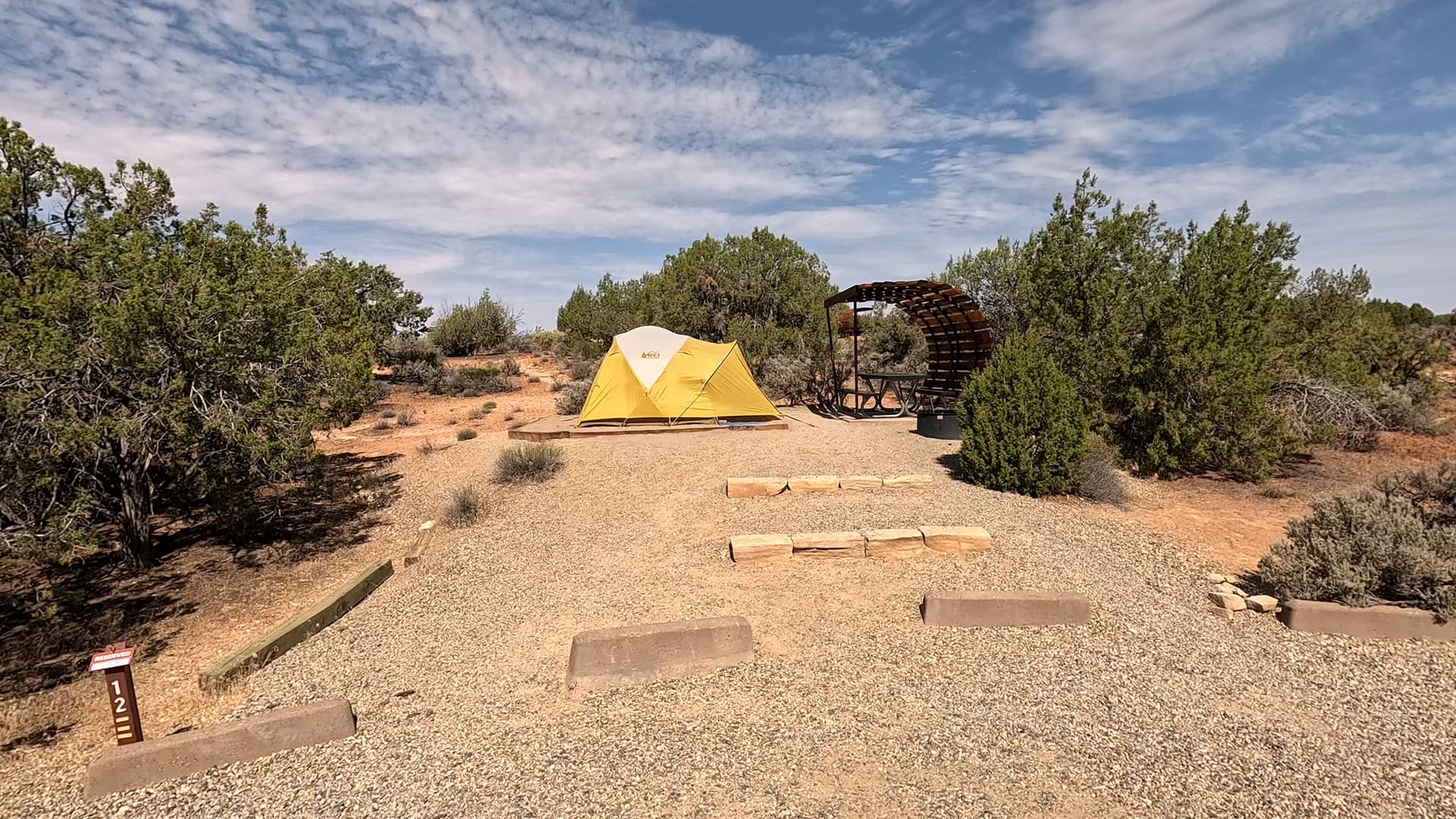
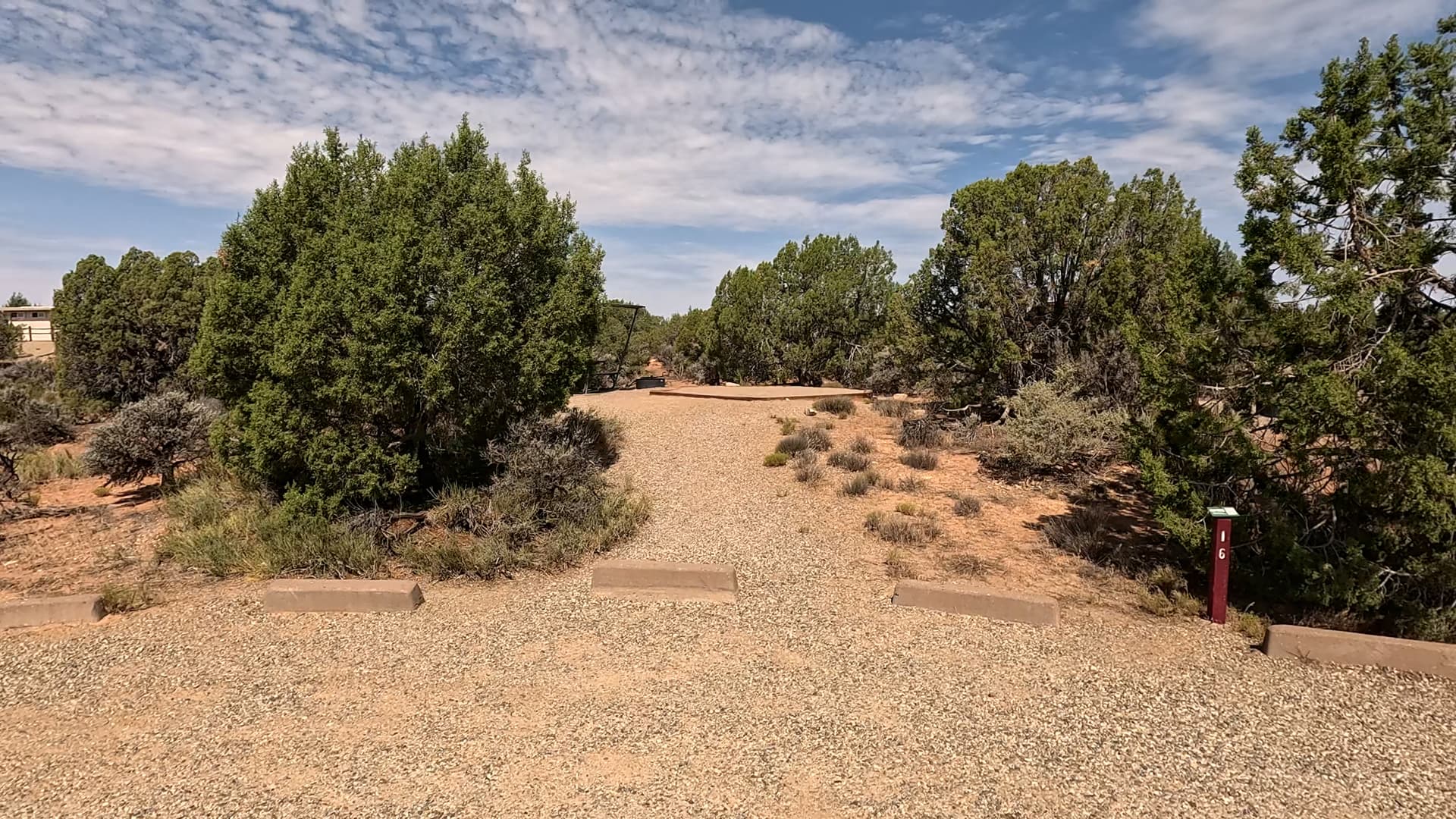
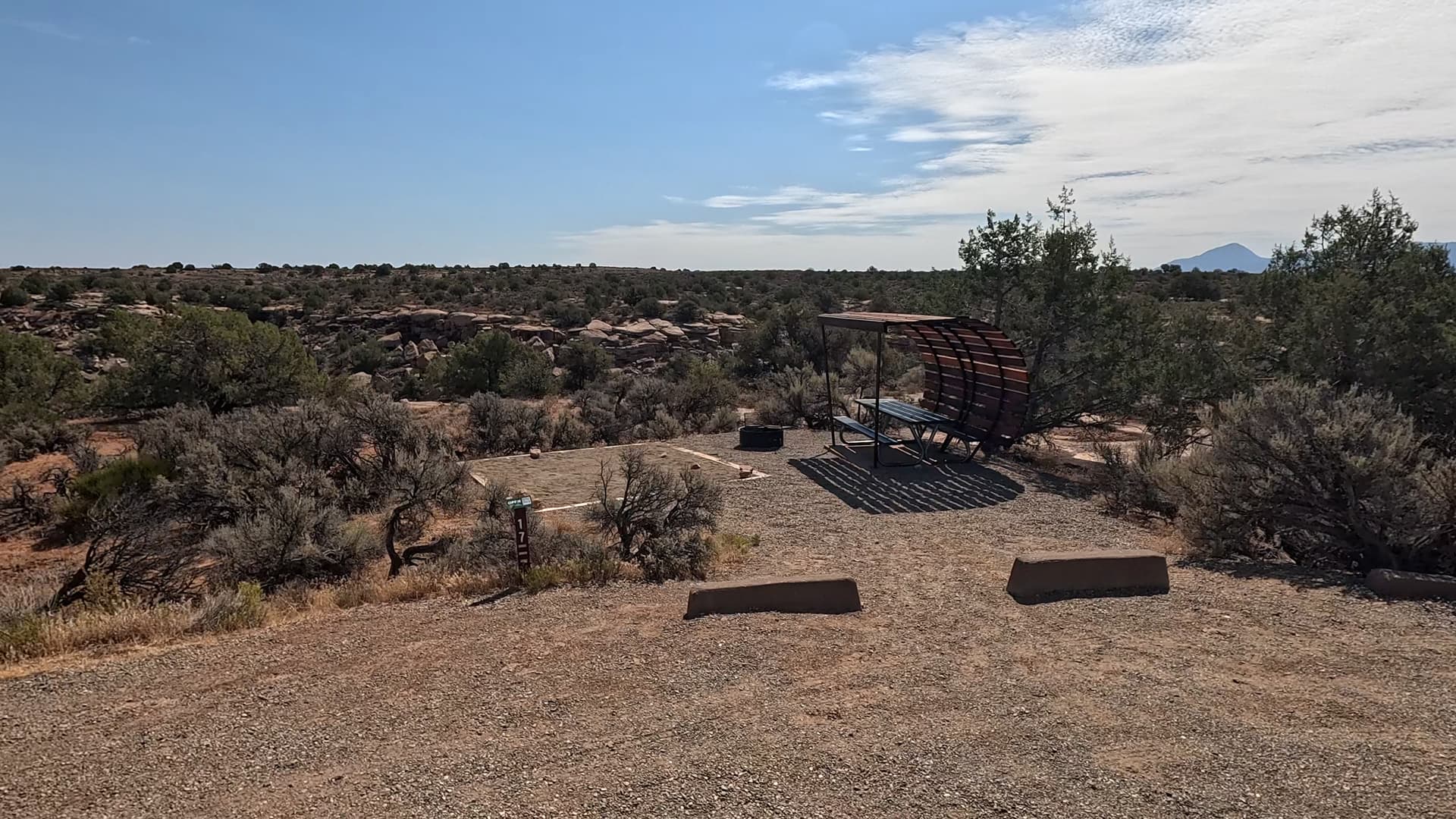
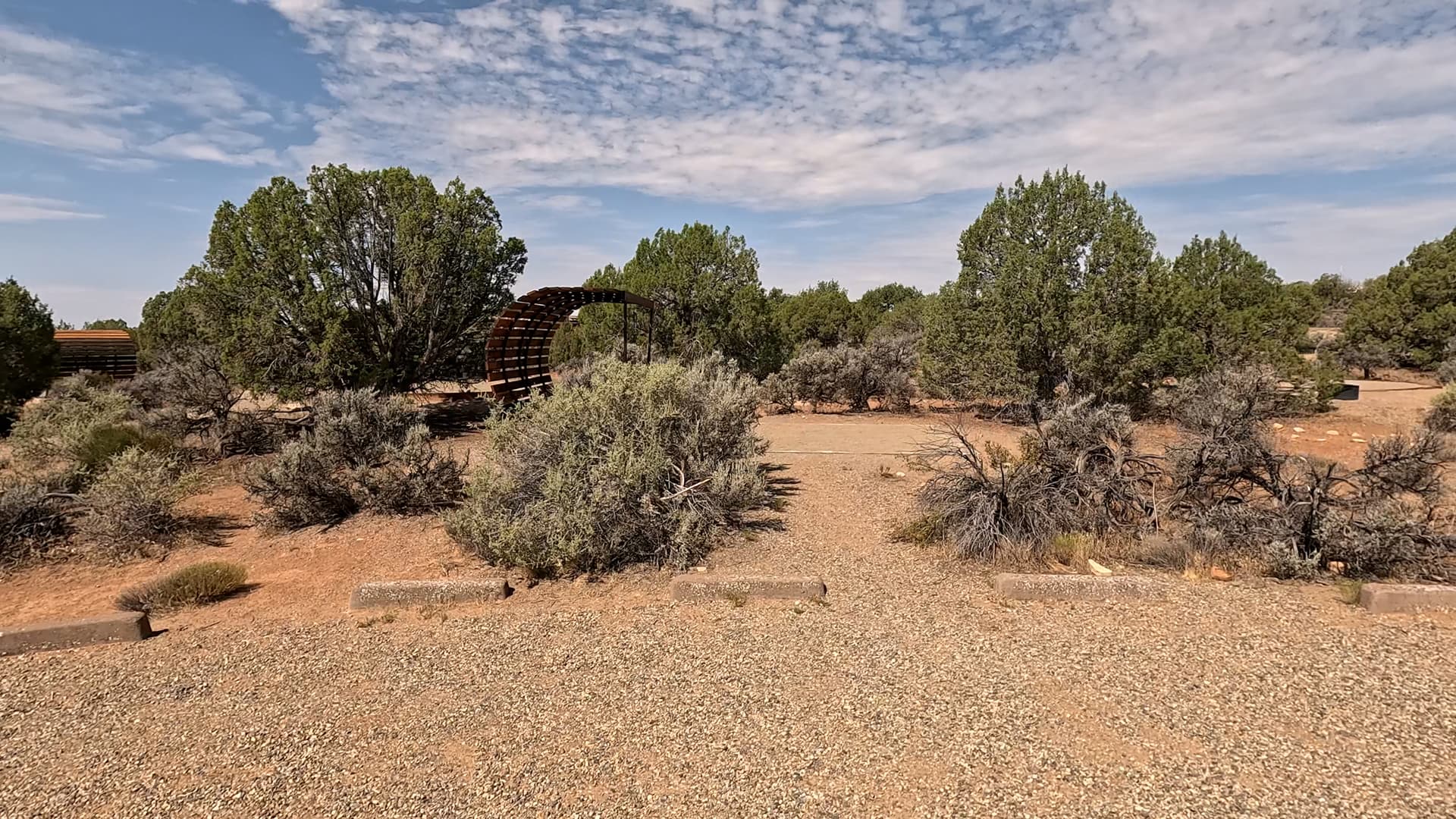
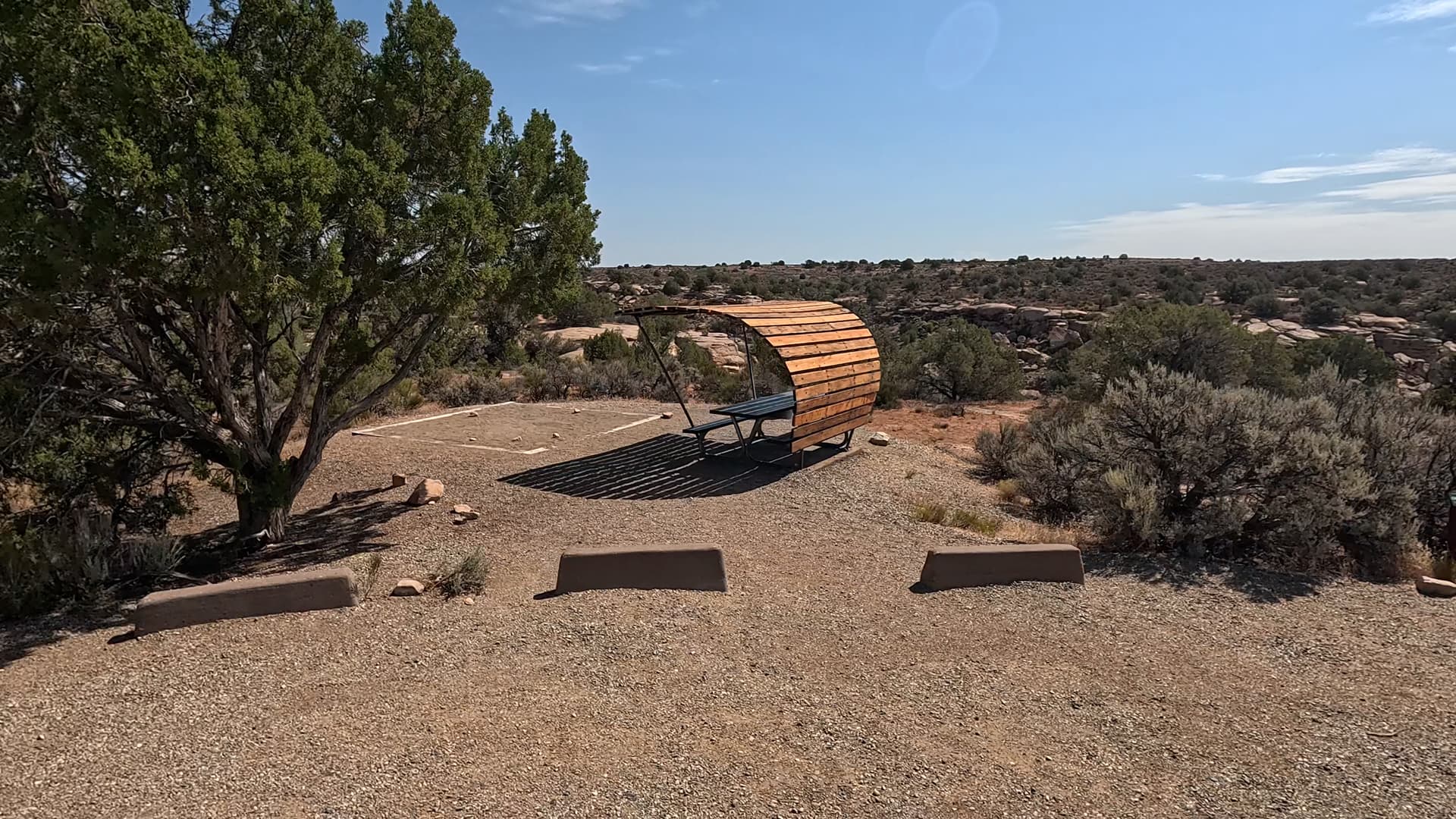
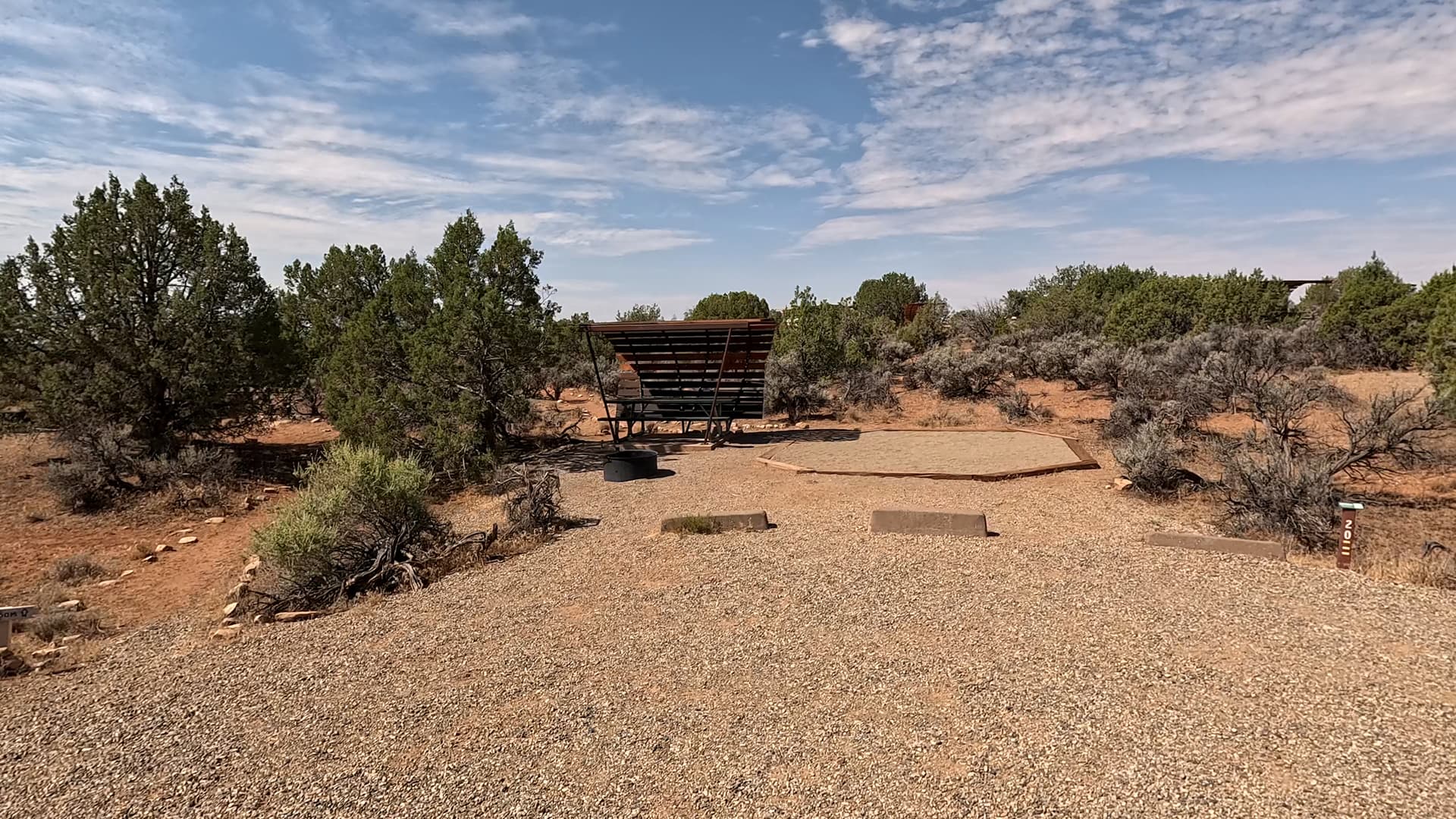
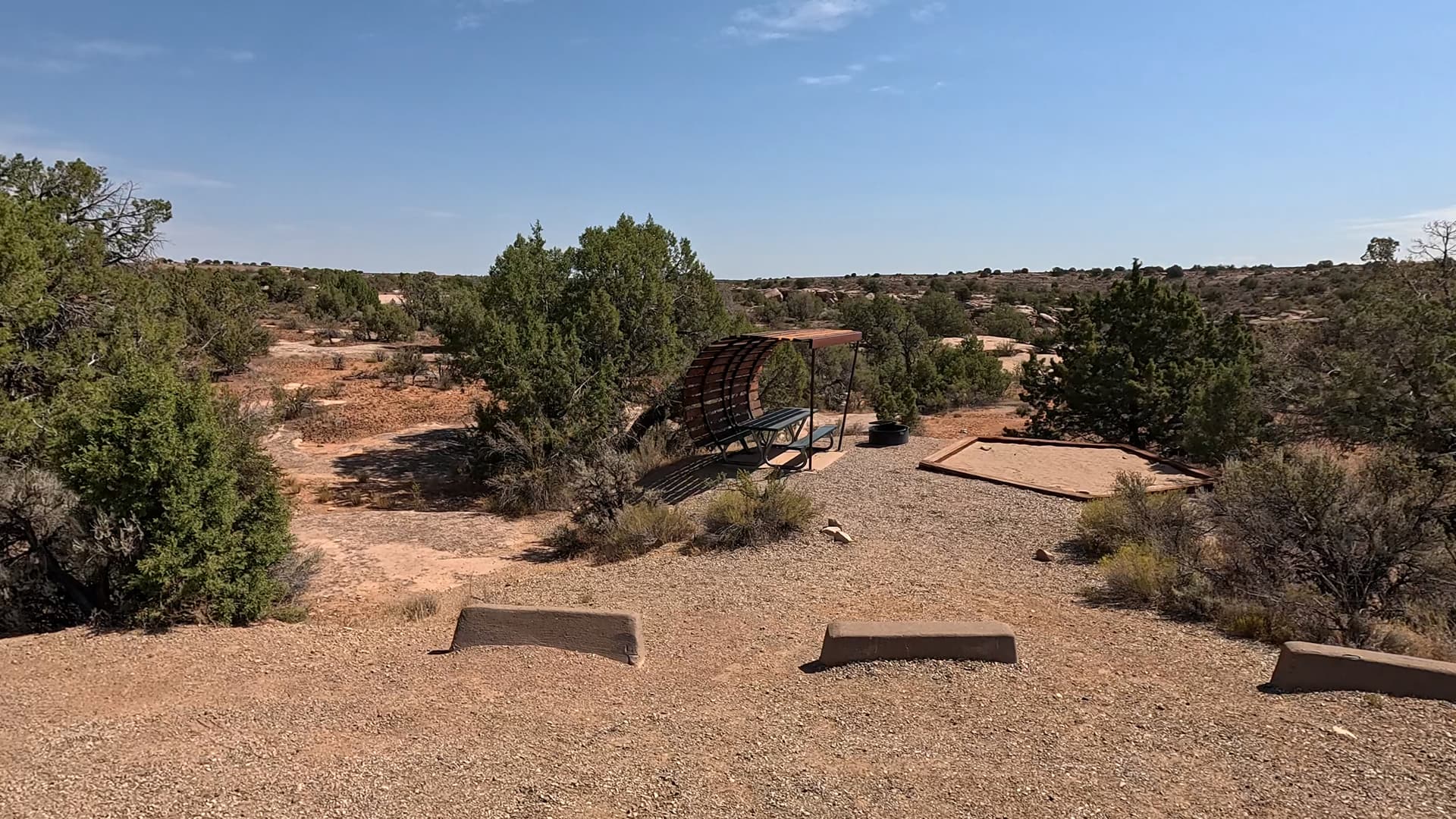
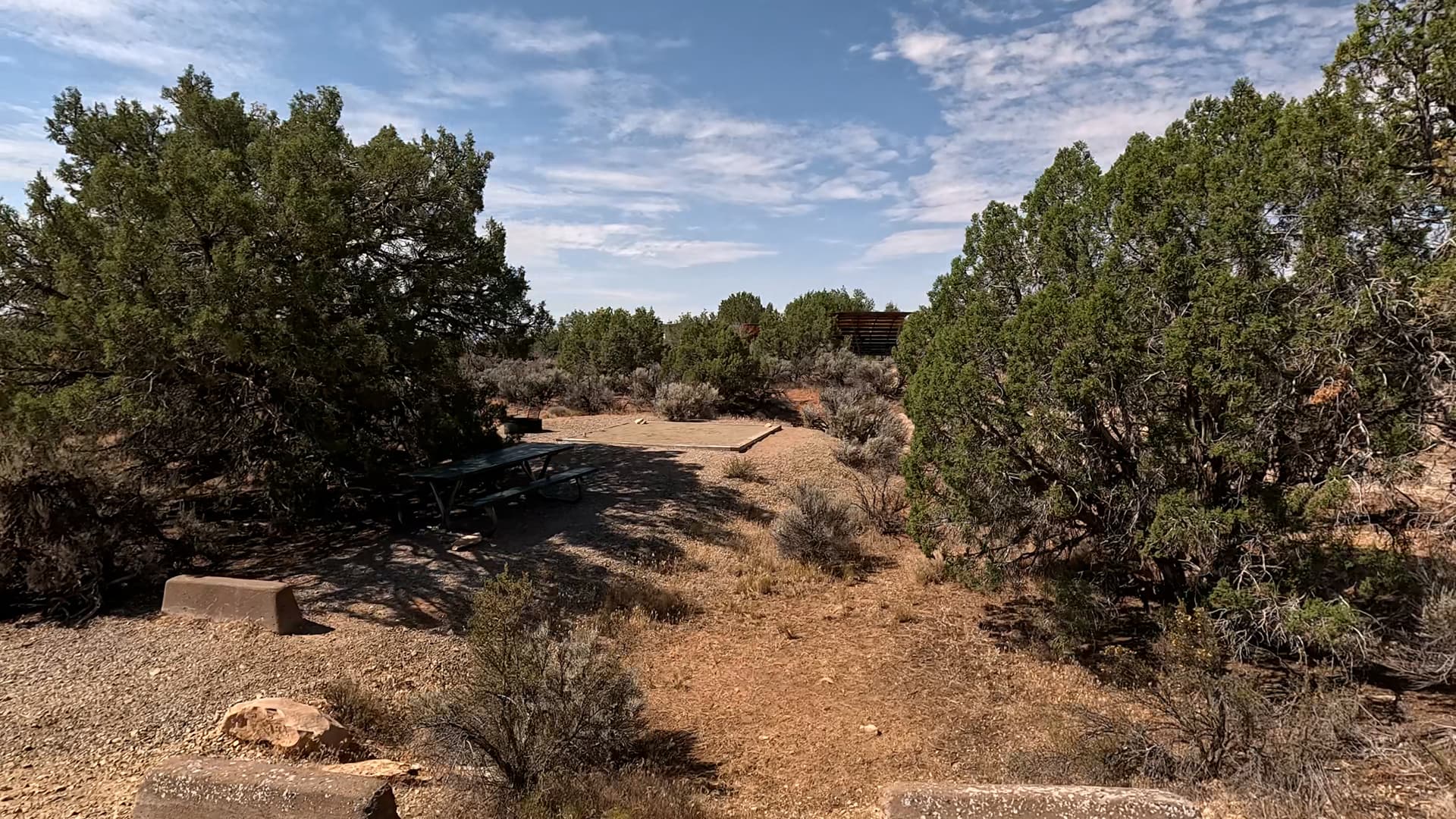
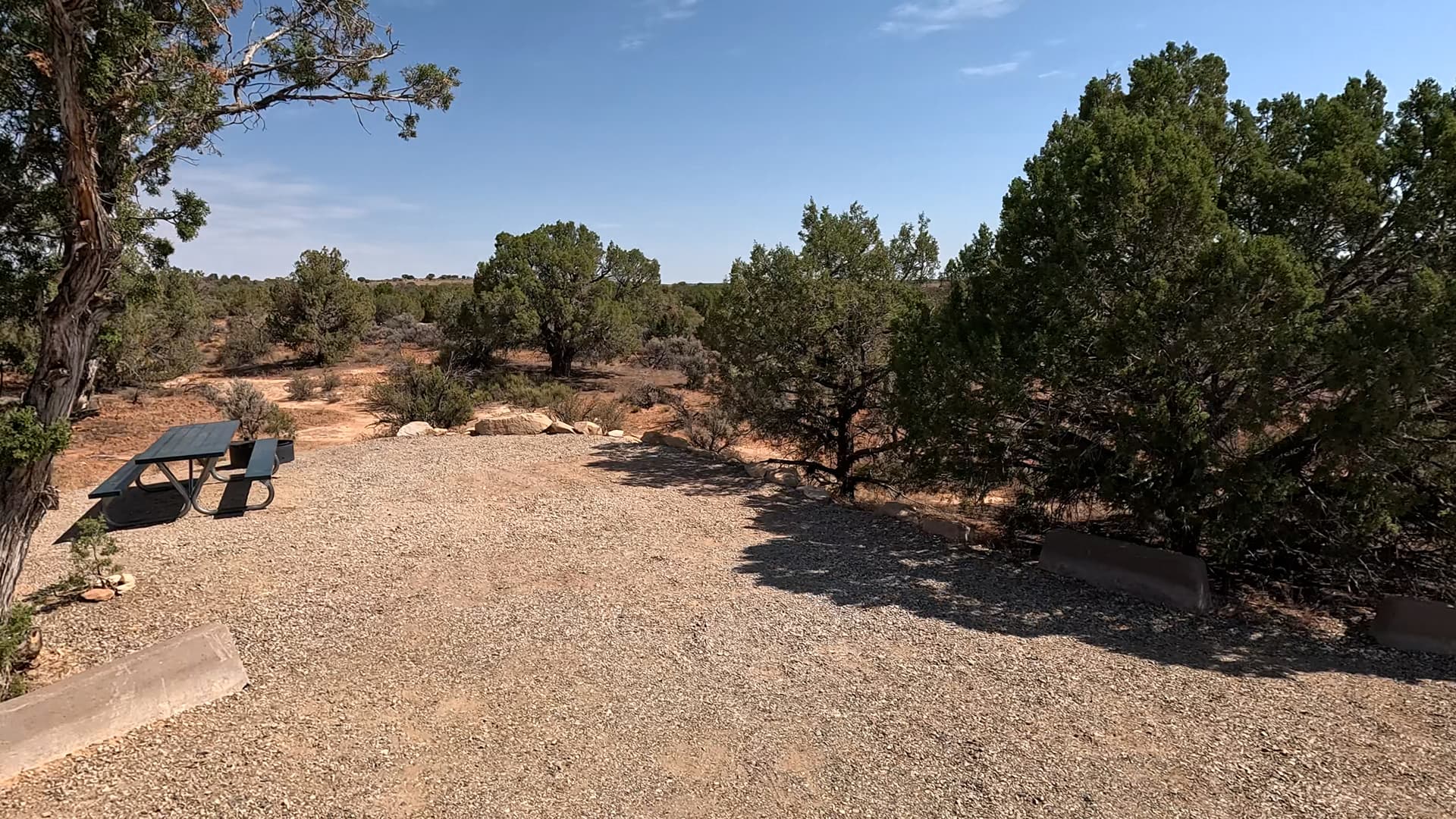
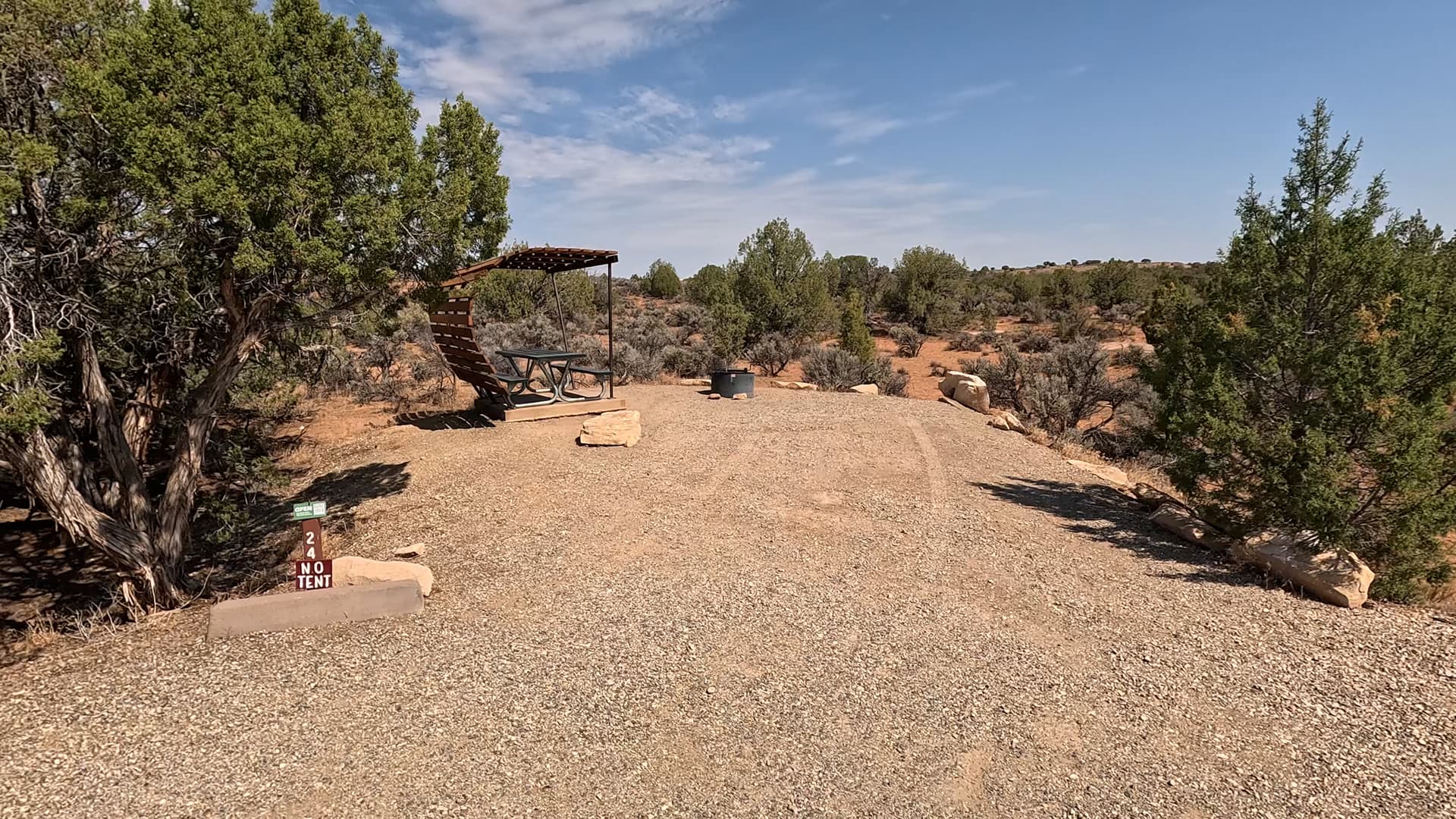
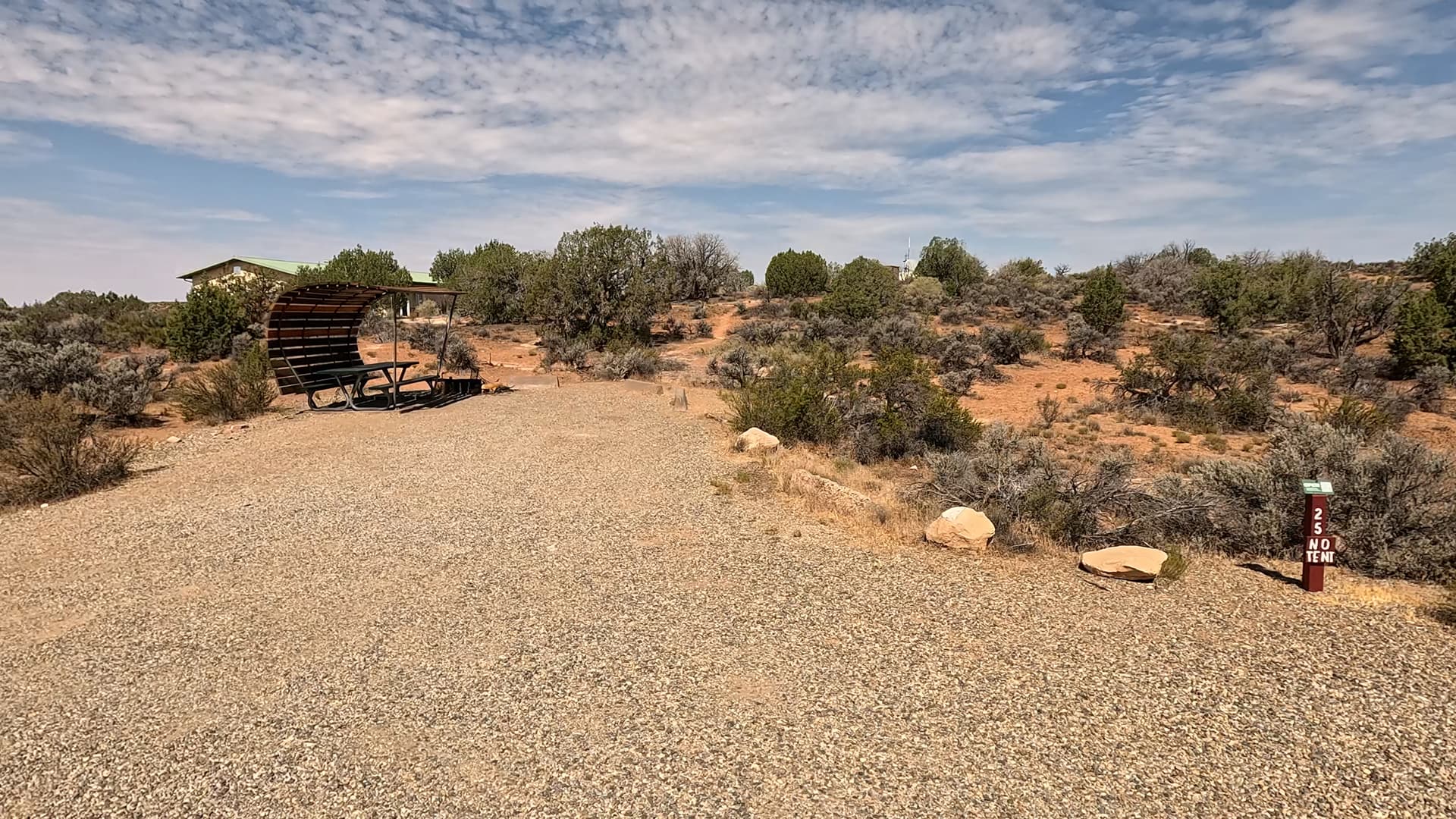
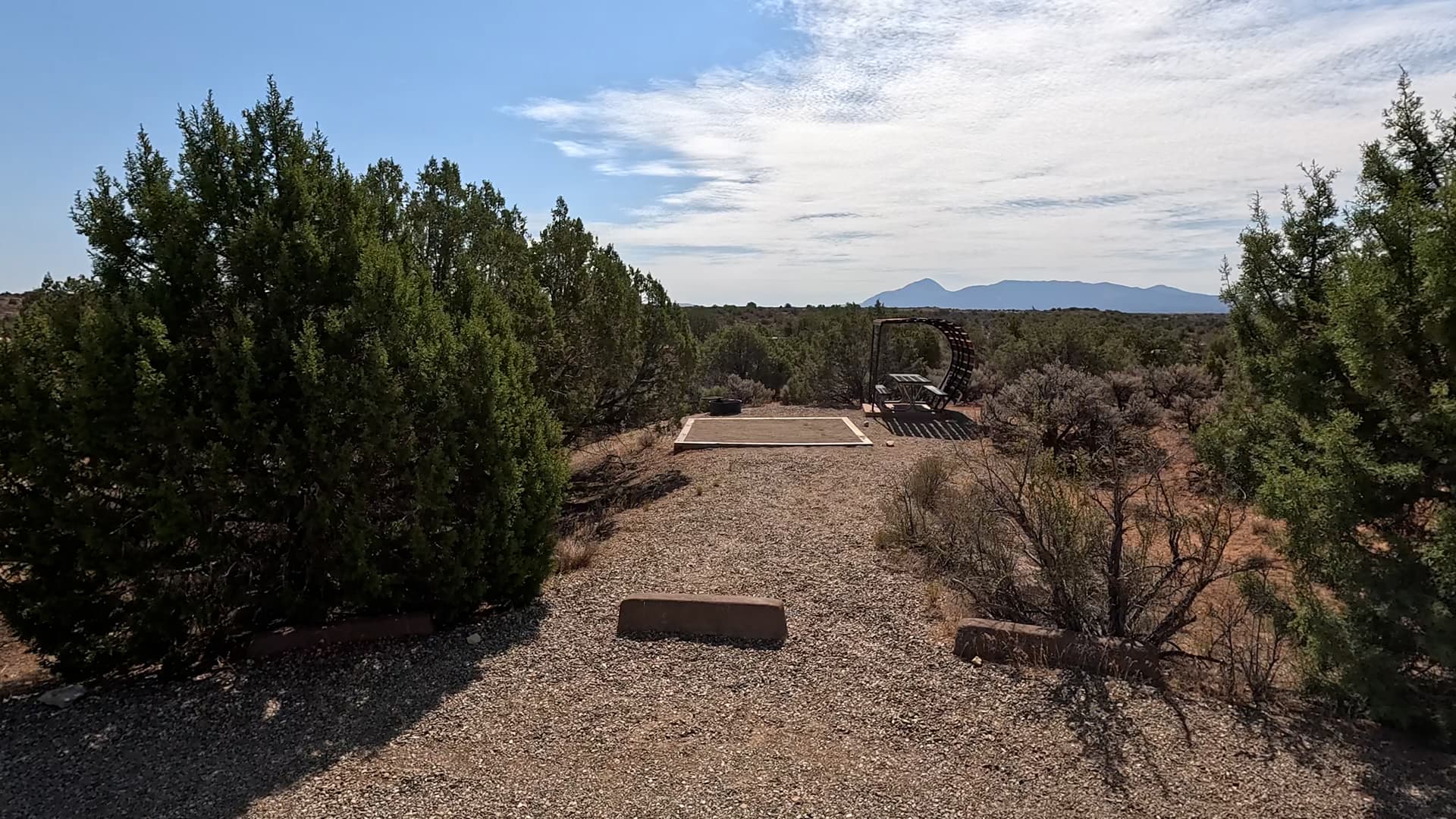
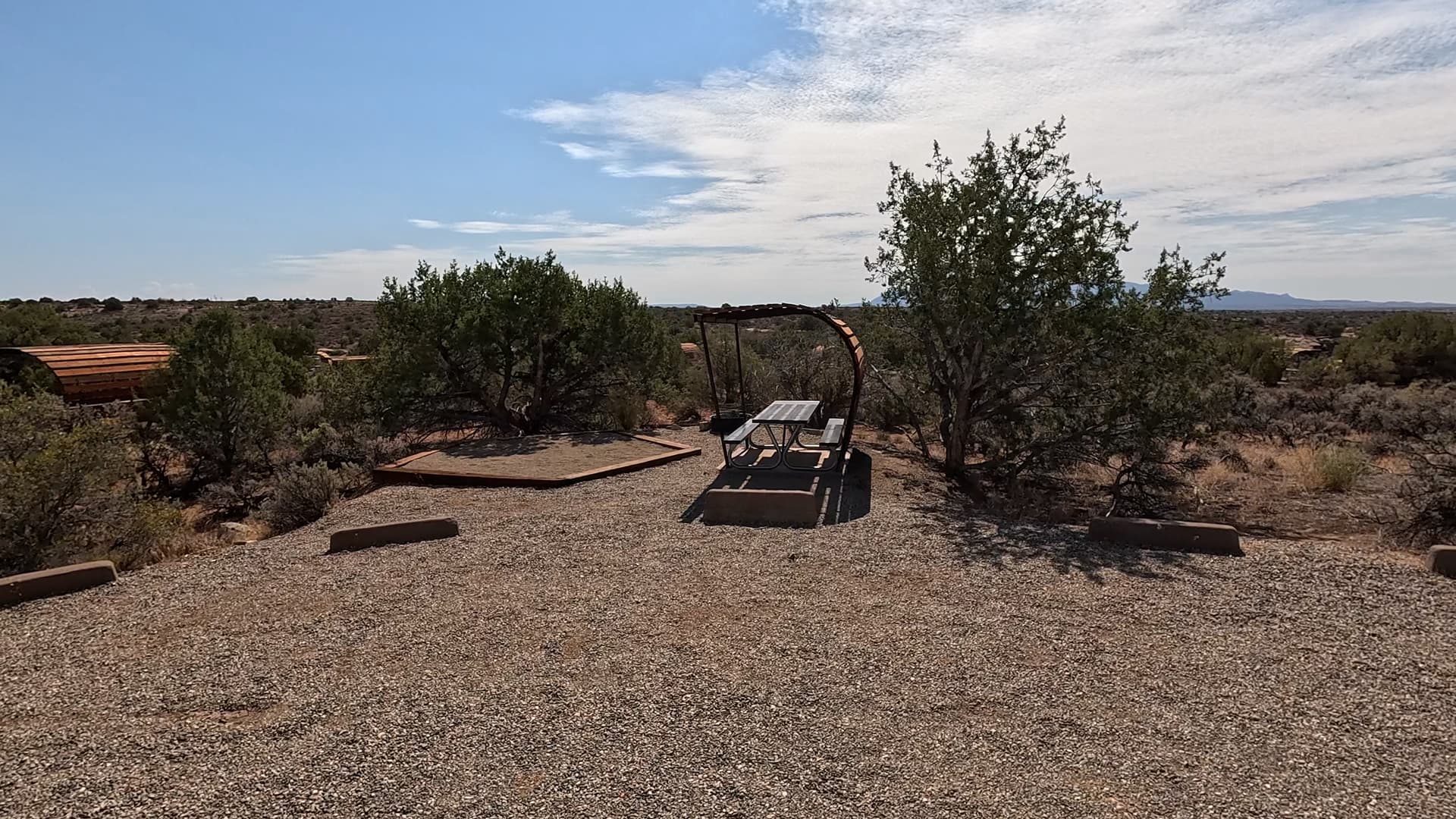
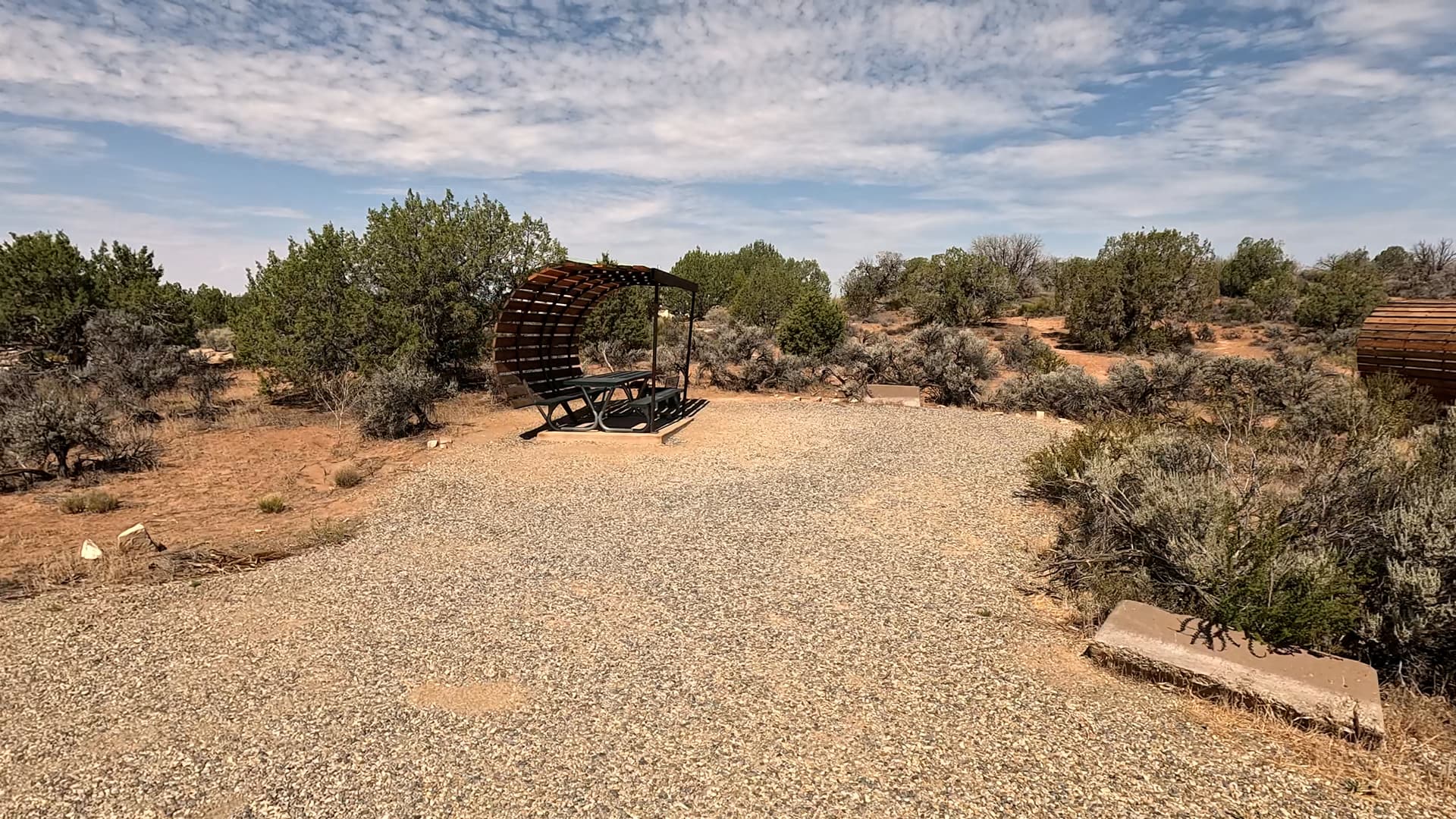
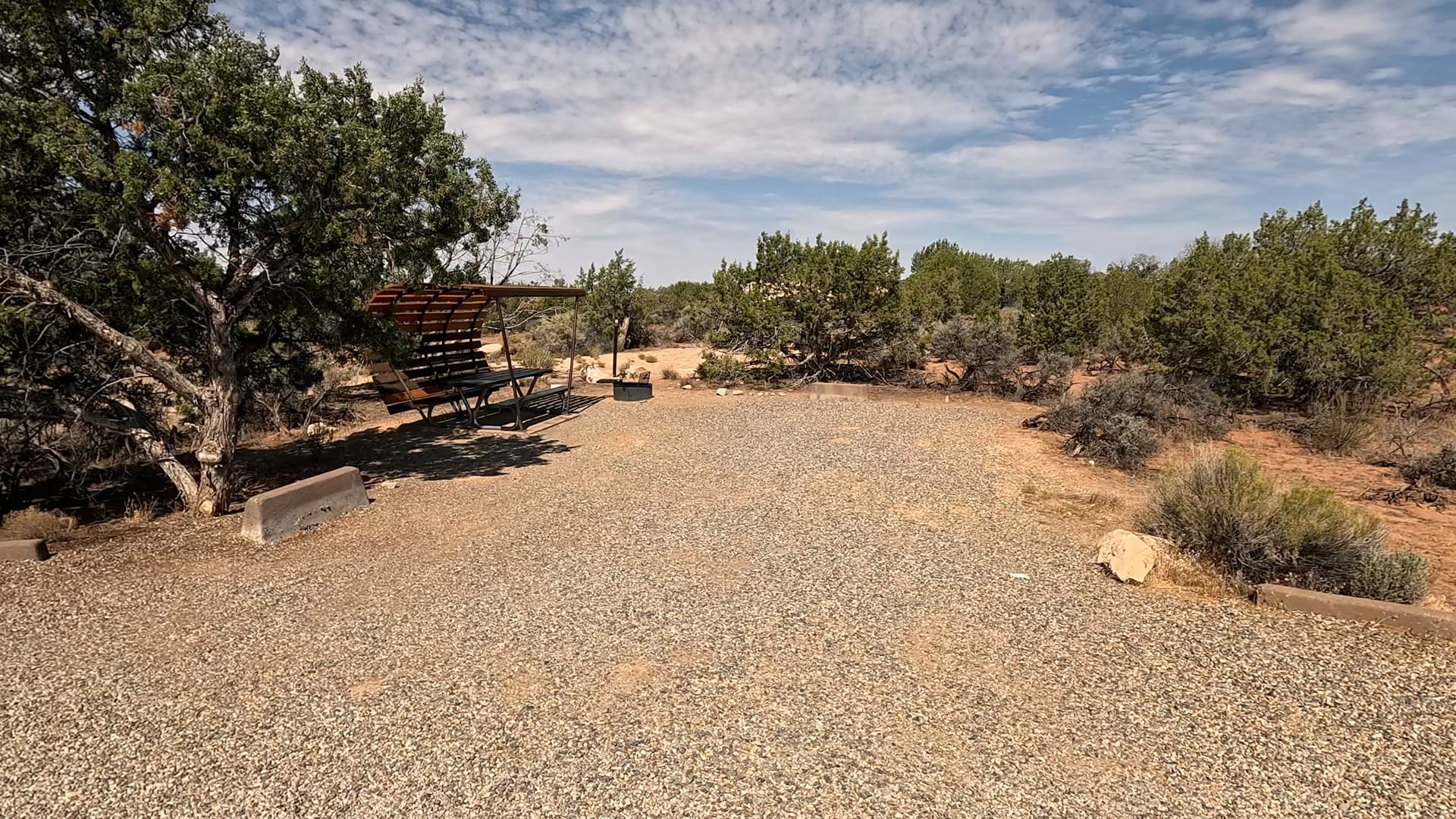
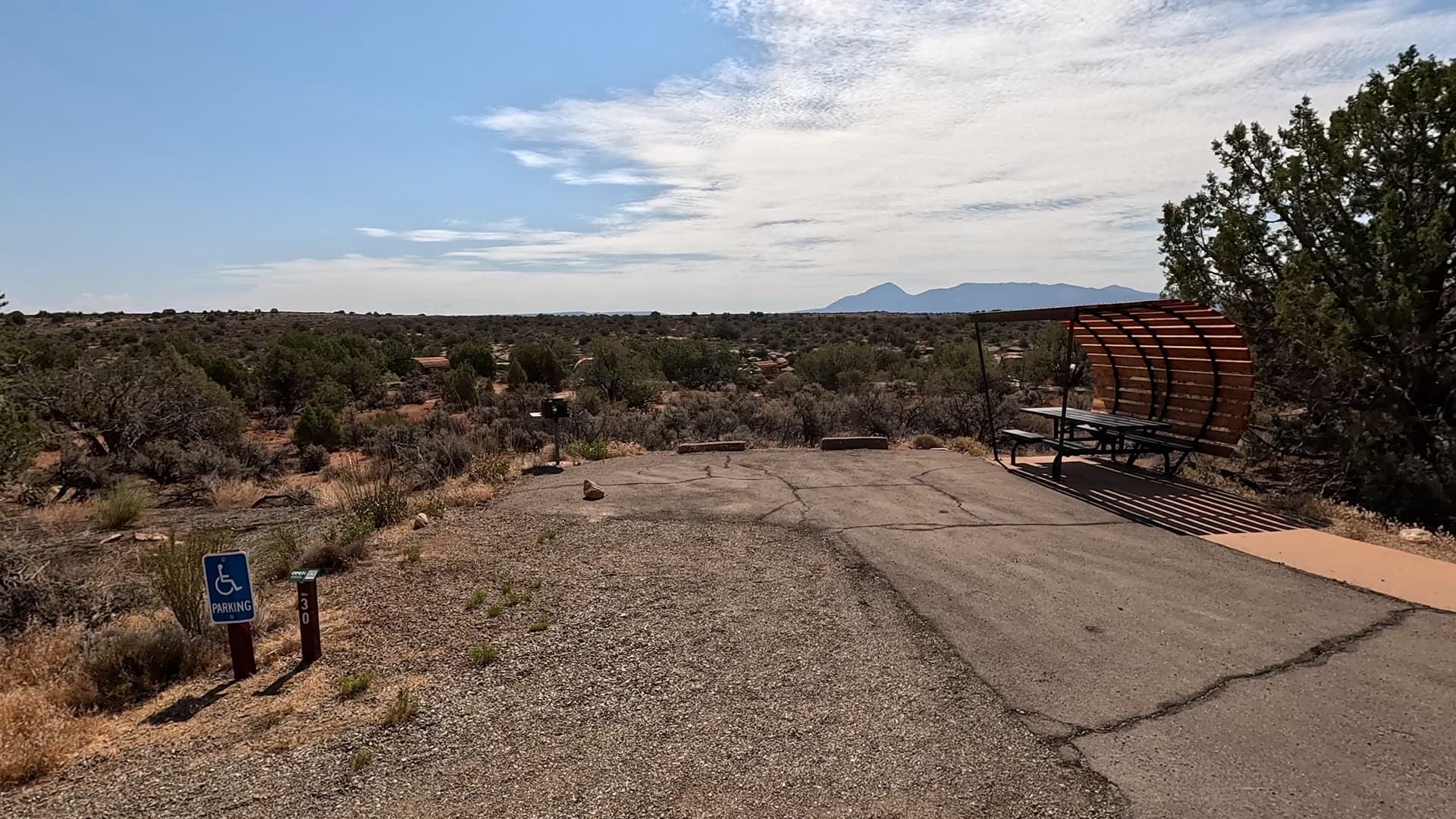
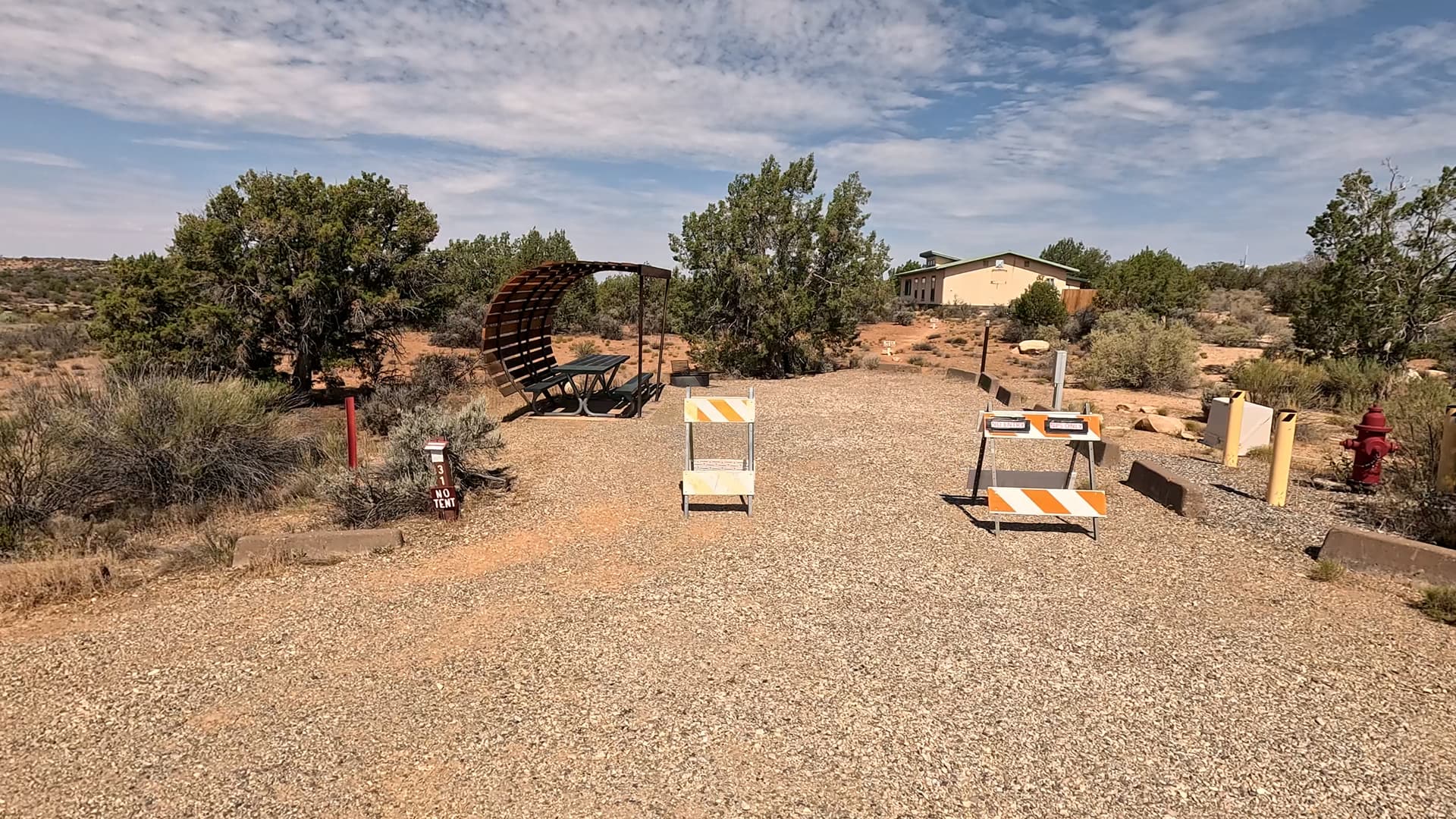
Hovenweep National Monument Campground is a relatively small campground with sites suitable for tents, vans, trailers, and many smaller RVs. The layout is simple and spacious, allowing campers to enjoy a quiet atmosphere with excellent views of the surrounding desert landscape. The campground's modest size helps preserve a peaceful environment, making it a good choice for visitors looking to escape crowded campgrounds while exploring the monument.
Amenities
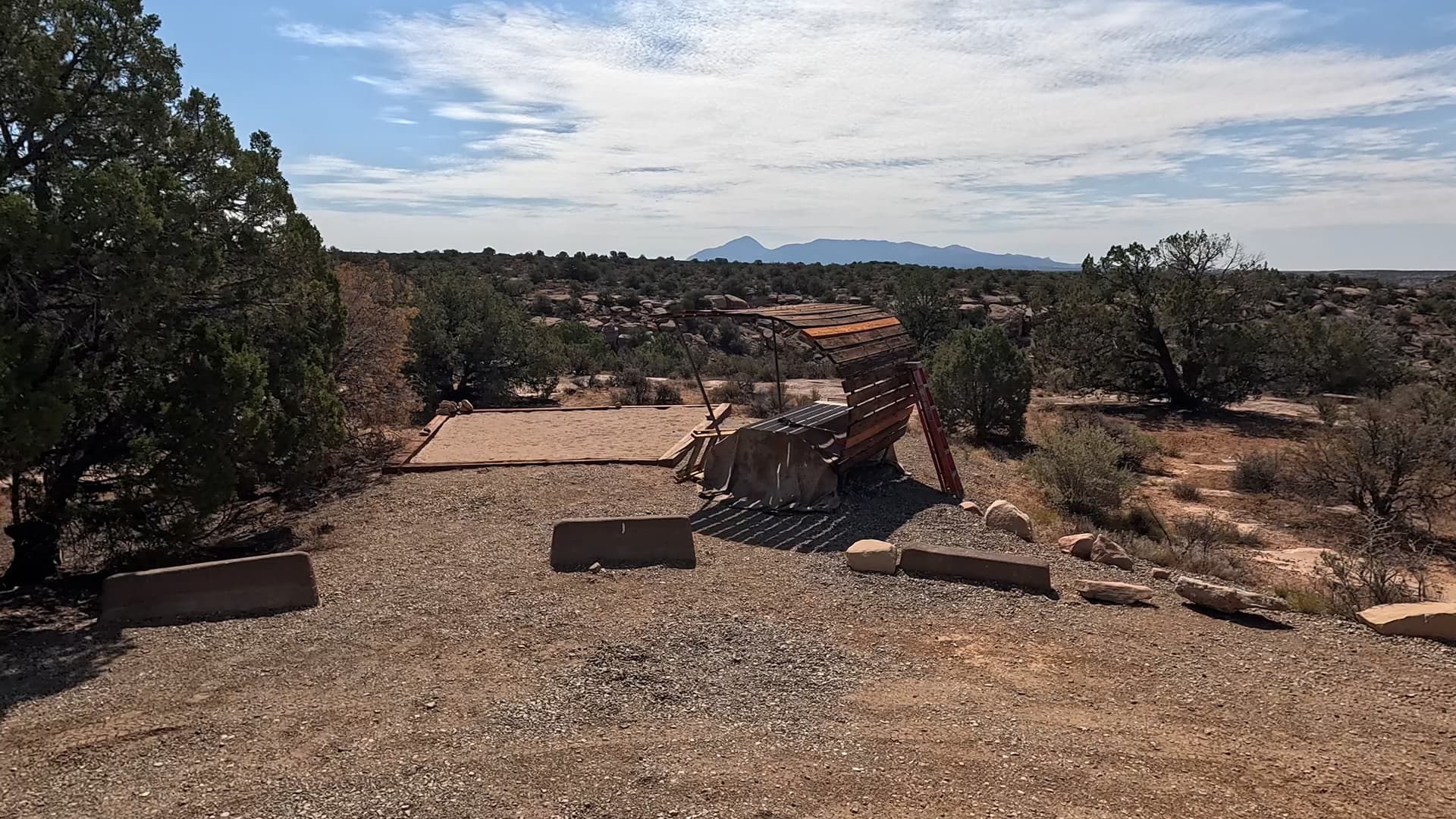
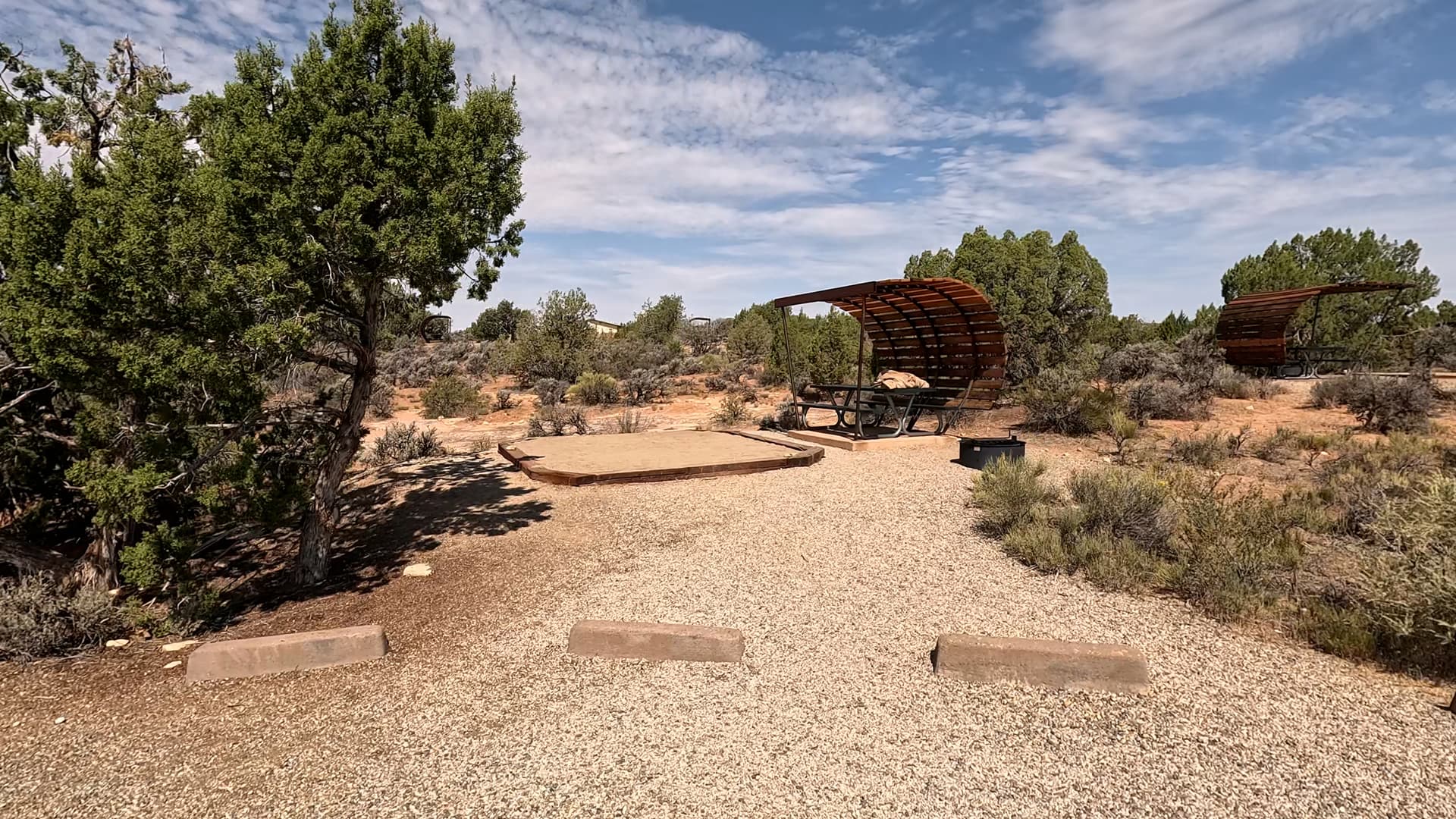
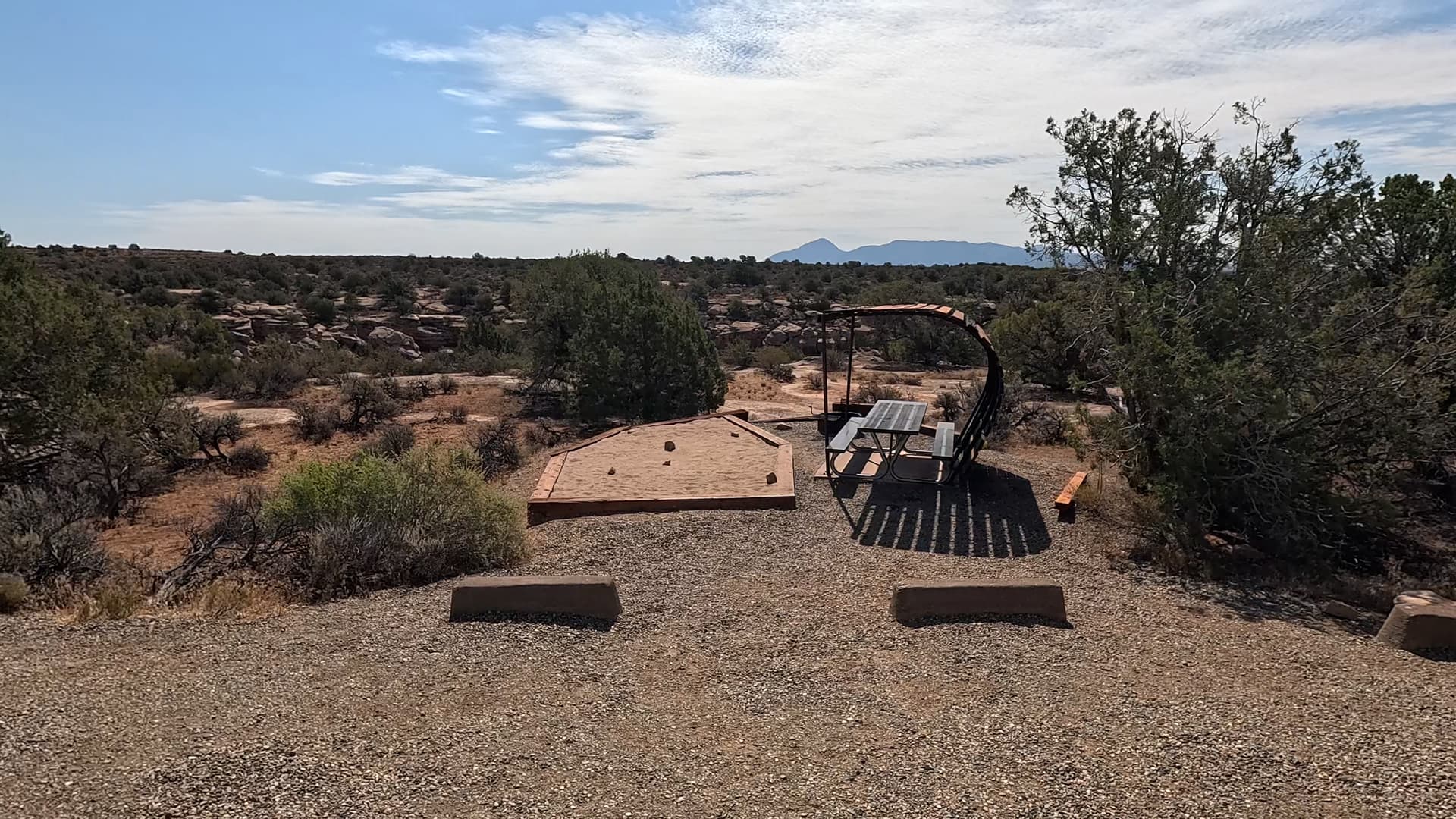
Each campsite includes a picnic table and fire ring. Vault toilets and potable drinking water are typically available during the main operating season. There are no electrical hookups, showers, or dump stations, so campers should arrive prepared for a traditional dry camping experience. The campground's remote location also makes it an excellent place to enjoy exceptionally dark night skies.
Activities & Nearby Recreation
The campground provides direct access to the monument's archaeological sites and hiking trails. The Castle Trail loop allows visitors to explore numerous ancestral Puebloan towers, pueblos, and other stone structures dating back more than 700 years. Hiking, photography, birdwatching, and ranger programs are popular activities throughout the year. Hovenweep is also recognized as an International Dark Sky Park, making nighttime stargazing one of the area's most rewarding experiences.
Summary
Hovenweep National Monument Campground offers a peaceful high-desert camping experience surrounded by remarkable archaeological history and expansive desert scenery. With convenient access to the monument's hiking trails, ancient ruins, and world-class night skies, it serves as an excellent base for visitors exploring one of the Southwest's most fascinating and lesser-known National Park Service sites.
Nearby Campgrounds