Cabin Creek
Date filmed:2025-08-03
Number of sites:16
GPS:44.8718027, -111.3439876
Max vehicle length:30 Feet
Check in:3:00 pm
Check out:11:00 AM
Quiet hours:10:00pm - 7:00am

Amenities and Activities

Amenities
Drinking Water
Fire Ring
Picnic Table
RVs
Tents
Vault Toilets
Shade
Activities
Fishing
Hiking
Mountain Biking
Biking
Star Gazing
Bird Watching
Wildlife Viewing
Photography

Things to Do

Montana Miles

Scenic Drive from Glacier to Virginia City

Featured: Cabin Creek, Baker's Hole, Avalanche, Apgar, Beaver Creek , Fish Creek, Saint Mary, Sprague Creek, Two Medicine

Rolling south from Glacier through Montana’s valleys and riversides — a peaceful ride filled with winding roads, big skies, and quiet beauty on the way to Virginia City. After several days exploring the beauty of Glacier National Park, we turn south — trading the jagged peaks and alpine forests for the long, open stretches of Montana backroads. This leg of the journey is quieter, more reflective, and captures the kind of peaceful rhythm that only a long drive through the West can offer. Our route winds through valleys lined with golden grass and follows rivers that glint in the sunlight. Every curve of the road reveals another postcard-perfect view — farmland dotted with weathered barns, cottonwoods shimmering in the breeze, and mountains fading into the horizon. There’s a sense of calm in this episode — a simple appreciation for motion, for the sound of tires on dirt, and the small towns that pass by almost unnoticed. Sometimes, road trips aren’t about the destinations or the landmarks — they’re about these moments in between, when you can just sit back, watch the scenery roll past, and breathe. By day’s end, we find ourselves nearing Virginia City, Montana — ready to explore another piece of the state’s fascinating past.

Echoes of the Frontier

Exploring Nevada City, Montana

Featured: Cabin Creek, Baker's Hole, Beaver Creek , Lonesomehurst, Rainbow Point

We step back in time at Nevada City, Montana — a living museum where history lingers in every weathered building and wooden street. In this episode, we arrive at Nevada City, Montana — a town that feels caught between the present and the past. Once a bustling mining settlement during Montana’s gold rush, Nevada City today stands as one of the most authentic glimpses into 19th-century frontier life anywhere in the West. We spend the day exploring the Nevada City Living History Museum, a remarkable collection of original and relocated historic buildings preserved thanks to the efforts of Charles Bovey, whose passion for Montana’s heritage helped save these pieces of the Old West from disappearing forever. Walking through the museum, we find ourselves surrounded by weathered storefronts, silent cabins, and rusted tools that once shaped everyday life here. The creak of the wooden floors, the faded paint on the signs, the stillness in the air — everything here tells a story. It’s both haunting and beautiful, a reminder of how fragile history can be, and how much of it has been quietly reclaimed by time. This episode is part exploration, part reflection — a look at how the past lingers, and how preservation efforts like Bovey’s keep those echoes alive for future generations.

Walking Through Time

Virginia City, Montana’s Living Past

Featured: Cabin Creek, Baker's Hole, Beaver Creek , Lonesomehurst, Rainbow Point

We explore Virginia City, Montana — a perfectly preserved gold rush town where history lives on through its storefronts, museums, and the charm of the Fairweather Inn. In this episode, we continue our exploration of Montana’s storied mining towns with a visit to Virginia City — once the heart of Montana’s Gold Rush and now a beautifully preserved time capsule of the 19th century. We stroll up and down the historic main street, peering into the old storefronts and museums that still tell the story of a bustling frontier town frozen in time. Through the glass of weathered windows, displays recreate the daily life of miners, merchants, and townsfolk who once chased fortune in these rugged hills. As in neighboring Nevada City, Charles Bovey’s preservation efforts again take center stage — his dedication to saving these structures from decay allowing us to walk through history instead of just reading about it. Each creaking board and faded sign feels like an echo of those who came before. After a long day of exploration, we check into the Fairweather Inn, a historic lodging that still welcomes guests in true old-west fashion. It’s the perfect way to end the day — surrounded by history, quiet streets, and the feeling that we’ve stepped back more than a century in time. If you’ve ever wondered what it feels like to walk through a living museum, Virginia City offers that rare experience — part ghost town, part preservation triumph, and entirely captivating.

Exploring Custer Gallatin and West Yellowstone

A Day on the Job with Campvue

Featured: Baker's Hole, Beaver Creek , Cabin Creek, Indian Creek, Lewis Lake, Lonesomehurst, Mammoth, Rainbow Point, Tower Fall, Canyon

Leaving Virginia City behind, we roll into Yellowstone! It’s a Campvue filming day as we document scenic campgrounds along the route — a behind-the-scenes look at the work behind our big adventure. In this episode, we leave Virginia City behind and head toward one of America’s most iconic destinations — Yellowstone National Park. But before we dive into the park’s world-famous sights, it’s a workday for us at Campvue, filming campground drive-throughs and documenting the places where future travelers will pitch their tents and park their RVs. The route takes us through beautiful stretches of western Montana and into Wyoming’s rugged landscapes as we cross the threshold into Yellowstone. Along the way, we stop at several campgrounds to capture the atmosphere — from riverside forest settings to open meadows with mountain views. This isn’t just a travel day — it’s a behind-the-scenes look at what goes into our broader project, connecting roadtrippers and campers with real, visual previews of campgrounds across the West. It’s the practical side of our journey, but with plenty of scenic wonder along the way. By the end of the day, we’re well inside Yellowstone’s boundaries, ready for the adventures ahead — from geysers and bison to more nights under the stars.

Campground Overview

Cabin Creek Campground – Custer Gallatin National Forest, Montana

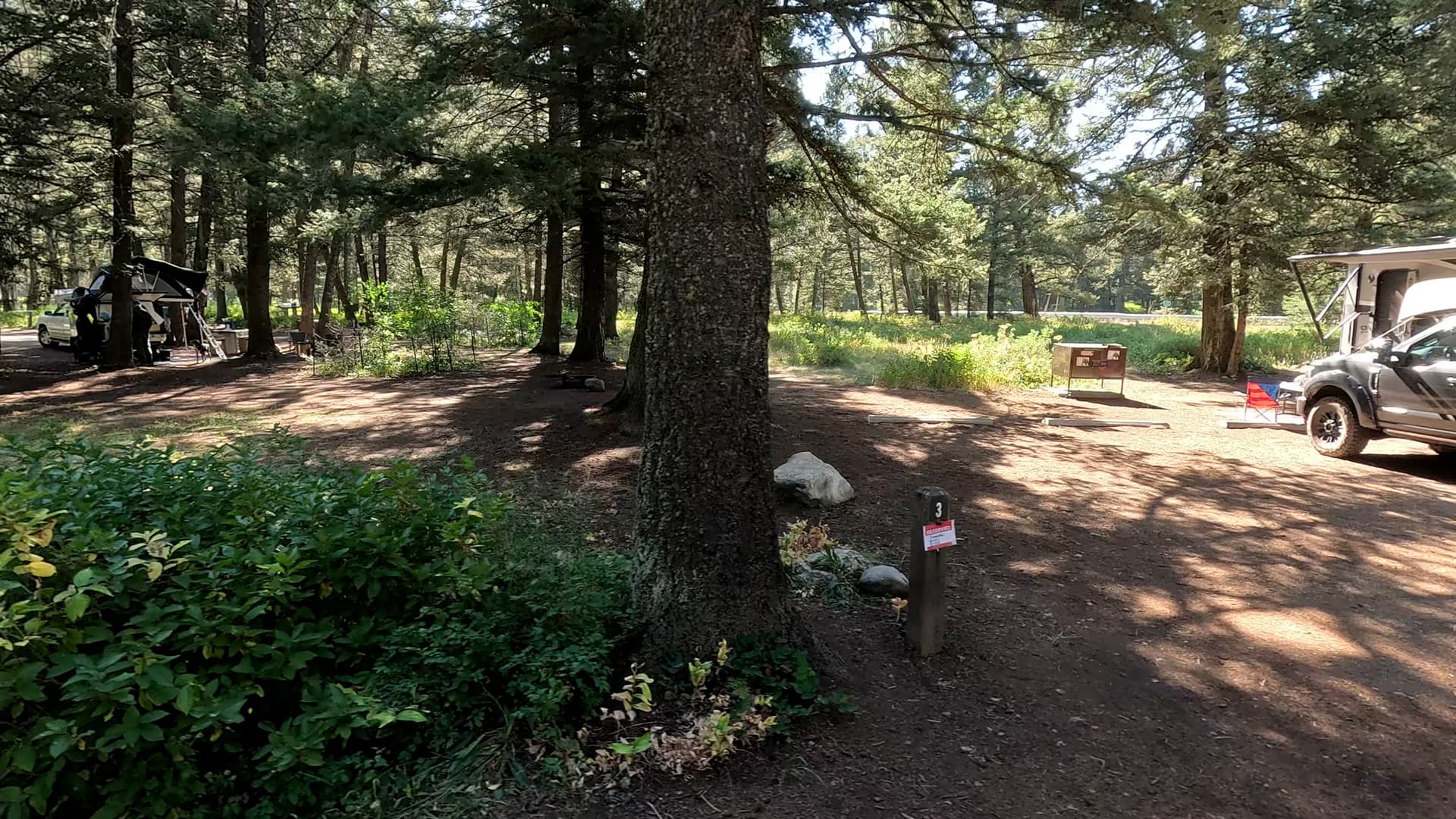
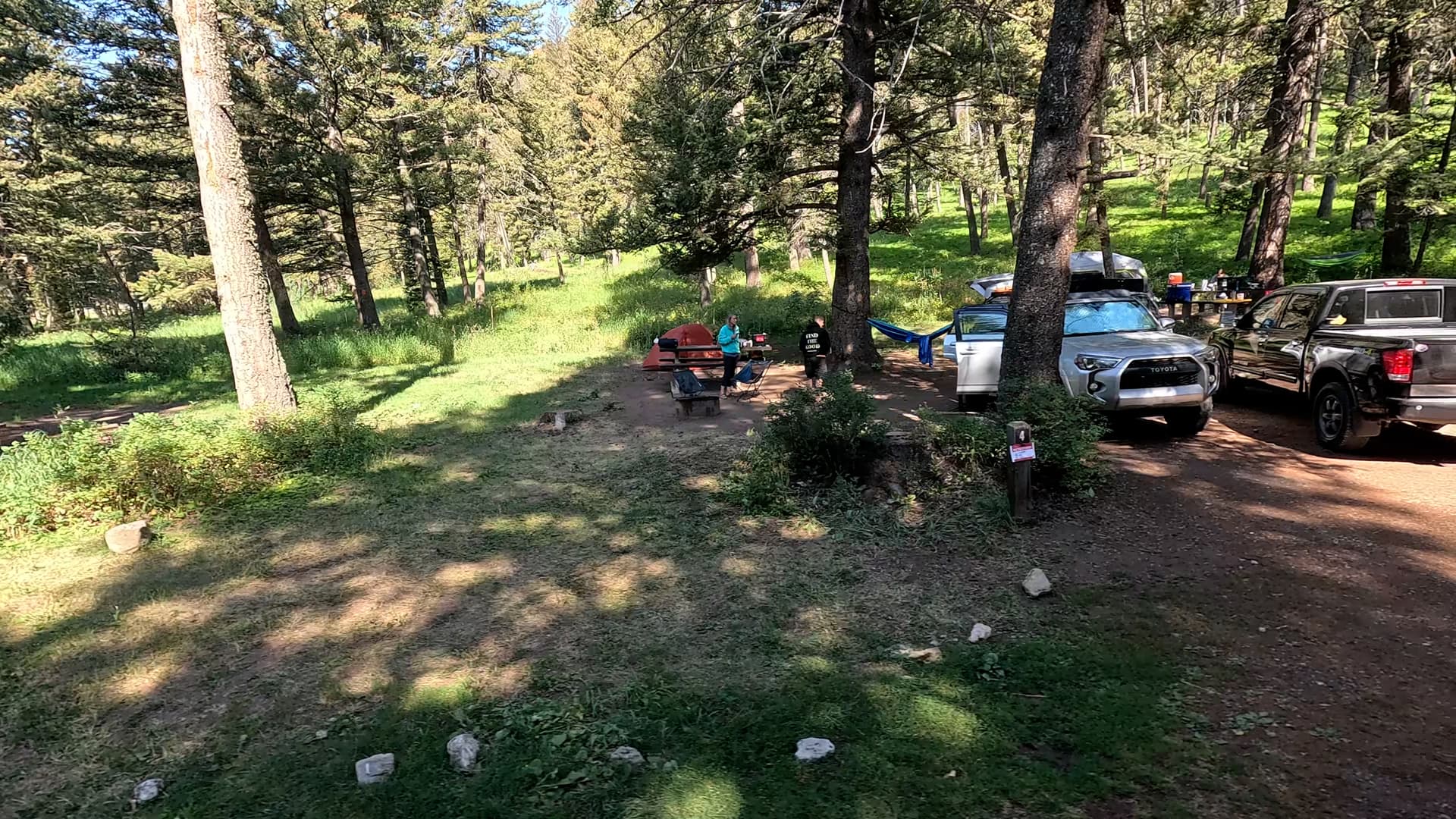
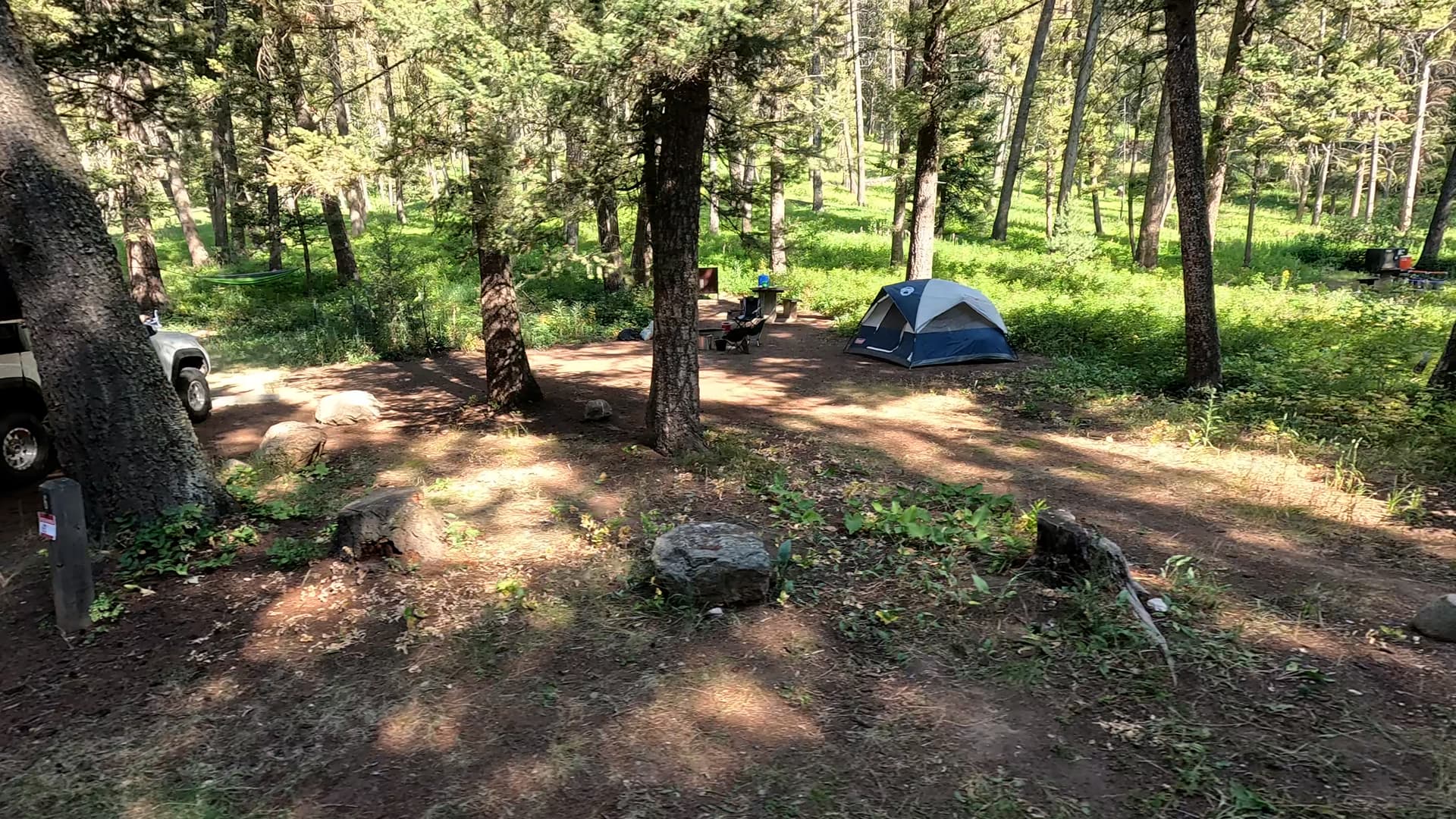
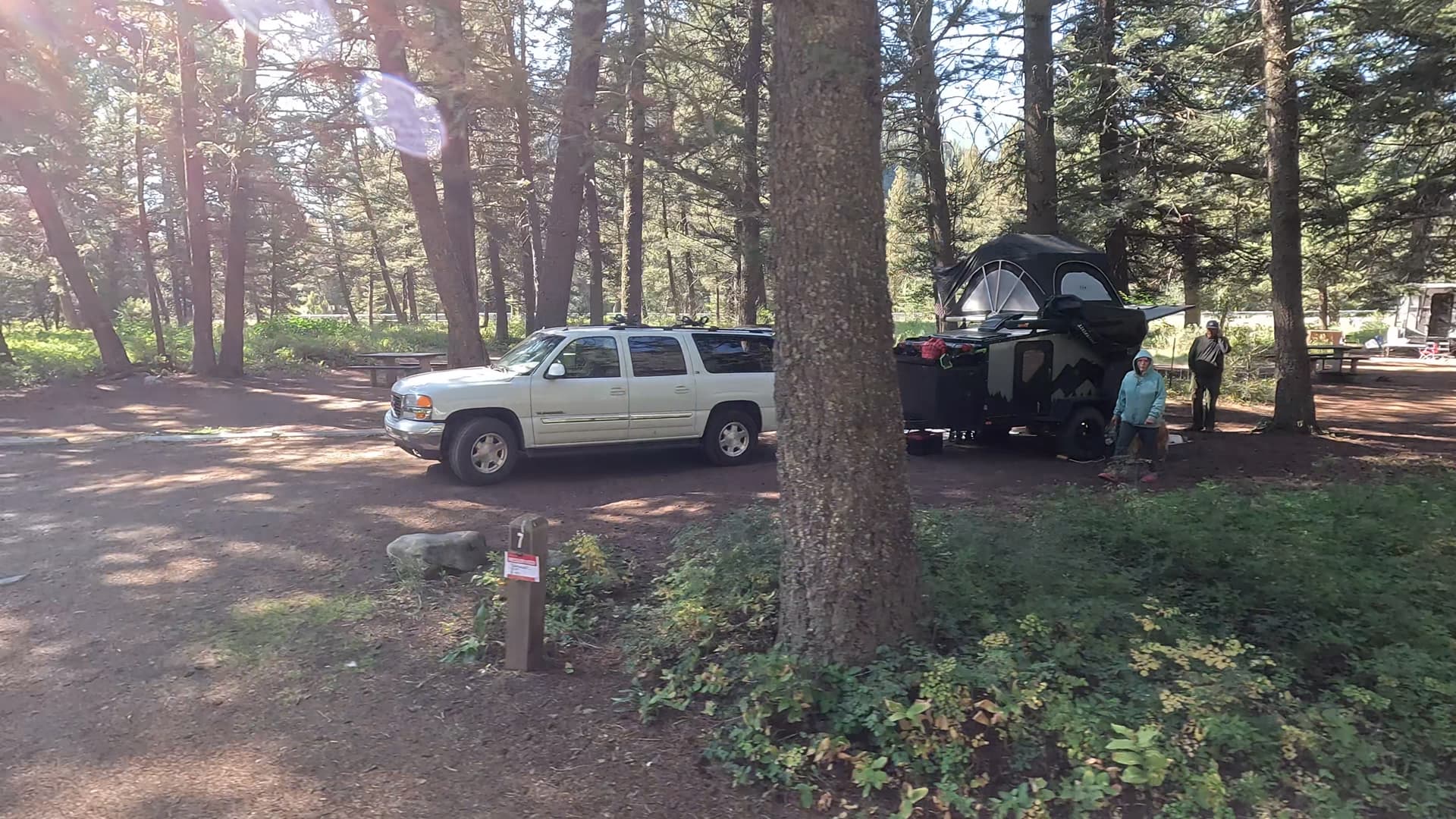
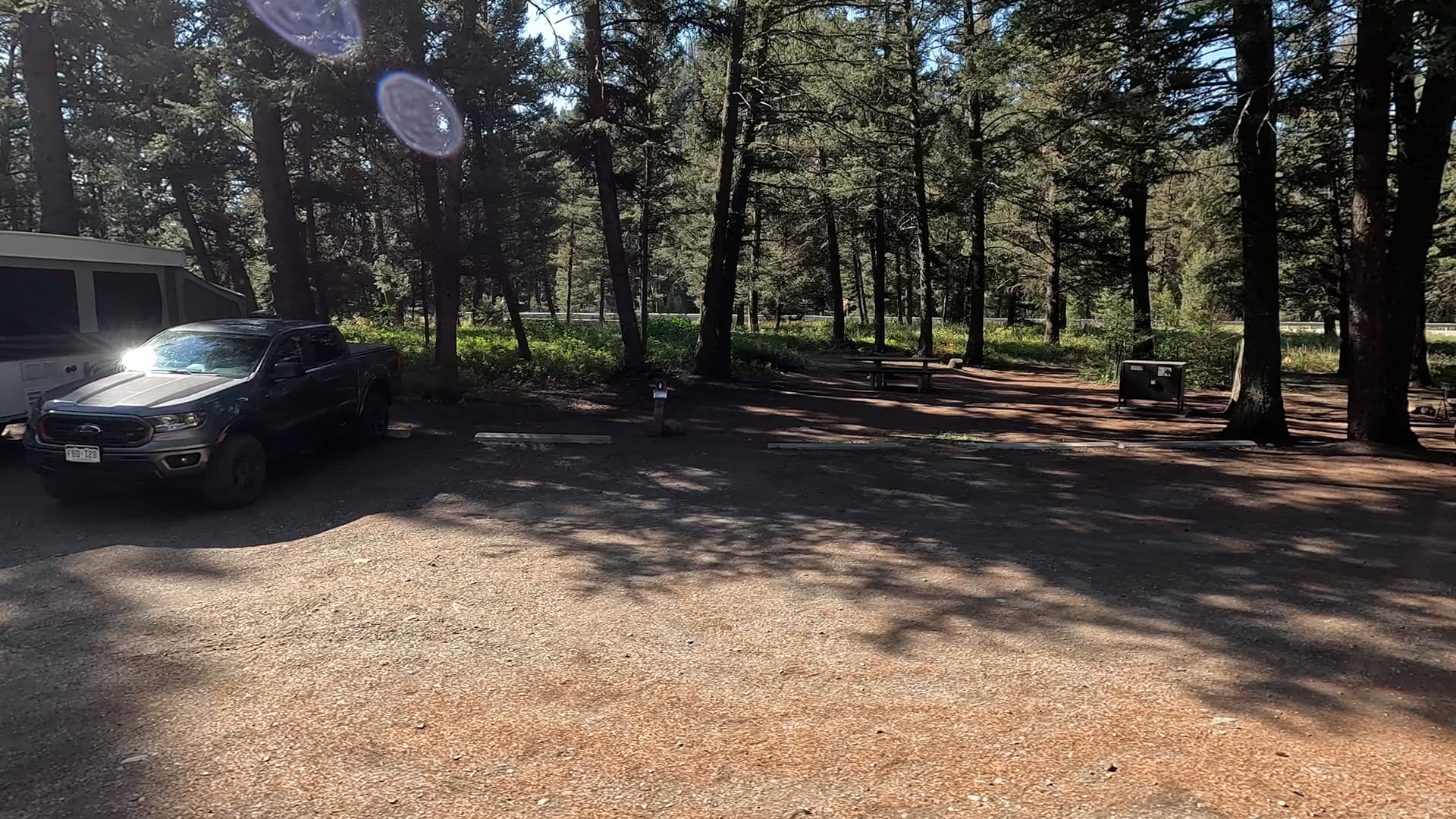
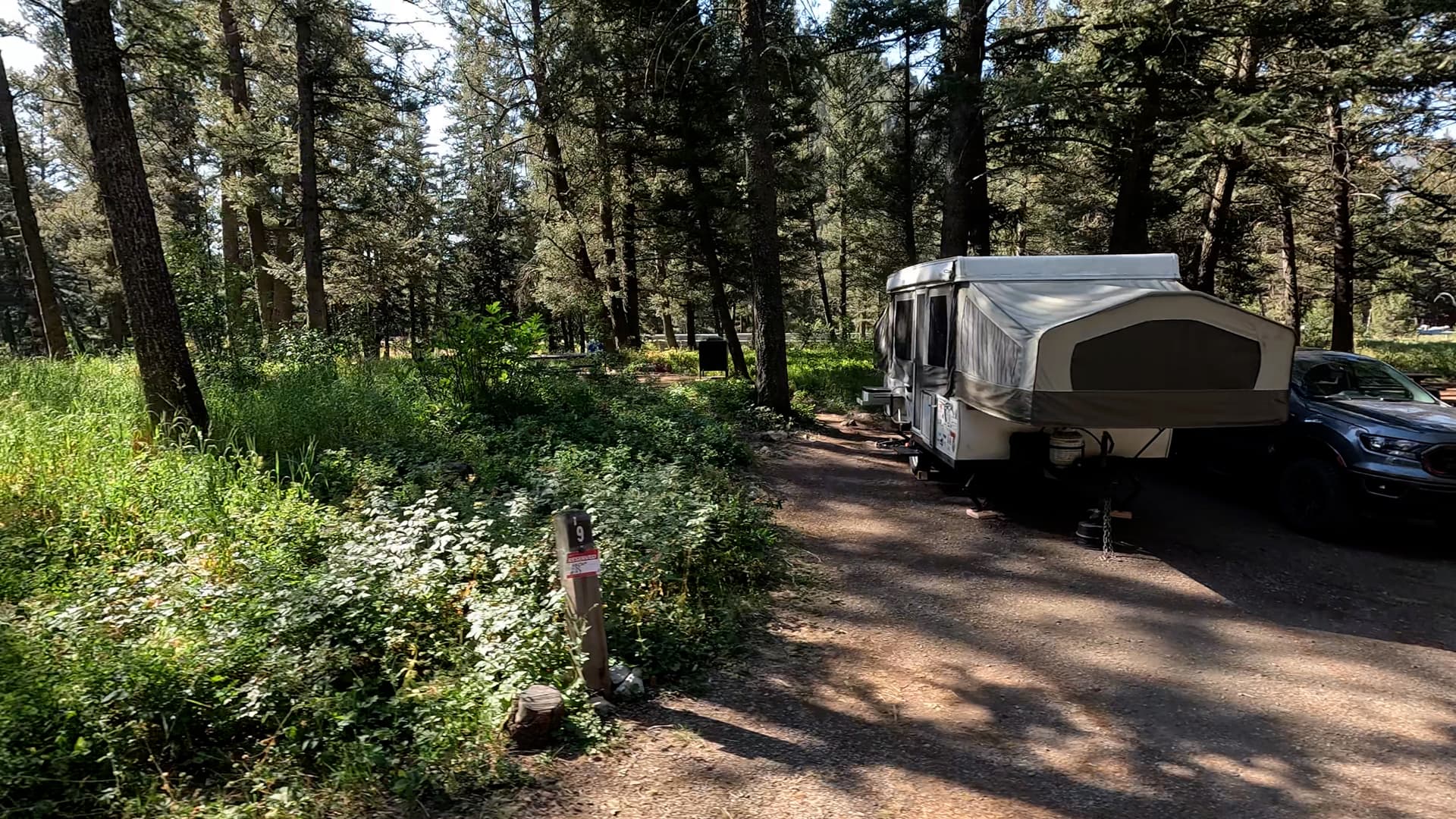
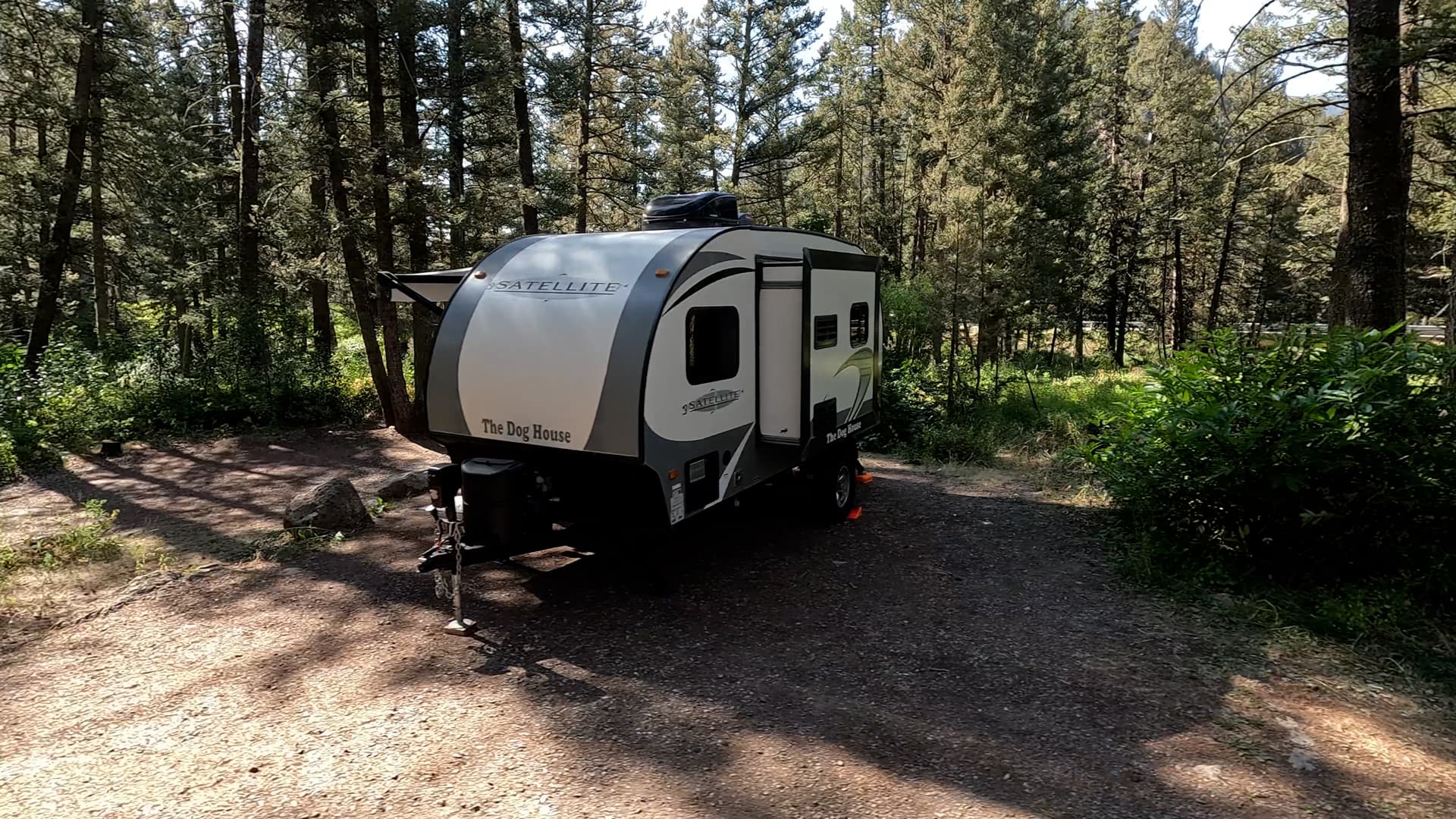
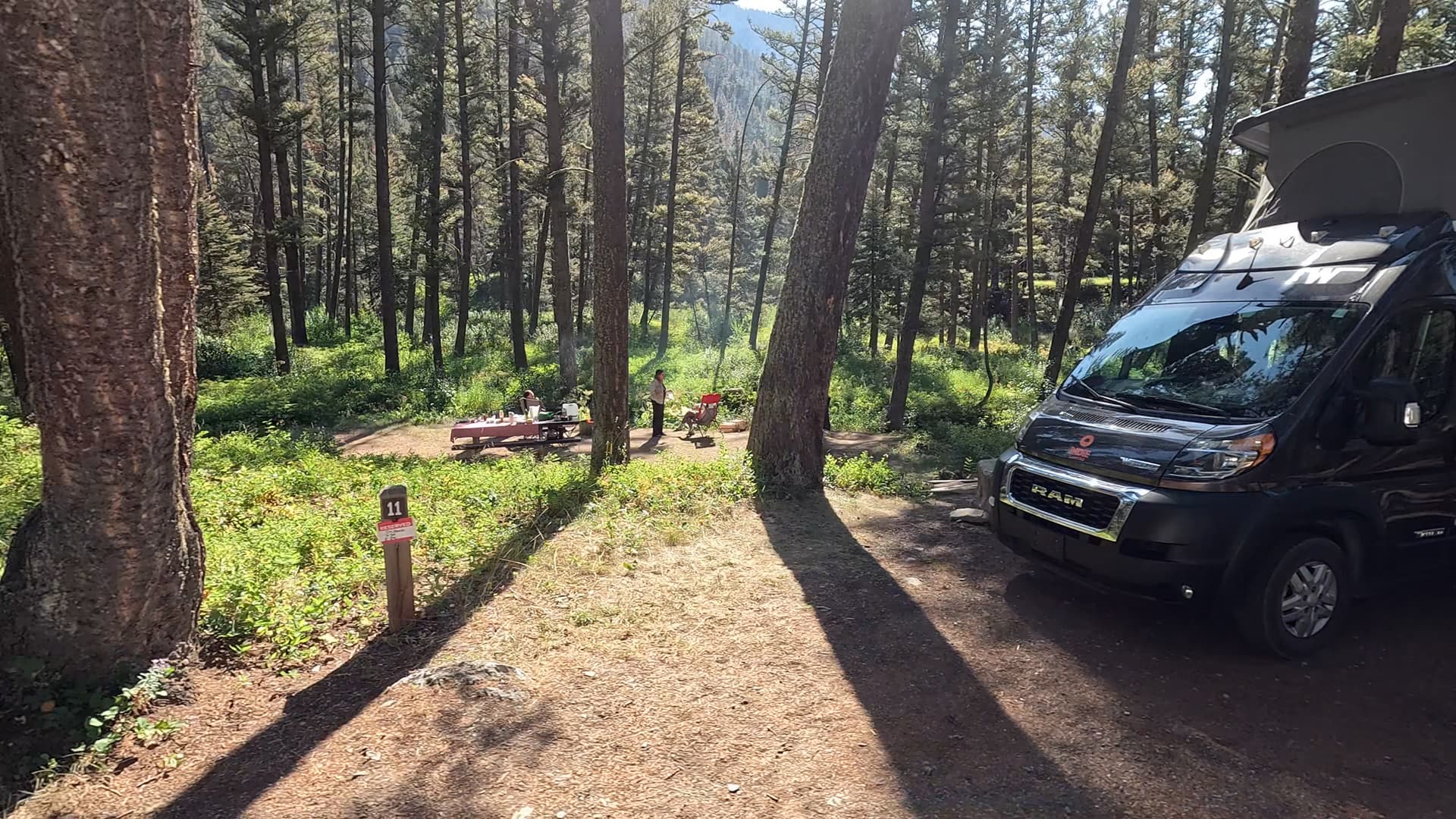
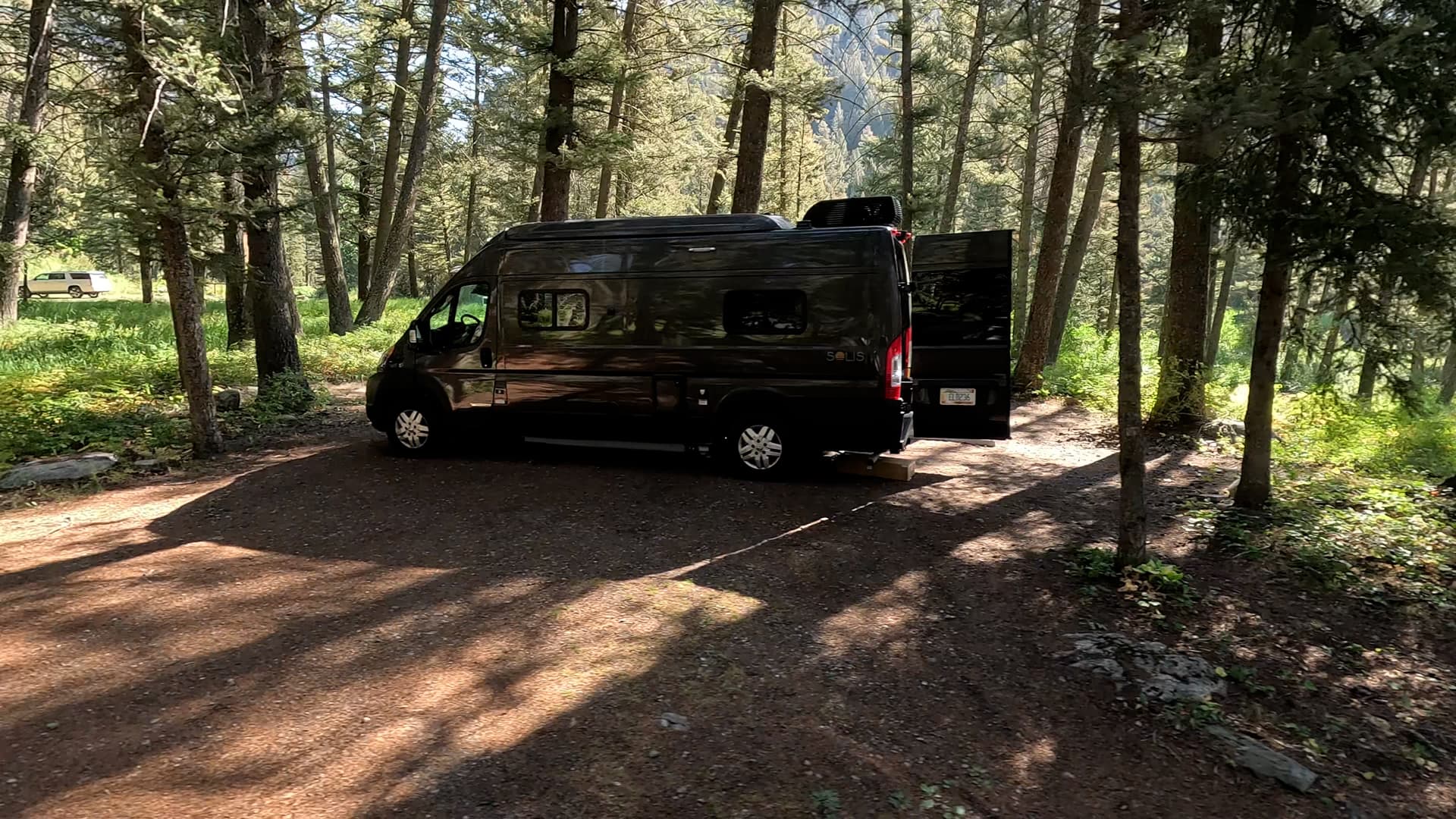
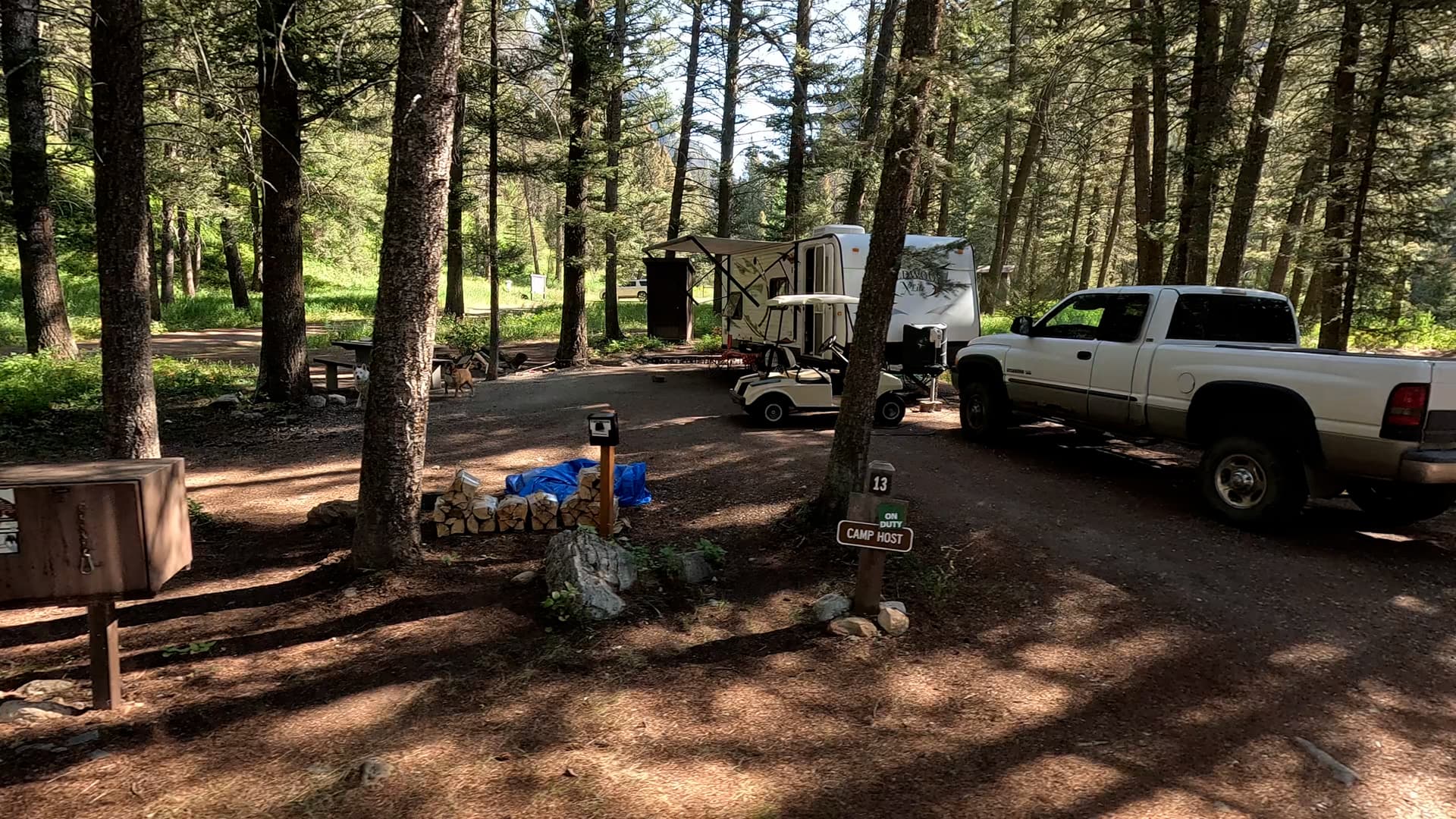
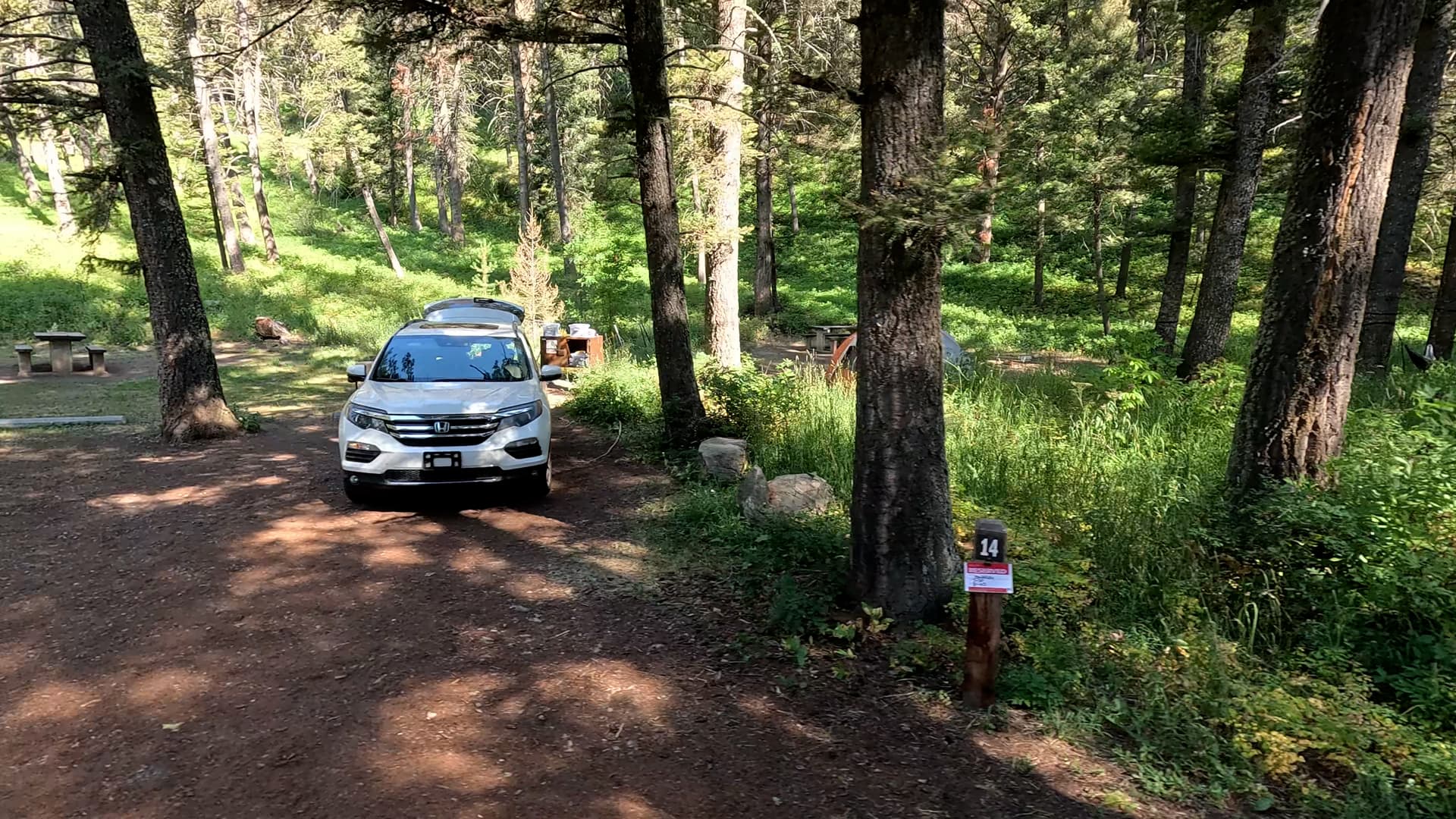
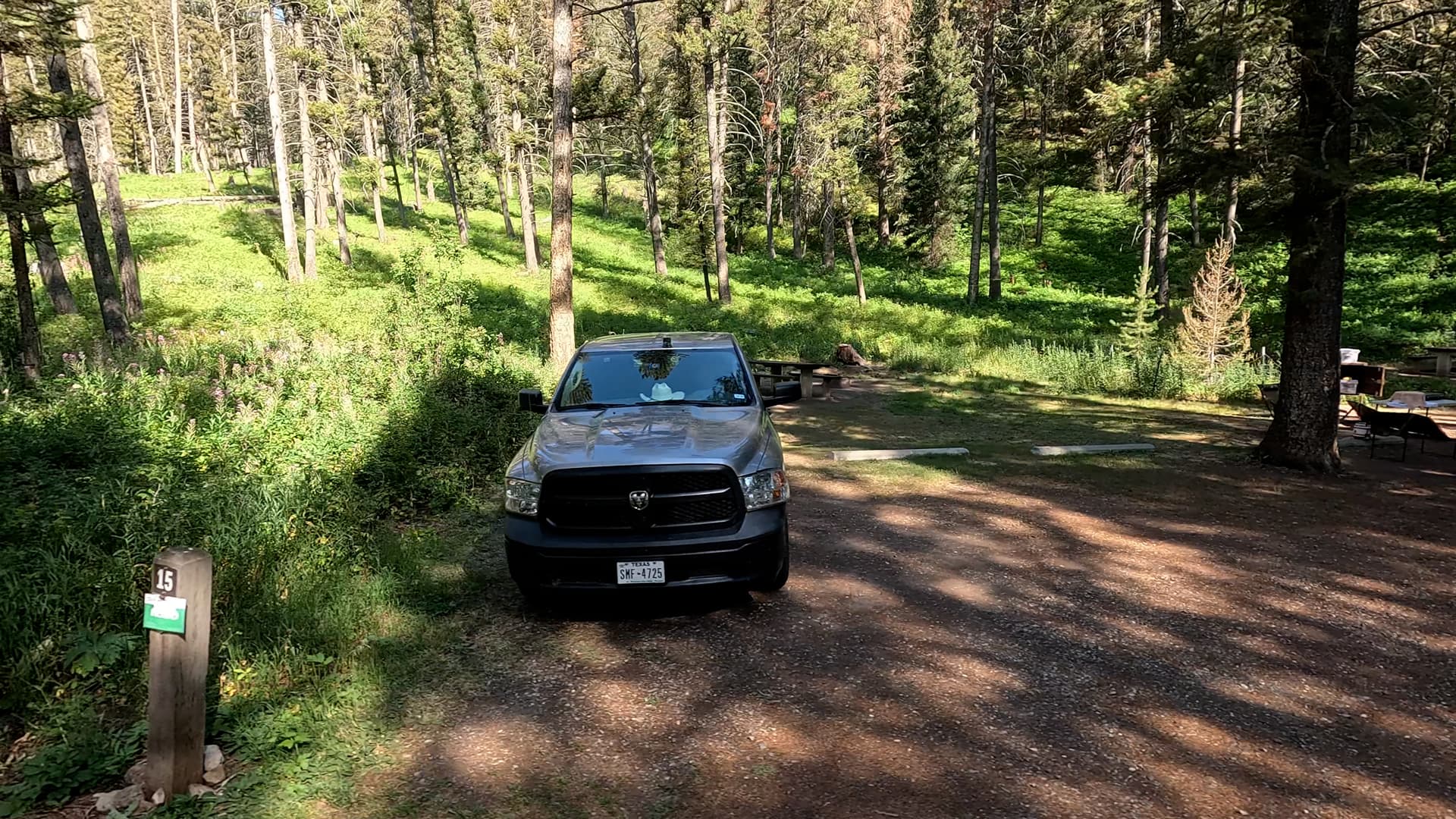
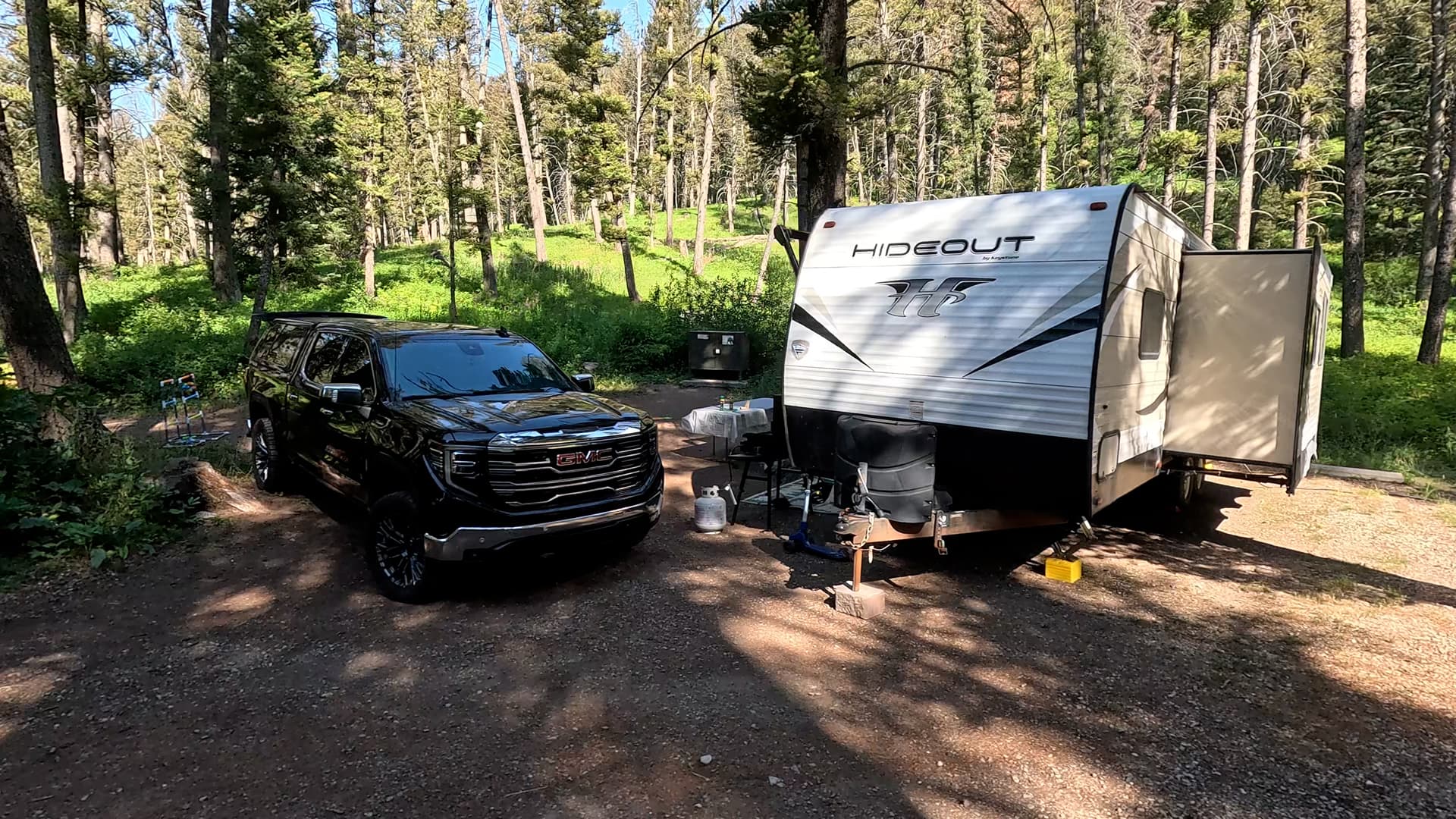
Cabin Creek Campground is a peaceful, forested campground located near the northwest corner of Yellowstone National Park within the Custer Gallatin National Forest. Known for its cool mountain air, lodgepole pine surroundings, and close access to both river fishing and scenic forest trails, Cabin Creek offers a quiet, natural basecamp just minutes from the West Yellowstone area. Its blend of seclusion and convenience makes it a popular choice for campers looking to explore the Greater Yellowstone Ecosystem without staying inside the busier park campgrounds.

Location & Setting

The campground sits along U.S. Highway 191 in the upper Gallatin Canyon, roughly 15–20 minutes north of West Yellowstone. Surrounded by thick lodgepole pine forest and nestled near Cabin Creek and the Gallatin River, the setting feels remote but remains easy to access for travelers exploring both Yellowstone and southwest Montana. The area’s diverse mountain terrain includes forested hillsides, meadows, creek drainages, and classic high-country scenery shaped by snowmelt and rugged volcanic geology.

Campground Overview

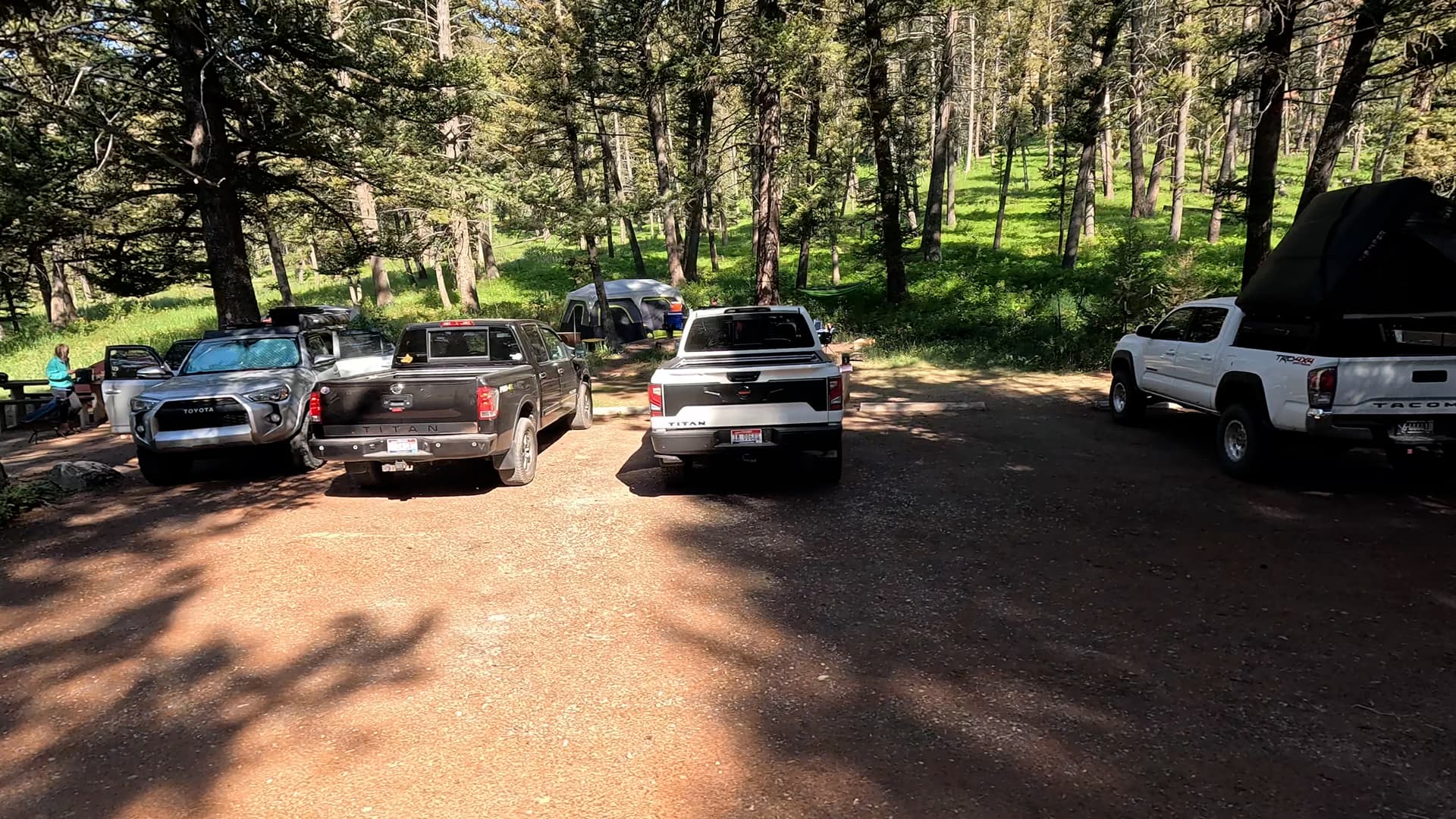
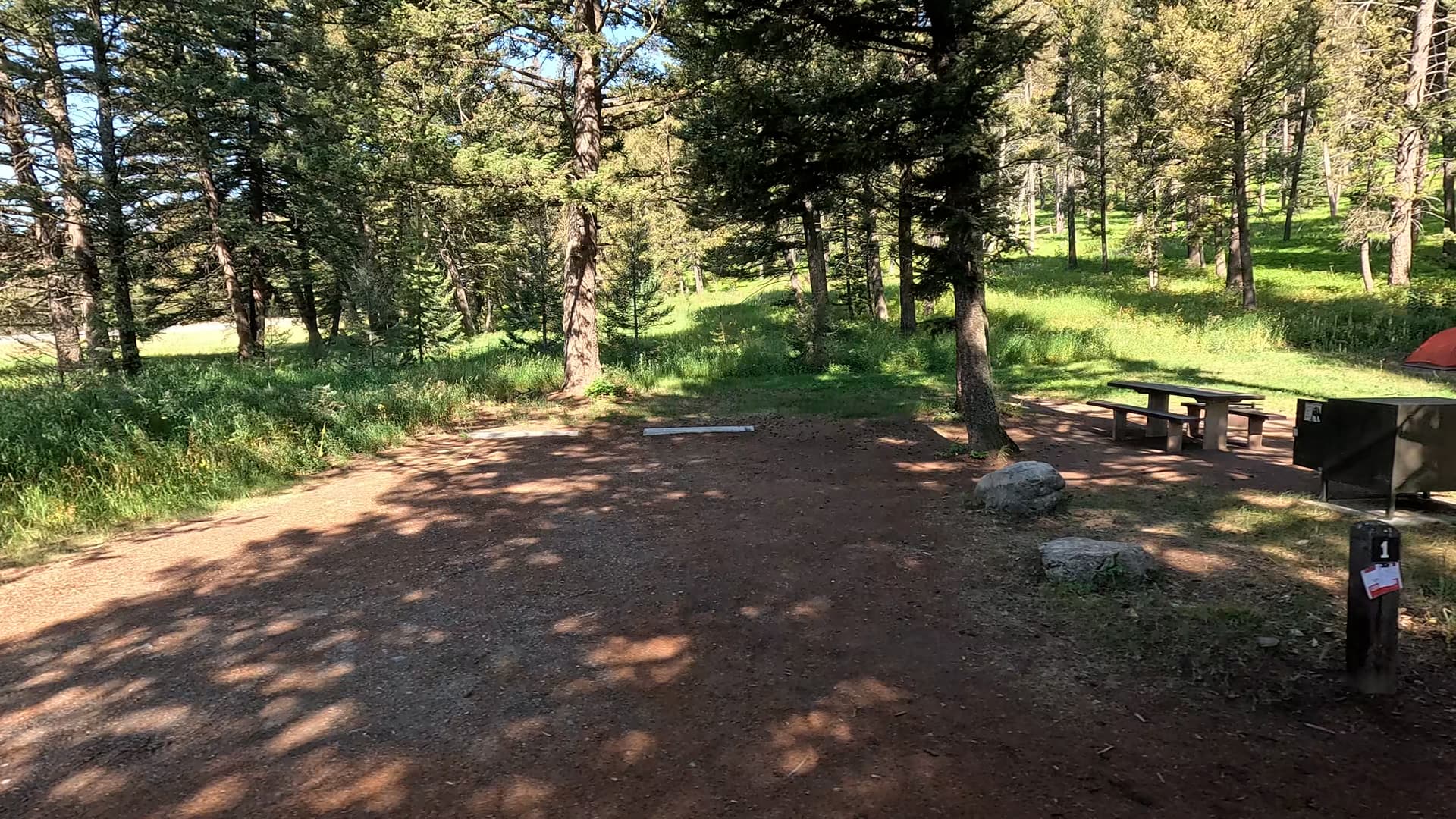
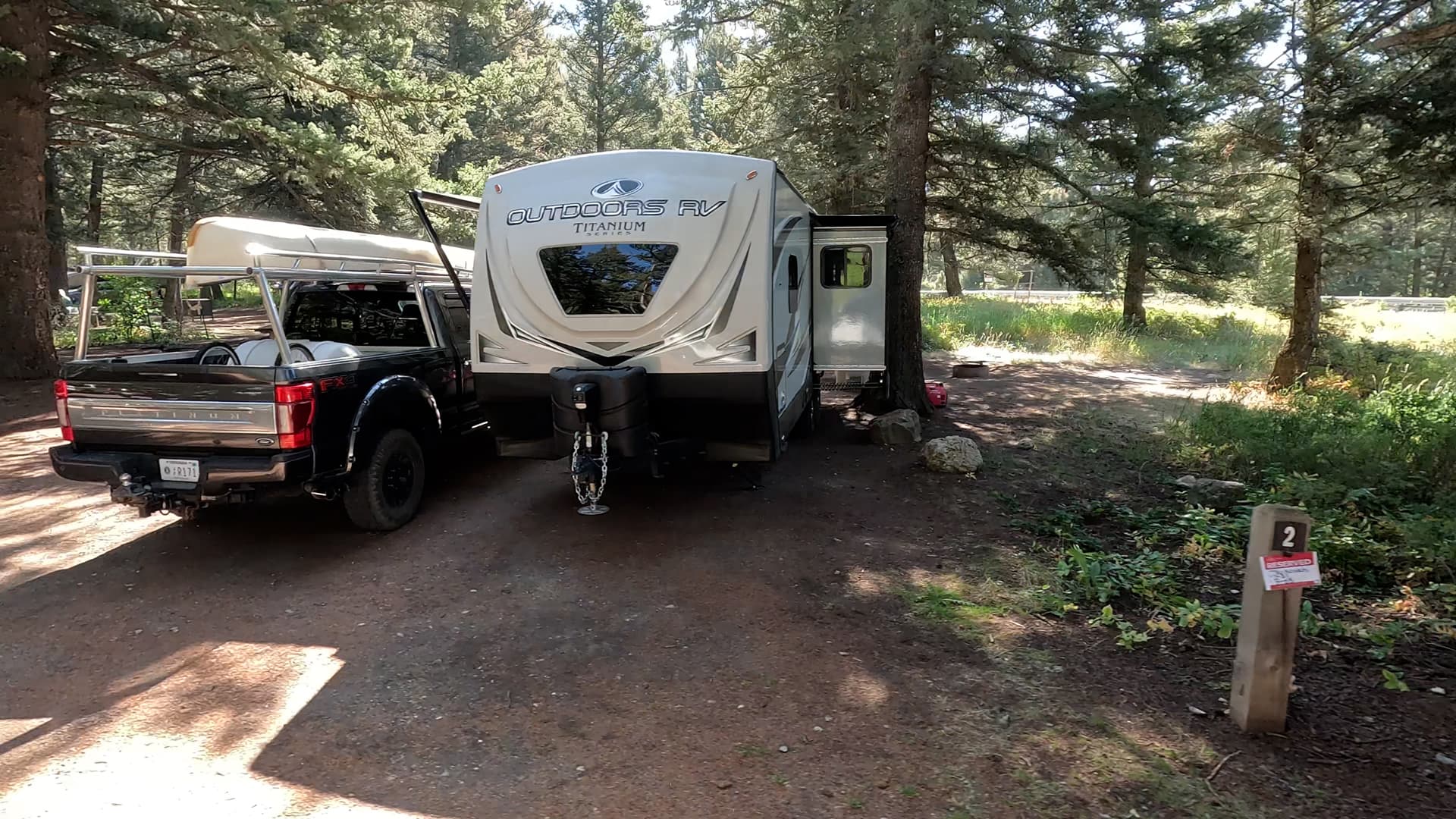
Cabin Creek Campground features a modest number of sites suitable for tents, small trailers, and mid-sized RVs. Sites sit beneath tall pines that provide ample shade during summer months, and natural spacing between campsites allows for a quieter, more private experience compared to larger campgrounds. The rustic layout and gentle forest floor create an inviting and relaxed atmosphere for visitors looking to enjoy Montana’s mountain environment up close. Because of its size and location, the campground tends to stay quieter than busy gateway areas near Yellowstone.

Amenities

Amenities include picnic tables, fire rings, and vault toilets. Cabin Creek Campground generally offers seasonal potable water, though visitors should confirm availability before arriving. There are no electrical hookups, showers, or dump stations, keeping the experience simple and nature-focused. The nearby community of West Yellowstone provides groceries, supplies, fuel, and dining options, making it easy for campers to restock while still enjoying a peaceful forest retreat. Firewood is typically available locally in gateway towns or nearby forest service stations.

Activities & Nearby Recreation

Cabin Creek sits in a prime region for hiking, fishing, wildlife viewing, and backcountry exploration. The Gallatin River—famous for its trout fisheries—flows nearby, providing excellent opportunities for fly fishing and riverside photography. Trails in the Cabin Creek drainage and surrounding forest offer options for day hikes, mountain biking, and wildlife spotting, with chances to see elk, mule deer, and a variety of mountain birds. Yellowstone’s West Entrance is only a short drive away, giving visitors easy access to geysers, thermal basins, bison herds, and the park’s scenic roads without staying inside the busier interior campgrounds.

Summary

Cabin Creek Campground provides a quiet, shaded, and convenient basecamp in the Custer Gallatin National Forest, perfect for visitors exploring both Yellowstone National Park and the scenic upper Gallatin River region. With its forested campsites, proximity to fishing and hiking, and easy access to the services of West Yellowstone, it offers a balanced blend of solitude and convenience. For travelers seeking a peaceful mountain retreat just outside one of America’s most iconic national parks, Cabin Creek is an excellent choice.
Nearby Campgrounds