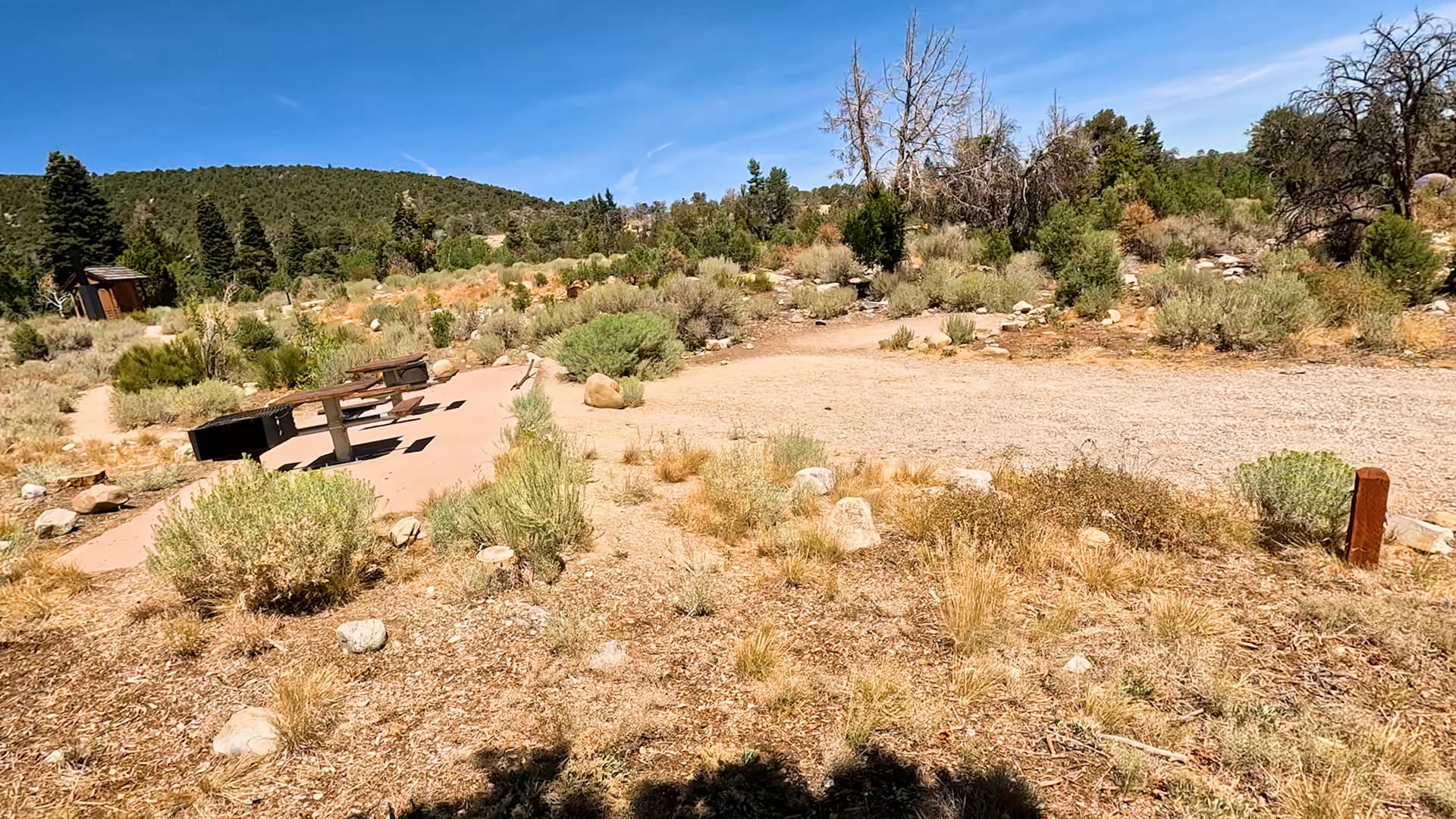
Grey Cliffs
Date filmed:2025-08-10
Number of sites:16
GPS:38.9903596, -114.2227721
Max vehicle length:20 Feet
Check in:12:00 pm
Check out:12:00 pm
Quiet hours:8:00 pm - 8:00 am

Amenities and Activities

Amenities
Fire Ring
Picnic Table
Accessible Sites
Vault Toilets
Grill
Activities
Hiking
Star Gazing
Bird Watching
Wildlife Viewing
Photography

Things to Do

Dirt Roads & No Coffee

City of Rocks to Great Basin National Park

Featured: Baker Creek, Cathedral Gorge, Grey Cliffs, Smoky Mountain, Wheeler Peak, Upper Lehman Creek

A bumpy dirt road, no coffee in sight, and tiny towns flashing by as we cross northwest Utah toward Great Basin National Park. We land an incredible campsite, then head toward Weaver Peak to film CampVue and catch our first jaw-dropping views. In this episode, we finally leave City of Rocks National Reserve and begin the long push toward Great Basin National Park. The route takes us along sometimes bumpy dirt roads, cutting across the northwest corner of Utah through wide-open country and tiny towns that seem to disappear as quickly as they appear. With no luck finding coffee in Almo before setting off, the search for caffeine becomes a running joke as we roll through near-empty stretches of road, soaking in the quiet and isolation of this part of the West. It’s a travel day defined by movement, small moments, and the humor that comes from unmet expectations. We eventually arrive at our campground near Great Basin National Park and quickly realize we may have landed one of the best campsites of the entire 2025 CampVue Northern Tour. After getting set up, we head out toward Weaver Peak to continue filming for CampVue, where we’re rewarded with our first real glimpse of the stunning landscape that defines this region. This episode marks the transition from travel to discovery, setting the stage for what’s to come in Great Basin.

Alpine Lakes & Desert Views

A Day in Great Basin National Park

Featured: Cathedral Gorge, Baker Creek, Grey Cliffs, Wheeler Peak, Upper Lehman Creek

Morning coffee by a quiet creek leads to an alpine hike in Great Basin National Park. We explore the Alpine Lakes Loop, visit Stella and Teresa Lakes, meet a mother deer and her fawn, then descend with sweeping desert views far below. We wake up to a quiet morning at our campground in Great Basin National Park, easing into the day with fresh coffee and time spent beside a peaceful creek. It’s an unhurried start, setting the tone before heading out to explore the higher elevations of the park. From there, we drive toward Wheeler Peak and set out on the Alpine Lakes Loop Trail, hiking through cool mountain air and dramatic scenery. Along the trail, we visit Stella Lake and Teresa Lake, where a surprise encounter with a mother deer and her baby adds a memorable moment to the hike. Afterward, we make our way back down the mountain, lingering on the drive as the landscape shifts. Glimpses of the desert floor far below offer striking contrast to the alpine terrain above, prompting plenty of quiet awe along the way. The video ends here, before returning to camp to reset for the next adventure — a visit to Lehman Caves — continuing our exploration of Great Basin National Park in the following episode.

Lehman Caves Parachute Shield Tour

The Great Basin Underground

Featured: Cathedral Gorge, Baker Creek, Grey Cliffs, Wheeler Peak, Upper Lehman Creek

We head underground on the Parachute Shield Tour at Lehman Caves in Great Basin National Park, exploring massive chambers, delicate formations, and ancient stone shaped over millions of years—an awe-filled experience and a reminder of just how fragile caves can be. In this episode, we head underground for the Parachute Shield Tour at Lehman Caves in Great Basin National Park. After a morning spent exploring the alpine landscapes near Wheeler Peak, the day takes a very different turn as we check in at the Lehman Caves Visitor Center and prepare for one of the park’s most iconic experiences. Before entering the cave, we spend time learning about its discovery, history, and the people connected to it—both those who knew of this place long before it was documented, and the early explorers who helped bring it to wider attention. Descending into the cave, we learn how Lehman Caves began hundreds of millions of years ago, when this region was covered by a shallow sea. Over time, limestone formed from ancient marine life, later transforming into marble and slowly dissolving to create the intricate passages and chambers we see today. Along the Parachute Shield Tour, we encounter a wide variety of formations, including stalactites, stalagmites, flowstone, and the striking shield formations for which the tour is named. The famous Parachute Shield stands out for its size and shape, formed as mineral-rich water spread outward in thin sheets over thousands of years. The tour also offers moments of reflection—on cave conservation, the marks left by early visitors before preservation was understood, and just how fragile these underground spaces truly are. We wrap up the episode back at camp, reflecting on the experience and why Lehman Caves is such a memorable part of Great Basin National Park.

Departing Great Basin National Park

Exploring the Surrounding Area

Featured: Cathedral Gorge, Baker Creek, Grey Cliffs, Wheeler Peak, Upper Lehman Creek

We leave the alpine heights of Great Basin National Park and descend into the desert, stopping at the Baker Archaeological Site. The changing landscape sparks reflection on the Fremont culture and how people once lived between mountain forests and open desert. In this episode, we begin our descent out of Great Basin National Park, leaving behind the high-elevation pines and aspens for the wide-open desert below. Before continuing south toward our next destination, we make a short but meaningful stop at the Baker Archaeological Site. Standing on the ground where a village once stood, we take time to reflect on how dramatically the landscape shifts in such a short distance—from the cool forests atop the mountain to the dry, expansive desert stretching out around us. At the site, we talk about the Fremont culture, whose presence in this region dates back centuries. It’s a quiet pause in the journey, offering perspective on how people once lived and adapted to this land long before modern roads and national parks. The episode ends here, setting the stage for our next stop and the continuation of the day in Episode 34, as we carry on southward.

Exploring Pioche, Nevada

Mining History, Museums & Main Street

Featured: Upper Lehman Creek, Wheeler Peak, Grey Cliffs, Baker Creek, Cathedral Gorge

In this episode, we leave the Baker Archaeological Site and continue south to the historic mining town of Pioche, Nevada. Once in town, we spend time walking up and down Main Street, taking in the atmosphere of a place shaped by boom-and-bust mining history. Along the way, we receive a surprise invitation into the Lincoln County Historical Museum, giving us an unexpected opportunity to learn more about Pioche’s past and the people who once called it home. Outside, we stop to look at the remains of the town’s aerial tramway, a reminder of the infrastructure that once supported mining operations in the surrounding hills. We wrap up our visit by wandering past Pioche’s historic buildings, pausing to observe their details and imagine what life might have looked like during the town’s busiest years. The episode ends here, setting up the next stop on the journey: Cathedral Gorge State Park, coming up in the next episode.

Campground Overview

Grey Cliffs Campground – Great Basin National Park, Nevada

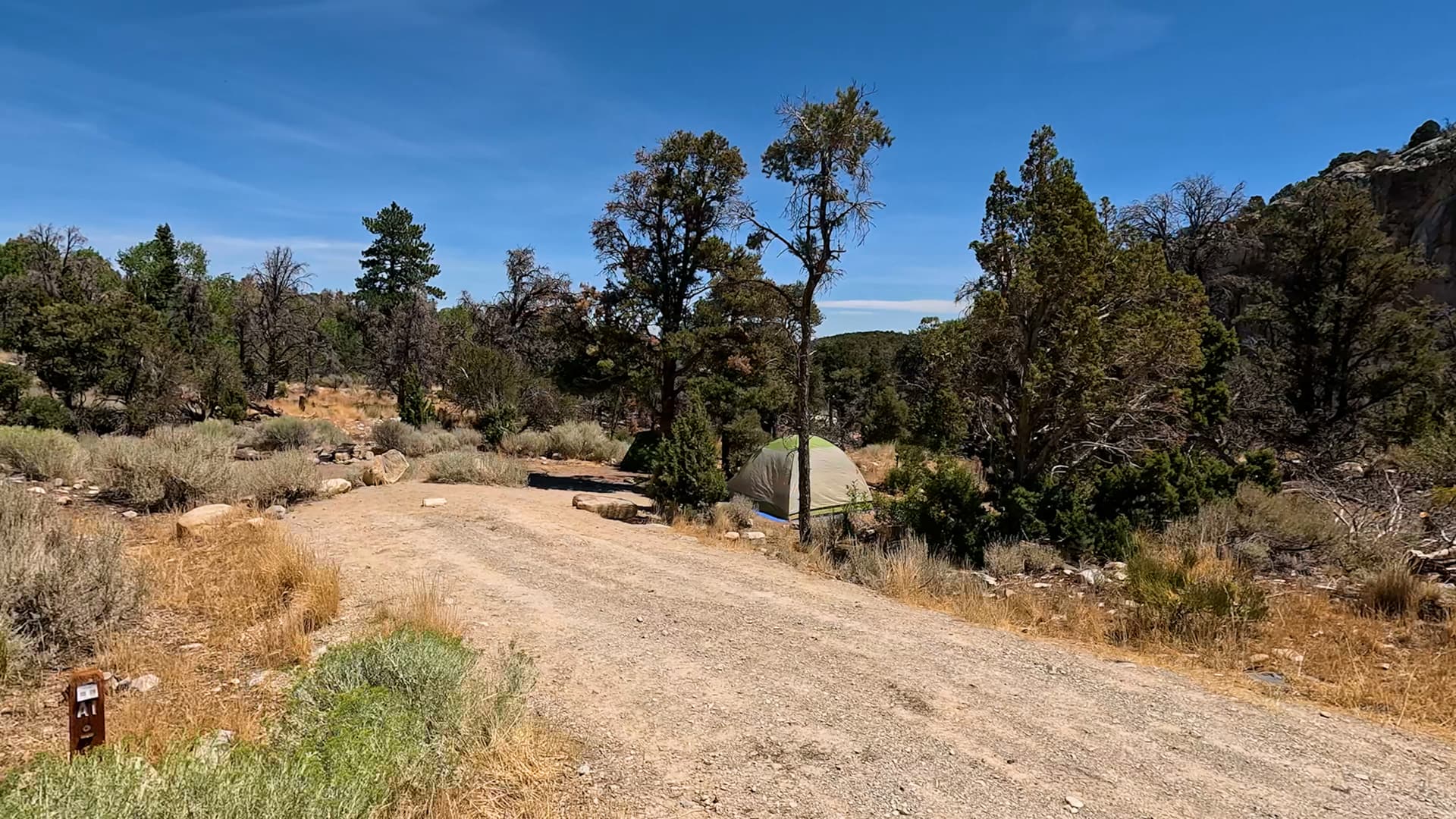
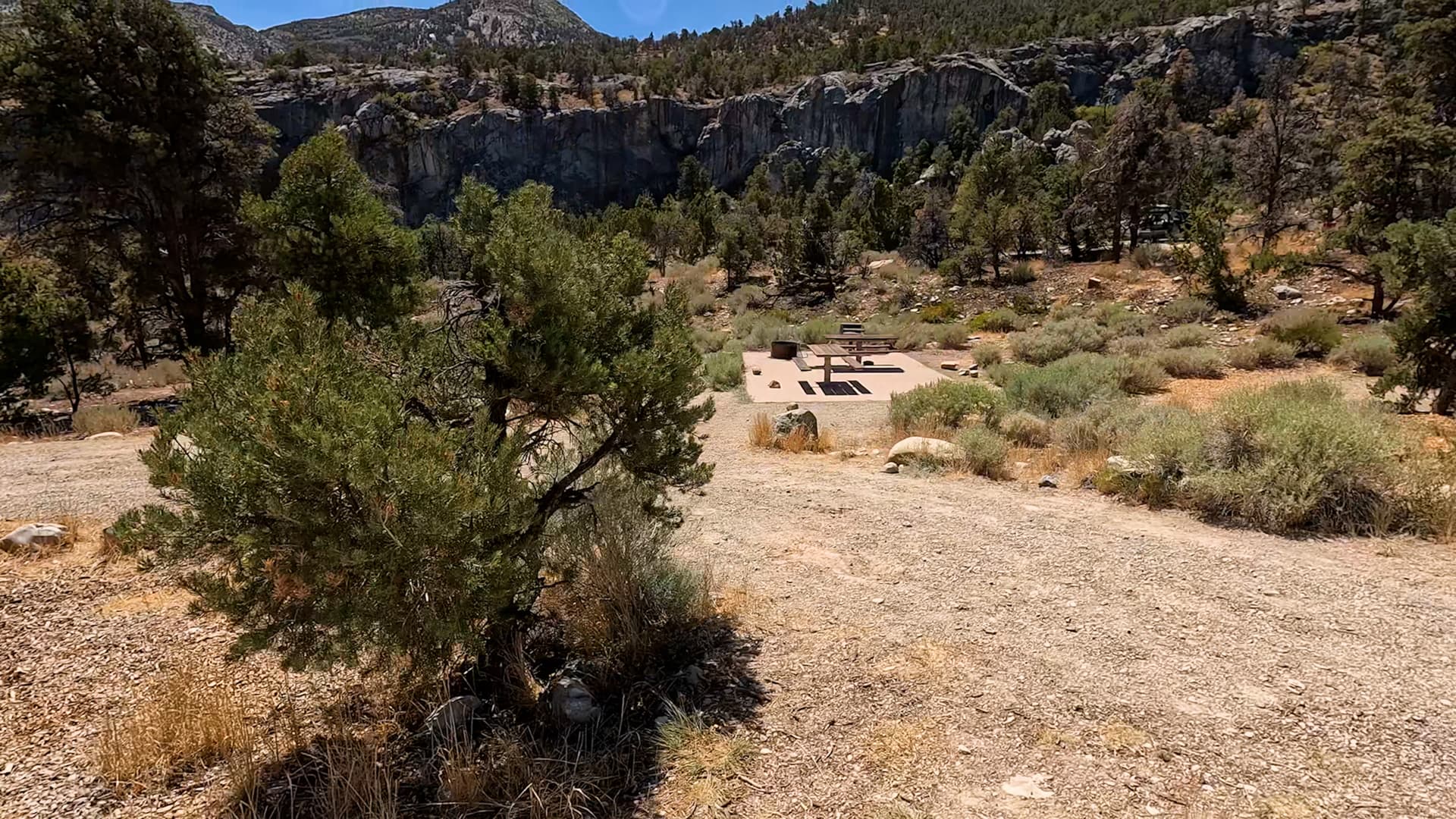
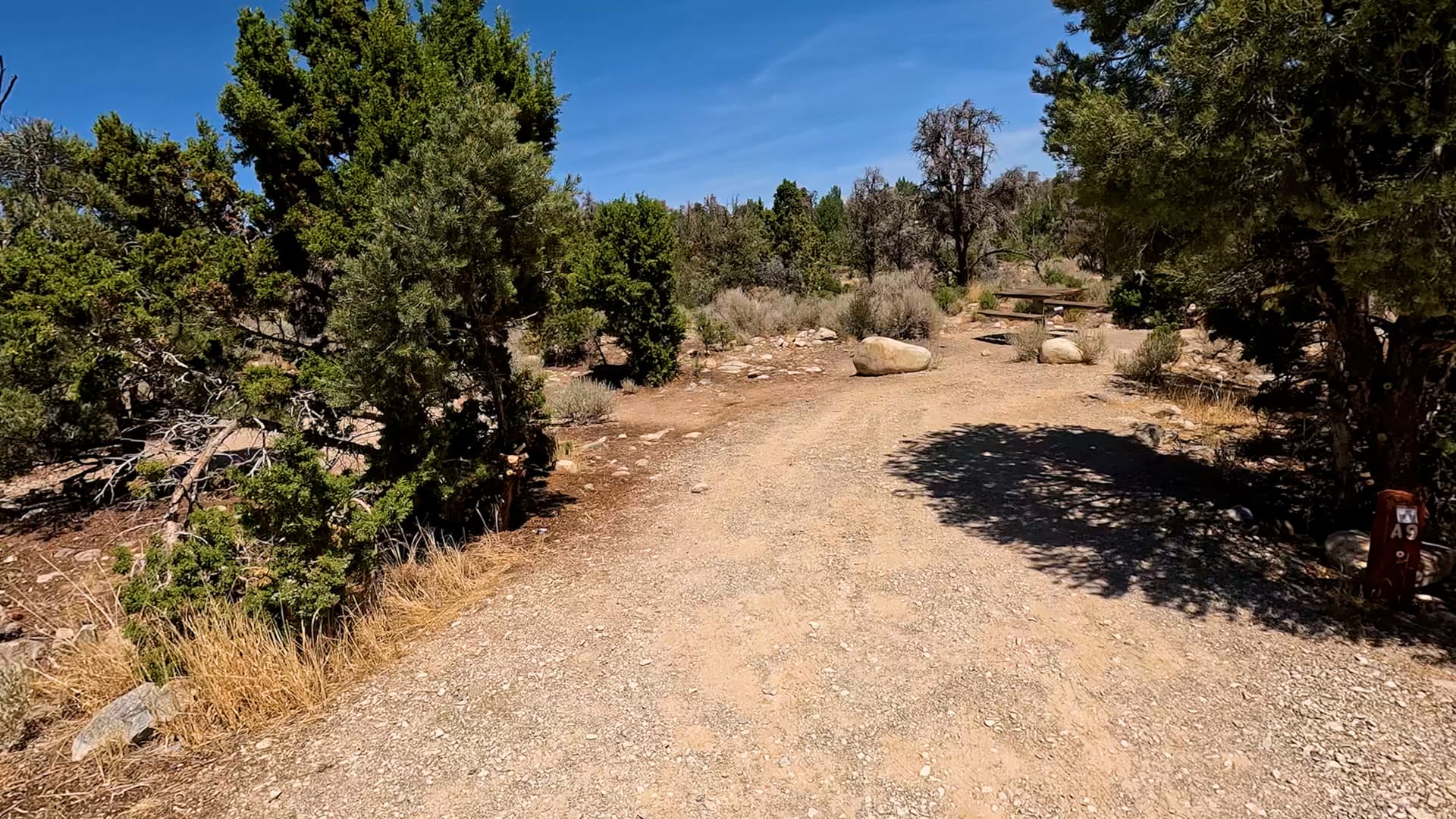
Grey Cliffs Campground is a small campground located in the lower elevations of Great Basin National Park. Positioned along the park’s entrance road near the Baker area, it provides convenient access for visitors arriving from the nearby town while still offering a quiet desert-edge camping experience. Its proximity to park services and attractions makes it a practical option for campers looking for easy access without traveling far into the park’s mountain roads.

Location & Setting

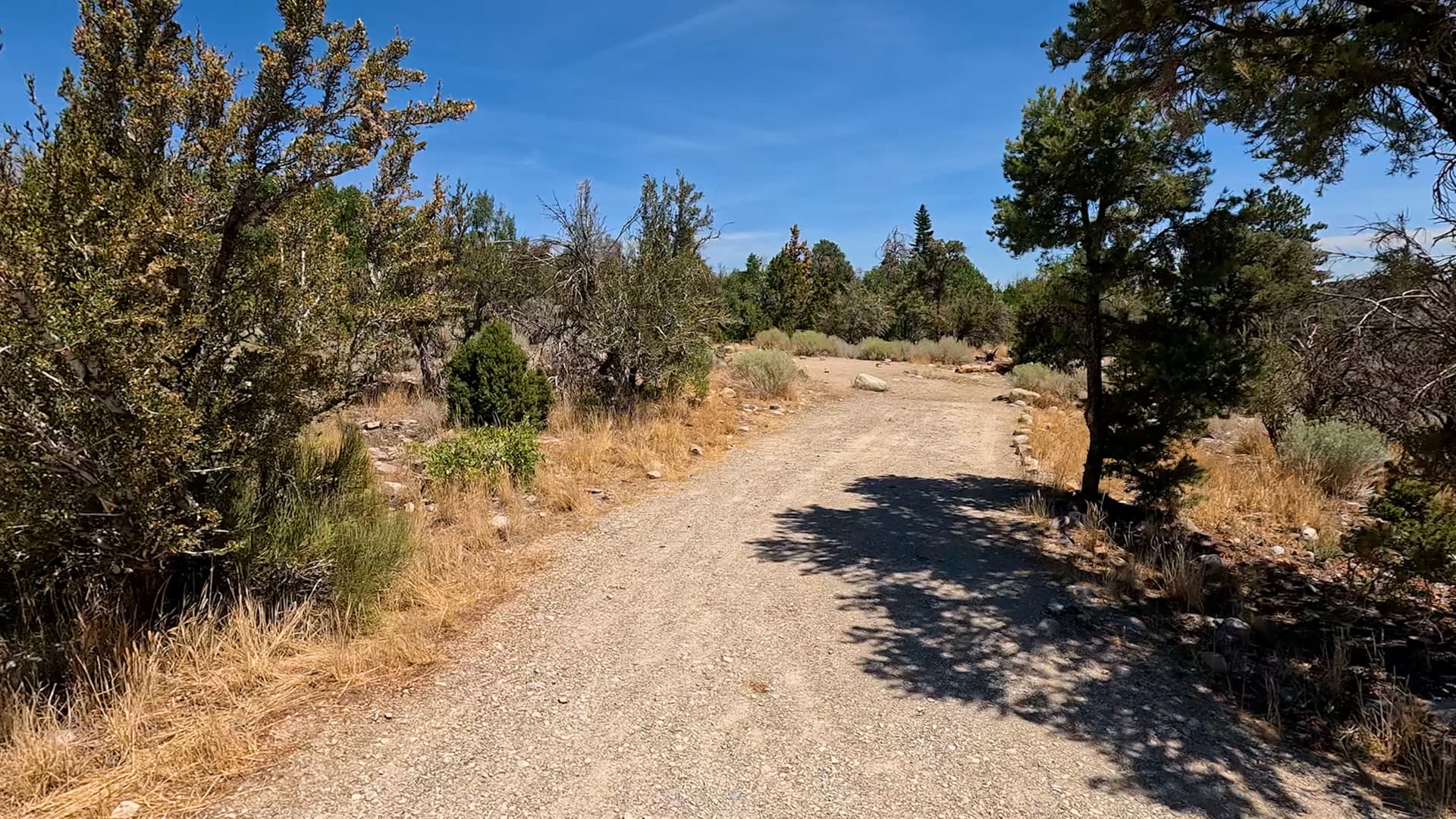
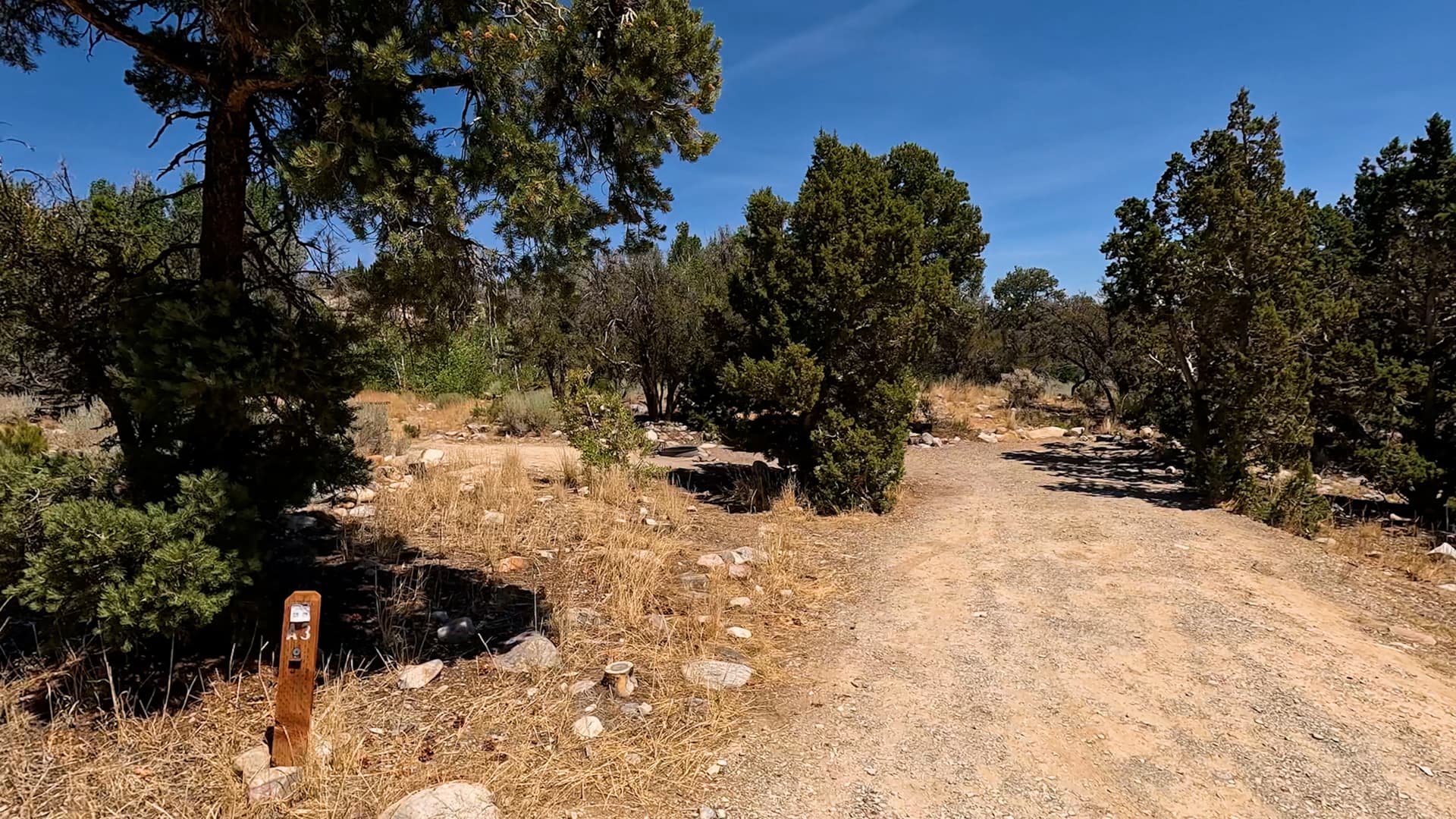
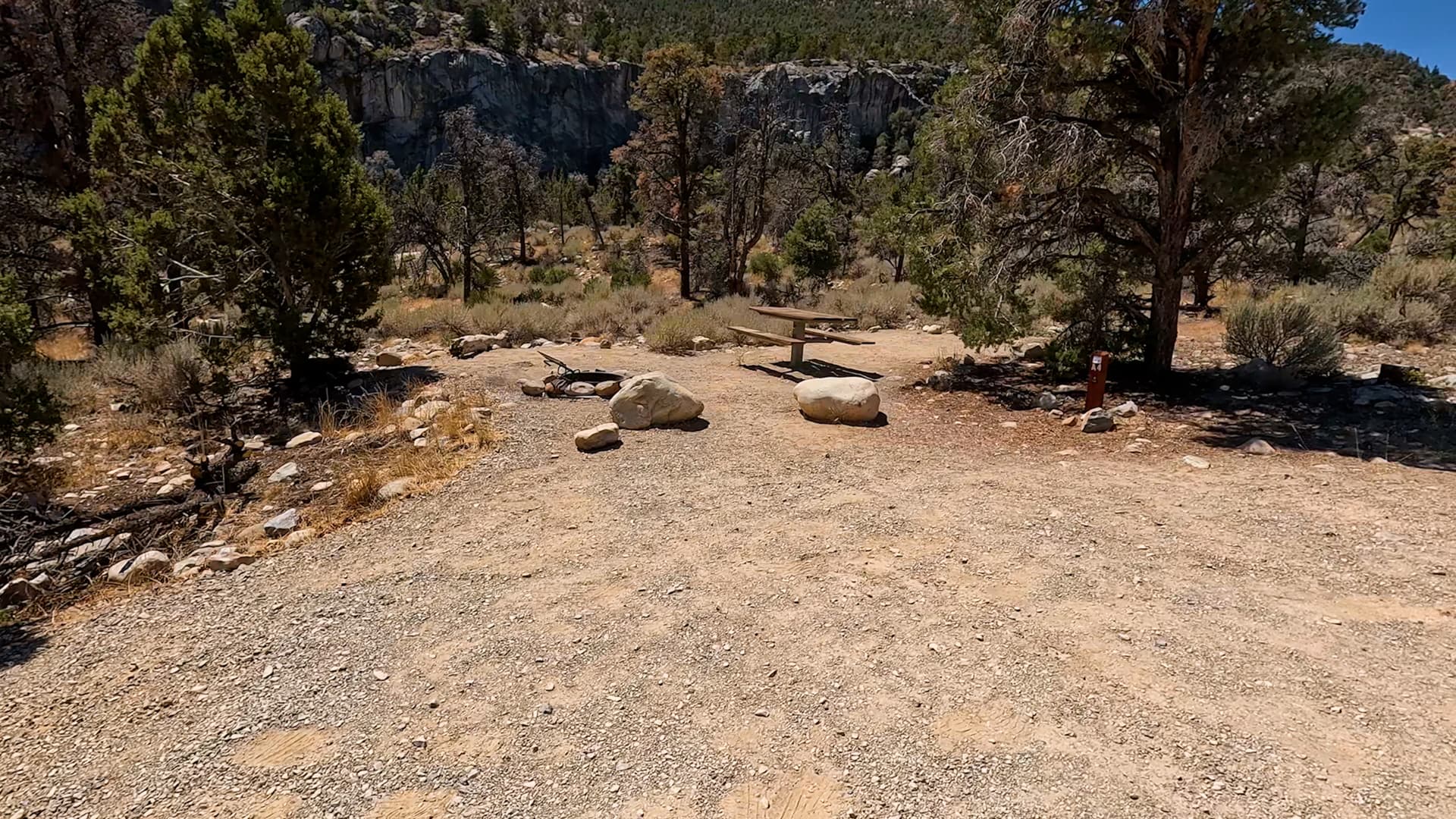
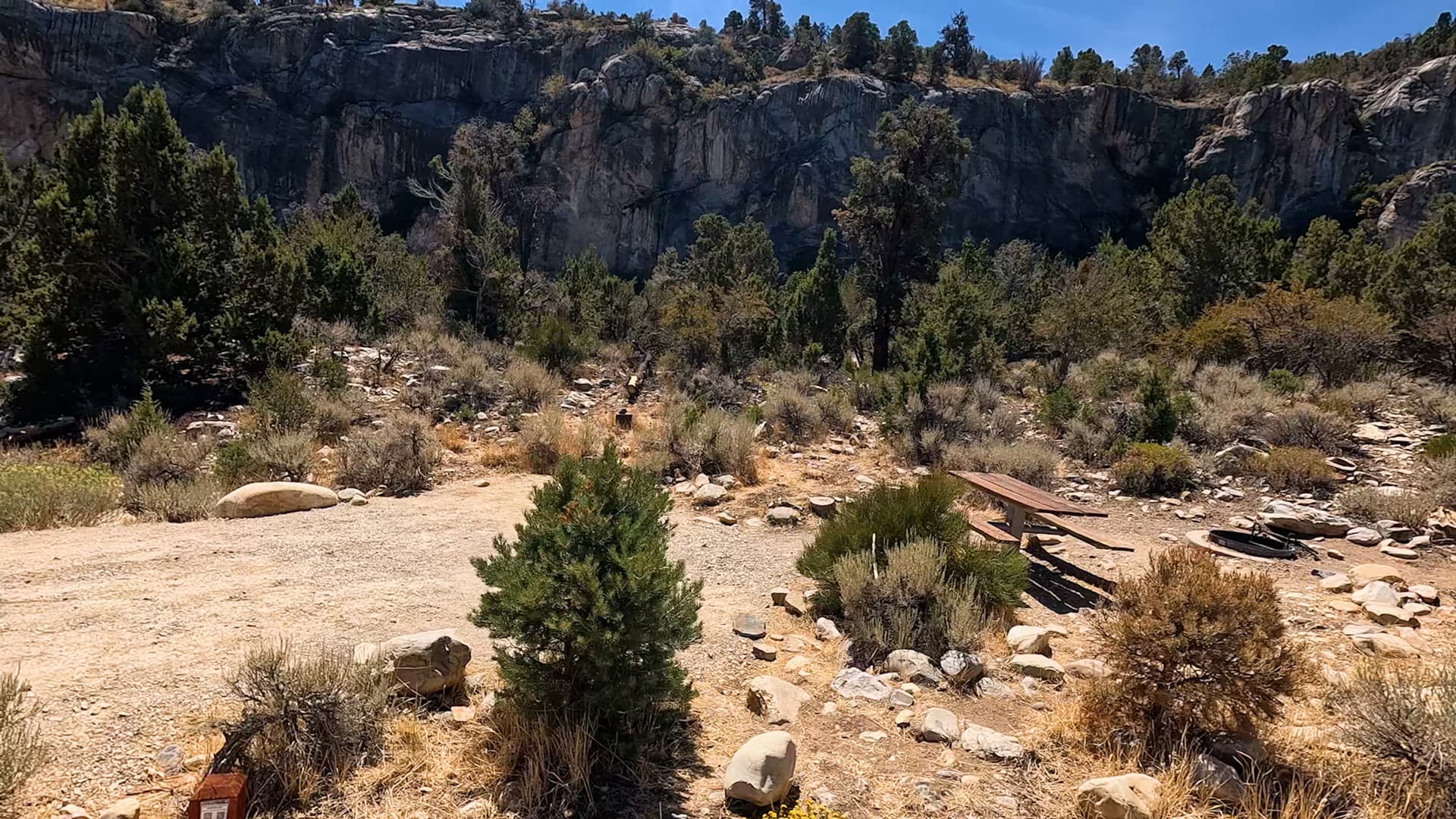
The campground sits at approximately 6,900 feet in elevation near the base of the Snake Range. The surrounding landscape includes pinyon-juniper woodland, open grasses, and views of light-colored limestone cliffs that give the campground its name. Compared to the higher campgrounds in the park, the environment here reflects a transition between Great Basin desert vegetation and the forested slopes above. The setting provides a mix of open sky, scattered trees, and nearby mountain scenery.

Campground Overview

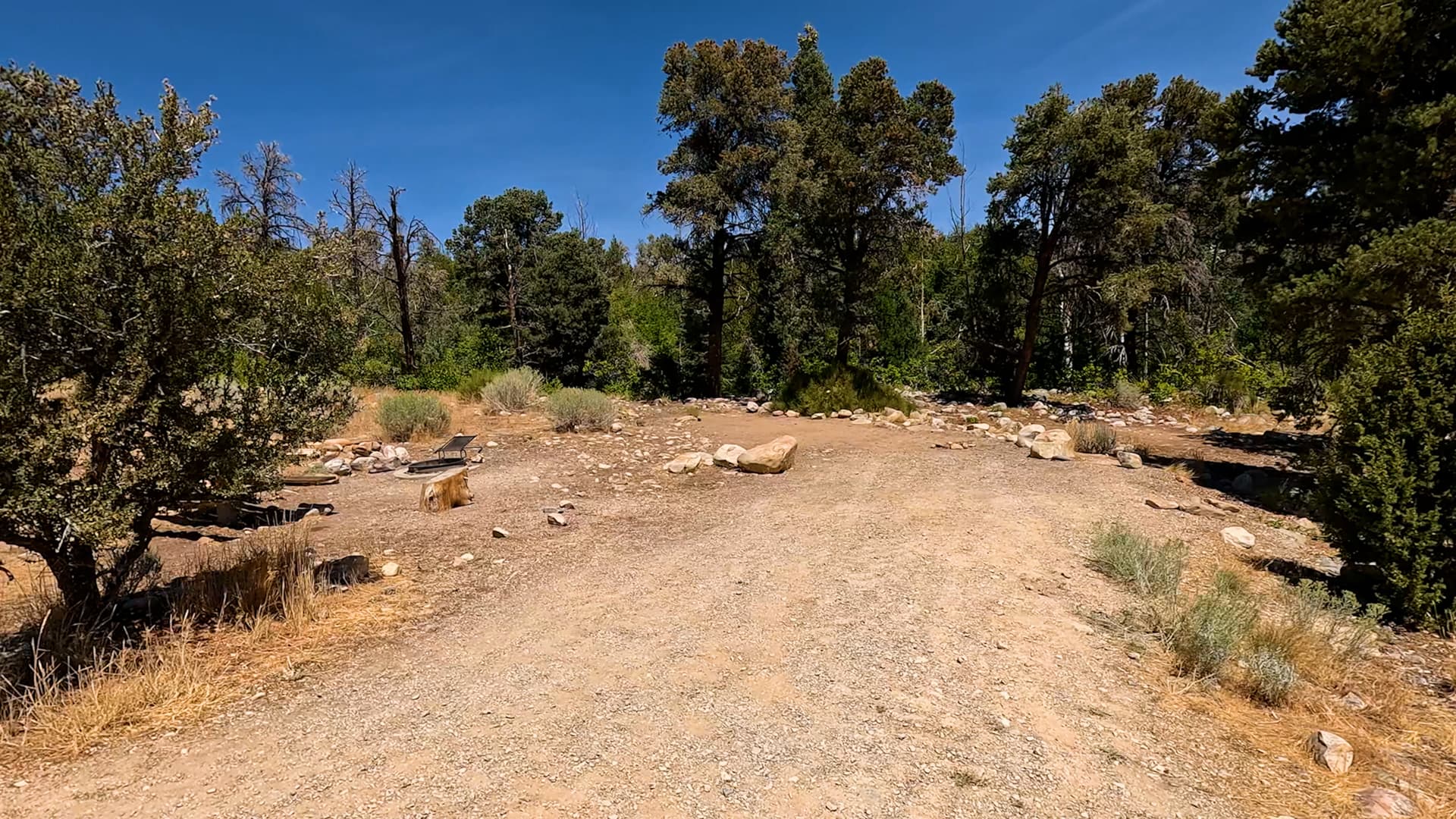
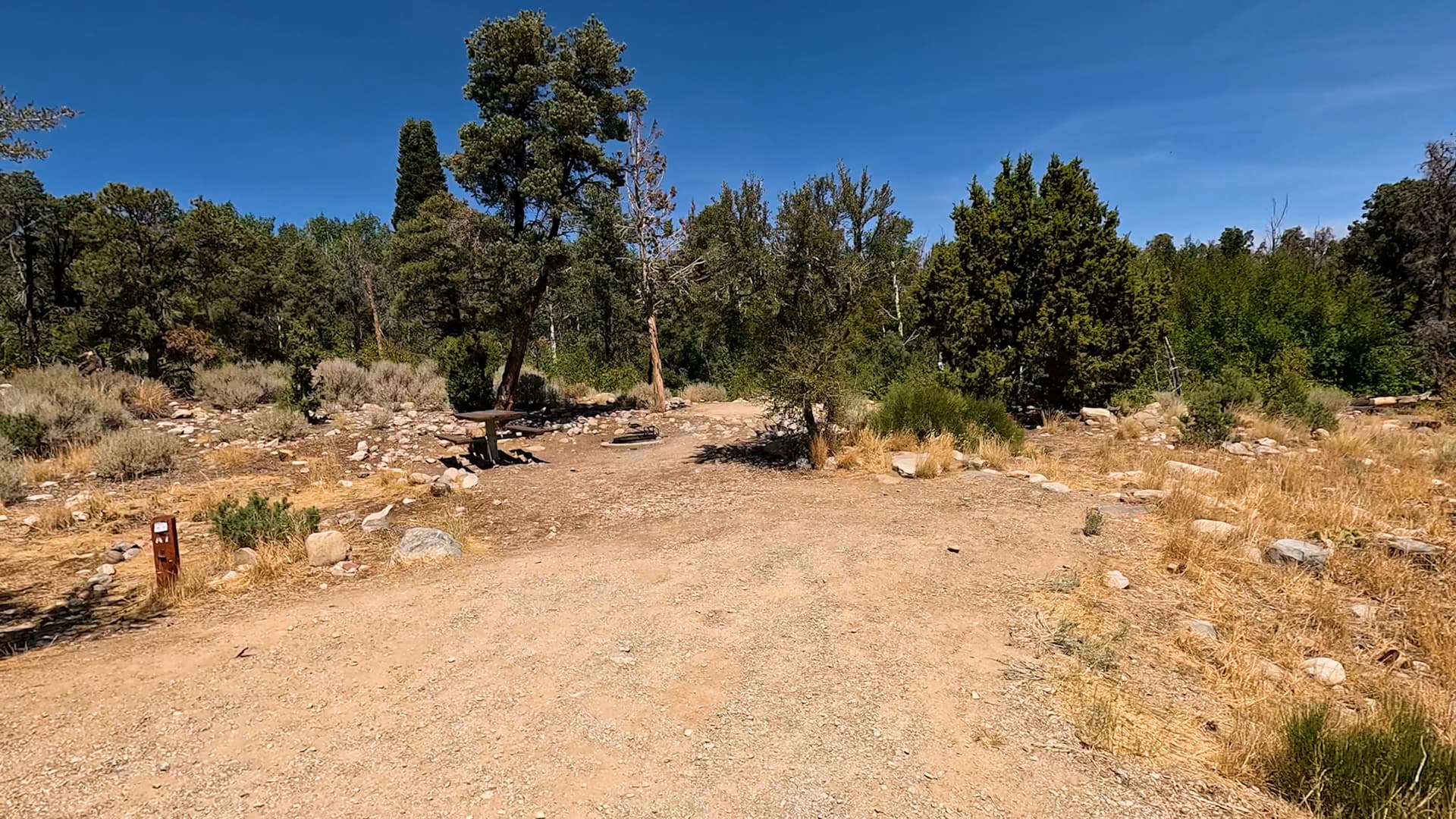
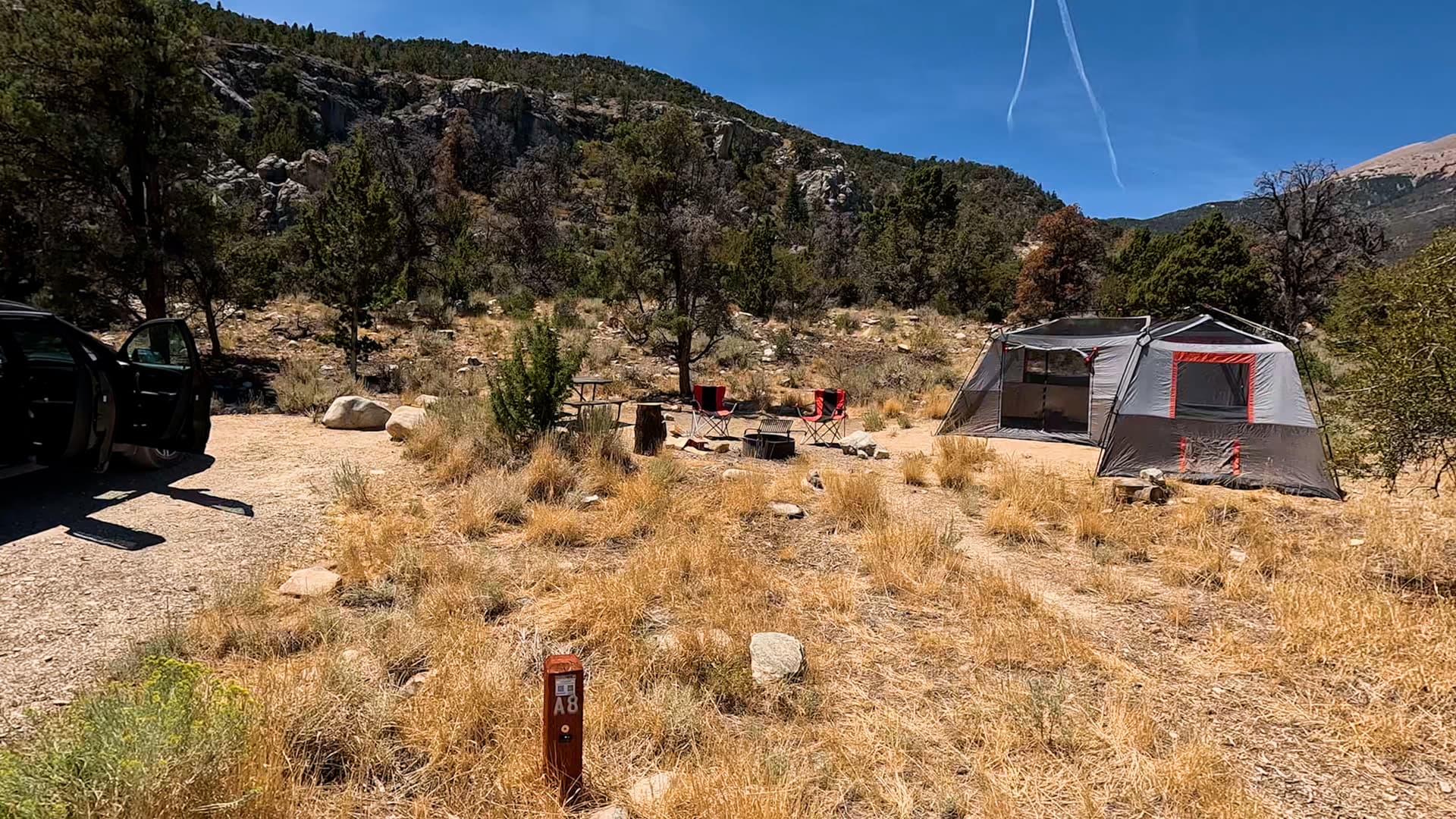
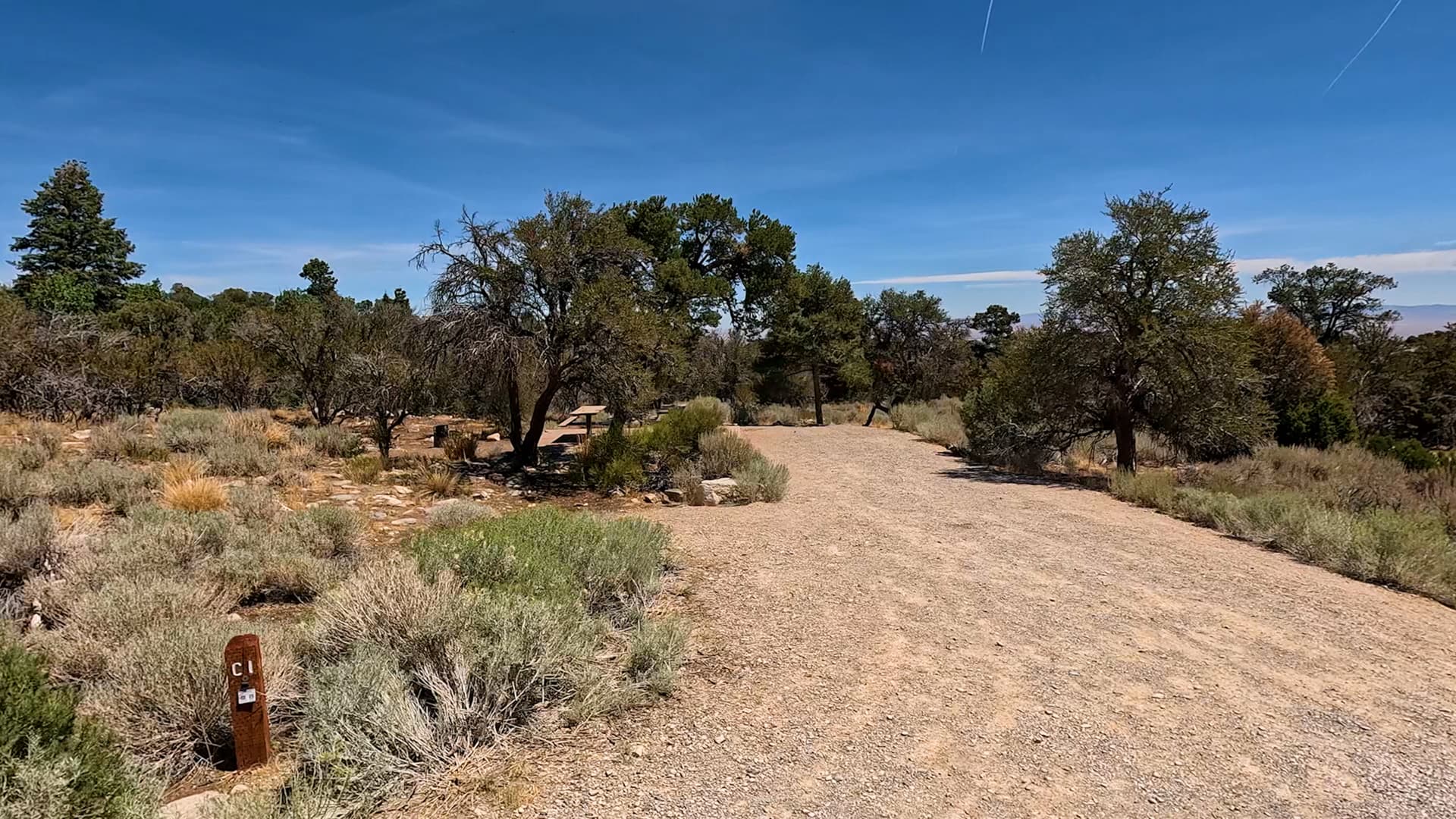
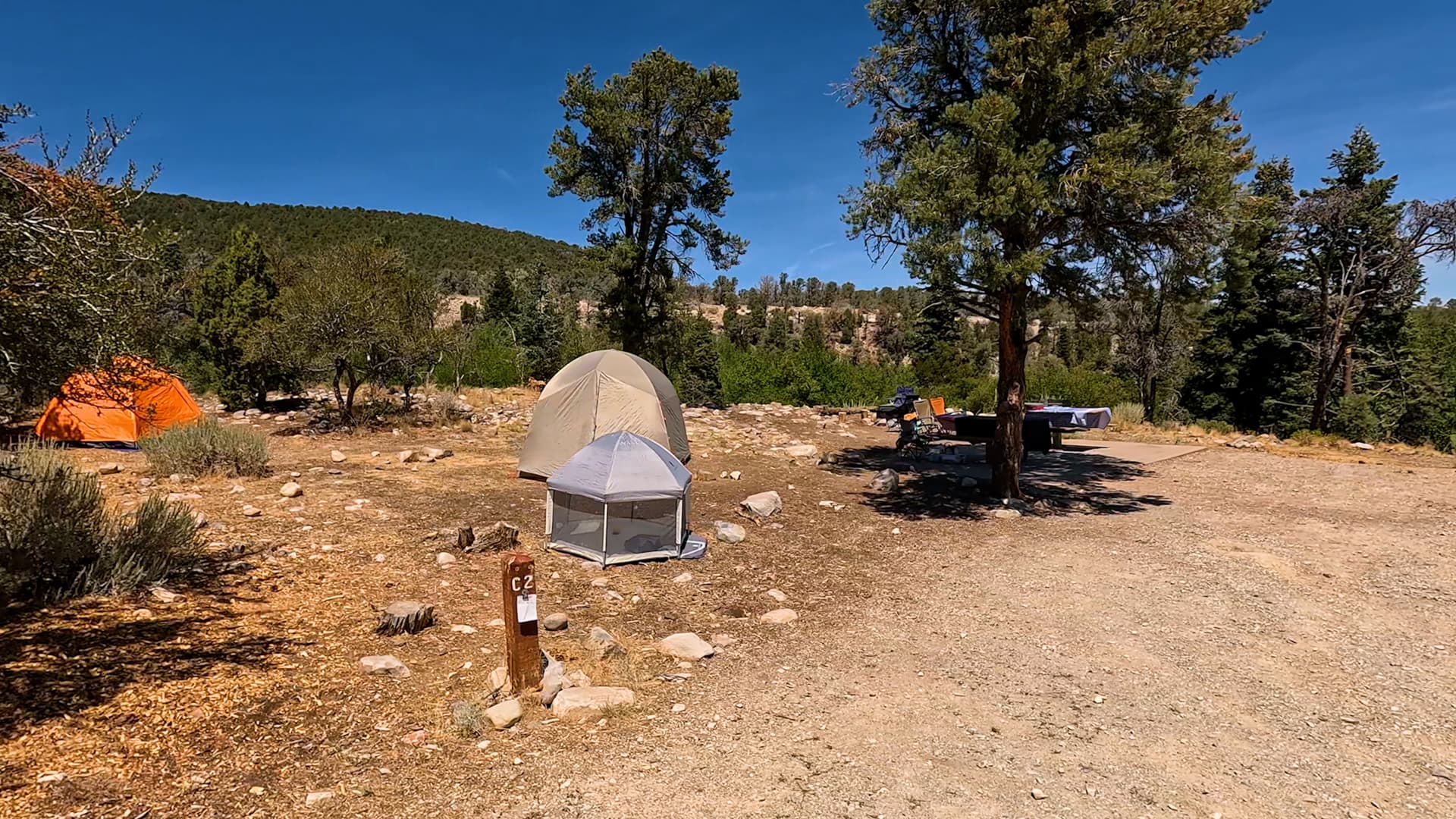
Grey Cliffs Campground is relatively small and arranged along a simple loop road. Campsites are spaced among pinyon and juniper trees, offering partial shade and moderate separation between sites. The campground accommodates tents and smaller RVs, though individual site sizes vary. Its layout and elevation make it one of the more accessible campgrounds in the park, especially for visitors who prefer to remain closer to the park entrance rather than driving farther up the mountain roads.

Amenities

Campsites typically include picnic tables and fire rings. Vault toilets are available within the campground, but no potable drinking water is available. There are no electrical, water, or sewer hookups, and showers are not available. Campers should plan for a basic national park campground experience and be prepared with their own supplies. Proper food storage is recommended to help protect wildlife.

Activities & Nearby Recreation

The campground’s location makes it a convenient base for exploring Great Basin National Park’s primary attractions. Lehman Caves Visitor Center and cave tours are located a short drive away. Visitors can also access hiking trails, scenic drives, and viewpoints throughout the park, including routes leading toward Wheeler Peak and the higher elevations of the Snake Range. Wildlife viewing, photography, and night sky observation are common activities in the area.

Summary

Grey Cliffs Campground offers accessible camping near the entrance of Great Basin National Park with views of limestone cliffs and surrounding desert-mountain terrain. With basic amenities and a convenient location near key park facilities, it provides a straightforward basecamp for visitors beginning their exploration of the park.

Nearby Campgrounds