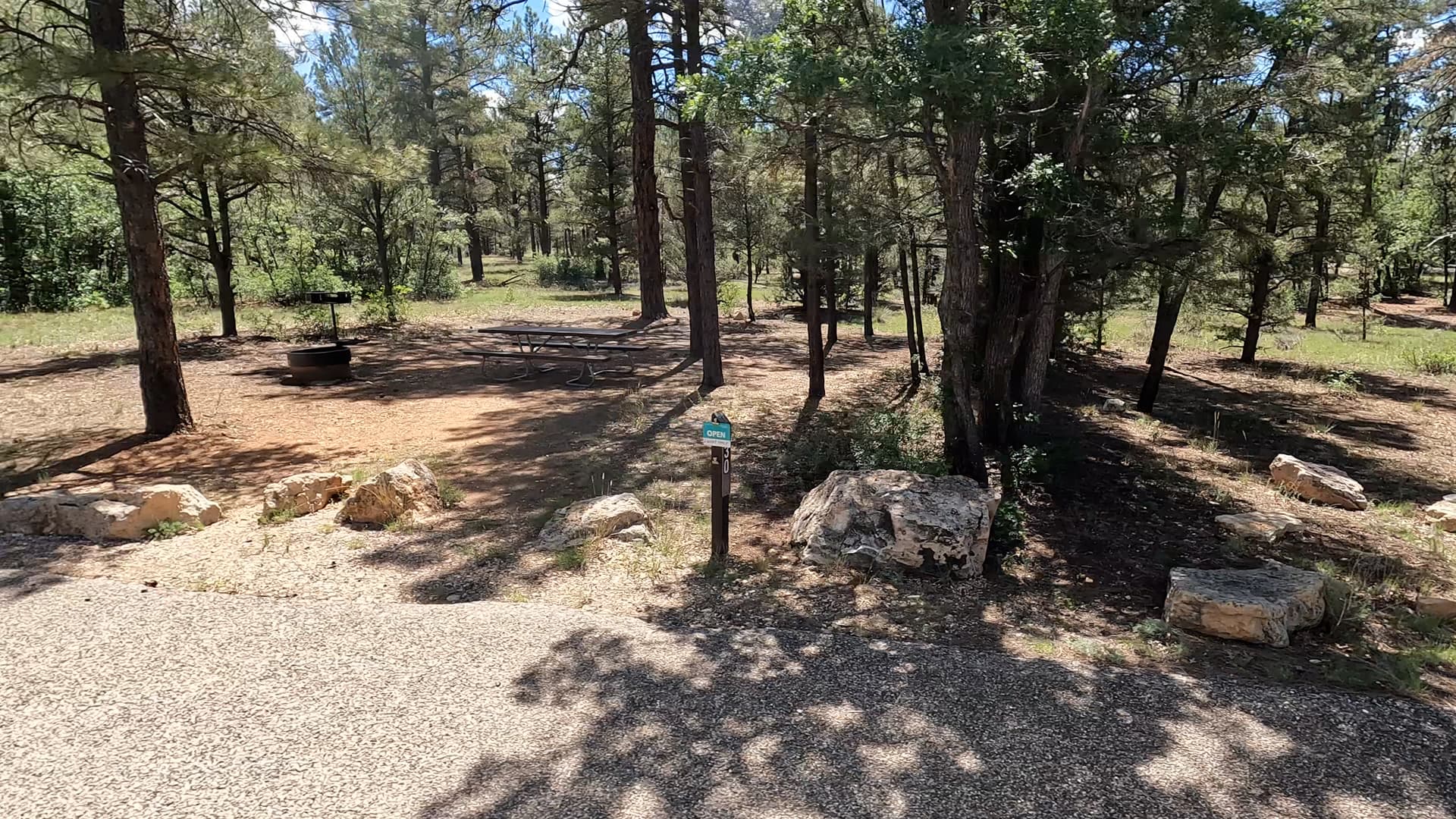
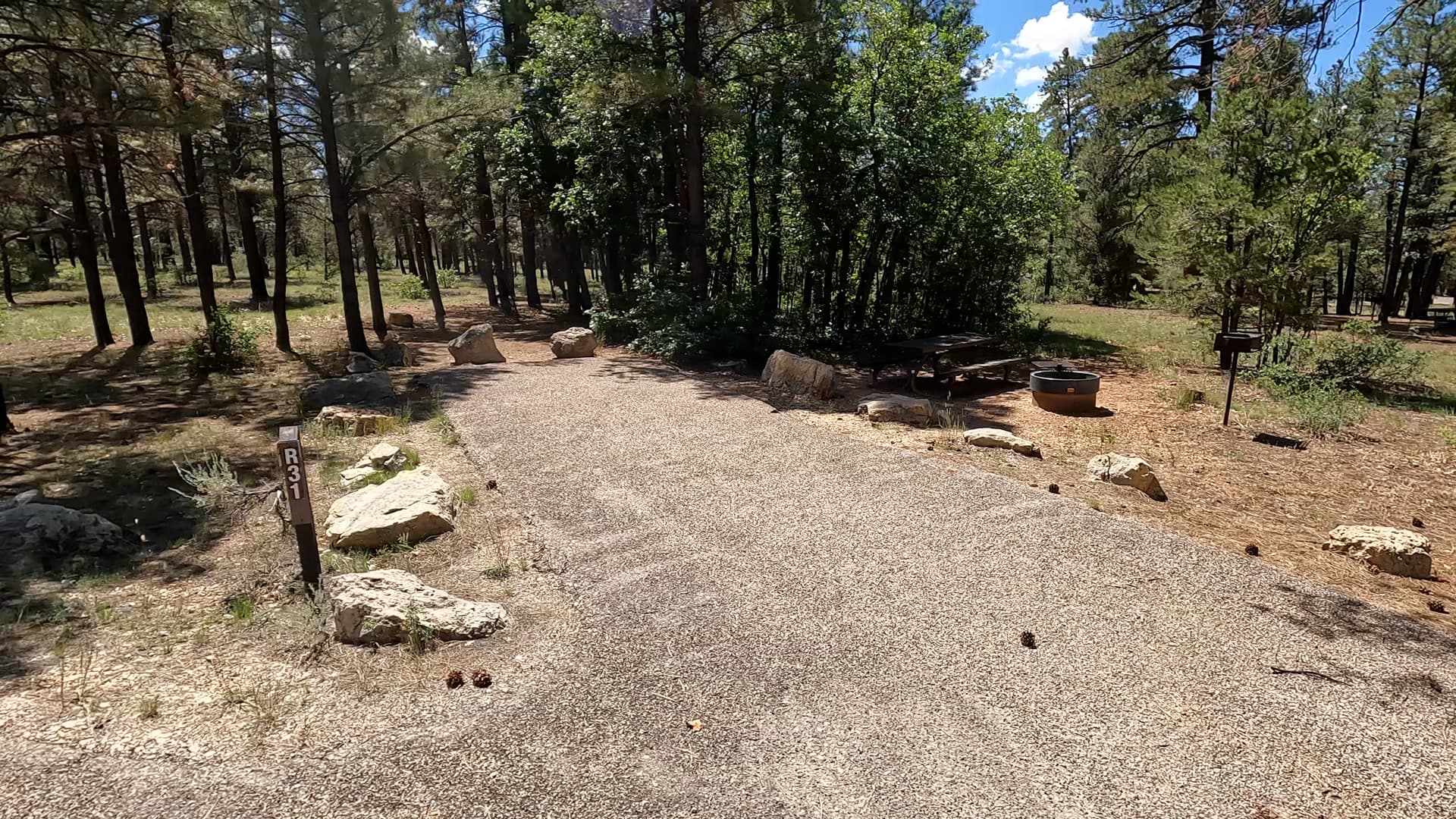
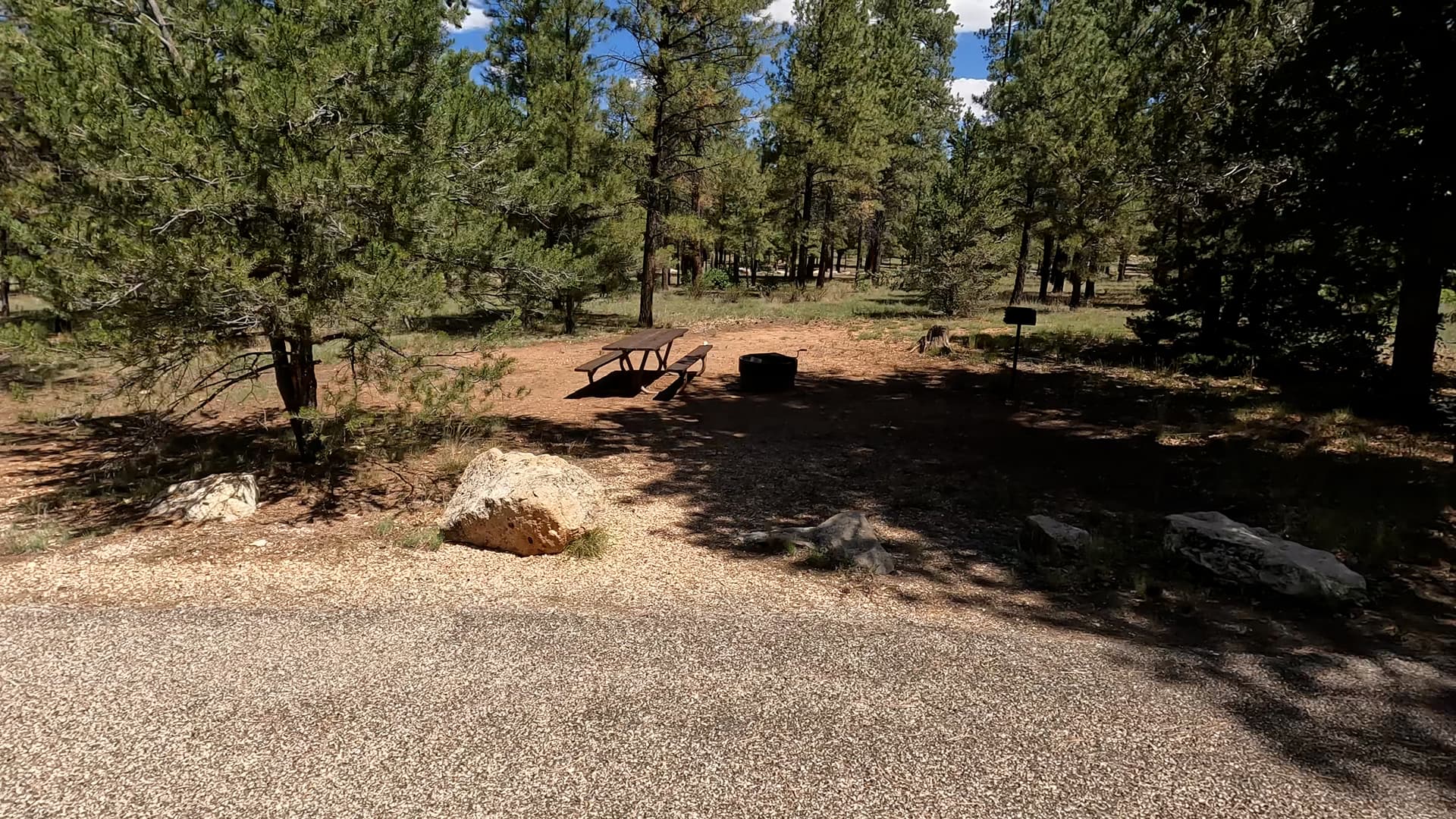
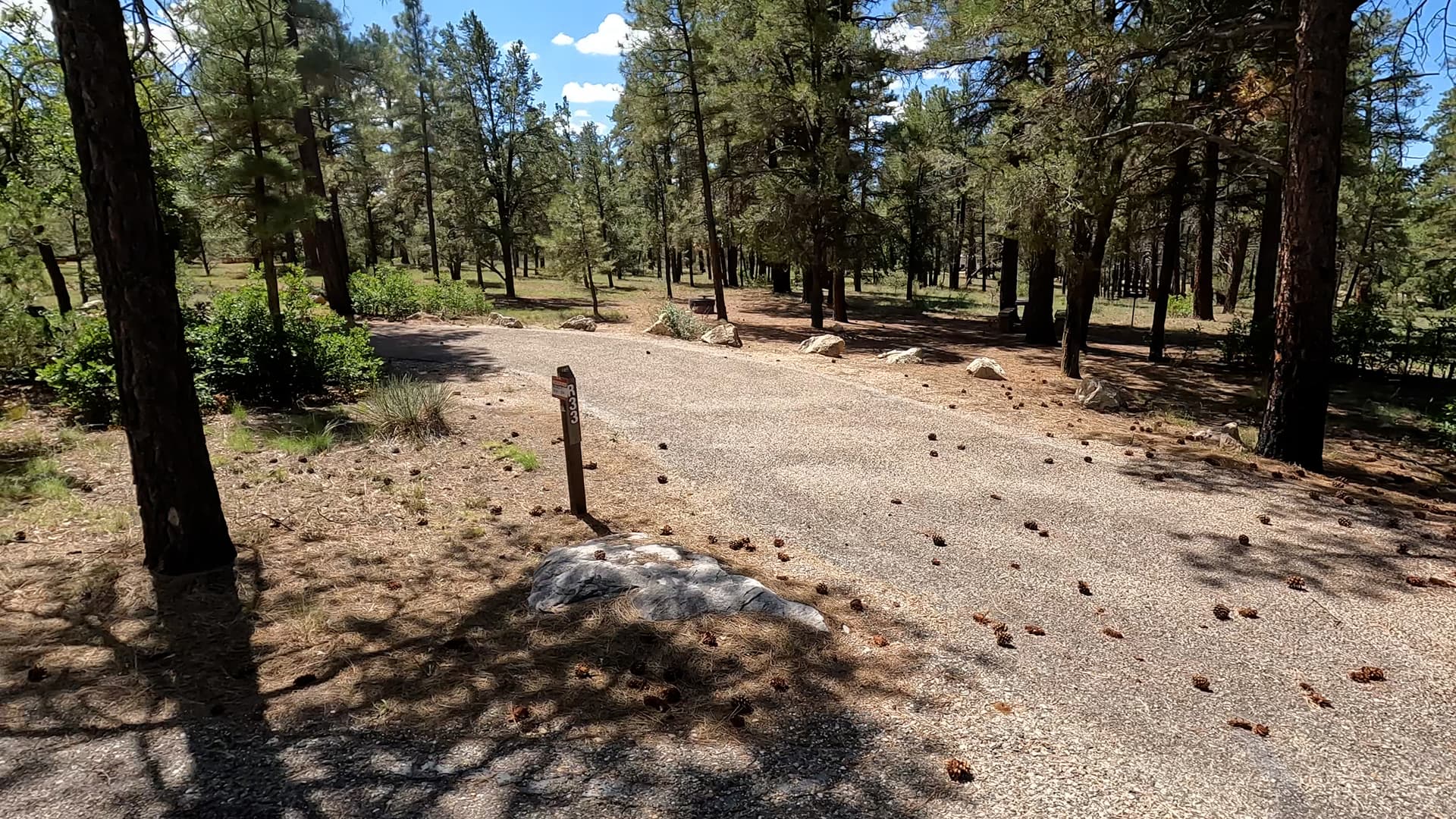
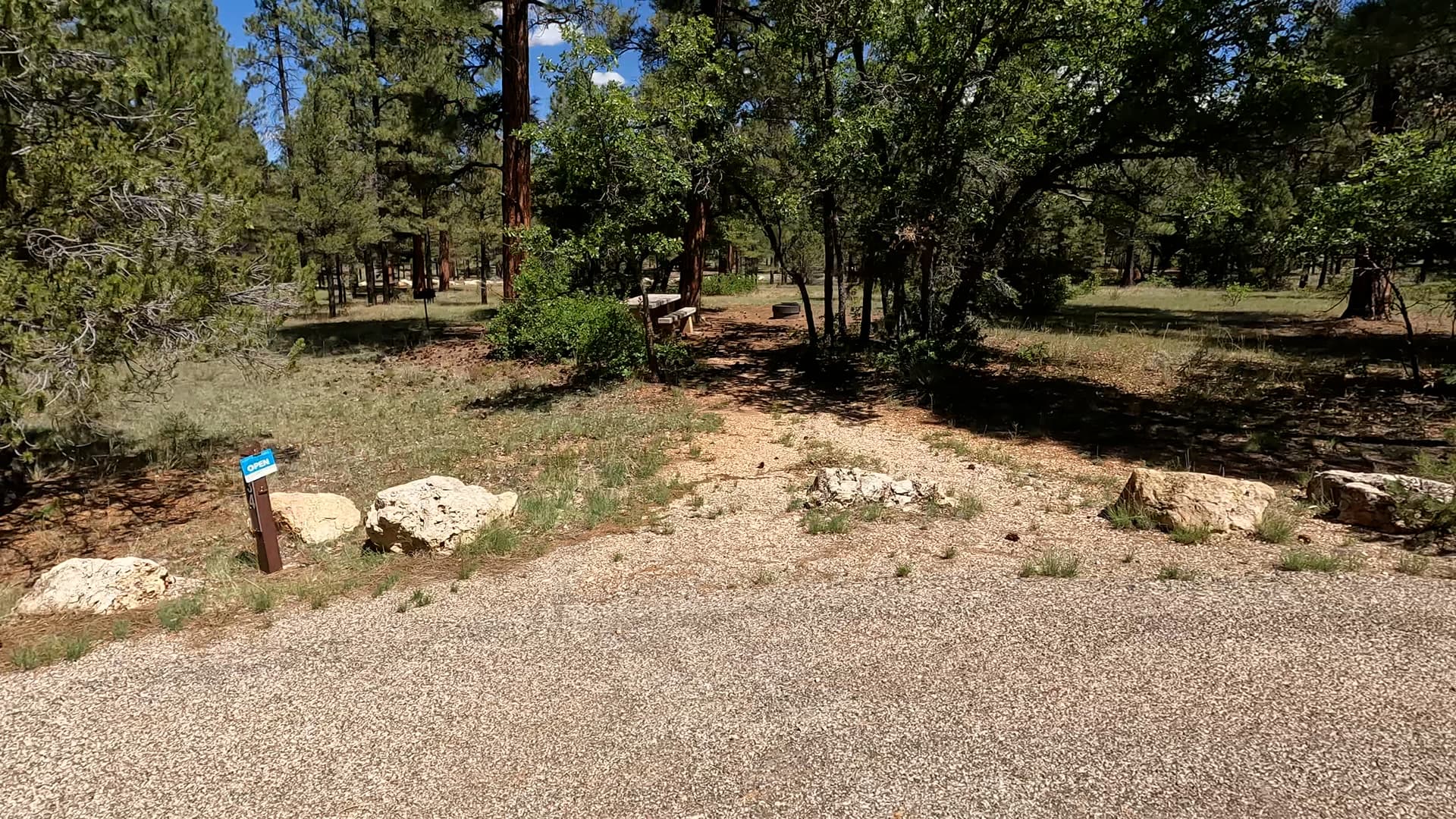
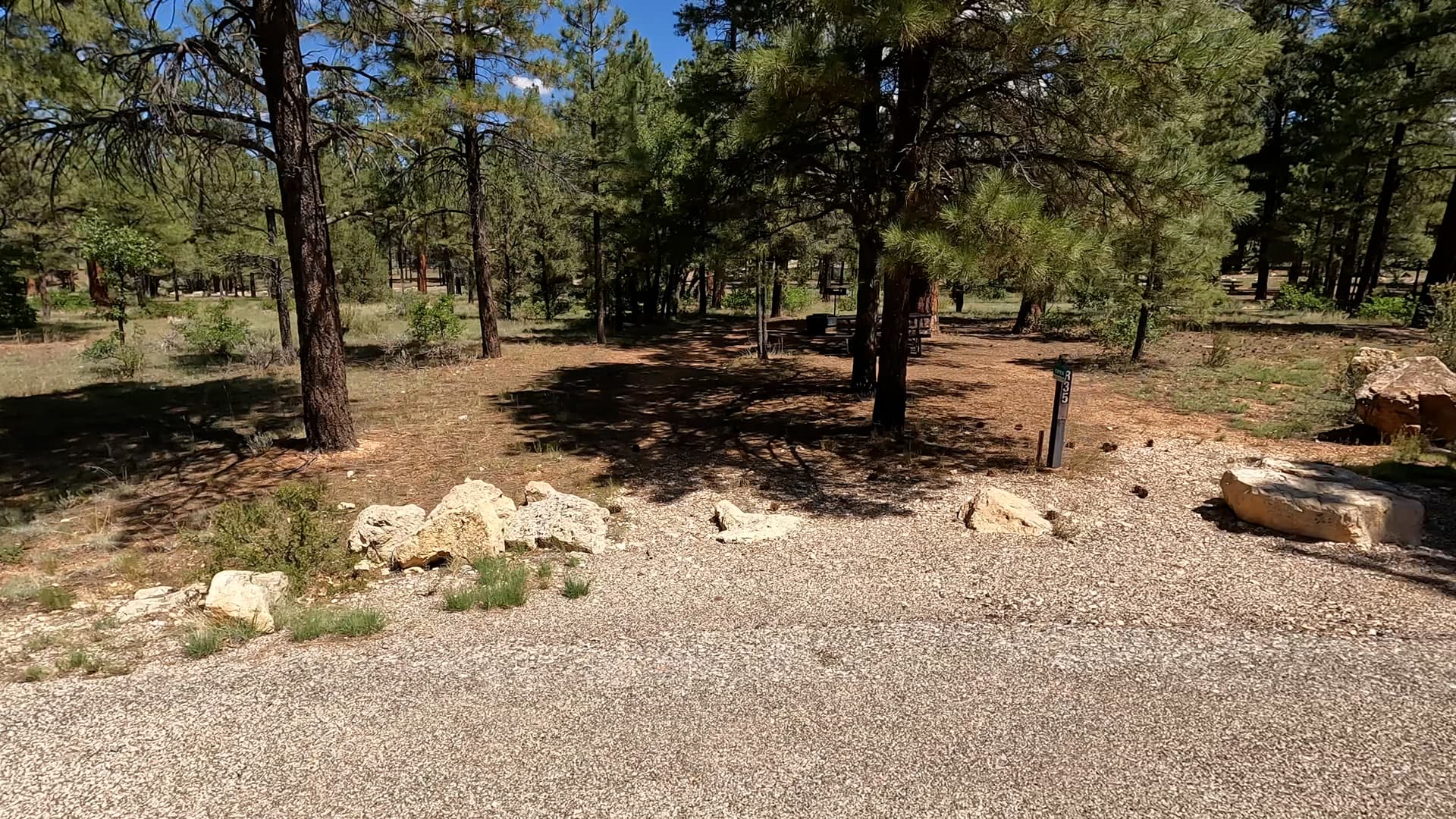
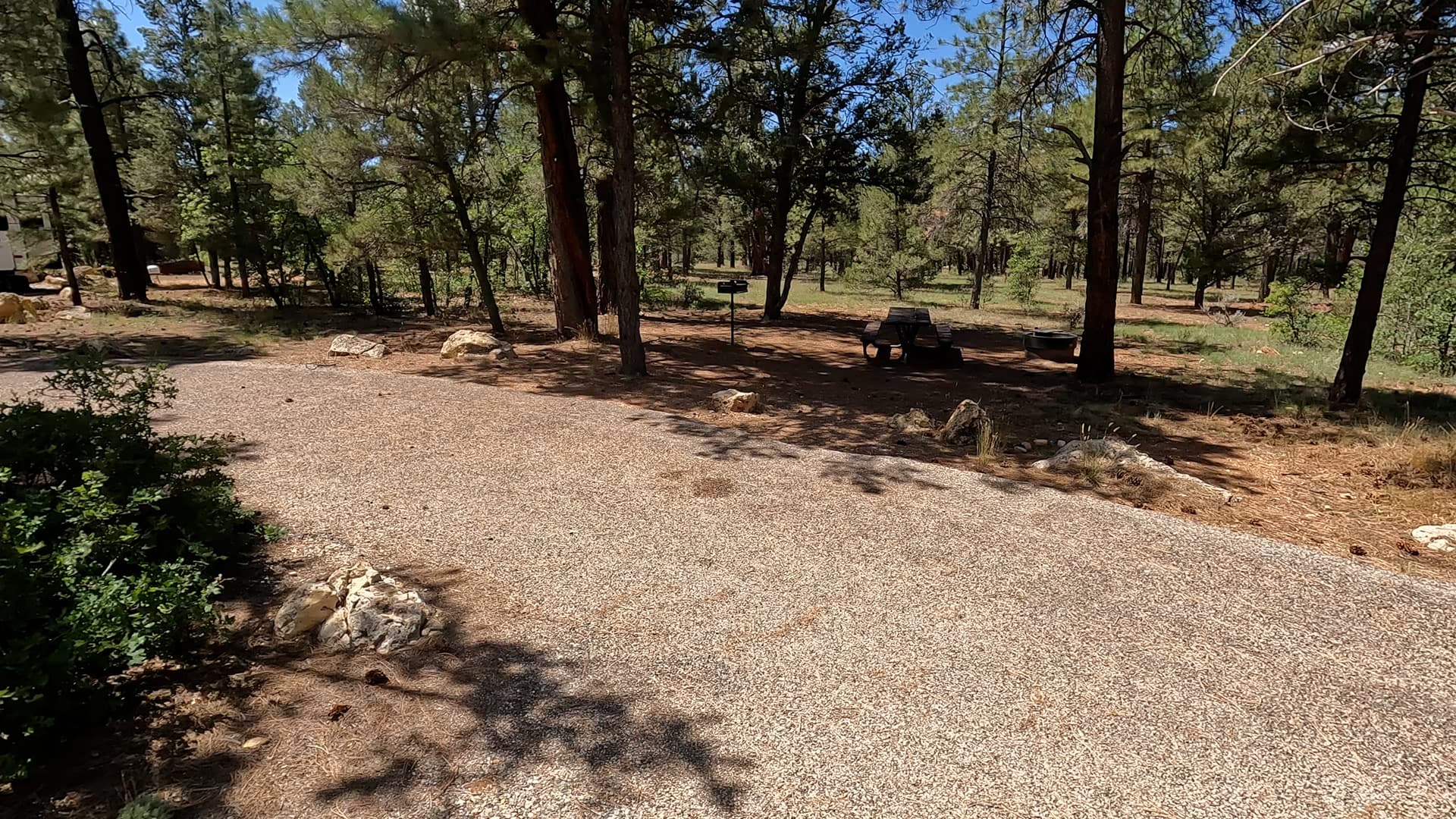
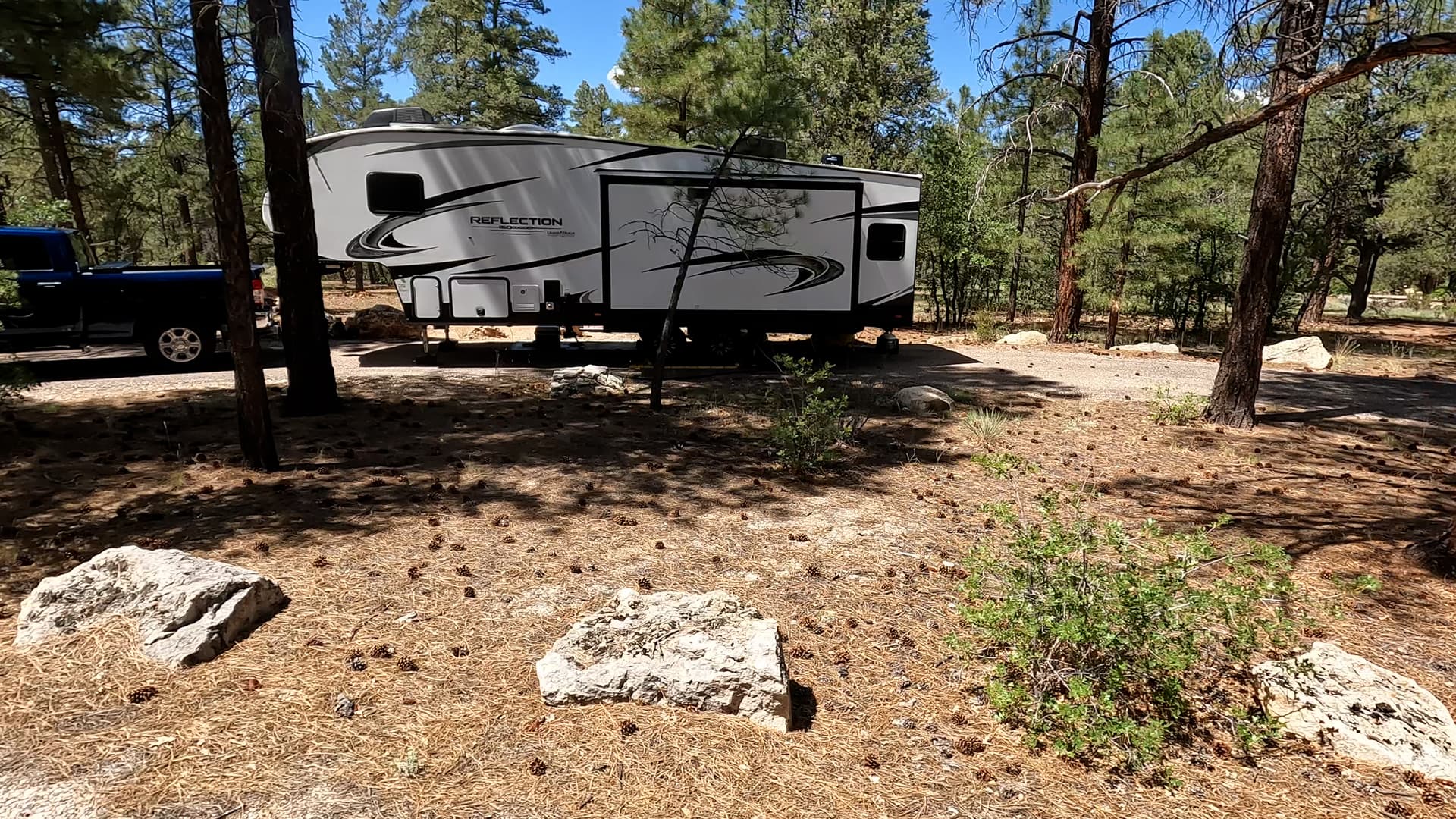
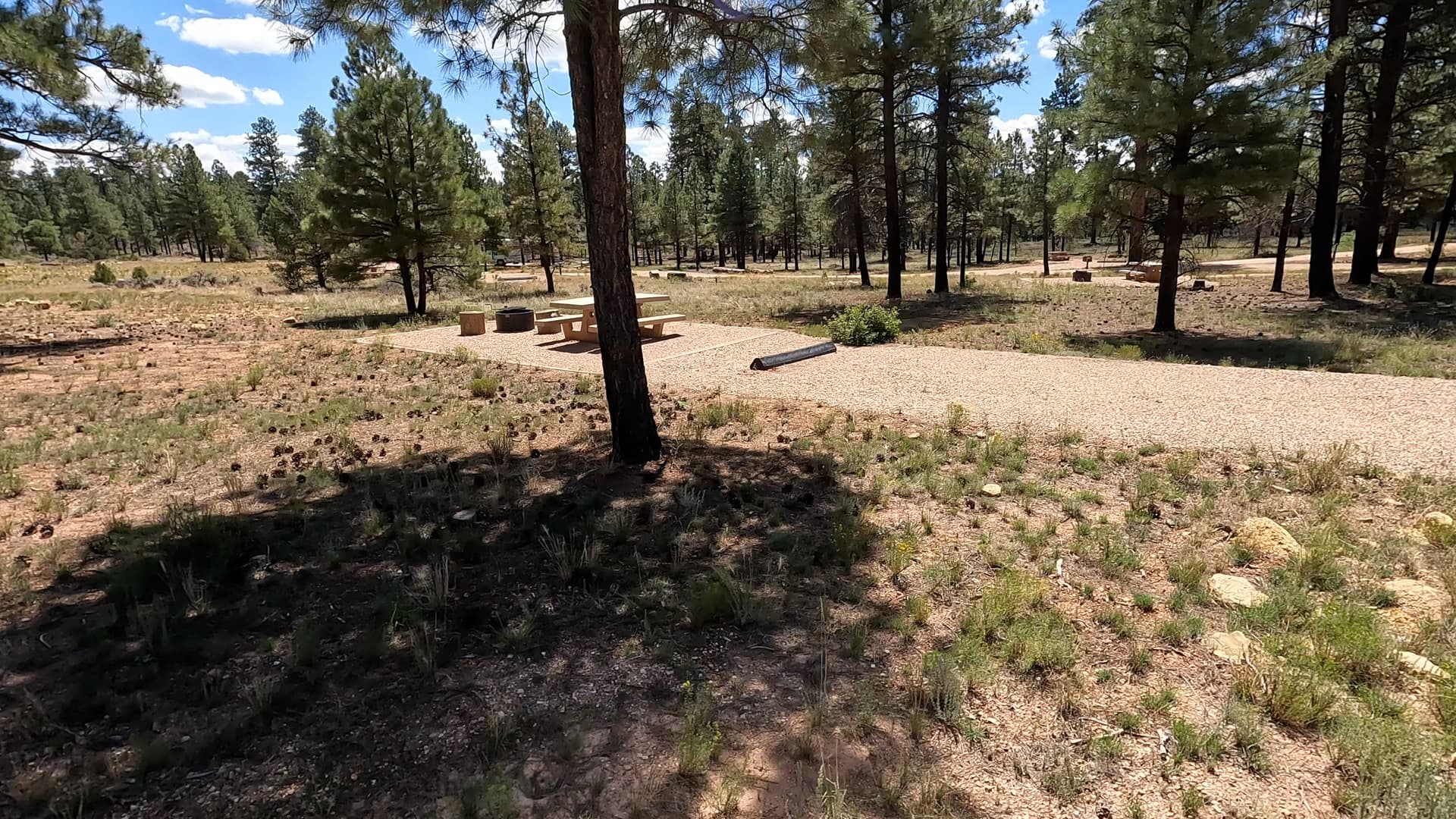
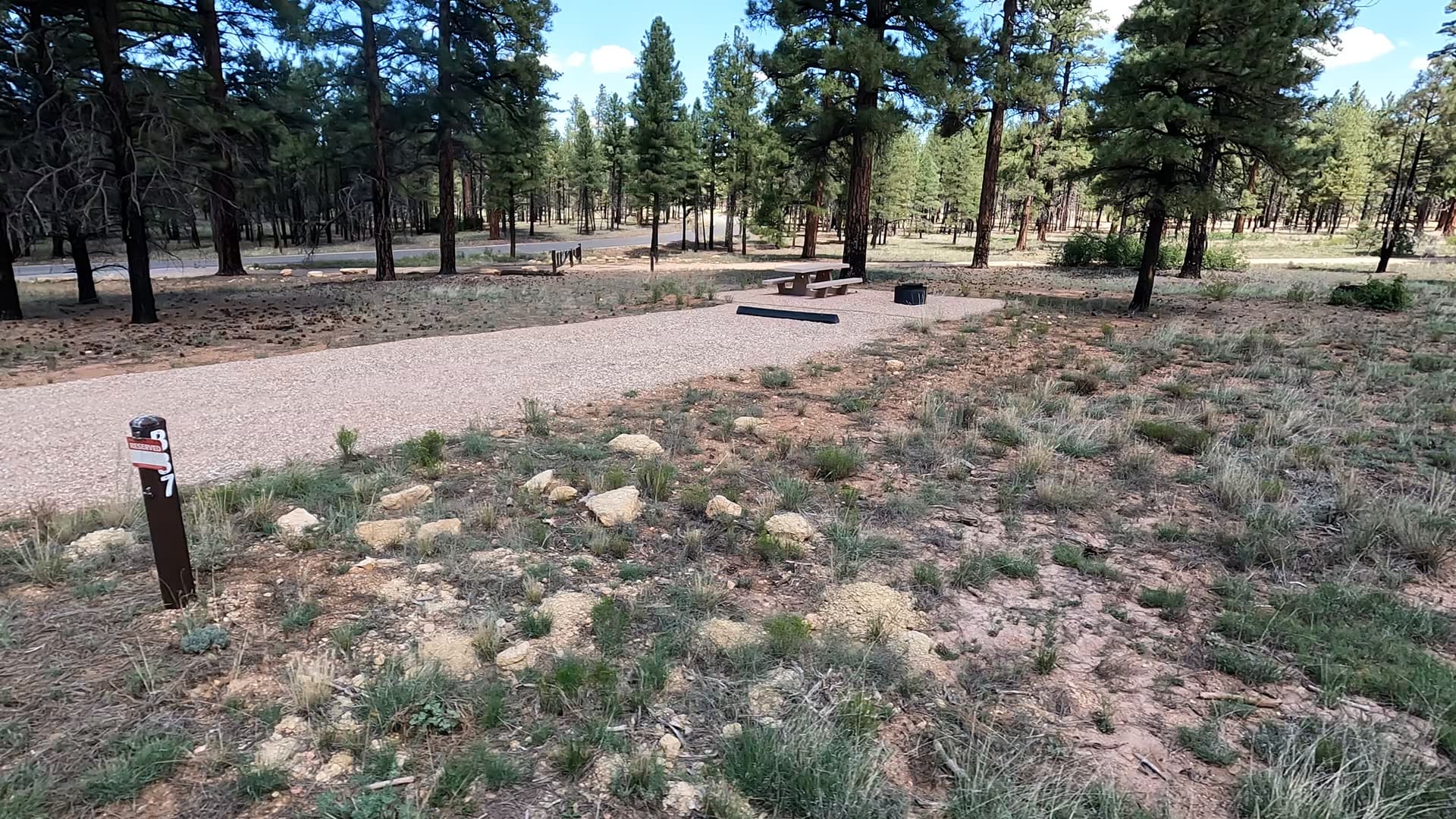
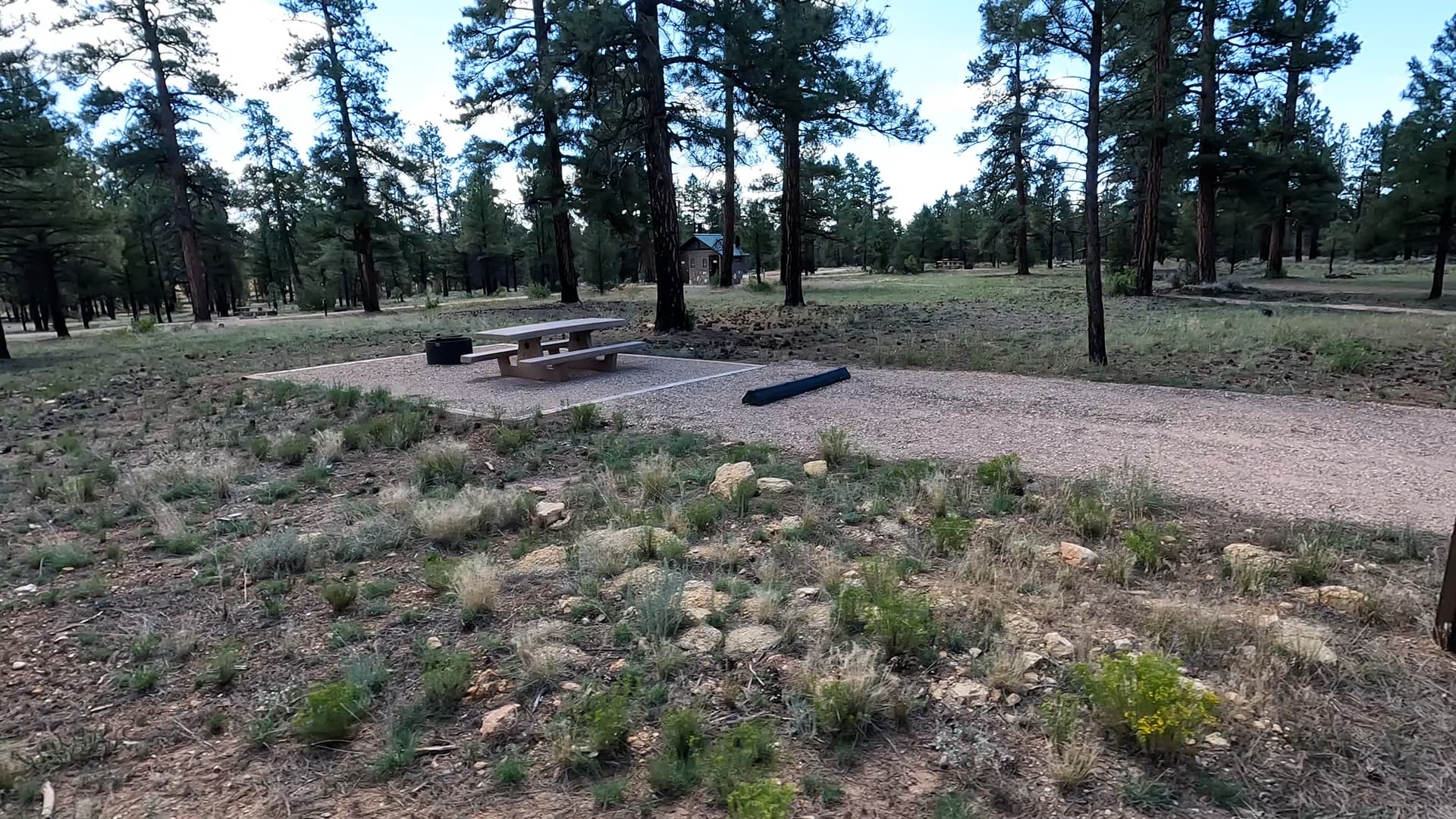
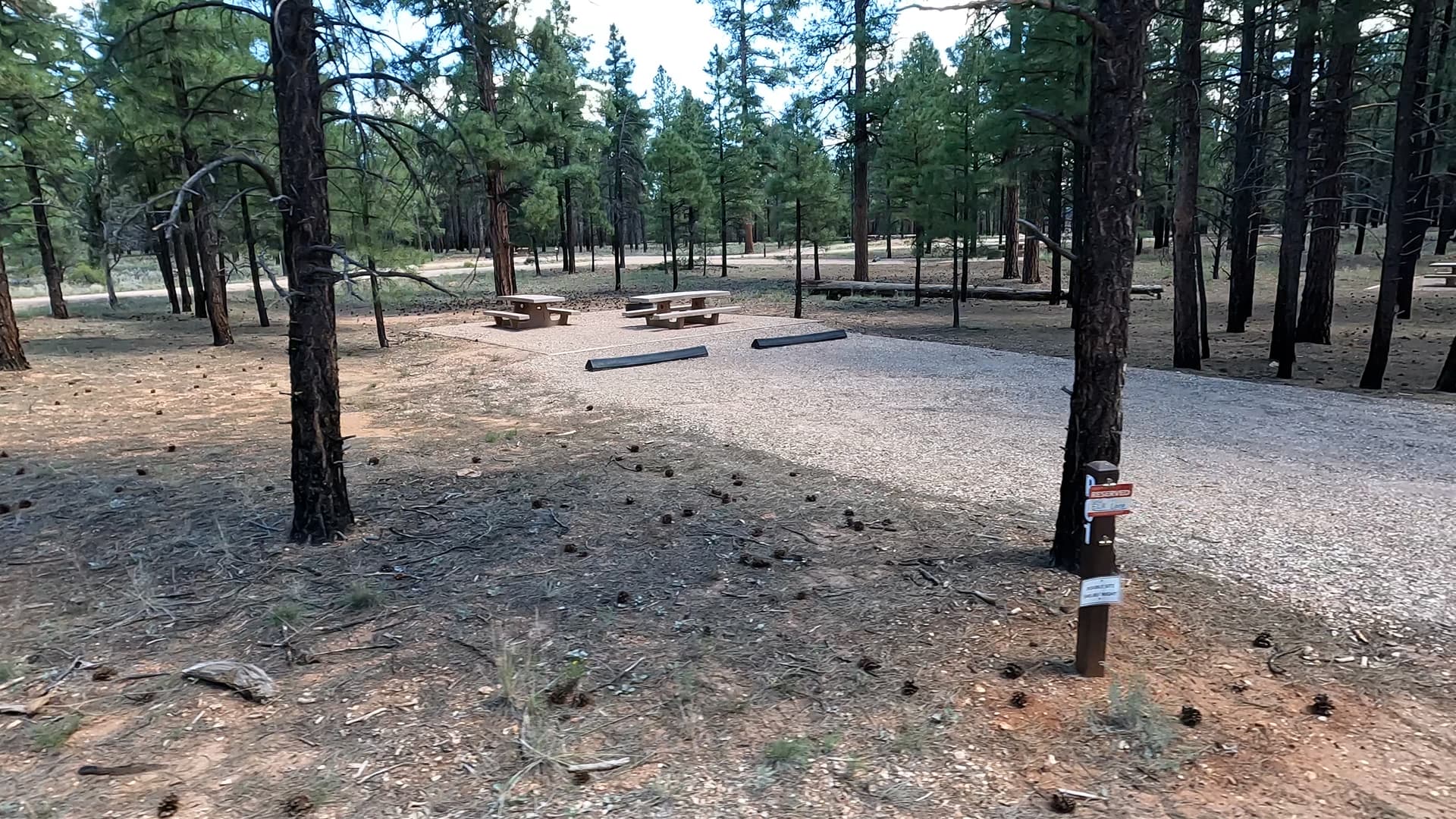
Tusayan Montane
Kaibab
Arizona
Date filmed:2024-08-14
Number of sites:158
GPS:35.9346506, -112.1261068
Max vehicle length:40 Feet
Check in:2:00 pm
Check out:12:00 pm
Quiet hours:10:00 pm - 6:00 am

Amenities and Activities

Amenities
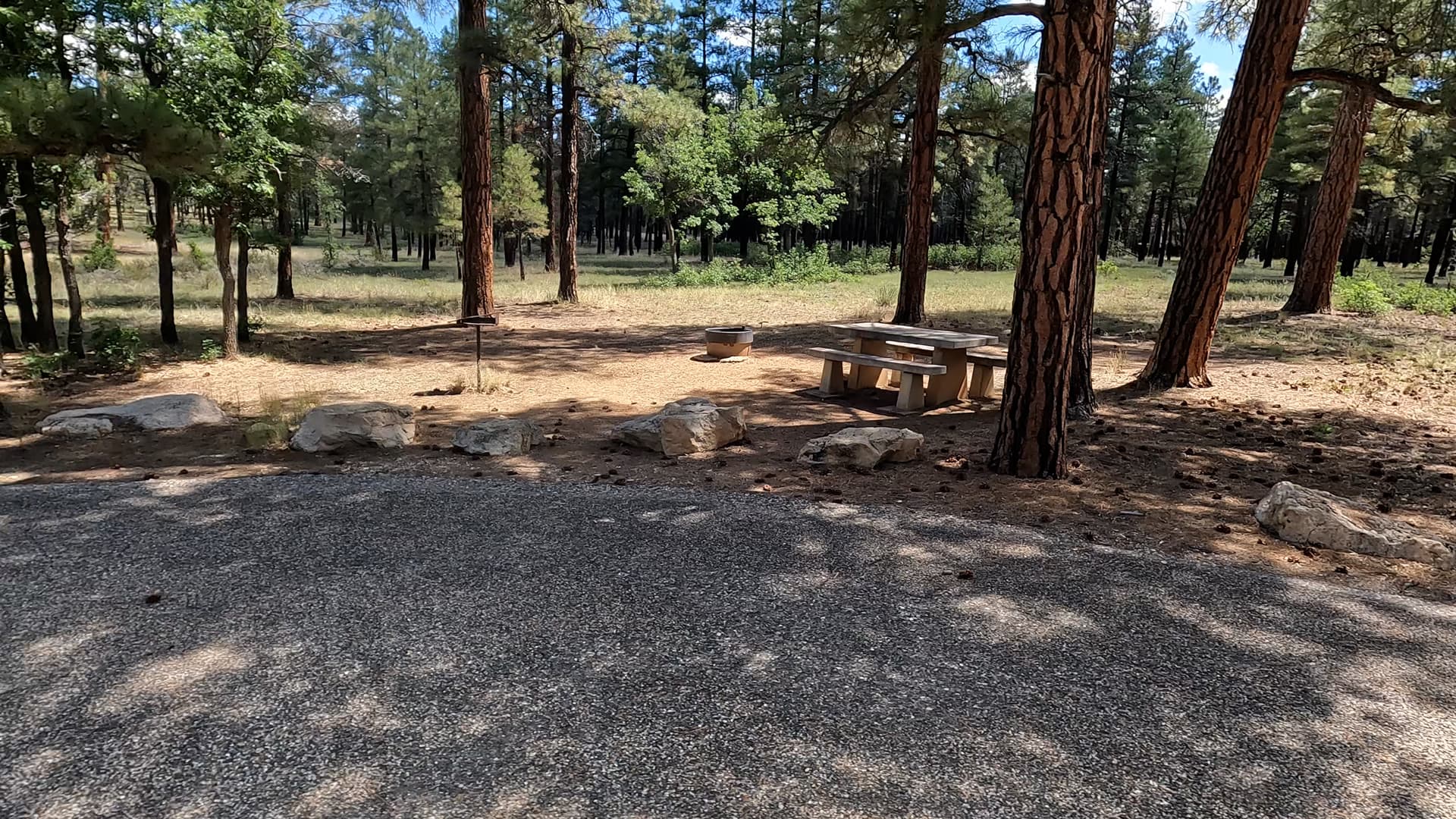
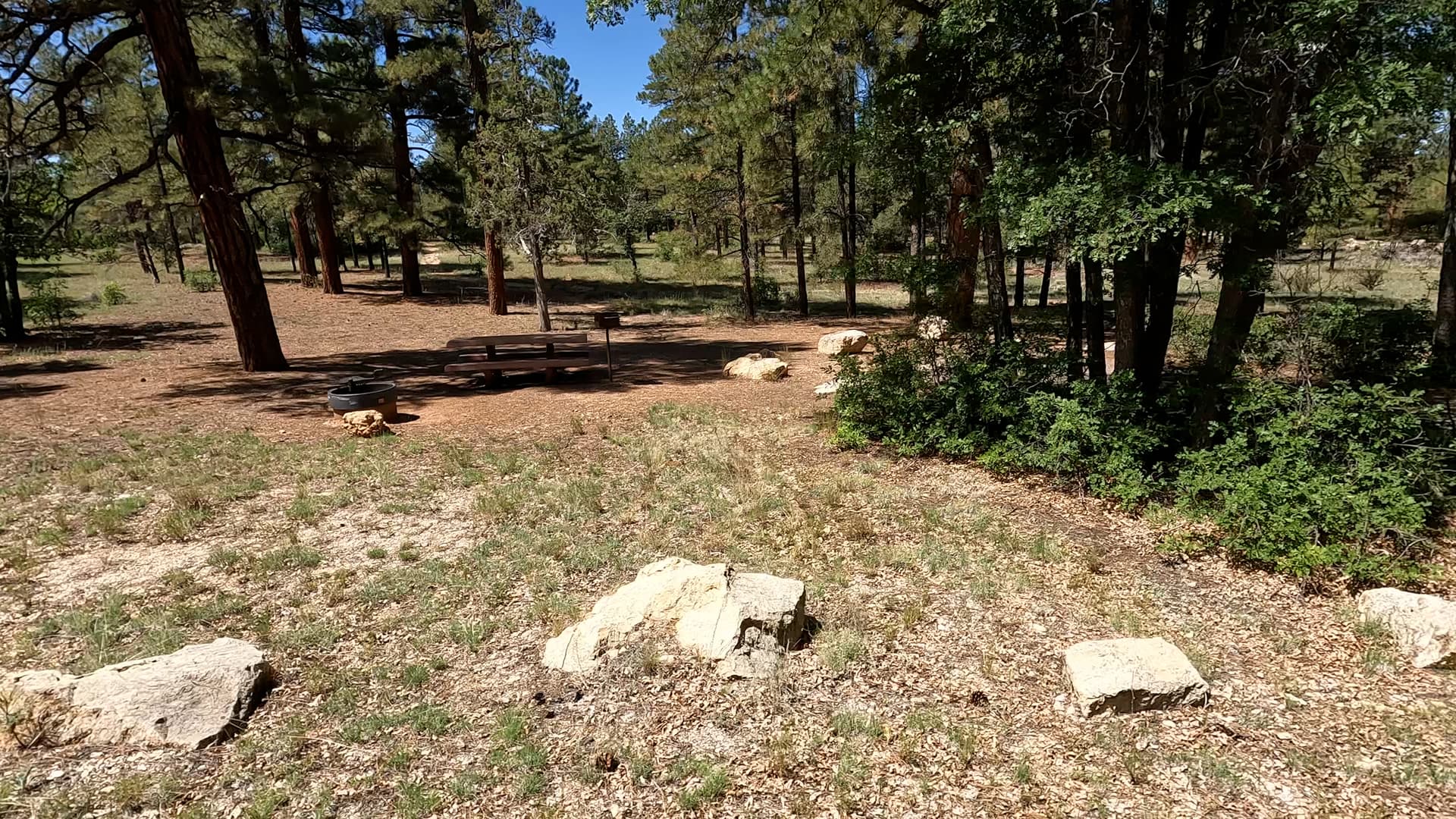
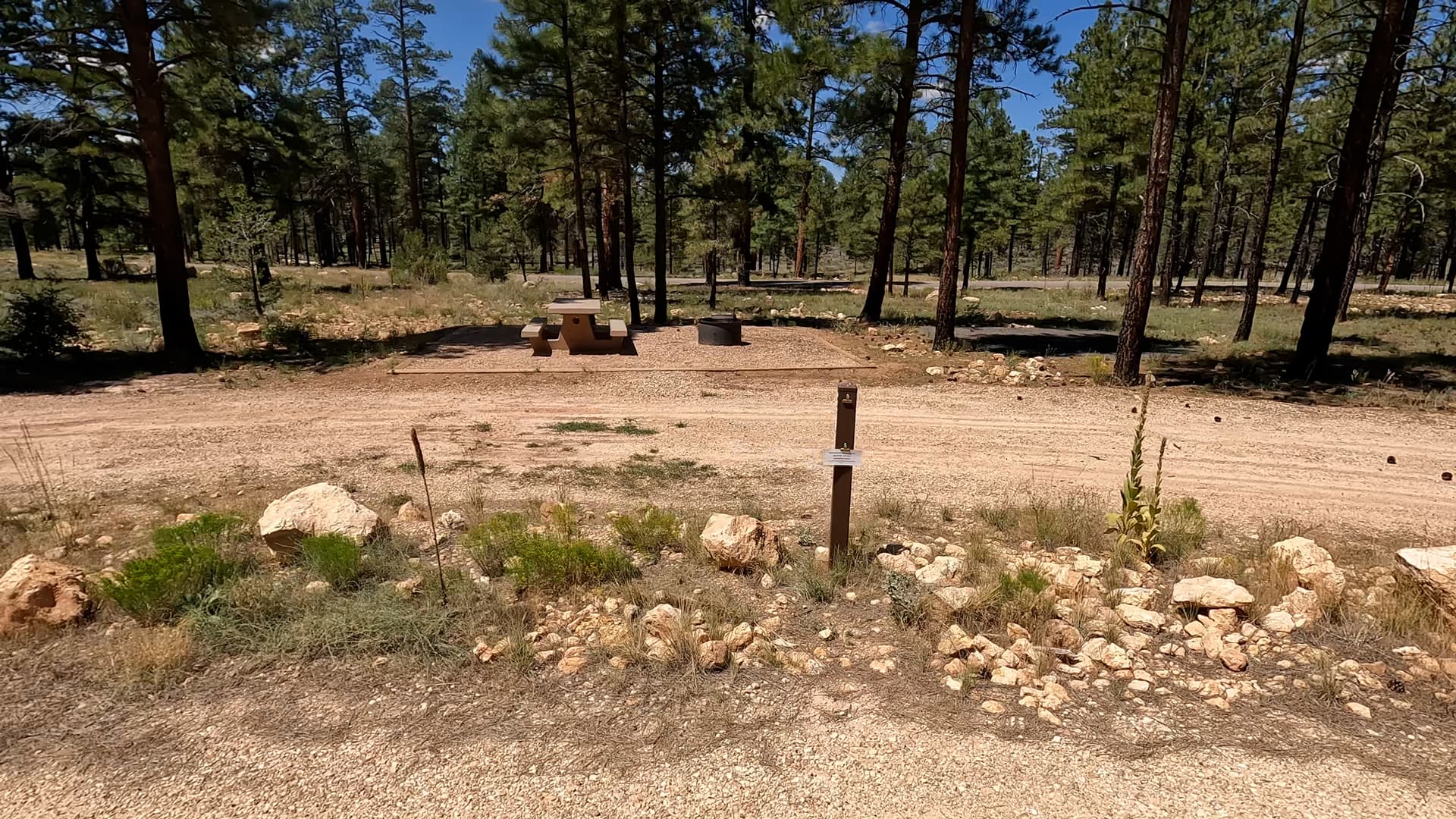
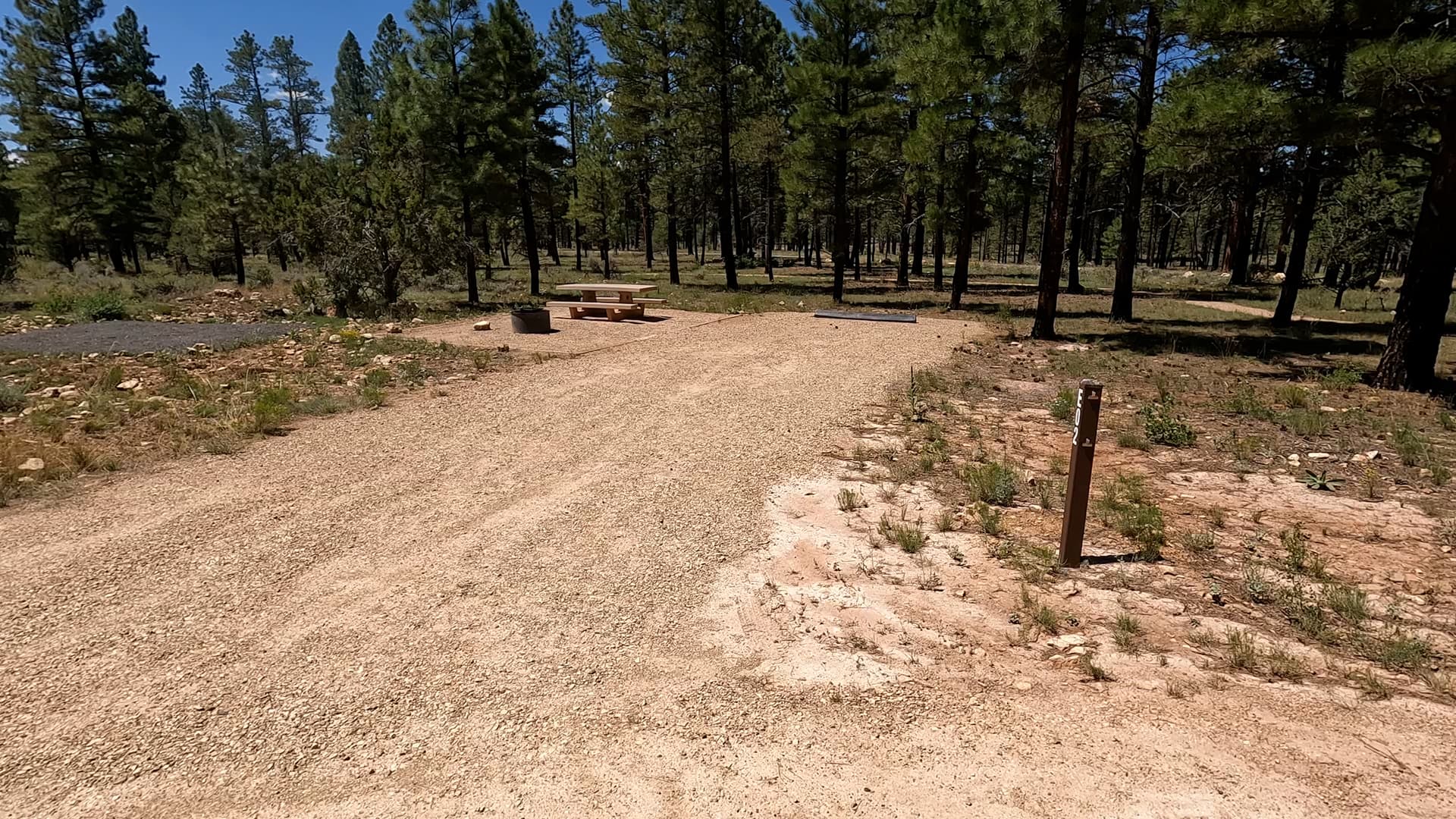
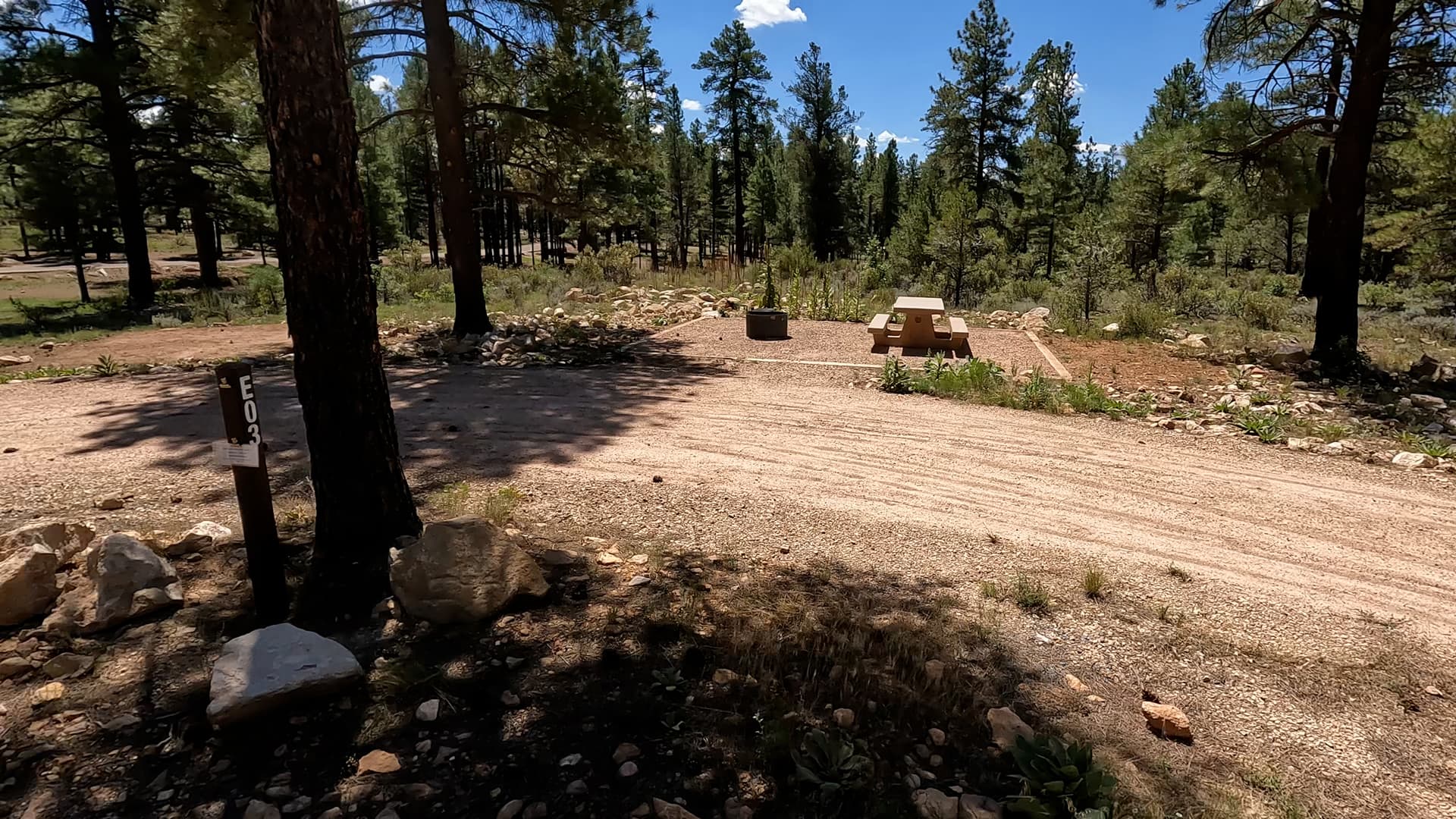
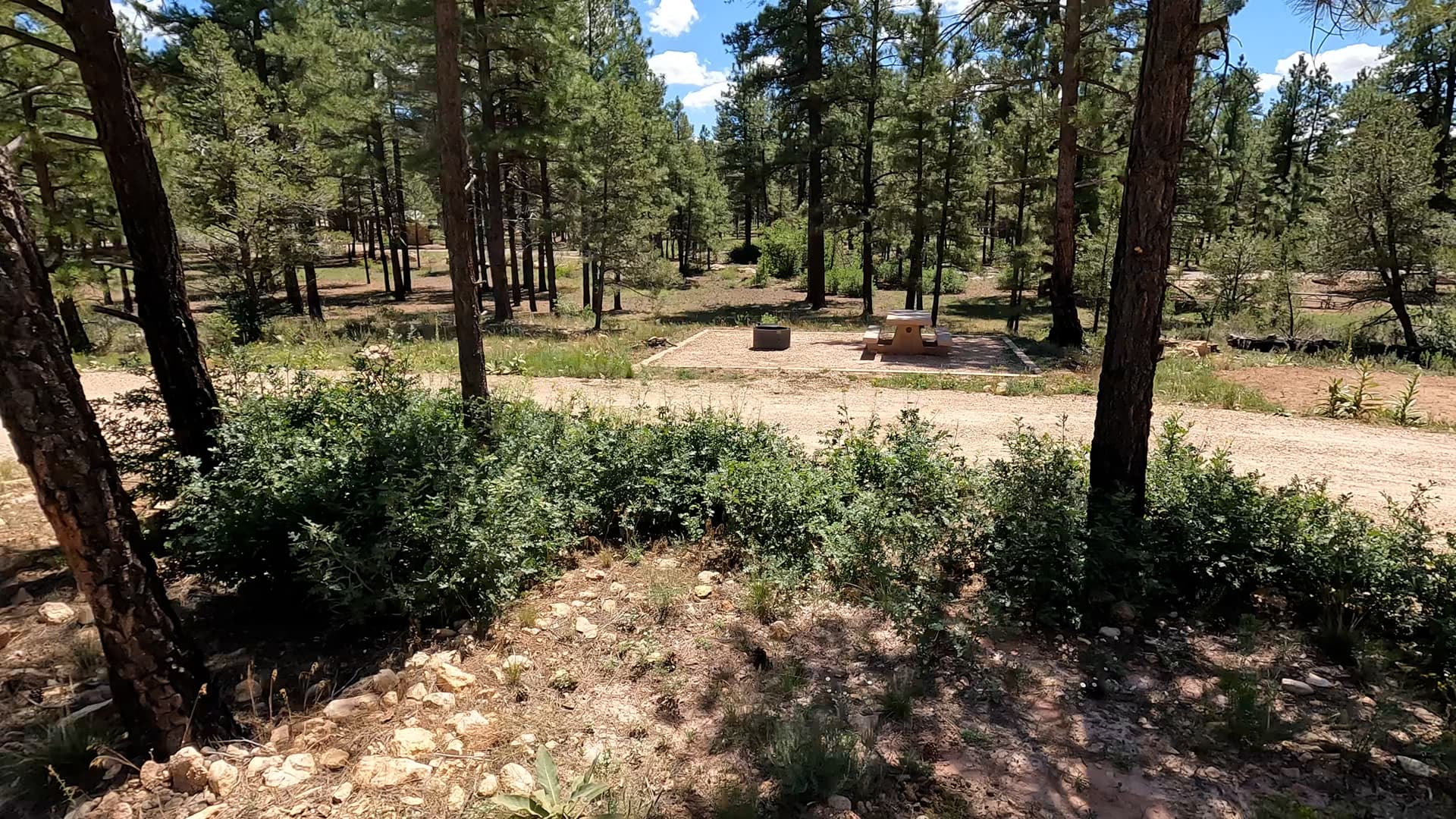
Fire Ring
Picnic Table
RVs
Tents
Accessible Sites
Tent Pads
Grill
Activities
Hiking
Picnicking
Photography

Things to Do

An Intro to Camping

Mather Campground - Camping Made Easy

Featured: Kaibab Lake, Dogtown Lake, Mather, Tusayan Montane, White Horse Lake

Mather Campground at the South Rim of the Grand Canyon is as convenient and comfortable as it gets. With plenty of wildlife, trees, views, and a full grocery store, this campground is the ultimate escape for nervous or first-time campers! We've ventured upstate to the Grand Canyon and Mather Campground in the South Rim of Grand Canyon National Park once again! This episode will show you all you need to know about what camping at Mather Campground is like. The campground consists of 327 campsites in a number of loops located in short proximity to the shuttles, Village Market, and the Grand Canyon itself. Each includes a campfire ring/cooking grate, picnic table, parking space, and room for up to six people, three tents, and two vehicles. The maximum vehicle length is 30 ft. There are flush toilets and drinking water throughout the campground. No hookups are available, however, there is a free dump station. Most RV spaces are pull-through. Pine Loop is a tent-only area where generators are not permitted. Mather Campground is located inside the Grand Canyon National Park and within walking distance of the Rim Trail. The terrain features plenty of shade from Ponderosa pine trees. The campground also has a shuttle stop on the Village Route (Blue) Line that can take guests to popular locations such as the Grand Canyon Visitor Center, Yavapai Lodge, and Market. Due to the proximity of Mather Campground to the Grand Canyon Market Plaza, it is easy to purchase groceries, gifts, or any necessary camping supplies one may need for their stay. As there are hundreds of species of wildlife living inside the Grand Canyon National Park, you most likely will have plenty of opportunities for encounters during your time at the park.

Camping in Comfort

Grand Canyon's Mather Campground

Featured: Mather, Tusayan Montane

If you're going to do the Grand Canyon, you oughta do it right, which is going to require more than a quick day trip. You're going to need a place to lay your head at night, and Mather Campground is an amenity-rich option that is comfortable and convenient, without breaking your budget. We've ventured upstate to the Grand Canyon again and this time camped at Mather Campground in the South Rim of Grand Canyon National Park. This episode will show you all you need to know about what camping at Mather Campground is like! Mather Campground is located inside the Grand Canyon National Park and within walking distance of the Rim Trail. The terrain features plenty of shade from Ponderosa pine trees. The campground also has a shuttle stop on the Village Route (Blue) Line that can take guests to popular locations such as the Grand Canyon Visitor Center, Yavapai Lodge, and Market. Due to the proximity of Mather Campground to the Grand Canyon Market Plaza, it is easy to purchase groceries, gifts, or any necessary camping supplies one may need for their stay. As there are hundreds of species of wildlife living inside the Grand Canyon National Park, you most likely will have plenty of opportunities for encounters during your time at the park.

Grand Canyon East Side

Chasing History and Views on the South Rim

Featured: Mather, Tusayan Montane, White Horse Lake

While in the area and curious to check this side out for our first time, we headed in to explore the eastern portion of the Grand Canyon National Park. Which overlook will we rate as a must-stop? Watch to find out! The east side of the Grand Canyon offers a unique experience in that there are no shuttle routes and visitors can drive and park at the overlooks. There are fewer services than at the South Entrance or the Grand Canyon Village. With that comes lower crowd levels and with THAT comes better views! The lookouts we visited along the way from east to west are: Desert View, Navajo Point, Lipan Point, Moran Point, and Grand View Overlook. Desert View offers a historic building, the Watchtower, designed by Mary Colter, an architect famous for some of her buildings in the Grand Canyon National Park (including Hermit's Rest). Visitors can purchase gifts and souvenirs at the Desert View Trading Post. Other points and overlooks offer tremendous views of the Colorado River. If you're lucky, you might even be able to spy some rafters making their way along the rapids!

Best South Rim Overlooks?

A Grand Canyon Overlooks Sampler

Featured: Kaibab Lake, Mather, Tusayan Montane, White Horse Lake

The Grand Canyon South Rim has many different overlook points, most easily accessed by shuttle. There are three different colored shuttle routes that cover different areas of the park, and on this trip, I visited many of the stops on the red line to Hermit's Rest so you know before you go. Today's episode takes a look at several of the popular scenic overlooks on the Hermit Road Shuttle Route at Grand Canyon National Park. If you are planning a trip to visit the Grand Canyon National Park and wondered which overlooks offer the best views of the canyon including either sunrises or sunsets... then this video is for you! We visit four stops on the Hermit Road Shuttle Route - Powell Point, Hopi Point, Mohave Point and Pima Point - and give a taste of what you can expect. We then end at the historic Hermit's Rest building where the trailhead to Hermit's Trail is located. Shuttles on the Hermit Road Route make stops at all nine points going westbound and only three (Pima Point, Mohave Point, and Powell Point) when returning east to the Village Route Transfer stop. Buses run approximately every 15 minutes during peak daytime hours. In addition to the shuttles, one can bike as well as walk the 7 miles of Hermit Road.

A Grand Canyon History

El Tovar, the Verkamps and the Kolbs

Featured: Kaibab Lake, Dogtown Lake, Mather, Tusayan Montane, White Horse Lake

The South Rim’s history is marked by Verkamp’s Curios offering Native crafts, Fred Harvey’s El Tovar Hotel elevating tourism, and the Kolb brothers capturing its grandeur through photography, shaping it into a celebrated destination. The South Rim of the Grand Canyon has a rich history shaped by early settlers, entrepreneurs, and adventurers who sought to share its wonders with the world. One of the earliest businesses on the rim was Verkamp’s Curios, established in 1906 by John Verkamp. Located near the El Tovar Hotel, it catered to tourists arriving by train and quickly became a hub for authentic Native American crafts, souvenirs, and conversation about the canyon. Verkamp’s family operated the store for over a century, leaving a legacy that still resonates in the cultural fabric of the Grand Canyon Village. Equally significant is the role of the Fred Harvey Company, which partnered with the Santa Fe Railway to develop accommodations and dining facilities at the Grand Canyon. The iconic El Tovar Hotel, opened in 1905, epitomized the elegance and service that Harvey was known for. It catered to the growing wave of tourists drawn by the canyon's natural beauty. The Kolb brothers, Ellsworth and Emery, were among the first to document the canyon's grandeur through photography. They built their studio perched on the rim in 1904, capturing images of mule riders, daring river expeditions, and sweeping vistas. Their work not only inspired awe but also brought the canyon to life for people who had never seen it in person, cementing the South Rim as a premier tourist destination.

The Architecture of Mary Colter

Seeking out Colter's Work at the Grand Canyon

Featured: Kaibab Lake, Mather, Tusayan Montane, White Horse Lake

Mary Colter’s Grand Canyon South Rim designs, like Hopi House and Desert View Watchtower, blend Native American and Southwestern styles. Her work emphasizes harmony with nature and celebrates regional cultural heritage. Mary Colter, one of the most influential architects in the early 20th century, is celebrated for her unique designs that blend Native American, Spanish, and Southwestern architectural styles. Hired by the Fred Harvey Company, she played a key role in creating structures at the Grand Canyon South Rim that harmonized with the natural landscape while celebrating the cultural heritage of the region. Colter’s vision emphasized craftsmanship and authenticity, often incorporating natural materials like stone and wood sourced locally to ensure her buildings felt like an organic extension of their surroundings. Among her most famous works at the Grand Canyon are the Hopi House, completed in 1905, and Desert View Watchtower, built in 1932. Hopi House was modeled after traditional Hopi pueblo dwellings, featuring flat roofs, adobe-style walls, and irregularly placed windows, creating a space where Native American artisans could sell their crafts. The Desert View Watchtower, inspired by ancient Ancestral Puebloan structures, stands as an iconic tribute to the region’s Indigenous cultures. Inside, visitors find murals by Hopi artist Fred Kabotie and intricate details that showcase Colter’s dedication to storytelling through design. Her other notable contributions include the rustic Bright Angel Lodge, the elegant El Tovar interiors, and the whimsical Lookout Studio, all of which enhance the Grand Canyon’s reputation as a site where nature and human ingenuity converge beautifully.

A Grand Canyon Pioneer Cemetery

Respecting the Trail Blazers

Featured: Dogtown Lake, Mather, Tusayan Montane

When you visit the Grand Canyon, you are probably limited on time and have to be choosy about what you want to see. Going to visit a cemetery inside of the National Park is probably not high up on your list. However, the Grand Canyon South Rim does have a beautiful little pioneer cemetery tucked away amongst the ponderosa pines that contains a few notable residents worthy of paying your respects to. In this cemetery, you can view the final resting place of the Kolb brothers. You can also see a monument dedicated to those who died in a grisly 1956 mid-air airline collision over the National Park. The cemetery is located right next to Shrine of the Ages and Parking Lot A. You could spend anywhere from 10-20 minutes casually exploring this graveyard that contains about 400 graves. The cemetery officially closed in 2017 and no longer accepts new burials.

Bright Angel Trail

A Hike Down Into the Grand Canyon

Featured: Mather, Tusayan Montane

The Bright Angel Trail is among the most popular trails at the Grand Canyon. It winds down deep into the canyon, all the way to the Colorado River. For most, the trek to the bottom is beyond reach, but setting the Indian Garden oasis as your target is a respectable goal that offers the rewards of rejuvenation and refreshment. Ever wonder what it is like hiking into the Grand Canyon or why you might want to consider doing it? In this video, we adventure deep down into the Grand Canyon to a place known as Indian Garden, a desert oasis located 4.6 miles down the famous Bright Angel Trail on the South Rim of the Grand Canyon in the National Park. Along the way, we explore some useful tips and share our experience hiking the canyon. You will get to see the various check points and facilities that exist off of the Bright Angel trail, such as the 1.5 mile and 3 mile rest points. We also explore Indian Garden and take a look at some of the pathways, campgrounds, buildings and facilities located at this lush destination. You don't have to hike all the way to the Colorado River to get a challenging and complete Grand Canyon hiking experience. The hike to Indian Garden is a safer option to hike to than all the way to the bottom of the Colorado, though as you will see, it is not for the faint of heart! So join us on this scenic and beautiful hike into the grandest of all canyons, the Grand Canyon!

Riding the Rails

A Trip on the Grand Canyon Railway

Featured: Kaibab Lake, Dogtown Lake, Mather, Tusayan Montane, White Horse Lake

Today's adventure was one we've been wanting to do for a long time... The Grand Canyon Railway! We took two different classes of cars on our journey - the Pullman car and the Coach car - and give our thoughts on each. We also see how much of the South Rim one can see on a self-guided tour in the time provided between the train ride to and from the Grand Canyon when doing a day trip. The Grand Canyon Railway provides a unique and once-in-a-lifetime experience when visiting one of the number one bucket list destinations in the world - the Grand Canyon. Dating back to 1901, the Grand Canyon Railway has been making trips to the Grand Canyon carrying such guests as Theodore Roosevelt, Franklin D Roosevelt, Clark Gable, Doris Day, and Bill Gates. The 65 miles of track from Williams, AZ to the South Rim of the Grand Canyon runs daily and takes 2 hrs and 15 mins. During this time you have access to a snack car, friendly passenger assistants providing interesting historical facts about the railway and areas, musical entertainments, and even some cowboy hijinks! The Grand Canyon Railway offers various classes of cars to ride in - ranging from a historical 1923 Pullman Class car with bench-style seats and windows that open to let in fresh air to the Luxury Parlor car with a private bar and rear platform you can step out on! Once you reach the Grand Canyon, you have roughly 3 1/2 hours to tour the South Rim if returning the same day. The South Rim offers free shuttle buses that can take you on one of four different routes to various destinations. In addition, the Grand Canyon Railway has partnered with various tour providers so you can make the most of your time at the Grand Canyon. If time is not a factor, stay at one of the various lodgings located in the Grand Canyon National Park, such as the historic El Tovar Hotel, and return a different day via the Grand Canyon Railway! We hope you enjoy this video as much as we did making it! The Grand Canyon is not to be missed and there's really no better way to add on to the experience than taking a step back in history by traveling by railway!

Campground Overview

Tusayan Montane Campground (Formerly Ten-X) – Kaibab National Forest, Arizona

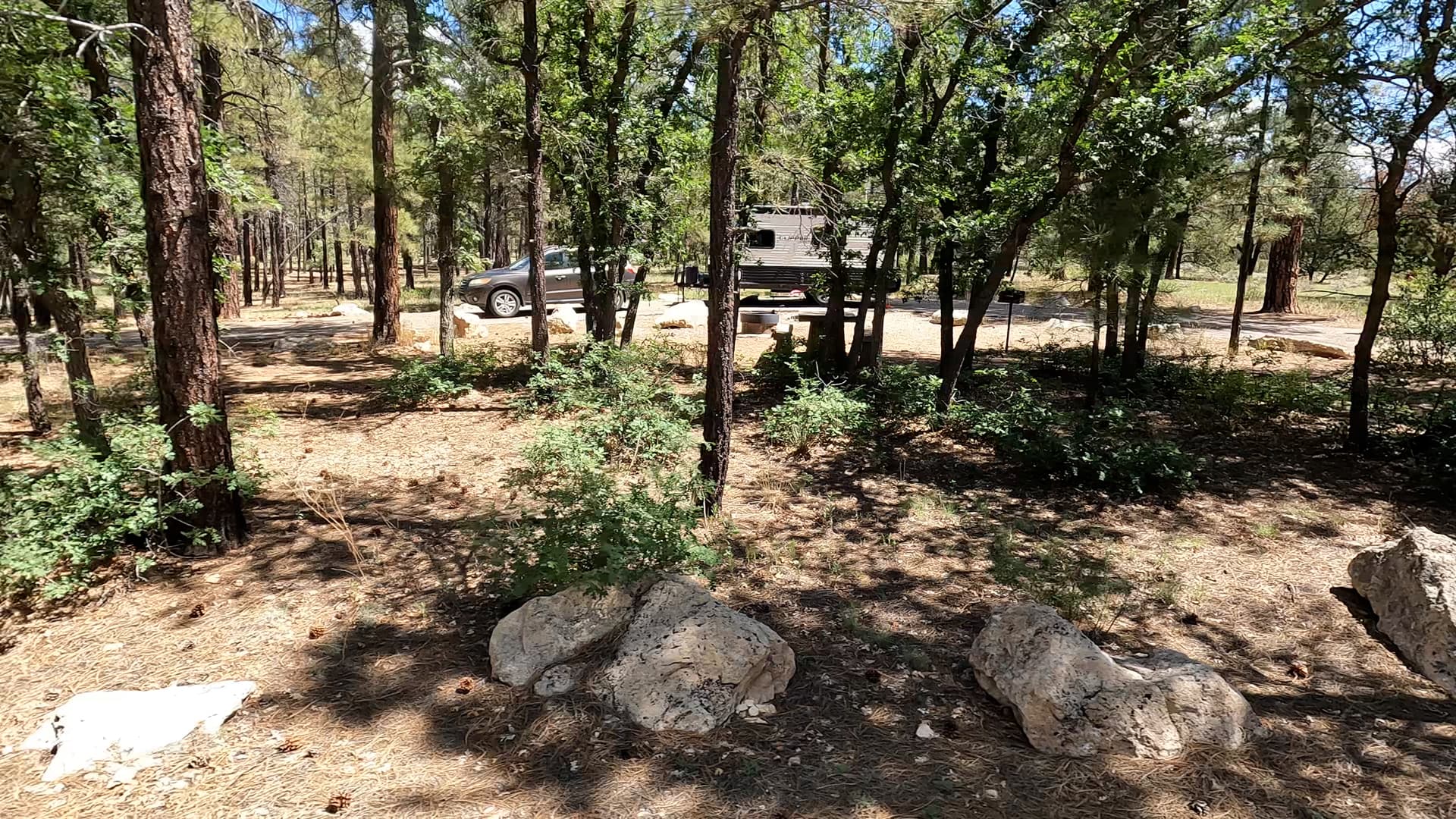
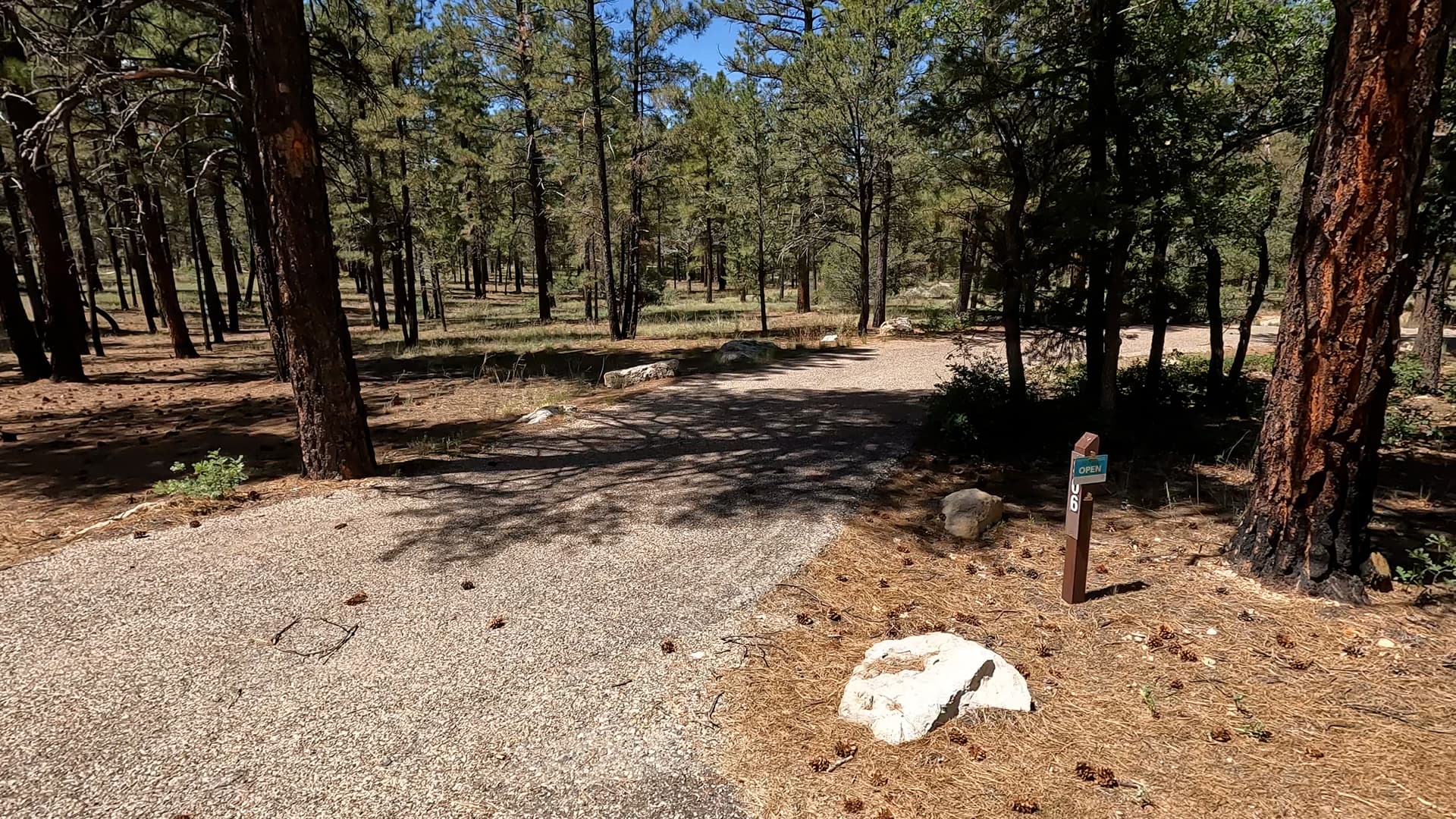
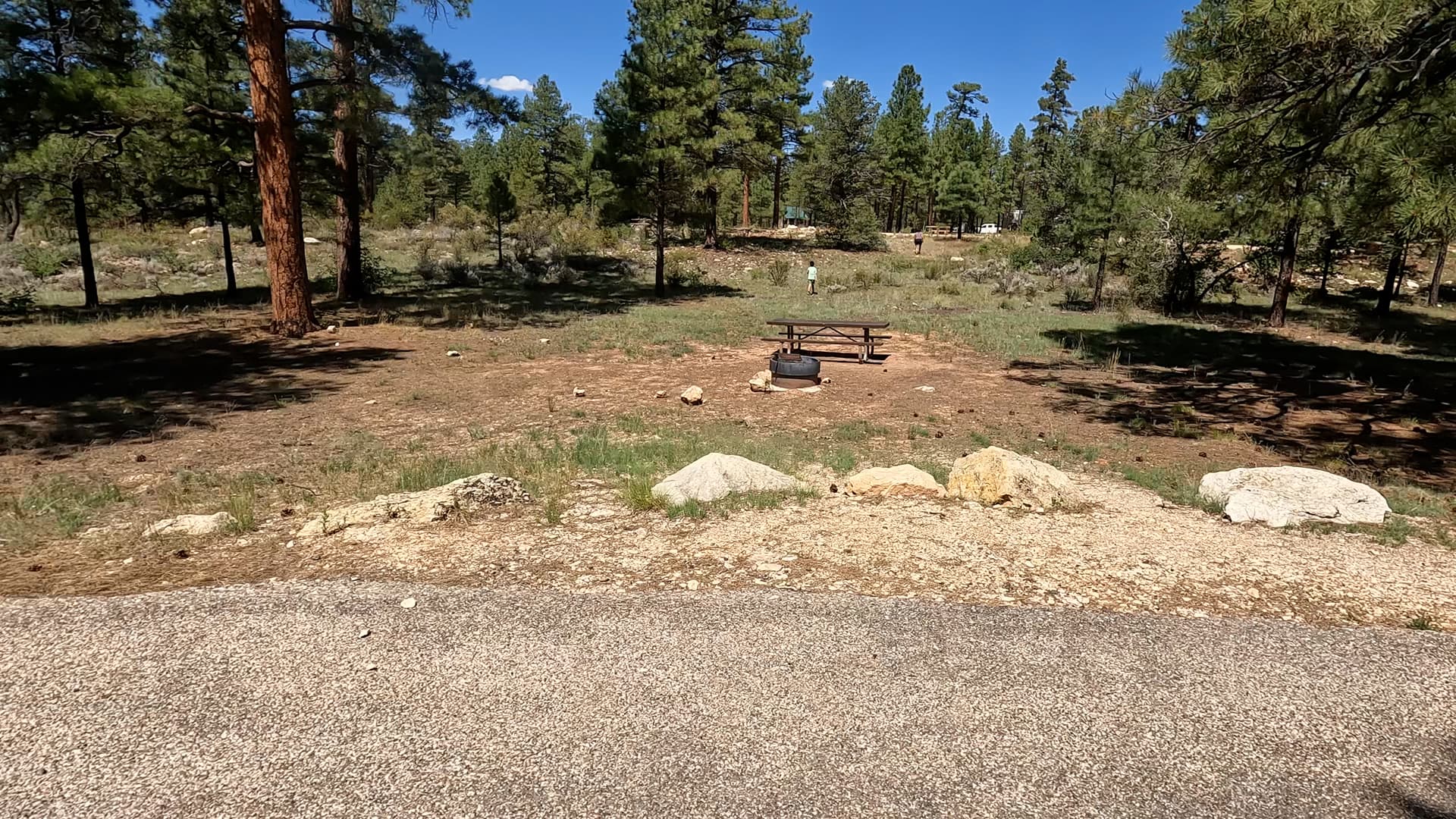
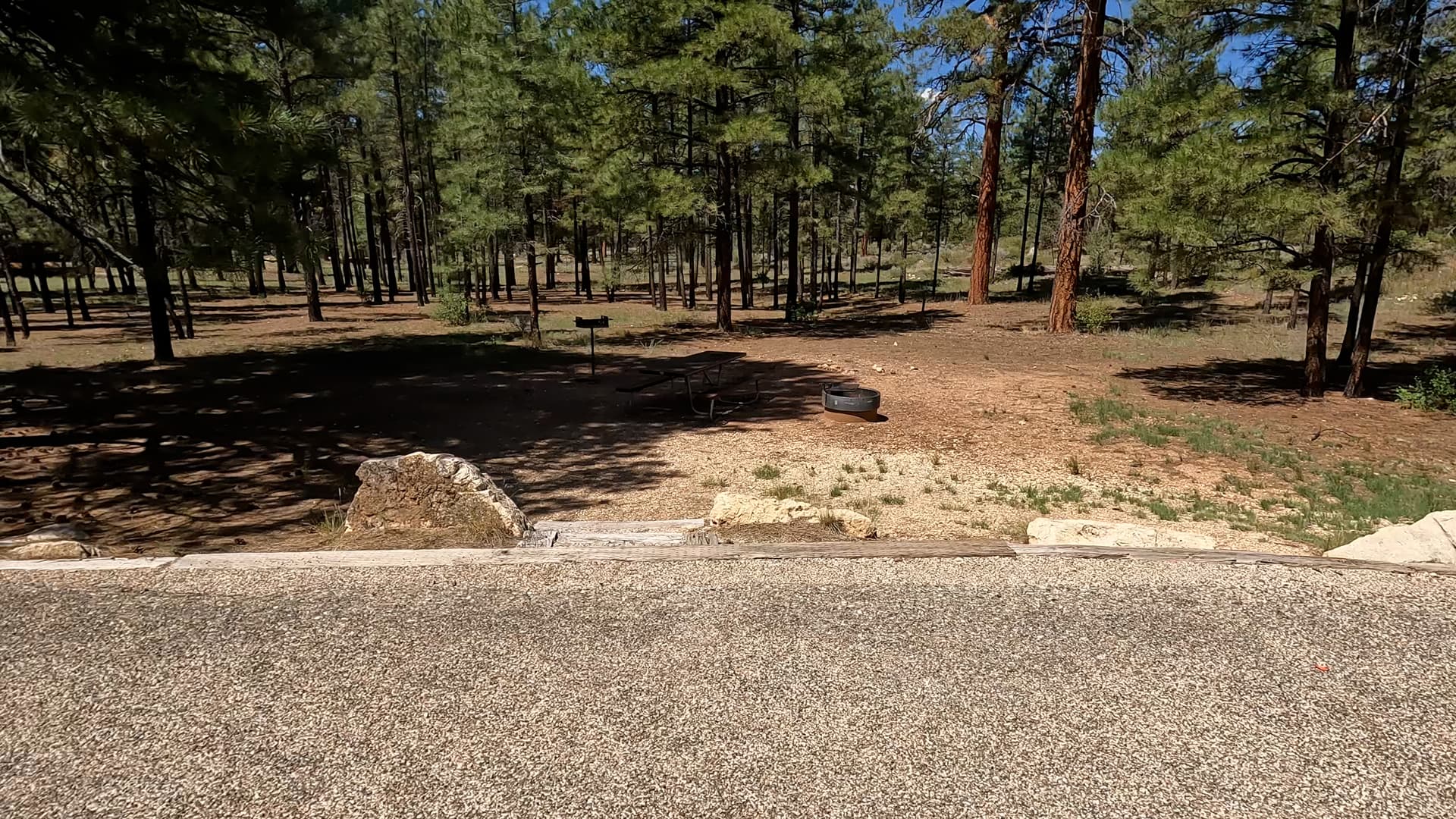
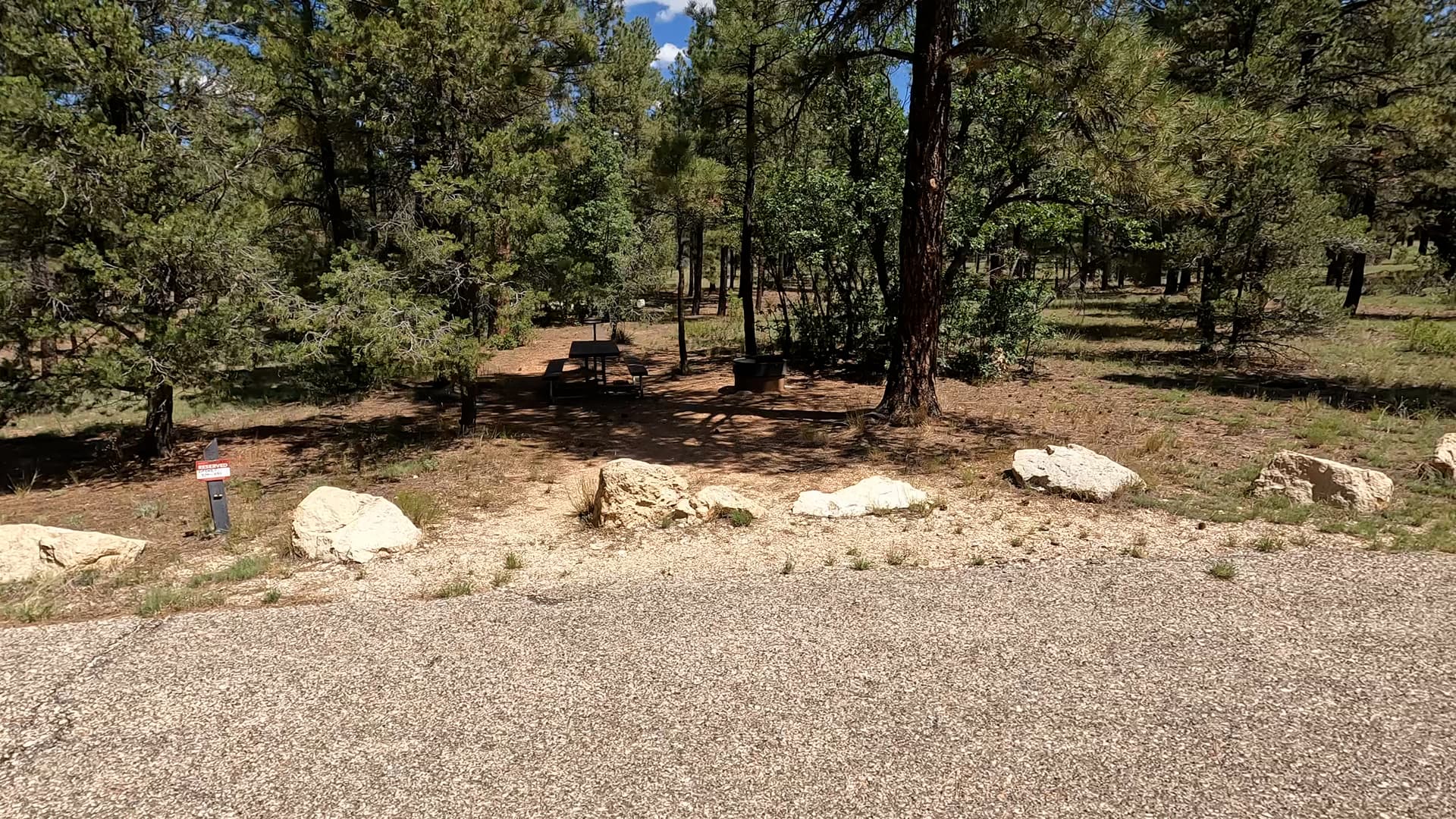
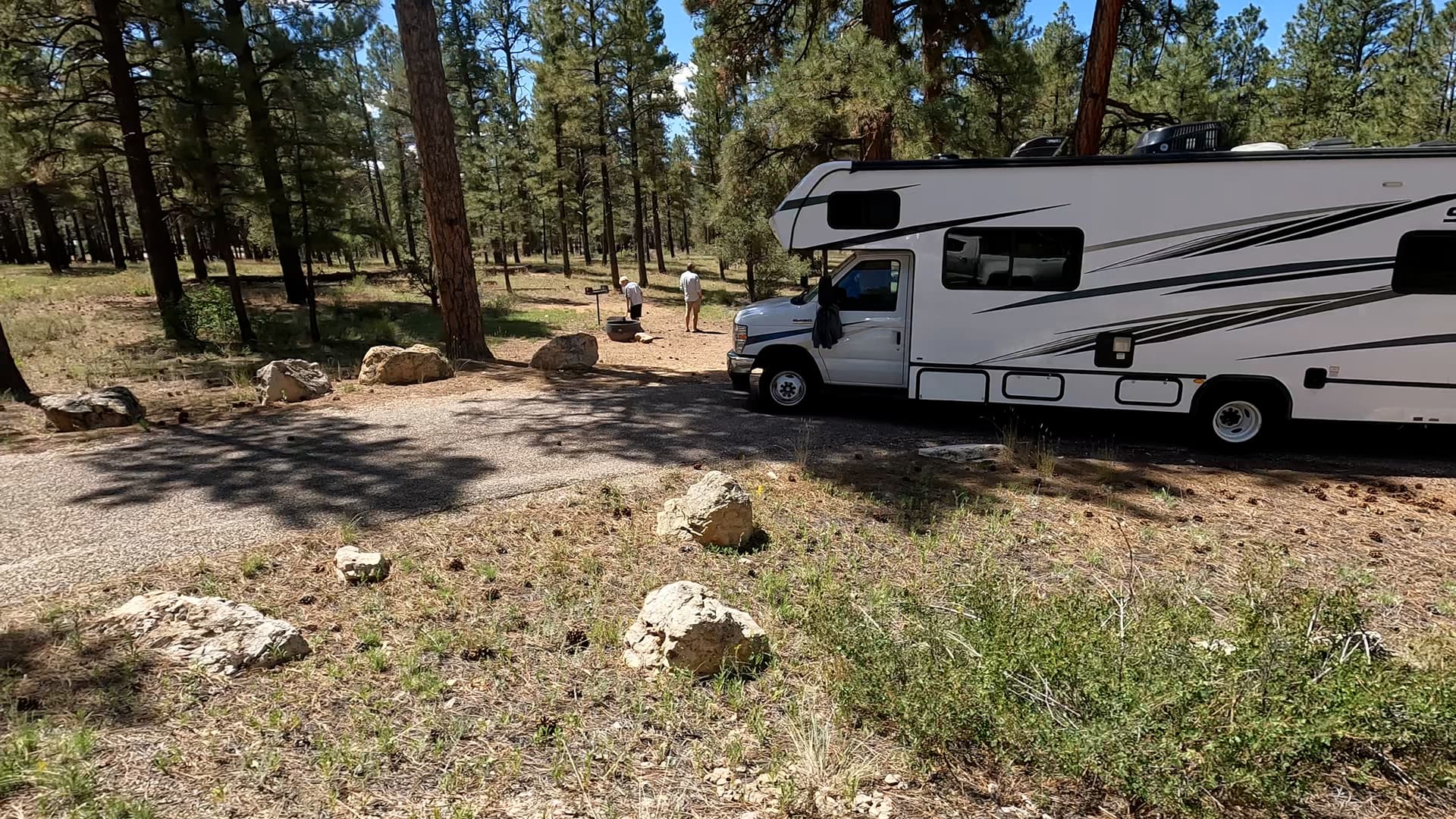
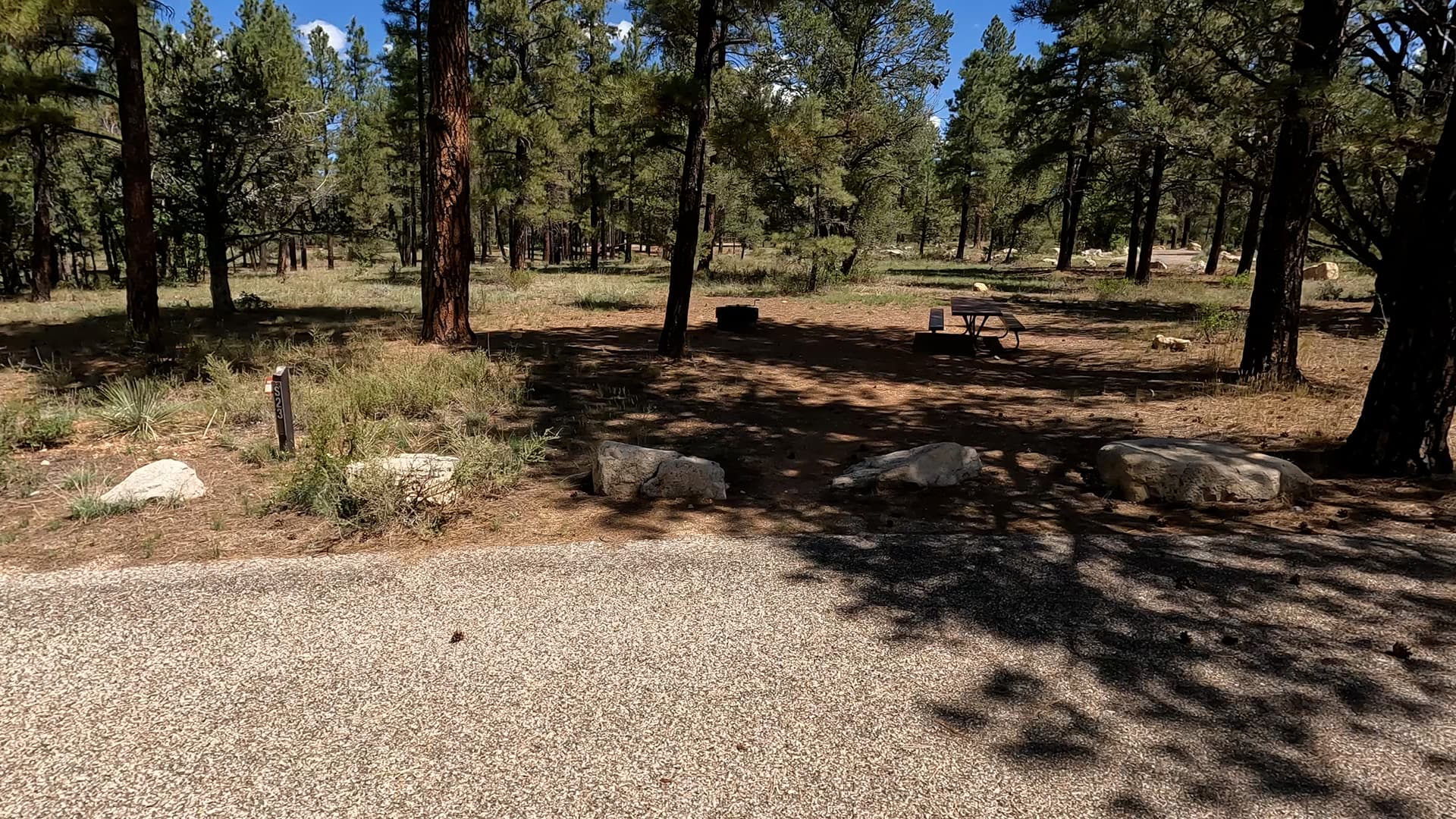
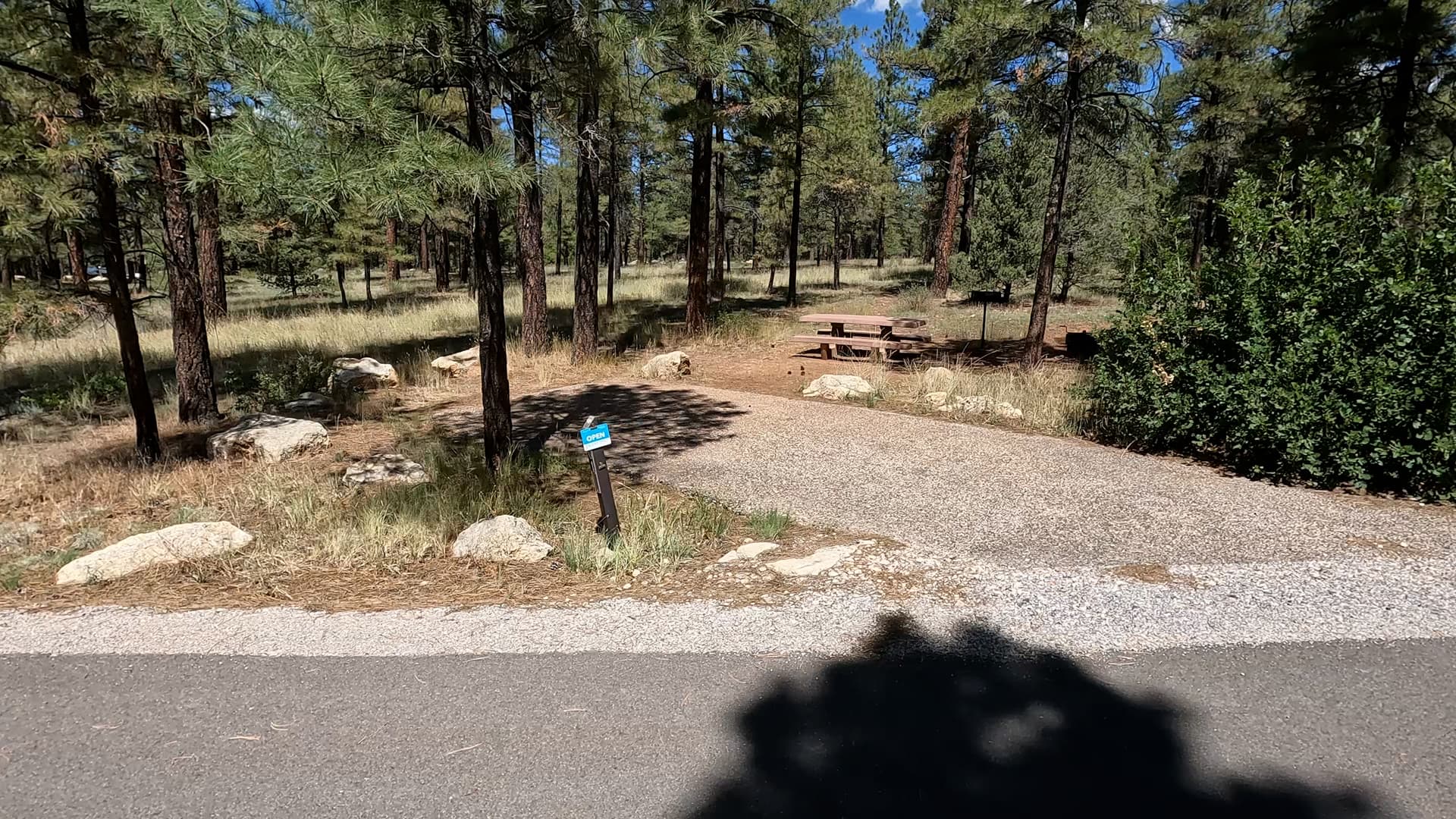
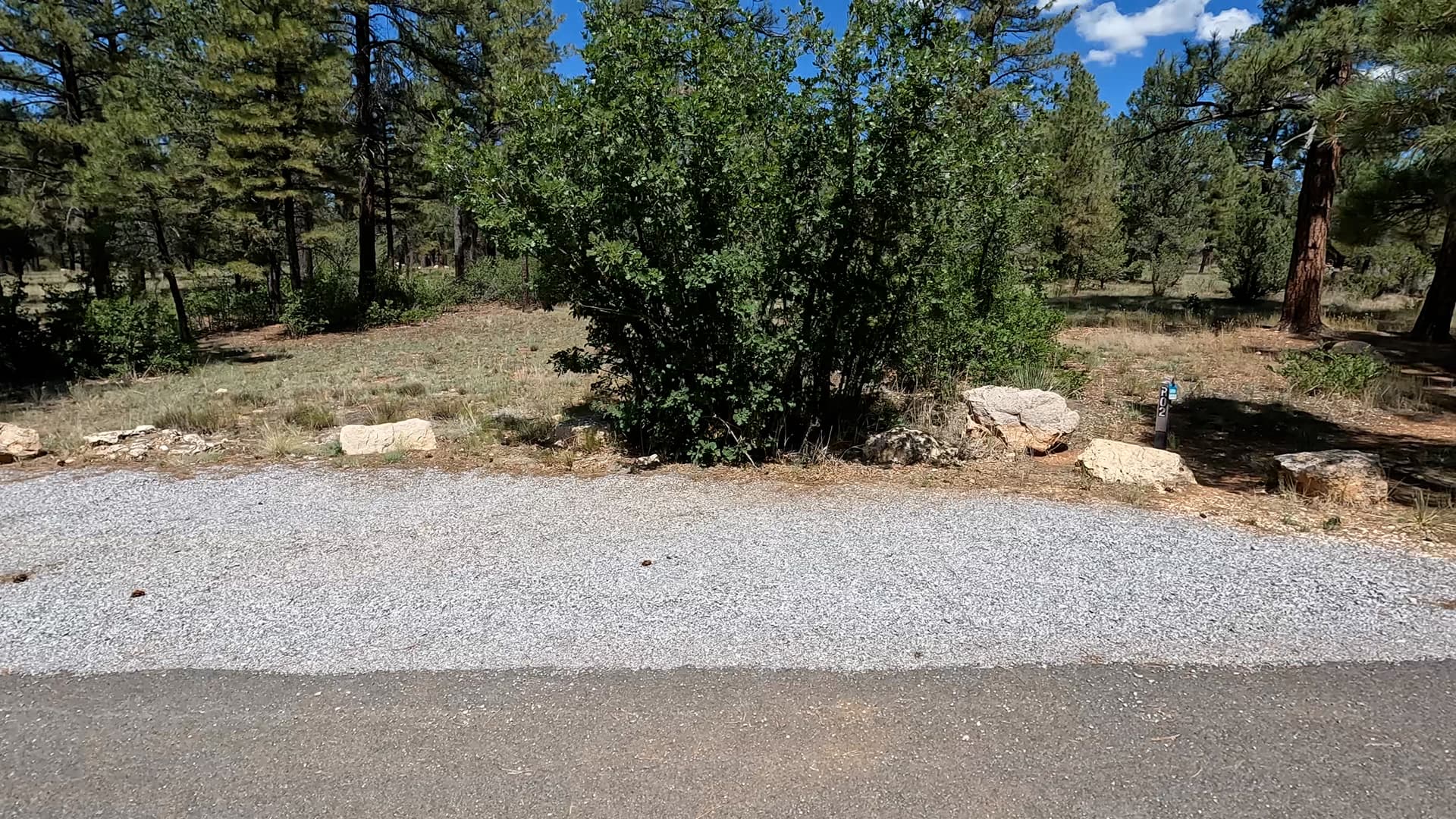
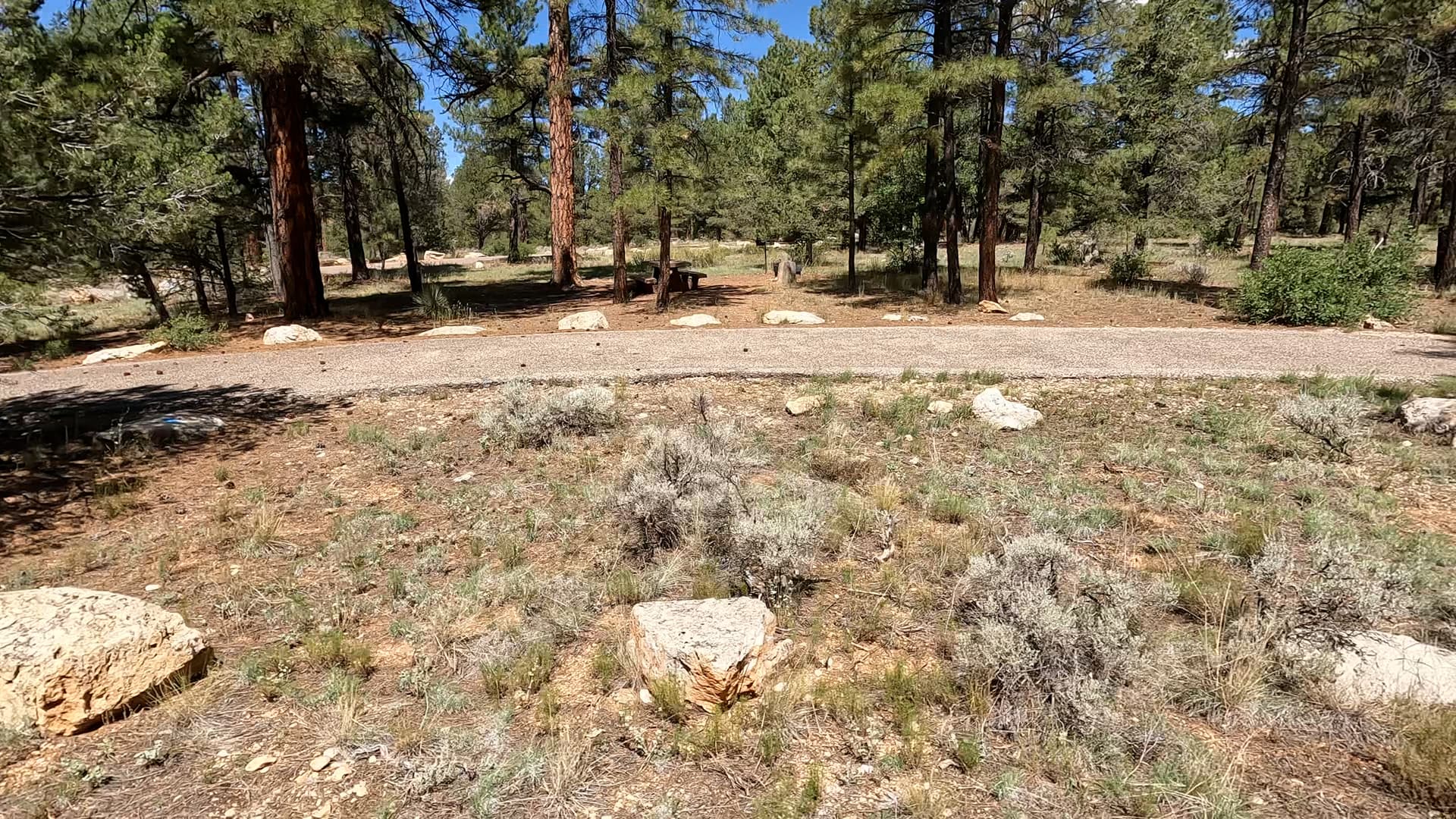
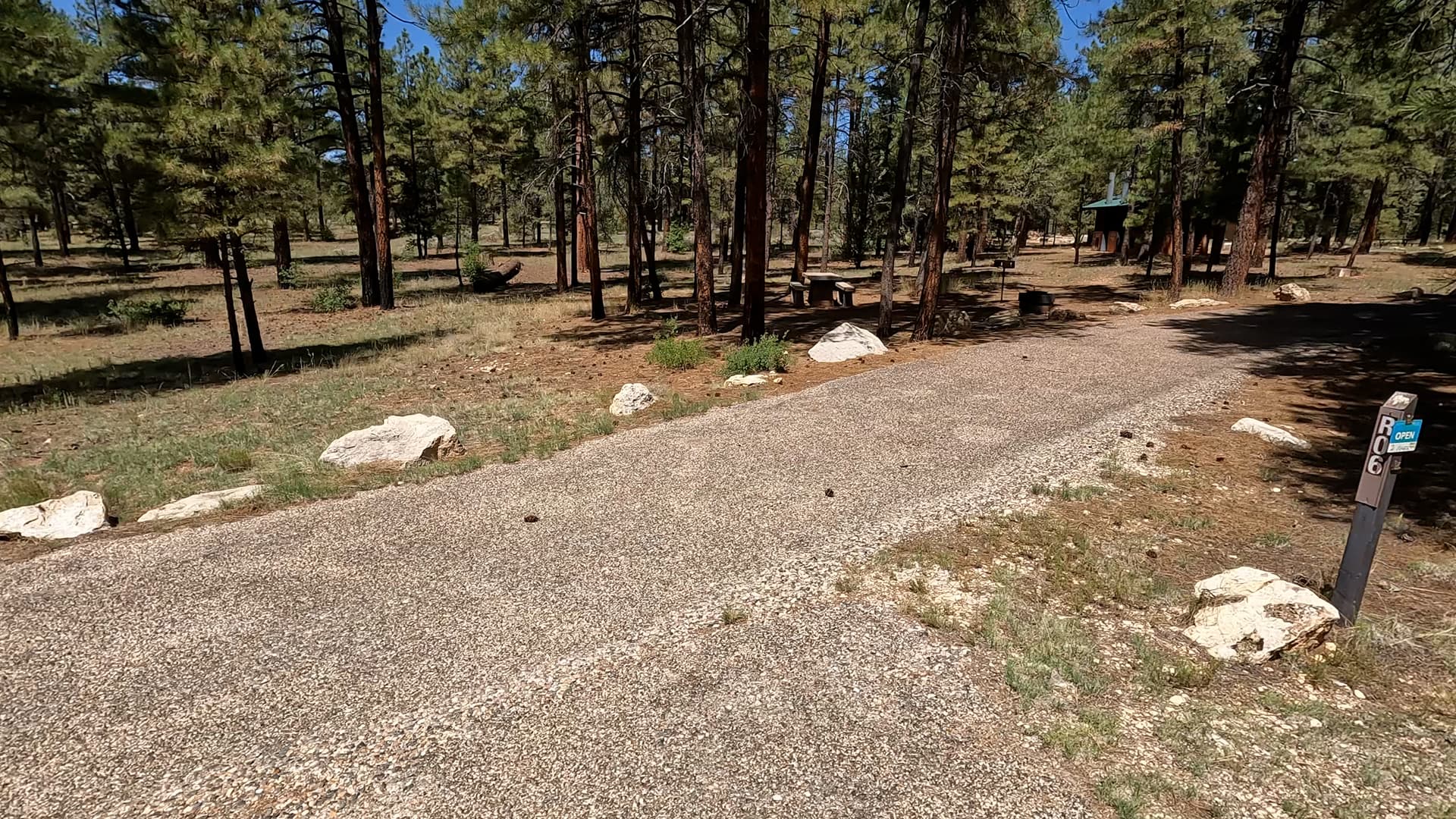
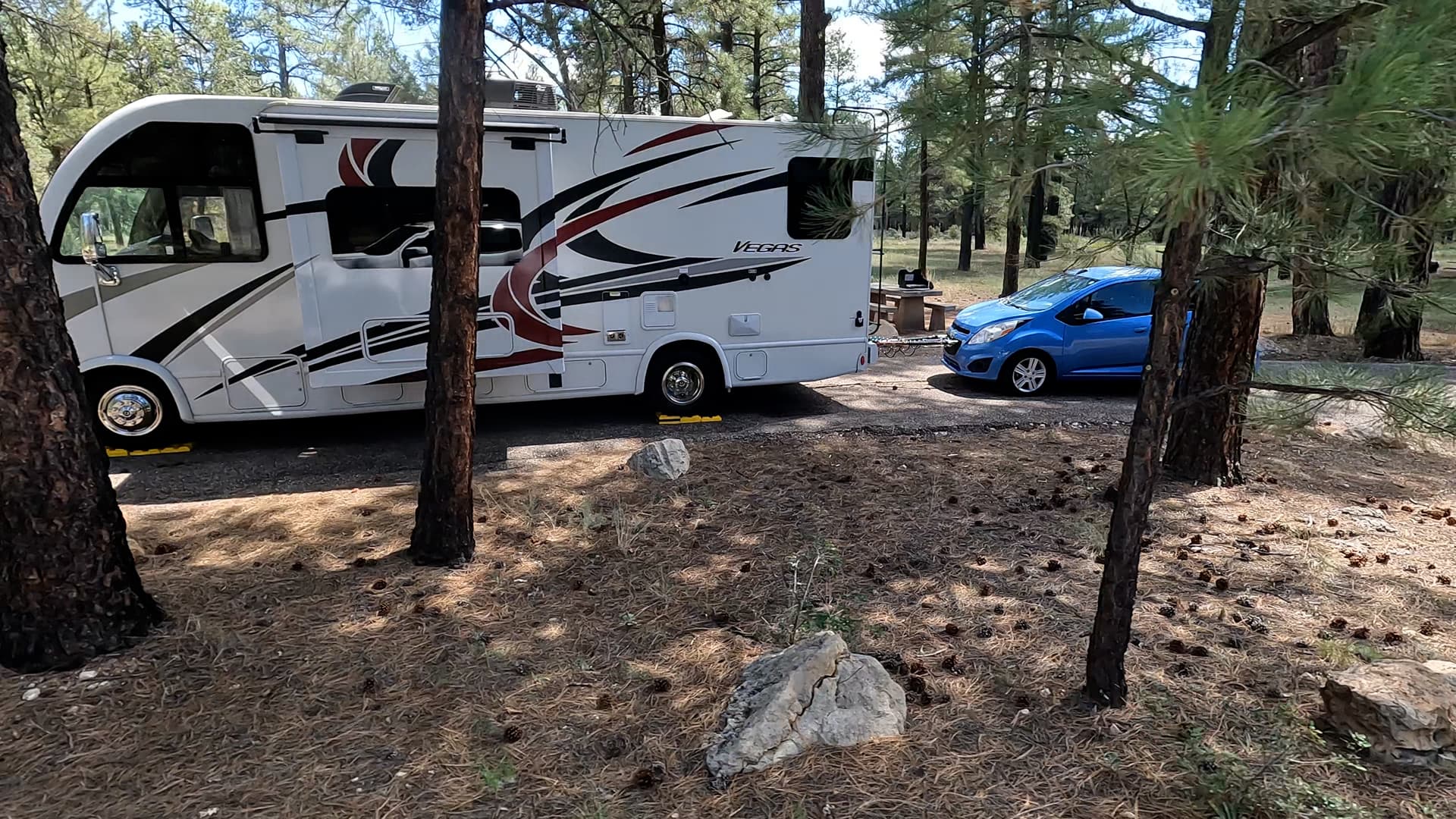
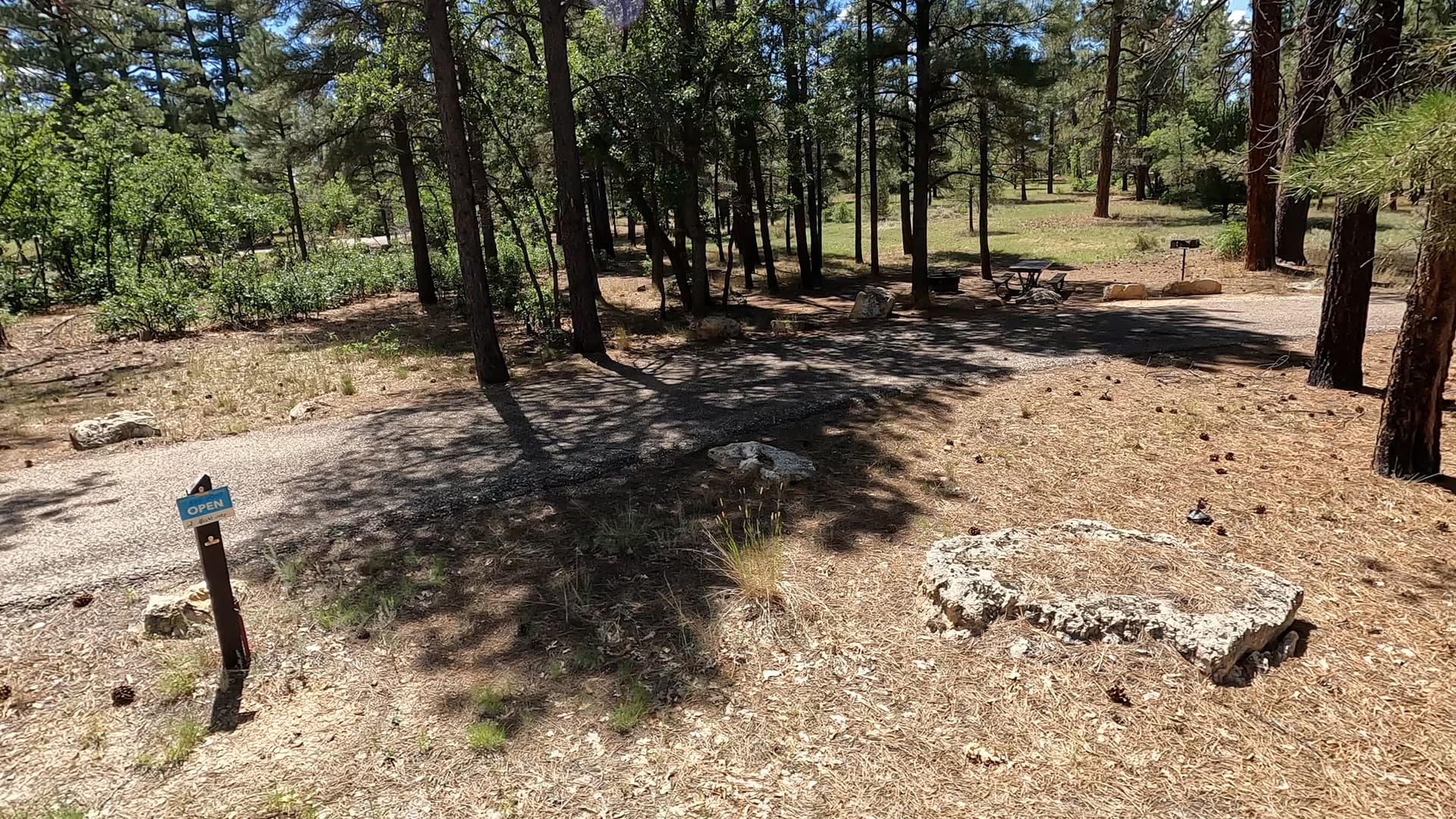
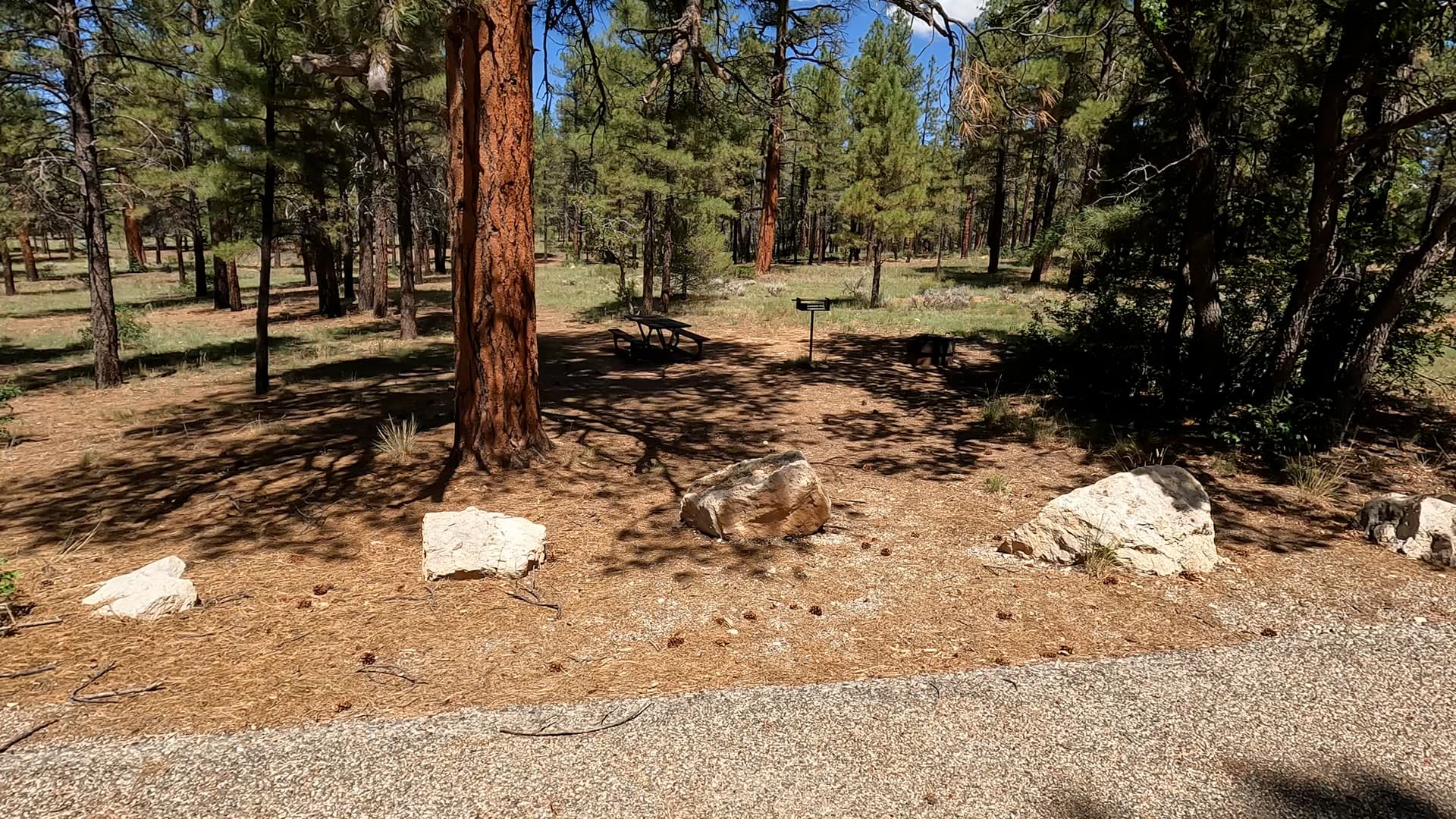
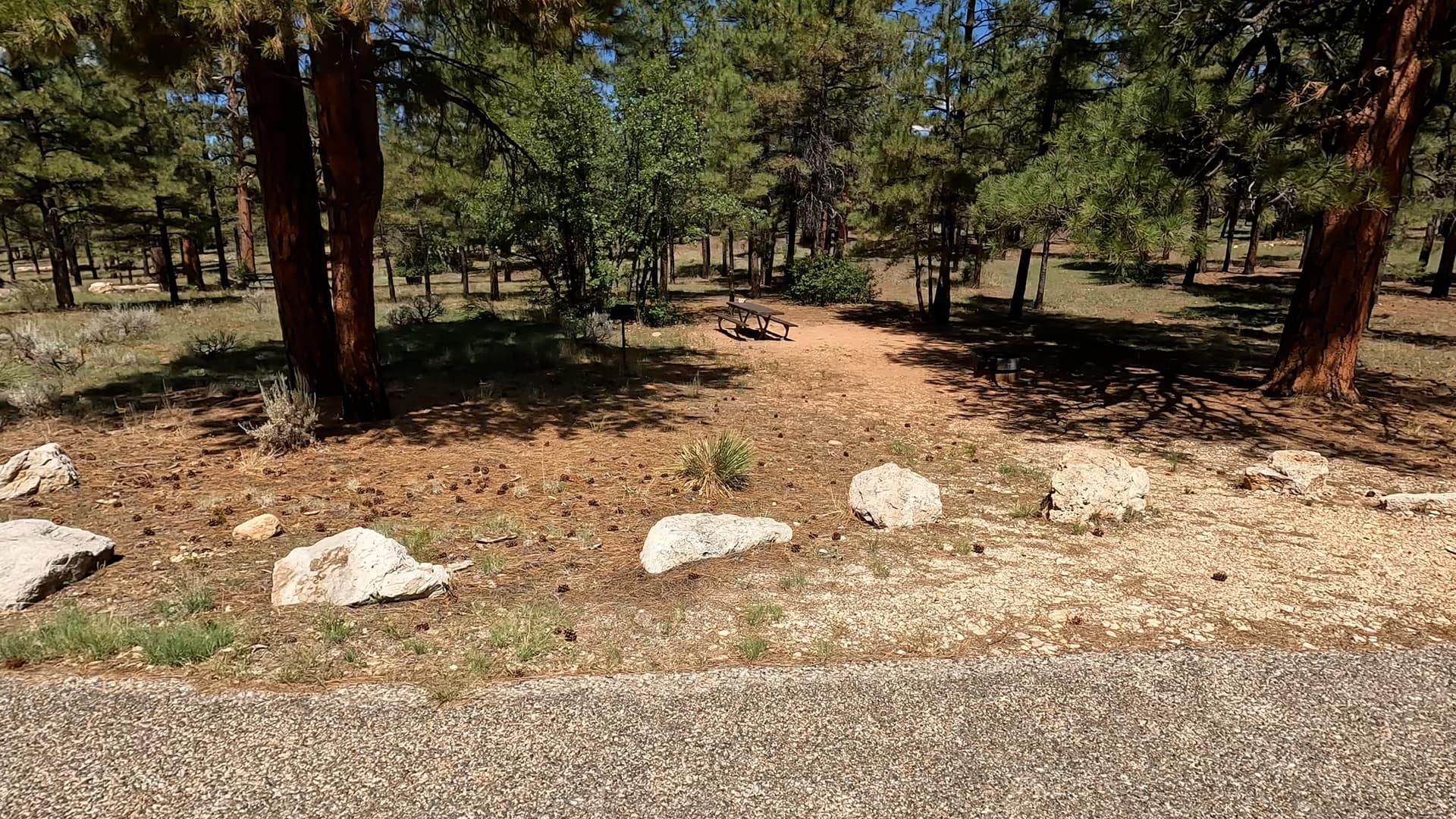
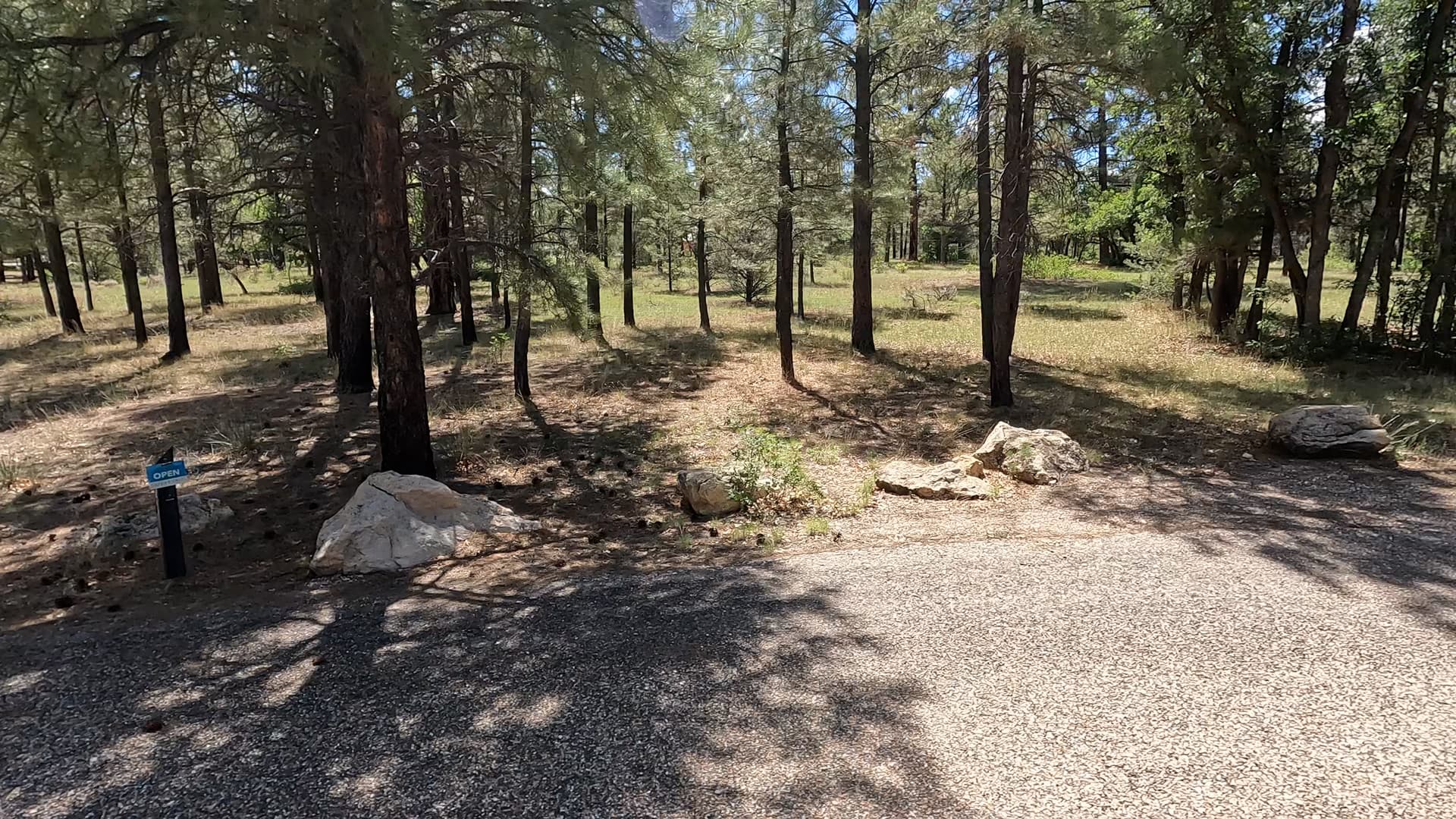
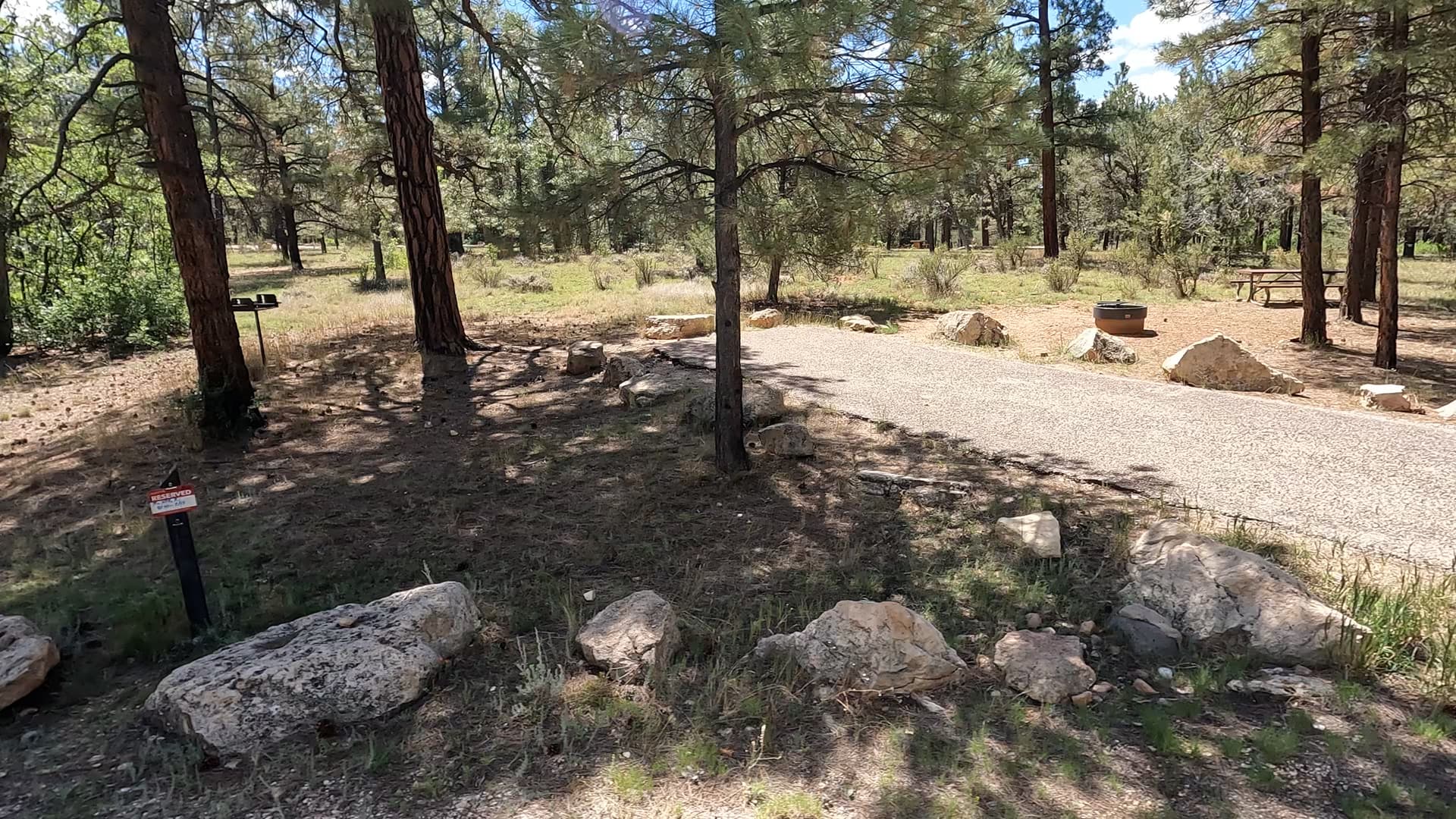
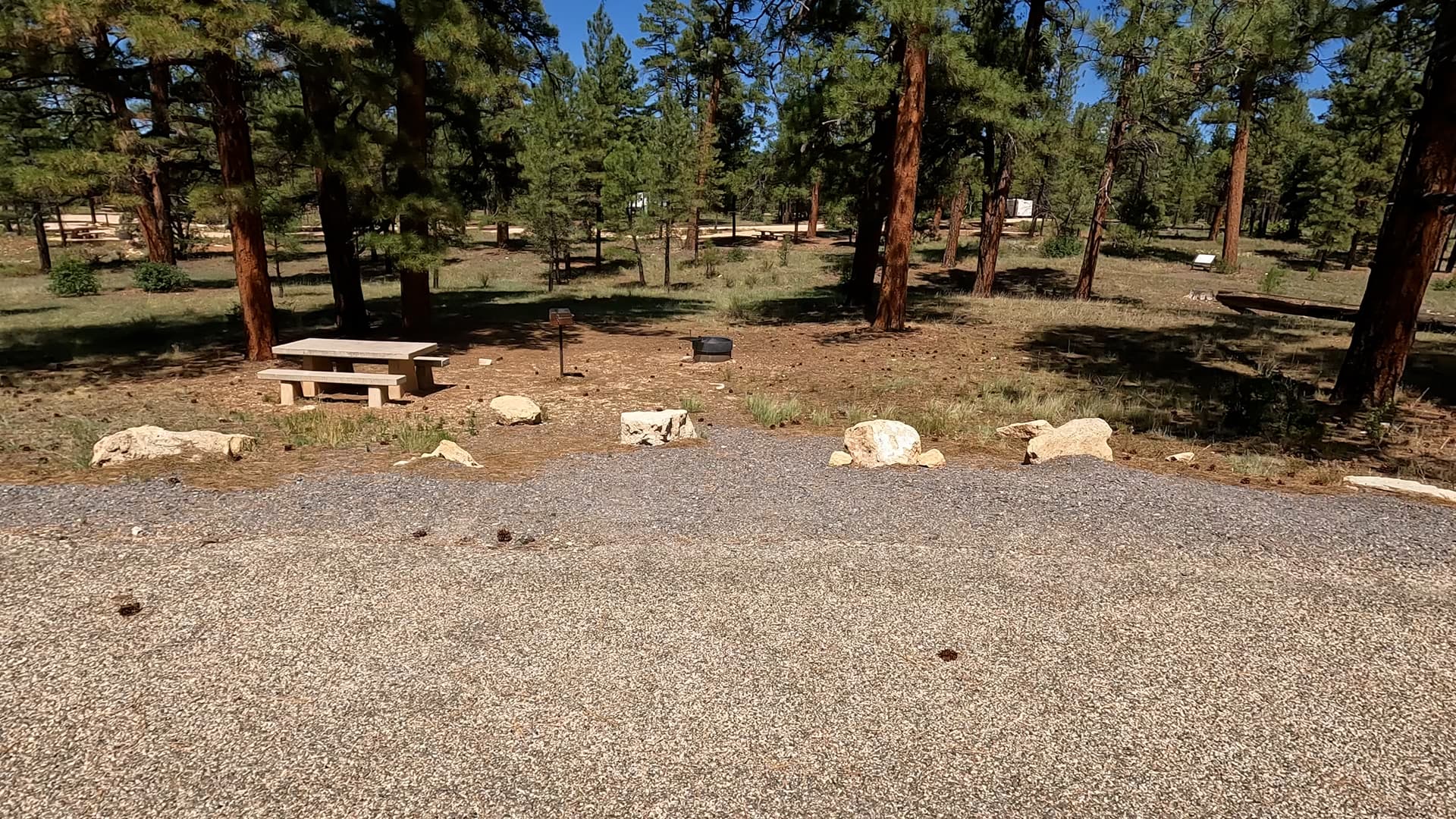
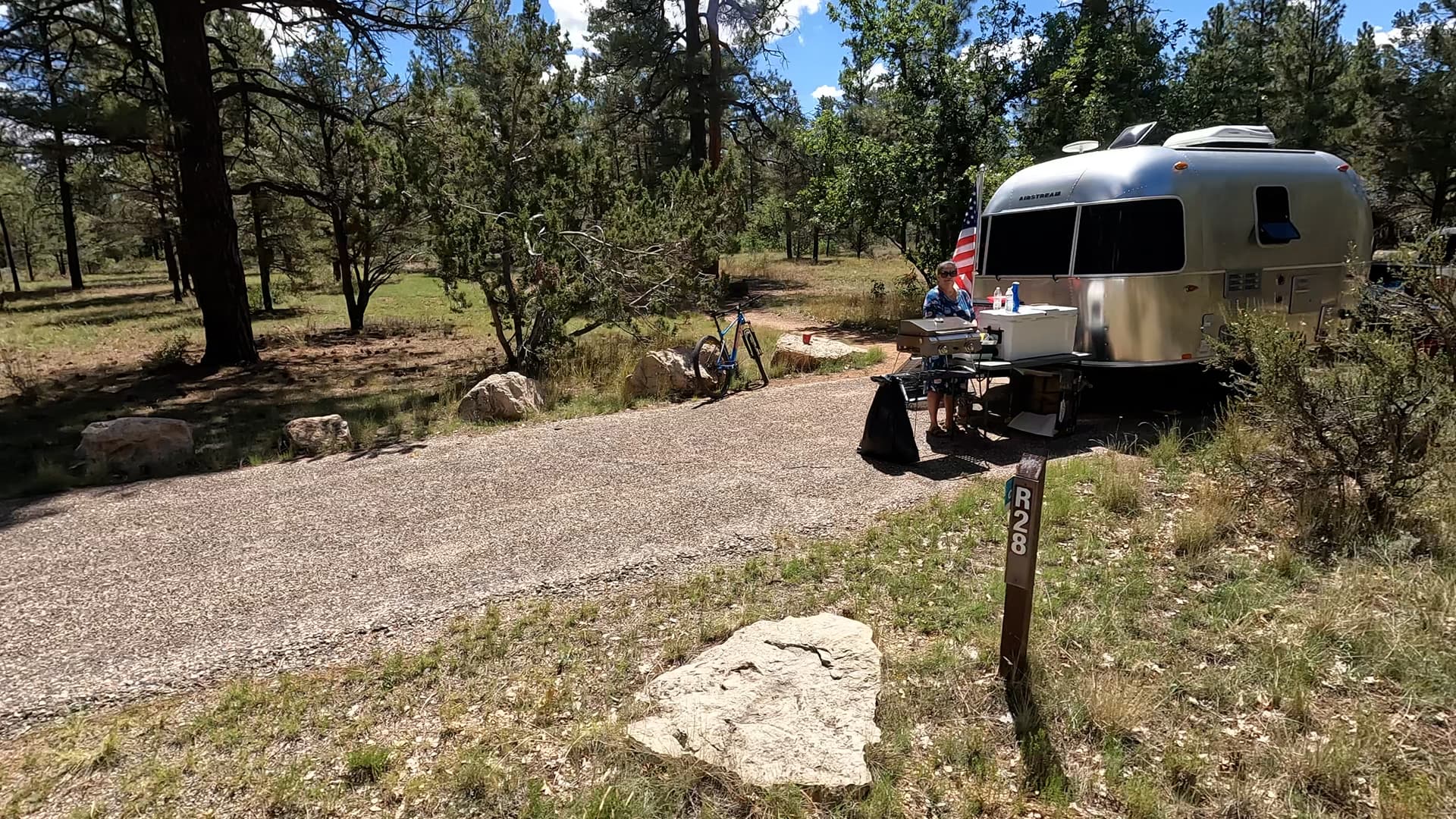
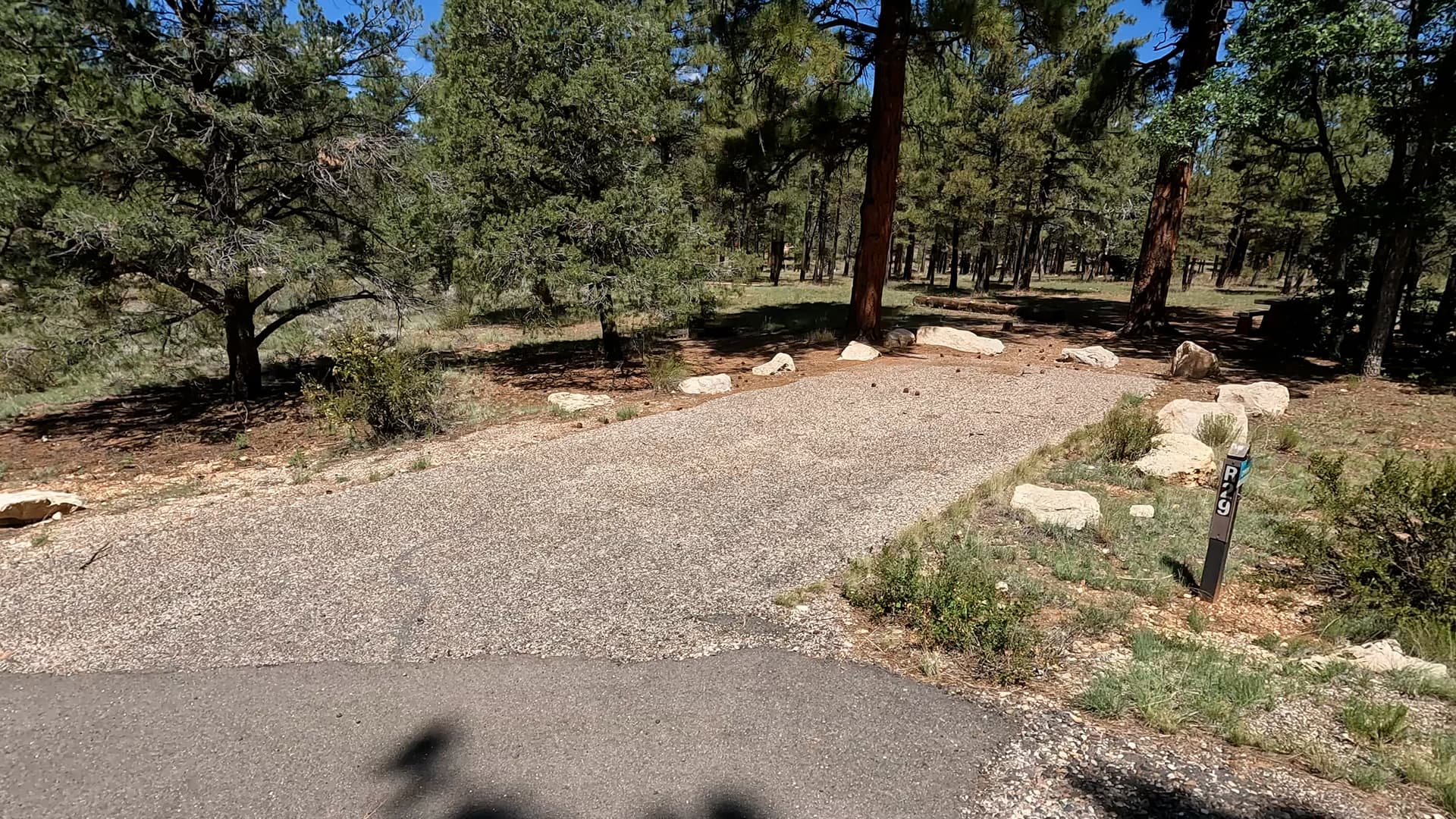
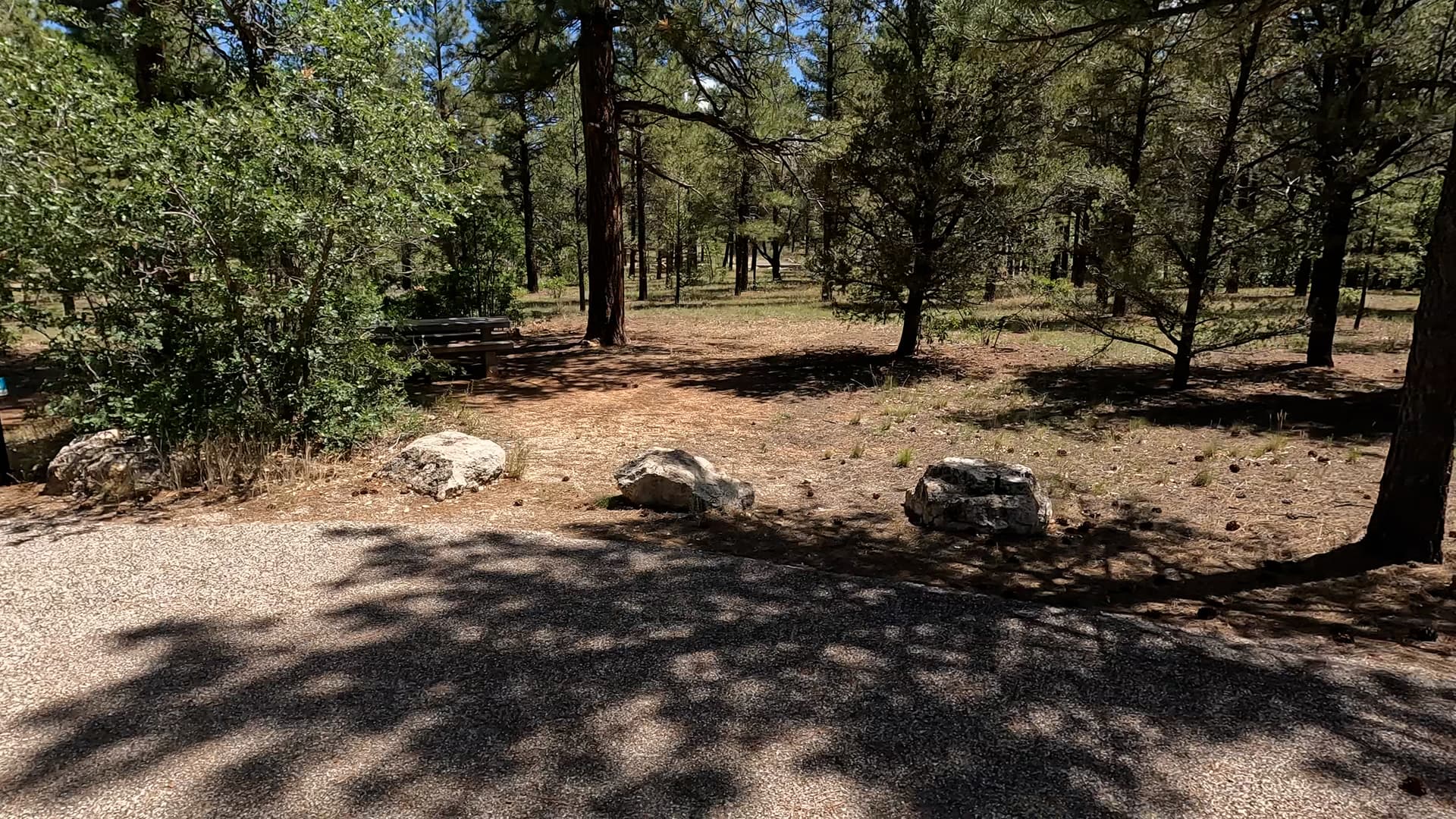
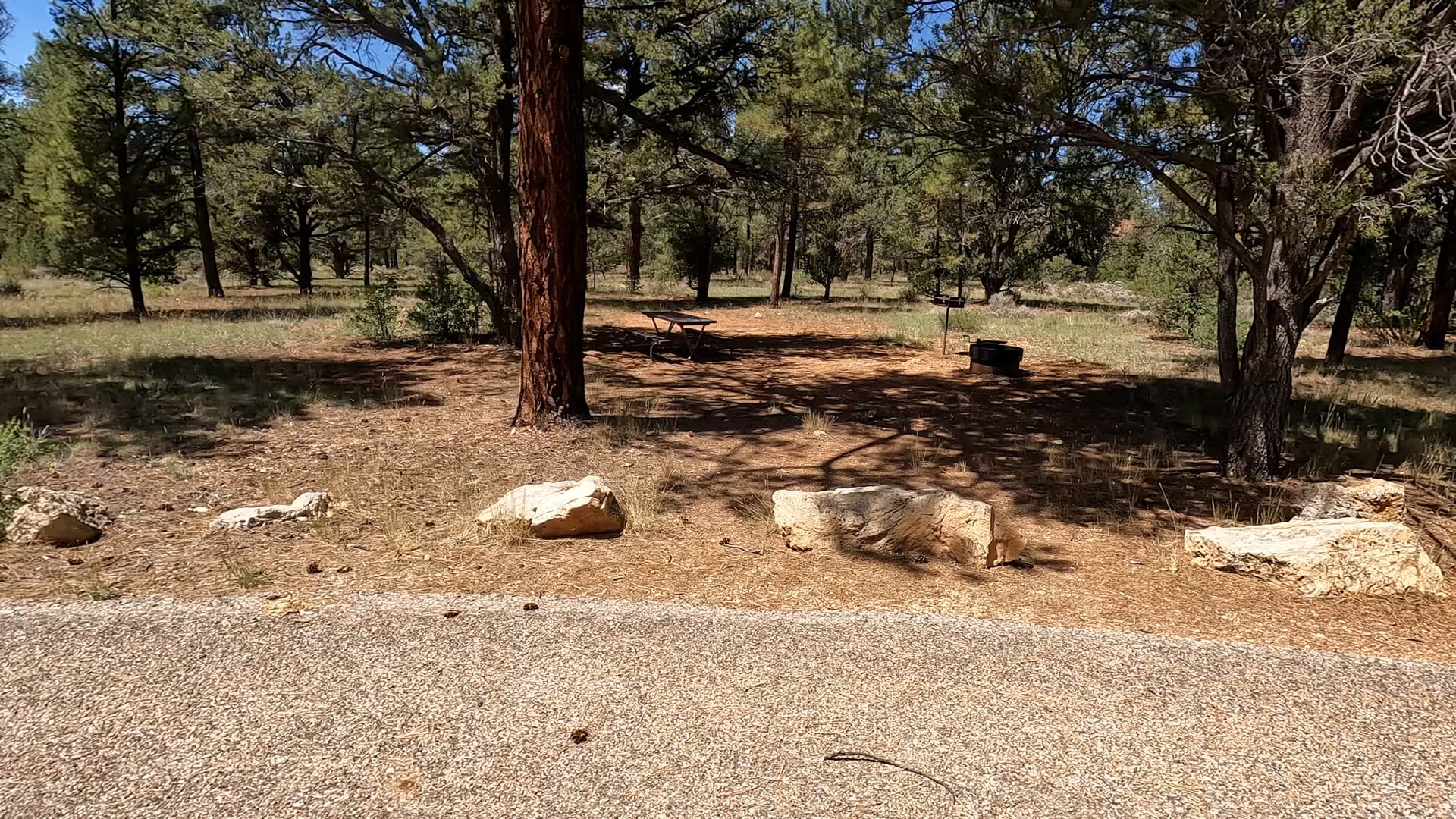
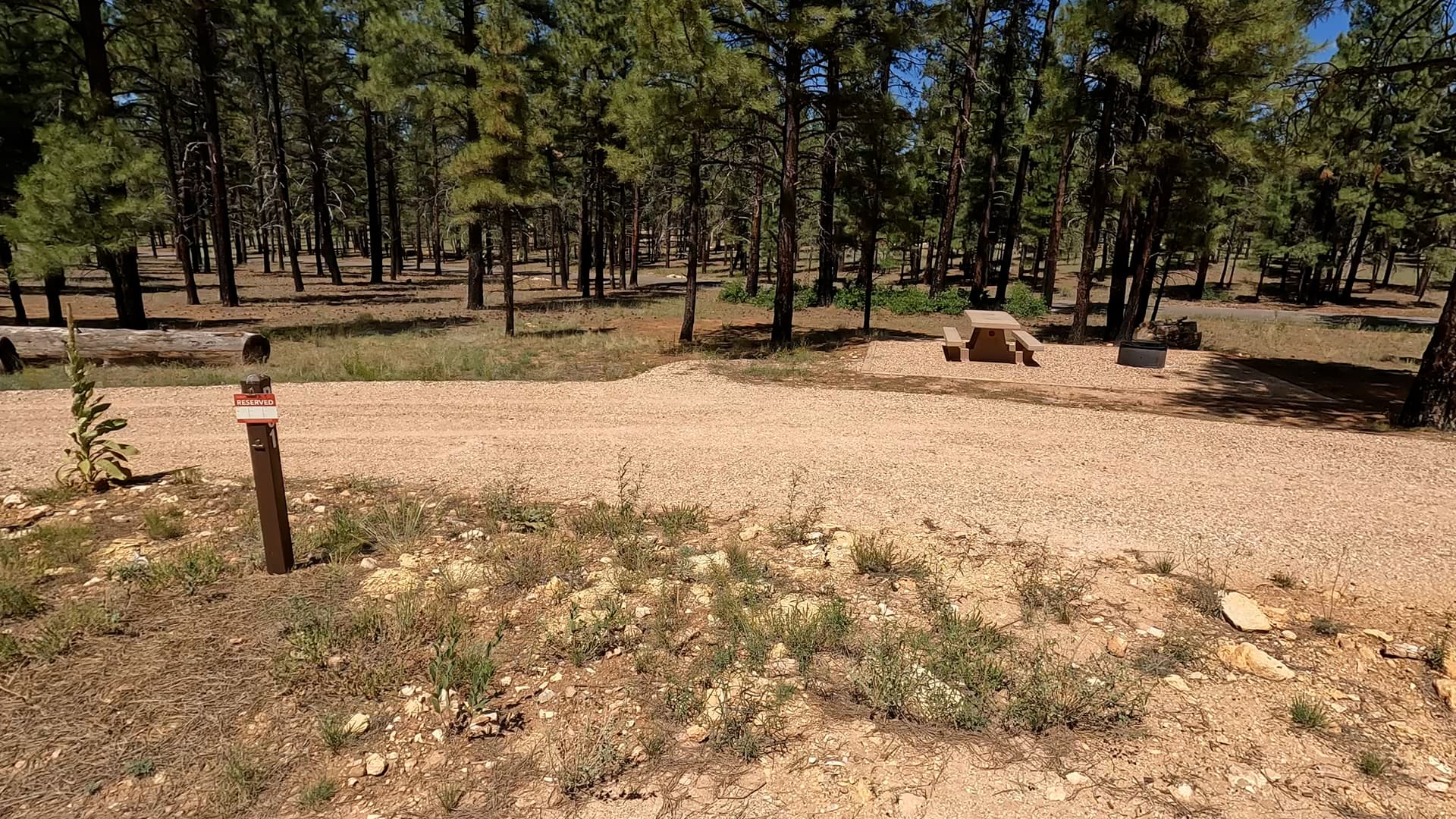
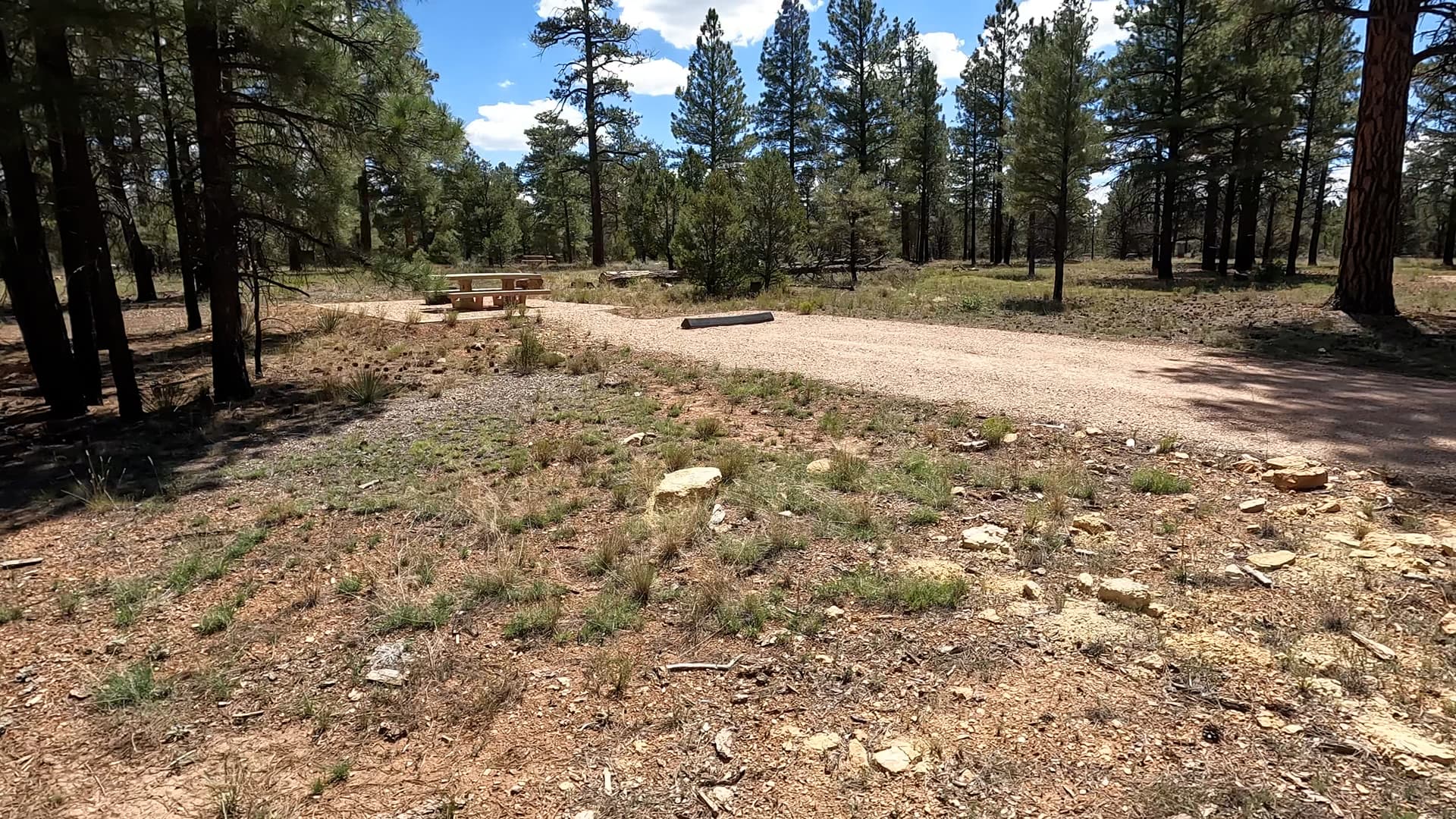
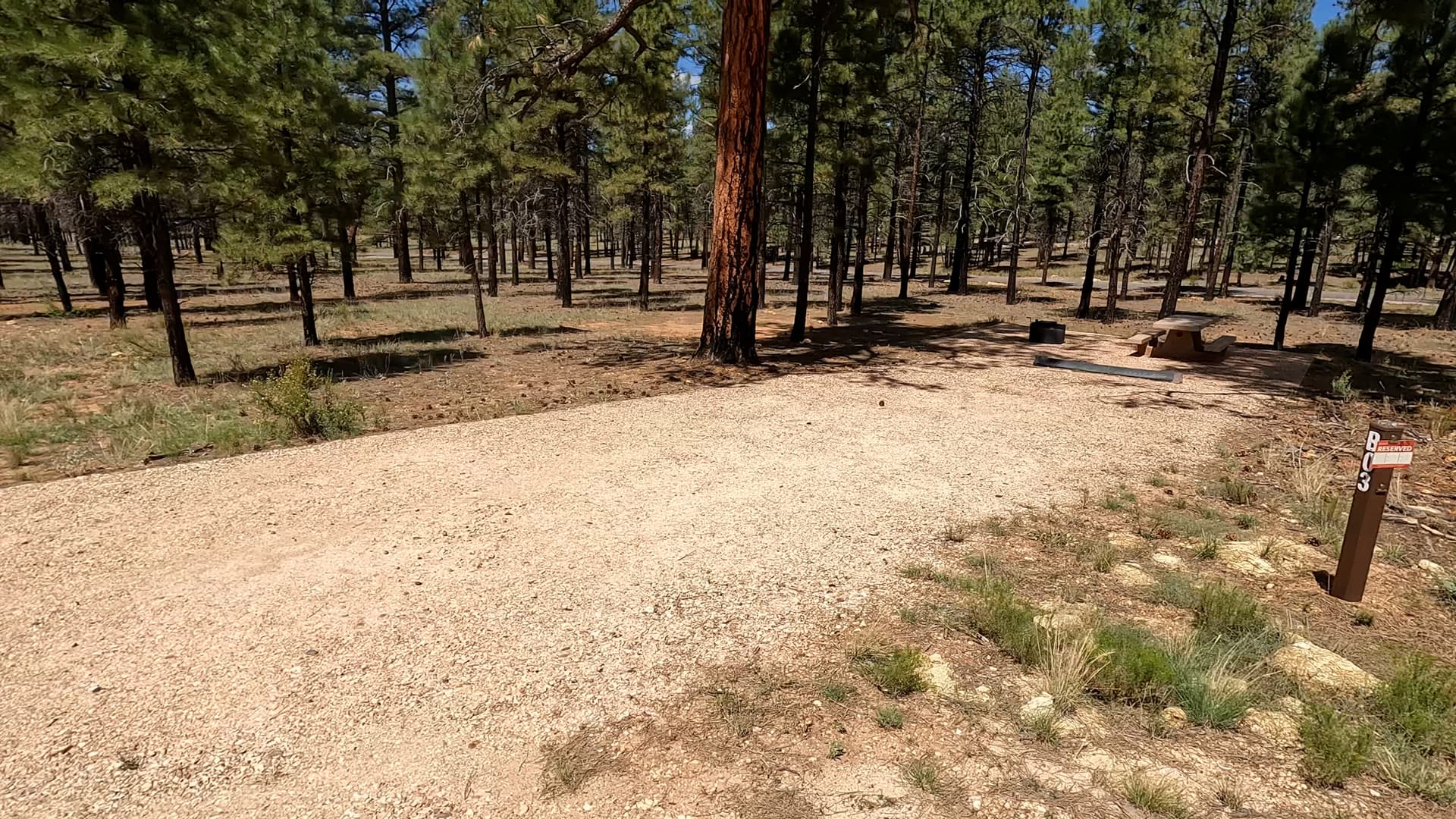
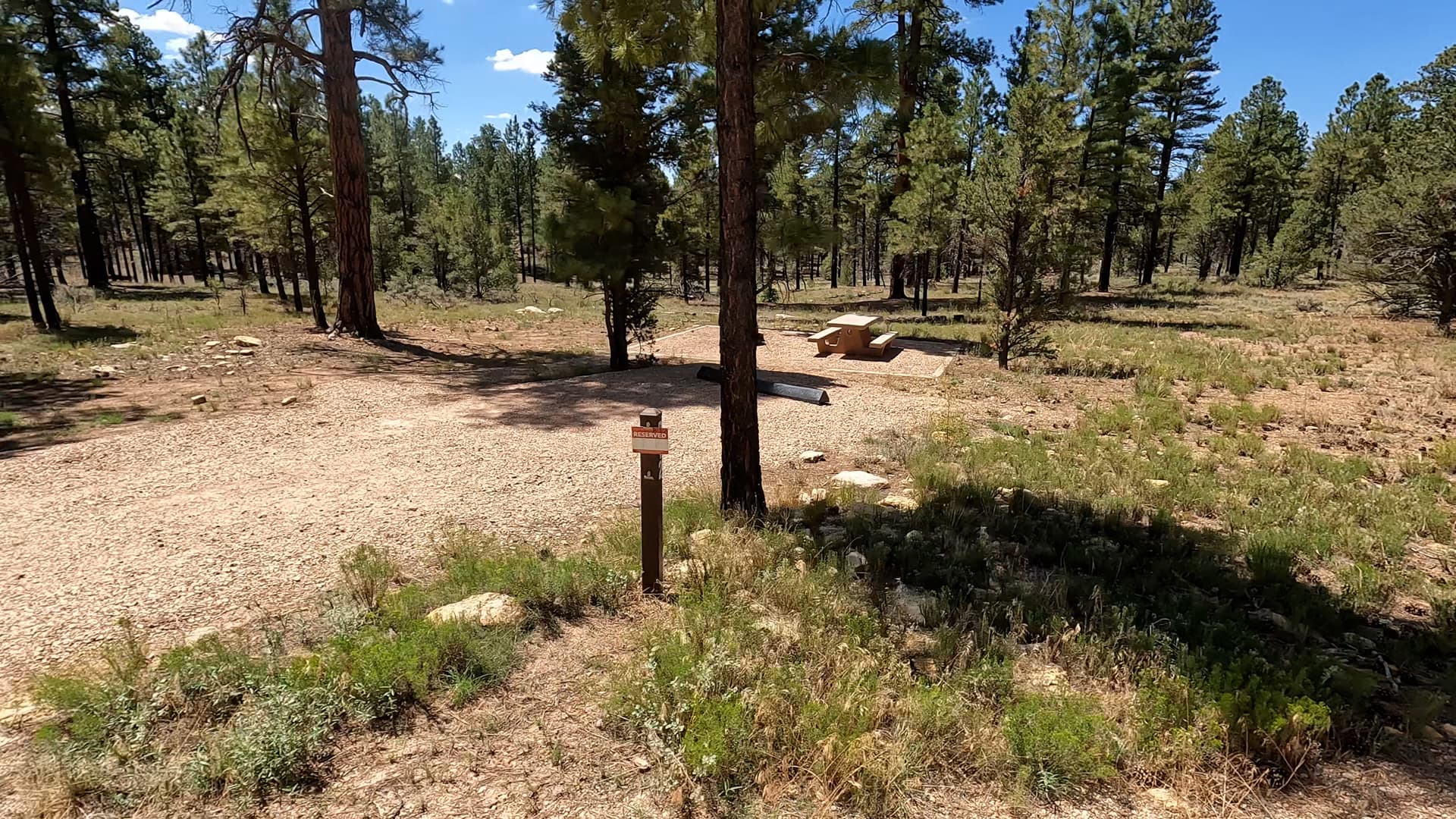
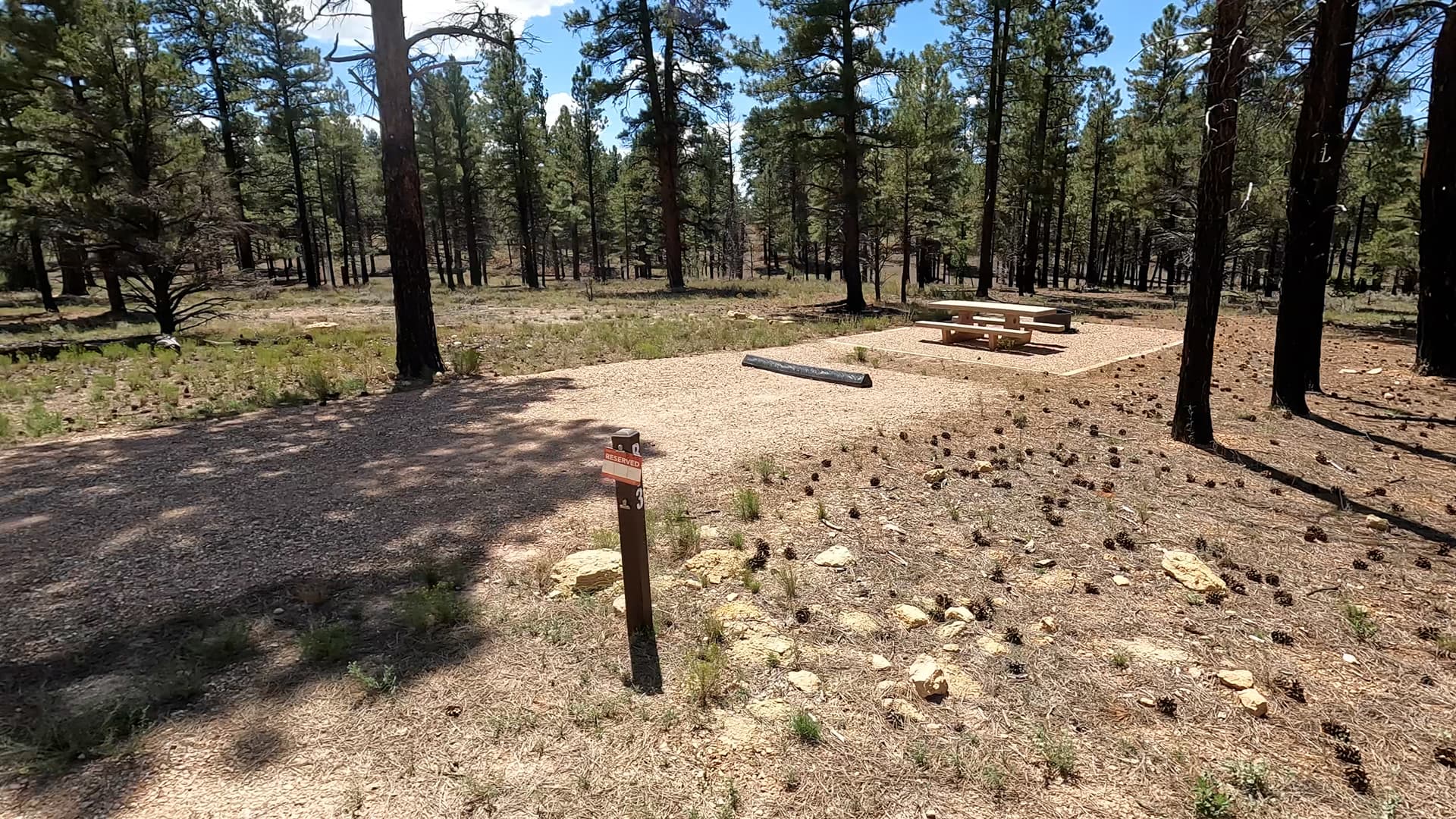
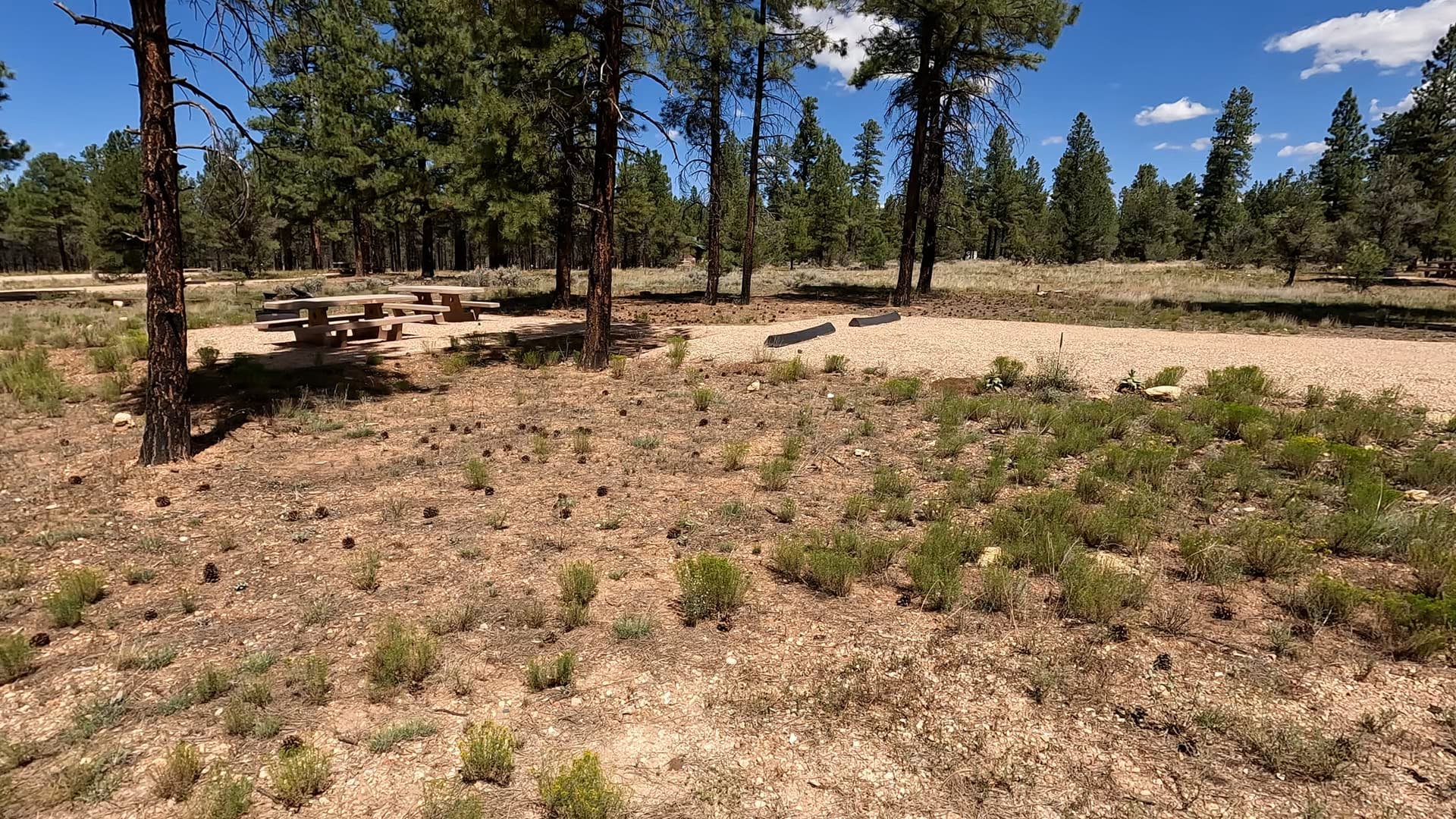
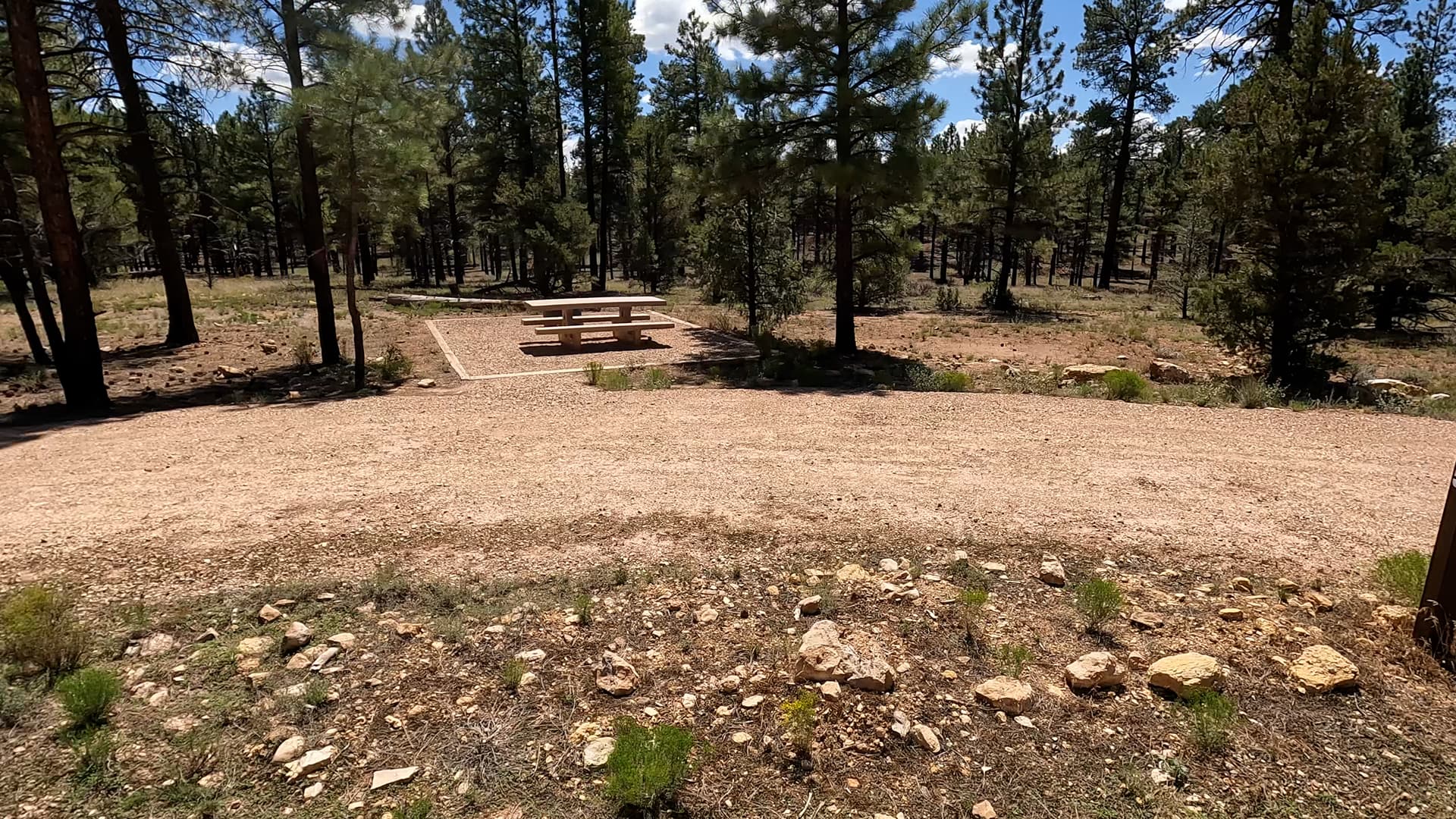
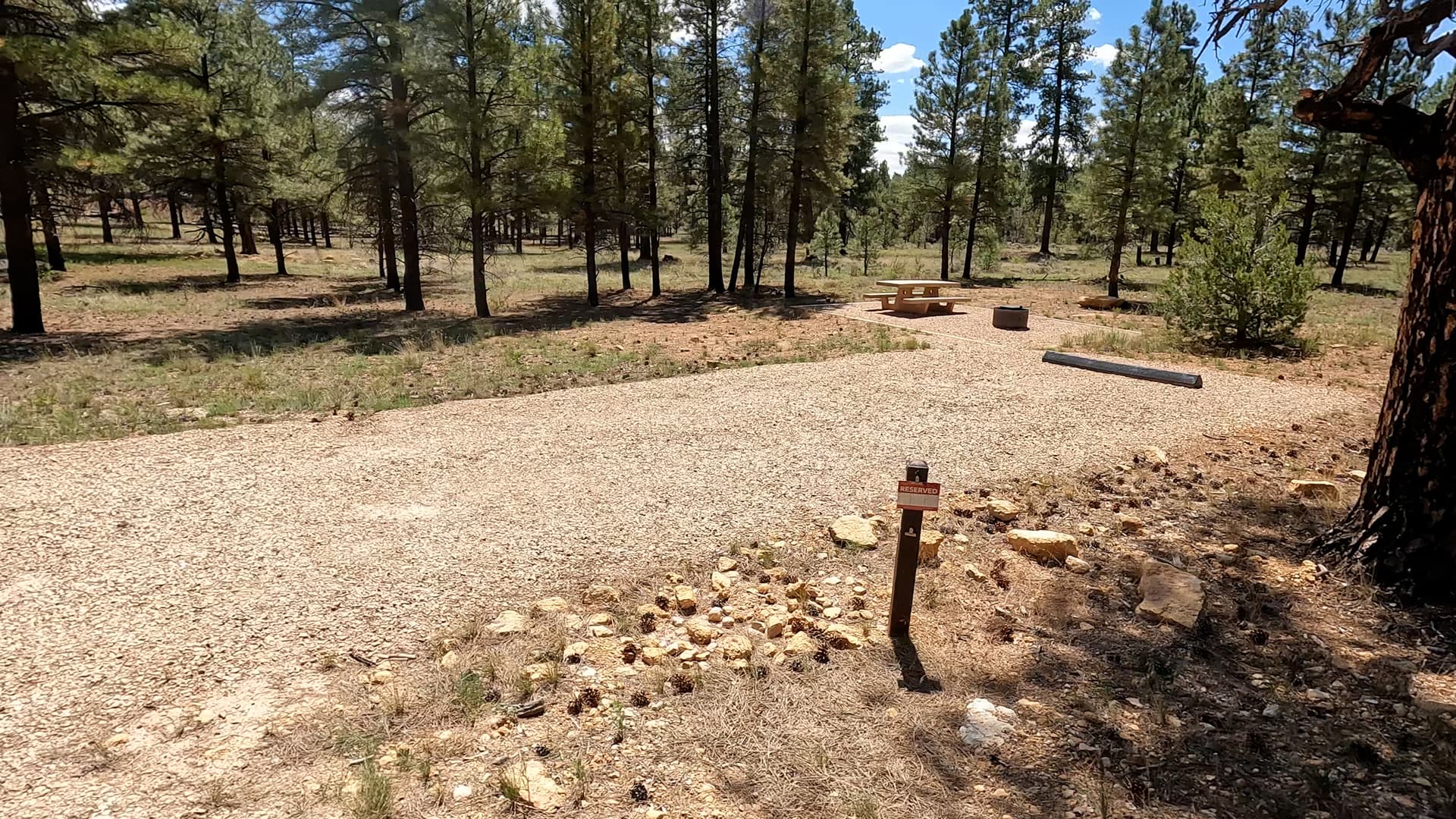
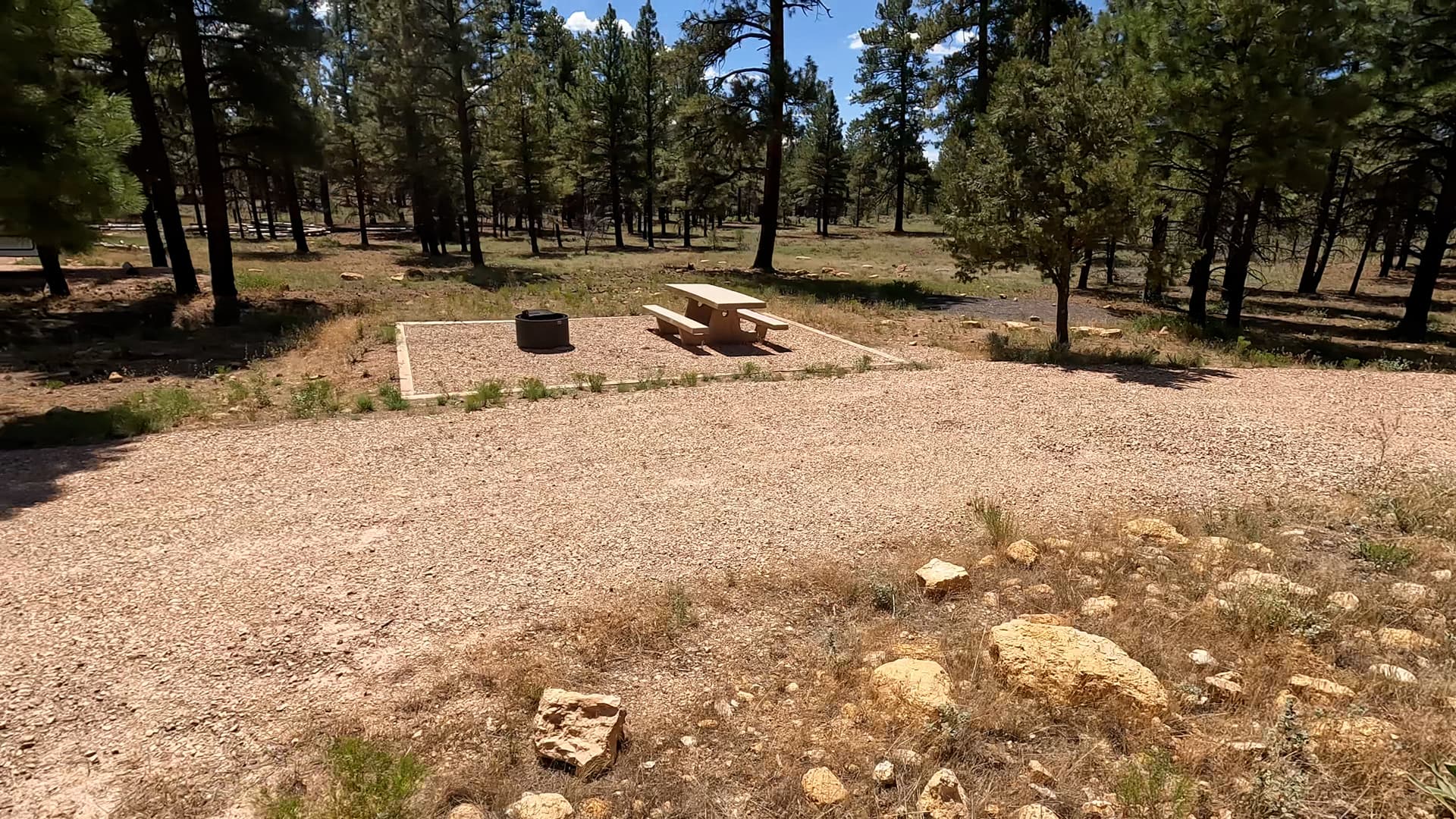
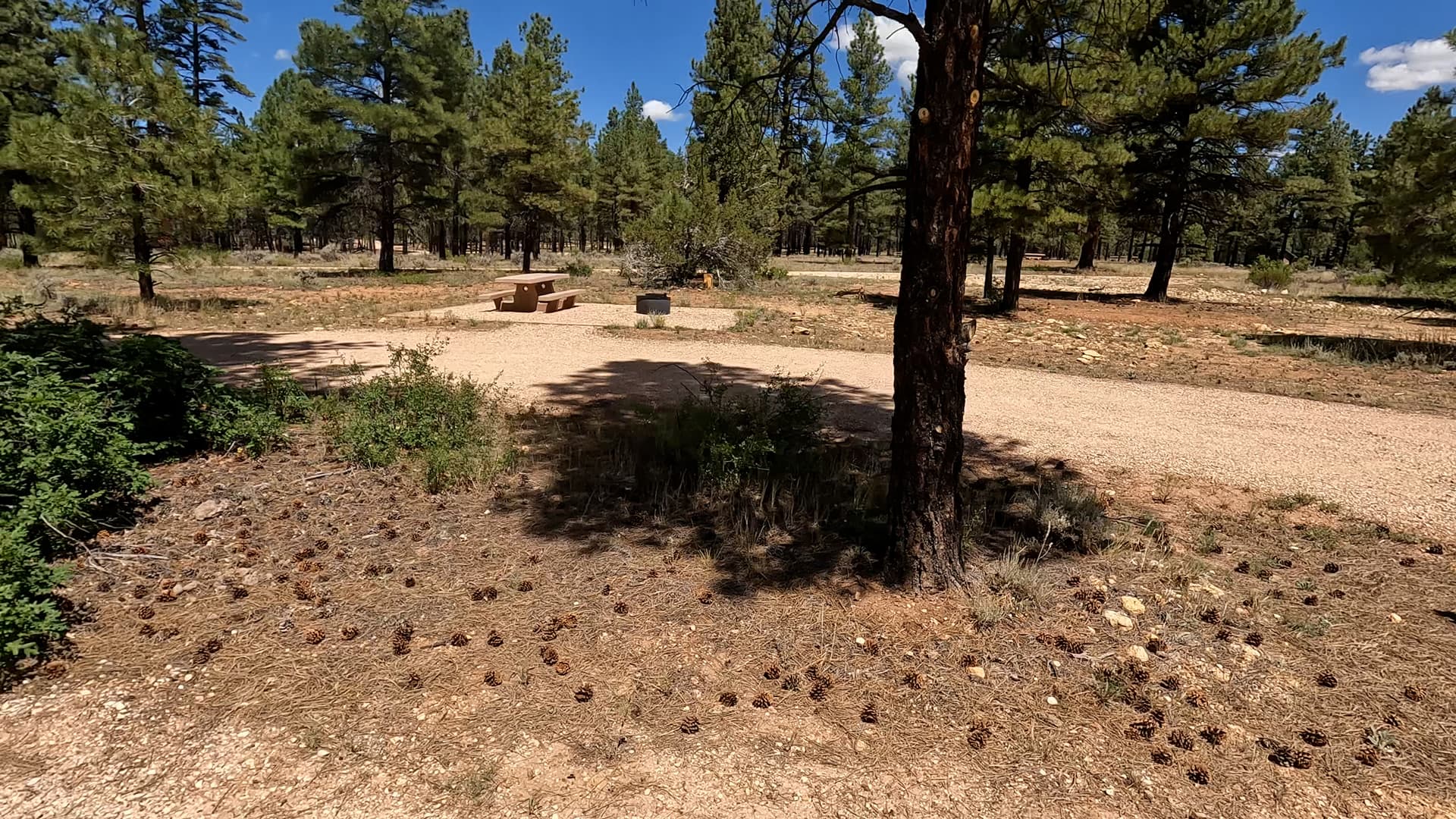
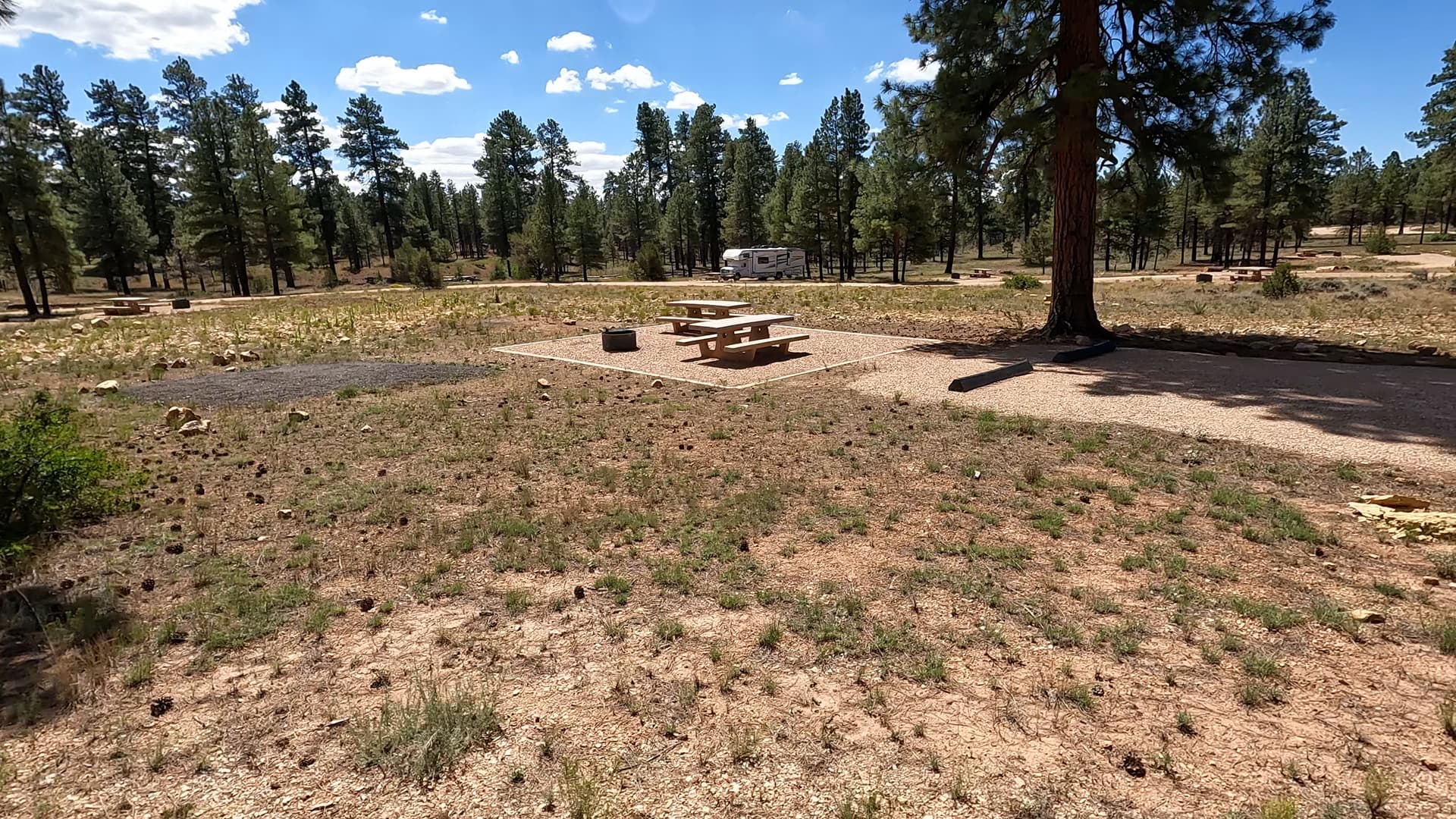
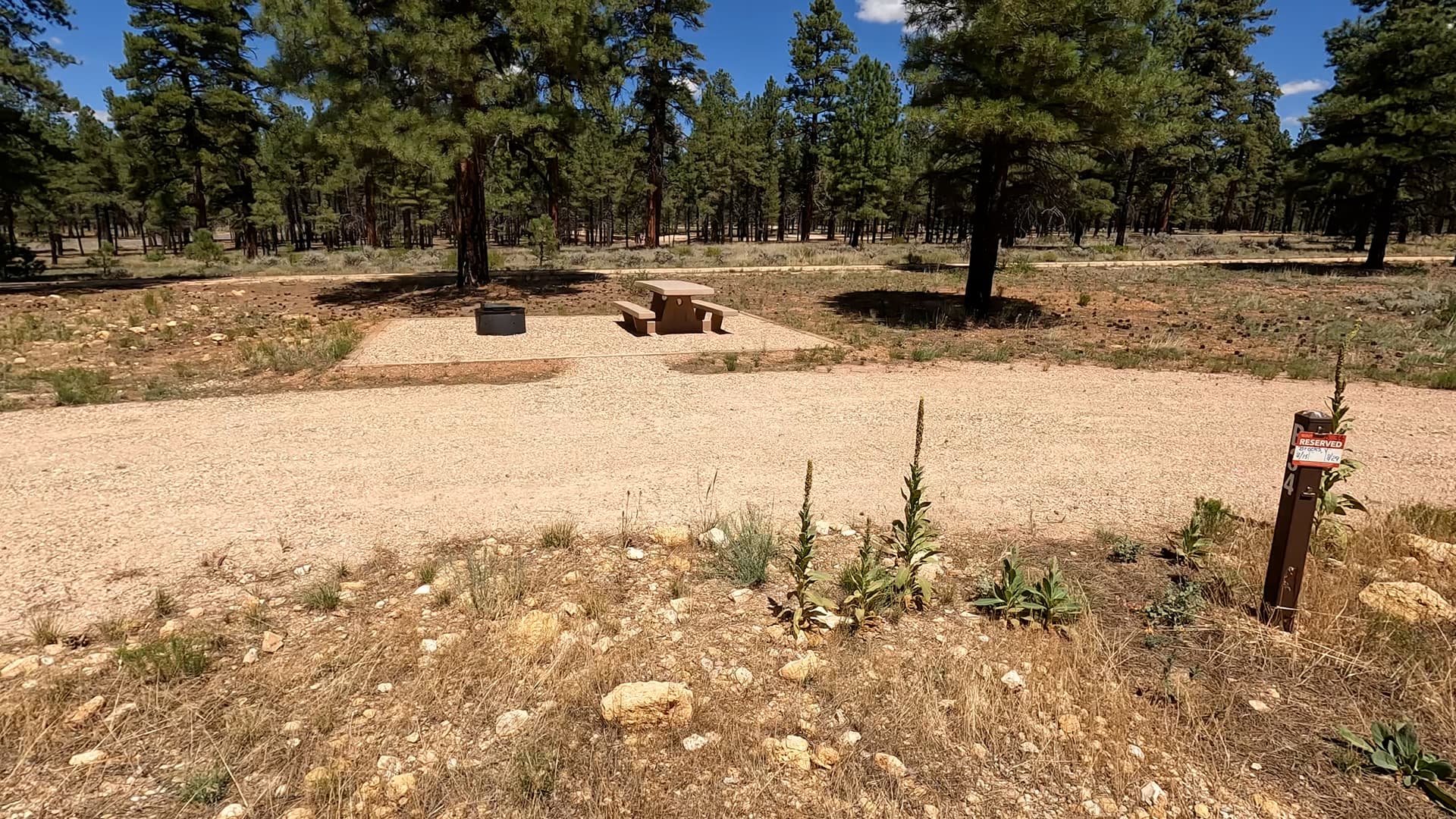
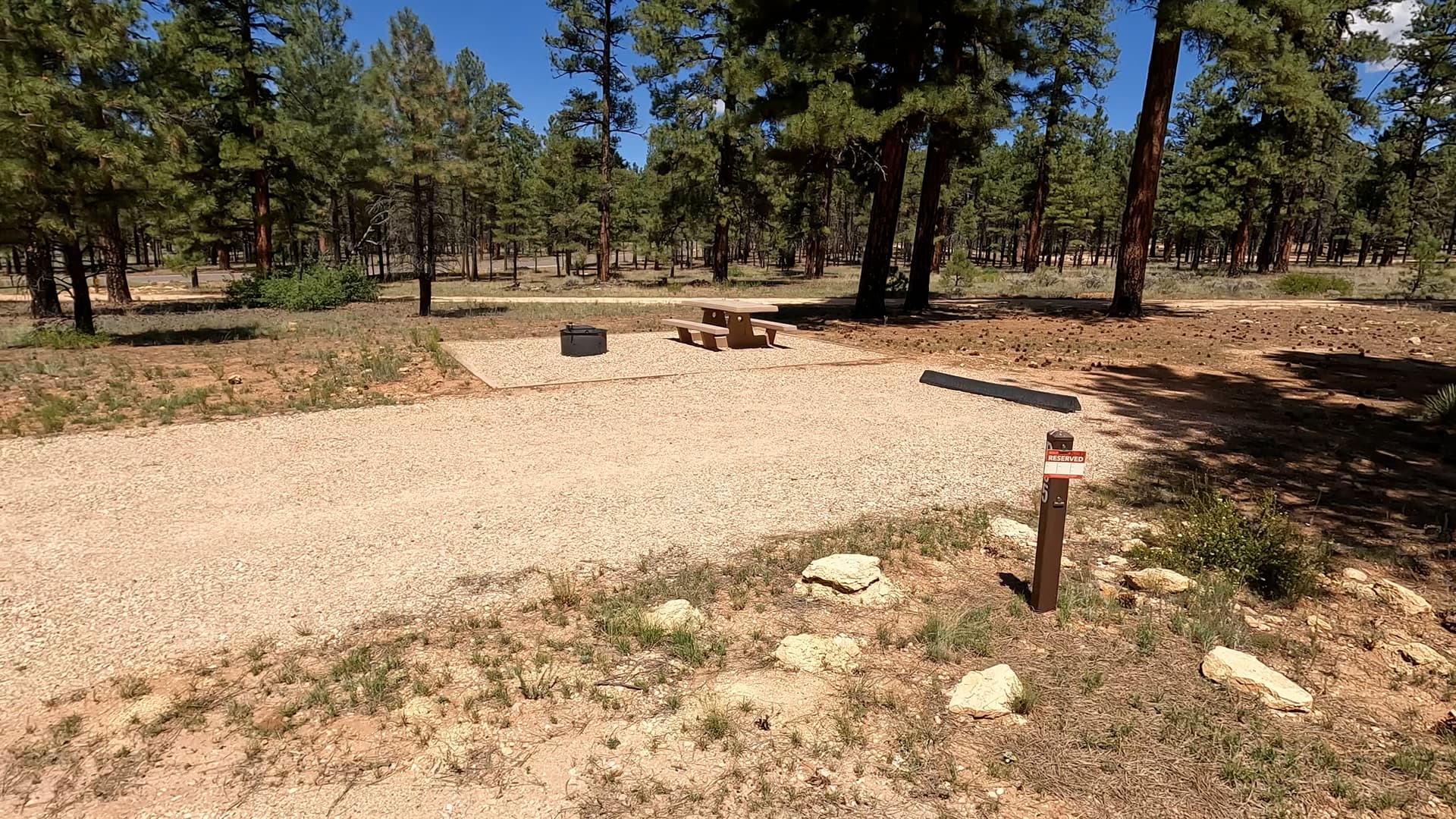
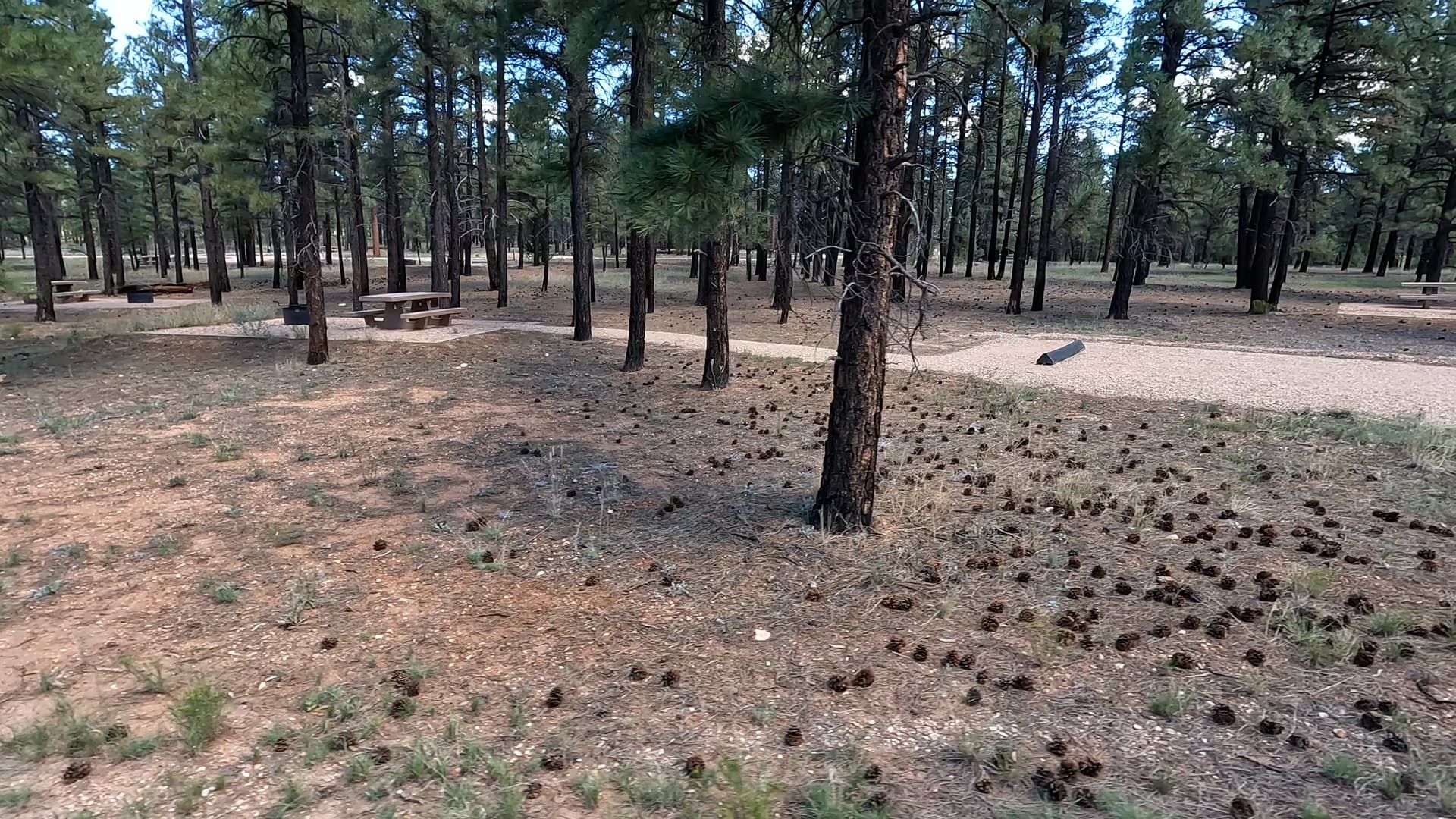
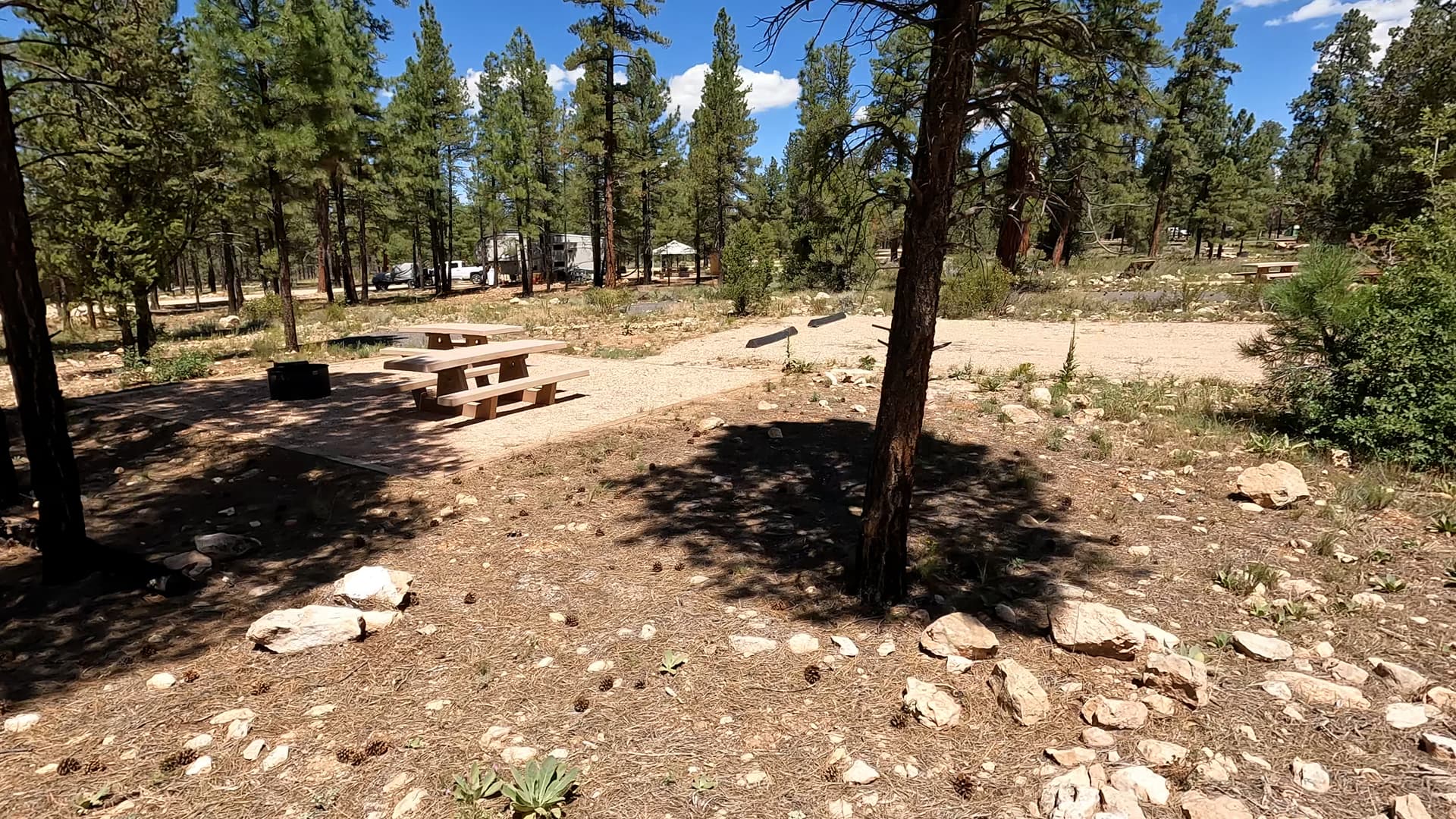
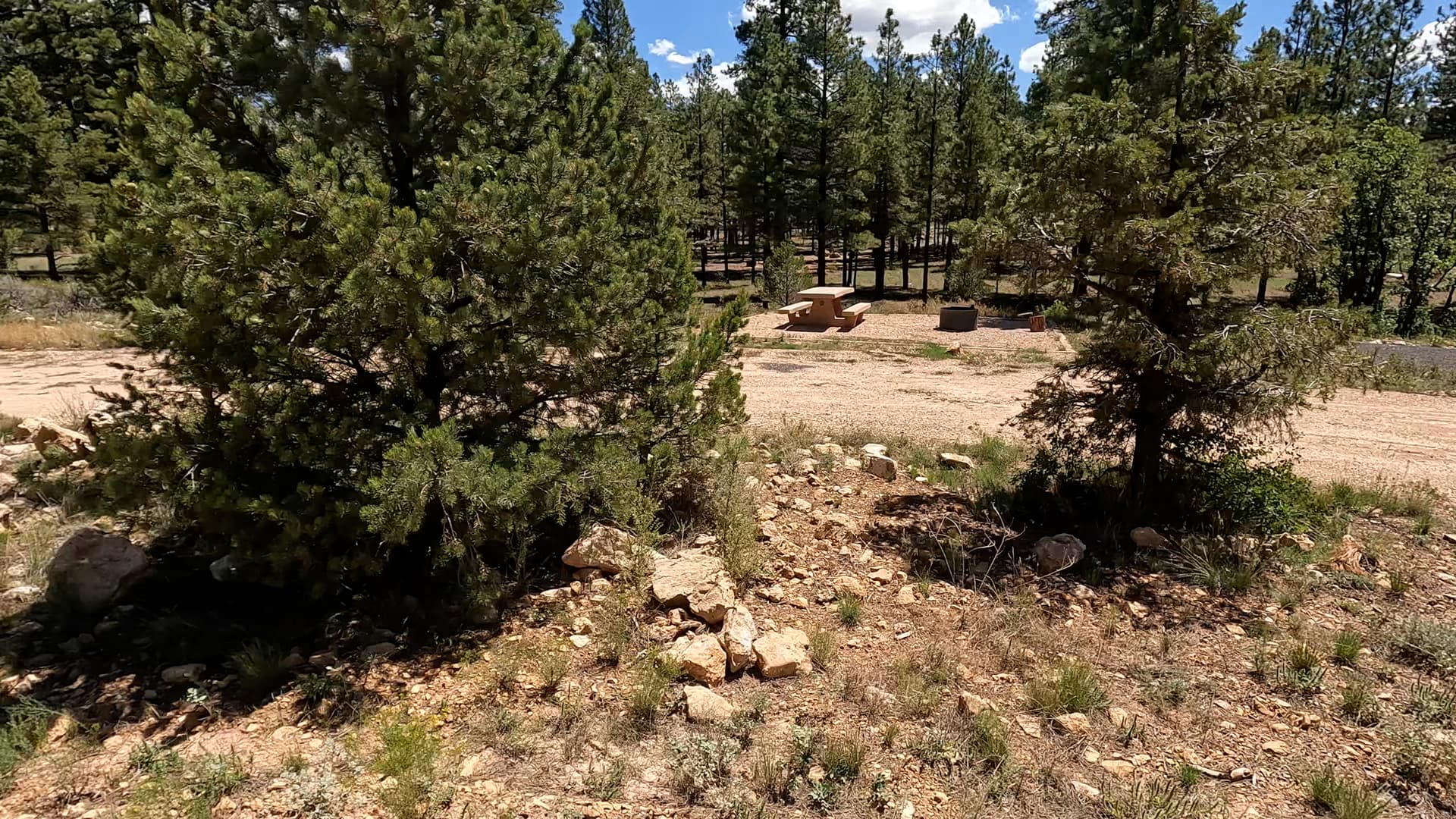
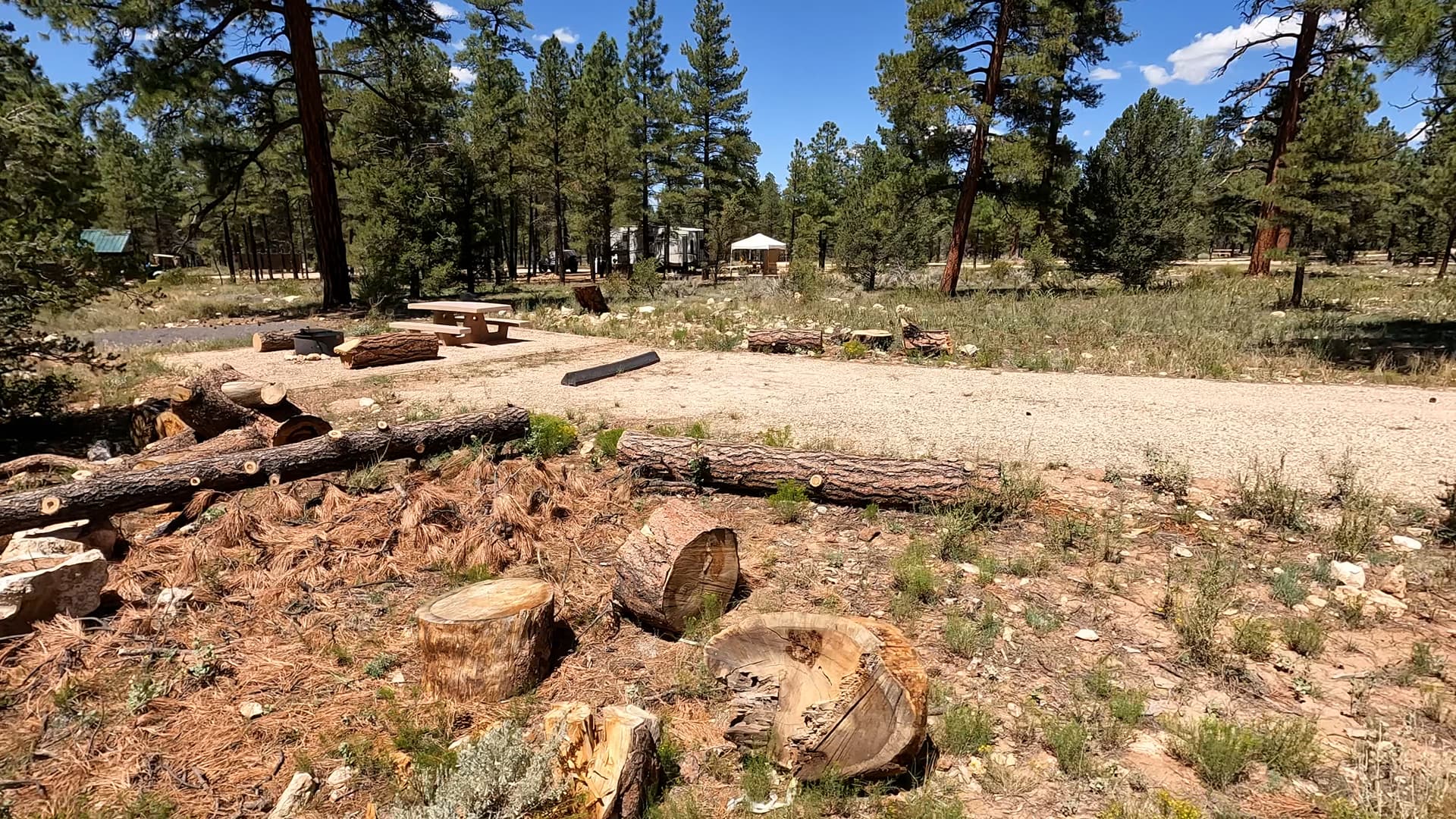
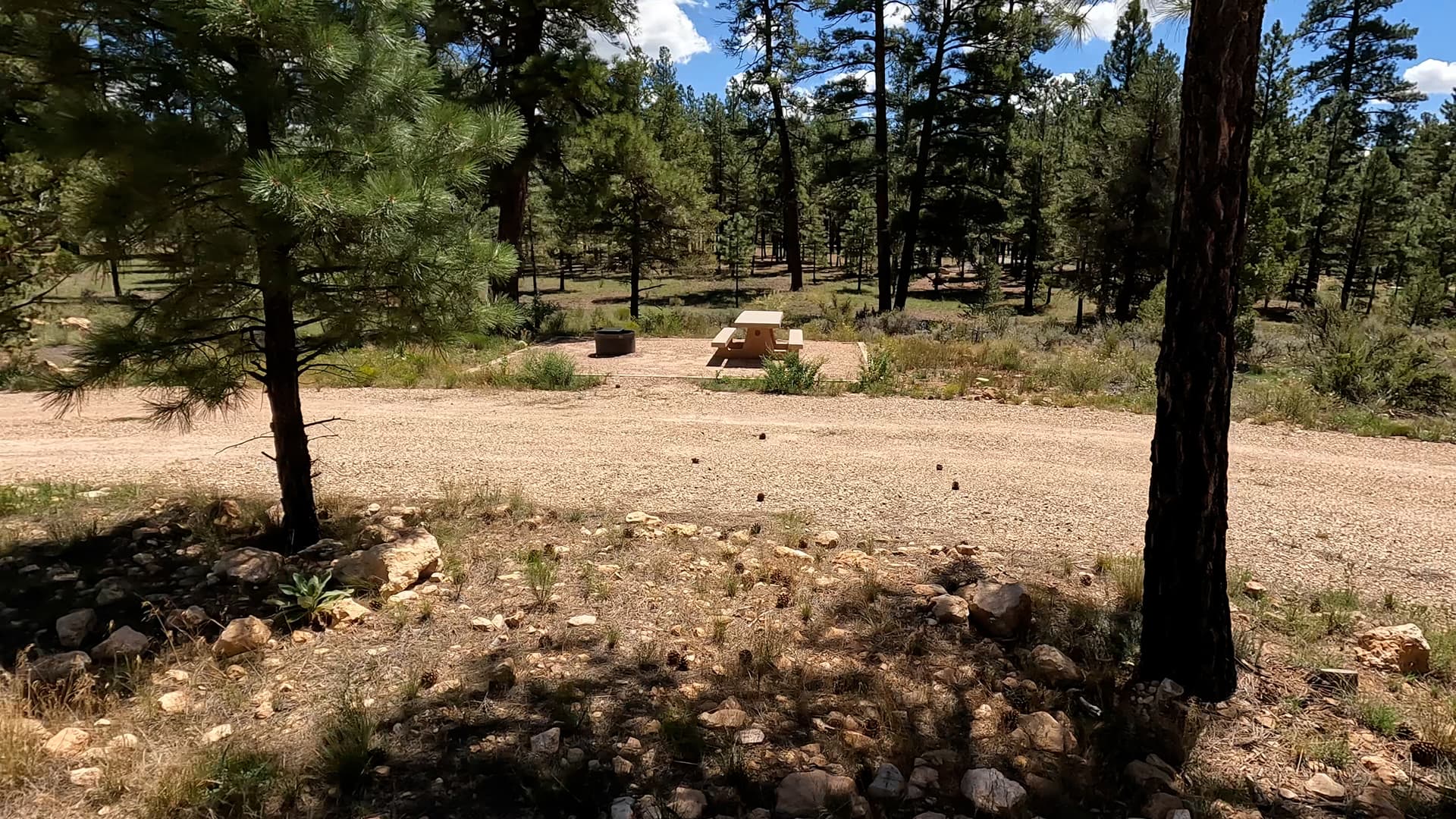
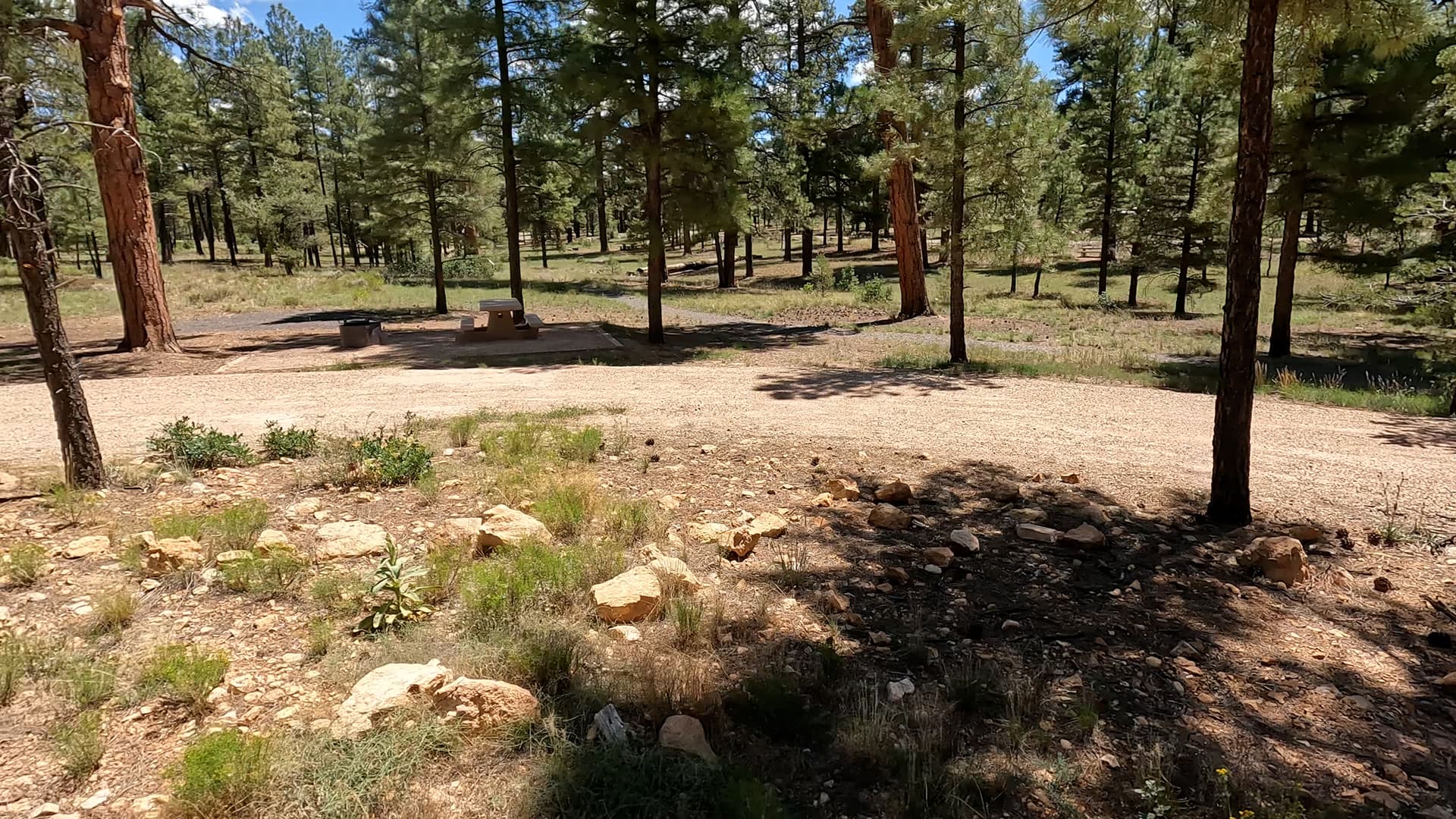
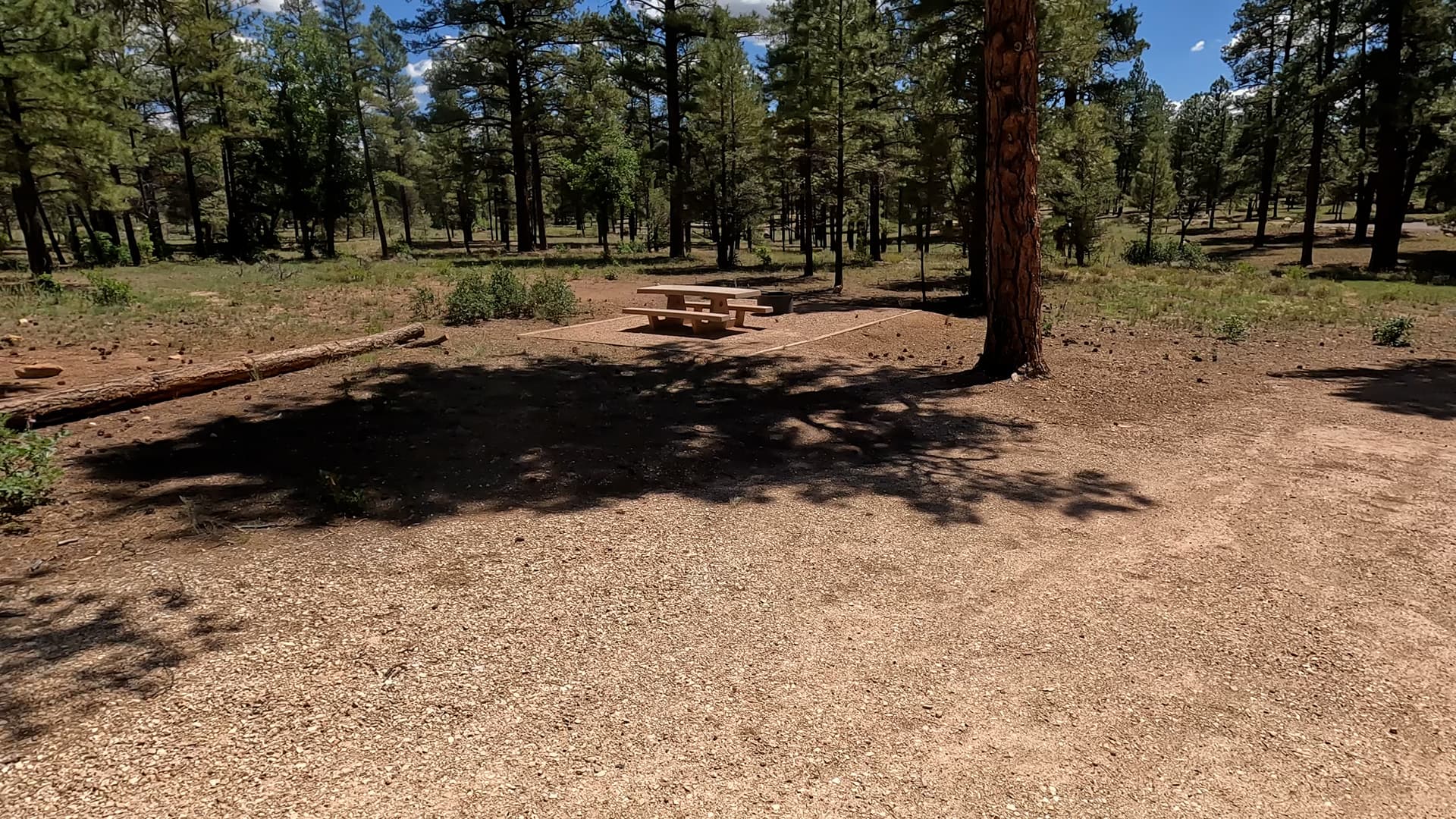
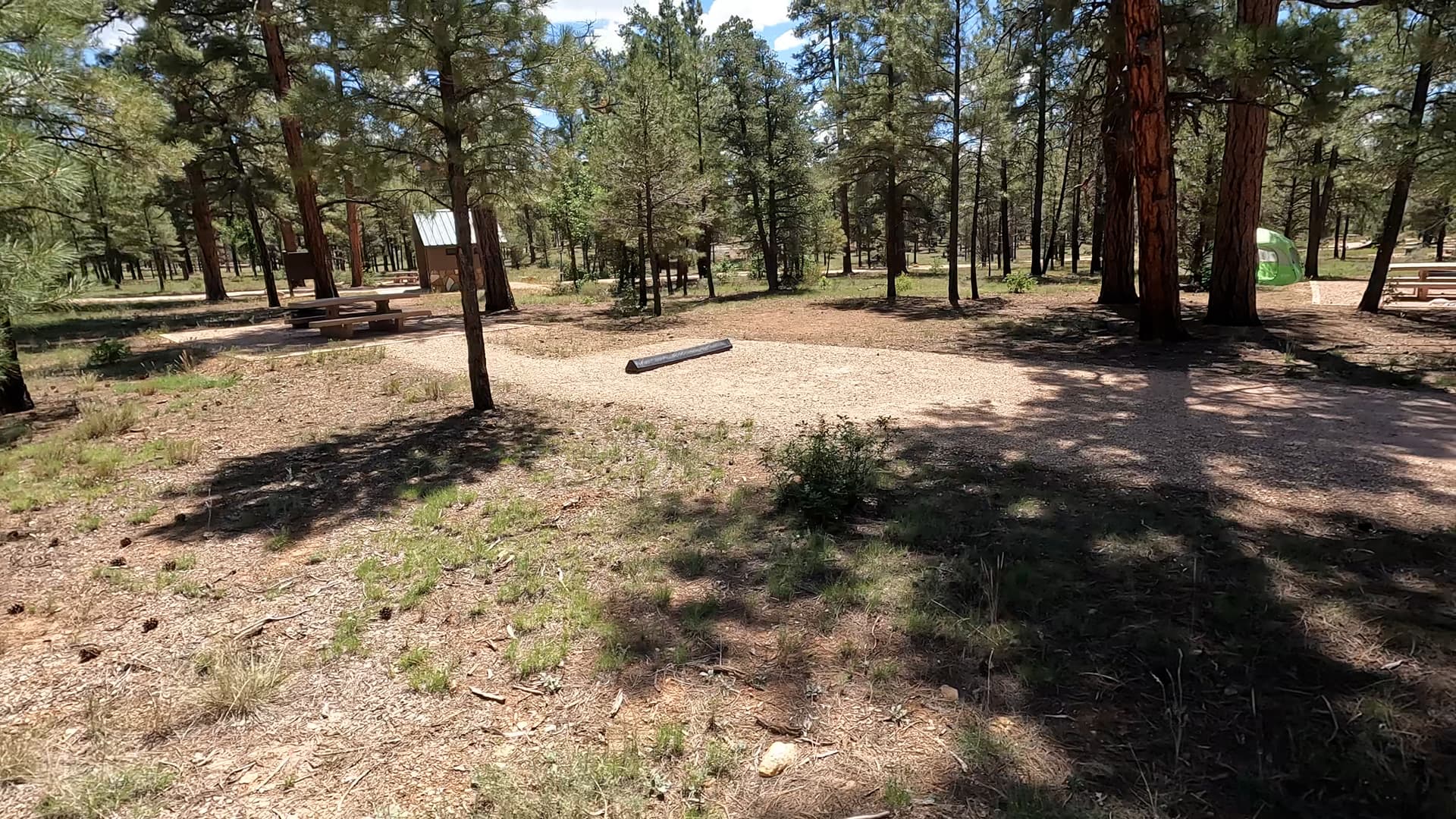
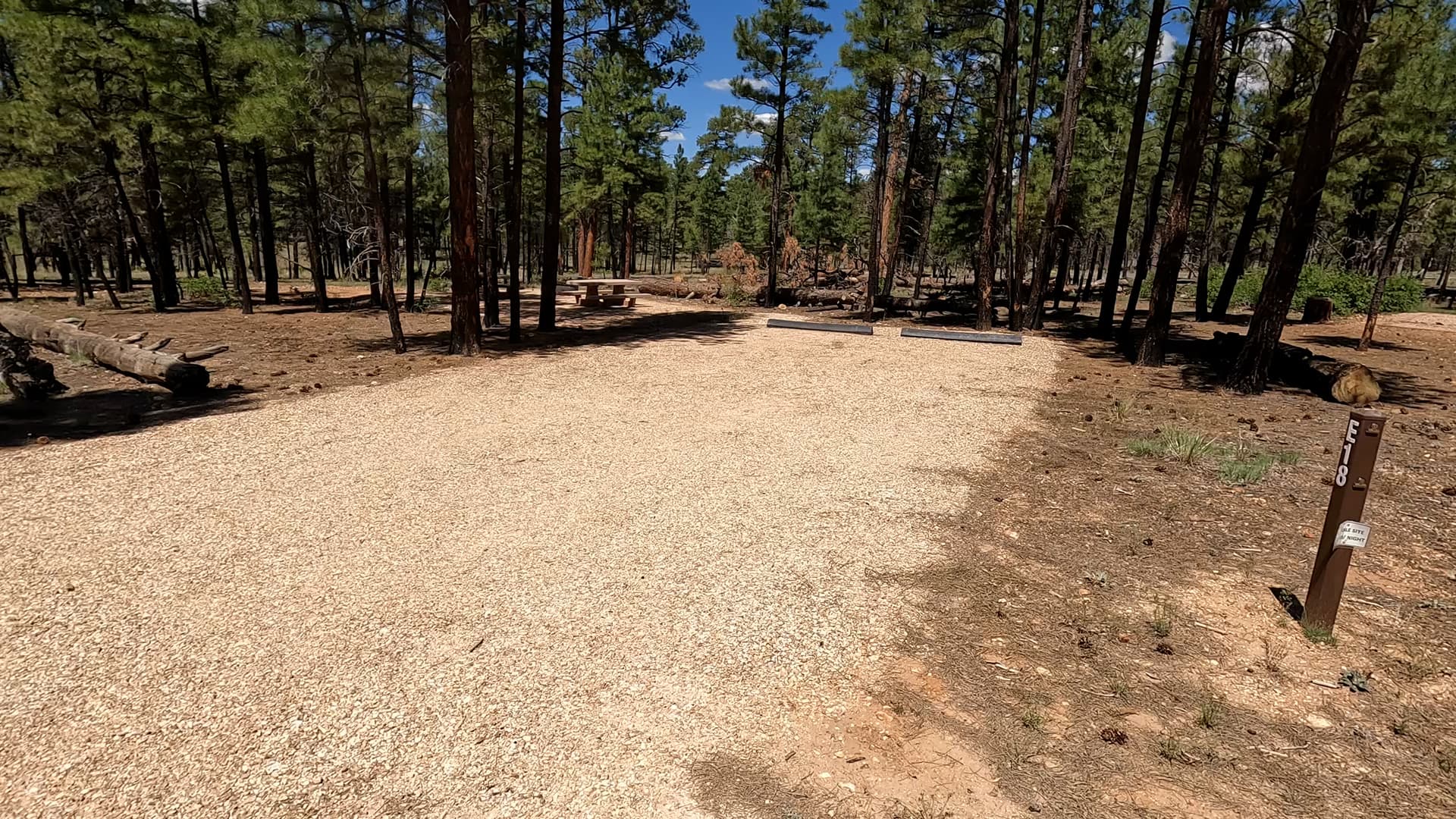
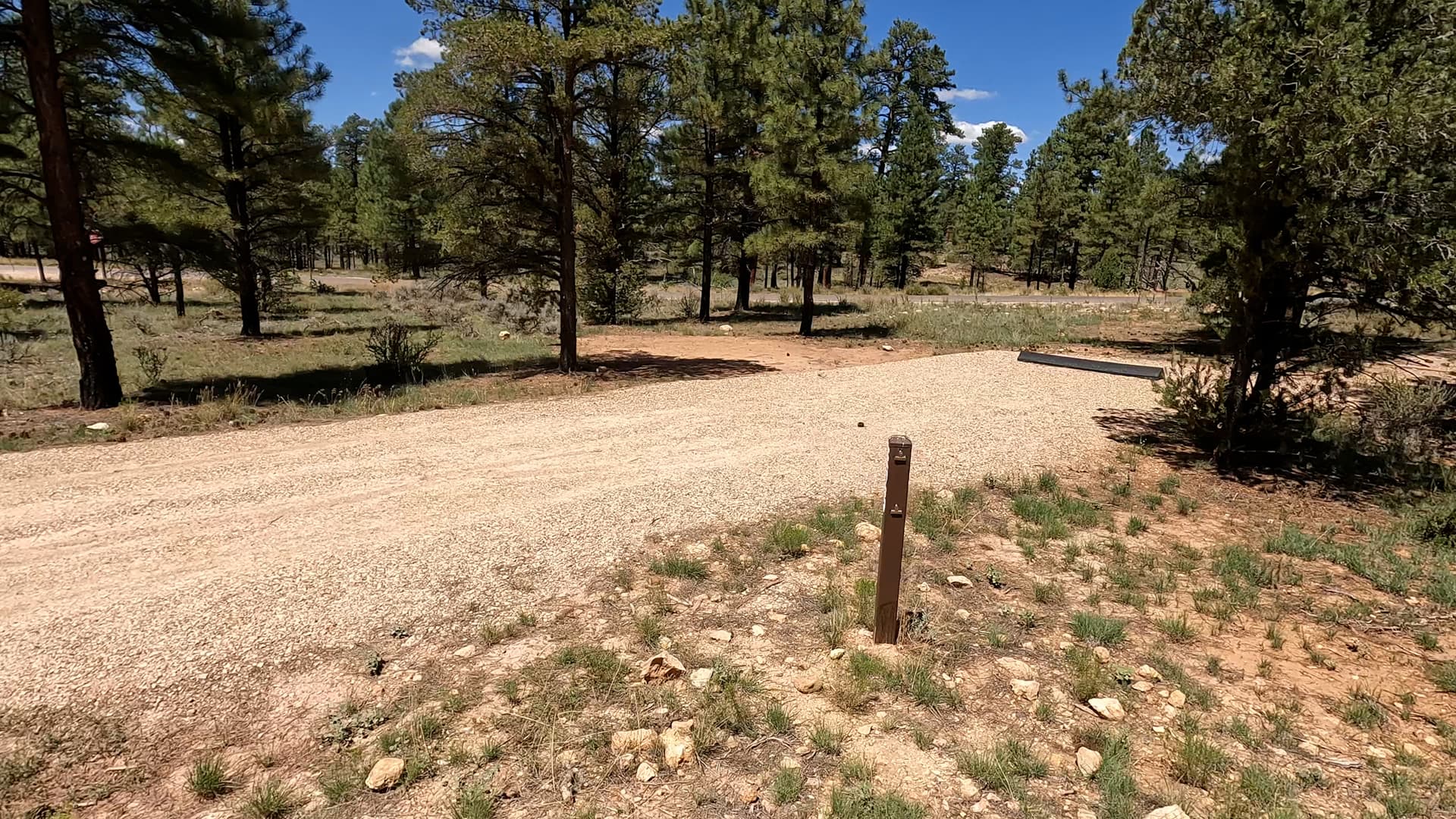
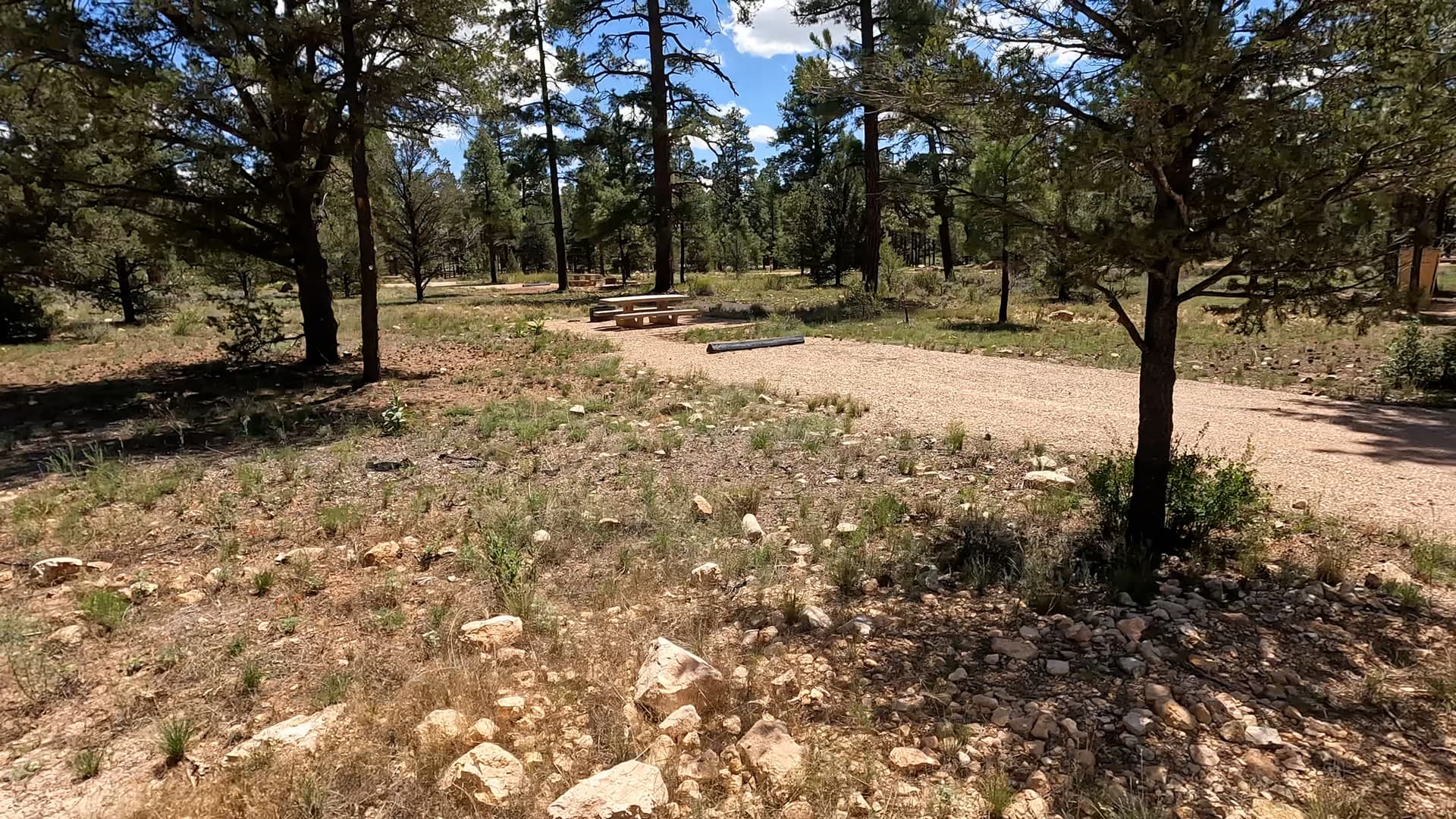
Tusayan Montane Campground, formerly known as Ten-X Campground, is a forested campground in the Kaibab National Forest just south of Grand Canyon National Park’s South Rim entrance. Located near the town of Tusayan, this campground offers convenient access to the Grand Canyon while providing a quieter, more affordable alternative to camping inside the national park boundary.

Location & Access

Situated along Highway 64 approximately four miles south of the Grand Canyon’s South Entrance, Tusayan Montane Campground is ideally positioned for visitors planning early starts into the park. The campground sits at roughly 6,600 feet in elevation within a ponderosa pine forest, offering cooler temperatures than lower desert areas. Its proximity to Tusayan also means easy access to fuel, restaurants, and basic supplies.

Campground Layout

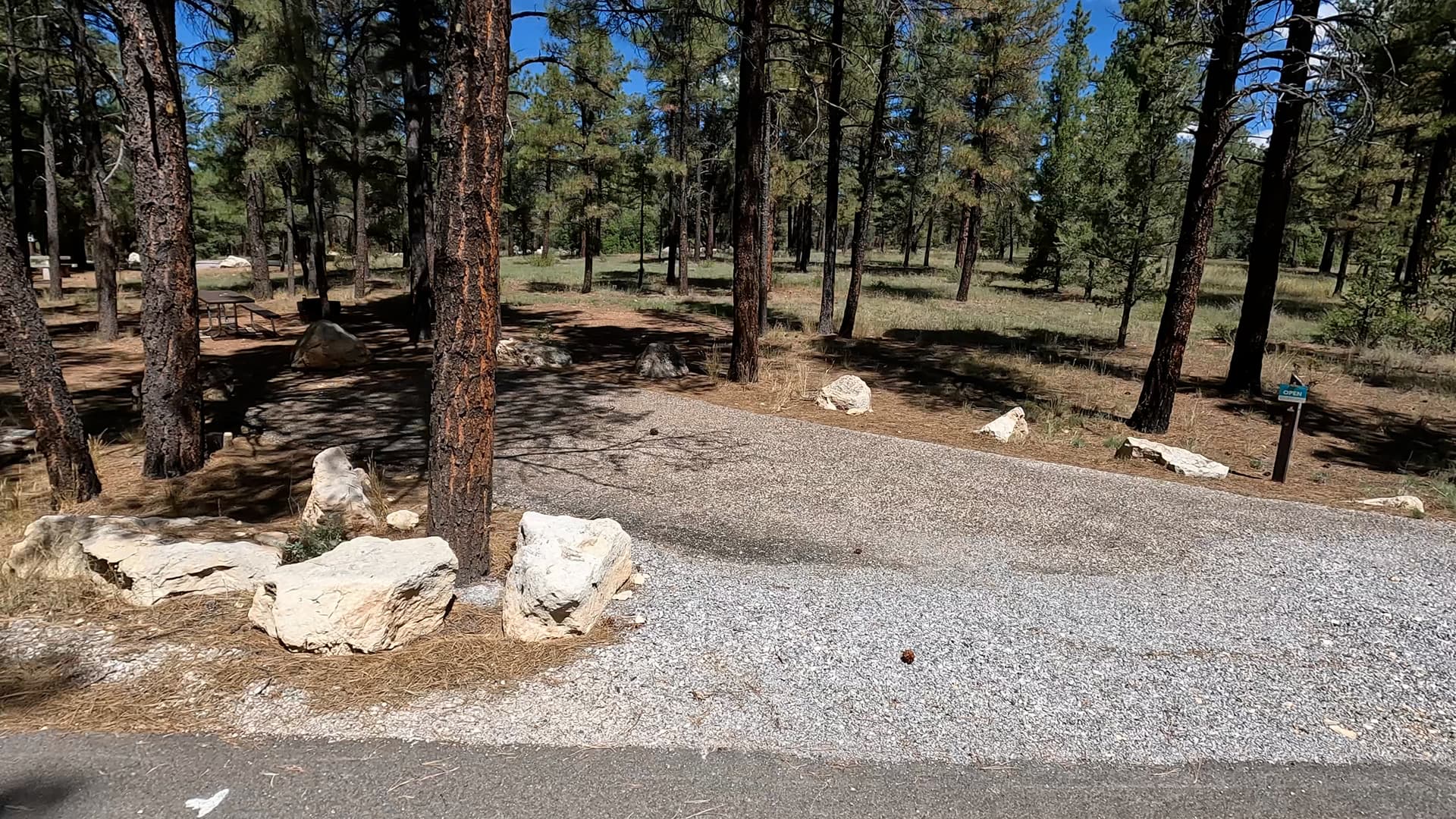
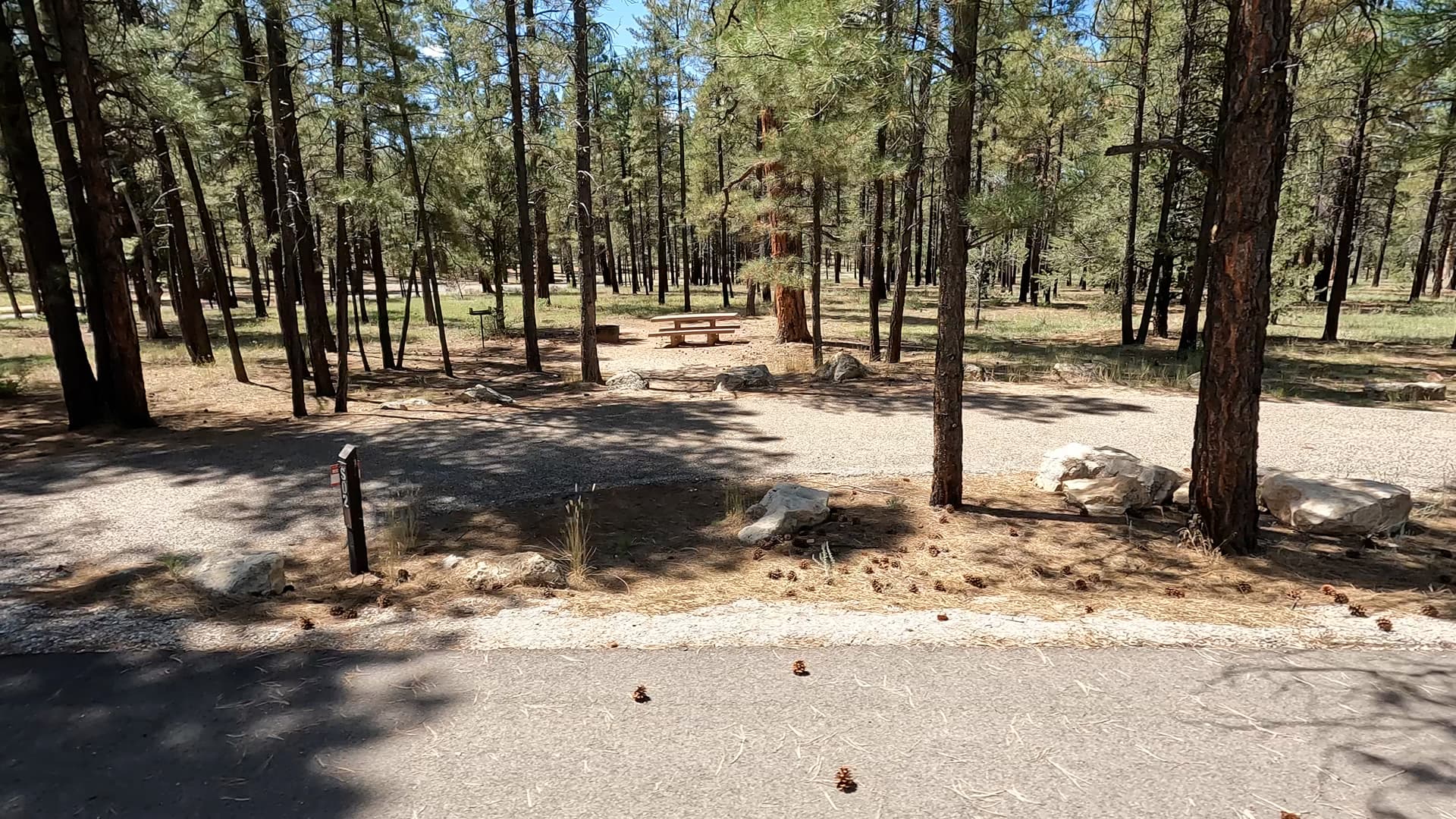
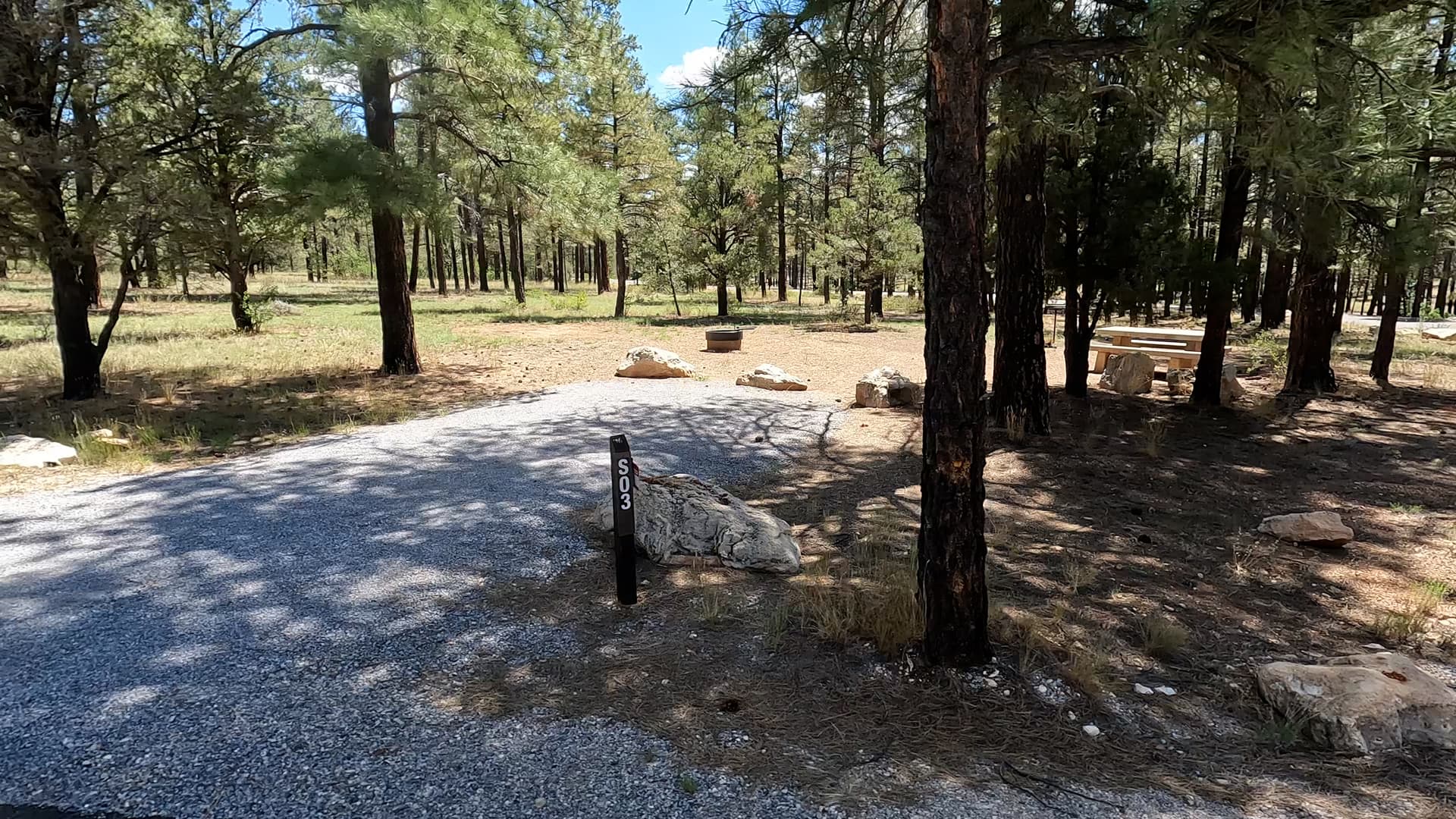
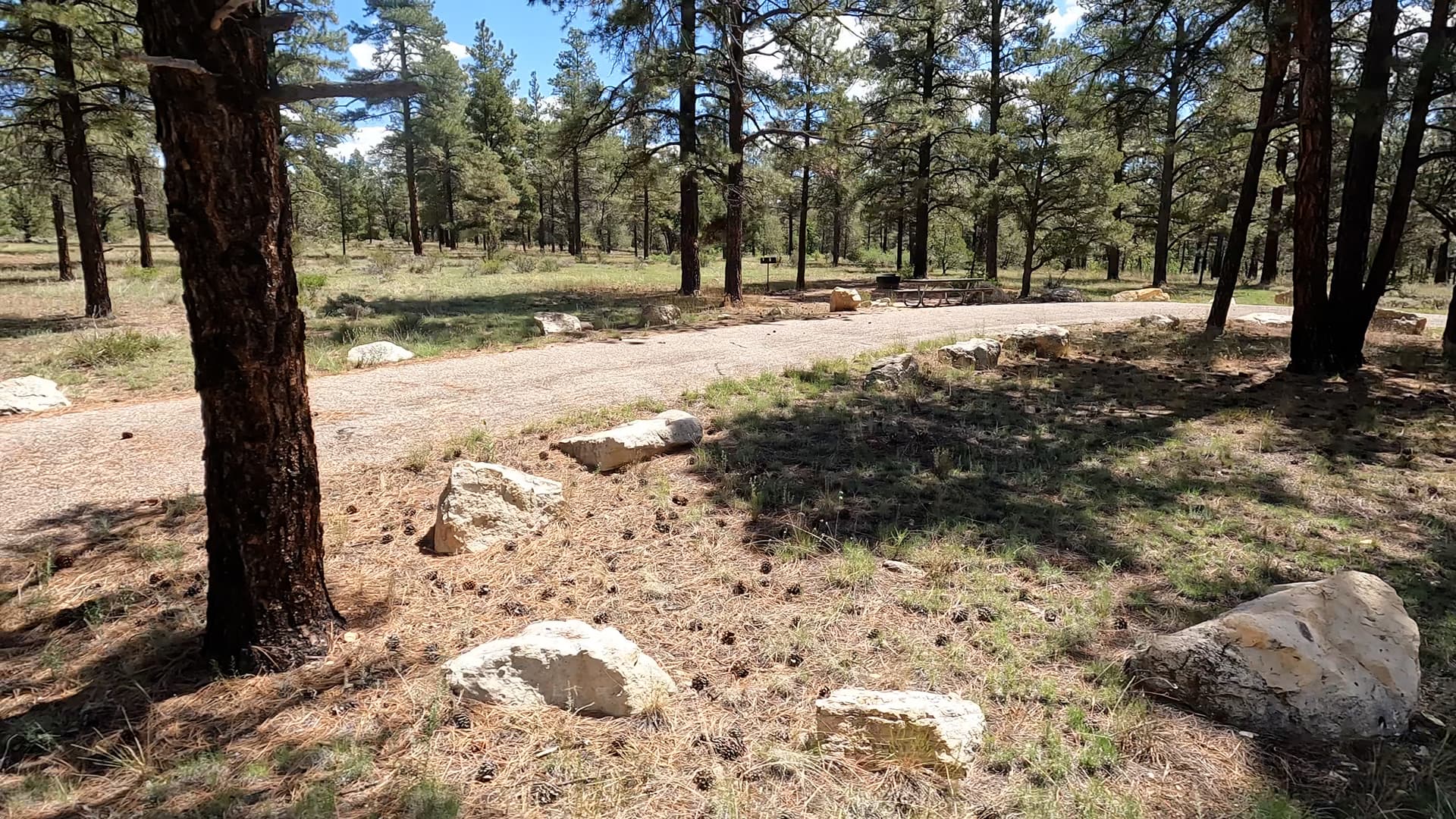
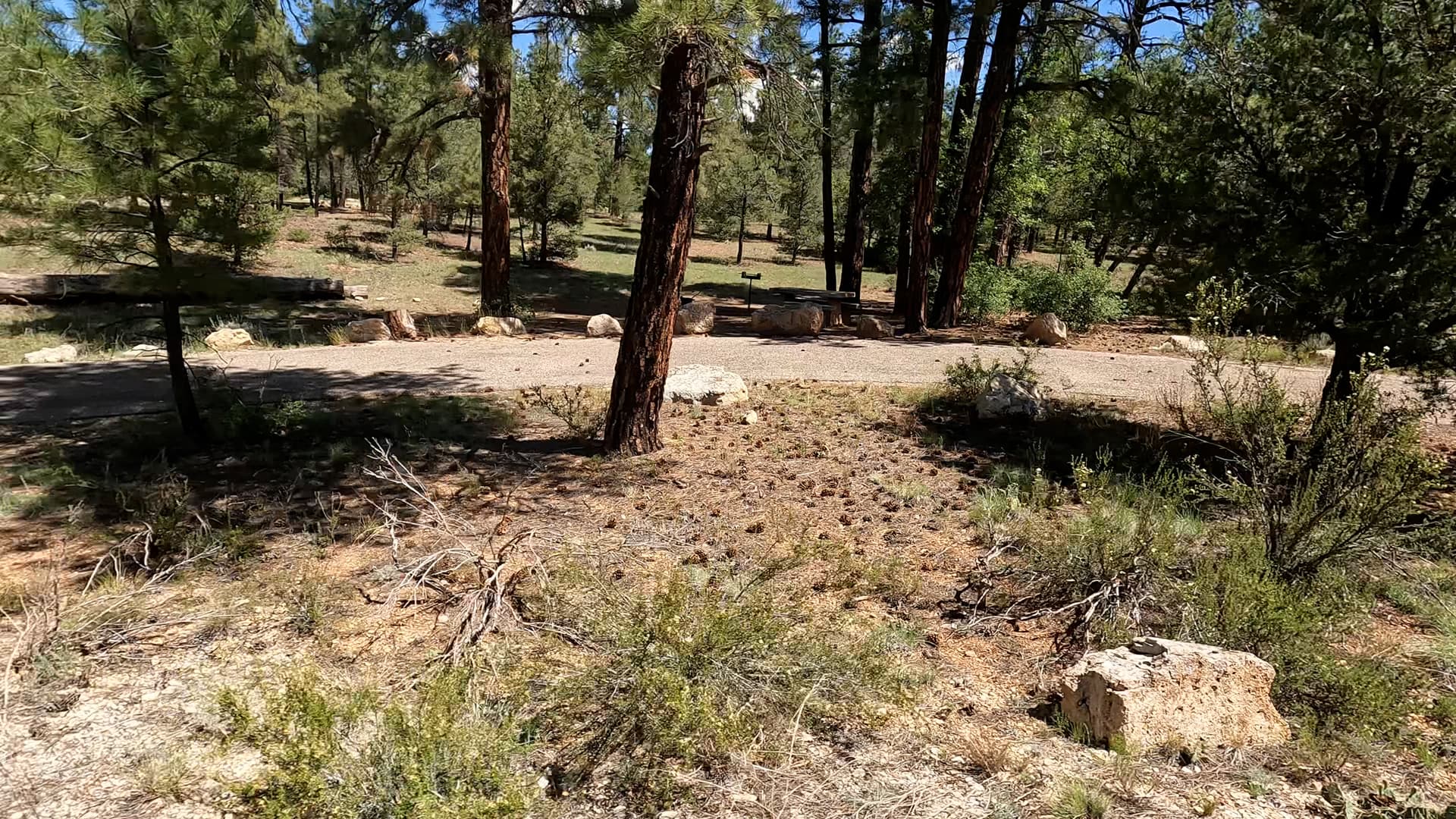
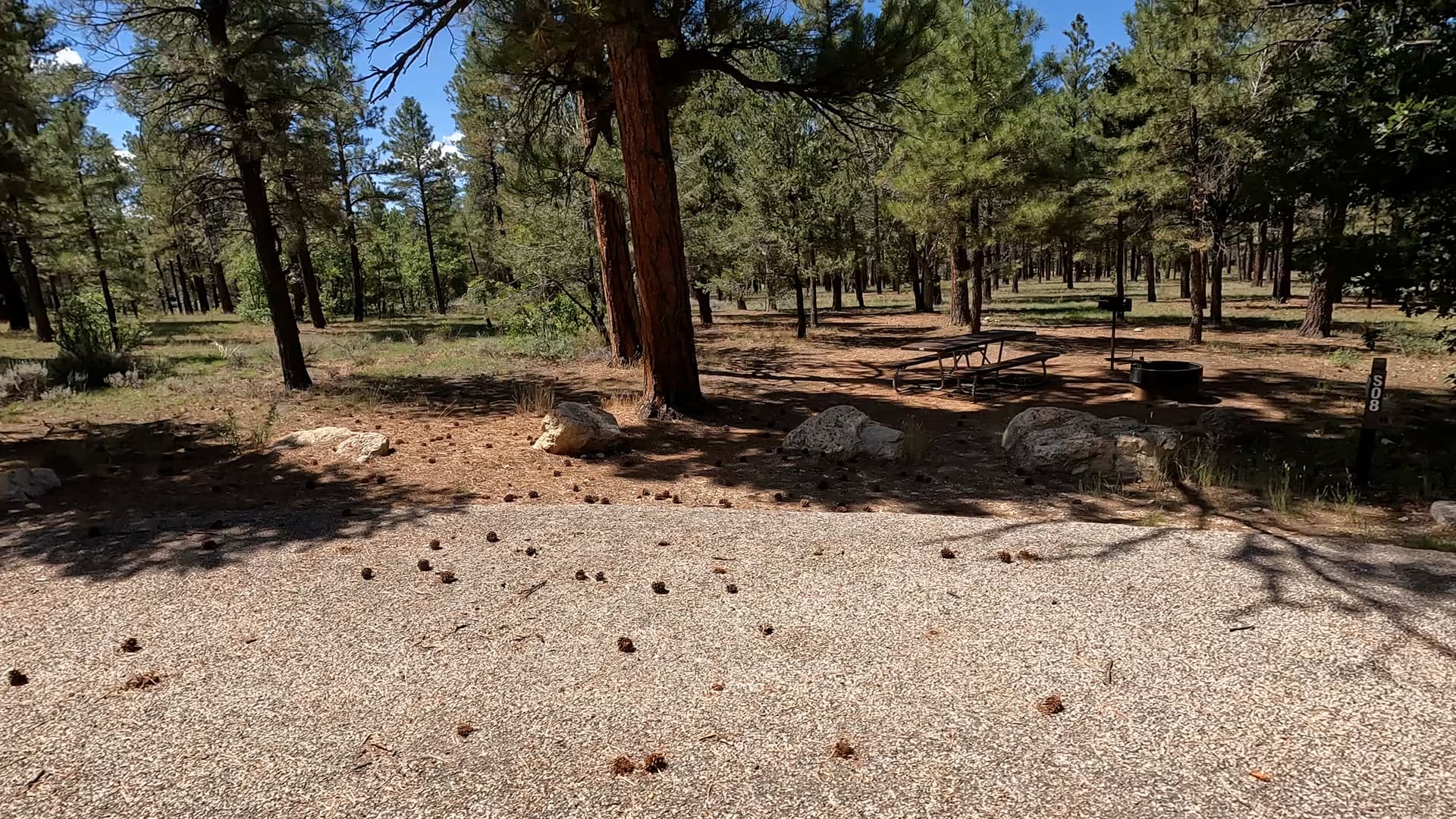
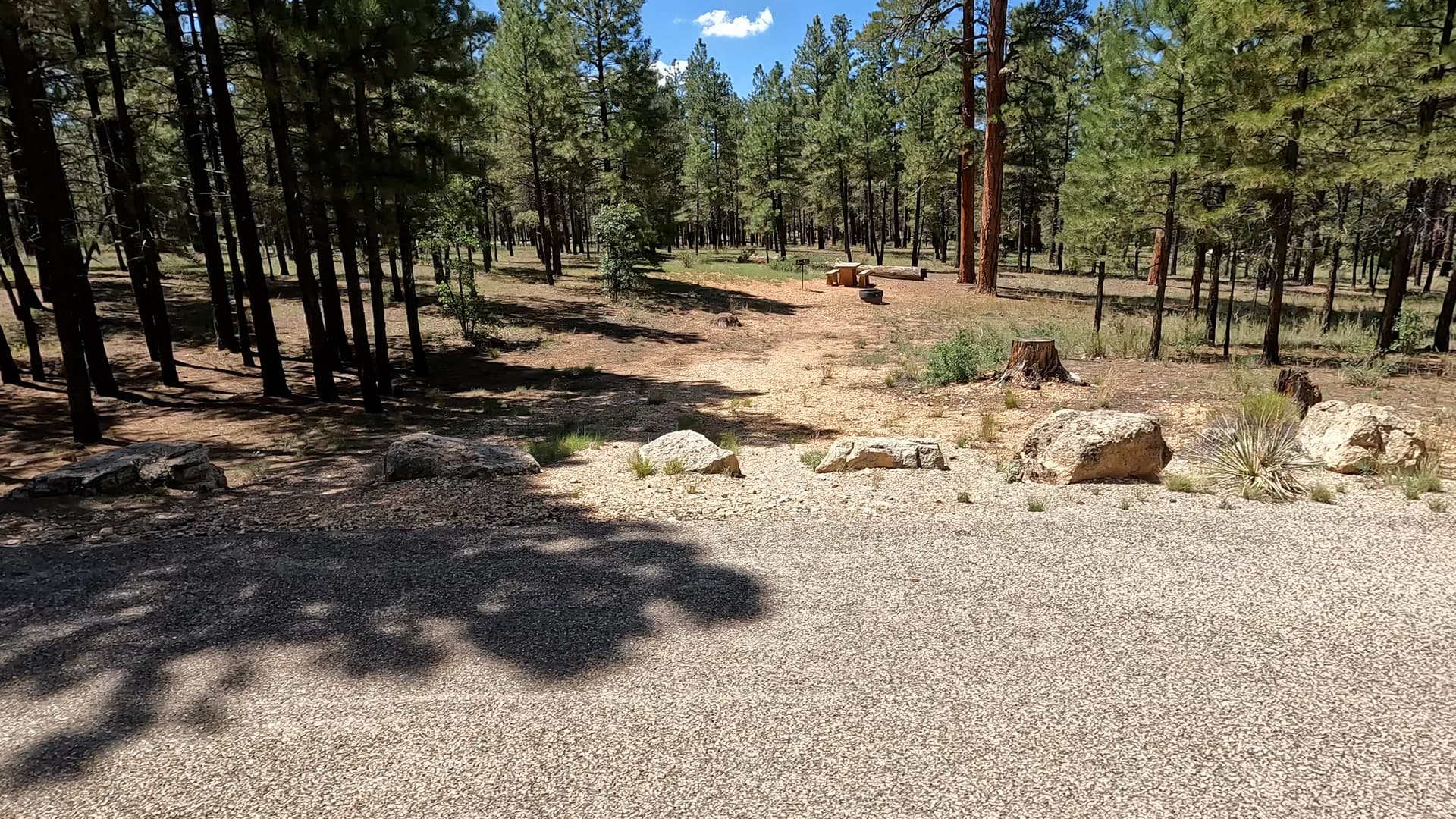
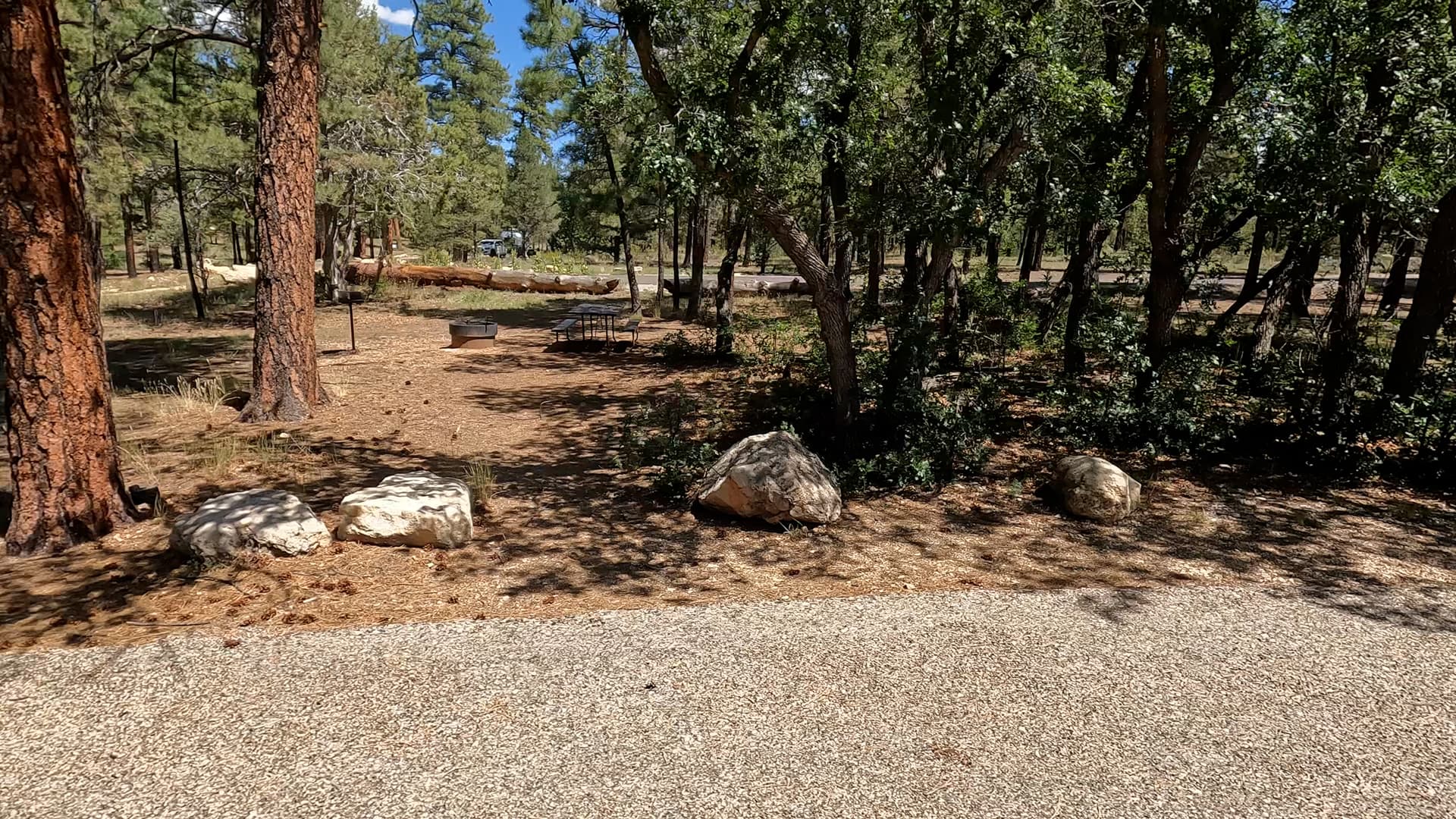
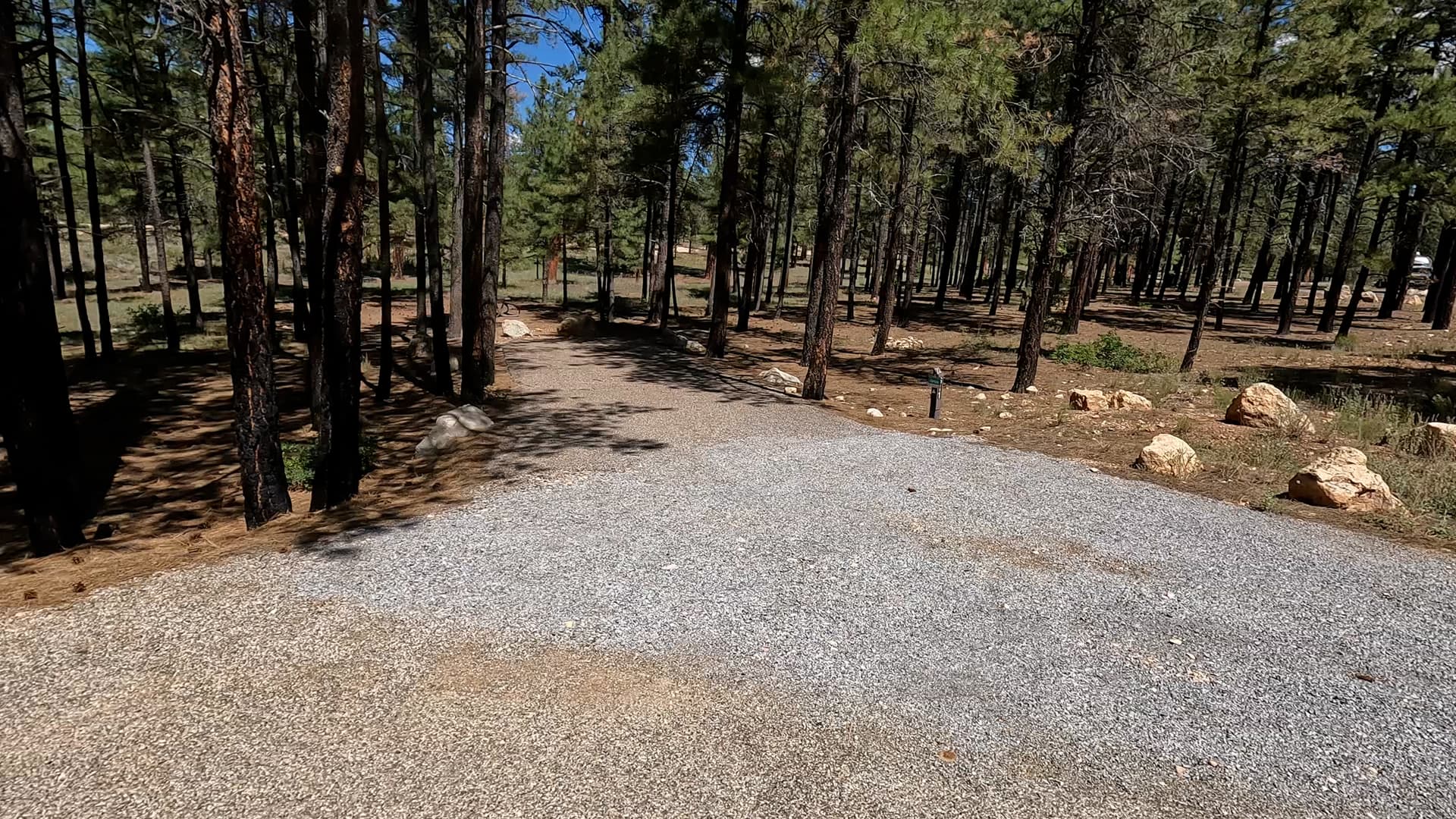
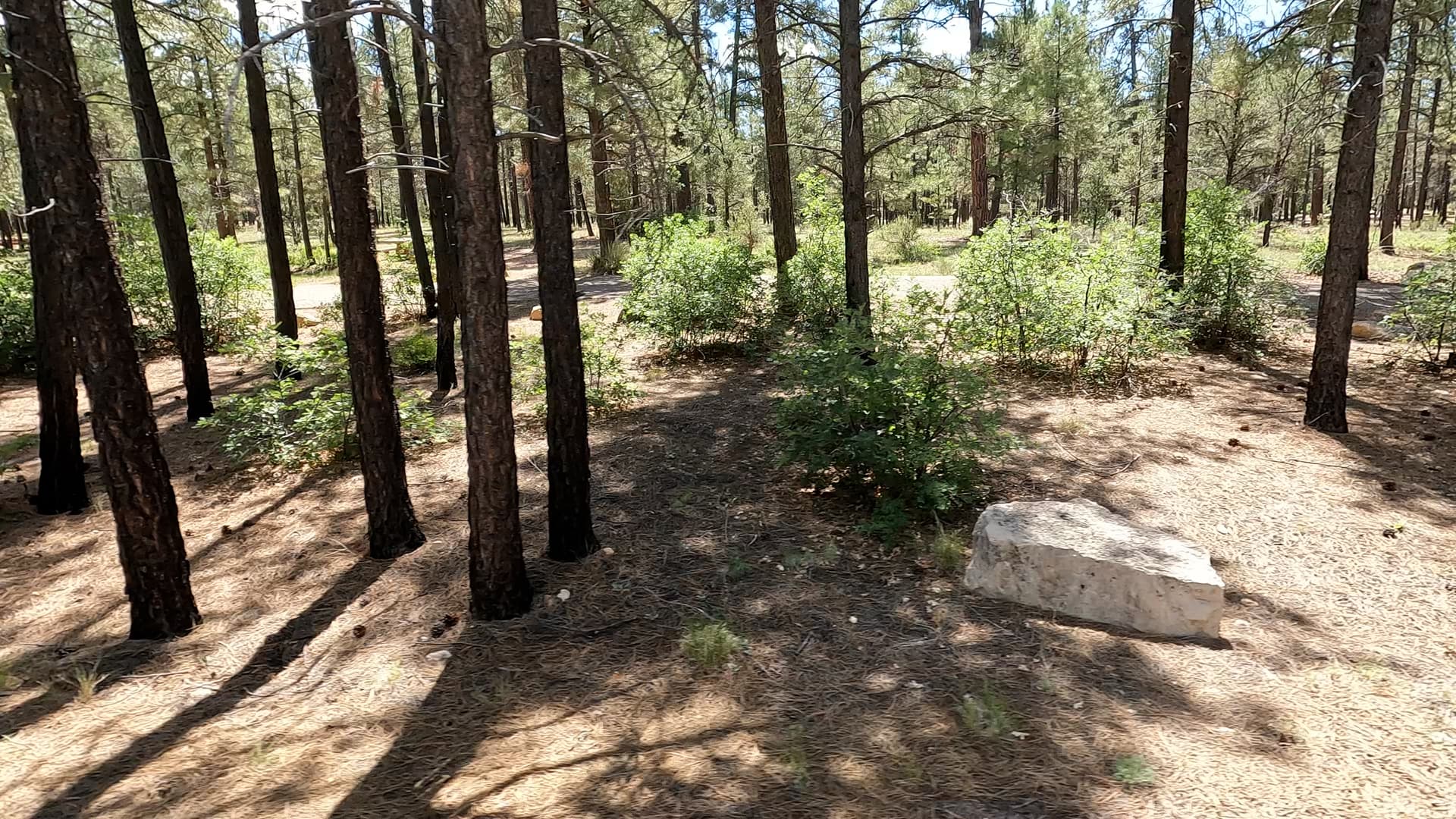
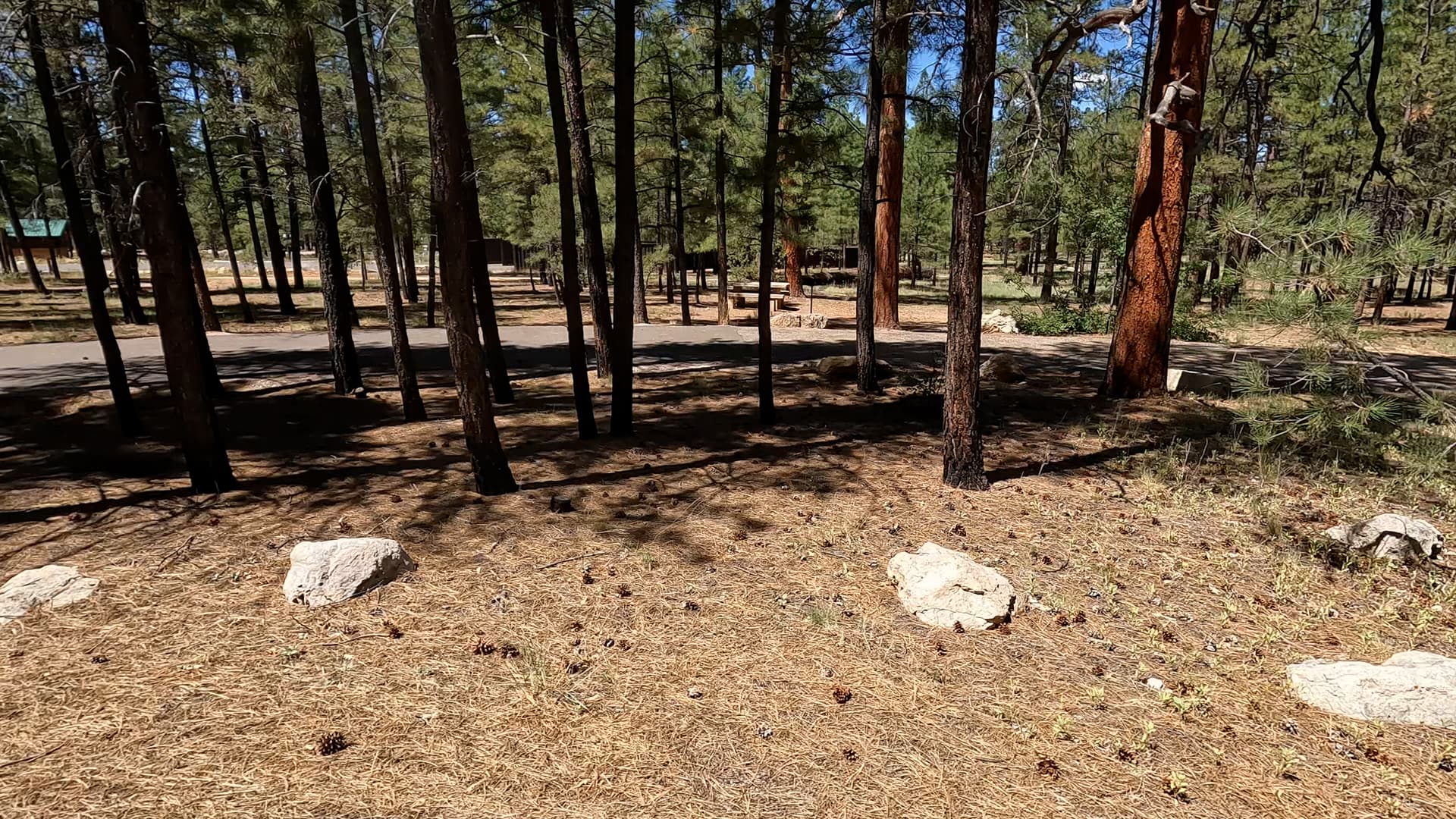
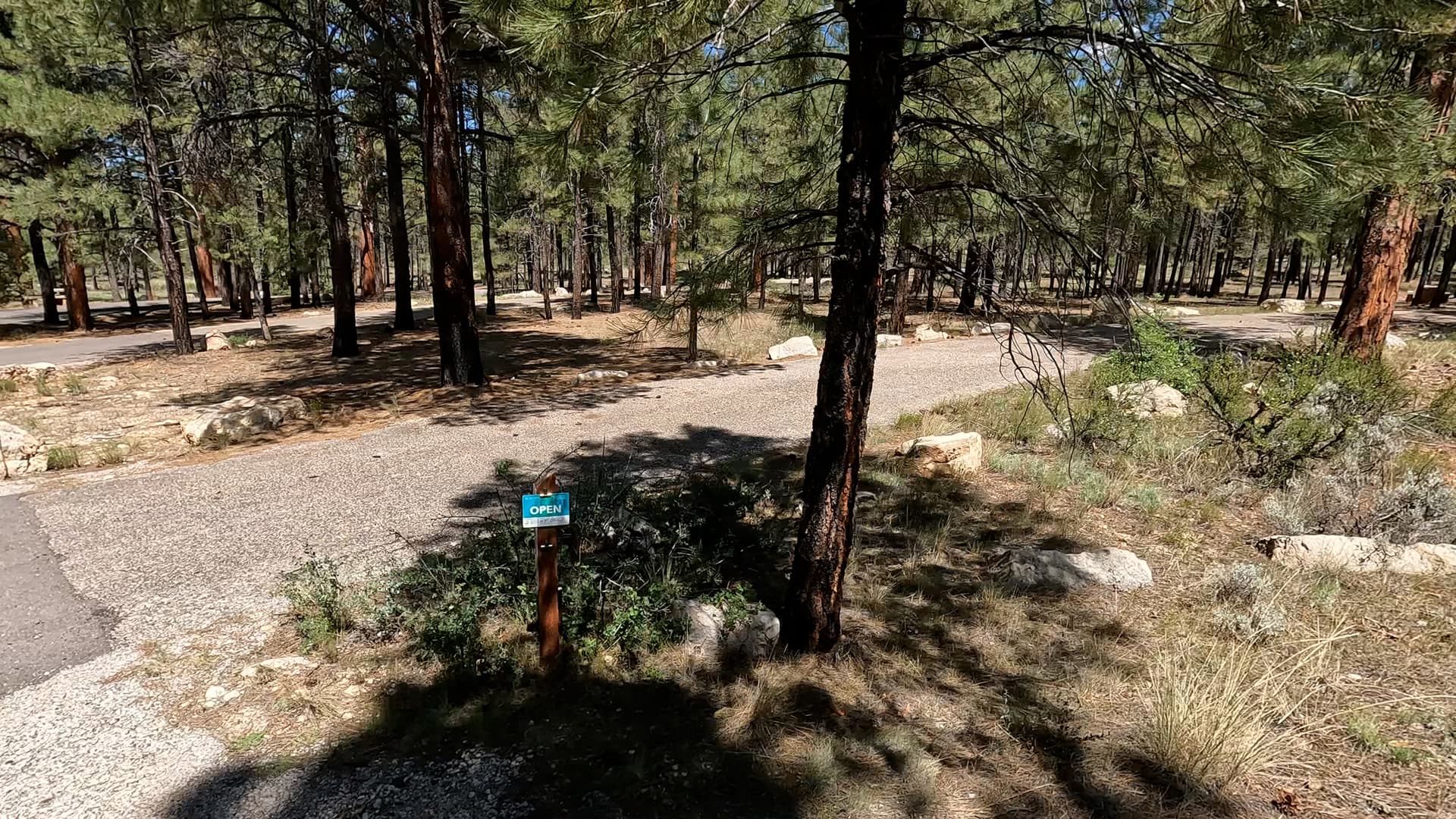
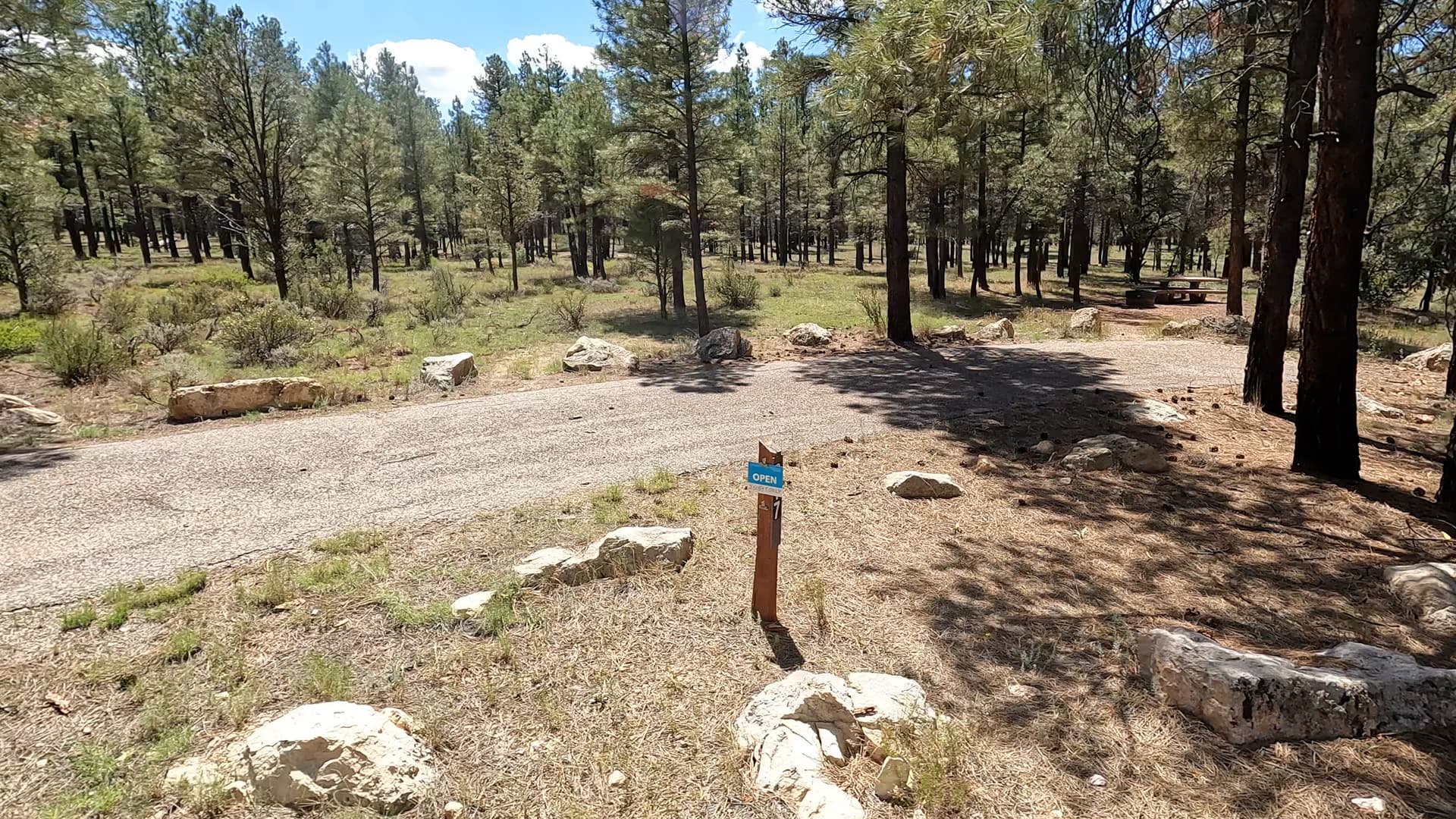
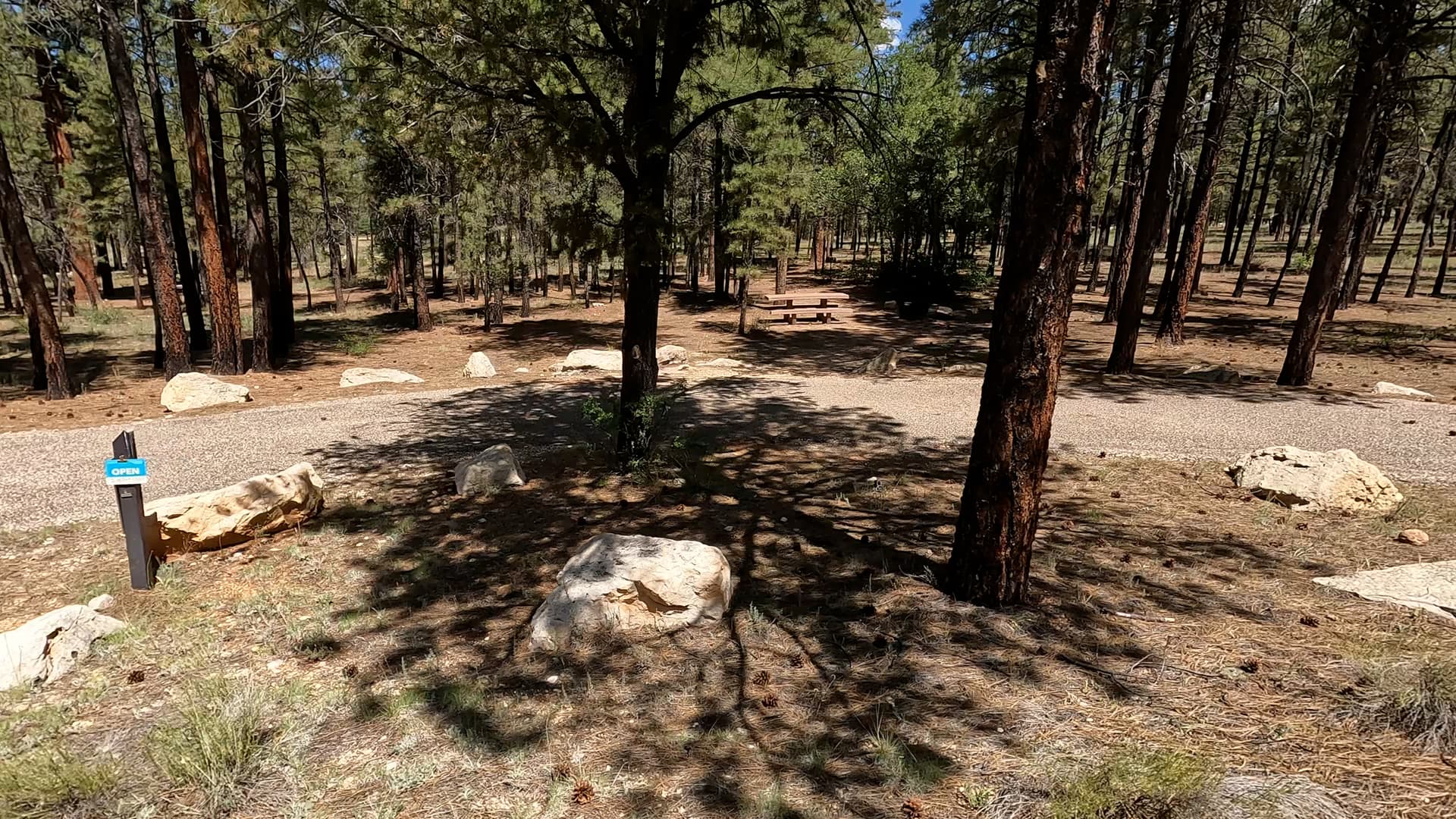
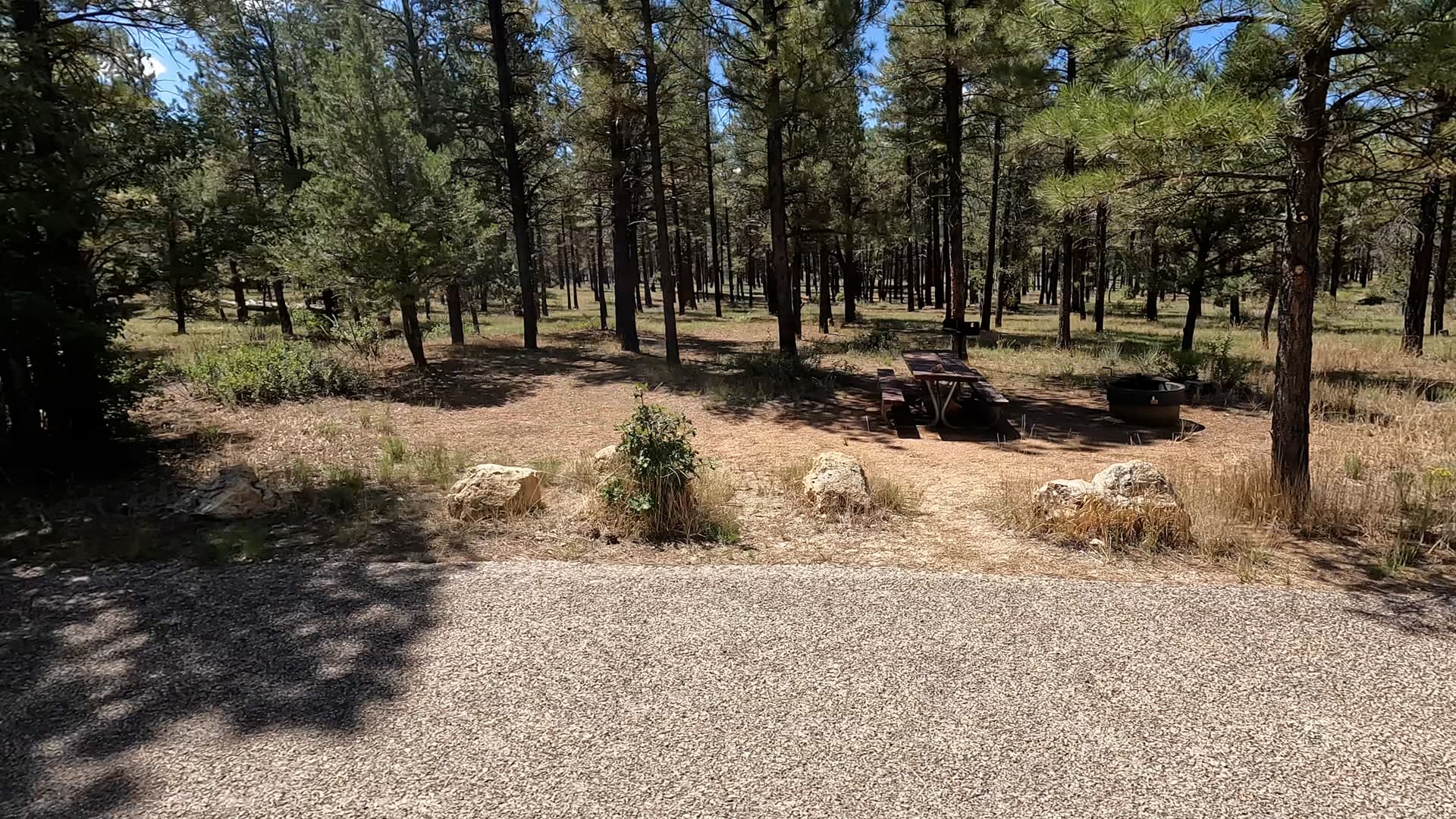
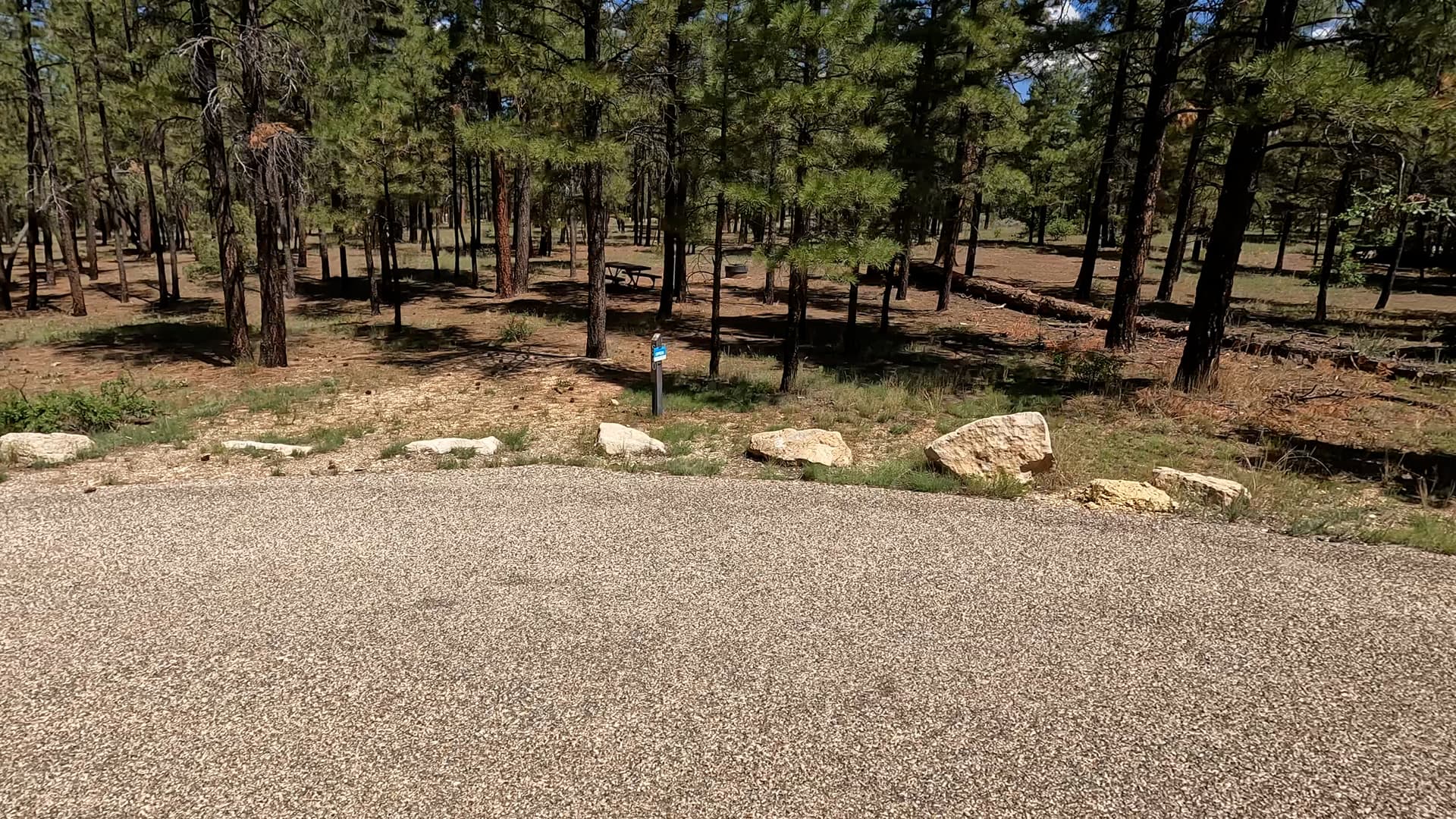
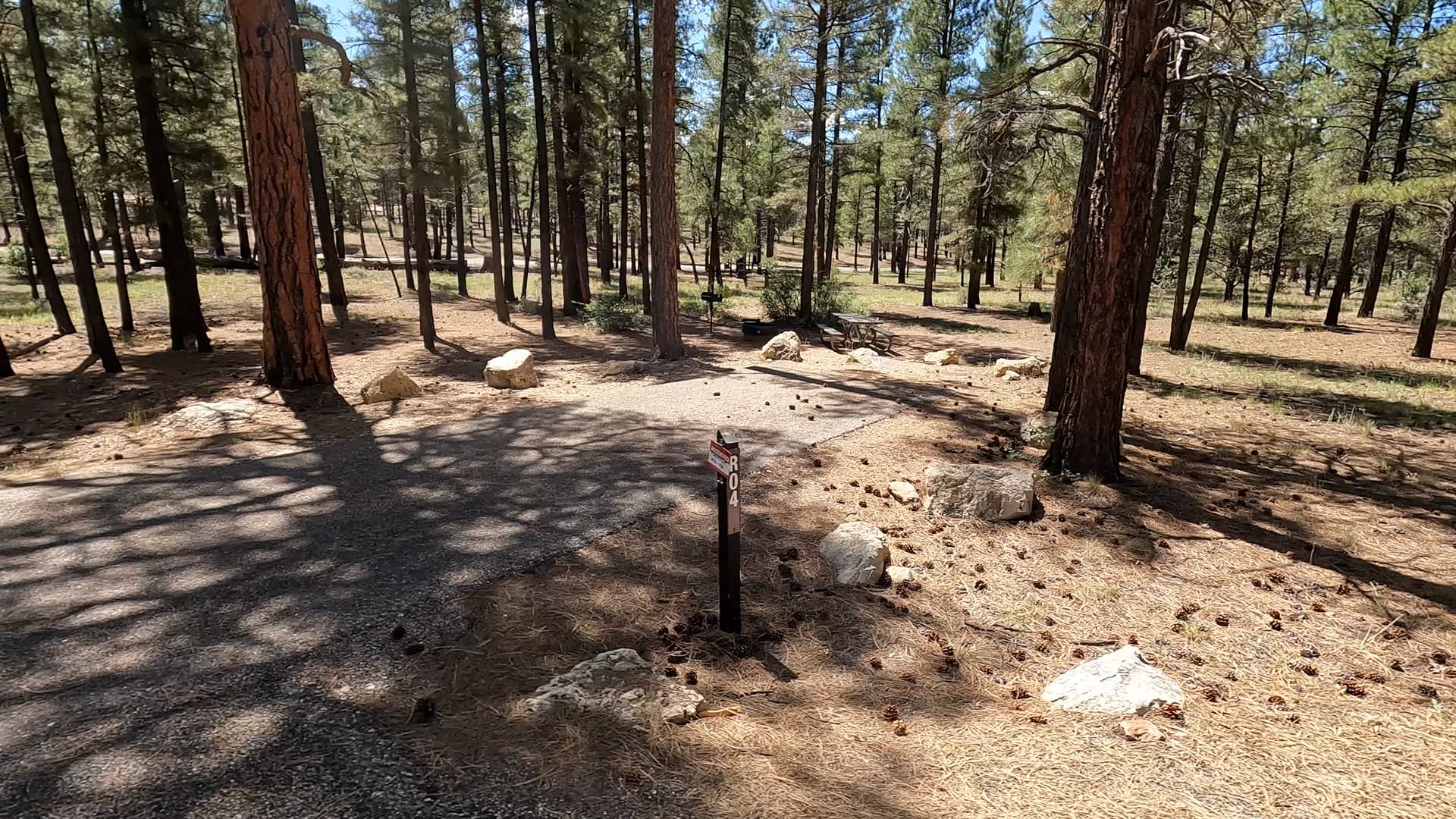
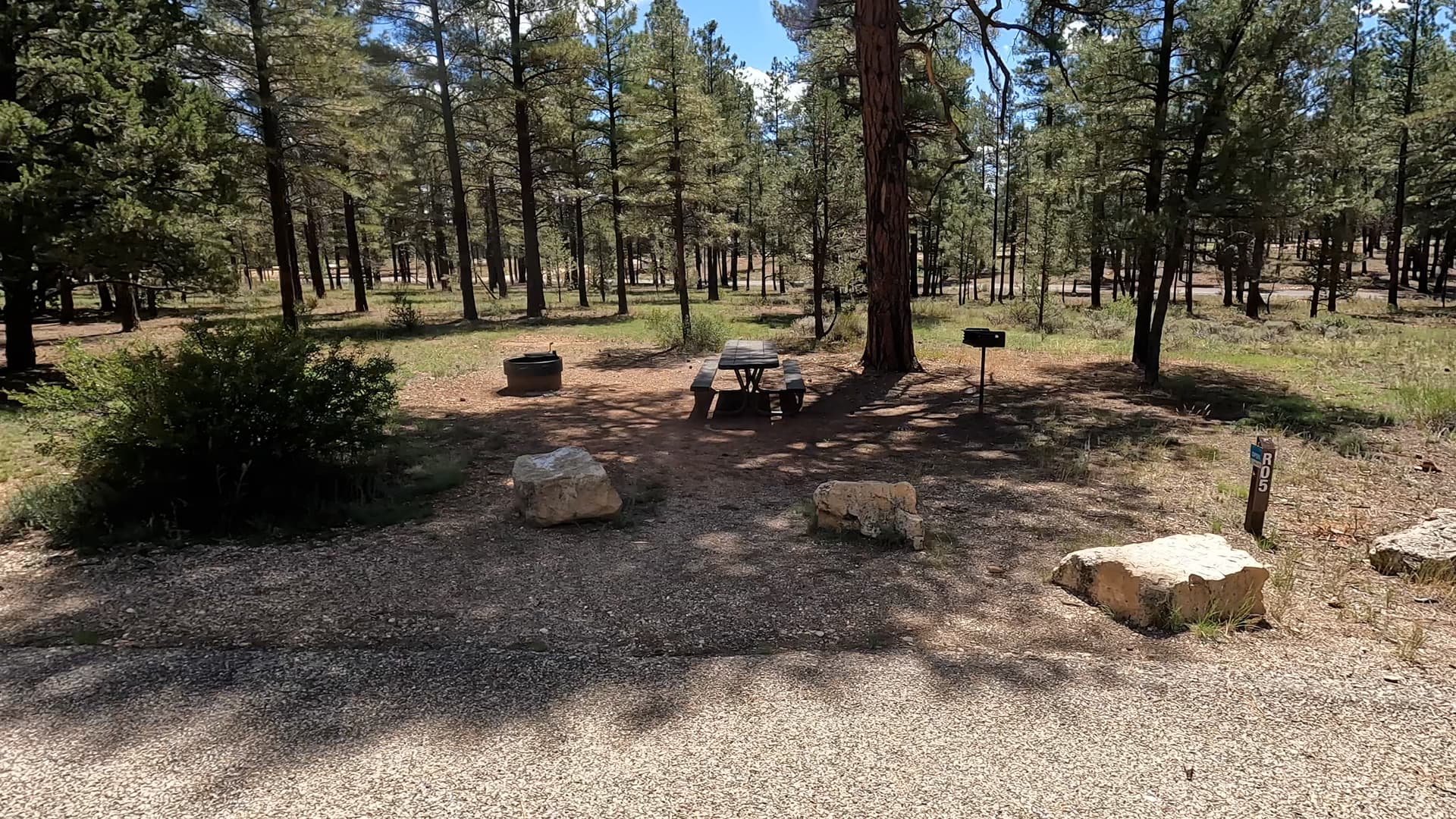
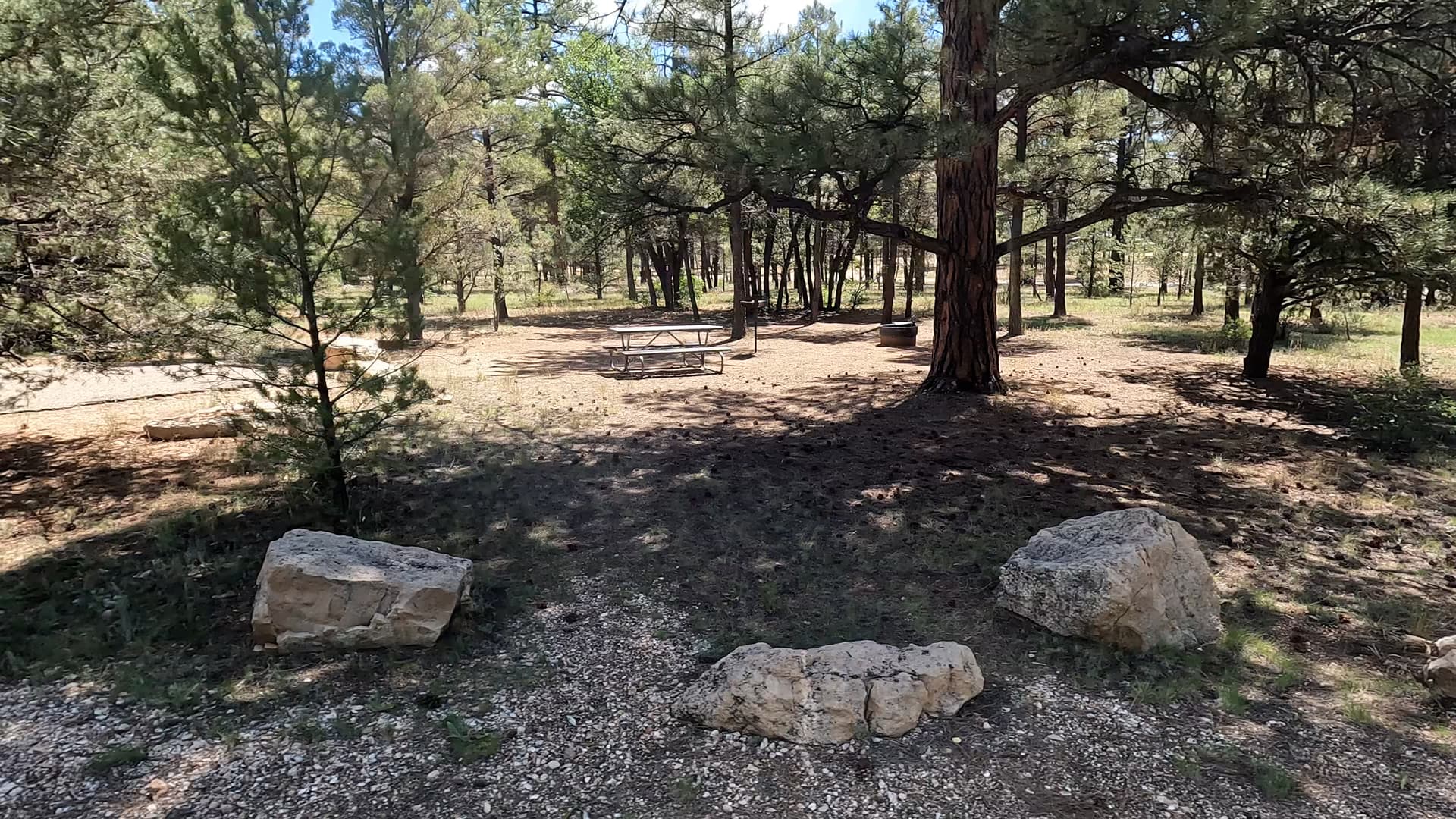
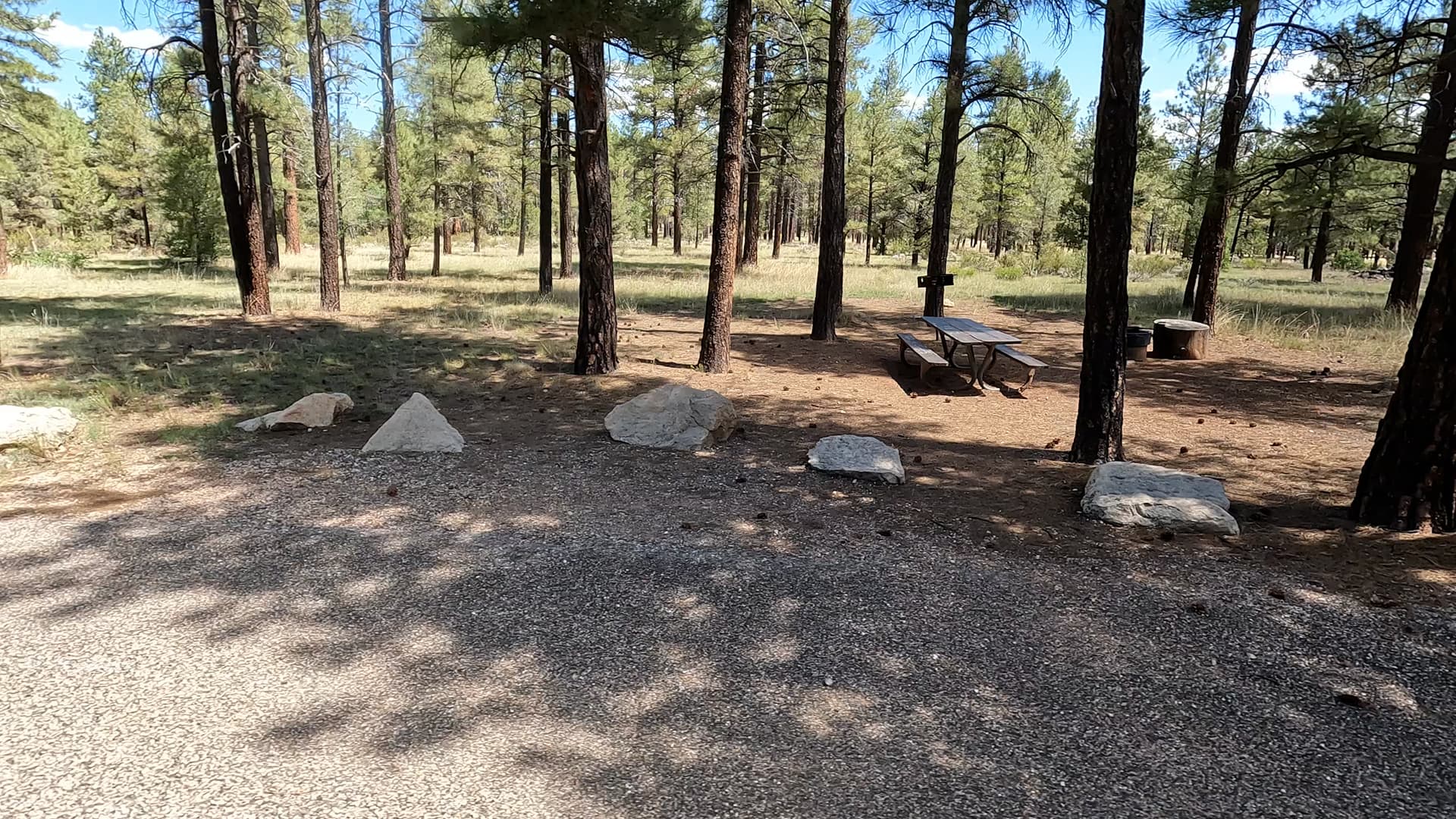
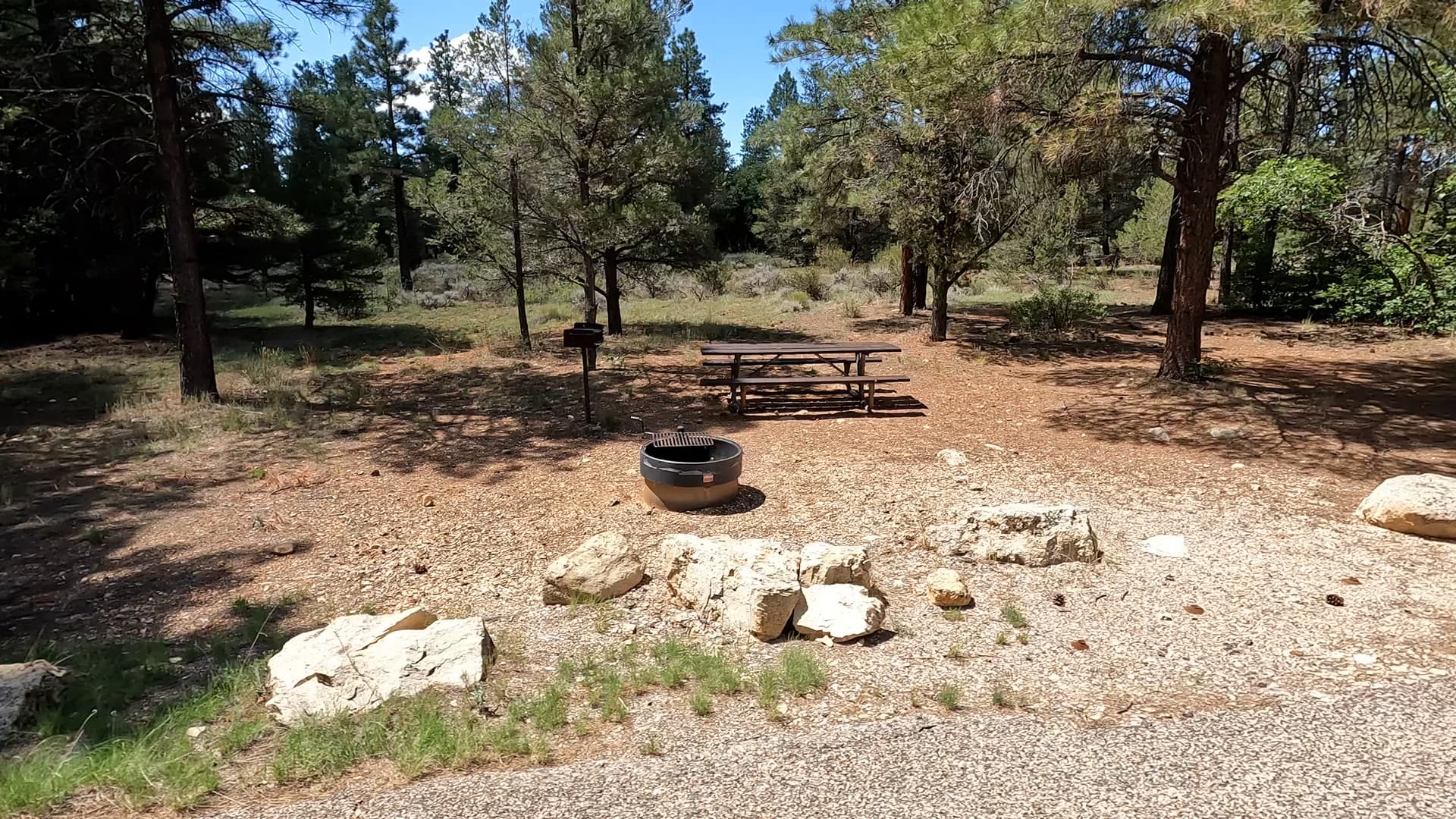
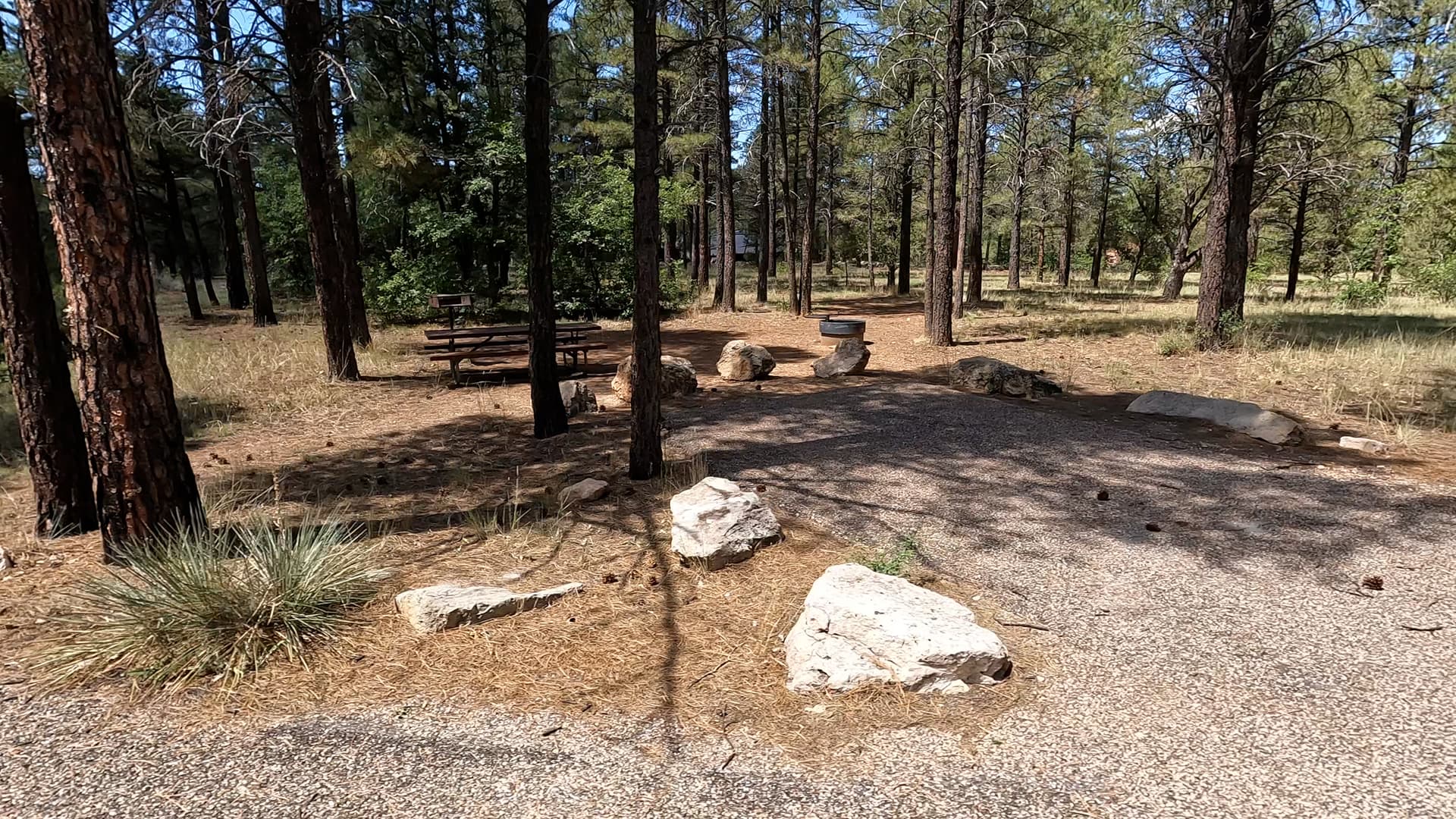
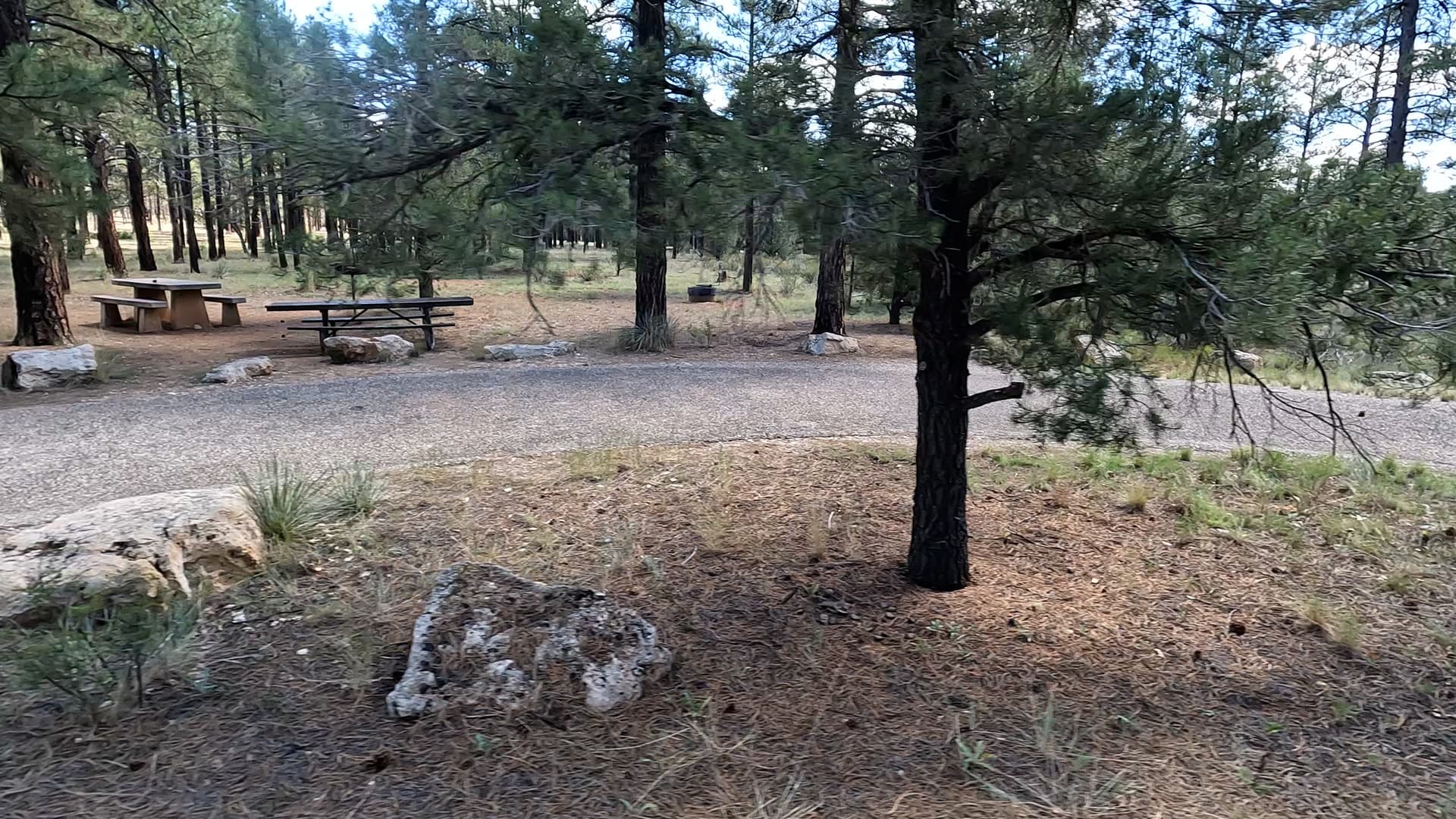
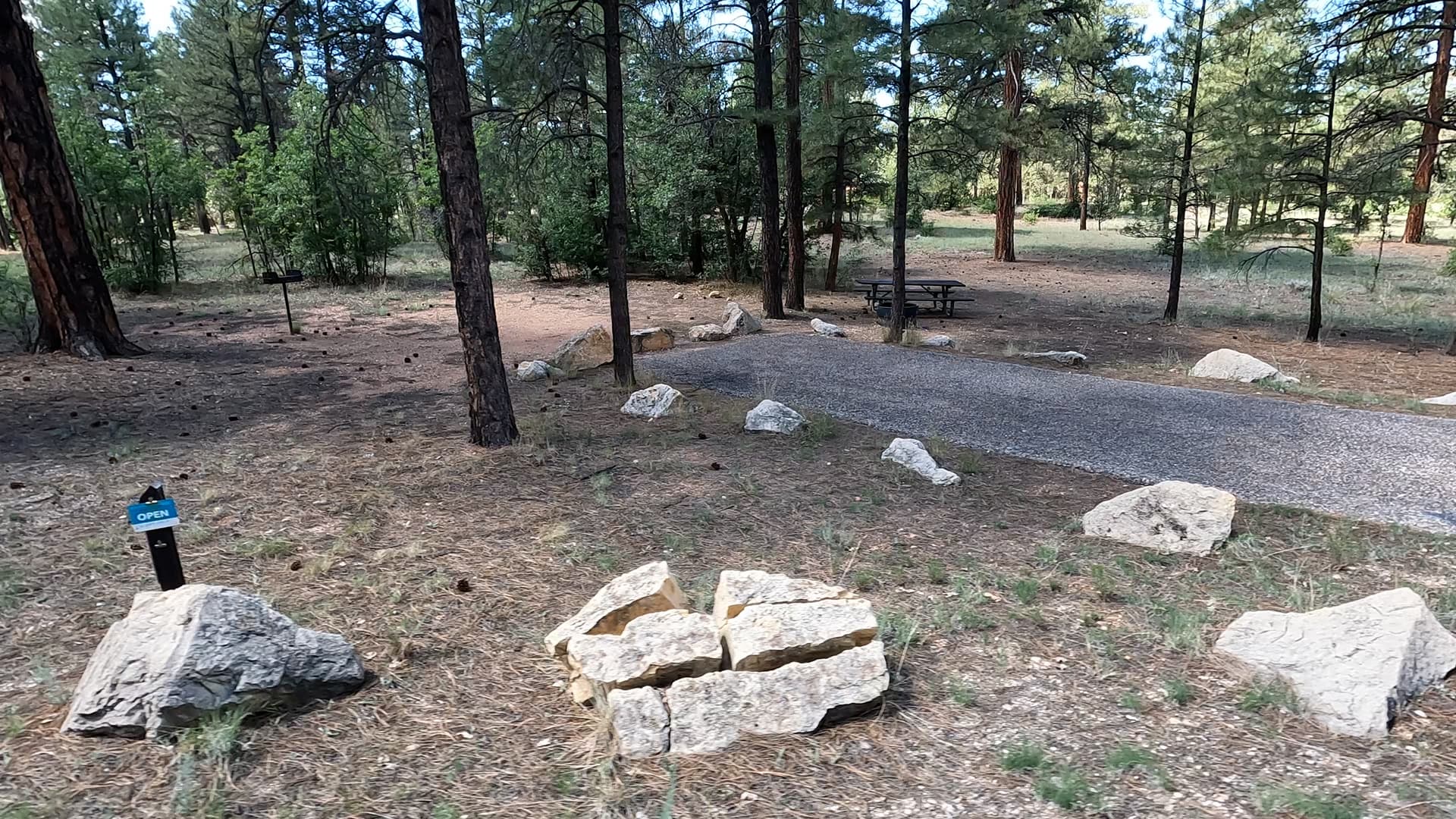
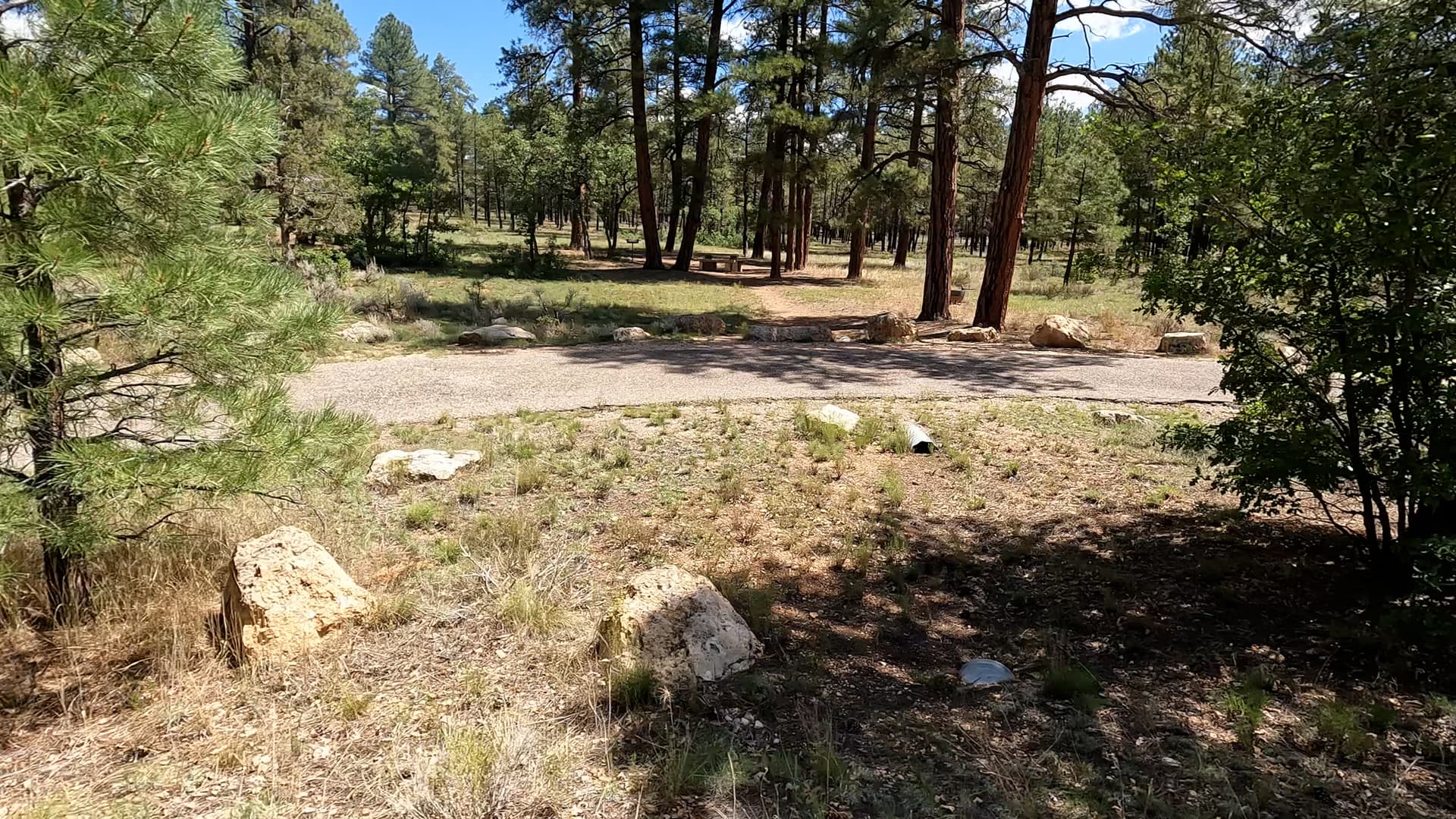
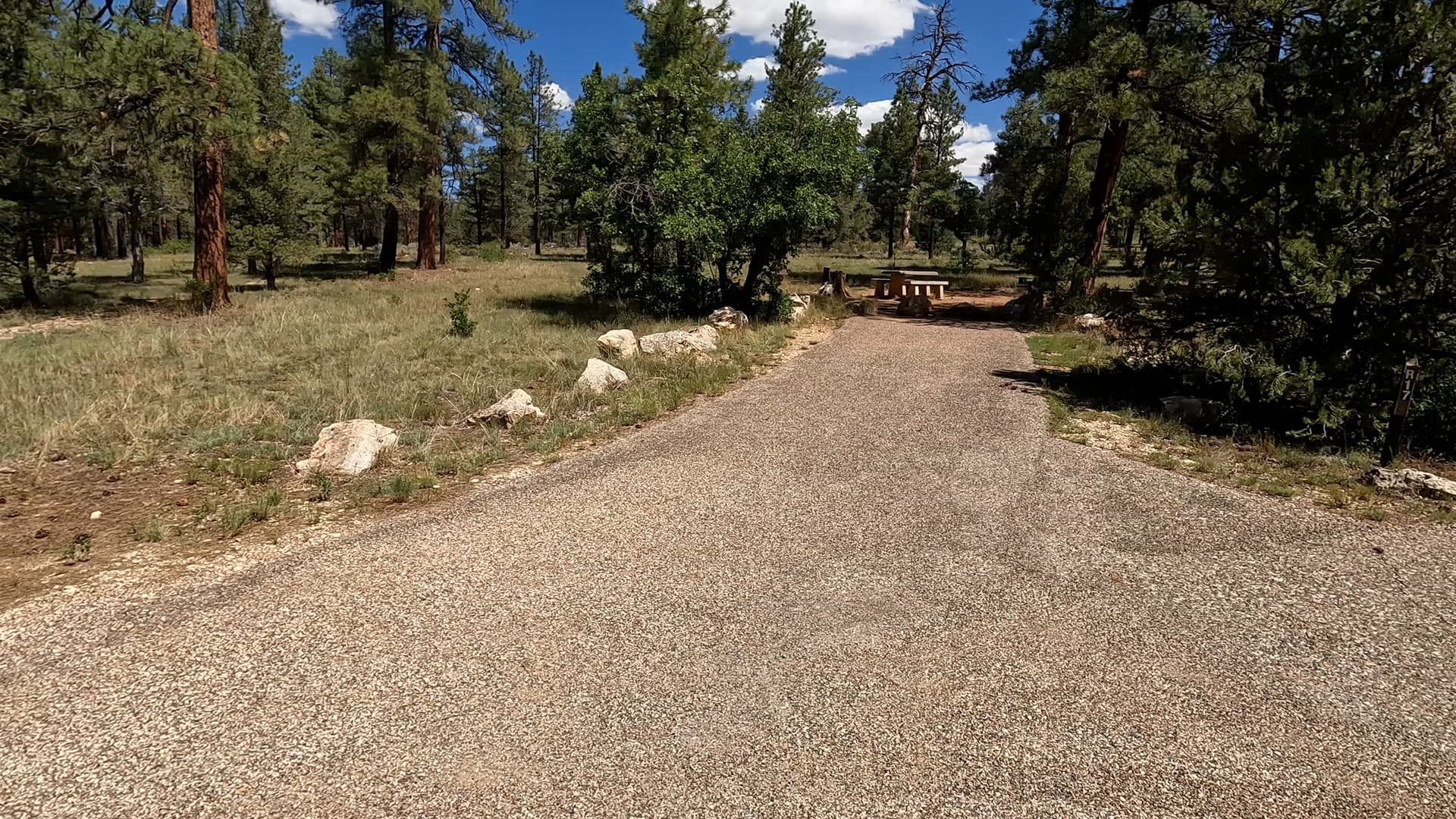
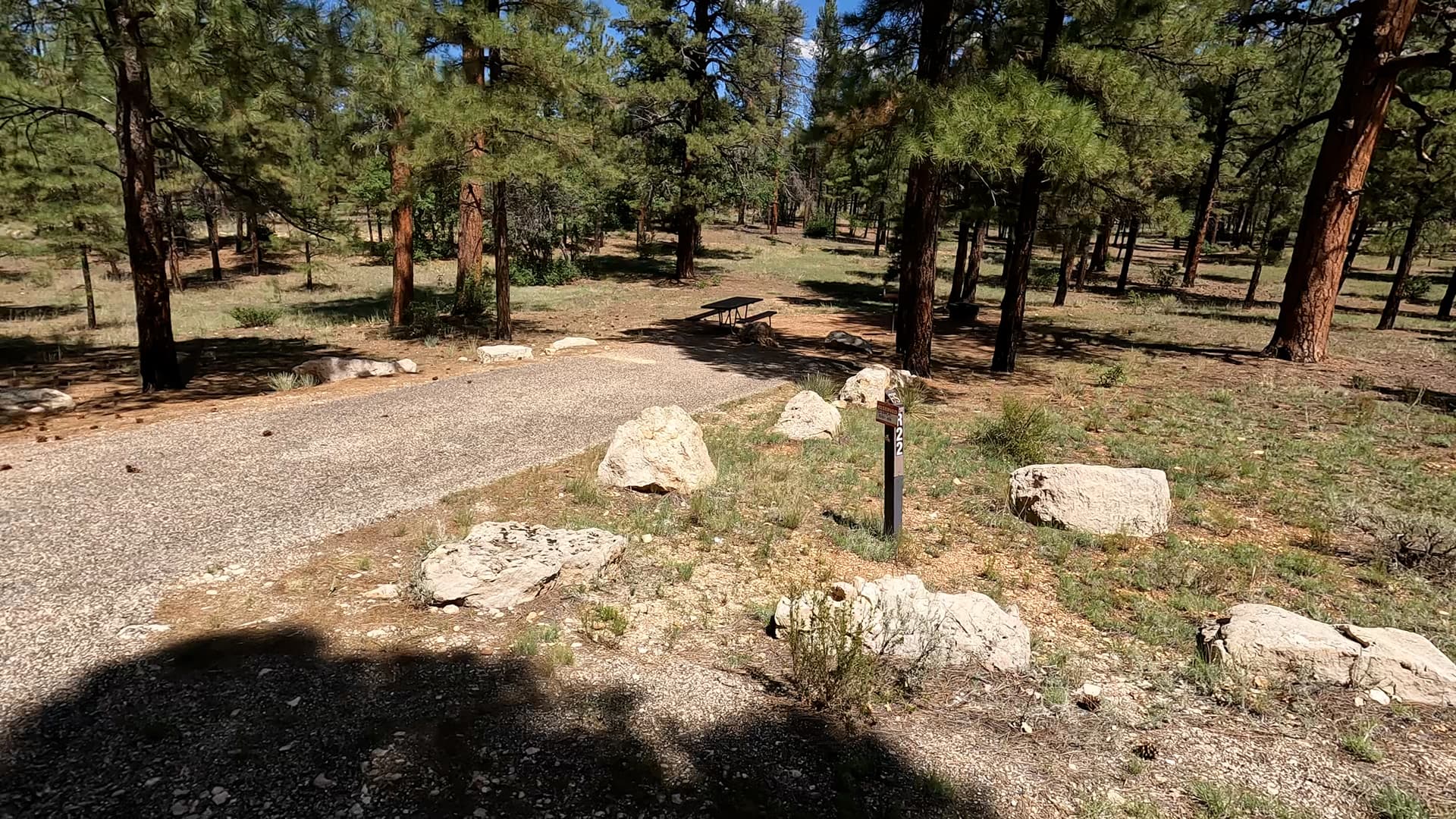
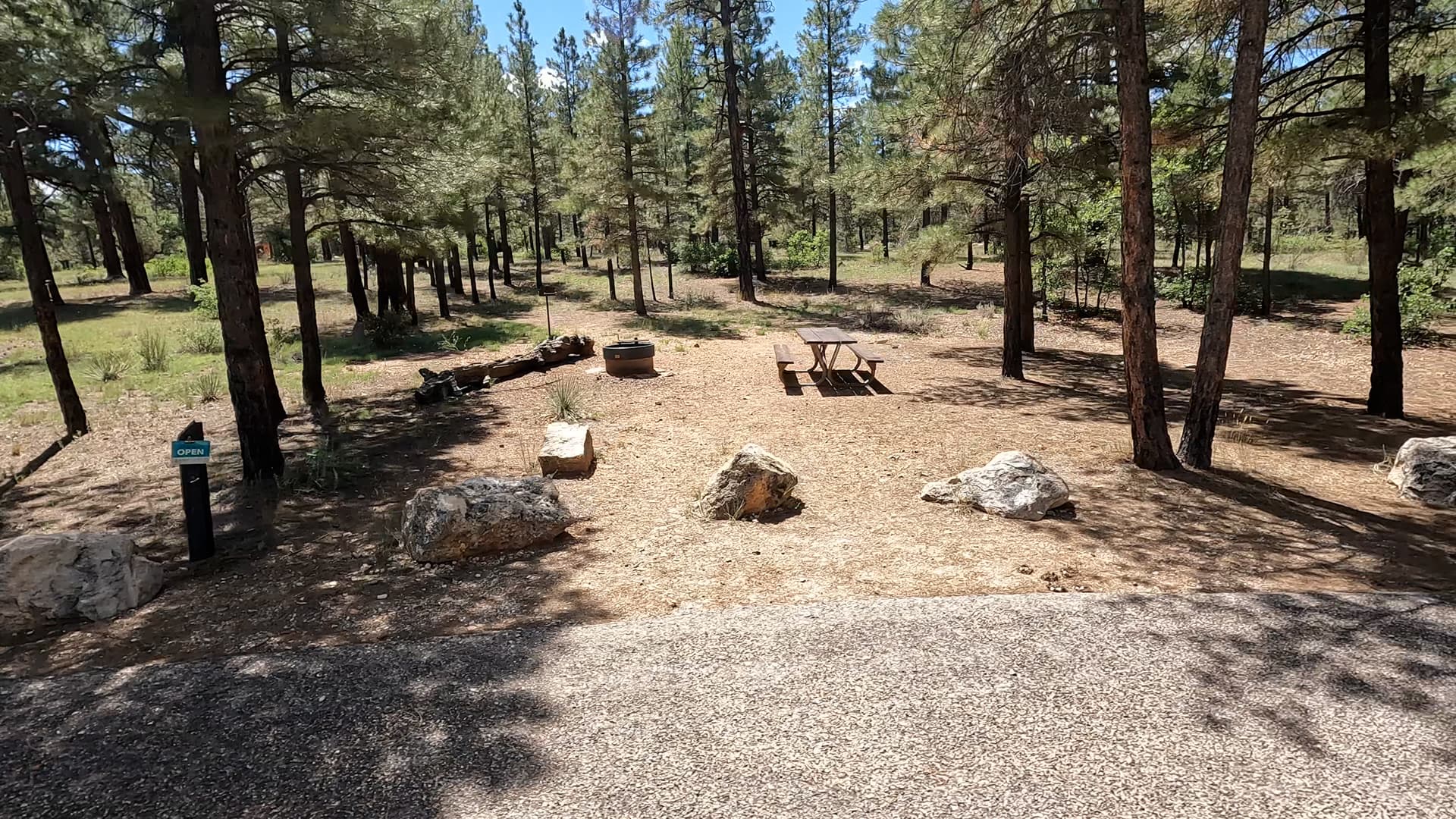
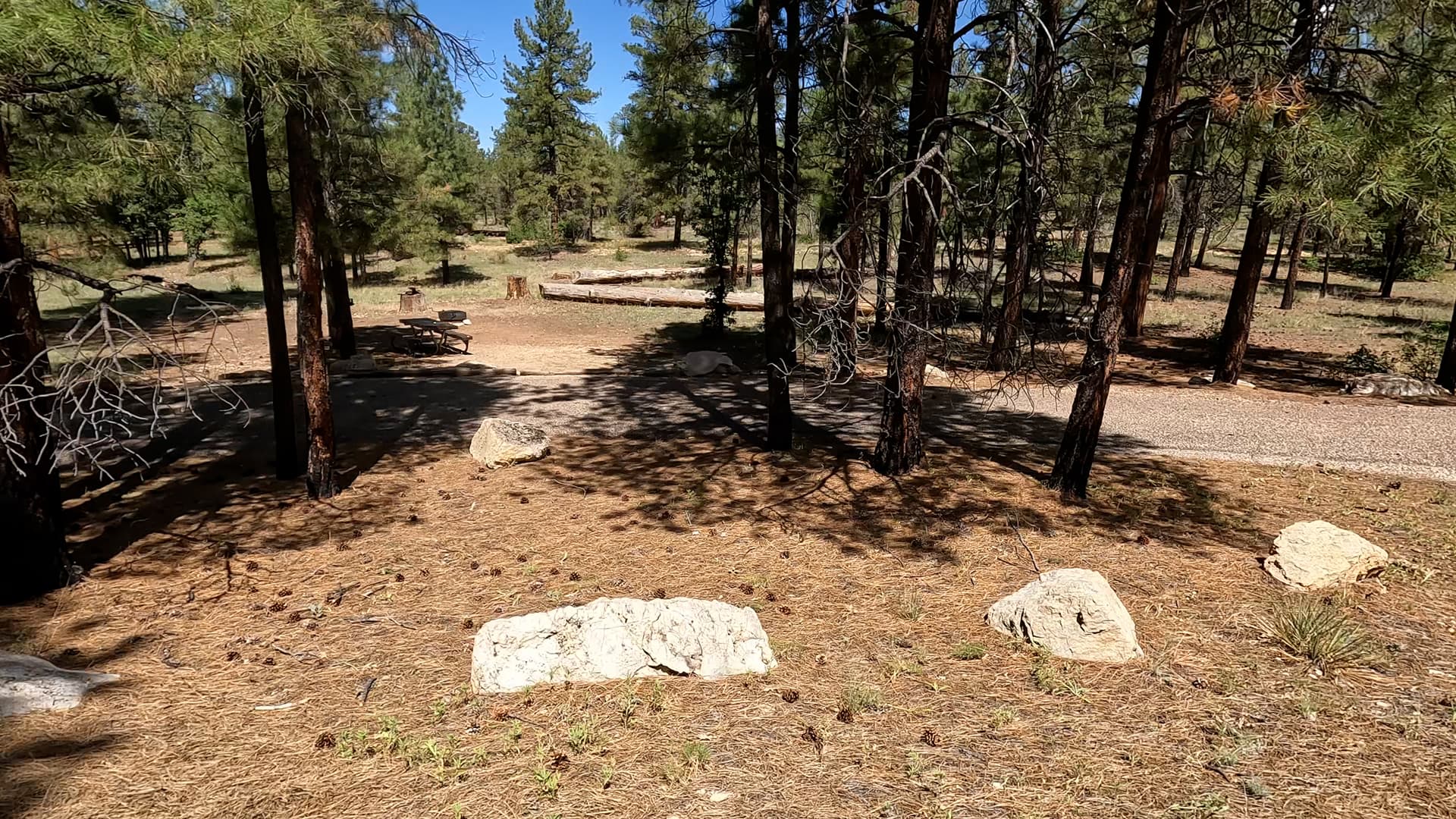
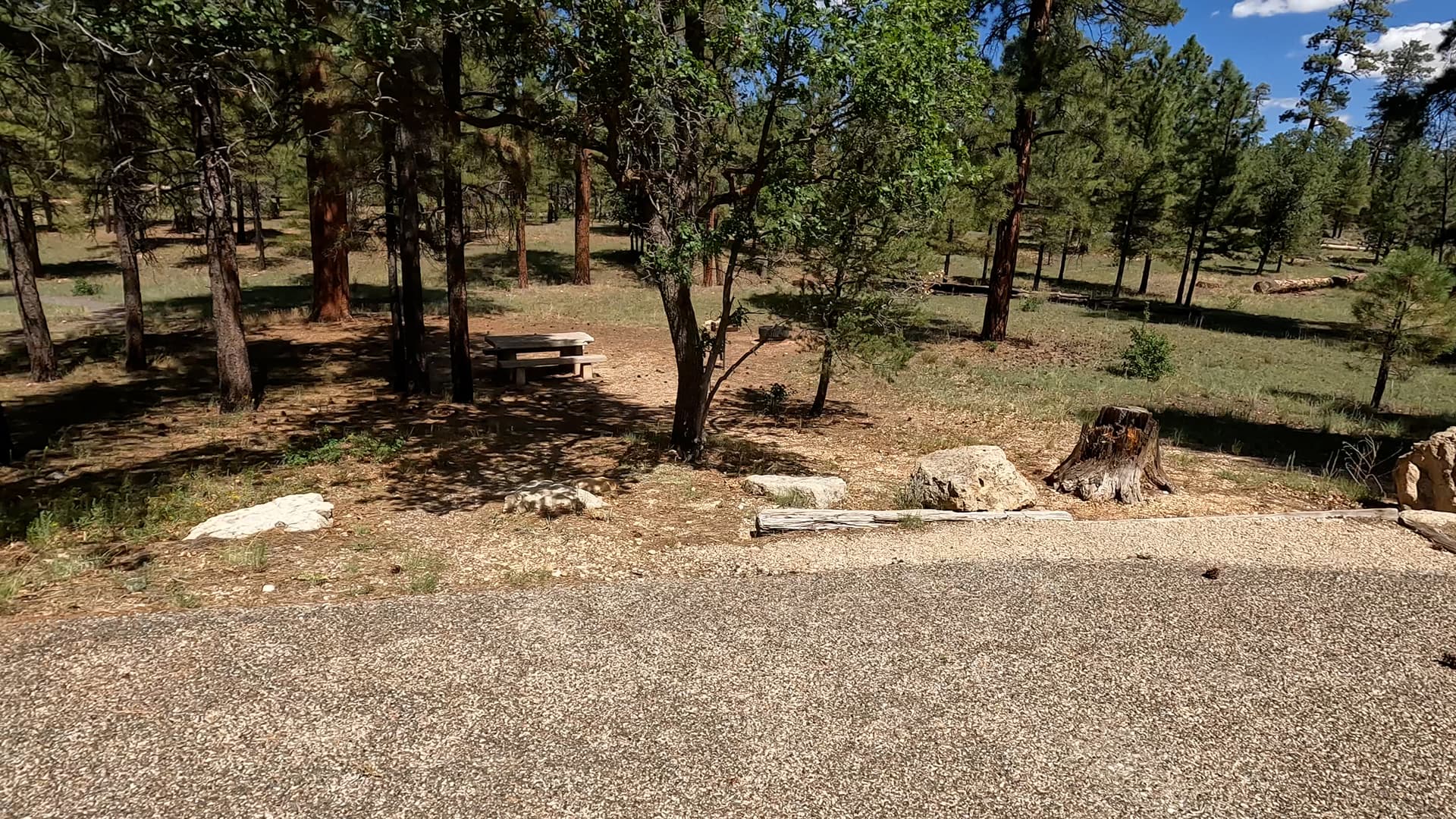
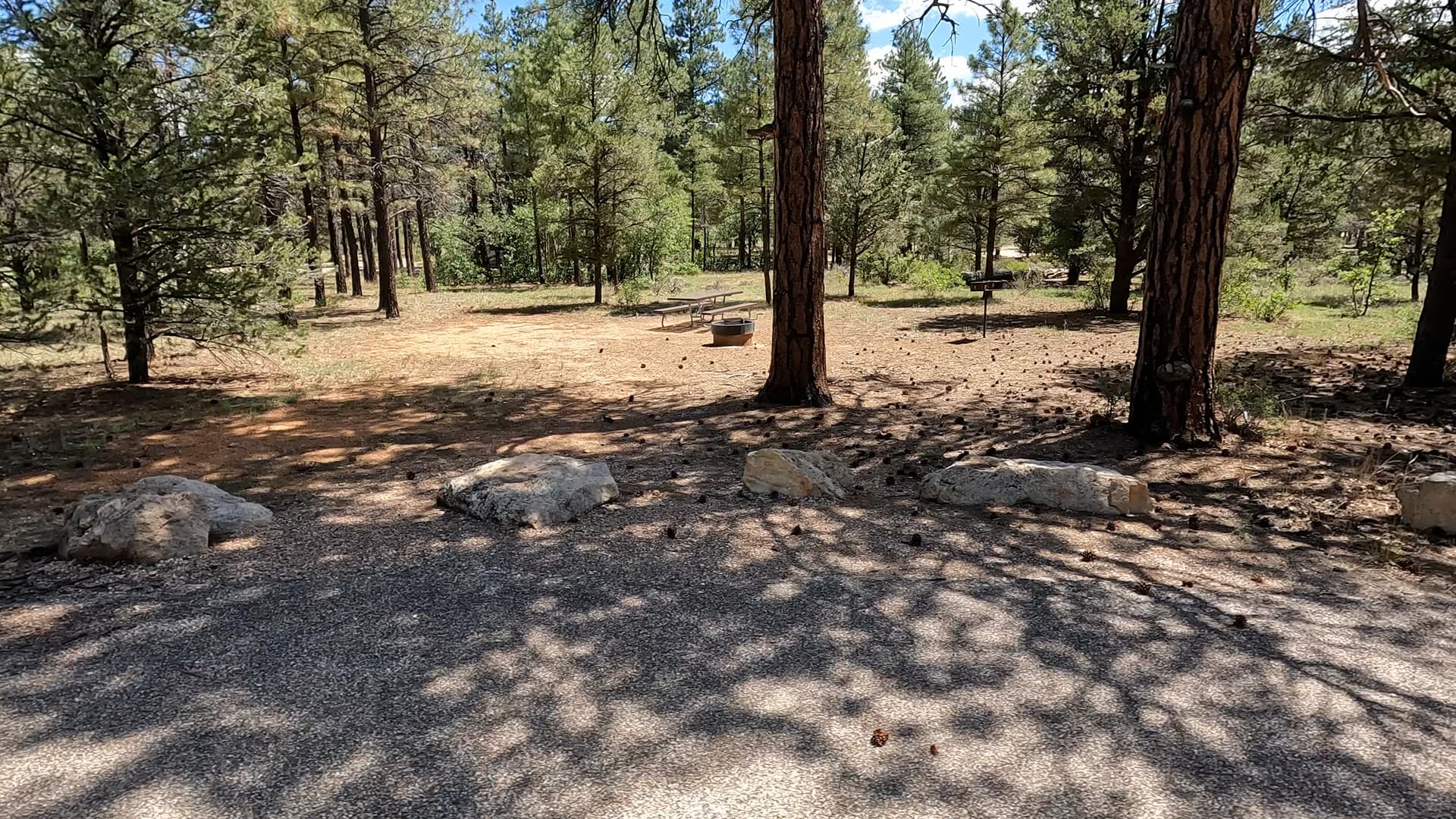
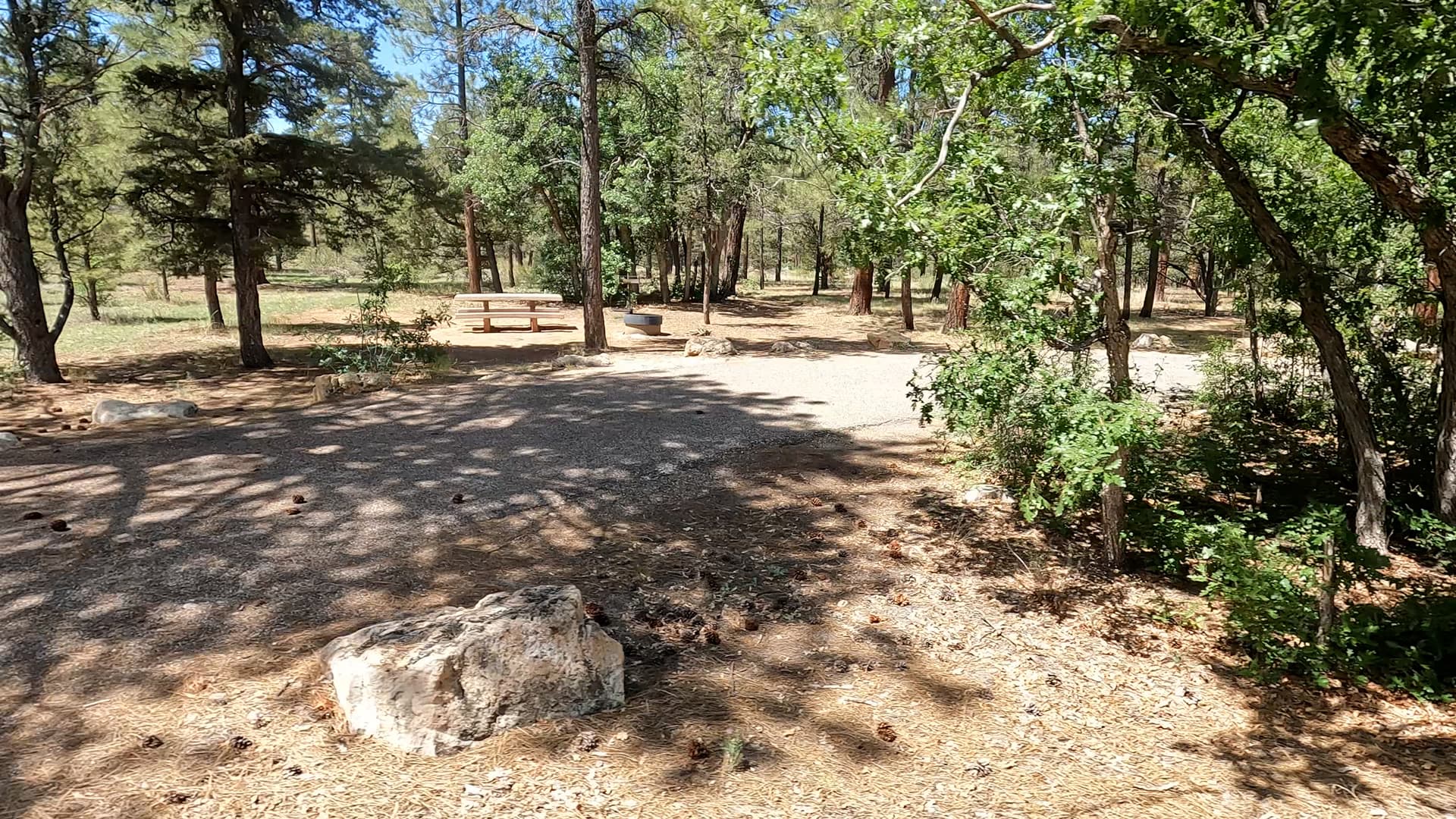
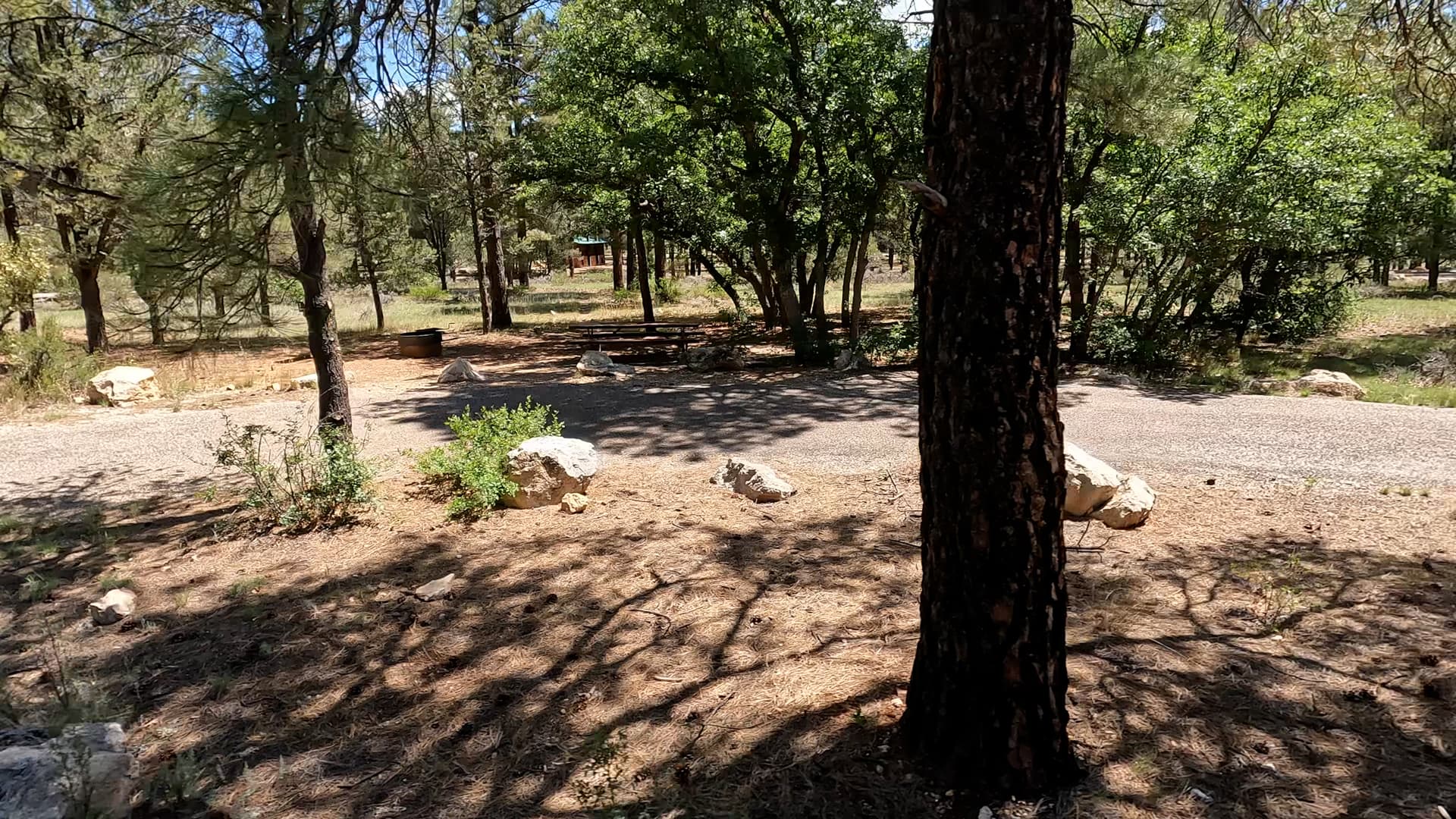
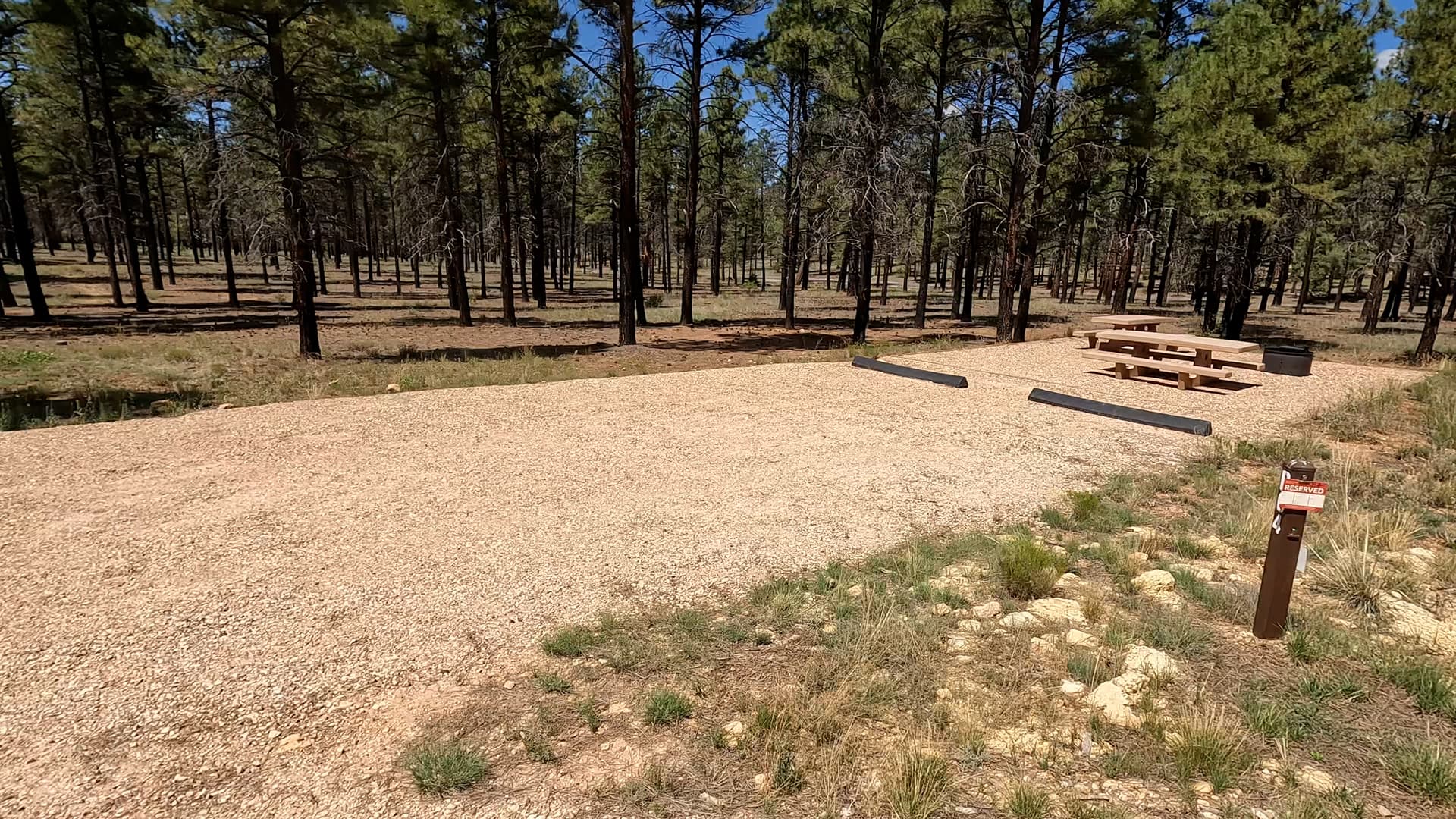
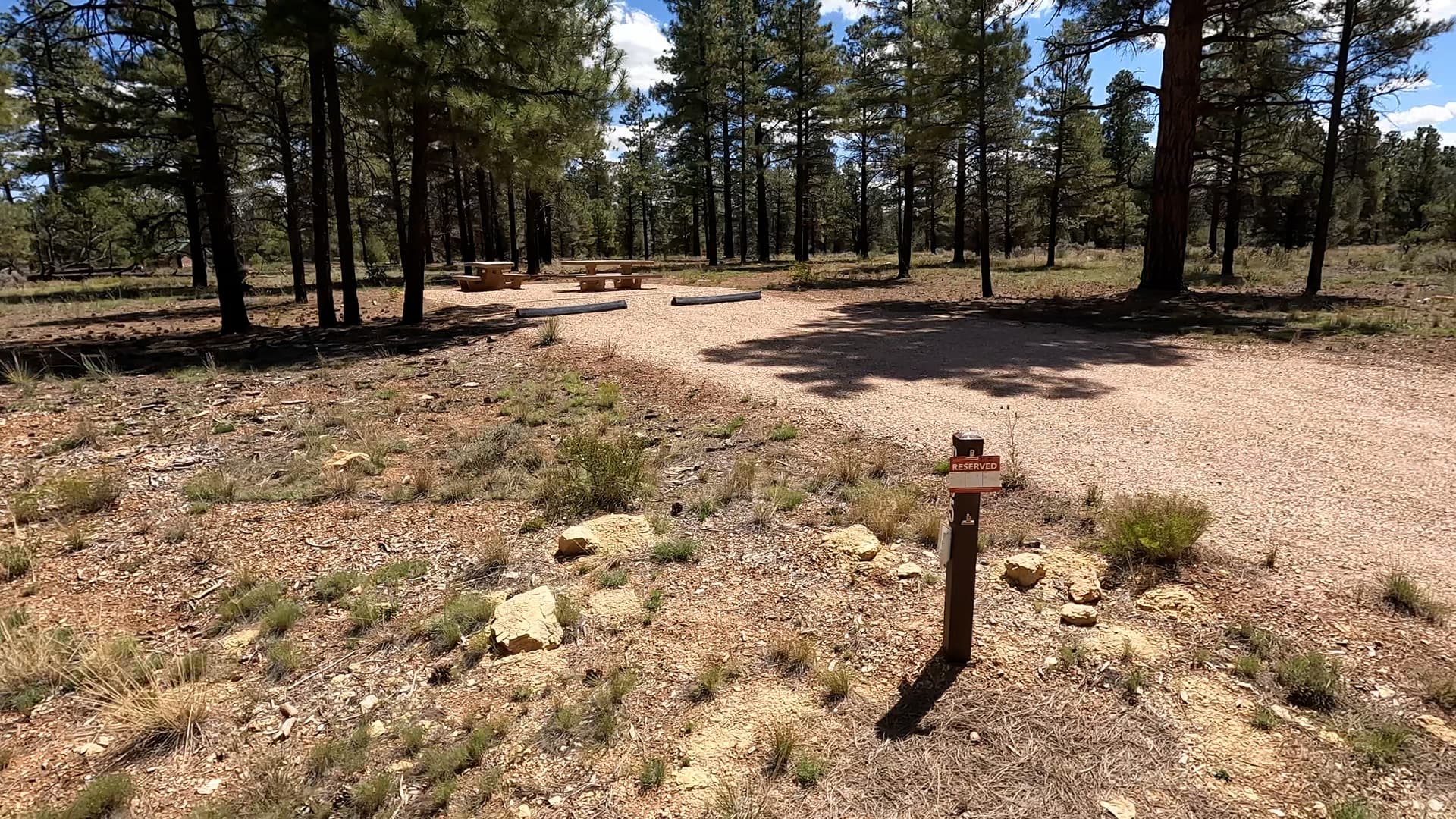
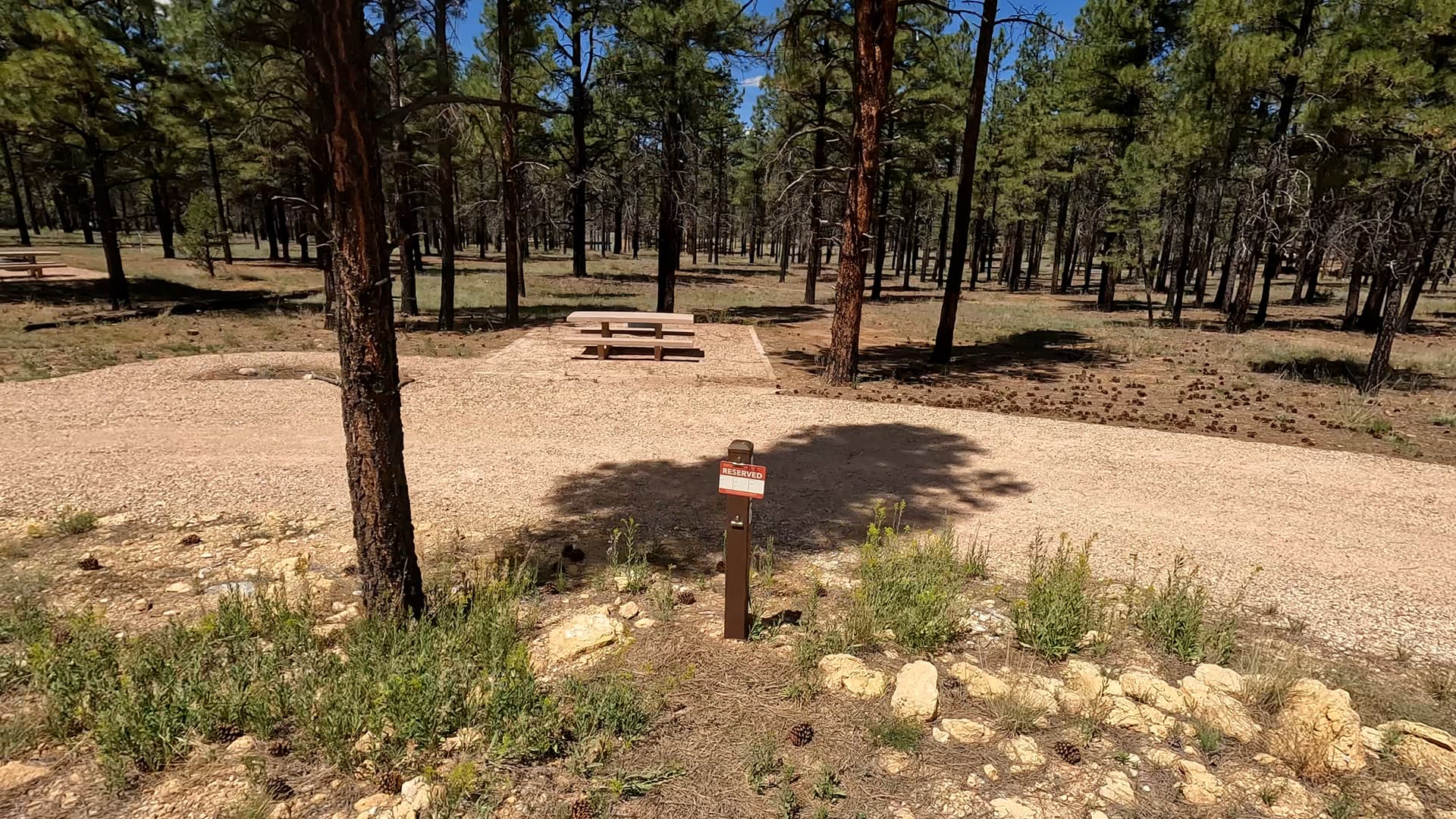
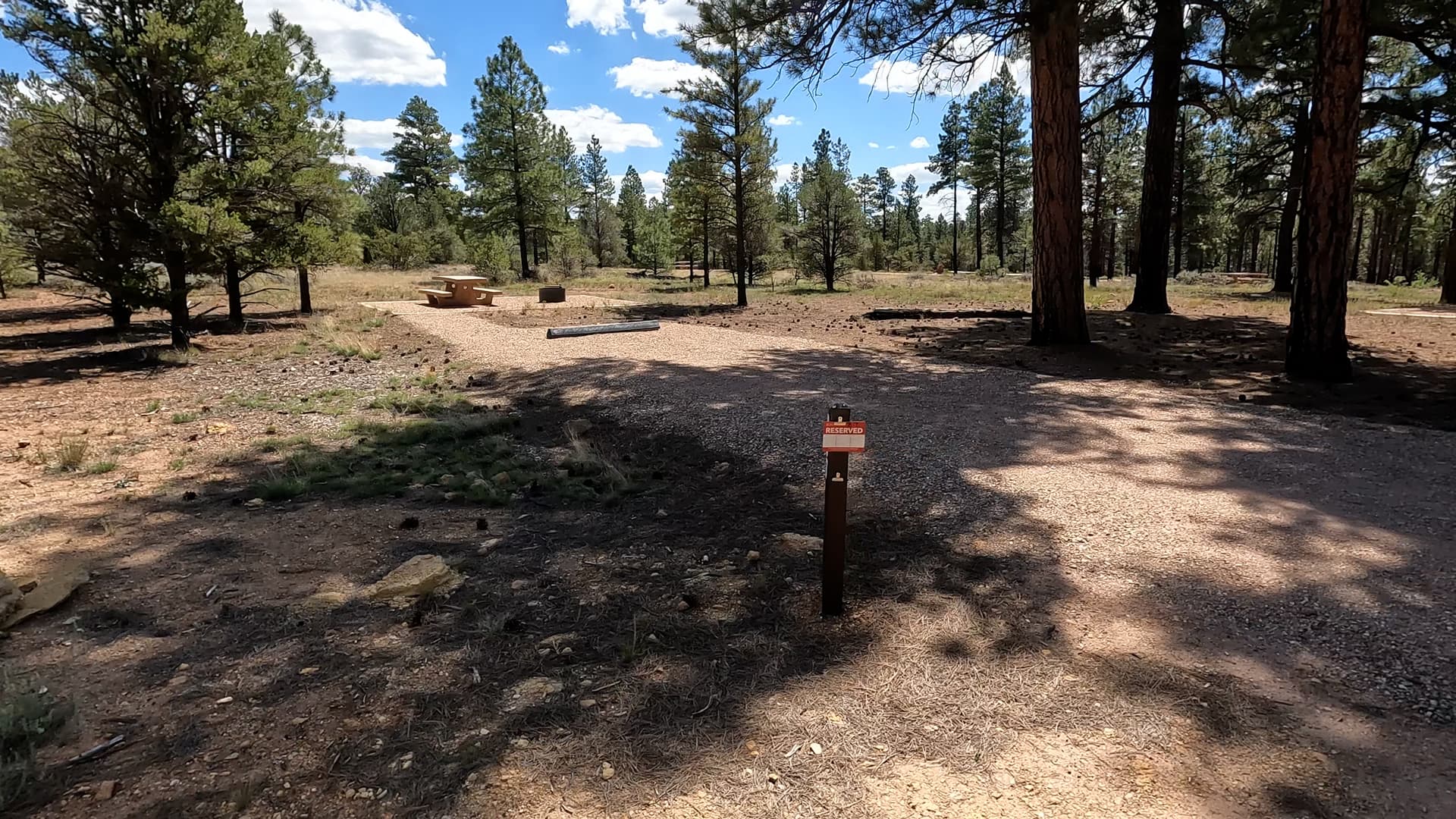
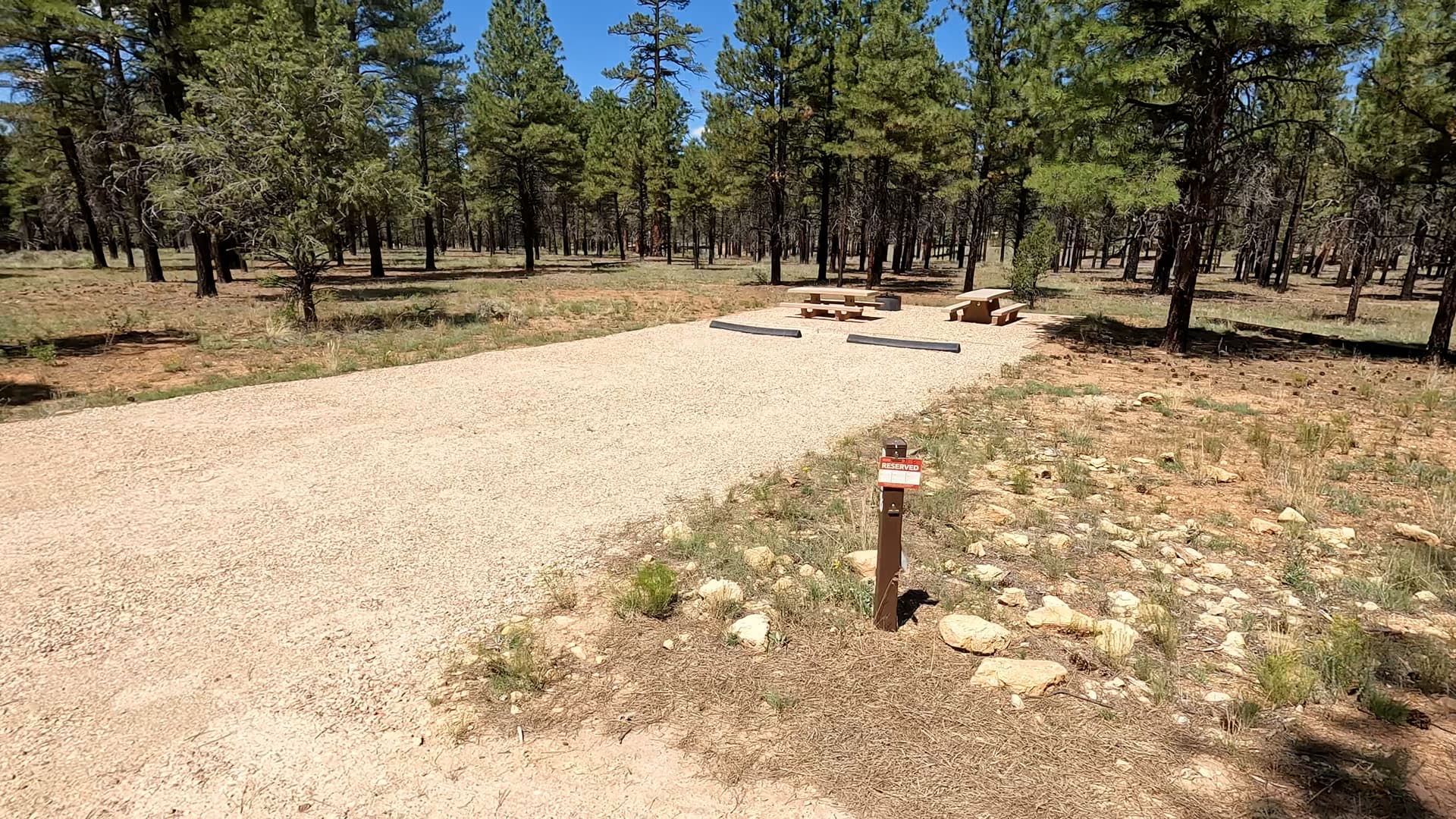
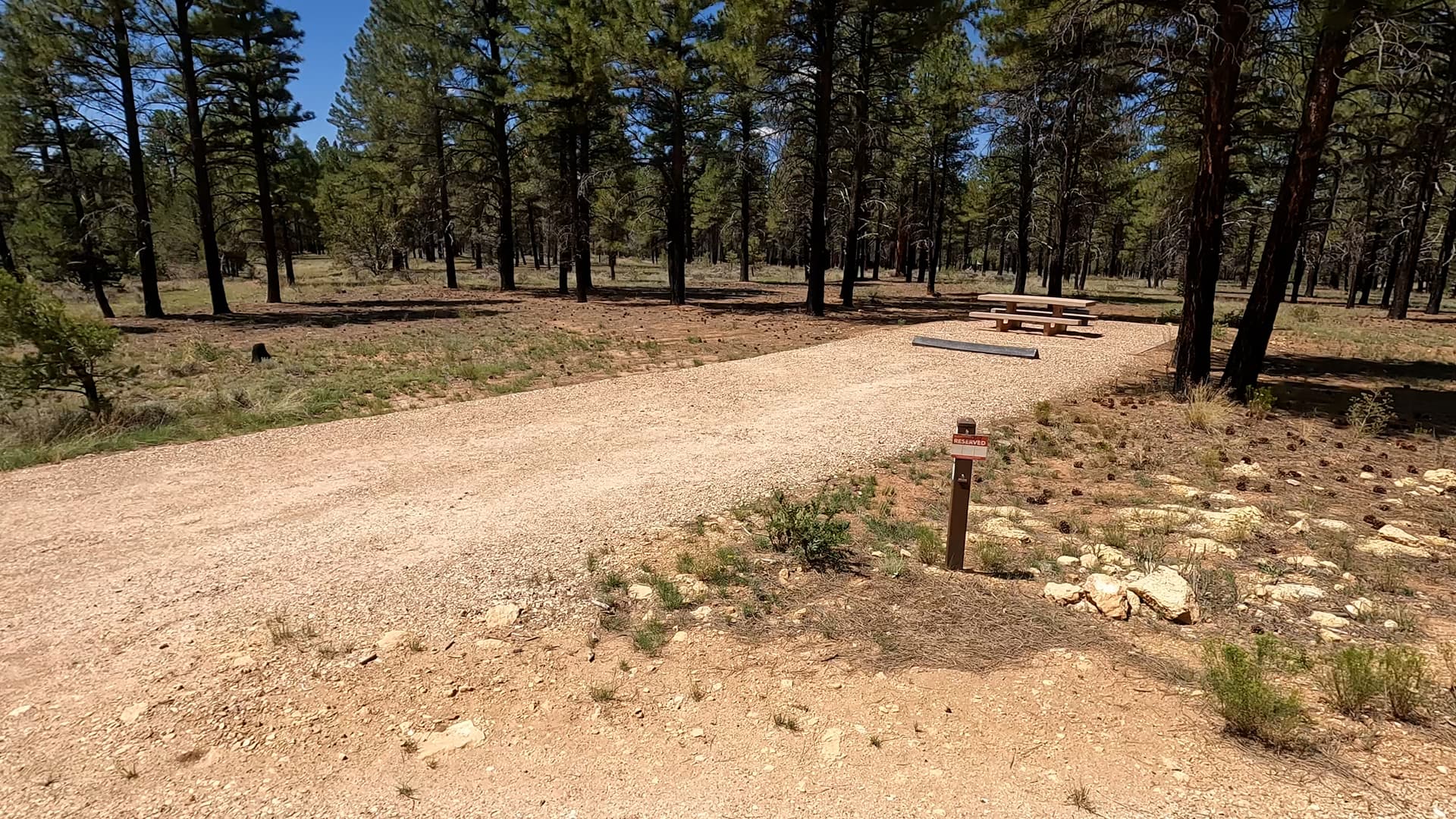
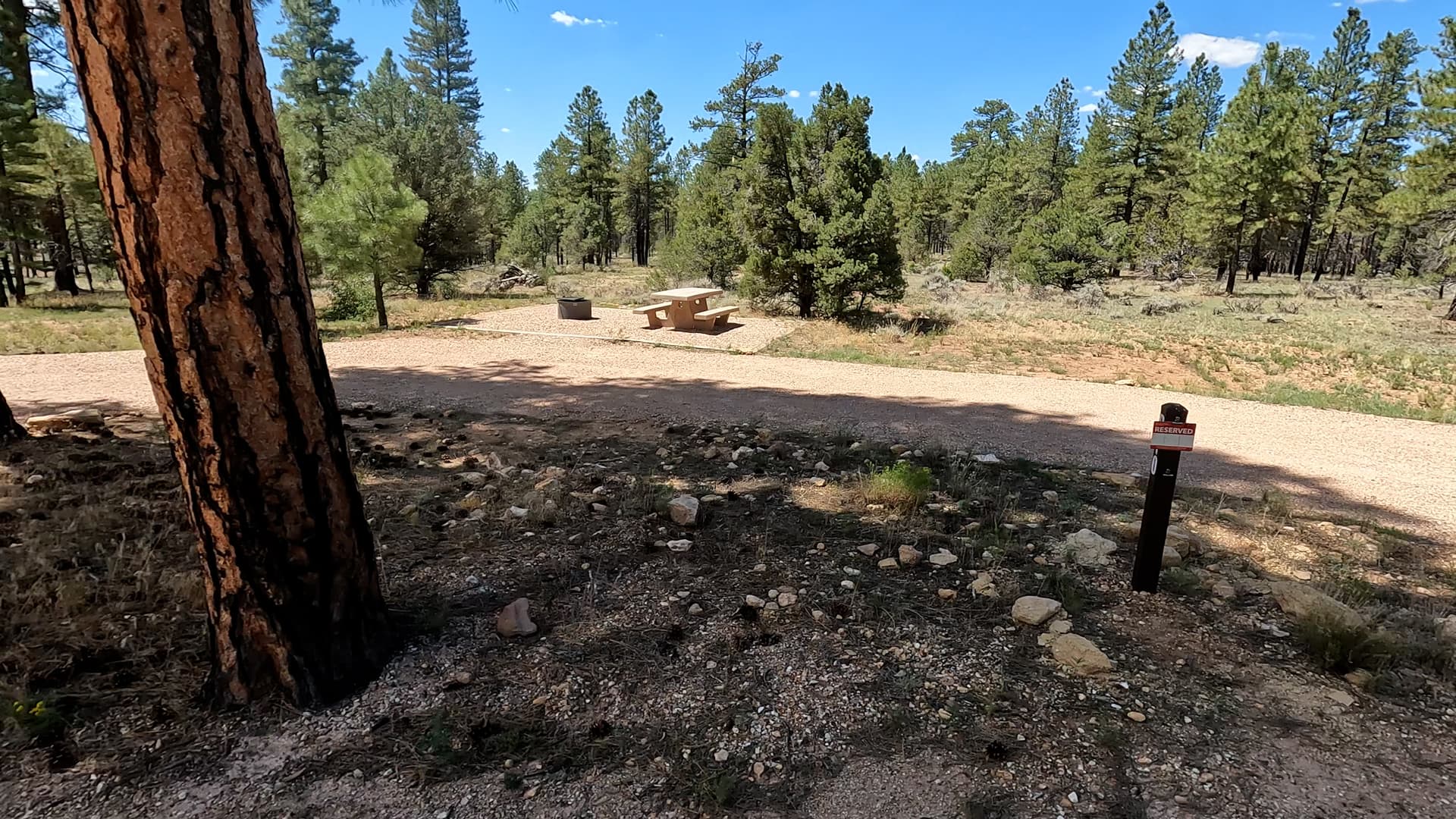
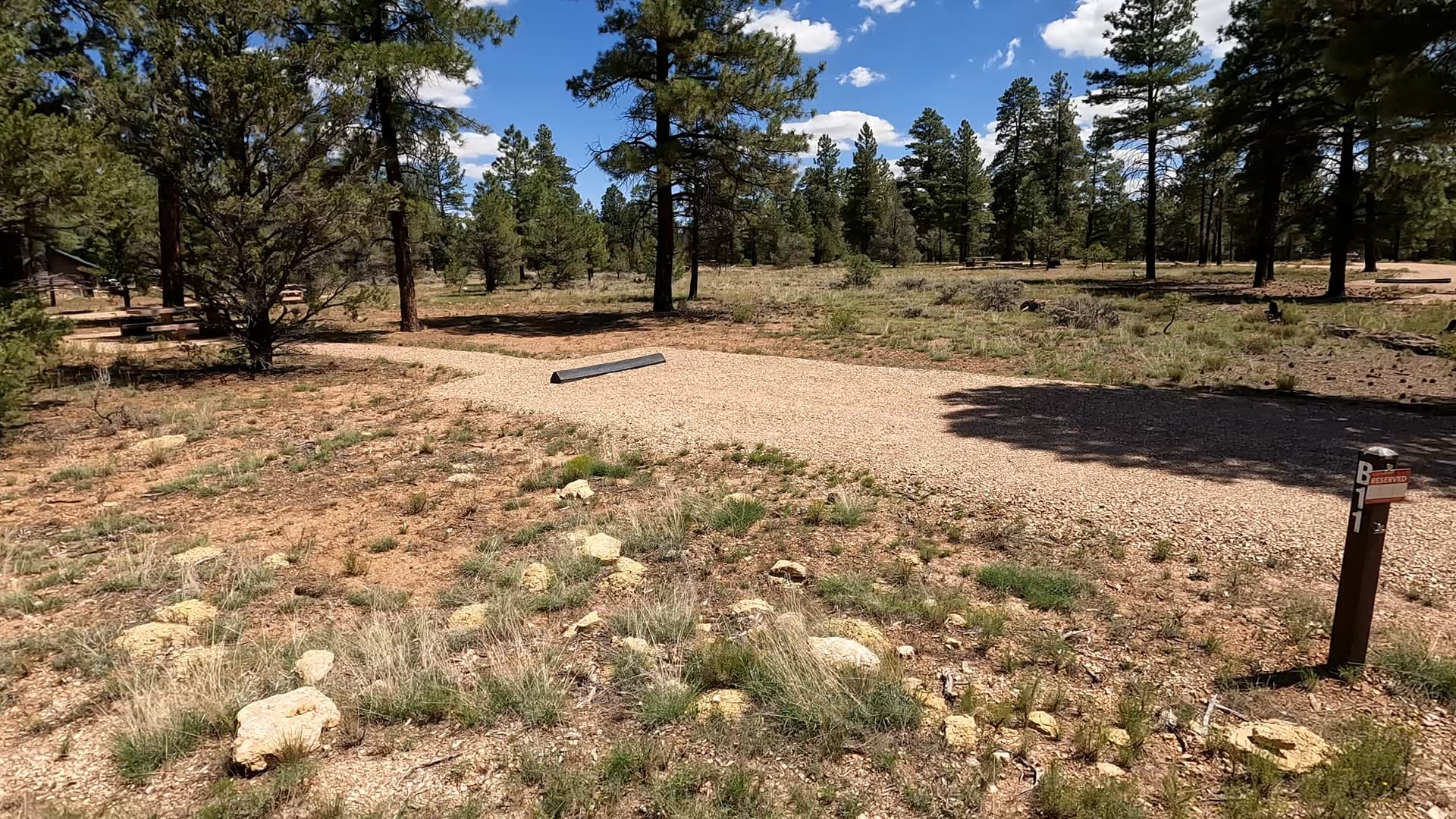
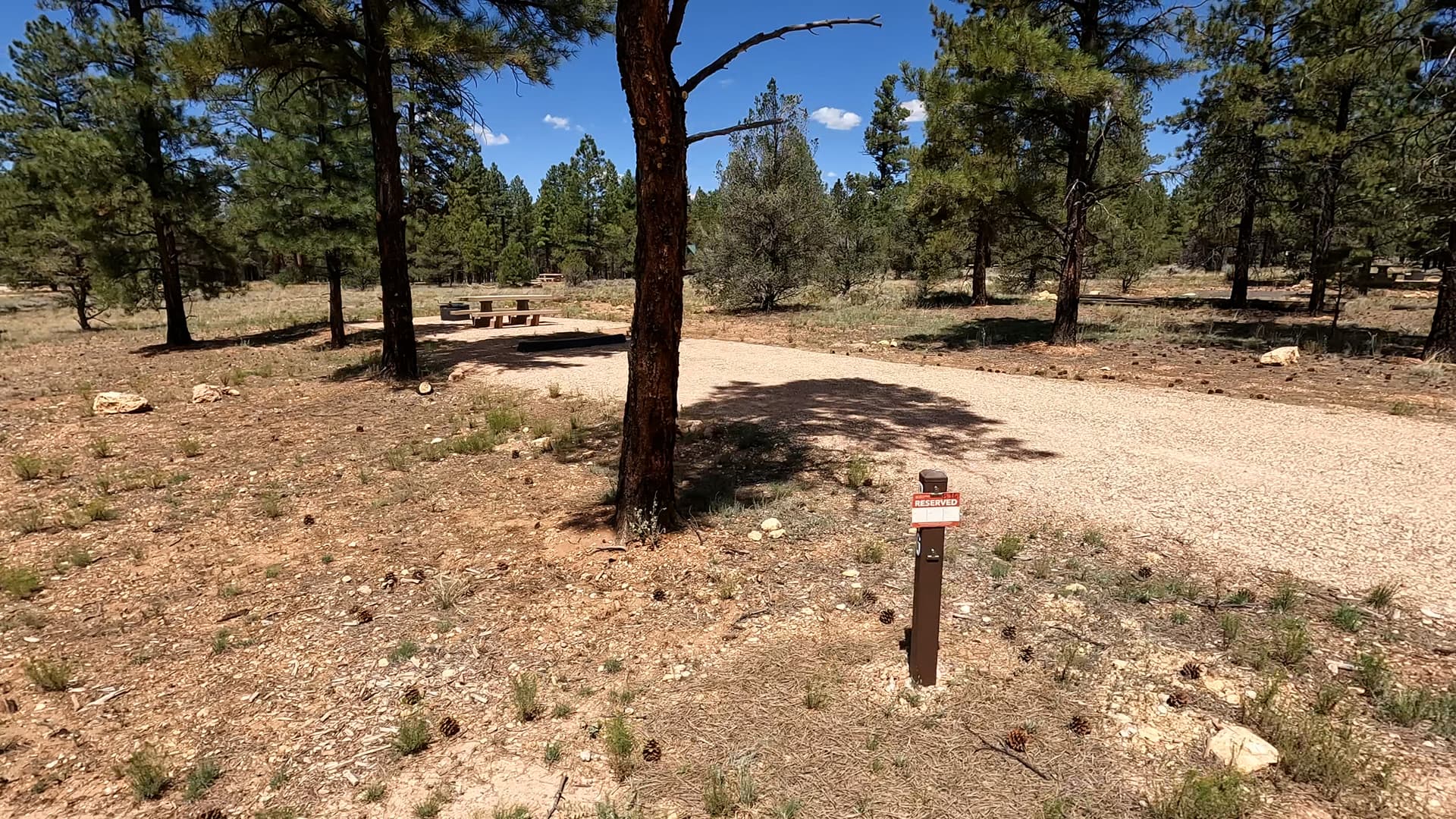
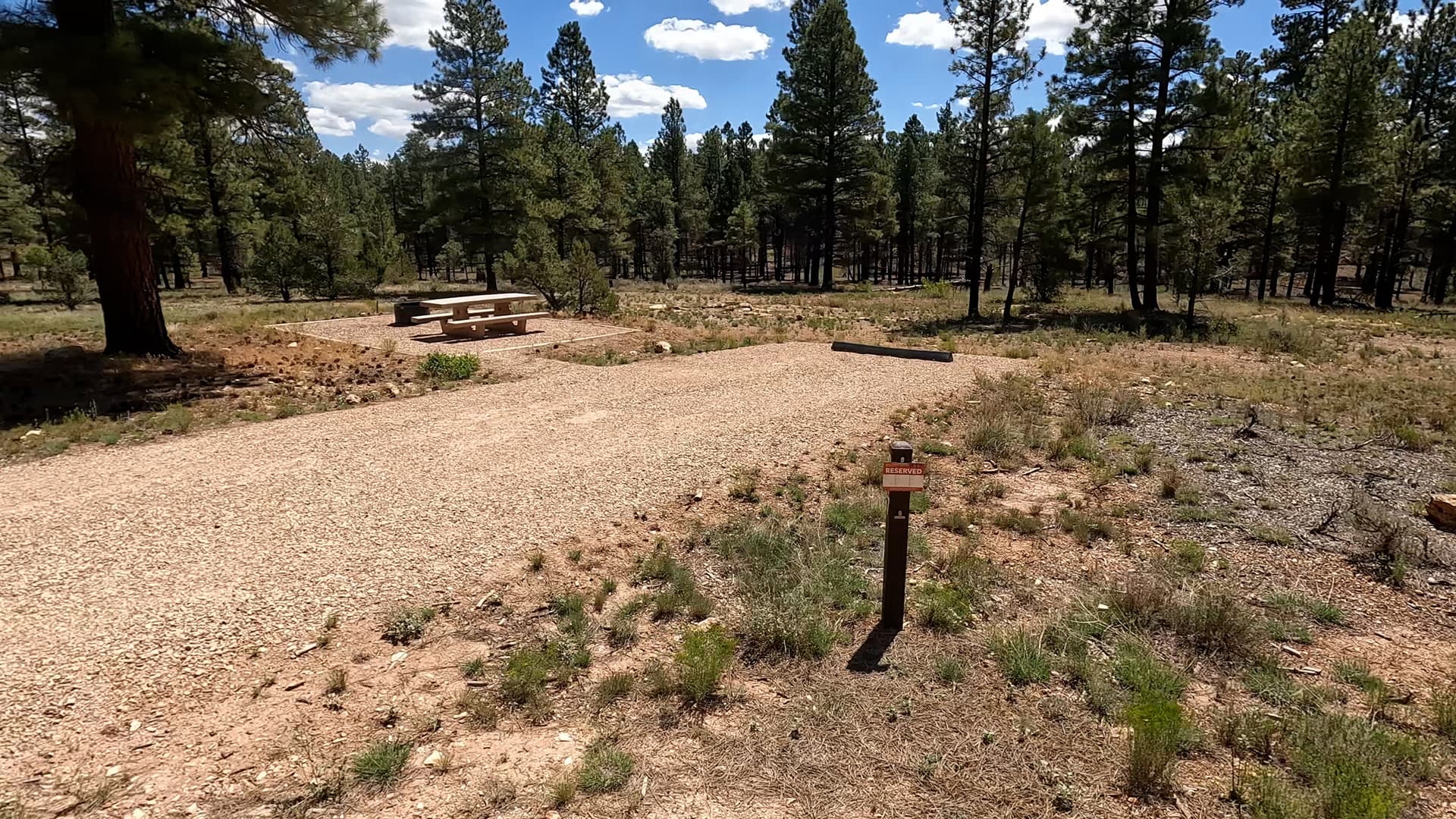
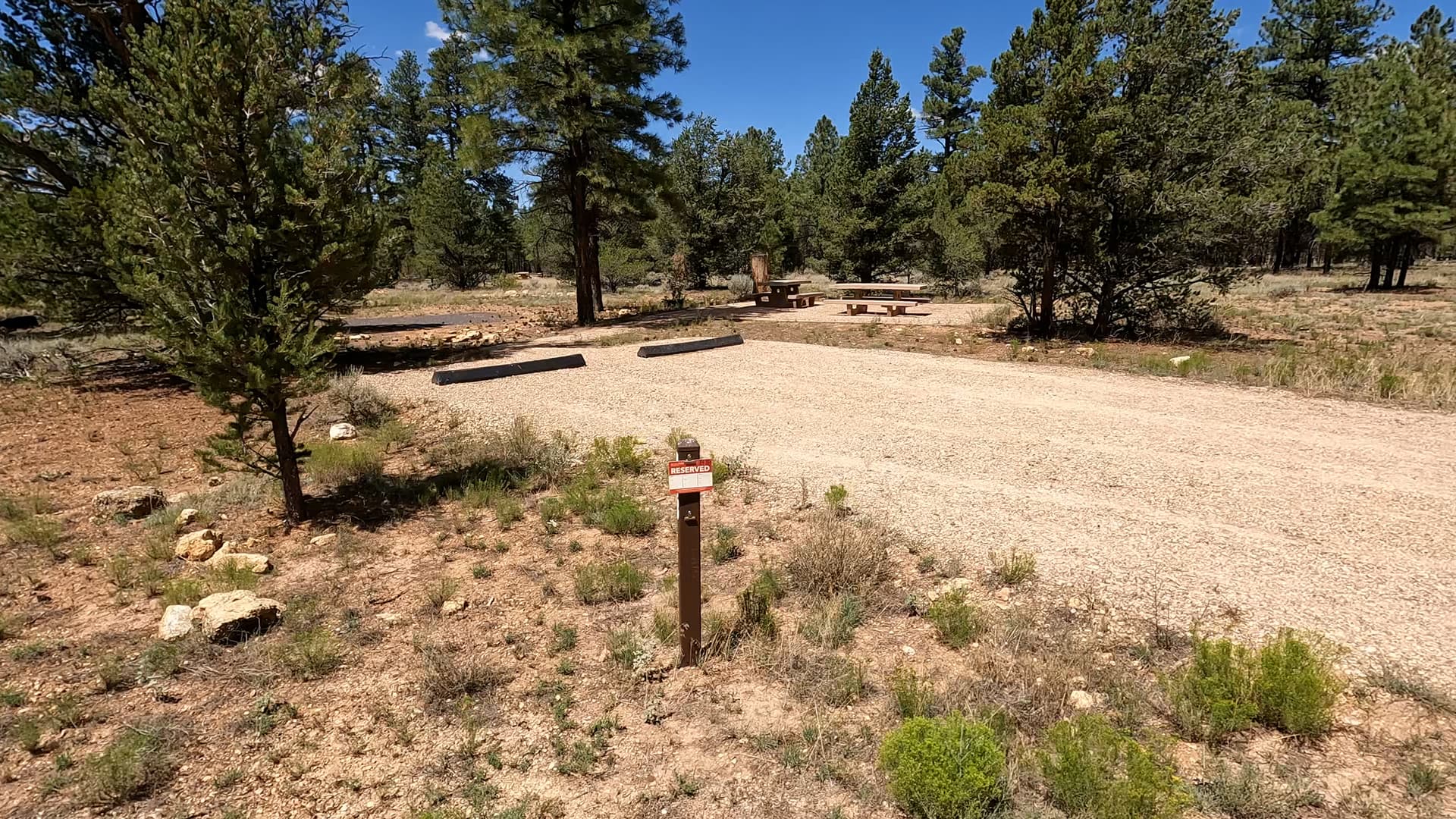
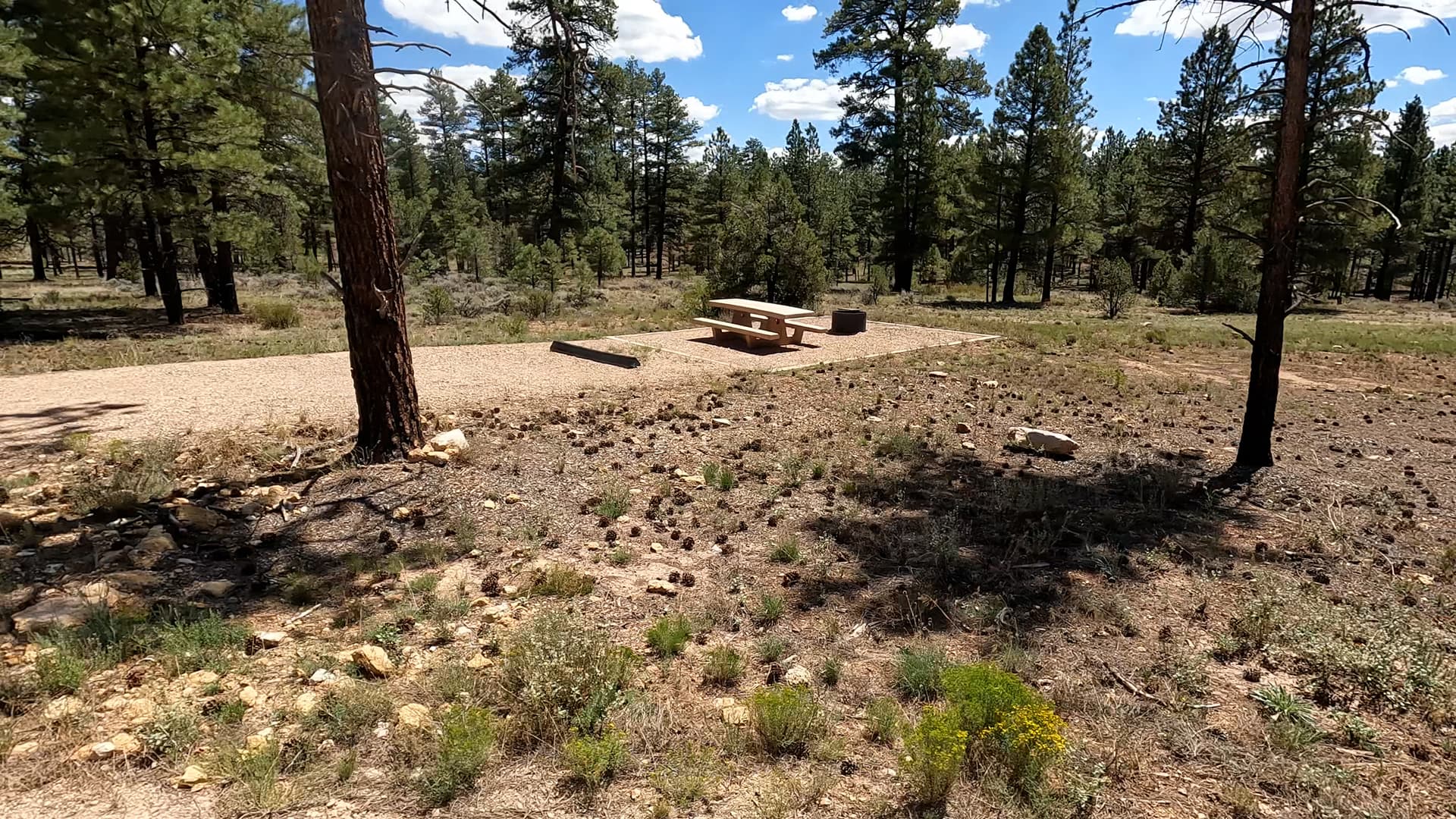
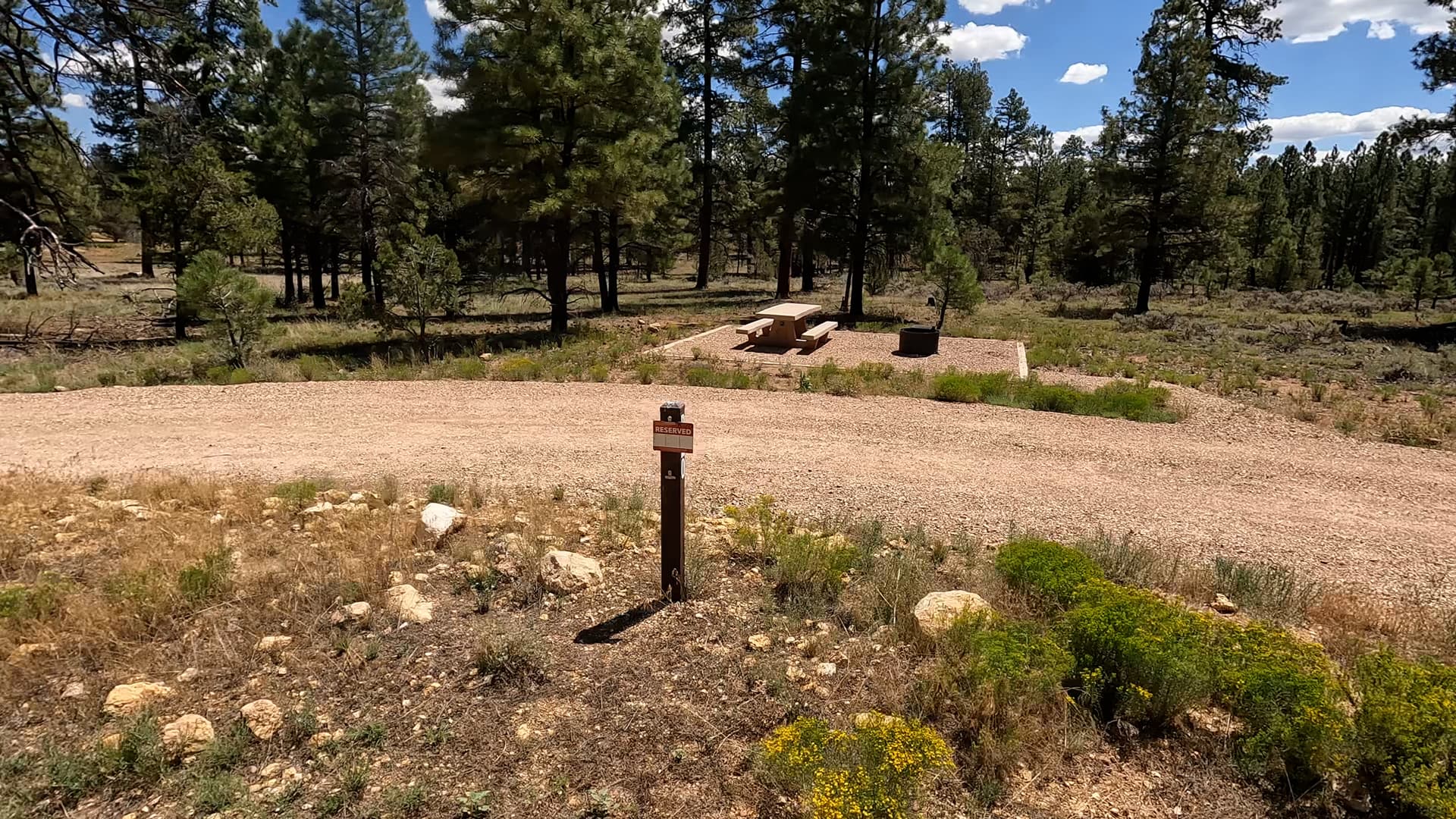
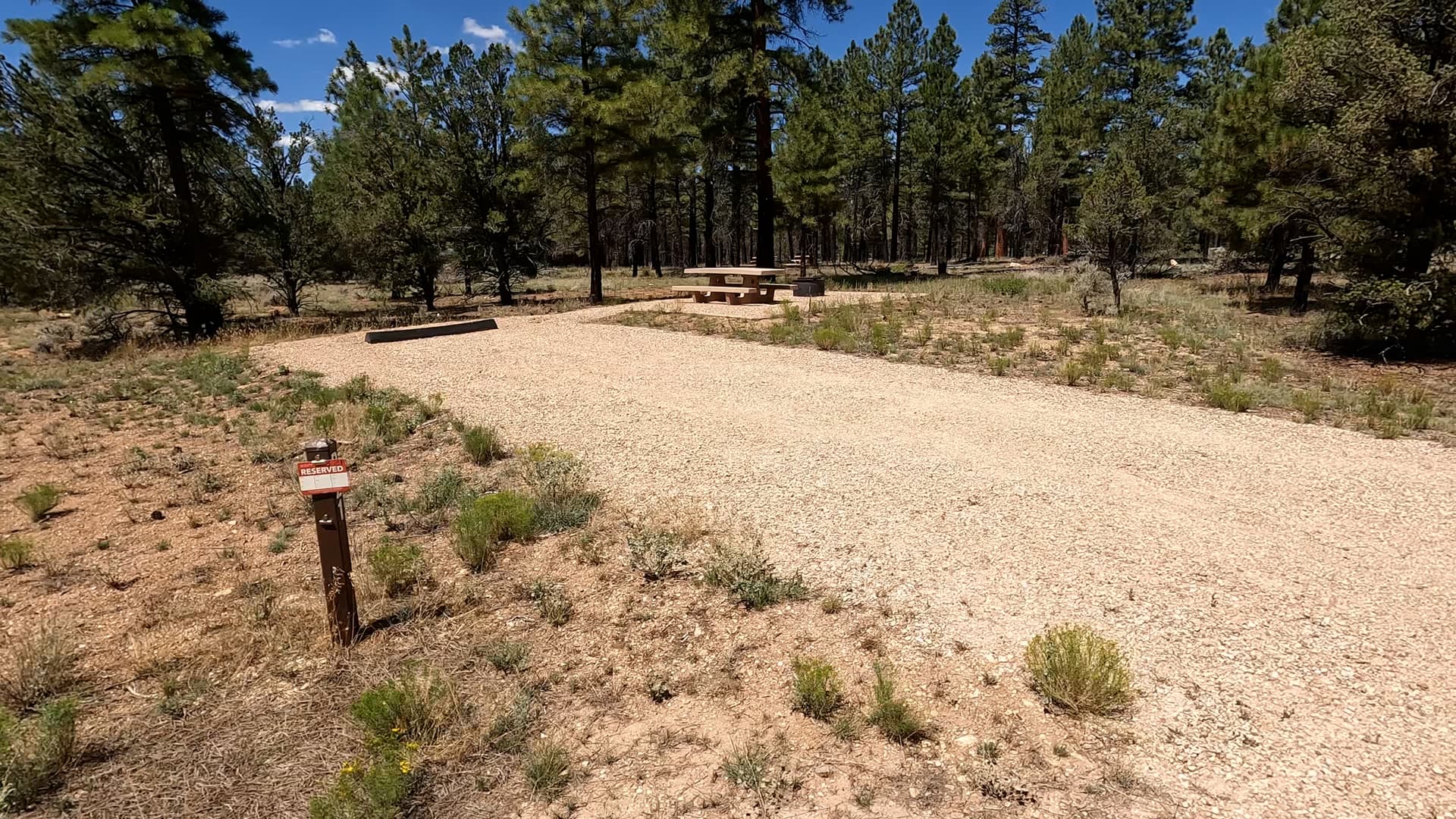
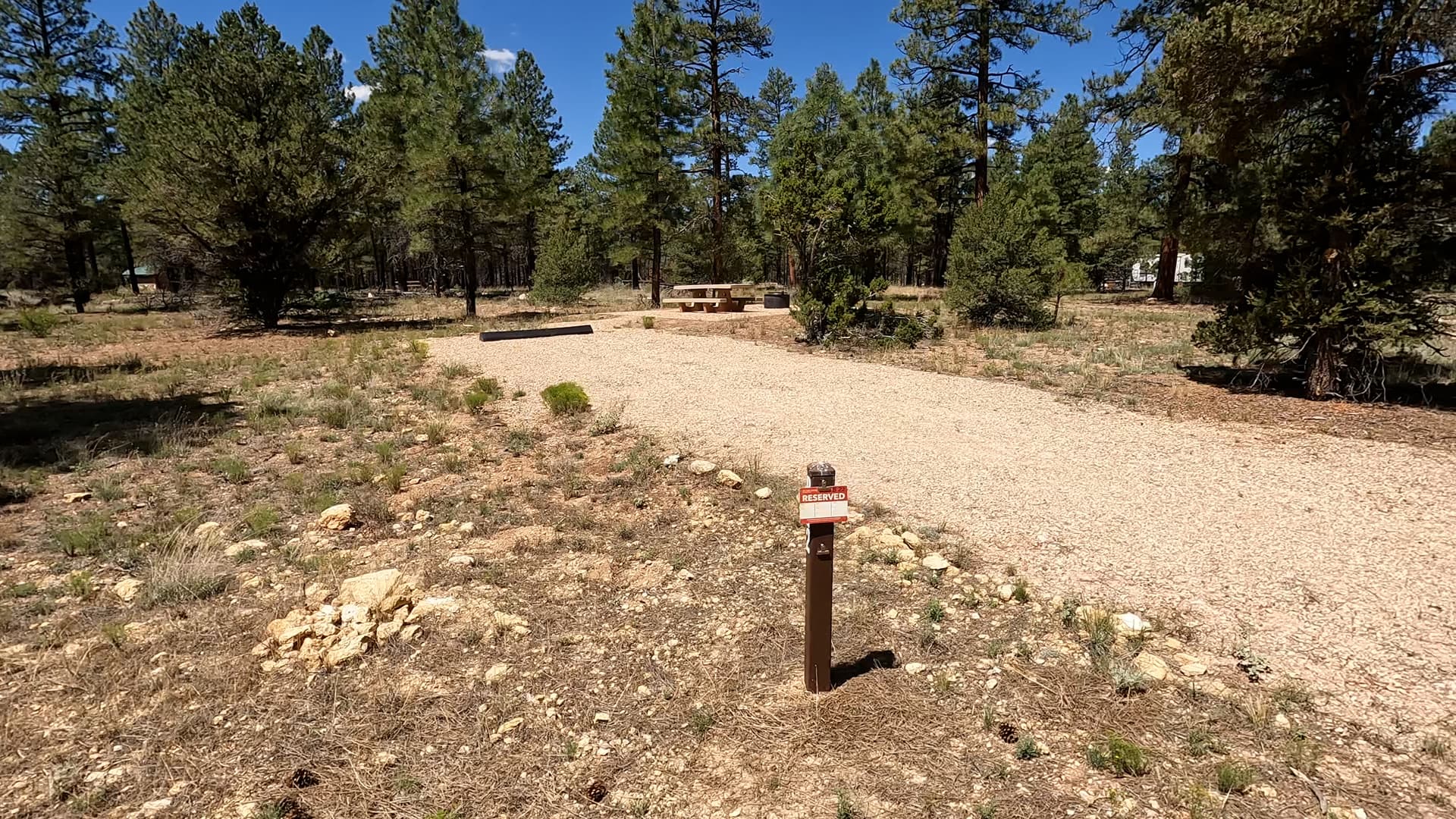
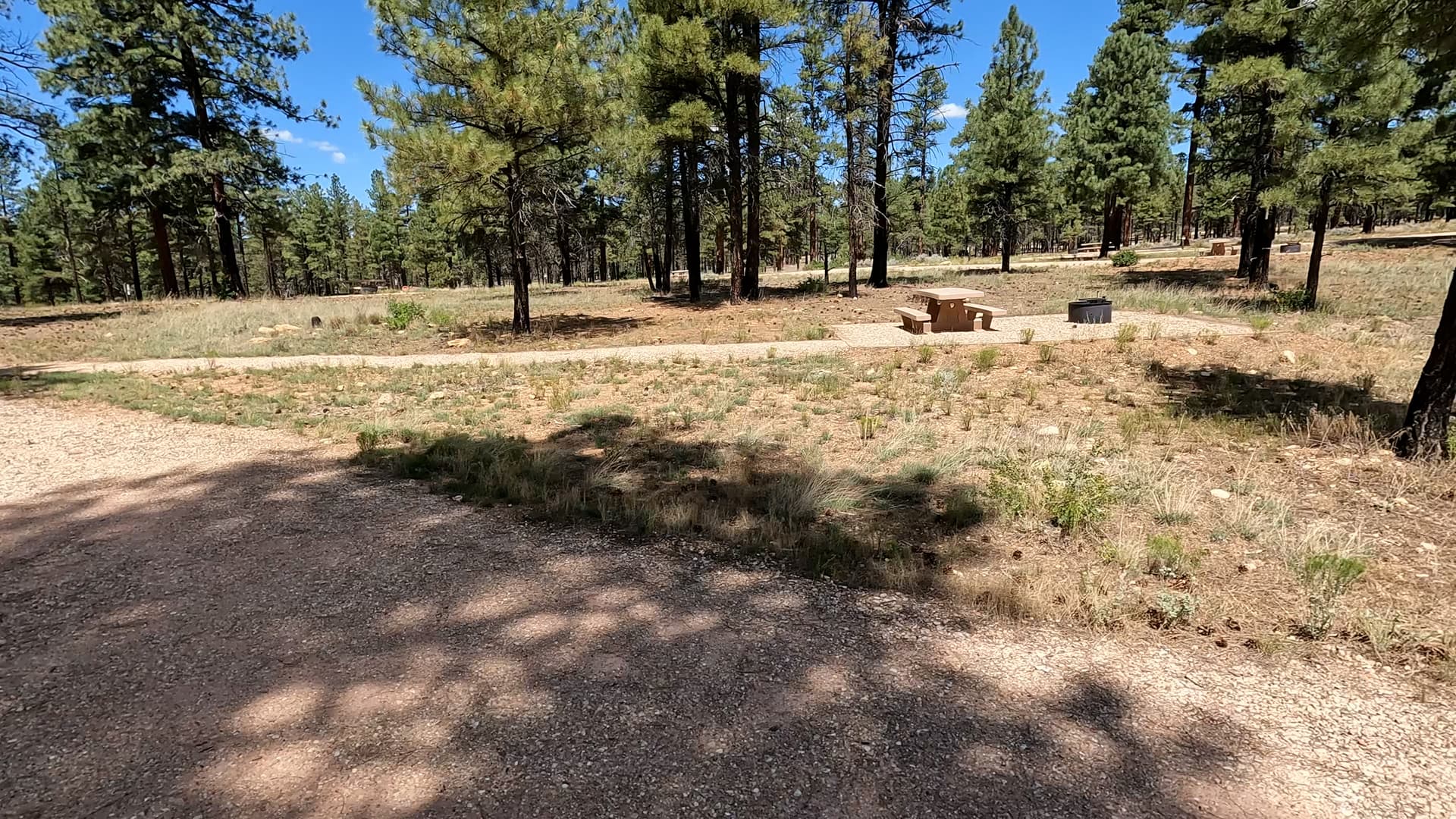
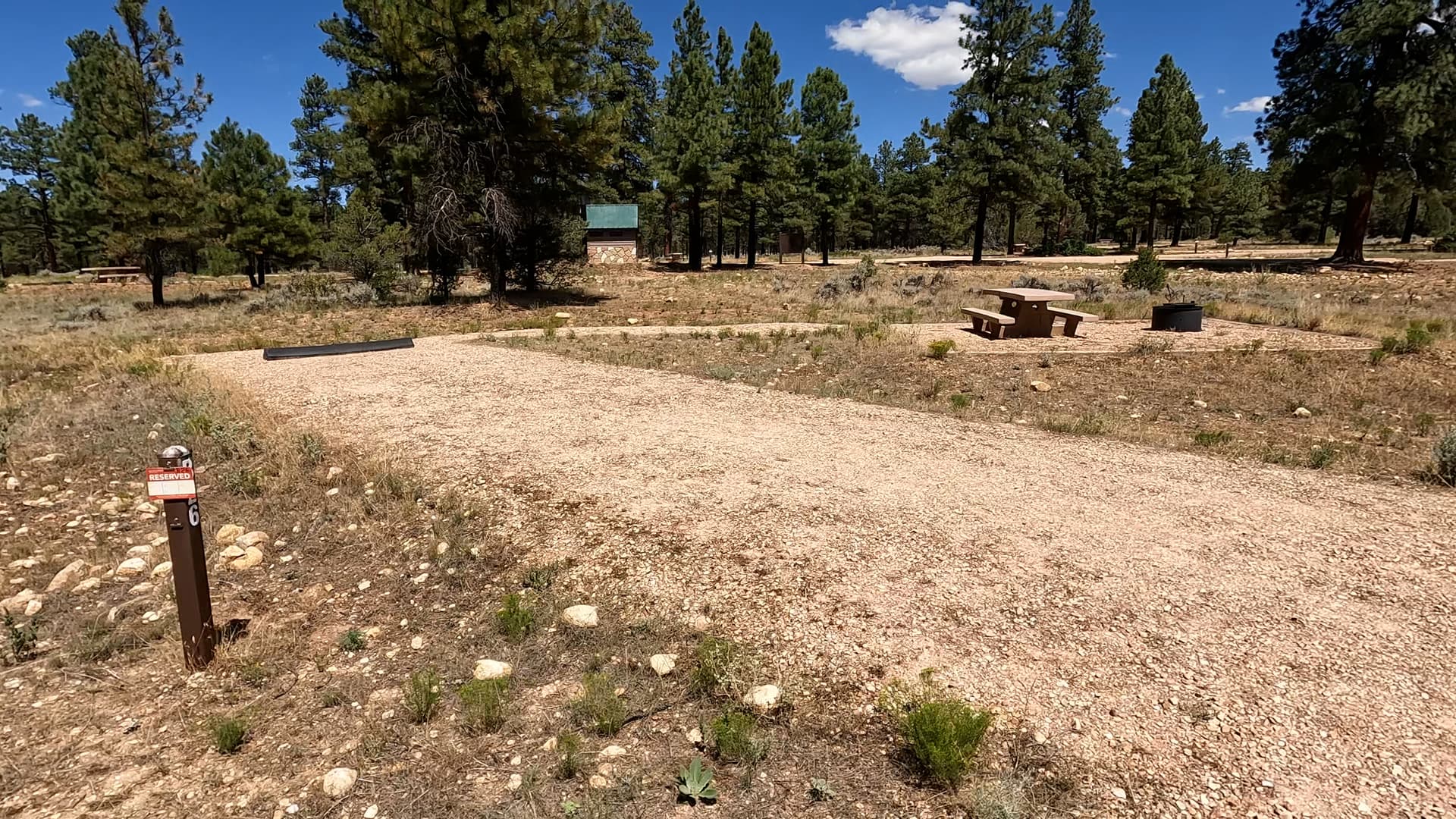
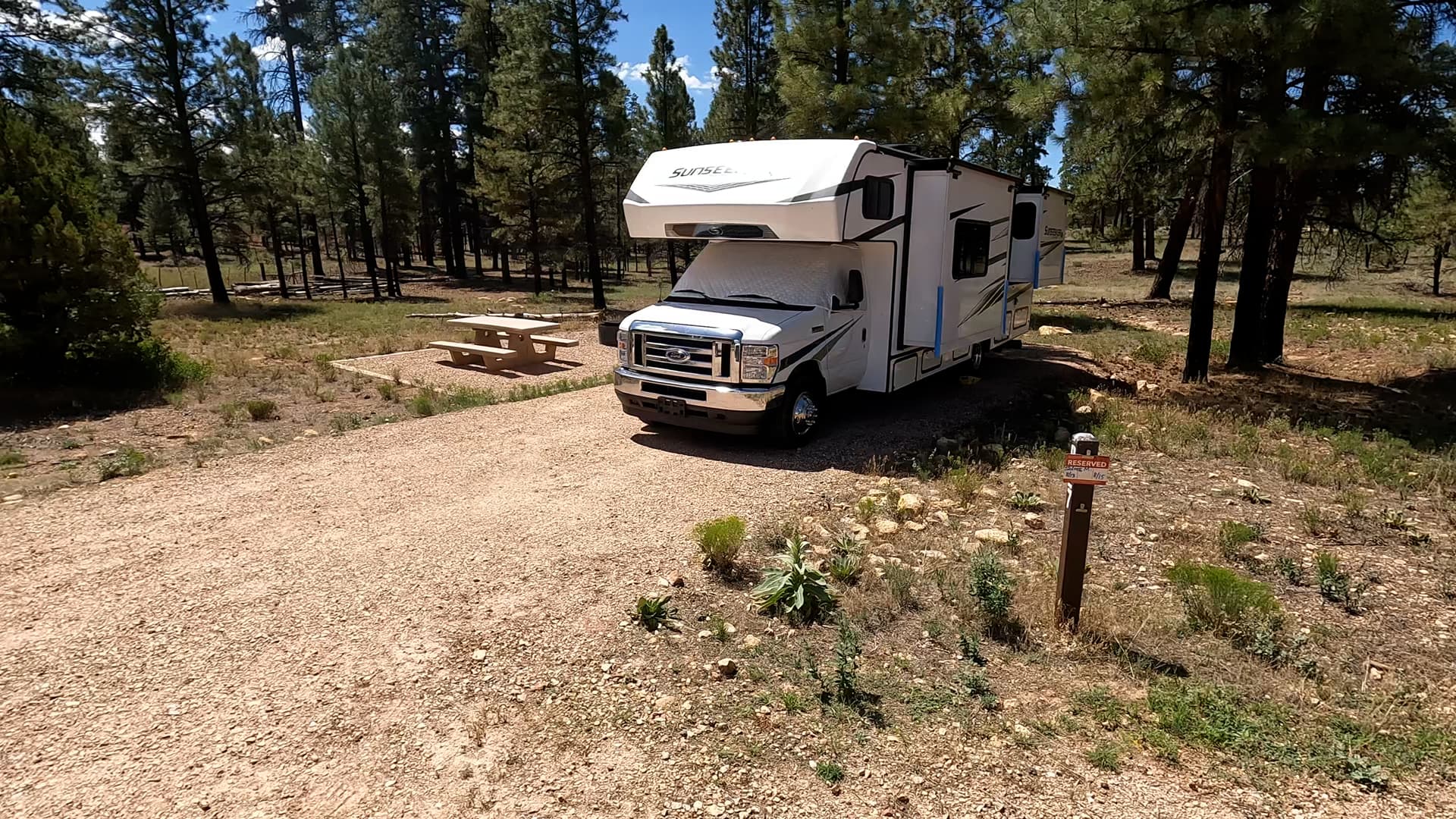
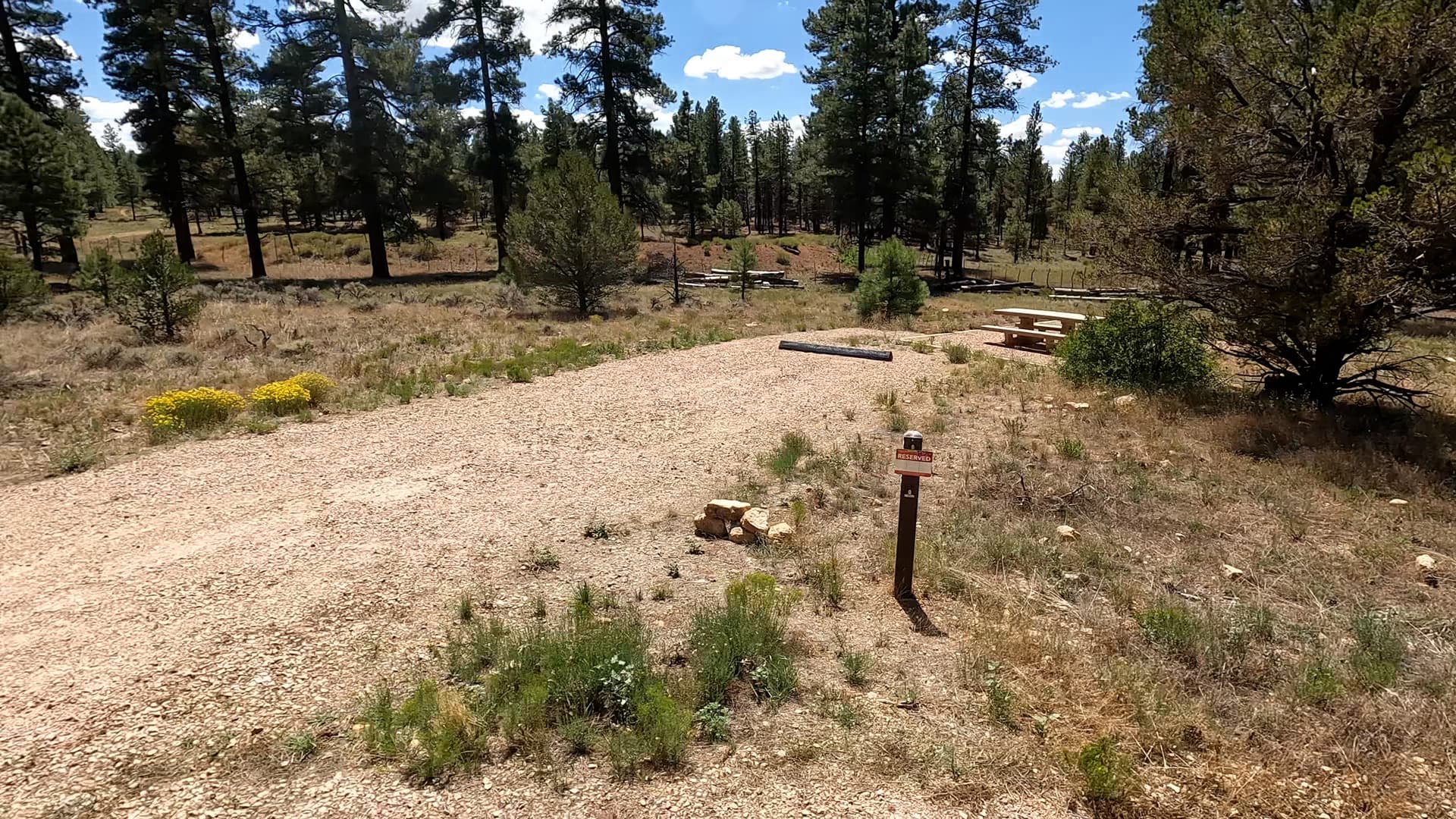
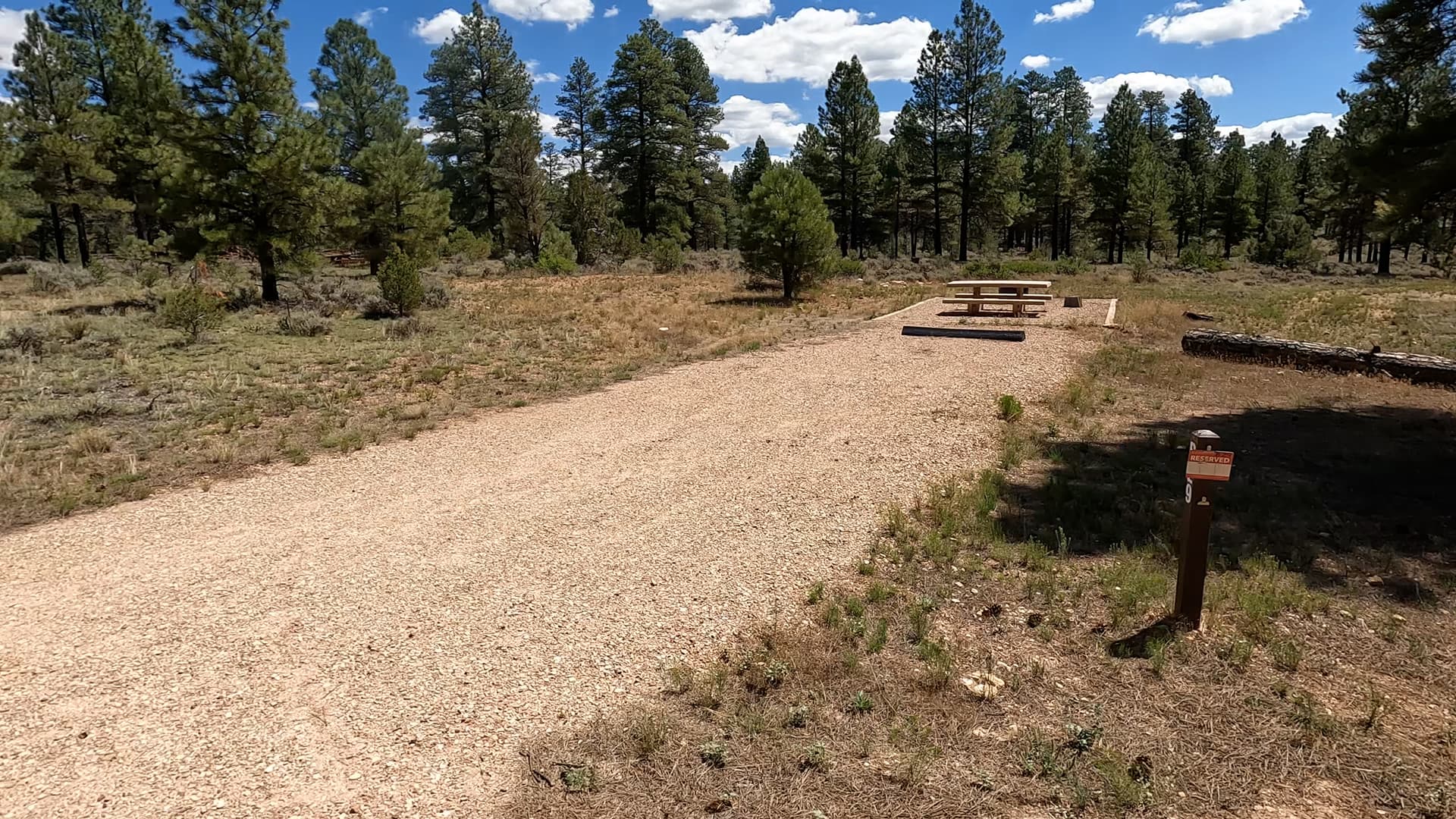
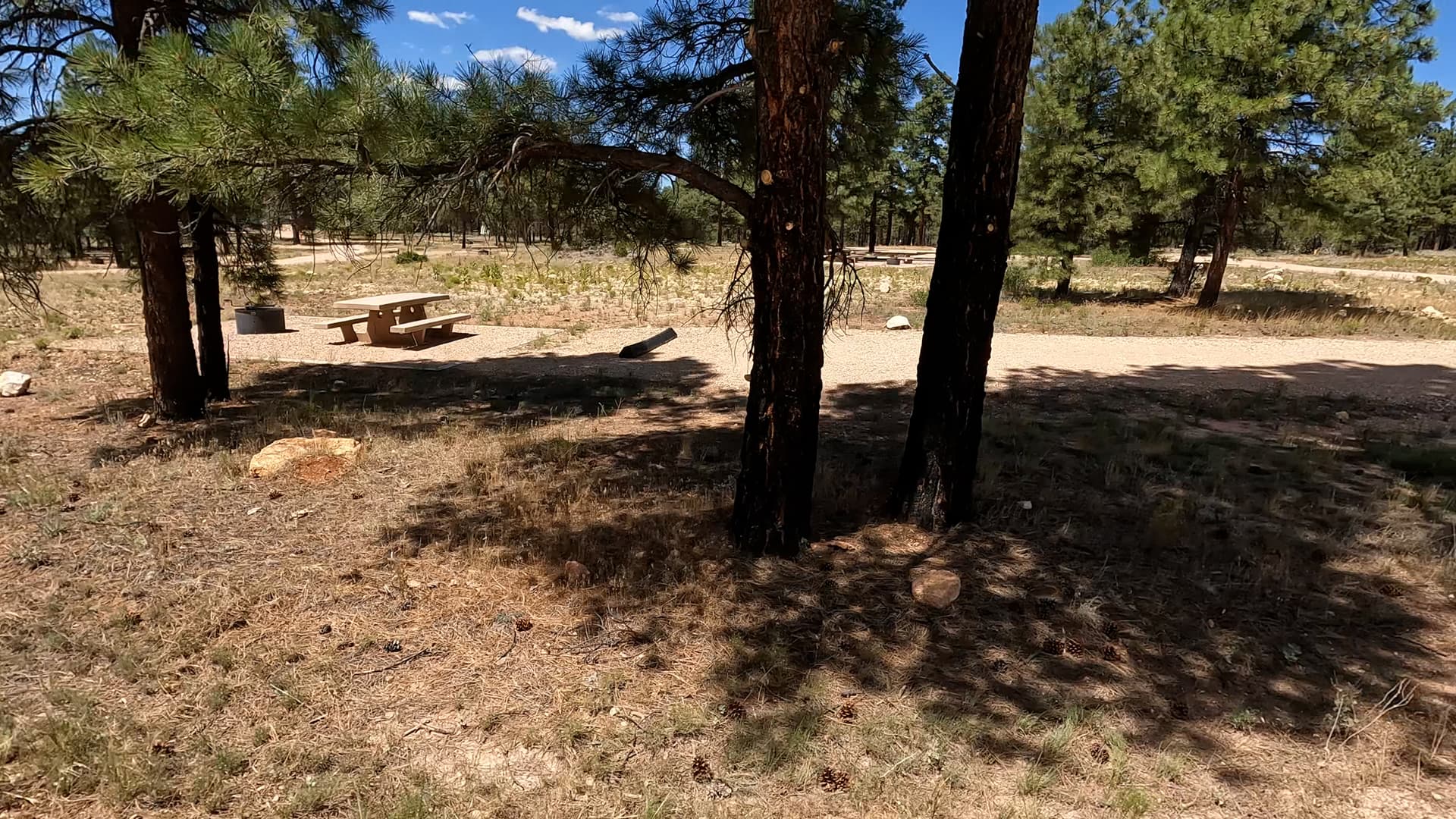
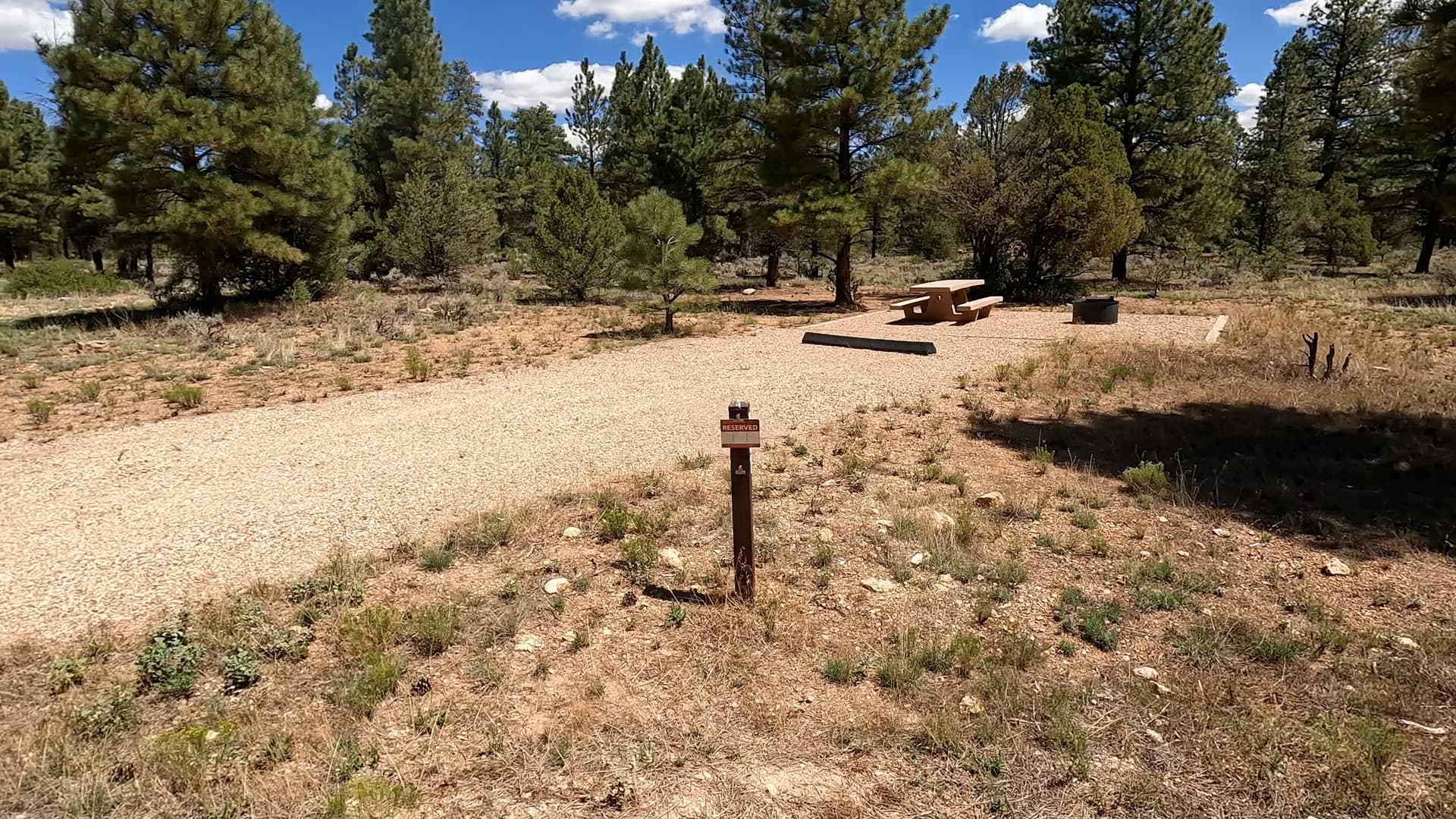
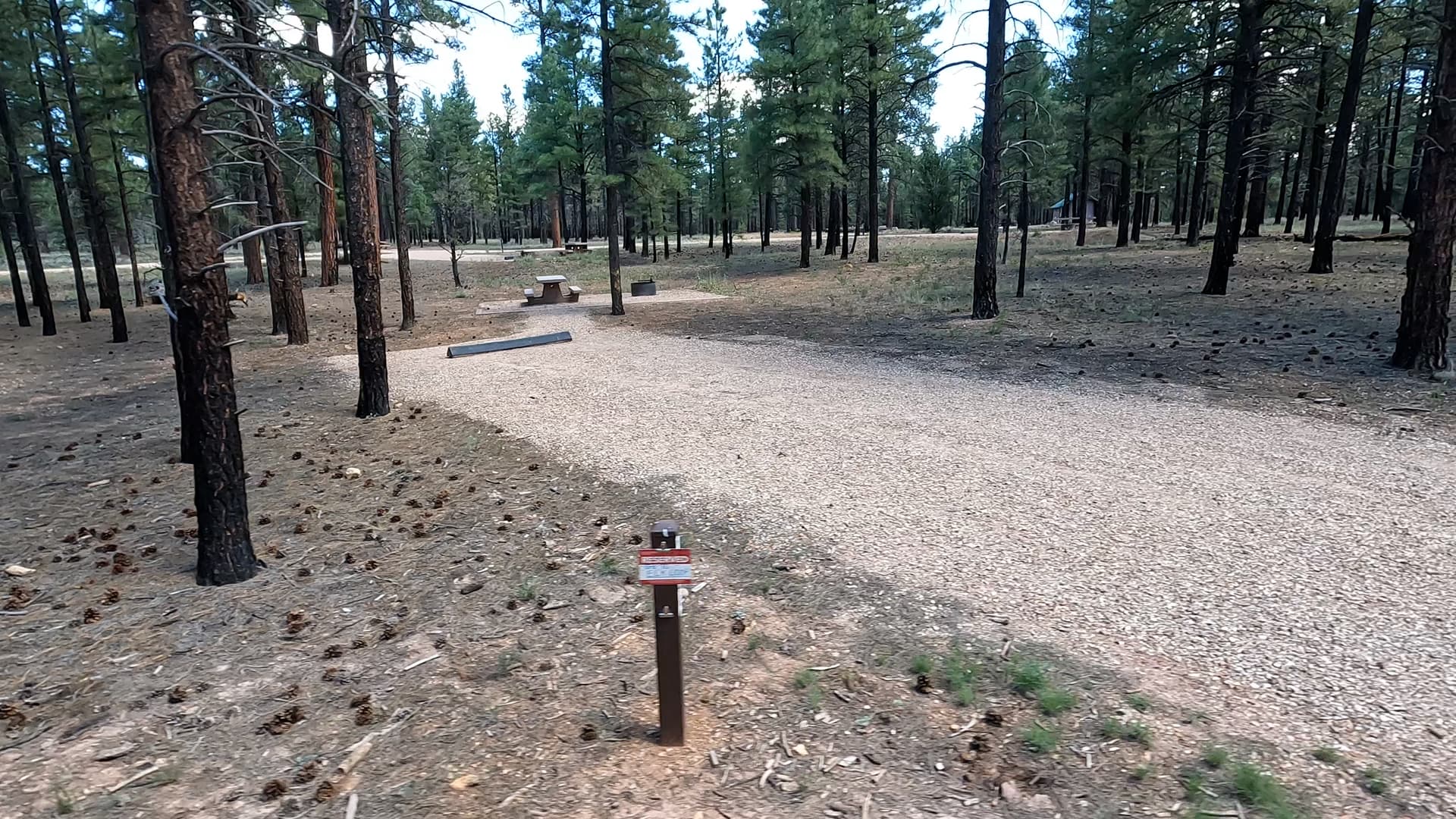
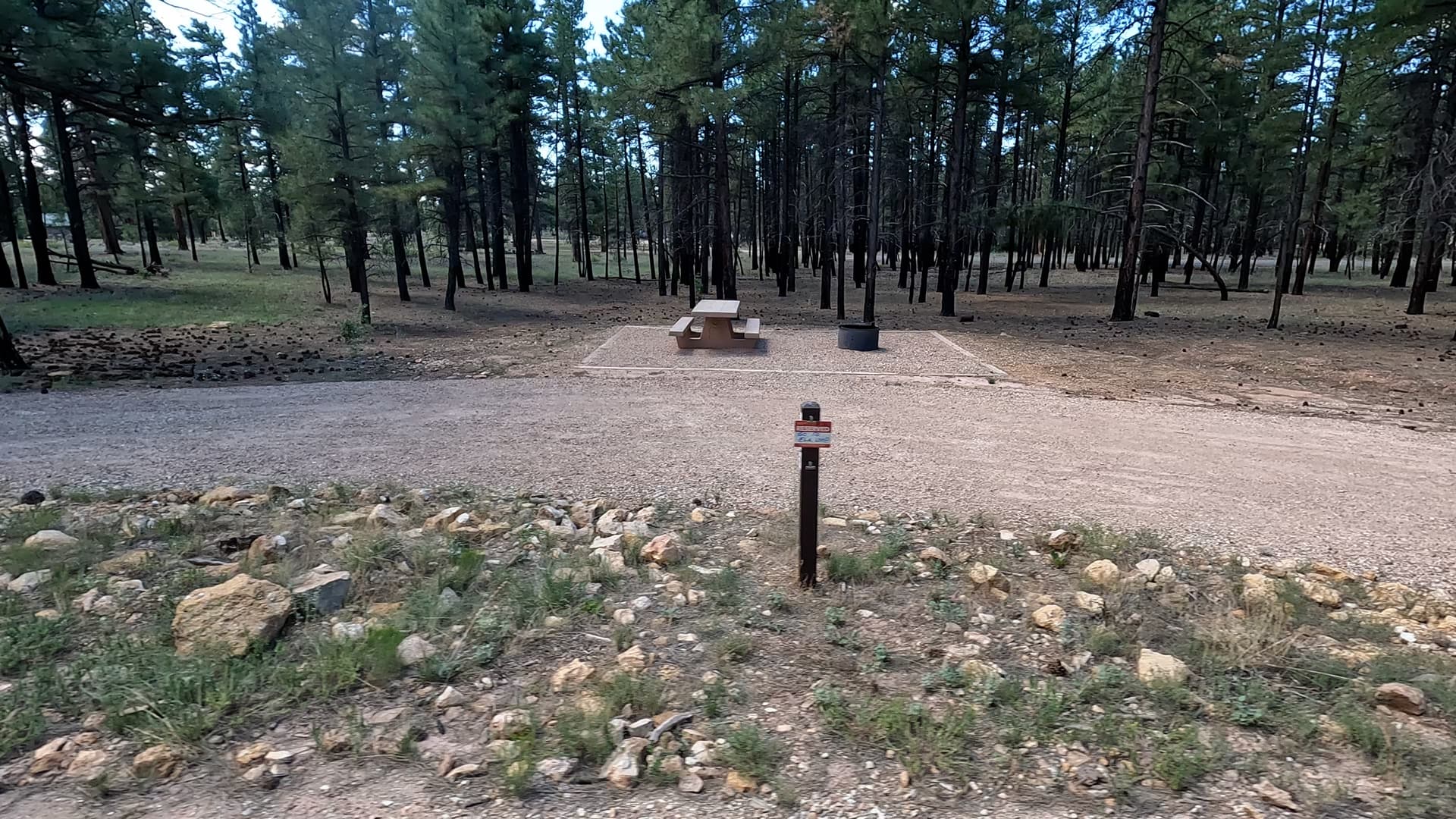
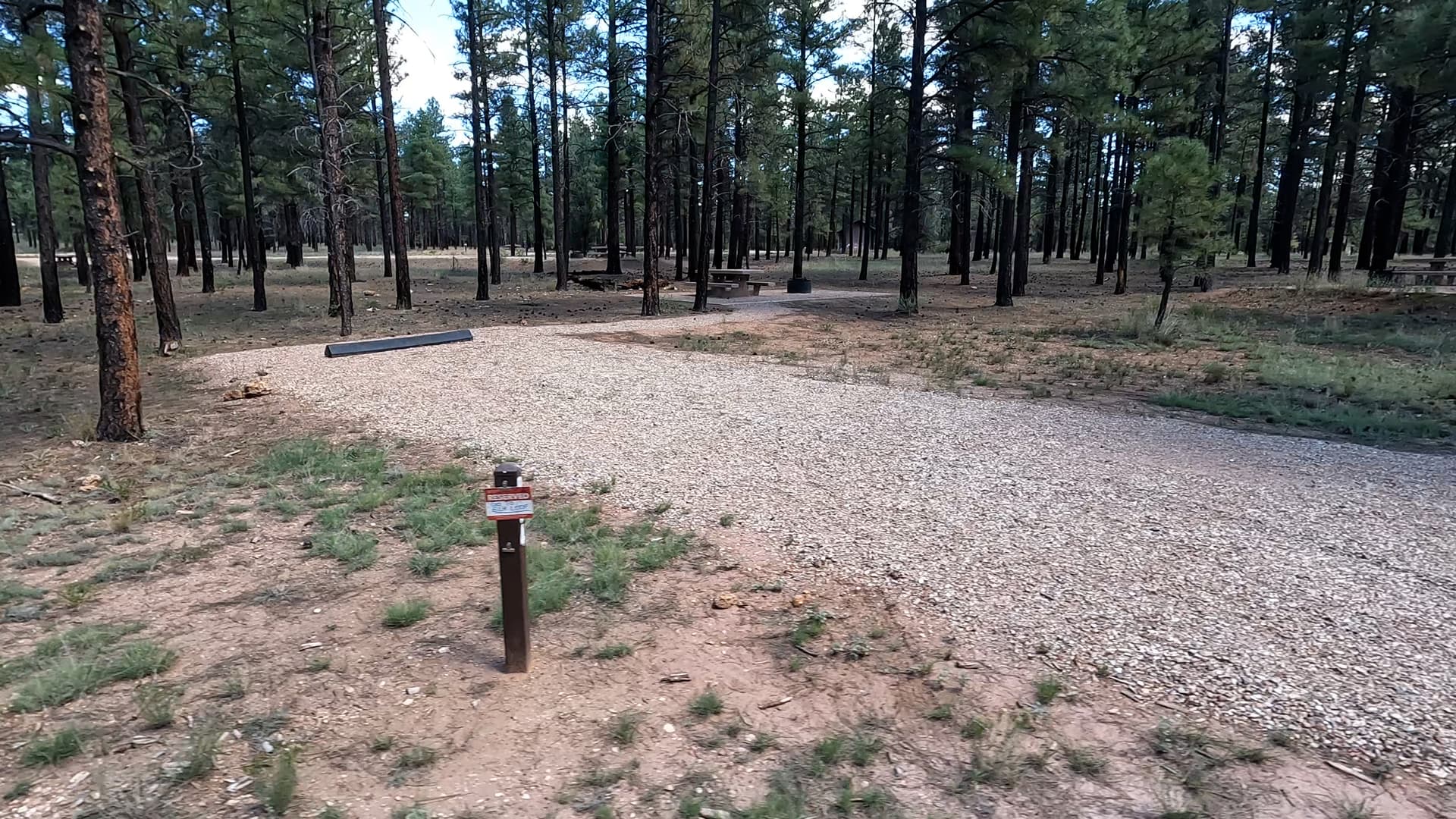
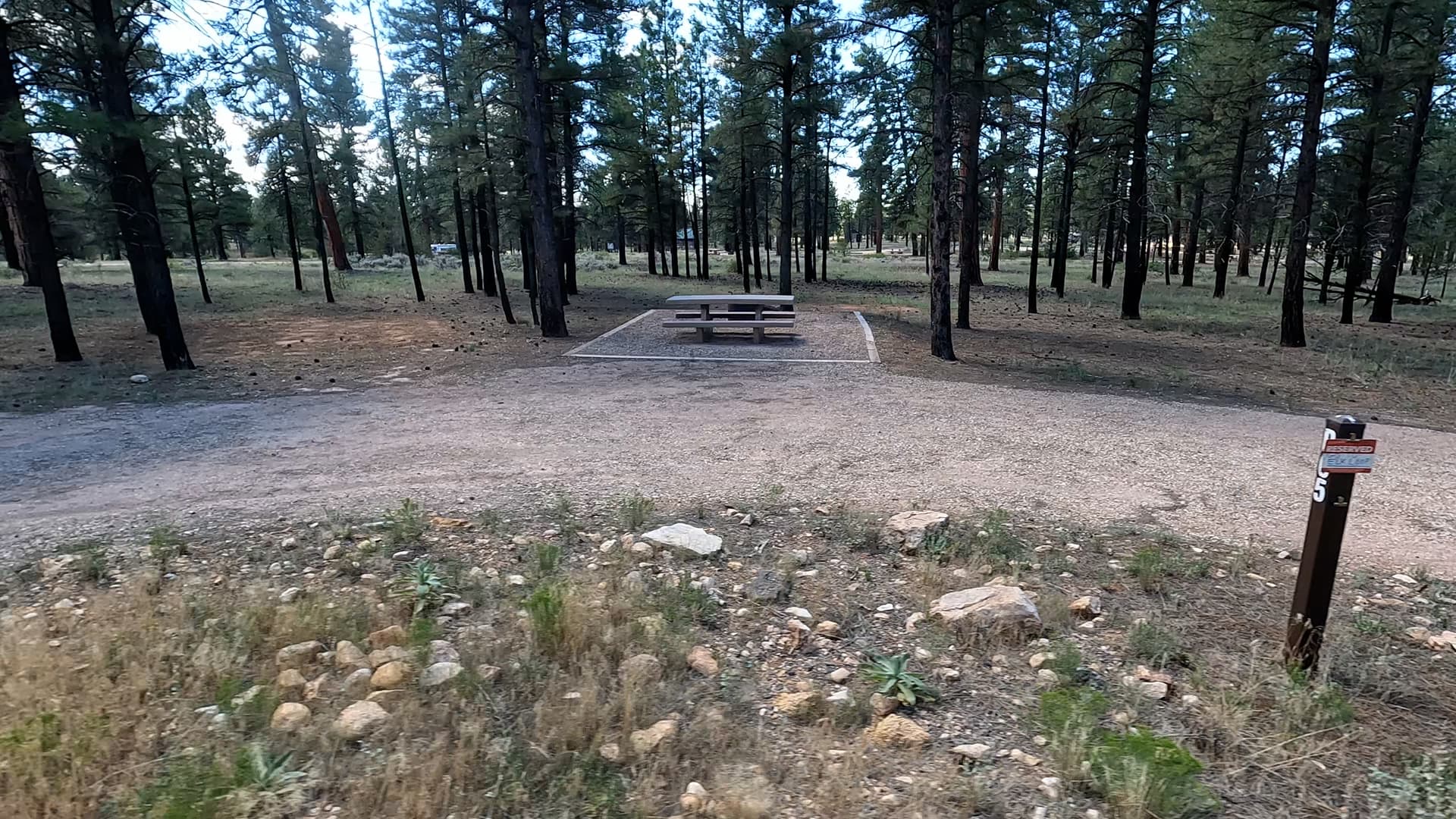
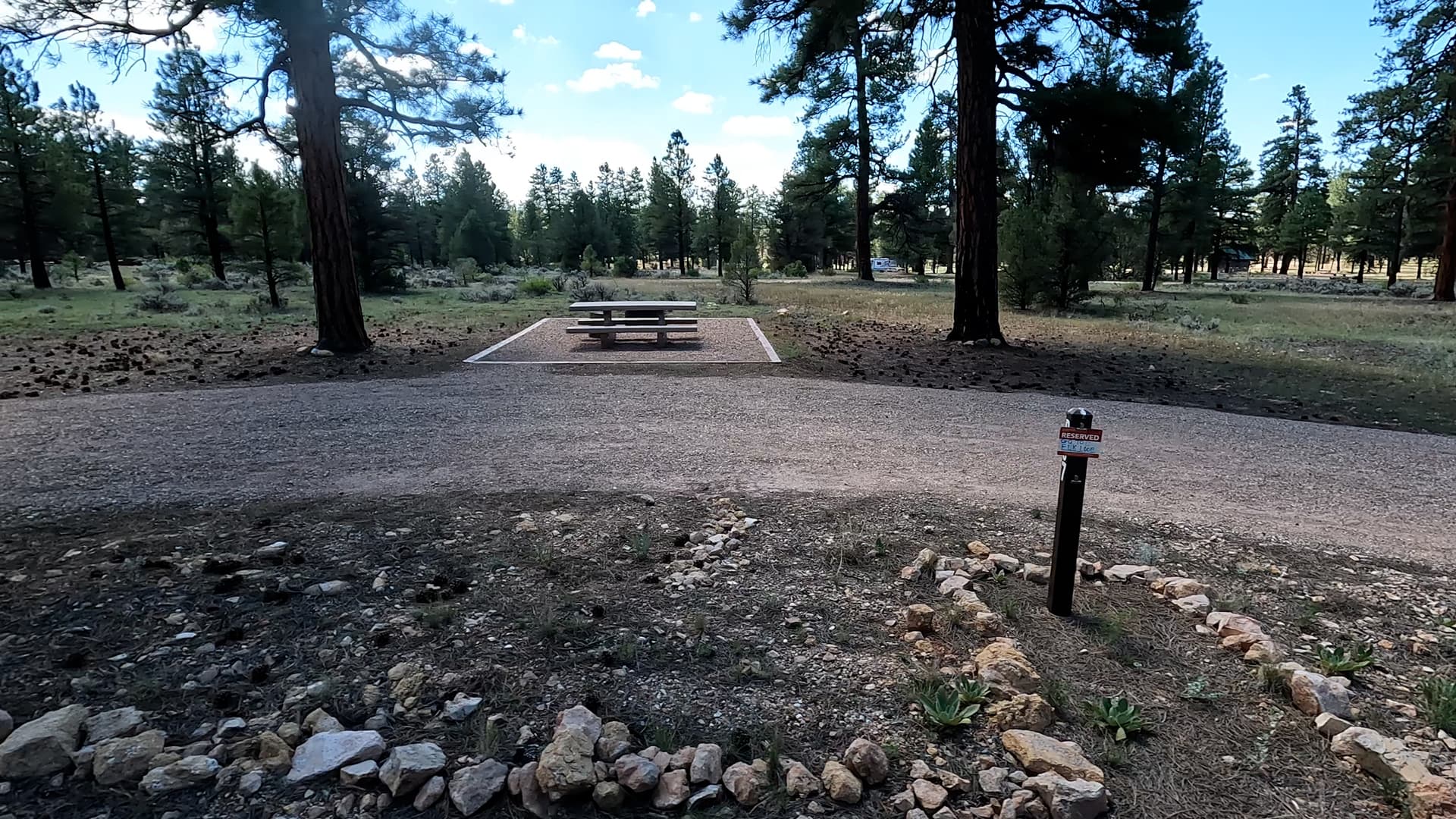
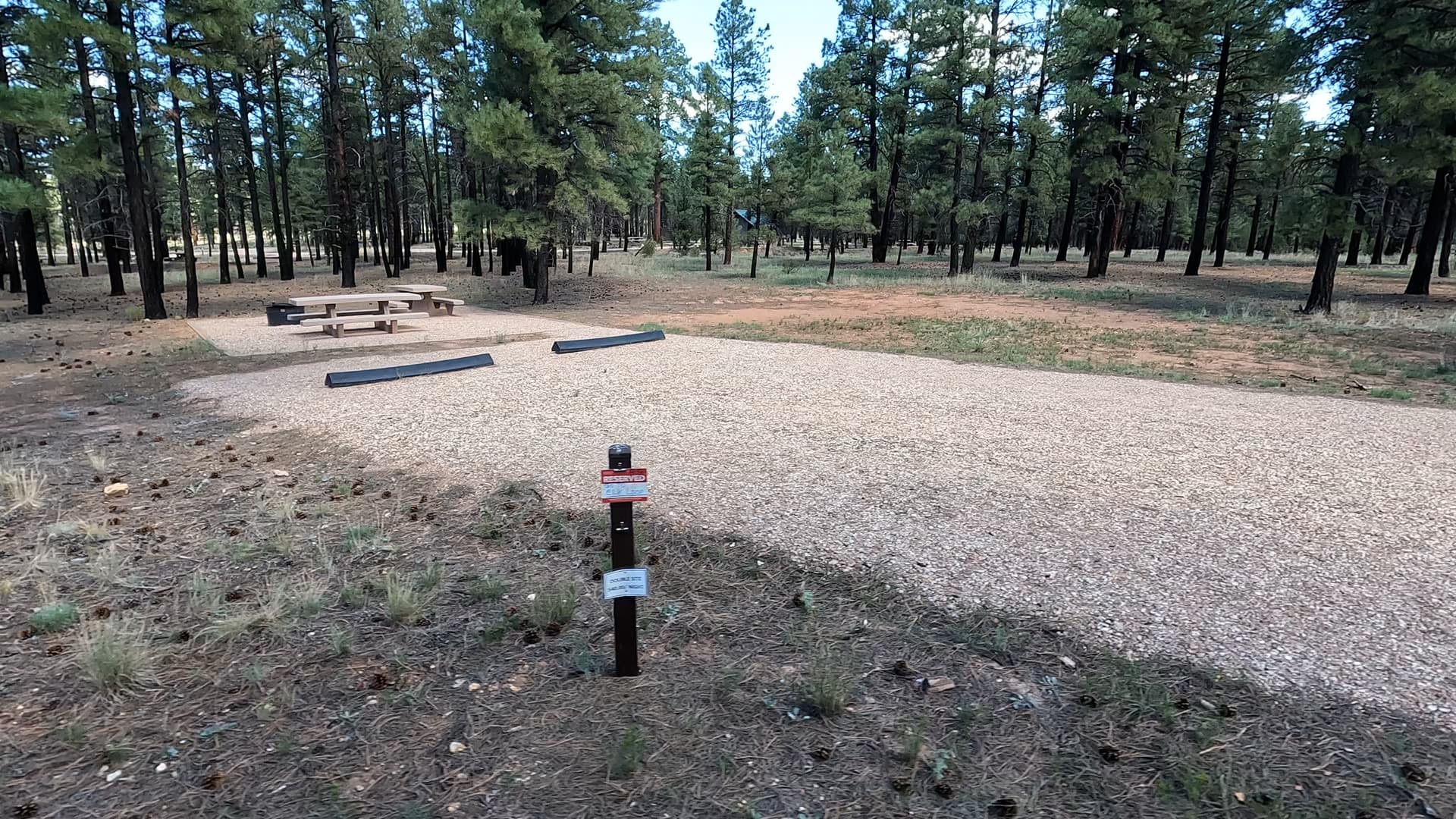
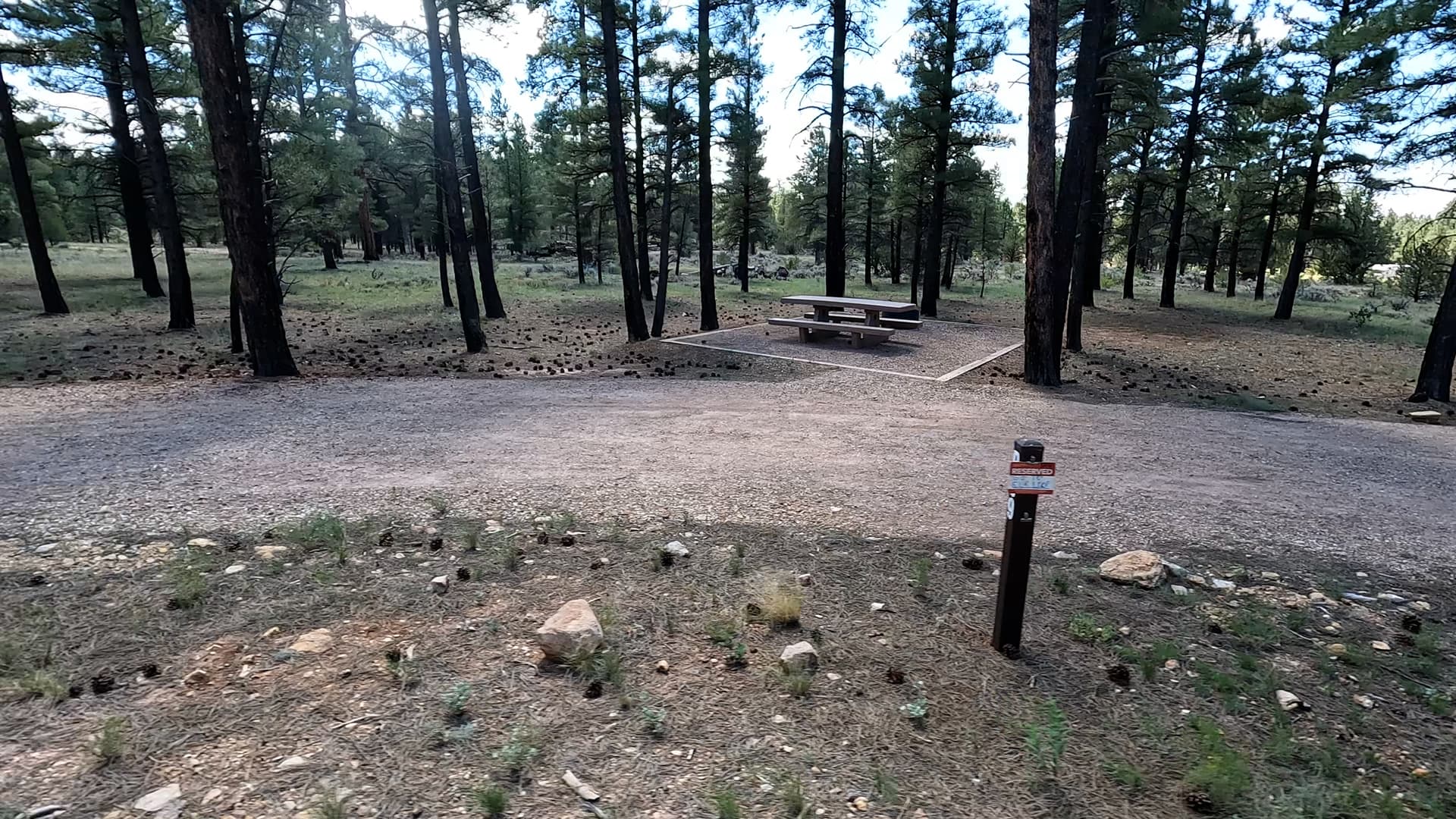
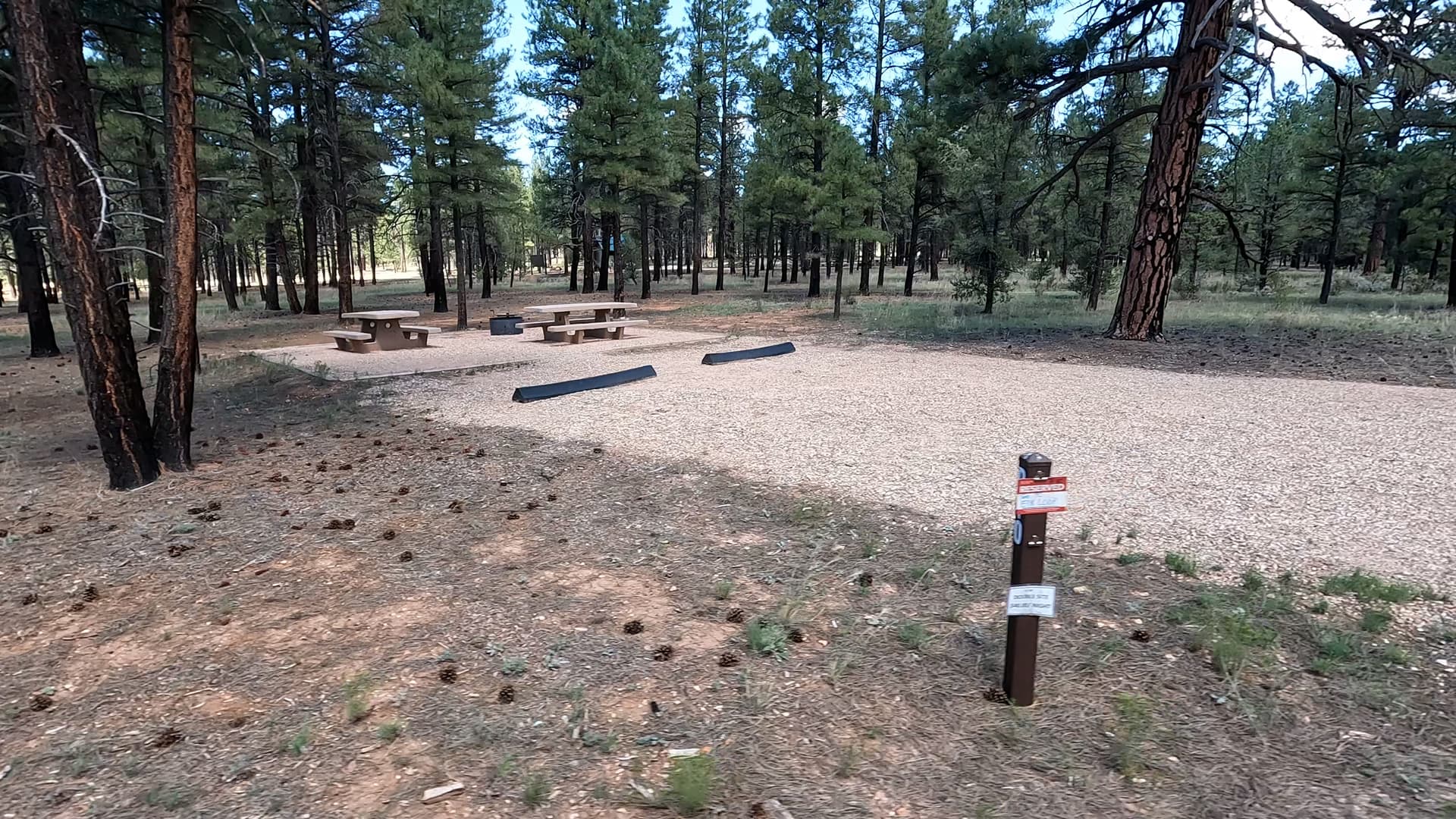
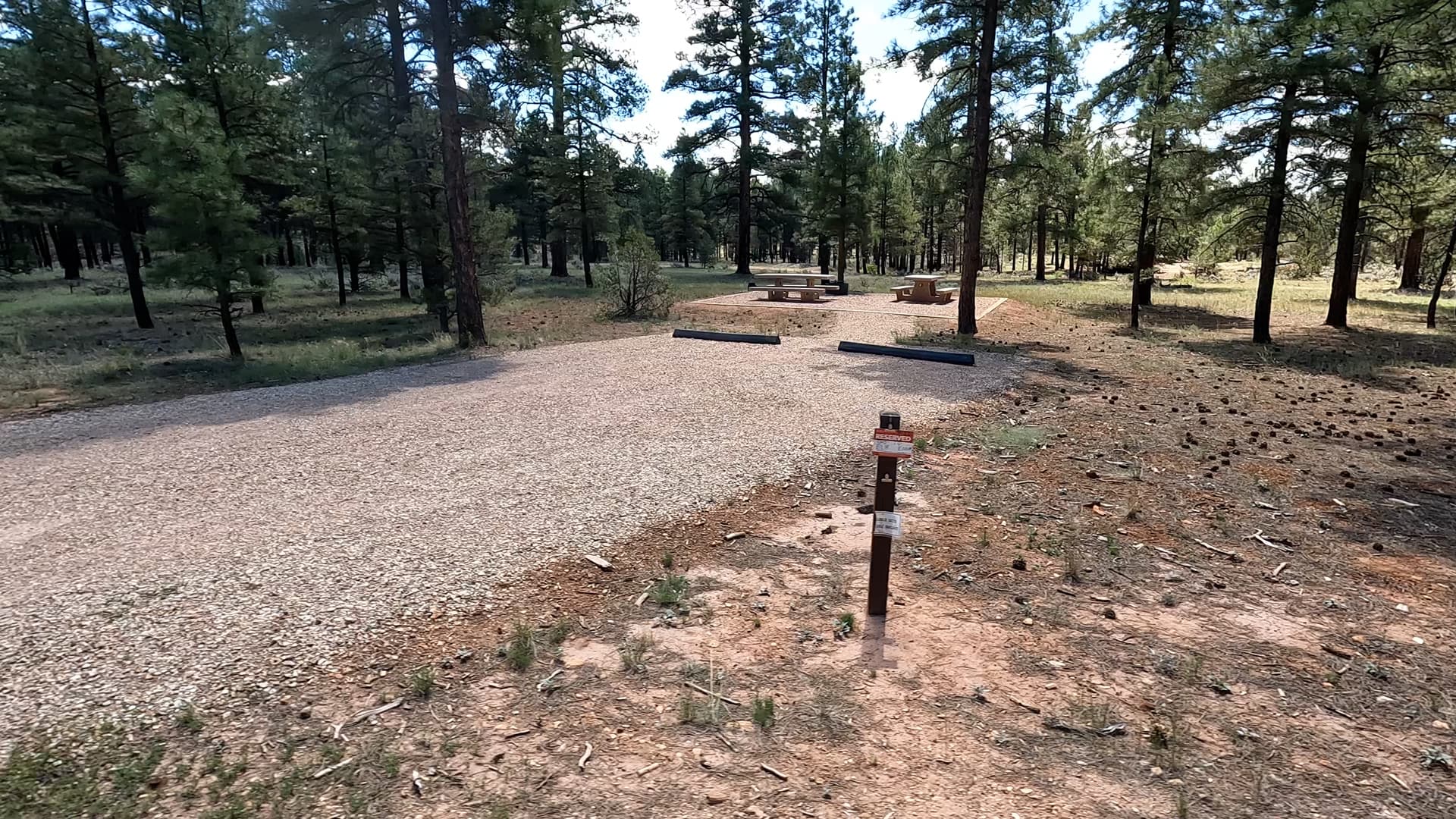
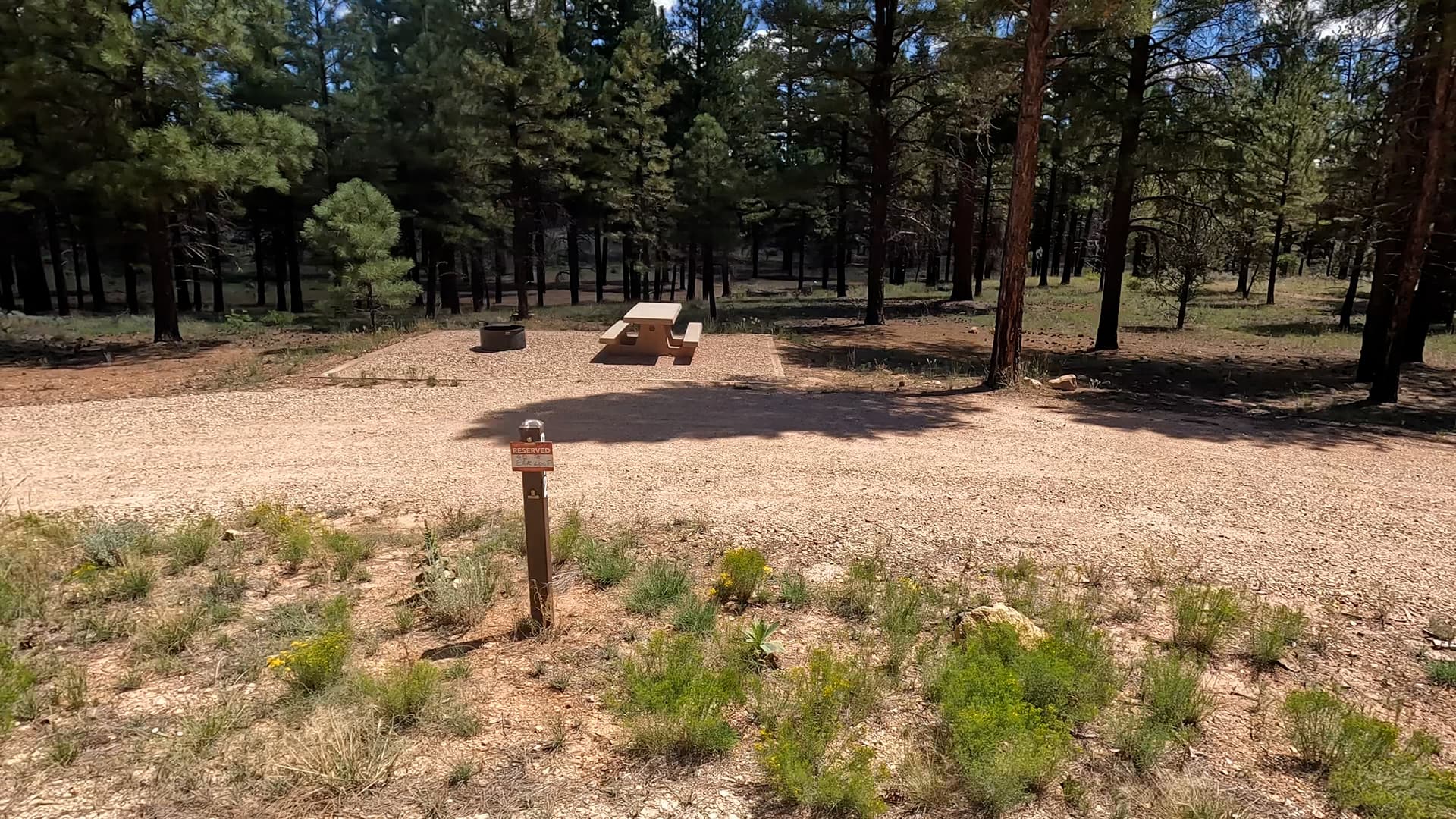
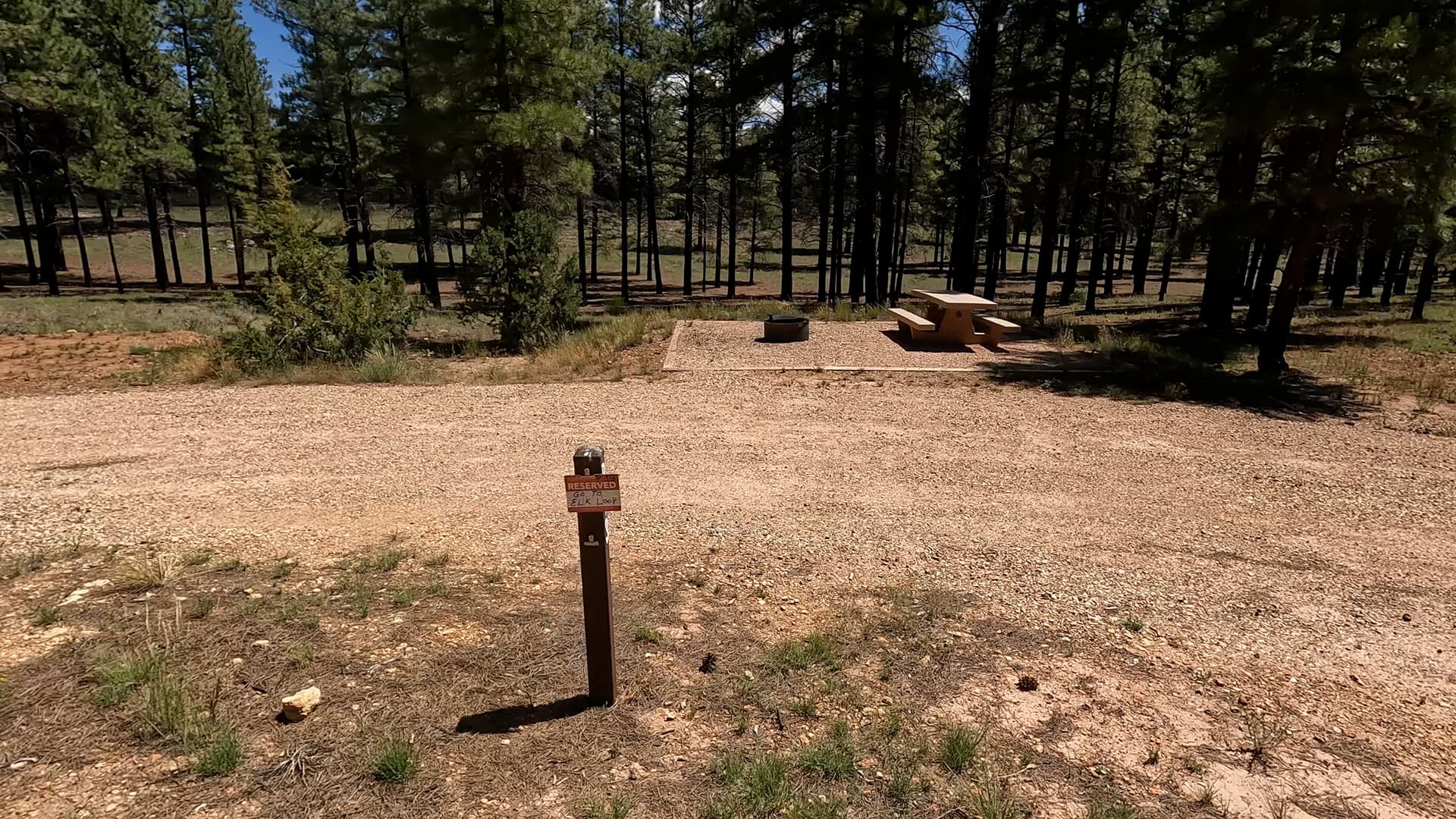
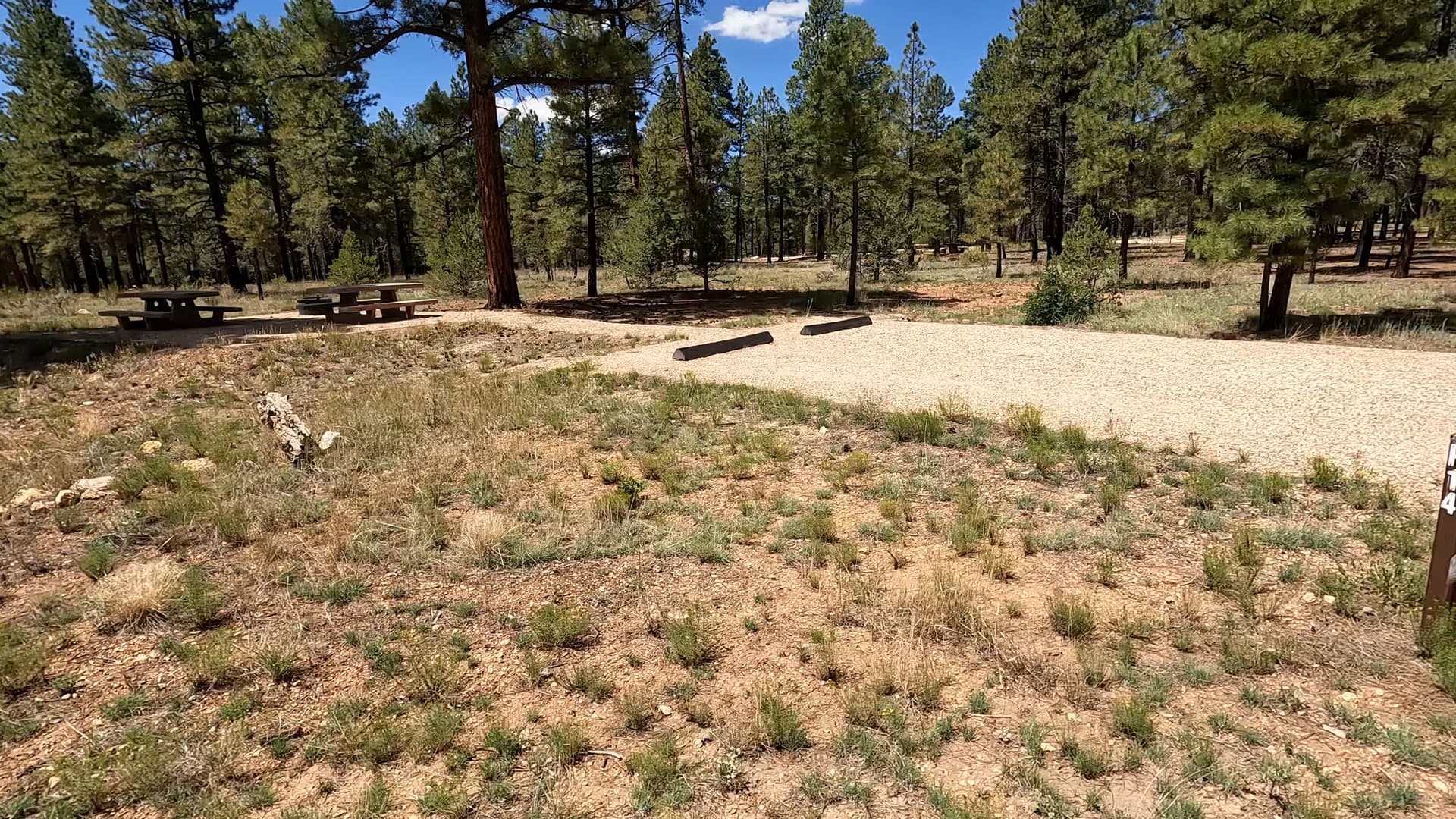
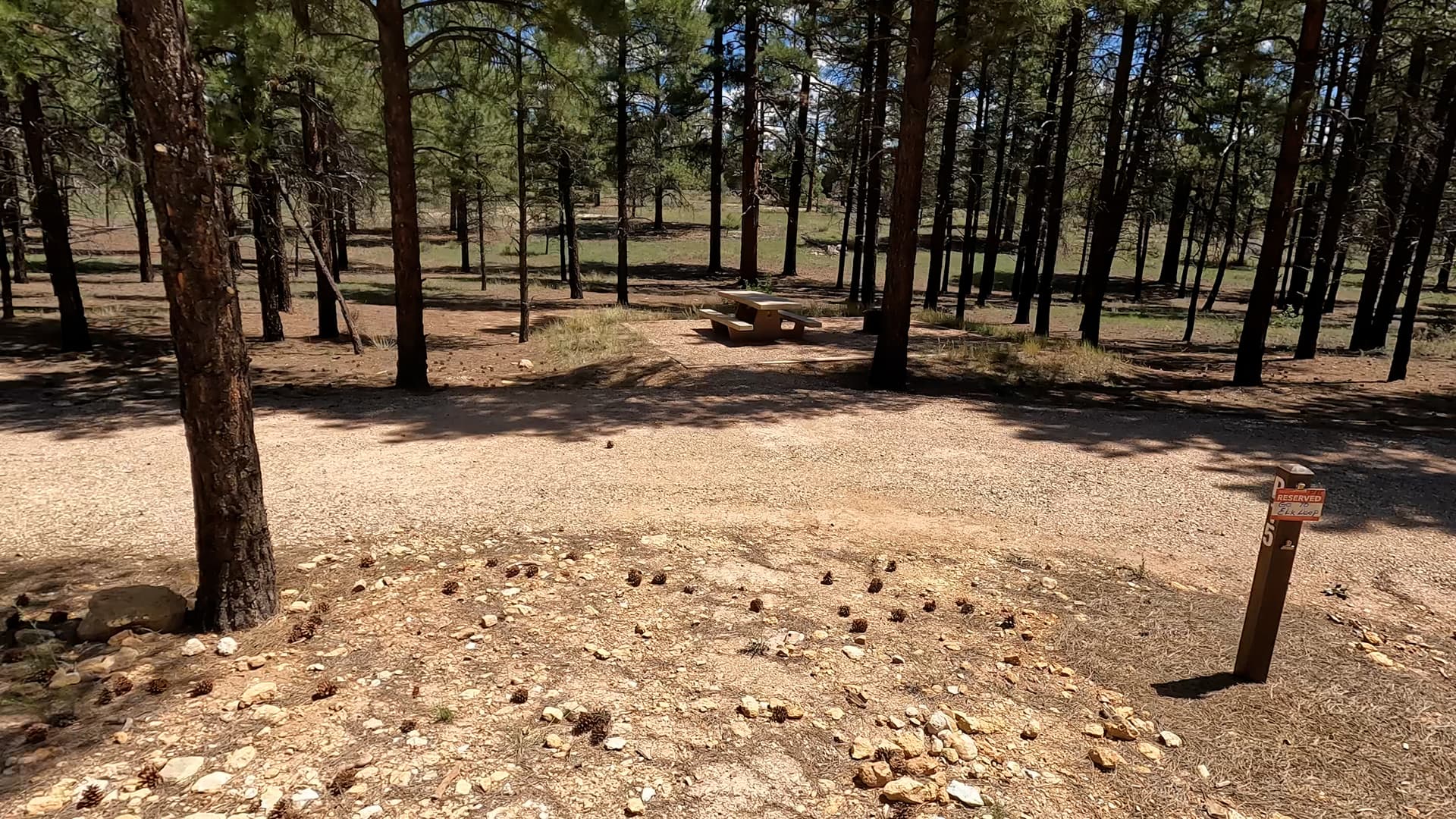
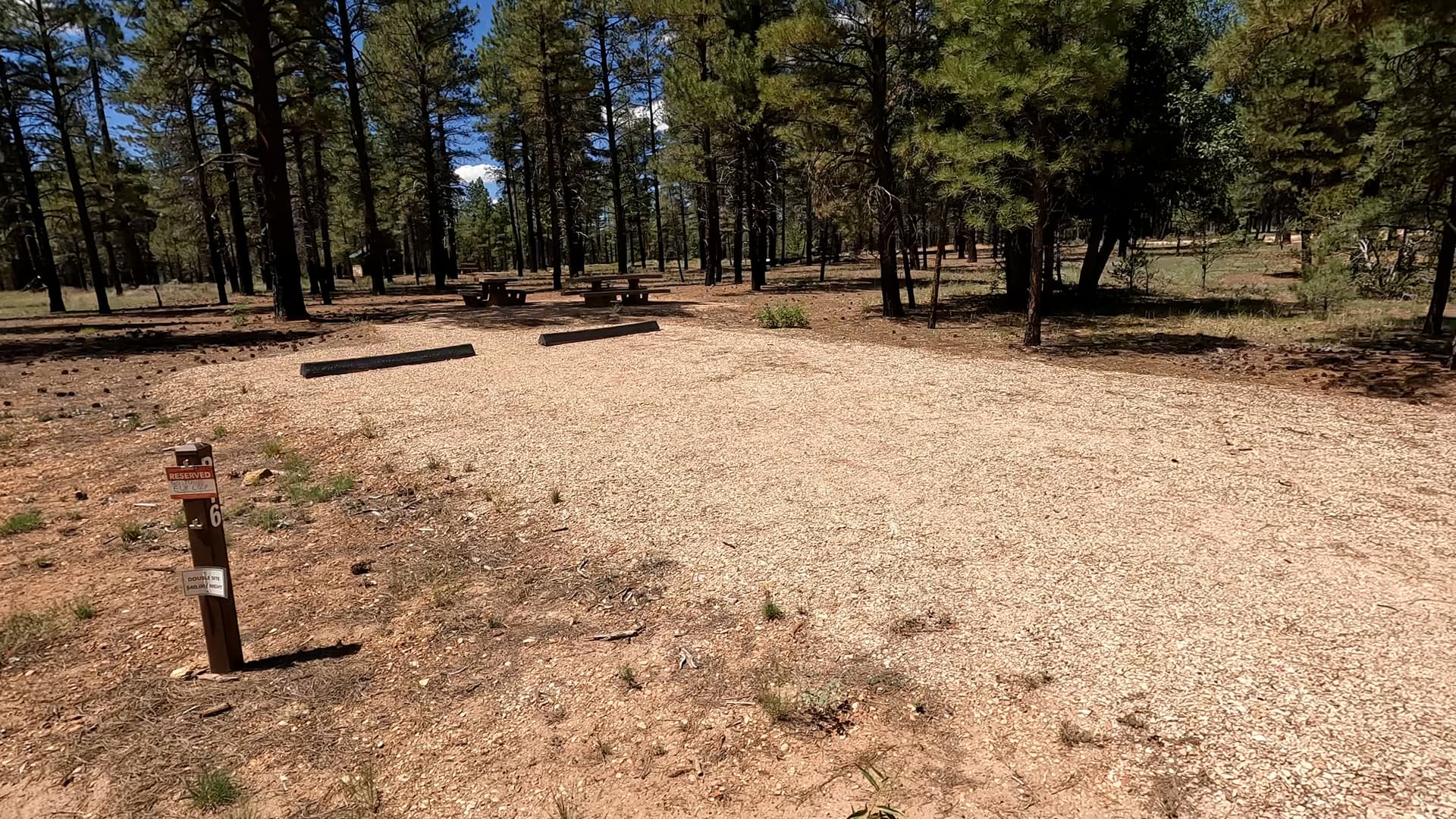
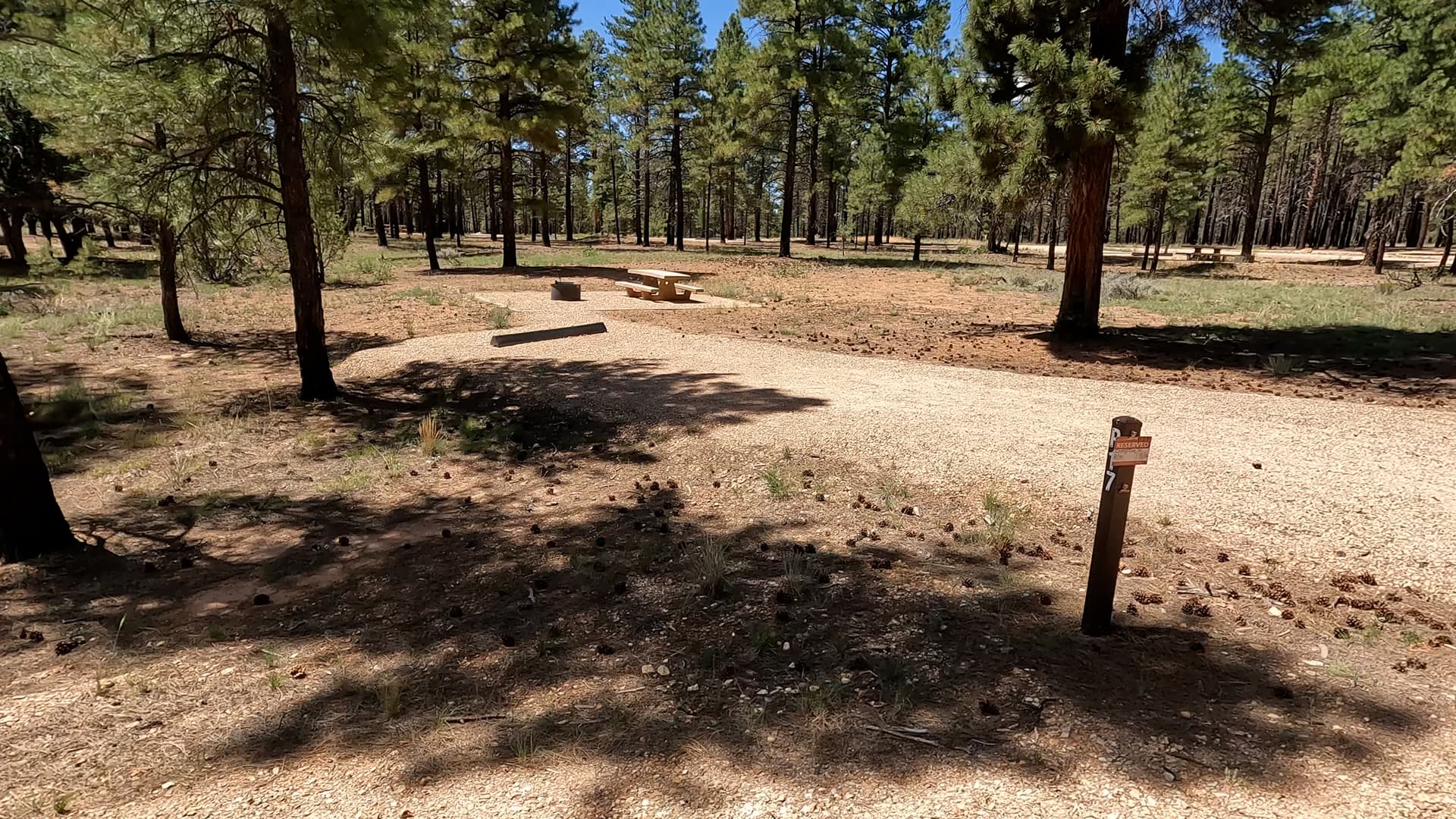
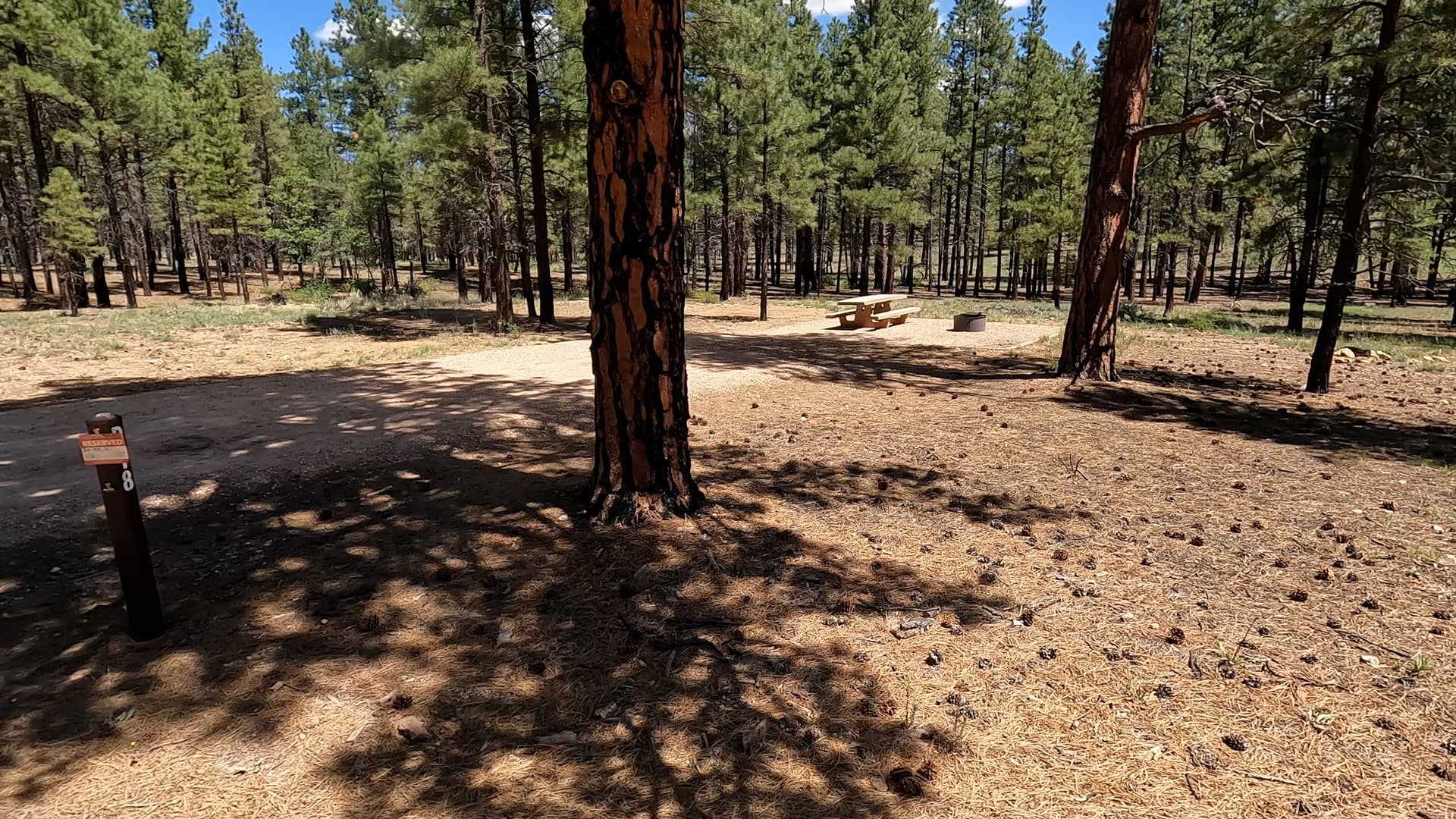
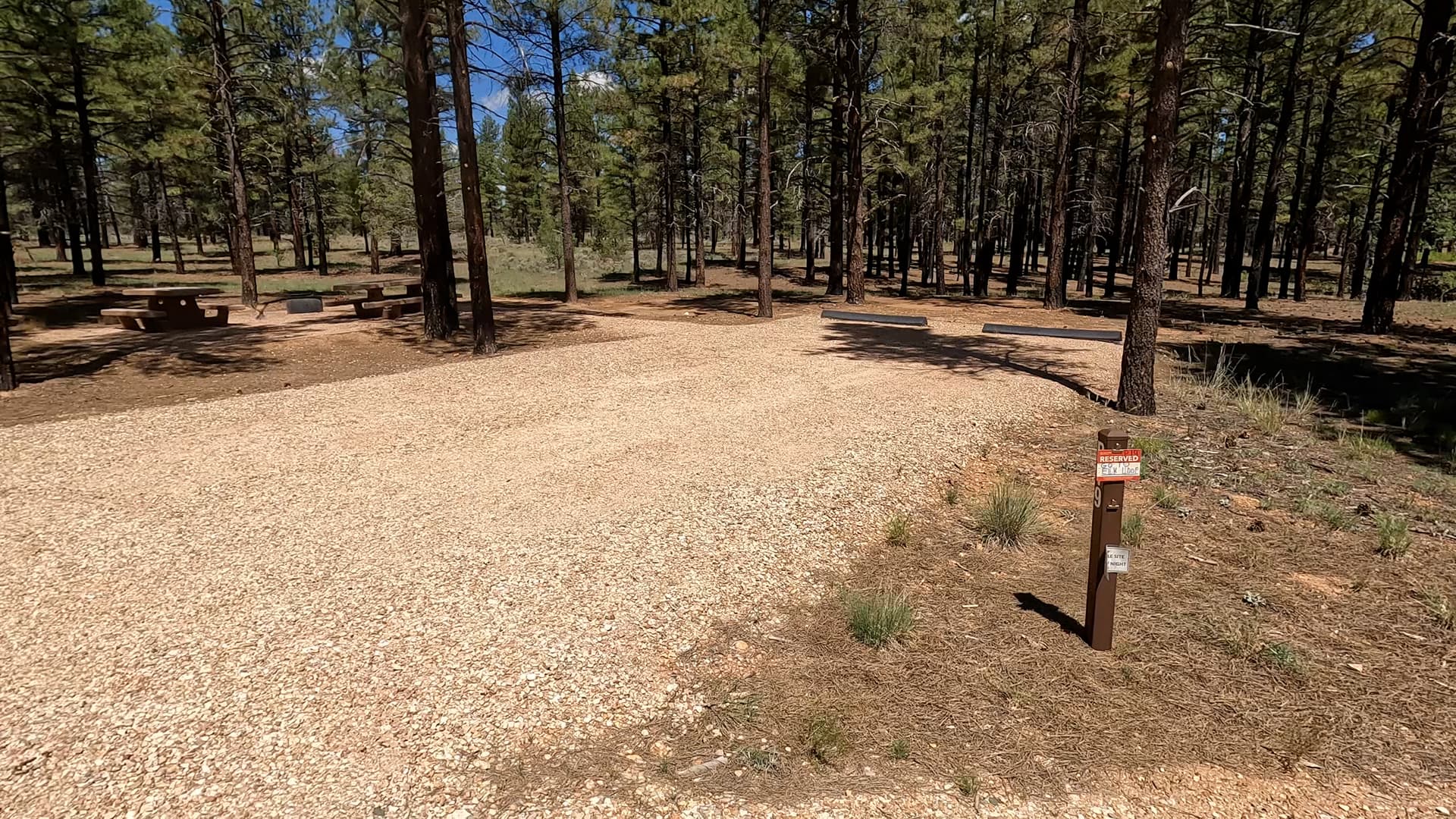
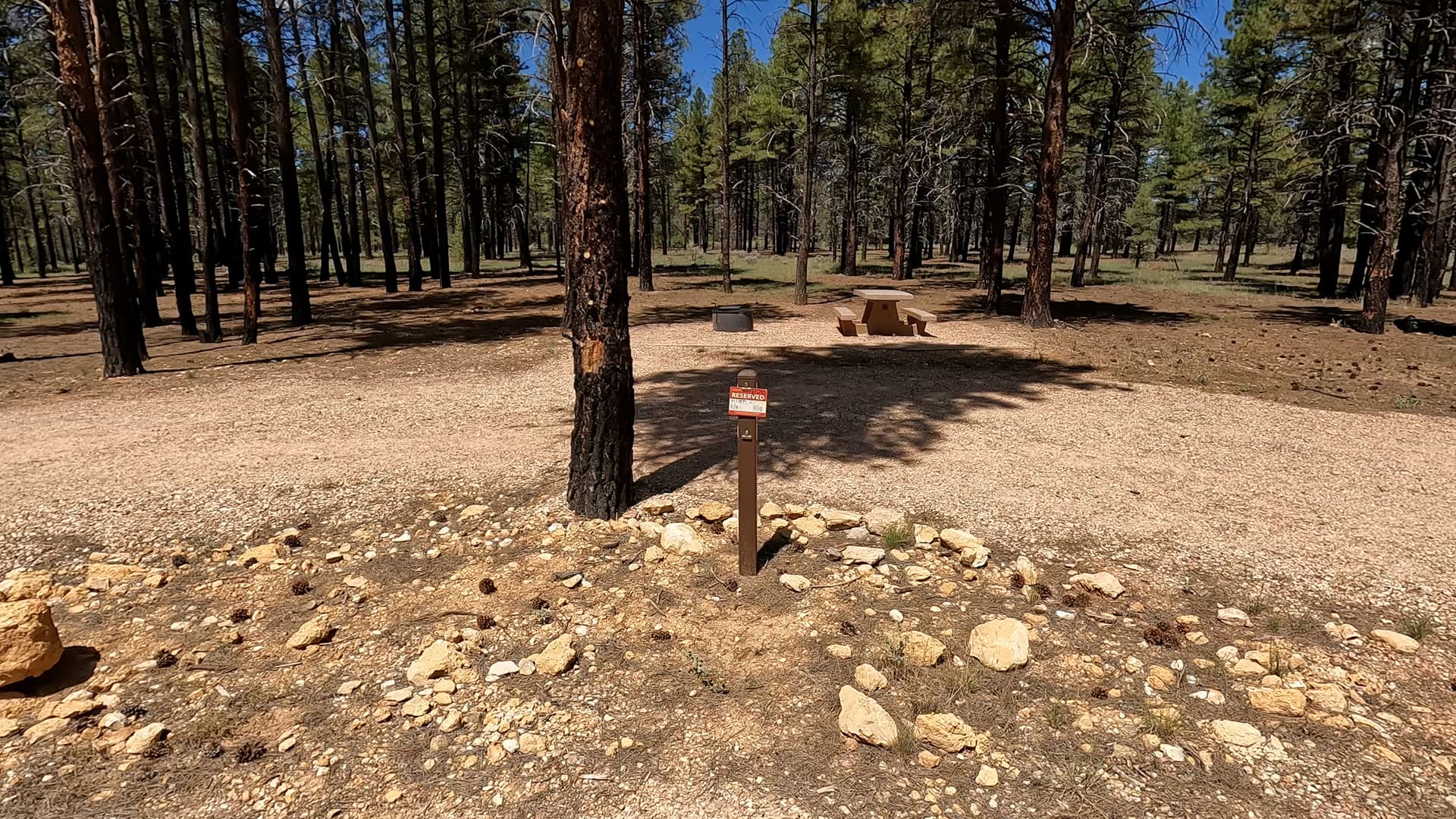
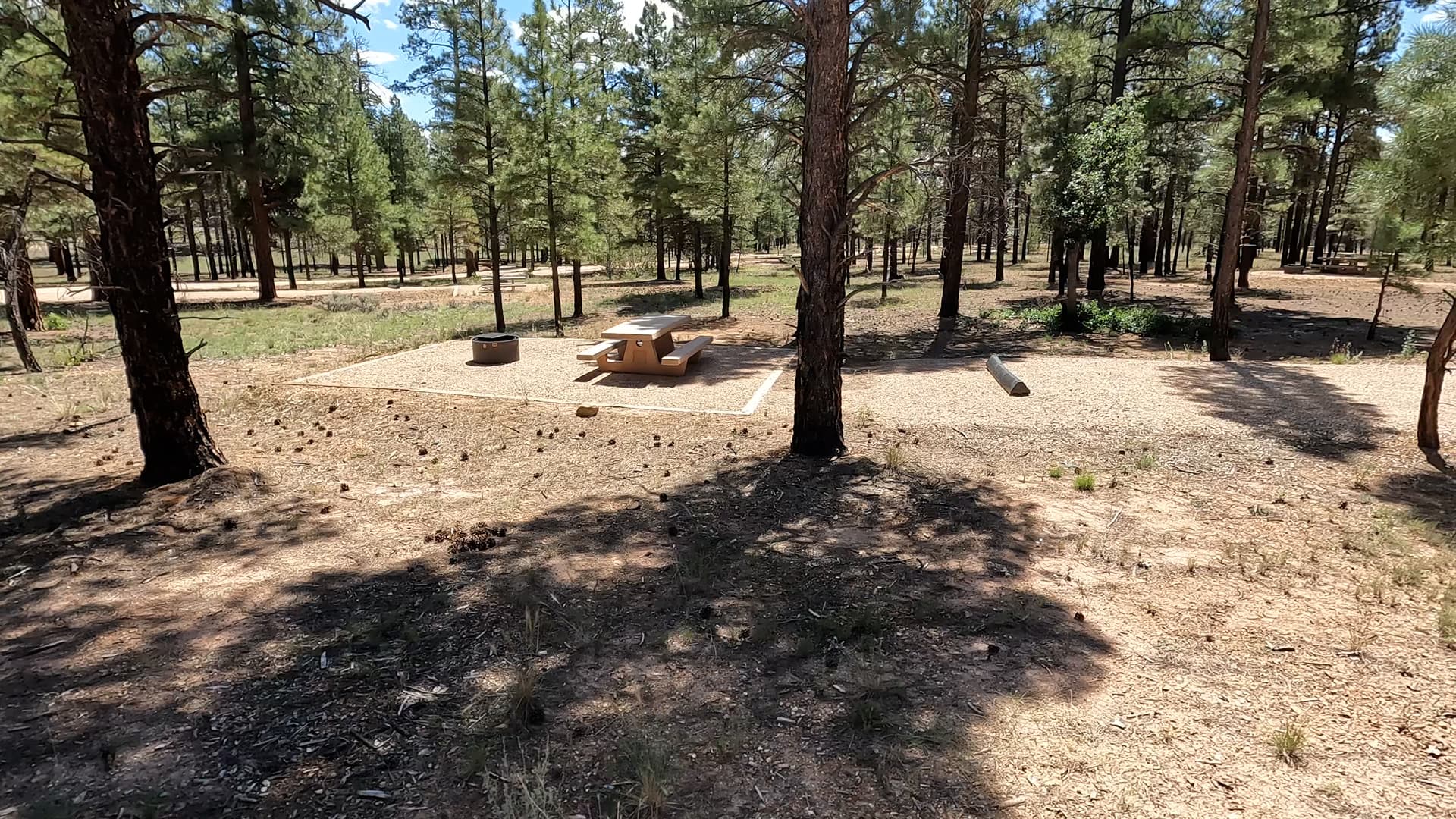
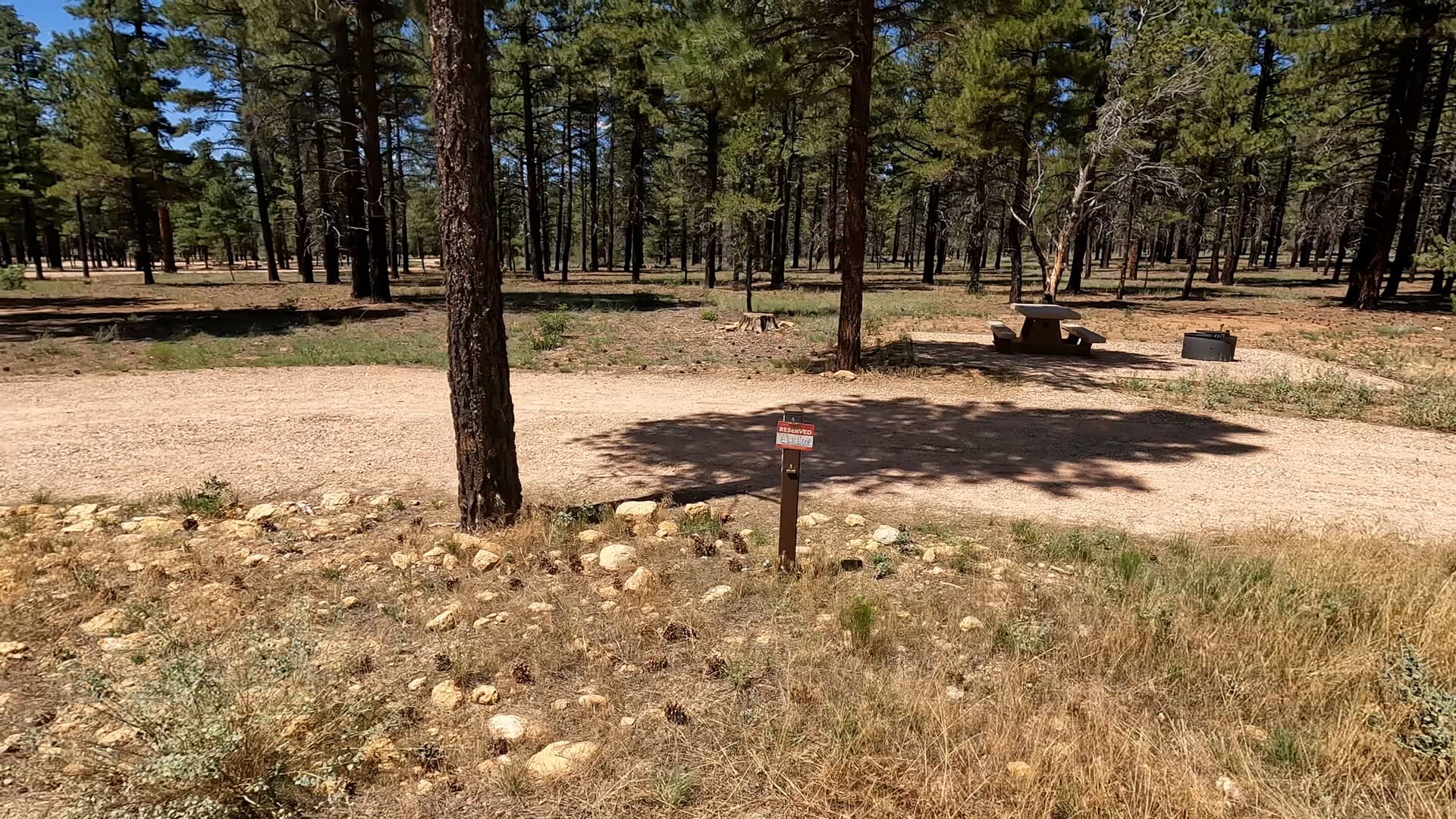
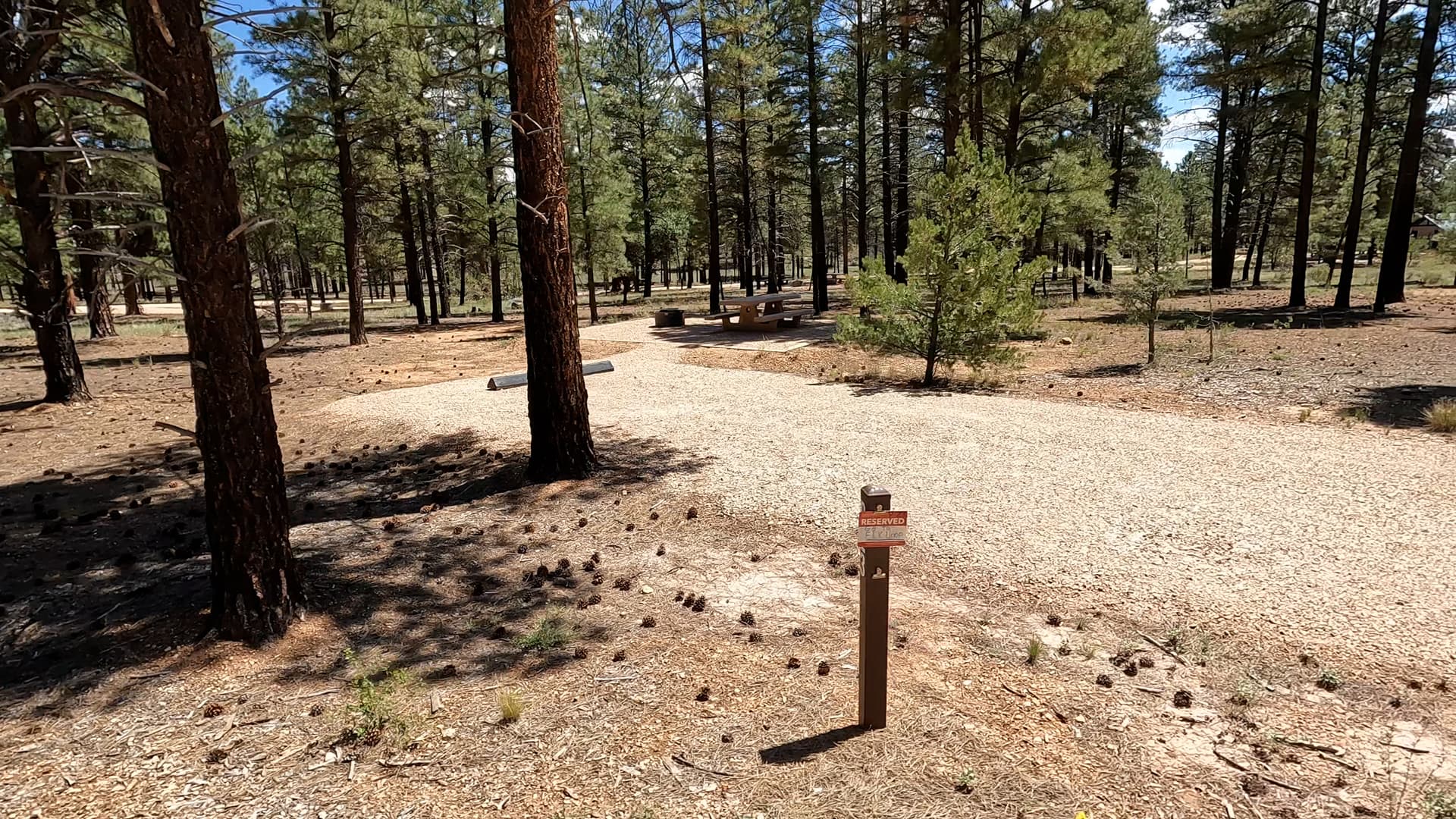
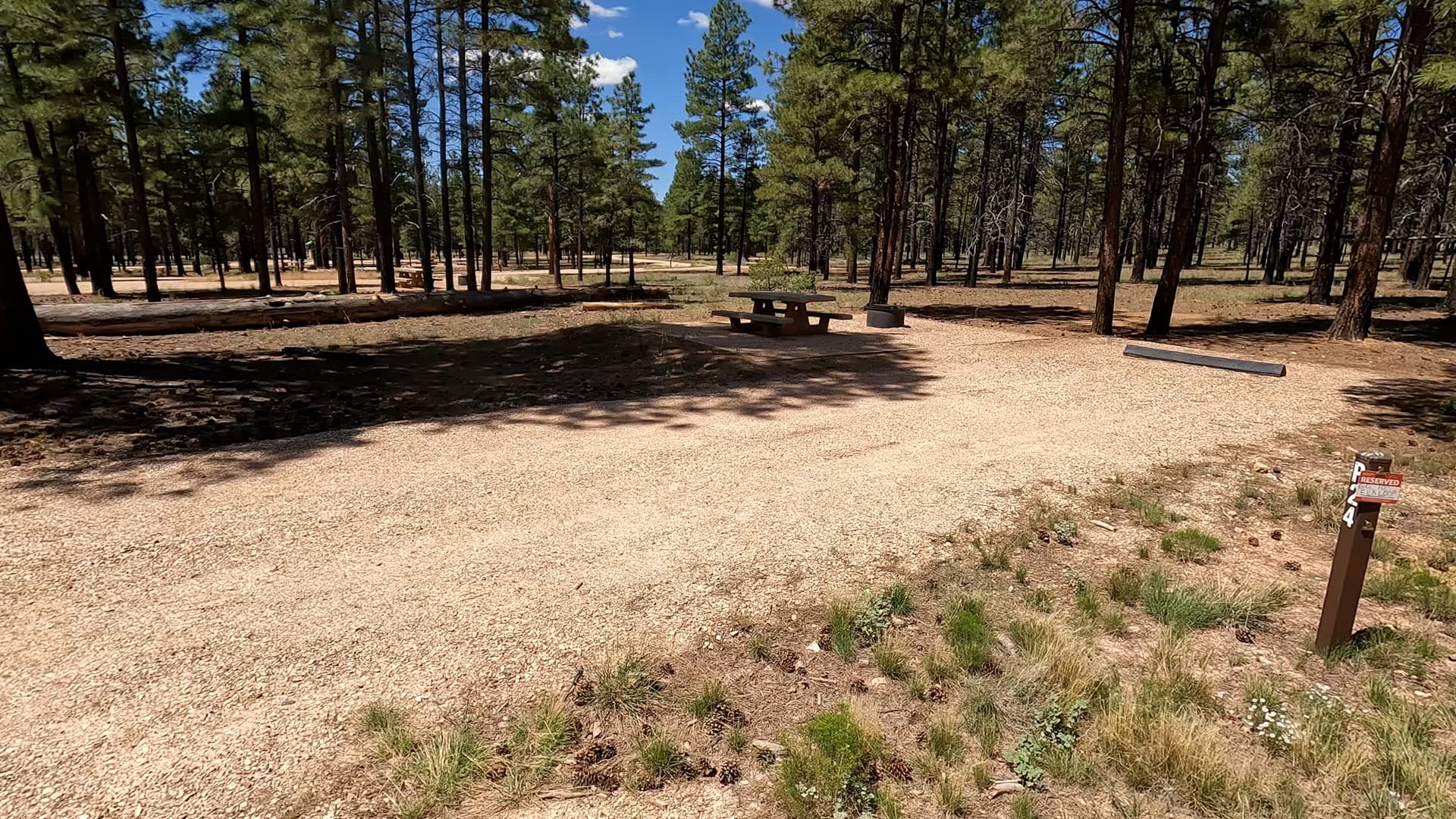
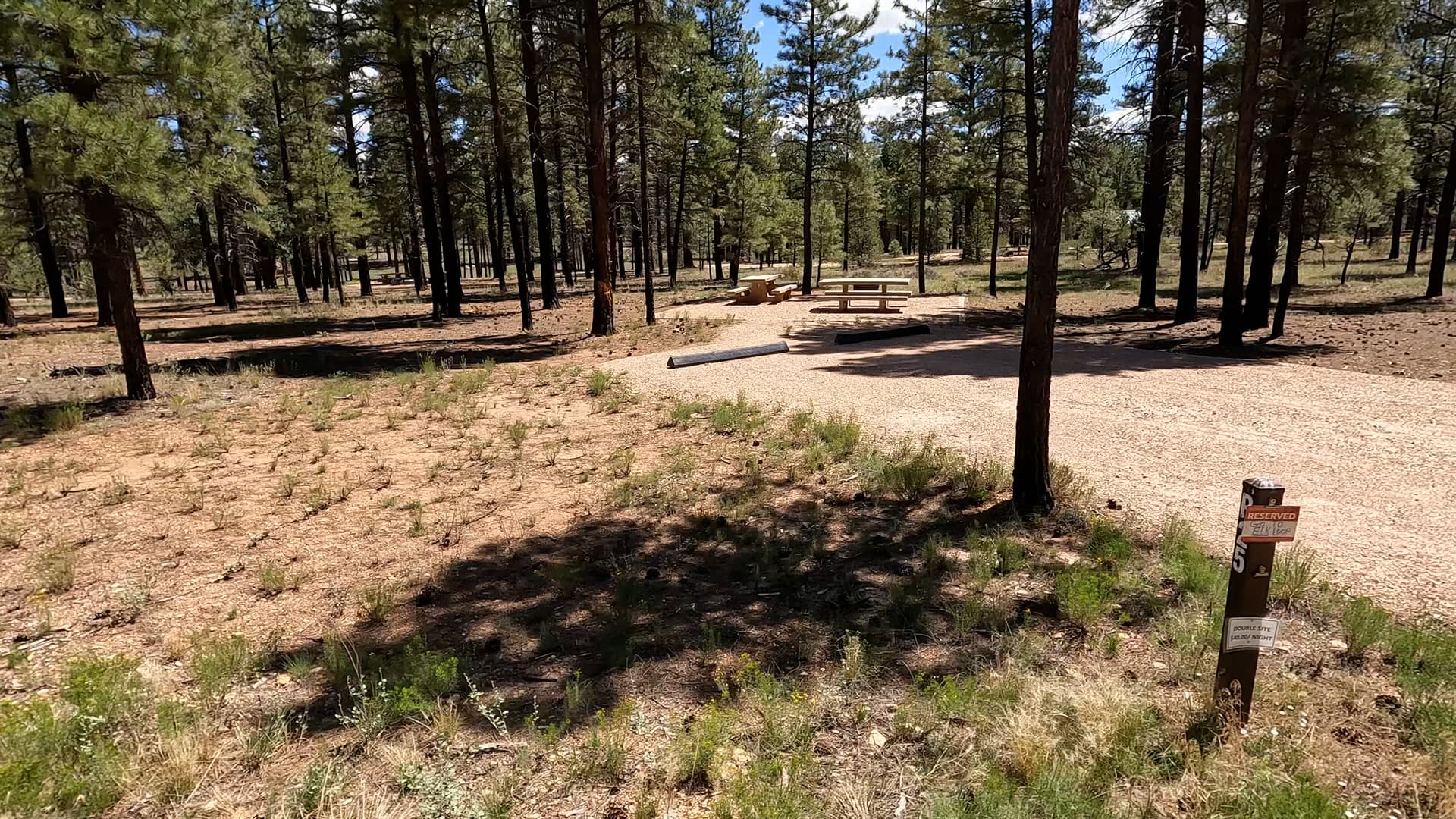
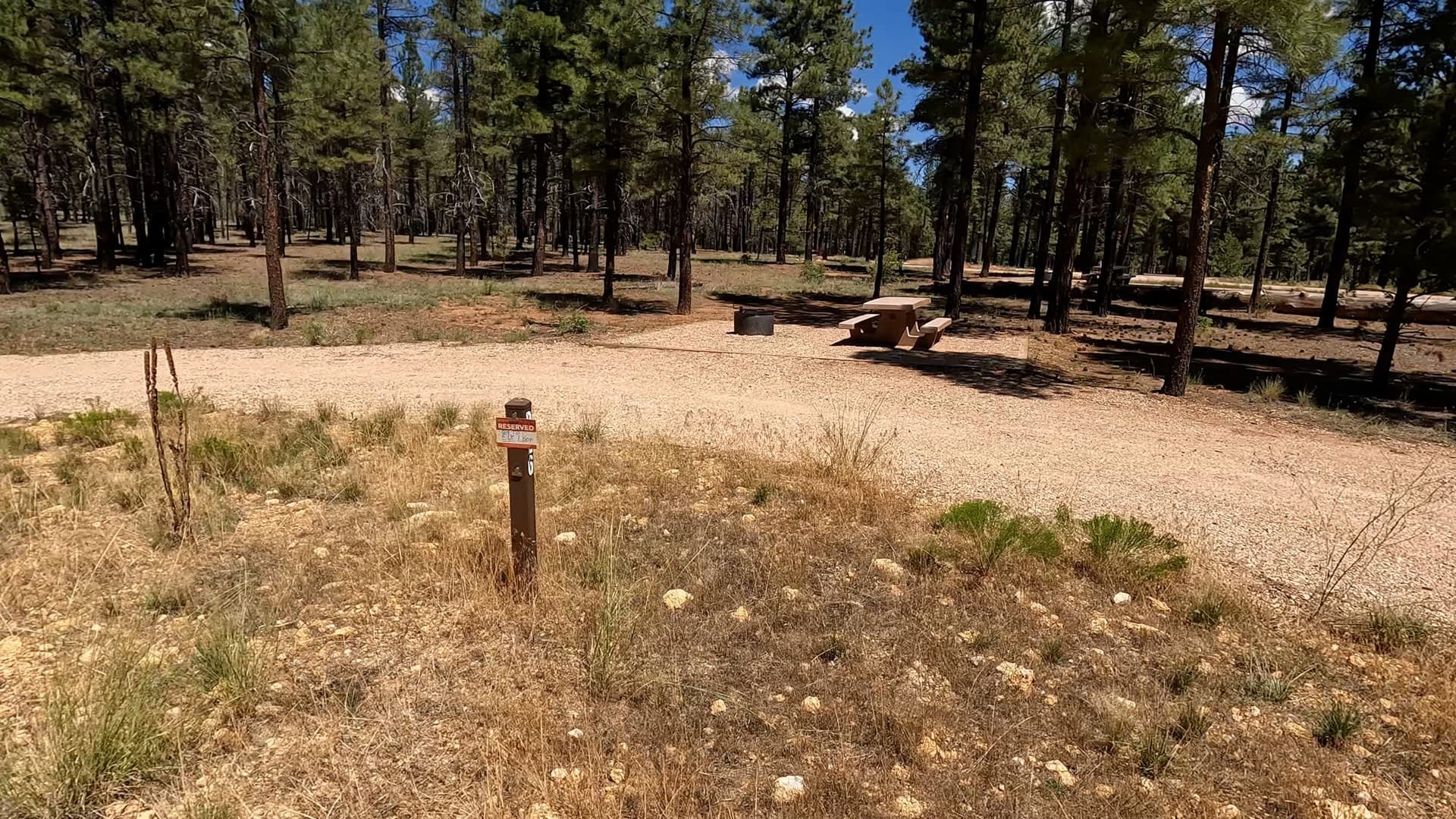
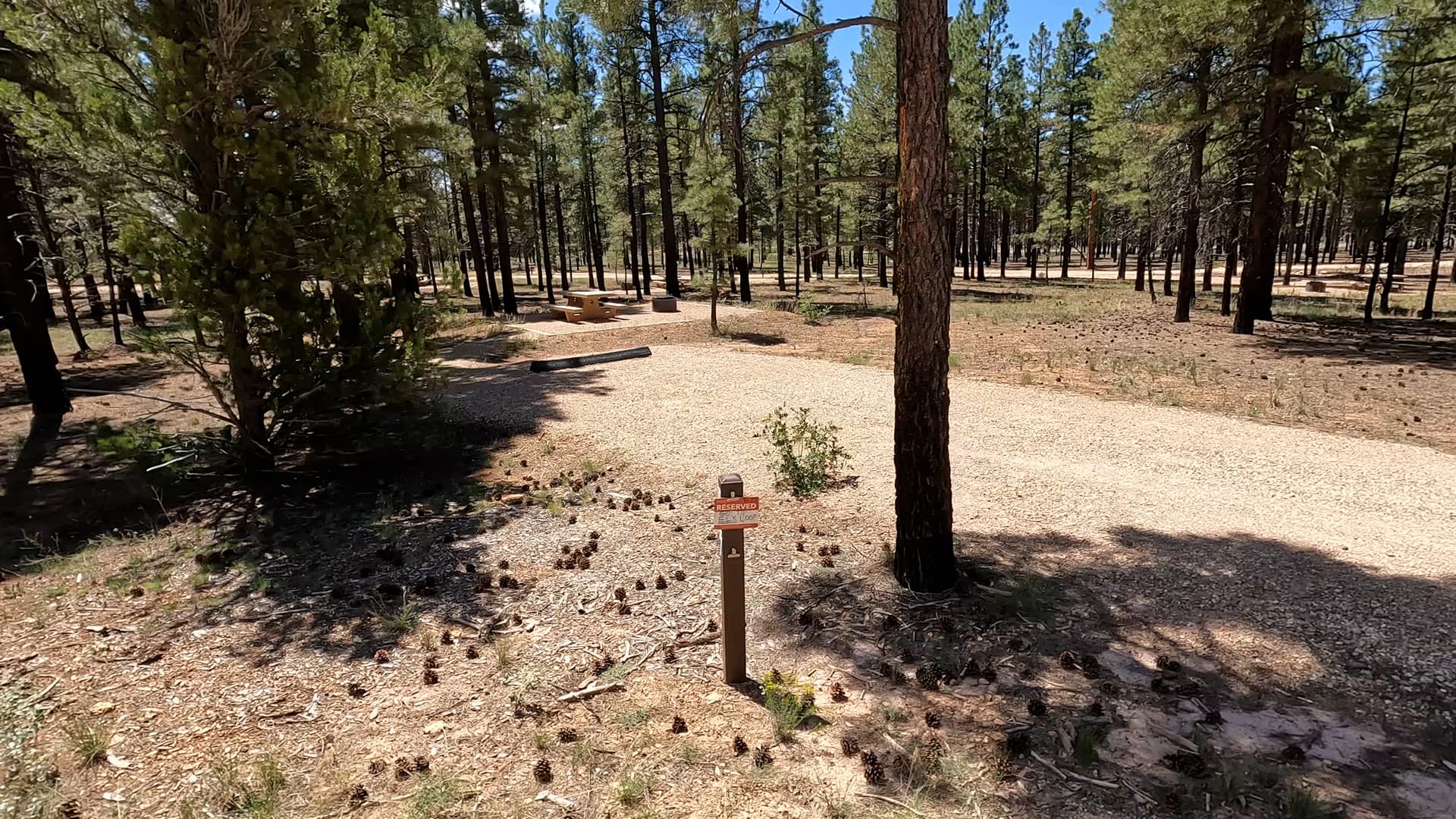
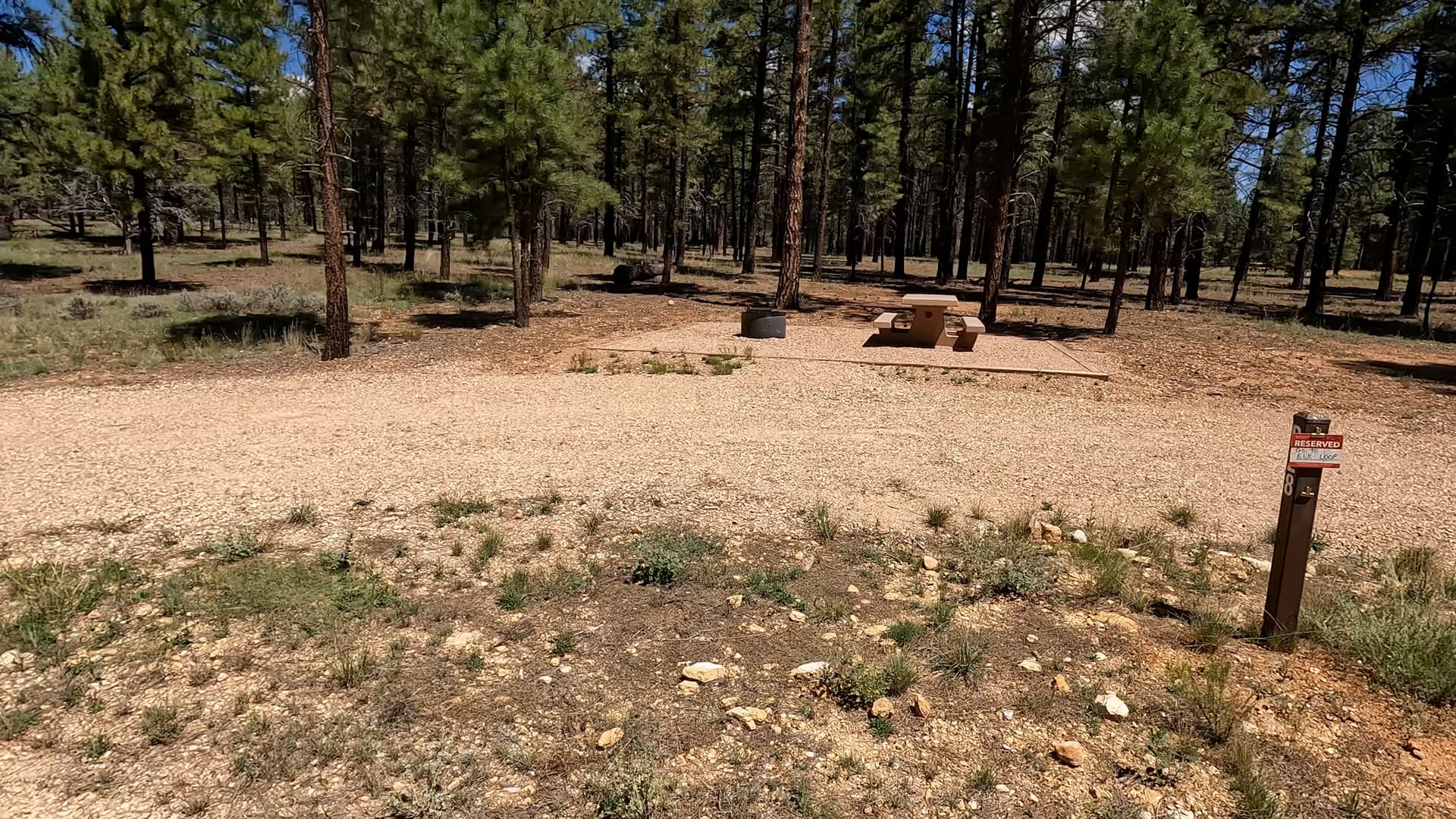
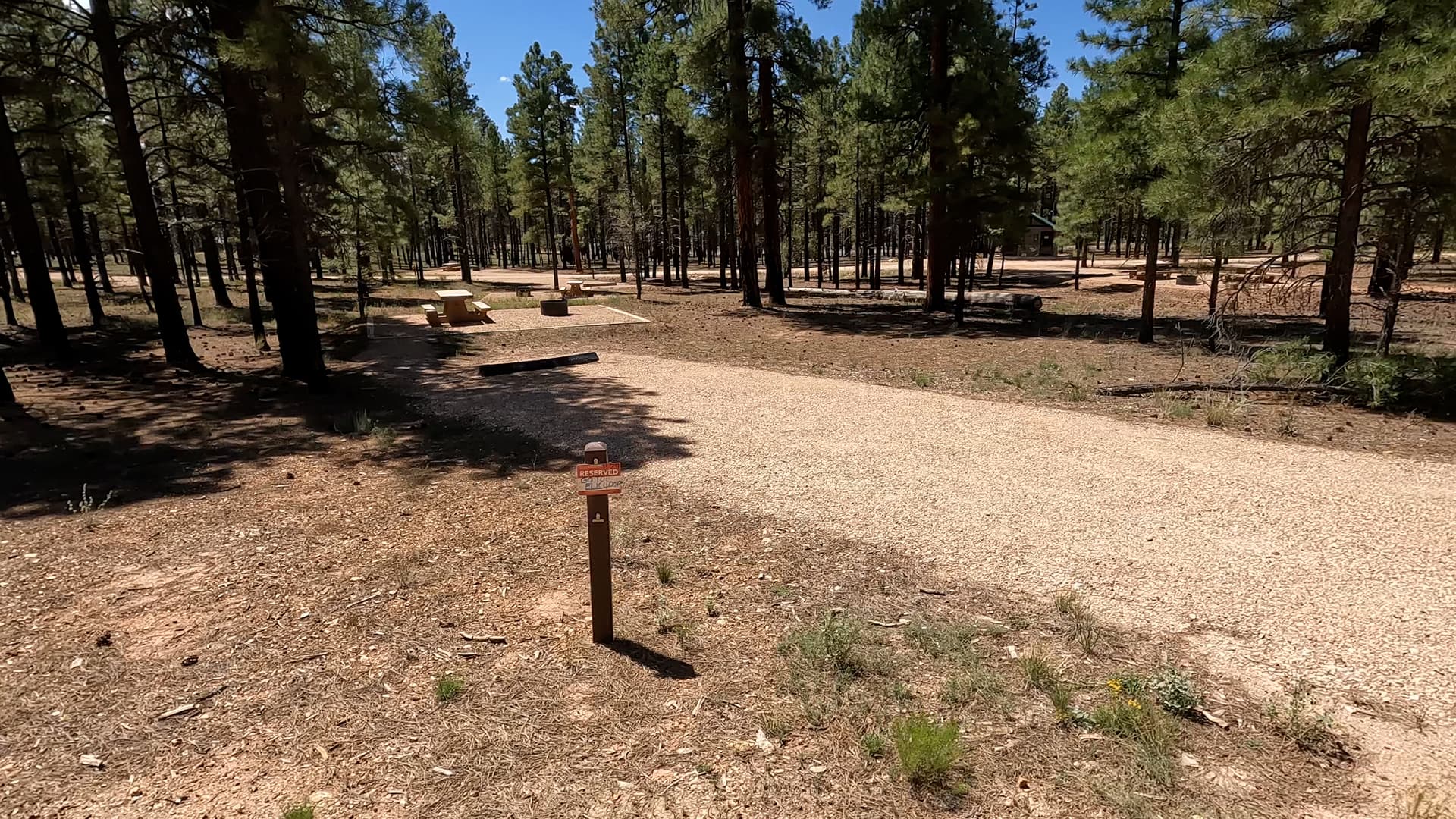
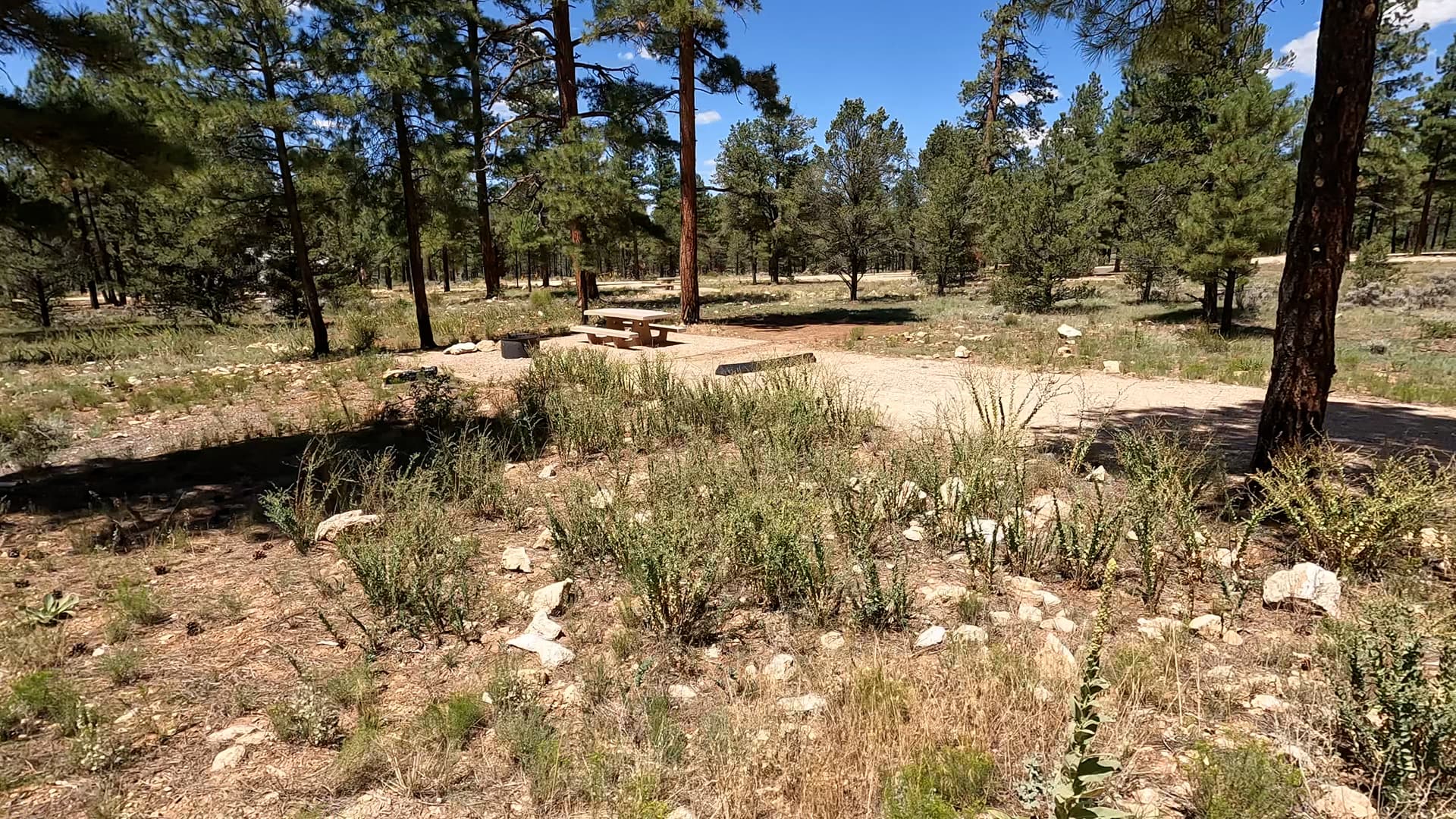
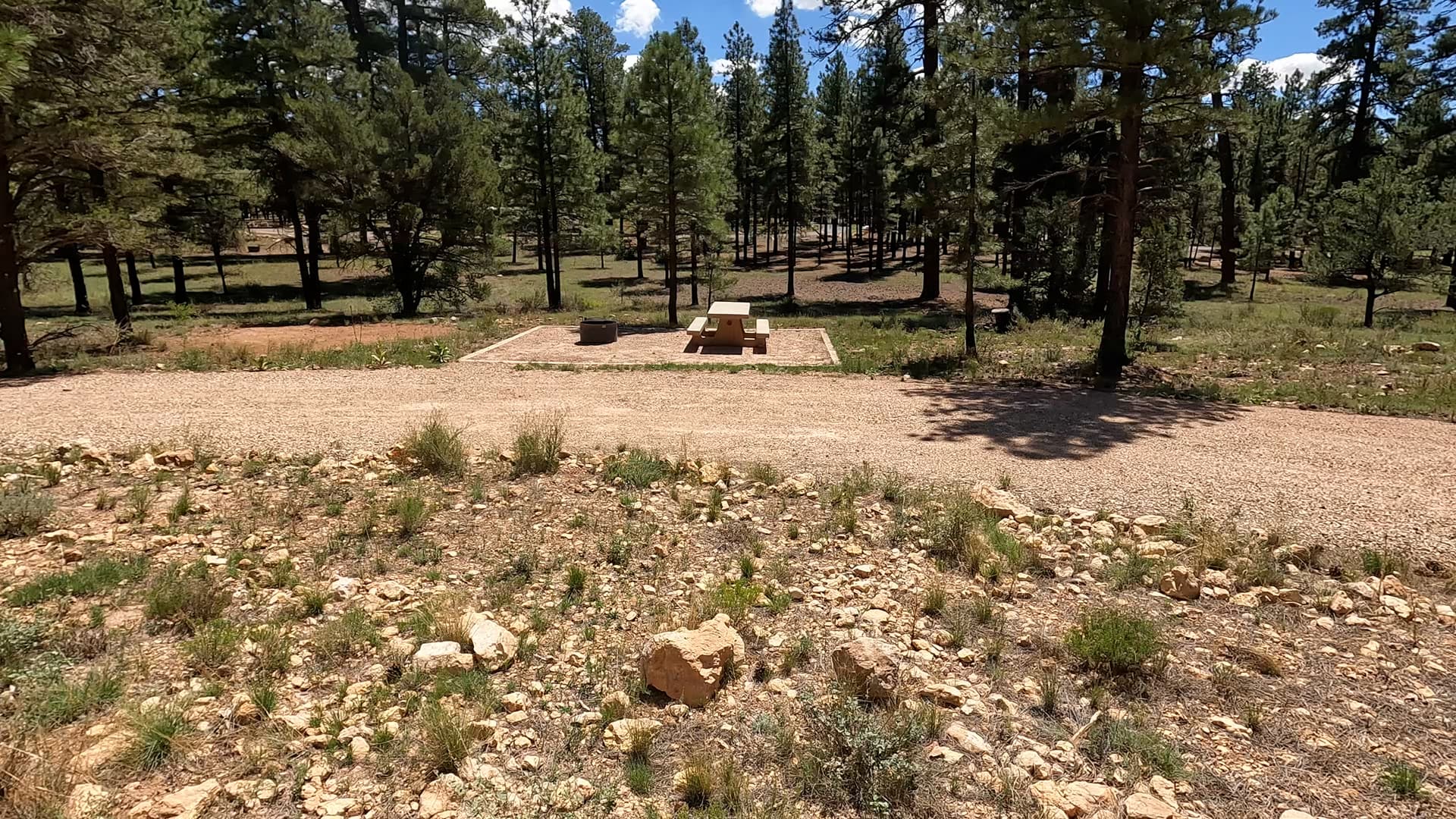
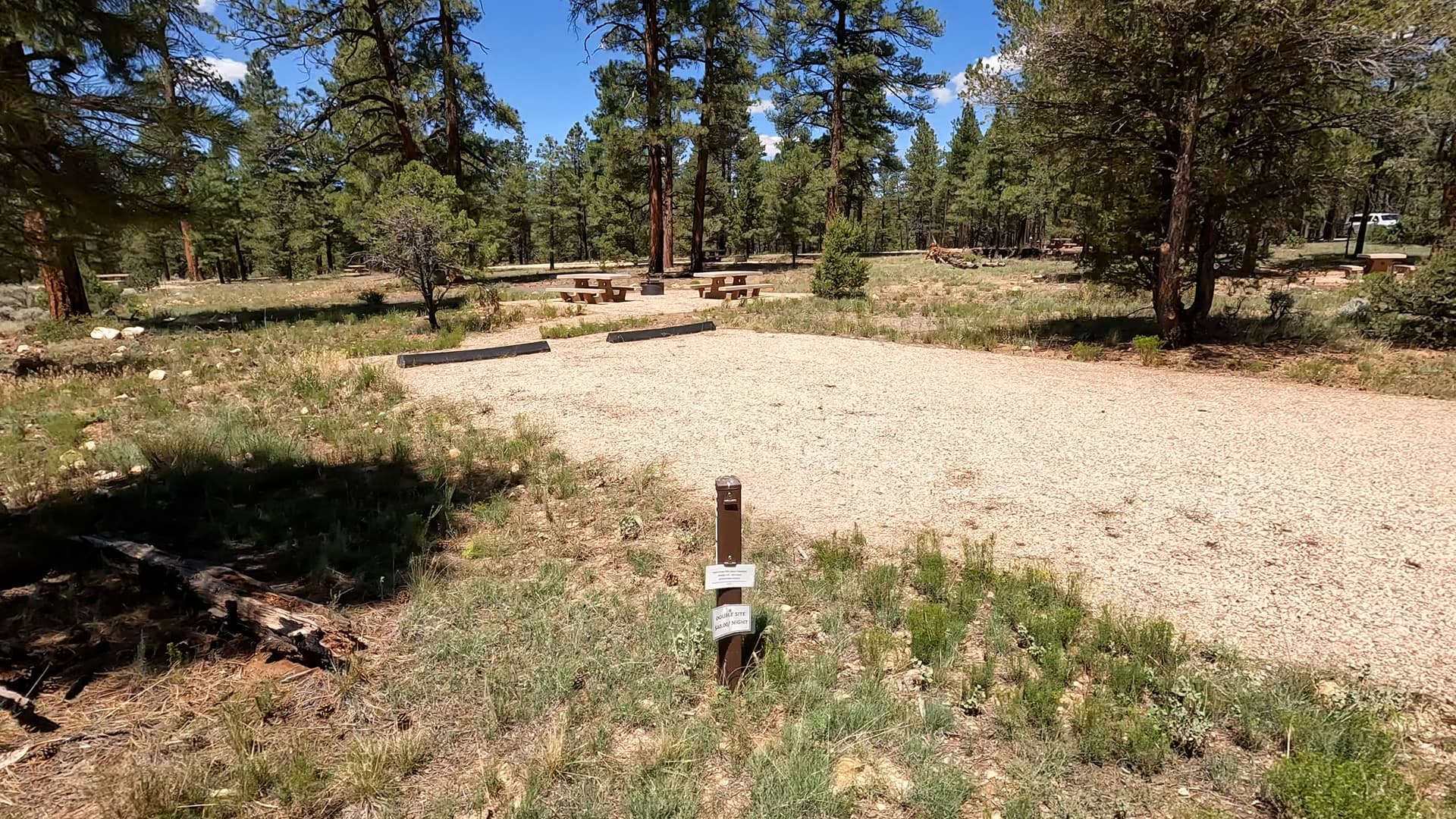
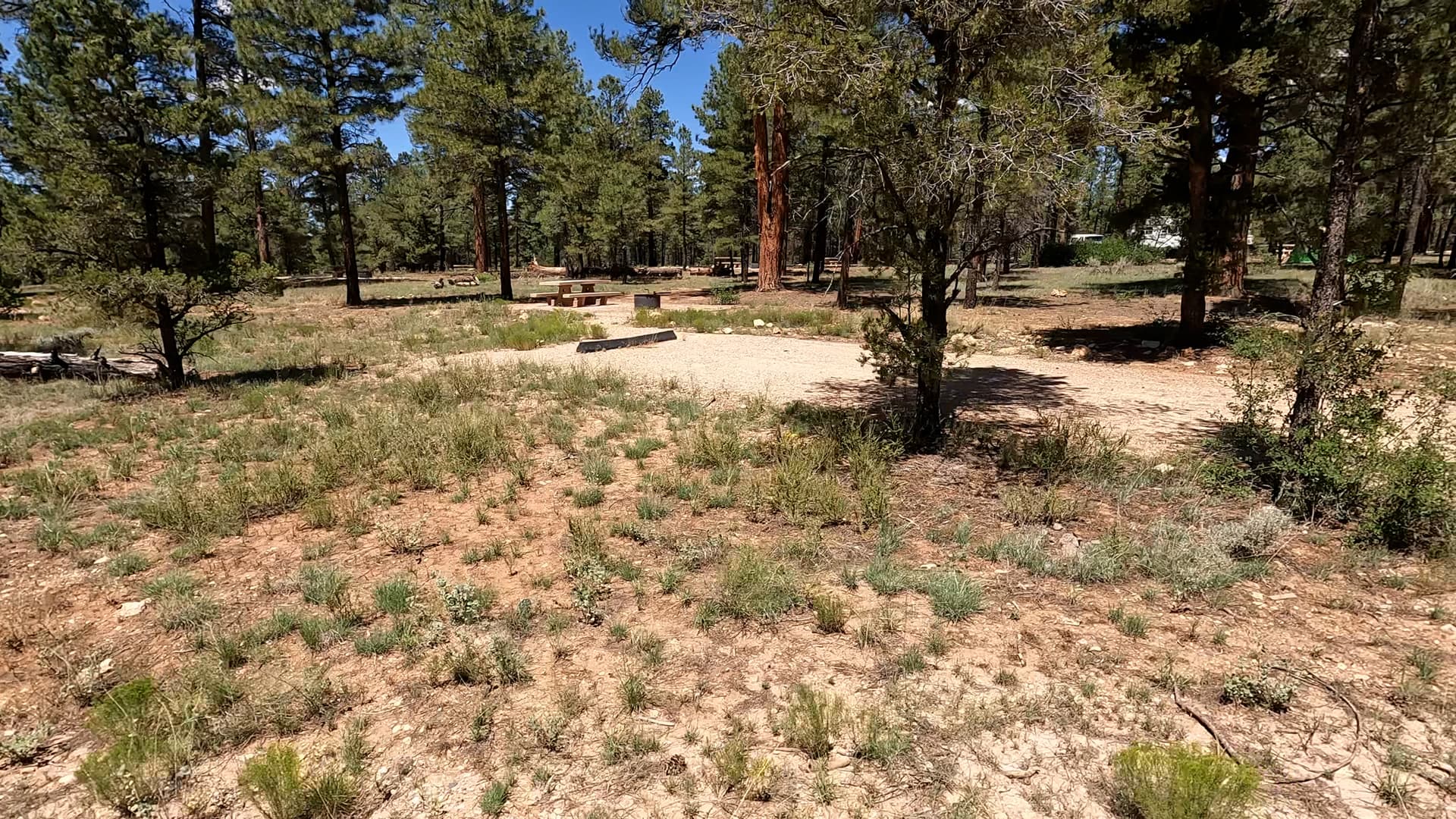
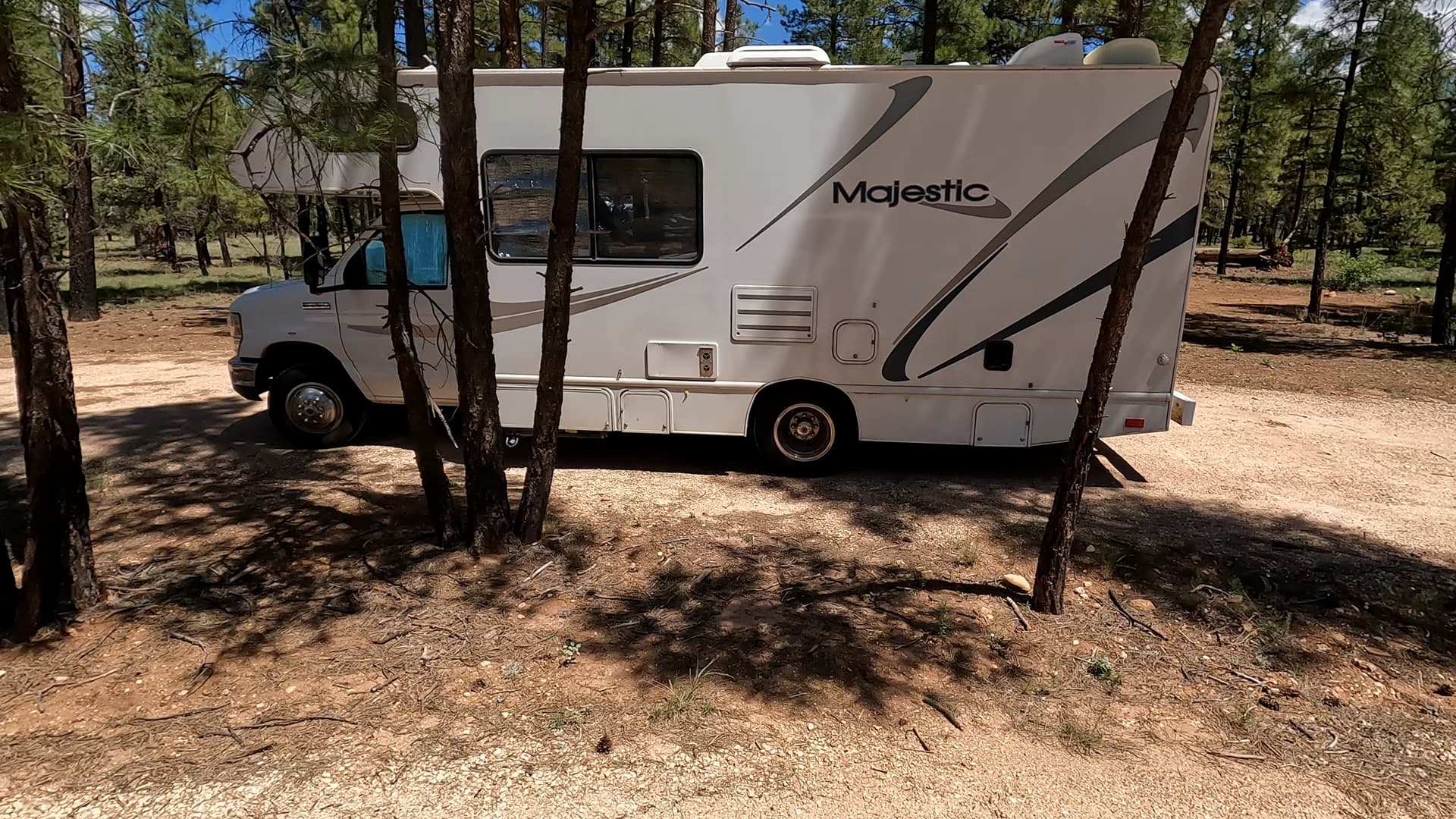
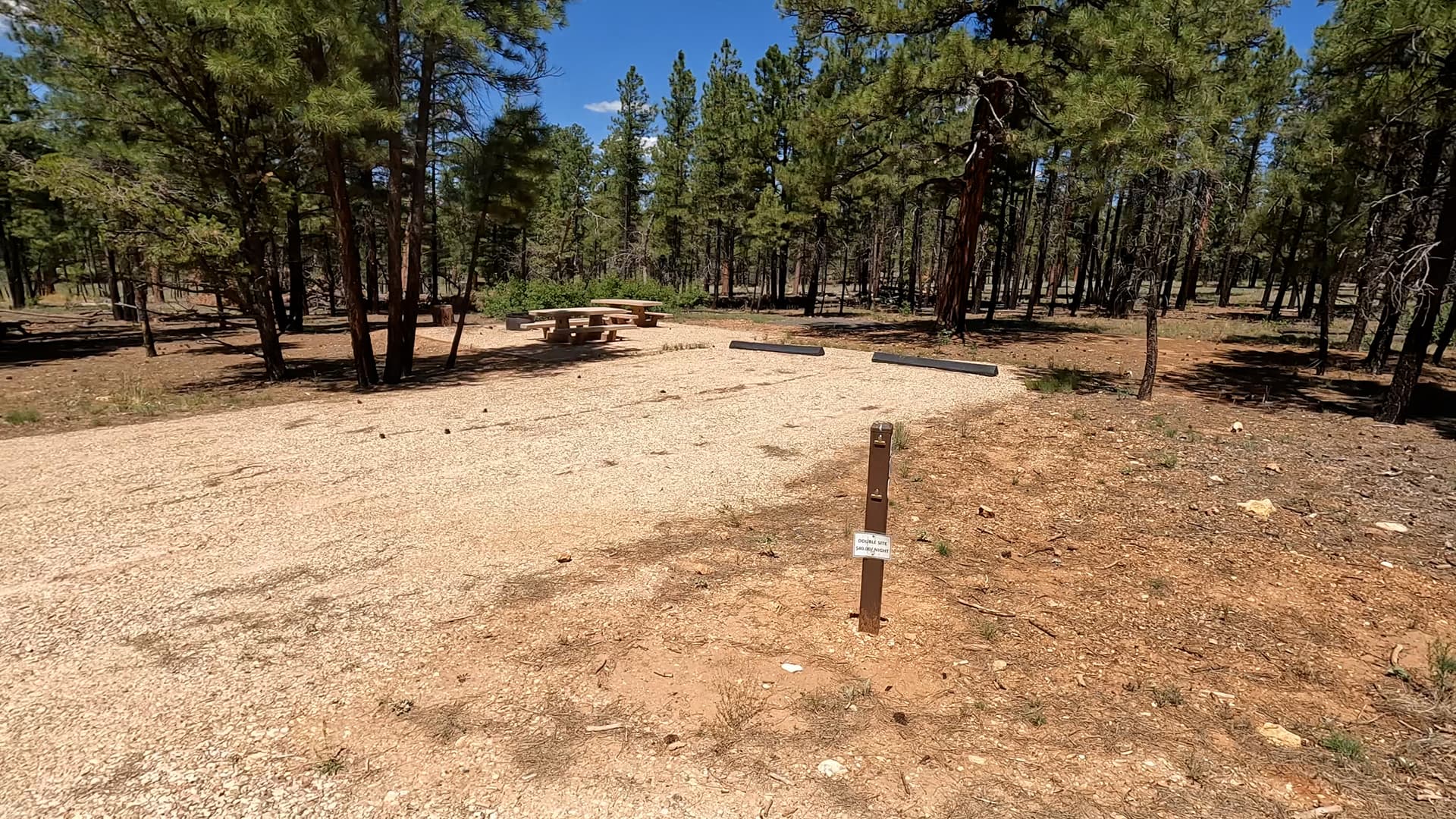
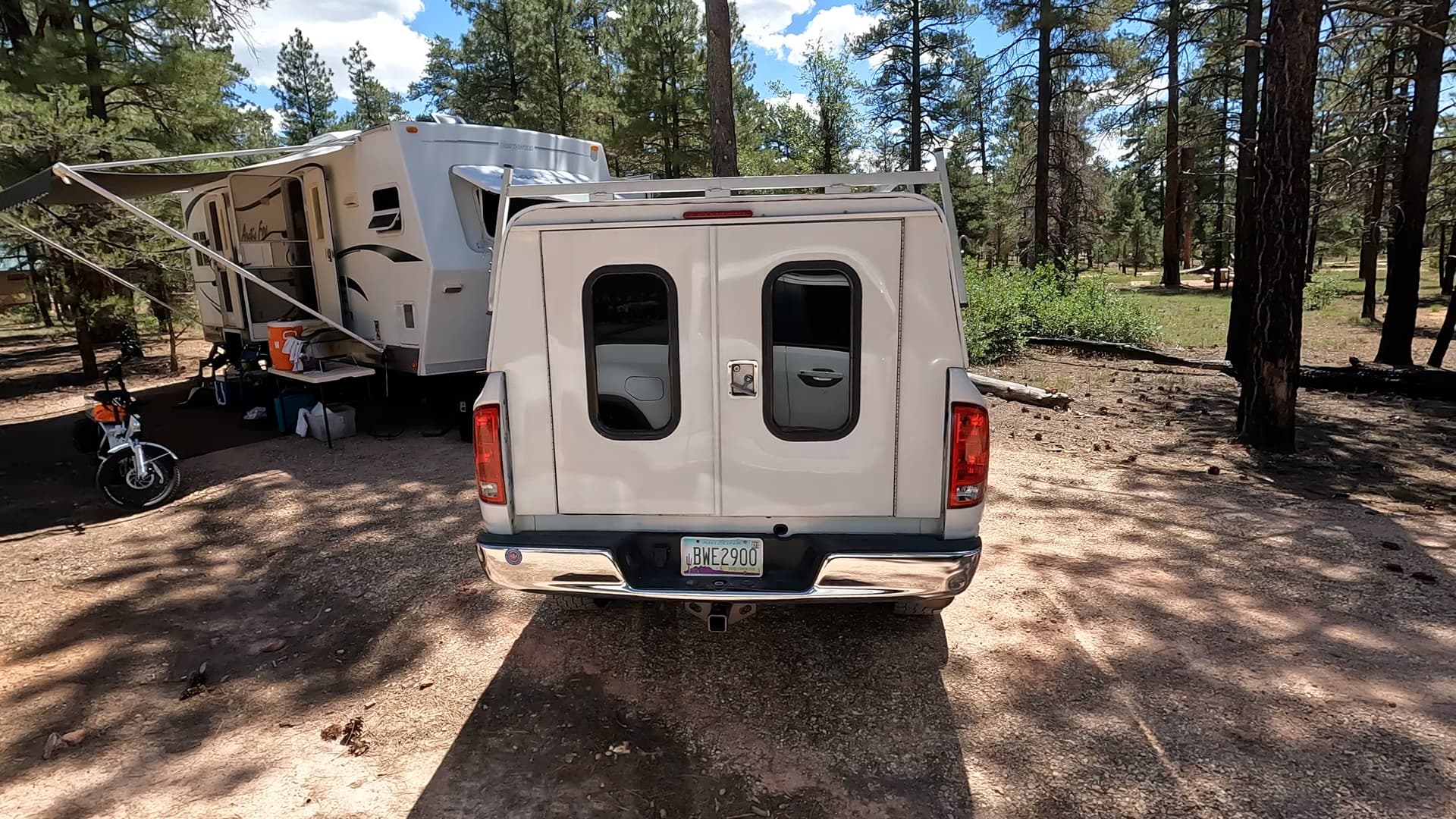
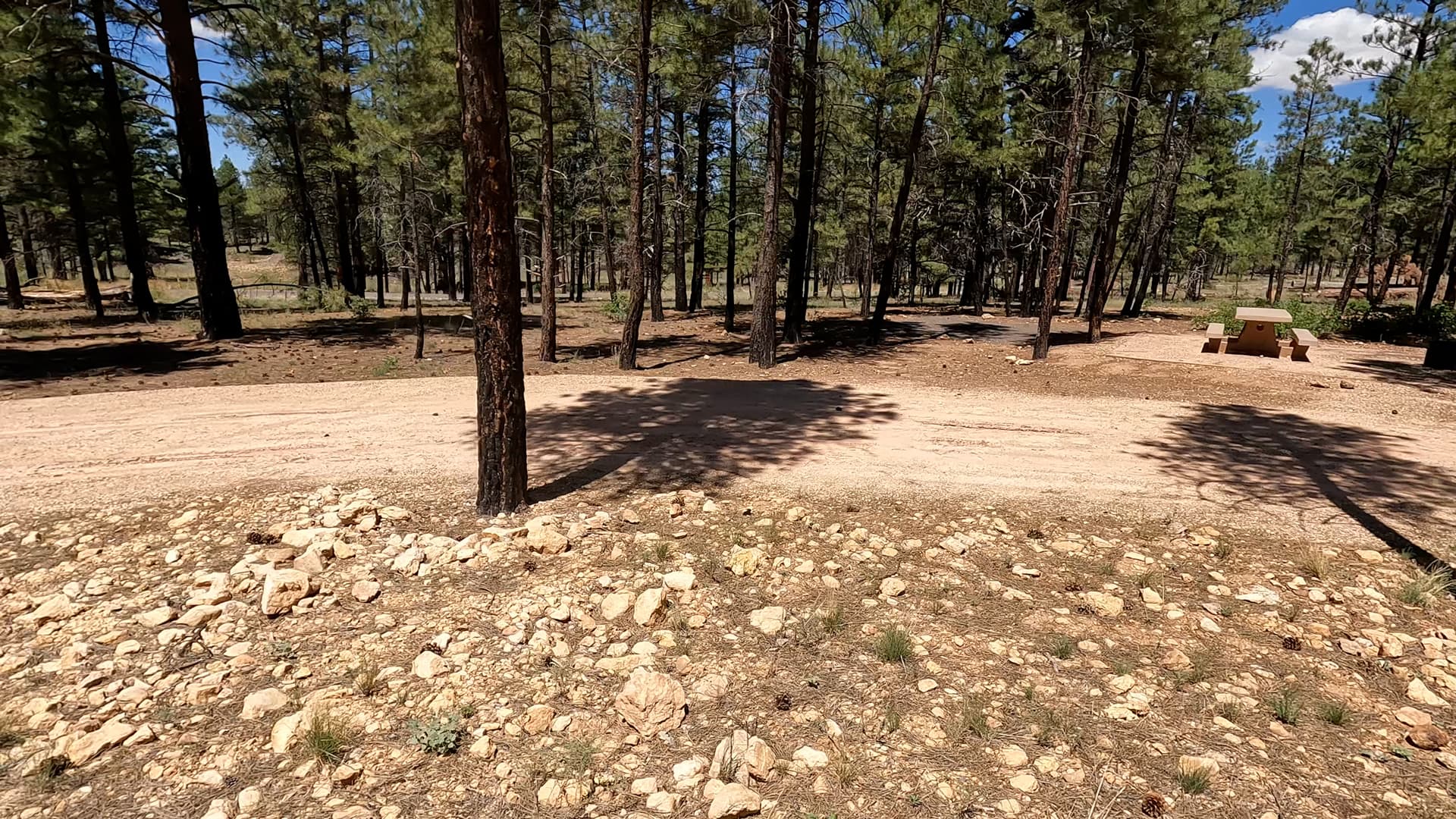
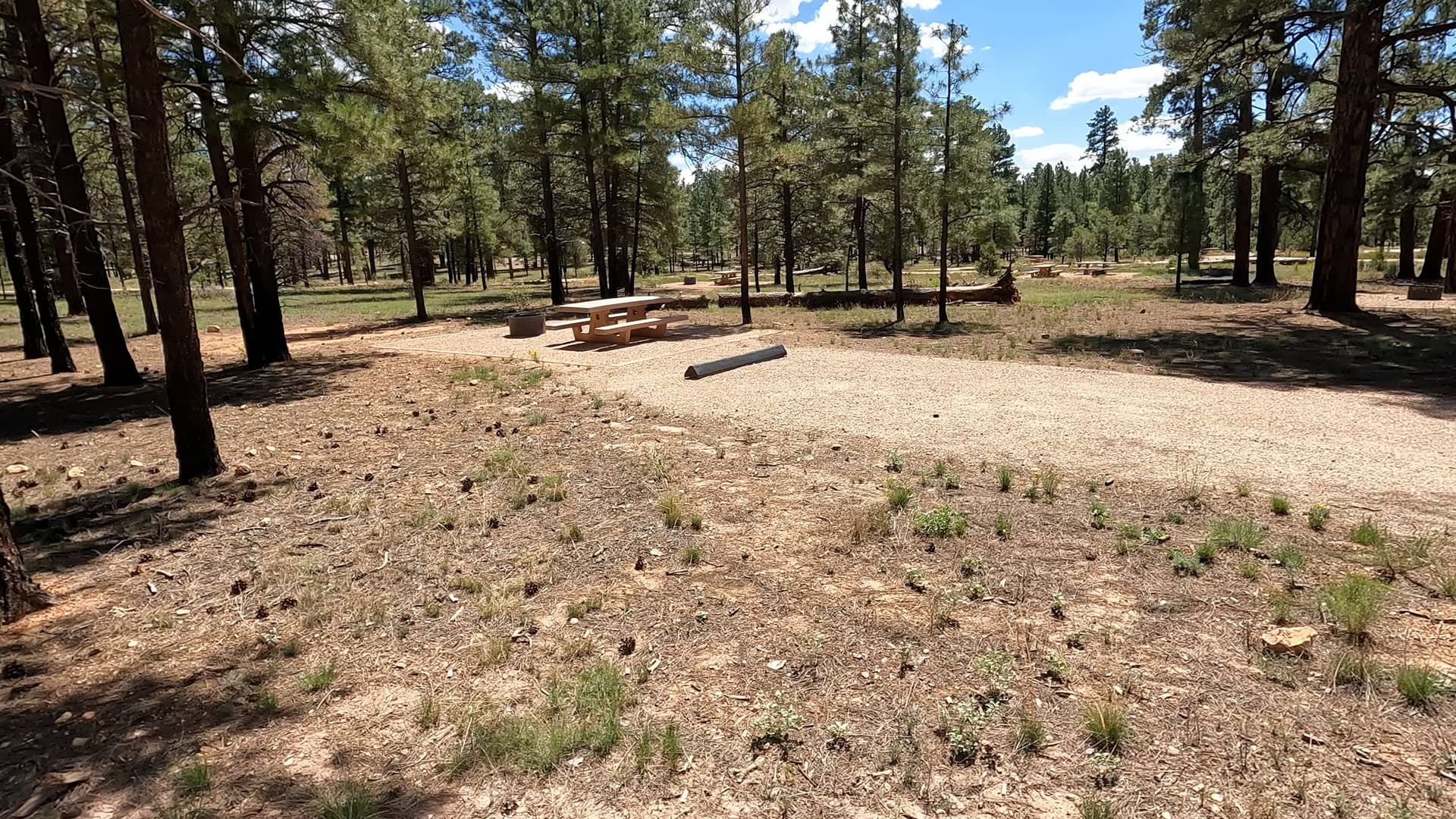
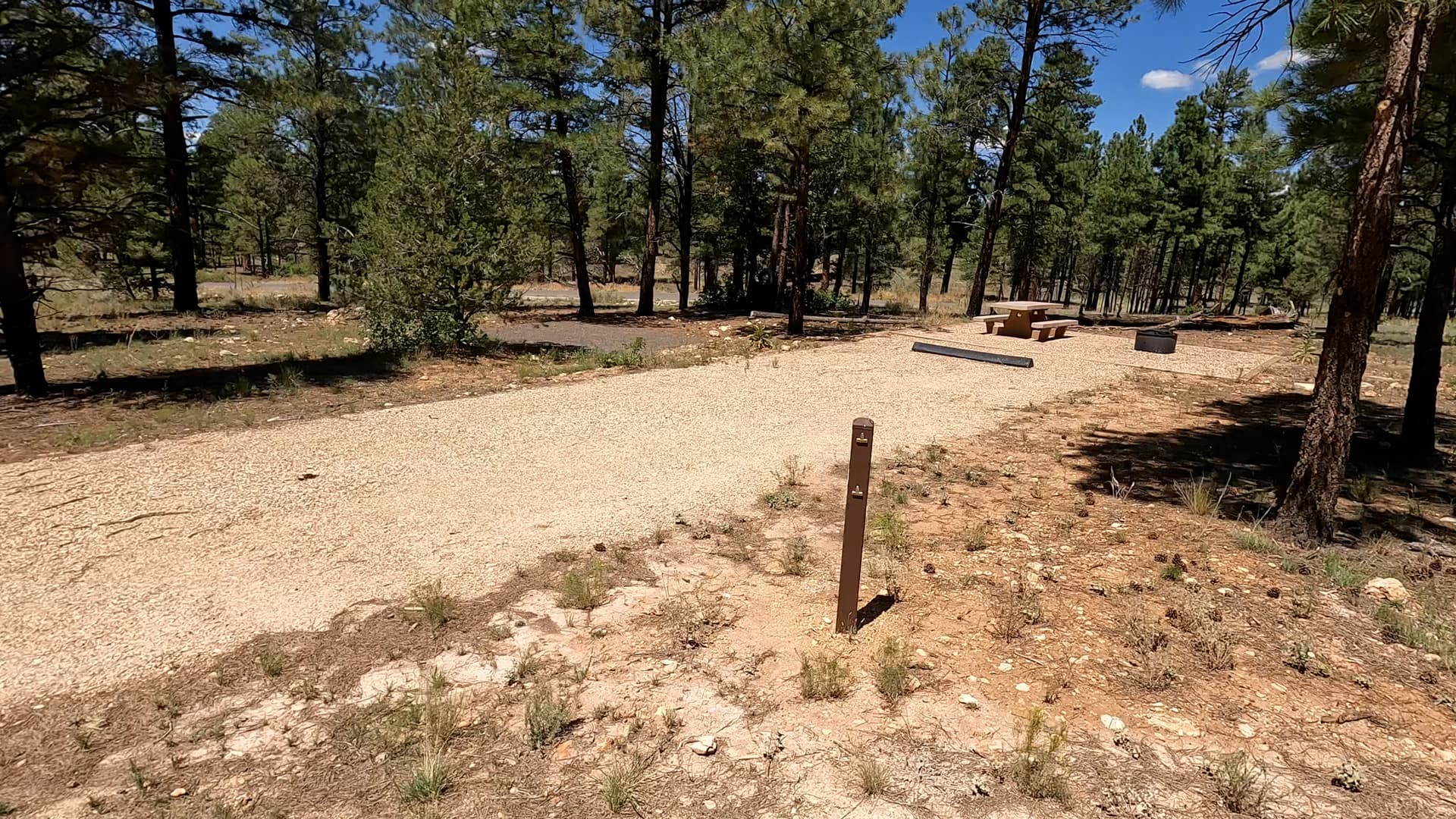
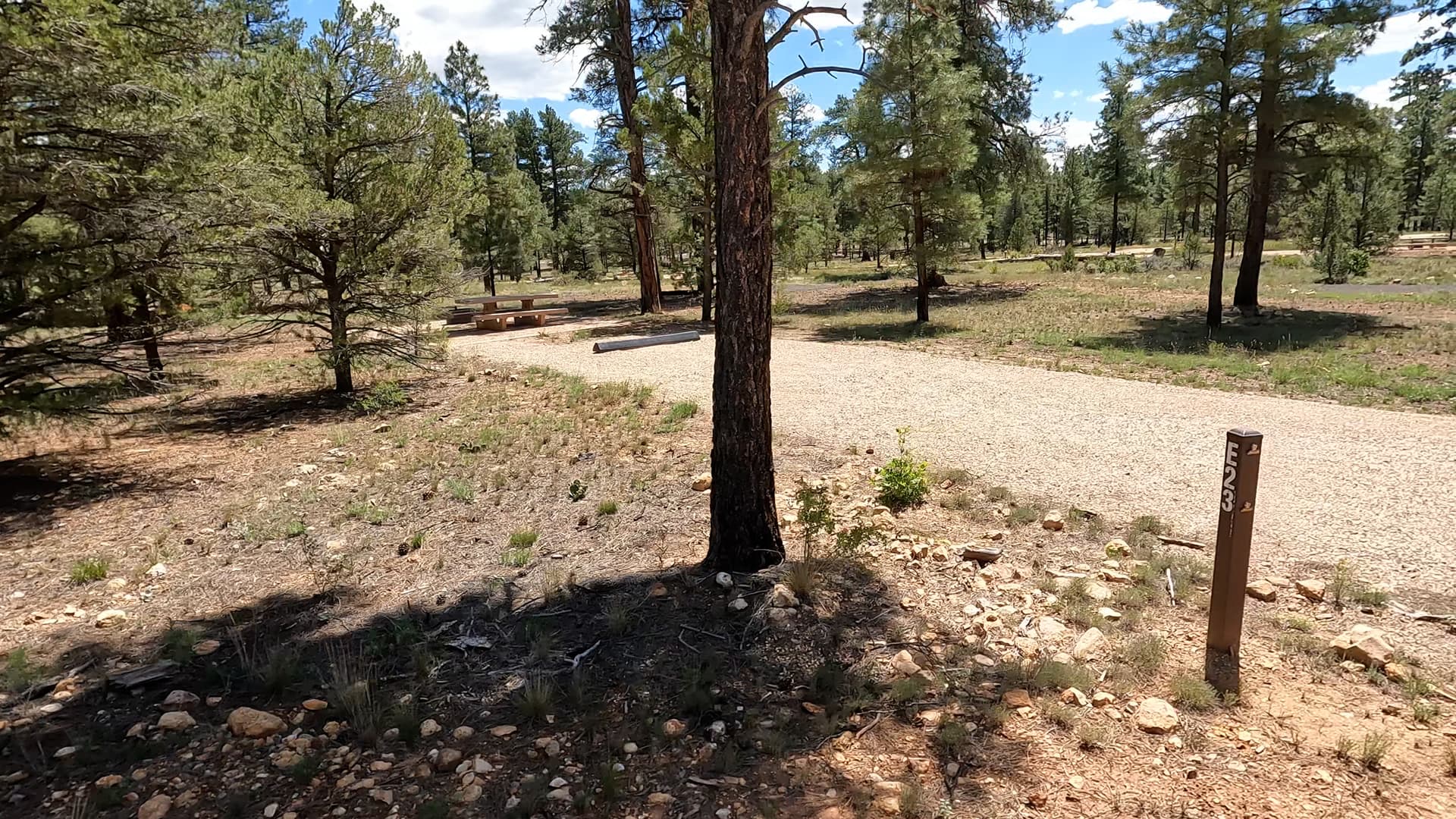
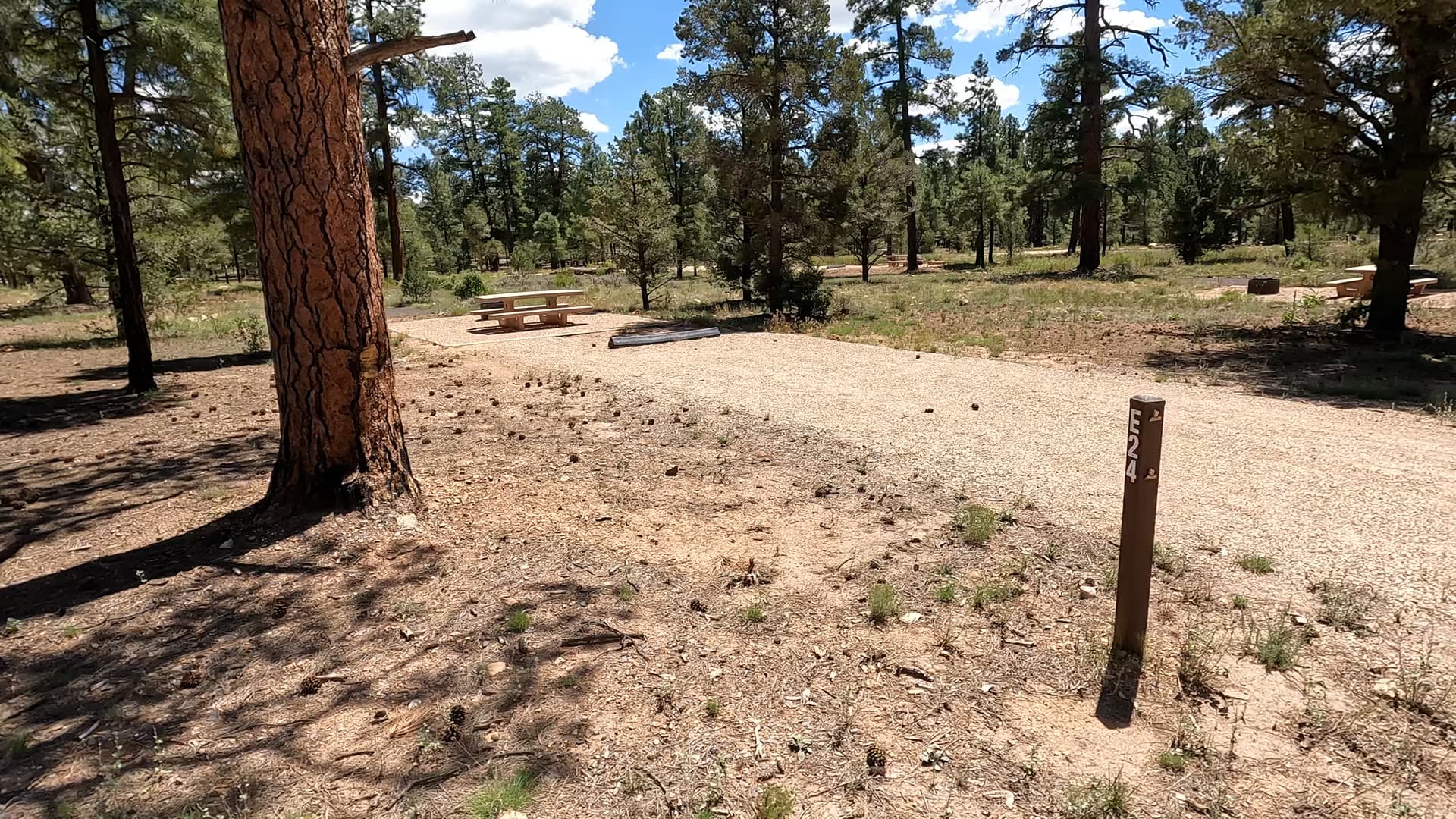
The campground features a loop-style layout with sites suitable for tents and small to mid-sized RVs. While not designed for large motorhomes or full-hookup camping, many sites accommodate trailers and travel rigs comfortably. The forested setting provides partial shade and moderate privacy between sites, and the overall layout is easy to navigate for most standard camping setups.

Amenities

Each campsite includes a picnic table and fire ring. Vault toilets are provided throughout the campground, and potable water is typically available during the main operating season. There are no electric, water, or sewer hookups, maintaining the traditional forest service campground experience. Trash collection and bear-aware food storage practices are encouraged due to wildlife in the area.

Recreation & Activities

The primary draw of Tusayan Montane Campground is its immediate access to Grand Canyon National Park. From camp, visitors can quickly drive into the South Rim for hiking, scenic overlooks, ranger programs, and photography. The surrounding Kaibab National Forest also offers additional opportunities for hiking, mountain biking, and wildlife viewing among the ponderosa pines. Elk and mule deer are commonly seen in the area.

Summary

Tusayan Montane Campground provides convenient, forested camping just outside Grand Canyon National Park’s South Rim. For visitors seeking proximity to the canyon without staying inside the park, this campground offers a practical, scenic, and accessible base for exploring one of Arizona’s most iconic landscapes.

Nearby Campgrounds