Painted Rock Petroglyph
Date filmed:2025-04-30
Number of sites:60
GPS:33.0228972, -113.0495987
Max vehicle length:50 Feet
Check in:2:00 pm
Check out:12:00 pm
Quiet hours:8:00 pm - 8:00 am

Amenities and Activities

Amenities
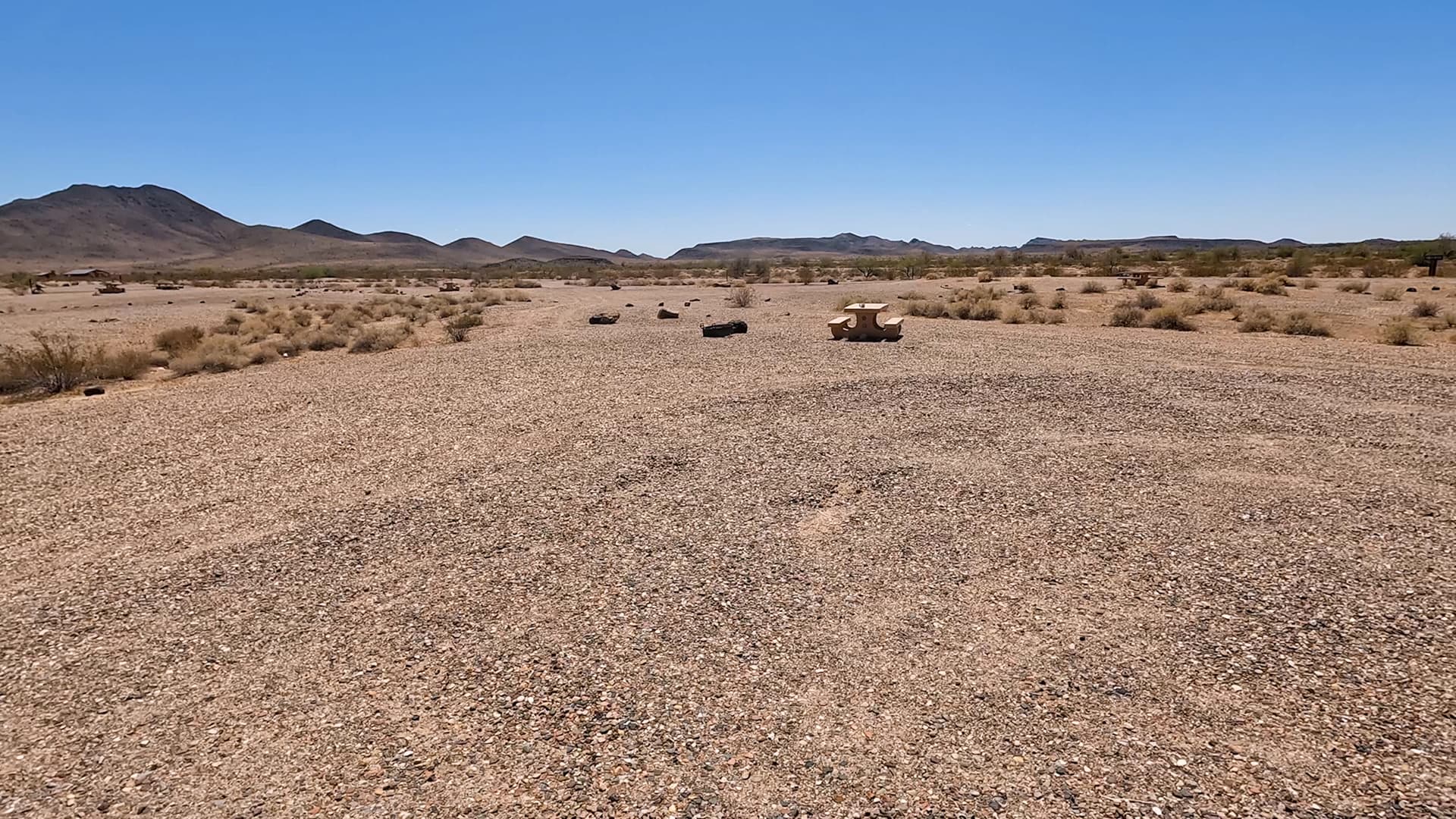
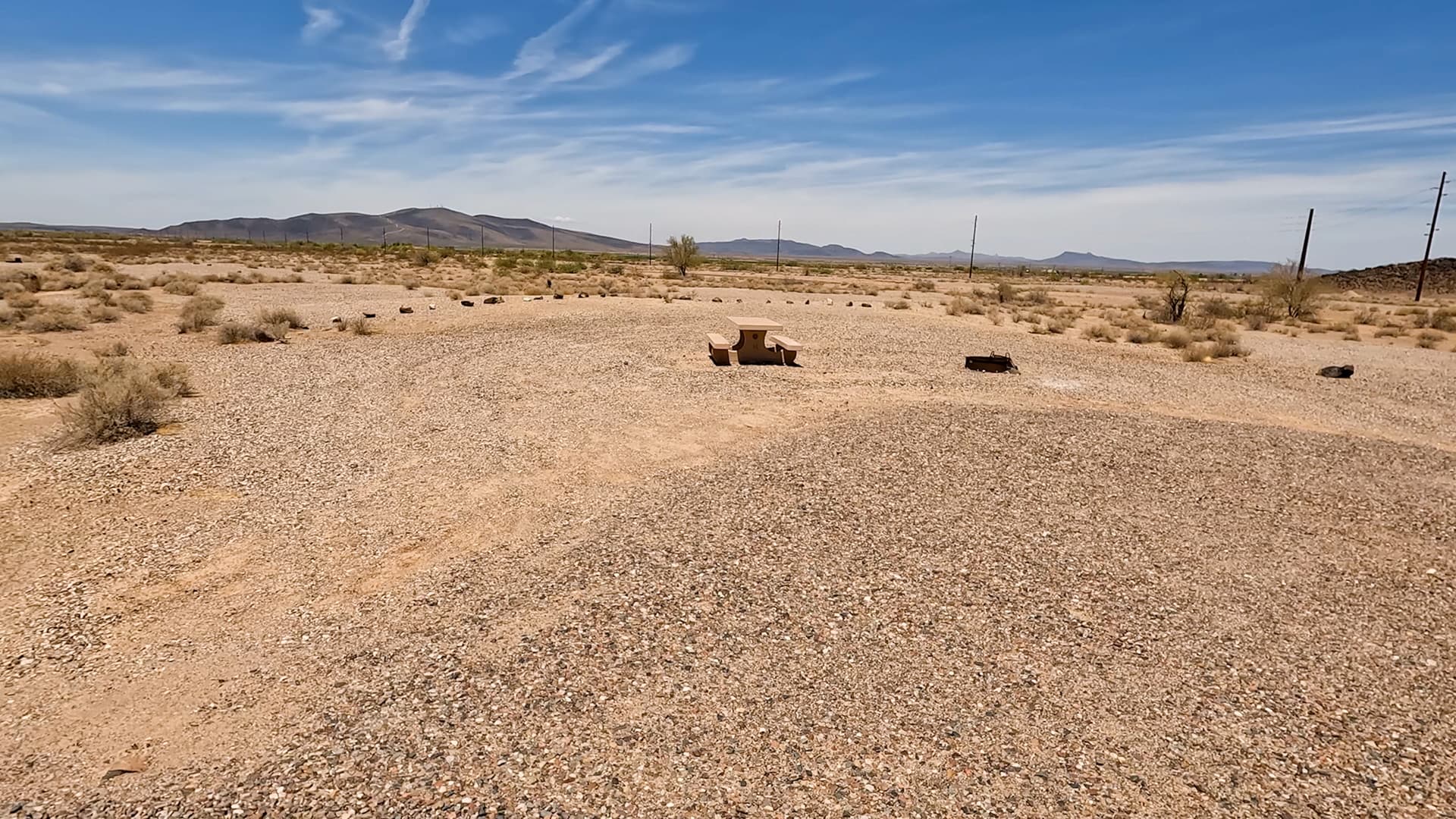
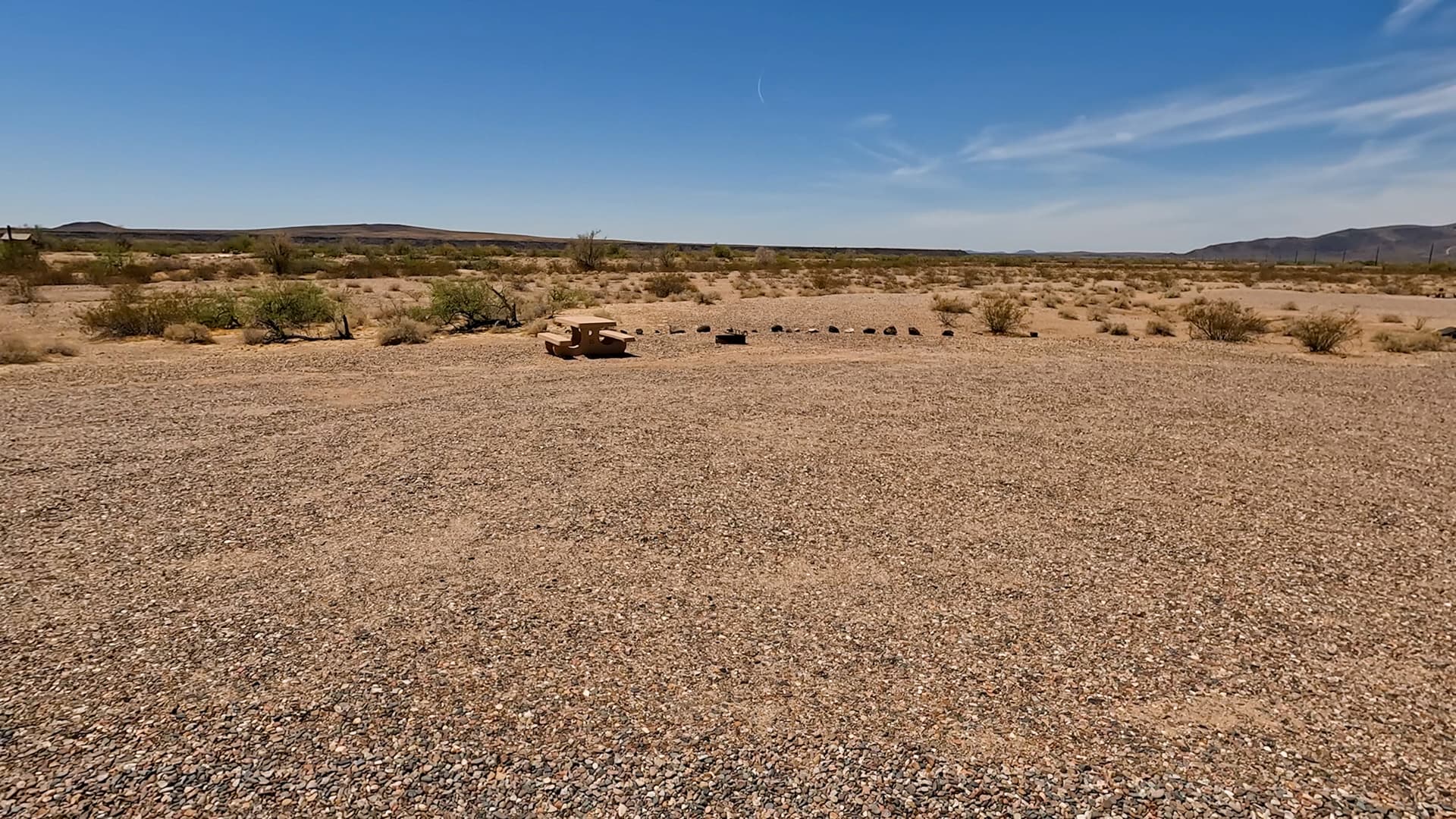
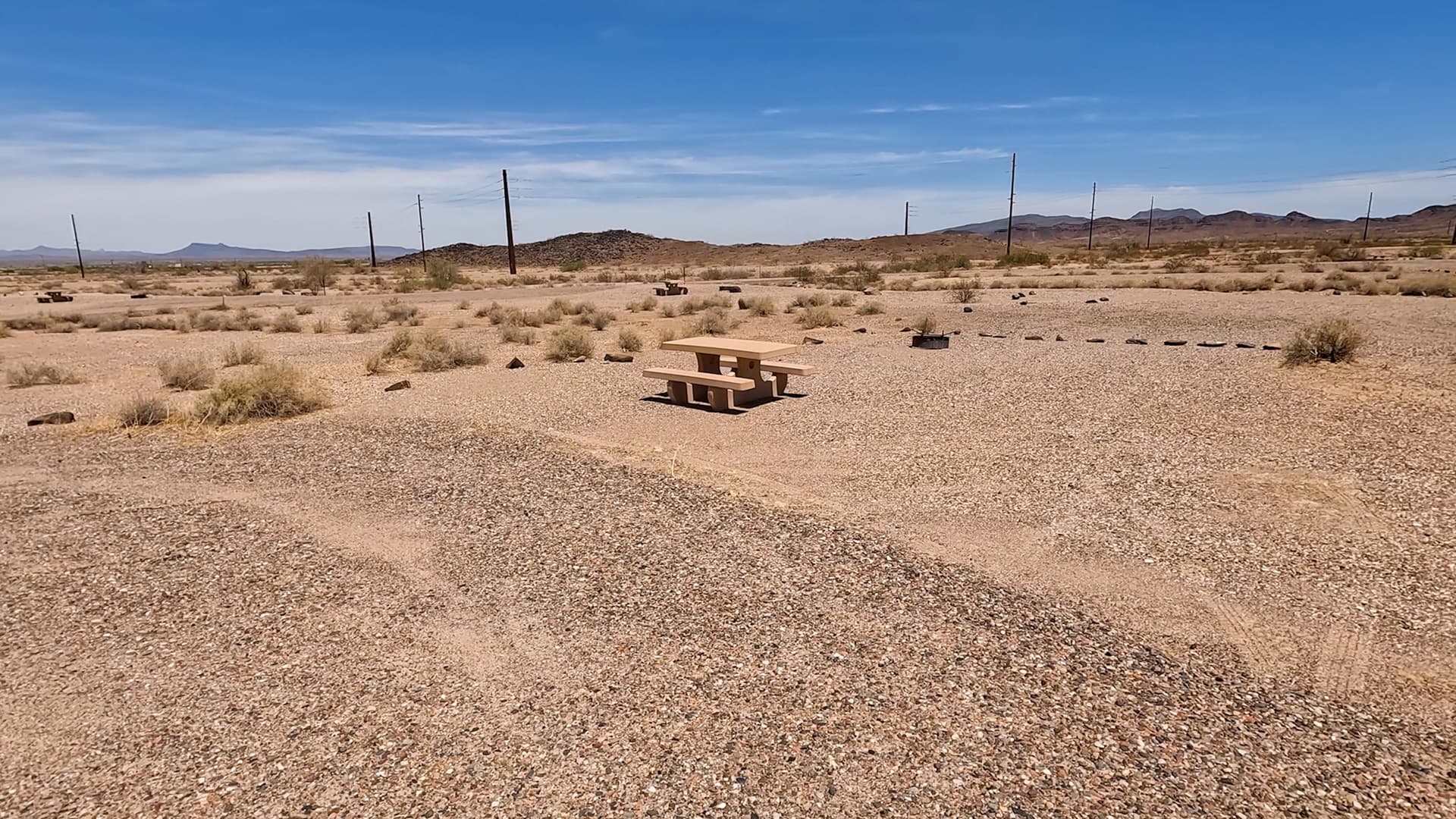
Fire Ring
Grill
Picnic Table
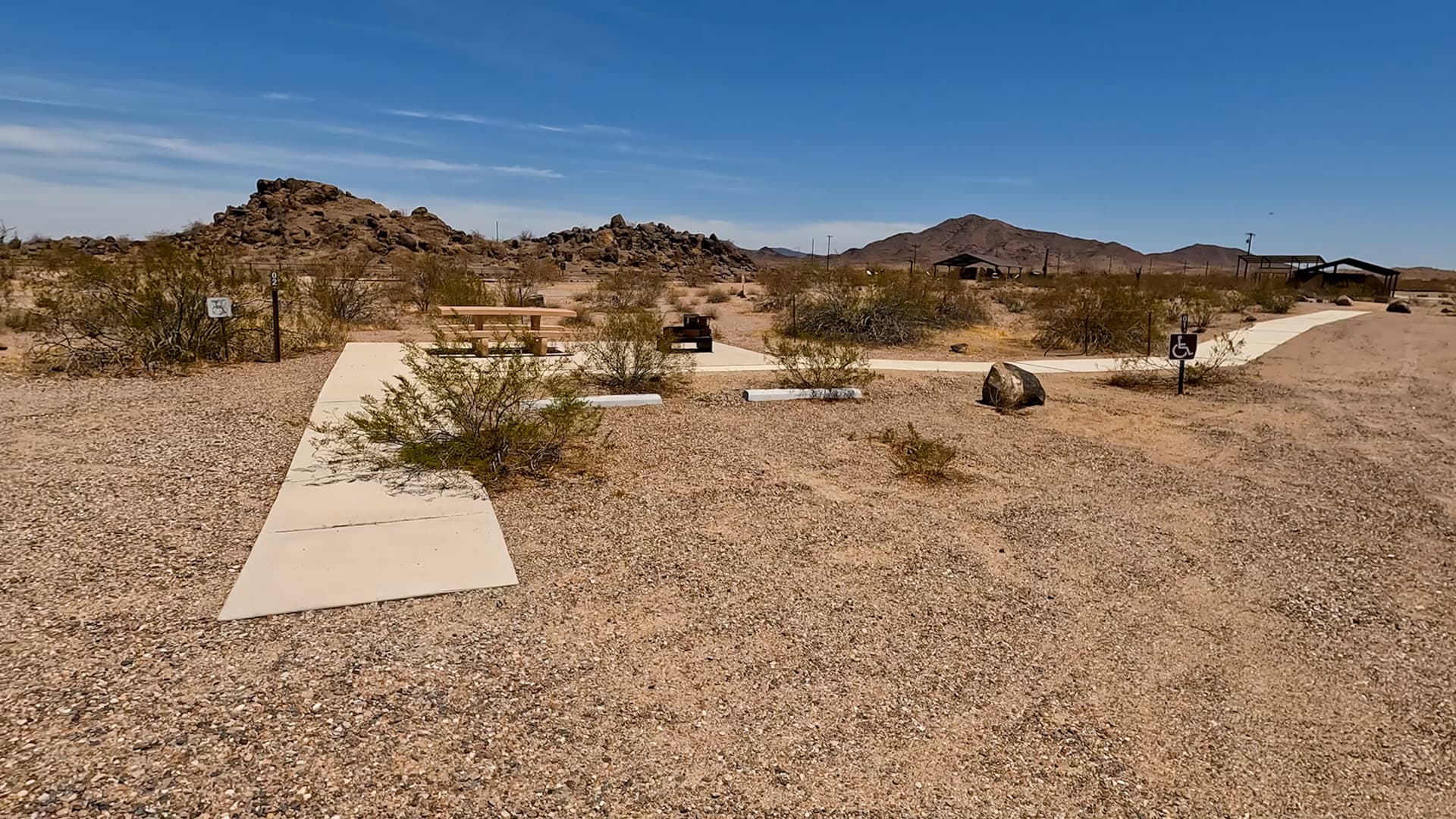
Accessible Sites
Trash Collection
No Water
Activities
Hiking
Picnicking
Historical Site
Wildlife Viewing
Photography
Star Gazing

Things to Do

Camping with Petroglyphs

On Ancient Ground - A Unique Camping Experience

Featured: Painted Rock Petroglyph

Camping at the Painted Rock Petroglyph Site and Campground offers a unique blend of history and nature. Nestled in the Arizona desert, campers can explore ancient rock art, hike scenic trails, and stargaze under the vast desert sky. Painted Rock Petroglyph Site and Campground, nestled in the arid expanses of Arizona's Sonoran Desert, stands as a testament to the ancient civilizations that once flourished in this harsh landscape. Managed by the Bureau of Land Management, this archaeological treasure trove offers visitors a glimpse into the rich tapestry of history etched into its rocky surfaces. The petroglyphs themselves, carved into the weathered rocks by indigenous peoples thousands of years ago, depict a myriad of images, from hunting scenes to celestial symbols. Each carving tells a story, offering valuable insights into the beliefs, customs, and daily life of the ancient inhabitants of the region. As visitors explore the site, they are enveloped in a sense of wonder and awe, marveling at the intricate details and enduring beauty of these ancient artworks. Adjacent to the petroglyphs lies the Painted Rock Petroglyph Campground, providing a peaceful retreat for travelers eager to immerse themselves in the desert landscape. With basic amenities available, including campsites and restroom facilities, visitors can enjoy a comfortable stay while exploring the surrounding area. Interpretive signs dot the campground, offering educational opportunities for those seeking to deepen their understanding of the site's cultural and historical significance. As the sun sets over the desert horizon, casting a golden hue upon the ancient rocks, visitors to Painted Rock Petroglyphs Site and Campground are left with a profound appreciation for the enduring legacy of Arizona's indigenous peoples.

Exploring Around Gila Bend

Painted Rock Petroglyphs and Gila Bend History

Featured: Painted Rock Petroglyph

Explore Gila Bend, Arizona—from Cold War jets and the historic Stout’s Hotel to ancient petroglyphs, a 9/11 memorial, and the Gillespie Dam Bridge along old Highway 80. A short trip, full of surprises. Just off State Route 85 near the northern entrance to Gila Bend, a pair of Cold War-era jets catch your eye—two RF-101C Voodoo reconnaissance aircraft, posed like museum pieces in the open desert. Once tasked with flying deep into enemy territory to gather intelligence, today they mark the start of a surprisingly rich detour through Arizona’s past. Roll into town and you’ll find the historic Stout’s Hotel, its thick adobe walls still standing strong after more than a century. Built in the 1920s, this two-story landmark was once a major stop for travelers heading west on Highway 80, back when it was one of the main cross-country routes before the interstates took over. Right next door is a small 9/11 Memorial Park—quiet, shaded, and anchored by a steel beam salvaged from the World Trade Center. It's a poignant contrast to the dust and heat just beyond its borders. East of town lies one of the area’s most fascinating archaeological treasures: the Painted Rock Petroglyph Site. For over a thousand years, Native peoples—including the Hohokam and Patayan—left behind intricate rock carvings here, covering massive boulders with symbols, figures, and mysterious shapes. The site offers a glimpse into a cultural legacy far older than the highways and railroads that followed. Speaking of roads, a little detour south takes you along a remnant of Historic U.S. Route 80—once known as the “Broadway of America.” It winds its way toward the Gila River, where the impressive Gillespie Dam Bridge still stretches across the dry riverbed. Built in 1927, this steel truss bridge was a vital link between Phoenix and Yuma, and it remains one of the longest bridges of its type in the state. Nearby, the remains of the Gillespie Dam—breached in a flood in 1993—stand as a testament to both early engineering and the raw power of desert waterways. From Cold War aircraft to ancient carvings, and from forgotten highways to river crossings of the past, the Gila Bend area is full of contrasts—historic, cultural, and scenic. It’s a casual drive that becomes much more than you expect if you’re willing to slow down and explore.

Agua Caliente and Sundad

Curious Ghost Towns in the Arizona Desert

Featured: Painted Rock Petroglyph

Sometimes old ghost towns have no ties to mining and their origins are less known. Agua Caliente and Sundad, Arizona are two remote abandoned towns with intriguing history that goes way back and yet still offers interest to visitors today. Agua Caliente has a history that goes way back to when hot springs were used by area native Indian cultures. Despite disputes, a resort was built for the hot springs for visitors to come out to Arizona to soak in the waters which were advertised to cure many an illness or affliction. The resort ran roughly from 1897 to the 1950s in various forms. What remains of the town today are a 22-room white adobe hotel that housed guests, a few crumbling stone buildings down the road, and a pioneer cemetery. The hotel remains are on private property and should be viewed from the road. Sundad has even less information known about it. Many theories point to it once being a location for tuberculosis patients to seek out drier air in hopes of relief or a cure. Today it is known for large rock art installations best viewed from a drone.

Sears Point Petroglyphs

An Ancient Crossroads

Featured: Painted Rock Petroglyph

Some of the most impressive petroglyphs lie in a remote section of the southwestern Arizona desert. From Ancient Indians to migrating pioneers, the rock art remains tell the history of civilizations throughout time and our American heritage. Down an unmaintained road off Interstate 8 on BLM land are a number of volcanic basalt outcroppings. Scattered throughout these rocks are thousands of Indian petroglyphs and rock art left by prehistoric civilizations as well as more modern civilizations such as Spanish explorers and missionaries, Mormon pioneers, and travelers on the Butterfield Overland Mail route. The date of some of these markings remains unknown but it is thought that some may date back thousands of years. The Petroglyph styles are thought to be from several cultures - the Western Archaic Tradition, Gila Style (from the Hohokam), and the Patayan Style. Signage at the start of the trail assists in style differences that can aid visitors in identifying the petroglyphs.

Campground Overview

Painted Rock Petroglyph Campground – Painted Rock Petroglyph Site, Arizona

Painted Rock Petroglyph Campground is located at the Painted Rock Petroglyph Site, a Bureau of Land Management recreation area in the Sonoran Desert southwest of Phoenix. The campground sits beside a large cluster of volcanic boulders covered with numerous petroglyphs created by Indigenous peoples over many centuries. Its desert setting and cultural significance make it a unique overnight stop for travelers exploring southwestern Arizona.

Location & Setting

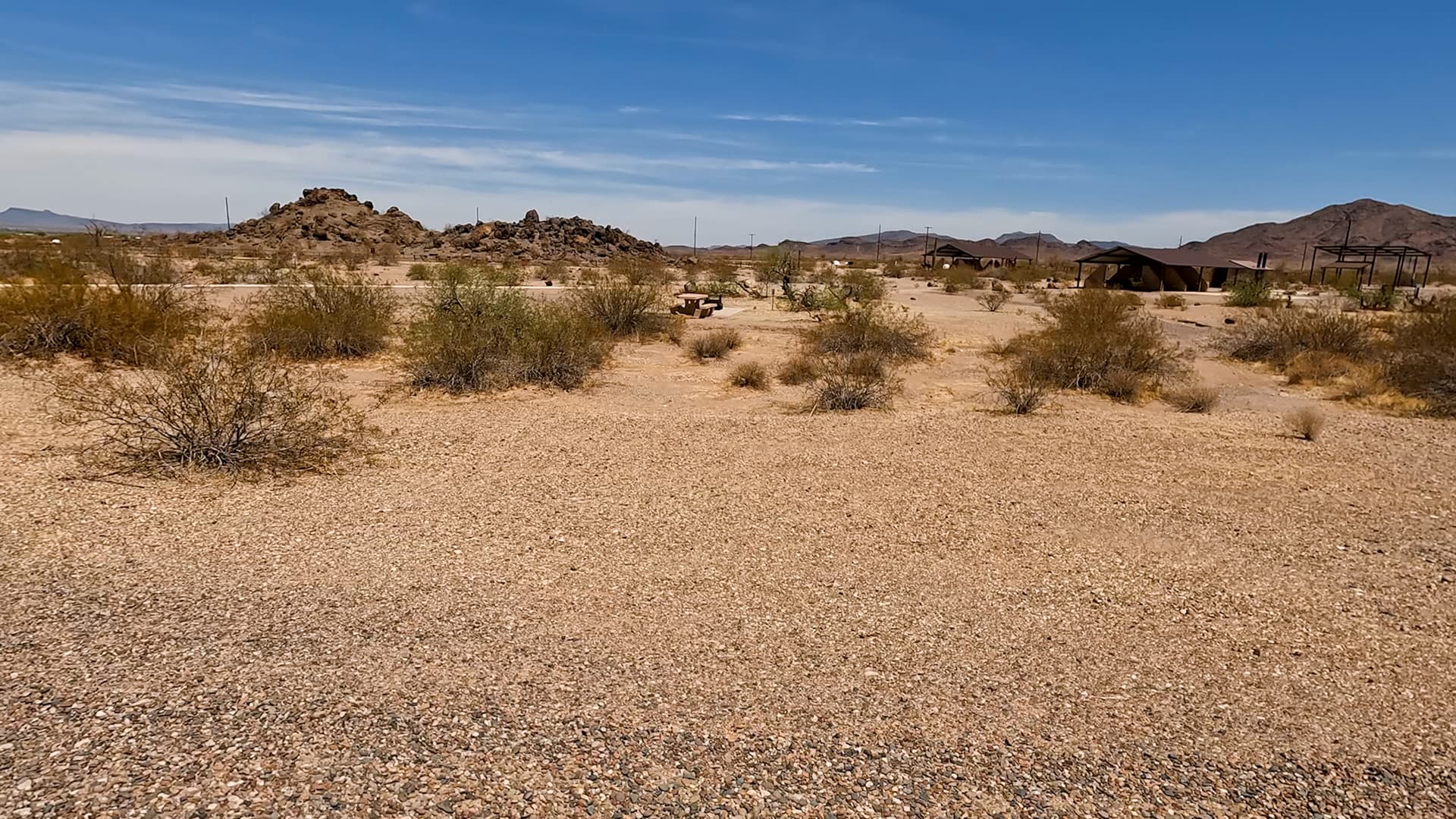
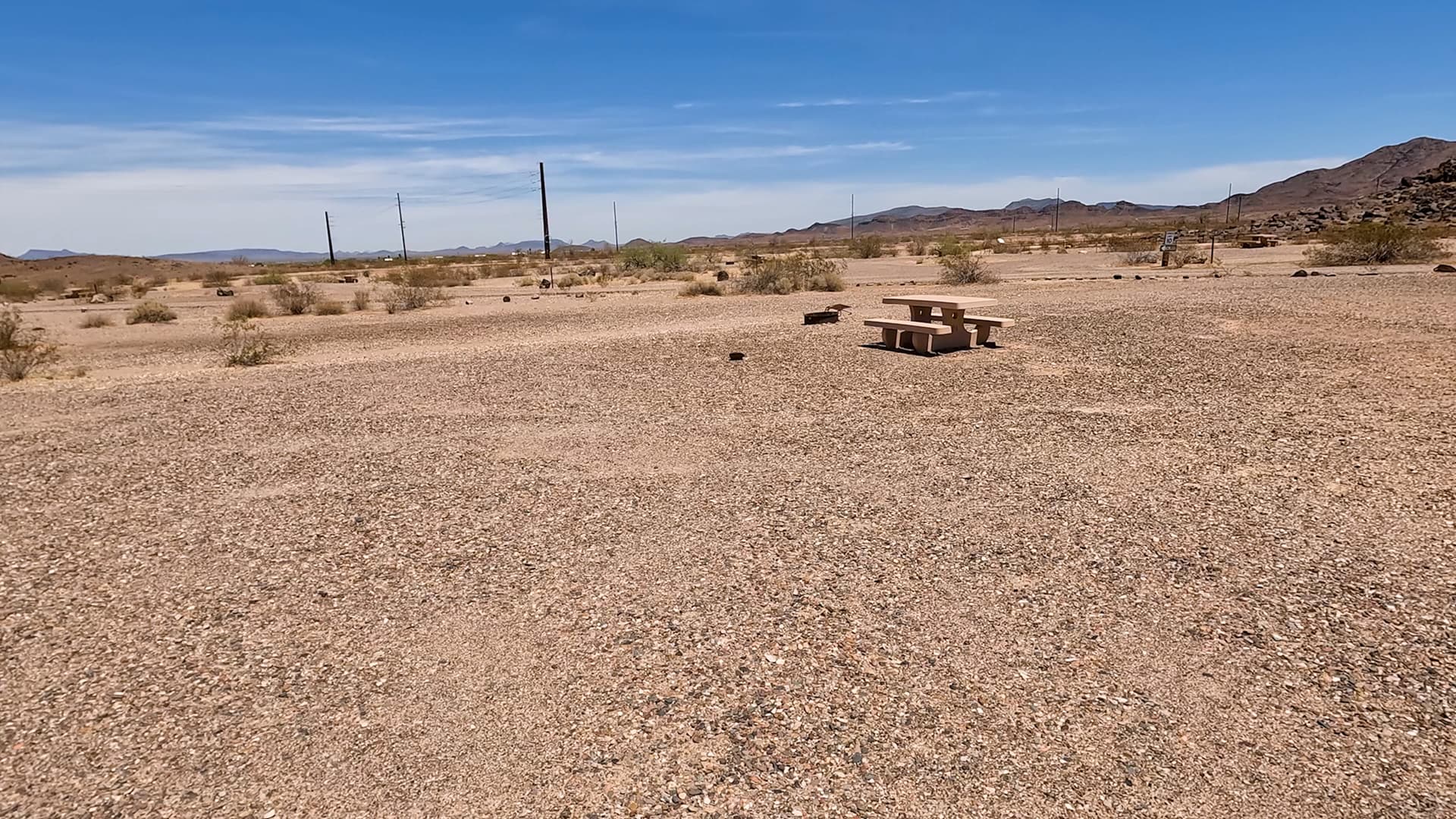
The campground lies along Interstate 8 in a remote section of the Sonoran Desert west of the Gila Bend area. The site centers around a prominent mound of dark volcanic rocks rising from a relatively flat desert landscape. These boulders contain a large collection of carved petroglyphs that can be viewed from designated walking paths. The surrounding terrain is open desert with sparse vegetation and wide views of the surrounding basin and distant mountain ranges.

Campground Overview

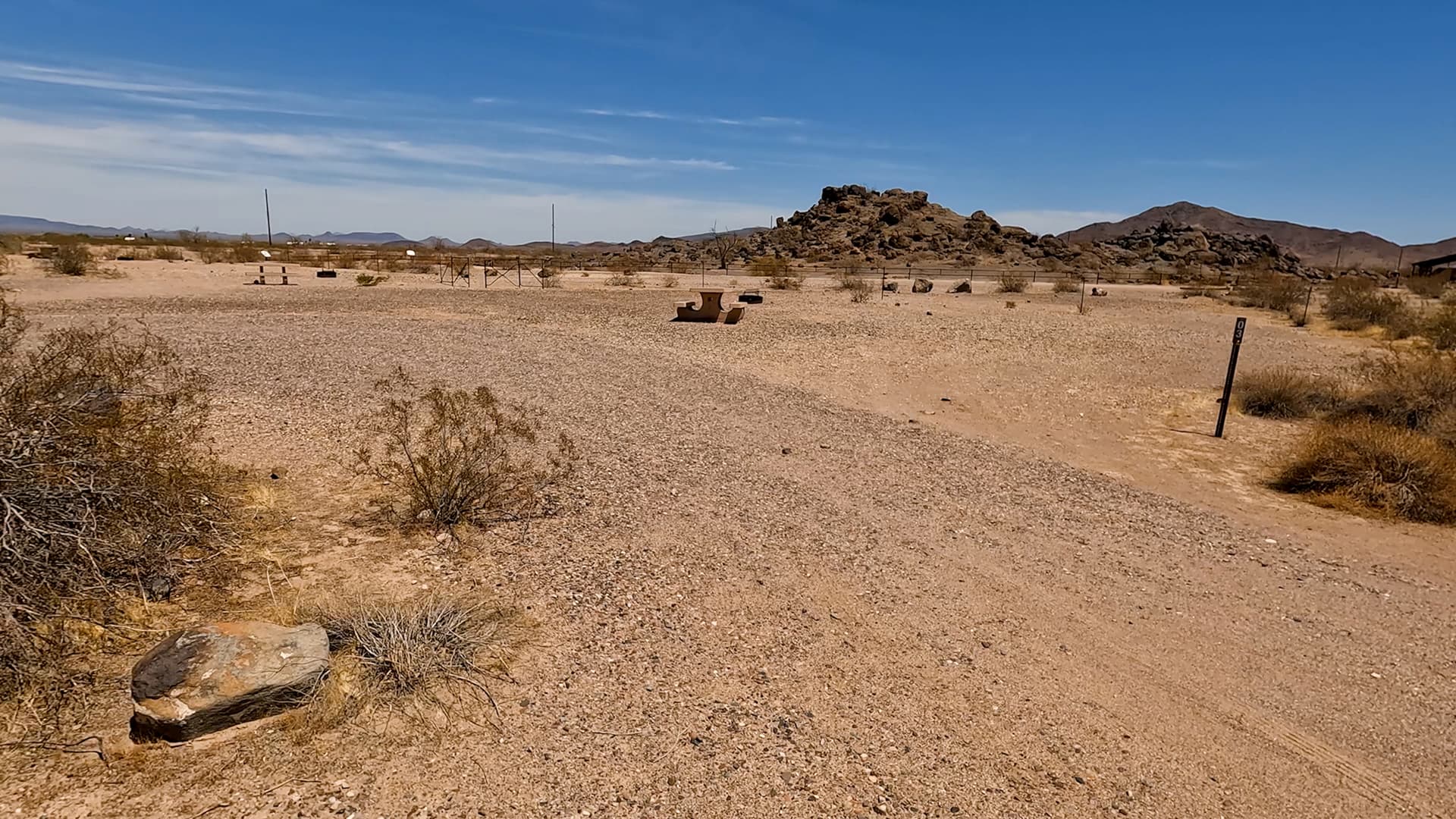
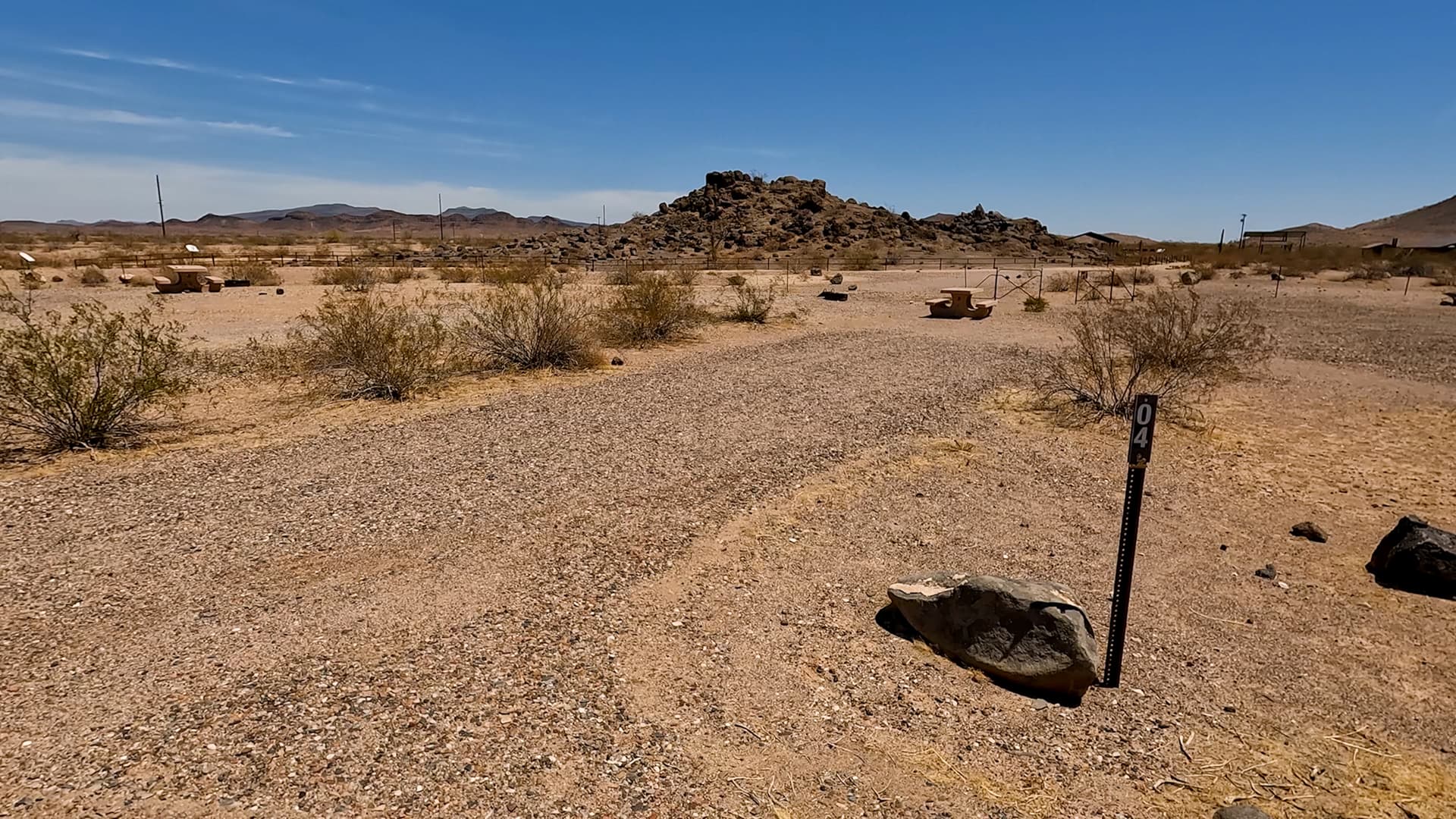
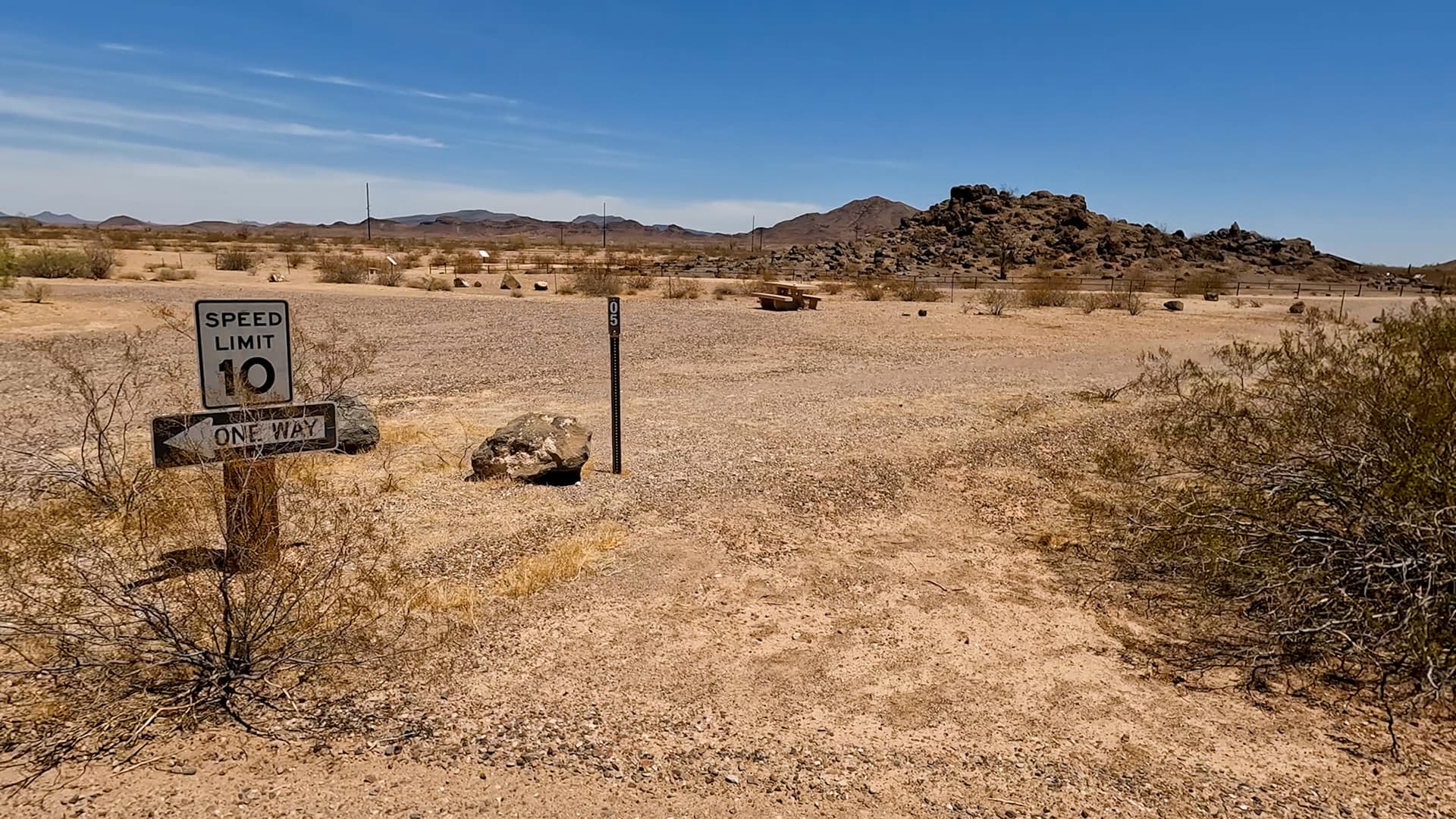
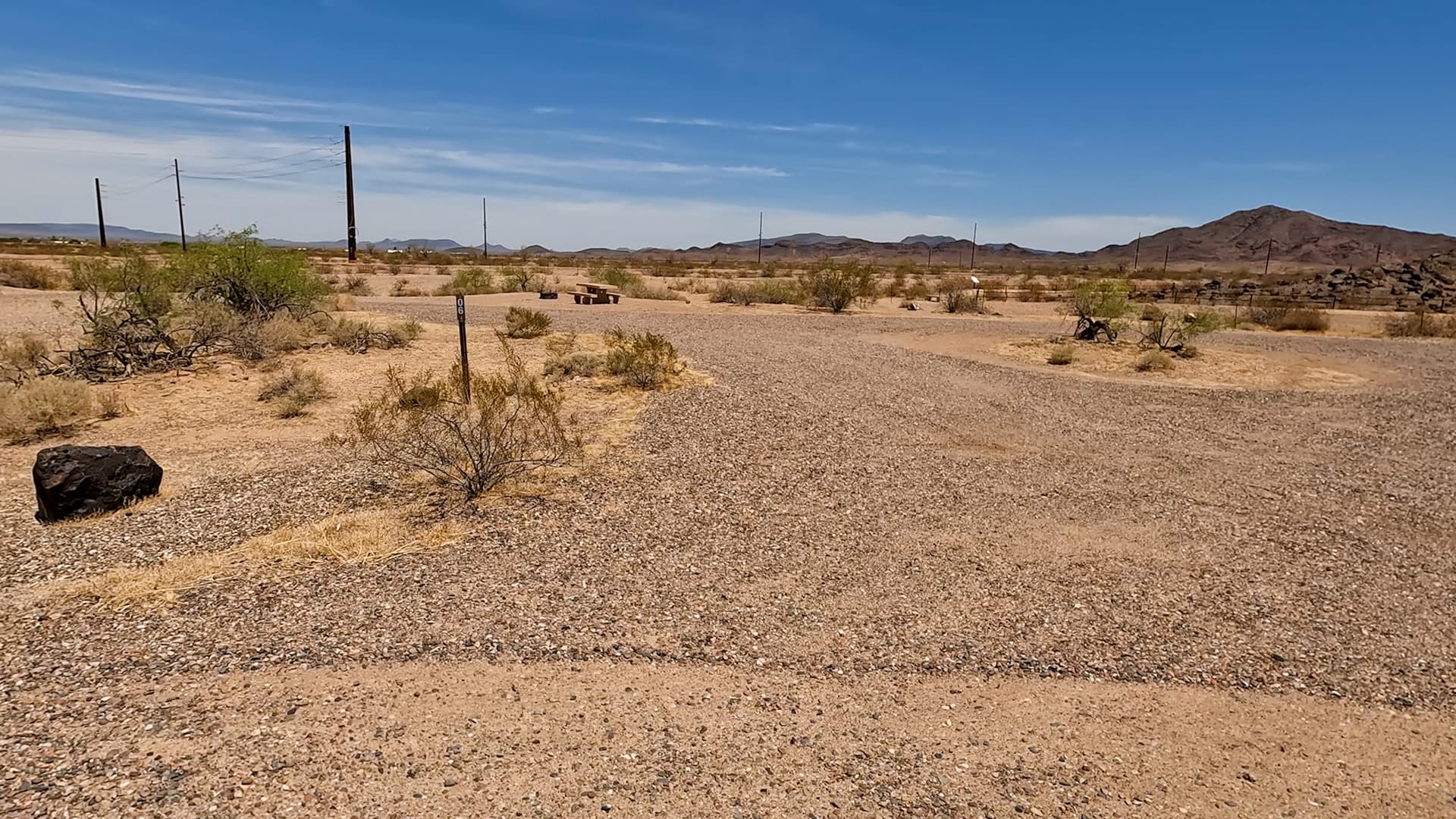
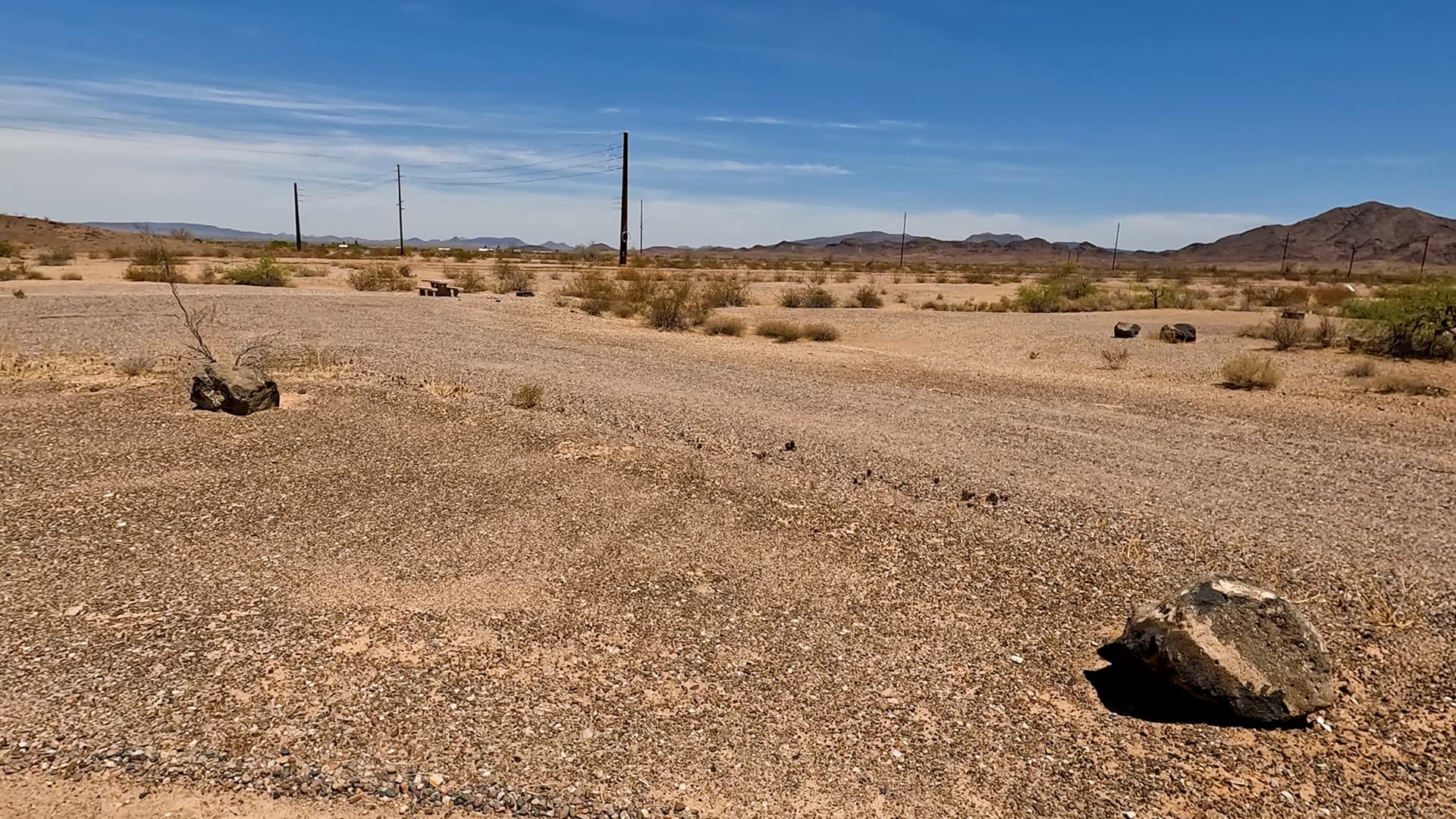
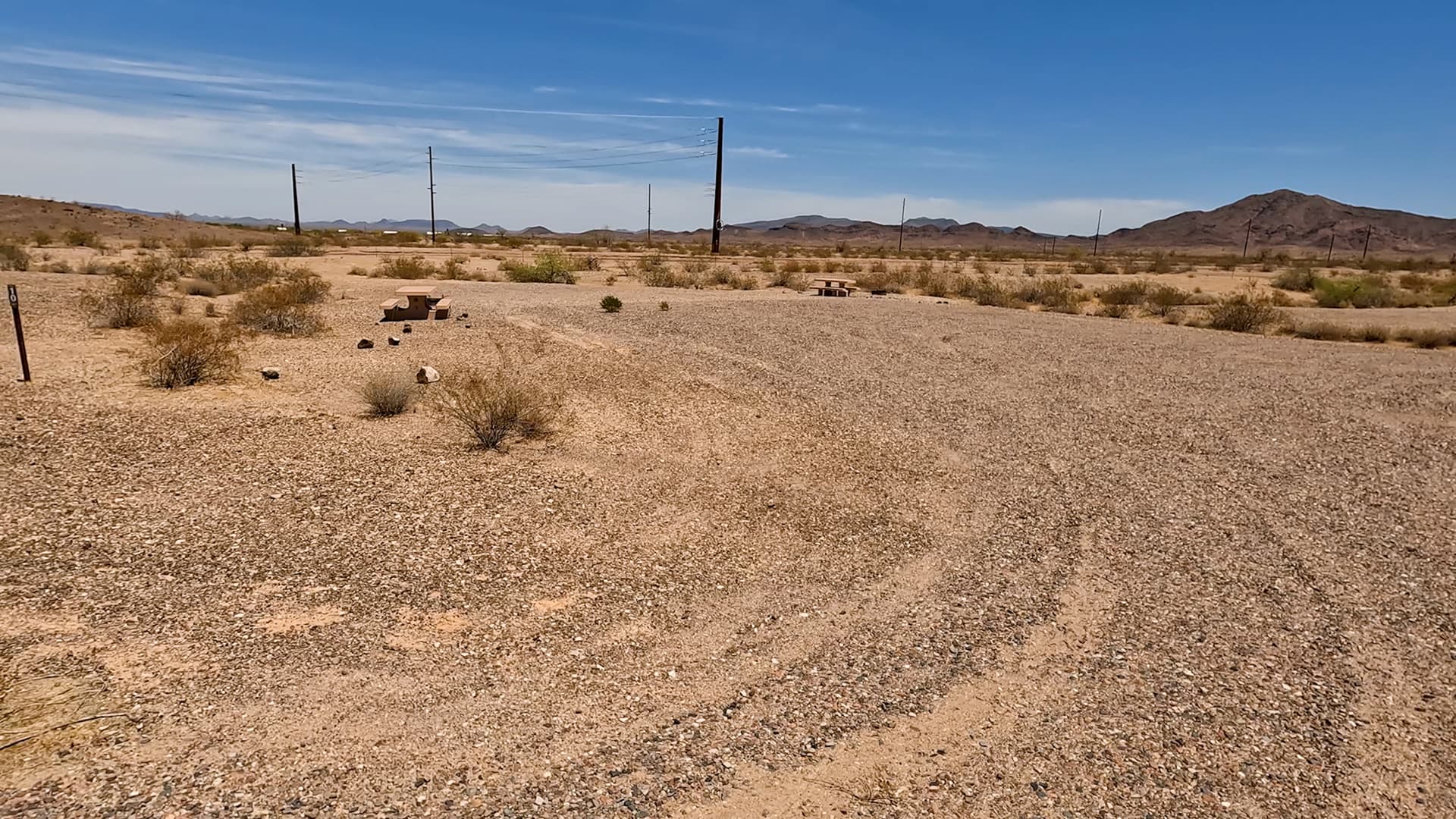
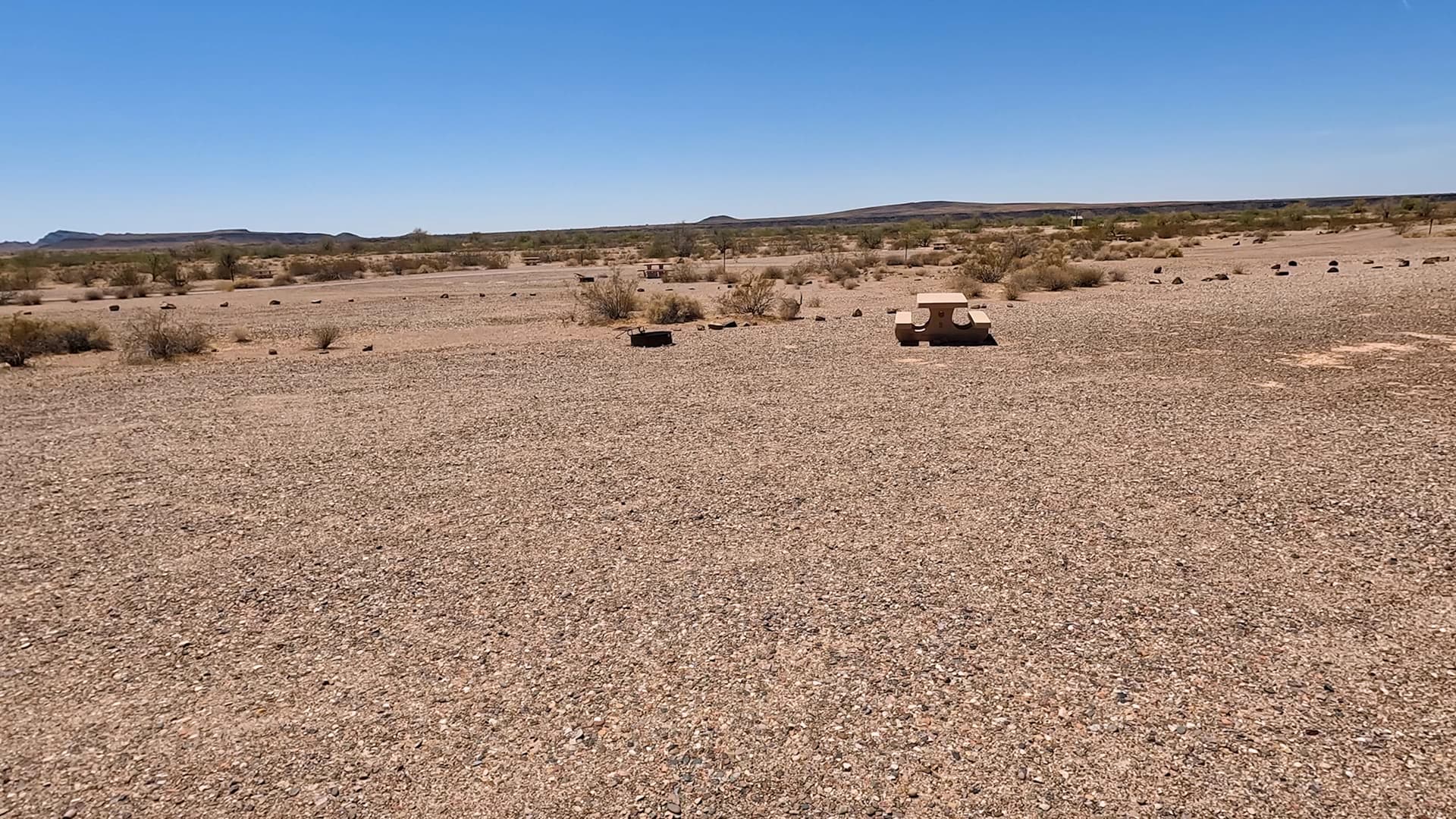
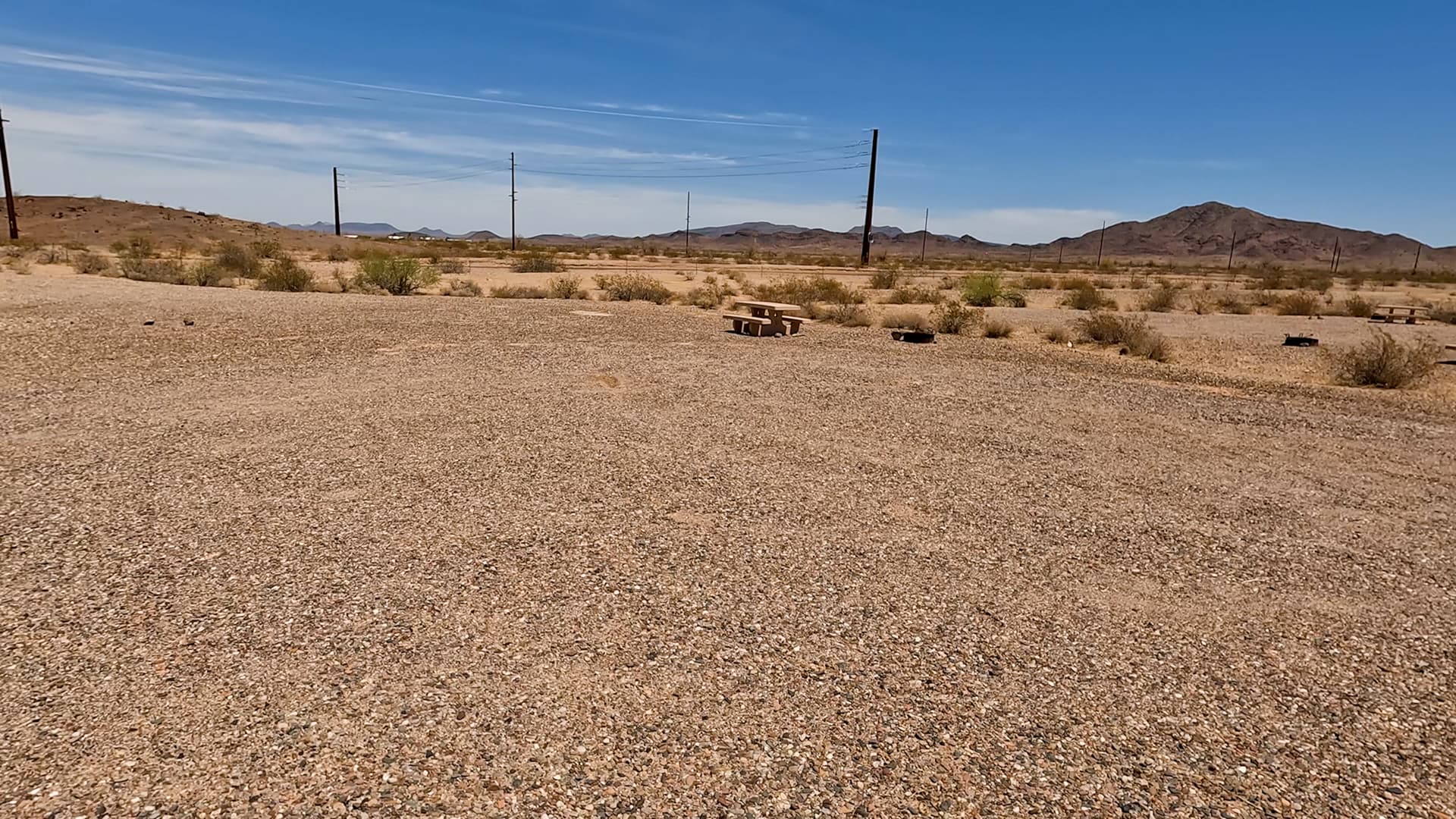
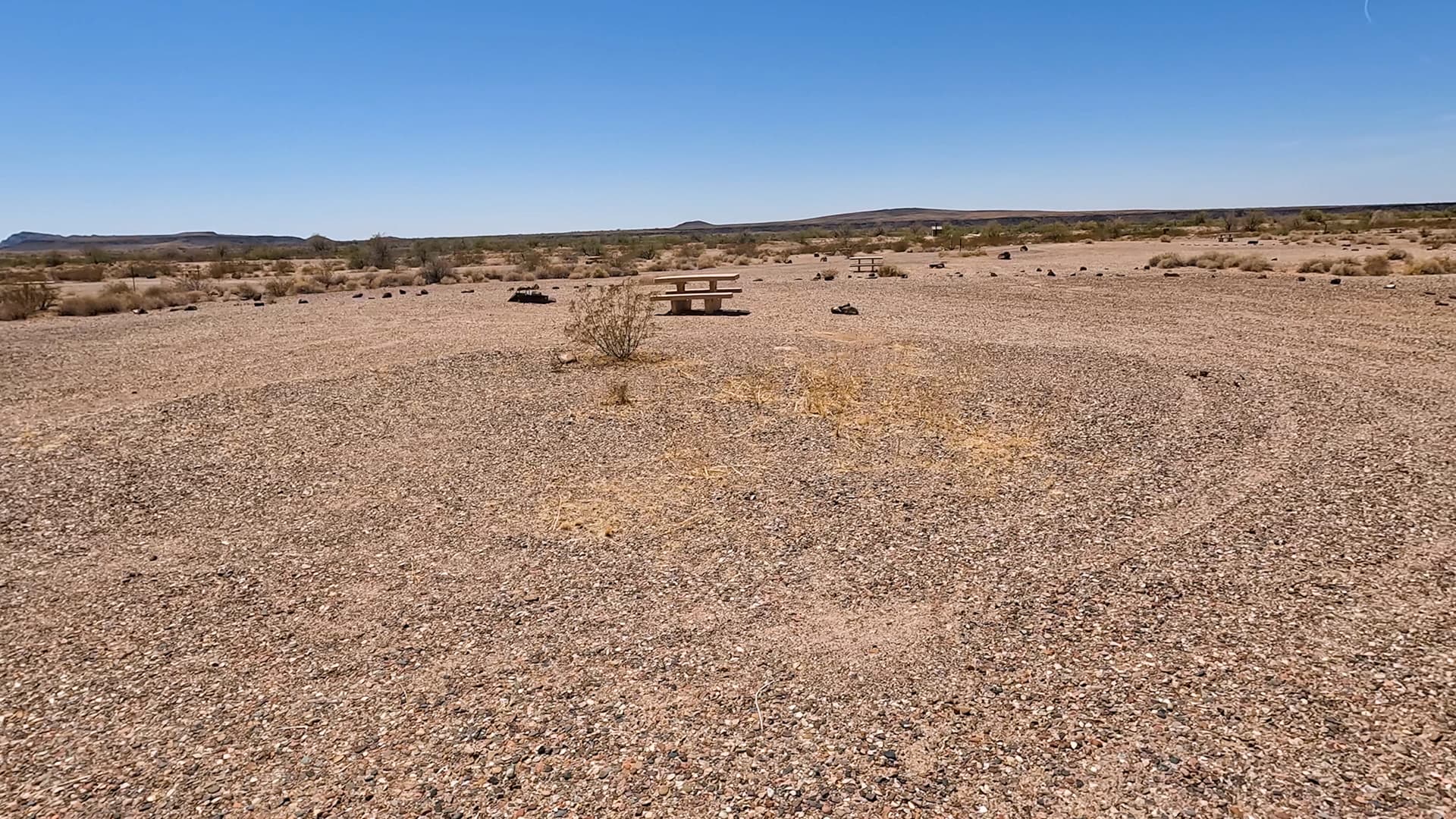
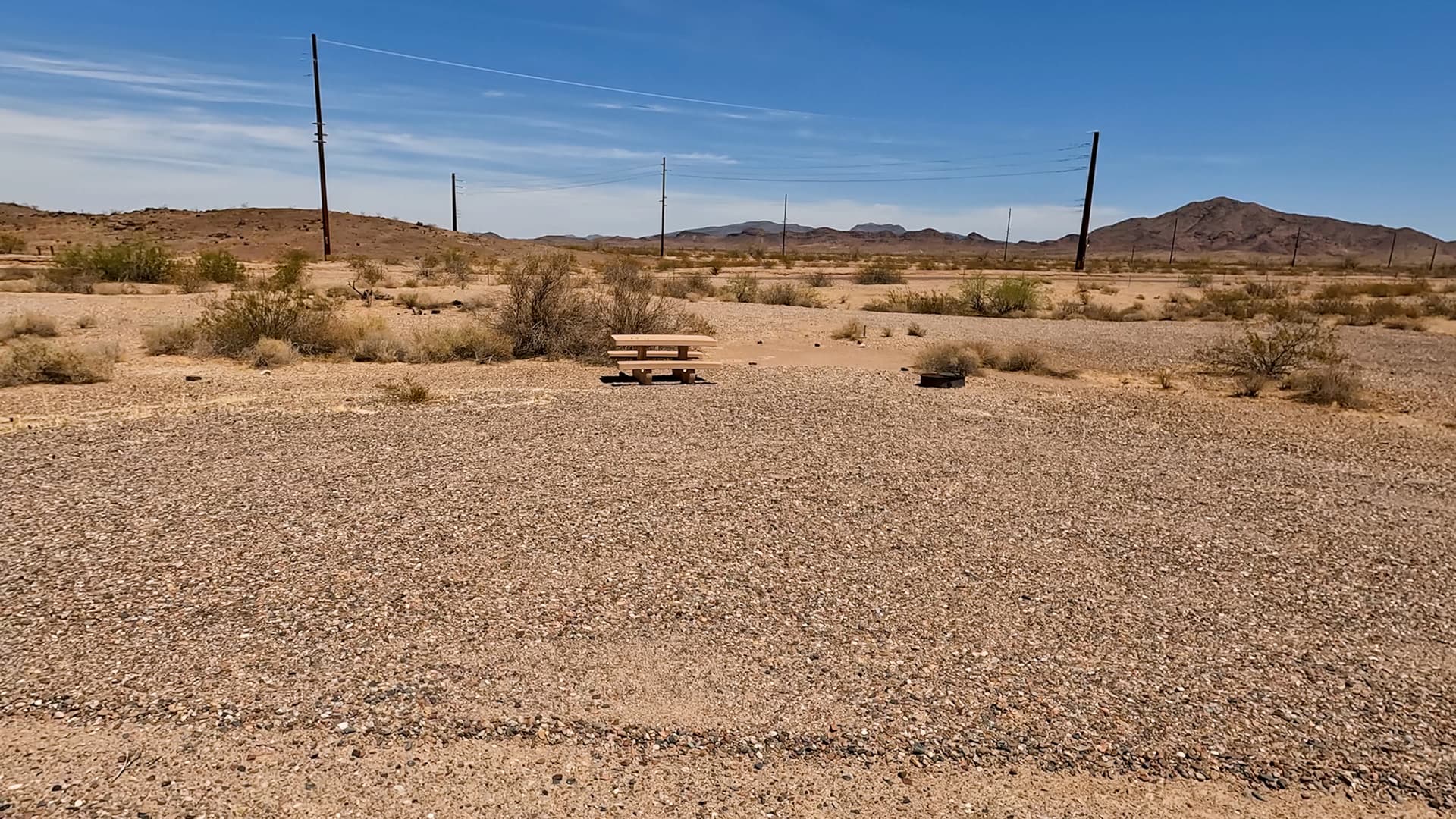
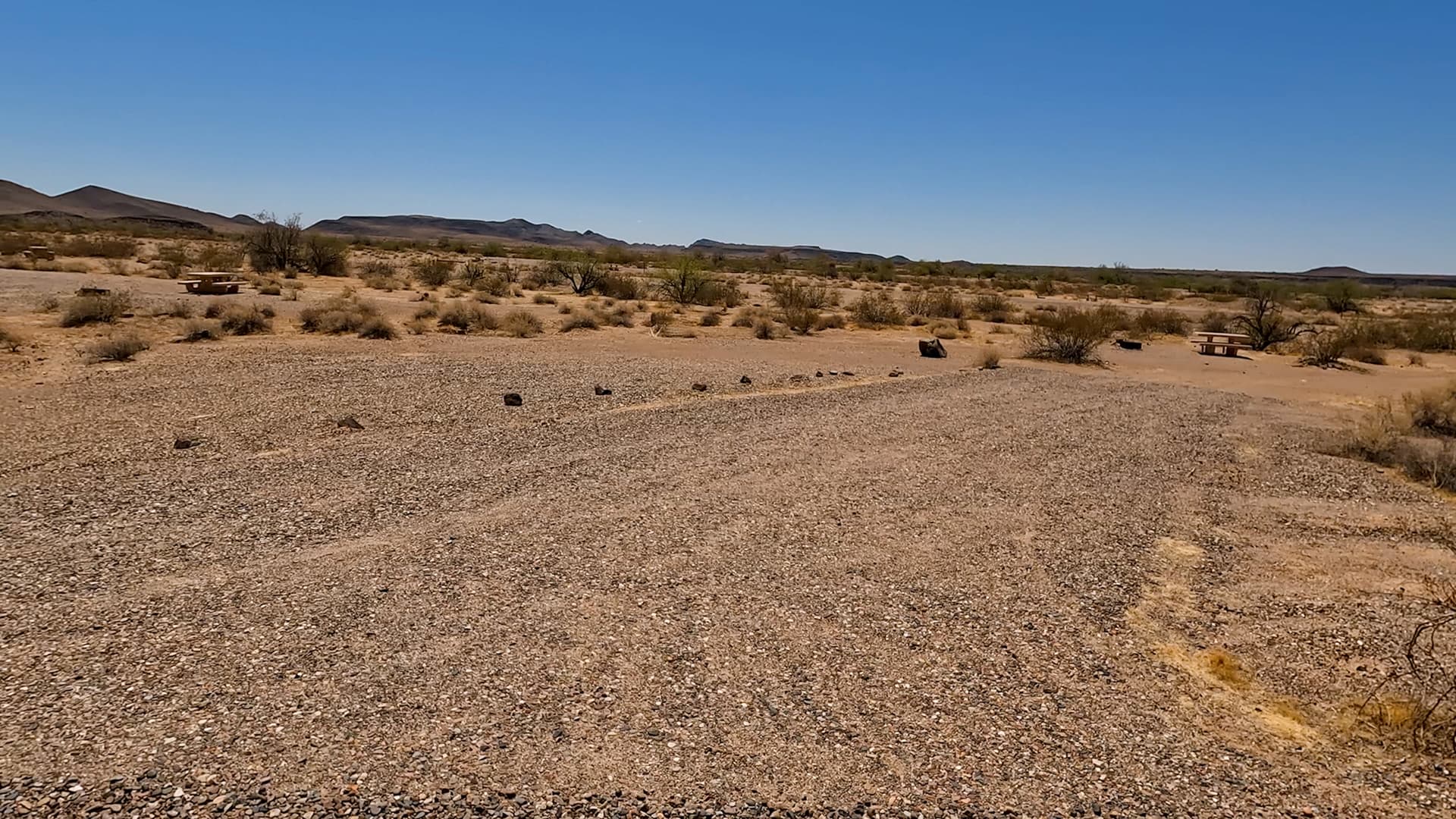
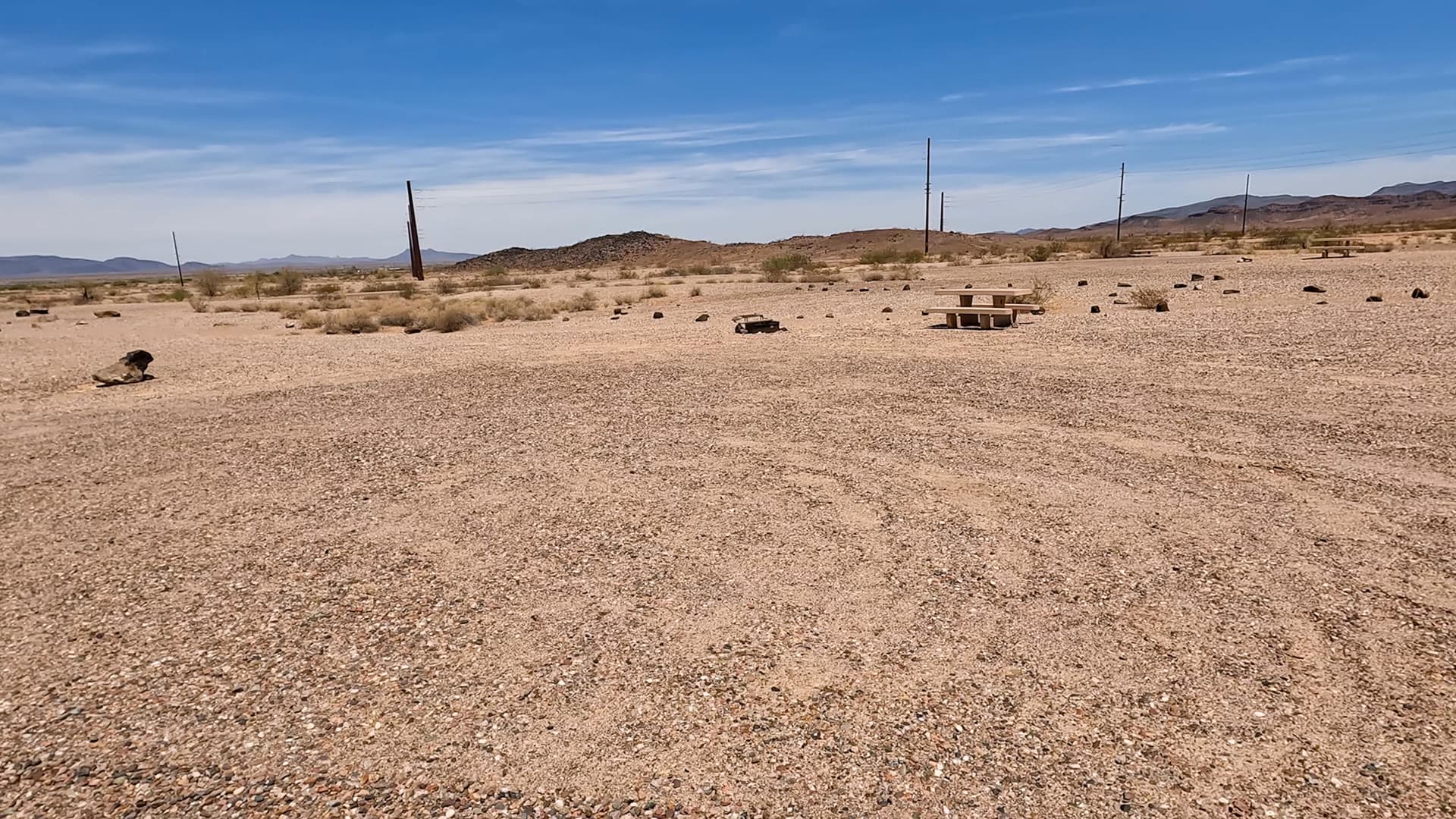
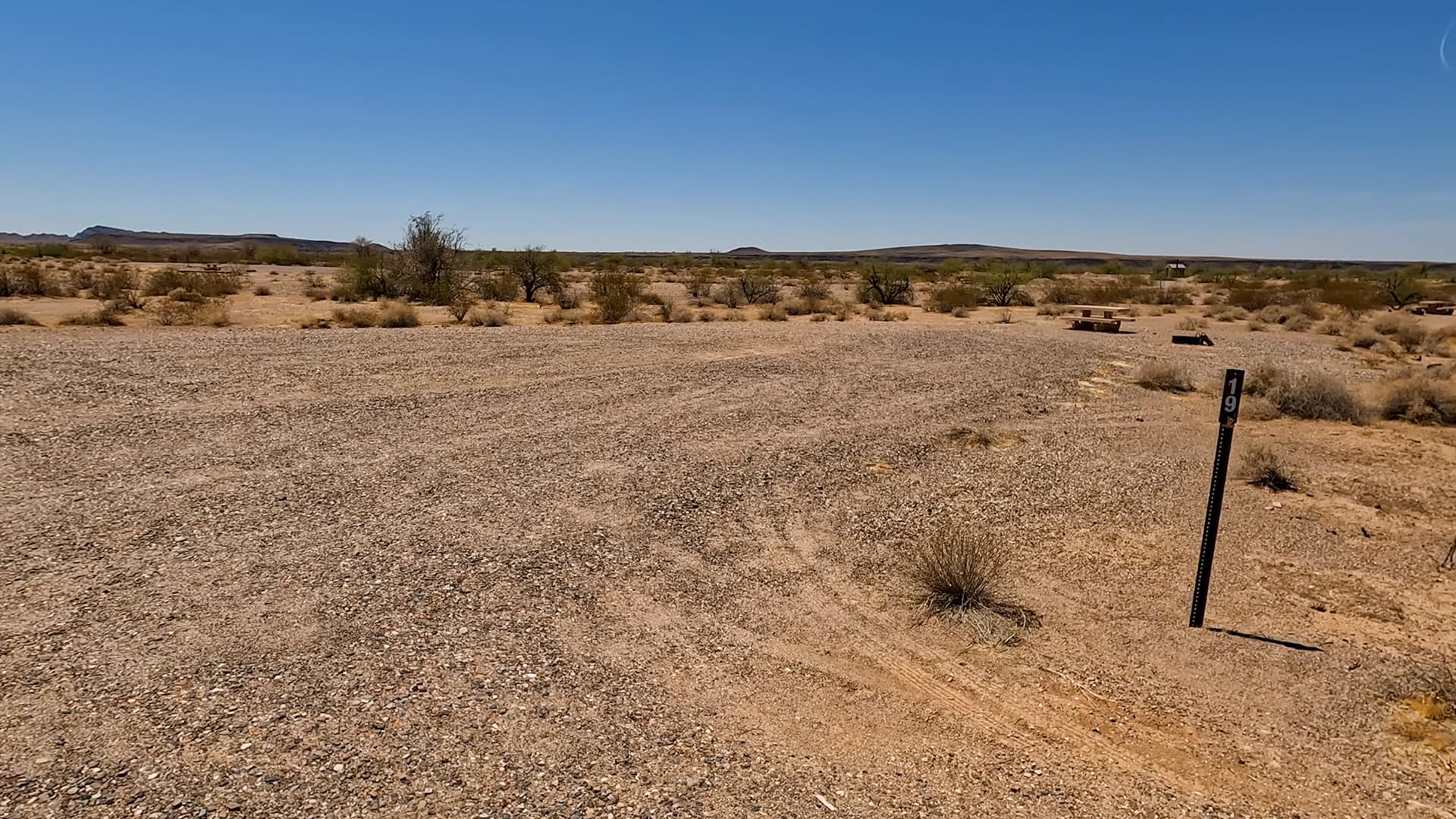
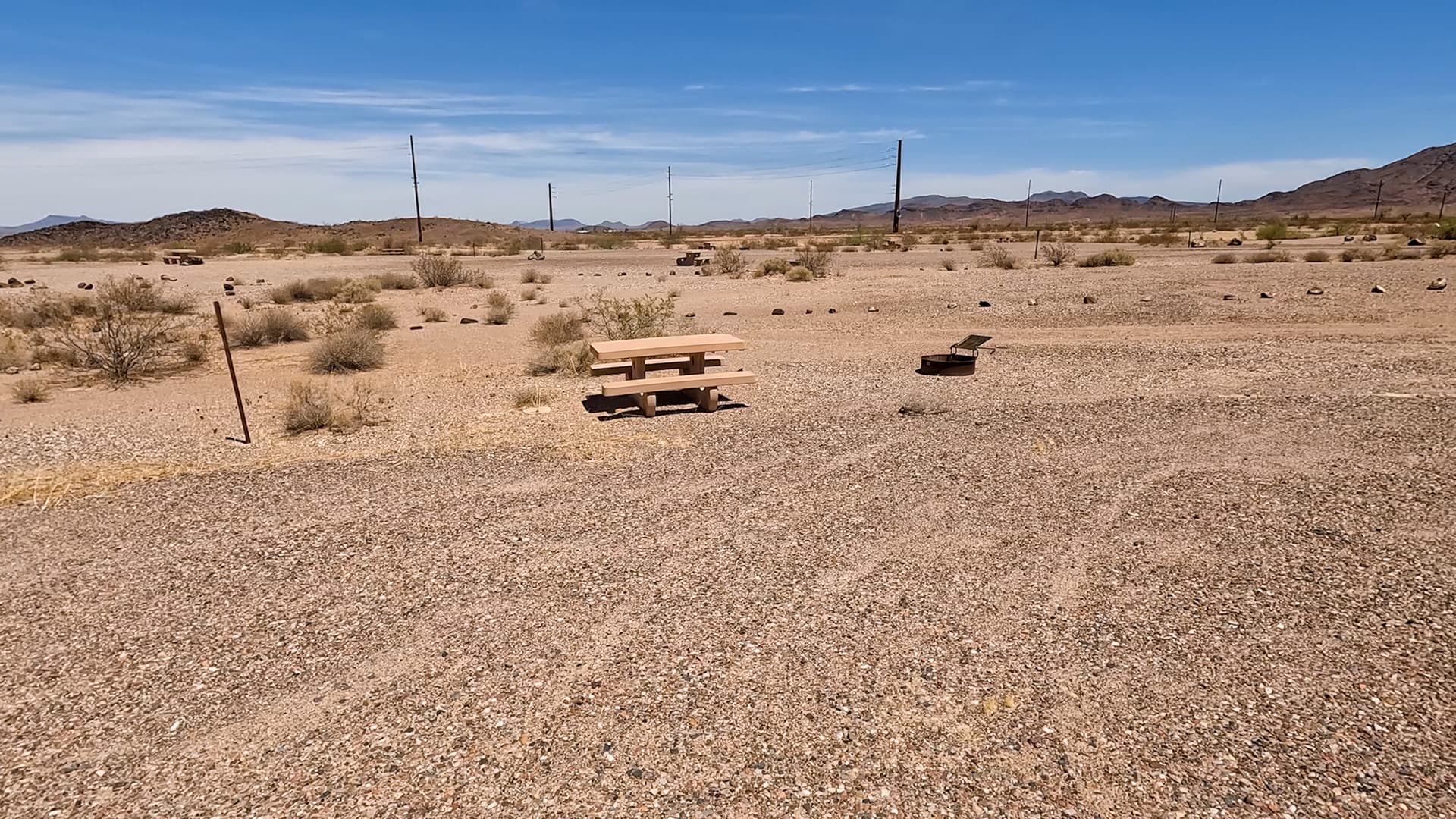
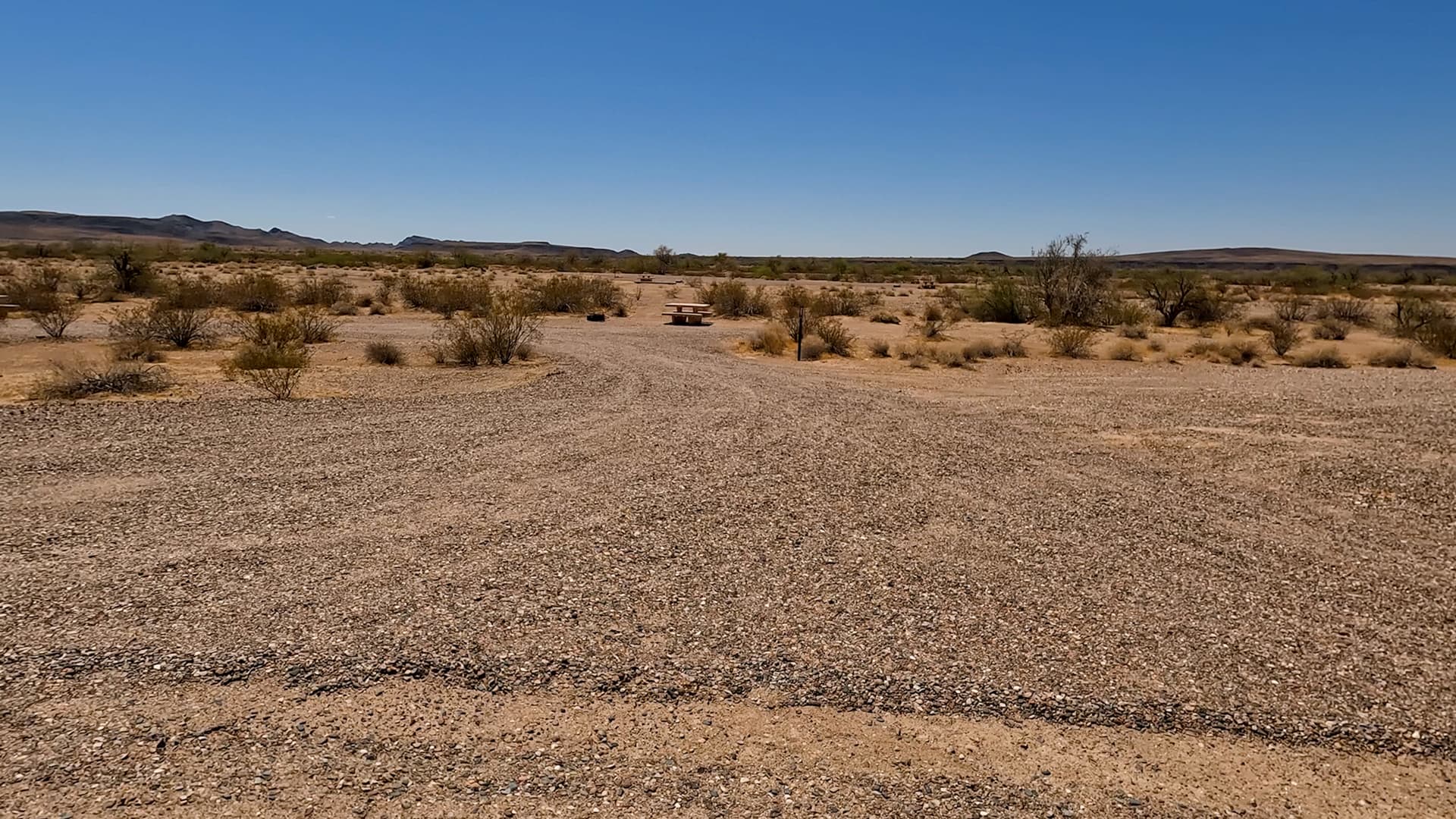
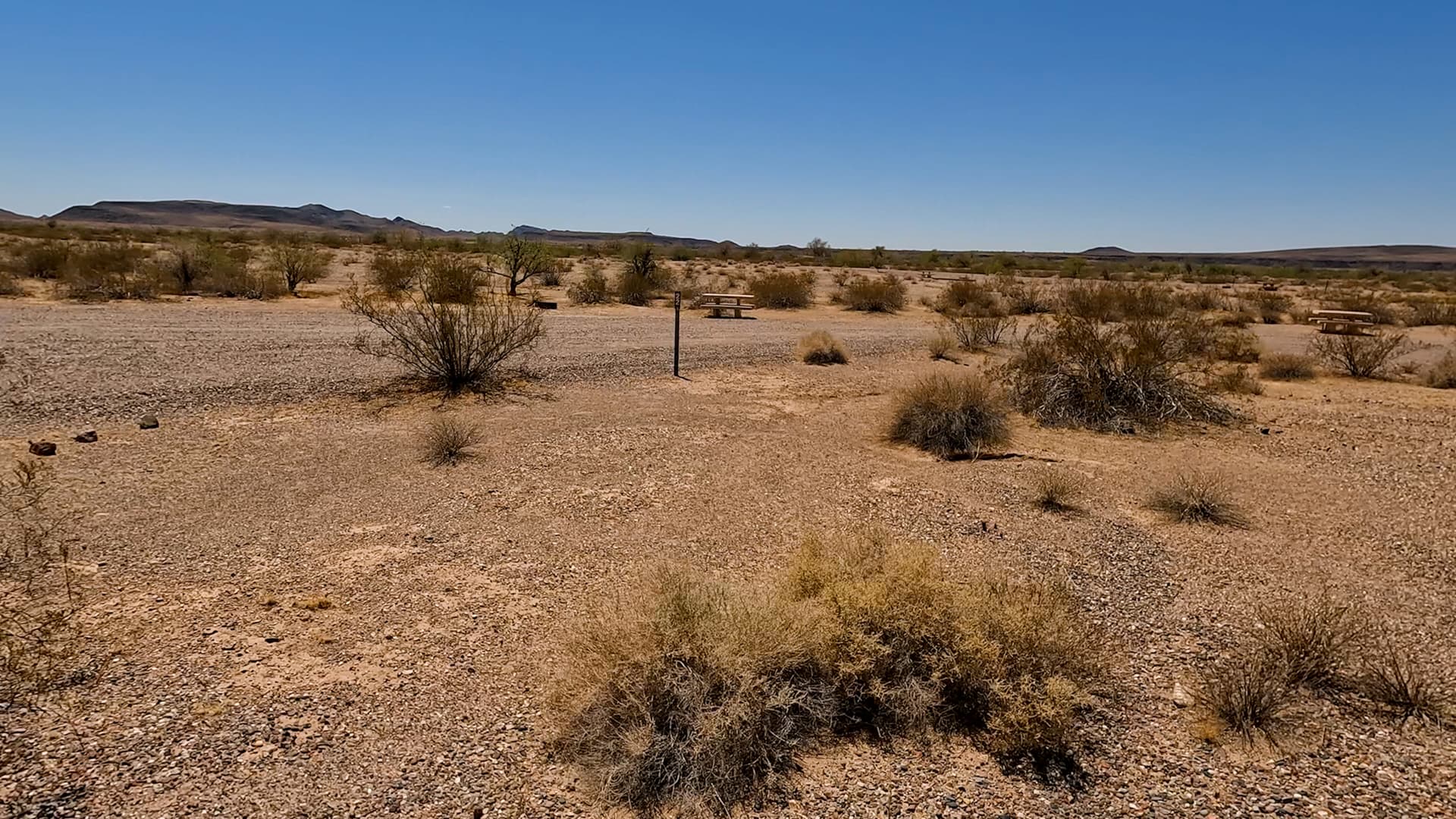
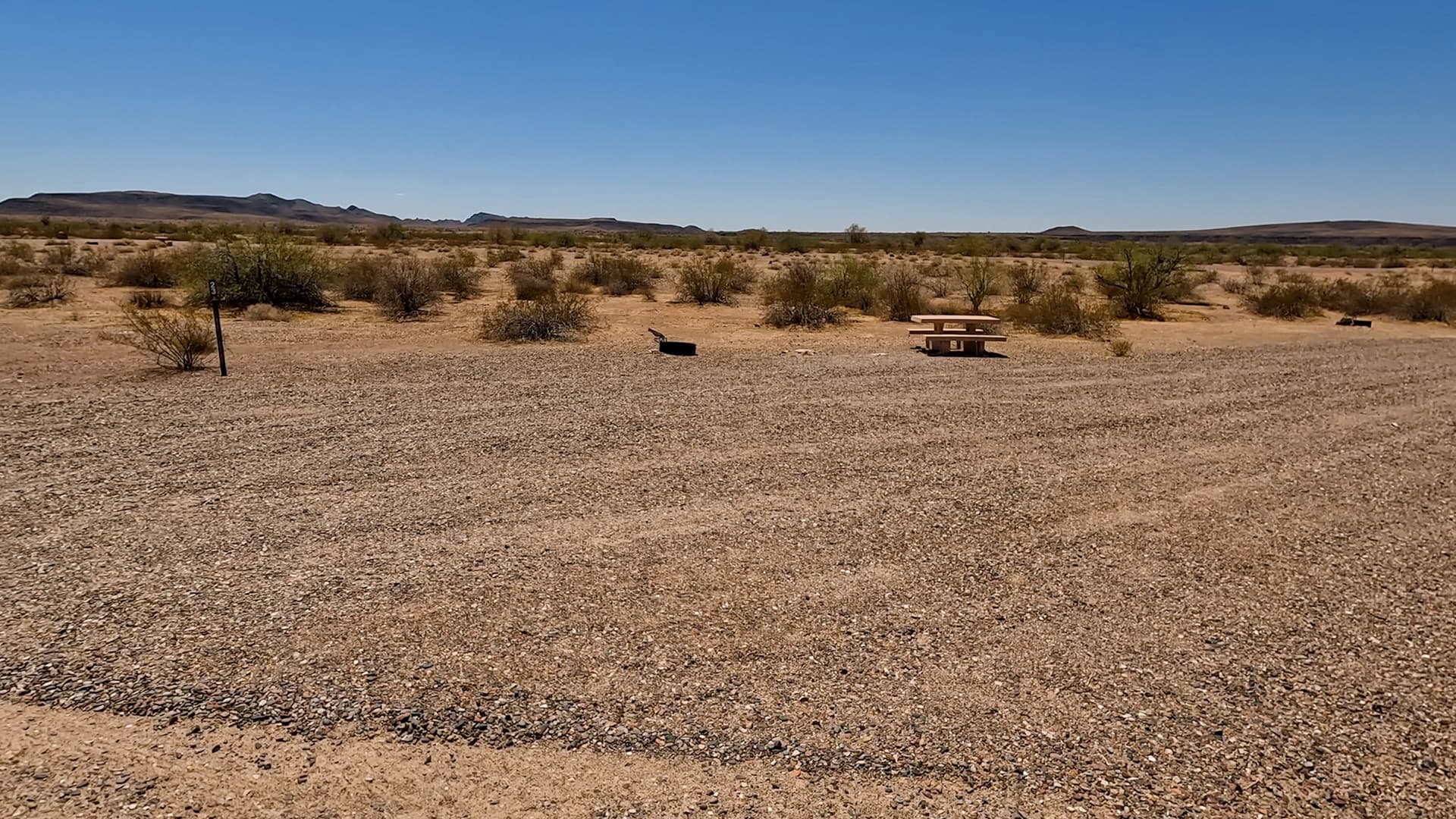
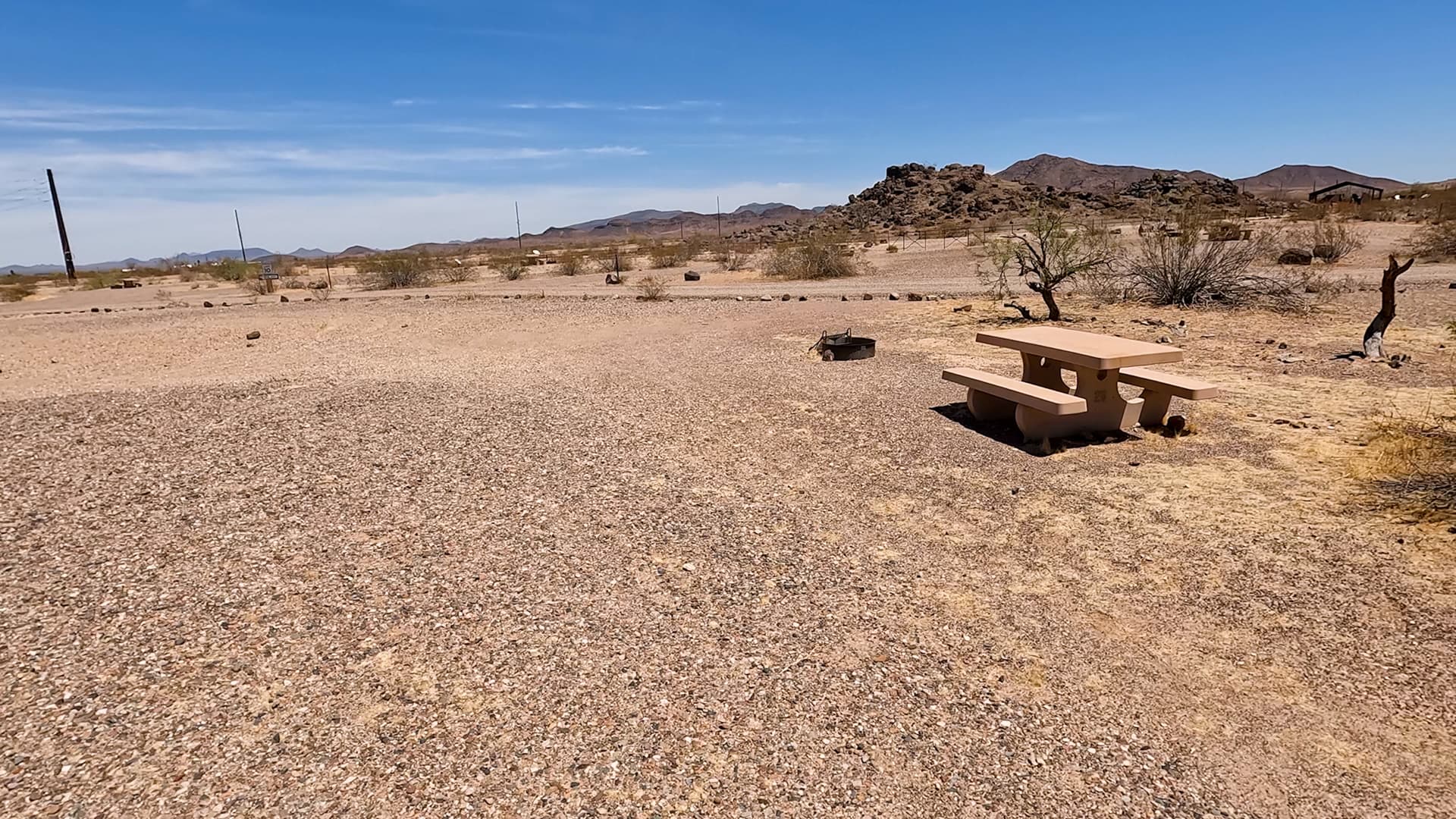
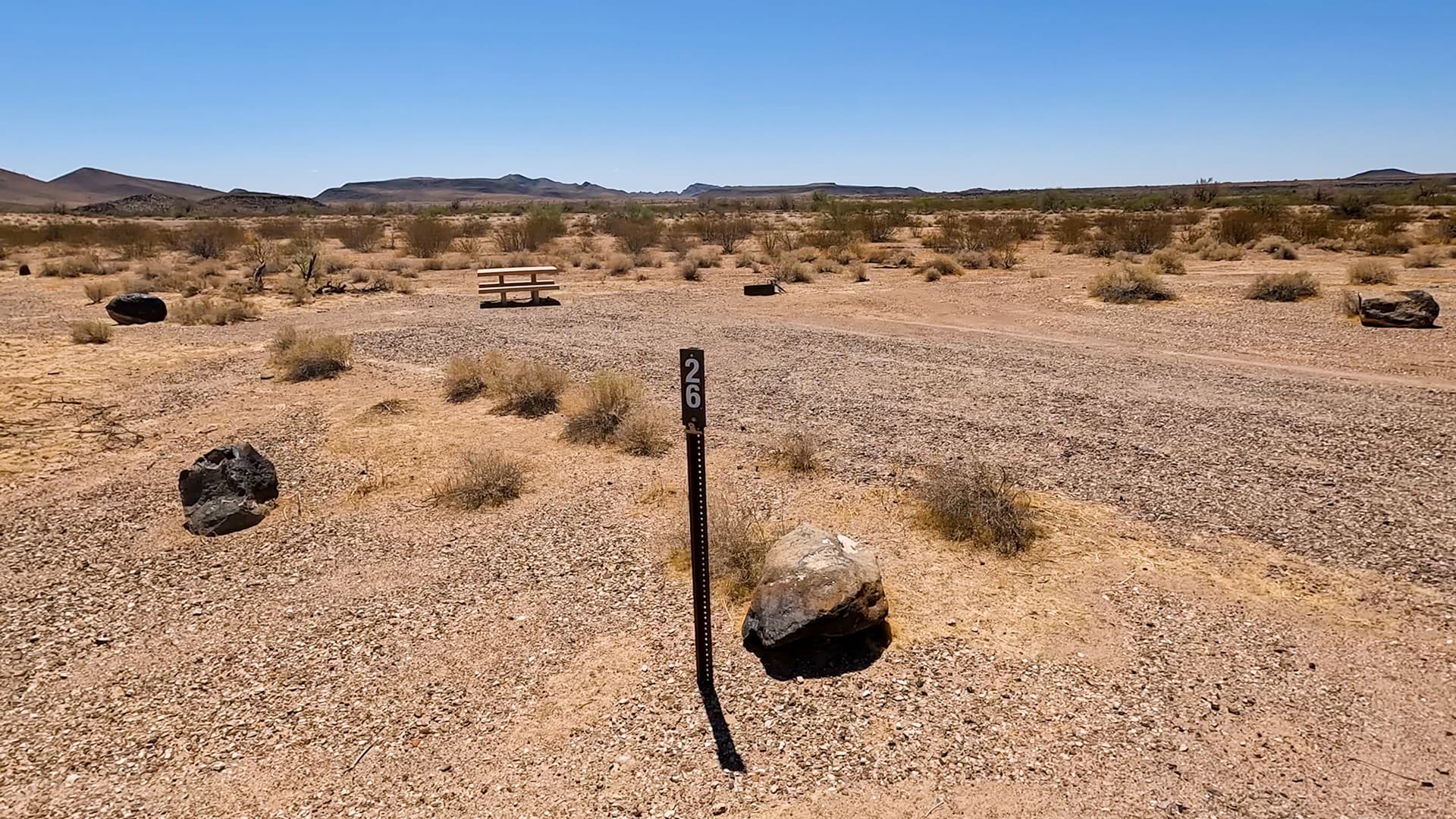
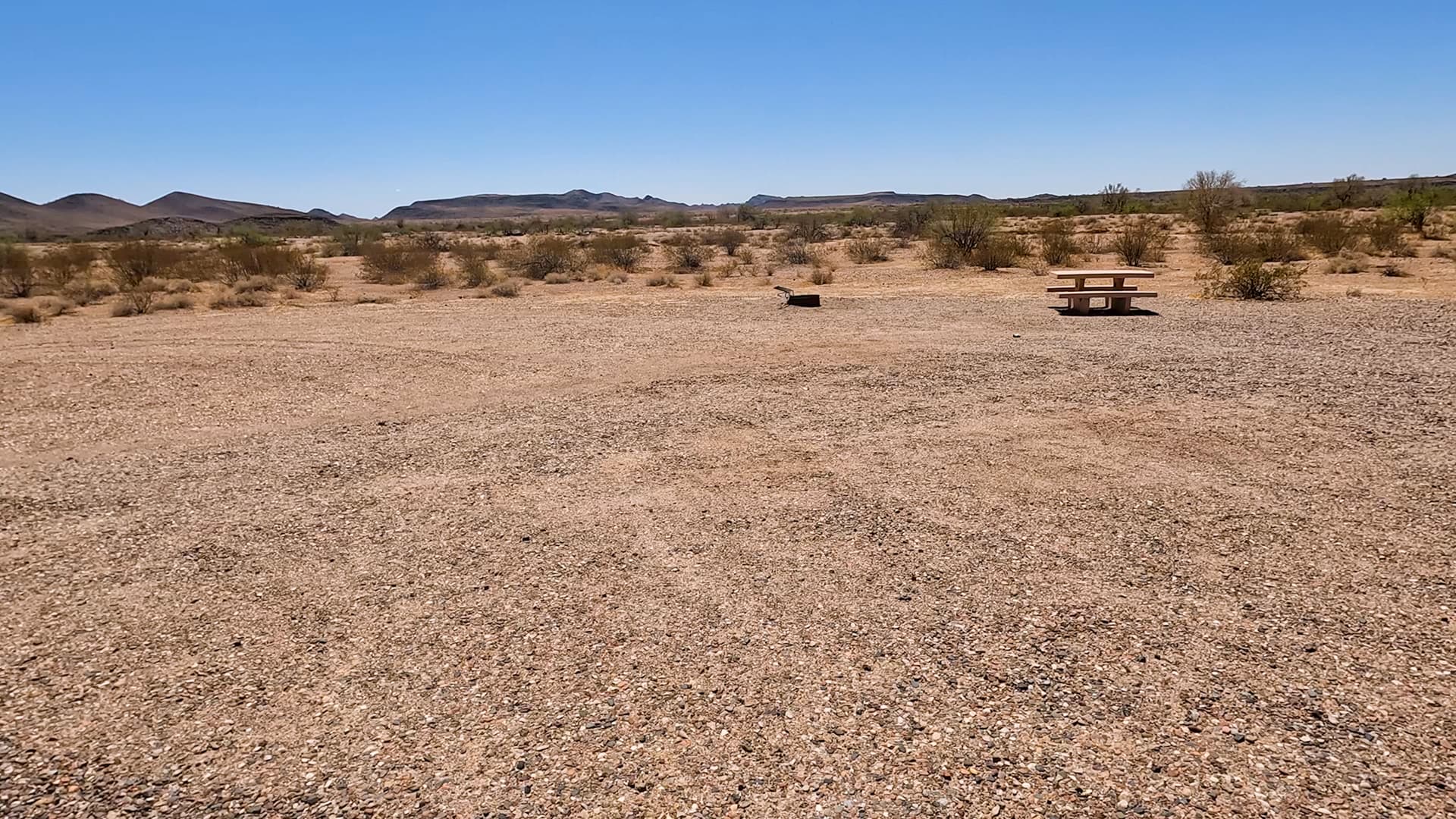
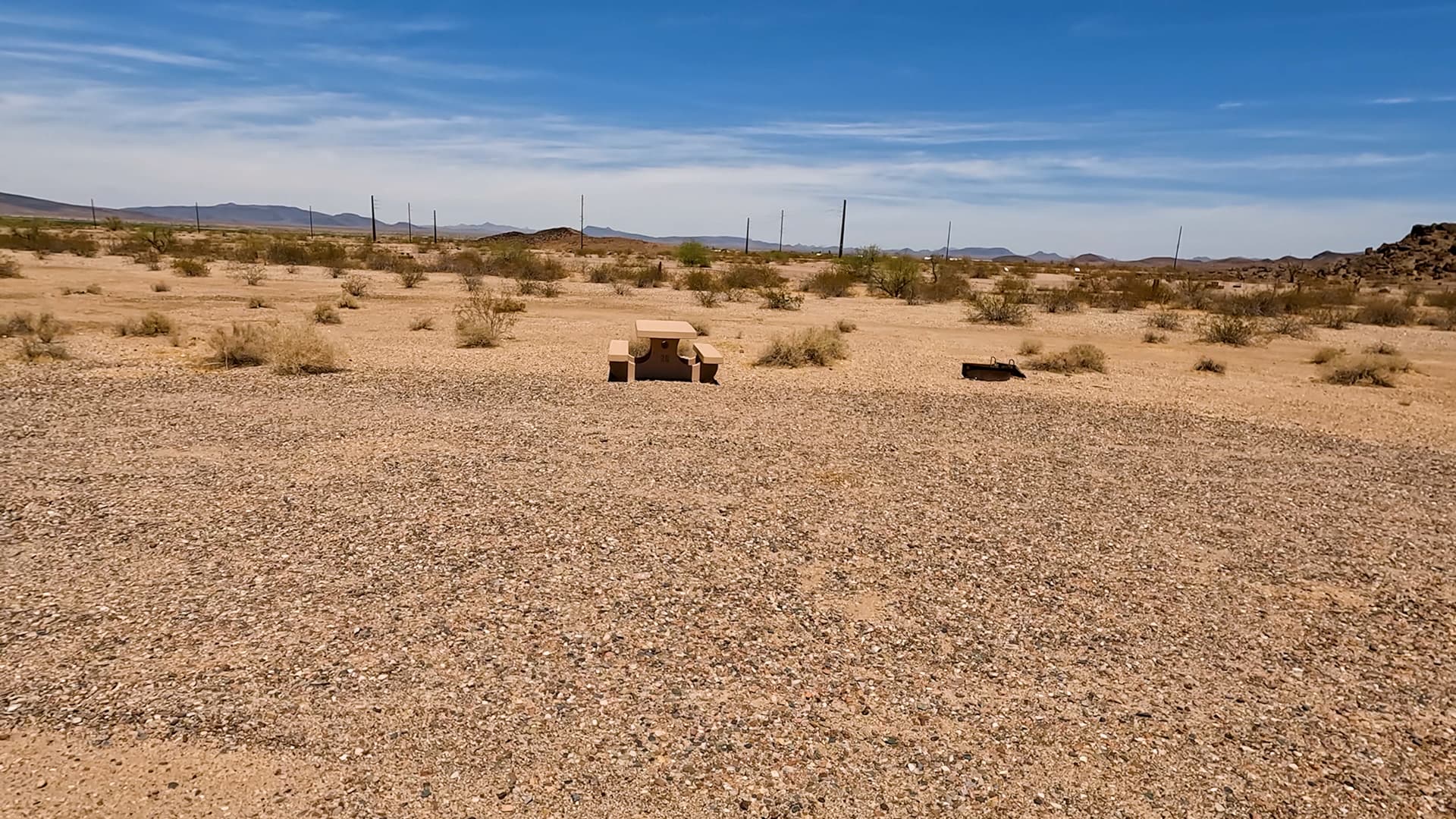
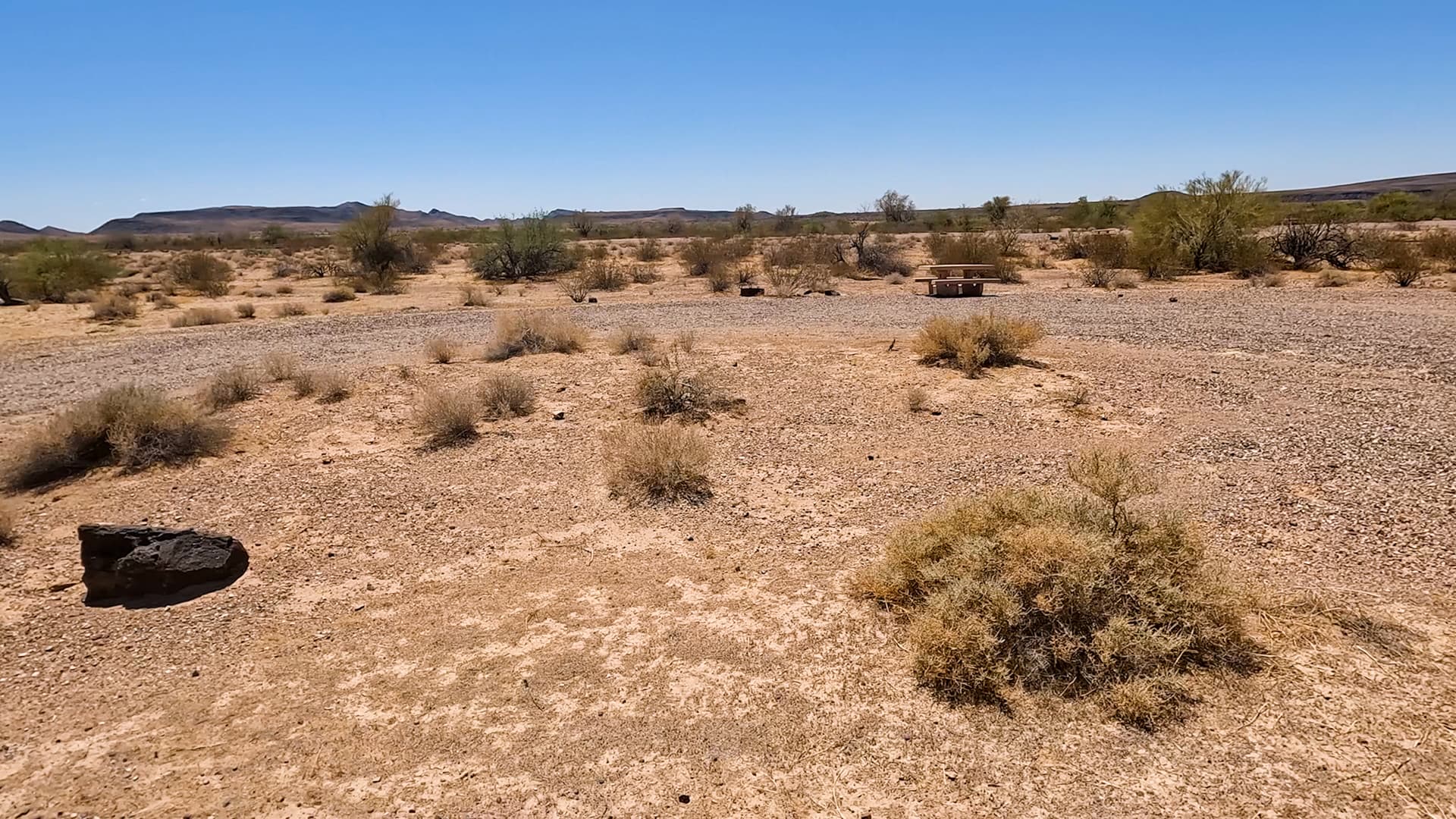
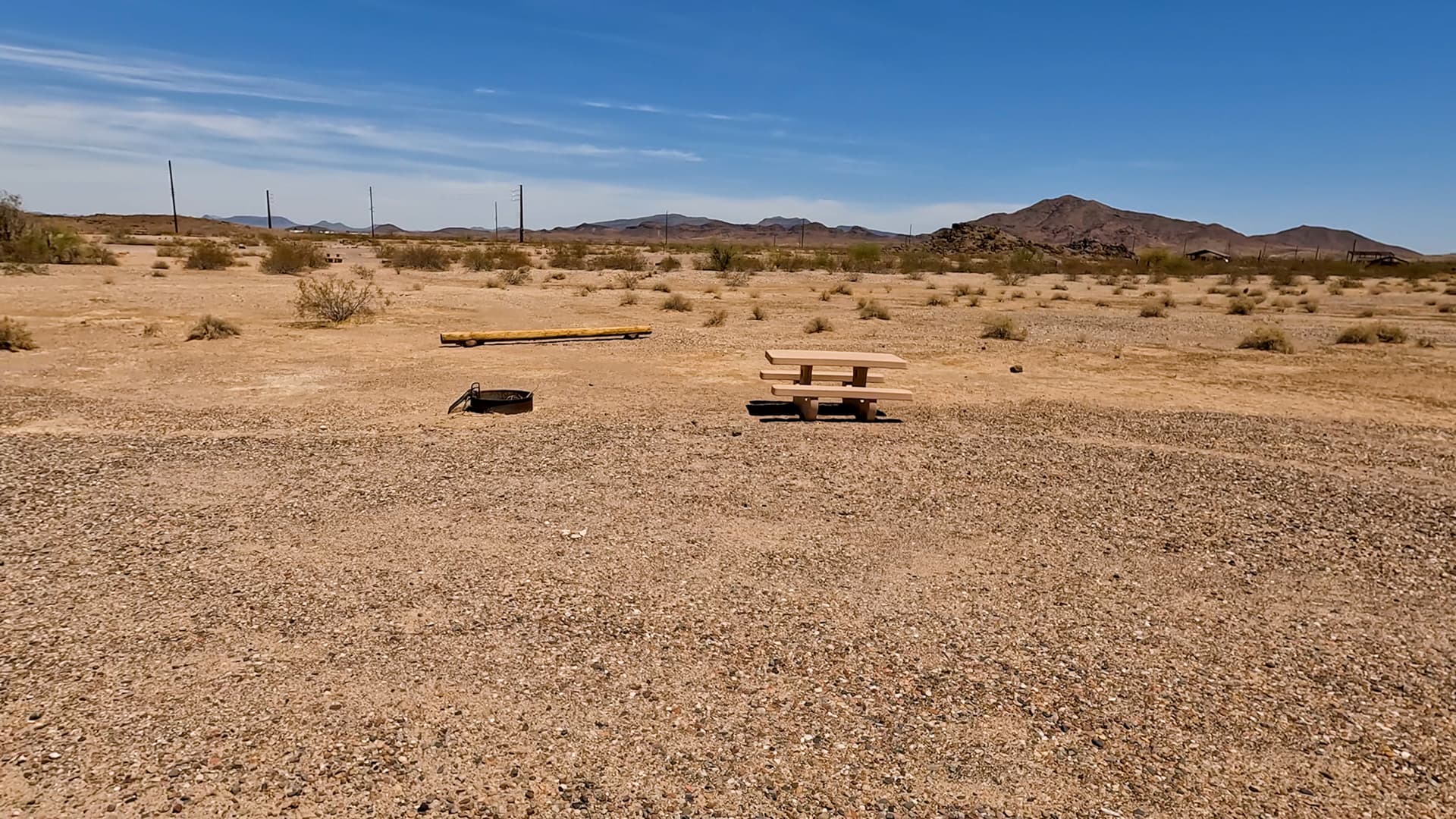
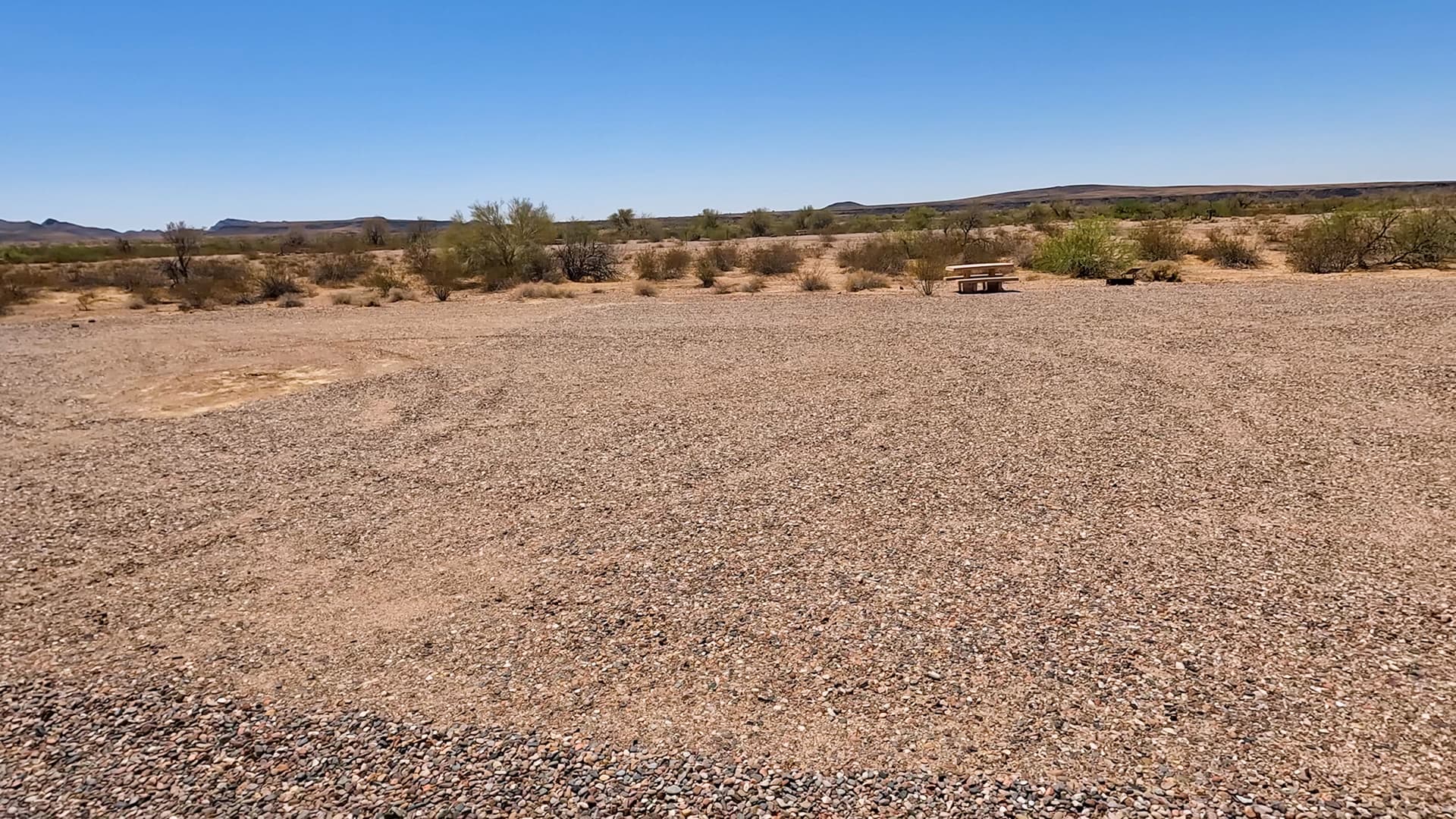
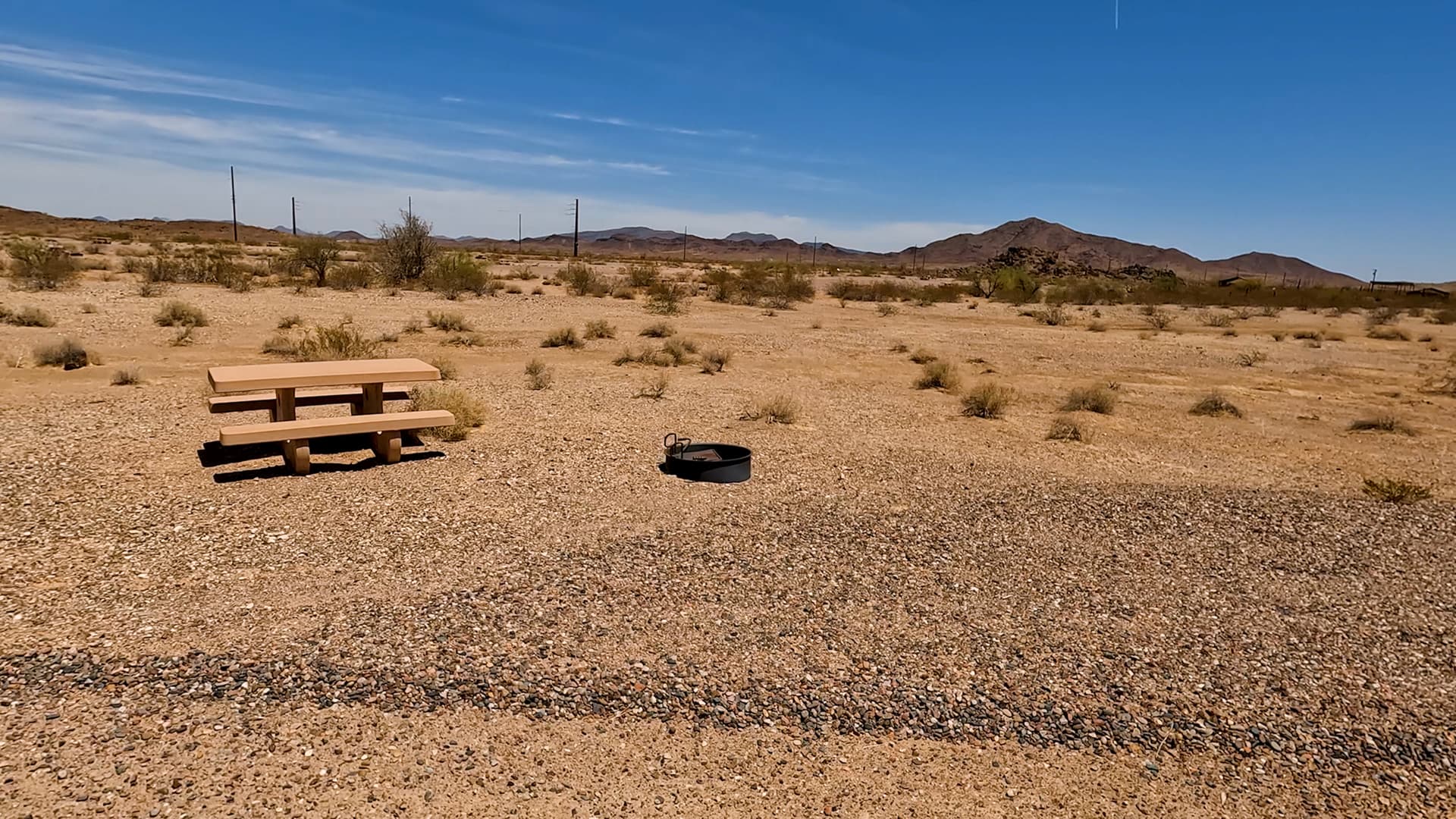
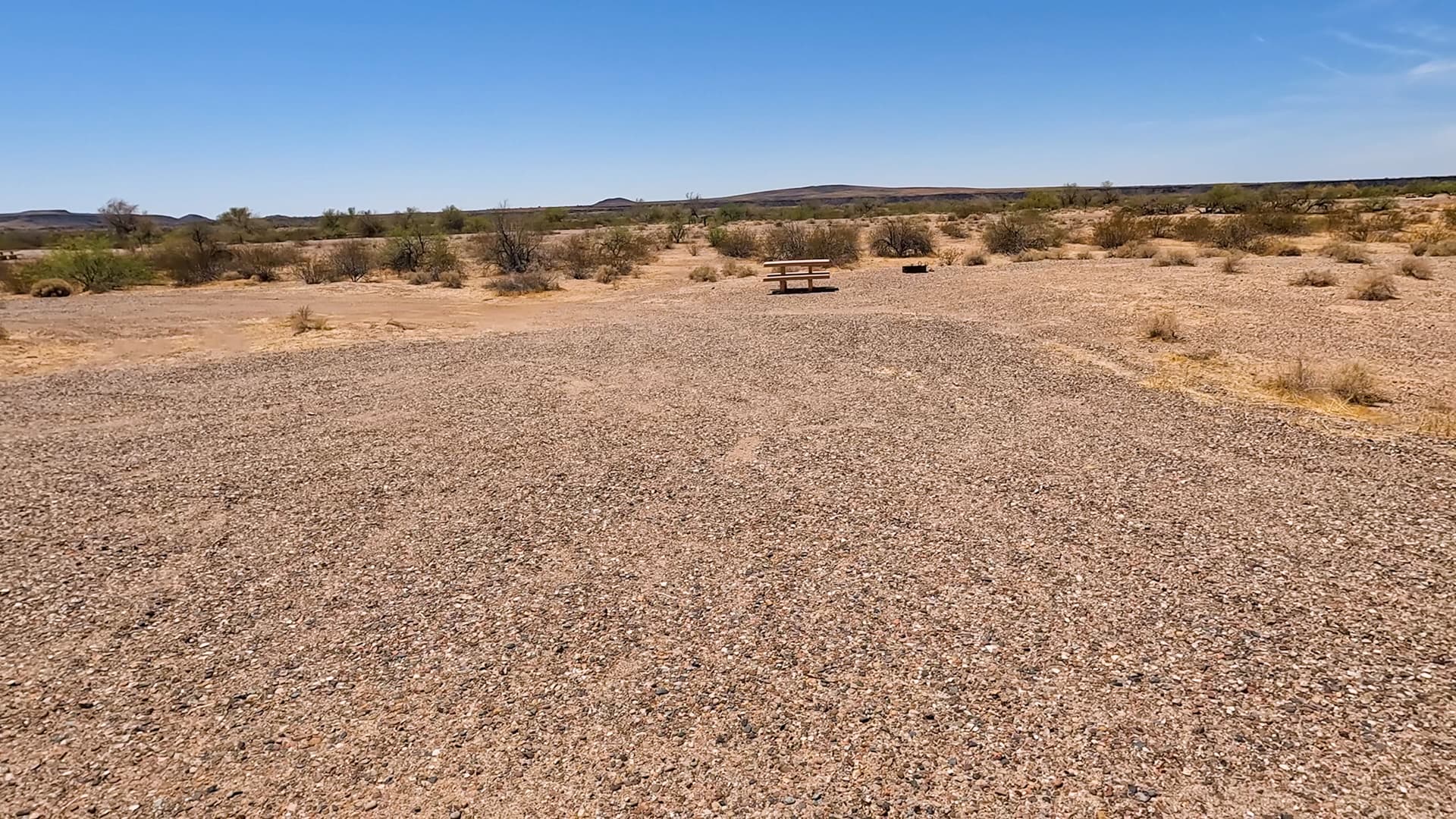
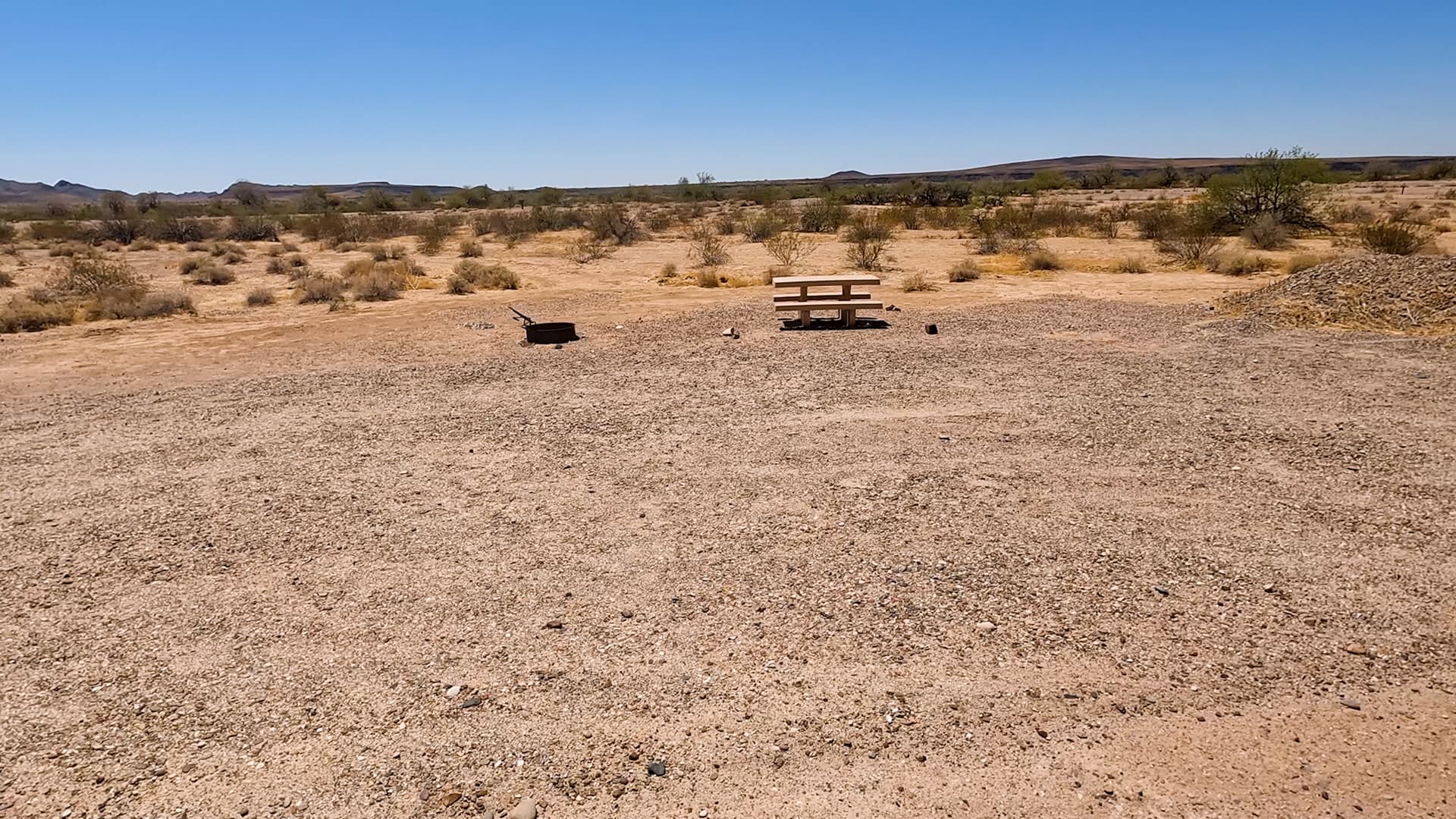
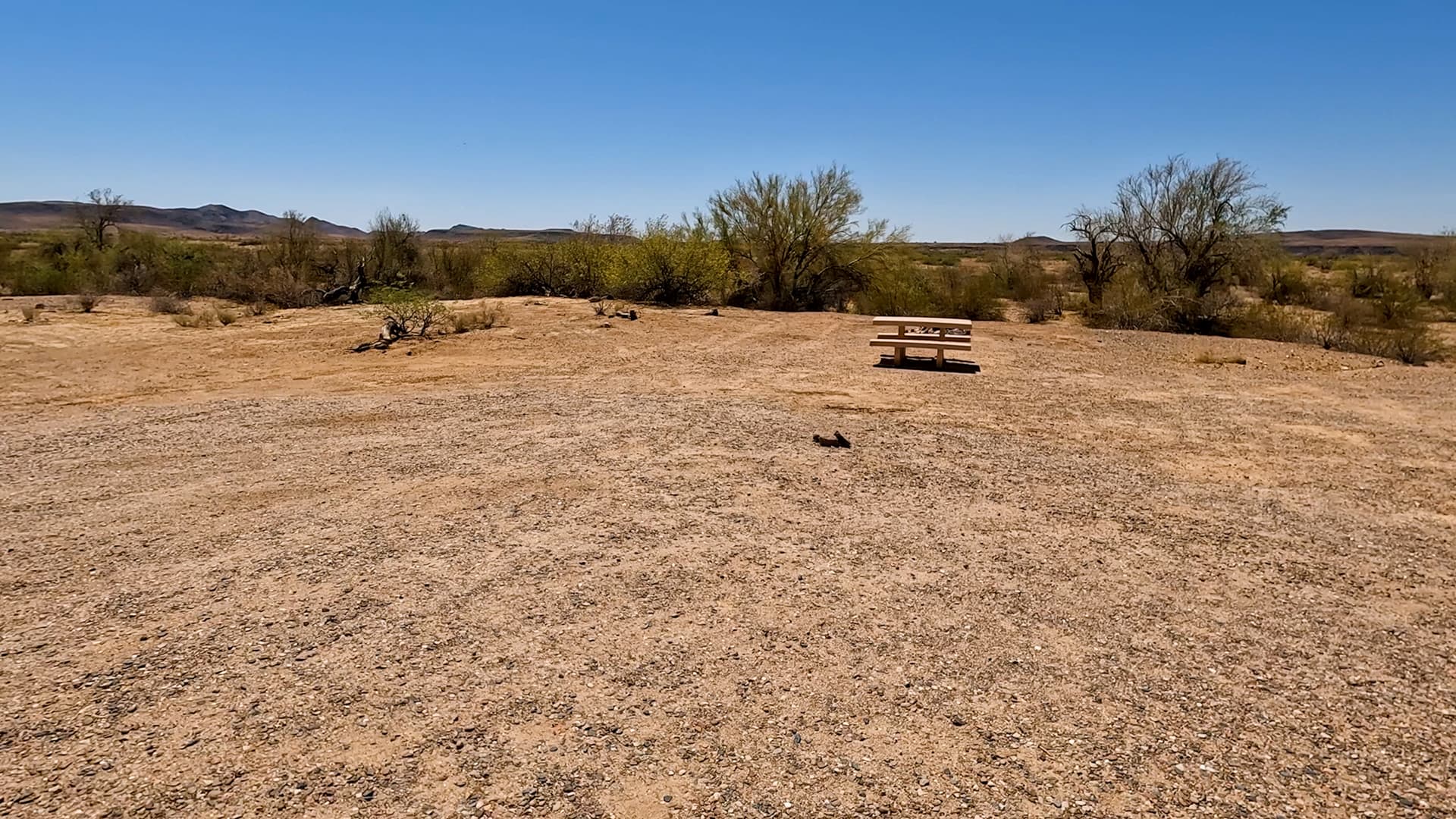
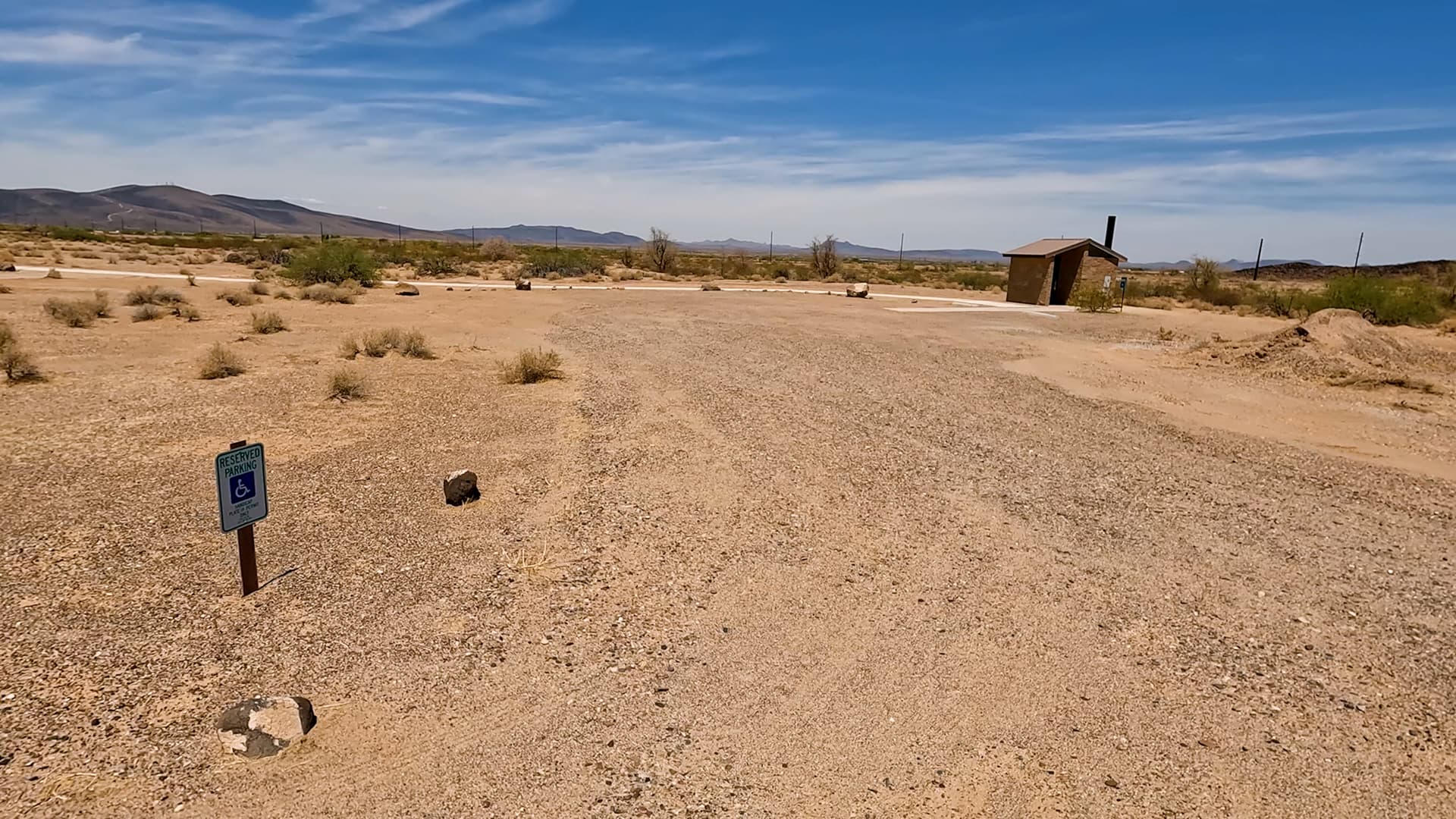
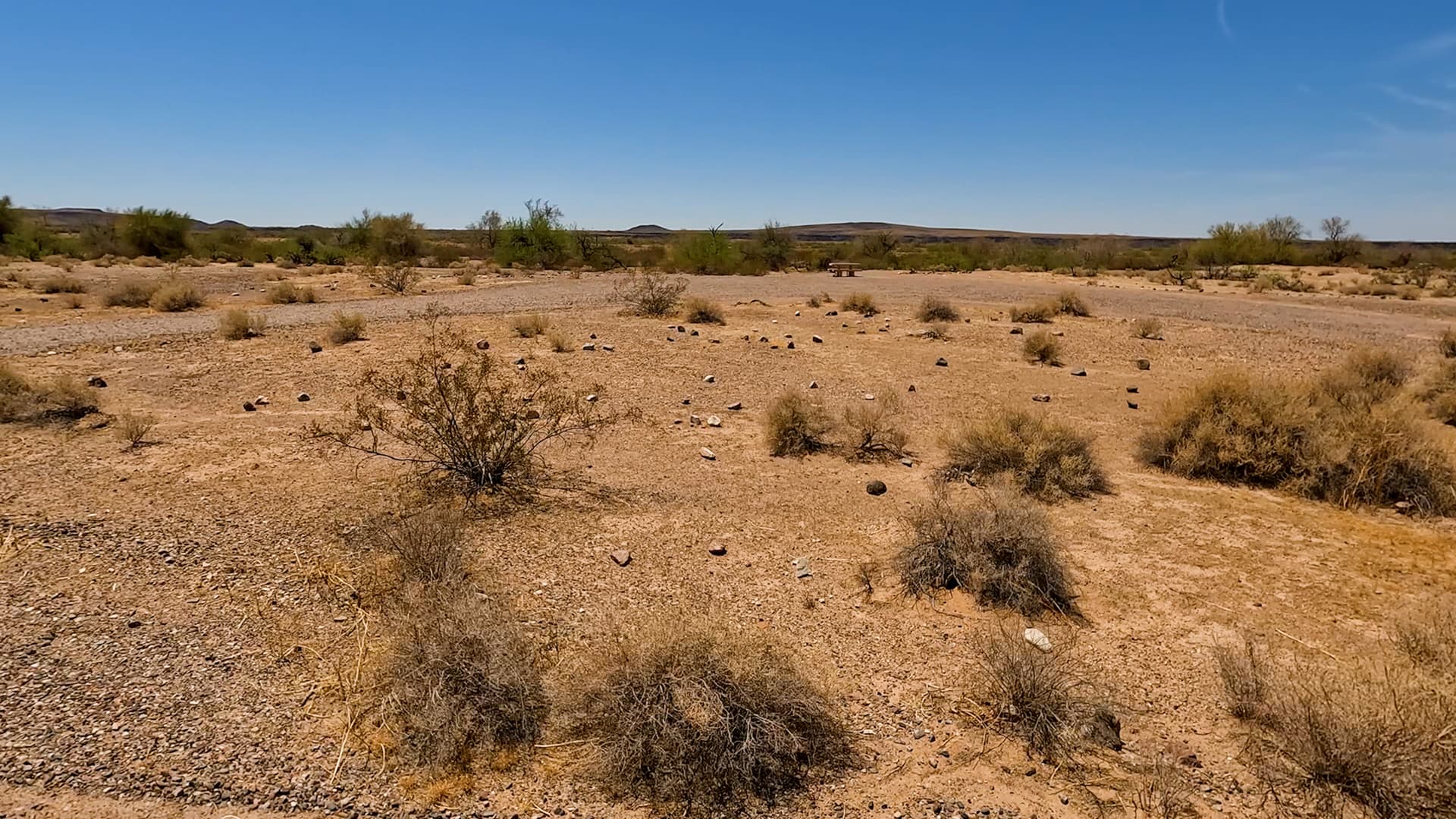
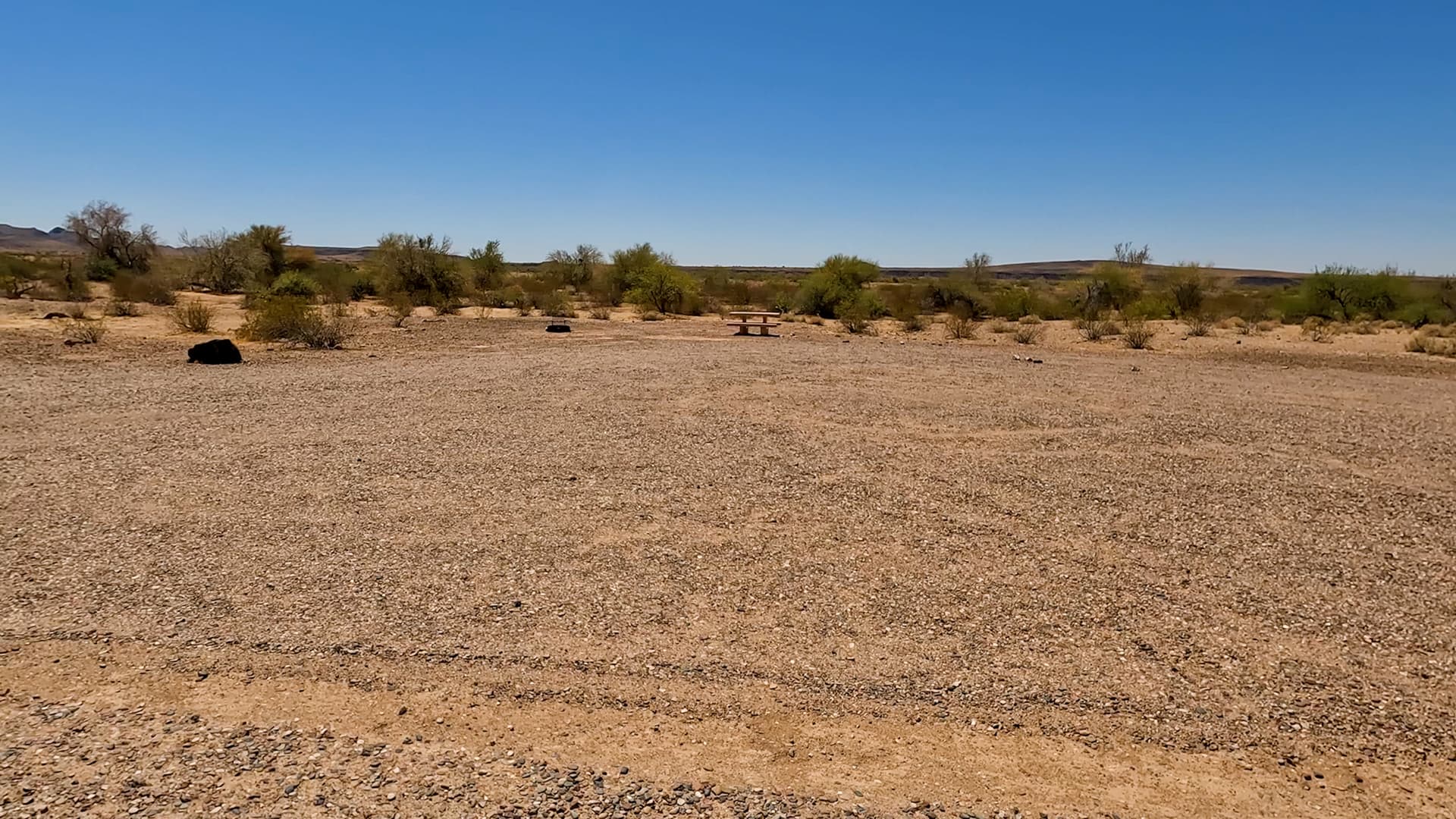
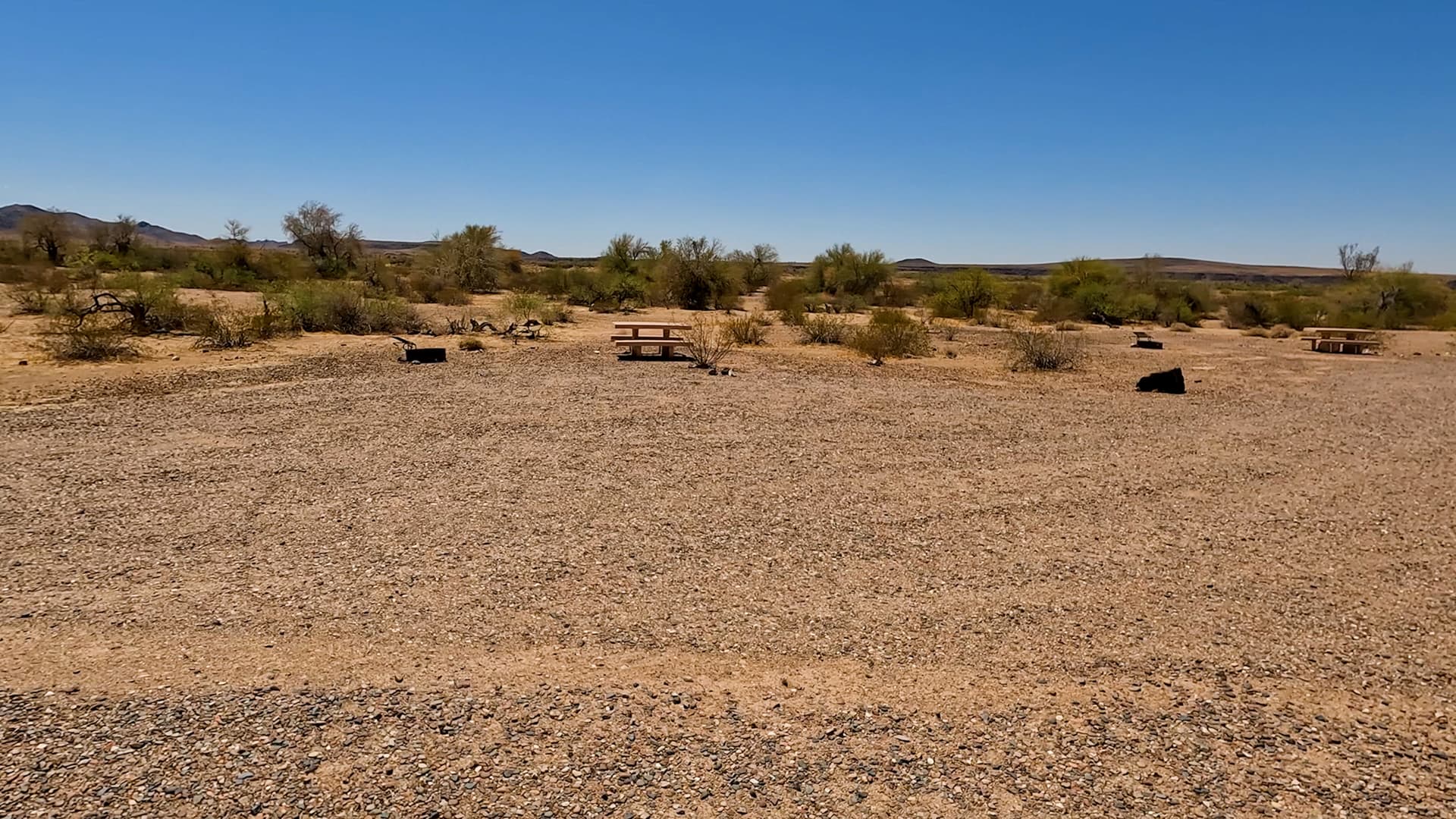
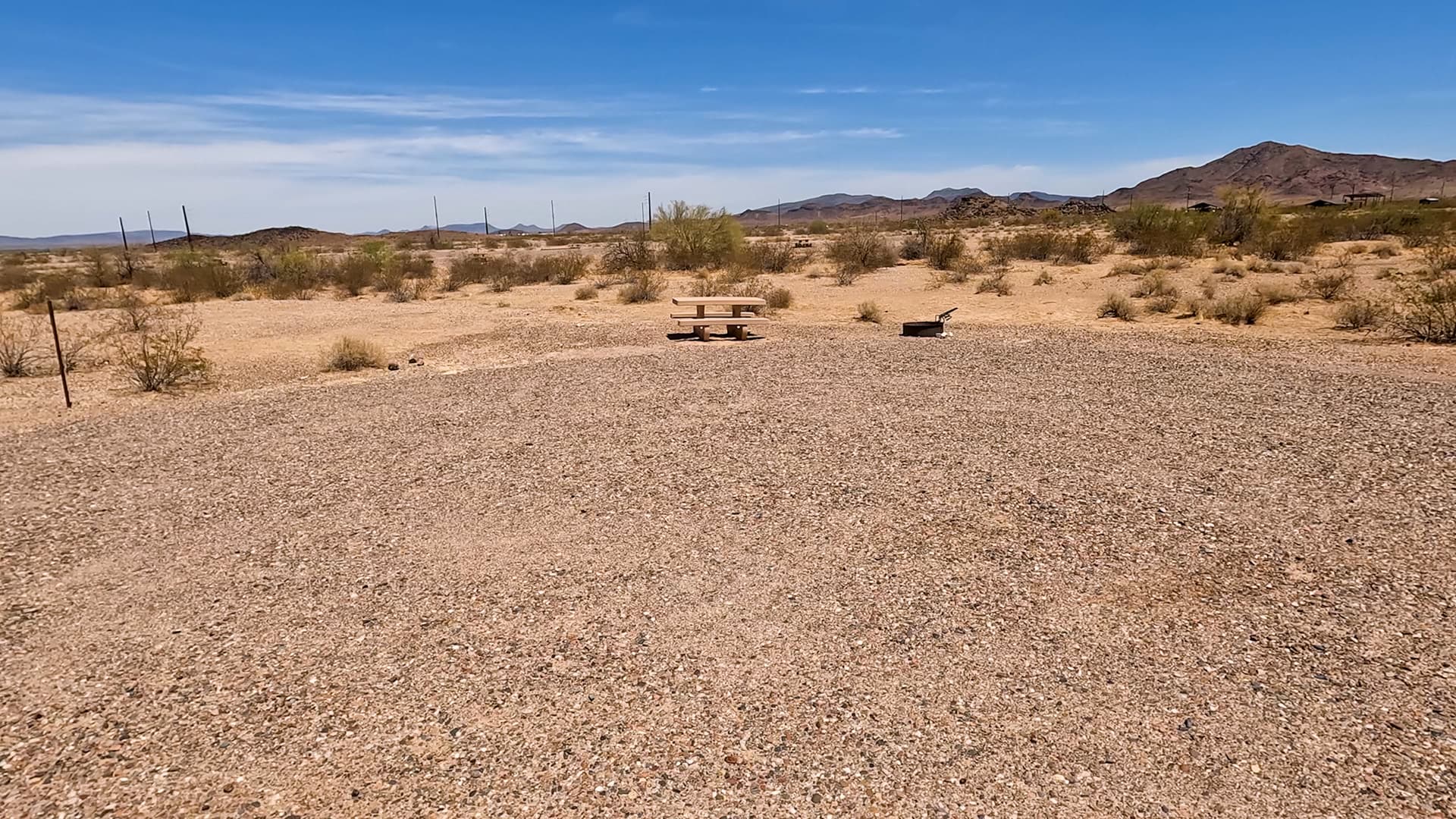
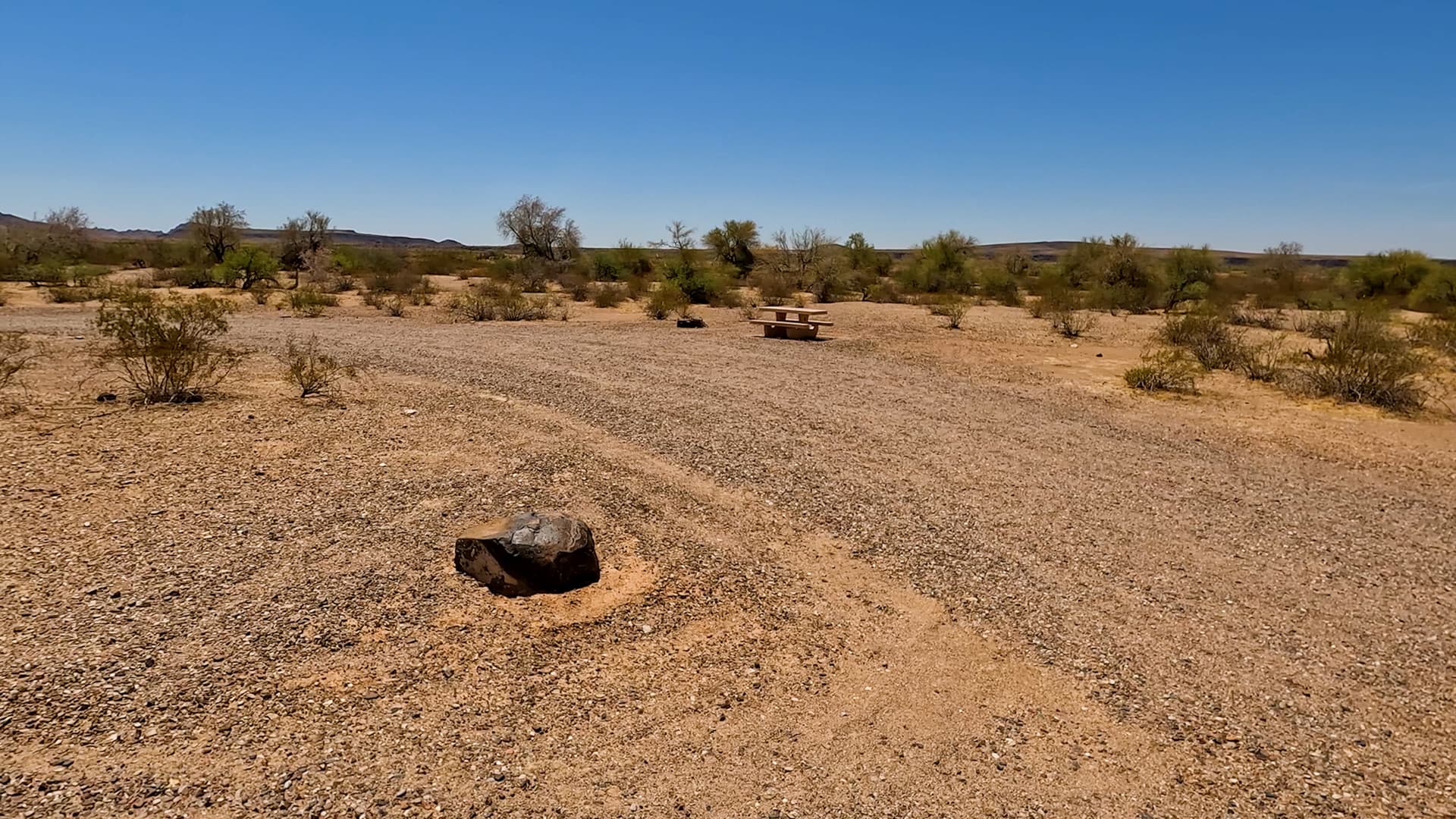
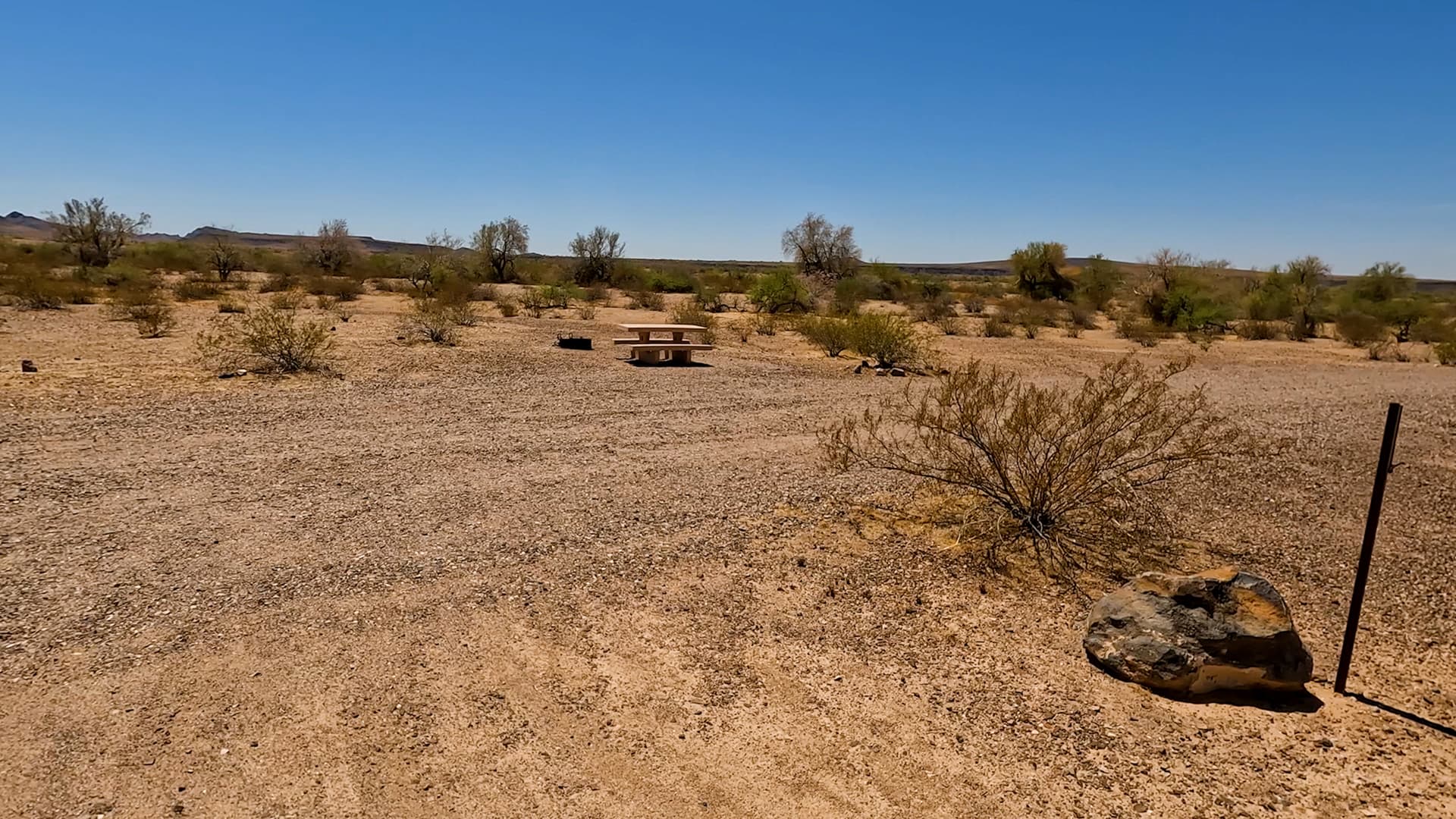
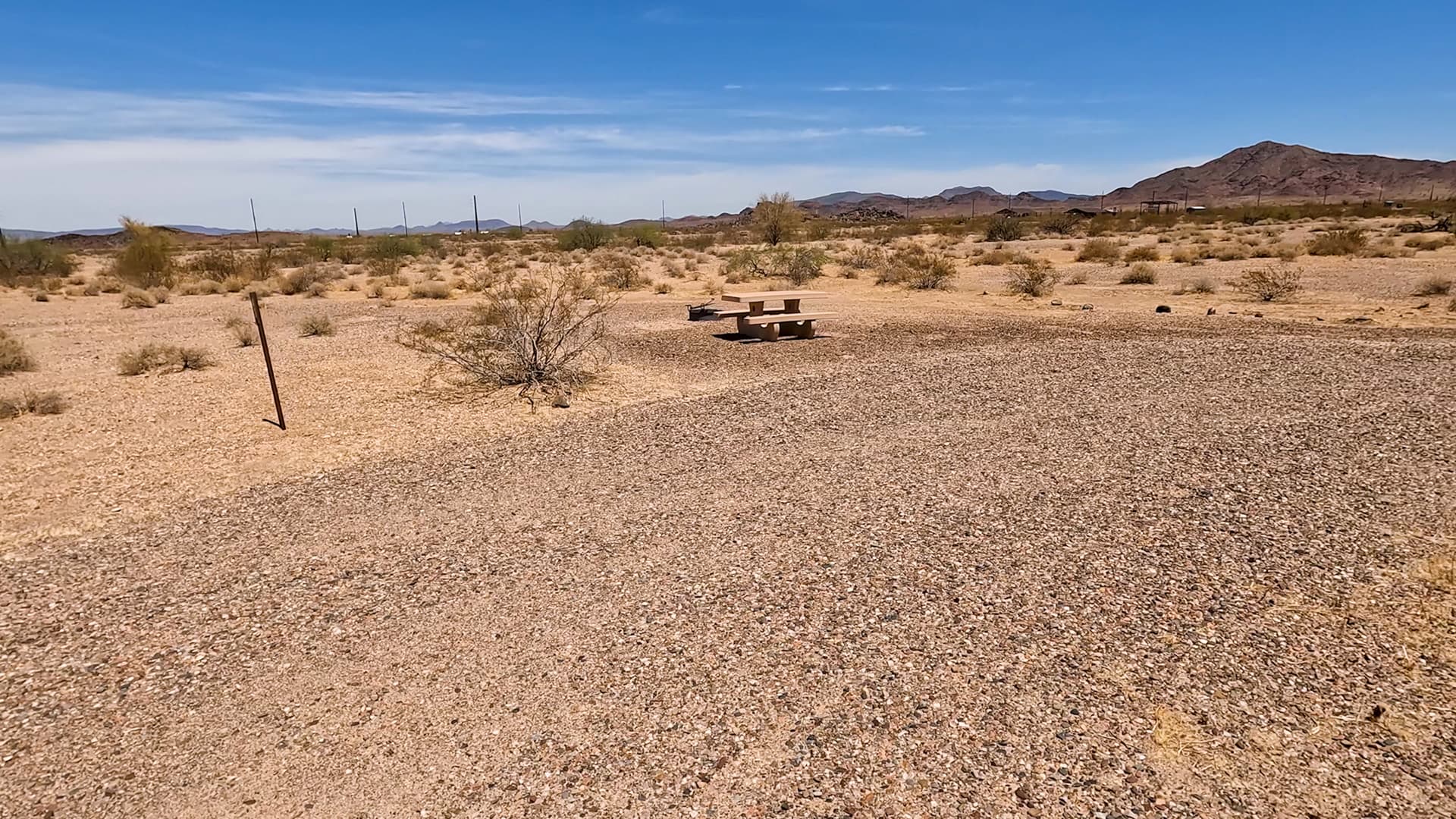
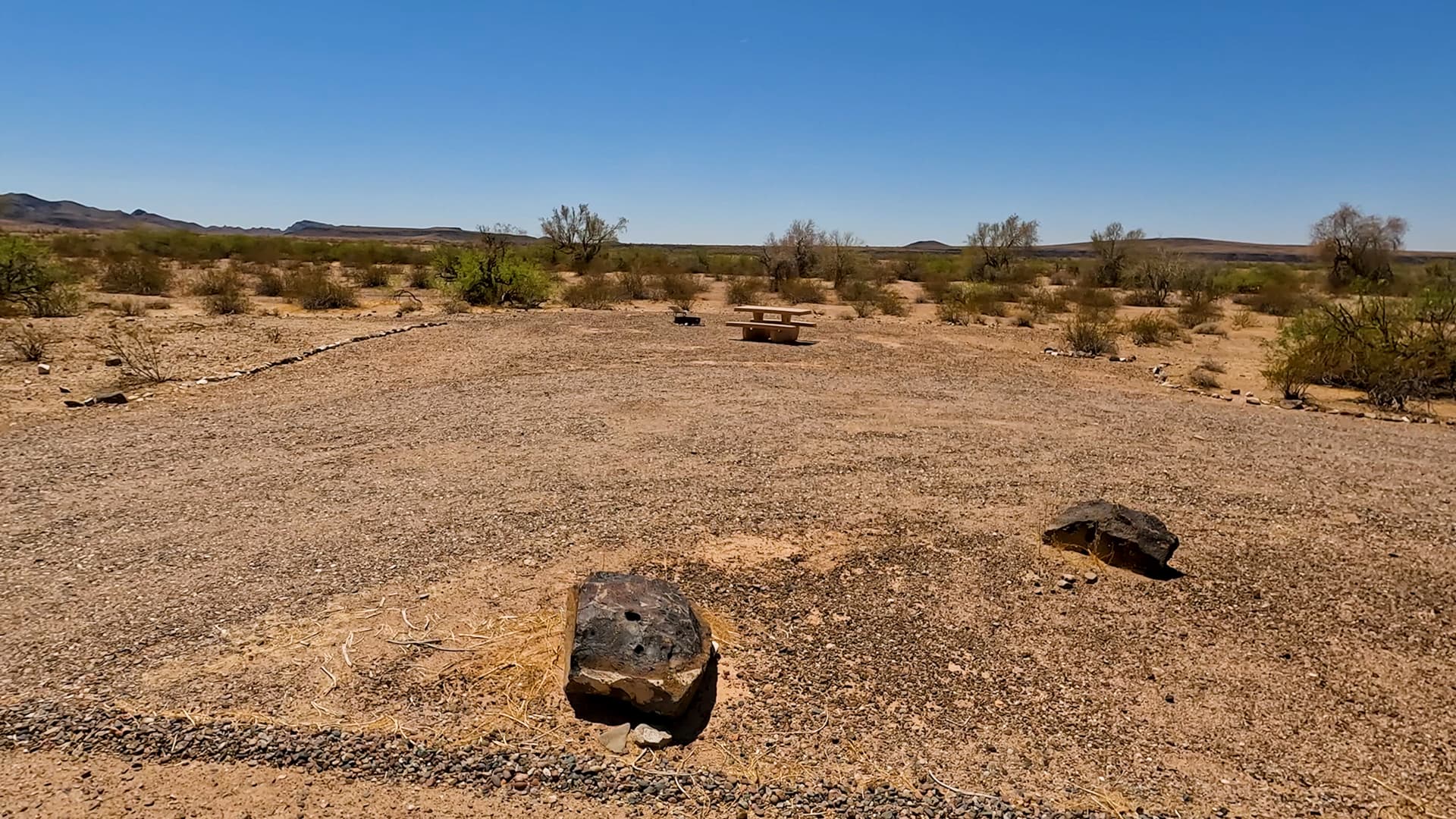
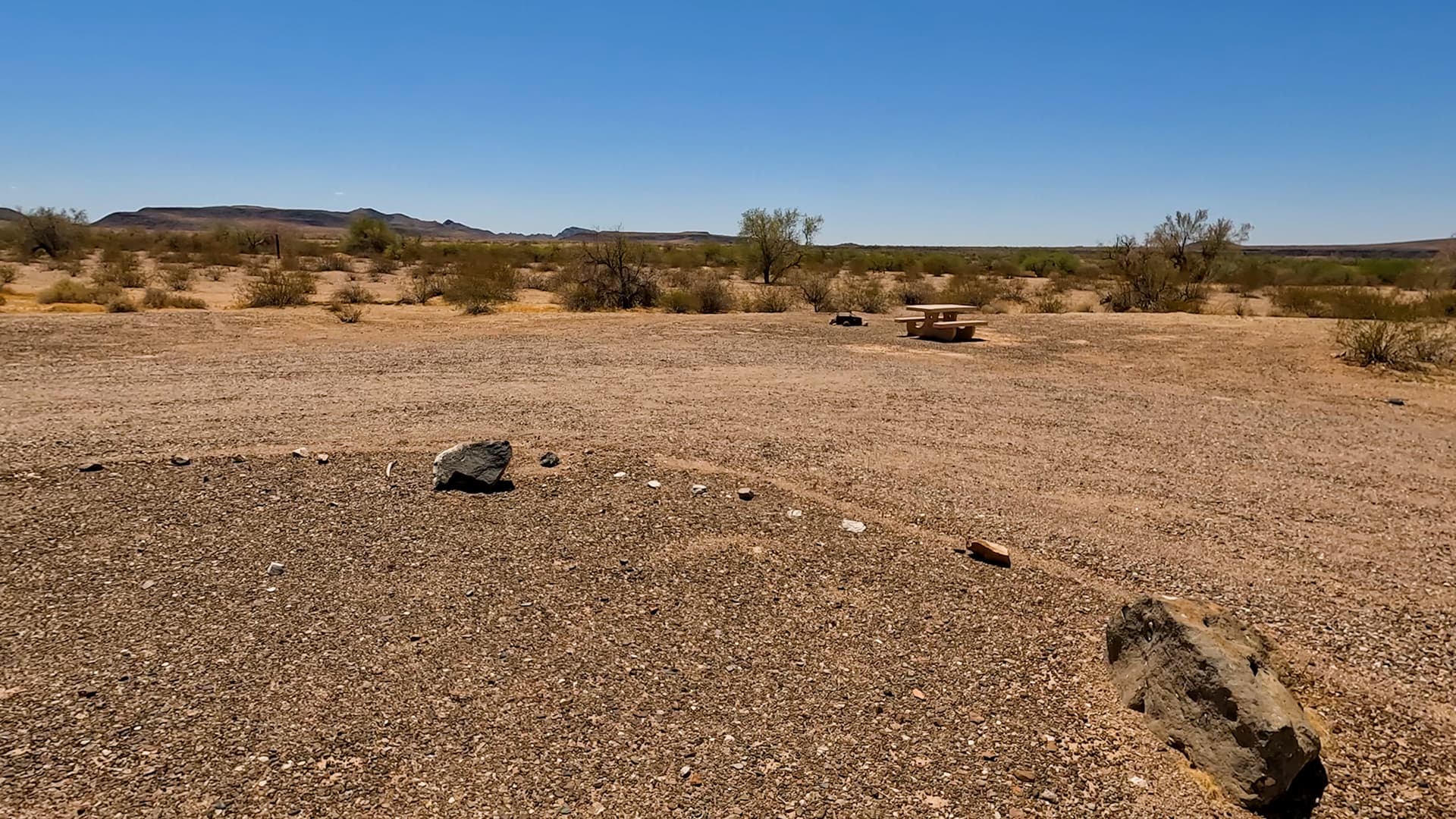
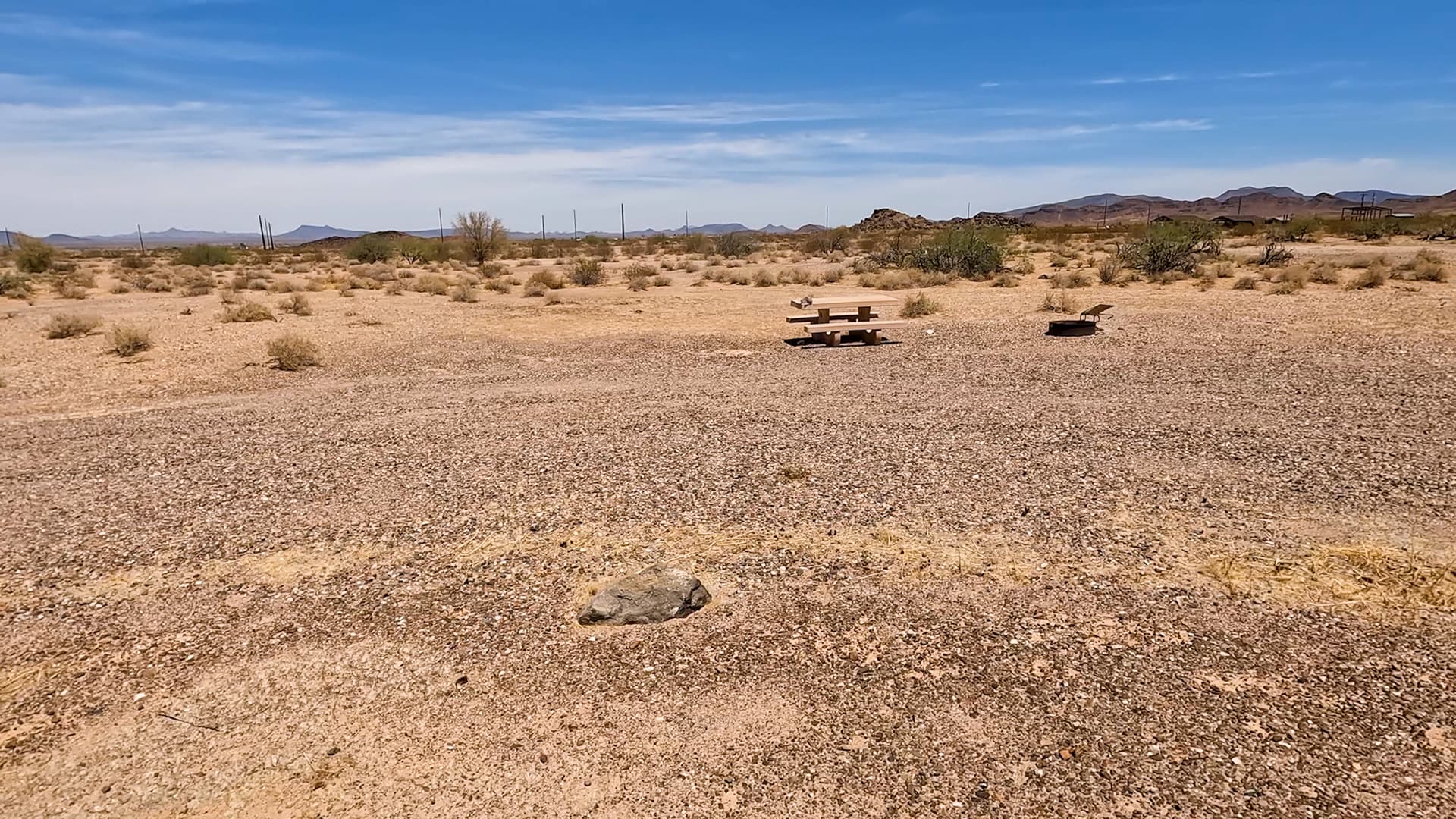
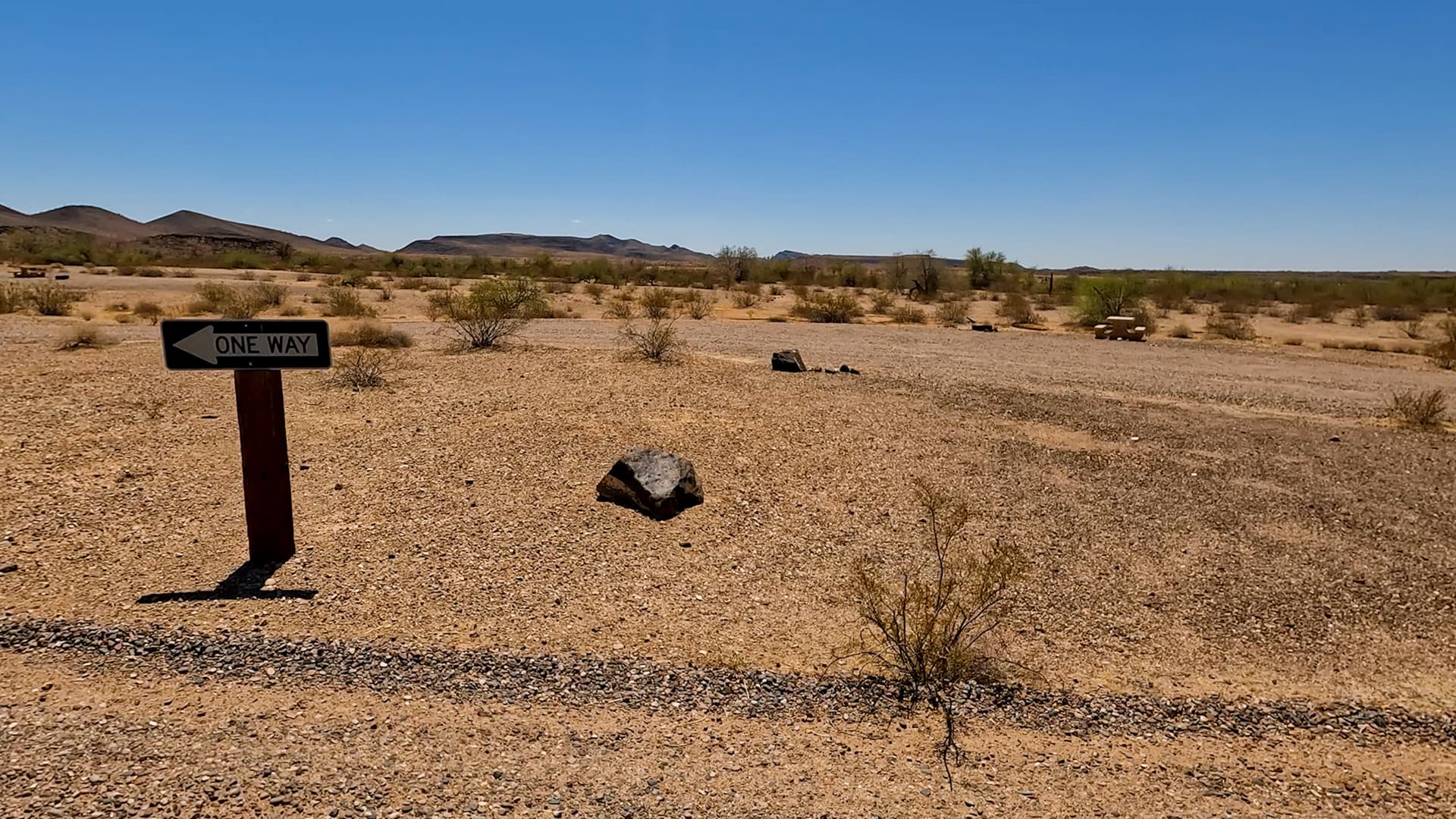
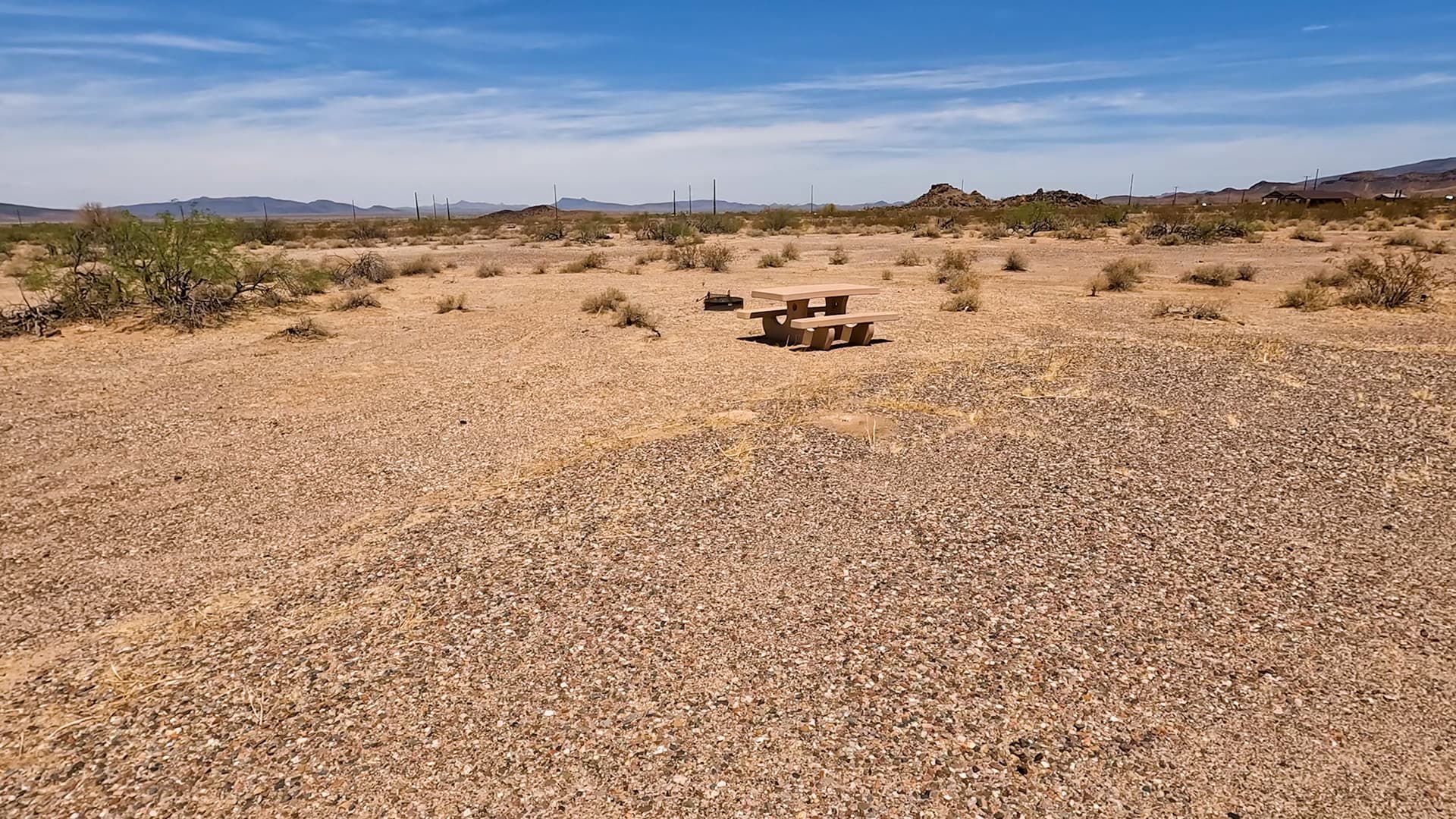
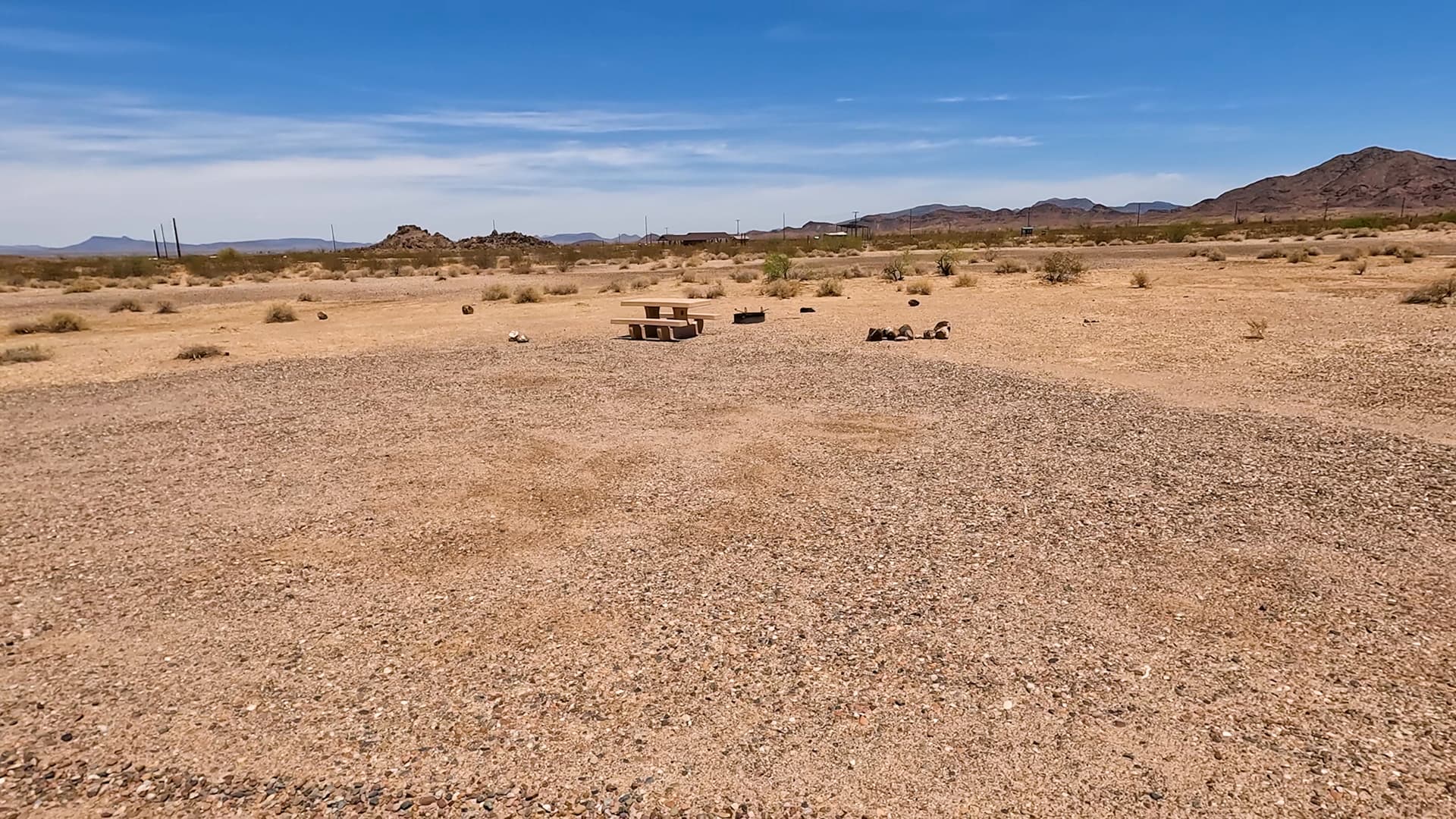
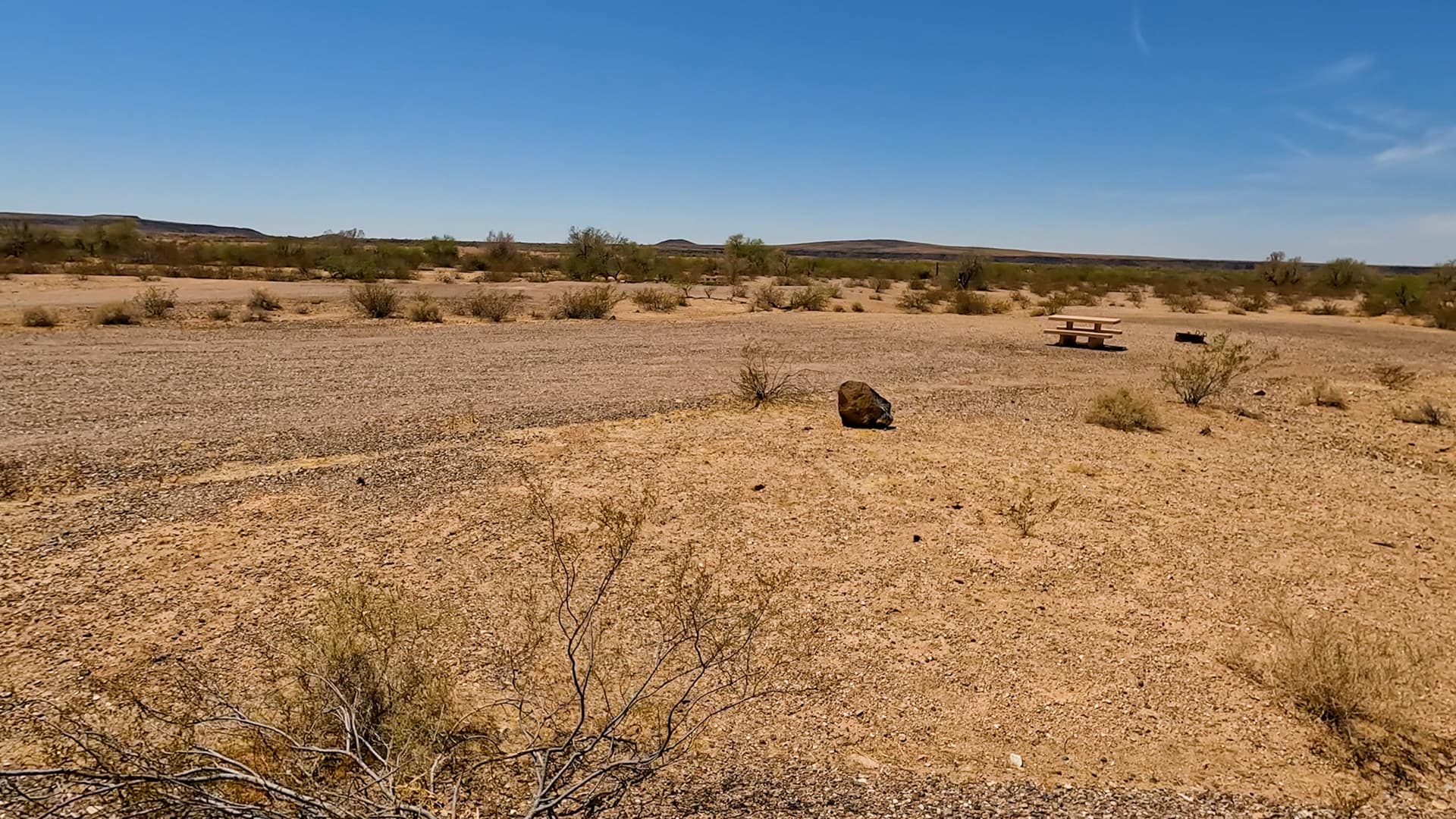
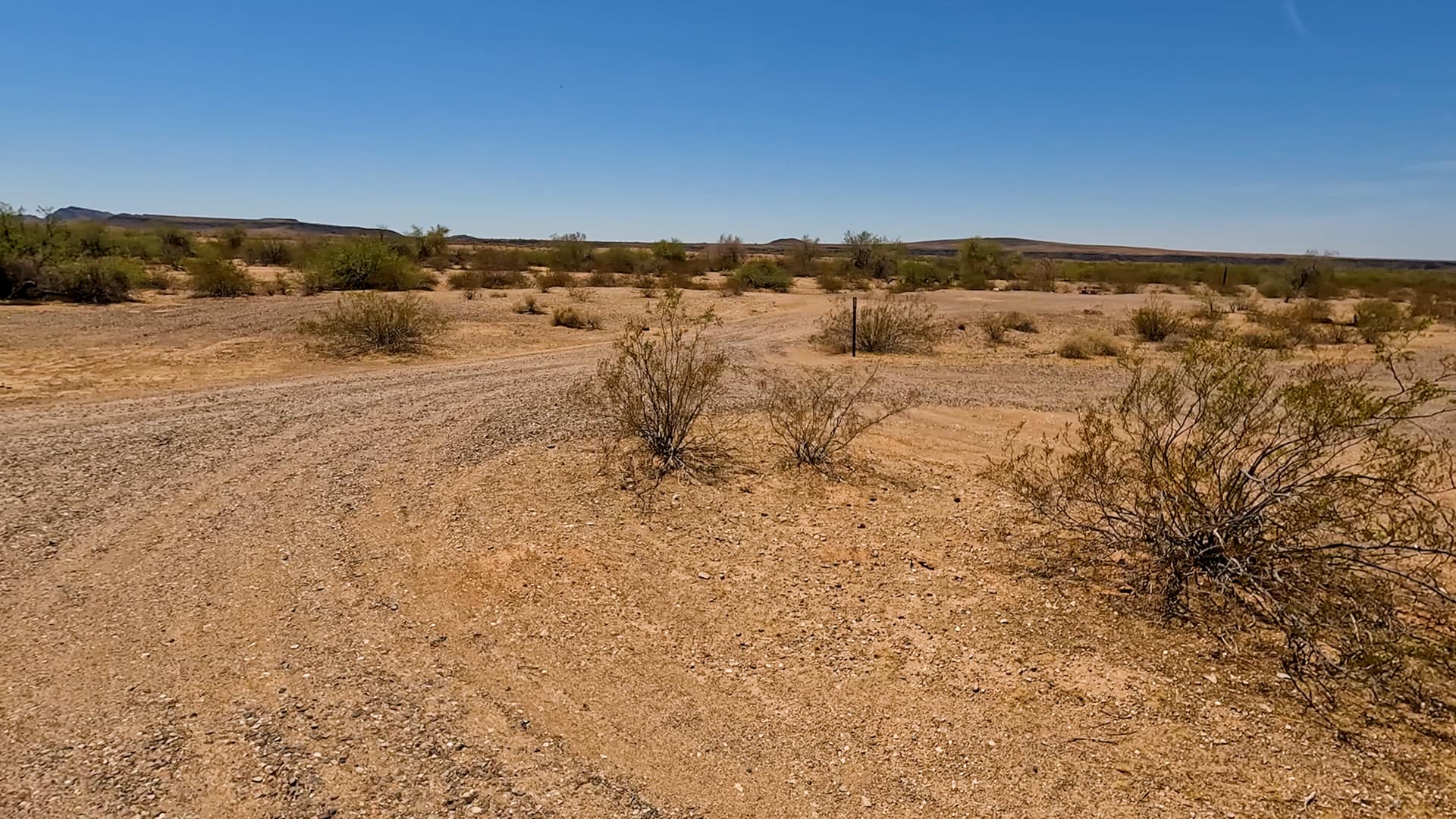
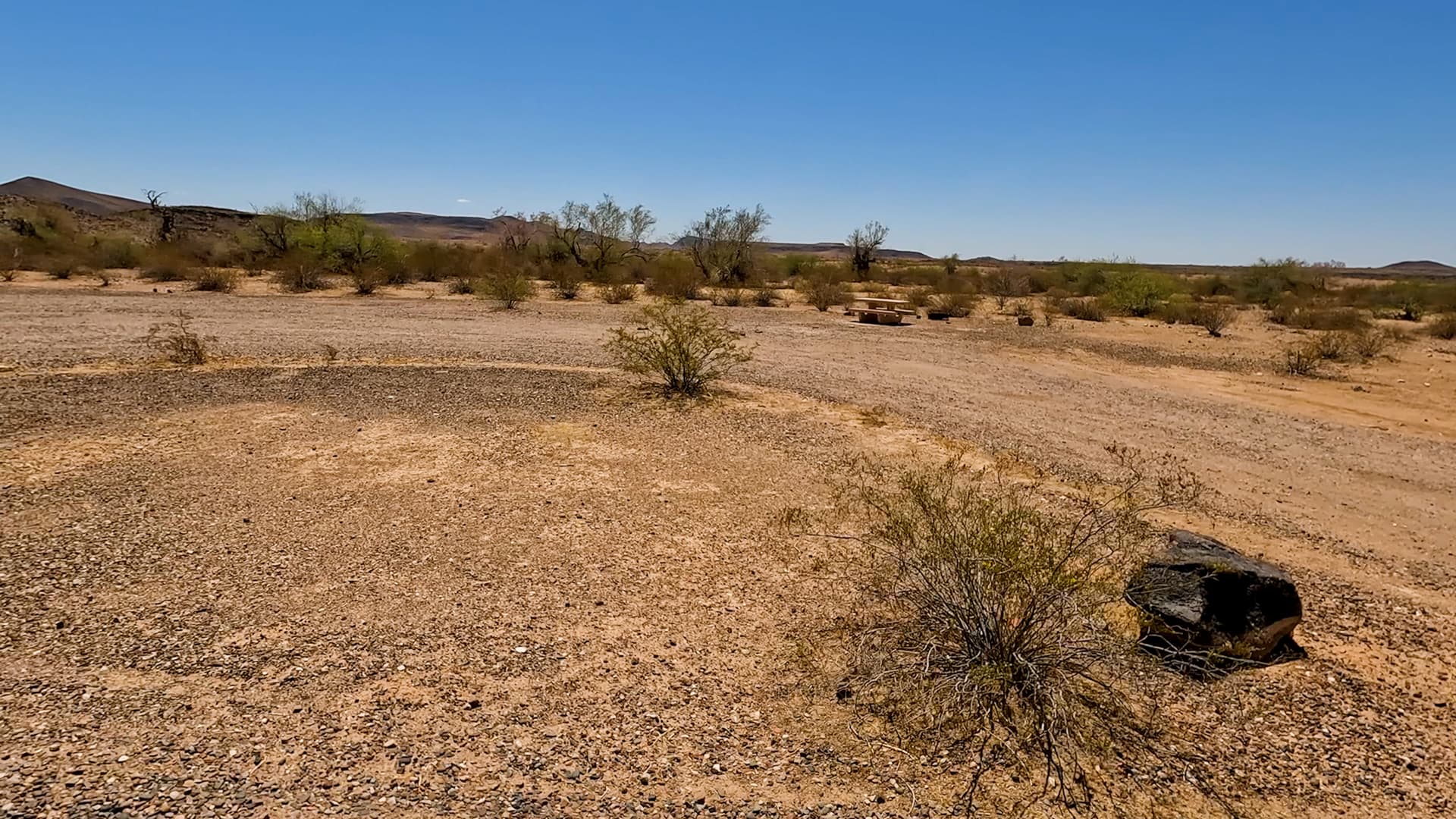
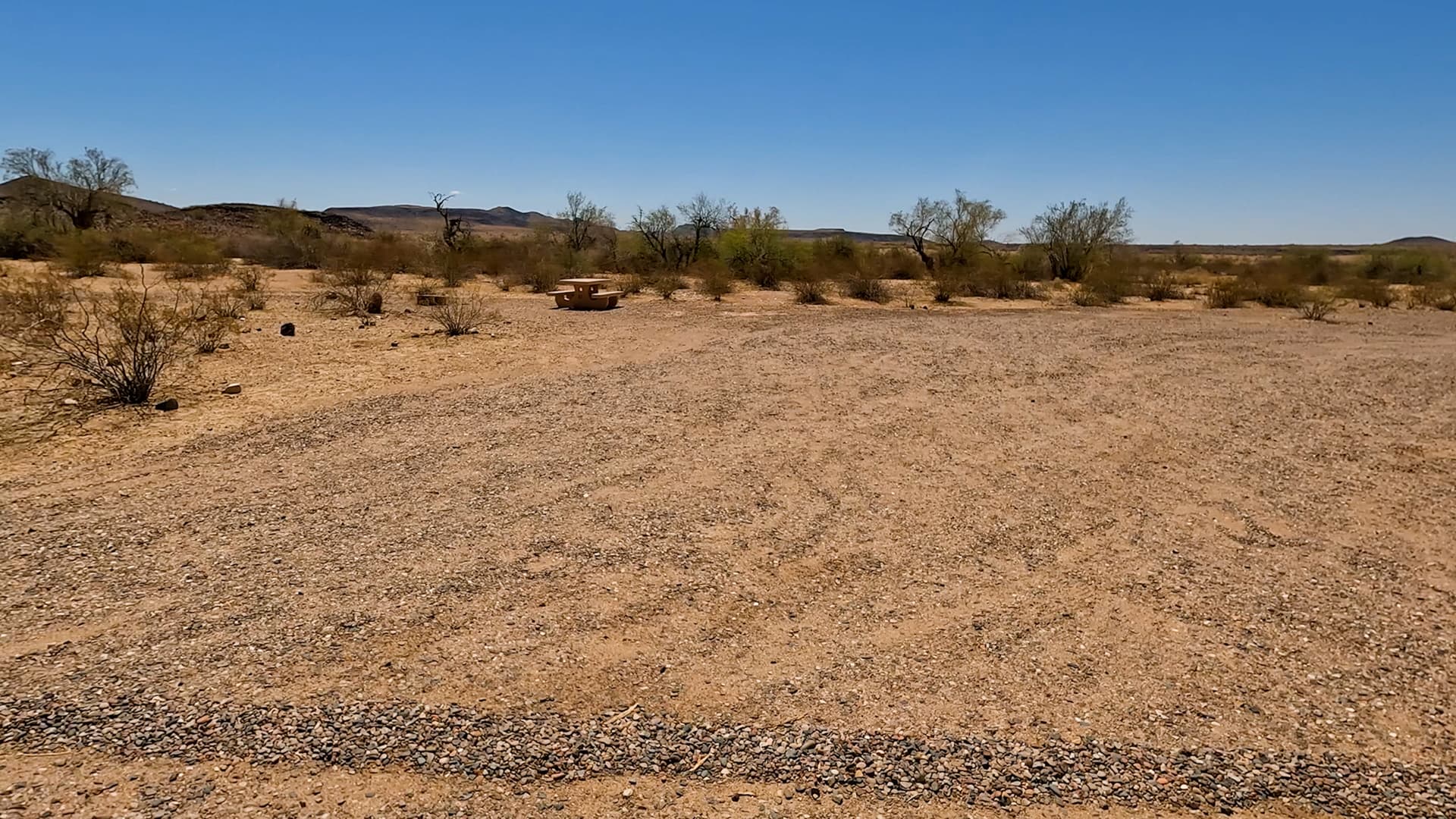
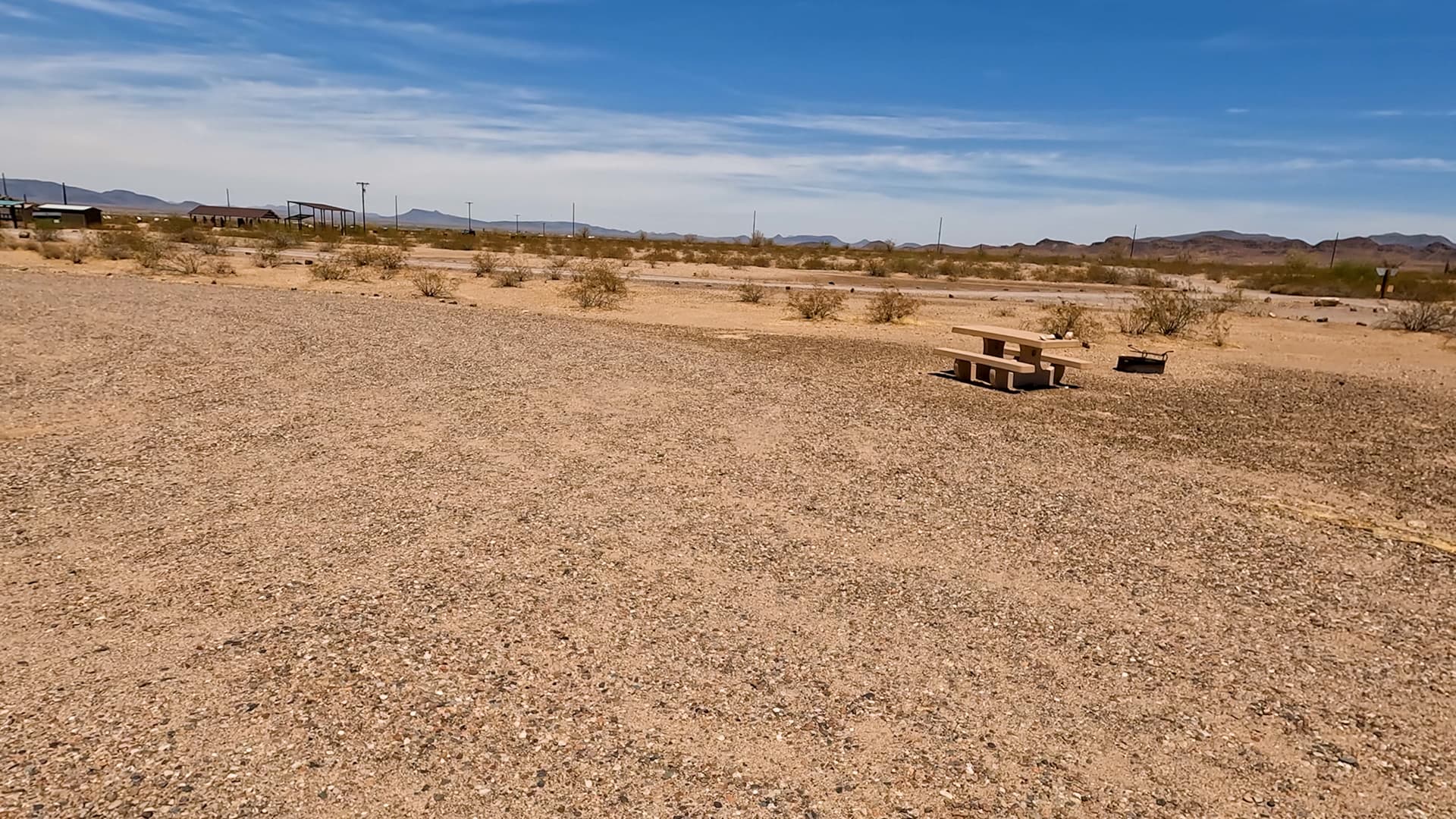
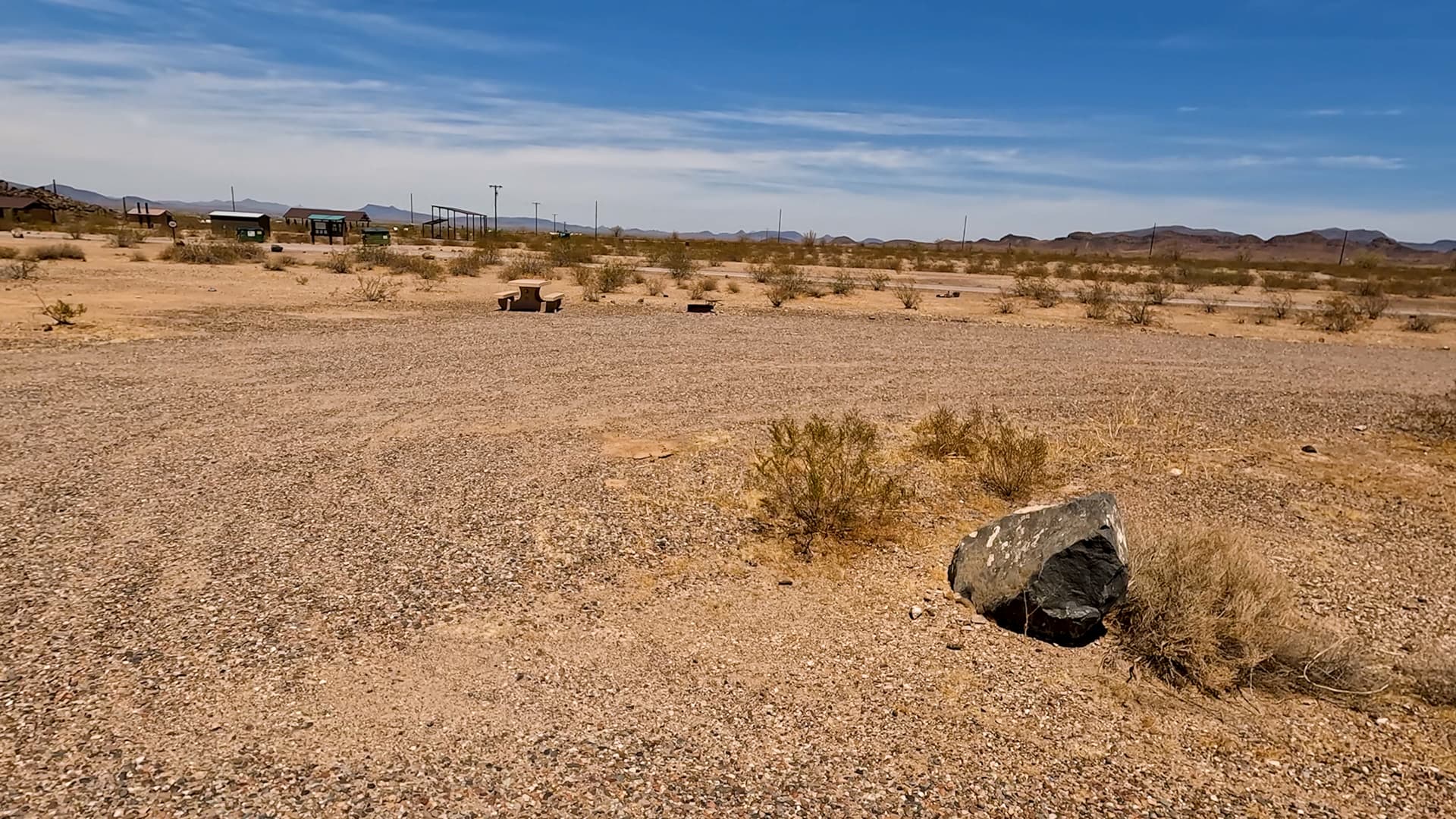
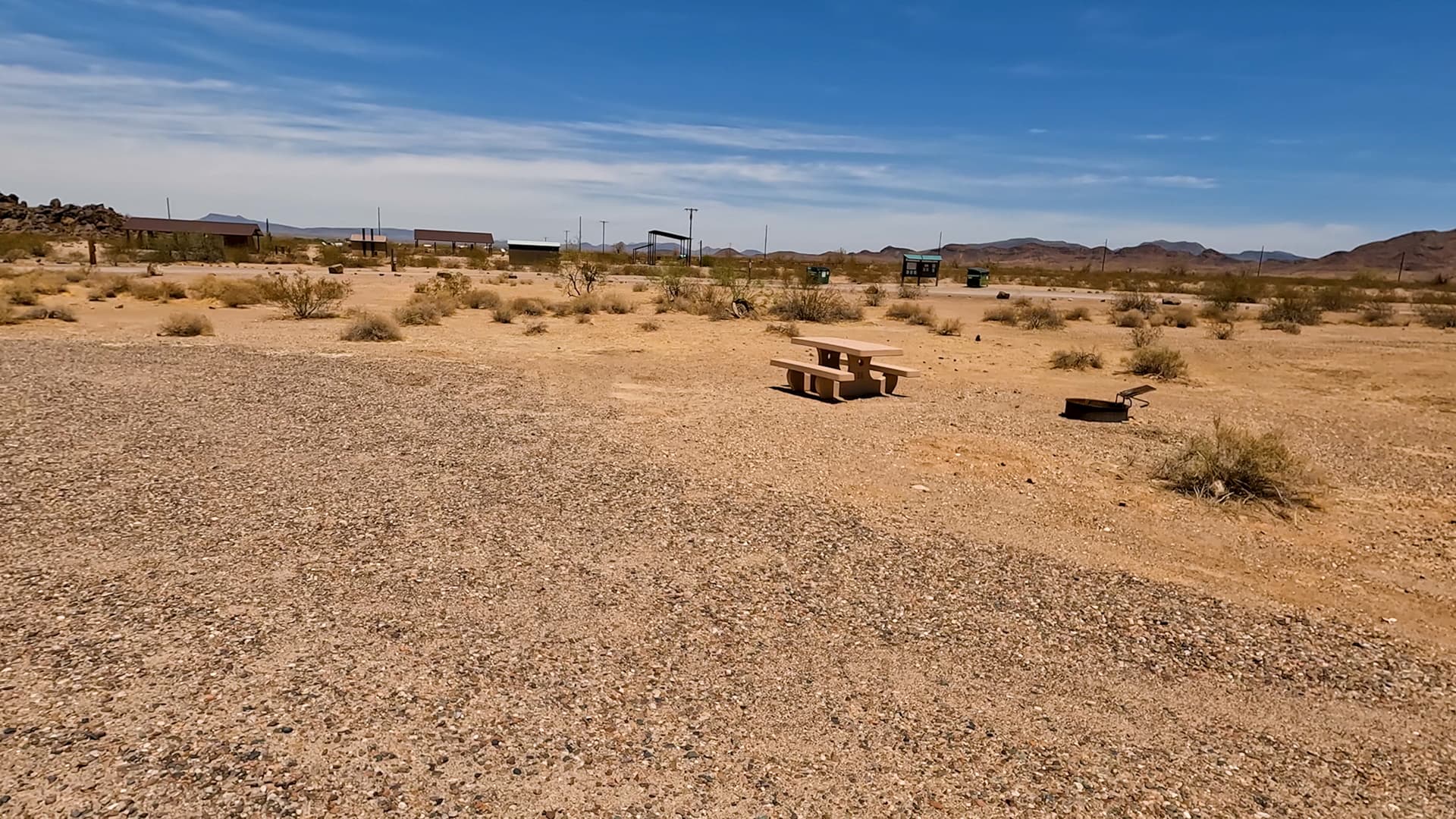
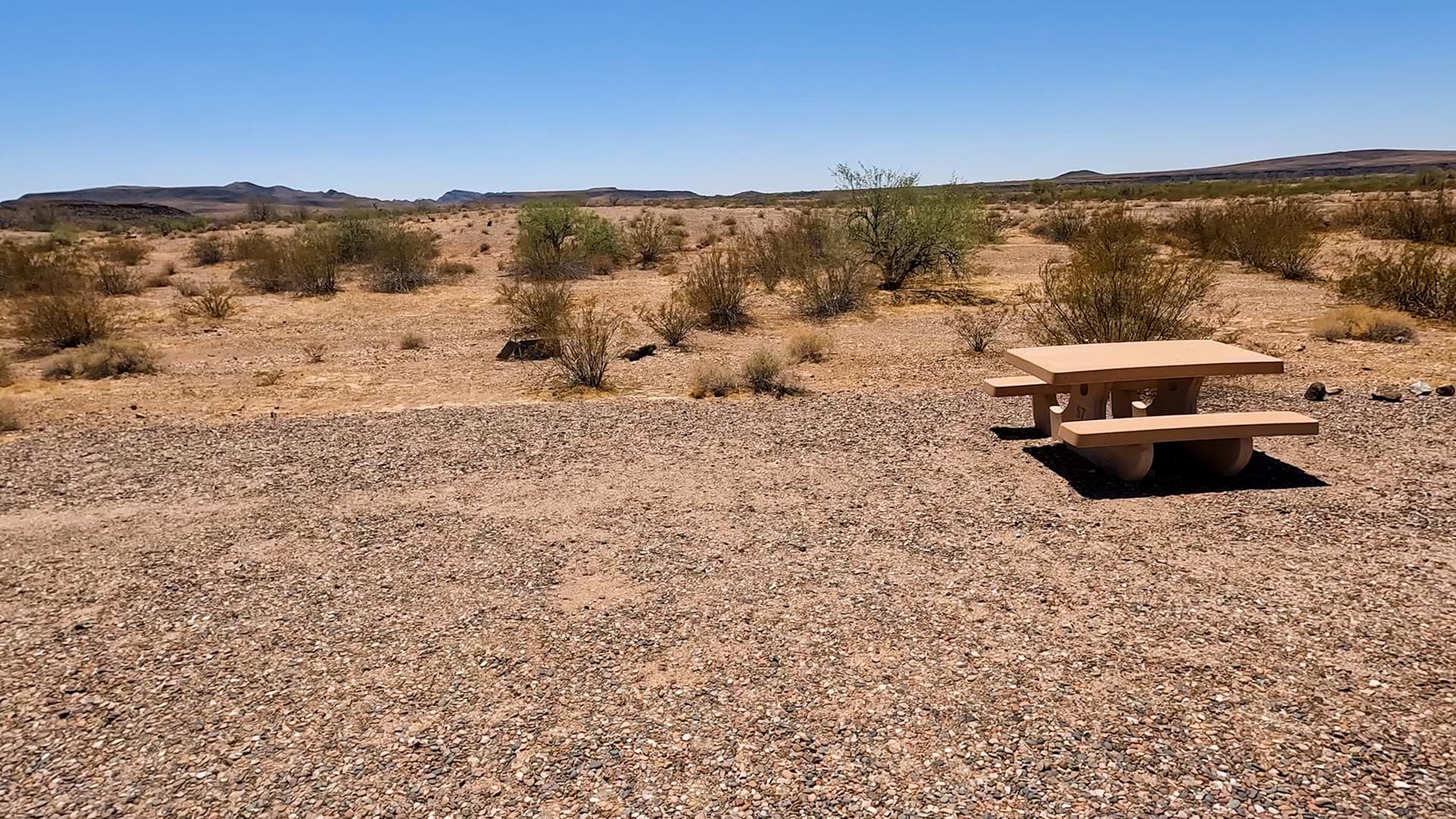
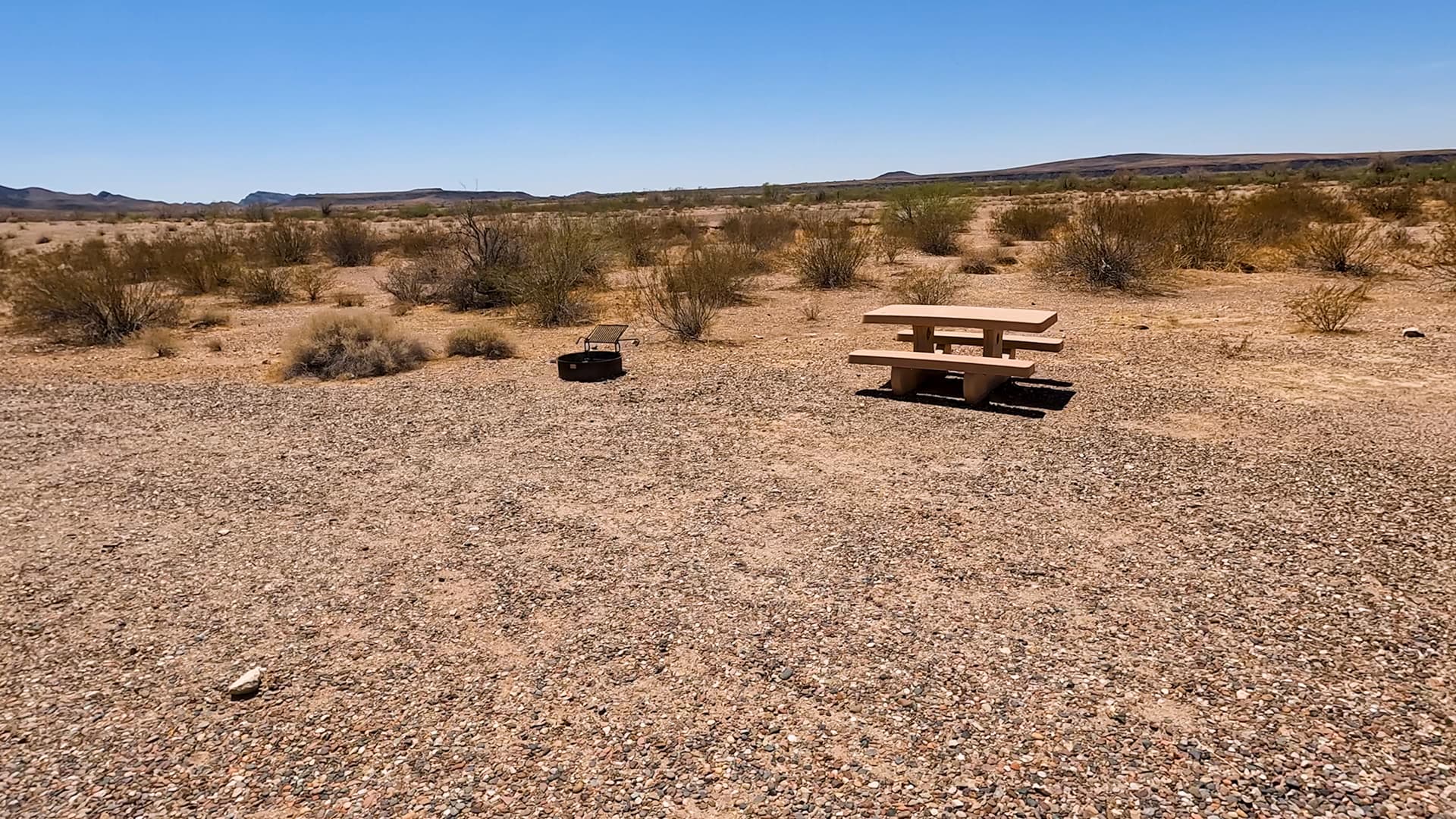
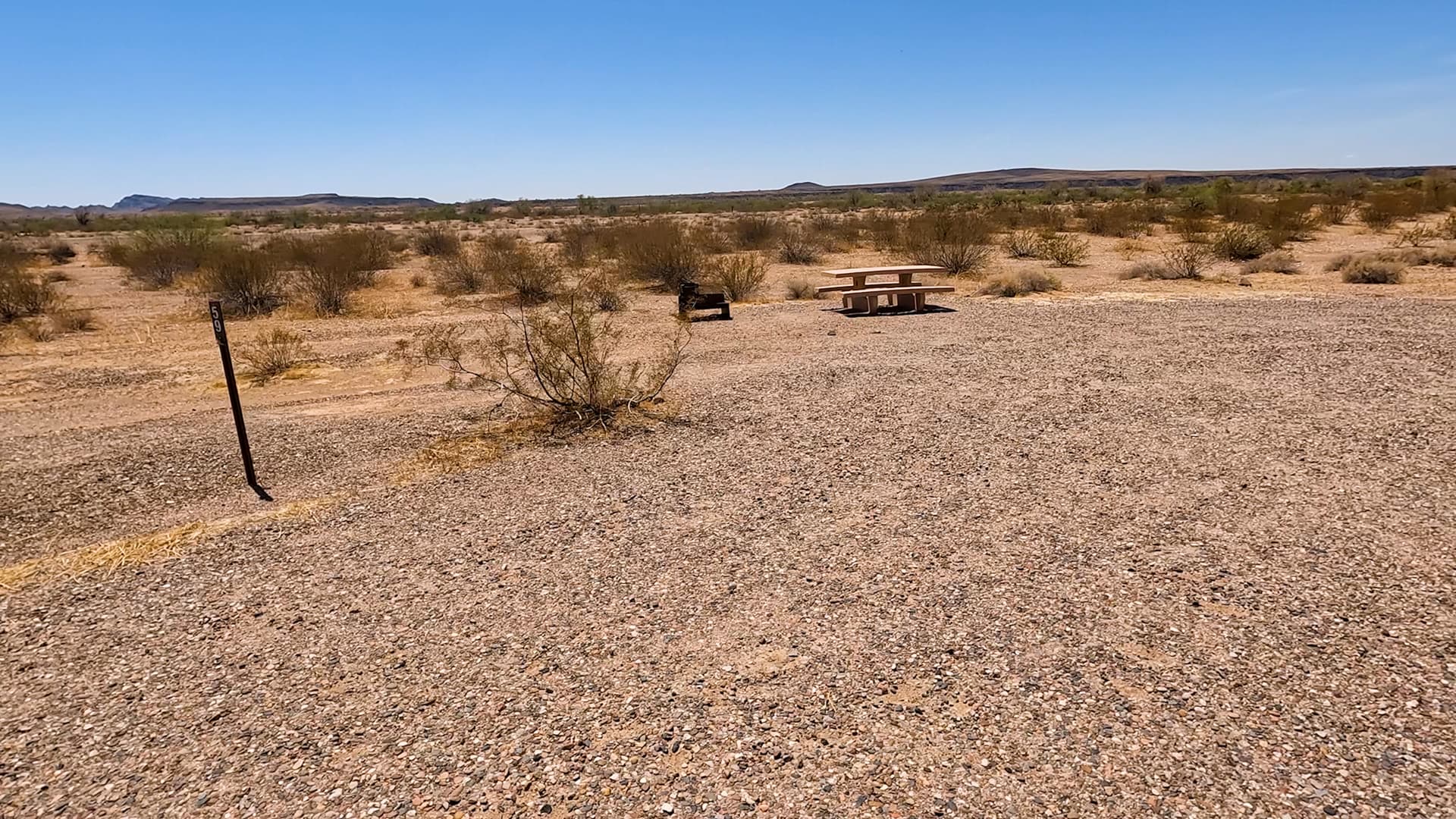
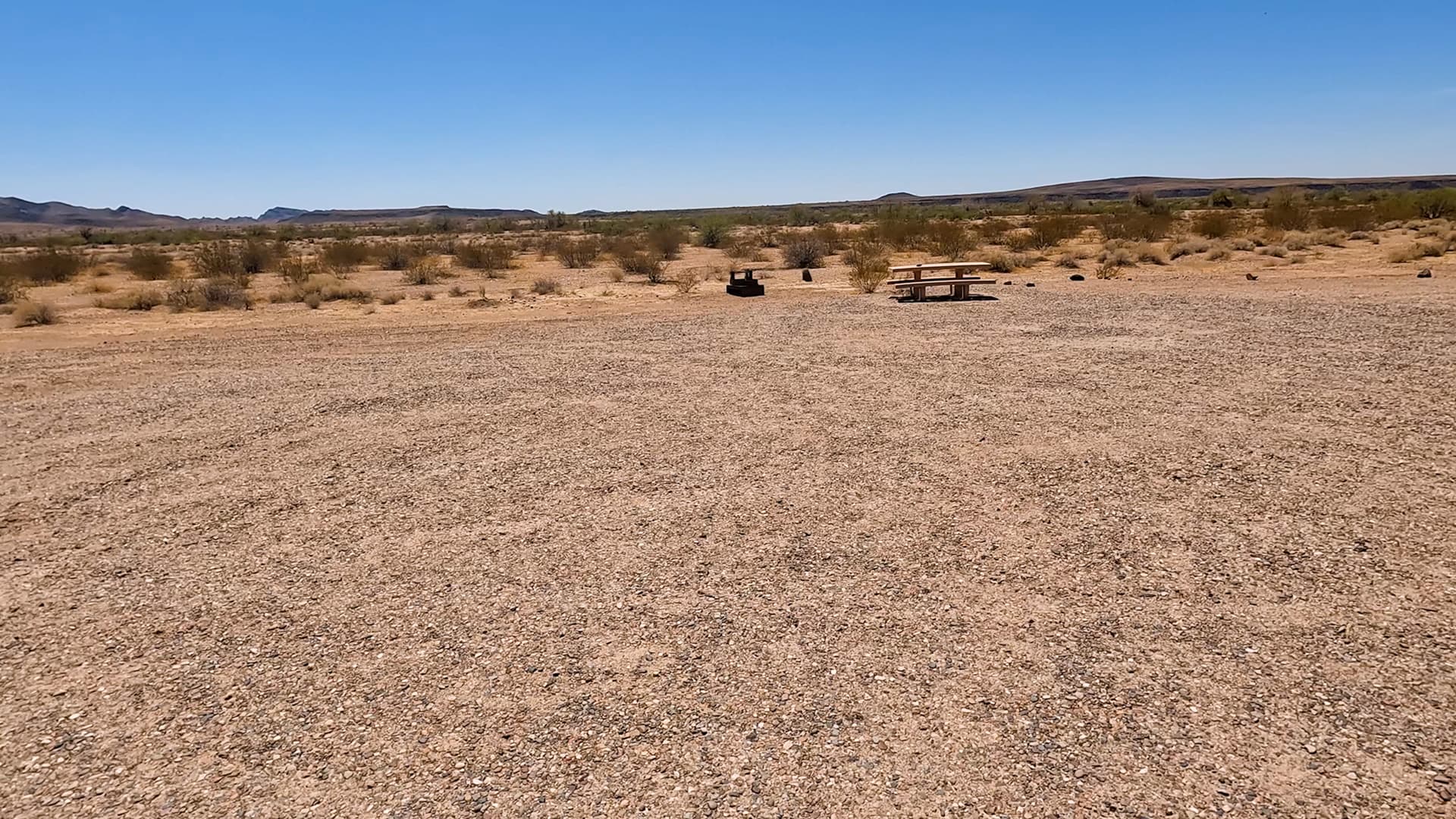
Painted Rock Petroglyph Campground is a small developed campground arranged in a loop around the base of the rock formation. Campsites are set along a hardened dirt and gravel roadway and are spaced across an open desert area with minimal natural shade. The campground accommodates both tent camping and RVs, with pull-through and back-in sites available. Because the terrain is largely open, campsites are exposed to sun and wind typical of the desert environment.

Amenities

Campsites include picnic tables and fire rings. Vault toilets are available within the campground, and trash receptacles are typically provided. There are no electrical, water, or sewer hookups, and potable water is not available on-site. Campers should plan to bring their own water and supplies when staying here.

Activities & Nearby Recreation

The primary attraction at Painted Rock Petroglyph Site is the extensive collection of petroglyphs carved into the volcanic rocks. A short walking trail allows visitors to view many of the carvings while helping protect the site. The surrounding desert landscape also provides opportunities for photography, desert wildlife observation, and quiet overnight stops for travelers along Interstate 8. Visitors are encouraged to respect the cultural resources and avoid touching or climbing on the petroglyph-covered rocks.

Summary

Painted Rock Petroglyph Campground offers simple desert camping at a culturally significant BLM site in southwestern Arizona. With its distinctive volcanic rock formation, historic petroglyphs, and convenient location near Interstate 8, it provides a unique overnight stop for travelers and campers exploring the Sonoran Desert.

Nearby Campgrounds