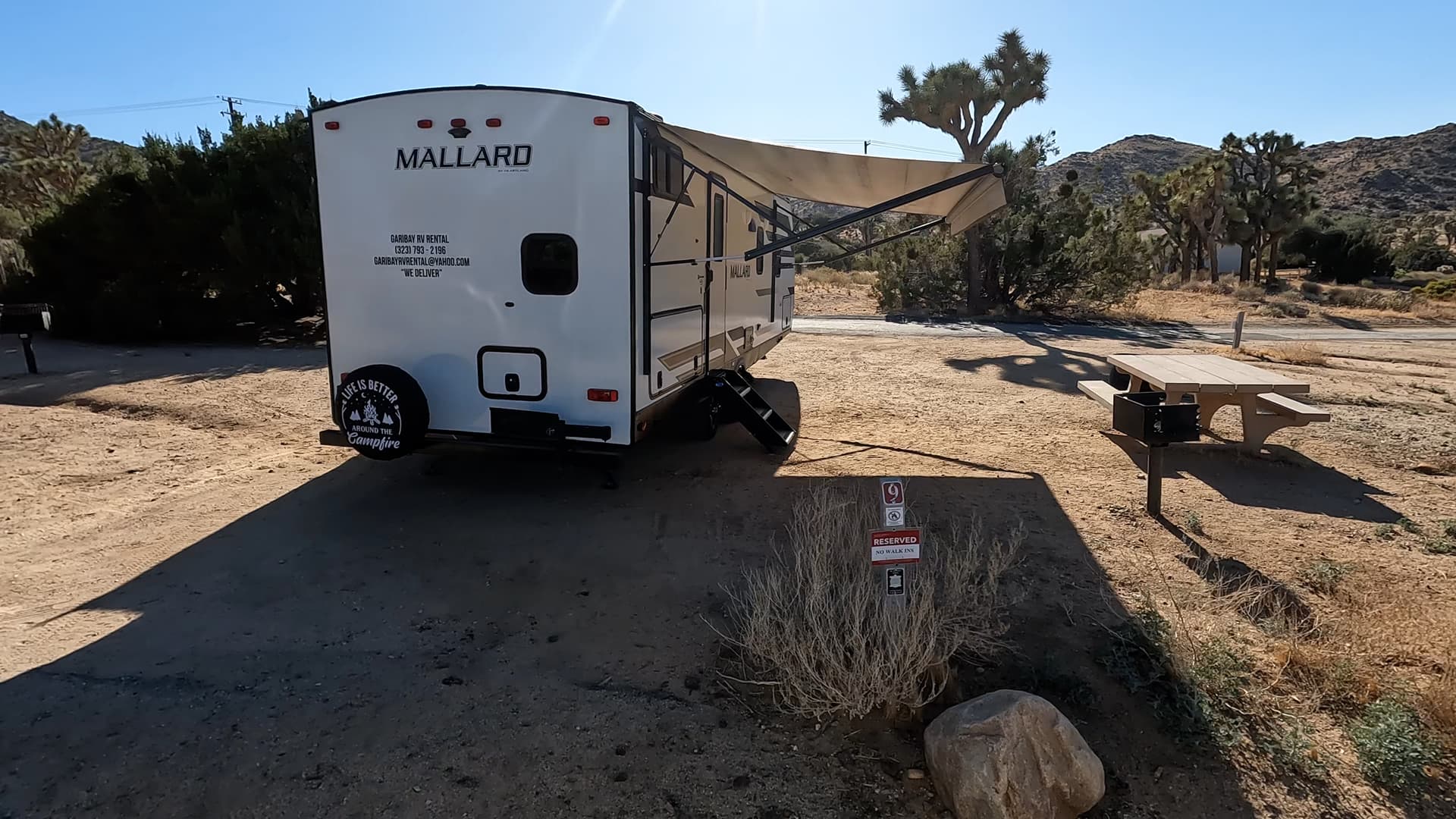
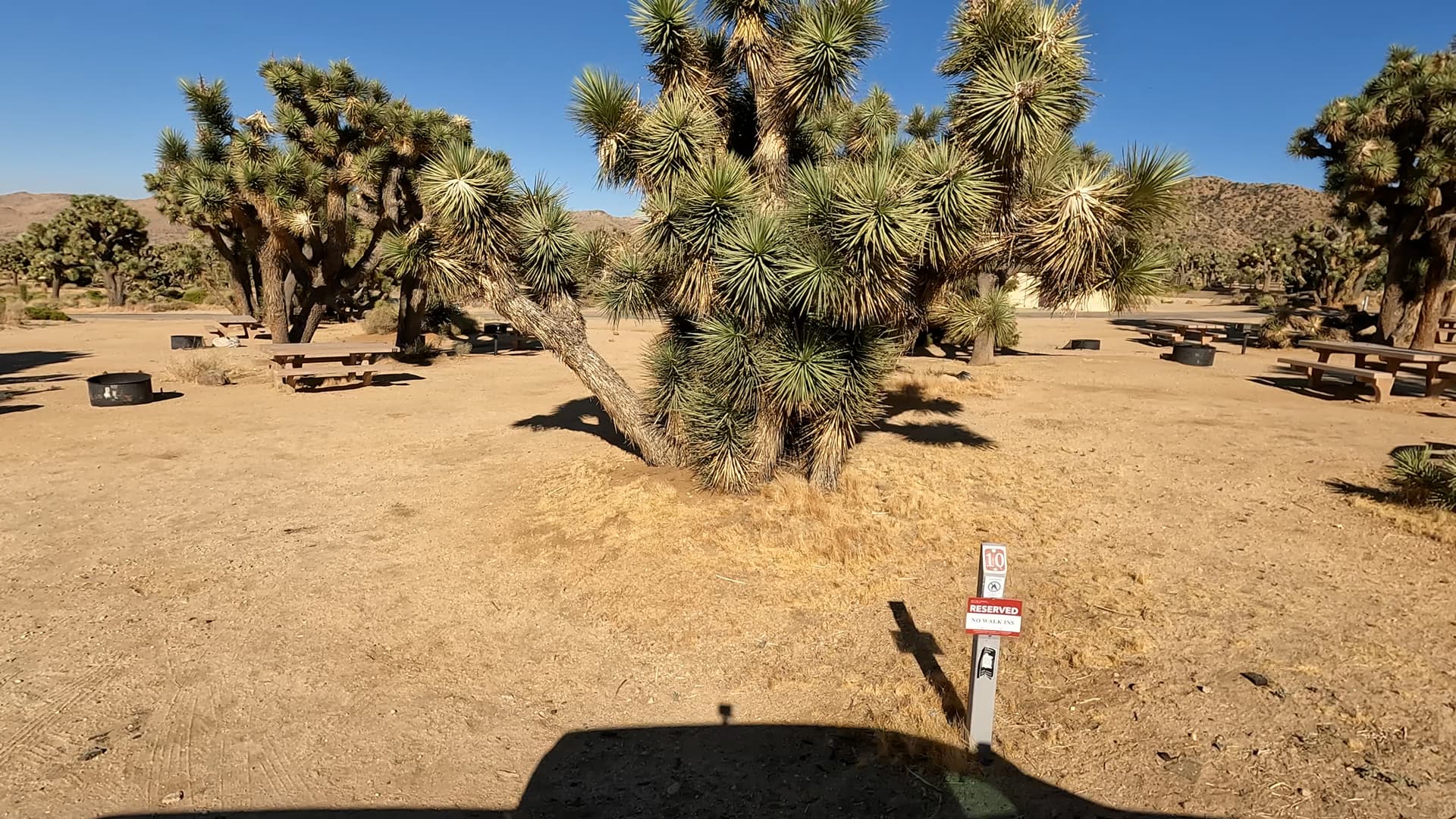
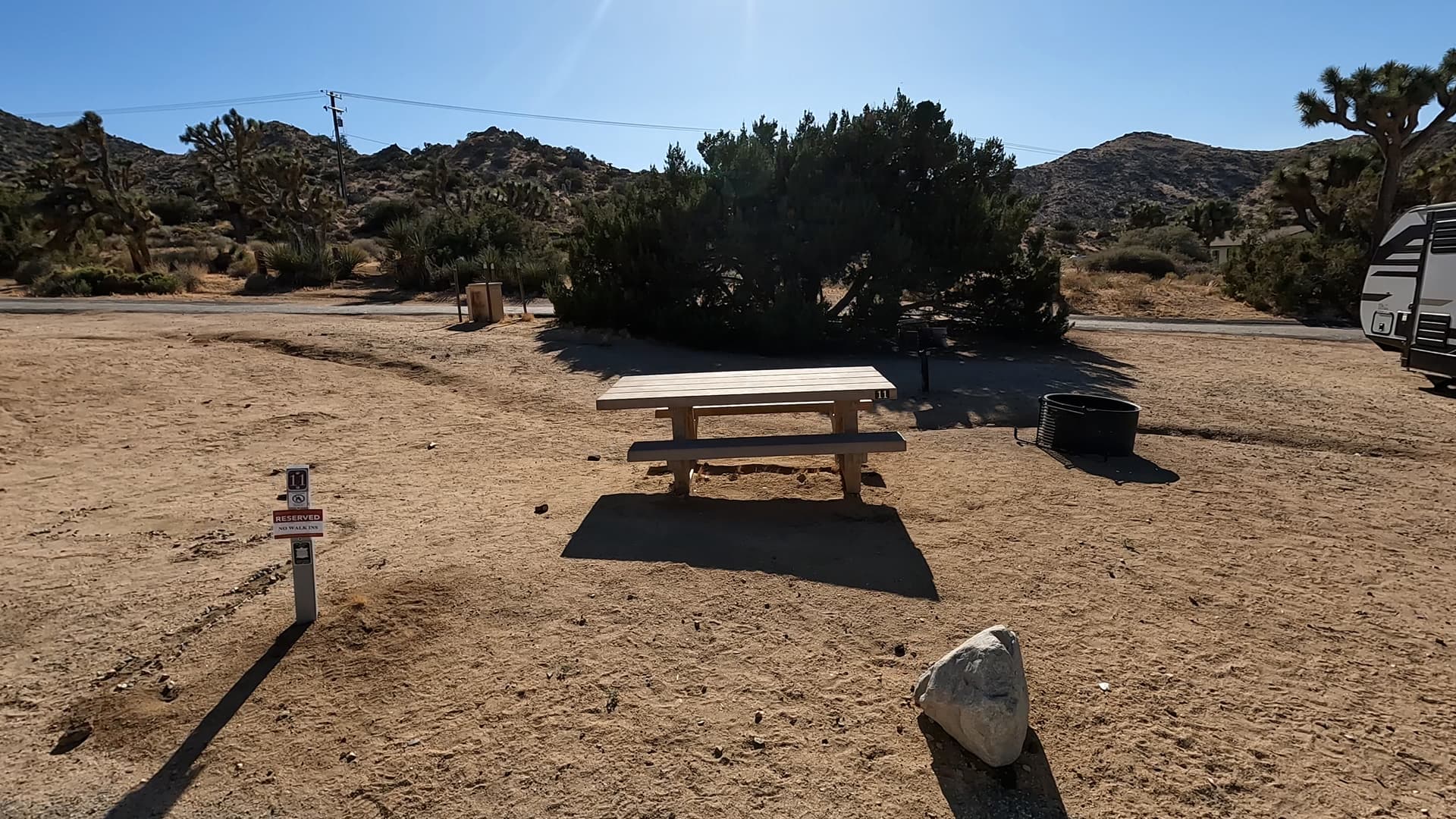
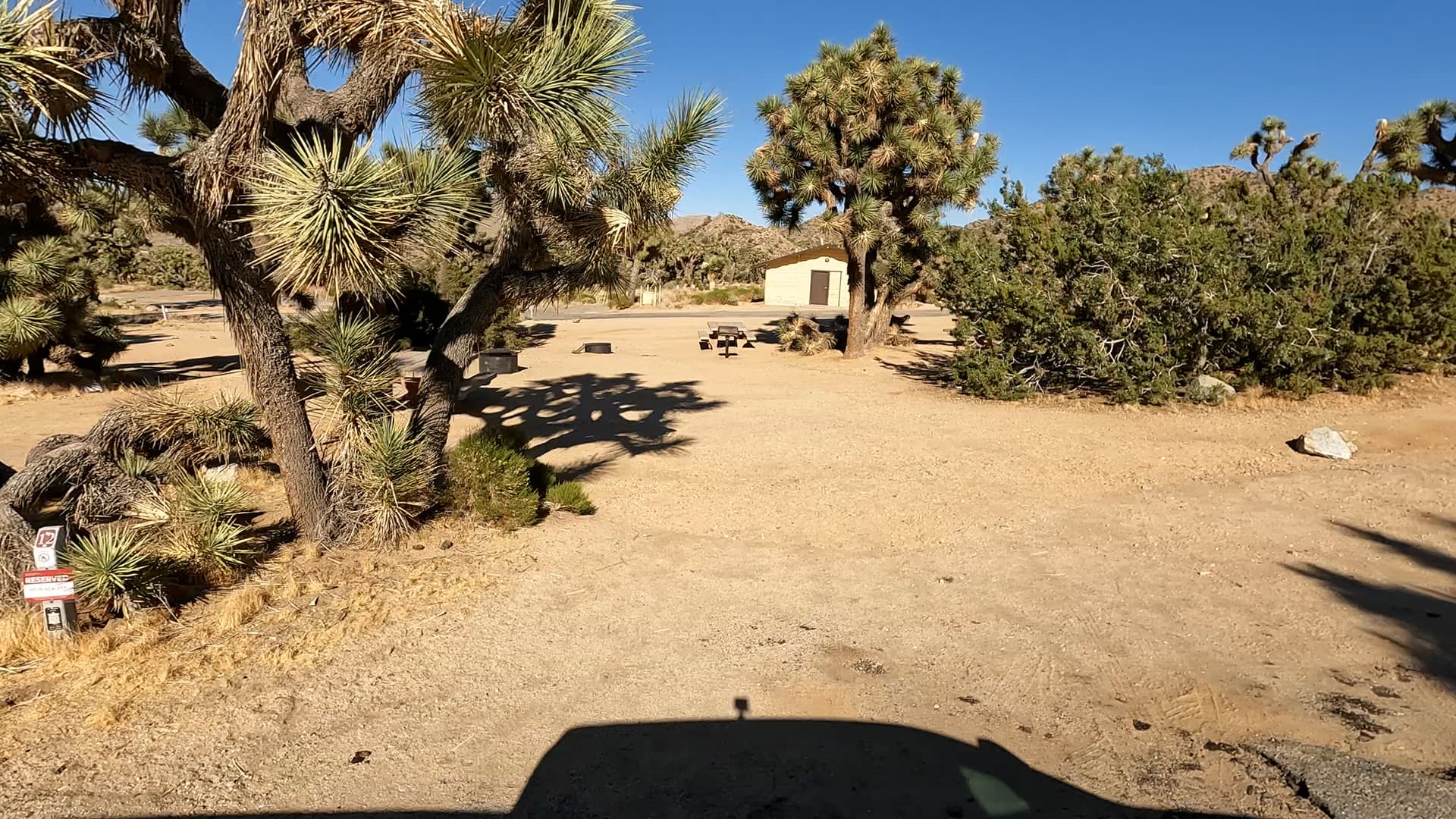
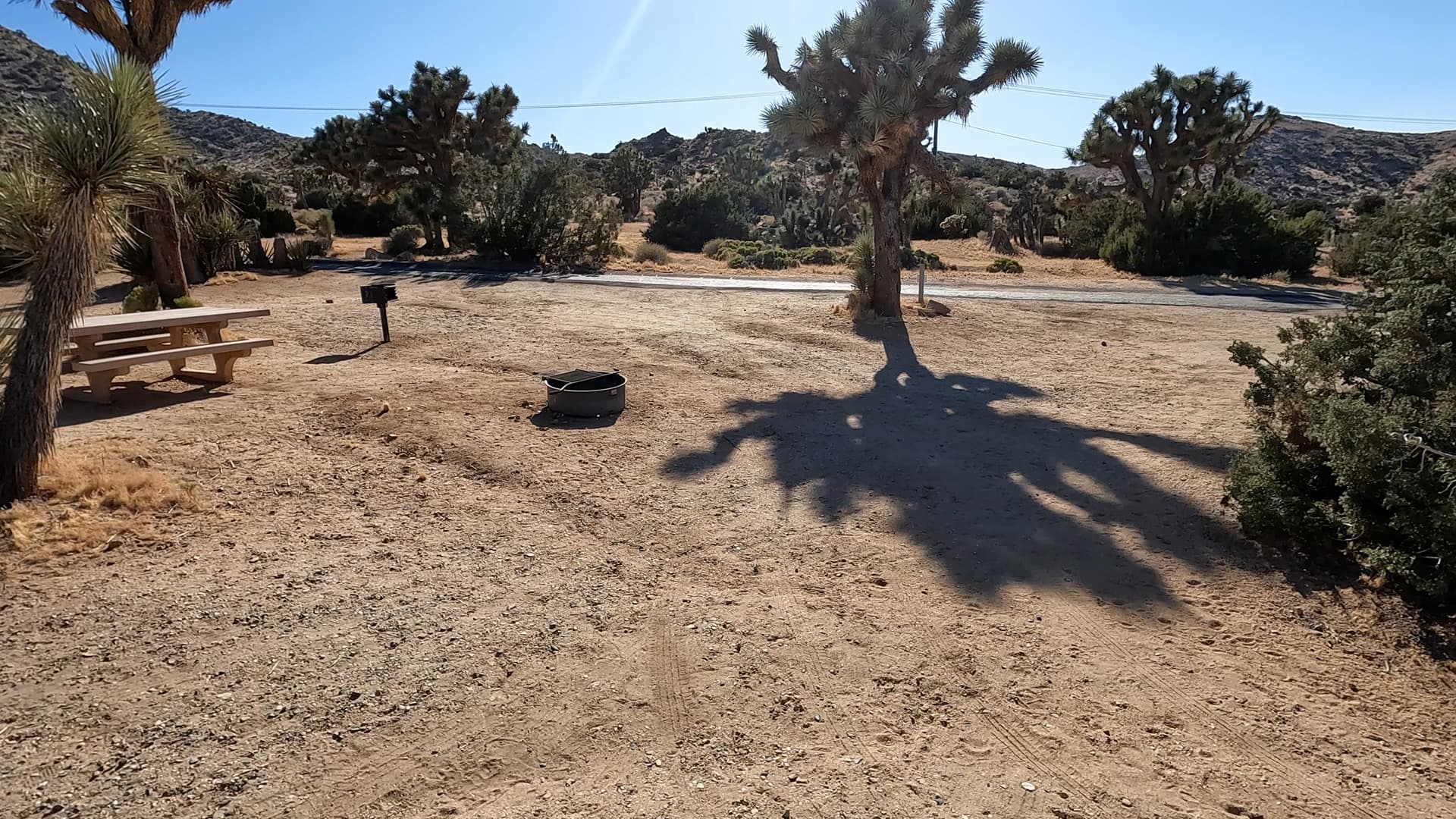
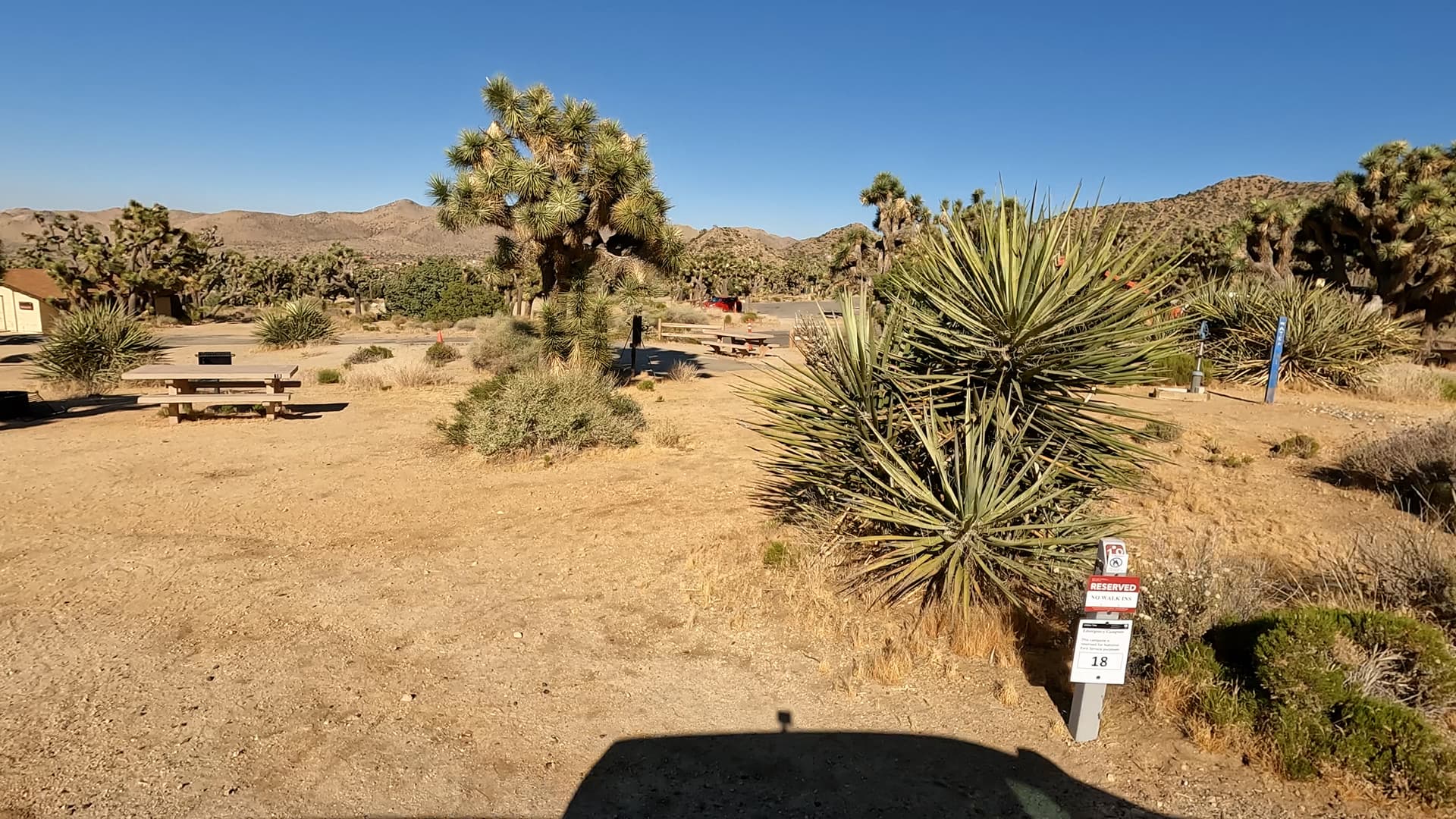
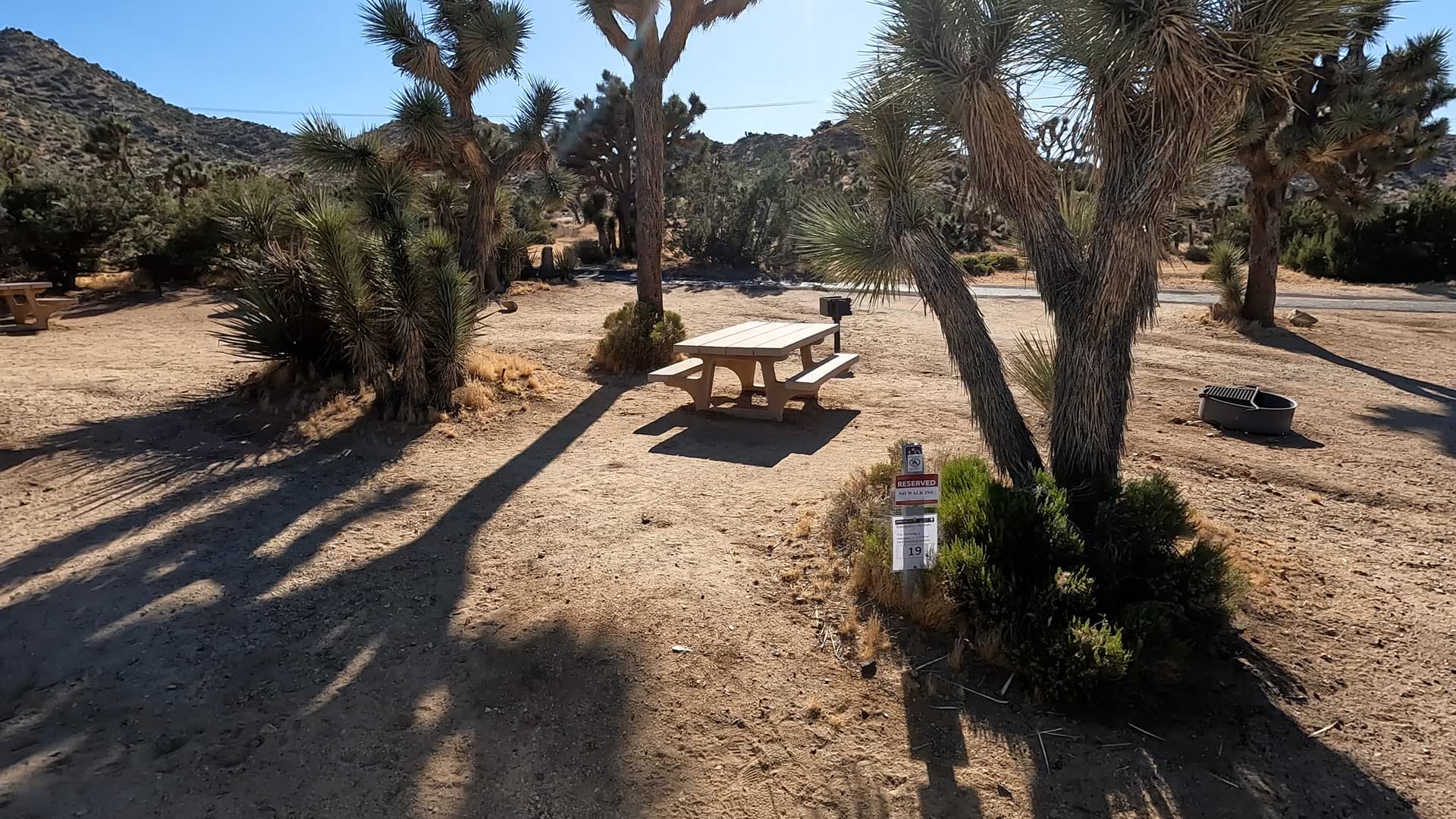
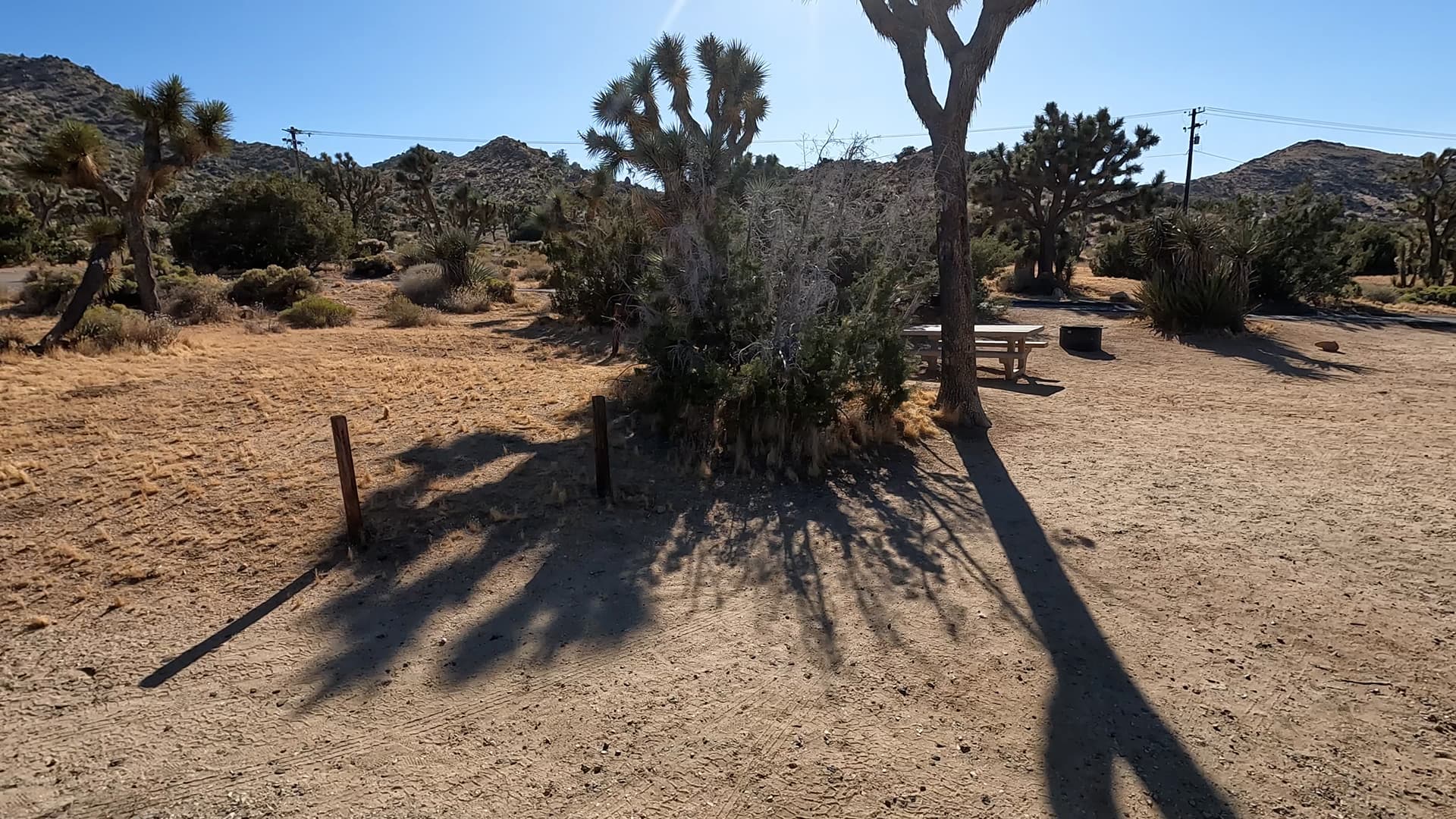
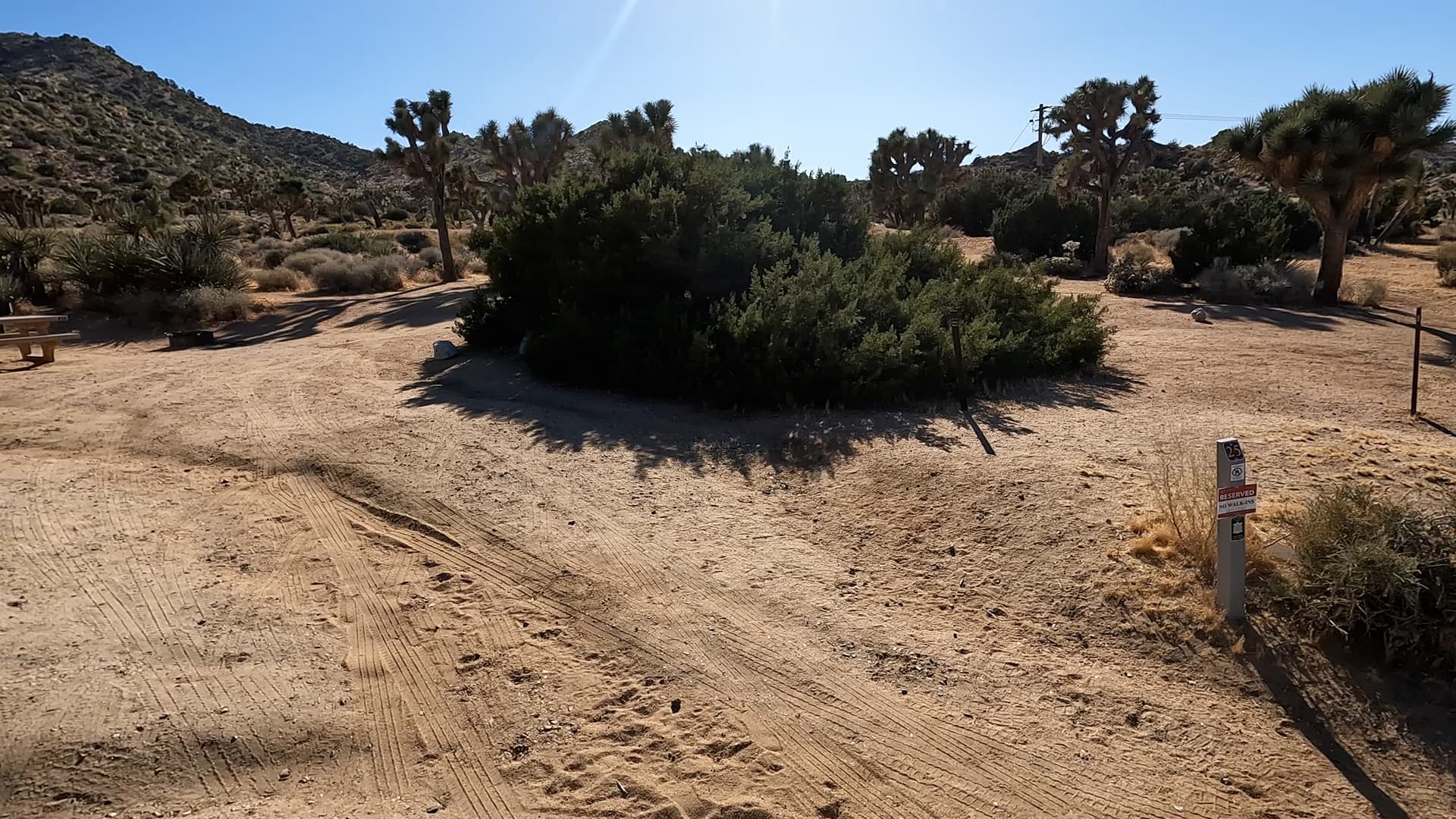
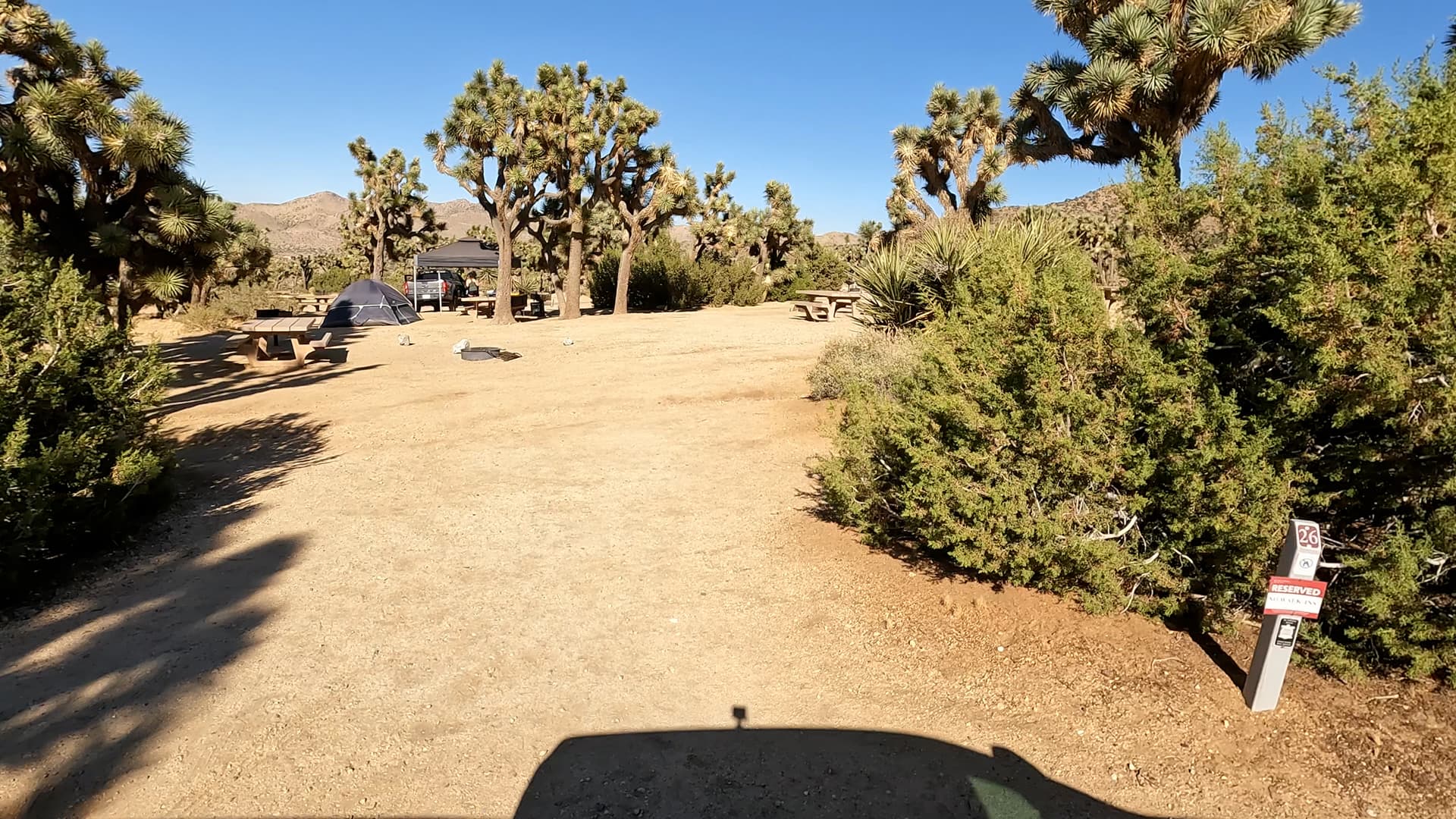
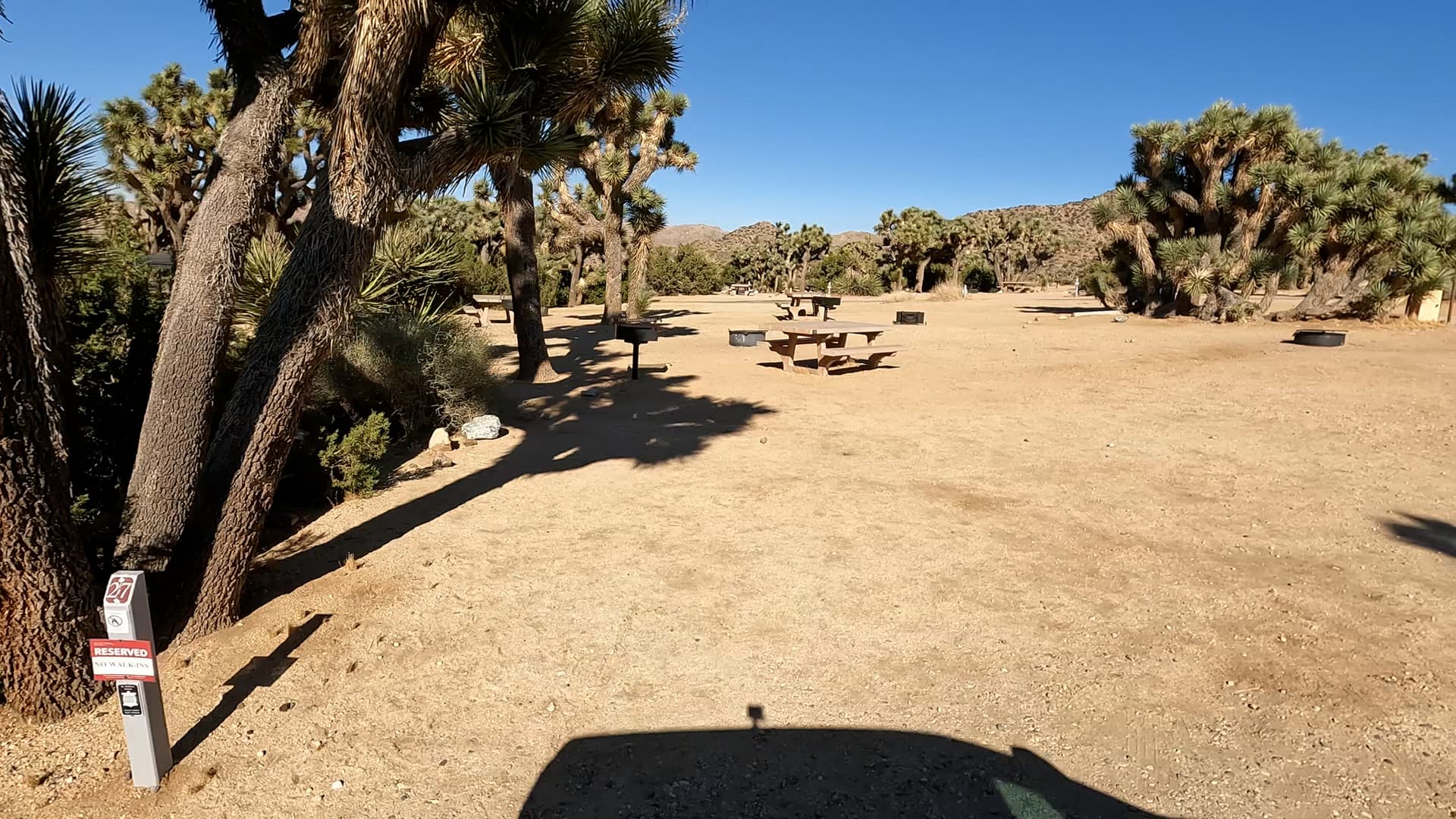
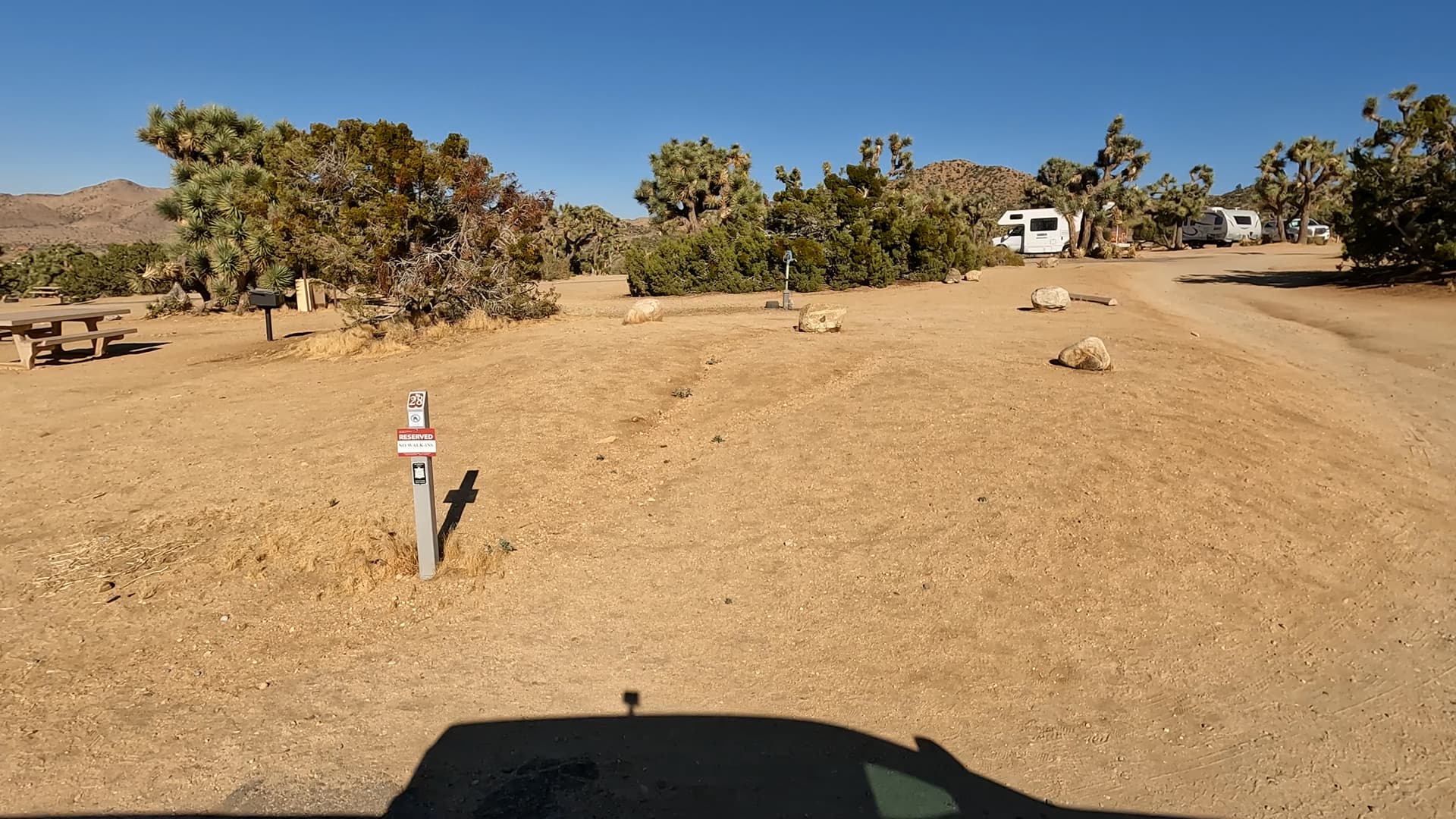
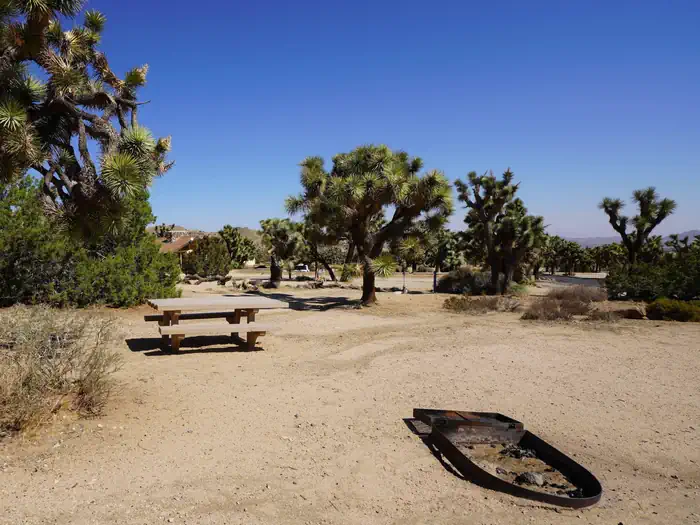
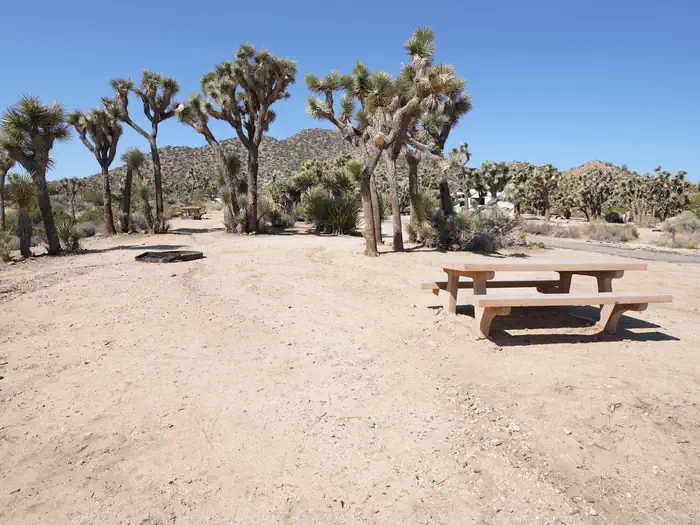
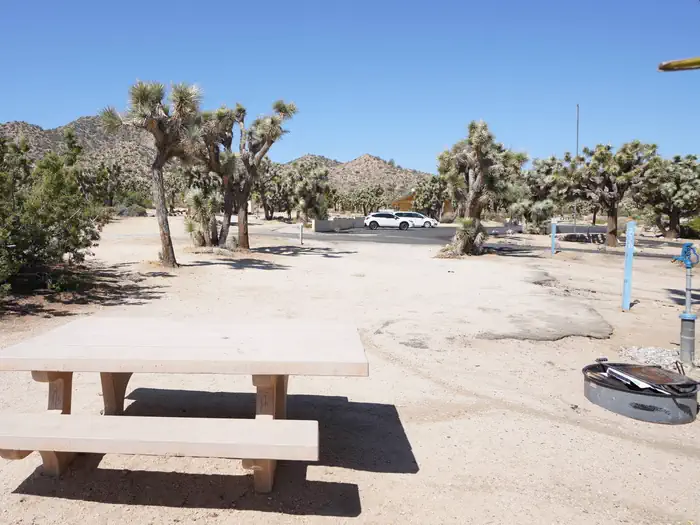
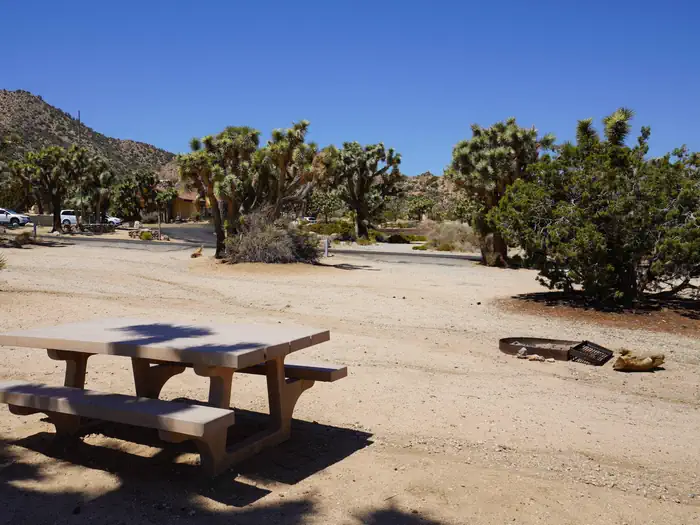
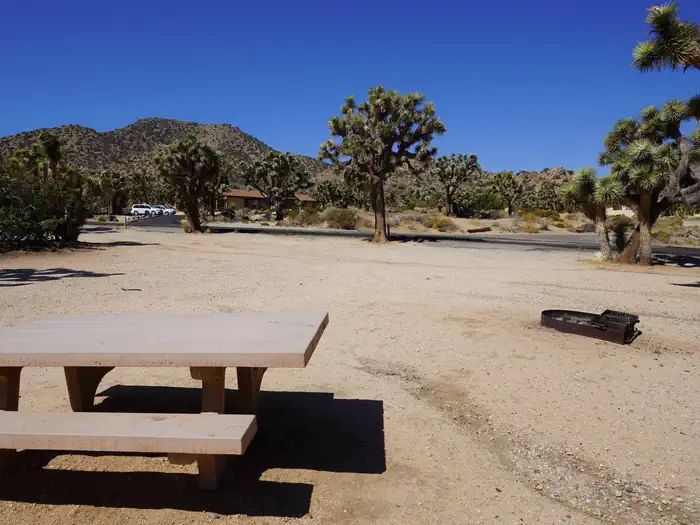
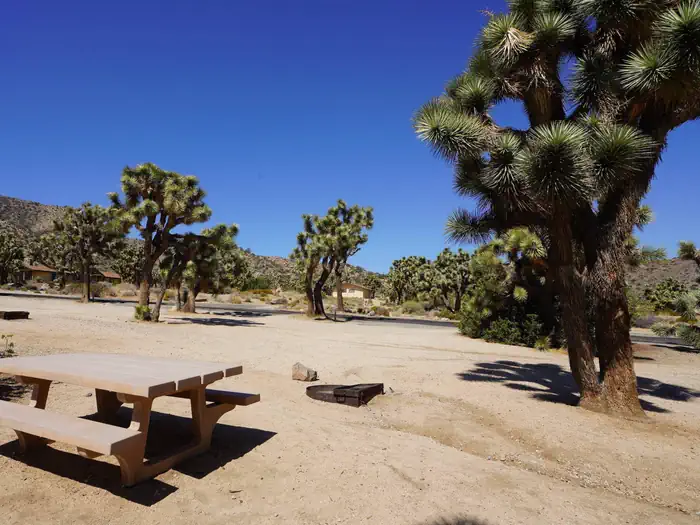
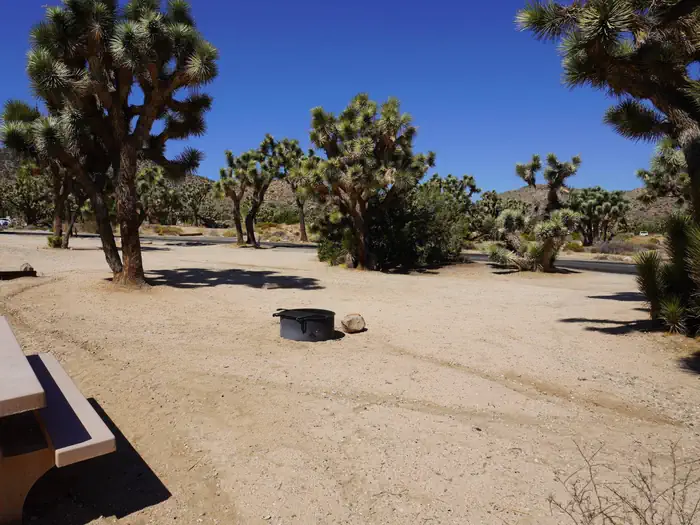
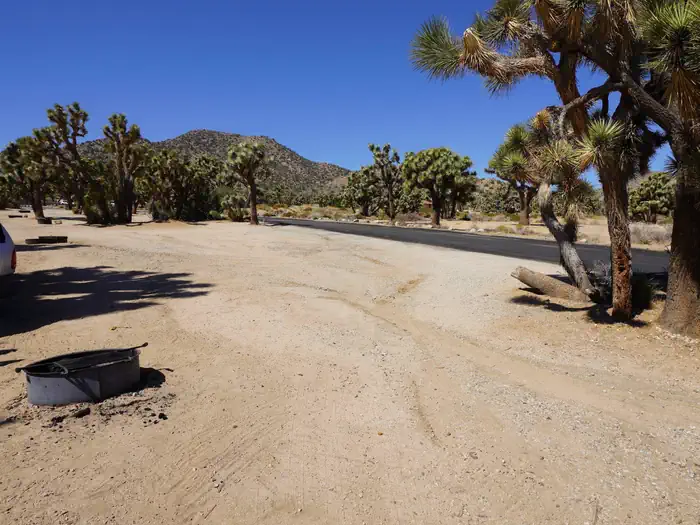
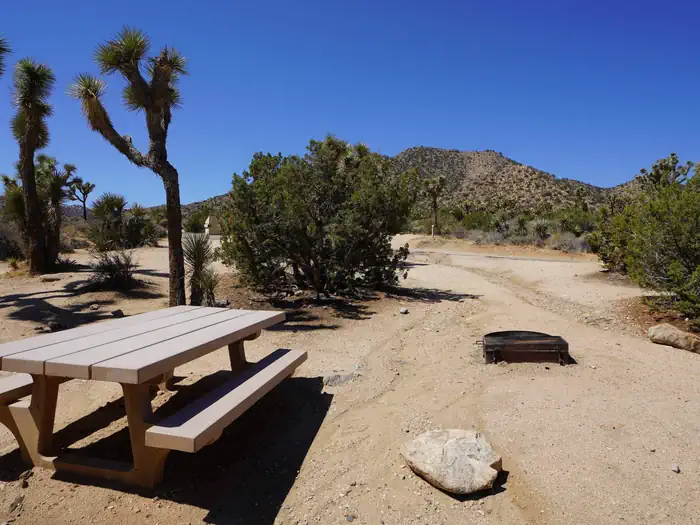
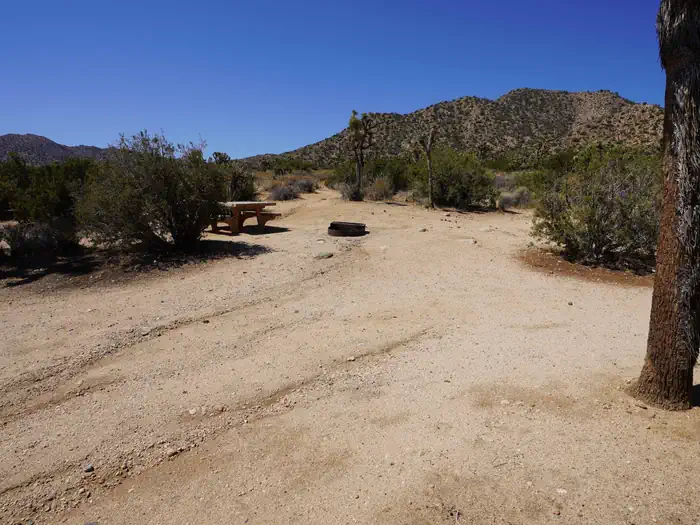
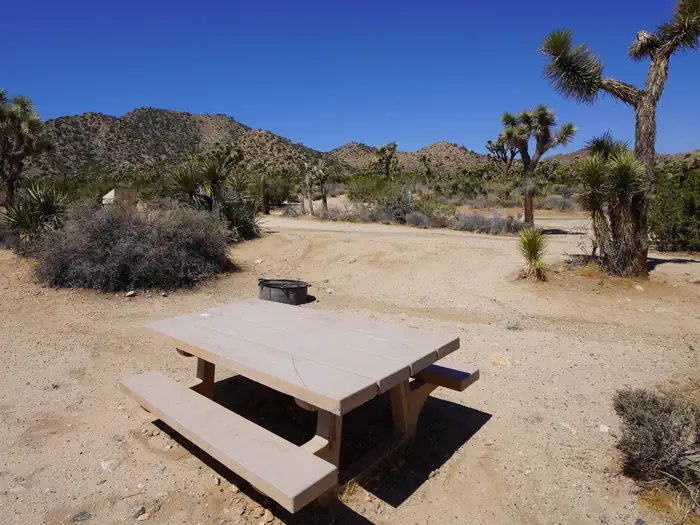
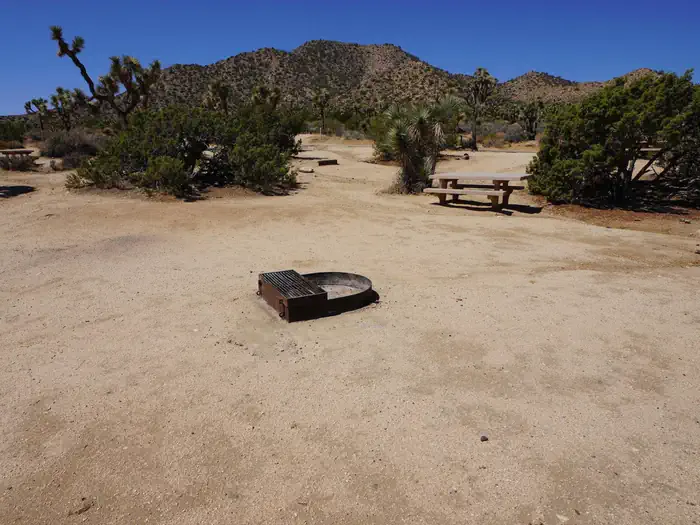
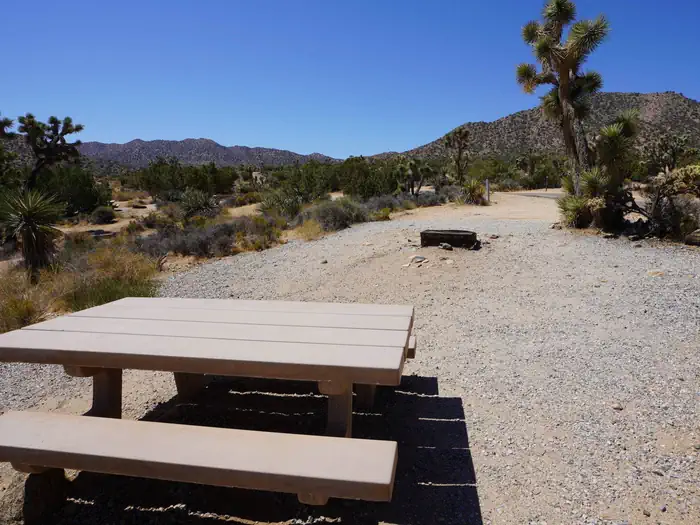
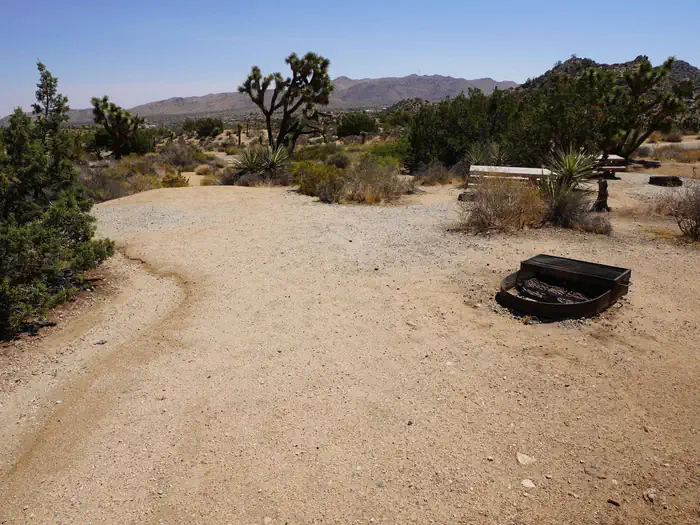
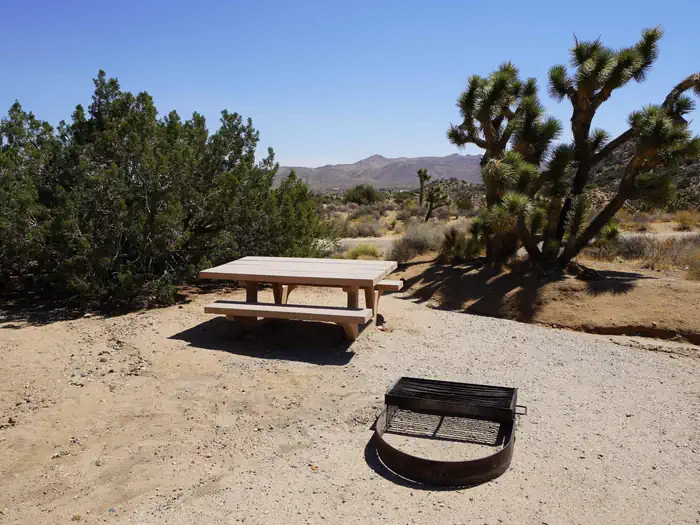
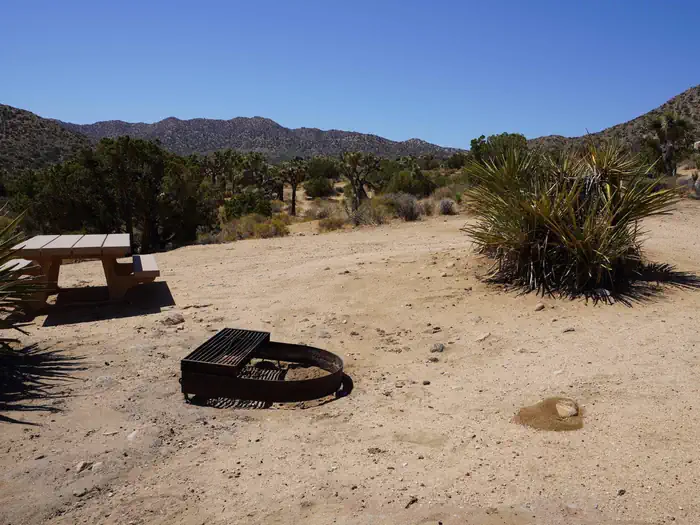
Black Rock
Joshua Tree
California
Date filmed:2024-06-20
Number of sites:99
GPS:34.074196, -116.389176
Max vehicle length:35 Feet
Check in:12:00 pm
Check out:12:00 pm
Quiet hours:10:00 pm - 6:00 am

Amenities and Activities

Amenities
Drinking Water
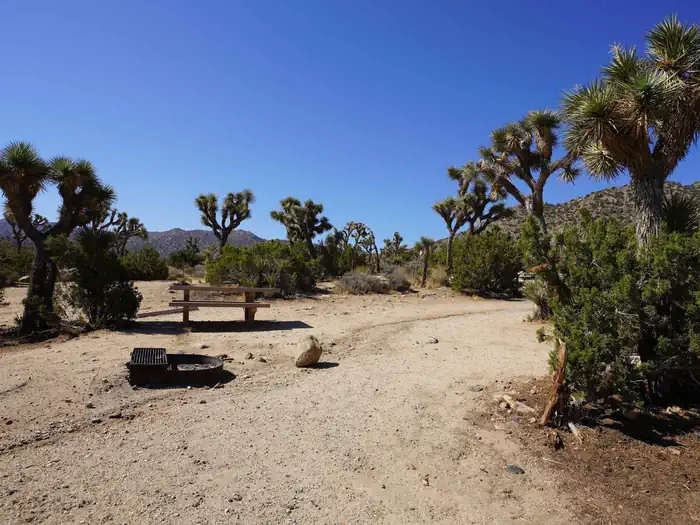
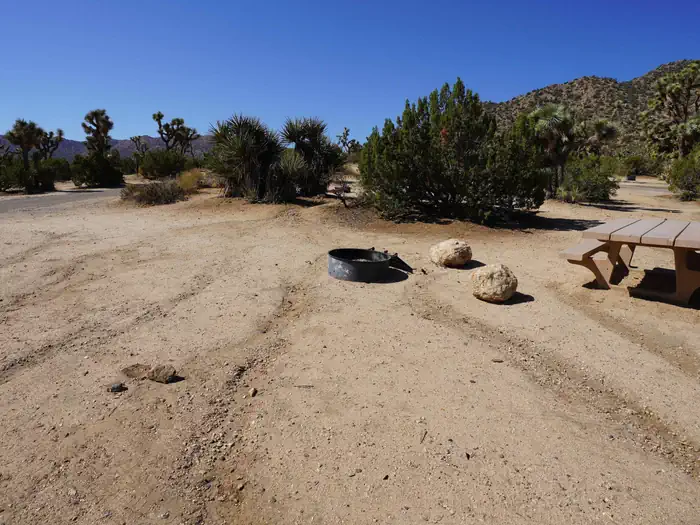
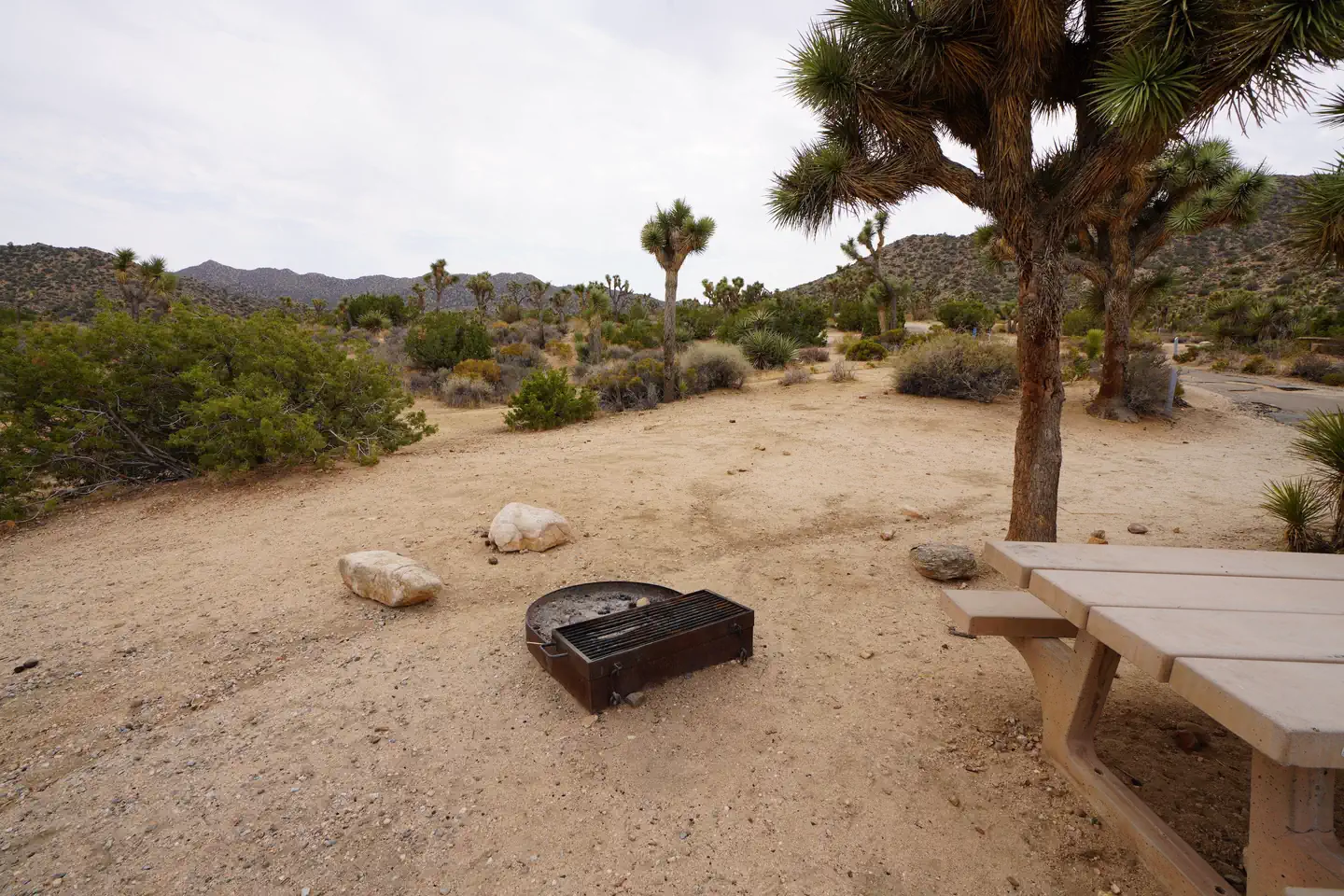
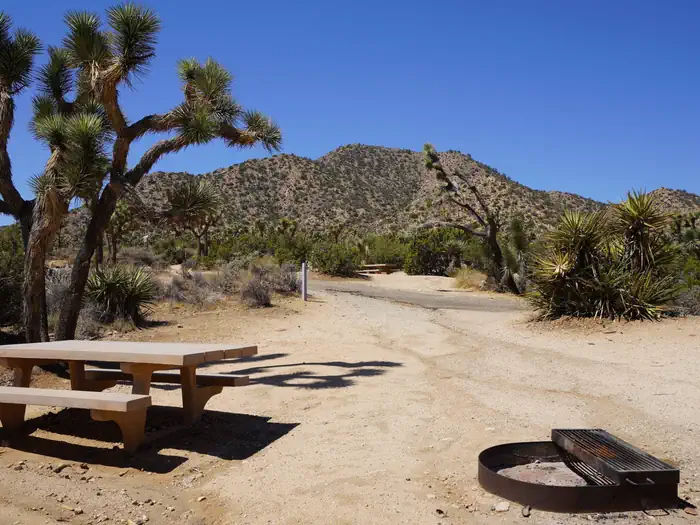
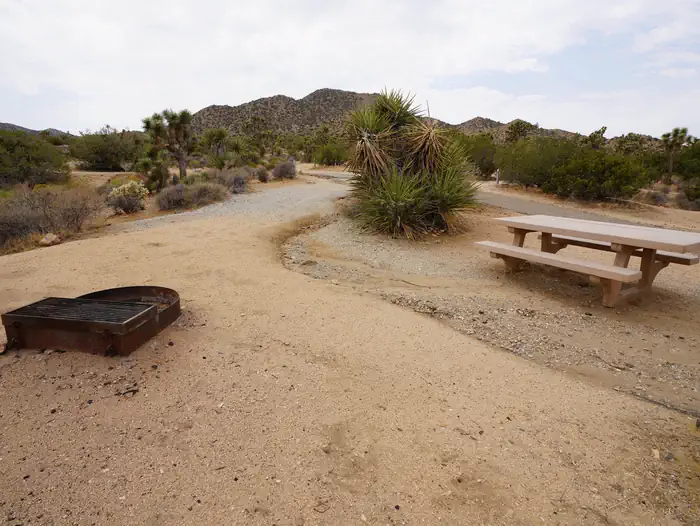
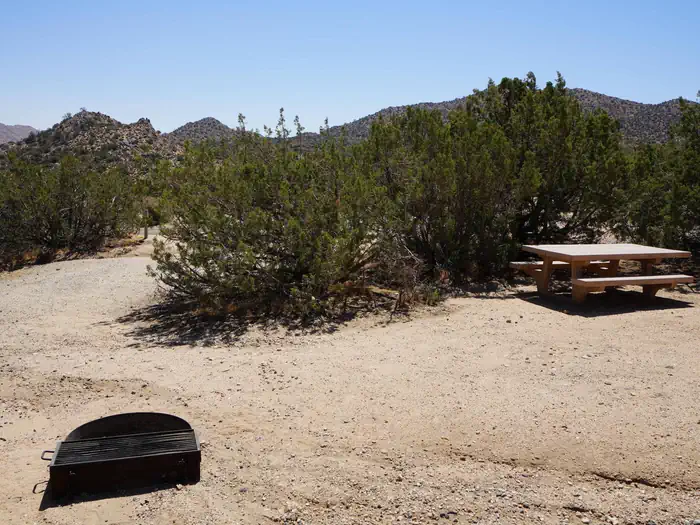
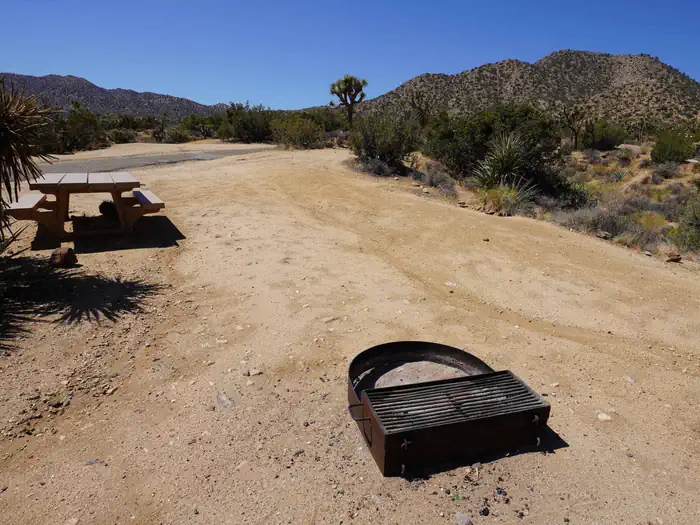
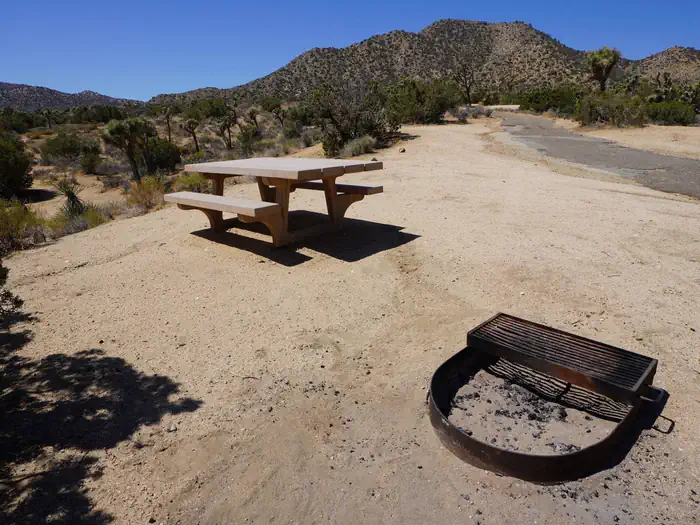
Fire Ring
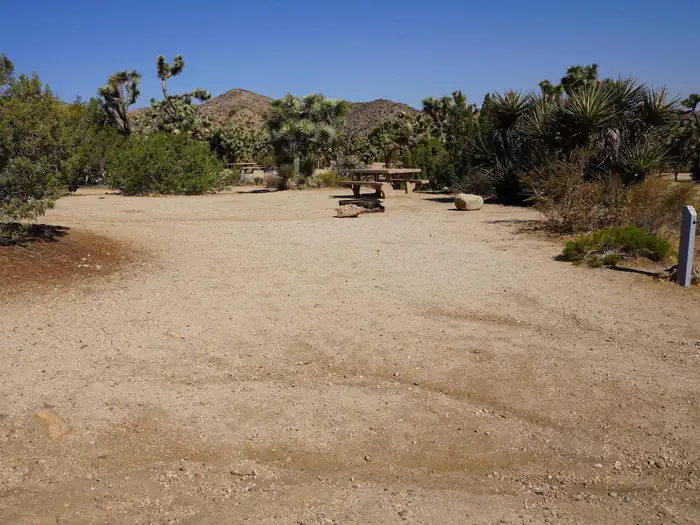
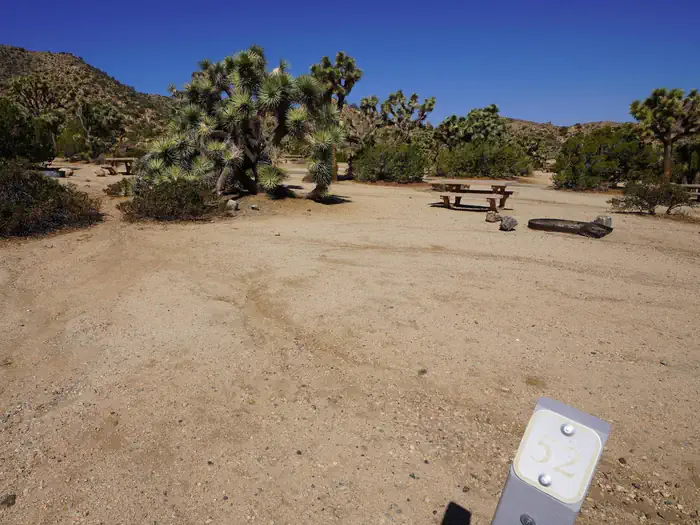
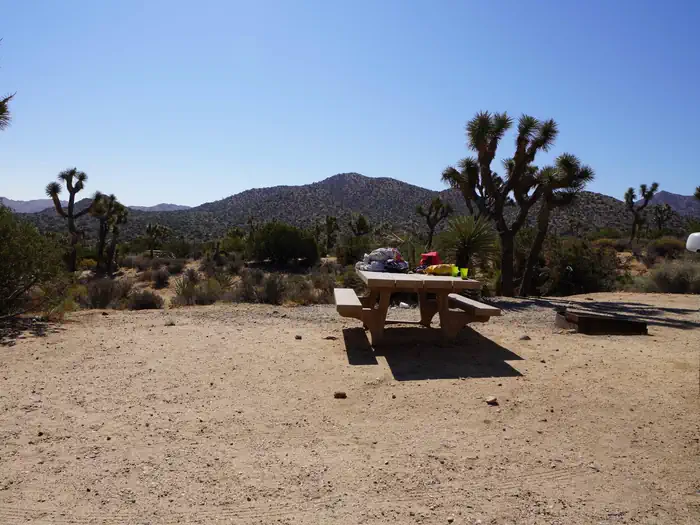
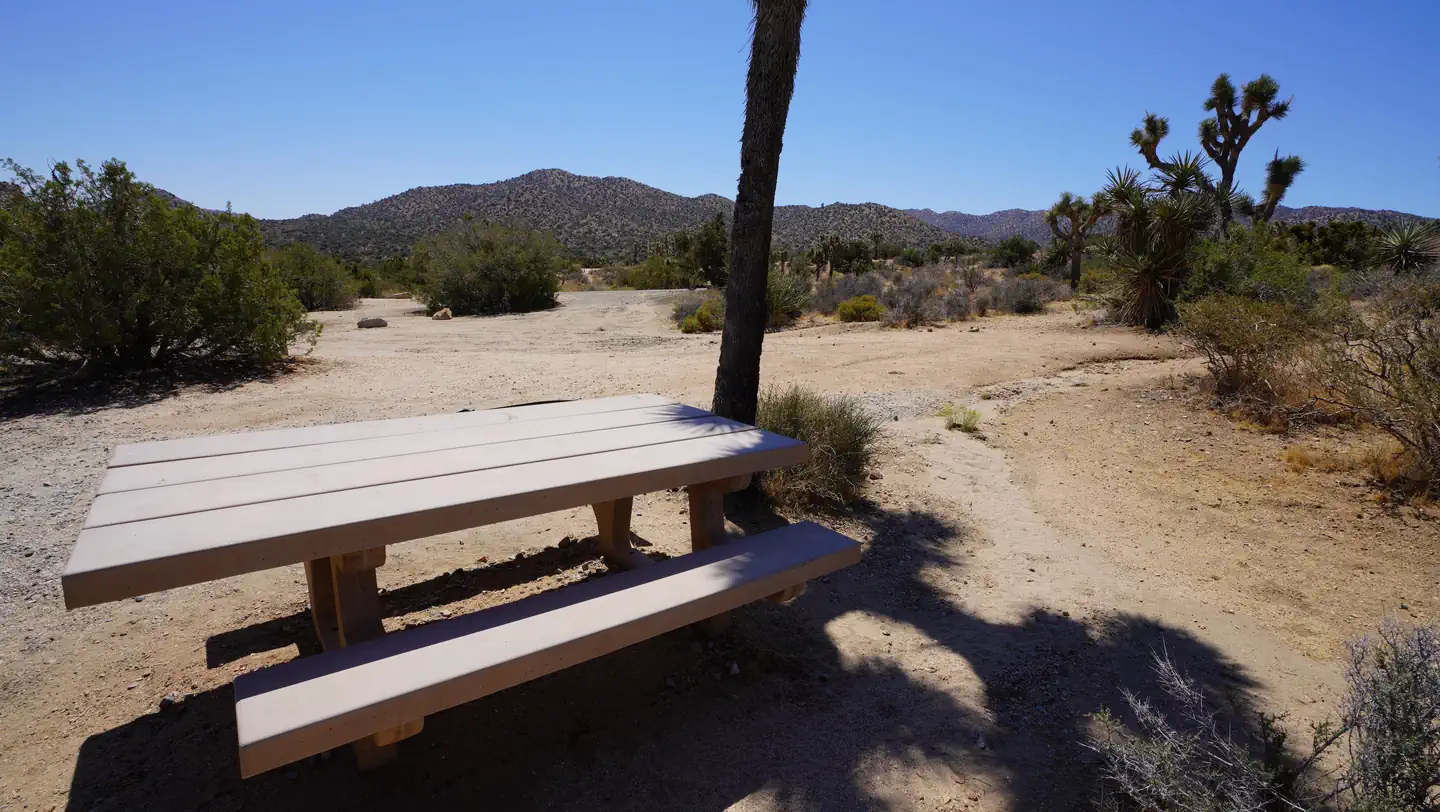
Picnic Table
RVs
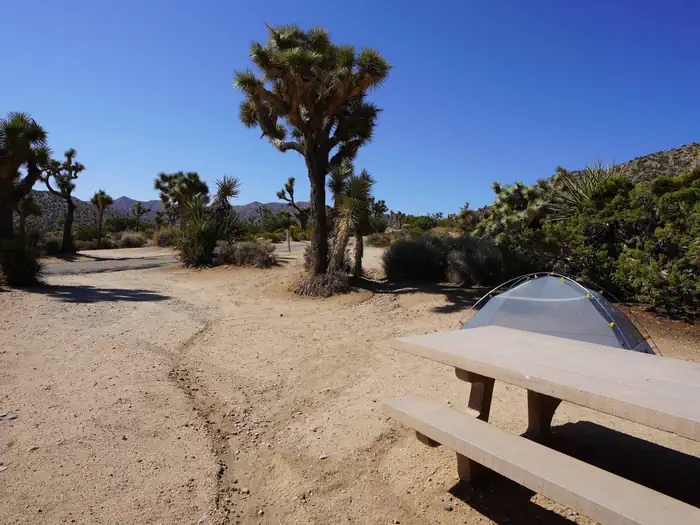
Tents
Accessible Sites
Flushing Toilets
Trash Collection
Dump Station
Activities
Hiking
Picnicking
Wildlife Viewing
Photography

Things to Do

Joshua Tree Geology Road Dirt Road Drive

Exploring Earth's Wonders

Featured: Black Rock, Cottonwood, Hidden Valley, Indian Cove, Jumbo Rocks, Ryan

The Geology Tour Road in Joshua Tree National Park offers a fascinating journey through diverse desert landscapes. Visitors can explore ancient rock formations, learn about geological processes, and enjoy scenic views of the rugged terrain. The Geology Tour Road in Joshua Tree National Park is a 18-mile-long dirt road that takes visitors on an unforgettable journey through the park's diverse and striking geological features. This self-guided tour provides a unique opportunity to explore some of the park's most fascinating landscapes, from rugged mountains to vast desert plains, all while learning about the geological history that has shaped this iconic region. Beginning at the paved Geology Tour Road junction, the route soon transitions to a well-maintained dirt road suitable for high-clearance vehicles. As you embark on this journey, you'll encounter 16 marked stops, each highlighting a different aspect of the park's geology. These stops provide insights into the processes that have formed the area's unique rock formations, including the forces of erosion, volcanic activity, and tectonic movements. One of the most captivating features along the Geology Tour Road is the view of the Pinto Basin, a vast and ancient landscape that offers a window into the region's distant past. The basin was once a lakebed, and its sediments have preserved a rich record of the climatic and environmental changes that have occurred over millions of years. This area is a stark contrast to the surrounding rocky outcrops and boulder-strewn hills, showcasing the incredible geological diversity within the park. Another highlight of the tour is the experience of driving through the Wonderland of Rocks, a labyrinth of massive granite monoliths and jumbled rock piles. This area is particularly popular among rock climbers and photographers, drawn to the dramatic scenery and the challenge of navigating the rugged terrain. The Geology Tour Road offers a glimpse into the powerful natural forces that have sculpted these formations, including the gradual erosion of the granite over time. The Geology Tour Road is more than just a scenic drive; it's an educational journey that brings the park's geological story to life. Whether you're a geology enthusiast or simply someone who appreciates the beauty of nature, this tour provides a deeper understanding of the dynamic processes that have shaped Joshua Tree National Park. Be sure to bring plenty of water, a map, and a sense of adventure as you explore this remarkable and rugged landscape.

Gold Rush Adventures

Exploring the Legendary Mines of Joshua Tree National Park

Featured: Black Rock, Cottonwood, Hidden Valley, Indian Cove, Jumbo Rocks, Ryan

Discover the Wild West's untamed spirit in our video on Joshua Tree's Lost Horse Mine, Desert Queen Mine, and Eagle Cliff Mine. Unearth captivating stories and stunning scenery. Watch now and step back in time! The Lost Horse Mine, located in Joshua Tree National Park, is one of the most well-preserved mining sites in the area. Established in the late 19th century, it was discovered by Johnny Lang in 1893. Lang stumbled upon the mine while tracking down a group of cattle rustlers and soon realized its potential for gold extraction. The mine quickly became one of the most productive in the region, yielding over 10,000 ounces of gold and 16,000 ounces of silver over its 20-year operational span. Today, visitors to Joshua Tree can hike to the Lost Horse Mine and see the remnants of the old machinery and the mine itself, offering a glimpse into the area's rich mining history. The Desert Queen Mine, also within Joshua Tree National Park, has a history intertwined with the colorful characters of the Old West. Founded by Bill Keys in the early 20th century, the mine was notable not just for its production but also for the stories of the people who worked there. Bill Keys himself was a legendary figure, known for his various enterprises and his involvement in local disputes. The mine produced significant amounts of gold and silver before eventually being abandoned. Today, the Desert Queen Mine stands as a testament to the rugged and often tumultuous life of miners in the harsh desert environment. Eagle Cliff Mine, though less famous than the Lost Horse and Desert Queen Mines, holds its own unique place in Joshua Tree’s mining history. Nestled in the rocky outcrops of the park, the mine is less accessible, which adds to its mystique. It was primarily a small-scale operation compared to its more prolific neighbors, but it still played a role in the area's mining activities. The site features a well-preserved cabin and other structures that give visitors a sense of the isolation and hard work experienced by the miners who once toiled there. Hiking to Eagle Cliff Mine offers a more secluded experience, providing an intimate look at the life of early 20th-century desert miners.

Two Deserts, One Park.

Exploring Joshua Tree National Park

Featured: Black Rock, Cottonwood, Hidden Valley, Indian Cove, Jumbo Rocks, Ryan

After seeing what makes Joshua Tree special, it was time to take a tour around the park to visit some popular sites such as Split Rock, Arch Rock, Skull Rock, and the Cholla Garden, as well as some other sites like the Hall of Horrors and a quick stop at the Jumbo Rocks Campground. Joshua Tree National Park has almost 800,000 acres of trails, rocks, trees, and campgrounds to explore. With so much land to explore it can be overwhelming to know where to go, where to hike, or what to see. Below are four centrally located quick stops that a perfect for those exploring Joshua Tree for the first time. Near the eastern end of Park Blvd is Skull Rock. This curious formation resembles its namesake - a skull! Water eroded the granite until several hollowed-out sections formed what appears to be where eyes and a nose would be. This location is one of the more popular stops in the park and is often seen in photographs due to its recognizable nature. Parking can be hard to come by depending on the time, however, there is overflow parking further along the road. The rock itself is a short distance from the road and easy to find. Also located on Park Blvd, just east of Skull Rock is Split Rock. This interesting rock is deceiving when arriving unless you explore a bit. Once you see it, it becomes clear why this area received its name. Curiously this giant boulder still stands defying gravity. To reach Split Rock, turn north off Park Blvd onto Split Rock Rd (across from the Live Oak Picnic Area) until you reach the end. Park and walk towards the picnic table looking back westward until the split is seen. A longer Split Rock Loop Trail is available for those wishing to get closer to similar-sized boulders. Located off Pinto Basin Road south of Park Blvd near the White Tank Campground is Arch Rock. This natural arch is located among numerous rocks and boulders that one can climb on and around (or under in the case of the arch). To find Arch Rock, park at the Twin Tanks parking area and cross the street to find the trailhead. From there, it is a 0.6-mile out and back trail to a short 0.2-mile loop where the arch is located. The trail is easy enough for families to get out, stretch their legs, and enjoy together. Centrally located on the park property on Pinto Basin Road, the Cholla Cactus Garden resides in the lower Colorado Desert portion of the park. Here visitors will see thousands of cholla cactus plants rather than the Joshua tree that the park is named for. The 0.25-mile loop trail is an easy and flat 15-30 minute hike through numerous naturally growing cholla cacti. Sunrise and sunset are especially fantastic times to view the cacti as the sunlight hitting the needles makes for a beautifully glowing plant. Care should be taken when walking around the plants as the needles will stick to most anything. They don’t call them jumping cactus for no reason!

Offroad Joshua Tree

A Drive Down the Old Dale Road

Featured: Black Rock, Cottonwood, Hidden Valley, Indian Cove, Jumbo Rocks, Ryan

Old Dale Road in Joshua Tree offers a rugged, off-the-beaten-path experience through the desert. This historic route showcases stunning vistas, unique rock formations, and a glimpse into the area's mining past, perfect for adventurous travelers. Old Dale Road in Joshua Tree is a captivating route that promises a rugged and authentic desert adventure. This historic road, stretching through the vast and arid landscape of Joshua Tree National Park, offers more than just a drive—it’s a journey through time. As you navigate its uneven terrain, you’ll encounter stunning vistas, unique rock formations, and remnants of the area's rich mining history. The road is known for its challenging conditions, making it a favorite among off-road enthusiasts and those seeking a true backcountry experience. Travelers on Old Dale Road can expect to see the natural beauty that defines Joshua Tree. The landscape is dotted with diverse desert flora, and the occasional wildlife sighting. Amidst the natural wonders, you'll also find historical mining sites that tell tales of a bygone era when prospectors scoured the region for precious minerals. These sites offer a glimpse into the past and add an element of historical intrigue to your journey. Whether you’re an avid off-roader, a history buff, or simply someone looking to escape the beaten path, Old Dale Road offers an unforgettable desert adventure.

How to Find (and Not Find) the Hall of Horrors

A Hidden Joshua Tree Easter Egg

Featured: Black Rock, Cottonwood, Hidden Valley, Indian Cove, Jumbo Rocks, Ryan

Looking at the map of Joshua Tree National Park, one might spot something called the Hall of Horrors. We're going to show why you should take the time to find this amazing hidden mystery and how to find it! Hidden within a cluster of rocks and marked on maps of Joshua Tree National Park only as the Hall of Horrors is a hidden mystery with not much explanation. If you've noticed this site dotted on a map before and wondered if there's more than just those cluster of rocks, then we're here to tell you... YES! Reading descriptions of how to find this hidden place is one thing, but sometimes seeing is better. Follow our video for how to find this place (and how NOT to).

Following the Footsteps of Gram Parsons

Joshua Tree Edition

Featured: Black Rock, Cottonwood, Hidden Valley, Indian Cove, Jumbo Rocks, Ryan

Many musicians, including Gram Parsons, sought refuge and relaxation in Joshua Tree National Park. Today we set off for the first time to explore the park and see what made this incredible area so special to many. We start off our exploration with checking into the Joshua Tree Inn's Room 8 - the site of Gram Parson's untimely death. It is said that many musicians, actors, and Hollywood celebrities found peace out at Joshua Tree and in the Joshua Tree Inn in particular. Notable celebrities include Gram Parsons, Keith Richards, Emmylou Harris, John Barrymore, Donovan and John Wayne. The property is lovingly maintained and a real piece of history from a time long gone. After cleaning up and getting settled in, we head out to Cap Rock at sunset. It is here that Gram Parsons' body was attempted to be cremated by his friends as per his wishes. It's a strange and fascinating tale that others have explored at great lengths. Feel free to check out some other videos (liked below) to hear more about that. Regardless of the grisly details, Cap Rock is an iconic group of large rock boulders in Joshua Tree National Park. And at sunset it is spectacular to see lit by with the day's last golden rays of sun along with all the giant Joshua Trees. We wouldn't be the Cactus Atlas without a little hiking, so from Cap Rock we went to hike the Barker Dam Trail. This dam, also known as Big Horn Dam, was constructed in the early 1900s by settlers and cattlemen in the area to provide water for animals. It is not uncommon to see Bighorn Sheep in the area these days, unfortunately, on our visit we only encountered numerous bats beginning their nightly feast of insects. To conclude our exploration, we set up back at Cap Rock to experiment with some night sky photography - something very new to us! It was our first attempt but we hope you like some of what we captured. So hopefully you enjoy our initial exploration of Joshua Tree and see what makes it so special as many others have. We certainly did!

Campground Overview

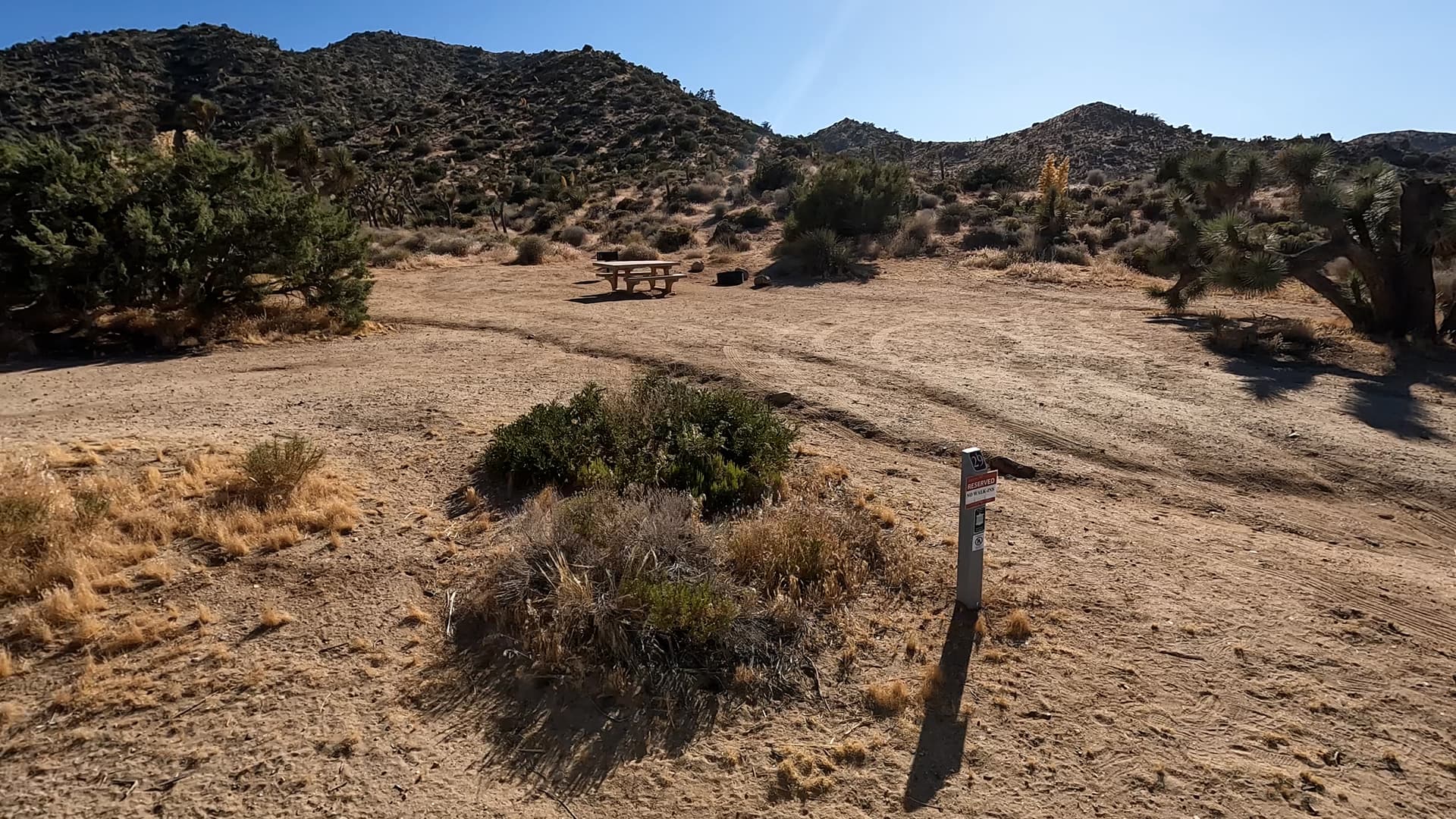
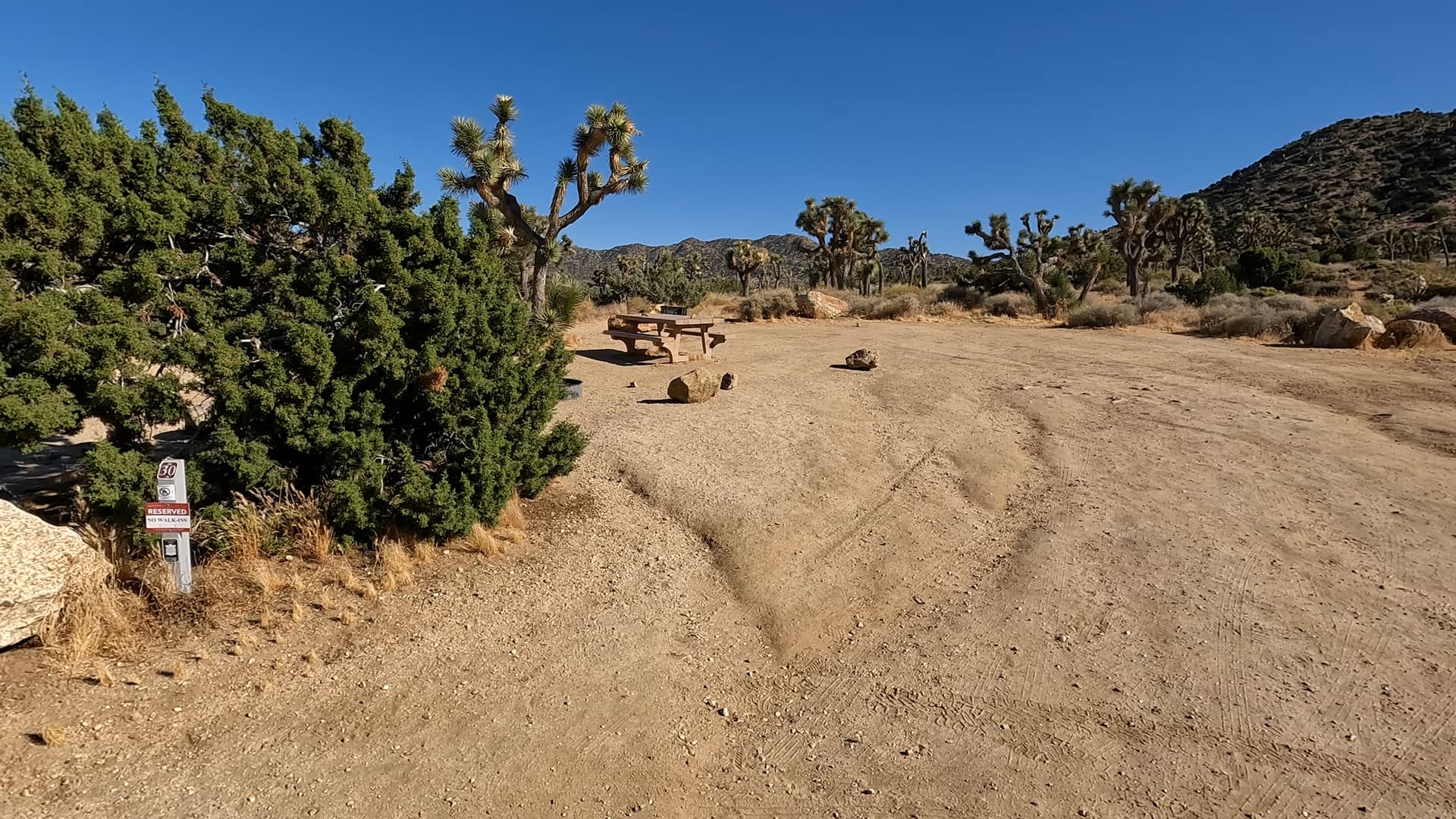
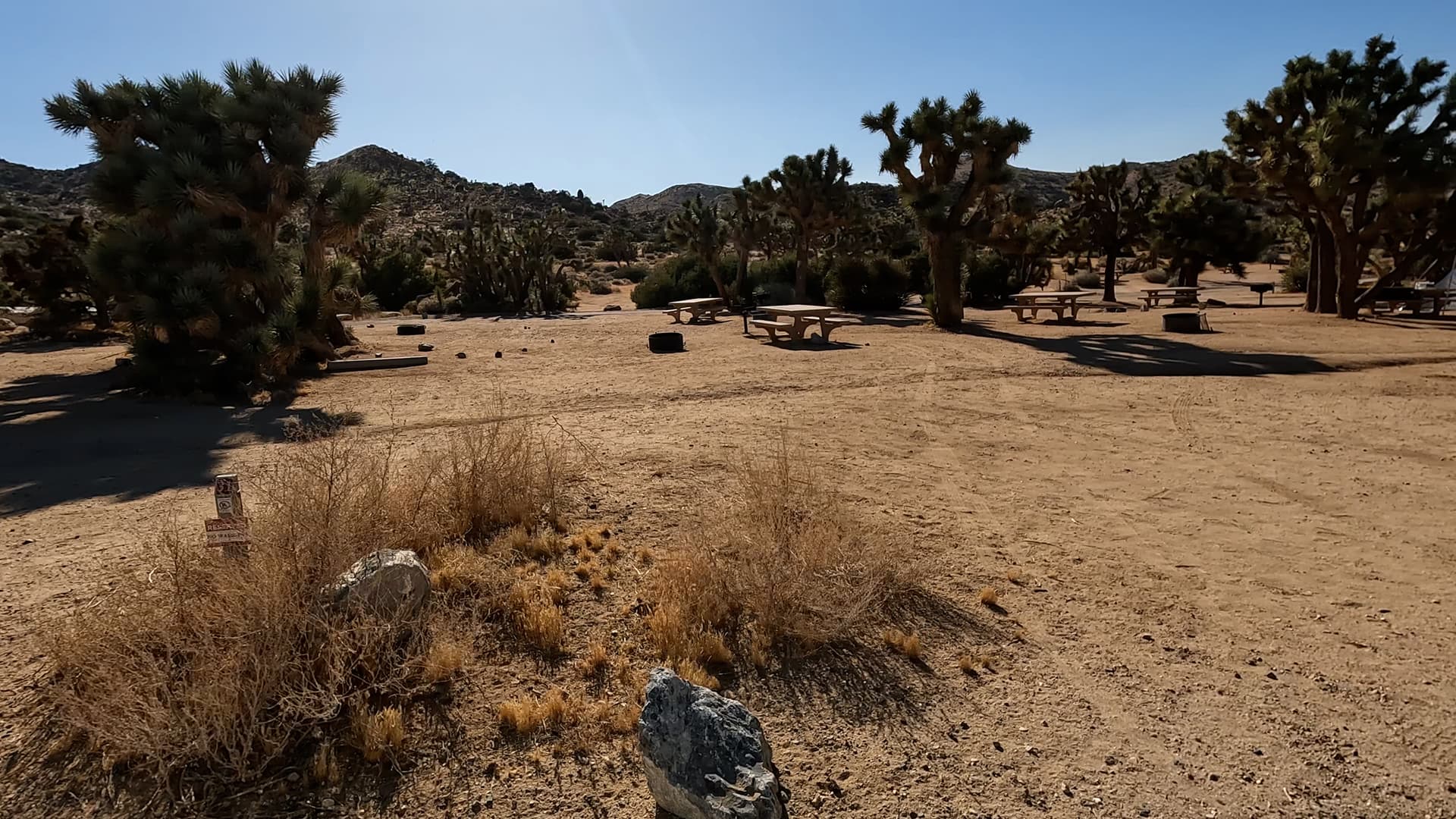
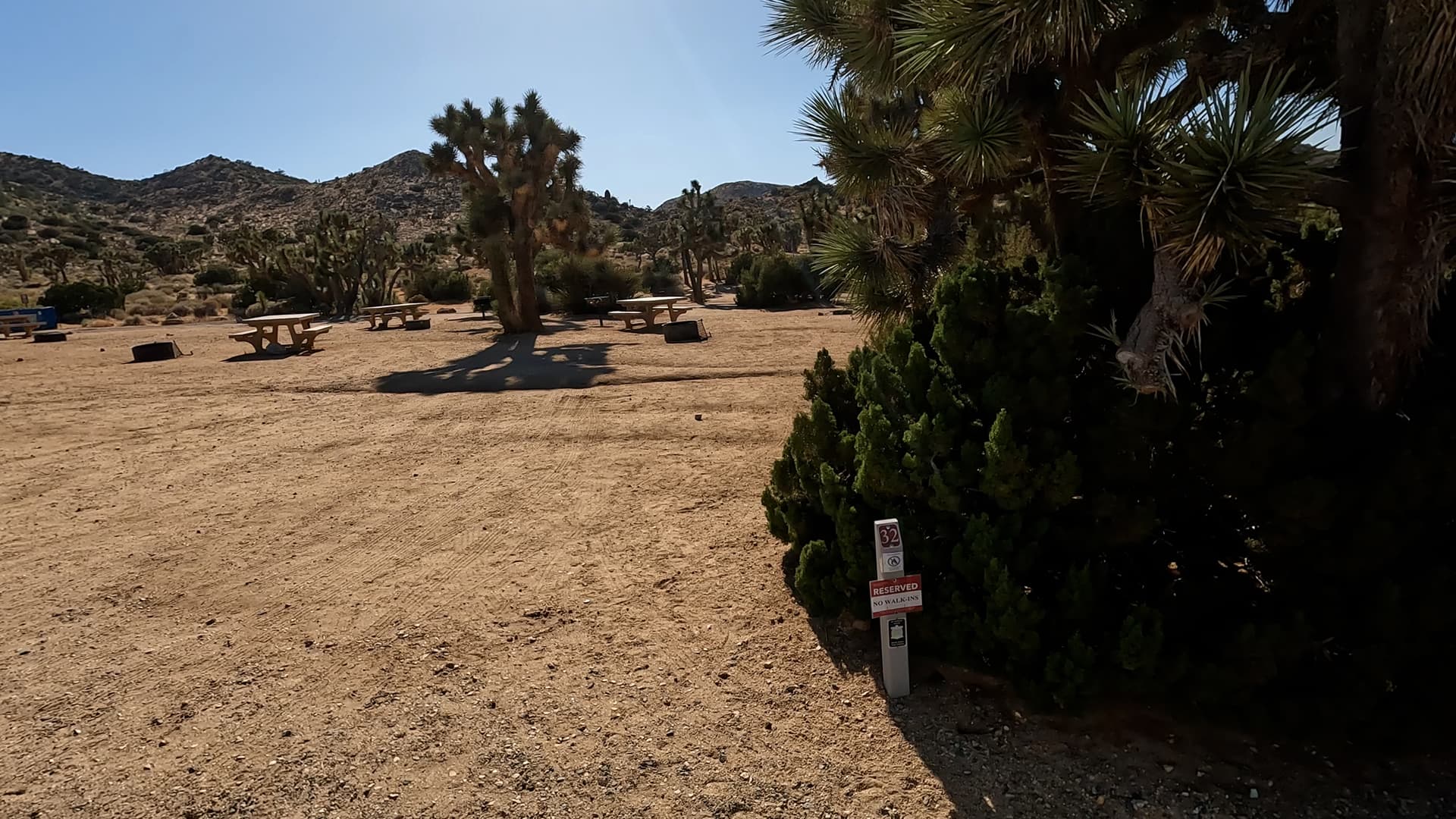
Black Rock Campground – Joshua Tree National Park, California

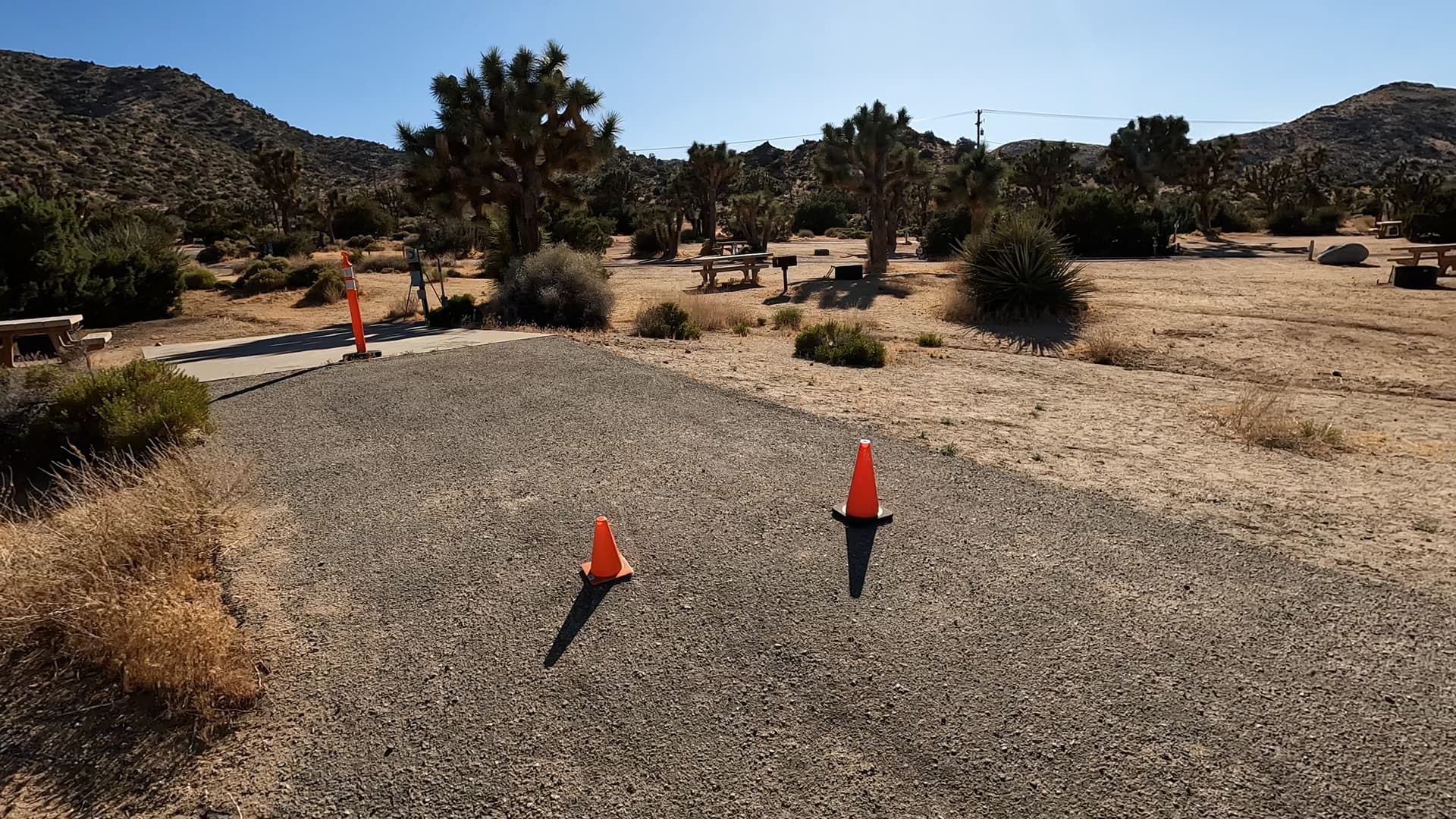
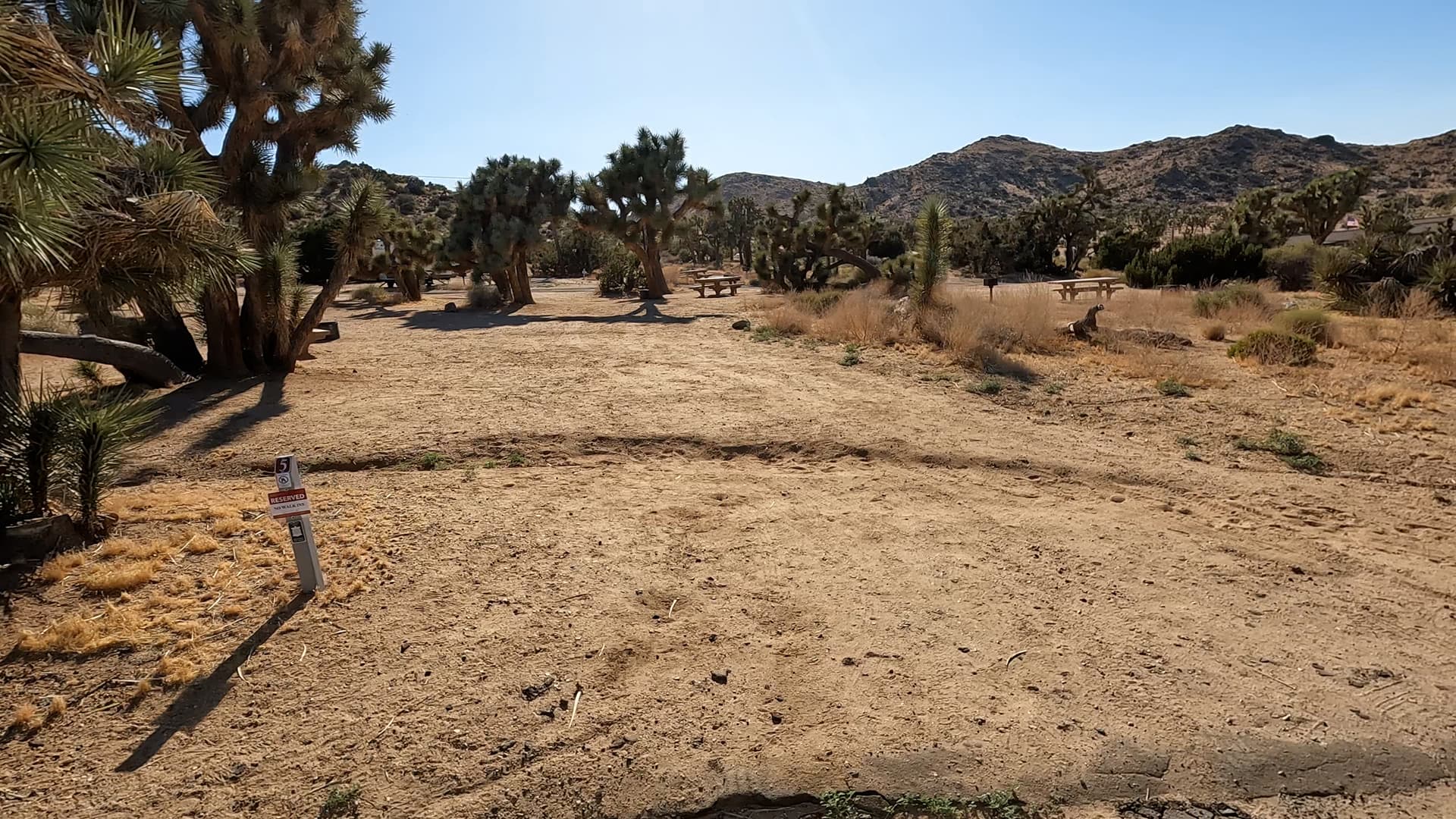
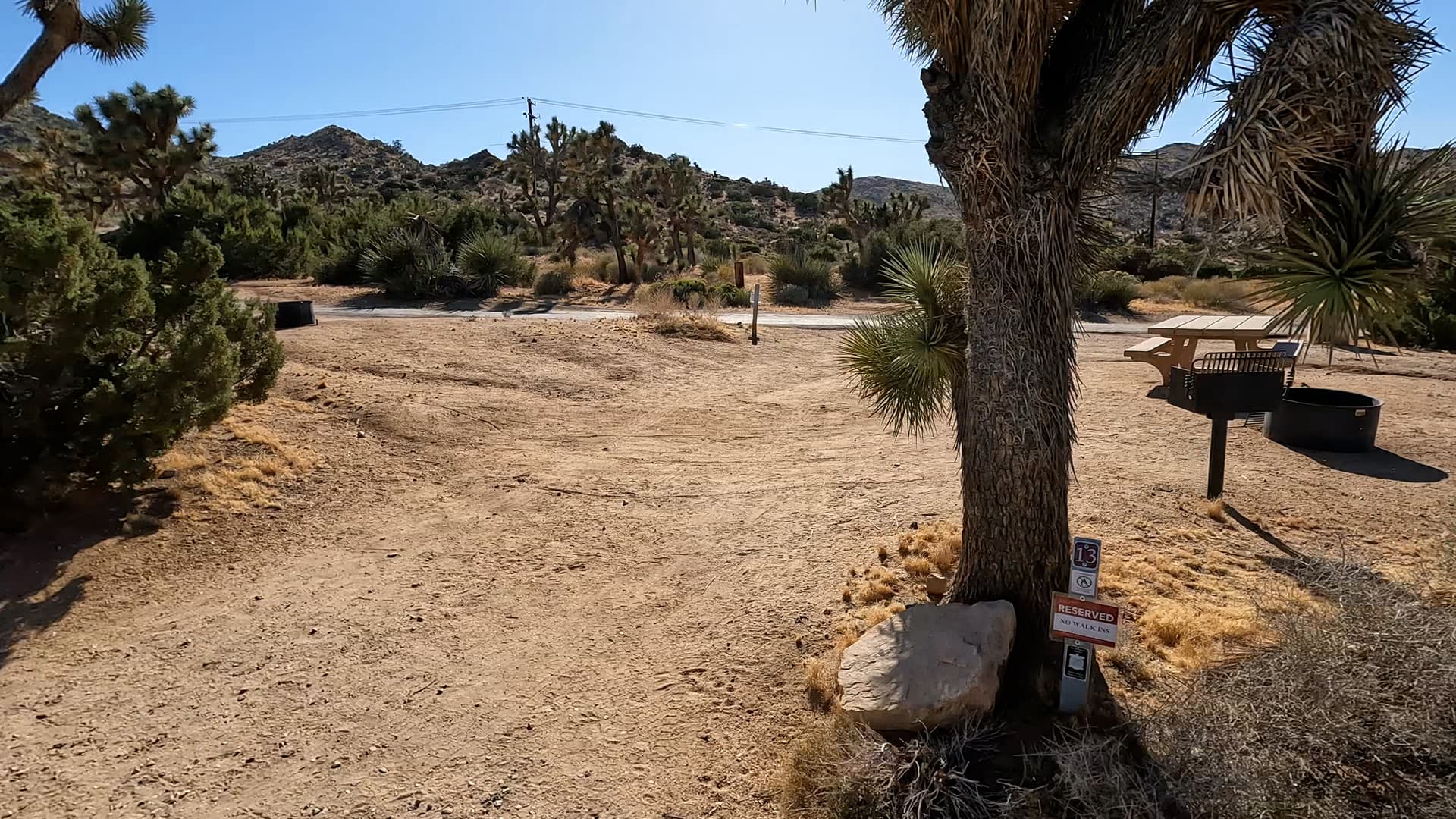
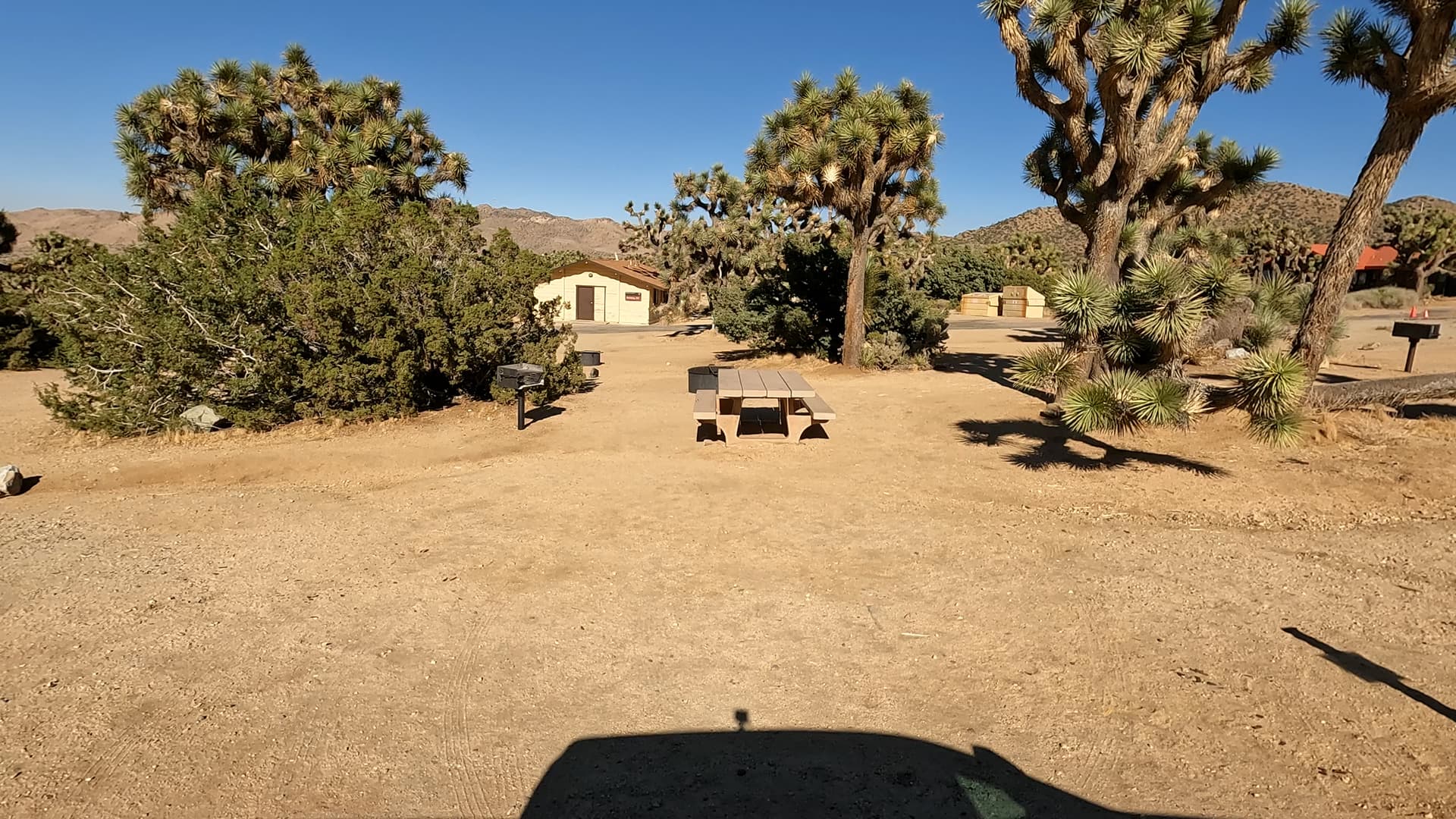
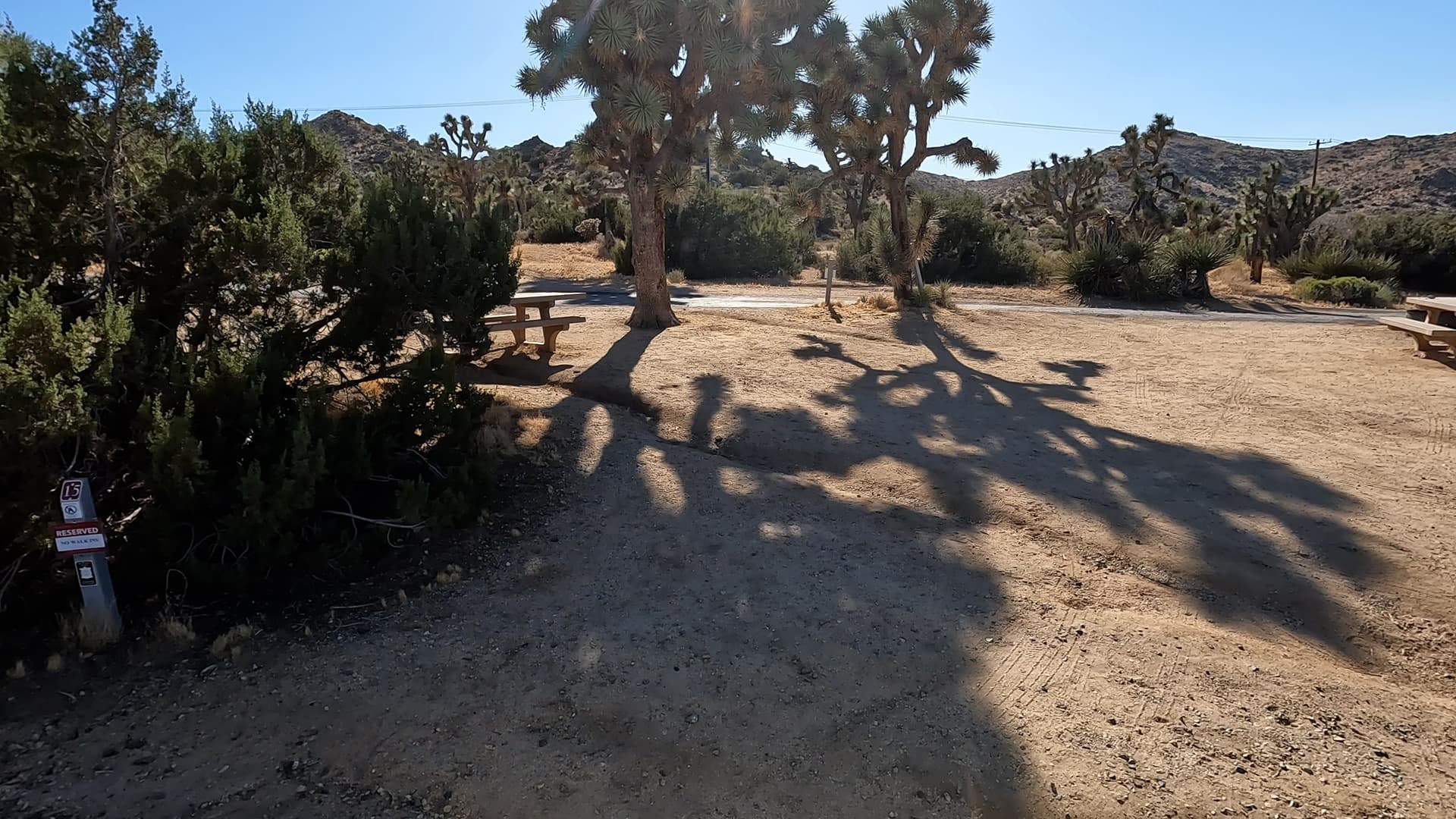
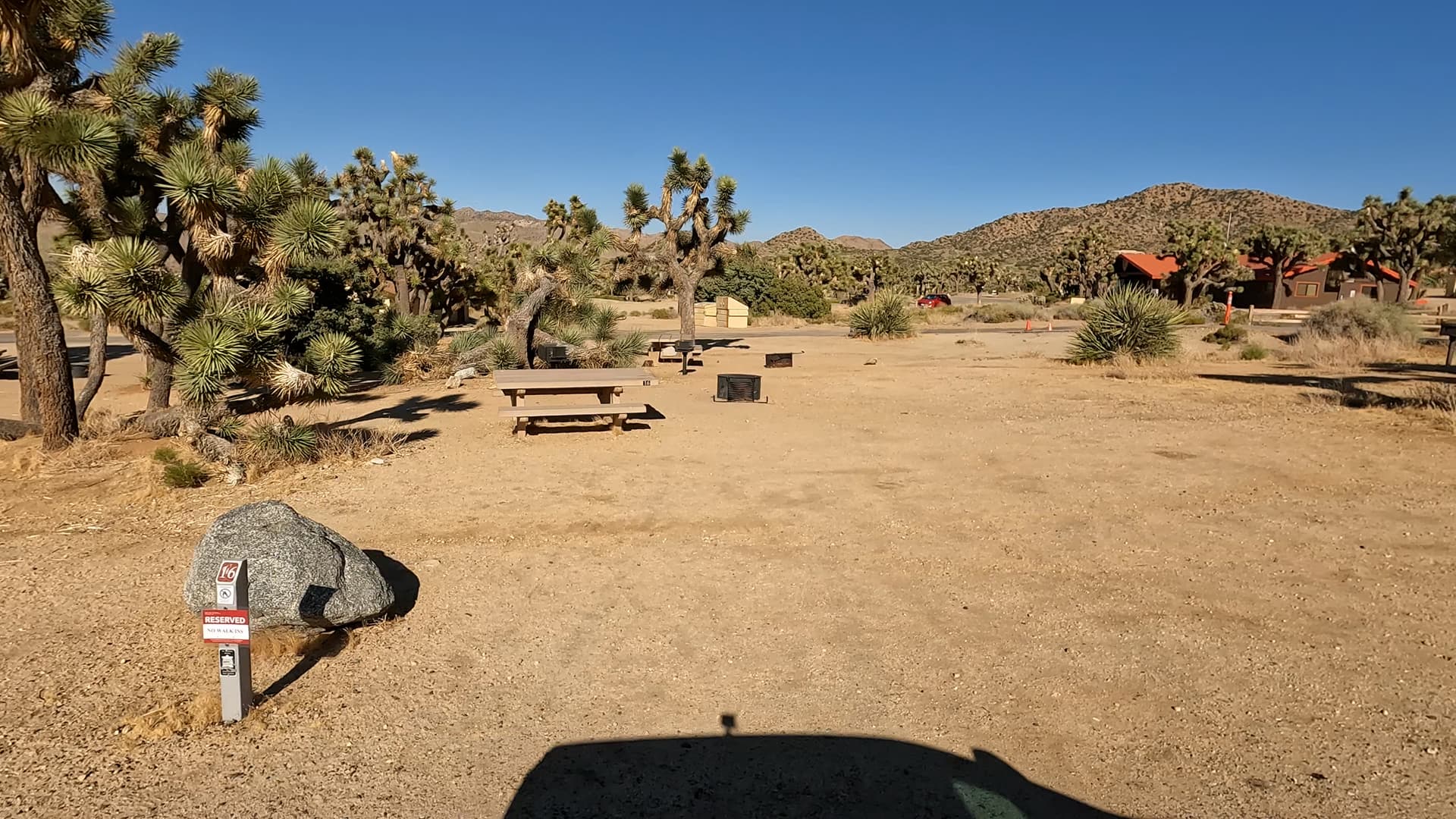
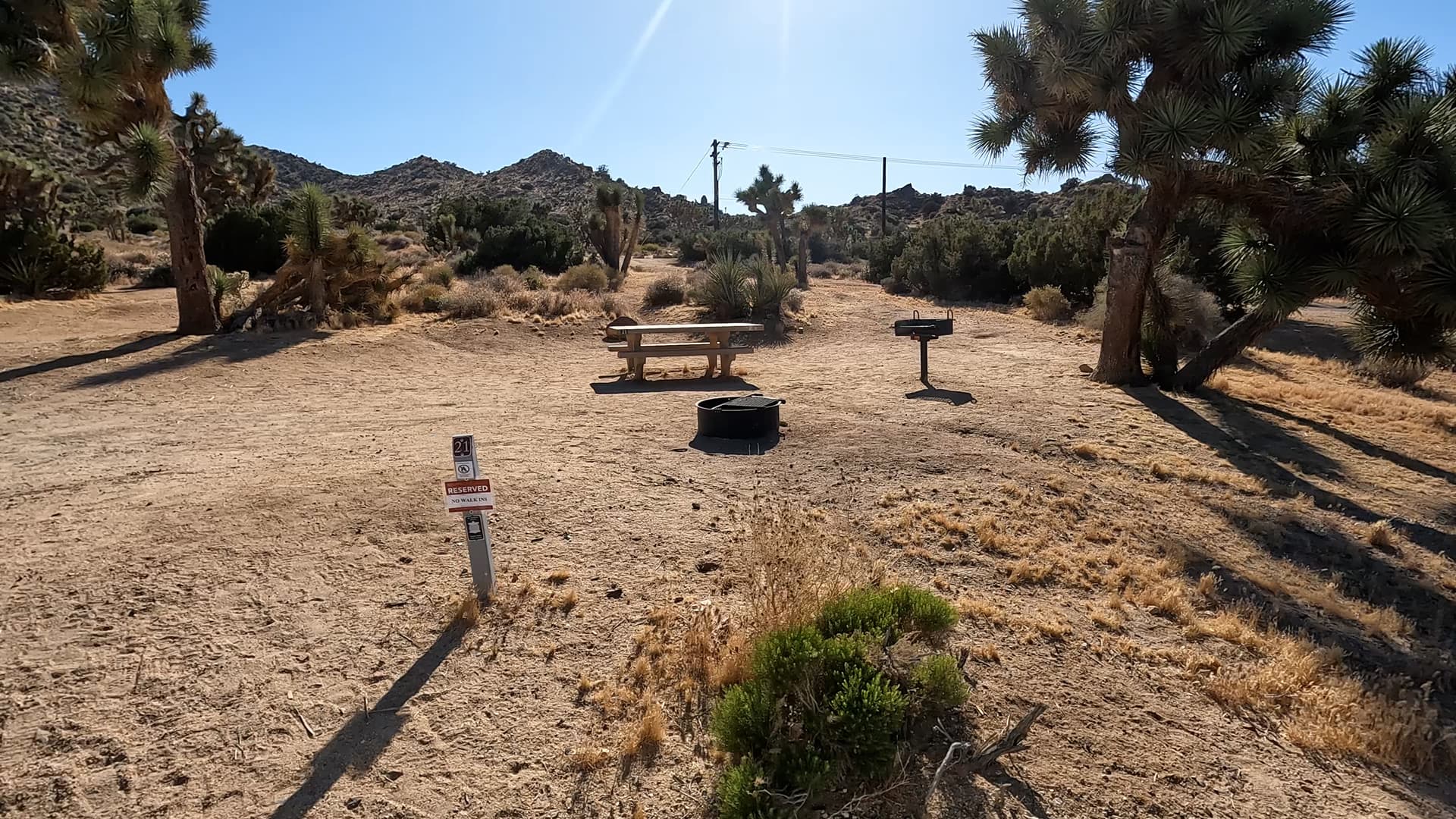
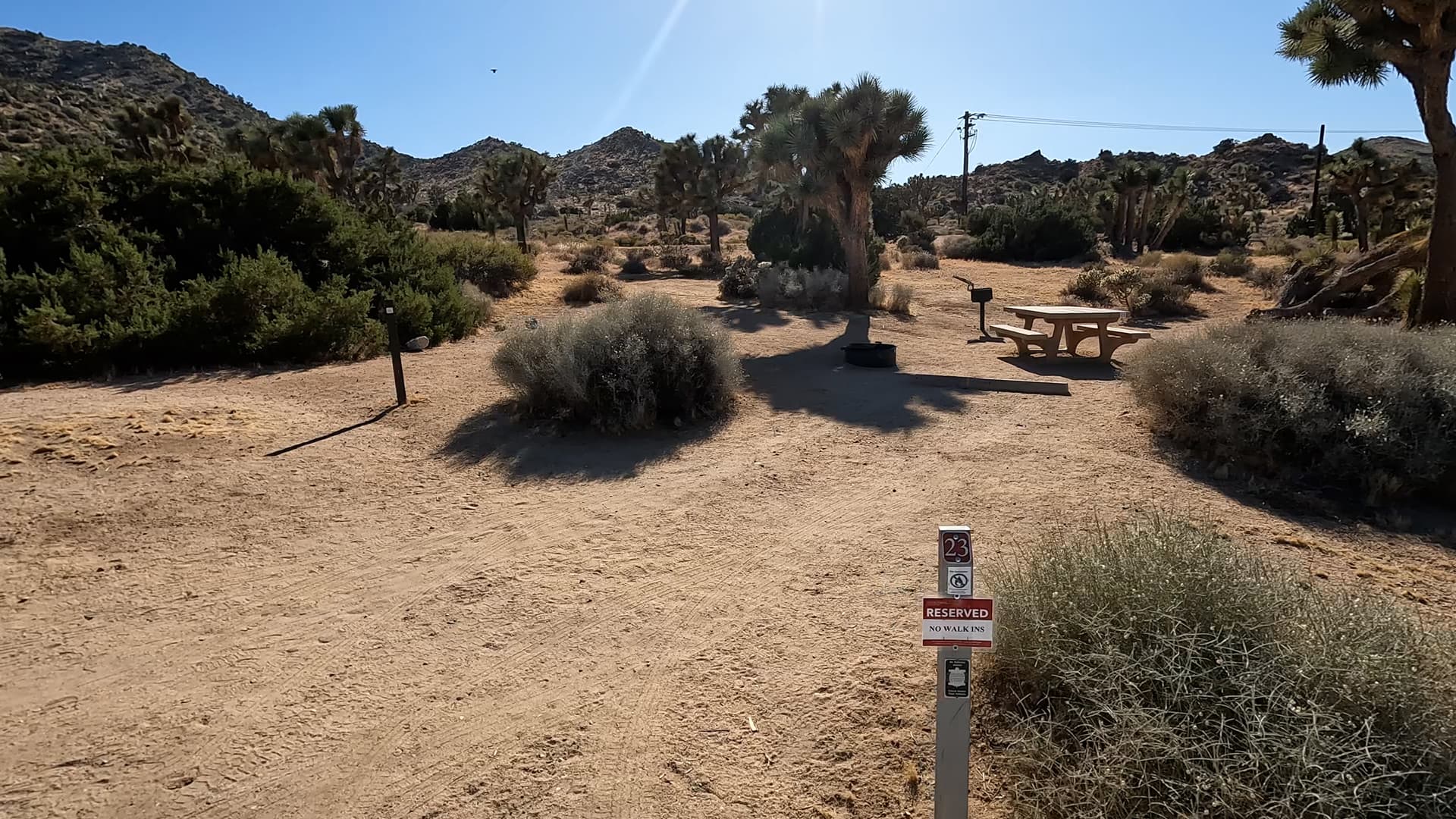
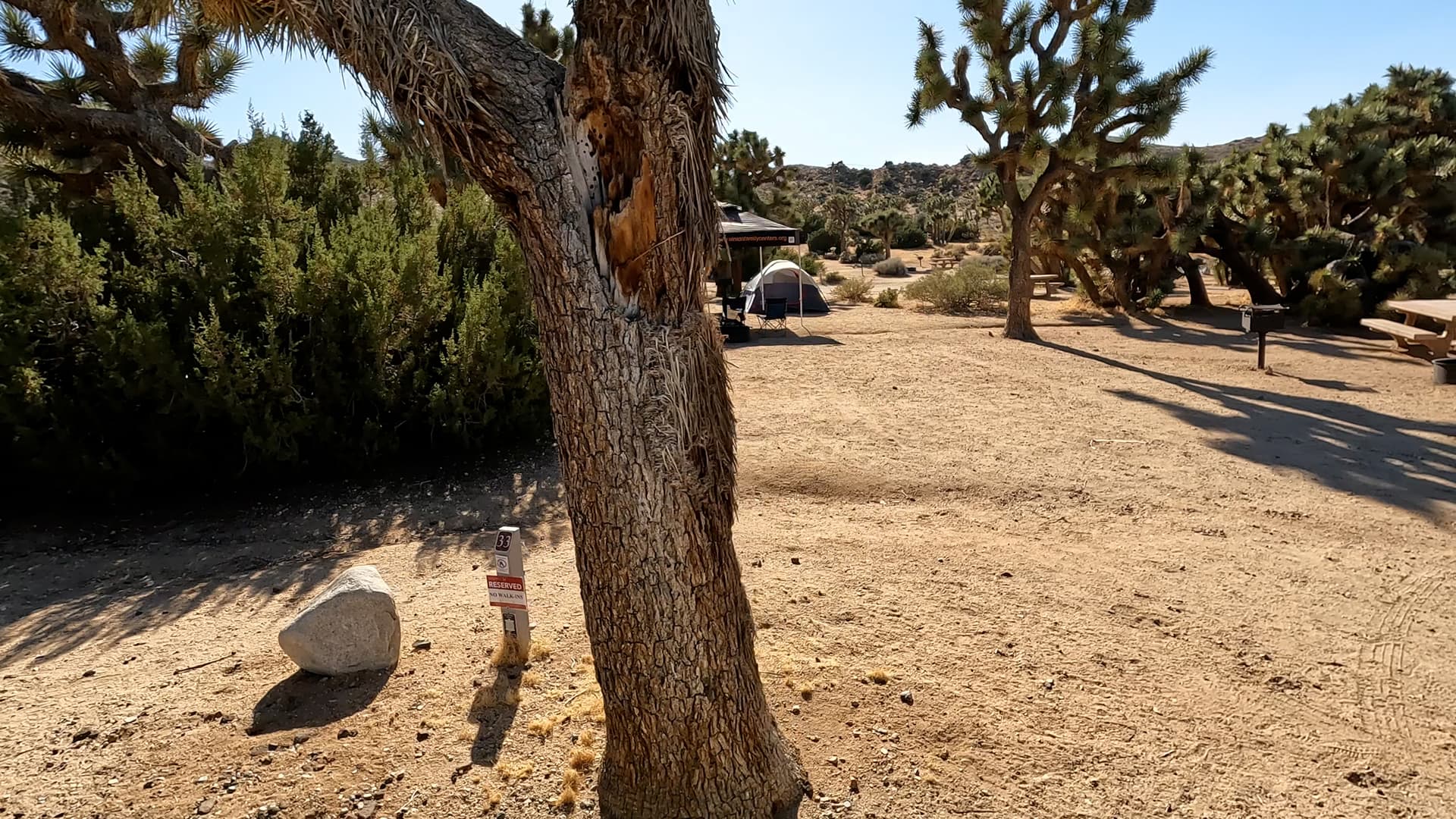
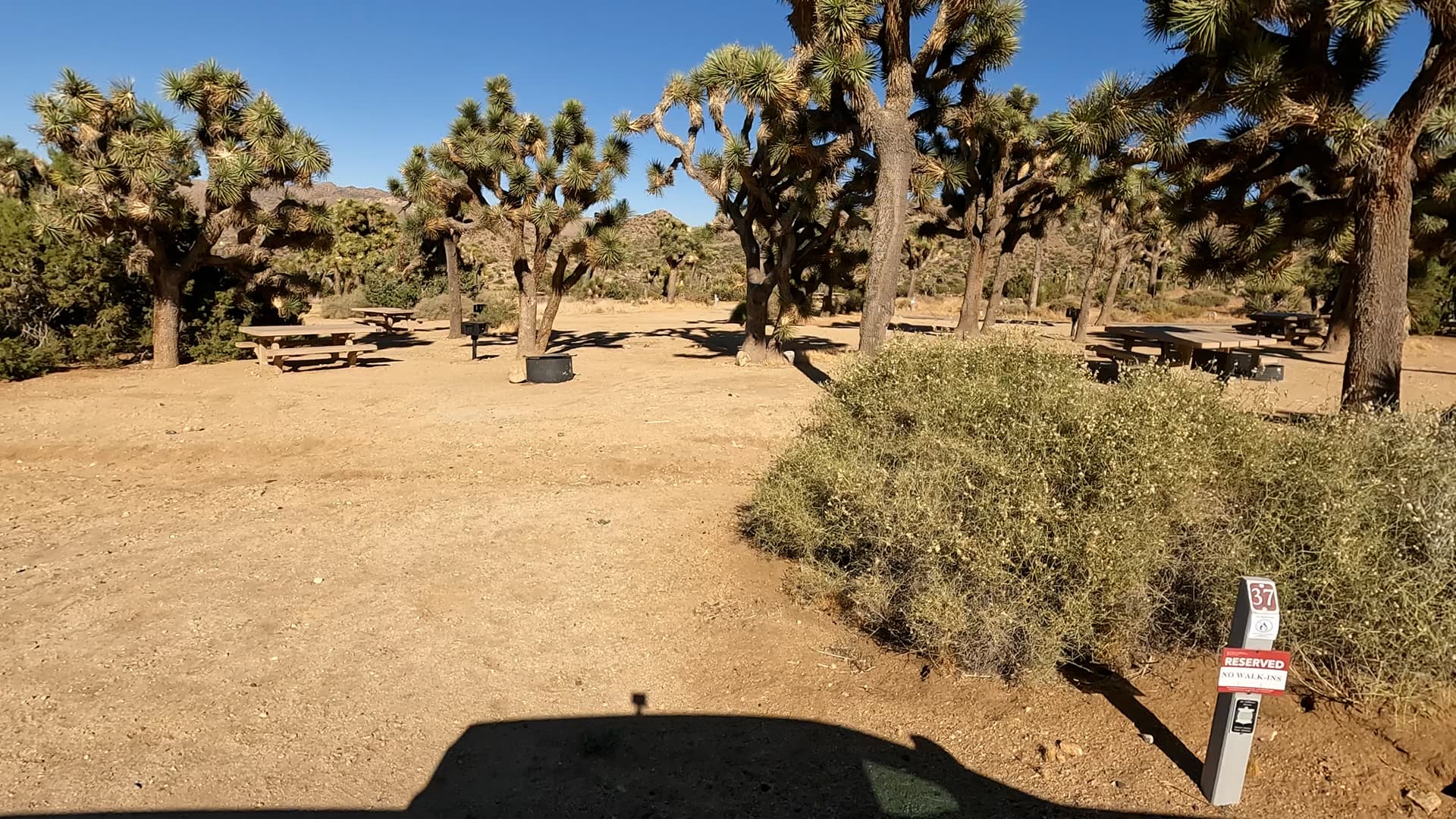
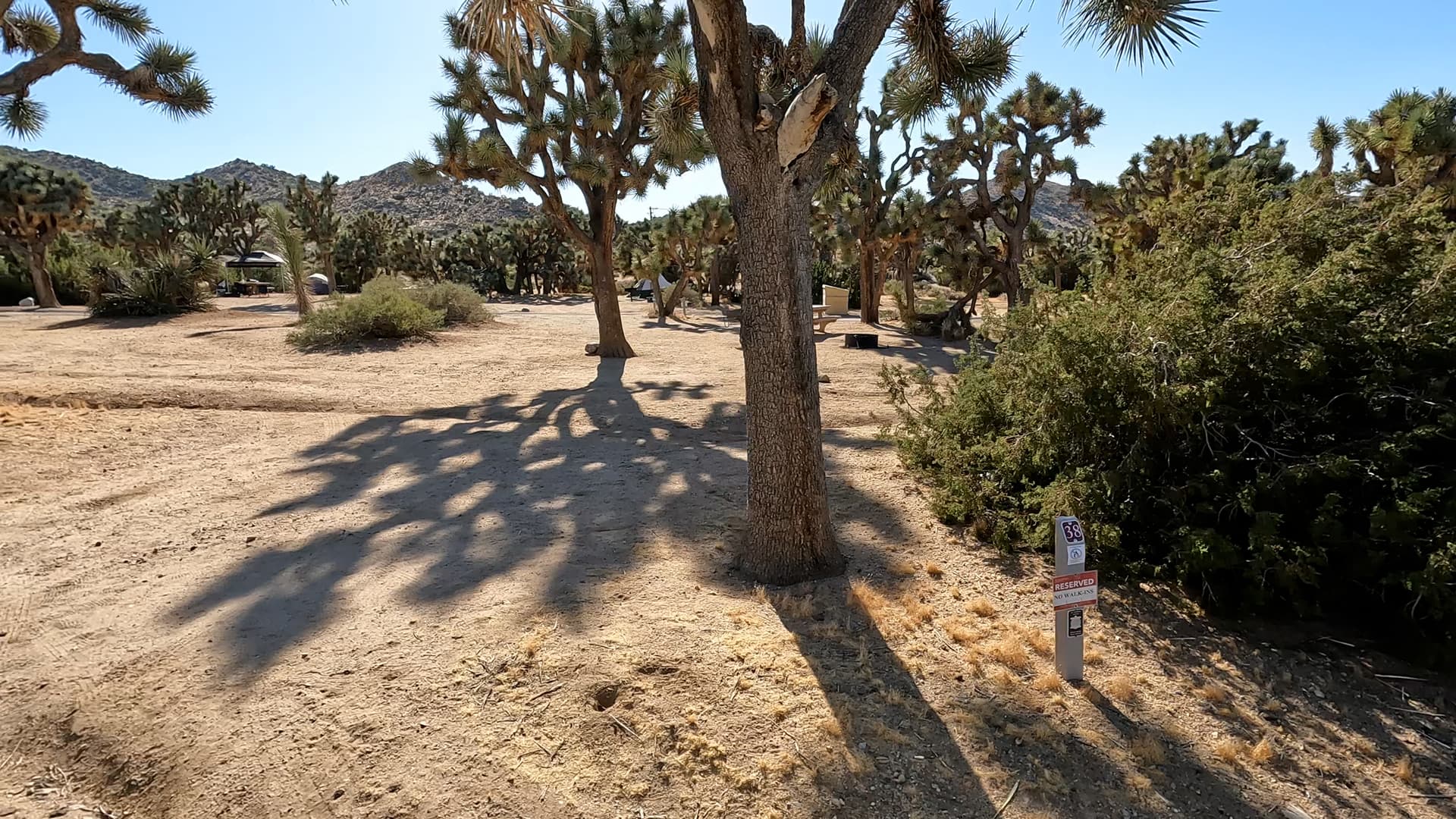
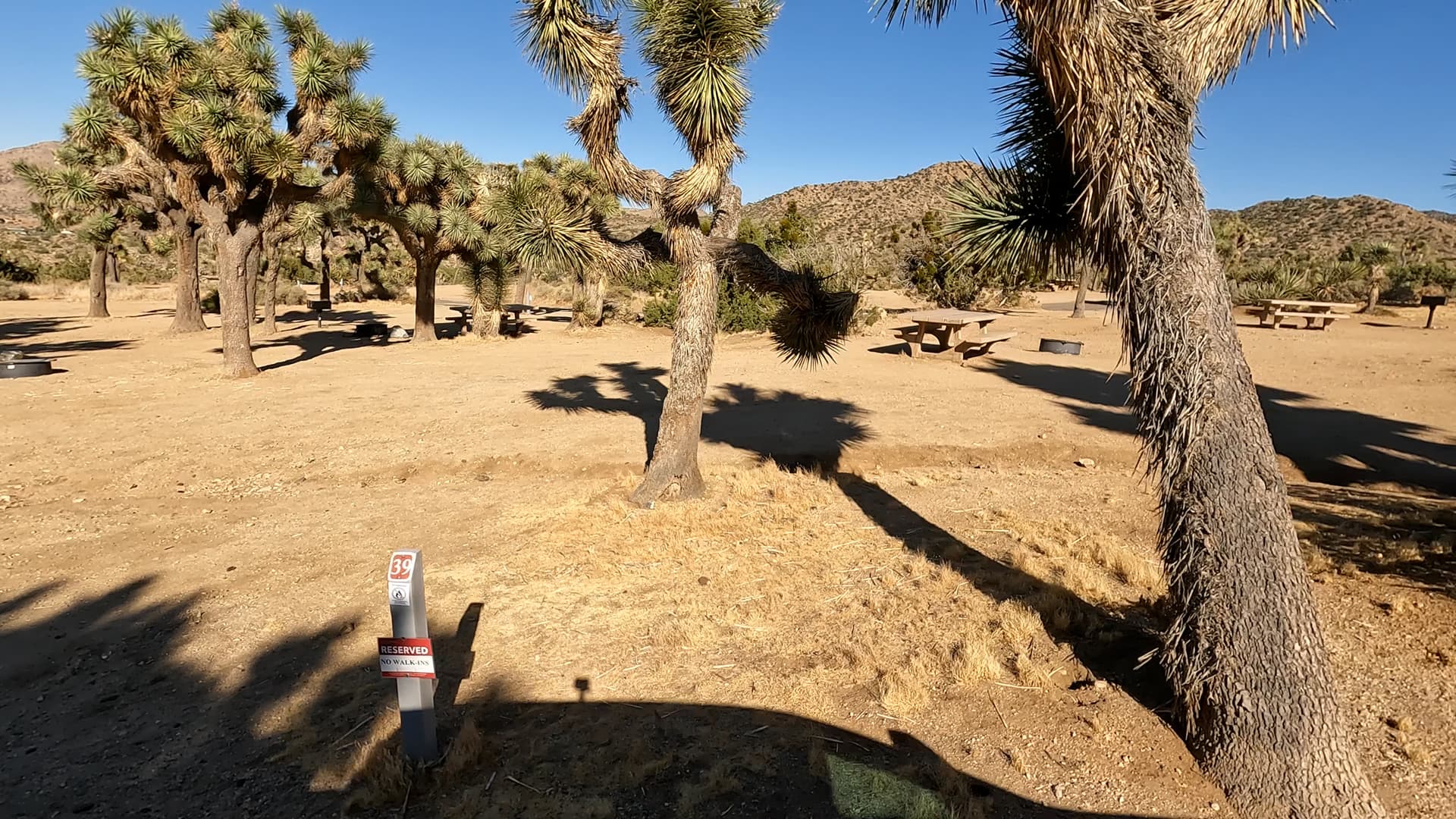
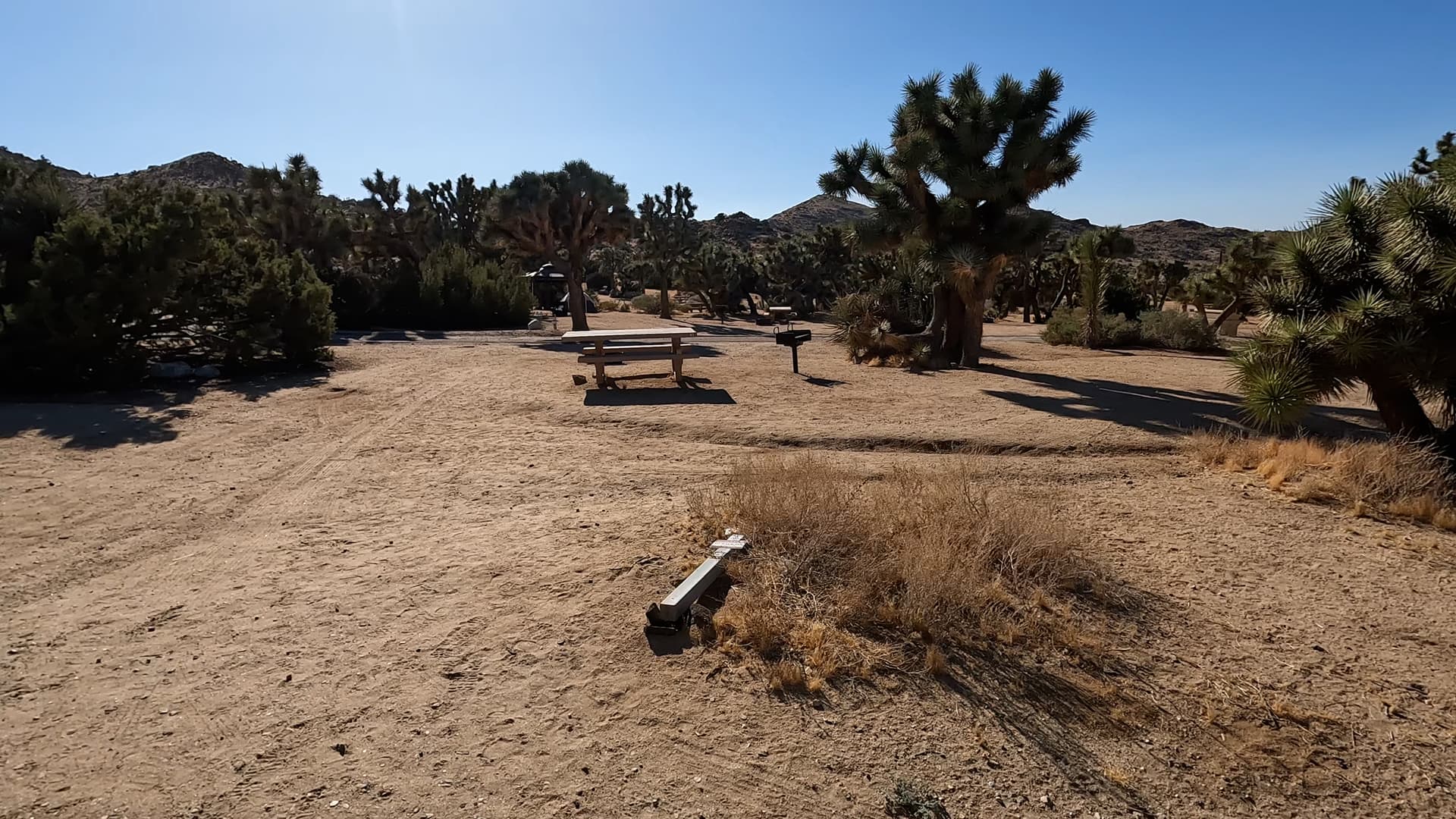
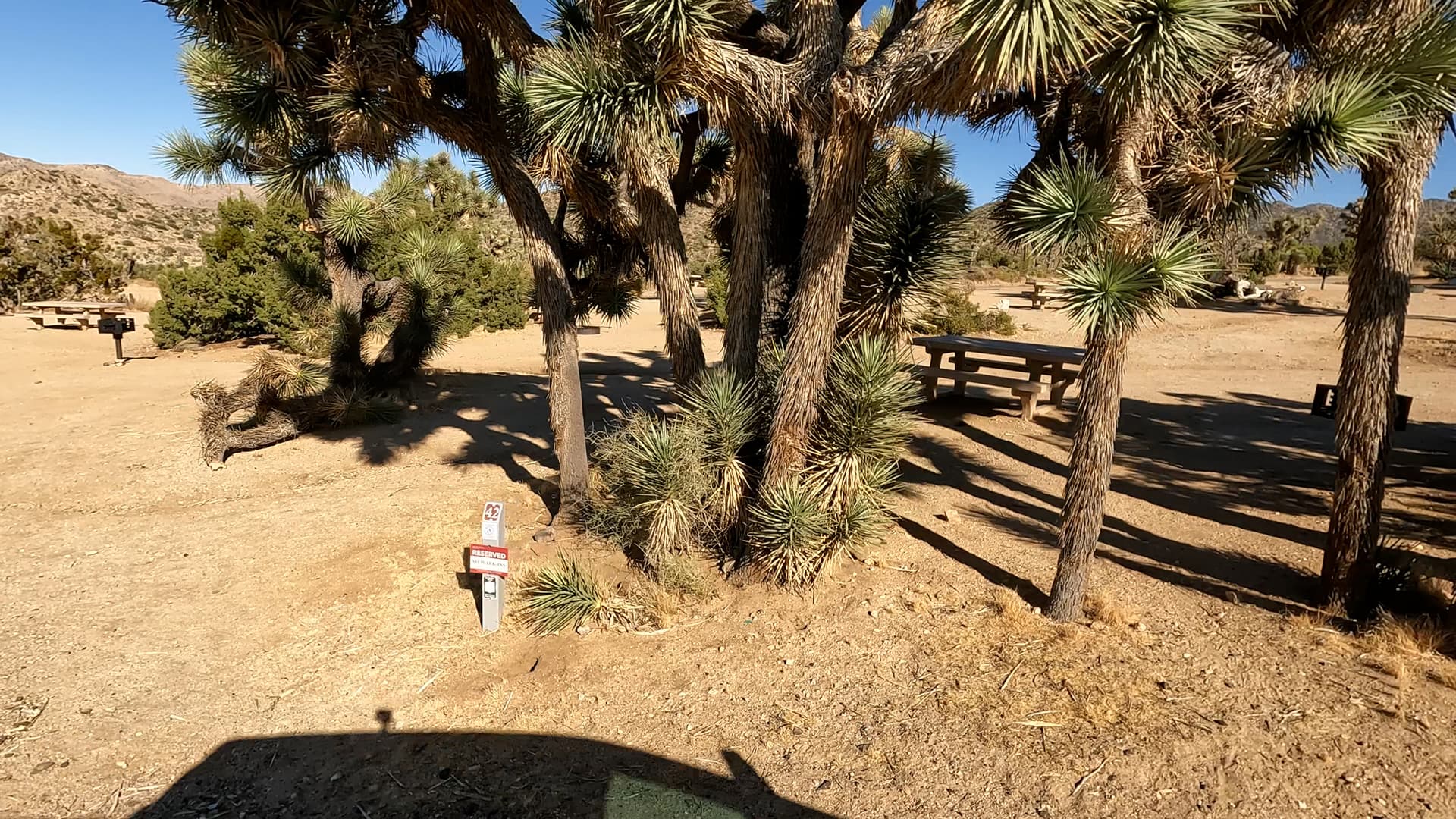
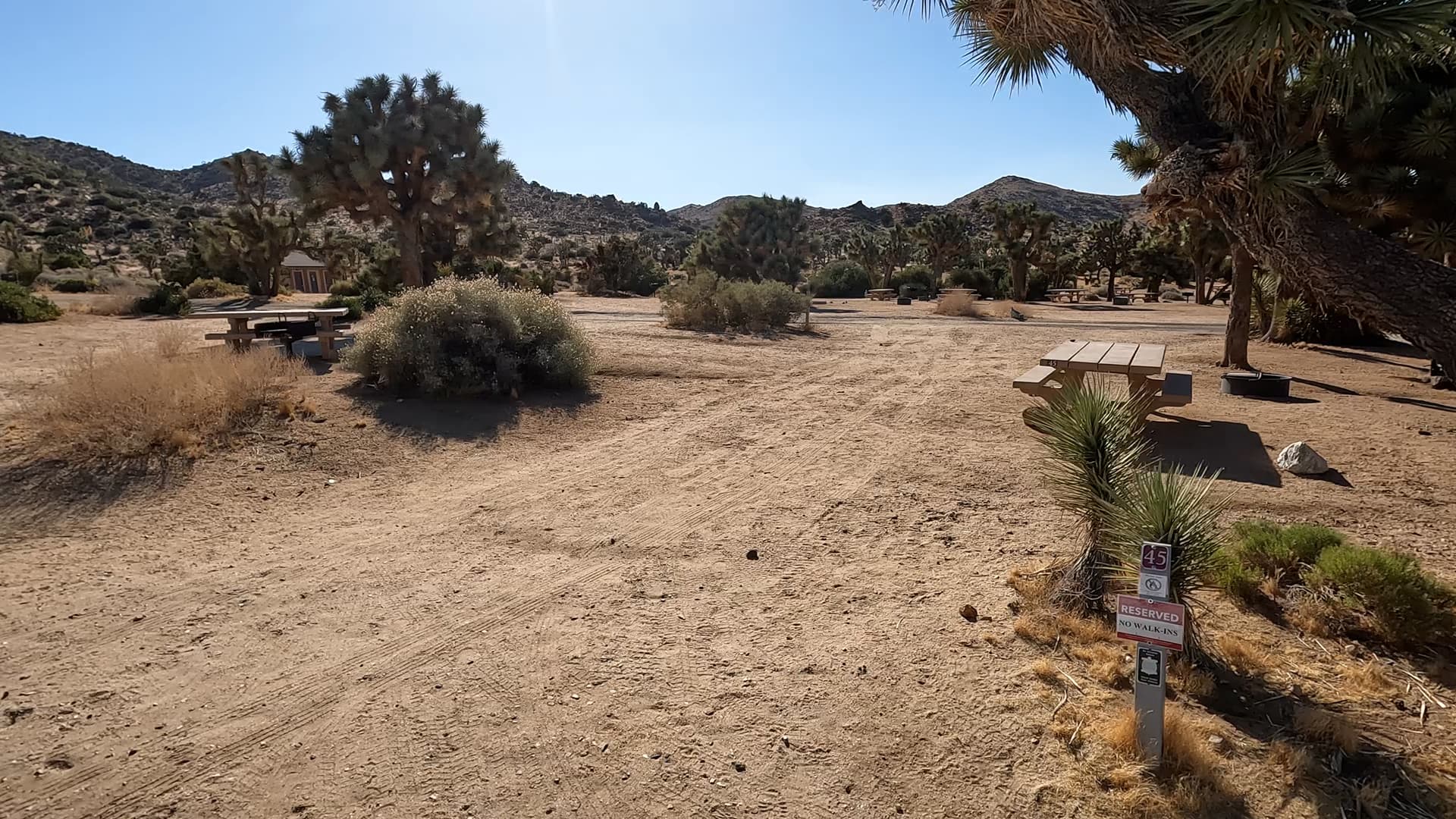
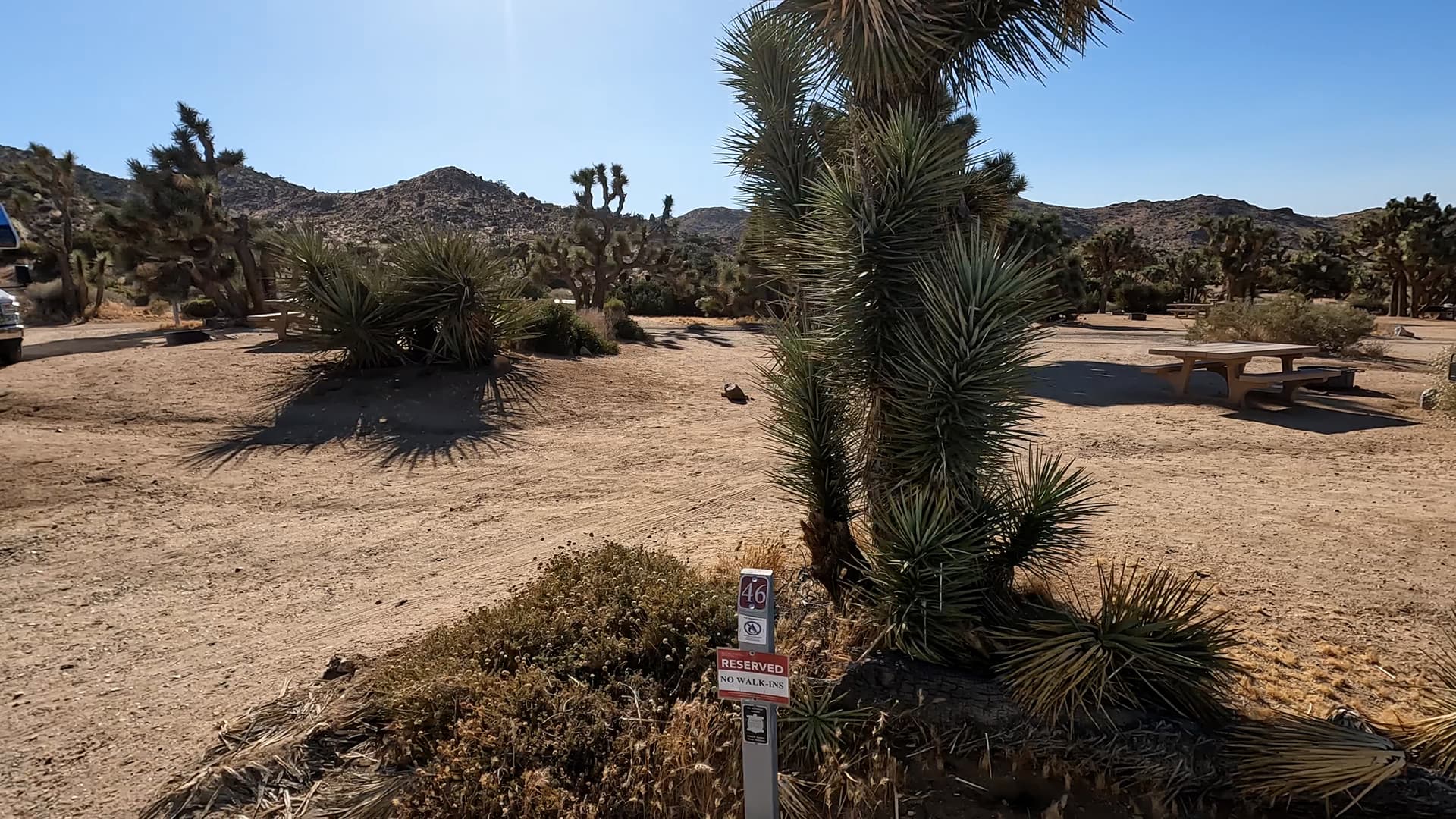
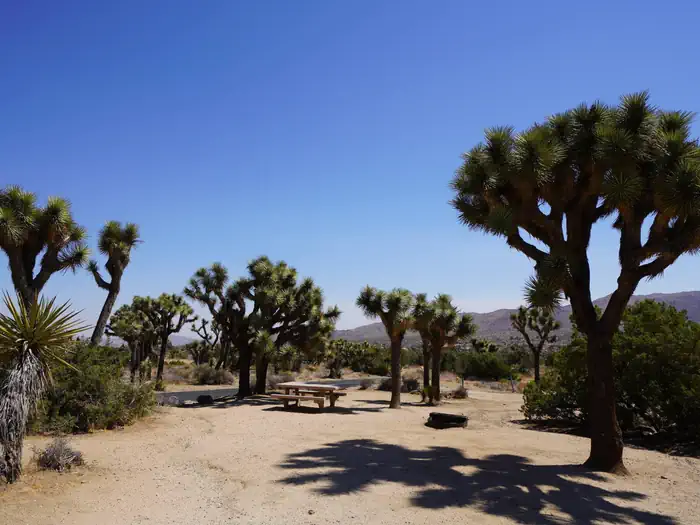
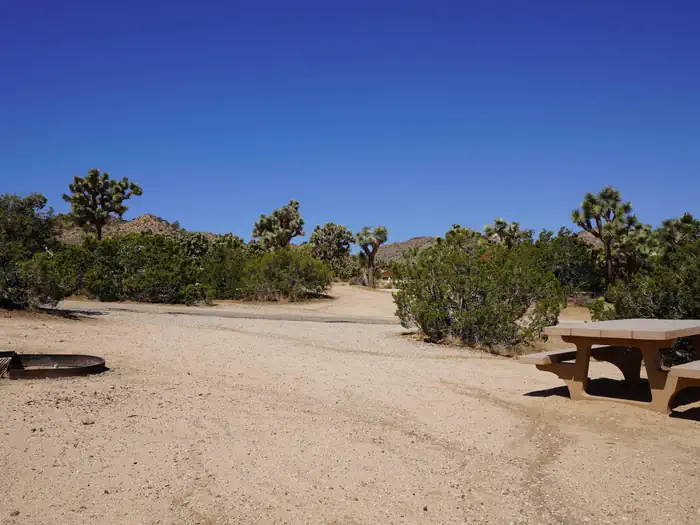
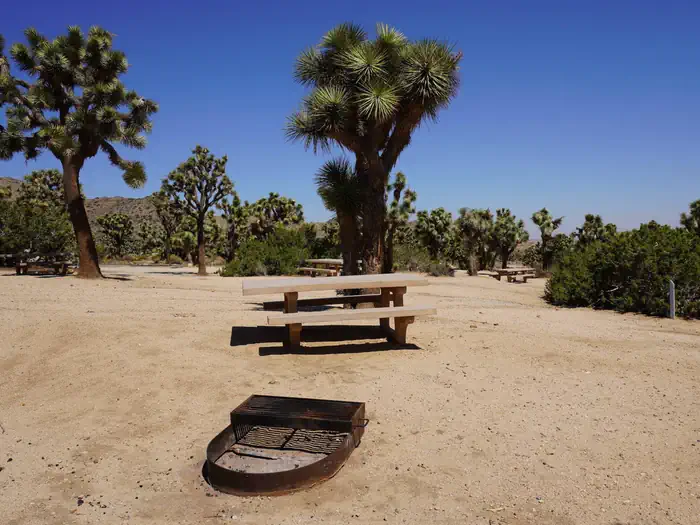
Black Rock Campground sits in one of the most botanically rich corners of Joshua Tree National Park, known for its dense stands of Joshua trees, high-desert views, and excellent stargazing. Located on the park’s northwest edge near the community of Yucca Valley, it offers a quieter and more elevated experience than the central campgrounds while still providing easy access to trails, visitor services, and scenic overlooks.

Location & Setting

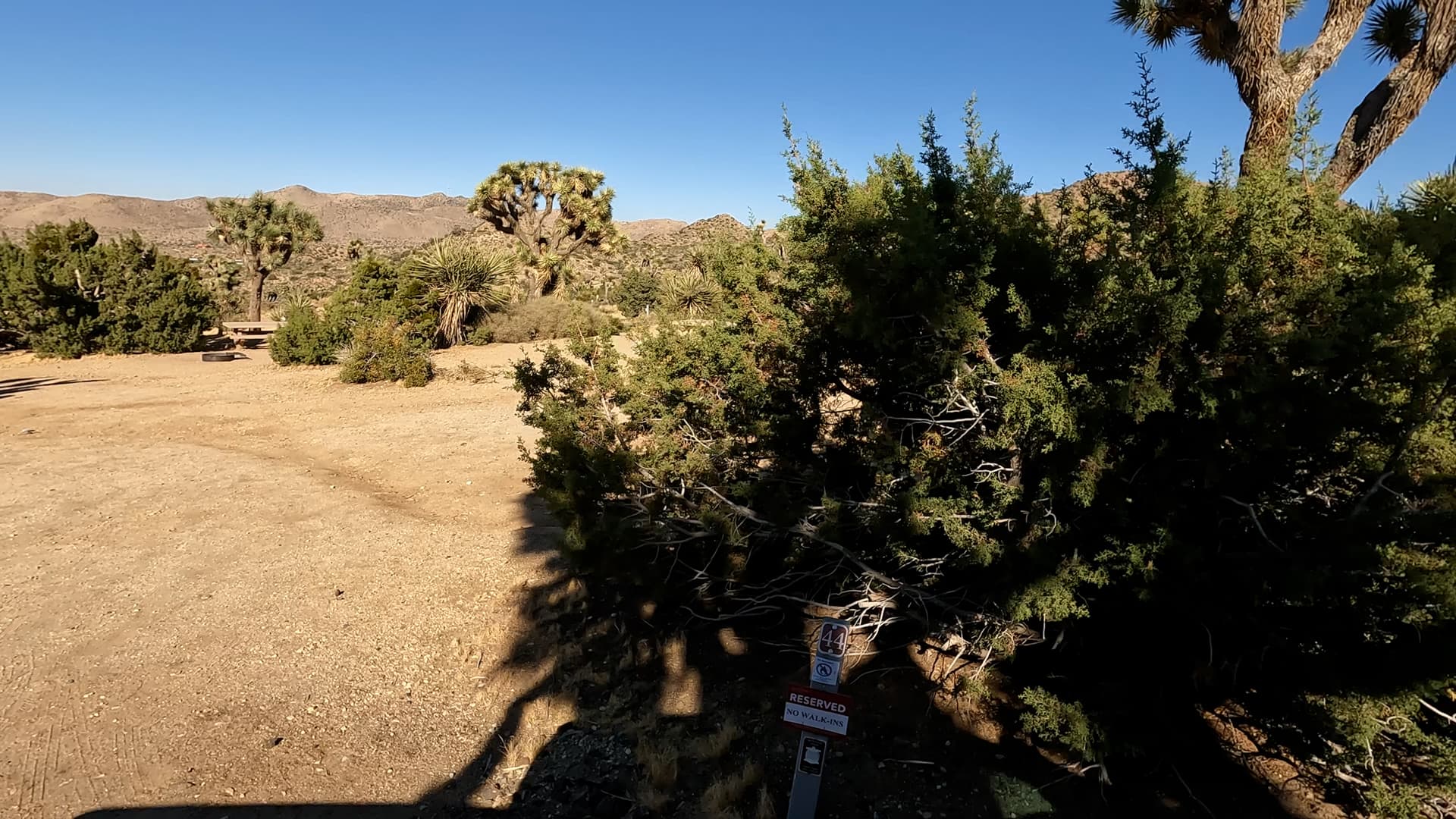
The campground lies at the northern boundary of Joshua Tree National Park, accessed directly from Joshua Lane on the outskirts of Yucca Valley. Sitting at roughly 4,000 feet in elevation, Black Rock enjoys cooler temperatures and lush Joshua tree forests that feel more concentrated here than in many other parts of the park. The surrounding hills, open desert, and nearby washes make the area especially scenic at sunrise and sunset, with distant mountain views and excellent night-sky conditions.

Campground Overview

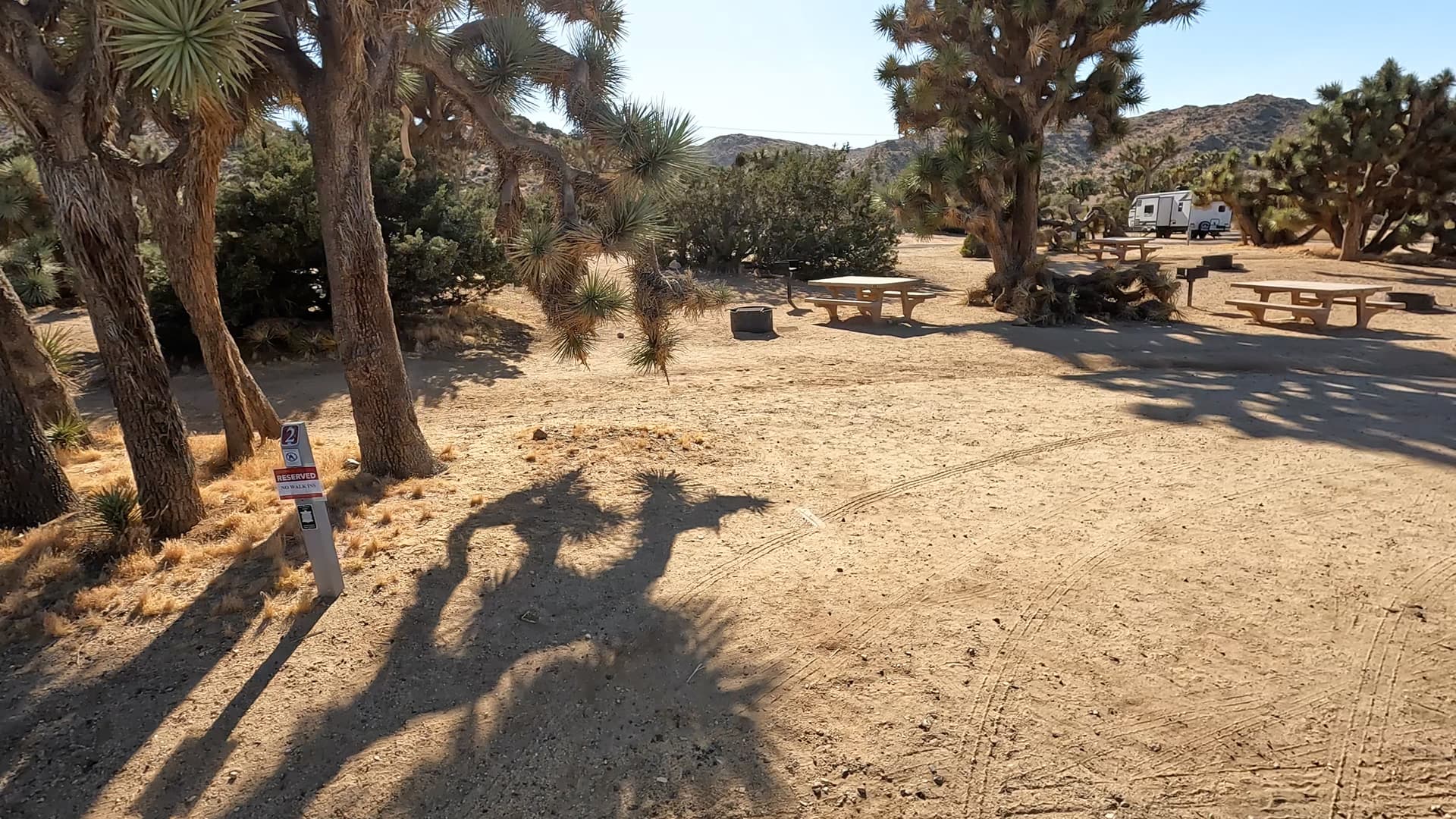
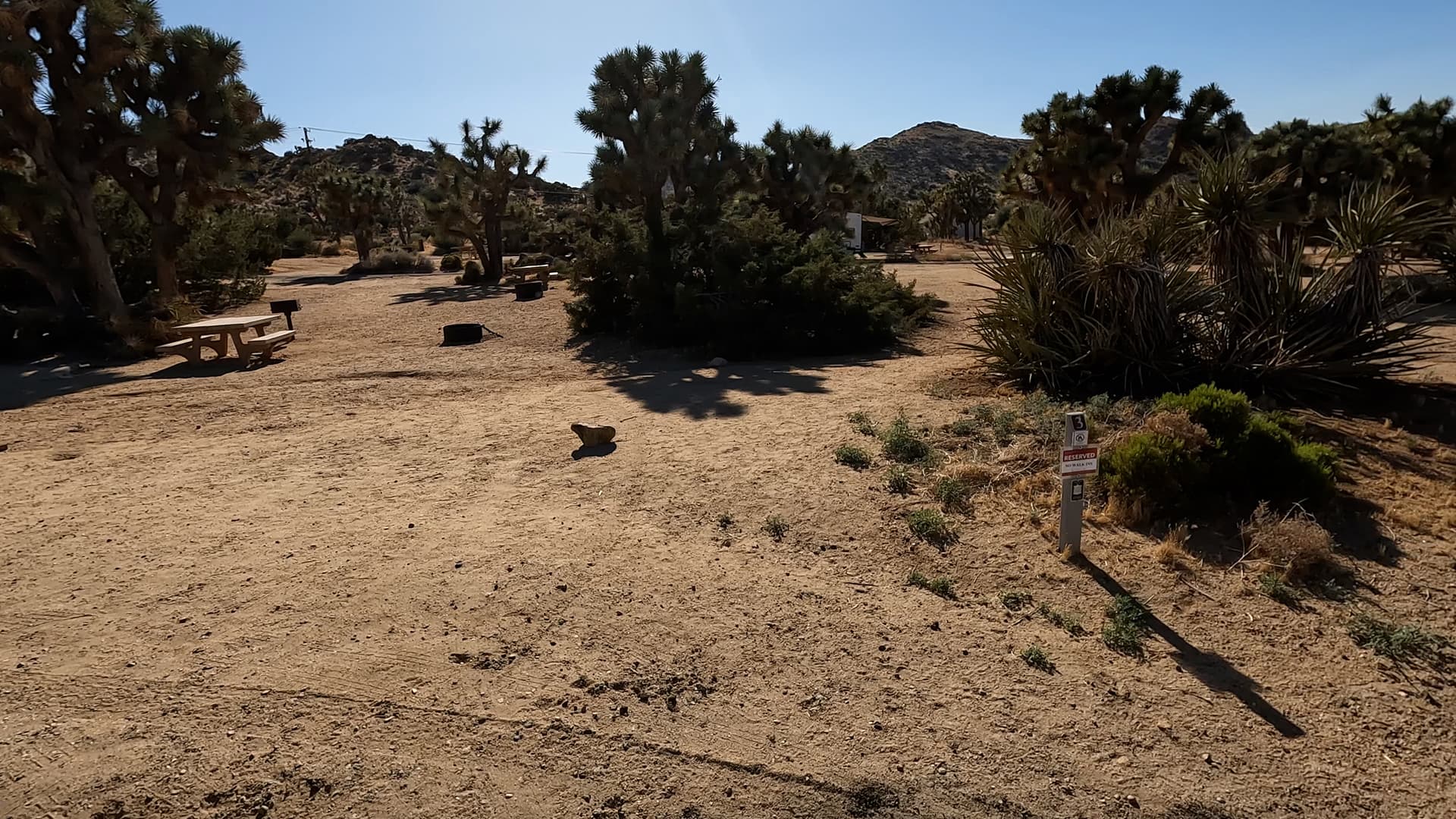
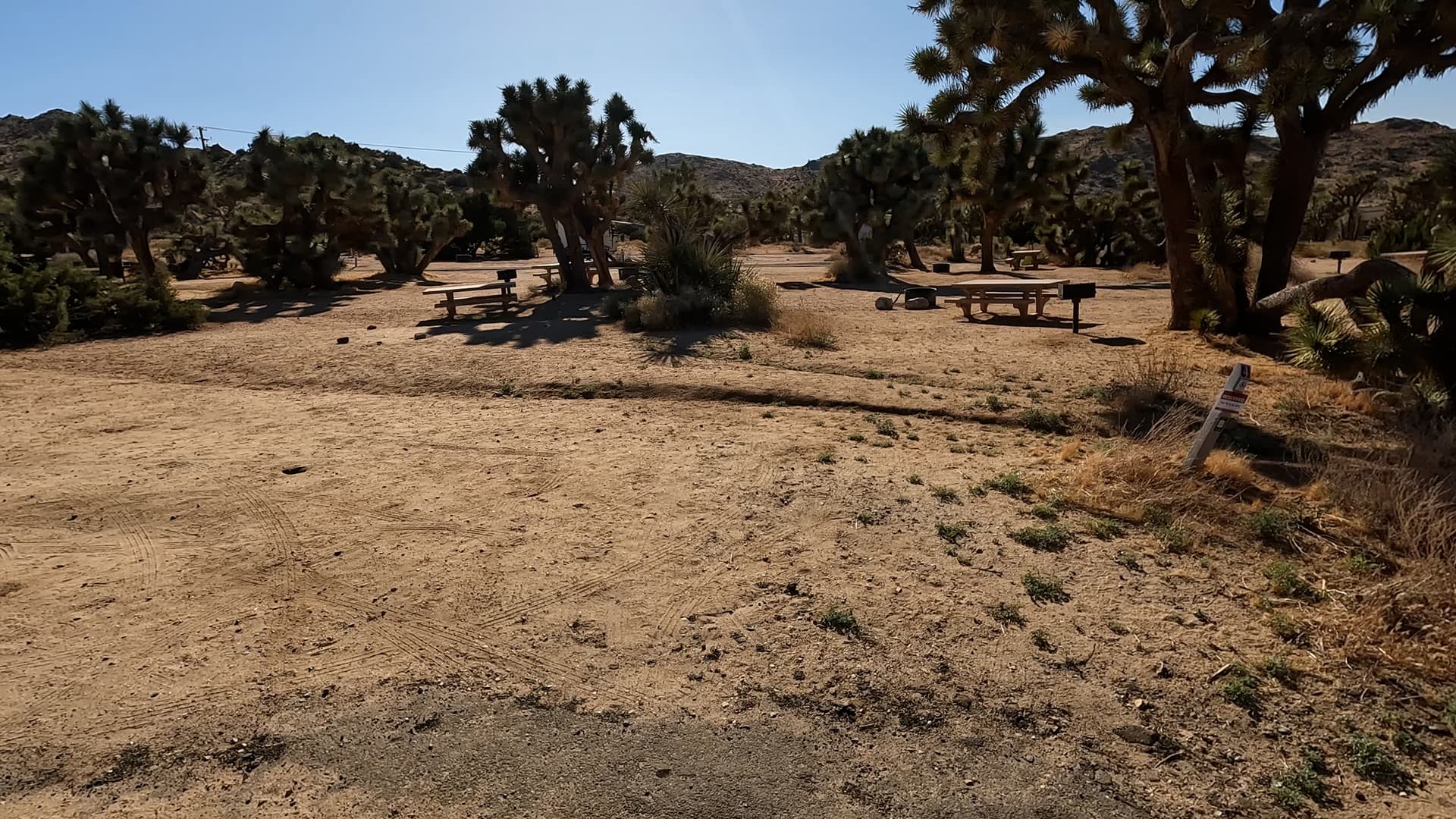
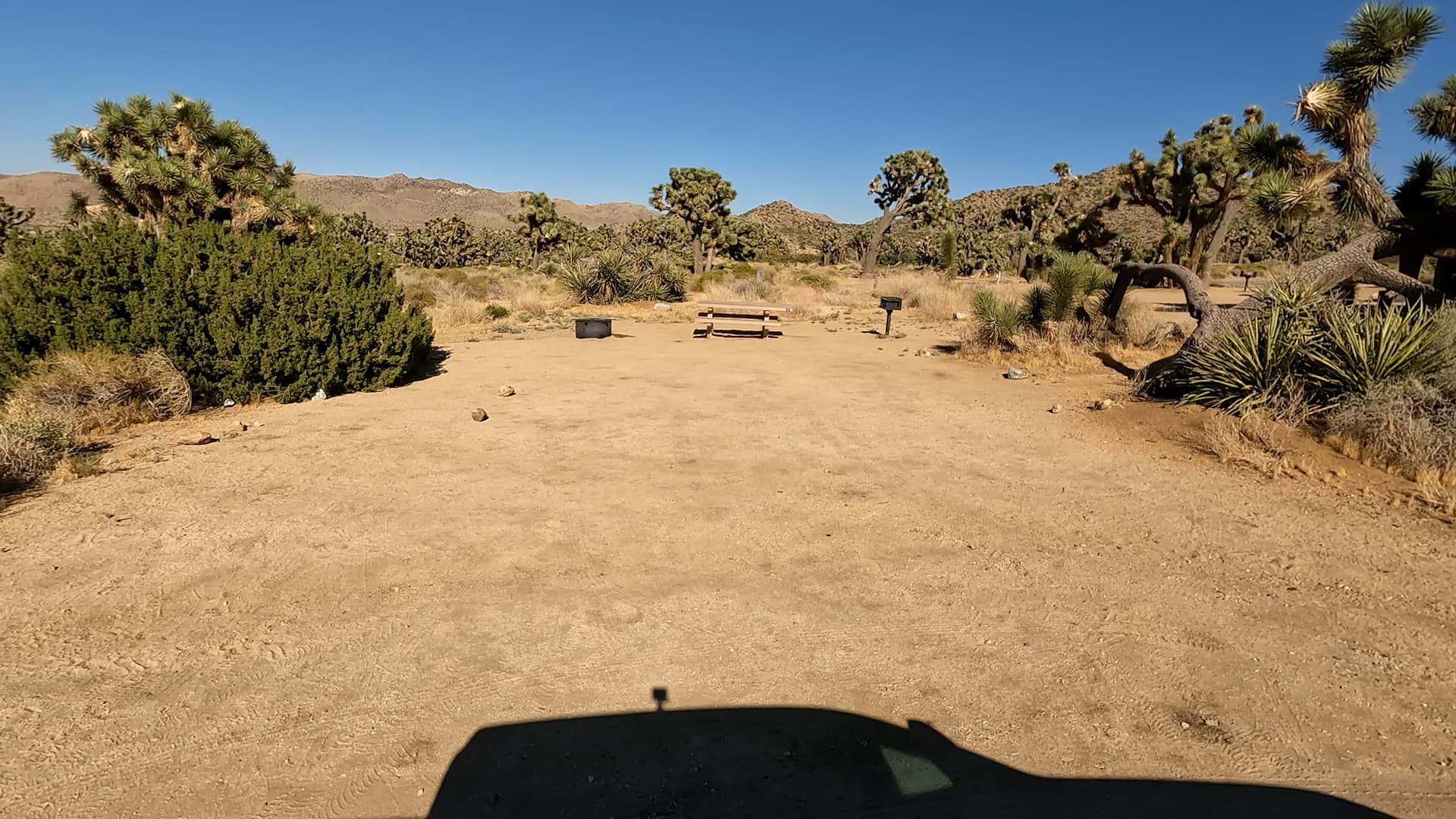
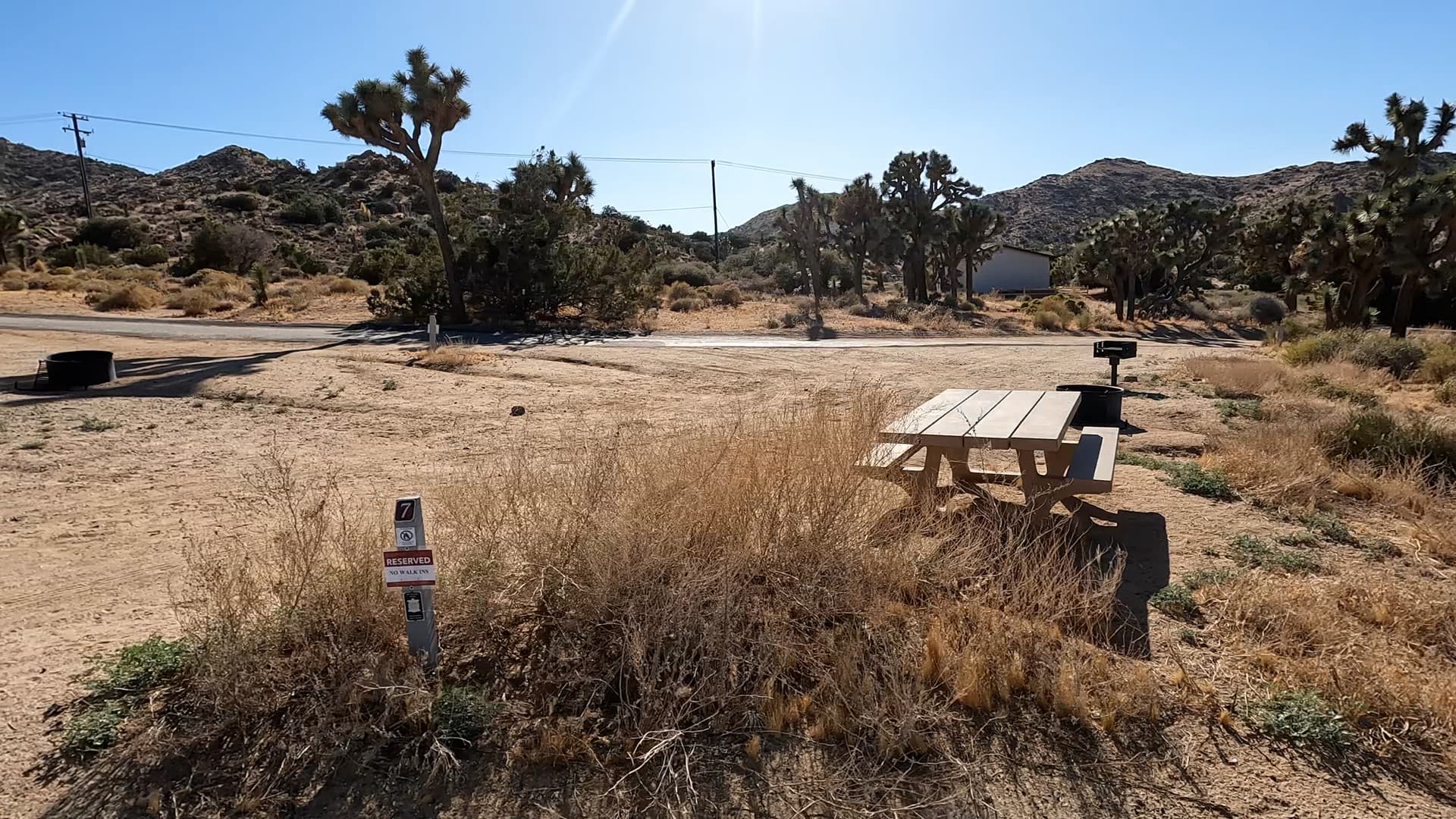
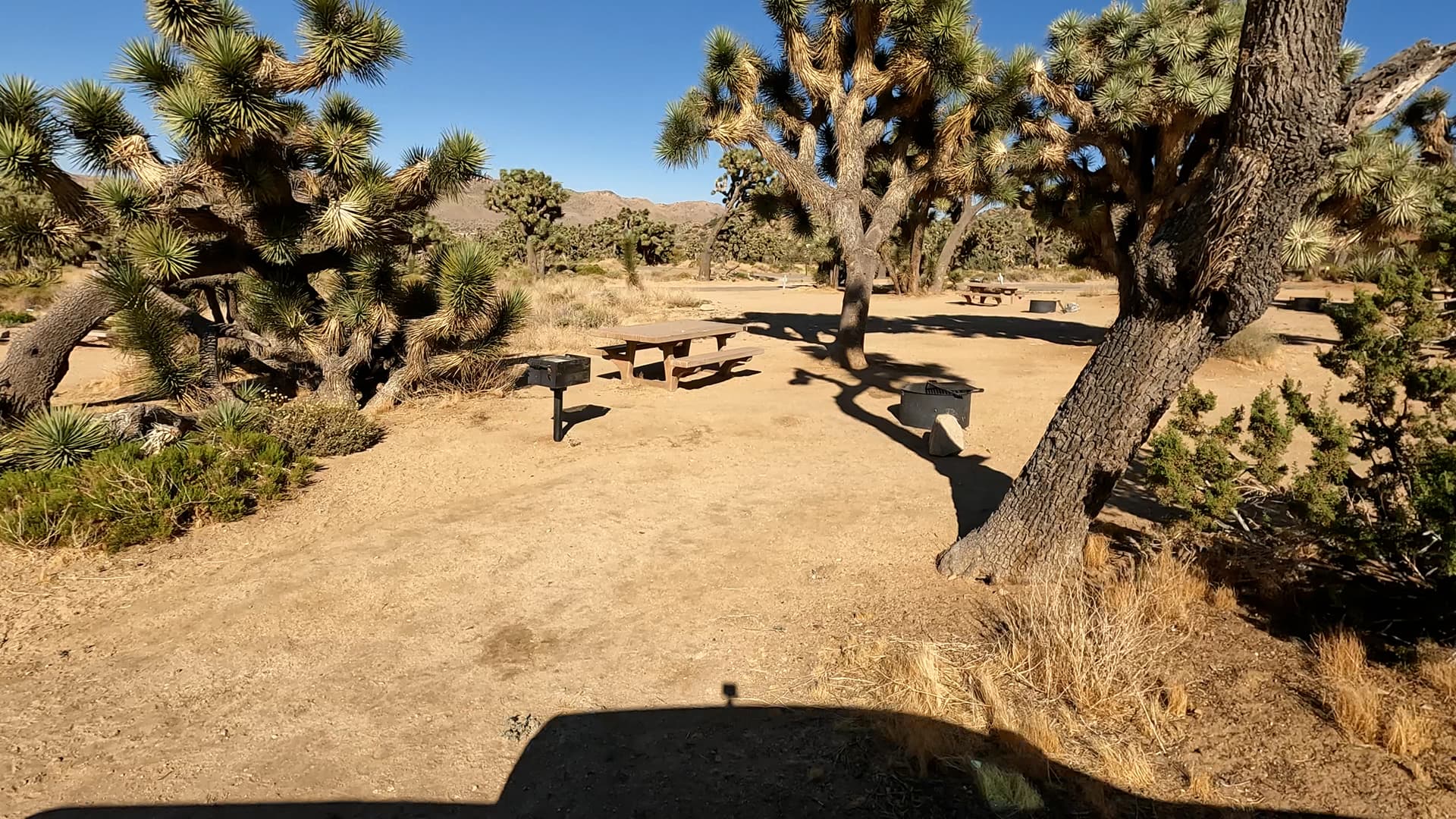
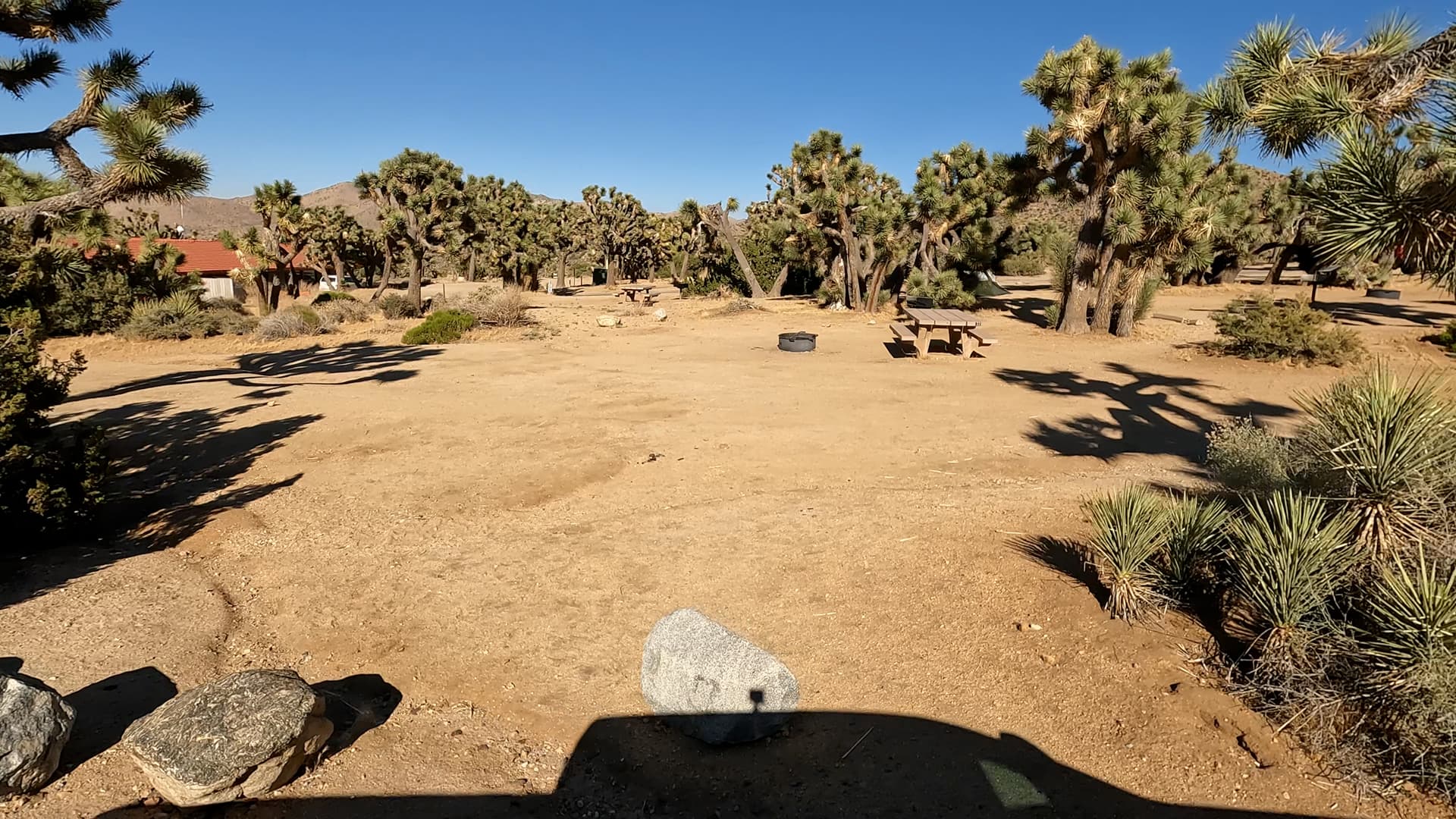
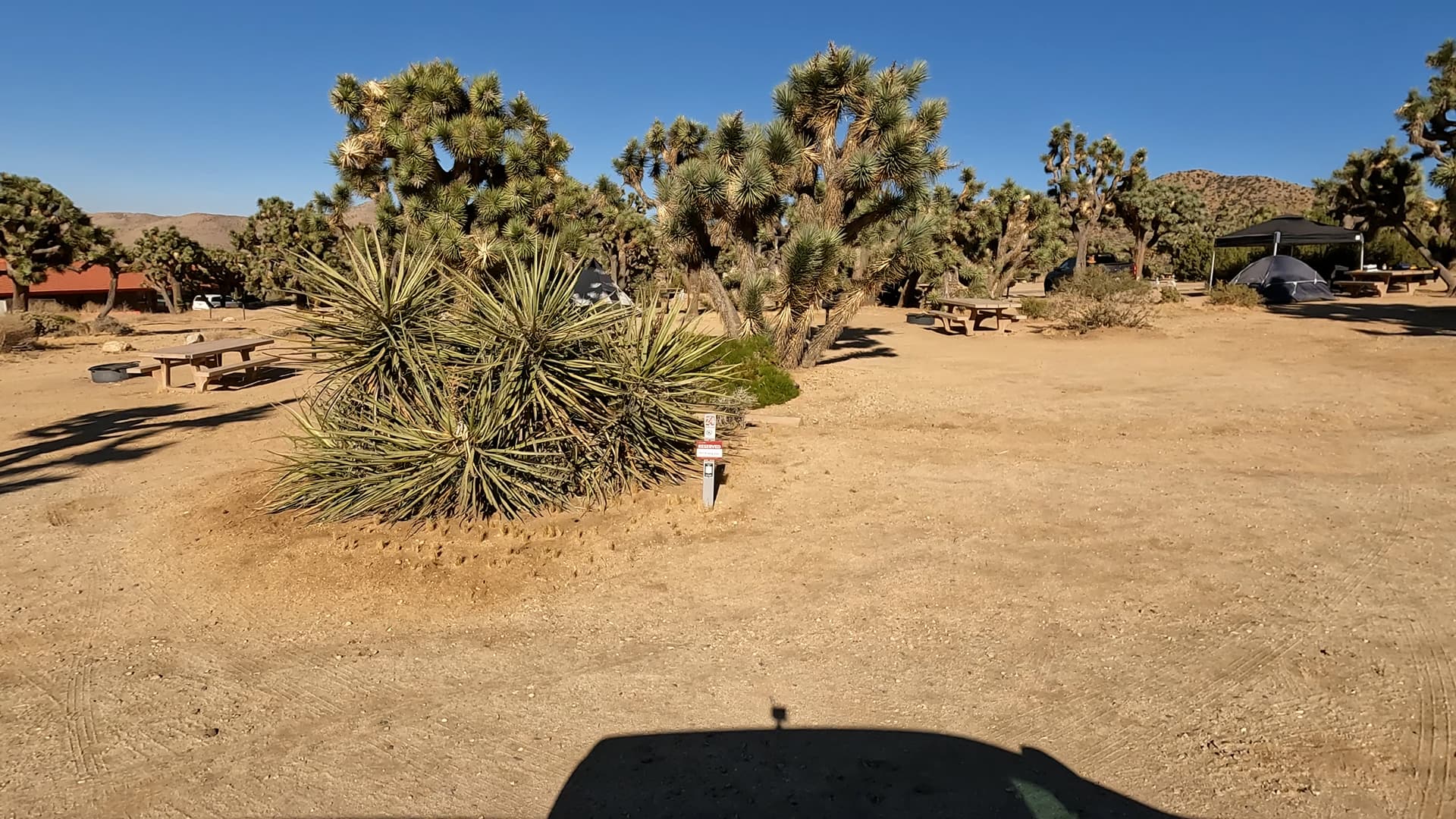
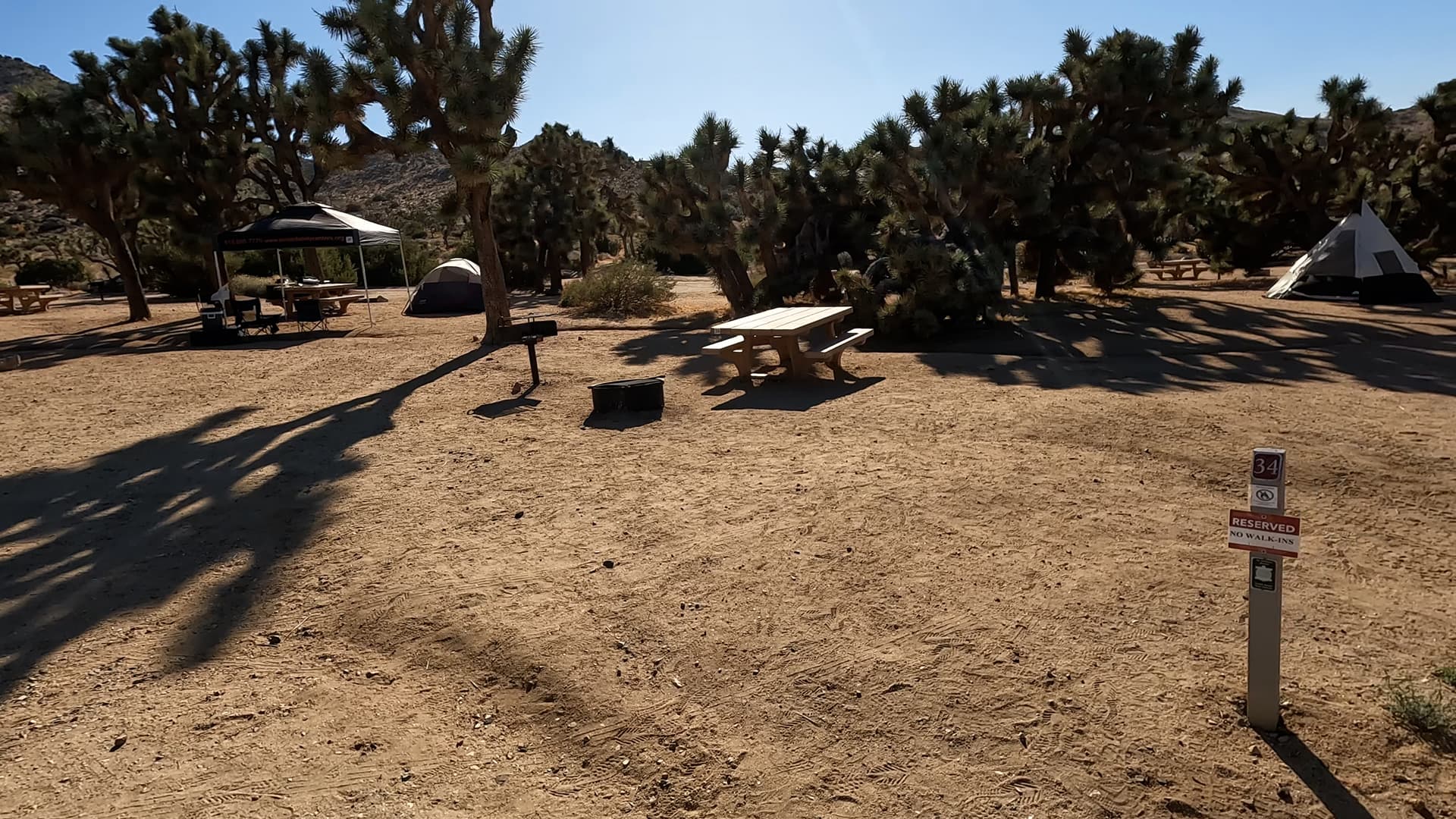
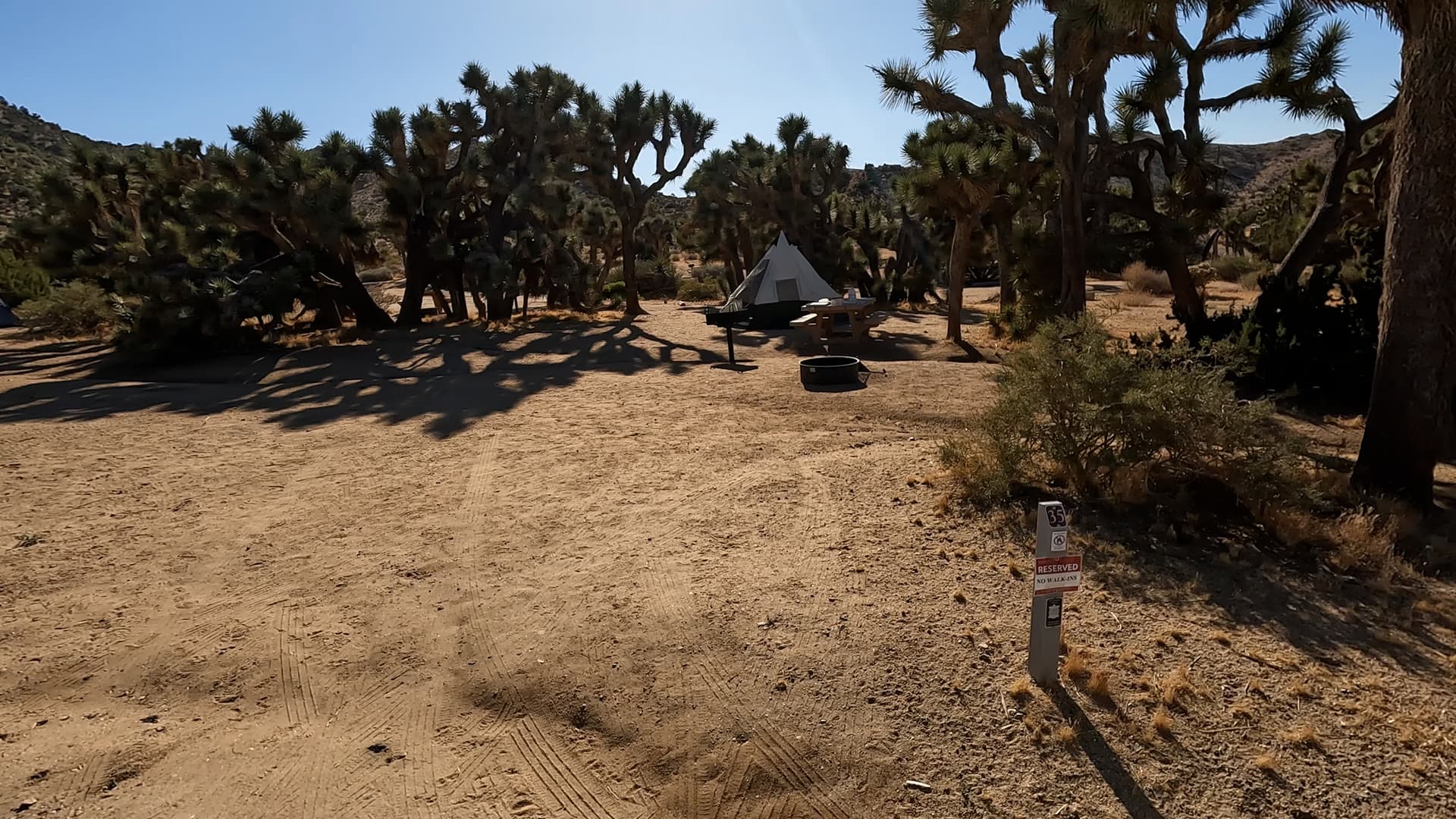
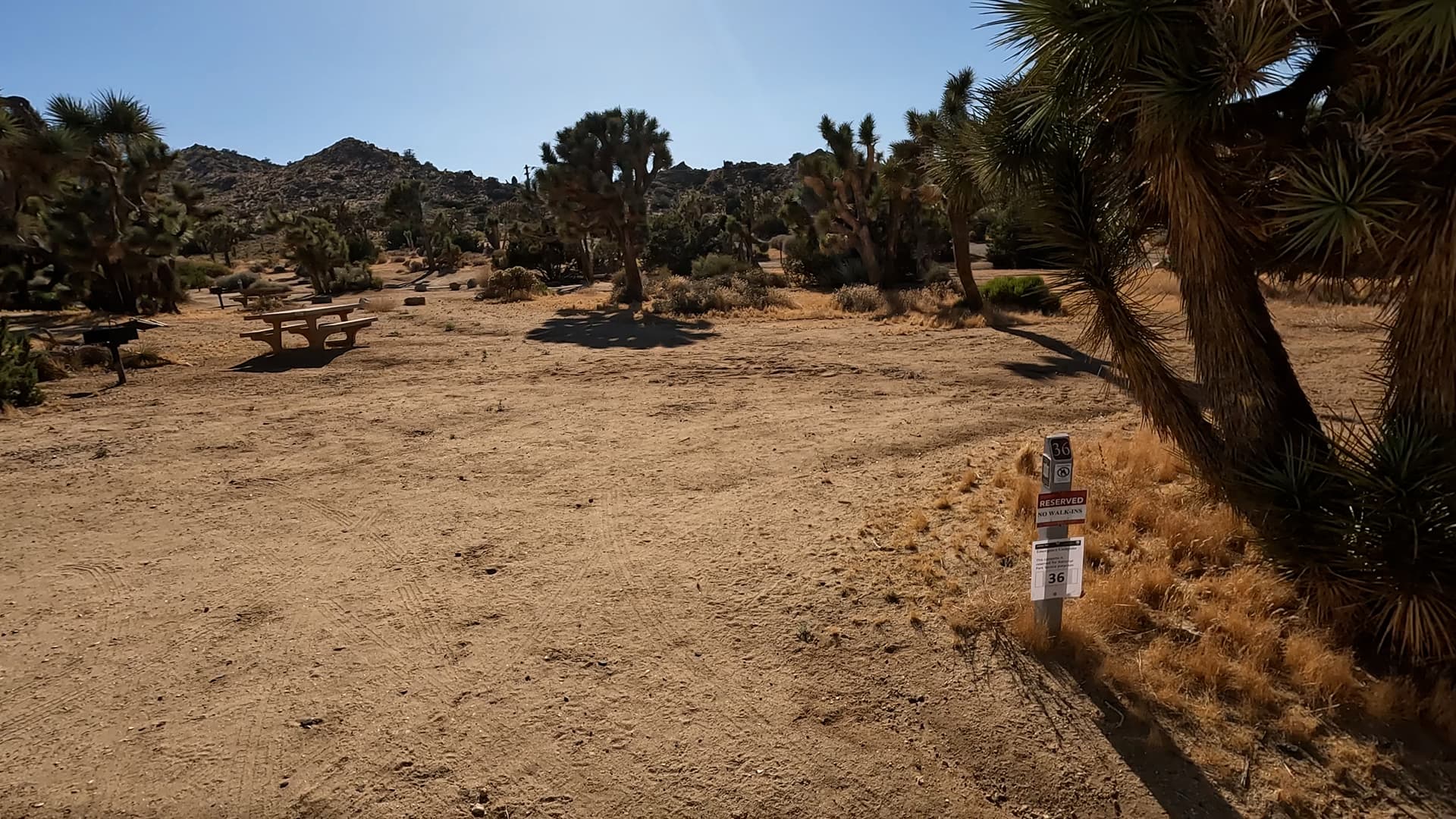
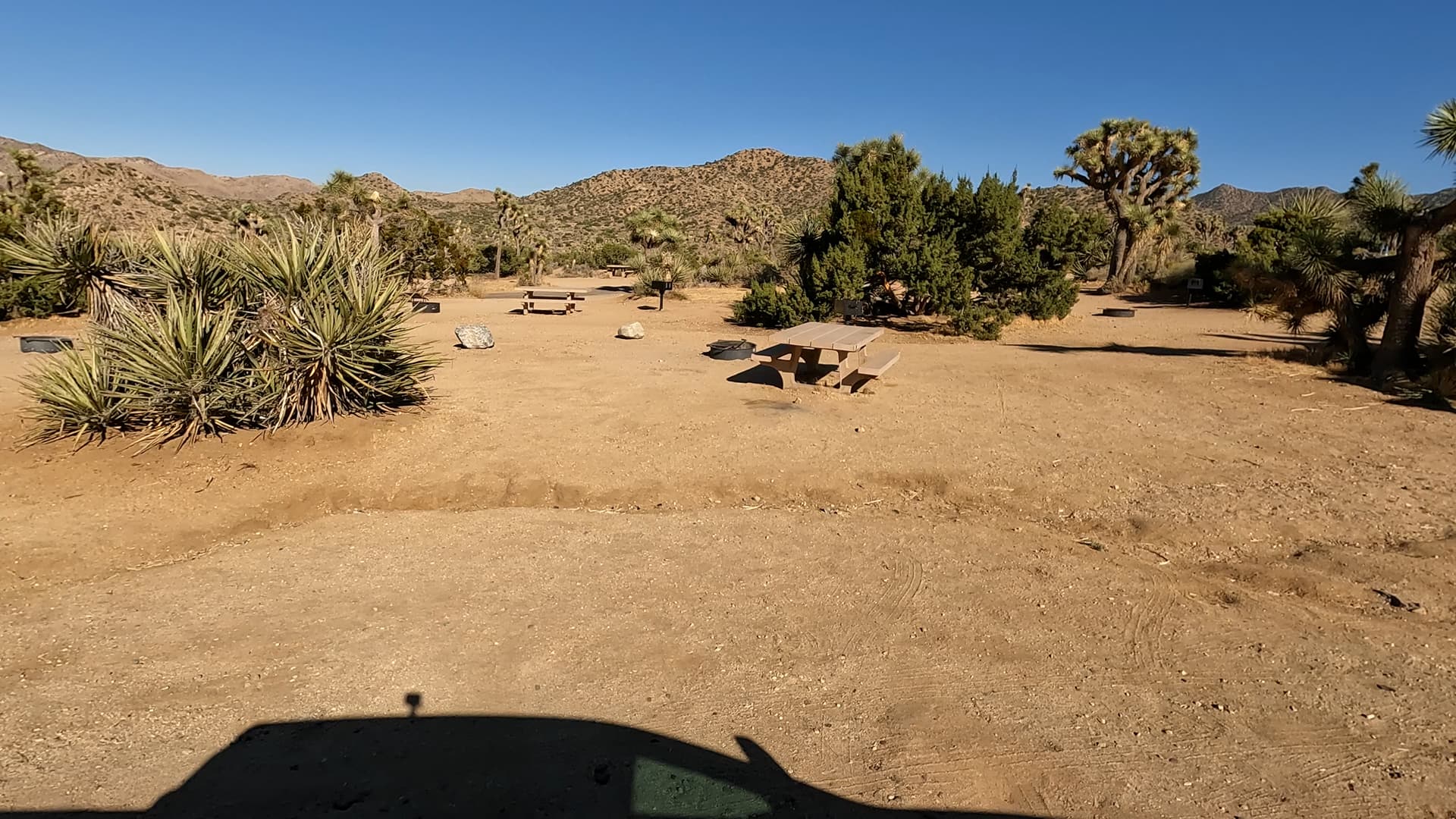
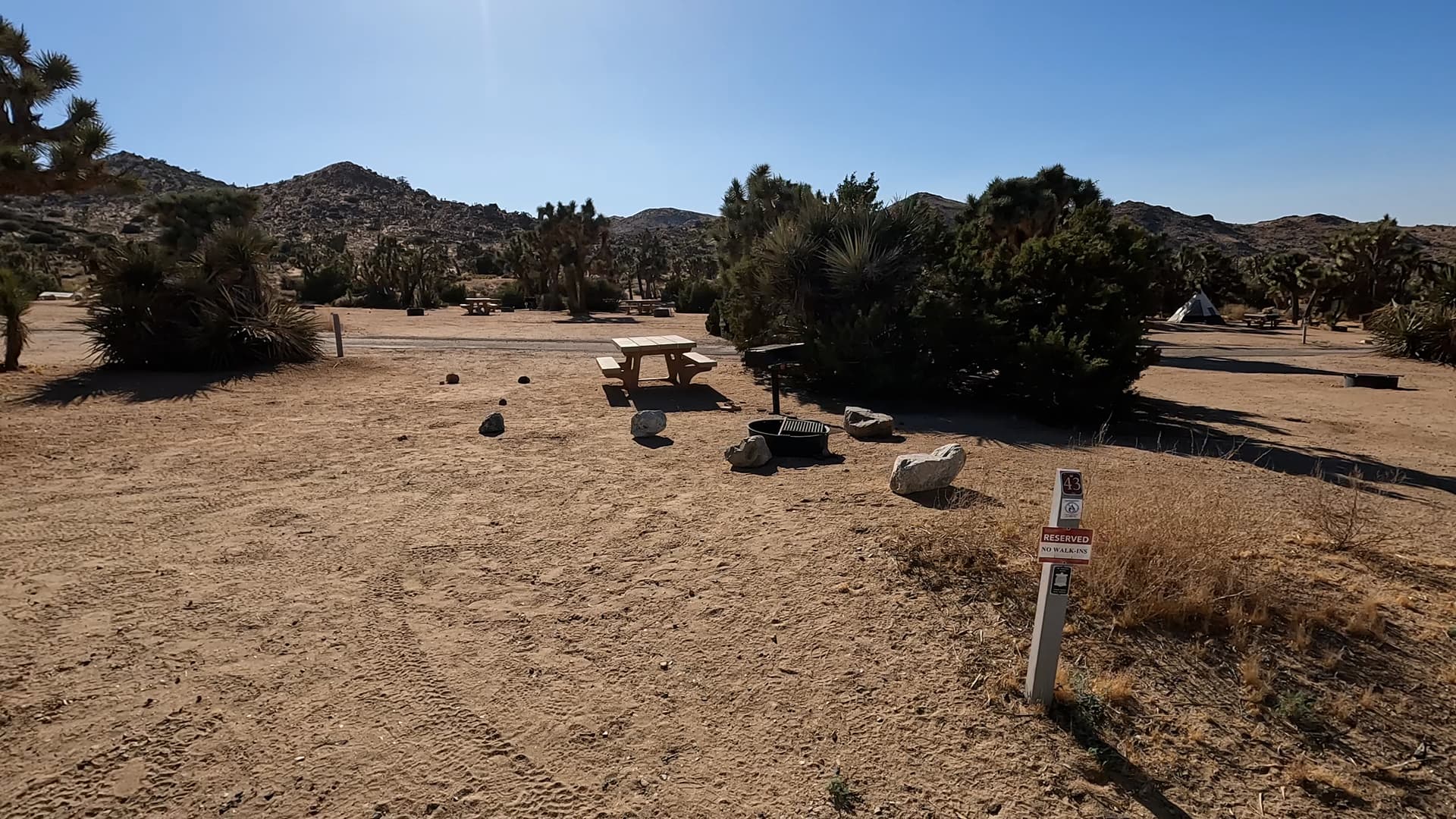
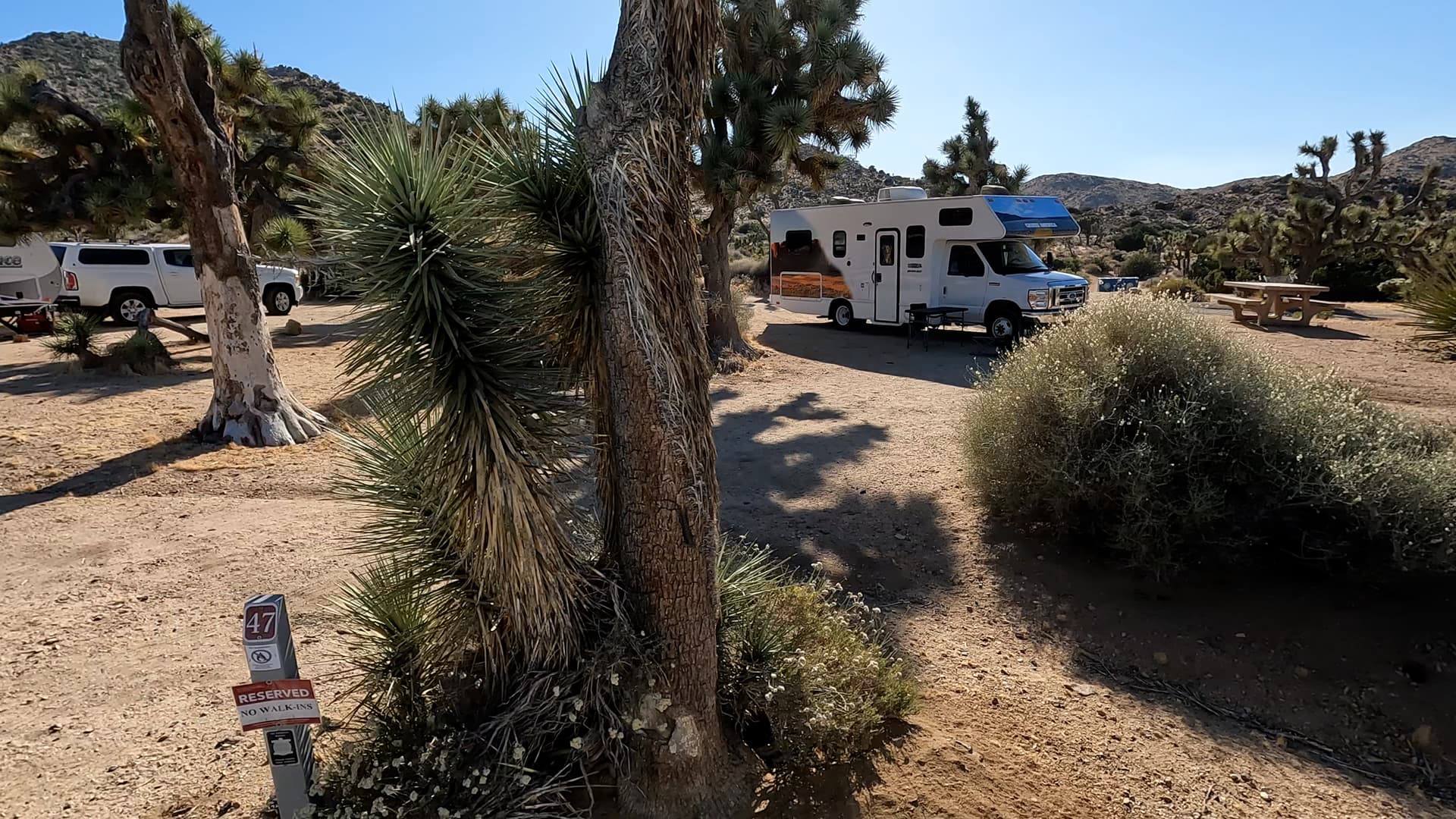
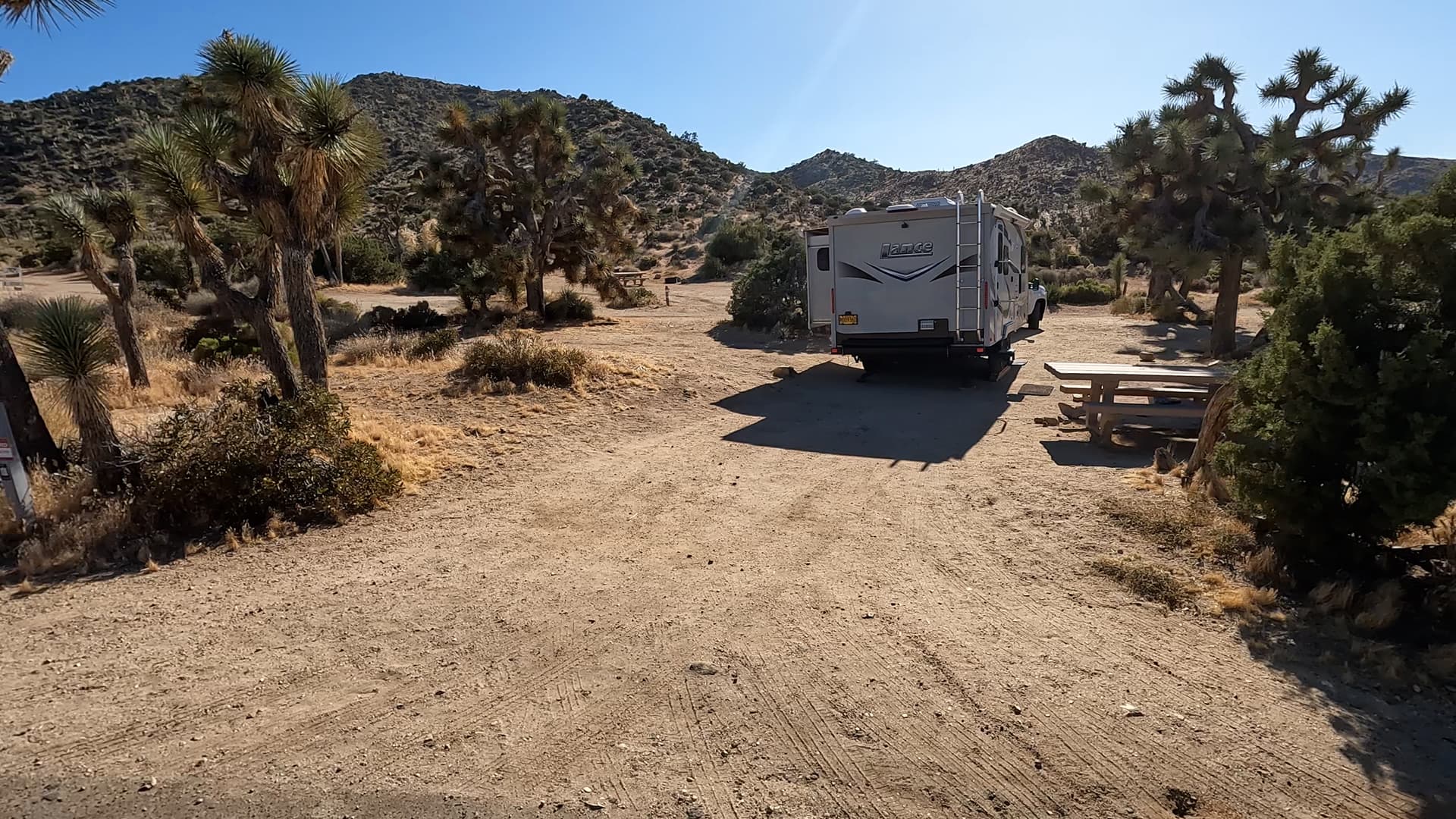
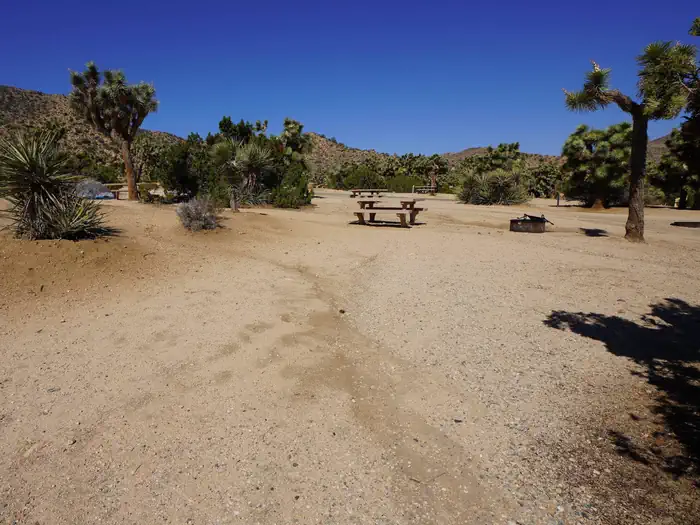
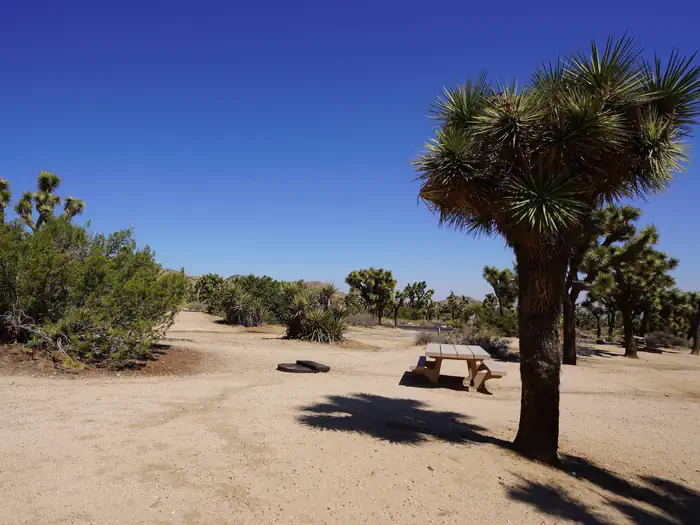
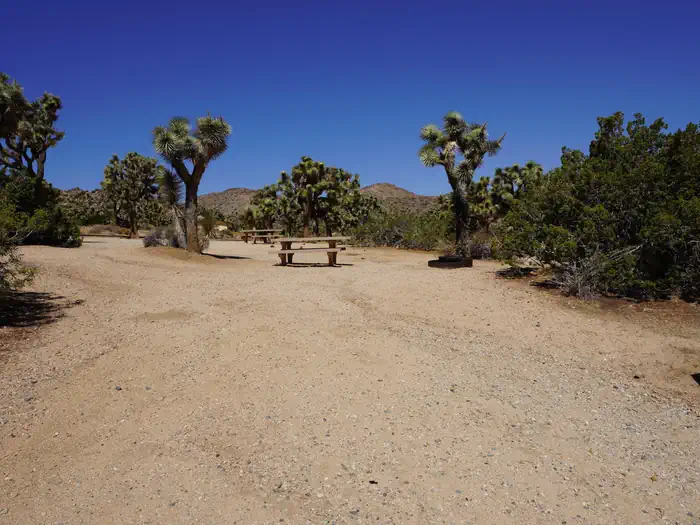
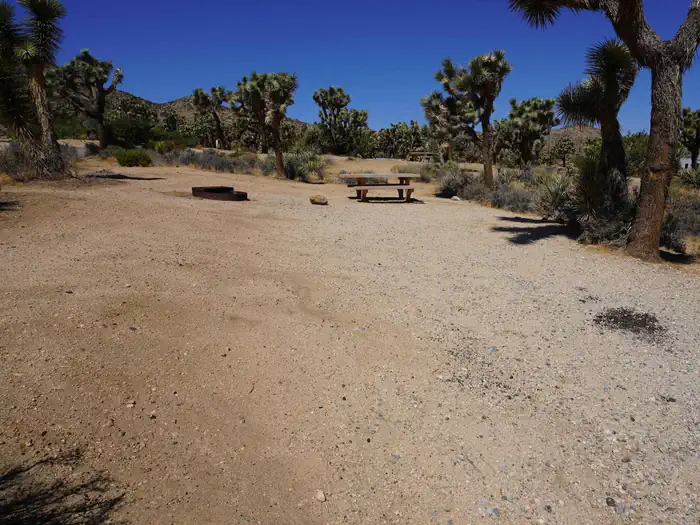
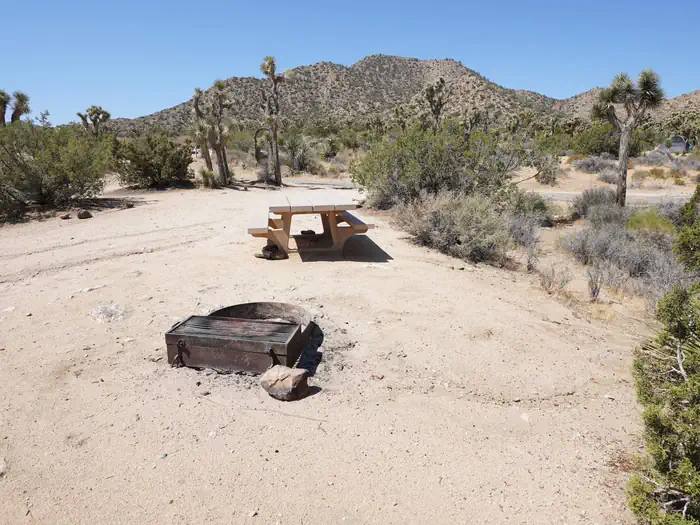
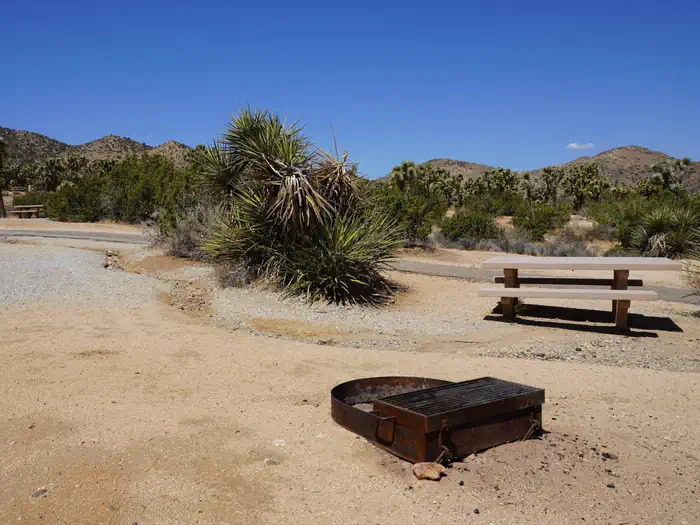
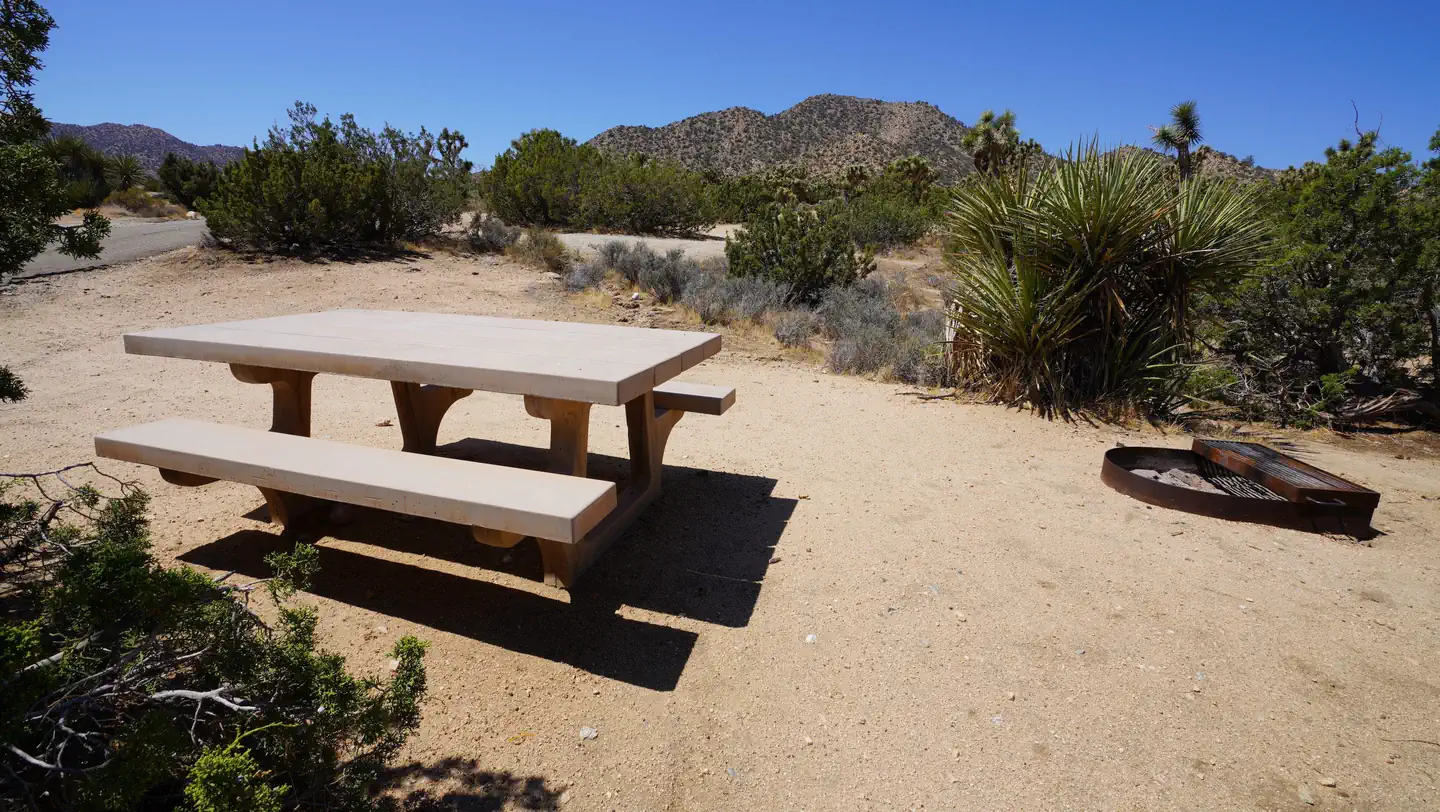
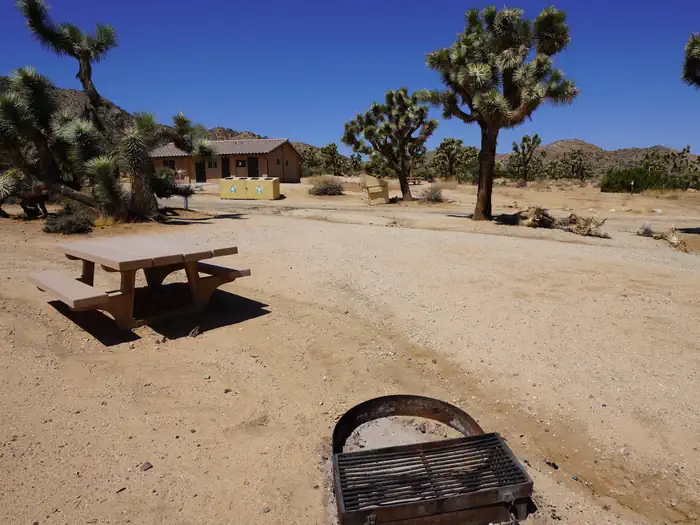
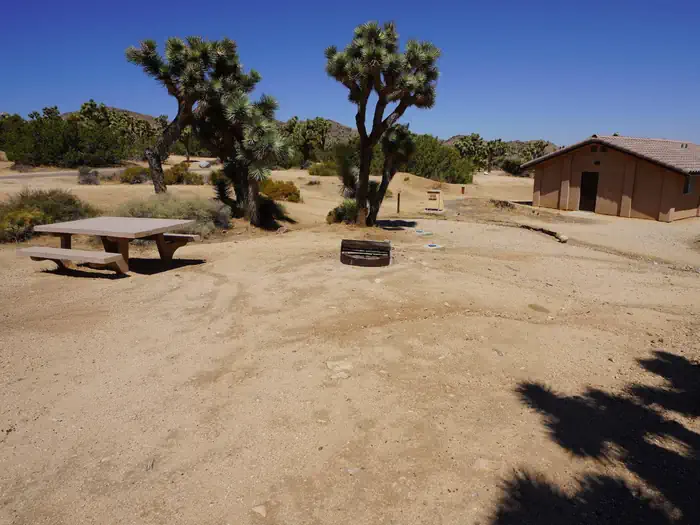
Black Rock Campground features over 90 sites suitable for tents, trailers, and mid-sized RVs. Campsites are arranged in loops tucked among Joshua trees and desert shrubs, offering a surprising amount of shade and privacy for a desert environment. Because Black Rock is located near park boundaries, it provides easy access for visitors arriving from town while still delivering a peaceful, natural setting once inside the campground loops. It is also one of the only campgrounds in the park with a staffed ranger station nearby.

Amenities

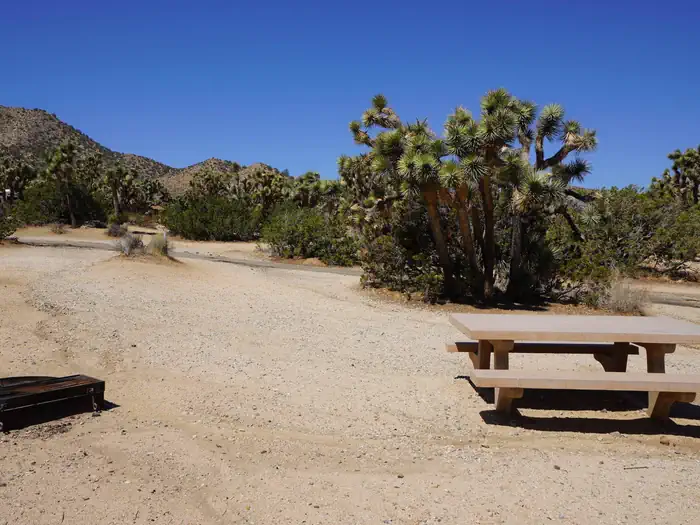
Campsites include picnic tables, fire rings, and nearby access to restrooms with flush toilets and potable water—amenities not found at all Joshua Tree campgrounds. A dump station is available seasonally, and the adjacent ranger station provides maps, trail information, and campground check-in services. There are no showers or electrical hookups, so RV travelers should plan accordingly. The relative comfort and accessibility of Black Rock make it one of the more family-friendly options in the park.

Activities & Nearby Trails

Black Rock is a fantastic hub for hiking, stargazing, and wildlife viewing. Trailheads begin directly from the campground, including the popular Panorama Loop, which offers sweeping high-desert views, and the Black Rock Canyon Trail, known for its mix of Joshua tree forest and rugged canyon terrain. Birdwatching is excellent in this region, with scrub jays, cactus wrens, and migratory species commonly spotted. The campground’s distance from intense park traffic also makes it a premium spot for dark-sky photography and quiet nighttime landscapes.

Because Black Rock sits close to Yucca Valley, campers also have quick access to groceries, fuel, dining, and town services—making it an exceptionally convenient base for exploring both the park’s backcountry and its more developed southern reaches.

Summary

Black Rock Campground blends convenience, scenery, and unique desert ecology in one of Joshua Tree’s most beautiful locations. With dense Joshua tree stands, cooler high-desert air, direct access to excellent trails, and modern amenities like flush toilets and ranger services, it is a standout choice for campers seeking a quieter and more comfortable Joshua Tree experience. For hiking, stargazing, and immersion in the park’s namesake trees, Black Rock is an exceptional place to stay.

Nearby Campgrounds